IB PHYSICS DEFINITIONS
 Studied by 2 people
 Call Kai
 Learn
Learn Practice Test
 Spaced Repetition
 Match
Match Flashcards
 Knowt Play
1/12

There's no tags or description
Looks like no tags are added yet.
Name | Mastery | Learn | Test | Matching | Spaced | Call with Kai |
|---|
No analytics yet
Send a link to your students to track their progress
13 Terms
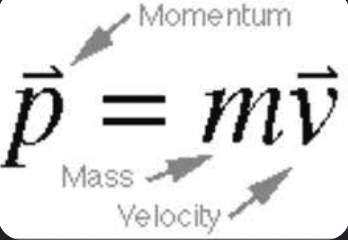
Momentum
The product of an object's mass and its velocity, representing the quantity of motion an object has. It is a vector quantity, having both magnitude and direction.
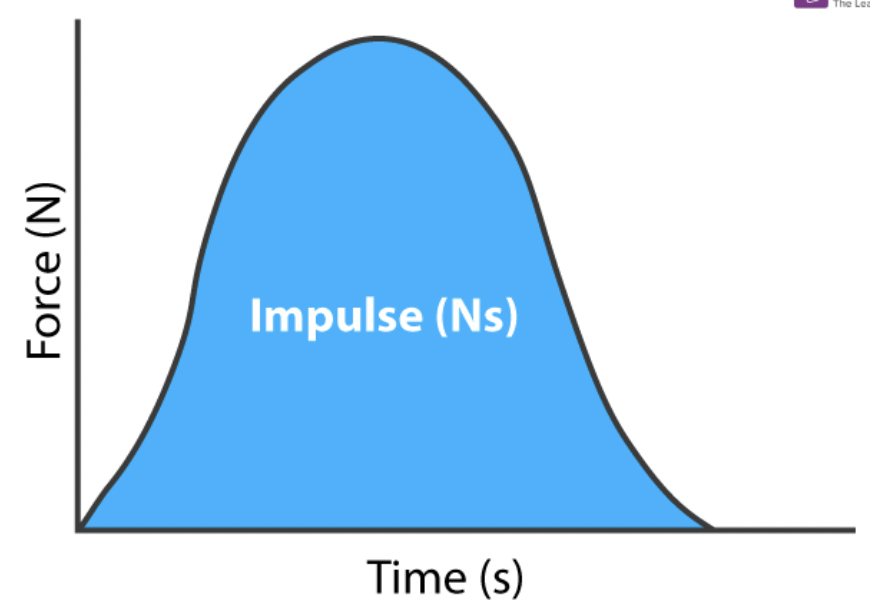
Impulse
The change in momentum of an object when a force is applied over a period of time, equal to the product of the average force and the time duration of its application.
Inertia
The property of an object to resist changes in its state of motion, dependent on its mass. It is a scalar quantity that reflects the object's tendency to remain at rest or in uniform motion.
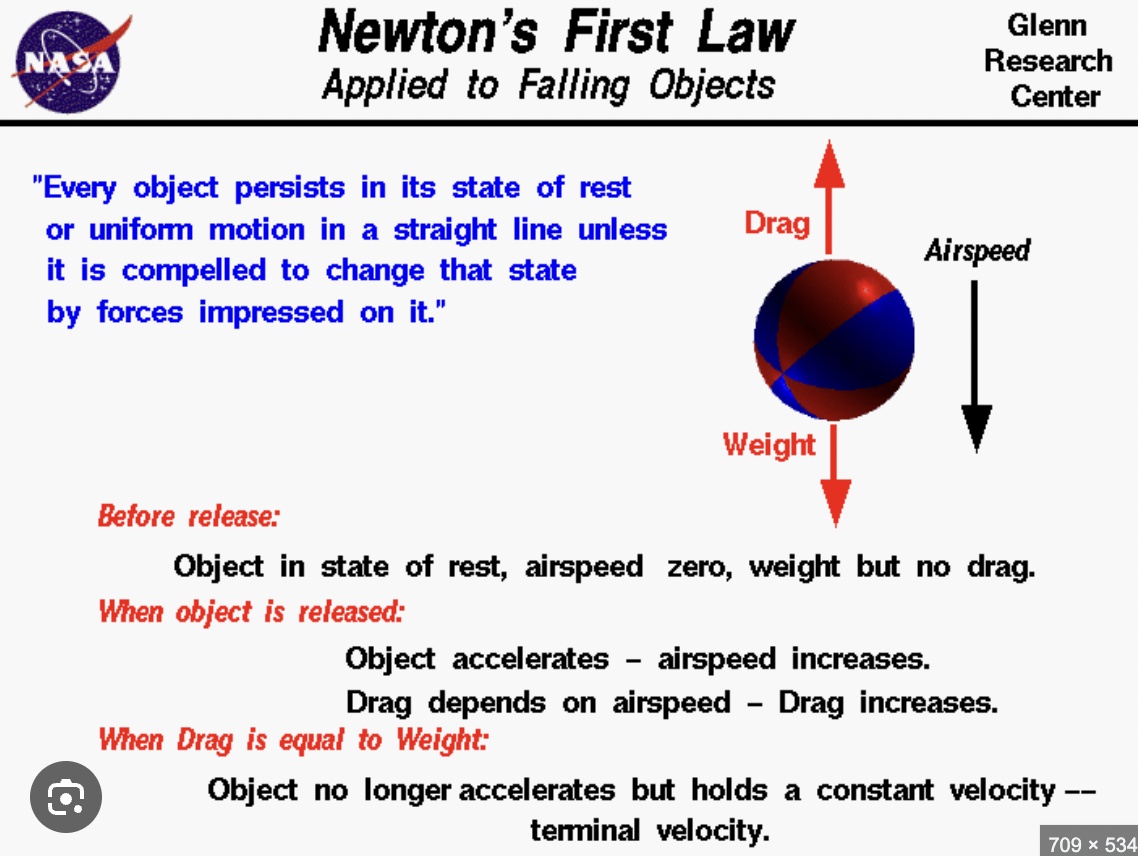
First law of Newton
An object at rest stays at rest, and an object in motion continues in motion with the same speed and in the same direction unless acted upon by a net external force.
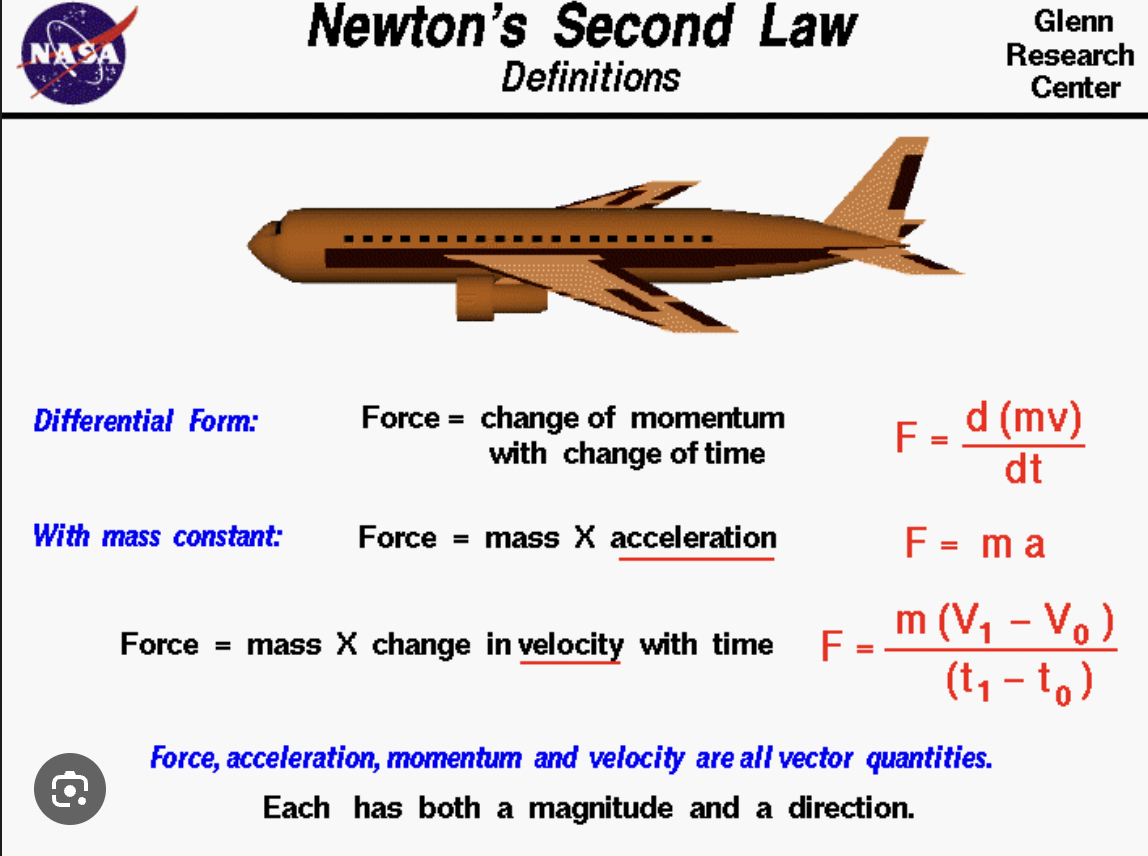
Second law of Newton
It states that the time rate of change of the momentum of a body is equal in both magnitude and direction to the force imposed on it.
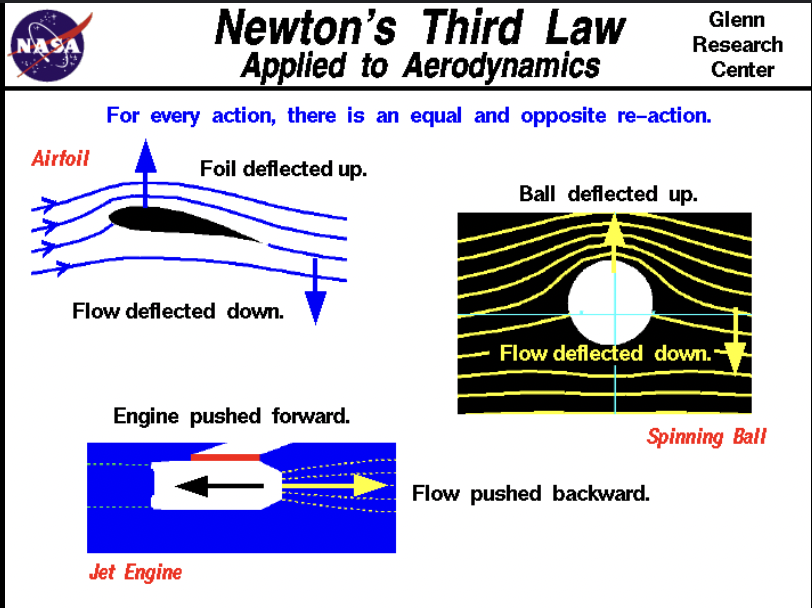
Third law of Newton
Whenever one object exerts a force on another object, the second object exerts an equal and opposite force on the first. This law emphasizes the interaction between two objects, illustrating that forces always occur in pairs.
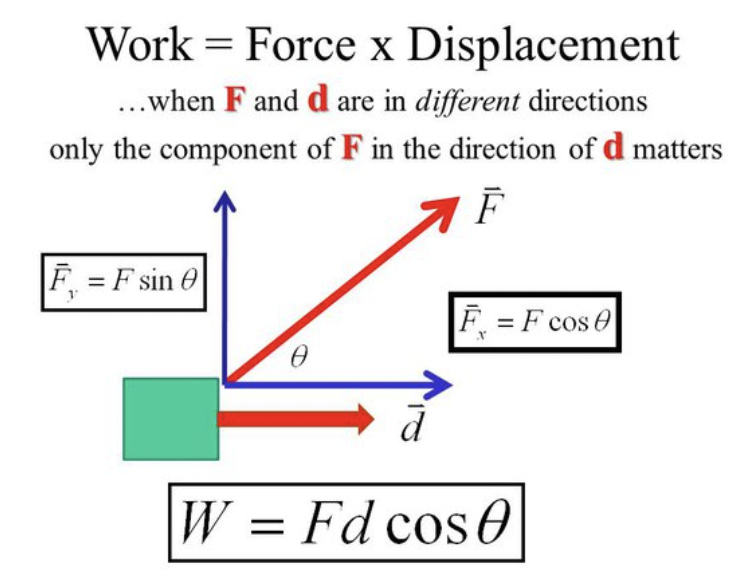
work
The transfer of energy through force applied over a distance, calculated as the product of force and displacement in the direction of the force. Work is done when a force causes displacement, and it is measured in joules.
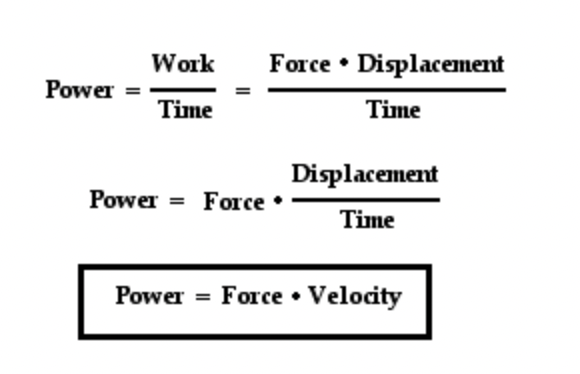
power
The rate at which work is done or energy is transferred, typically measured in watts.
law of momentum conservation
In a closed system (no external forces) the total momentum remains constant over time, meaning that the momentum lost by one object is equal to the momentum gained by another.
elastic collision
A type of collision in which both momentum and kinetic energy are conserved. In an elastic collision, objects bounce off each other without any loss of kinetic energy.
inelastic collision
A type of collision in which momentum is conserved, but kinetic energy is not. In an inelastic collision, objects may stick together or deform, resulting in a loss of kinetic energy.
explosion
A sudden release of energy that results in the rapid expansion of gases, causing an increase in momentum and often leading to fragmentation of the objects involved.
Work-Energy theorem
The principle stating that the work done on an object is equal to the change in its energy. This theorem connects the concepts of work and energy in mechanics.
 Note
Note  Flashcards (23)