Days 13 to 14 - OF Fragmentation and Florescence: Rival Artisitc Centers in the Lands of Islam I-II
 Studied by 0 people
 Call Kai
 Learn
Learn Practice Test
 Spaced Repetition
 Match
Match Flashcards
 Knowt Play
1/18

There's no tags or description
Looks like no tags are added yet.
Name | Mastery | Learn | Test | Matching | Spaced | Call with Kai |
|---|
No analytics yet
Send a link to your students to track their progress
19 Terms
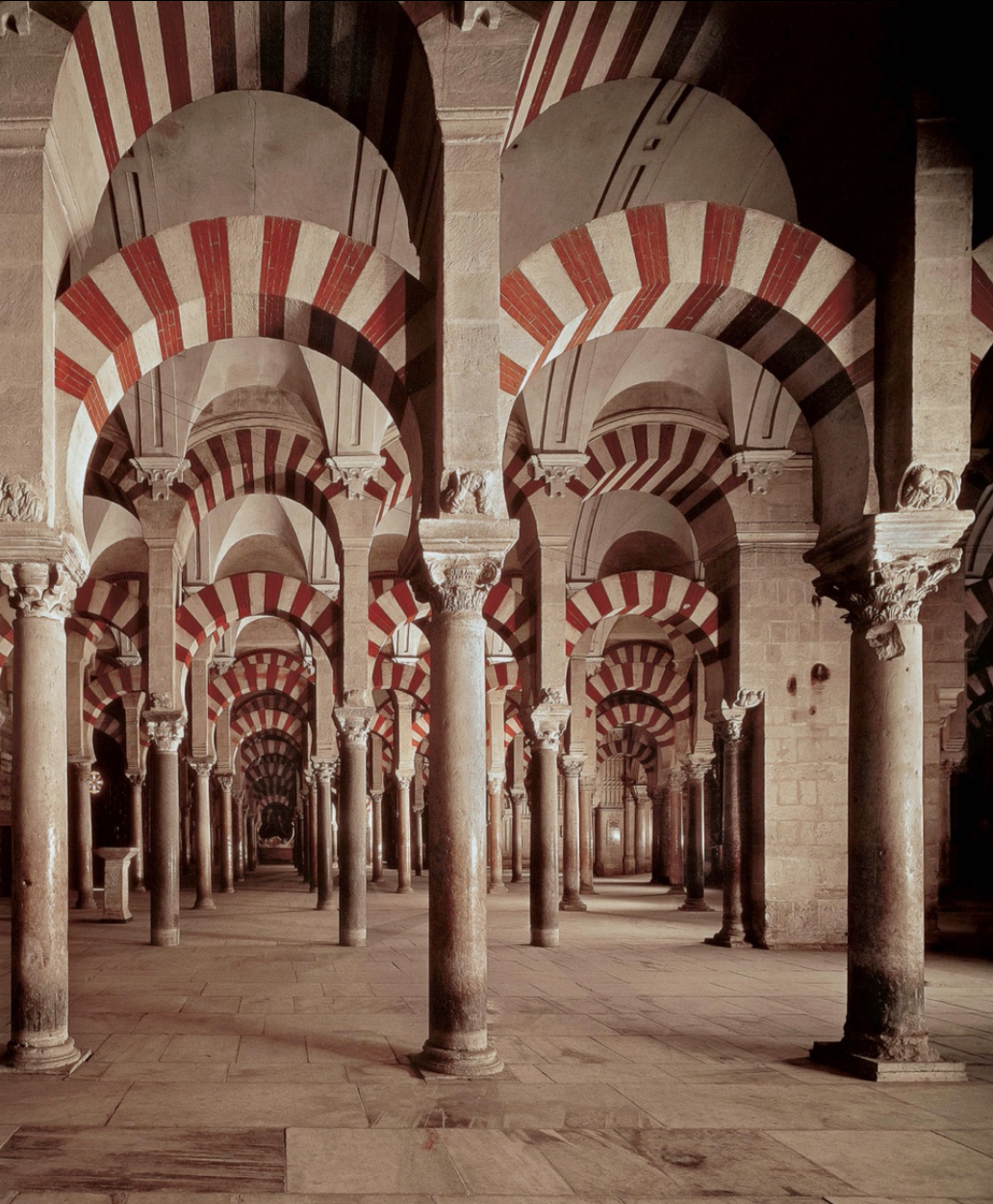
Great Mosque of Cordoba
artist unknown, 785-786 CE, stone, marble, brick, mosaics, horseshoe arches
masterpiece of early Islamic Spain blending Umayyad Syrian and Visigoth traditions
famous double-tiered red and white arches
mastics show strong Byzantine influence
symbol of Umayyad dynastic legitimacy after fleeing Abbasid rule
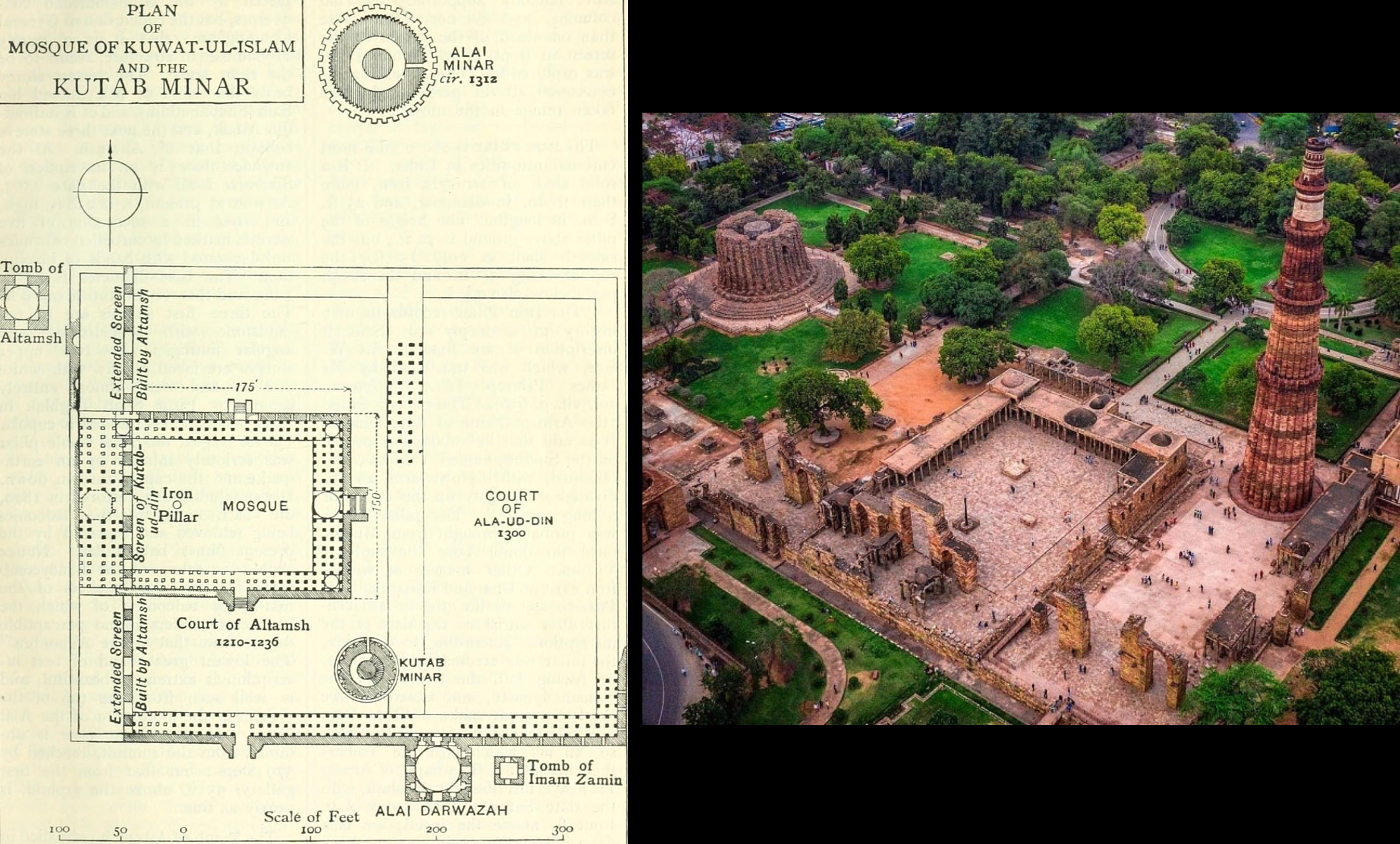
Qutb (Quwwat ul-Islam) Mosque and Minaret
artist unknown, 1192-1196 CE, sandstone and reused architecture
earliest major mosque in India after Ghurid conquest
built using spoliation from Hindu and Jain temples
Qutb Minar became a poro type for Indo-Islamic minarets
marks beginning of Delhi Sultanate architectural tradition
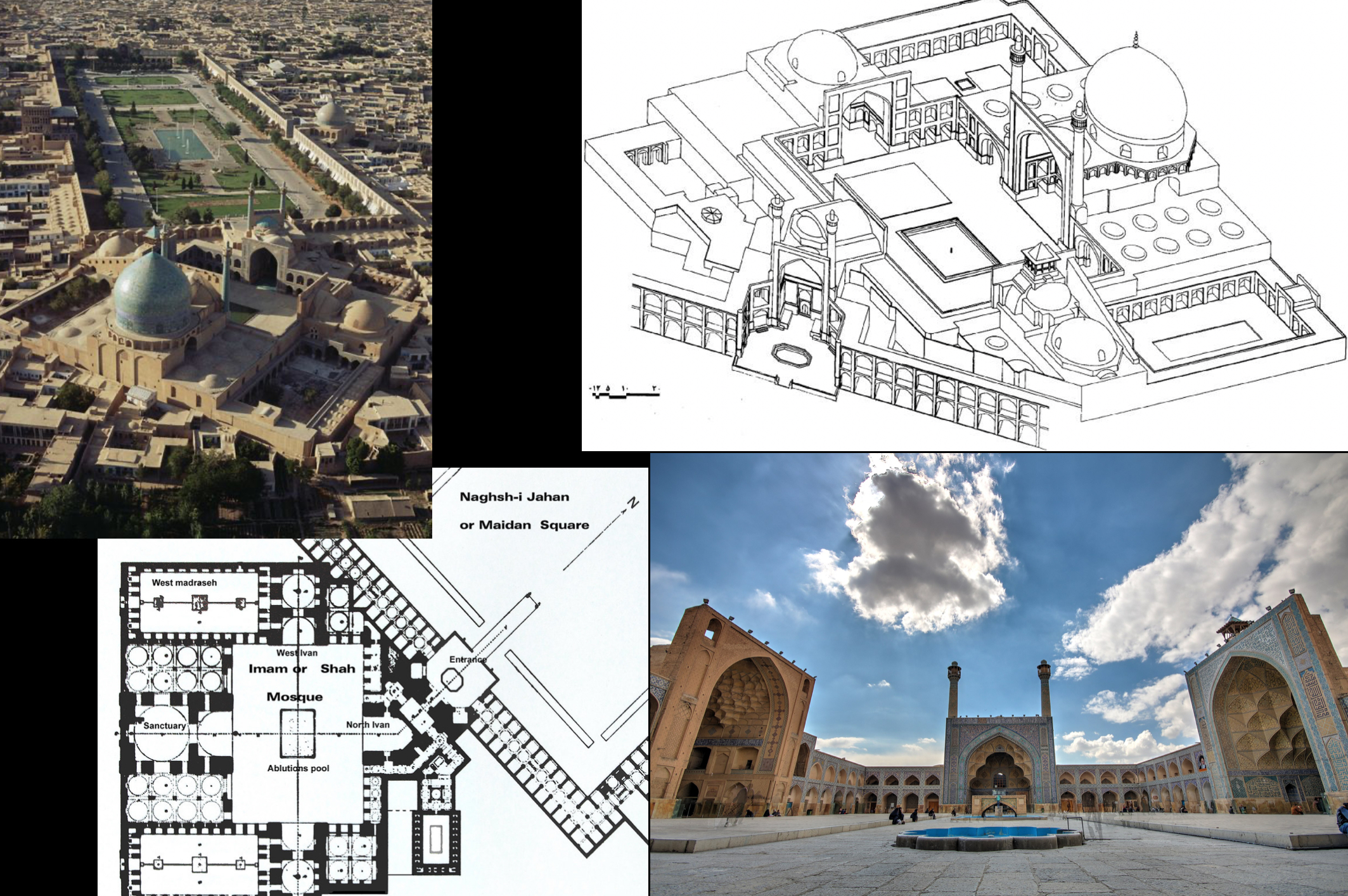
Isfahan Congregational Mosque
artist unknown, 1086-1087 CE, brick, stucco, turquoise tile
one of the earliest and most influential four-iwan designs
integrates Seljuk brickwork, monumental vaults, and later Safavid tile work
central to understanding Persian mosque evolution
shows layering of dentures of Islamic dynastic patronage
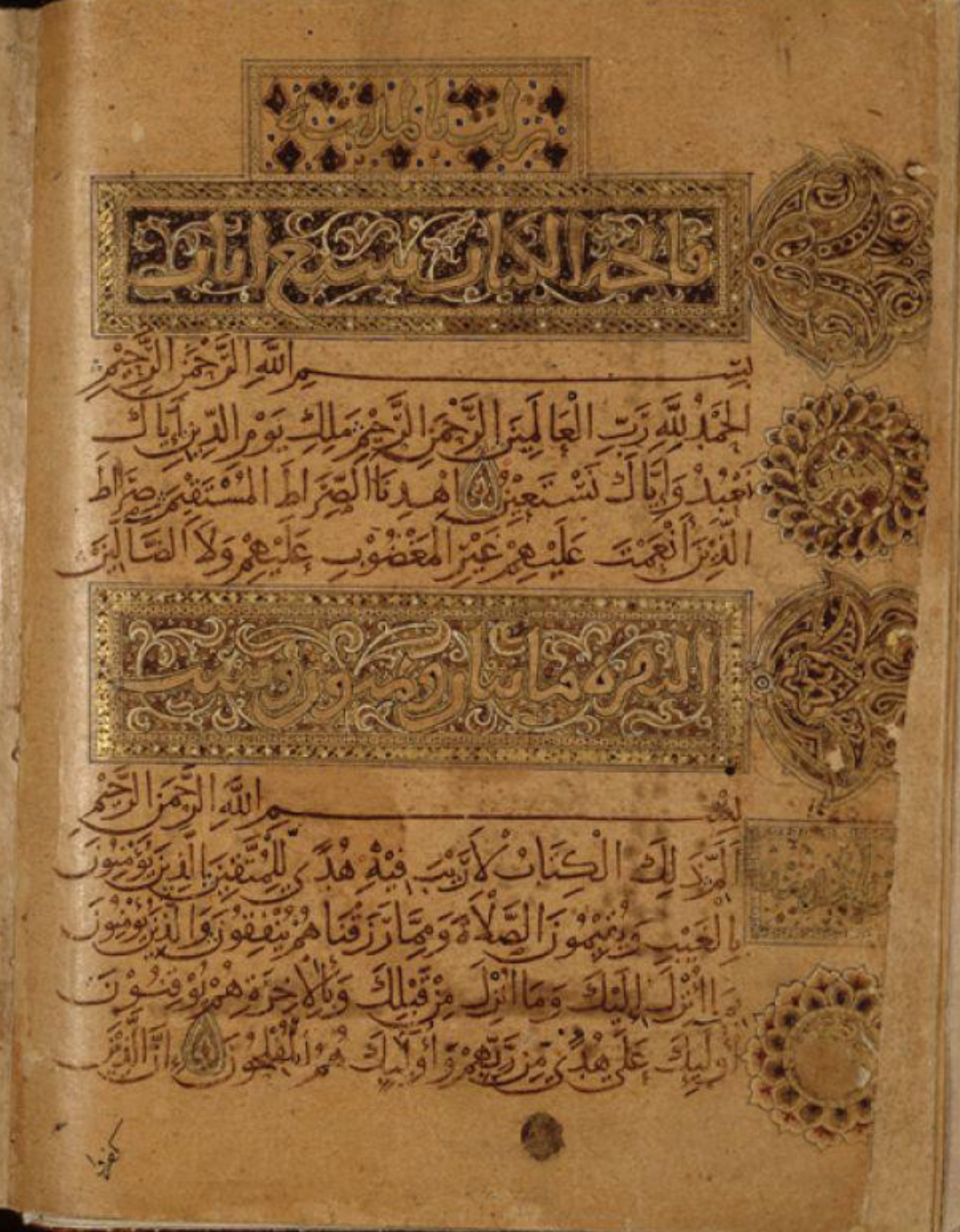
Recto Folio from a Quran (by scribe In al-Bawwab)
IBN AL-BAWWAB, 1000-1001, ink and gold on paper
one of only Qurans signed by the master calligrapher
exemplifies refined Nash script, replacing earlier Kufic as main Quranic script
harmonious spacing and delicate ornament show height of Abbasid book arts

Constellation of Andromeda
artist unknown, 1009, ink on paper
reflects Islamic scholarly preservation of Ptolemaic astronomy
integrates Greek science with Arabic star-lore and artistic depiction
illustrated constellation figures aided scientific education across the Islamic world
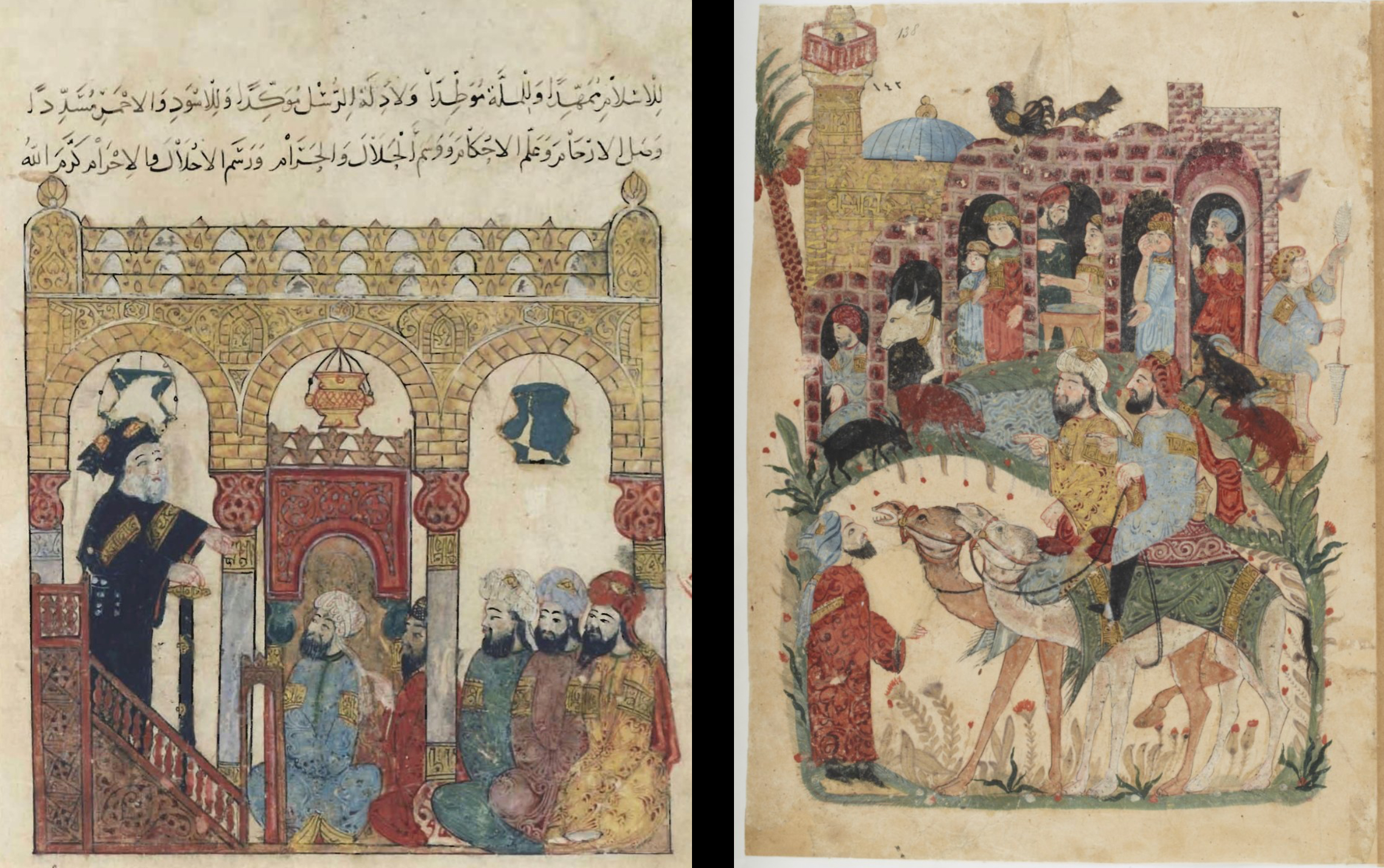
The Assemblies of Al-Hariri
YAHYA IBN MAHMID AL-WASITI, 1237 CE, ink on paper
masterpiece of Iraqi figúralo manuscript painting
illustrations show lively scenes of daily life, storytelling, urban settings
demonstrates sophistication of Arabic prose literature and painting
shows early Islamic figúralo art in non-religious contexts
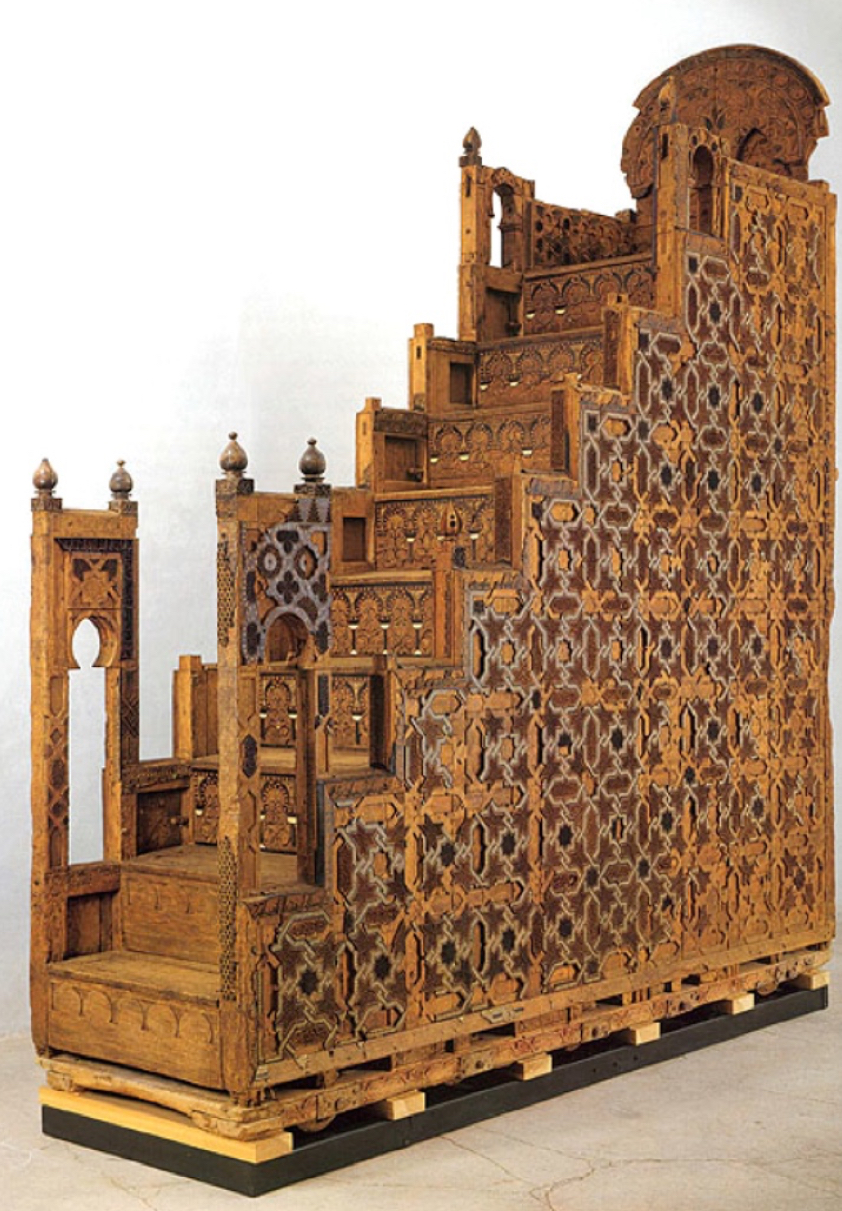
Minbar
artist unknown, 1125-1130 CE, wood inlay and ivory
functioned as a pulpit for Friday sermons
highly geometric decoration shows mastery of interlace, star patterns, kufic bands
represents high point of woodcarving in western Islamic world
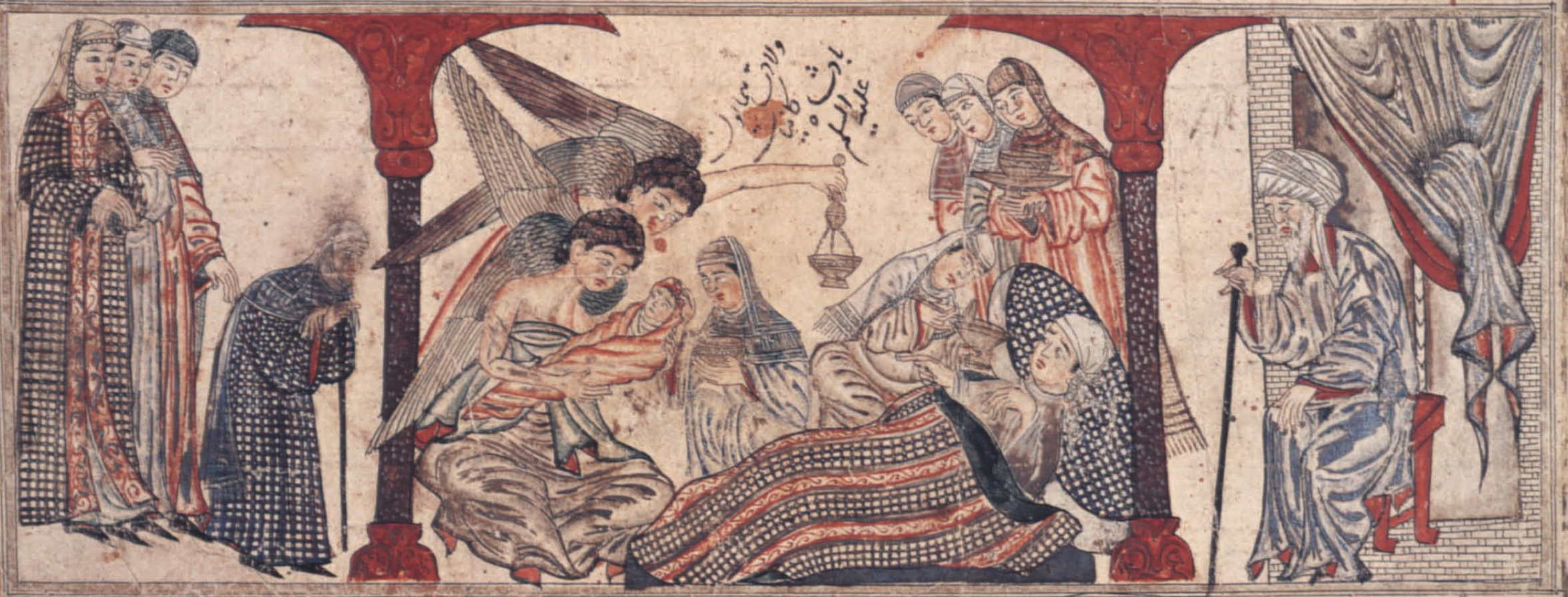
Birth of Muhammad
artist unknown, 1315 CE, ink on paper
depicts the Prophet;s birth within a courtly Persian visual tradition
often richly colored, featuring angels and symbolic light, often found in Christian works
reflects narrative emphasis in Persian literature and the rise of prophetic biographies
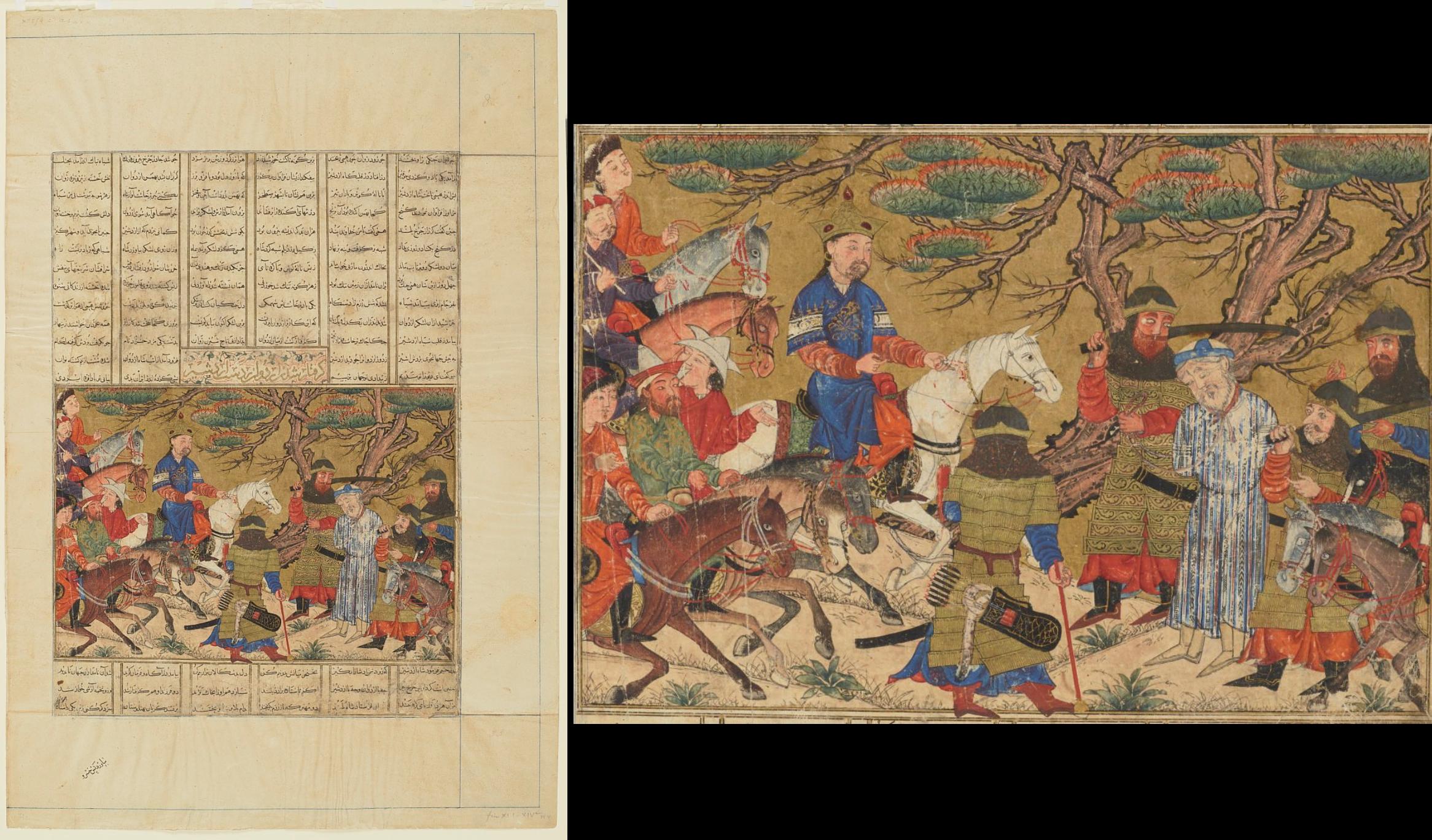
Parthian King Ardawan Captured by Sassanian King Ardashir, from the Shahnama
artist unknown, 1330-1340 CE, ink on paper
scene from Firdawsi’s Shahnama (Book of Kings)
highlights legitimation of the Sassanian dynasty
illustrations showcase Persian historical epic style: dynamic figures, bright colors, dramatic gestures
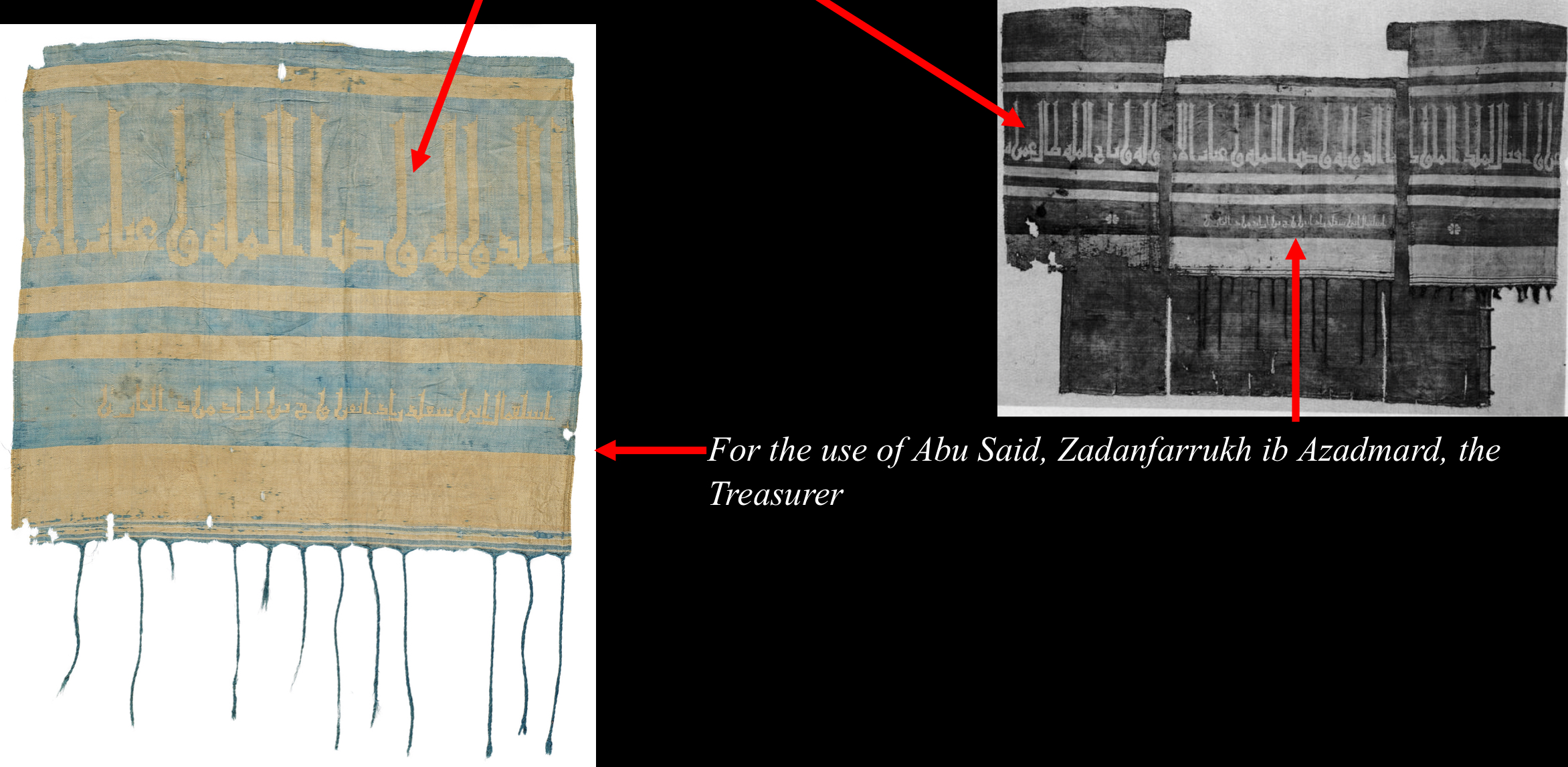
Banner of Baha al-Dawla
artist unknown, 1000 CE, silk tapestry
combines royal inscriptions with animal motifs
represents Buyid authority and textile luxury trade
early Islamic military and ceremonial banners often carried Quaranic or royal texts
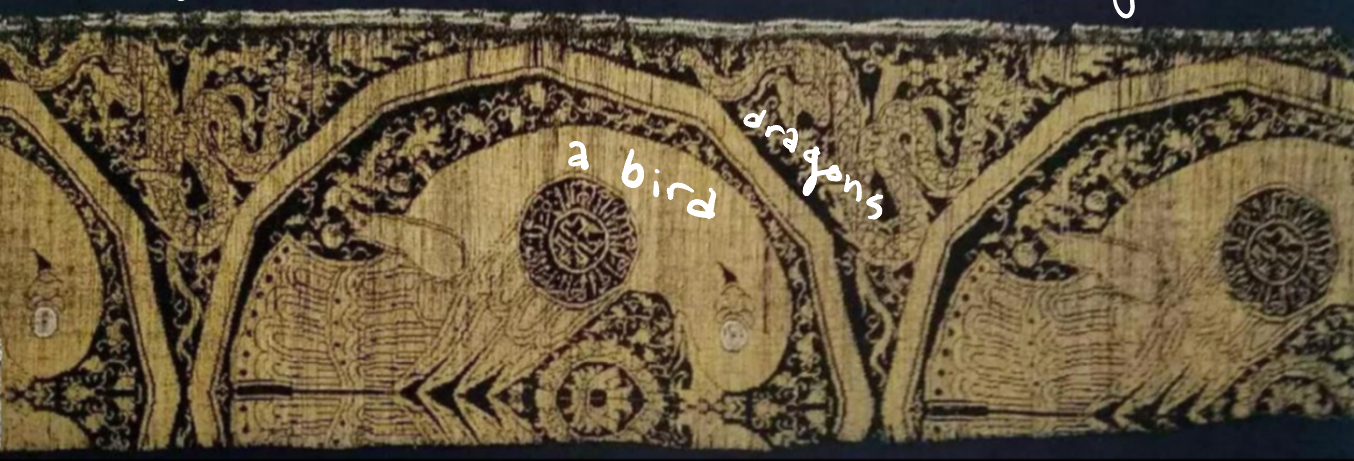
Cloth with Falcons and Dragons
artist unknown, early 14th century, silk textile
combines Chinese-inspired dragons with Islamic falconry imagery
shows silk road exchange between East Asian and Islamic visual cultures
luxury textiles signified elite courtly identity
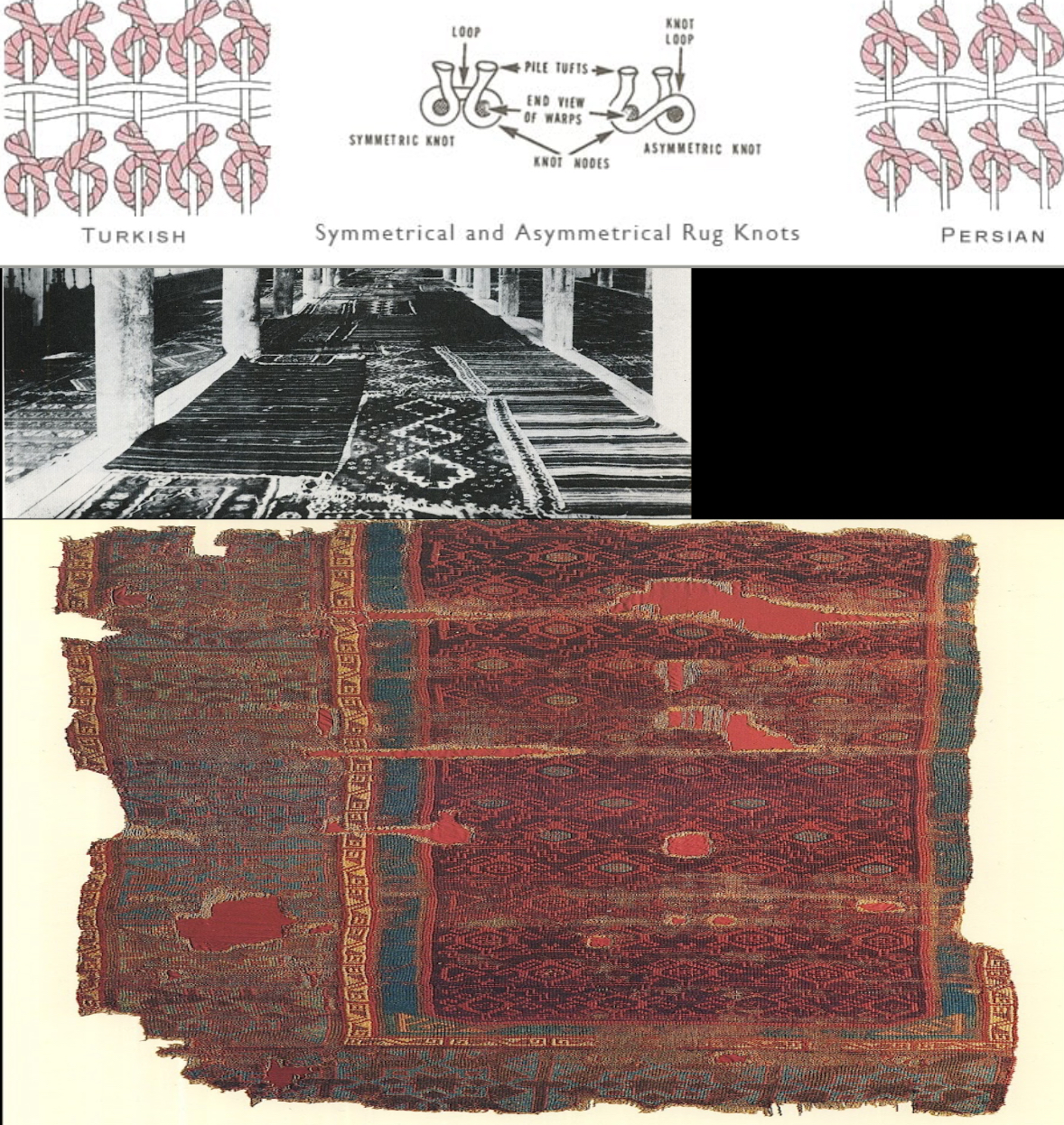
Fragment of Konya Carpet
artist unknown, early 14th century, wool knotted carpet
among earliest surviving Islamic carpets
shows bold geometric medallions and Kufic borders
found in mosques; reveals medieval carpet function as sacred furnishing
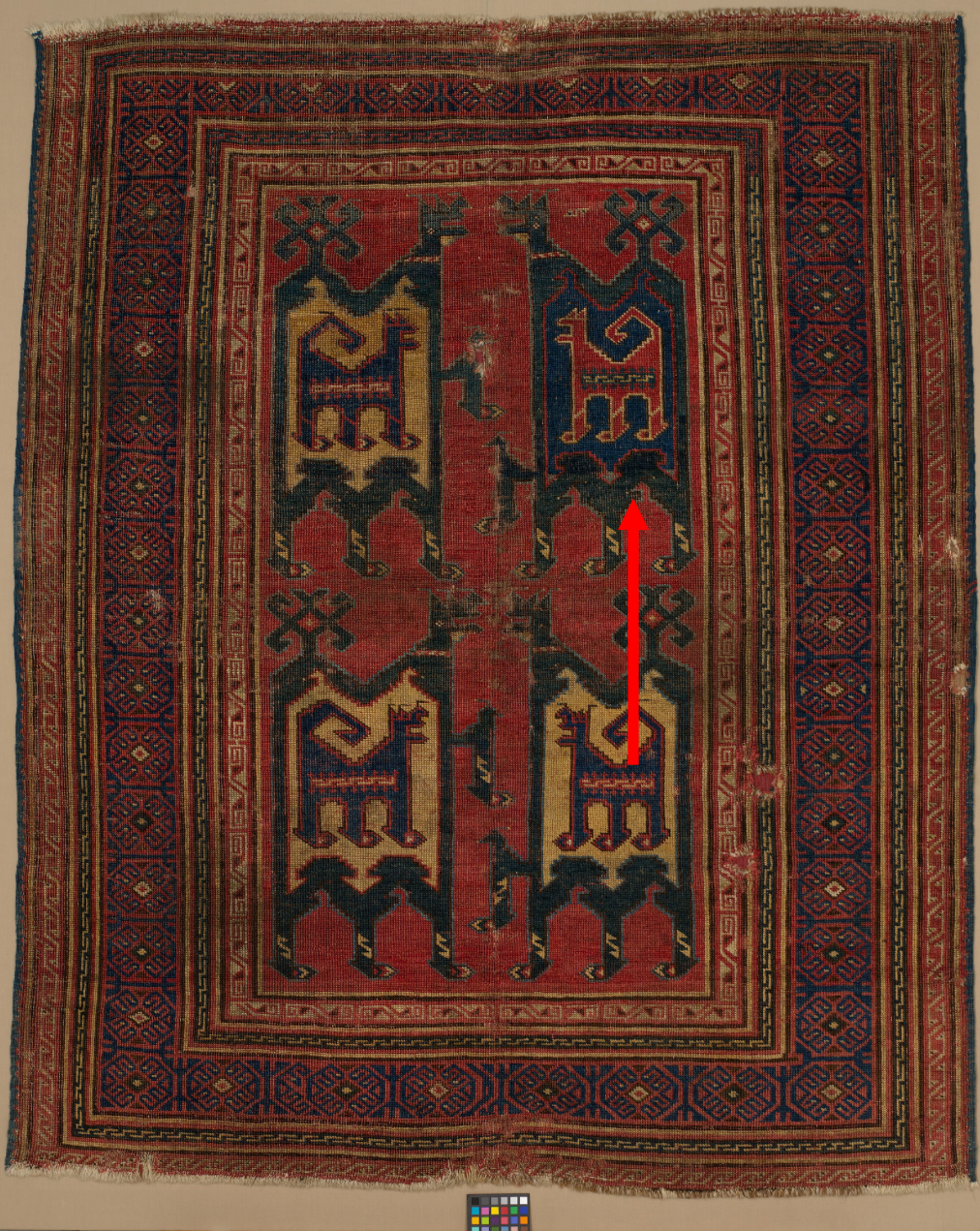
Animal Carpet
artist unknown, 14th century, wool knotted carpet
features stylized animals (lions antelopes, birds)
reflects pastoral/royal hunting motifs
combines geometric layout with living creatures; rare in later Islamic carpets
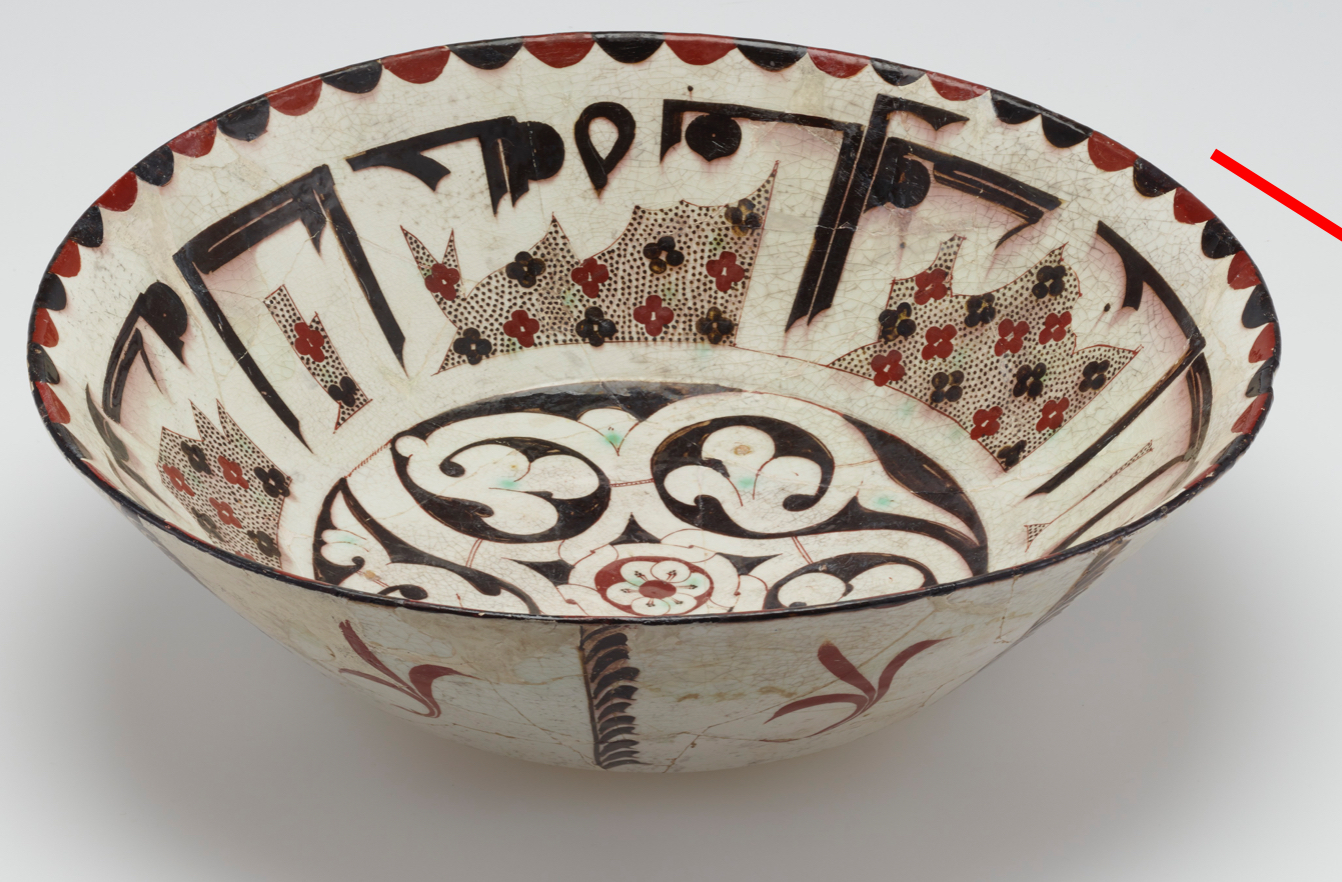
Bowl with Kufic Inscription
artist unknown, 10th century, earthenware, slip-painted and lead-based glaze
represents epigraphic ware: bowls decorated only withh words
inscriptions often express blessings or moral aphorisms
celebrates calligraphy as supreme Islamic art form
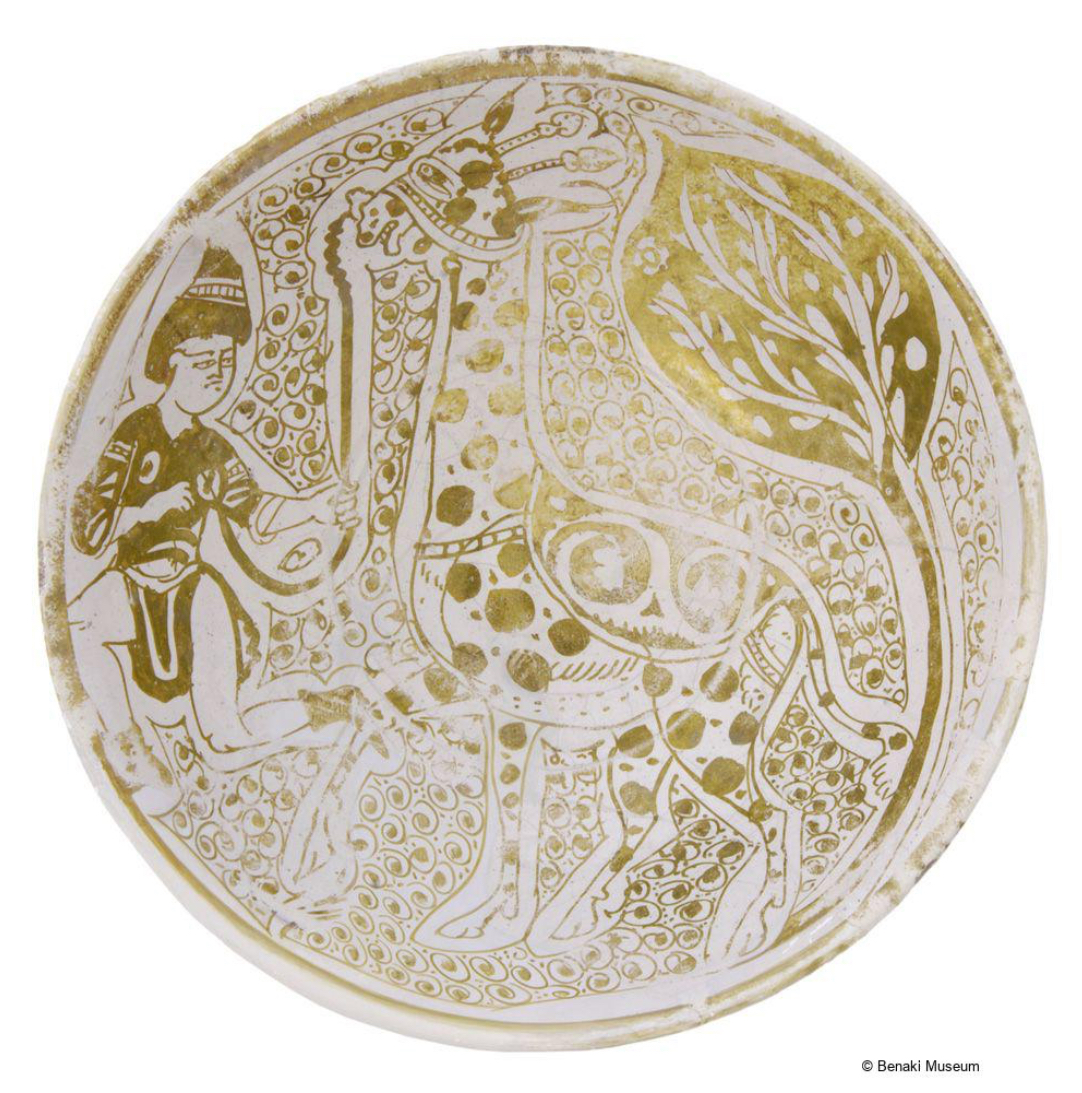
Bowl with Groom and Giraffe
artist unknown, 11th century, earthenware with silver or copper glaze
combines figúralo imagery with human and narrative charm
giraffe indicates long-distance diplomatic/animal trade
shows secular figúralo art thriving in medieval Islamic ceramics
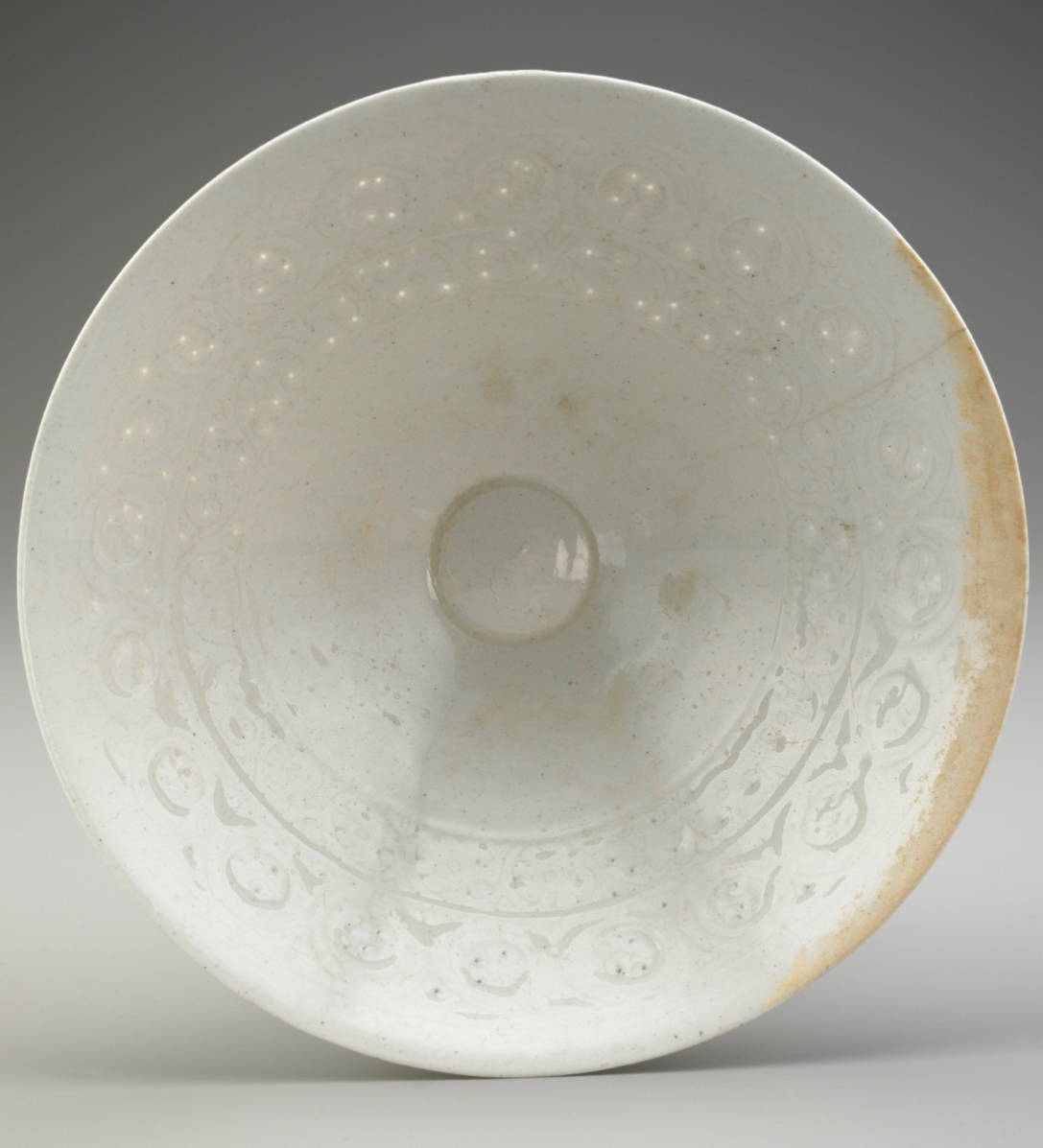
Conical Bowl (fritware)
artist unknown, late 12th century, fritware
fritware allowed fine, white, porcelain-like ceramic surfaces
innovation from the Islamic world responding to Chinese porcelain
shows technological advances in medieval Islamic pottery
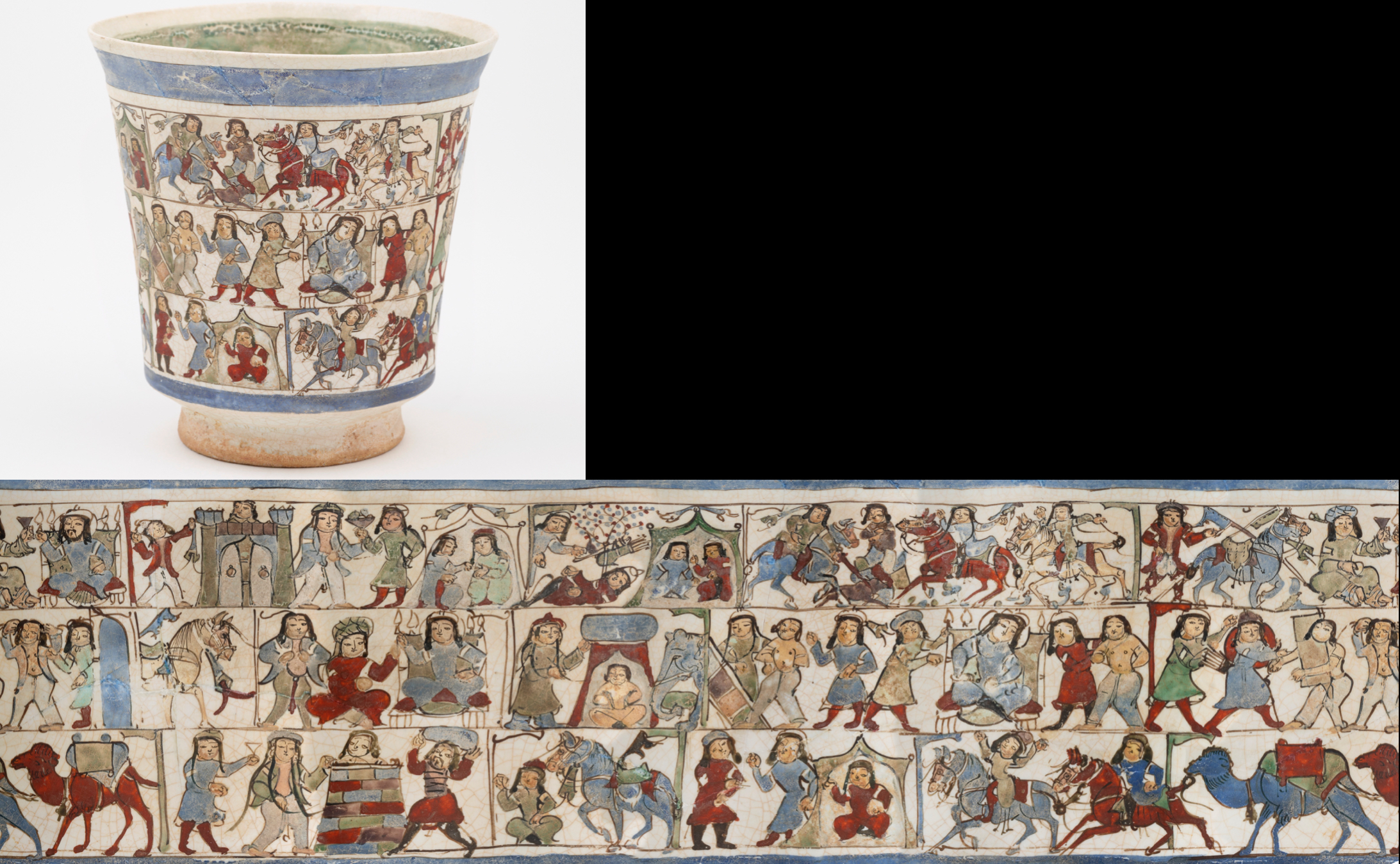
Beaker Narrating the Tale of Iranian Hero Bizhan and Turanian Princess Manizha
artist unknown, late 12th century, fritware with polychrome enamel
shows narrative scenes from Shahnama on ceramics
luster ware gives metallic sheen; technical masterpiece
demonstrates spread of Persian epic storytelling across media
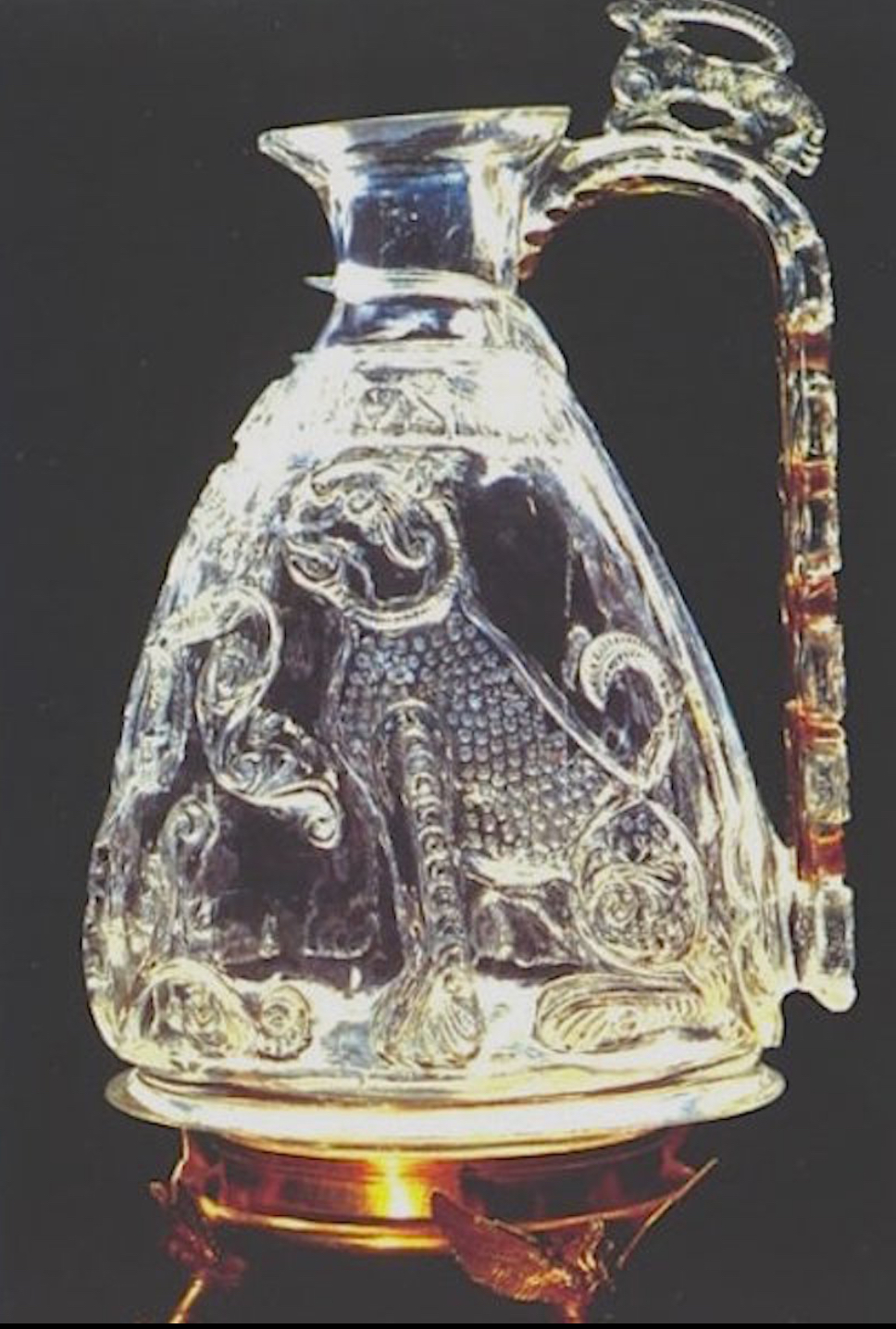
Ewer
artist unknown, 975-996, rock crystal
reflects refinement of Islamic domestic luxury goods
believed to have the power to prevent nightmares; the powers of the rock crystal would fuse into the liquid it held
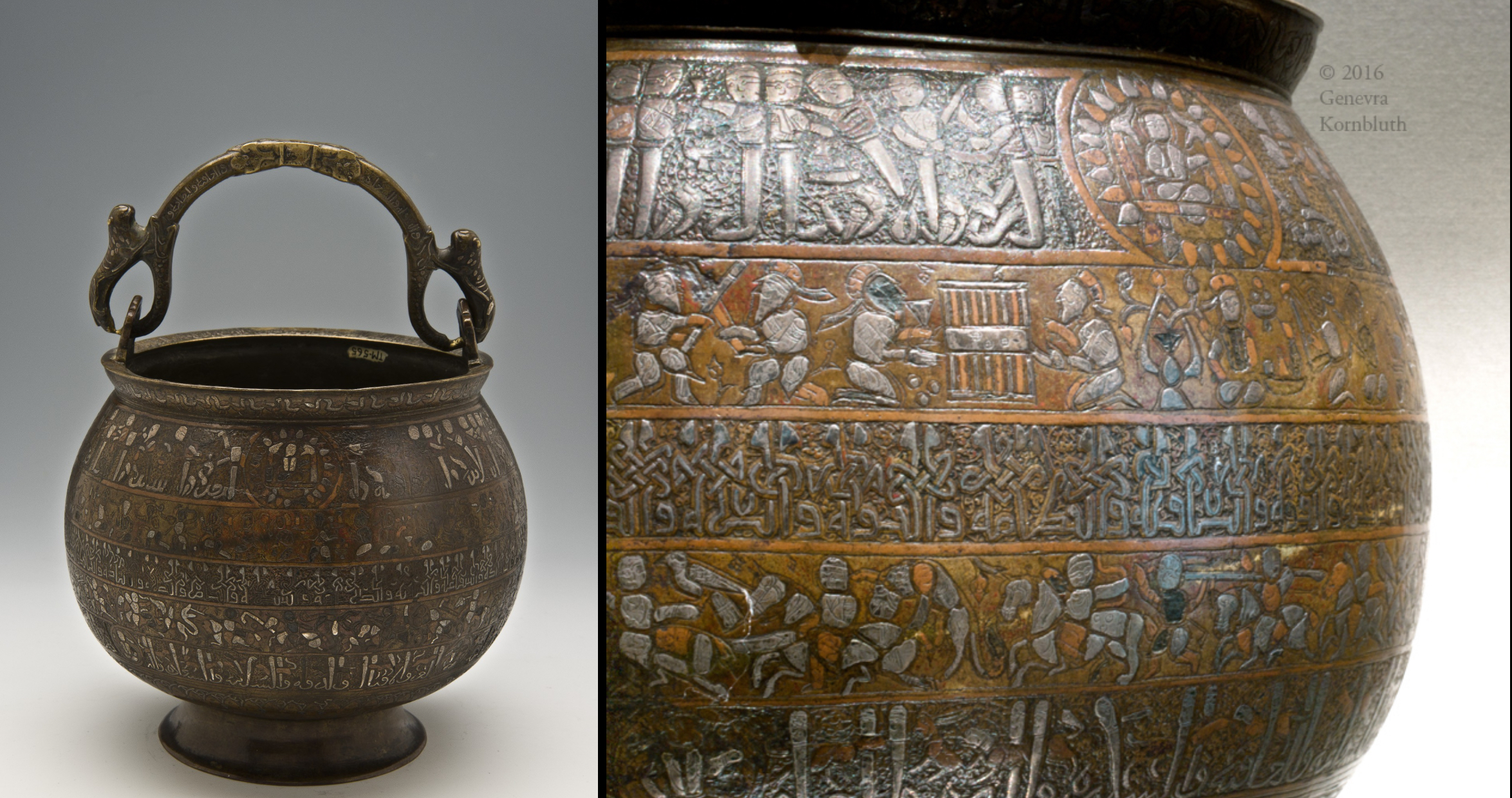
Bobrinsky Bucket
MASUD IBN AMAD & MUHAMMAD IBN AL-WAHID, 1163 CE, bronze with silver, copper, niello
one of the most celebrated inlaid metalworks of the medieval Islamic world
features princely activities: hunting, feasting, musicians, rulers
exquisitely detailed inscriptions and figúralo scenes
demonstrates technical and aesthetic peak of Seljuk metalwork
 Note
Note  Flashcards (31)