6.10. Physiology: Nervous system
 Call Kai
 Learn
Learn Practice Test
 Spaced Repetition
 Match
Match Flashcards
 Knowt Play
1/61

There's no tags or description
Looks like no tags are added yet.
Name | Mastery | Learn | Test | Matching | Spaced | Call with Kai |
|---|
No analytics yet
Send a link to your students to track their progress
62 Terms
1. For plasma replacement therapy, a patient is to be given a pure NaCl solution intravenously, which approximately corresponds to the osmolarity of plasma at 300 mosmol/L. The molar mass of NaCl is approximately 60 g/mol.
How many grams of NaCl does one liter of such an isotonic NaCl solution contain approximately?
A. 0.9 g
B. 6 g
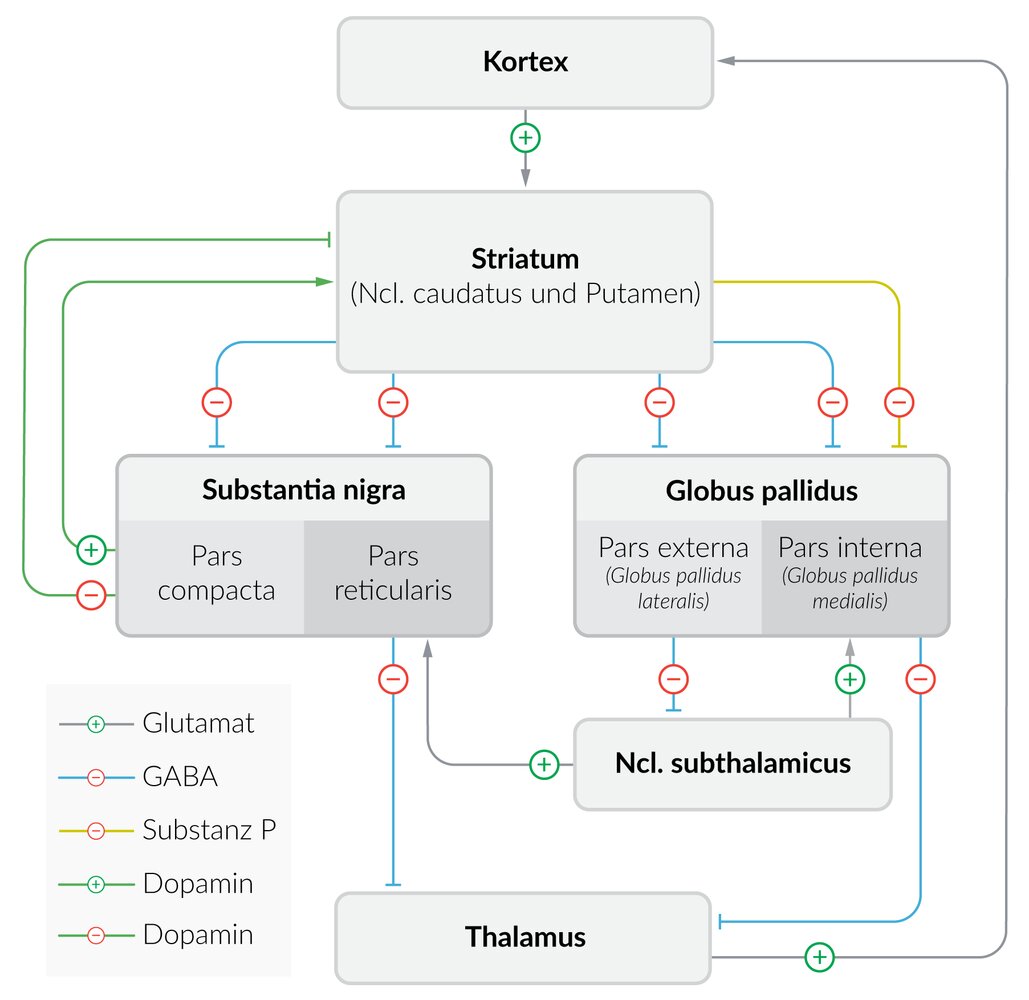
C. 9 g
D. 18 g
E. 19 g
C. 9 g
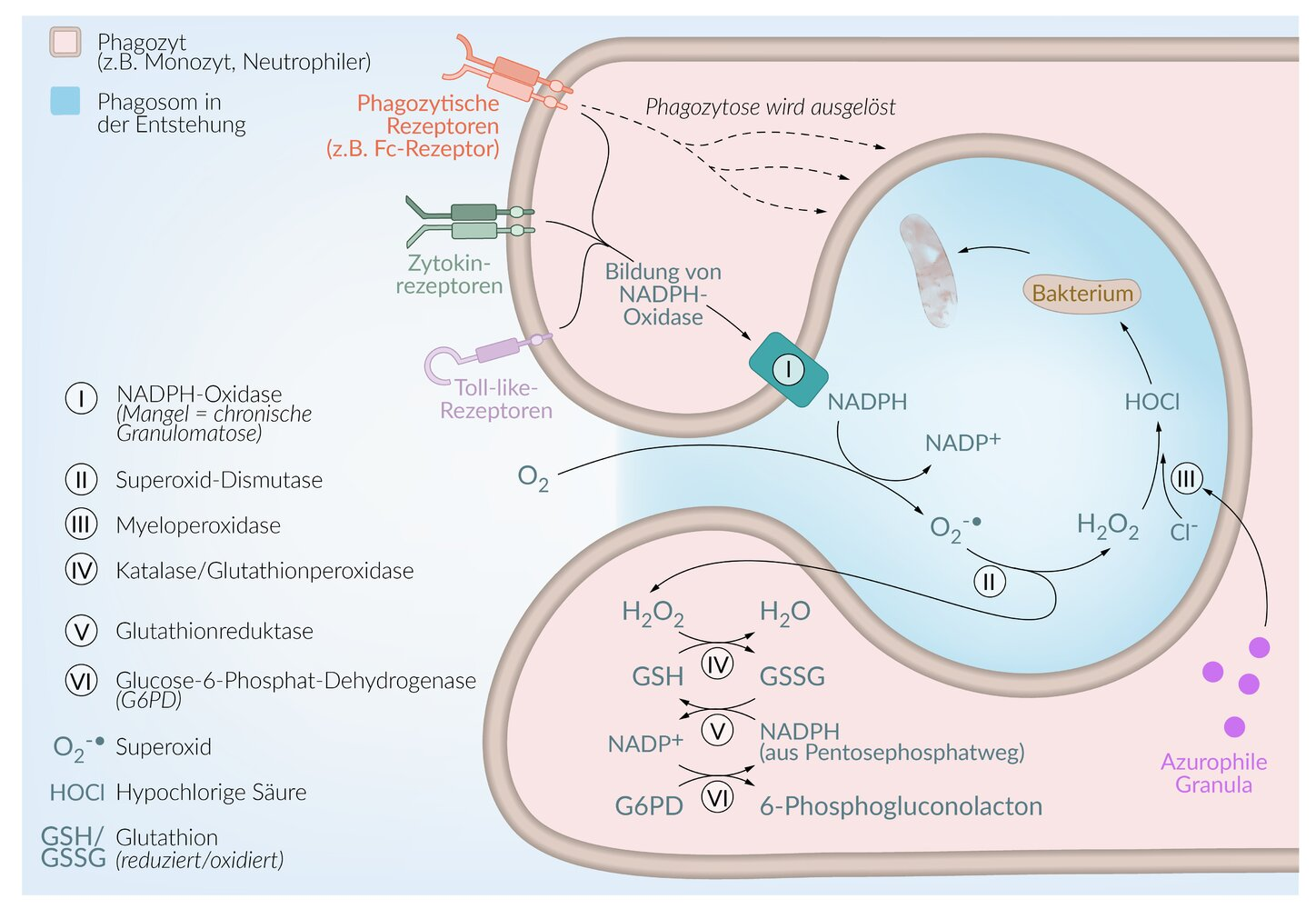
2. In a skin injury, bacteria enter the tissue. However, there are mechanisms of the body’s own defense that can limit or even prevent infection of the tissue by destroying the bacteria.
By which of the following mechanisms can bacteria most likely be destroyed?
A. Bacteria split the complement factor C5.
B. Bacteria bind to MHC I (major histocompatibility complex I) and activate cytotoxic T cells.
C. Neutrophilic granulocytes form oxygen radicals.
D. Regulatory T cells induce membrane attack complexes in the bacterial wall.
E. Lysosomes phagocytosed by bacteria destroy the bacterial wall.
C. Neutrophilic granulocytes form oxygen radicals.
3. As part of the targeted migration from the blood into infected tissue, leukocytes are first activated on the endothelial surface. For this purpose, leukocytes are loosely attached to the endothelial surface from the flowing bloodstream via specific binding proteins (leukocyte rolling).
Through which proteins does this loose attachment occur?
A. Cadherins
B. Immunoglobulins
C. Complement receptors
D. MHC receptors
E. Selectins
E. Selectins
4. Among the leukocytes in peripheral blood are eosinophilic granulocytes.
Which of the following best characterizes these immune cells?
A. Eosinophilic granulocytes contain granules with particularly high amounts of heparin and histamine.
B. They make up 15–20% of leukocytes in the blood of healthy individuals.
C. They release autoantibodies and antibodies.
D. They are often observed in reduced numbers in allergies.
E. They are often observed in increased numbers in parasitic worm infections.
E. They are often observed in increased numbers in parasitic worm infections.
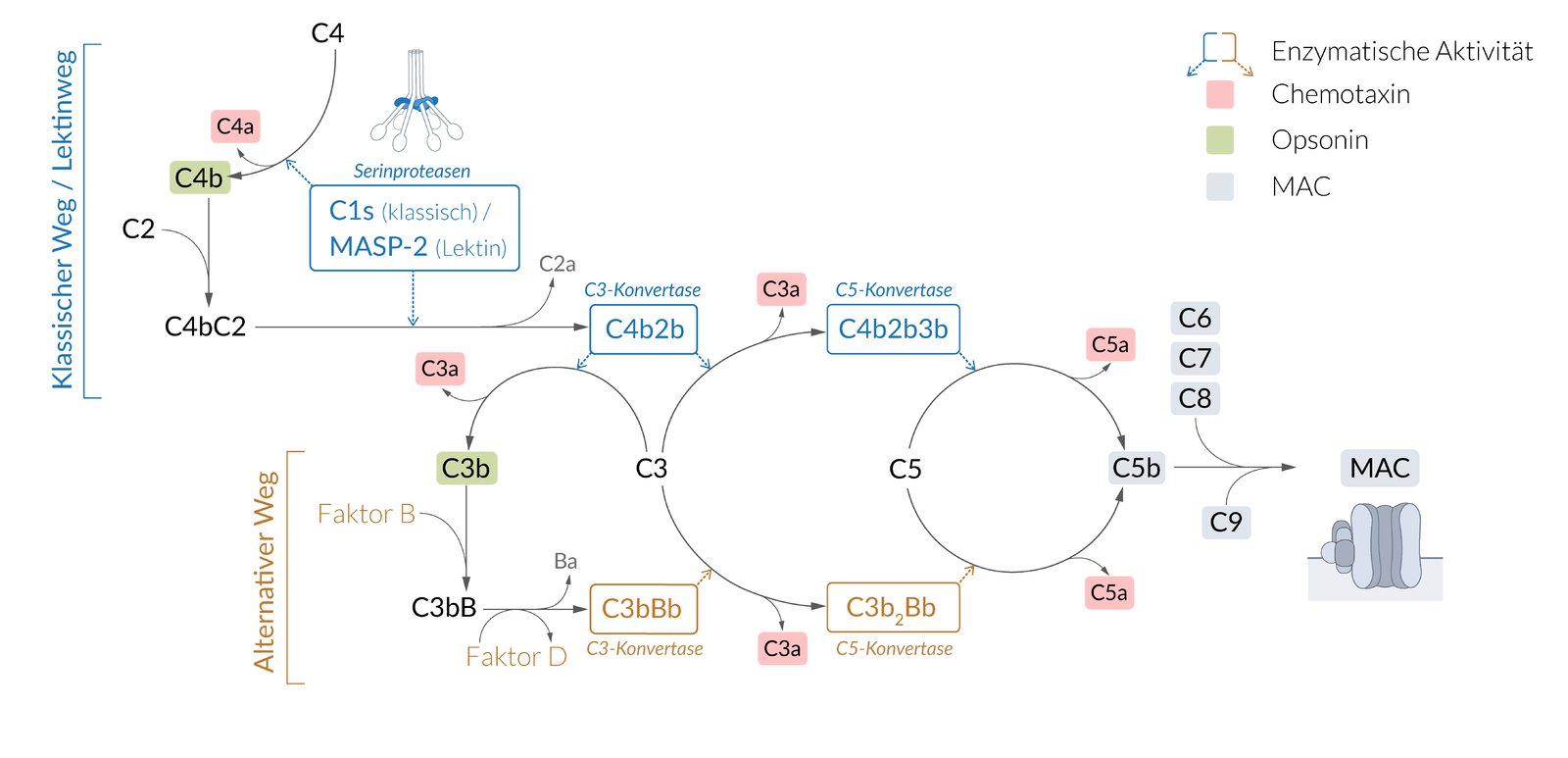
5. The complement system serves to defend against bacteria. It can be activated via three pathways: the classical pathway, the alternative pathway, and the lectin pathway.
Which of the following steps is part of all three activation pathways?
A. Activation of a C3 convertase
B. Association of serine proteases with mannose-binding lectin (MBL)
C. Binding of C1 to Fc portions of antibodies
D. Binding of complement receptor 1 to factor B
E. Cleavage of factor B by factor D
A. Activation of a C3 convertase
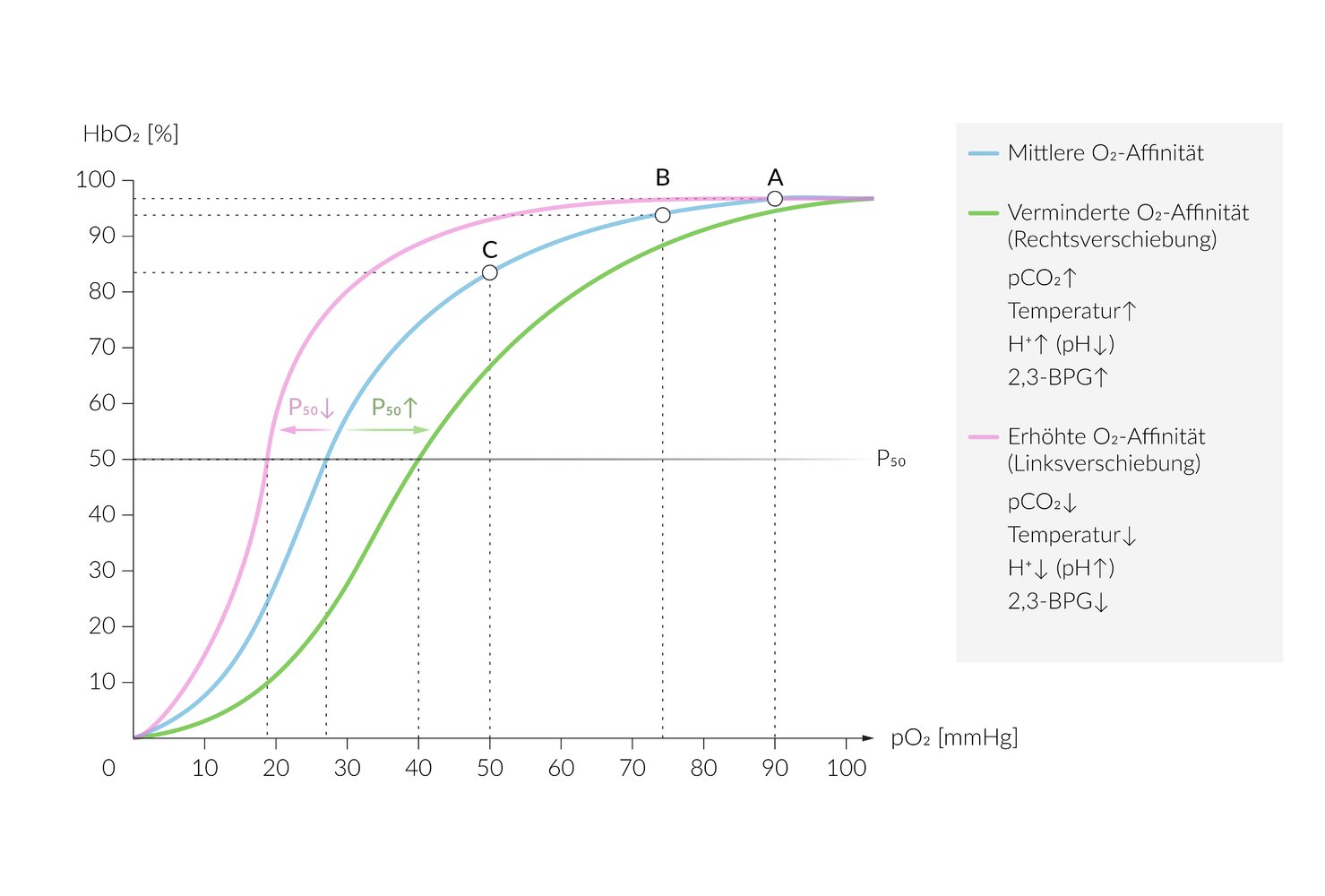
6. The transport of O₂ in the blood occurs mainly through binding to hemoglobin. This binding is influenced by several factors, such as pCO₂.
What is the main effect of a physiological increase in pCO₂ on the binding of O₂ to hemoglobin?
A. Decrease in the cooperativity of O₂ binding through binding of CO₂ to hemoglobin
B. Decrease in the maximal O₂ saturation through binding of CO₂ to hemoglobin
C. Decrease in the maximal O₂ saturation through binding of H⁺ to hemoglobin
D. Decrease in O₂ affinity through binding of H⁺ to hemoglobin
E. Decrease in O₂ binding through competitive binding of CO₂ to the heme iron
D. Decrease in O₂ affinity through binding of H⁺ to hemoglobin
7. During pregnancy, a blood group incompatibility between the mother and fetus is detected after the mother has been sensitized against the Rh antigen. The mother has blood group O Rh-negative, and the fetus has blood group B Rh-positive. The fetus is to receive an intrauterine blood transfusion to compensate for the anemia caused by hemolysis due to the incompatibility.
When infusing red blood cell concentrates, with which of the following blood group characteristics is a transfusion reaction in the fetus not to be expected?
A. O Rh-positive
B. A Rh-positive
C. AB Rh-negative
D. B Rh-negative
E. B Rh-positive
D. B Rh-negative
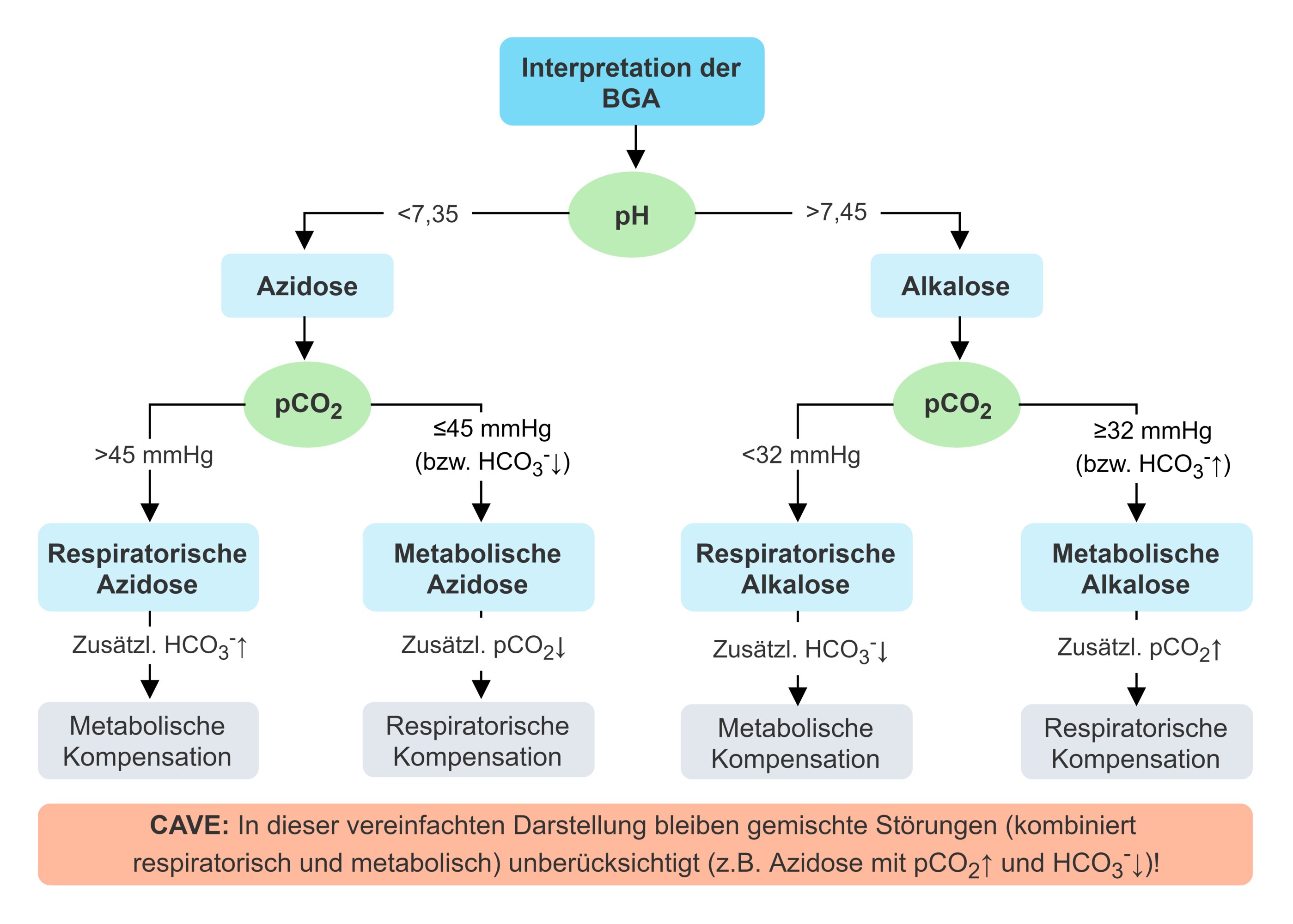
8. The arterial blood gas analysis of a subject shows an increased pCO₂ value and a positive base excess.
Which of the following best explains this finding?
A. Acute metabolic alkalosis
B. Acute respiratory acidosis
C. Compensated metabolic acidosis
D. Compensated respiratory alkalosis
E. Compensated respiratory acidosis
E. Compensated respiratory acidosis
9. In a person, a blood test is performed at the end of a 4-week stay at an altitude of 4,000 m.
Which change in measured values is most likely to be observed compared to a blood test after several weeks at sea level?
A. Higher hemoglobin concentration
B. Higher pCO₂
C. Higher pO₂
D. Lower pH value
E. Positive base excess
A. Higher hemoglobin concentration
10. The Nernst equation can be simplified as:
E = x ⋅ lg ([Ion]i / [Ion]a)
What is the approximate value of x for divalent cations at a body temperature of 37 °C?
A. –10 mV
B. –30 mV
C. –60 mV
D. –90 mV
E. –120 mV
B. –30 mV
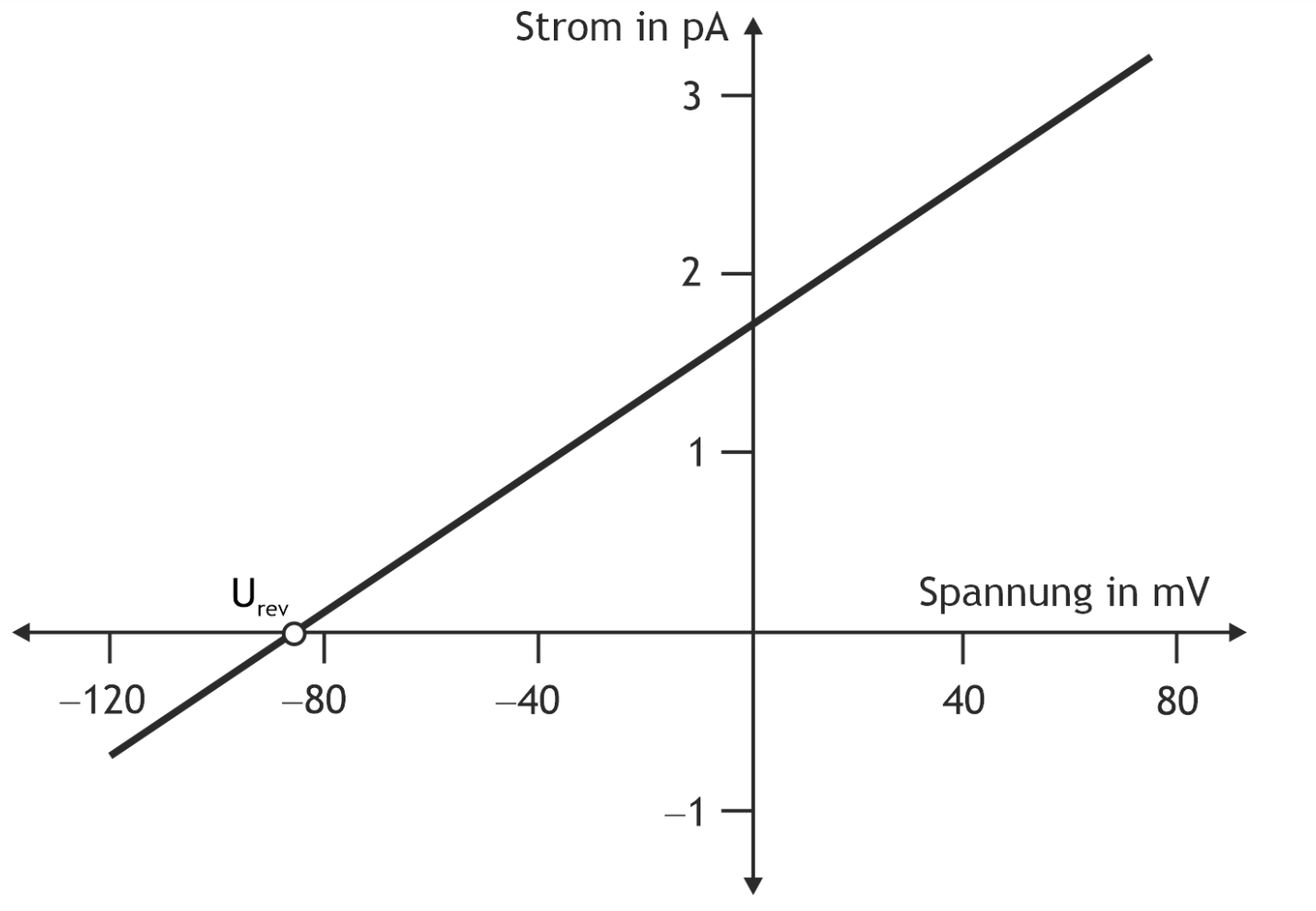
11. The current flowing through an ion channel is determined by the potential difference between the inside and outside of the cell, the conductance, and the open probability of the channel.
Which statement about the shown current-voltage characteristic of a cation channel is correct?
A. The channel has a variable resistance.
B. At a potential of –120 mV, the outward current of cations predominates.
C. The equilibrium potential of the cations of this channel lies between –80 and –100 mV.
D. The channel has a rectifying function.
E. As the potential becomes more positive, the channel current increases exponentially.
C. The equilibrium potential of the cations of this channel lies between –80 and –100 mV.
12. Persistent depolarization leads to the inactivation of voltage-gated Naᵥ channels.
Which mechanism underlies this phenomenon?
A. Endocytosis of the channel
B. Phosphorylation of the channel within the pore
C. Separation of the β-subunit of the channel from the α-subunit
D. Displacement of the S4 domain into the channel pore
E. Displacement of a cytosolic protein domain into the channel pore
E. Displacement of a cytosolic protein domain into the channel pore
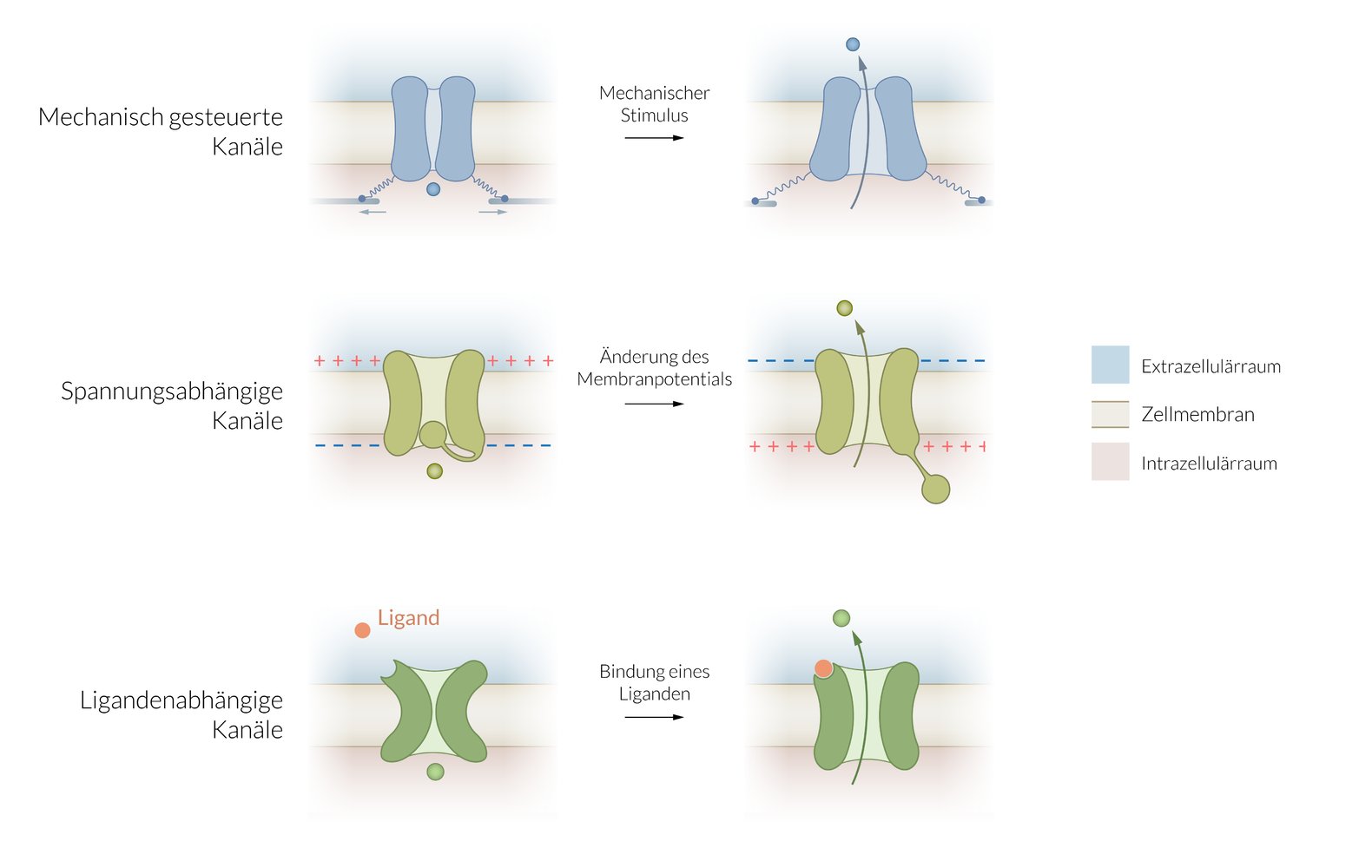
13. The conductance of ion channels influences important cell physiological regulatory processes.
Which of the following functions can most likely be attributed to inwardly rectifying K⁺ channels (Kir)?
A. Activation of synaptic transmitter release at the cells of the neuromuscular endplate
B. Depolarization of interstitial cells of Cajal in the gastrointestinal tract
C. Luminal K⁺ reabsorption in the collecting duct cells of the kidney
D. Stabilization of the resting membrane potential in cardiomyocytes
E. Mediation of repolarization of the action potential in skeletal muscle cells
D. Stabilization of the resting membrane potential in cardiomyocytes
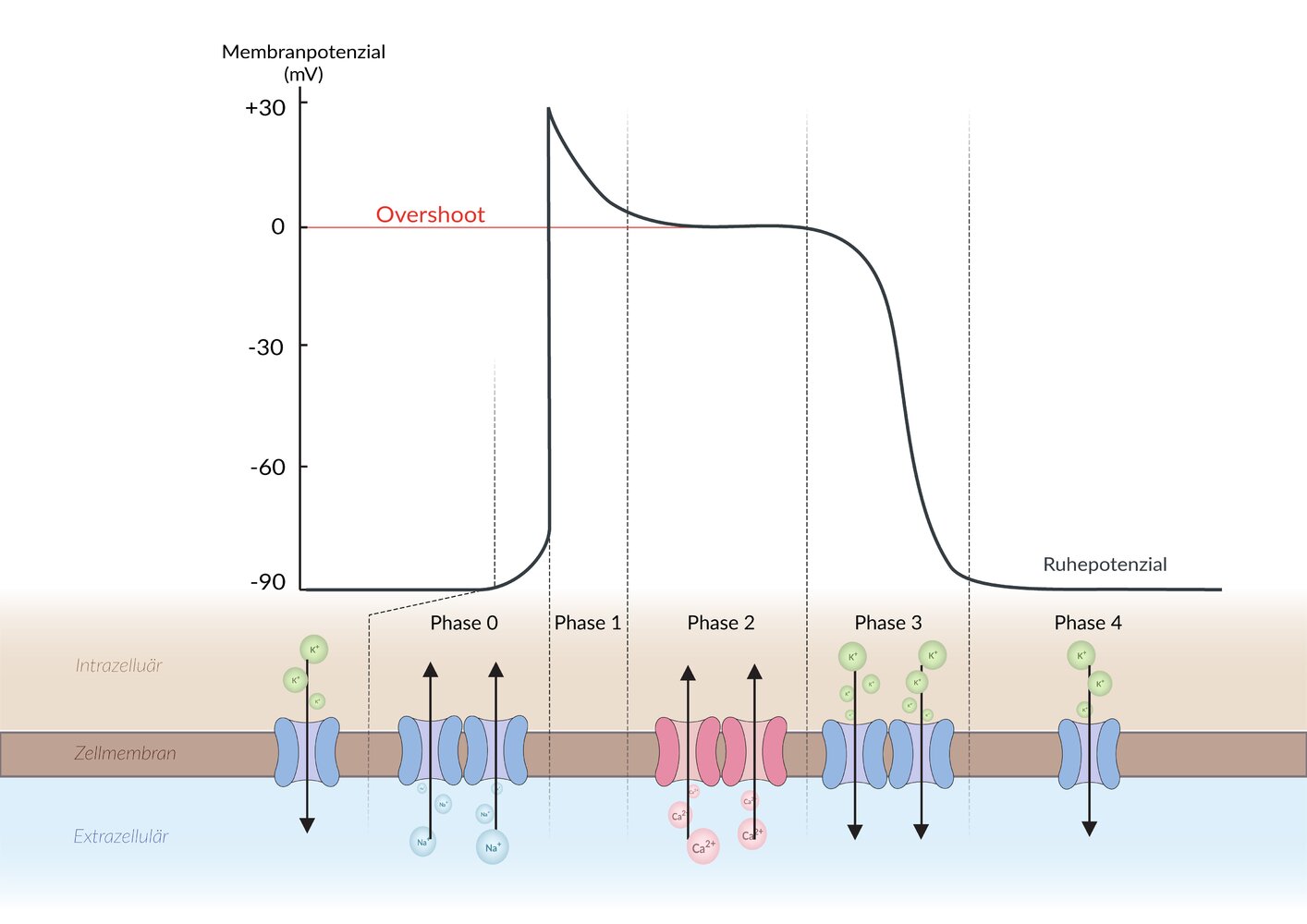
14. In an electrophysiological measurement on isolated cells at 37 °C, the extracellular K⁺ concentration is 5 mmol/L and the intracellular K⁺ concentration is 150 mmol/L.
How must the extracellular K⁺ concentration be changed to obtain a K⁺ equilibrium potential of approximately –61 mV?
A. Increase to 3 times the original value
B. Increase to 10 times the original value
C. Increase to 30 times the original value
D. Reduction to 1/3
E. Reduction to 1/10
A. Increase to 3 times the original value
15. The cells of the human body possess a variety of membrane proteins, some of which serve as target structures for therapeutics.
Inhibition of which membrane protein is used for the local prevention and/or treatment of pain?
A. Na⁺/Ca²⁺ antiporter
B. Na⁺/H⁺ antiporter
C. Na⁺/K⁺-ATPase
D. Voltage-gated K⁺ channel
E. Voltage-gated Na⁺ channel
E. Voltage-gated Na⁺ channel
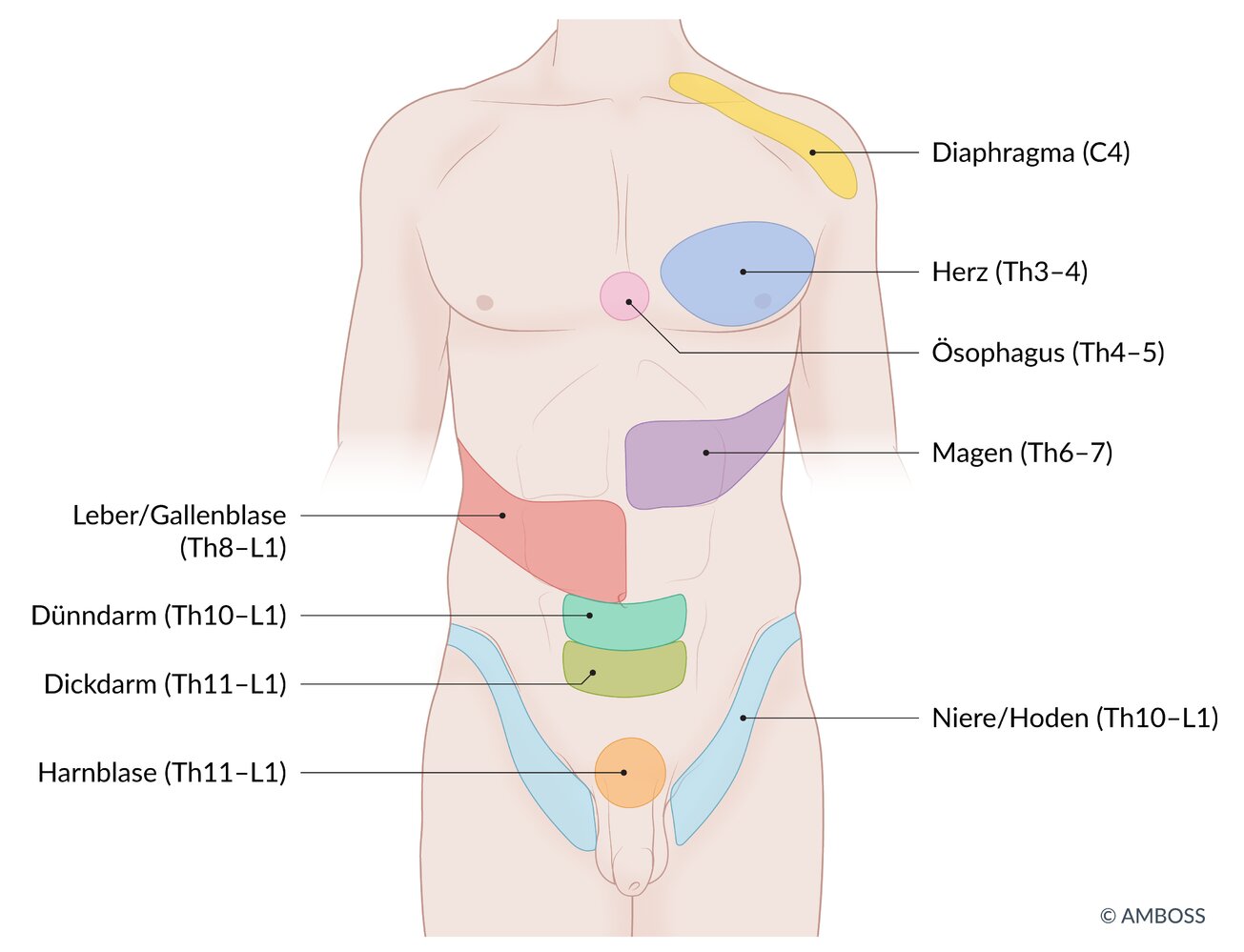
16. In diseases of internal organs, such as myocardial infarction, somatic pain is often reported in specific skin areas.
On which physiological functional principle is this phenomenon most likely based?
A. Divergence
B. Convergence
C. Lateral inhibition
D. Recurrent inhibition
E. Synaptic plasticity
B. Convergence
17. After strong sun exposure, sunburn can occur, accompanied by an inflammatory reaction in which warm showering can cause a painful sensation.
Which of the following mechanisms is most likely the reason for this discomfort?
A. Activation of ionotropic receptors jointly by clothing and UV light
B. Facilitation of descending pathways
C. Potentiation of synaptic transmission of nociceptive afferents
D. Sensitization of nociceptive sensors
E. Enhancement of peripheral adaptation
D. Sensitization of nociceptive sensors
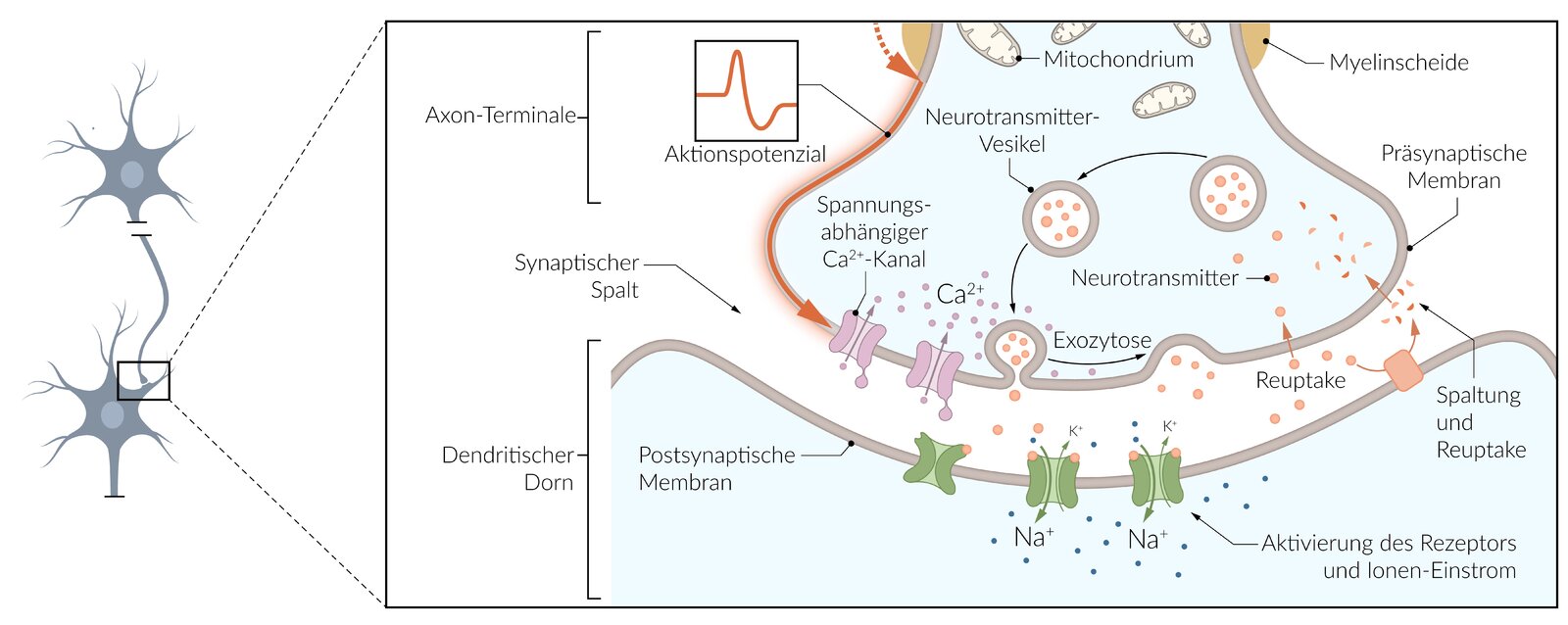
18. The human body possesses endogenous pain-inhibiting systems that are utilized in pain treatment with opioids.
Which combination of the following mechanisms best describes the effect of opioids?
A. Inhibition of presynaptic Ca²⁺ channels and activation of postsynaptic Na⁺ channels
B. Inhibition of presynaptic Ca²⁺ channels and activation of postsynaptic K⁺ channels
C. Inhibition of presynaptic K⁺ channels and activation of postsynaptic Na⁺ channels
D. Inhibition of presynaptic Na⁺ channels and activation of postsynaptic K⁺ channels
E. Inhibition of presynaptic Na⁺ channels and activation of postsynaptic Na⁺ channels
B. Inhibition of presynaptic Ca²⁺ channels and activation of postsynaptic K⁺ channels
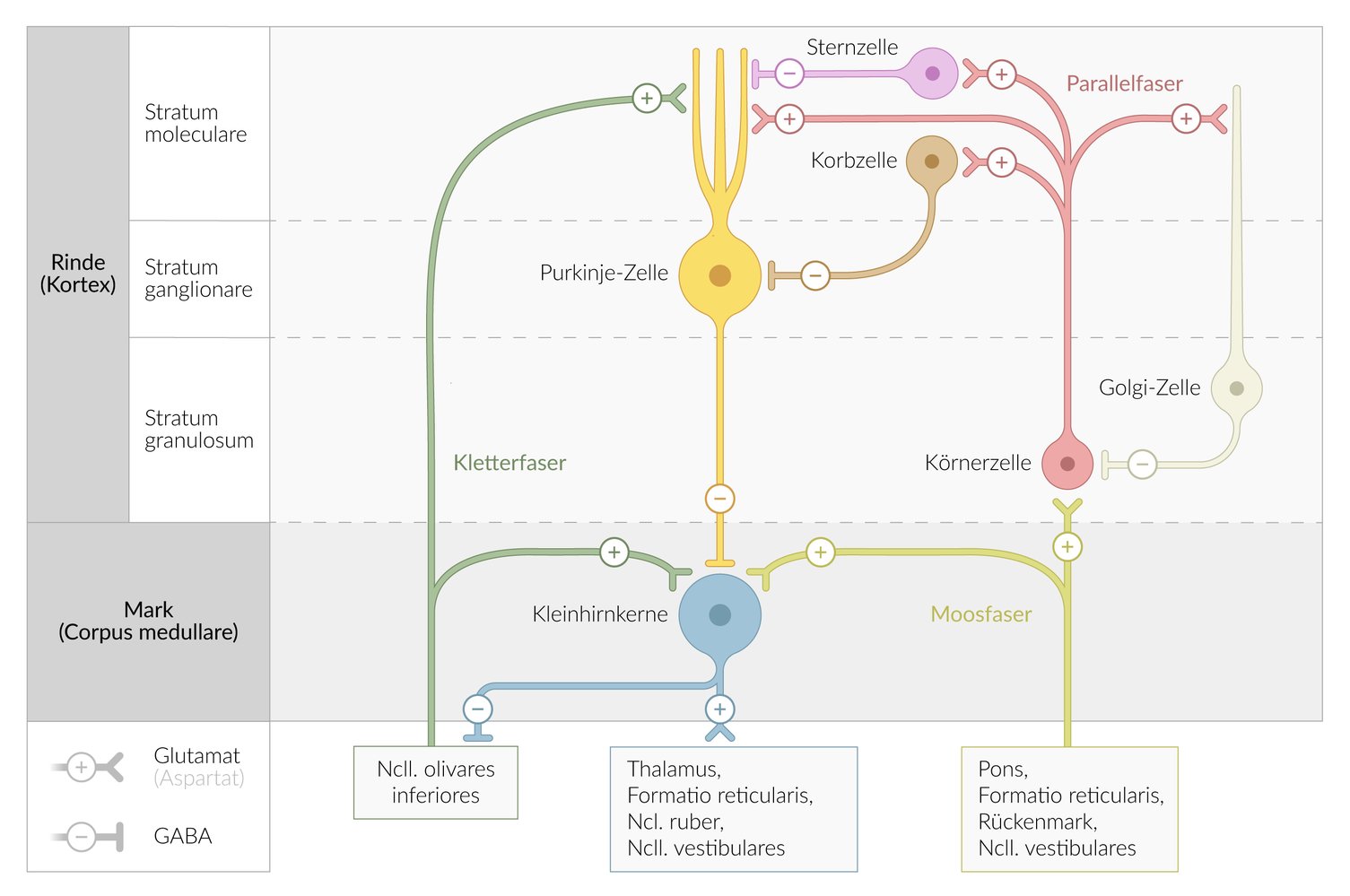
19. Various cell types within the neuronal network contribute to maintaining normal cerebellar function.
Which direct effect typically results from activation of Golgi cells?
A. Activation of basket cells
B. Activation of Purkinje cells
C. Activation of stellate cells
D. Inhibition of granule cells
E. Inhibition of climbing fibers
D. Inhibition of granule cells
20. In idiopathic Parkinson’s syndrome (Parkinson’s disease), there is a loss of dopaminergic midbrain neurons.
Which symptoms most likely occur, and for what reason?
A. Hyperkinesia due to weakening of spinal stretch reflexes
B. Hypokinesia due to increased activity of the indirect pathway (NoGO)
C. Intention tremor due to hypersynchronization of the basal ganglia
D. Rigidity due to increased activity of the direct pathway (GO)
E. Resting tremor due to hyposynchronization of the basal ganglia
B. Hypokinesia due to increased activity of the indirect pathway (NoGO)
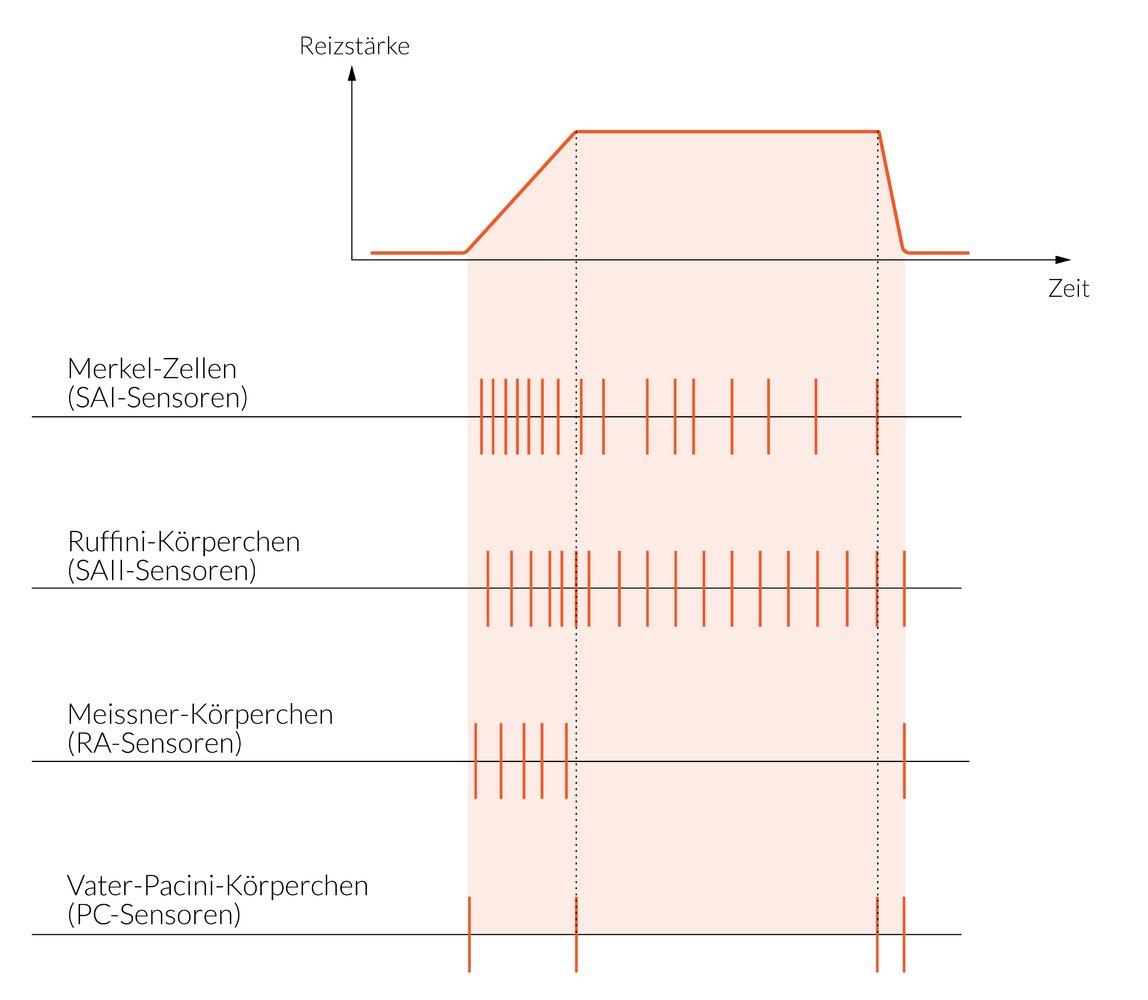
21. For recognizing Braille, not only a high spatial density of mechanoreceptors but also the functional properties of the receptor and its cortical projection are important.
Which afferents functionally provide the best spatial resolution for reading Braille with the fingertip?
A. Slowly adapting afferents from Merkel cells
B. Slowly adapting afferents from Ruffini corpuscles
C. Sensory C fibers
D. Rapidly adapting afferents from Vater-Pacini corpuscles
E. Rapidly adapting multimodal afferents
A. Slowly adapting afferents from Merkel cells
22. Assuming that with the sense of force, a difference between two weights of 30 g and 33 g can just be perceived:
According to the Weber fraction, what increase in weight is therefore at least necessary to perceive a difference from an initial weight of 500 g?
A. 3 g
B. 5 g
C. 30 g
D. 50 g
E. 300 g
D. 50 g
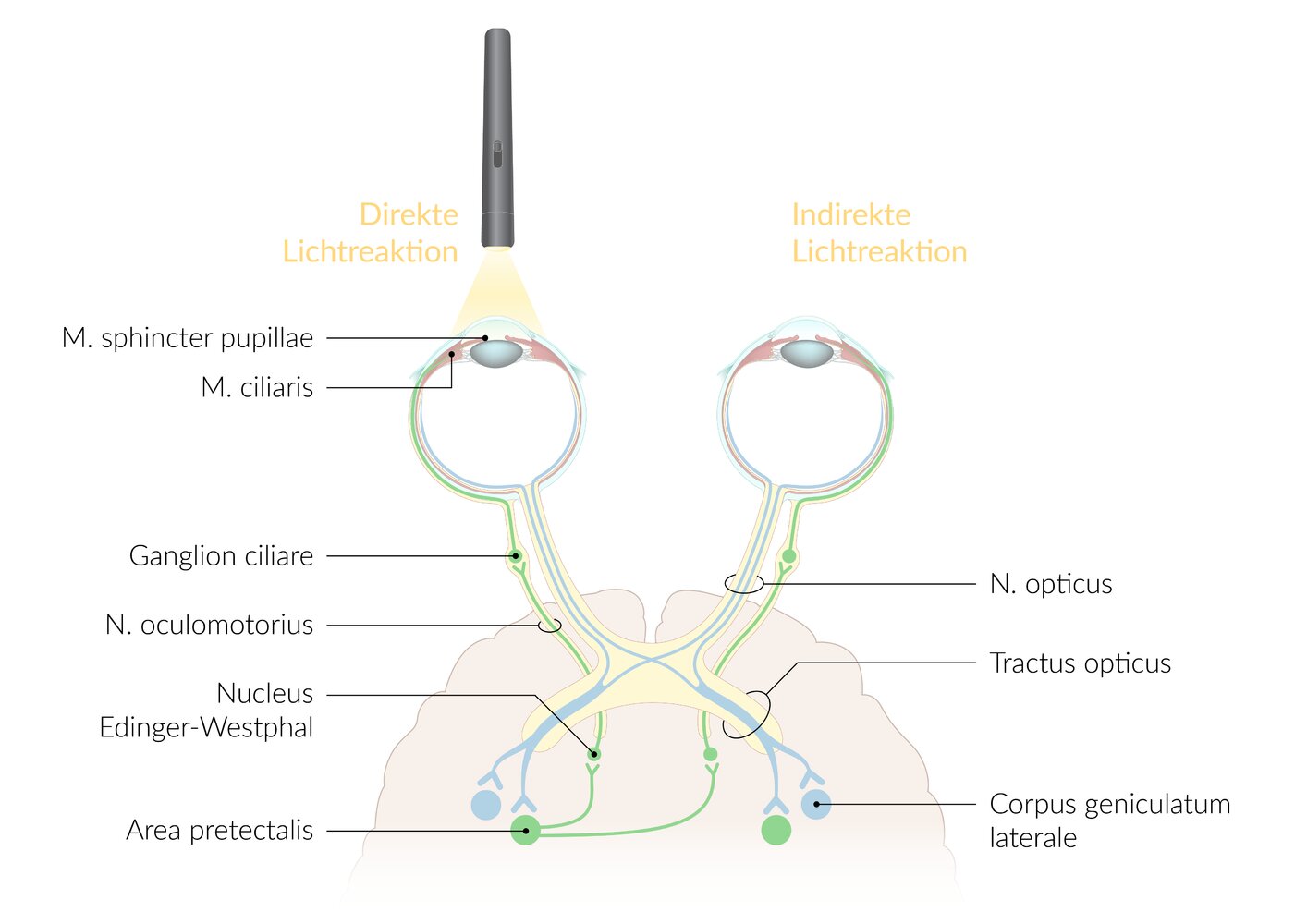
23. A blurred image of an object on the retina represents an adequate stimulus for a change in the accommodation of the eye.
Which of the following changes contributes to near accommodation?
A. Flattening of the lens curvature
B. Activation of the consensual light reflex
C. Contraction of the ciliary muscle (M. ciliaris)
D. Parallel alignment of the visual axes
E. Relaxation of the sphincter pupillae muscle (M. sphincter pupillae)
C. Contraction of the ciliary muscle (M. ciliaris)
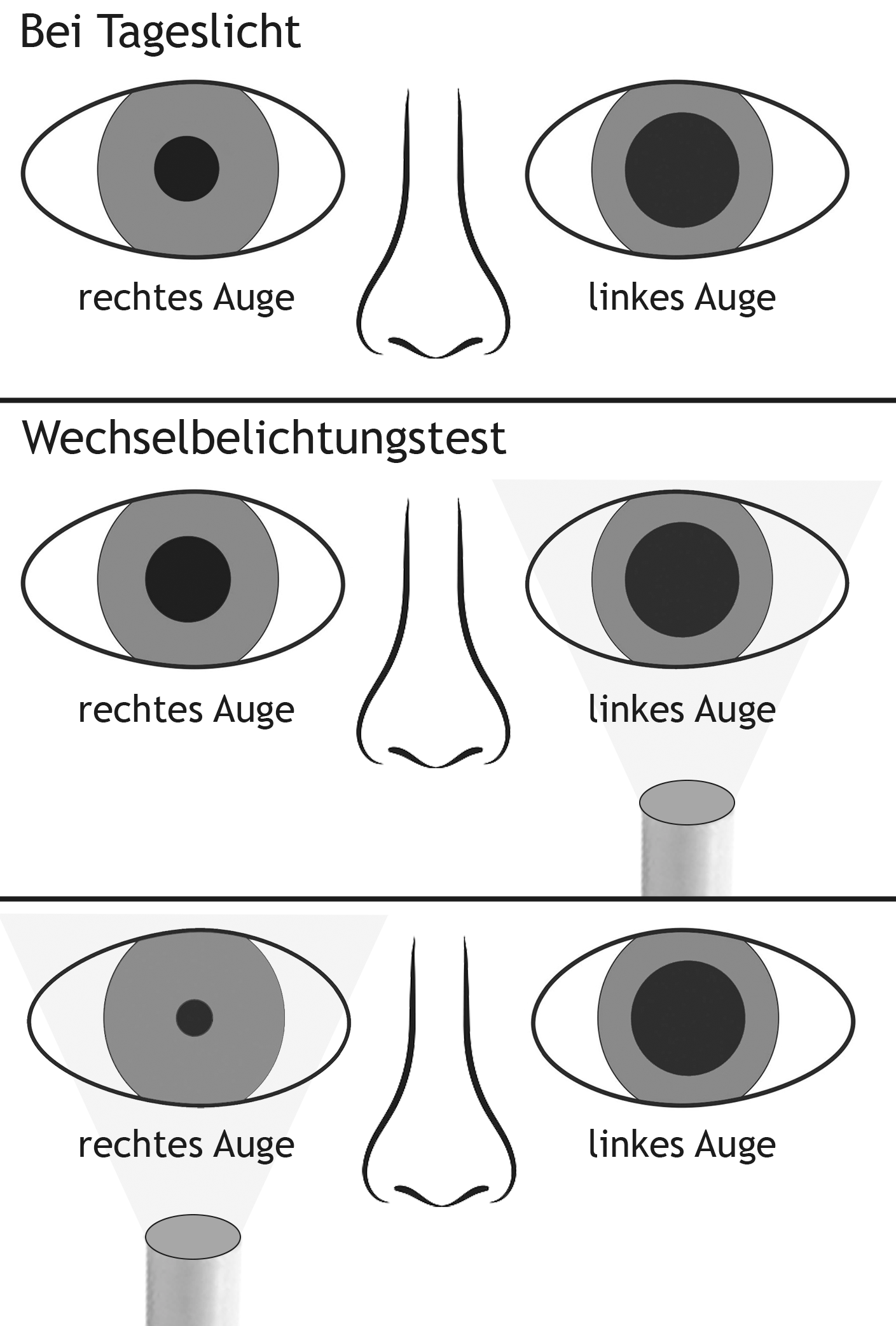
24. In a 32-year-old female patient, the left pupil is larger than the right in daylight. During the swinging flashlight test in a dimly lit room, the pupil of each eye is alternately illuminated from below while the patient looks into the distance. The following findings are obtained:
Which of the following causes most likely underlies the findings shown in the illustration?
A. Isolated lesion of the left oculomotor nerve (N. oculomotorius)
B. Isolated lesion of the left ophthalmic nerve (N. ophthalmicus)
C. Isolated lesion of the right optic nerve (N. opticus)
D. Lesion of the left optic nerve (N. opticus) and the left oculomotor nerve (N. oculomotorius)
E. Lesion of the right optic nerve (N. opticus) and the left oculomotor nerve (N. oculomotorius)
D. Lesion of the left optic nerve (N. opticus) and the left oculomotor nerve (N. oculomotorius)
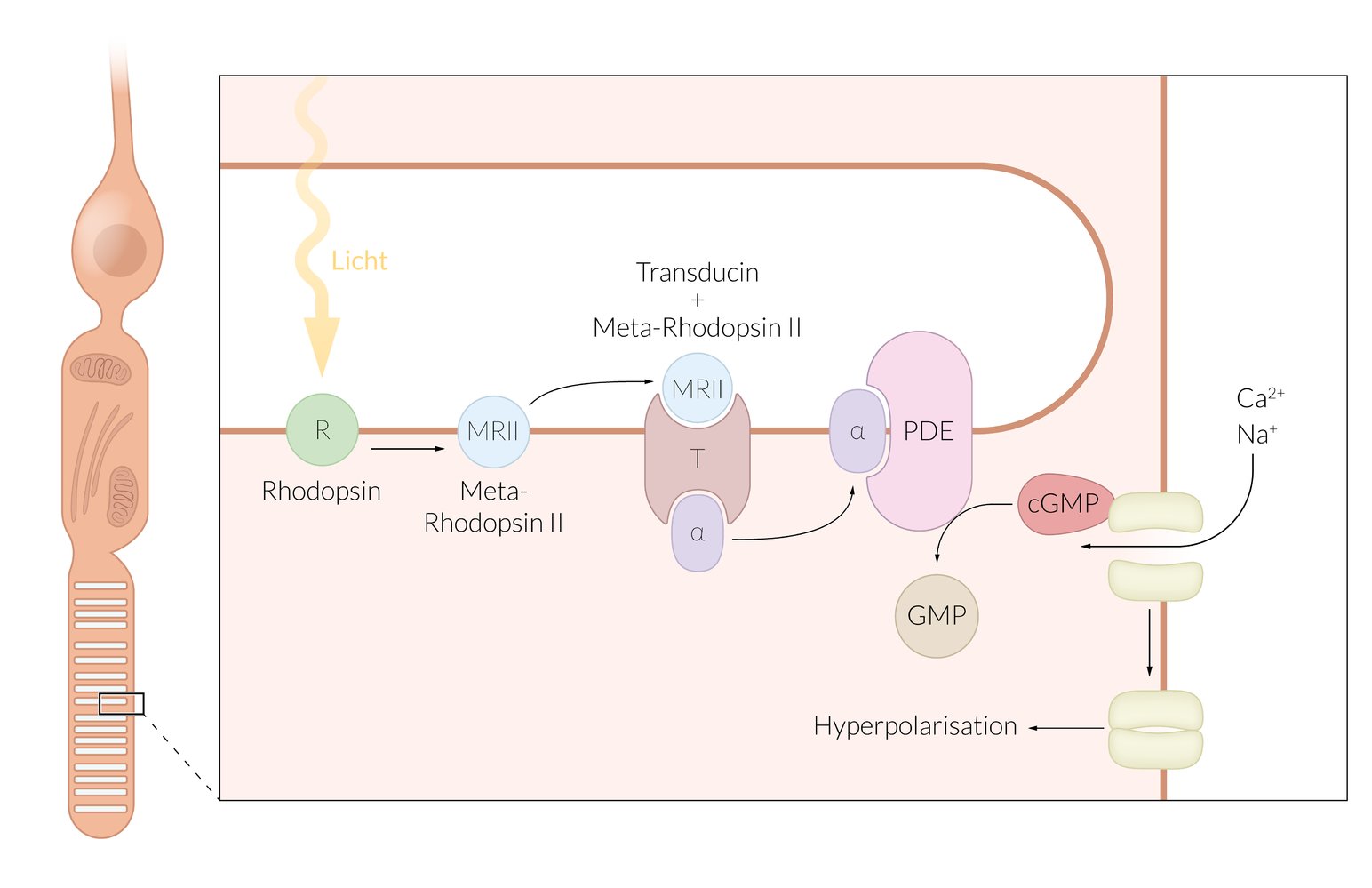
25. Changes in potential in photoreceptors are a prerequisite for the initiation of the visual process. Cation-selective CNG channels play an important role in this.
Which of the following most likely increases the open probability of these channels?
A. Activation of rhodopsin
B. Blockade of guanylate cyclase activity
C. Decrease in phosphodiesterase activity
D. Hyperpolarization of the membrane to about –70 mV
E. Increase in cytosolic Ca²⁺ concentration
C. Decrease in phosphodiesterase activity
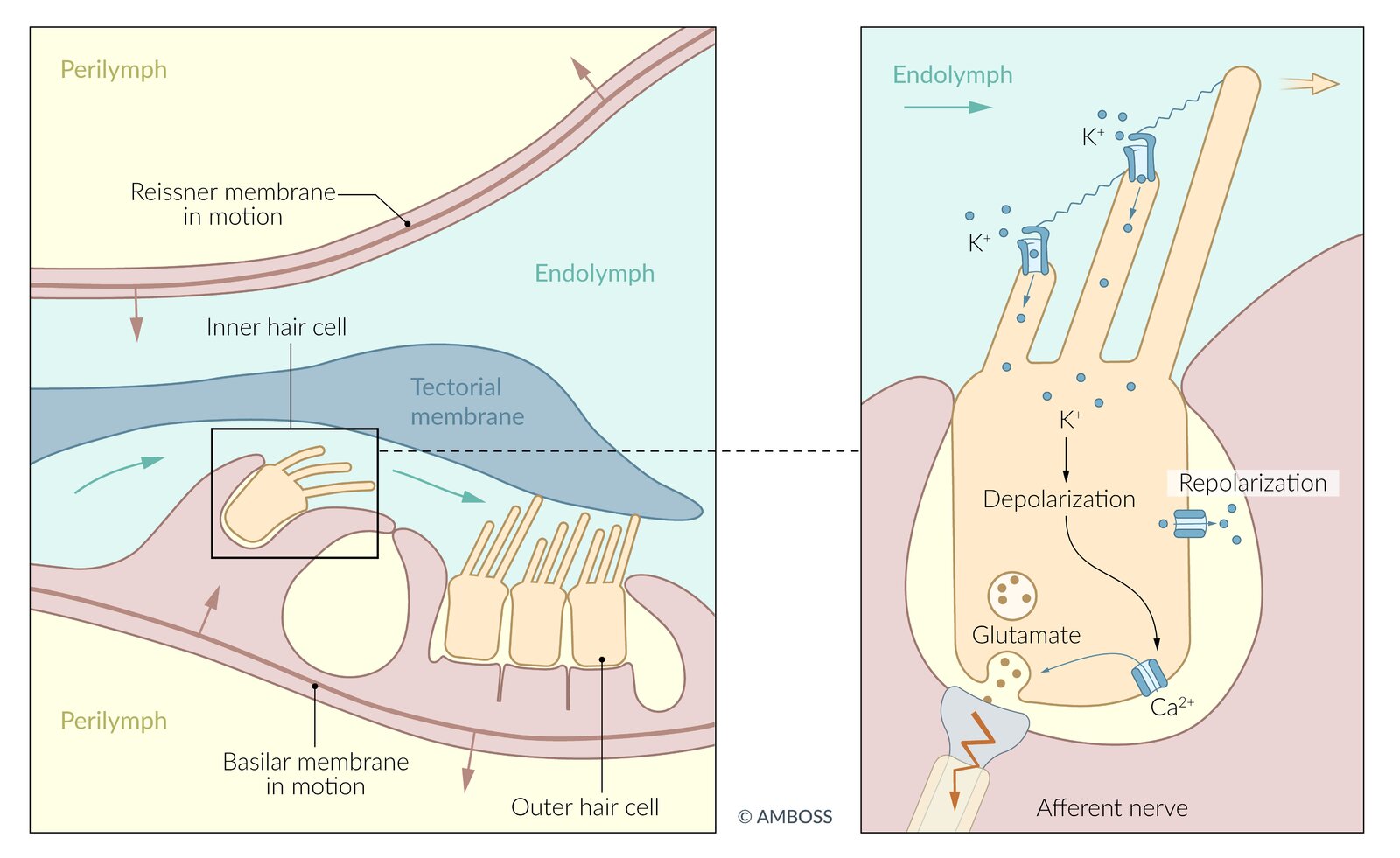
26. The K⁺ gradient is an important determinant of the excitability of hair cells.
The electrochemical equilibrium potential for K⁺ across the apical side of the hair cells is normally approximately:
A. –140 mV
B. –80 mV
C. 0 mV
D. 80 mV
E. 140 mV
C. 0 mV

27. The following figure shows a sound pressure level–frequency diagram with several equal-loudness contours (isophones) of a teenager. The subject’s hearing threshold lies at 4 phon. The main speech area is shown as a shaded region.
Which of the following statements best applies?
A. At a loudness level of 40 phon, a tone with a frequency of 1 kHz is perceived as equally loud as a tone with a frequency of 4 kHz.
B. At a loudness level of 60 phon, a tone with a frequency of 1 kHz has a lower sound pressure level (SPL) than a tone with a frequency of 4 kHz.
C. At a sound pressure level (SPL) of 80 dB SPL, a tone with a frequency of 1 kHz is perceived as louder than a tone with a frequency of 4 kHz.
D. The sound pressure level (SPL) of tones in the main speech area is on average lower at a frequency of 500 Hz than at 4 kHz.
E. Tones are only perceived when their sound pressure level (SPL) is above 0 dB SPL.
A. At a loudness level of 40 phon, a tone with a frequency of 1 kHz is perceived as equally loud as a tone with a frequency of 4 kHz.
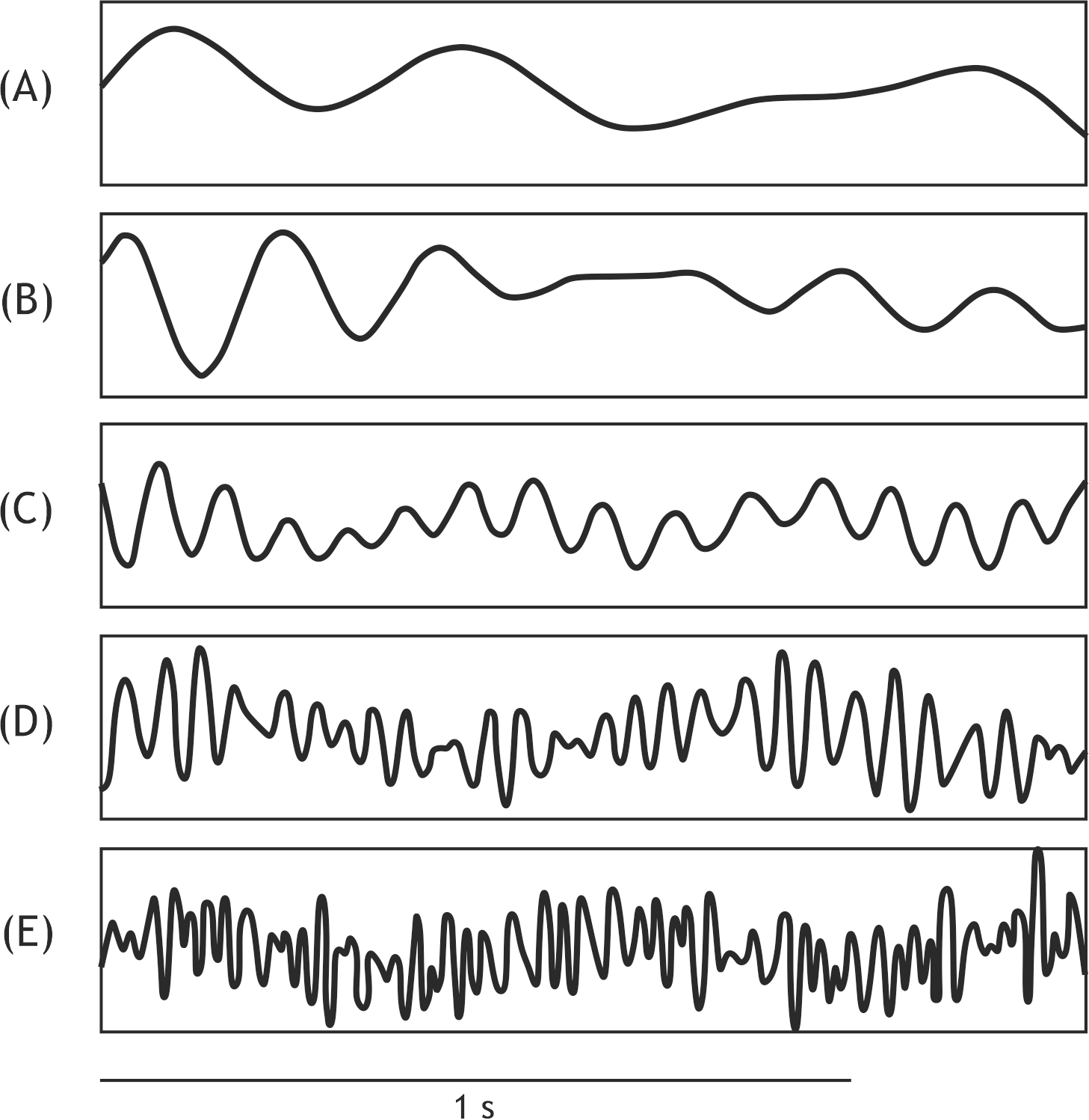
28. Electroencephalography (EEG) is used to measure activity states of the cerebral cortex.
The EEG activity most commonly recorded in a relaxed adult lying with eyes closed most likely corresponds to the pattern shown in:
A. (A)
B. (B)
C. (C)
D. (D)
E. (E)
C. (C)

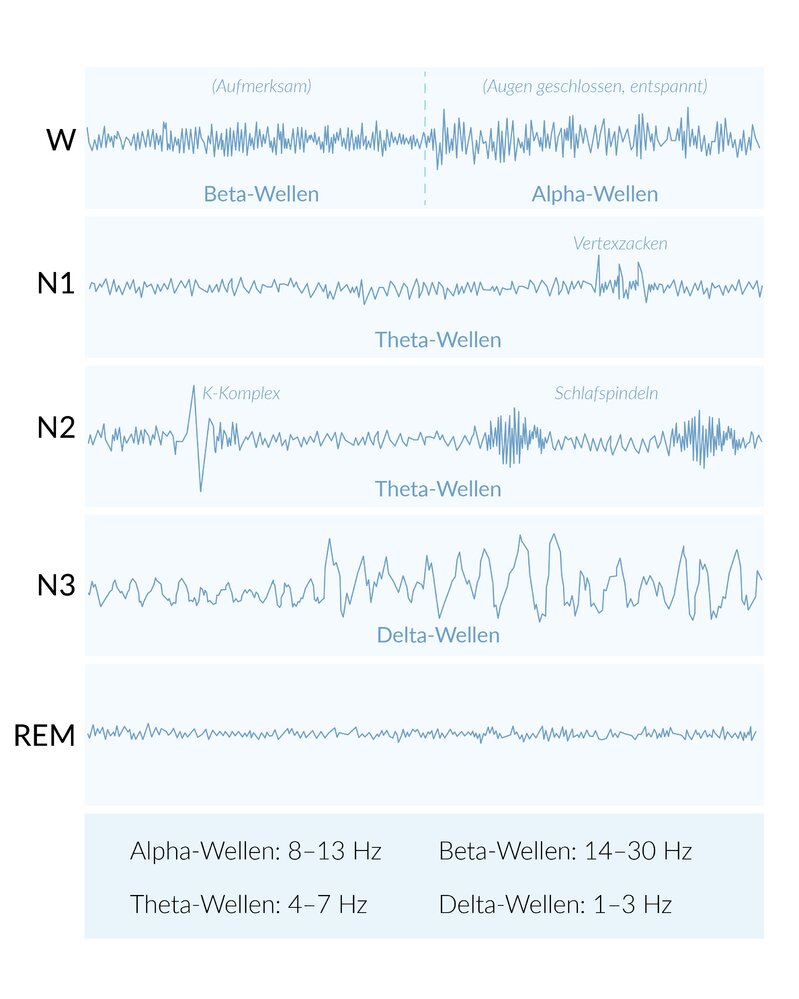
29. With the help of EEG, different sleep stages can be distinguished.
When is a combination of so-called K-complexes and sleep spindles most likely to be observed?
A. At sleep onset
B. In non-REM sleep stage 1
C. In non-REM sleep stage 2
D. In non-REM sleep stage 3
E. In the REM sleep stage
C. In non-REM sleep stage 2
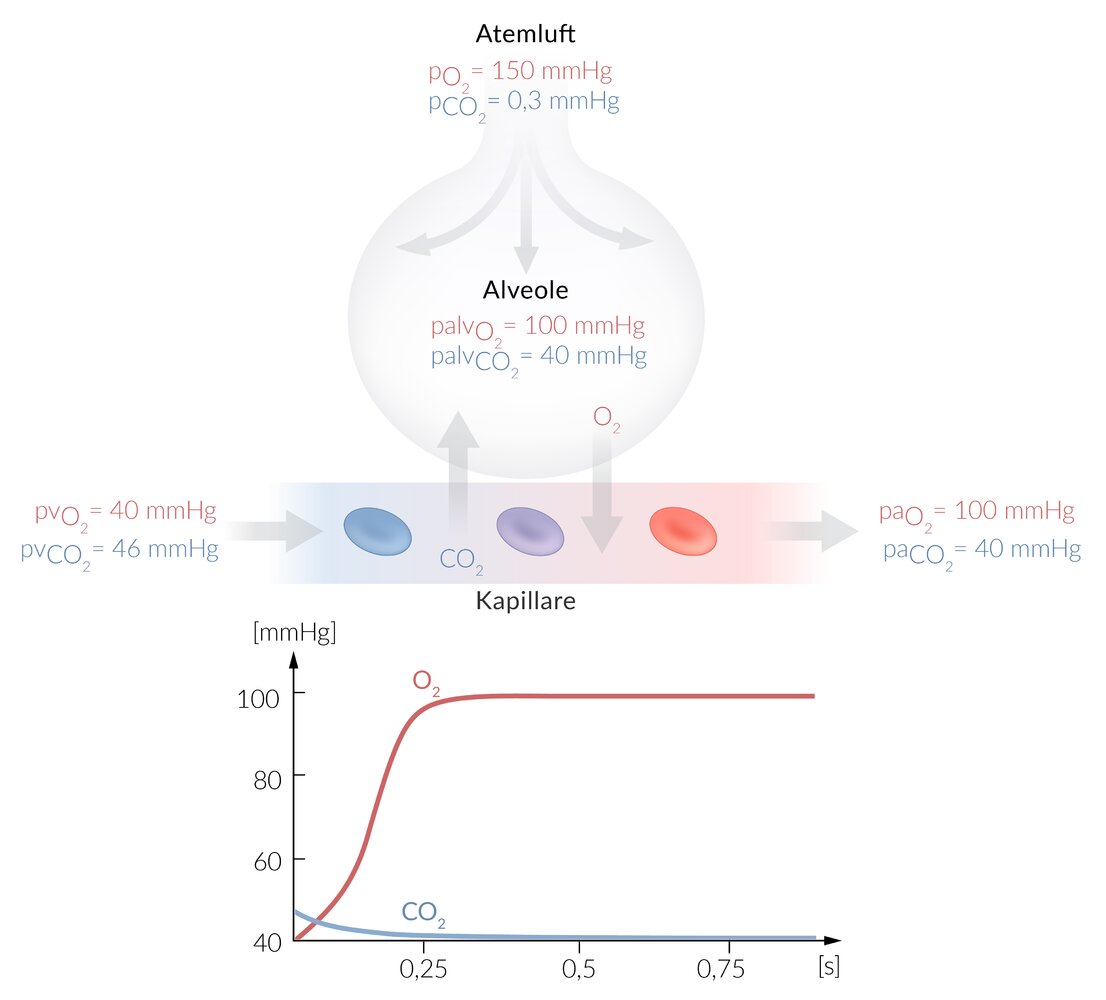
30. In a test subject, the pO₂ in the inspired air is 150 mmHg, the end-expiratory pCO₂ is 40 mmHg, and the respiratory quotient is 1.0.
What is the pO₂ in the alveolar space?
A. 70 mmHg
B. 90 mmHg
C. 110 mmHg
D. 140 mmHg
E. 190 mmHg
C. 110 mmHg
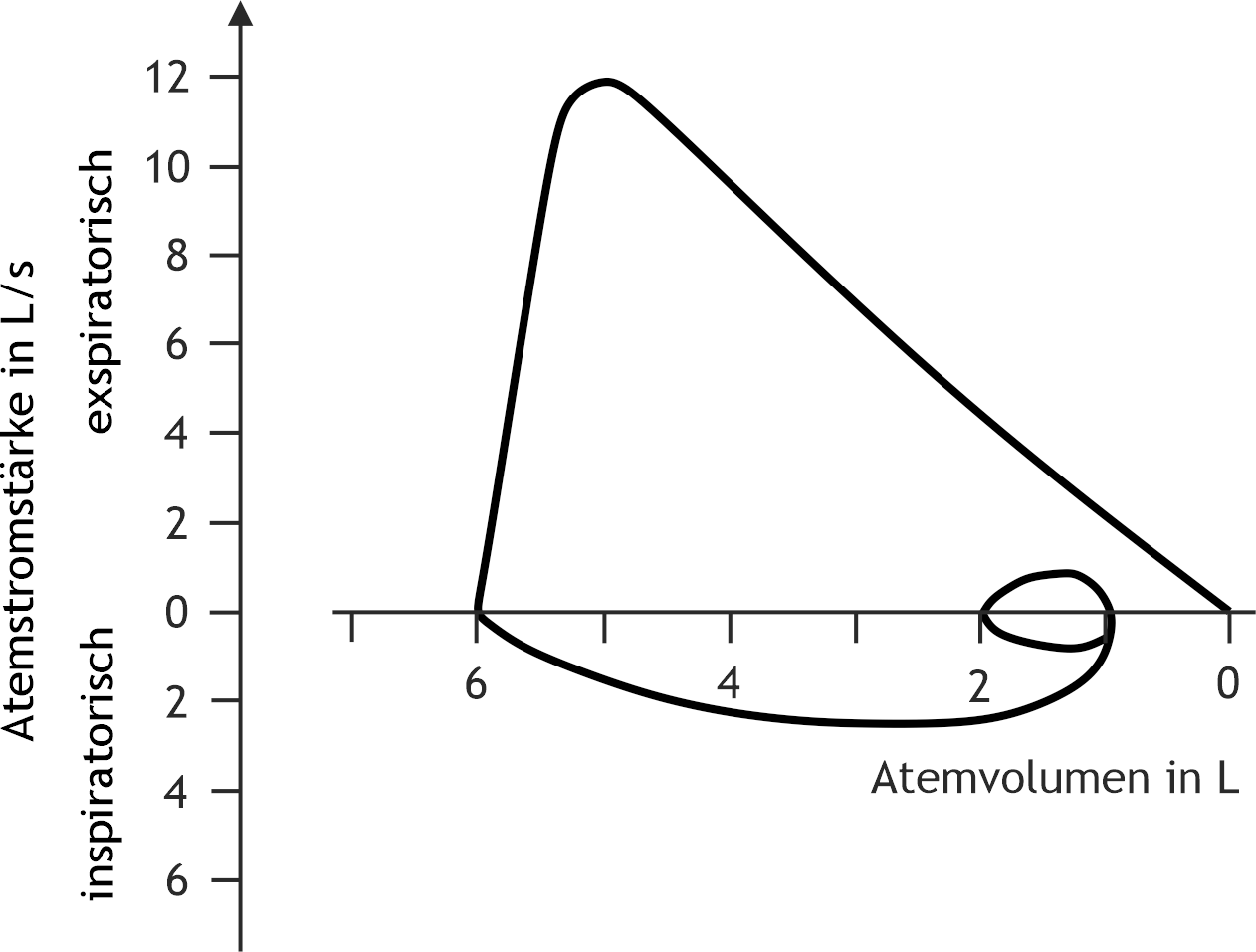
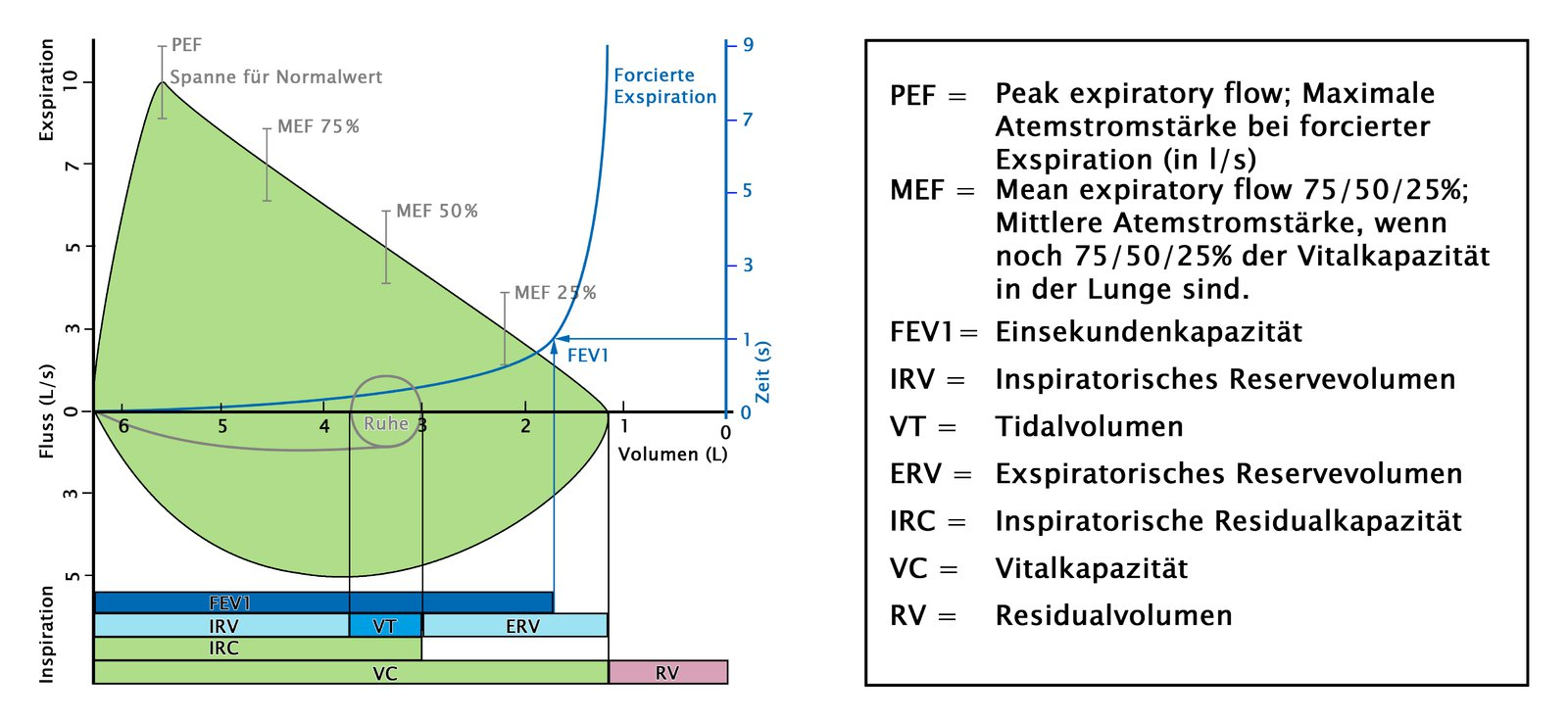
31. In a patient, the depicted volume–flow diagram was recorded during quiet breathing followed by a forced maximal inspiration and maximal expiration. The zero point on the x-axis corresponds to maximal expiration.
What is the patient’s inspiratory reserve volume?
A. 1 L
B. 3 L
C. 4 L
D. 5 L
E. 6 L
C. 4 L
32. In an experiment, the effect of breathing through a snorkel on dead space volume is to be demonstrated. The mean expiratory CO₂ fraction (0.045), the end-expiratory CO₂ fraction (0.06), and the expiratory tidal volume (0.8 L) are measured during snorkel breathing.
What is the total dead space volume?
A. 100 mL
B. 200 mL
C. 300 mL
D. 400 mL
E. 600 mL
B. 200 mL
33. The basic rhythm of breathing is determined by the activity of respiratory neurons and is modified by feedback and non-feedback respiratory drives.
Which of the following receptors, when activated, increase respiration and are part of feedback respiratory drives?
A. Chemoreceptors of the medulla oblongata
B. Stretch receptors of the lung
C. Baroreceptors of the circulatory system
D. Proprioceptors of the skeletal muscles
E. Thermoreceptors of the skin
A. Chemoreceptors of the medulla oblongata
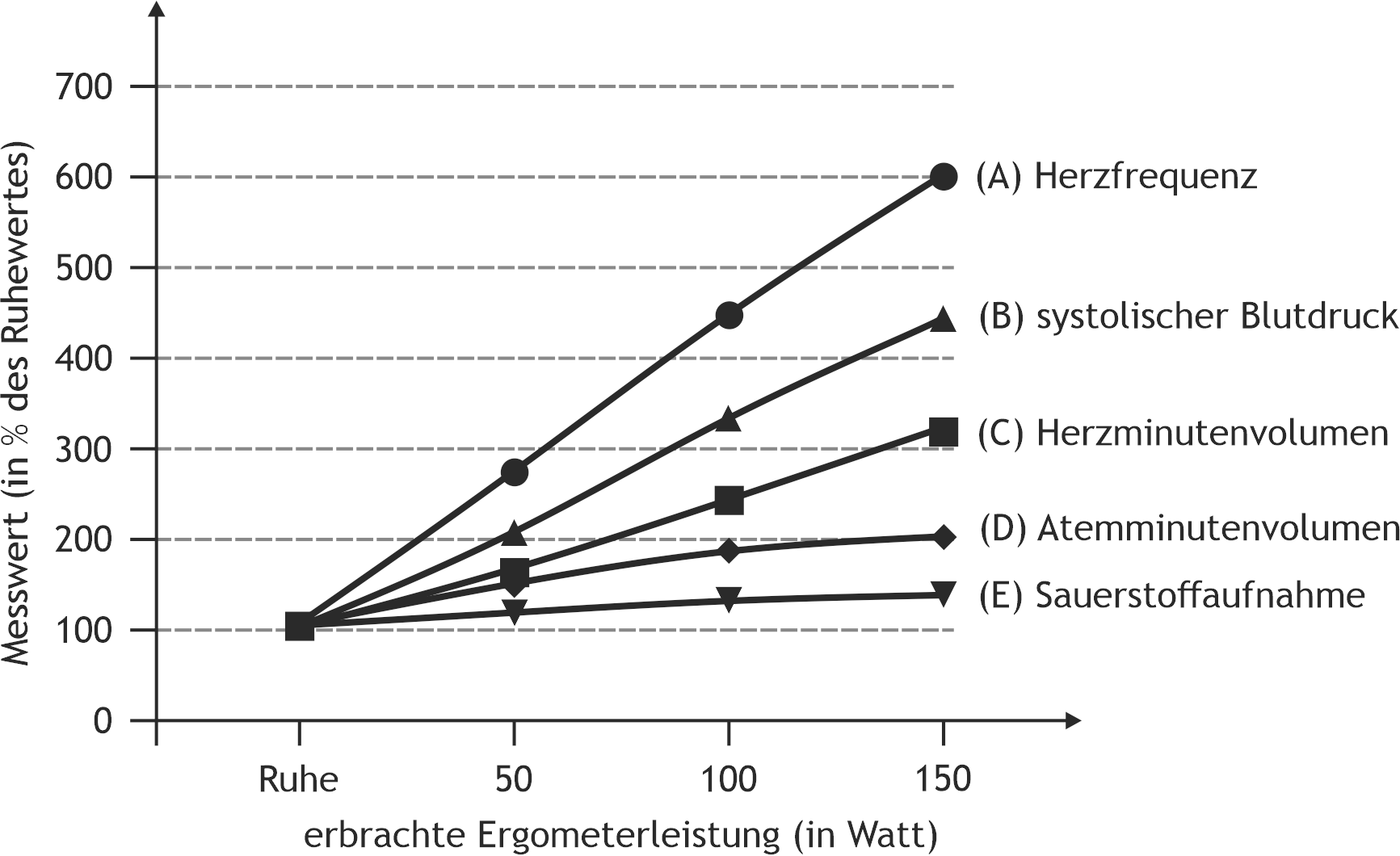
34. The following figure shows changes in cardiorespiratory parameters depending on exercise intensity.
Which assignment of parameter and curve is most likely correct during an exercise test of a 23-year-old woman (height: 1.65 m; weight: 58 kg)?
A. Heart rate
B. Systolic blood pressure
C. Cardiac output
D. Minute ventilation
E. Oxygen uptake
C. Cardiac output
35. In a patient, echocardiography shows an end-diastolic ventricular volume of 100 mL and an ejection fraction of 40%. The simultaneously measured heart rate is 100/min.
What is the patient’s cardiac output?
A. 4 L/min
B. 5 L/min
C. 6 L/min
D. 8 L/min
E. 10 L/min
A. 4 L/min
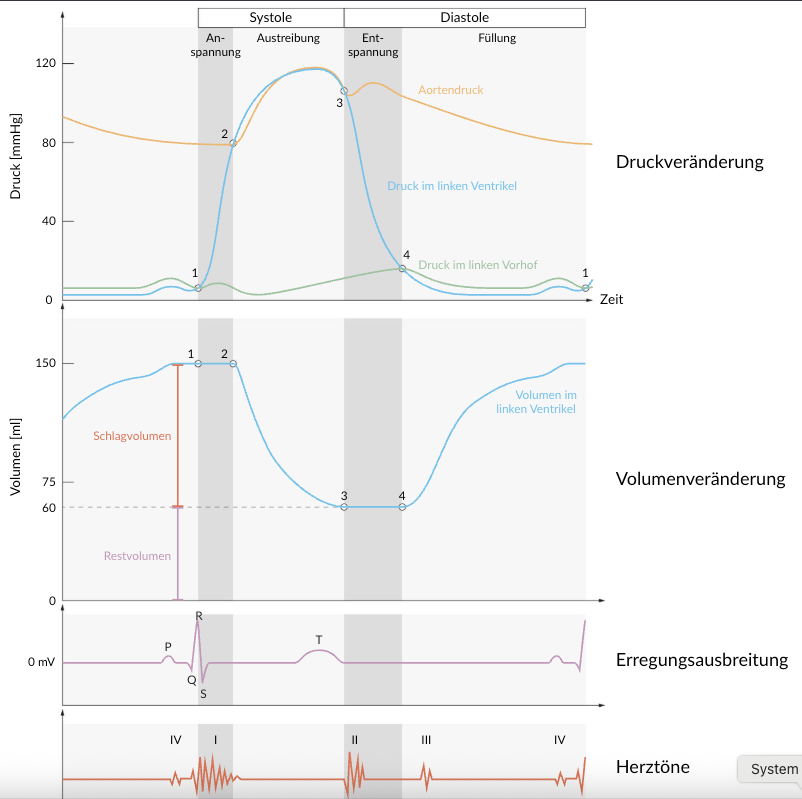
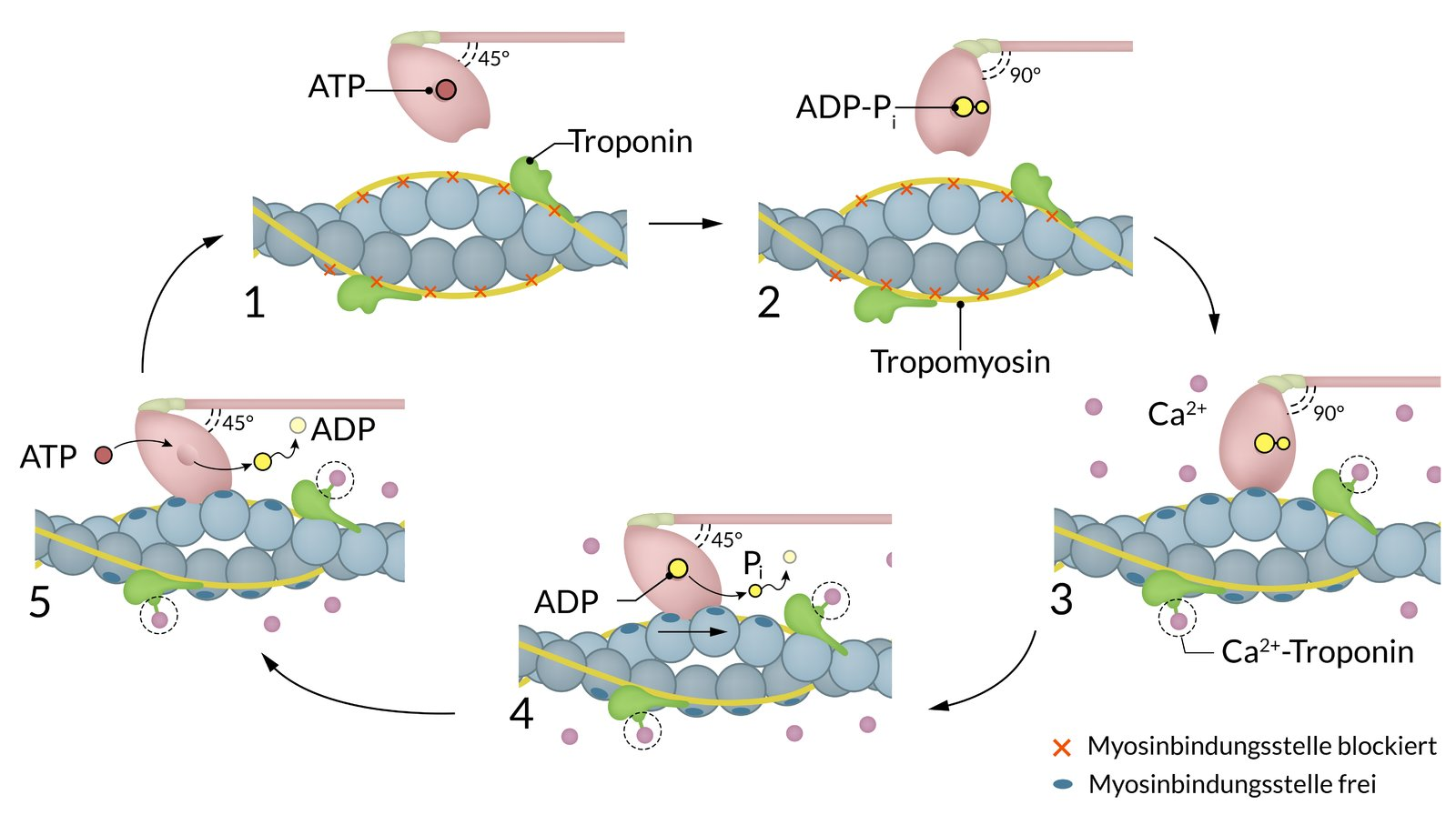
36. In the Frank-Starling mechanism of the heart, increased stretching of the ventricles leads to an enhanced contractile force.
Which of the following factors contributes most strongly to this increase?
A. Increased affinity of the contractile apparatus for Ca²⁺
B. Decreased overlap of actin and myosin filaments
C. Enhanced activation of SERCA (sarcoplasmic endoplasmic reticulum calcium-transporting ATPase)
D. Increased phosphorylation of troponin I
E. Delayed activation of the ryanodine receptor 1
A. Increased affinity of the contractile apparatus for Ca²⁺
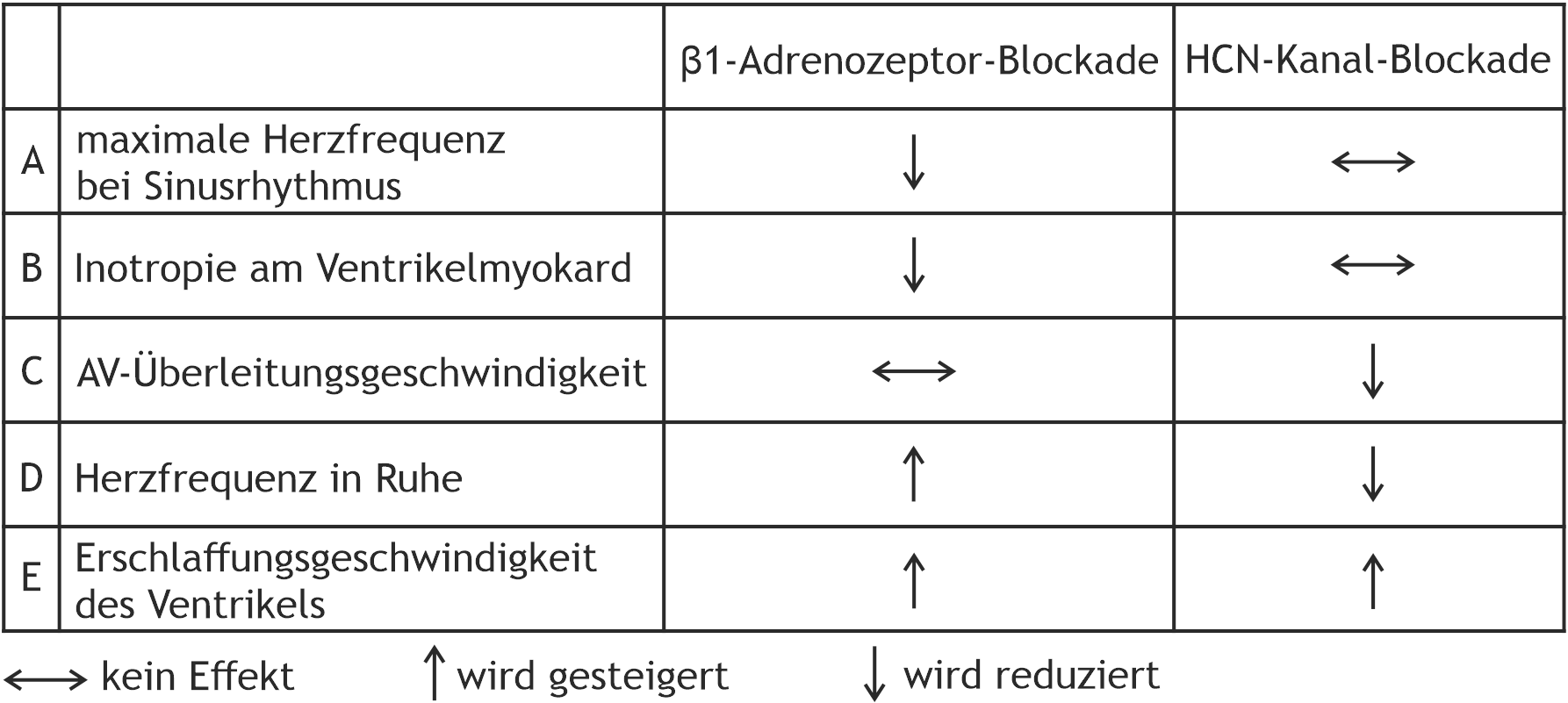
37. Tachycardic cardiac arrhythmias are common conditions in which, among other approaches, blockade of β₁-adrenoceptors and HCN channels can be used therapeutically.
Which assignment best describes the direct effects of such blockades?
↔ : no effect
↑ : is increased
↓ : is reduced
A. maximal heart rate during sinus rhythm
B. inotropy in the ventricular myocardium
C. AV conduction velocity
D. resting heart rate
E. ventricular relaxation velocity
B. inotropy in the ventricular myocardium
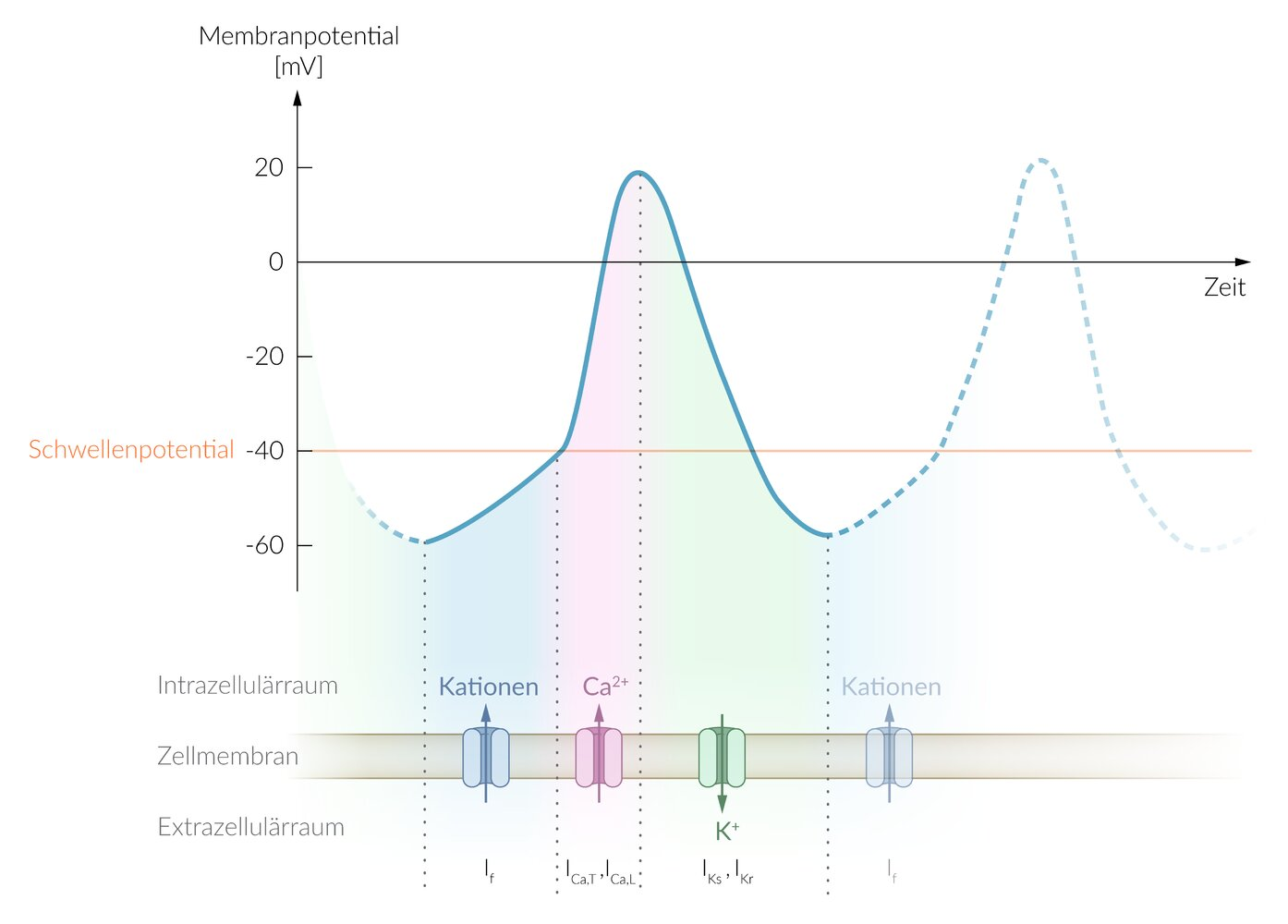
38. In an experiment, the transport rates of the cardiac Na⁺/Ca²⁺ exchanger (NCX, stoichiometry 3:1) are to be determined. The Na⁺ concentration is 140 mmol/L extracellularly and 14 mmol/L intracellularly. The concentration of free Ca²⁺ is 1 mmol/L extracellularly and 0.1 μmol/L intracellularly.
At which of the following membrane potentials does the NCX have its lowest transport rate?
A. Approximately –90 mV
B. Approximately –60 mV
C. Approximately –30 mV
D. Approximately 0 mV
E. Approximately 30 mV
E. Approximately 30 mV
39. Heart valve diseases alter cardiac hemodynamics.
Which change is most likely to be expected in aortic valve insufficiency — with otherwise normal heart function?
A. Decreased aortic systolic blood pressure
B. Increased aortic diastolic blood pressure
C. Increased aortic pulse pressure (widened blood pressure amplitude)
D. Decreased left ventricular end-diastolic volume
E. Decreased left ventricular stroke volume
C. Increased aortic pulse pressure (widened blood pressure amplitude)
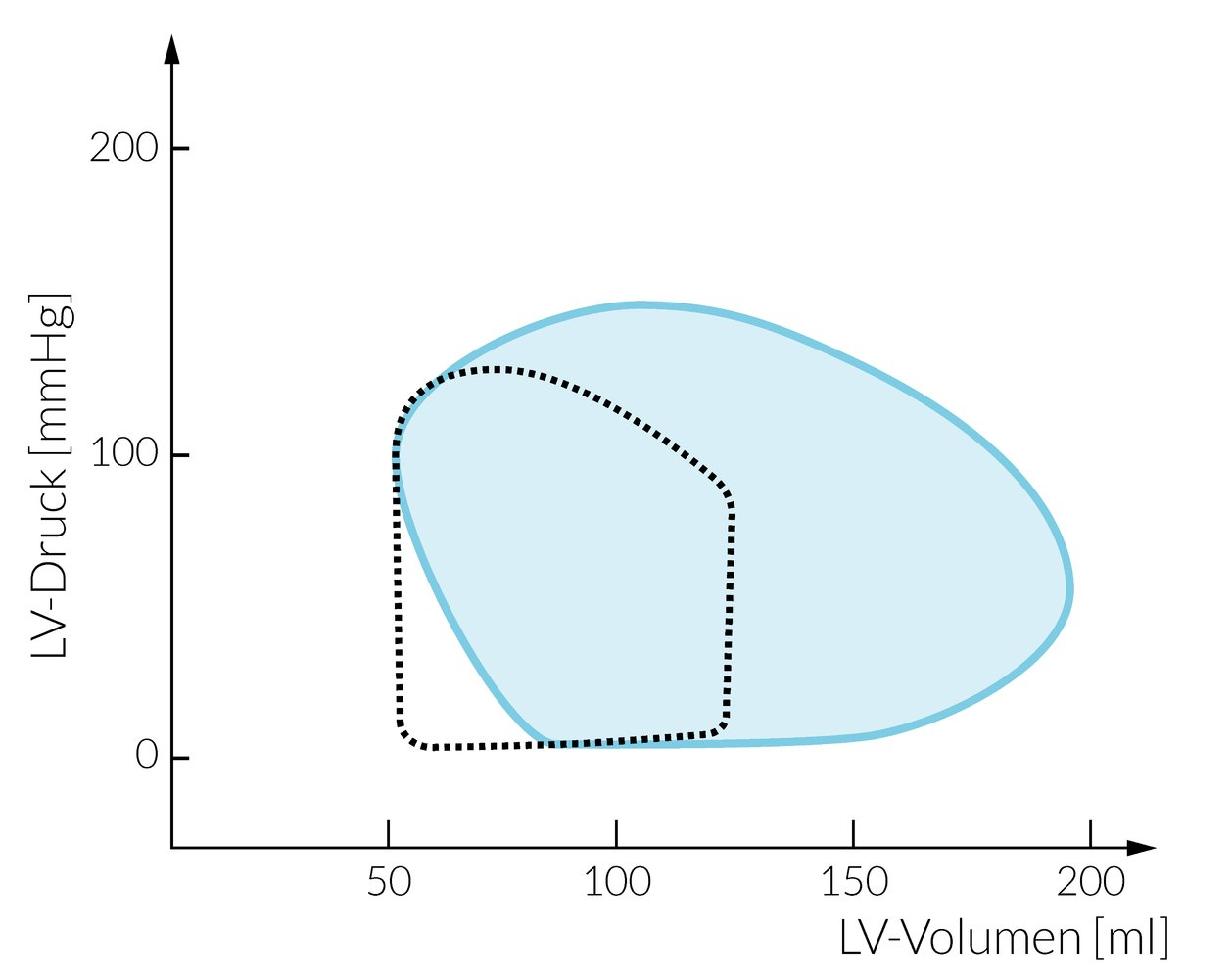
40. The systemic arterial blood pressure curve shows location-specific characteristics.
What mainly causes the dicrotic wave in this curve?
A. Opening of the mitral valve
B. Opening of the aortic valve
C. Closure of the aortic valve
D. Reflections of the pressure wave at the vessel walls
E. Windkessel function of the aorta
D. Reflections of the pressure wave at the vessel walls

41. With increasing age, the stiffness (elastance) of the large arteries increases.
Which of the following effects is most likely?
A. Increased diastolic blood pressure
B. Lower systolic blood pressure
C. Lower pulse pressure
D. Disappearance of the dicrotic notch in the pressure pulse curve of the central arteries
E. Higher pulse wave velocity in the central arteries
E. Higher pulse wave velocity in the central arteries
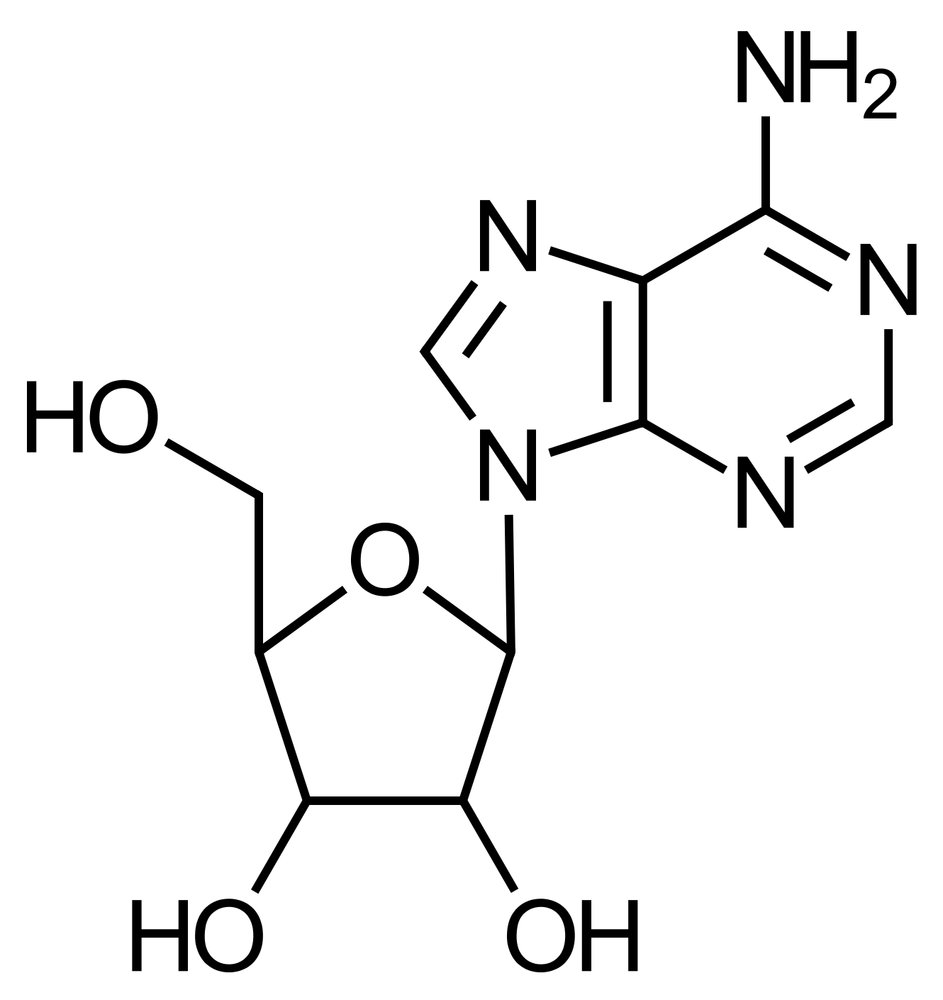
42. To determine the coronary flow reserve, a drug that dilates the vessels is administered to patients.
Which of the following substances causes — under physiological conditions — the strongest increase in coronary blood flow?
A. Adenosine
B. Angiotensin II
C. Endothelin
D. Thromboxane
E. Vasopressin
A. Adenosine
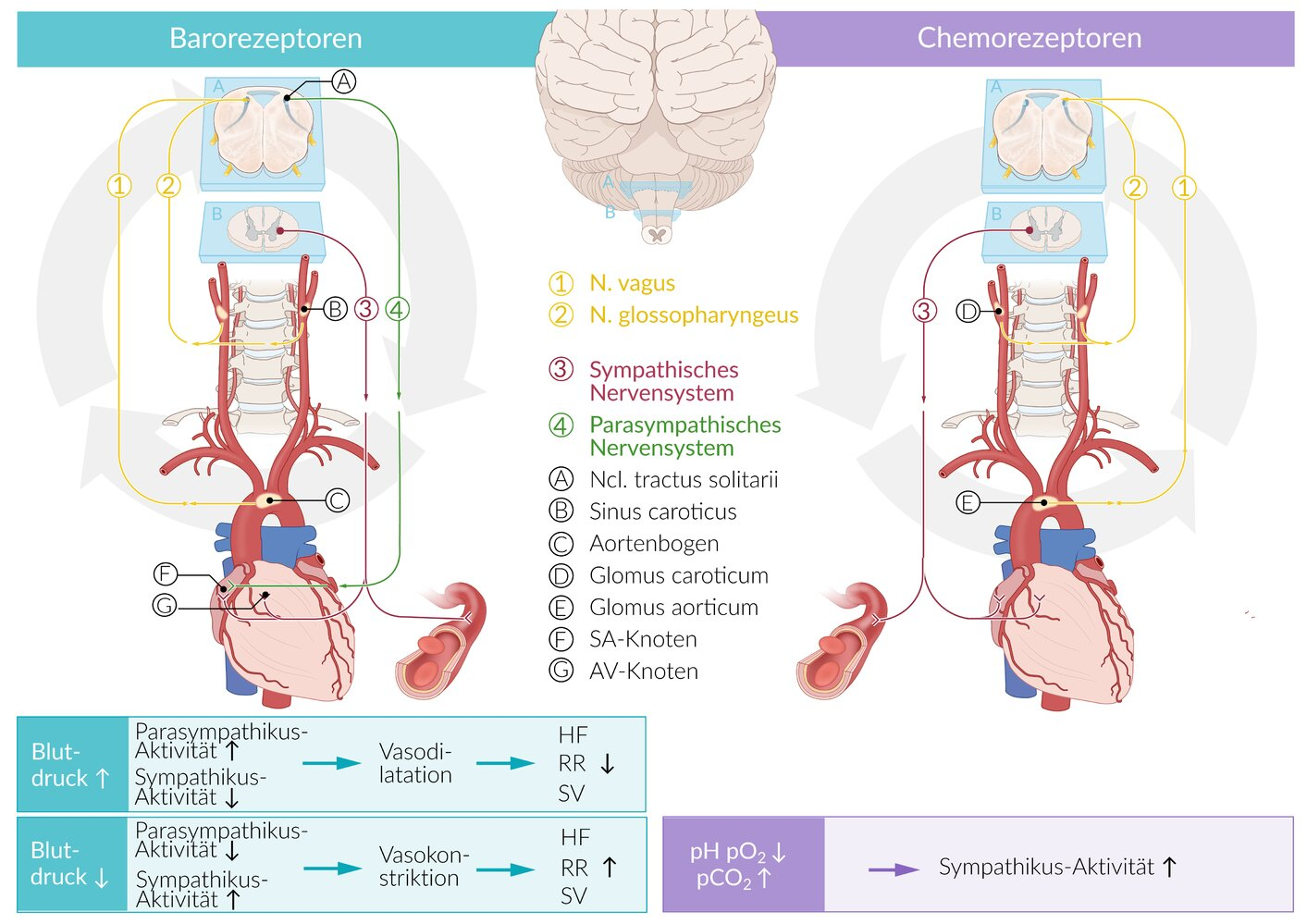
43. The orthostatic reaction serves to stabilize blood pressure during the transition from lying to standing.
Which cardiovascular change compared with the supine position most likely occurs acutely during the orthostatic reaction?
A. Decrease in aortic baroreceptor activity
B. Decrease in heart rate
C. Decrease in venous tone in the legs
D. Increase in left ventricular stroke volume
E. Increase in left ventricular pulse pressure
A. Decrease in aortic baroreceptor activity
44. To stimulate cold receptors, a subject’s hand is briefly immersed in ice water.
Which effect most likely occurs physiologically as a result of such a painful cold stimulus?
A. Decrease in left ventricular pressure
B. Decrease in left ventricular dp/dtmax
C. Bradycardia
D. Constriction of the coronary vessels
E. Increase in the norepinephrine concentration in blood plasma
E. Increase in the norepinephrine concentration in blood plasma
45. Occasionally, patients experience syncope upon turning the head due to activation of baroreceptors (carotid sinus syndrome with loss of consciousness).
Which of the following mechanisms is primarily involved in this reaction?
A. Activation of the parasympathetic nervous system
B. Activation of the sympathetic nervous system
C. Frank-Starling mechanism
D. Release of ANP
E. Atrioventricular plane (valve plane) mechanism
A. Activation of the parasympathetic nervous system
46. A decrease in local oxygen concentration can trigger vasoconstriction.
In which organ does this typically occur?
A. Brain
B. Heart
C. Liver
D. Lungs
E. Kidneys
D. Lungs
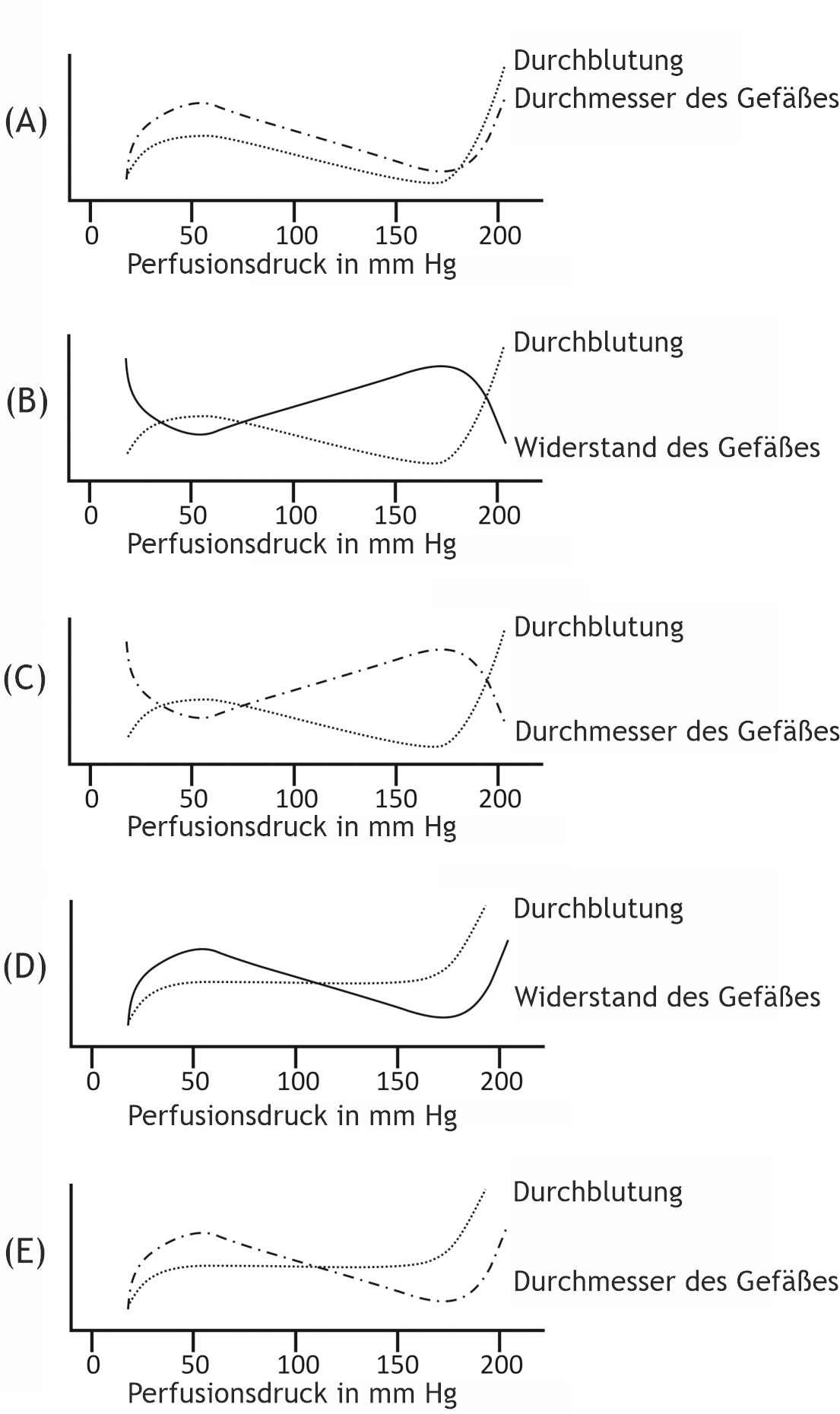
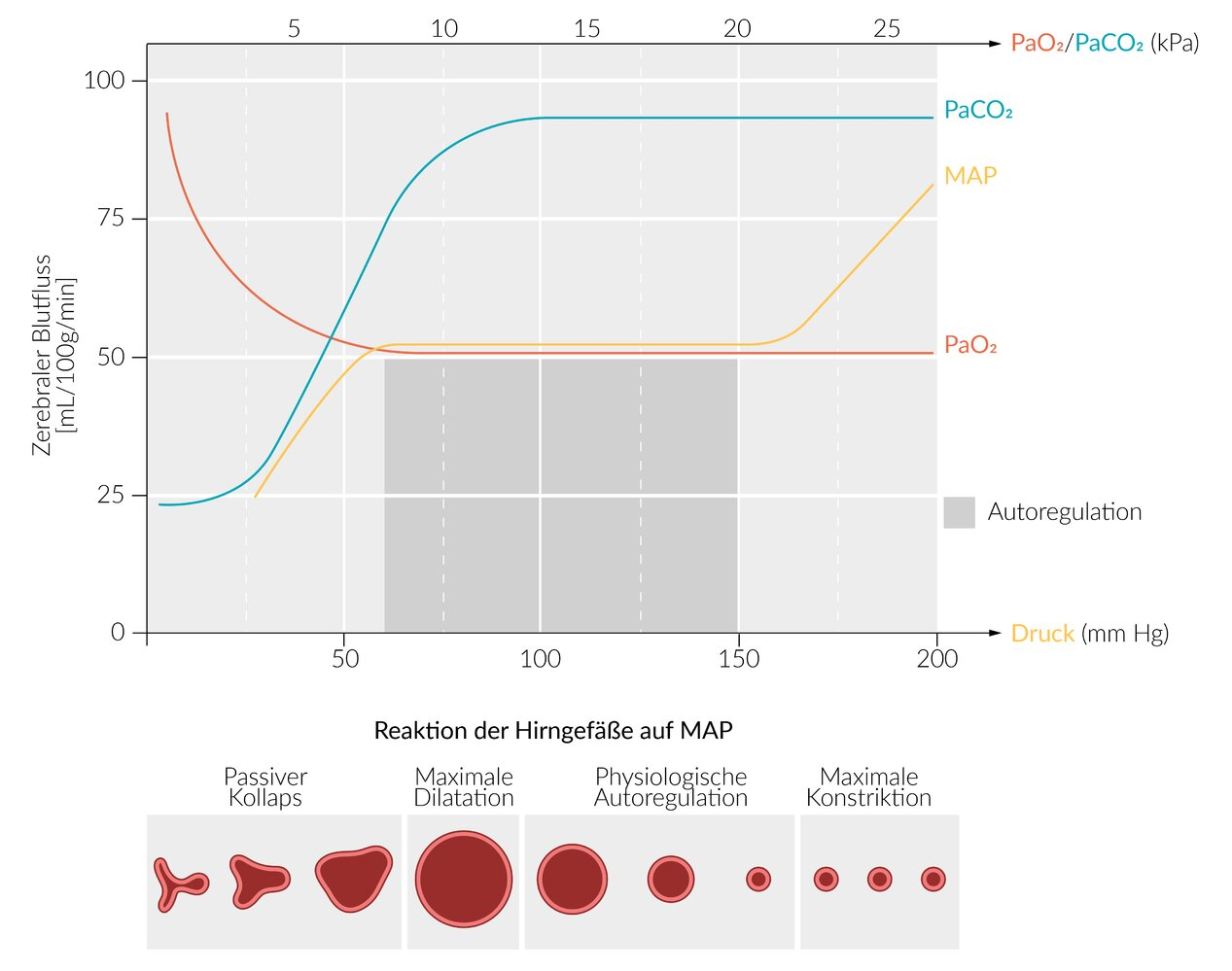
47. Cerebral blood flow is regulated by adjusting vessel diameter and, consequently, vascular resistance.
Which of the following diagrams most likely represents the relationship between two of these three variables correctly?
A. (A)
B. (B)
C. (C)
D. (D)
E. (E)
E. (E)
48. Skeletal muscle strength can be voluntarily influenced.
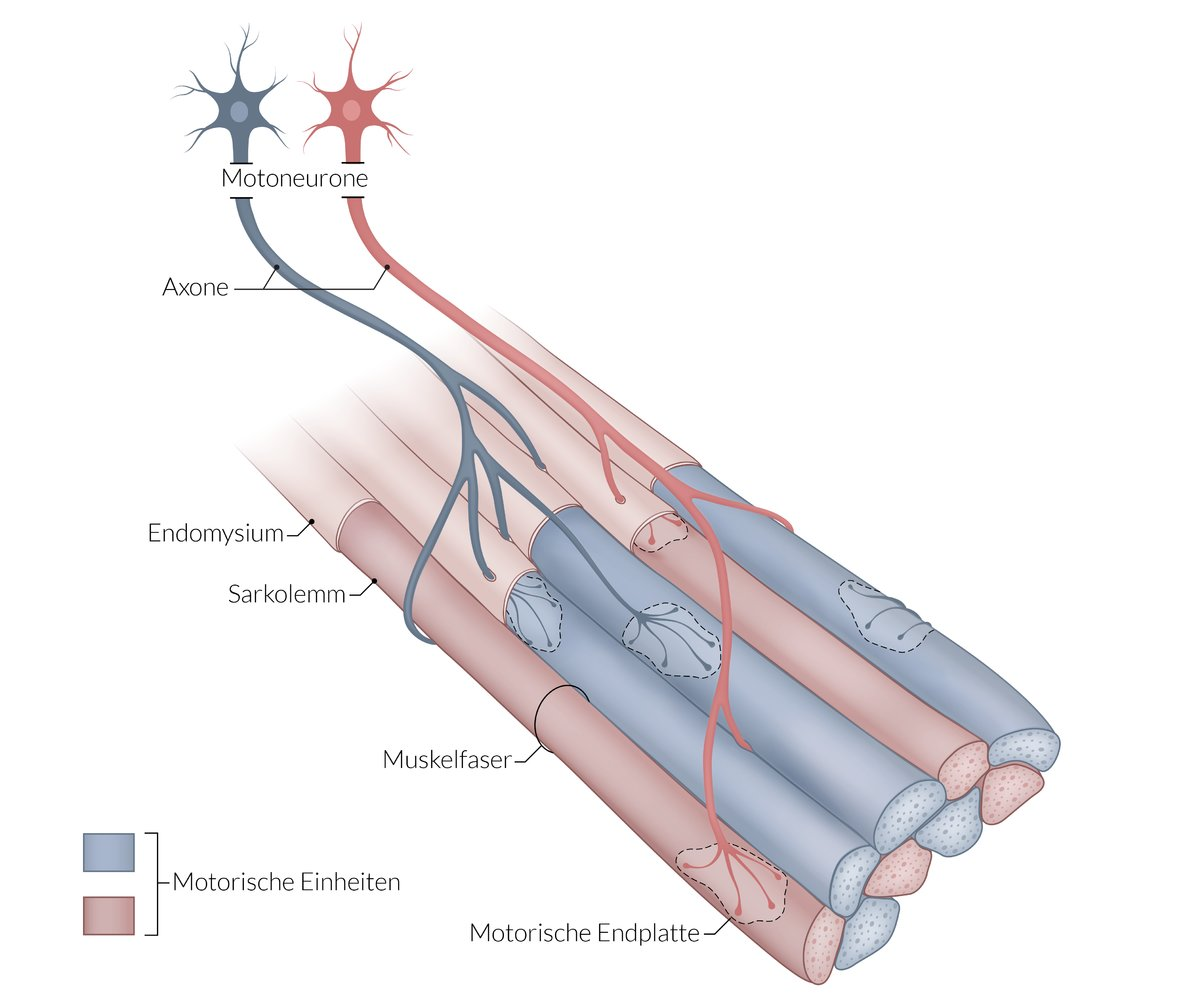
Which of the following mechanisms is most important for the voluntary increase of skeletal muscle strength?
A. Activation of Golgi tendon organs
B. Activation of muscle spindles
C. Inhibition of γ-motoneurons in the spinal cord
D. Inhibition of Renshaw cells in the spinal cord
E. Recruitment of additional motor units
E. Recruitment of additional motor units
49. Contractions of the uterus during childbirth are referred to as labor contractions.
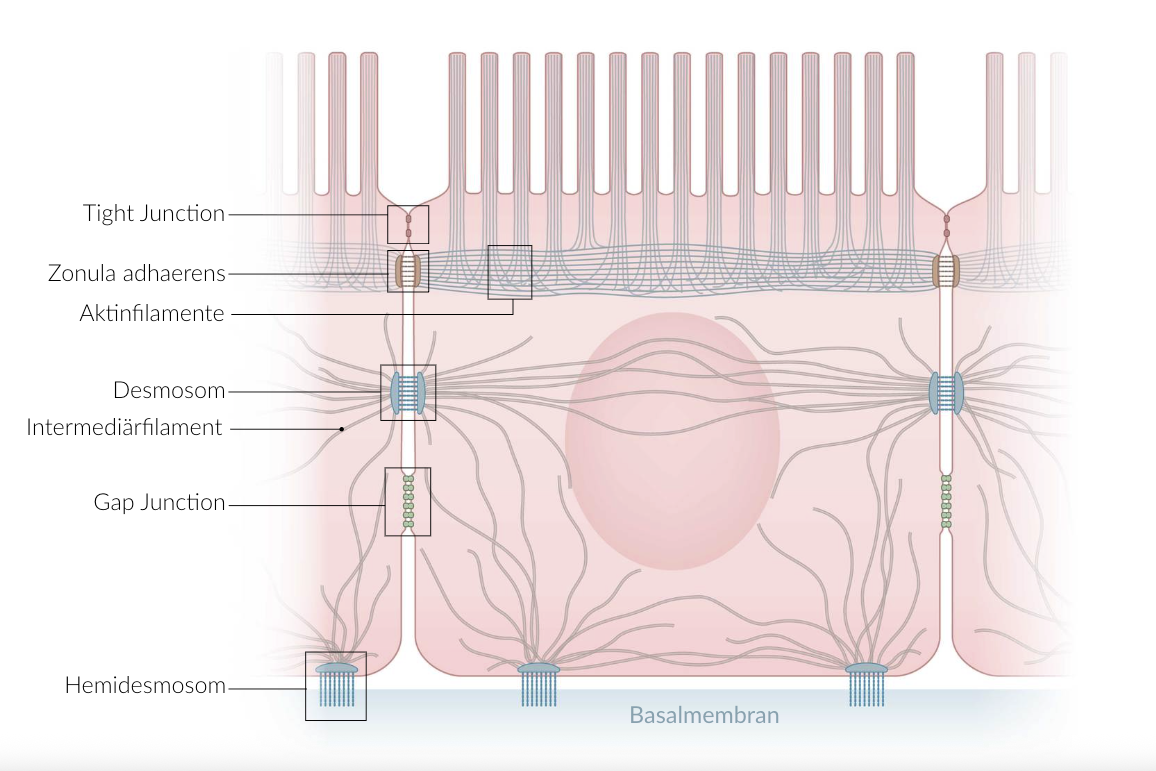
Which of the following processes is involved in uterine contraction?
A. Depolarization of uterine smooth muscle by Na⁺-mediated action potentials
B. Propagation of electrotonic waves through gap junctions of the uterine muscle
C. Hyperpolarization of uterine smooth muscle by oxytocin
D. Hyperpolarization of uterine smooth muscle by parasympathetic varicosities
E. Initiation of contractions by pacemaker cells in the cervix uteri
B. Propagation of electrotonic waves through gap junctions of the uterine muscle
50. For skeletal muscle contraction, an increase in Ca²⁺ concentration in the sarcoplasm is crucial.
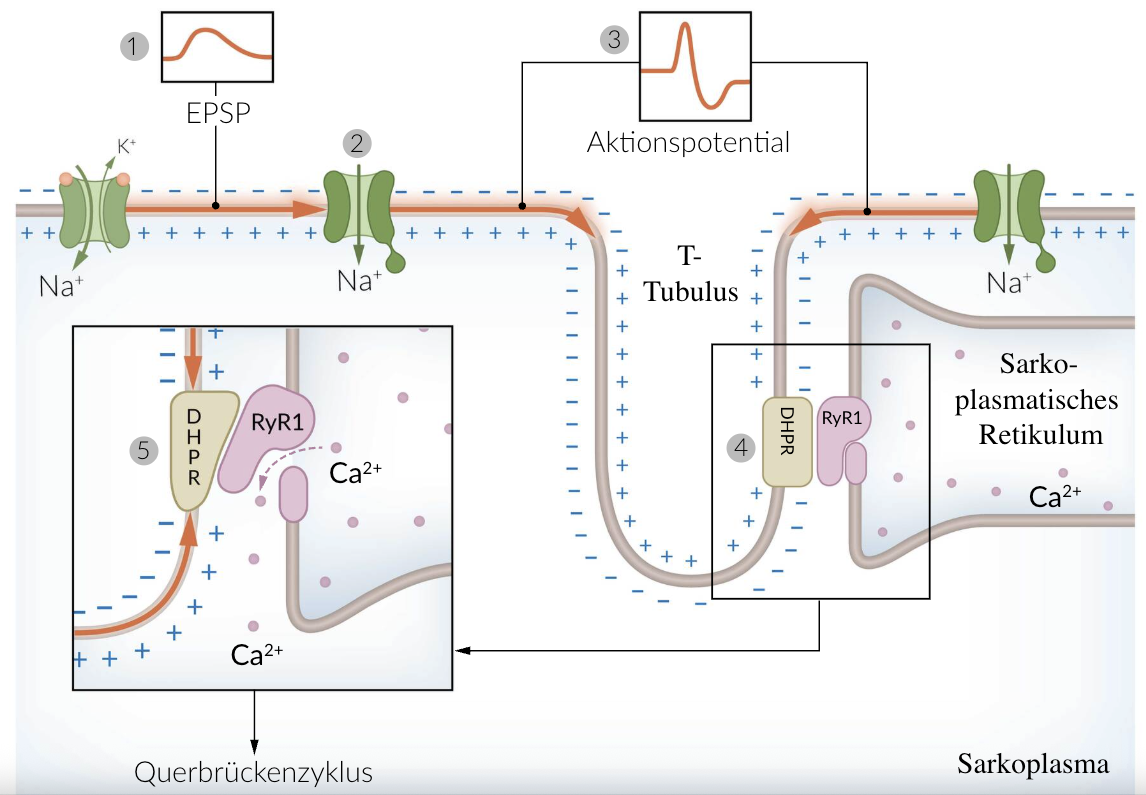
Which mechanism is primarily responsible for this Ca²⁺ increase?
A. Ca²⁺ influx through dihydropyridine receptors
B. Ca²⁺ release from the sarcoplasmic reticulum
C. Ca²⁺ release from mitochondria
D. Ca²⁺ transport via the Na⁺/Ca²⁺ exchanger
E. Ca²⁺ transport via SERCA (sarcoplasmic endoplasmic reticulum Ca²⁺-ATPase)
B. Ca²⁺ release from the sarcoplasmic reticulum
51. The ability for gluconeogenesis is limited to a few organs or tissues.
Which organ or tissue, in addition to the liver, contributes the most quantitatively to gluconeogenesis?
A. Adipose tissue
B. Brain
C. Kidney
D. Pancreas
E. Skeletal muscle
C. Kidney

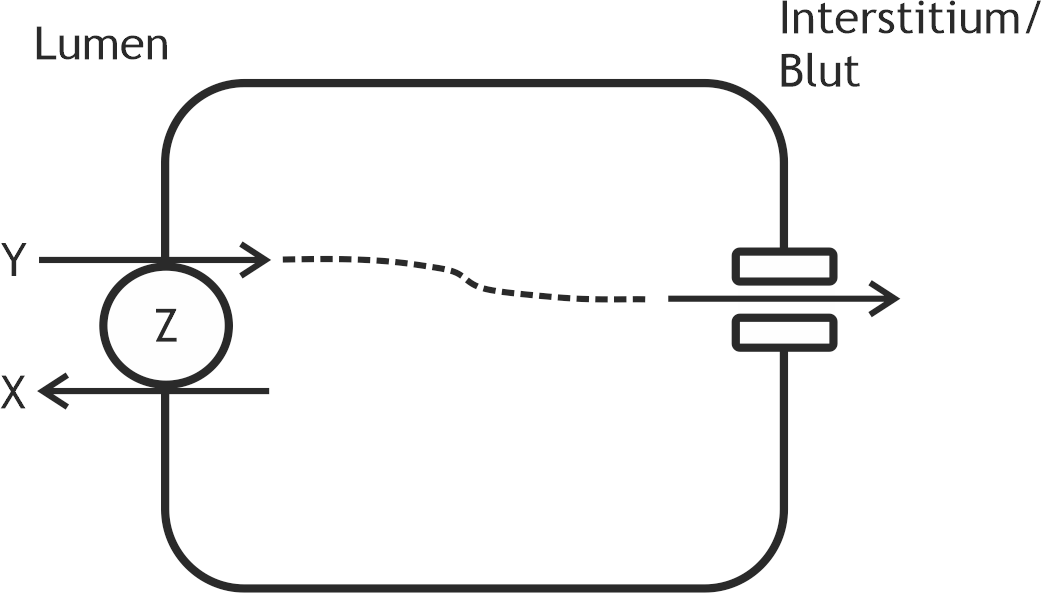
52. The secretion of the parotid gland (Glandula parotidea) is typically hypotonic, resulting from reabsorption processes in the gland’s duct system. The diagram schematically represents a key aspect of this reabsorption, with Z symbolizing a non-primary active antiporter.
Which ion most likely corresponds to Y?
A. Cl⁻
B. H⁺
C. HCO₃⁻
D. K⁺
E. Na⁺
A. Cl⁻
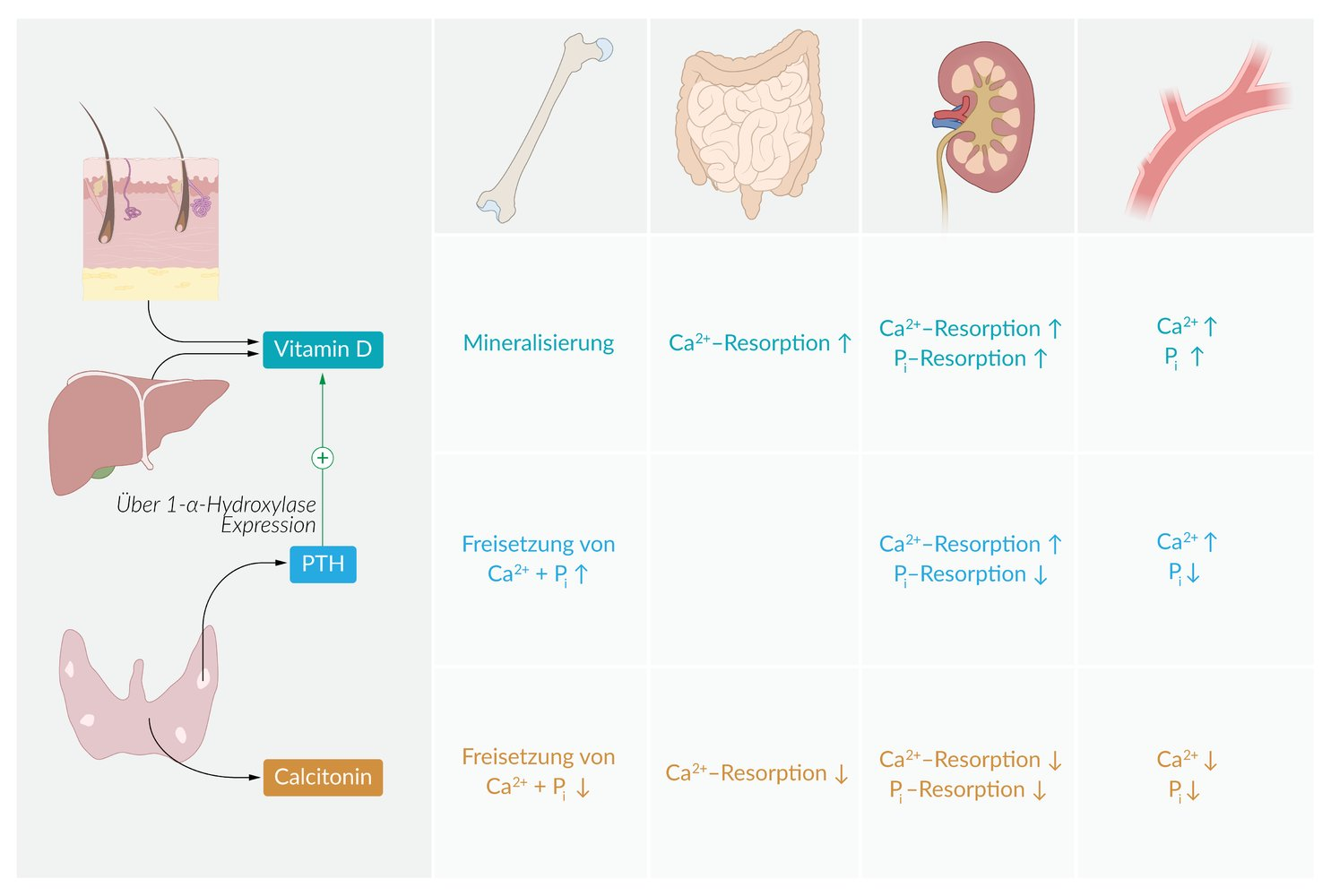
53. The Ca²⁺ concentration in blood plasma is maintained within a narrow range through the interaction of various regulatory processes.
Which reaction is most likely to occur when the Ca²⁺ concentration in blood plasma decreases?
A. Inhibition of intestinal calbindin synthesis
B. Inhibition of osteoclast activity
C. Inhibition of renal calcitriol formation
D. Increase in calcitonin release
E. Increase in parathyroid hormone secretion
E. Increase in parathyroid hormone secretion

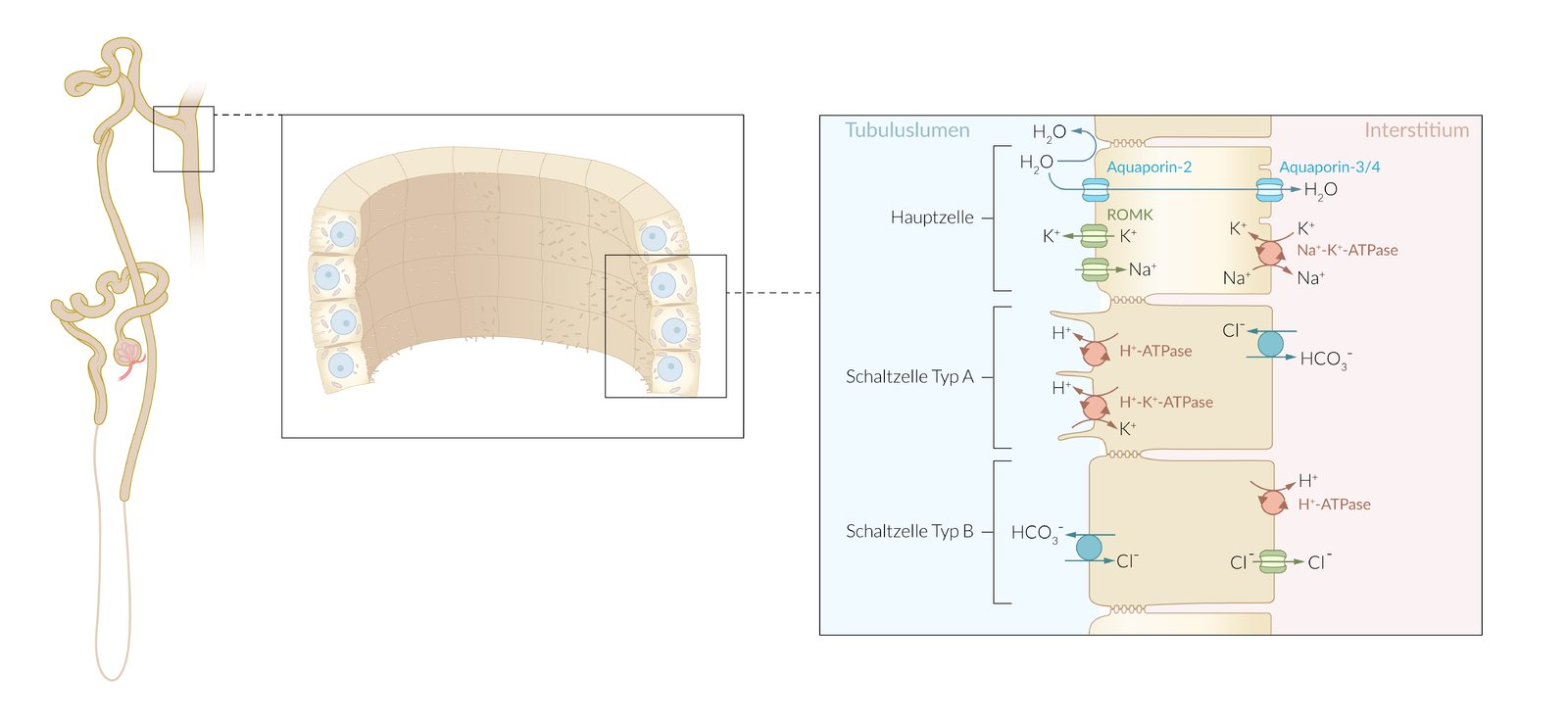
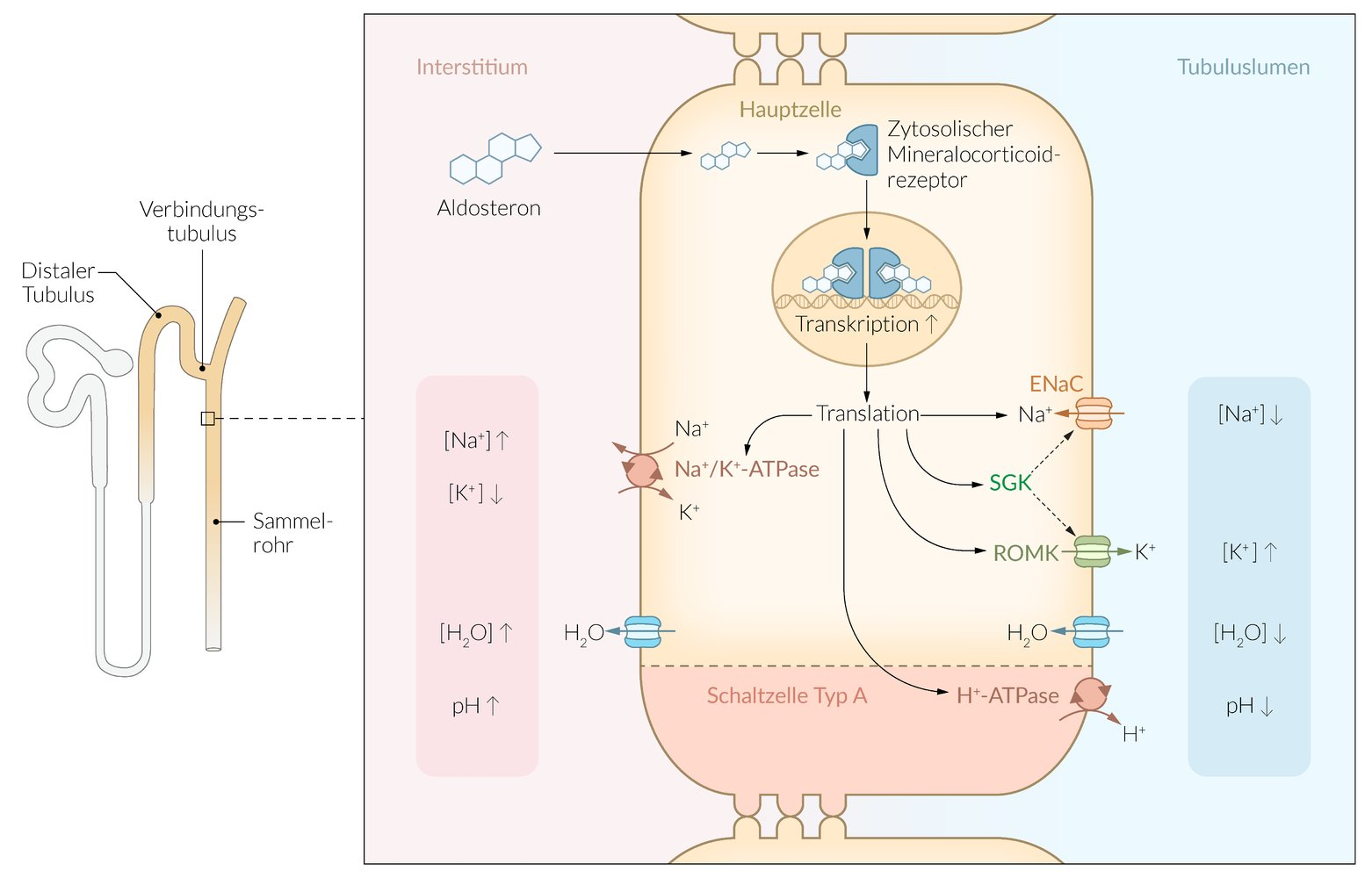
54. The diagram shows functional proteins of a renal cell.
For which epithelial cell are the depicted transport pathways typical?
A. Proximal tubule cell
B. Cell of the thin ascending limb of the loop of Henle
C. Cell of the thick ascending limb of the loop of Henle
D. Intercalated cell of the collecting duct
E. Principal cell of the collecting duct
D. Intercalated cell of the collecting duct
55. Important parameters in the diagnosis of kidney diseases are the renal plasma flow (RPF) and the glomerular filtration rate (GFR).
Which of the following indicator substances are best suited for determining GFR and RPF?
A. GFR: Glucose, RPF: Para-aminohippuric acid
B. GFR: Creatinine, RPF: Glucose
C. GFR: Creatinine, RPF: Para-aminohippuric acid
D. GFR: Para-aminohippuric acid, RPF: Glucose
E. GFR: Para-aminohippuric acid, RPF: Creatinine
C. GFR: Creatinine, RPF: Para-aminohippuric acid
56. A therapeutic approach for treating type 2 diabetes mellitus is the inhibition of the glucose transporter SGLT2 (sodium-dependent glucose transporter 2) in the kidney.
In which part of the kidney is SGLT2 primarily expressed?
A. In the proximal tubule
B. In the loop of Henle
C. In the distal convoluted tubule
D. In the connecting tubule
E. In the collecting duct
A. In the proximal tubule

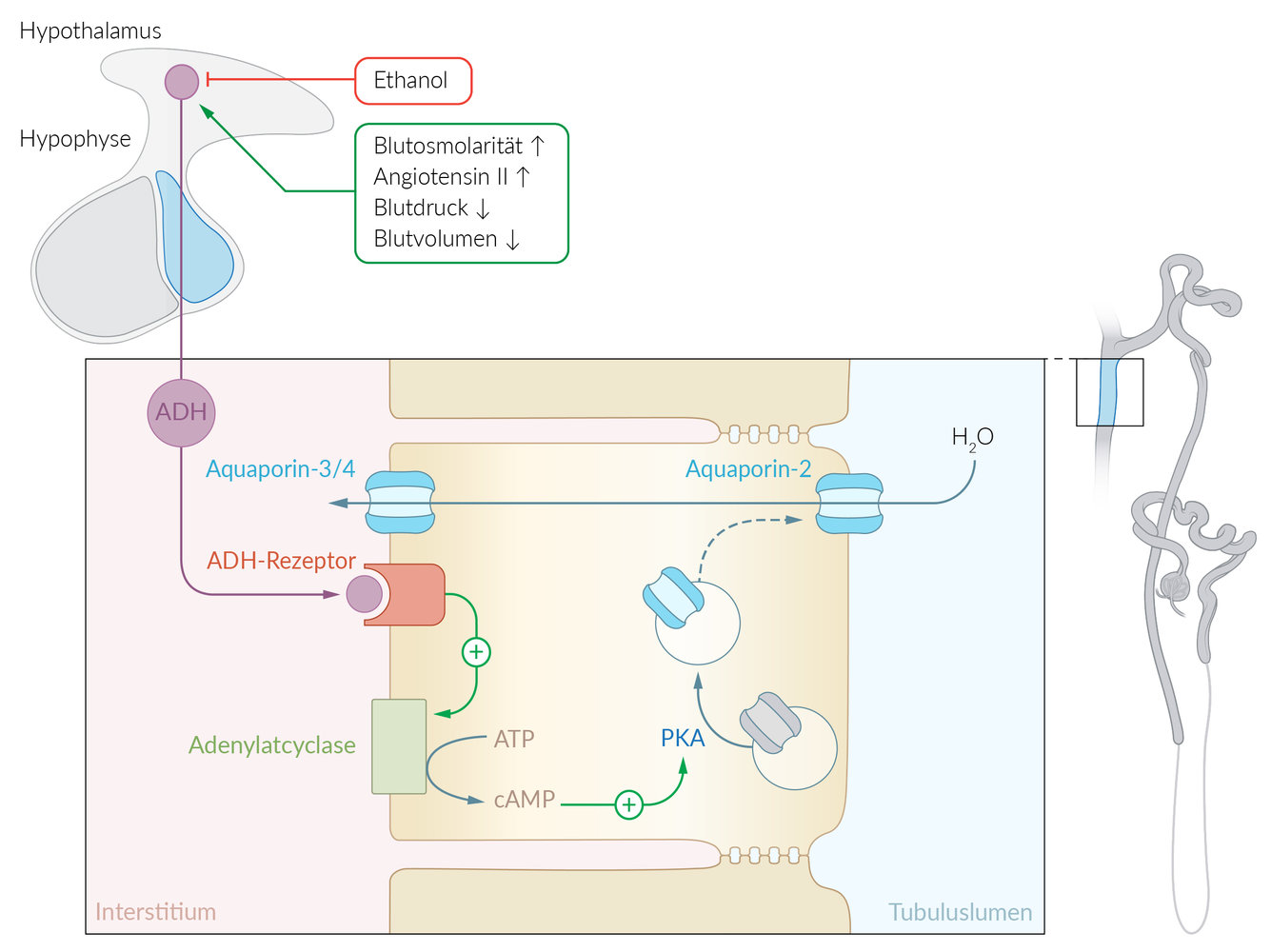
57. ADH (antidiuretic hormone) acts on the epithelial cells of the kidney’s collecting duct.
Which of the following mechanisms mediates the antidiuretic effect of ADH, among others?
A. Activation of ADH V1 receptors and increased inositol trisphosphate formation in collecting duct cells
B. Insertion of aquaporin-2 into the luminal membrane of collecting duct cells
C. Increased insertion of aquaporin-3 and aquaporin-4 into the luminal membrane of collecting duct cells
D. Reduction of cAMP concentration in collecting duct cells
E. Decrease in water permeability of the luminal membrane of collecting duct cells
B. Insertion of aquaporin-2 into the luminal membrane of collecting duct cells
58. Aldosterone is an important effector of the renin-angiotensin-aldosterone system.
Which of the following findings is most likely in an aldosterone-producing adrenal cortical tumor?
A. Alkalosis
B. Arterial hypotension
C. Increased plasma renin concentration
D. Hyperkalemia
E. Hyponatremia
A. Alkalosis
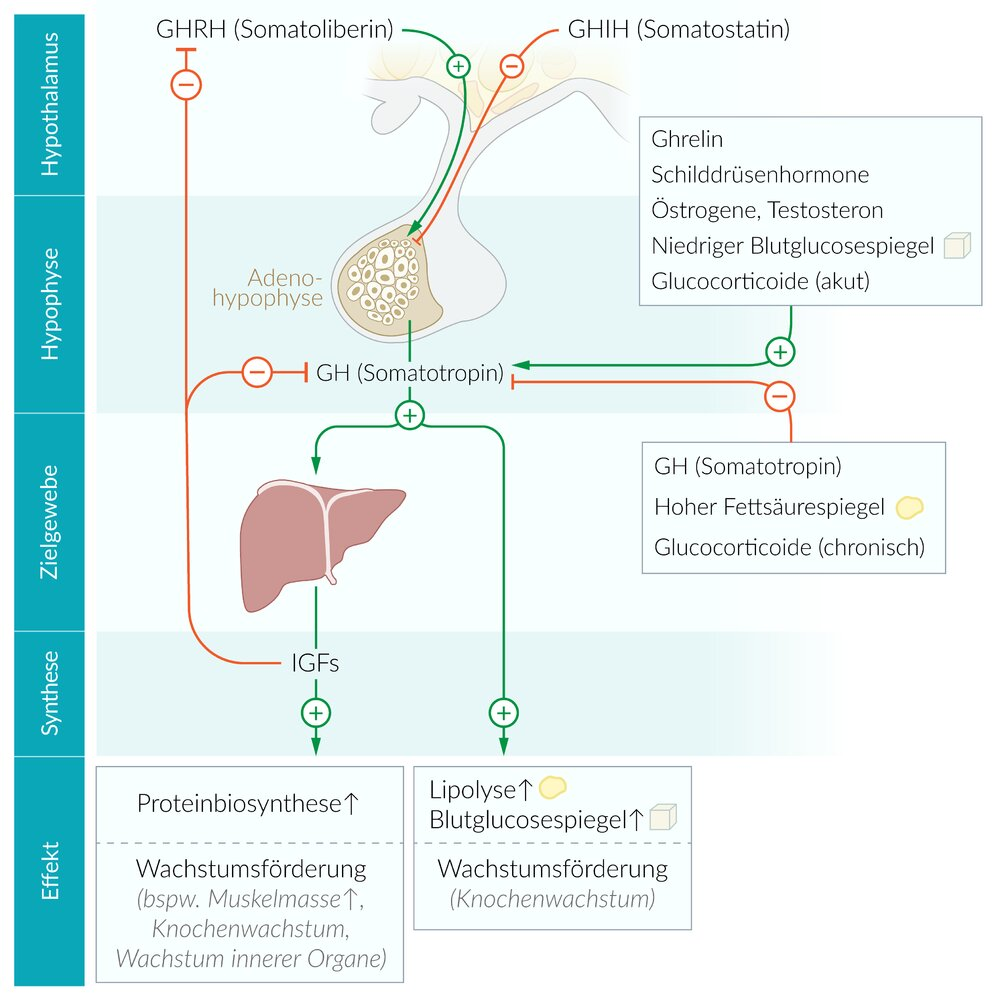
59. Somatotropin is produced in the adenohypophysis (anterior pituitary).
Through which of the following hormones does somatotropin mediate most of its effects?
A. Activin
B. Insulin
C. Insulin-like growth factor 1
D. Somatoliberin
E. Somatostatin
C. Insulin-like growth factor 1
60. During pregnancy, various adaptations occur in the maternal organism.
Which of the following changes is most likely to be observed in a woman during the last trimester compared with the pre-pregnancy state?
A. Hypoventilation
B. Decrease in GFR
C. Decrease in plasma volume
D. Increase in hematocrit
E. Increase in heart rate
E. Increase in heart rate
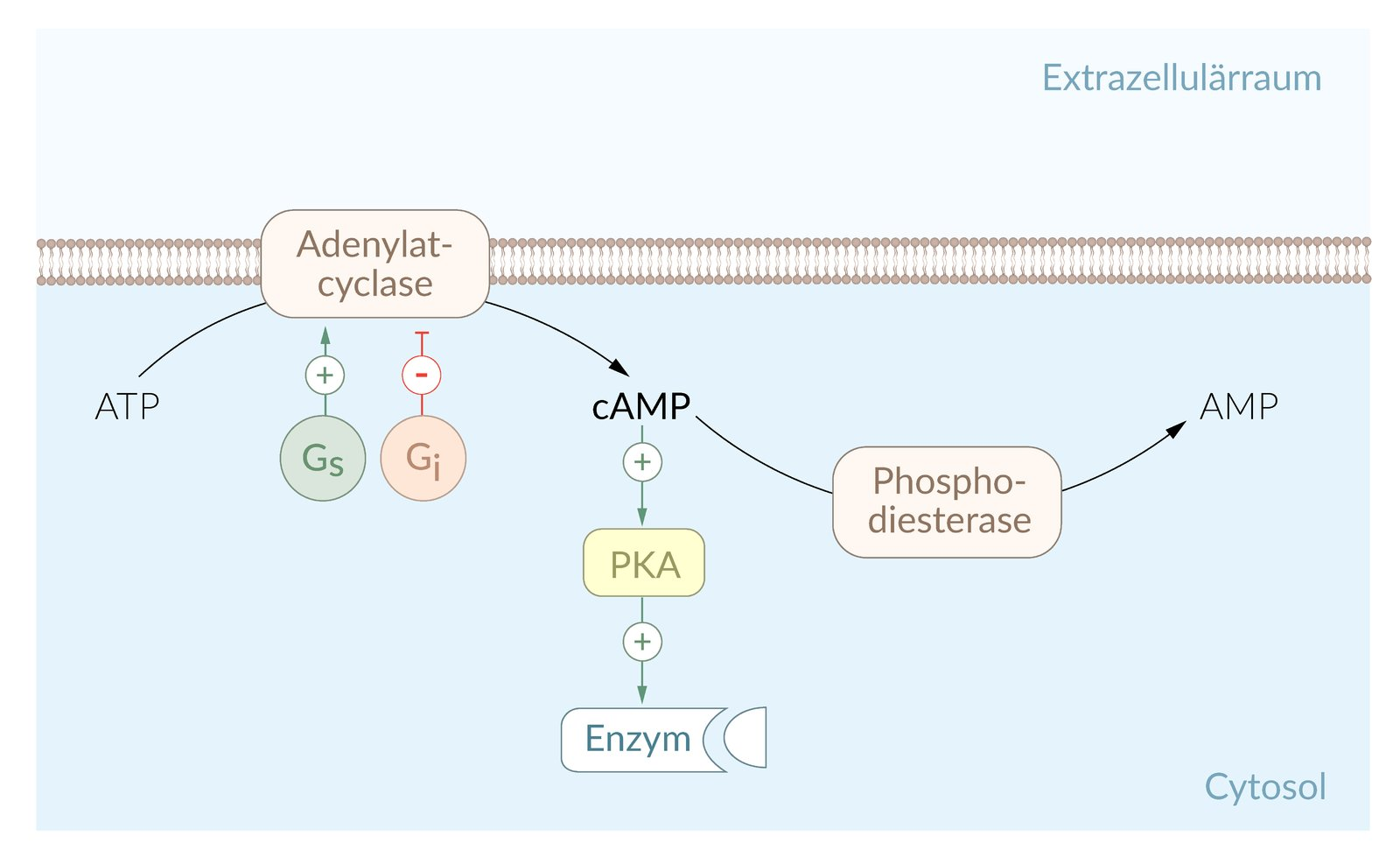
61. Many membrane-bound hormone and cytokine receptors exert their effects through activation of heterotrimeric G proteins.
Which reaction is involved in the activation of the signaling pathway mediated by the stimulatory G protein (Gs)?
A. Binding of the α-subunit to adenylyl cyclase
B. Binding of GTP to the β- and γ-subunits
C. Dissociation of the γ-subunit from the α- and β-subunits upon ligand binding
D. Ligand-dependent conformational change with exchange of GDP for cGMP
E. Phosphorylation of GDP bound to the α-subunit to form GTP
A. Binding of the α-subunit to adenylyl cyclase
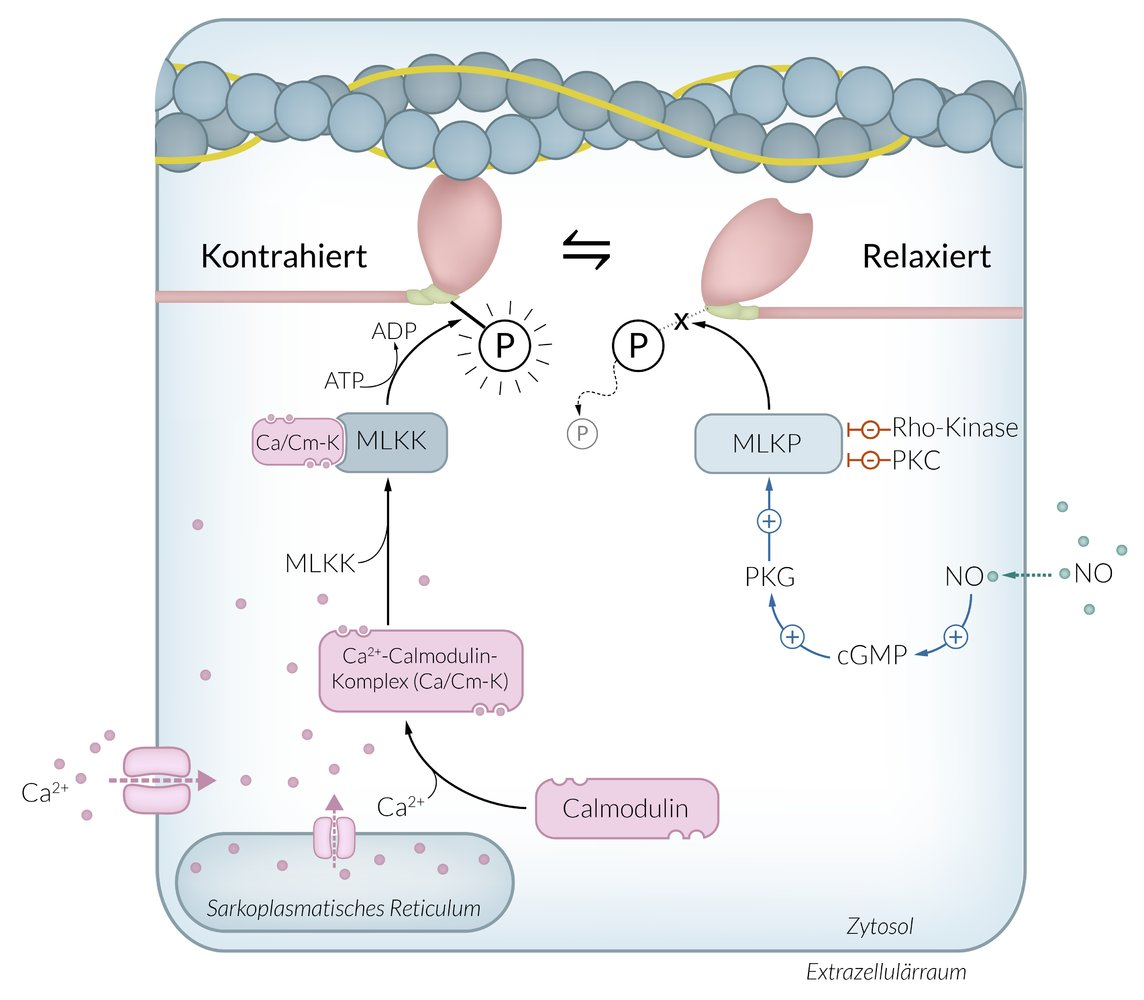
62. Endothelial cells produce nitric oxide (NO) in response to shear stress, leading to vasodilation.
Which of the following signaling pathways represents a step in the cellular mechanism of action of nitric oxide?
A. cAMP → activation of phospholamban → activation of SERCA
B. cGMP → activation of protein kinase A
C. Protein kinase C → activation of myosin light-chain kinase
D. Protein kinase G → activation of myosin light-chain phosphatase
E. Rho kinase → activation of myosin light-chain phosphatase
D. Protein kinase G → activation of myosin light-chain phosphatase