Chemicals and the environment lectures 13-15
 Call Kai
 Learn
Learn Practice Test
 Spaced Repetition
 Match
Match Flashcards
 Knowt Play
1/44

There's no tags or description
Looks like no tags are added yet.
Name | Mastery | Learn | Test | Matching | Spaced | Call with Kai |
|---|
No analytics yet
Send a link to your students to track their progress
45 Terms
Humans cannot
create or destroy elements (except through nuclear chemistry)
Humans CAN
influence the amount of elements in the environment
Humans can readily create compounds through
chemistry - compounds are composed of elements, and chemistry ca rearrange the order of elements within compounds
Elements are
atoms
Compounds are
molecules
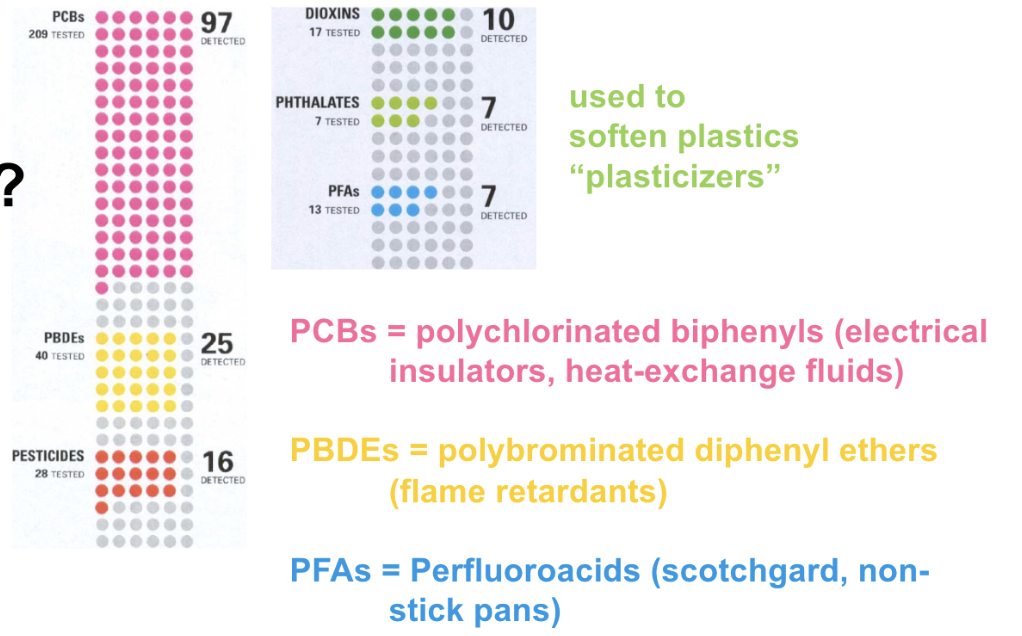
Polychlorinated biphenyls (PCBs)
persistent, unreactive viscous liquids with low volatility
PCBs were
used as hydraulic fluids, coolants, fluids in transformers, lubricants and plasticizers.
Most are now banned but
because they are so persistent in the environment (e.g. the Housatonic River) and are fat soluble, they tend to biomagnify within the biosphere.
Four phases of chemical movement
atmosphere, water, soil, biosphere
Chemicals enter the biosphere depending on their
bioavailability
Hydrocarbons
carbon and hydrogen only, major source form petroleum, natural gas and incomplete combustion of nearly all organic materials
ex: oil spills, cigarette ,smoke, grilled meat and combustion of fossil fuels
__ is a known human carcinogen
3,4-Benzo(a)pyrene
Oil spill events
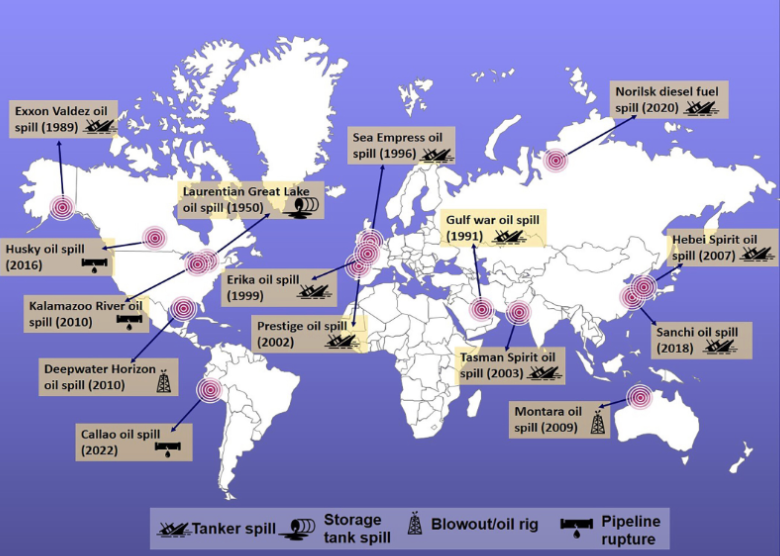
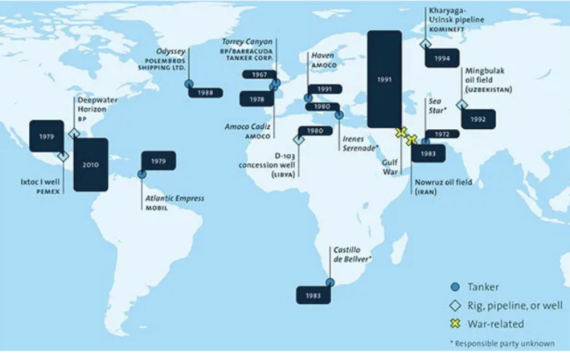
Largest oil spills
Environmental impact of oil spills
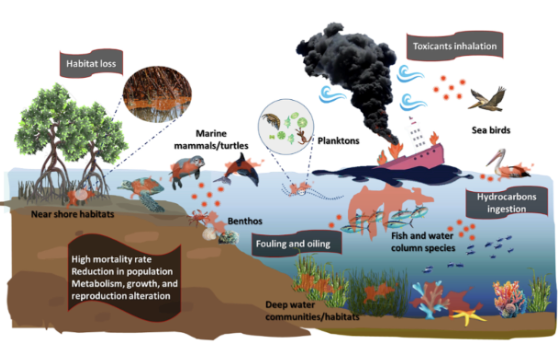
Impact of oil on organisms
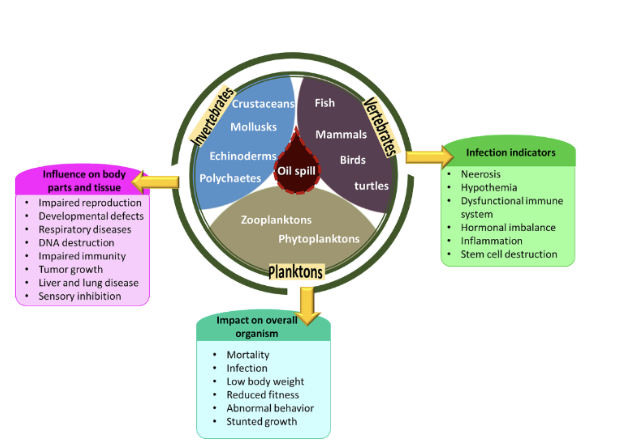
Interactions between oil and plastic pollution
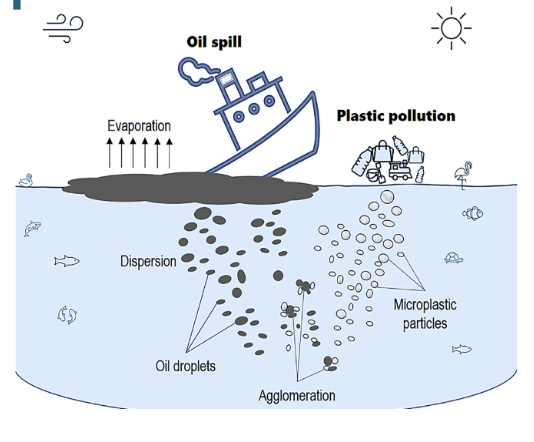
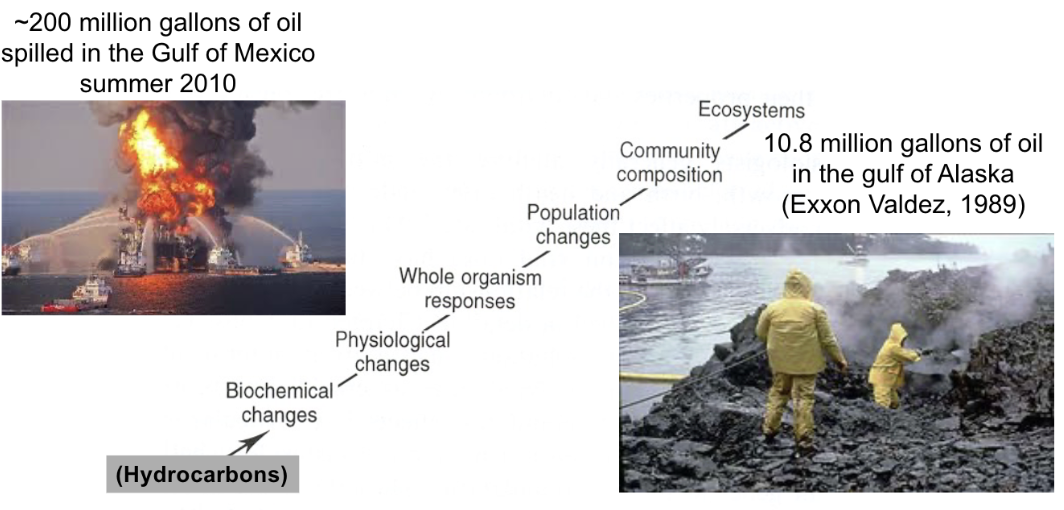
Ecological impact of oil spills
Organochlorine insecticides
DDT and similar chlorinated compounds (lindane still use din some countries for head lice) - very persistent compounds, very fat solutbe
Most now banned in US but still used in some countries
Organophosphates and carbamate insecticides
also used as nerve gases/agents against humans, relatively water soluble, short lived in the environment so chronic toxicity is not typically an issue, some still used, mostly acute toxicity concerns
Phenoxy Herbicides (plant growth regulators)
2,4-D and 2,4,5-T. 2,4-D is still commonly used to kill weeds, but 2,4,5-T is banned. These chemicals readily degrade in the environment. 2,4-D is classified as “possibly carcinogenic to humans” which puts it in the same risk category as red meat.
Agent Orange
defoliant in Vietnam war to expose enemy troop movement in jungles
mixture of 2,4,-D and 2,4,5-T
may have caused cancer in exposed soldiers, but causality has been difficult to demonstrate, though rodent studies are suggestive of carcinogenicity
also contained TCDD (dioxin) as trace contaminant
Glyphosate herbicide (Roundup)
generally not demonstrated to cause acute toxicity or cancer risk in humans (several studies), though there has been a proliferation of lawsuits based on cancer concerns (mostly related to failure to adequately warn consumers)
Glyphosate-resistant crops widely used (GMOs), along with agricultural use of glyphosates
Some concern about bee toxicity
Pyrethroid insecticides
derived from chemical in chrysanthemums, low water solubility, acute toxicity to fish and non-target invertebrates
blocks sodium channels in nerves
Dioxins
Polychlorinated dibenzodioxins (PCDDs)-best known is TCDD (dioxin) very toxic (LD50 = 10 ug/kg = 10 ppb) in rodents (not acutely toxic in humans); Carcinogenic in rodents (at high doses) & humans. Is a by product of combustion of organic matter.
Causes chloracne in humans at high doses and is possibly an EDC.
1976 explosion at chemical plant near Seveso, Italy
resulted i highest TCDD exposure know in human population —> chloracne in humans
human carcinogens and endocrine disruptors
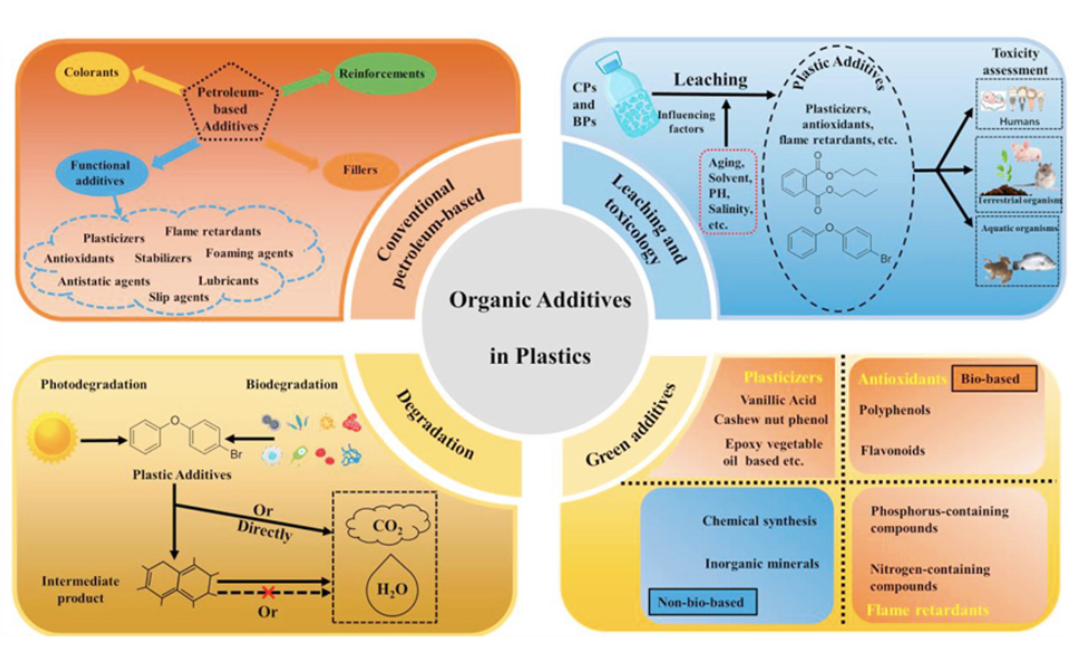
Current concerns for organic compounds in plastic
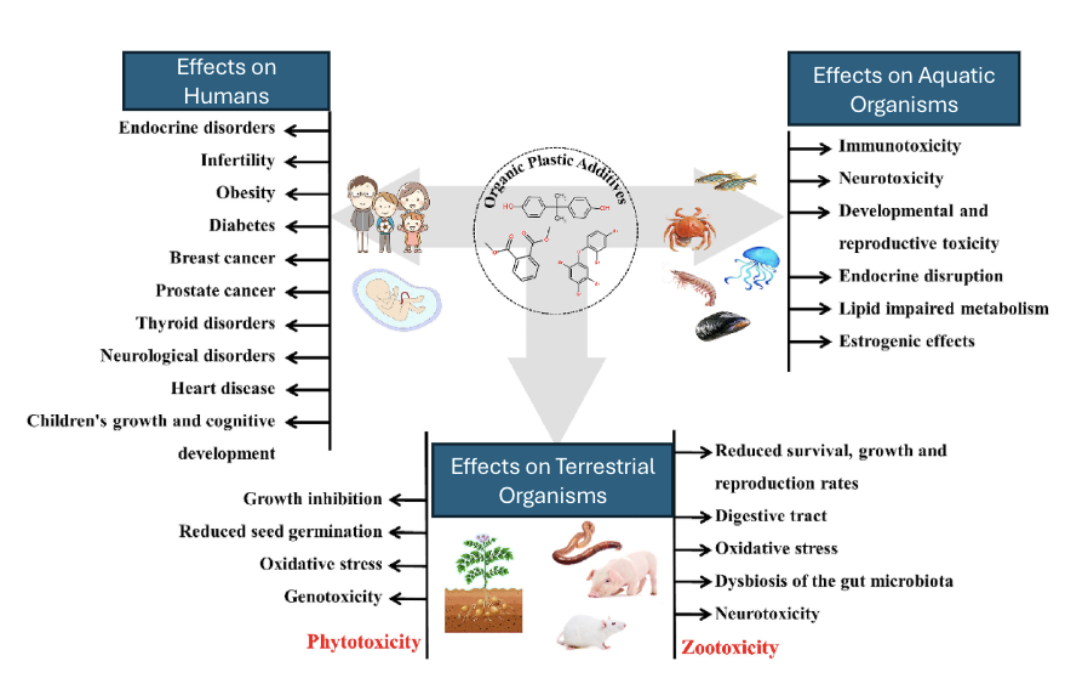
Dynamics and movement of organic compounds in plastics
Flamme retardants - polybrominated diphenyl ethers (PBDEs)
June 2008: U.S. EPA set safe daily human exposure level ranging from 0.1 to 7 ug/kg (ppb) body weight per day for common PBDEs
Currently found everywhere in the environment.
Mechanisms of potential toxicity are unknown
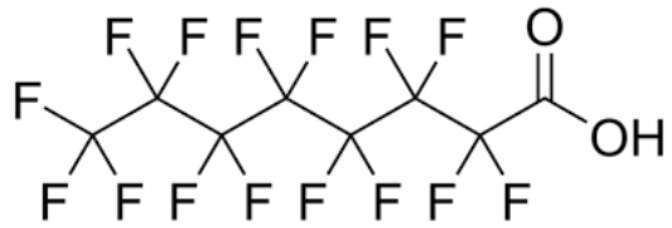
Perfluoroacids (PFAs)
Scotchgard for clothing and used to make non-stick (Teflon) pans. These are being phased out but are currently found everywhere in the environment.
5.4 year half life in humans
What does PFA look like?
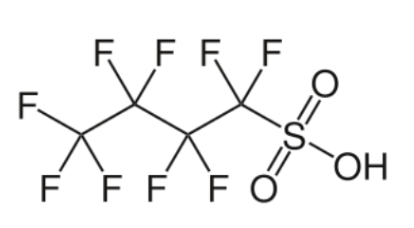
What have PFAs been replaced with?
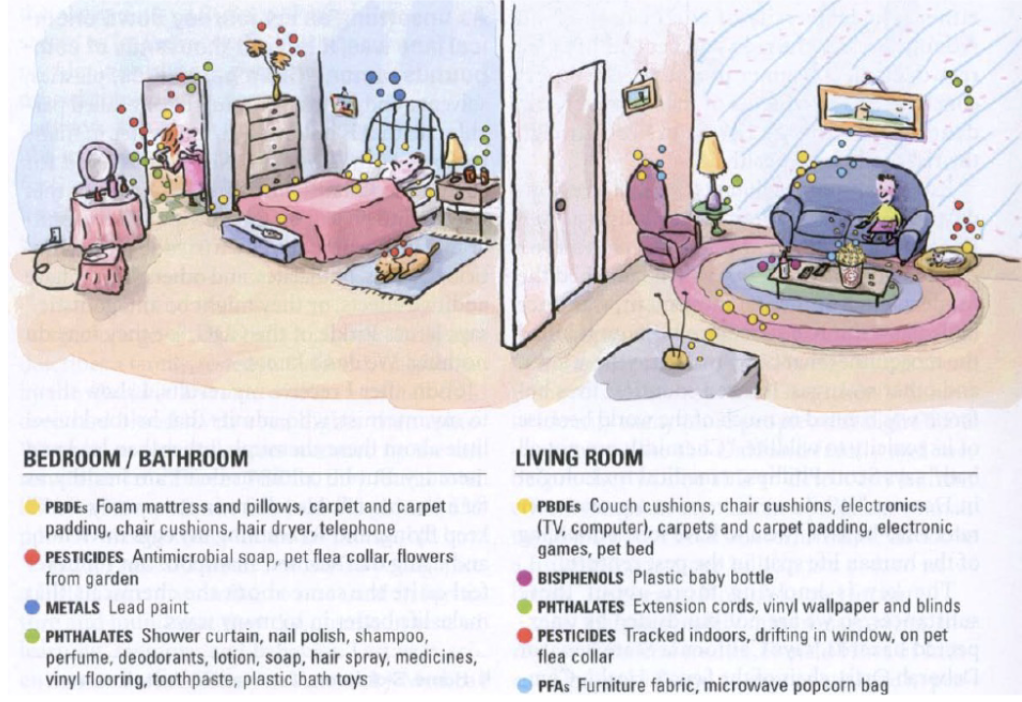
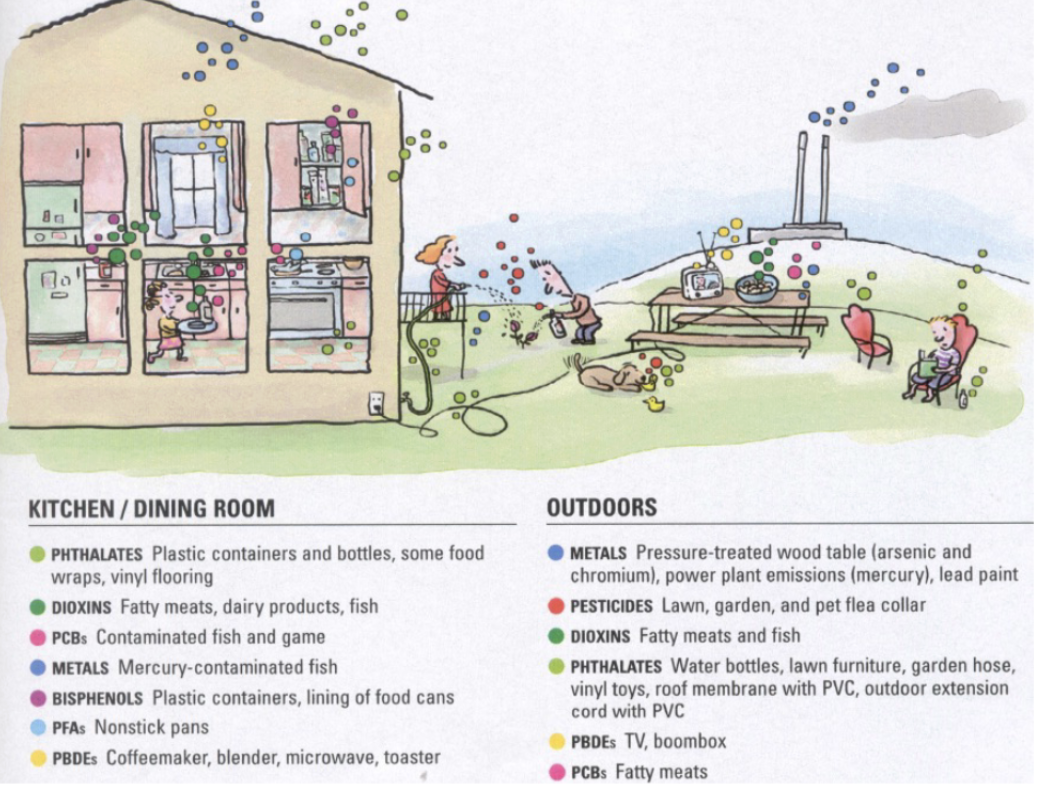
The modern human environment - bedroom/bathroom, living room
Human bioaccumulation - what’s in all of us?
The modern human environment - kitchen/dining room, outdoors
Correlation and proof of causation
What are the environmental/human health effects of long-term low dose exposure to persistent environmental compounds?
Many studies show correlations between exposure and toxicity. But can correlations sometimes be misleading?
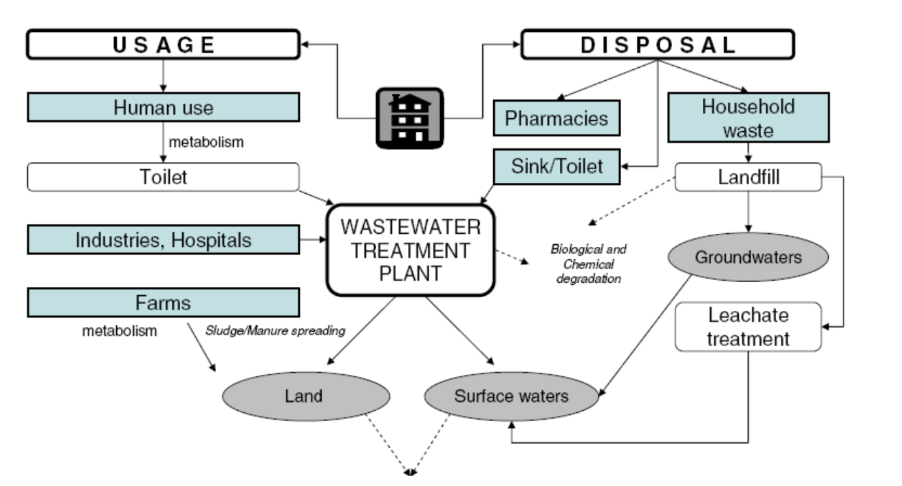
Pharmaceuticals most commonly found in the environment
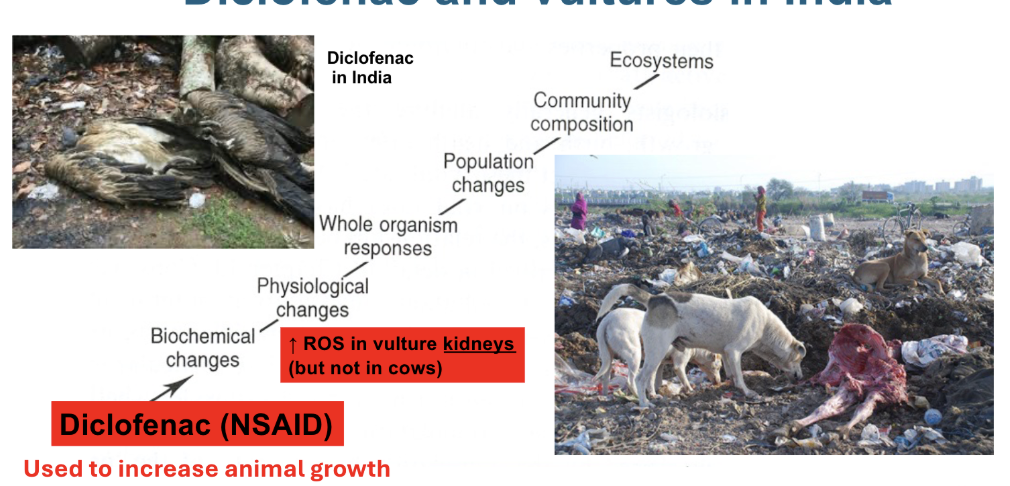
A. Anti-inflammatory drugs/analgesics (ibuprofen,
diclofenac)
B. Lipid Regulators (to lower cholesterol, lipitor, crestor)
C. Antibiotics (penicillin, doxycycline)
D. Steroids/hormones (birth control)
Environmental transport of pharmaceuticals
Diclofenac and vultures in india
Toxic chemicals can be present in both ___ and ___ compartments and can move between them.
abiotic, biotic
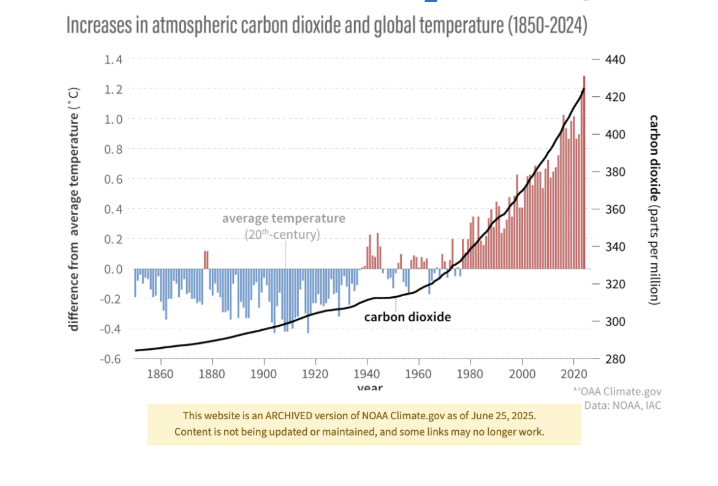
Correlation between Co2 and temperature
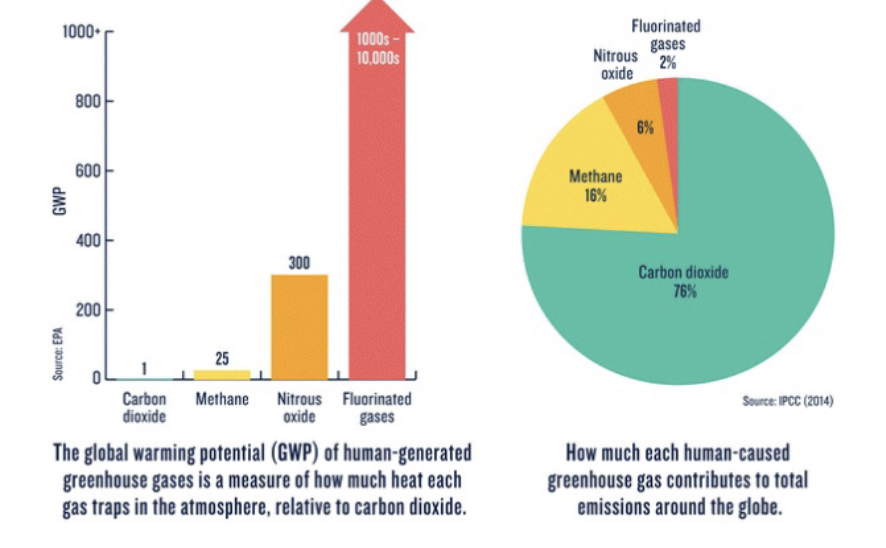
Greenhouse gases - how greenhouse gases warm our planet
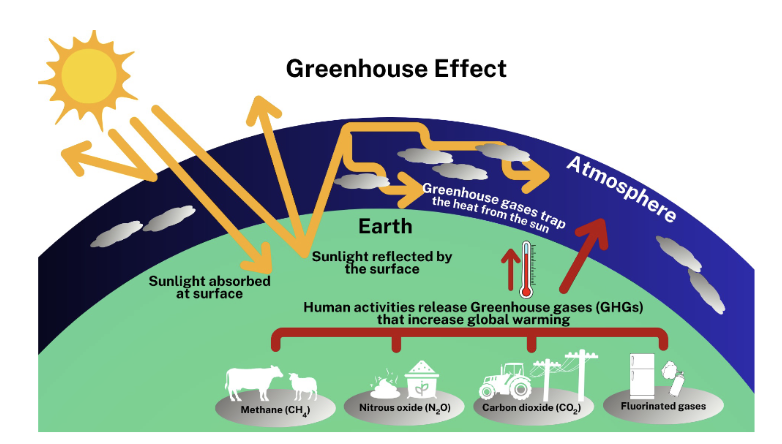
Greenhouse effect
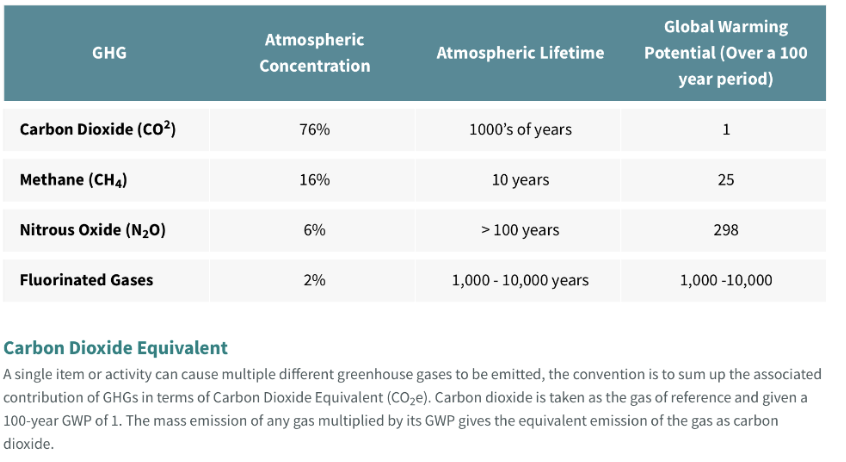
Greenhouse gases, their atmospheric concentration, lifetime, and global warming potential
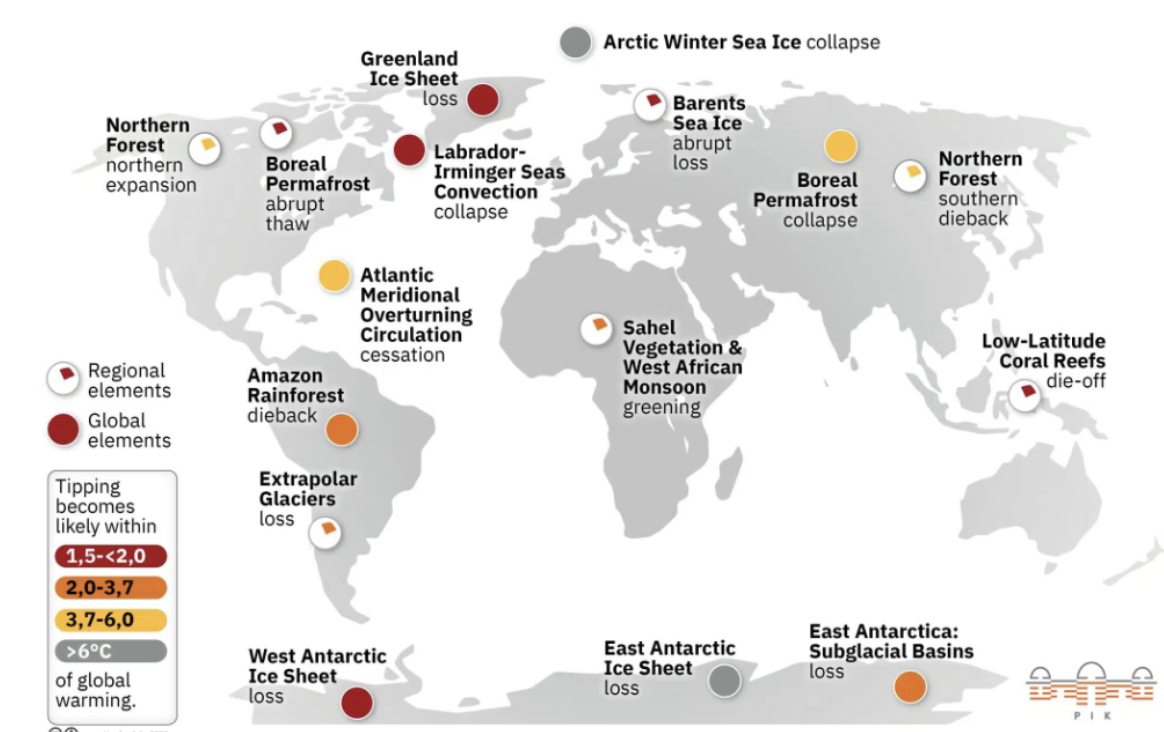
Climate tipping points