Formative Test - Biology > Cell Cycle; Death (p2)
 Call Kai
 Learn
Learn Practice Test
 Spaced Repetition
 Match
Match Flashcards
 Knowt Play
1/15

There's no tags or description
Looks like no tags are added yet.
Name | Mastery | Learn | Test | Matching | Spaced | Call with Kai |
|---|
No analytics yet
Send a link to your students to track their progress
16 Terms
What is apoptosis (programmed cell death)?
Self-destruction for a cell, for the good of the whole organism
Genetically controlled and highly regulated
The cell responds to a specific signal
What is apoptosis used for?
Cells at the end of their natural life e.g. skin cells
Dysfunctional, damaged or diseased cells e.g. viruses and infections
Excessive cells - important in many contexts
What is one example of apoptosis in the sense of removal of excessive cells?
Embryonic development - final shaping of organs on the programmed cell death of excess cells e.g. “webbing” between digits is removed by week 8
Apoptosis: A process of balance
Cells in many of our organs and tissues are in a state of constant turnover e.g. skin and gut cells
In adults, the rates of cell renewal and cell death are balanced
Apoptosis is a normal healthy process
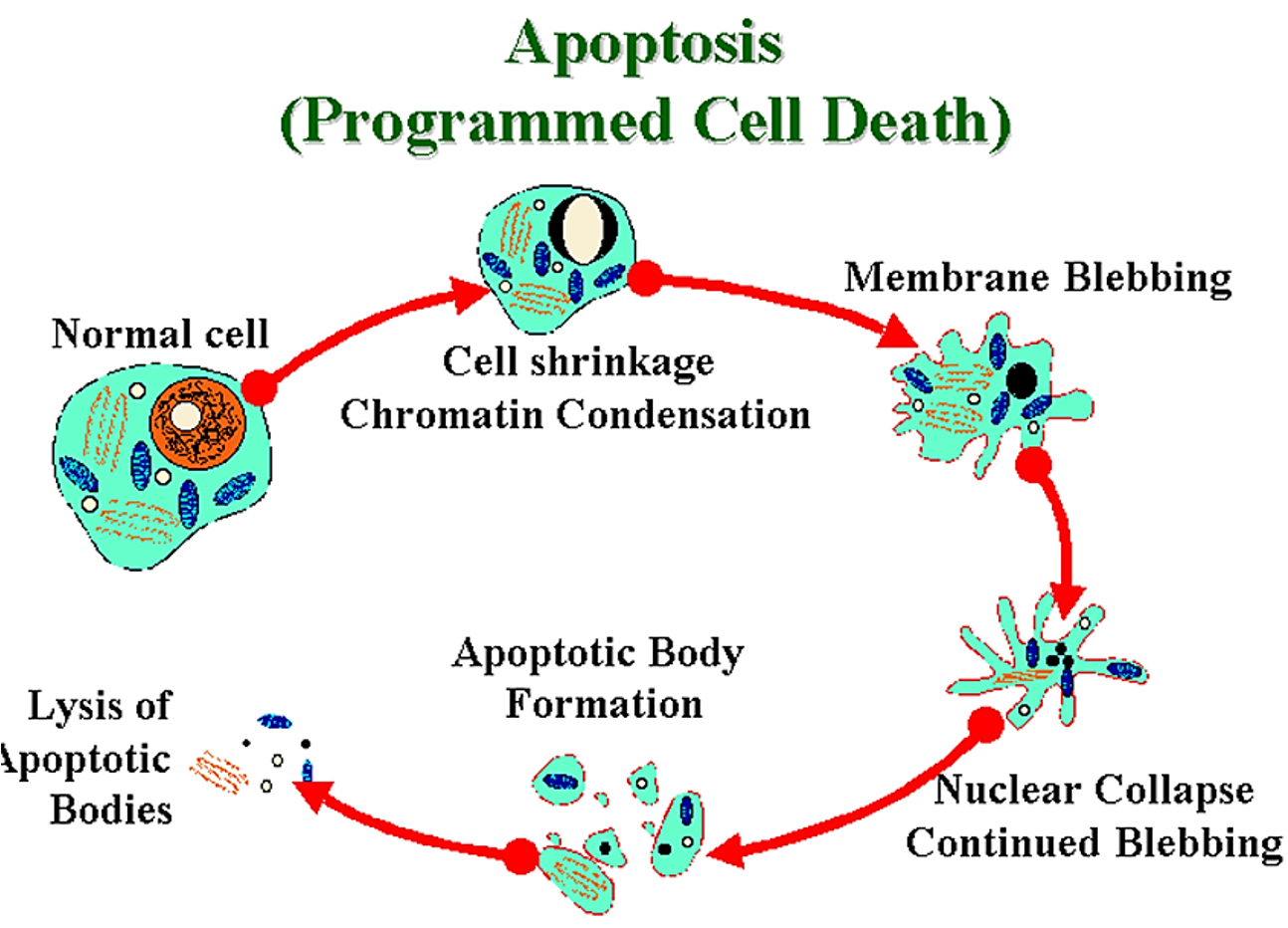
What is the process of apoptosis?
The cell shrinks
The cell’s plasma membrane forms bubbles or “blebs” (membrane blebbing)
The cell breaks up and its contents from into parcels called apoptosis bodies
Apoptosis bodies are engulfed by phagocytic cells
What is necrosis (unplanned cell death)?
Occurs when a cell is damaged by a mechanical or chemical insult (e.g. disease, lack of blood supply, injury)
Damage to the plasma membrane means that the cell can no longer control the movement of substances into and out of the cell
The cell can swell and burst, spilling its contents and causing inflammation to surrounding tissues
What is the process of necrosis?
Dying cell swells
Plasma membrane ruptures
Cell contents spills into surround tissue
Local swelling and inflammation
If extensive, can lead to gangrene
What are the 2 apoptotic pathways?
Intrinsic and Extrinsic
What is intrinsic?
Intrinsic/mitochondrial pathway - initiated from within a cell
What is extrinsic?
The extrinsic (outside the cell)/death receptor pathway - initiated by factors external to the cell
What is the intrinsic apoptotic pathway?
Triggered from inside the cell by stress or severe damage (e.g. DNA damage, infection, low oxygen, UV)
Mitochondria break down and release factors
This starts a chain reaction that breaks down DNA and proteins
The cell is dismantled into small pieces
Process of the intrinsic pathway:
Internal damage signals to the mitochondria to form pores
The pores allow the release of cytochrome c from the mitochondria into the cytoplasm
Cytochrome C interacts with other molecules in the cytoplasm to activate a cascade of caspase of enzymes
Caspases act as protein-cutting enzymes, triggering further caspase activation and amplifying the death signal
The cell shrinks and membrane begins to bleb
Cleavage of proteins within the cells leads to break down of the cells nucleus and cytoskeleton.
Fragmentation of DNA
Apoptotic bodies are formed
What is the extrinsic apoptotic pathway?
Activated when molecules from outside a cell bind to death receptors on the plasma membrane and signal the cell: “its time to die”
Process of the extrinsic pathway:
Specific signalling molecules (ligands) bind to death receptor on the plasma membrane
Binding of the ligand activate these death receptors, sending a death signal into the cell
The signal activated a cascade of caspase enzymes inside the cell
The cell shrinks and the membrane begins to bleb
Cleavage of proteins within the cells leads to break down of the cells nucleus and cytoskeleton
Fragmentation of DNA
Apoptotic bodies are formed
Results of to much apoptosis:
Neurodegenerative disorders e.g. parkinson’s disease and alzheimer’s disease - abnormal progressive loss of nerve cells in the brain due to unregulated activation of caspases and apoptosis.
AIDS excessive unregulated apoptosis leads to the loss of T-helper cells, which are a group of immune cells
Result of to little Apoptosis
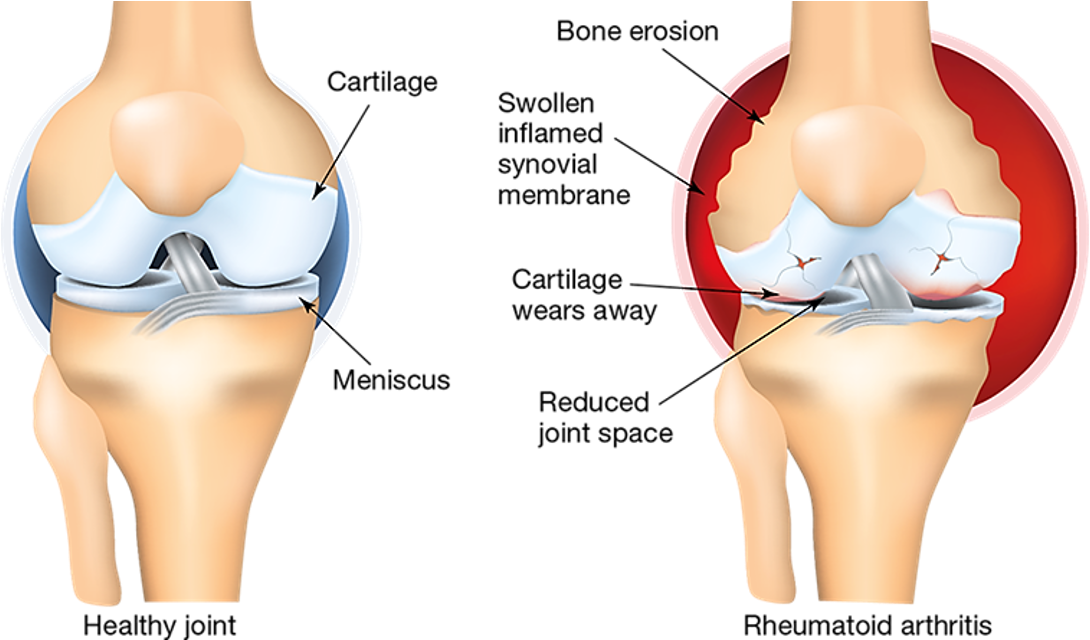
Autoimmune diseases Rheumatoid arthritis is an autoimmune disease where excess cell growth in joint tissue causes damage
Cancers Uncontrolled process of cellular division that forms tumors.
Tumours are masses of cells growing out of control
Normally, damaged cells should undergo apoptosis (self-destruct)
Cancer cells ignore these apoptosis signals
Mutations allow cancer cells to grow uncontrollably and crowd out healthy cells