SHOOT SYSTEM OF PLANTS: THE STEM
 Call Kai
 Learn
Learn Practice Test
 Spaced Repetition
 Match
Match Flashcards
 Knowt Play
1/95

There's no tags or description
Looks like no tags are added yet.
Name | Mastery | Learn | Test | Matching | Spaced | Call with Kai |
|---|
No analytics yet
Send a link to your students to track their progress
96 Terms
_________ - part of sporophyte of vascular plants that typically appears above the ground
appendages: leaves, buds, flowers, fruit
either branched or unbranched aerial stem axis
SHOOT SYTEM
__________ - functioning for support of aerial parts and transport of materials between roots and leave
stem
stems is in an alternating system of _______ ( points where leaves and branches originate) and _____ (segments between them)
nodes, internodes
The apex of the stem is where the ________ - responsible for the increase in plant height
apical meristem
responsible for plant height??
apical meristem
what is the shape of the shoot apex and is composed of what type of cells?
dome-shaped, meristematic
the apical meristem gives rise to the ________ meristems which are?
primary meristems
procambium
ground meristem
protoderm
____________ responsible for primary growth and gives rise to primary tissues
primary meristems (procambium, ground meristem, protoderm)
if primary tissues are retained up to maturity, plant growth is described as
open or intermediate
in gymnosperms and most dicots, INCREASE IN DIAMAETER of the plant body is due to the activity of the _______________
secondary/lateral meristem
___________ responsible for the increase in diameter of the plant body
secondary/lateral meristem
what are the components of secondary/lateral meristem
vascular cambium
cork cambium
which are responsible for the production of the secondary tissues of the plant body?
secondary/lateral meristem
_________________: primary tissue; _______________: secondary tissue
primary meristem, secondary/lateral meristem
plant height: _________________; plant diameter:__________________
apical meristem: secondary/lateral meristem
_______________: primary growth; ___________: secondary growth
primary meristem, secondary meristem
if monocots exhibit secondary growth, they would not have _______________
vascular cambium
a monocot exhibiting secondary growth, but absent vascular cambium is called what?
anomalous secondary growth (not following the pattern of secondary growth of a ring of vascular cambium)
can anomalous secondary growth be seen in some gymnosperms and dicots?
YES
__________________ - have soft and green stems that does not exhibit secondary growth
herbaceous plants
this type of plants have hard stems
woody plants
Are nodes and internodes clearly seen in a dicot or monocot plant?
in a dicot plant - nodes and internodes are clearly seen
at the extreme tips of the main stem and its branches is where _______________ are located
terminal buds
angles between leaves and internodes, ___________ are located
axillary buds
__________________: angles between leaves and internodes; _____________: extreme tips of the main stem
axillary buds, terminal buds
can you clearly see the nodes and internodes in a monocot plant?
No, because of the presence of a leaf sheath that covers the nodes and internodes
what is the flattened base of the leaf clasping the stem - covers the nodes and internodes (found in monocot plant only!)
leaf sheath
____________________ - region of an internode immediately above the node which consists of actively dividing cells
intercalary meristem
what is the significance of the intercalary meristem?
helps in the regeneration of the lawn grass which are removed by grazing herbivores
enables plant to survive and rapidly regenerate leaves
what are the whitish pores in the surface of a woody plant?
lenticels
what is the function of lenticels?
gas exchange
in young stems, the ________ located in the epidermis, site for gas exchange, but as woody stems age, lenticels develop beneath the ______________
stomata
lenticels develop where in a stomata?
beneath the stomata
area of detachment of a leaf is called what?
leaf scar
at the tip of each stem there is an
apical meristem
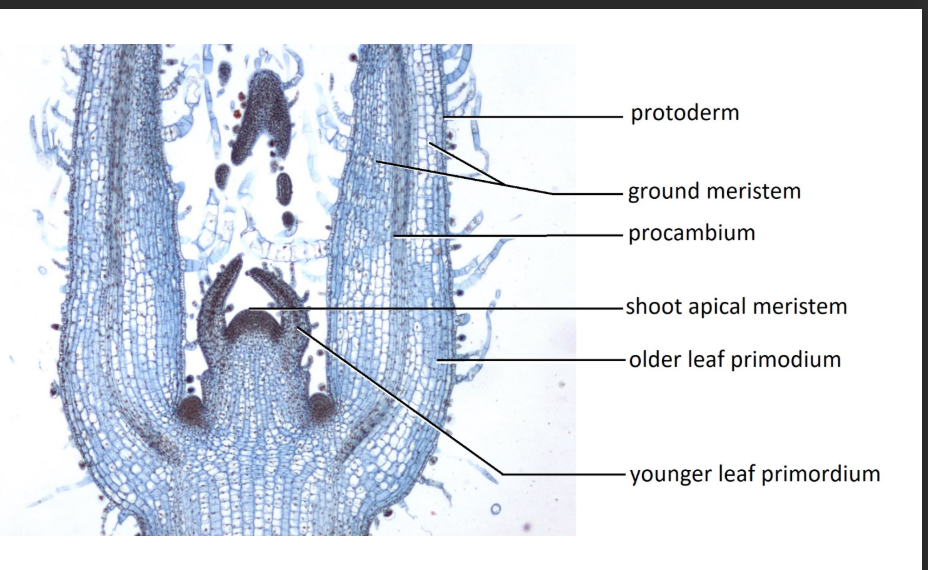
_______________ - responsible foe the increase in the length of the stem
apical meristem
the outer layer of the apical meristem is called _______________
tunica
____________ - is made up of one or more layers of cells that divide anticlinally (planes perpendicular to the surface of the shoot apex)
tunica
this lies below the tunica
corpus
__________ - made up of cells that divide in various planes, thus adding volume to the apical meristem
corpus
cells of ______________ sustain their continuity over the enlarging mass through surface growth
tunica
does the concept of tunica and corpus apical organization apply yo vascular cryptogams and gymnosperms?
no, it only applies to angiosperms
________________ - ear-like structures from the activity of tunica and corpus
leaf primordia
_______________ arising from the periphery of the shoot apical meristem
leaf primordia
apical meristems gives rise to primary meristem - procambium, ground meristem, protoderm - that differentiates into _________________
primary tissues
apical meristem —→ primary meristem —> primary tissues
true
______________ - differentiates into epidermis, thus outermost layer
protoderm
__________ - produces the ground tissues cortex and pith; in the middle (below apical meristem)
ground meristem
____________ differentiates into primary vascular tissues - sandwiched between layers of ground meristem
procambium
outermost tissue of the stem; followed by the _____ comprising several layers of cell
epidermis, cortex
Helianthus annuus stem has a pith in the center, thus the stele is called
siphonostele
Helianthus annuus - has vascular tissues that are in discrete bundles w/parenchymatous tissues between two adjacent bundles. what type of stele?
siphonostele, specifically eustele (typical in gymnosperms and dicots)
_____________ - in a dicot stem, this is position near the cortex
primary phloem
what is the cluster of thick-walled cells?
phloem cap
_______________ which xylem is positioned next to the pith in a dicot stem?
protoxylem
in a dicot stem
_____________: positioned next to the pith (toward center); _____________ positioned closer to the cortex (oriented outwards)
protoxylem, metaxylem
what type of xylem maturation is exhibited when the protoxylem is closer to the pith (oriented towards the center), while metaxylem is closer to the cortex (oriented outwards)
endarch
_________________ this is found between primary xylem and primary phloem
fascicular cambium
_________ this is found between two adjacent vascular bundles
interfascicular cambium
fascicular cambia and interfascicular cambia together forms a ring of _______________, when the stem starts to undergo secondary growth
vascular cambium
types of tissues in a stem
____________ - wood harvested
____________ - inner bark
xylem, phloem
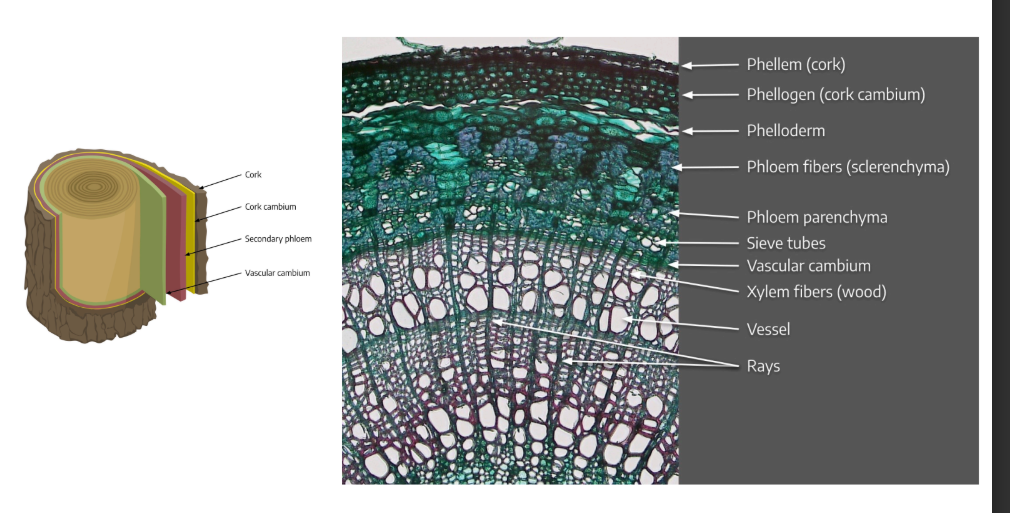
cross section of Tillia sp.
__________ - composed of the phellem (cork), phellogen (cork cambium), phelloderm (cork parenchyma)
periderm
_____________ - the outermost layer which is made up of suberized cork cells.
phellem
the layer next to phellem; arises from either epidermis or cortex
phellogen (cork cambium)
when the cells in a lateral meristem divide - produces 2 layers of cells
inner layer: _________
outer layer differentiate into _______
cork cambium/ phellogen
cork cells/phellem
in woody plants, cork cambium (phellogen) may produce one or two layers of cell that becomes the _________
phelloderm/ cork parenchyma
loosely packed parenchymatous cells found in the periderm are called
lenticels
this is considered as a temporary outer layer in woody plants
epidermis
when secondary growth (increase in diameter/thickness) occurs, ___________ eventually disappear due to expansion, thus replace by _______
epidermis, periderm
region inner to periderm is made of tissues resulting from the meristematic activity of the vascular cambium which produces;
______________ to the outside
_______________ to the inside
secondary phloem
secondary xylem
ring of brick-like cells
vascular cambium
in most woody plants - with regular growth - both the _______ cambium and _______ cambium exhibit meristematic activity only near the beginning of the growing season
vascular, cork
what happens to primary xylem and primary phloem, as lateral meristems continue to produce secondary tissues?
primary xylem - pushed closer to the pith (center)
primary phloem - pushed towards cortex (outward) - destroyed eventually
where can you find newly formed secondary xylem and secondary phloem?
they can be found adjacent to the vascular cambium
all tissues outer to the vascular cambium comprise the ______; while the tissues inner to it comprise the _______
bark, wood
what tissues are included in the bark (outer)?
secondary phloem
primary phloem
peridem (phellem, phellogen, phelloderm)
what tissues are included in the wood (inner)
primary xylem
secondary xylem
pith
in a tree trunk:
darker portion is the ______
lighter portion is the ______
bark
wood
_____________ - comprising xylem elements that cease to function in water conduction; dark region in the center
heartwood
_______________ - light region close to the bark
sapwood
which layer contains newer xylem has newer xylem elements?
sapwood
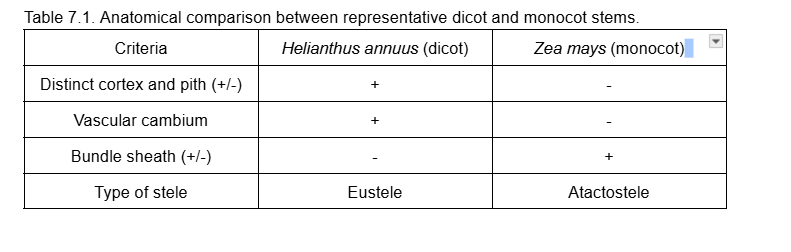
type of stele exhibited by corn is?
atactostele
_________ - type of stele in which is common to monocot stems, but some dicots too like pepper have this.
atactostele
TRUE OR FALSE
No monocot has a true vascular cambium that gives rise to secondary vascular tissues
TRUE
modified stems
bulb
corm
rhizome
tuber
runner
cladophyll
stem tendril
thorn
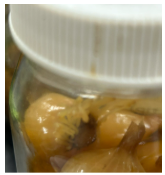
___________ - consists of small stem tissue to which fleshy storage leaves are attached (ex. onion)
bulb
Serves as a nutrient storage organ which enables rapid regrowth and flowering. (onion)
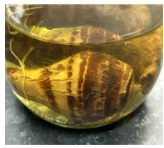
______________ - globose stem tissue surrounded by few-scale-like leaves (ex. Colocasia esculenta) - taro
corm
Serves as a nutrient storage organ that stores large amounts of carbohydrates (energy reserve)
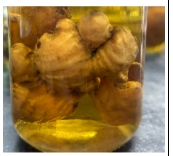
___________ - horizontal stem growing underground (aboveground in some ferns) usually having short internodes and scale-like leaves (ex. Zingiber officinale)
rhizome
Allows the plant to survive underground and it allows it to produce new shoots.
__________ - thick undergound storage stem usually having outer buds and lacking storage leaves and scales (Solanum tuberosum)
tuber
Serves as a storage organ for food which is mainly starch.
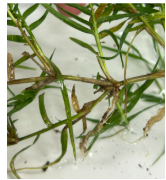
__________________ - horizontal stem with long internodes growing aboveground (Cynodon dactylon)
runner
It enables the plant for rapid vegetative expansion and enables quick recovery from damage when the root at nodes touches the soil.
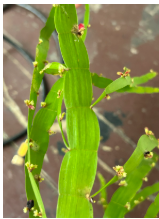
____________ - flattened stem resembling leaves (Homalocladium platycladum)
cladophyll
It serves the primary site for photosynthesis as there are no leaves. Reduces water loss
_________ long and slender coiling branch usually found in vines having weak stems (Coccinia grandis)
stem tendril
It supports the plant by coiling itself around fences or other plants. This allows vertical growth for more sunlight.
____________ - sharp-pointed stem, not to be confused with spine (modified leaf/leaf part) and prickle (outgrowth from plant surface)
(x Citrofortunella microcarpa)
thorn
Serves as a defense mechanism against herbivores.

