Chapter 3 - Anatomy for sterile processing technicians
 Call Kai
 Learn
Learn Practice Test
 Spaced Repetition
 Match
Match Flashcards
 Knowt Play
1/130

There's no tags or description
Looks like no tags are added yet.
Name | Mastery | Learn | Test | Matching | Spaced | Call with Kai | Chat |
|---|
No analytics yet
Send a link to your students to track their progress
131 Terms
[workbook] The system that gives the body shape and support is the
skeletal system
[workbook] the tissue that acts as a cushion between bones to prevent them from rubbing together is
Cartilage
[workbook] These muscle control involuntary movements such as breathing and digestion
Smooth
[workbook] Surgical procedure consists of removing an ear bone that has thickened and no longer transmits sound waves and replacing it with an artificial implant to improve hearing:
Stapedectomy
[workbook] This yellowish liquid makes up more than 55% of blood:
Plasma
[workbook] This organ filters the blood to remove amino acids and neutralize some harmful toxins
Liver
[workbook] This gland stimulates body growth:
Pituitary
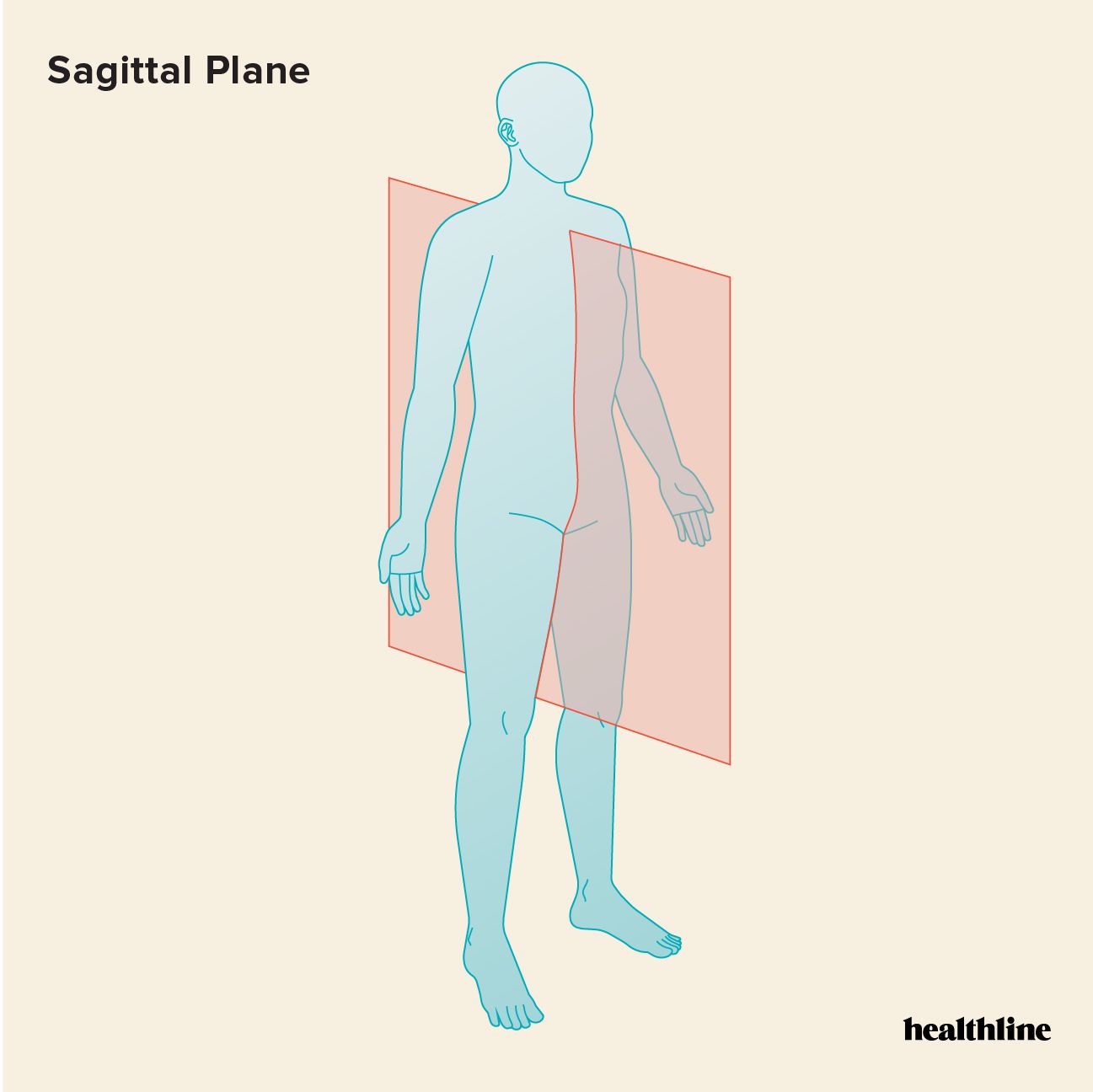
[workbook] This plane passes through the body, organ or structure dividing into left and right halves
Sagittal
[workbook] This surgical procedure removes tissue or displaced bone from the wrist area to release pressure on the median nerve
Carpal tunnel repair
[workbook] The largest part of the human brain is the:
Cerebrum
[workbook] The throat is also called the
pharynx
[workbook] The end of a body part that is closet to the point of origin or the end of an instrument that is closest to the operator is the called
Proximal end
[workbook] This surgical procedure removes the gallbladder
Cholecystectomy
[workbook] The hip joint is an example of
Ball and socket joint
[workbook] This tissue covers the body’s external surface
epithelial tissue
[workbook] This is referred to as the voice box
Larynx
[workbook] Which of the following is the brain center of a cell
Nucleus
[workbook] The end of a body part that is farthest away from the point of origin or the end of an instrument that is farthest away from the operator is called the:
Distal end
[workbook] The procedure to remove the stomach is
The gastrectomy
[workbook] A herniorrphaphy surgical procedure is a:
Repair of a muscle layer that is allowing all or part of an organ to project through an opening
Anatomy
The study of the structure and relationship between body parts.
Physiology
The study of the functions of body parts and the body as a whole
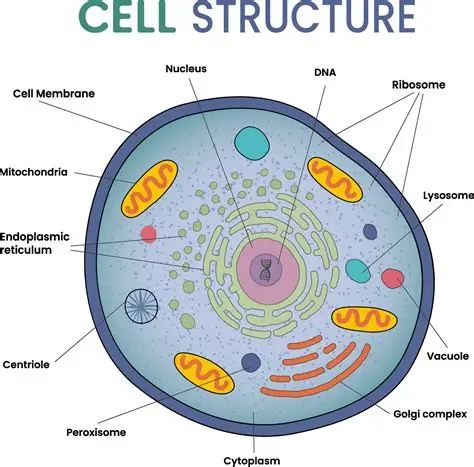
Cell
the unit of life
The smallest structural unit of living organisms capable of performing all basic functions of life
Cell membrane
The outer covering of a cell that regulates what enters and leaves it.
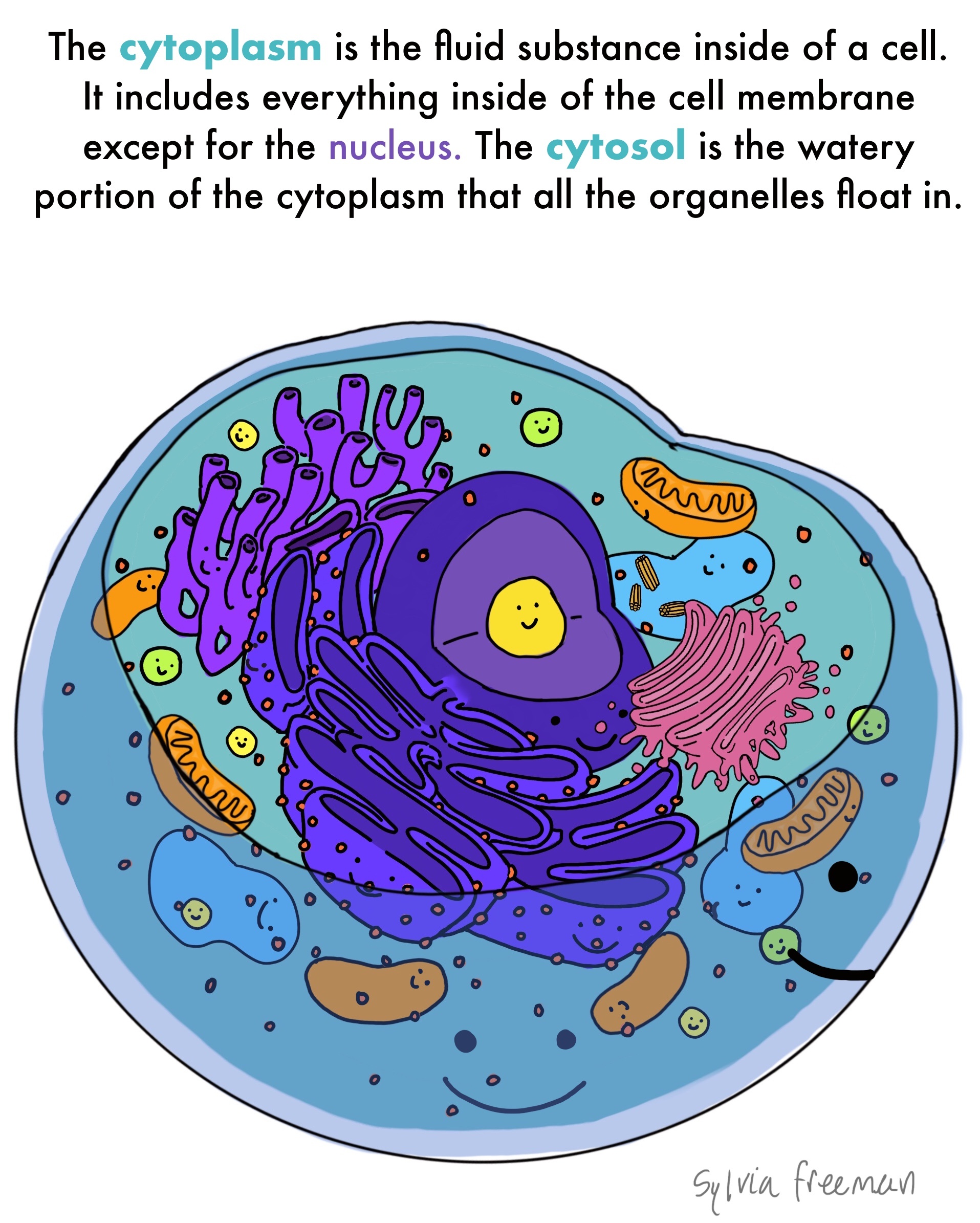
Cytoplasm
The clear, jelly-like substance of a cell between the cell membrane and nucleus.
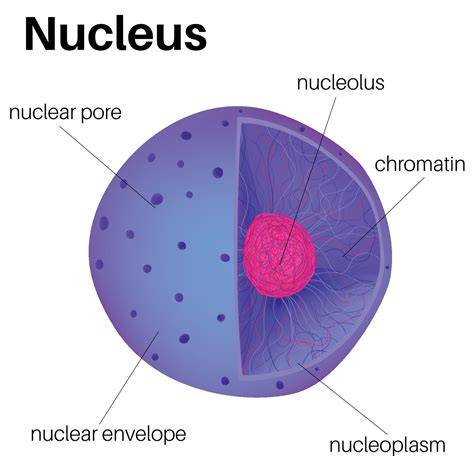
Nucleus
The functional center of a cell that governs activity and heredity
Tissue
A group of similar cells that perform a specialized function
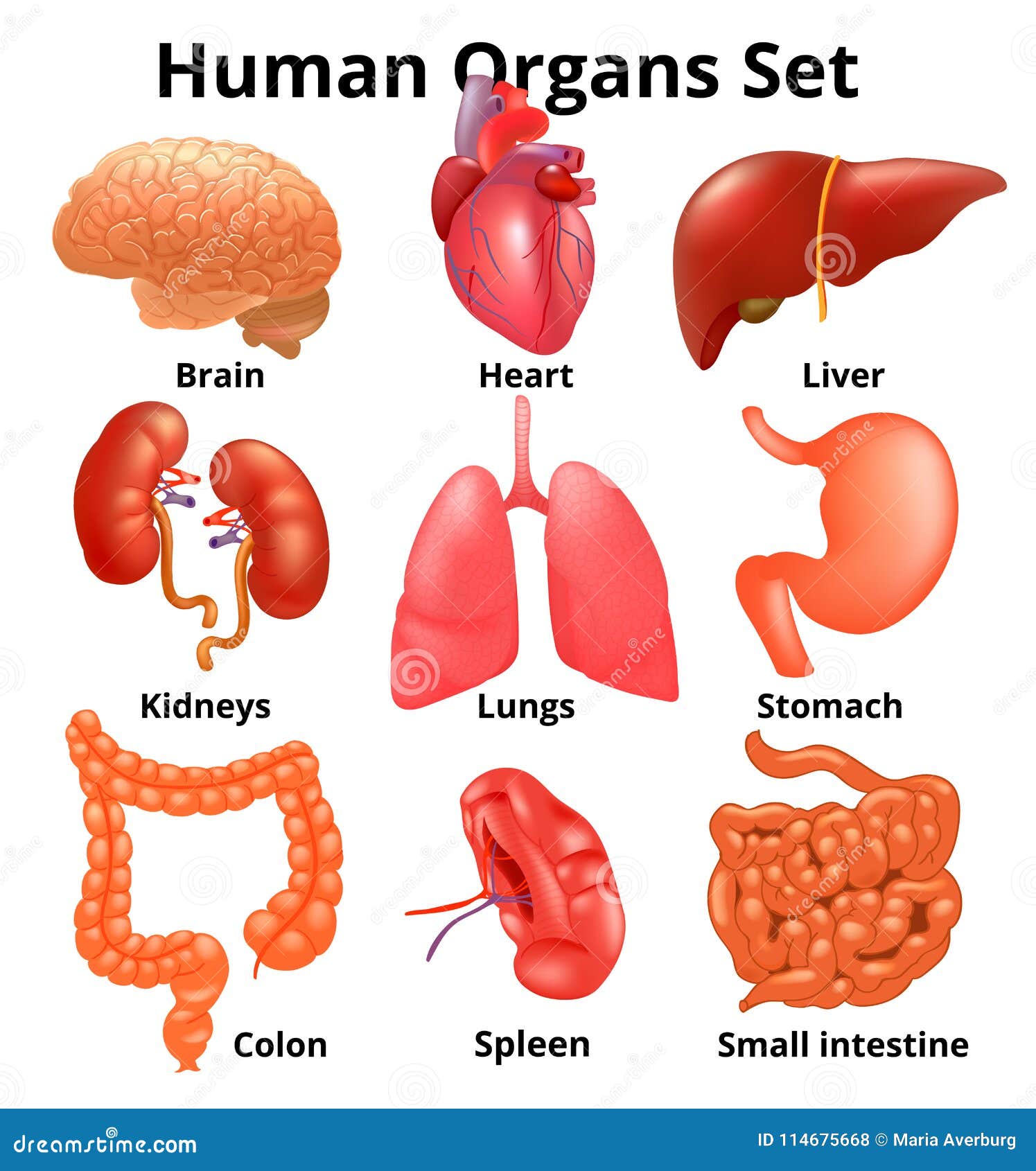
Organ
A part of the body containing two or more tissues that function together for a specific purpose.
Body system
A group of organs that work together to carry out a specific activity
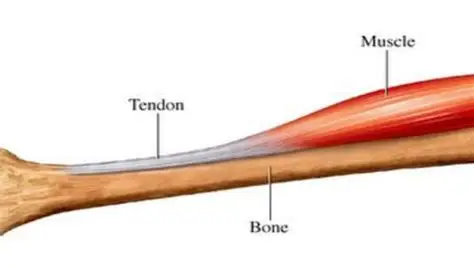
Tendon
A cord of fibrous tissue that attaches a muscle to a bone.
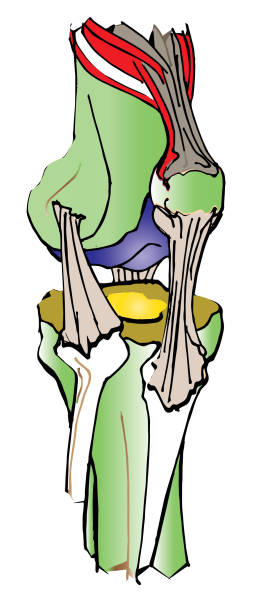
Ligament
A band of connective tissue that connects a bone to another bone
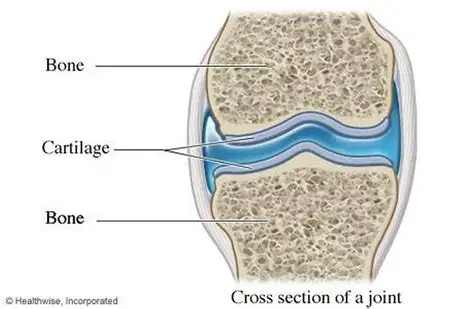
Cartilage
A type of flexible connective tissue
Ossification
The process by which cartilage is replaced by bone
Joint
A place where two bones meet.
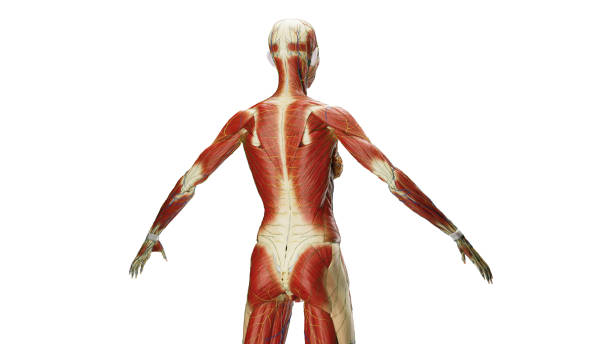
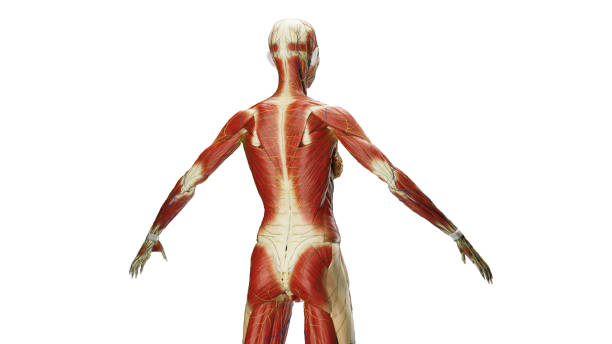
Fascia
Band or sheet of fibrous connective tissues.
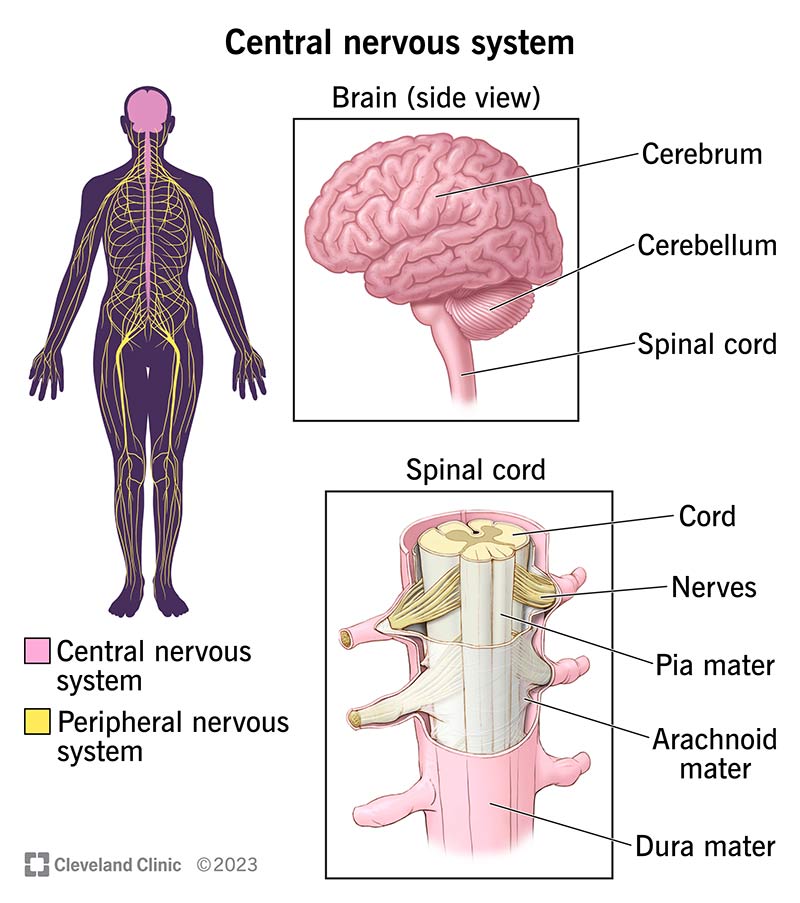
Central nervous system (CNS)
The part of the nervous system that includes the brain and spinal cord
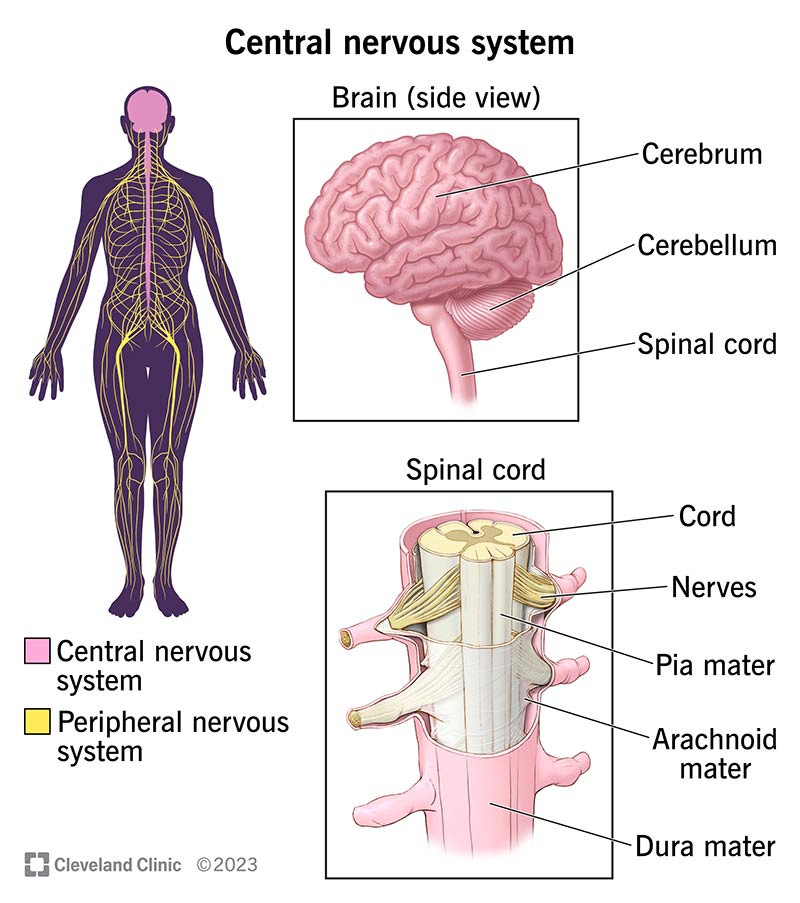
Peripheral nervous system (PNS)
All nerve tissue outside the cns
Brain
The main control unit of the CNS
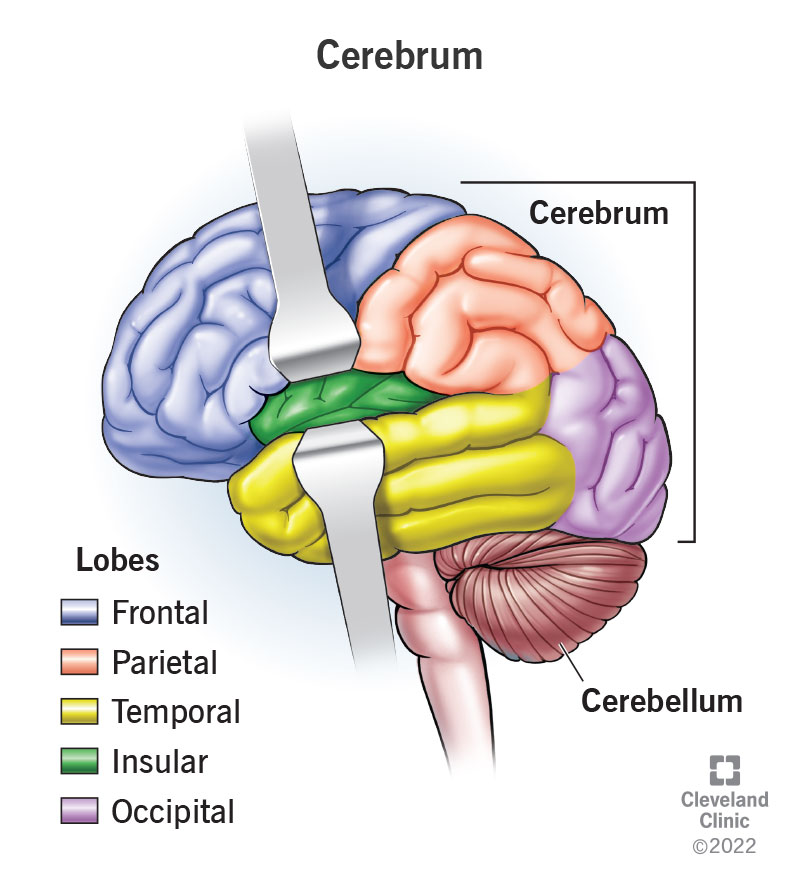
Cerebrum
The largest part of the brain. It controls mental activities and movement.
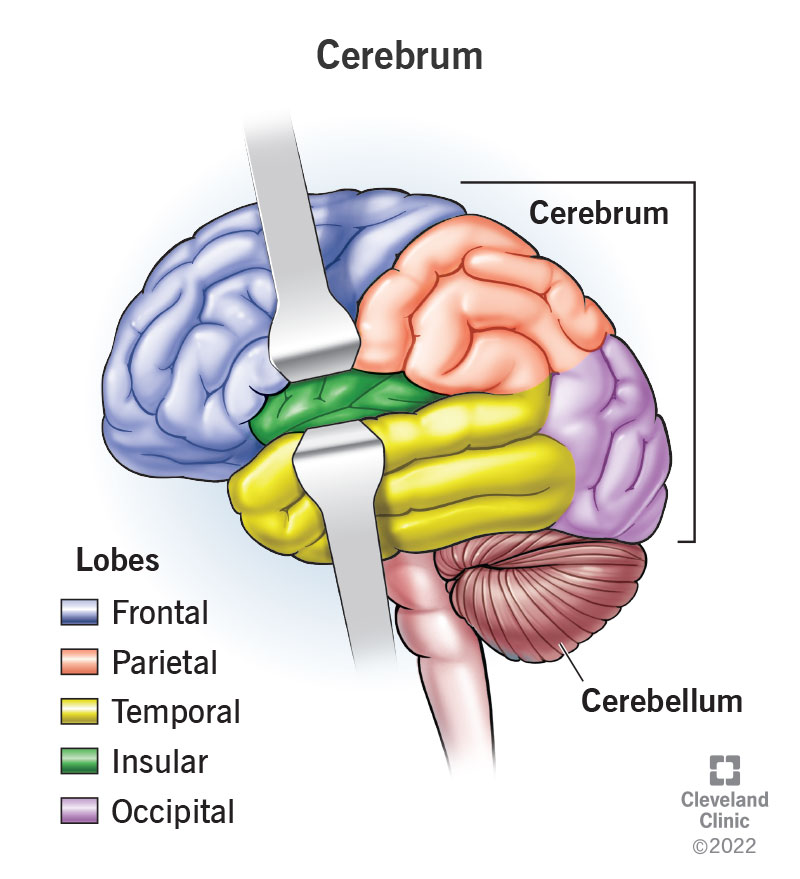
Cerebellum
The second largest part of the brain. It controls muscle coordination, body balance and posture.
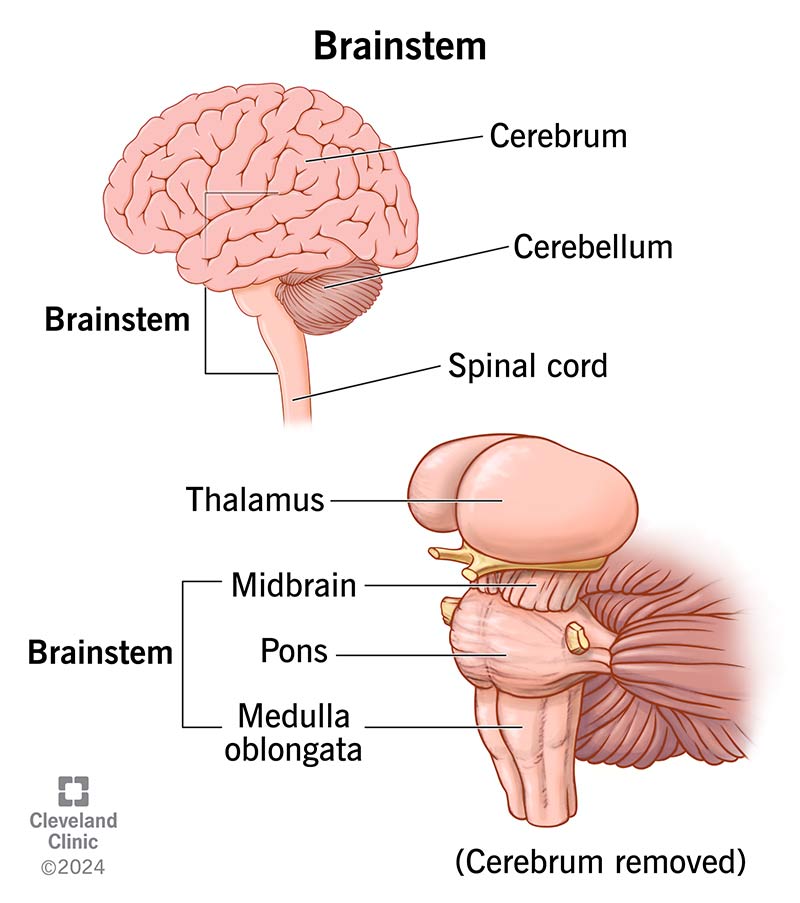
Brain stem
Controls many automatic body functions such as heartbeat and breathing.
Peristalsis
The rippling motion of muscles in the digestive tract that mixes food with gastric juices to form a thin liquid.
Hormones
Chemical messengers that travel through the blood and act on target organs
Metabolism
The total chemical changes by which the nutritional and functional activities of an organisms are maintained
Insulin
A hormone that reduces the level of sugar in the blood
Glucagon
A hormone that can increase the blood sugar level
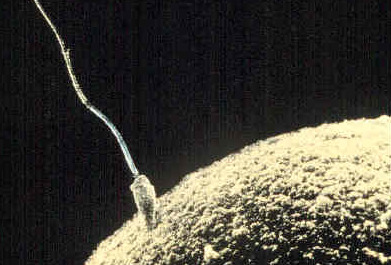
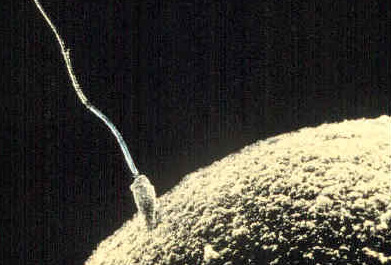
Sperm
Male sex cell
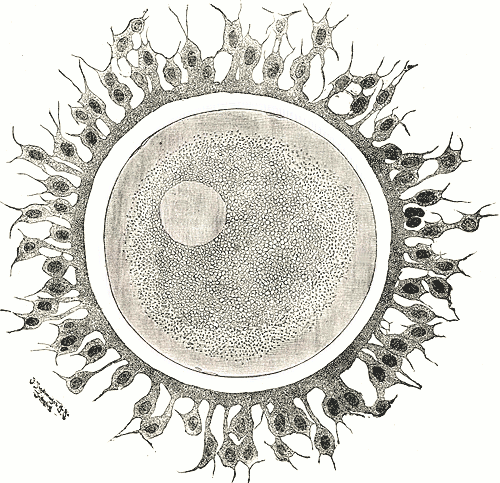
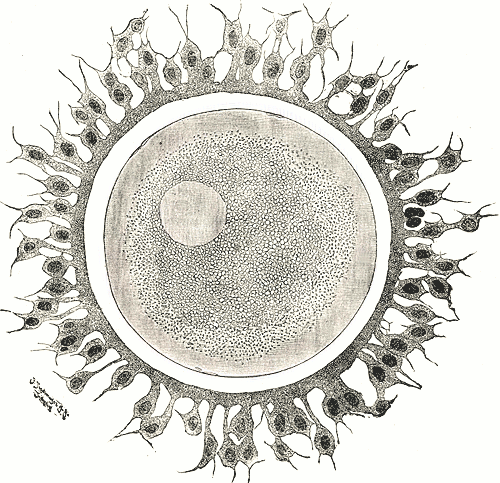
Ovum
Female sex cell (egg)
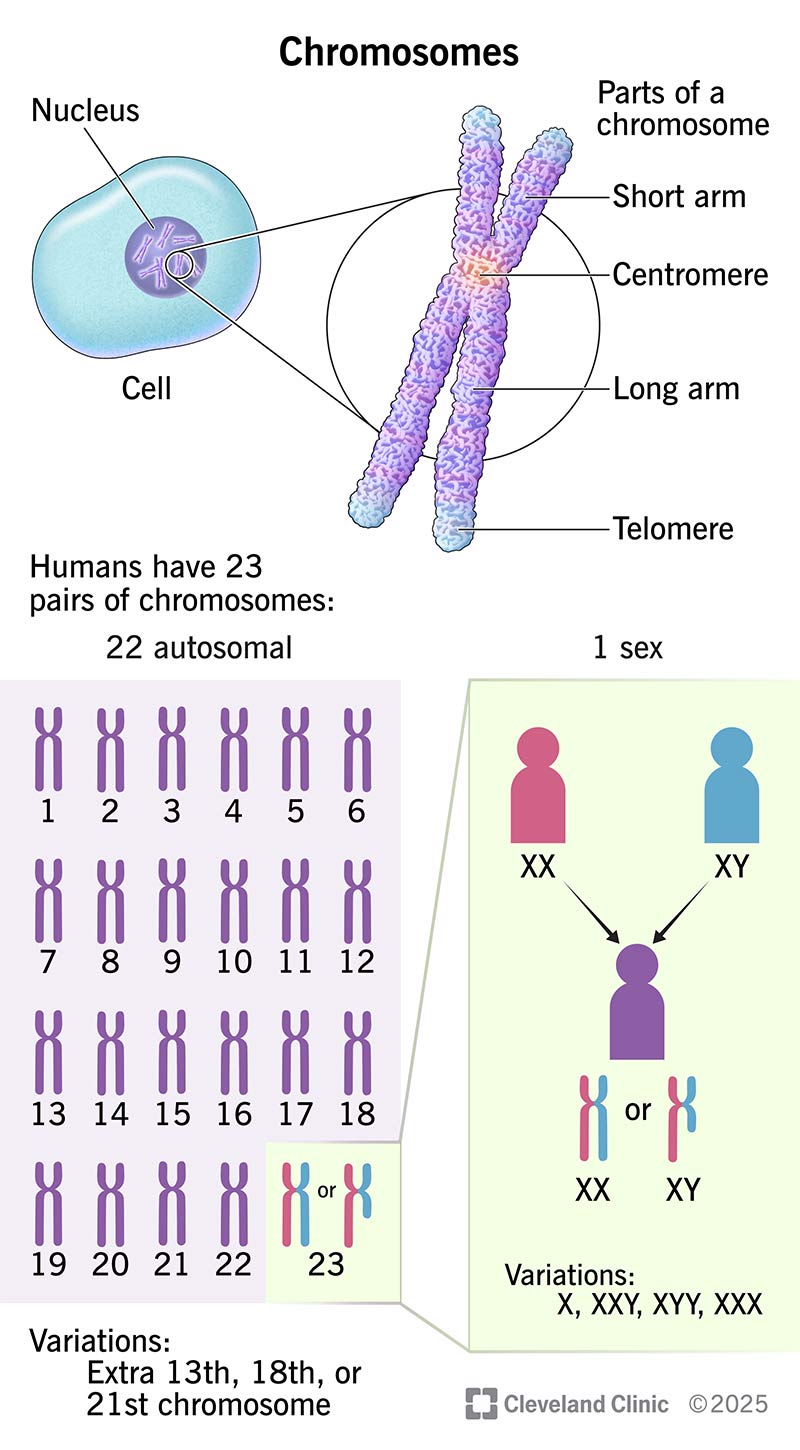
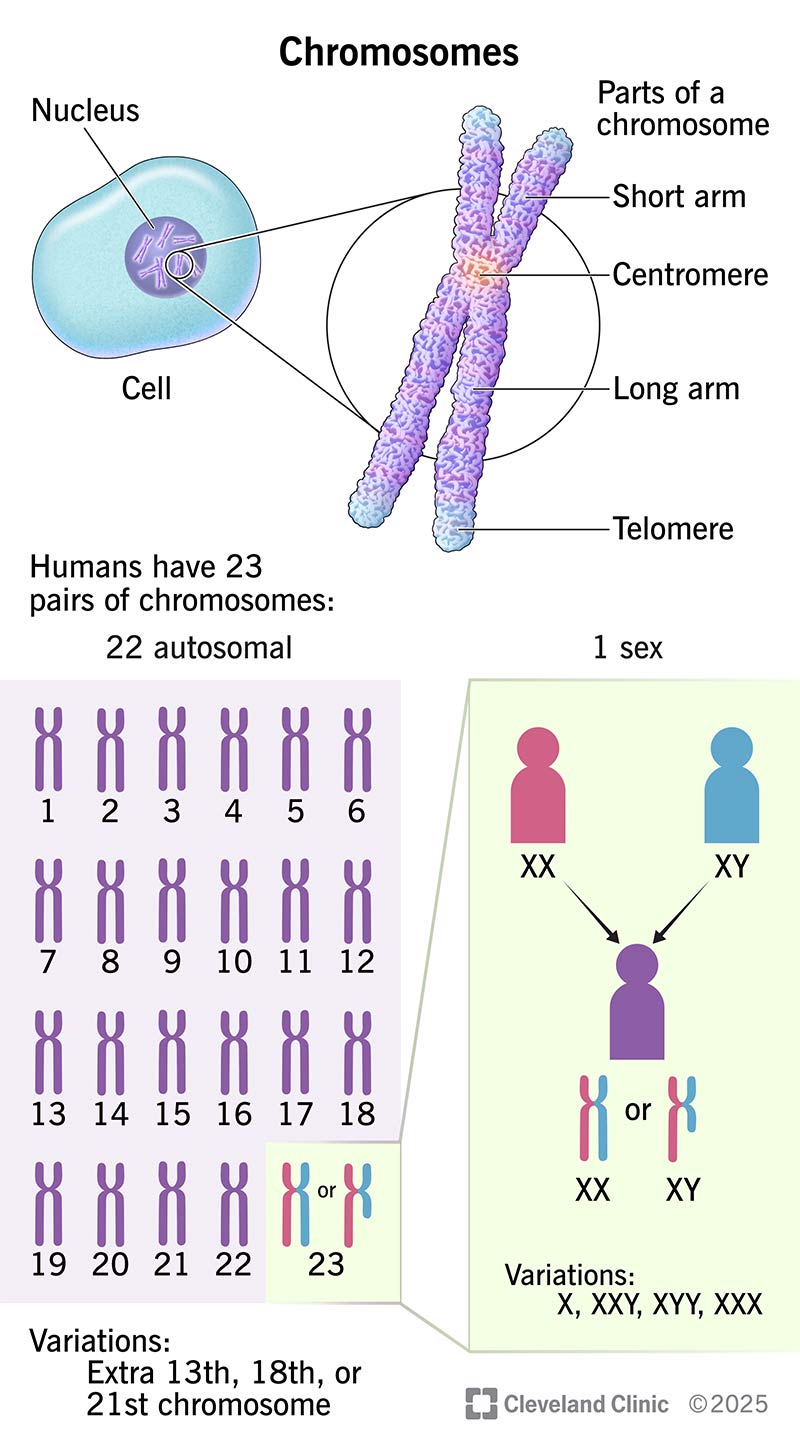
Chromosomes
Rod-shaped structures responsible for inherited characteristics passed on from parent to child
testes
Male reproductive gland that forms and secretes sperm and several fluid elements in semen.
Scrotum
Sac in which testes are suspended
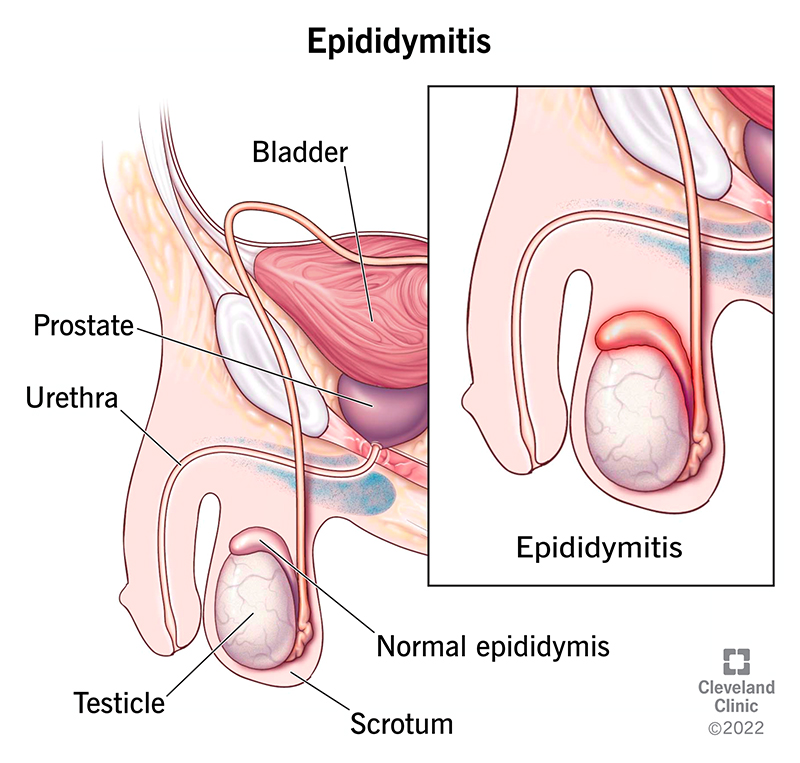
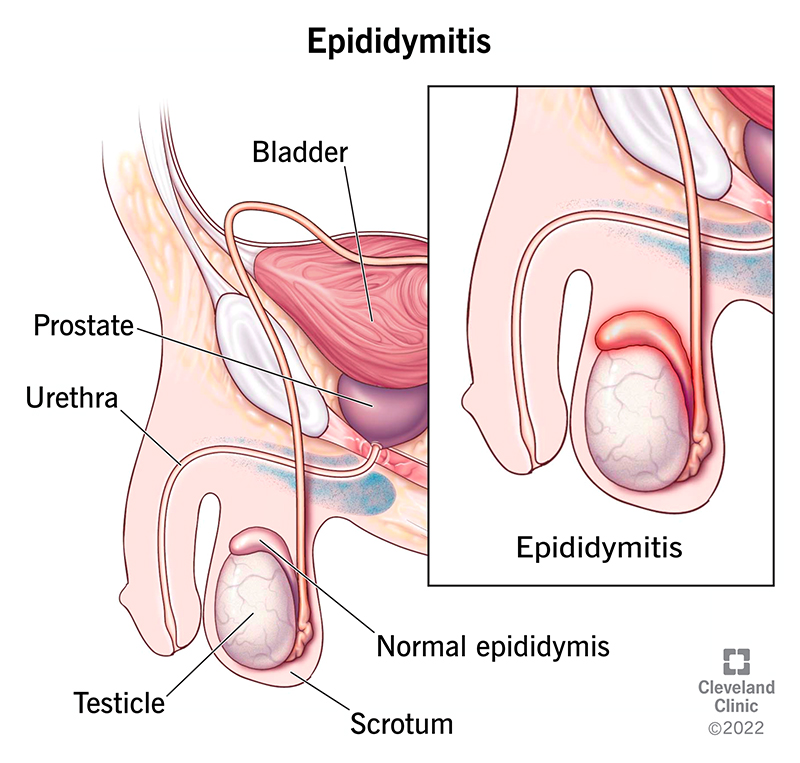
Epididymis
A tube that carries sperm cells from the testes to the vas deferens
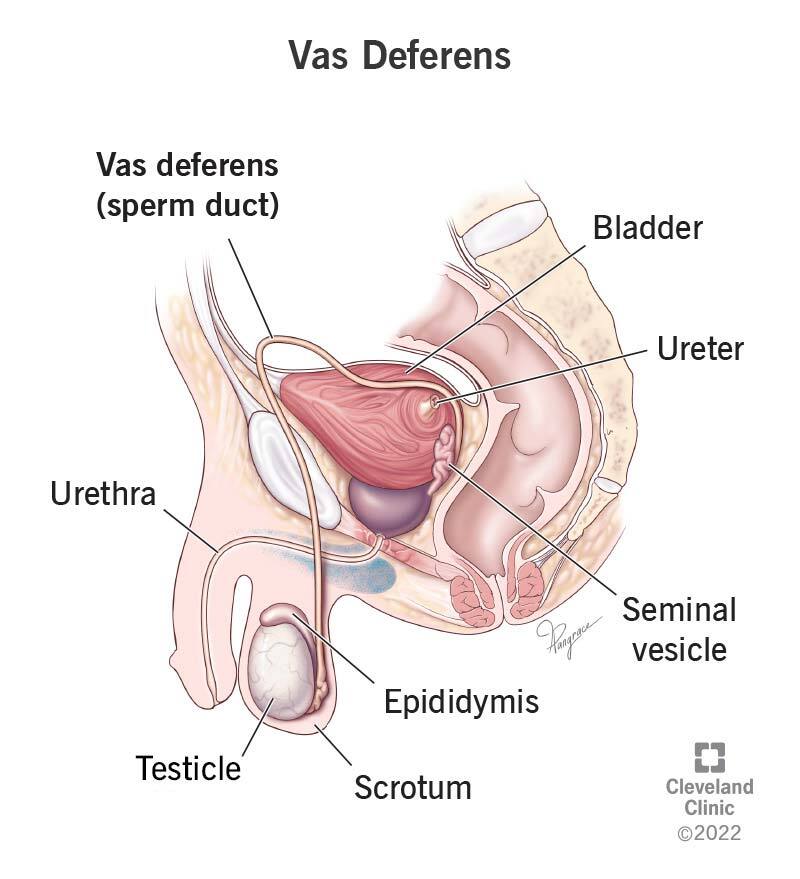
Vas Deferens (sperm duct)
A duct that transfers sperm from the epididymis to the seminal vesicle
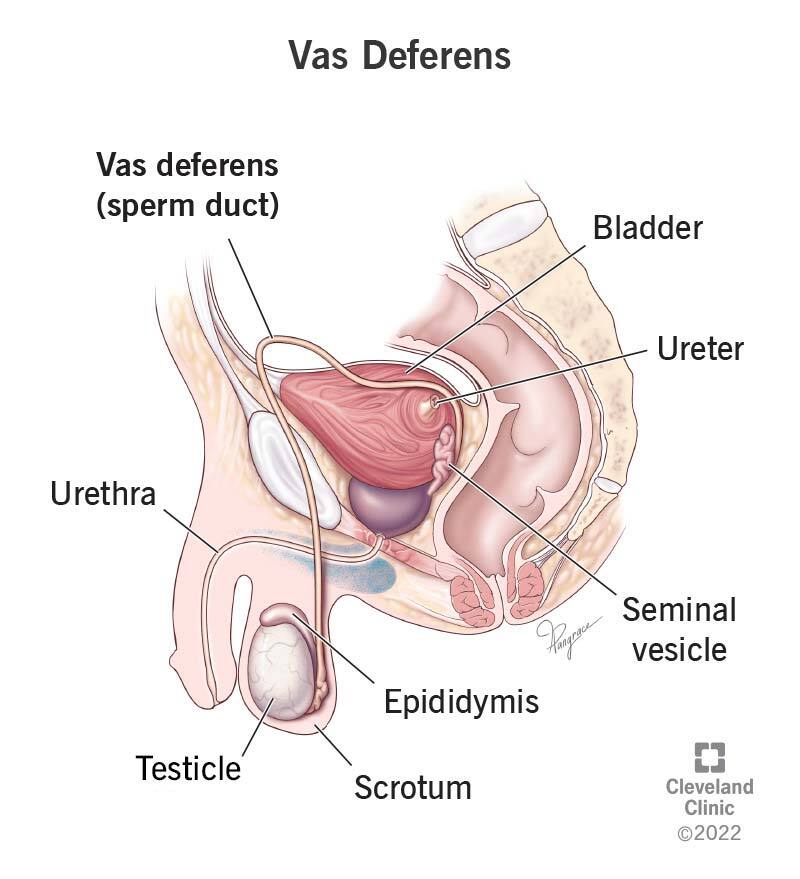
Seminal vesicle
A gland that produces semen
Semen
Mixture of sperm cells and secretions from several male reproductive glands
Ejaculatory duct
A duct formed by joining the seminal vesicle with the vas deferens, through which semen moves during ejeculation
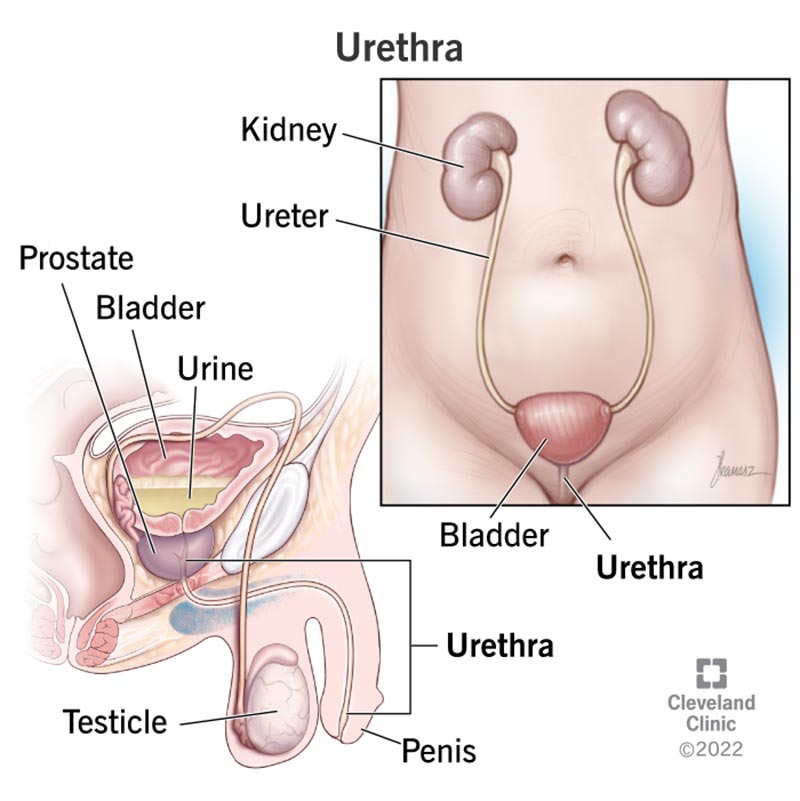
Urethra
Tube that discharges urine
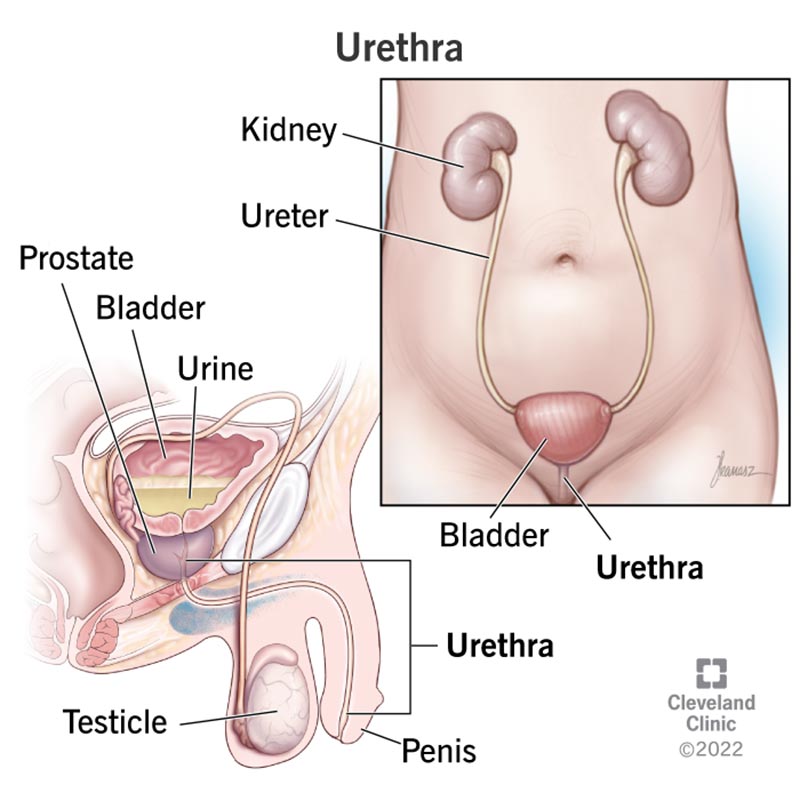
Prostate gland
Produces a fluid element in semen that stimulates the movement of sperm
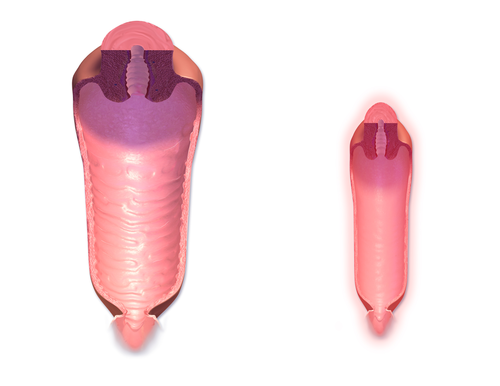
Vagina
Muscular canal in a female that extends from an external opening to the neck of the uterus
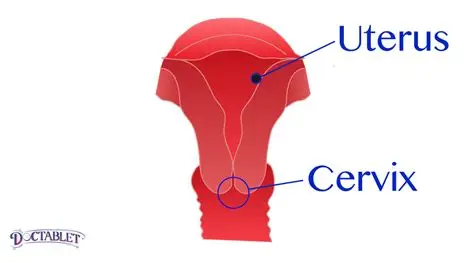
Cervix
Lower end (neck) of the uterus
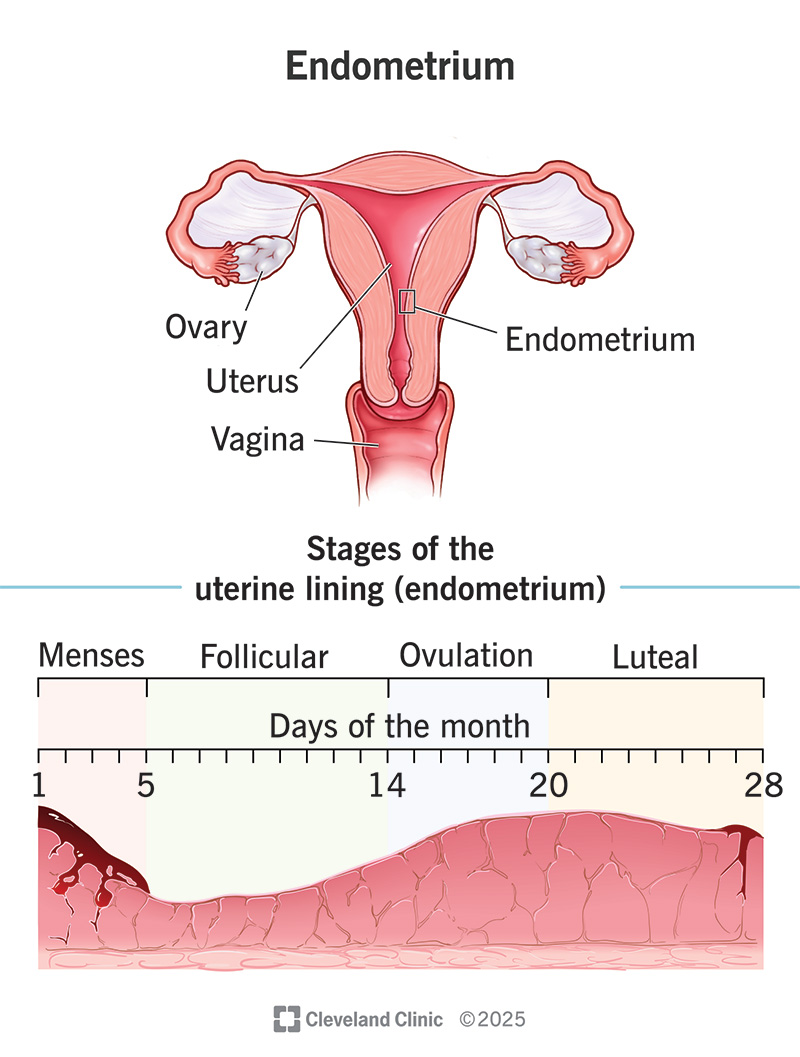
Uterus
female organ within which the fetus develops during pregnancy
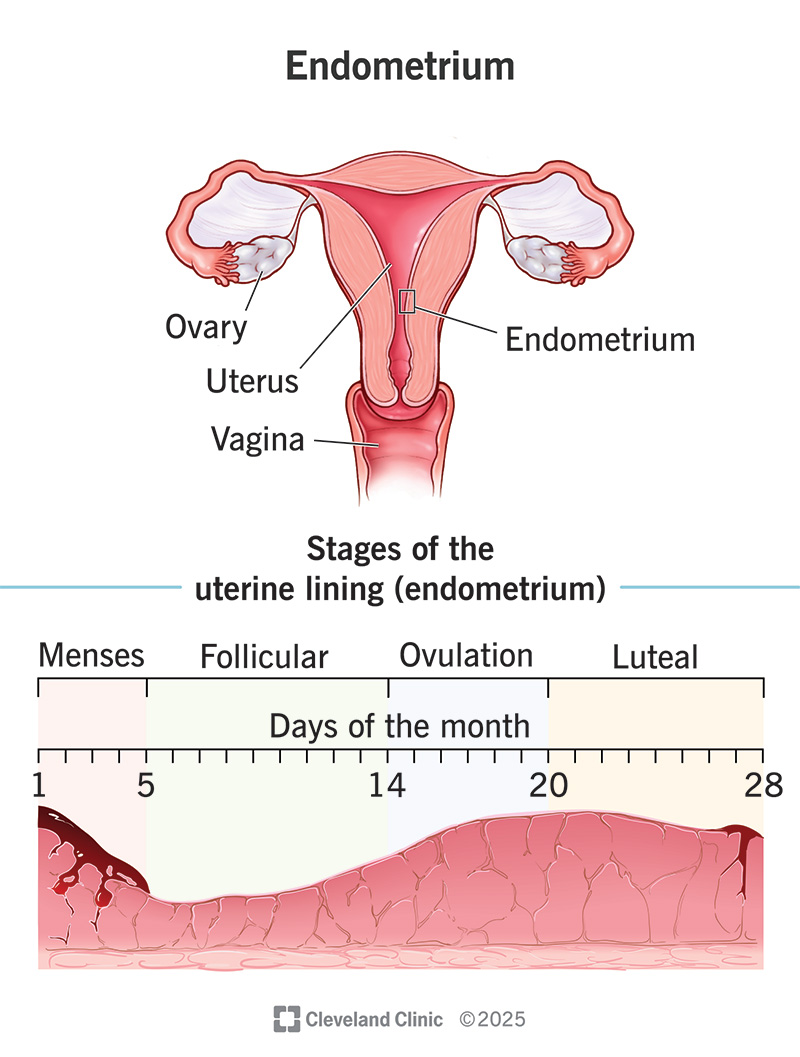
Endometrium
Lining of the uterus
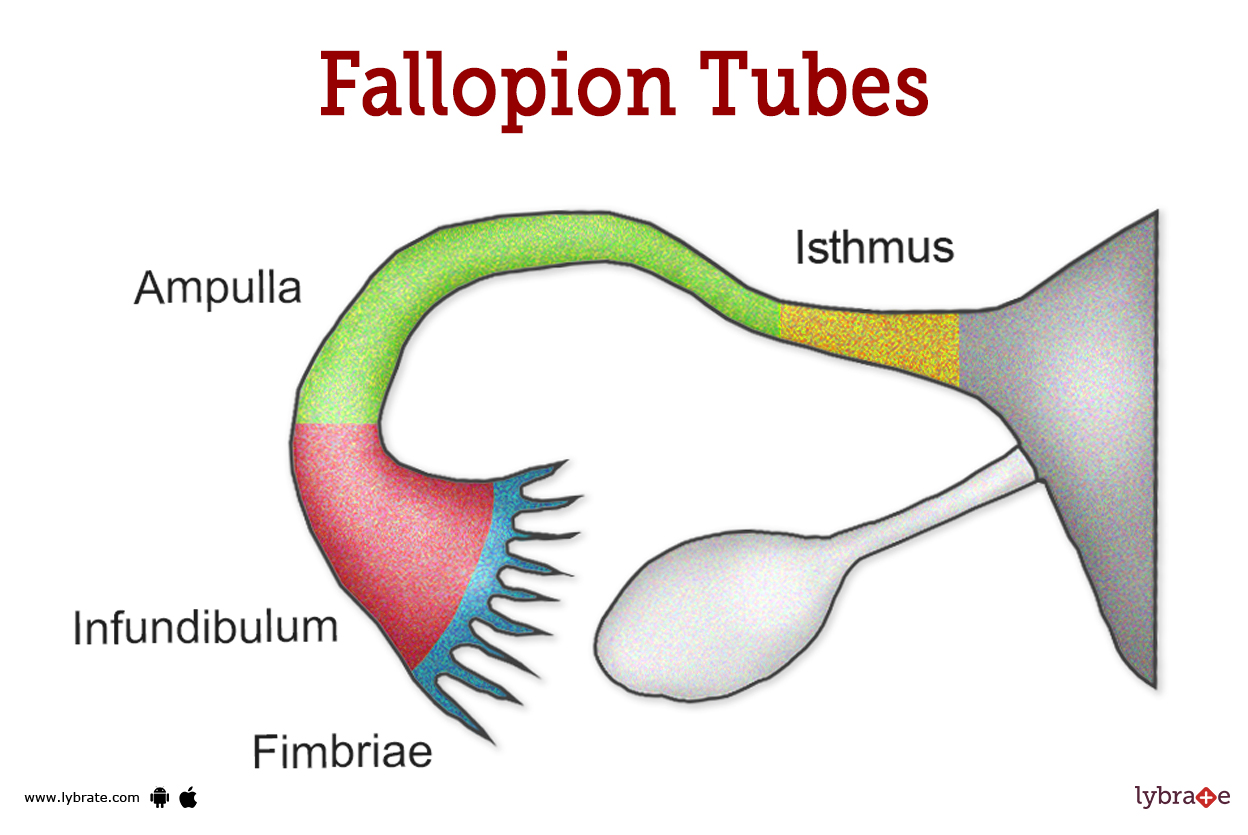
Fallopian tubes
Slender tubes that carries the ova (eggs) from the ovaries to the uterus
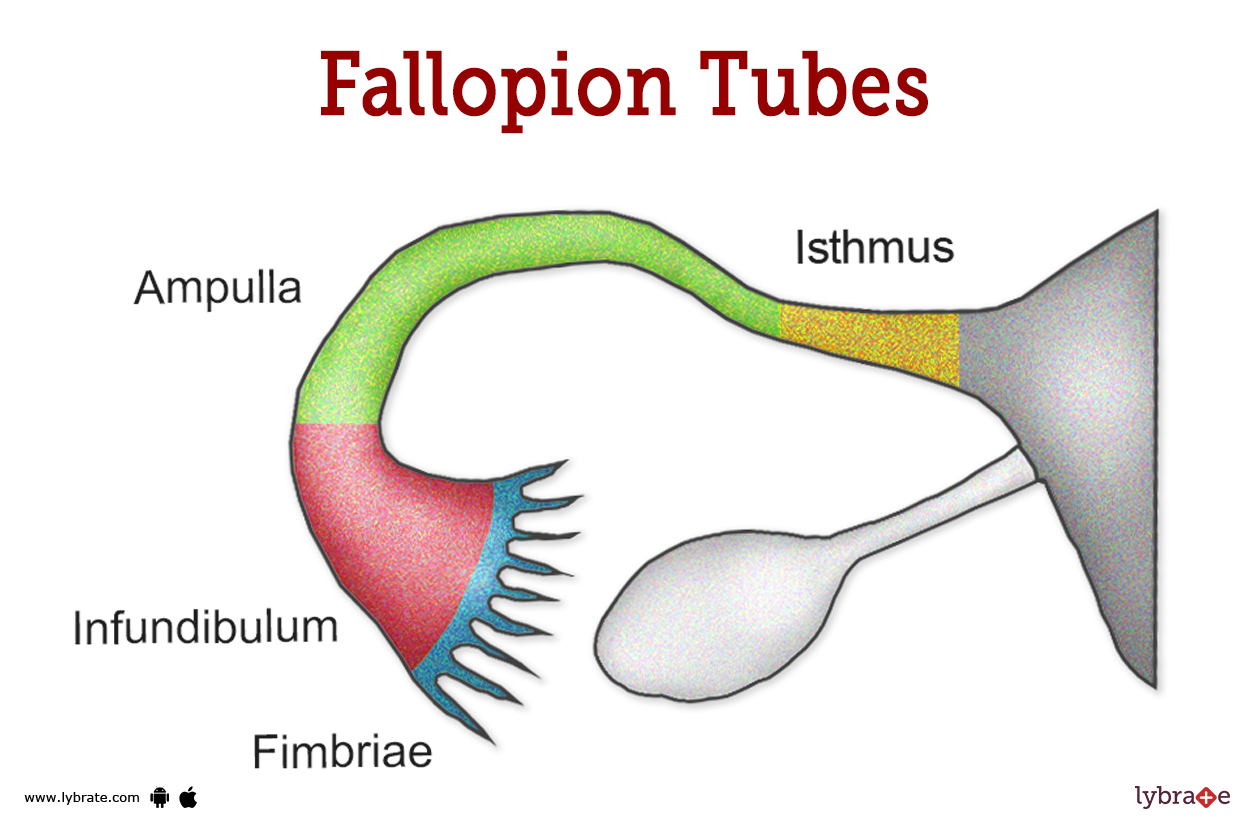
Fimbriae
Finger-like projections extending from the fallopian tubes that draw ova (eggs) into the uterus
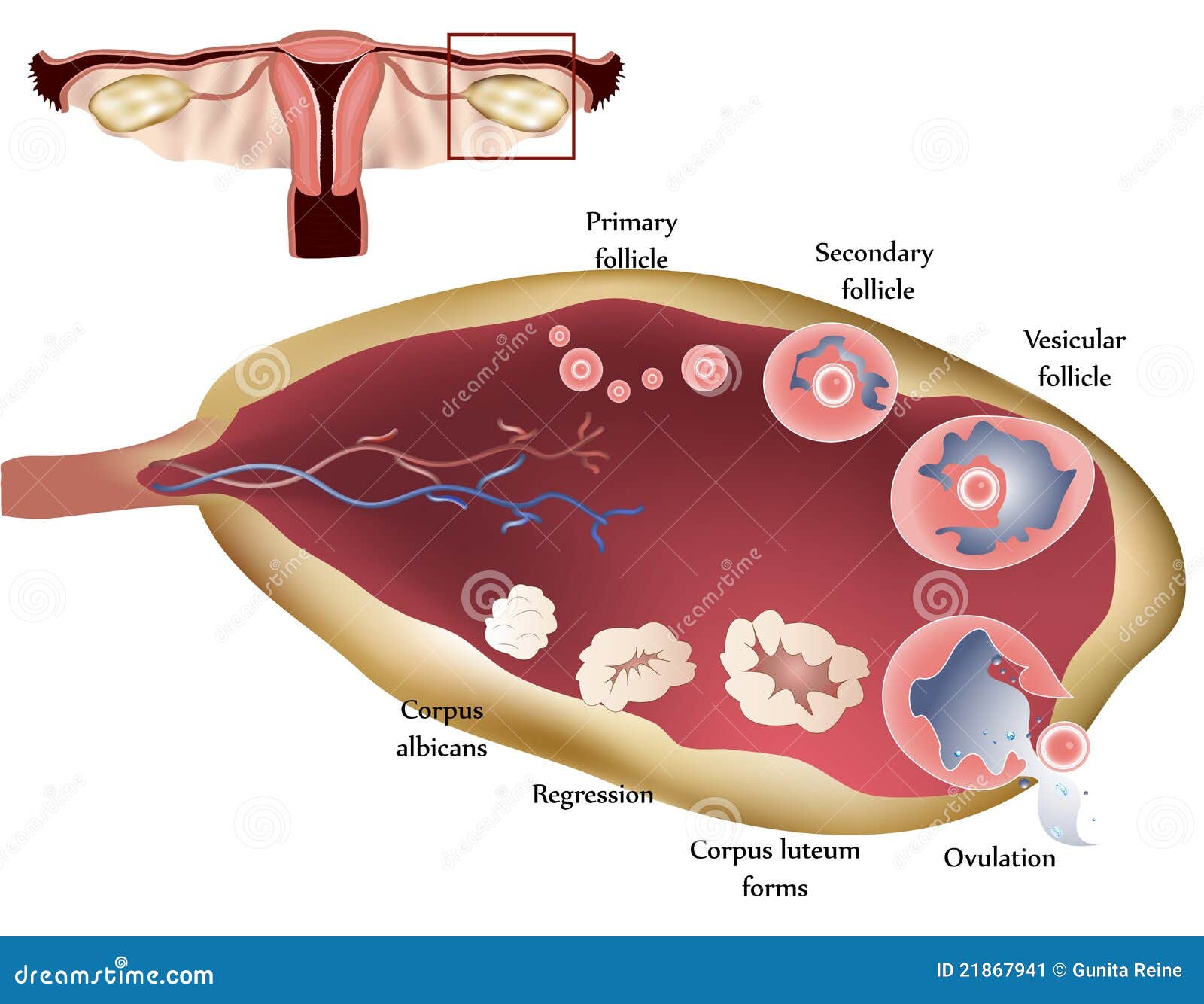
Ovaries
Female productive organs
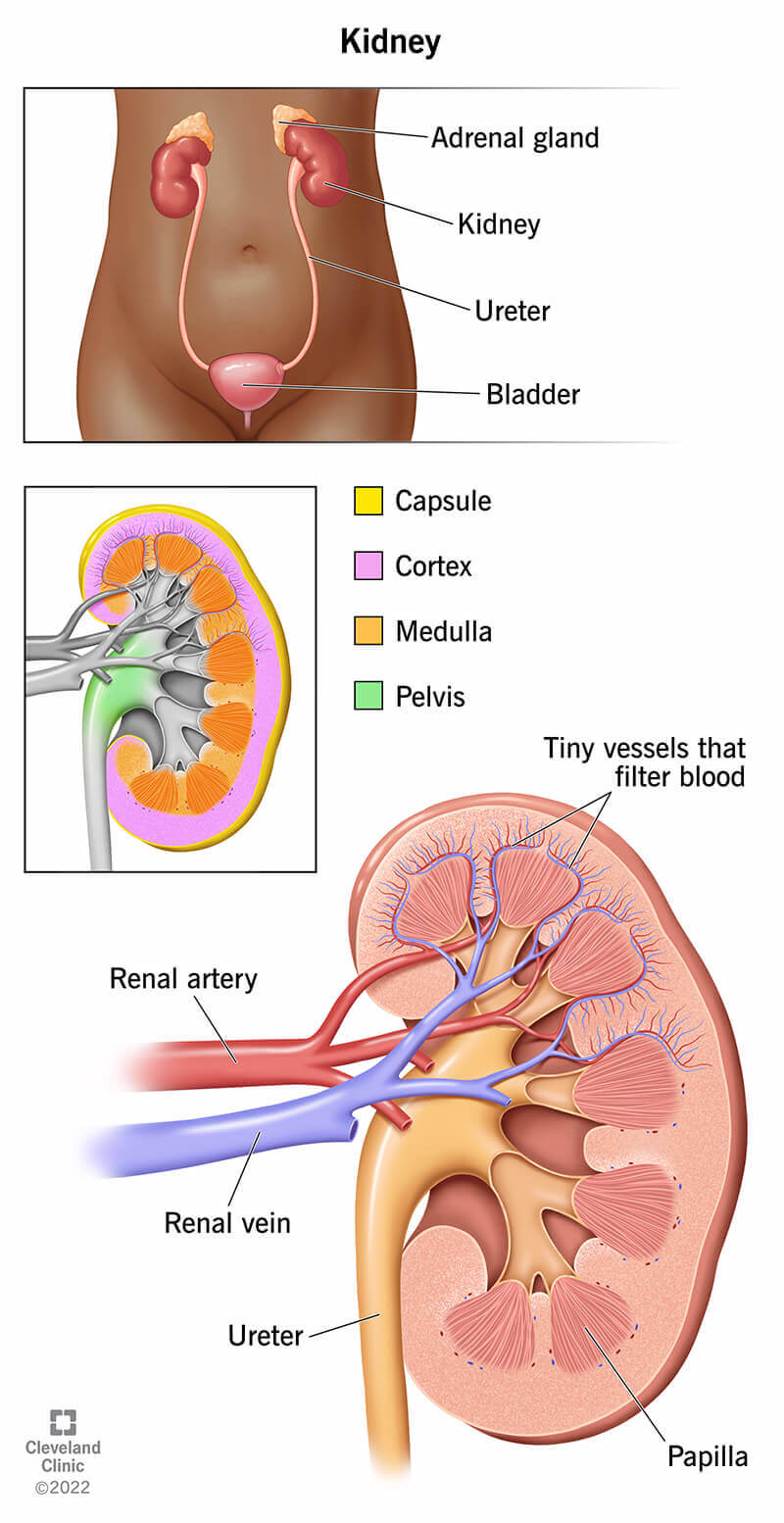
Kidneys
Organs that remove excess water and waste substances from the blood in a process that yields urine
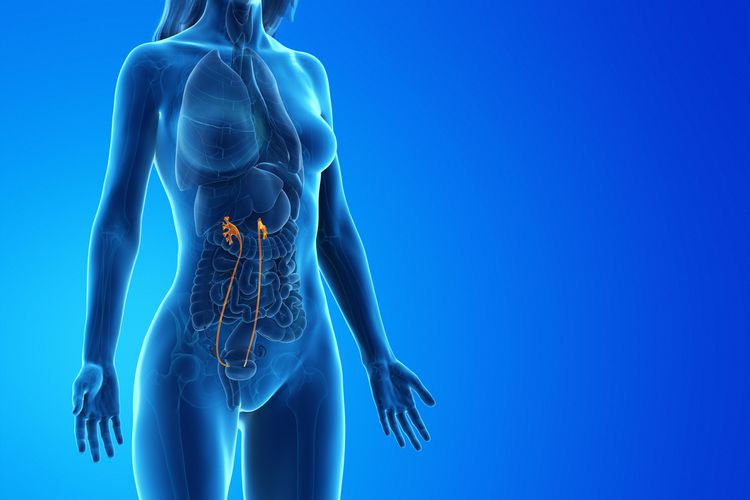
ureters
tube-like structures extending from the kidneys to the urinary bladder that move urine between these organs
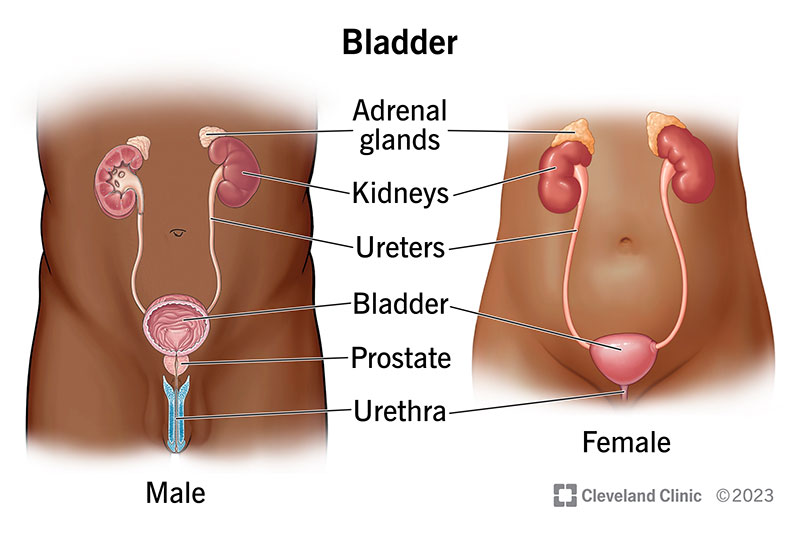
urinary bladder
The reservoir for urine
Penis
Male organ of urination and intercourse
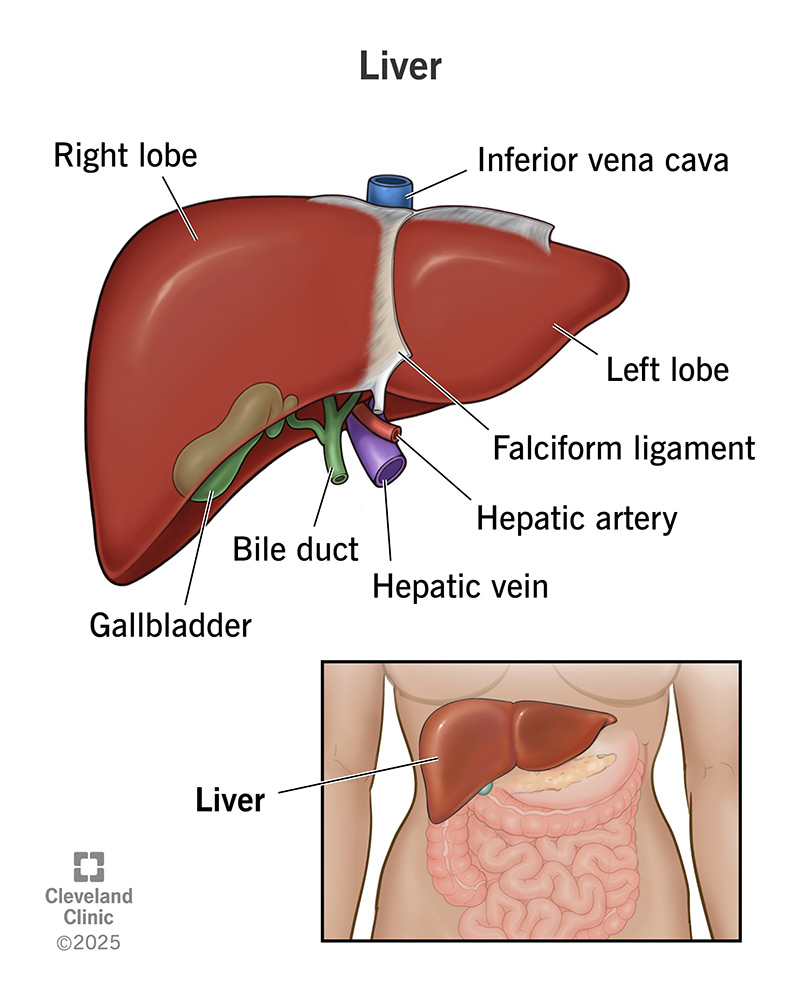
Liver
An organ that filters the blood to remove amino acids and neutralize some harmful toxins
Skin
This organ contains sweat glands that, through the process of perspiration, produce and excrete sweat.
Nose
Organ of smell; also filters the air we breathe.
Mouth
Opening through which air; food and beverages enter the body; beginning of the alimentary canal
Pharynx
Throat
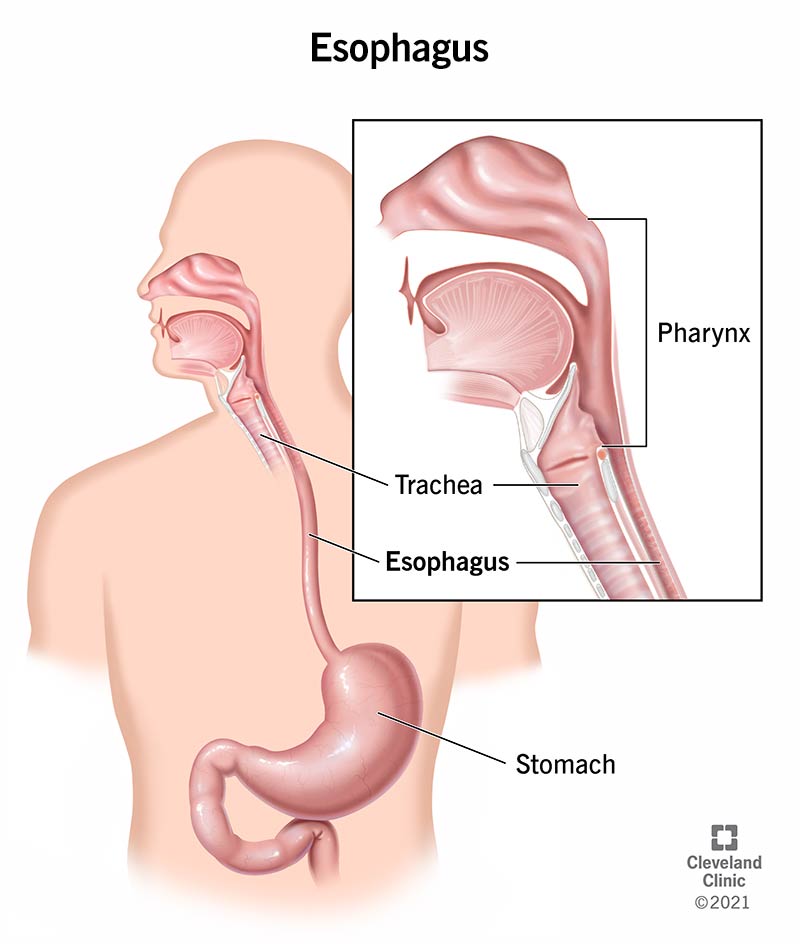
Esophagus
Connects the throat to the stomach
Larynx
Voice box
Trachea
Windpipe
Bronchi
The main passageway for air to travel from the trachea to the lungs
Lungs
Main organs of the respiratory system whose function is transporting oxygen into the blood and removing carbon dioxide from the blood
Alimentary canal (digestive tract)
The pathway that food takes though the digestive system; also called the digestive tract
Stomach
A pouch that serves as a reservoir for food that has been consumed
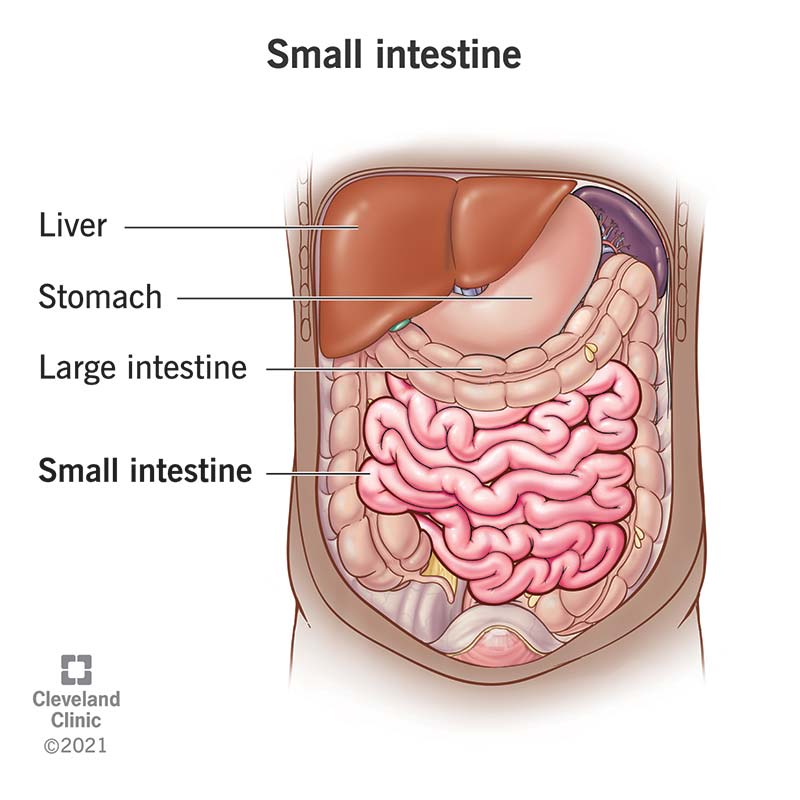
Small intestine
The organ in the digestive system where the greatest amount of digestion and absorption of nutrients into the body cells occurs
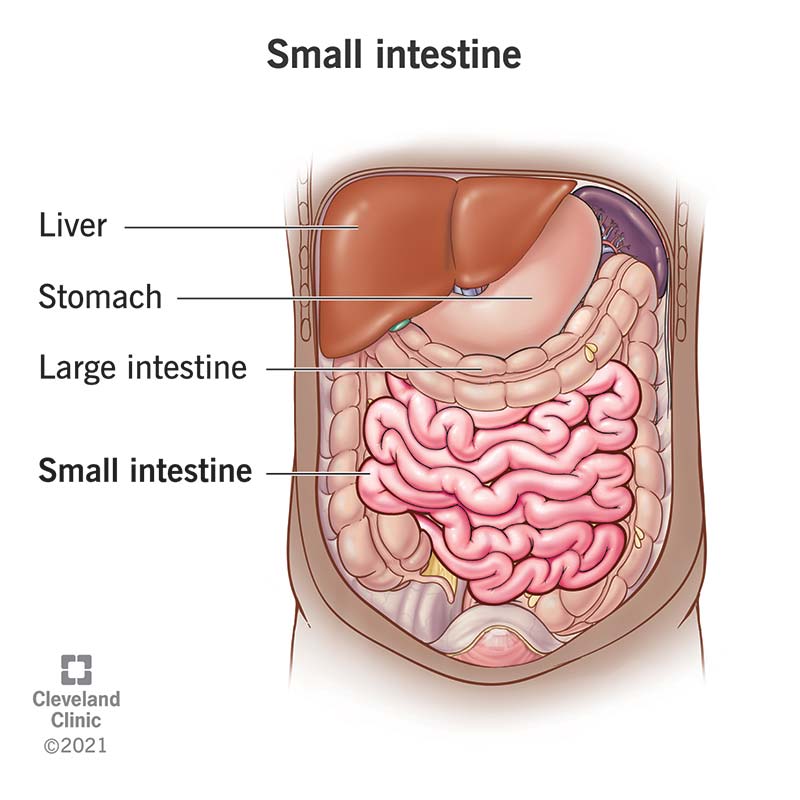
Large intestine (colon)
The digestive organ that dehydrates digestive residue (feces)
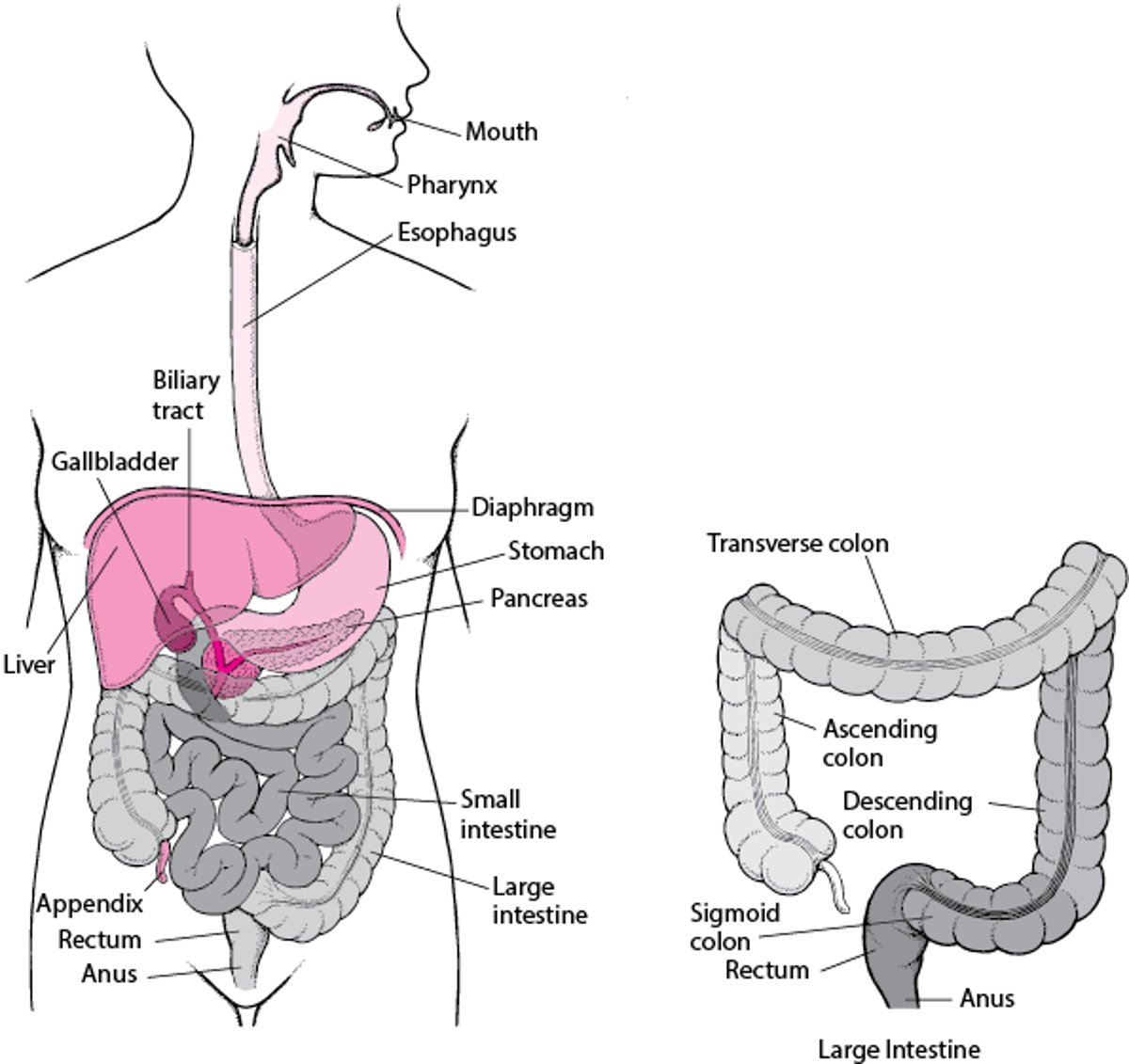
Rectum
The last several inches of the large intestine
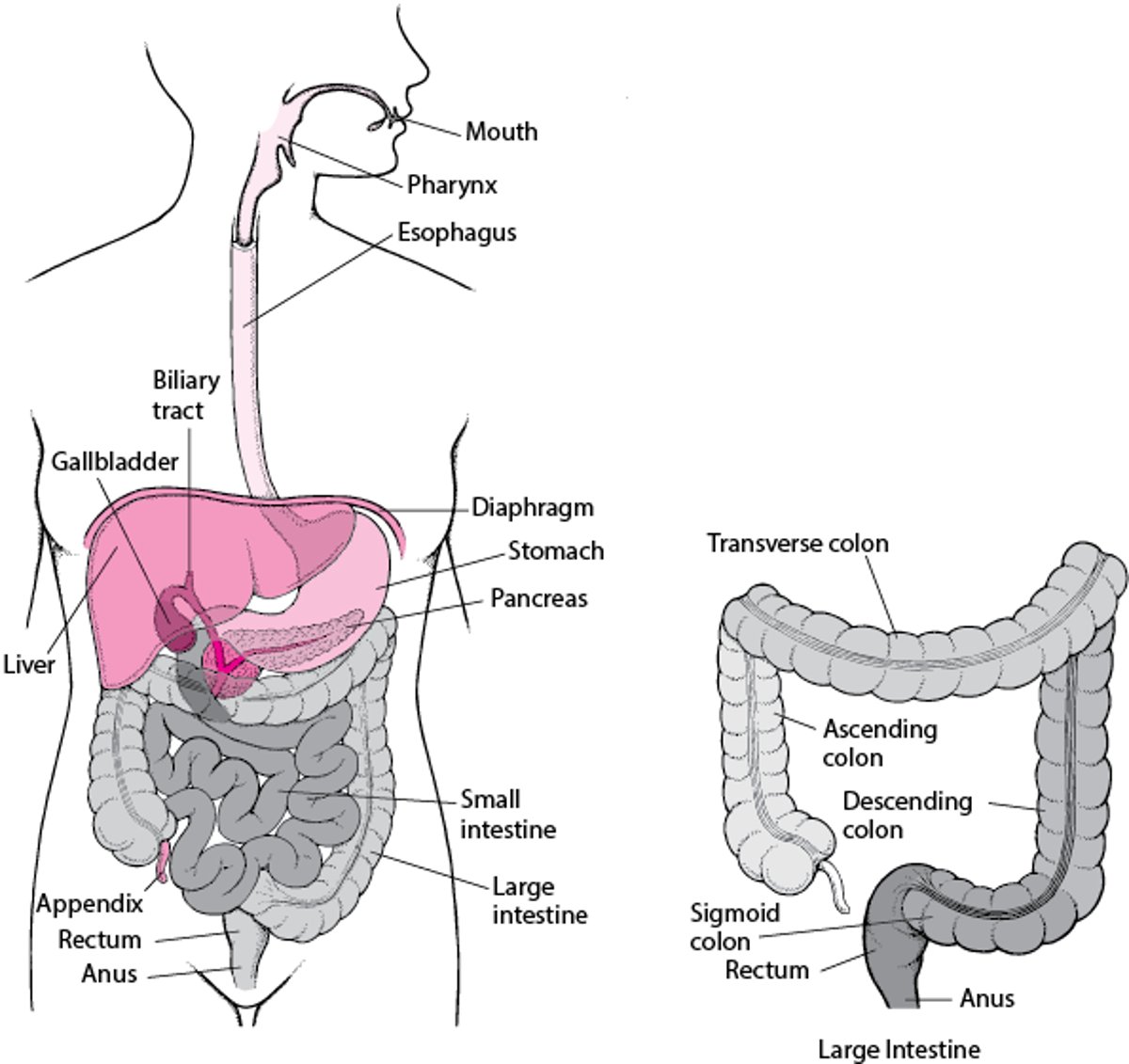
Anus
The lower opening of the alimentary canal
Blood
A type of connective tissue fluid that transports many substances throughout the circulatory system
Plasma
The largest component of the blood. Plasma transports nutrients throughout the body and helps remove waste from the body
Red blood cells
Blood cells that carry oxygen throughout the body
White blood cells
Blood cells that circulate in the blood and help defend the body against infection or foreign invaders
Platelets
Blood cell fragments whose function is to help the blood to clot.
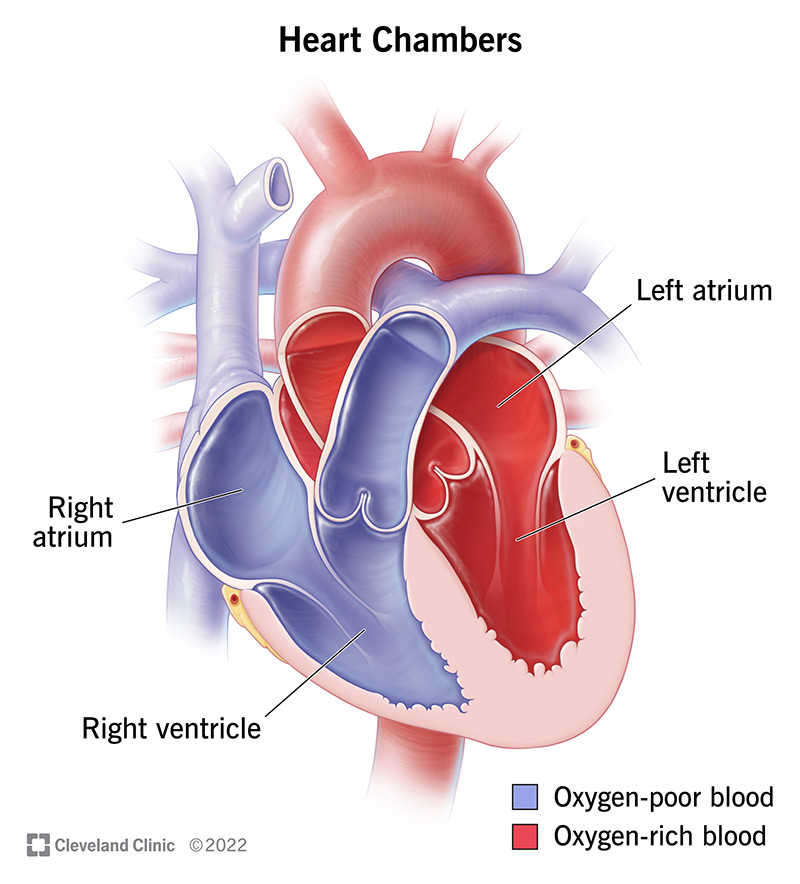
heart
The muscular organ that pumps blood throughout the body
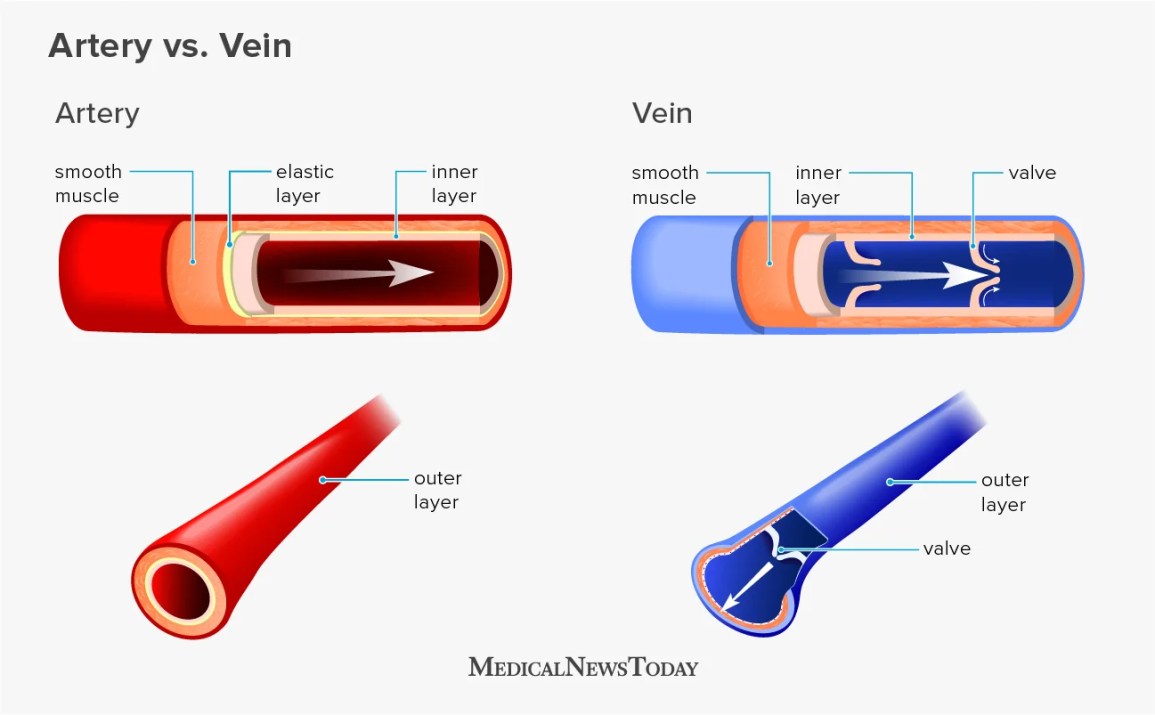
Arteries
Vessels that carry blood away from the heart
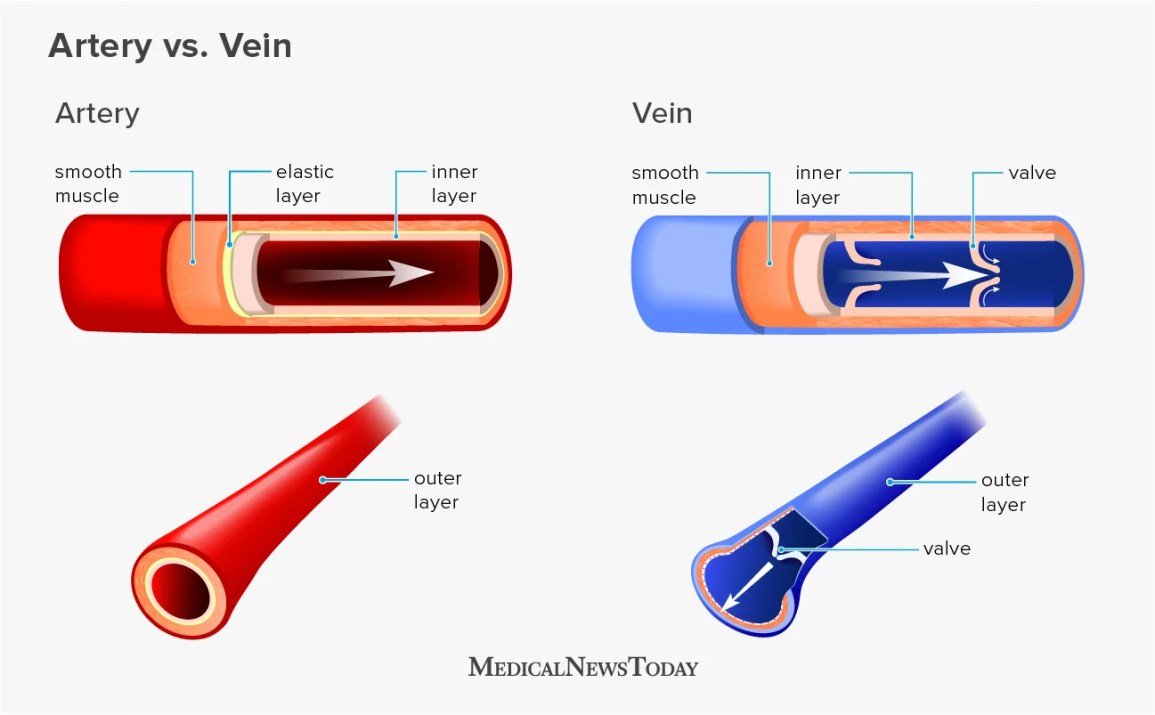
Veins
Vessels that carry blood back to the heart
Capillaries
Vessels that serve as connections between the veins and arteries
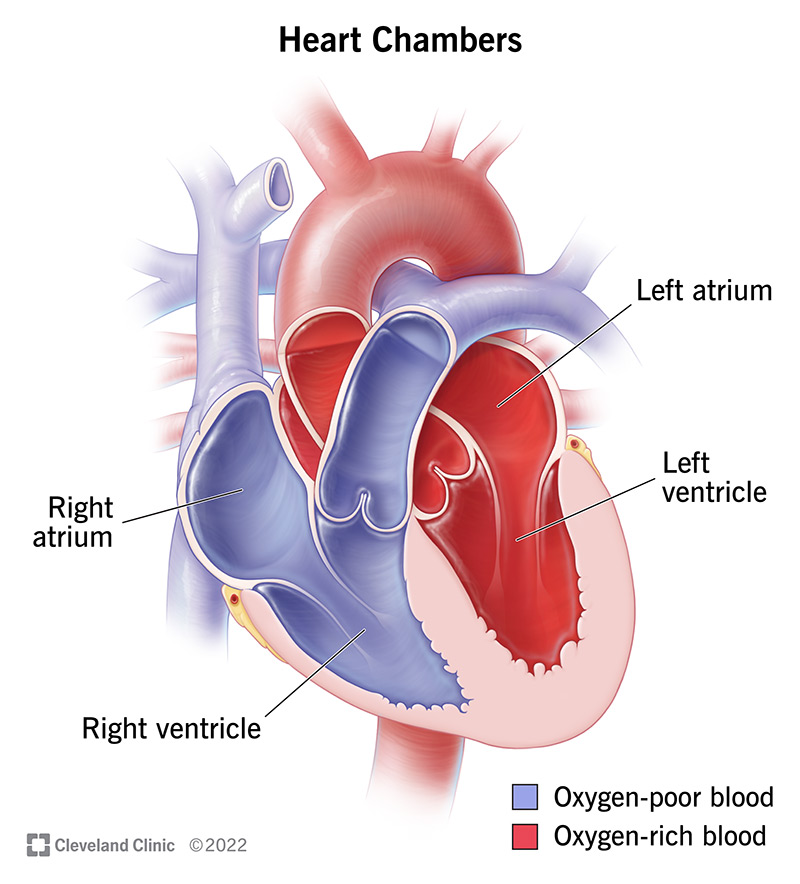
Atria
The two upper chambers of the heart
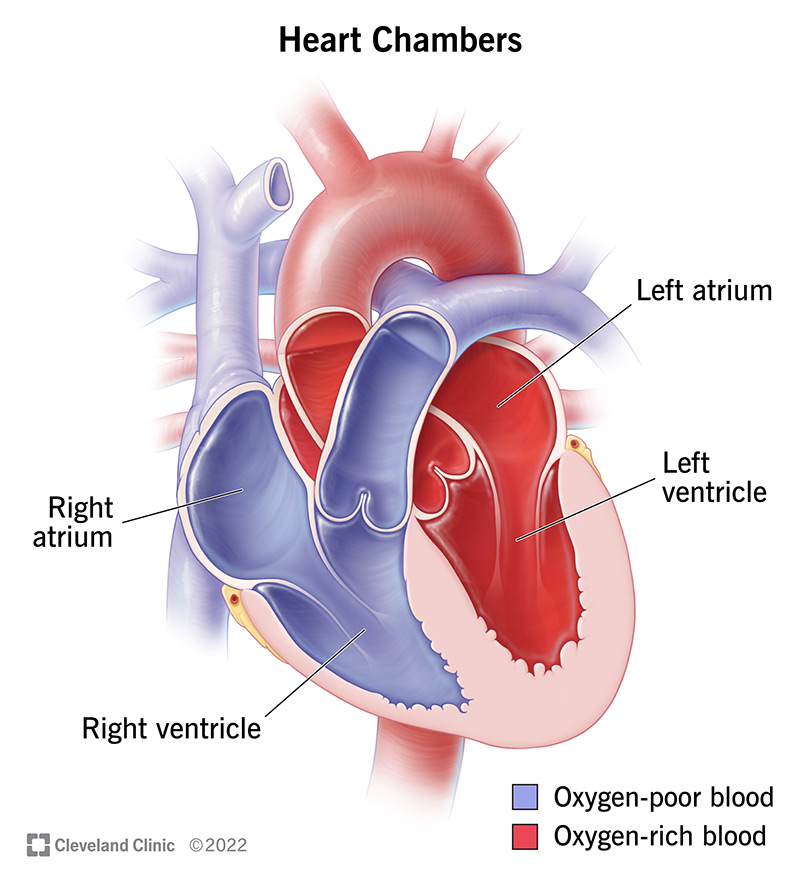
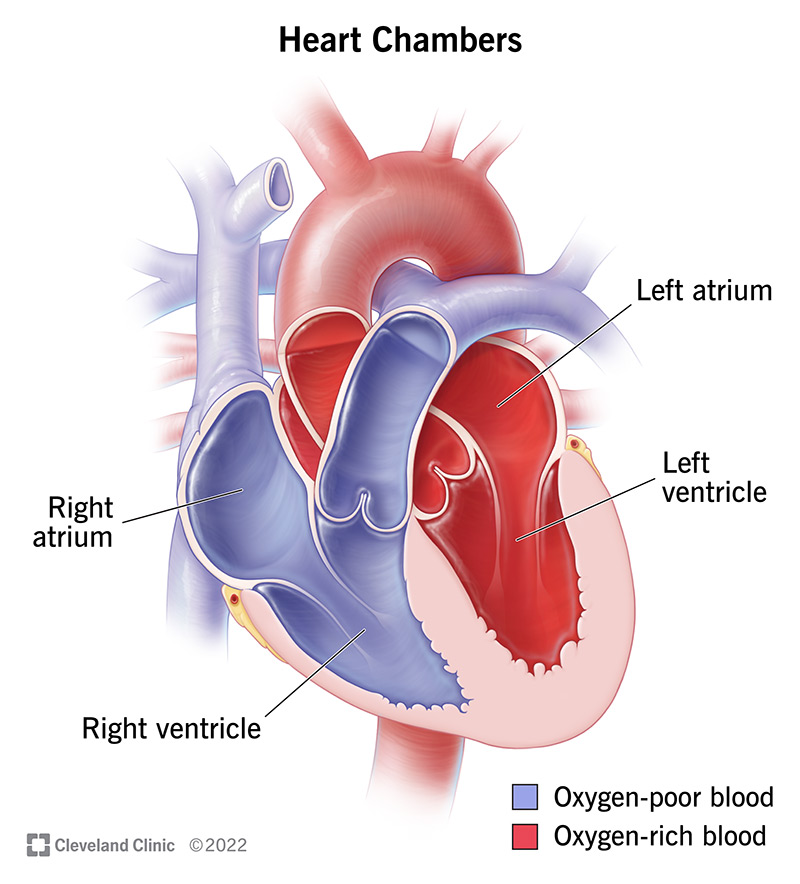
Ventricles
The two lower chambers of the heart
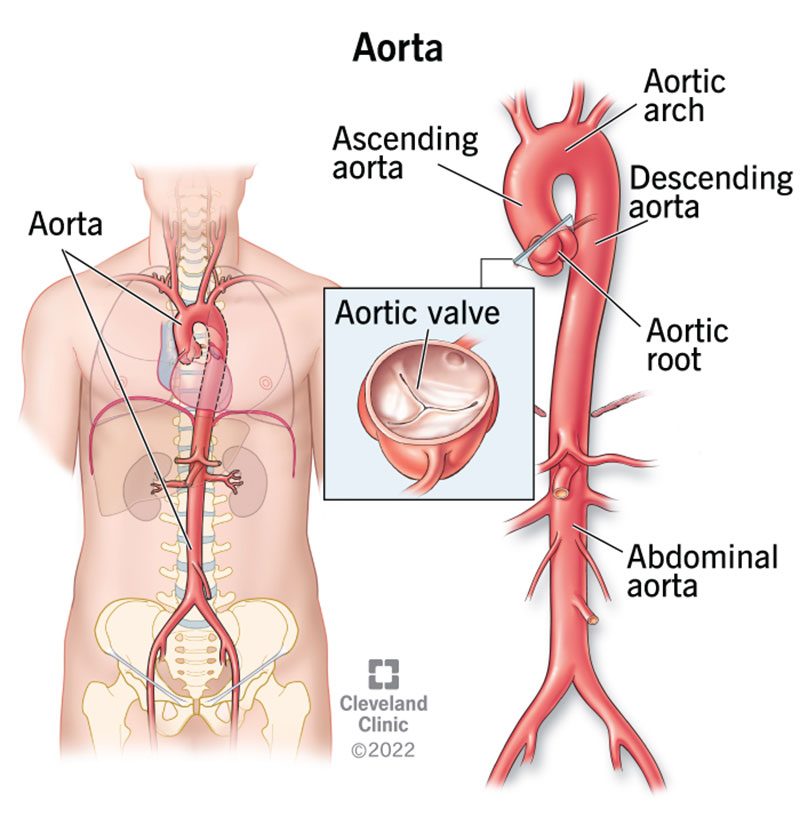
Aorta
The largest blood vessel in the body
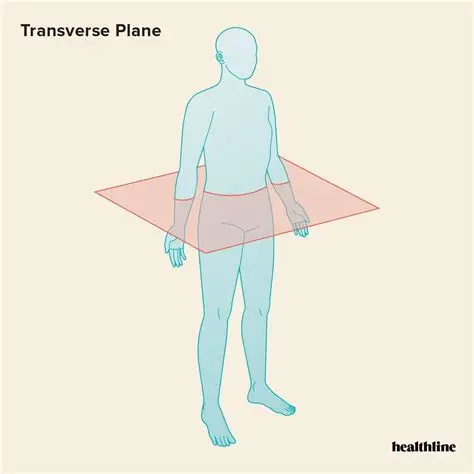
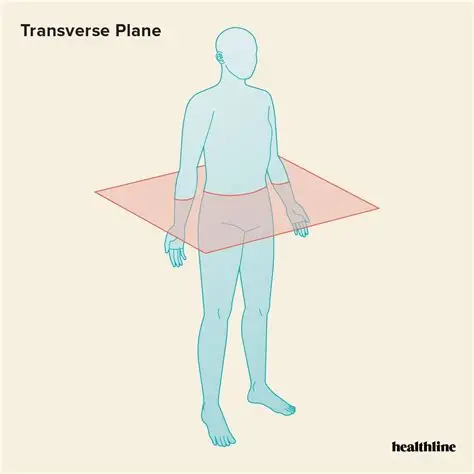
Transverse plane
Passes through the body, dividing into upper (superior) and lower (inferior) sections
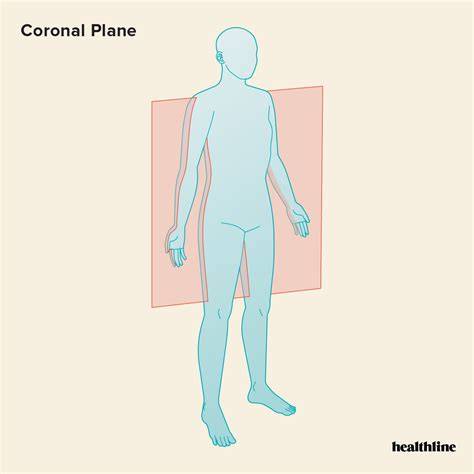
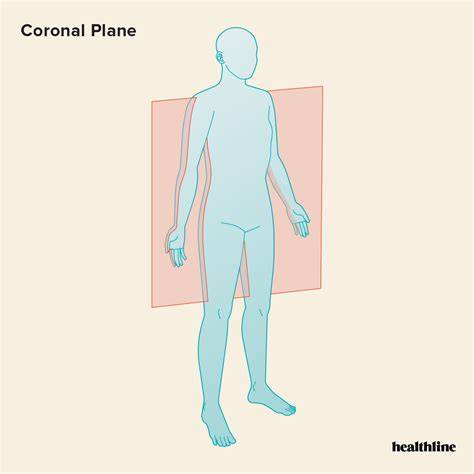
Coronal plane
Passes through the body, dividing into front (anterior) and back (posterior) sections
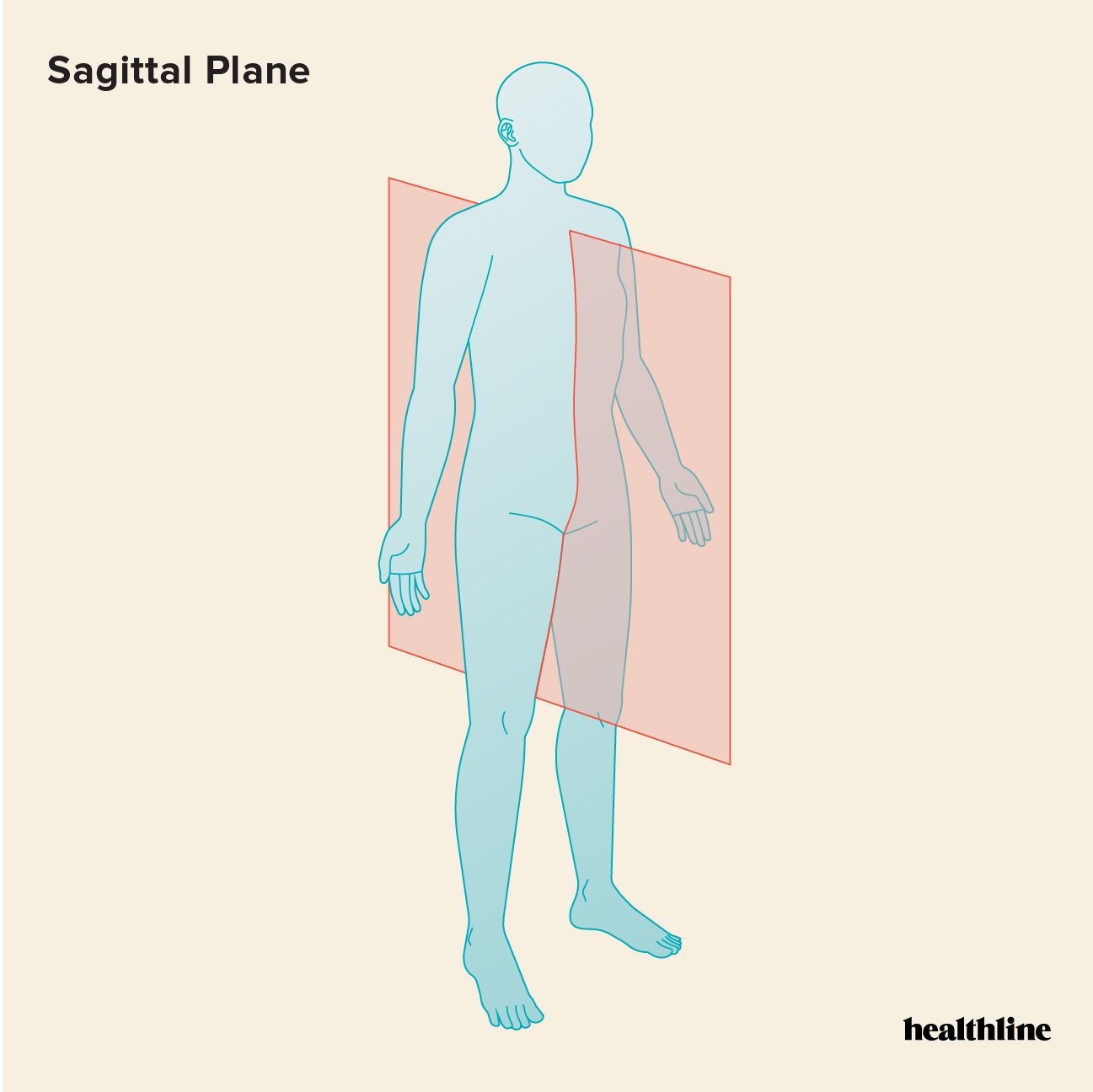
Sagittal plane
Passes through the body, dividing into left and right halves