Rubber Dams
 Studied by 0 people
 Call Kai
 Learn
Learn Practice Test
 Spaced Repetition
 Match
Match Flashcards
 Knowt Play
1/26

There's no tags or description
Looks like no tags are added yet.
Name | Mastery | Learn | Test | Matching | Spaced | Call with Kai |
|---|
No analytics yet
Send a link to your students to track their progress
27 Terms
Why isolate the operating field?
Many structures in the oral cavity can interfere with dental procedures
What are the many structures that can interfere with dental procedures?
lips, cheek, gingival tissue, tongue, and saliva
What are benefits of isolating of the work field?
- protect the oral cavity and airway
- better visibility for the dentist
- retraction and access
- moisture control
- bacterial contamination from saliva
What are the methods to isolate the field?
- rubber dam
- cotton rolls, gauze, dry angles
- saliva ejector systems-isolite or isovac
- high velocity evacuation systems
- gingival retraction cords
- liquid dam
What are the advantages of Rubber Dam's?
- increases access and visibility to the operating field
- controls moisture in the operating field
- controls the tongue in the operating field
- retracts soft tissue
- prevents chemical burns from medications and distasteful medicines
- protects the airways
What are disadvantages of rubber dam?
- takes time
- communication with patient is more difficult
- increase use may damage porcelain crowns, crown margins, and trauma to the gingival tissues
- difficulty in taking radiographs
- minor damage to marginal gingiva and cervical cementum during clamping process
In what situations would it be considered unsafe to do the rubber dam?
- asthmatic patients or phobic patients
- partially erupted teeth
- last tooth in the dental arch with distal caries
- badly aligned teeth
- mouth breathers
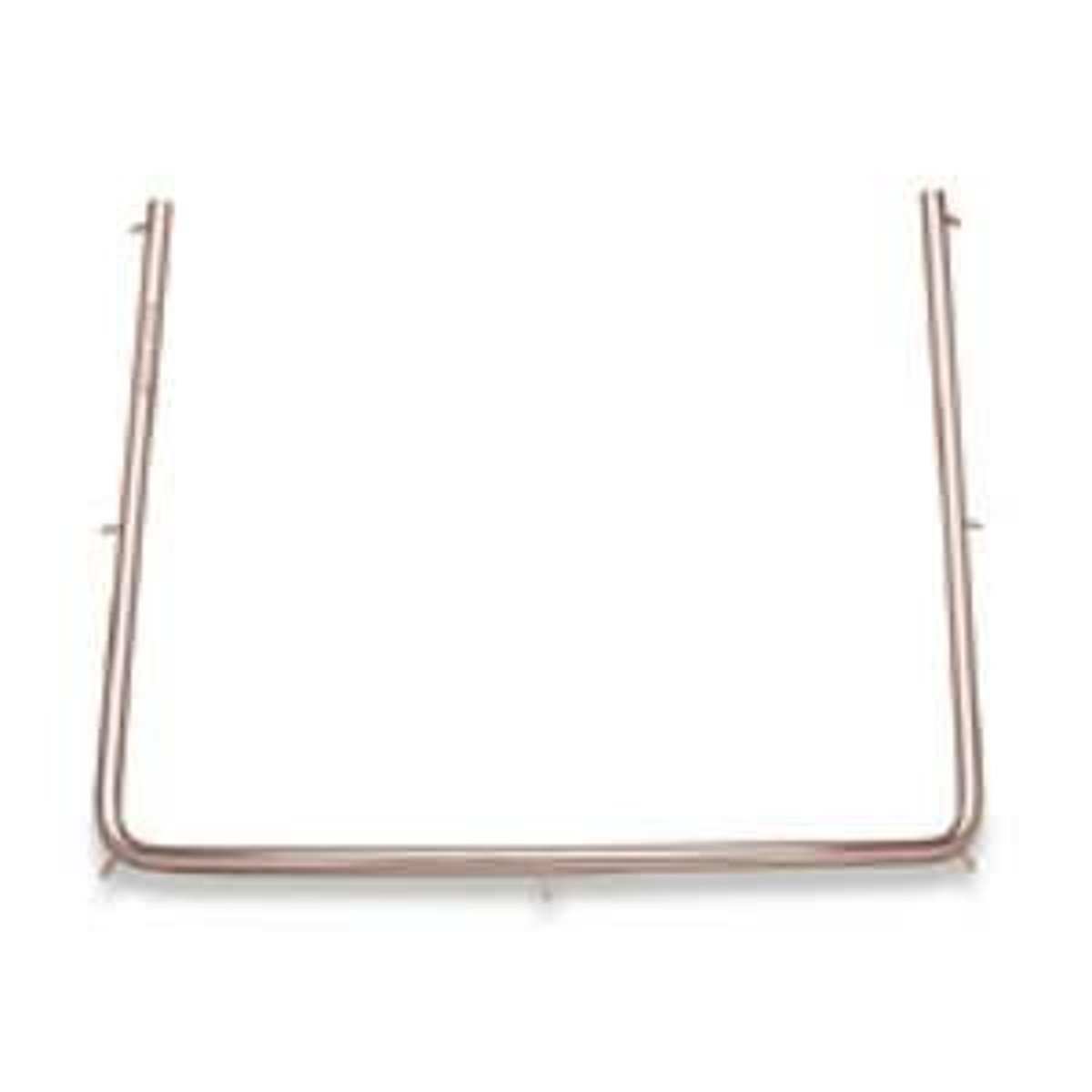
Woodbury Frame (rubber dam frame)
clips onto one side of the rubber dam with straps that wrap behind the patients head to clip onto the other side of the rubber dam
- allows for good retraction of soft tissue
Young's Frame (rubber dam frame)
grabs the corners of the rubber dam making it easier access to the oral cavity
- soft tissue retraction is based on teeth isolated and the rubber dam's contact with the frame
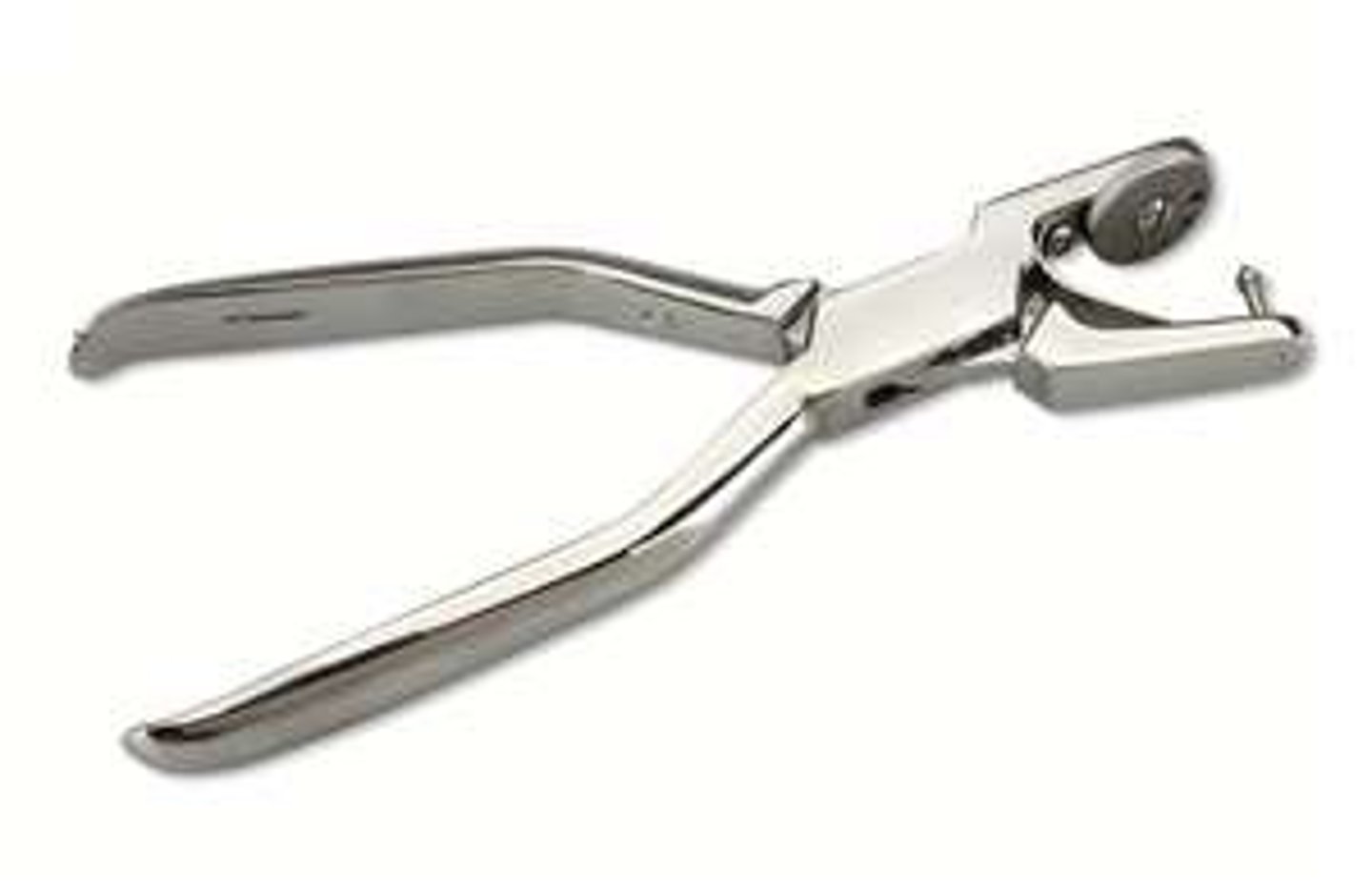
Rubber dam punch
consists of a metal table and a tapered, sharp pointed plunger to produced clean-cut holes in the rubber dam sheet to isolate teeth
- two different types: single hole or multi-hole
Rubber Dam Punch Size - what size holes do you use for posterior teeth?
larger
Rubber Dam Punch Size - what size holes do you use for anterior teeth?
smaller
Rubber Dam Punch Size - what tooth receives the largest hole on the punch?
tooth to receive the rubber dam retainer
What would an improper cut hole result in?
nick or tag to cause the dam to rip or can indicate a dull punch
Position/distance (in mm) between perforations?
5-6mm
For edentulous spaces what is the position/distance?
10mm for 1 tooth
Spacing is too great between the holes indicate?
rubber dam too tight
Spacing is too small between the holes indicate?
rubber dam is wrinkled
Posterior Isolation of rubber dam
one tooth distal to the tooth being treated and extend to midline
Anterior Isolation of rubber dam
include premolar to premolar
Rubber Dam retainer (clamps) size
should maintain 4-point contact with the tooth
- too big: clamp on soft tissue
- too small: will rock and not be stable
What are the sizes of Rubber Dam retainer (clamps) for Premolars?
use a small flat jawed clamps (#00,2) or cured jawed clamp (#1) for max pm
What are the sizes of Rubber Dam retainer (clamps) for Molars?
7, 8A, 14, 14A
What is important to tie to the rubber dam retainer (clamps)?
floss for safety ligation
What instrument helps to stretch the jaws of the clamps open for placement and removal into oral cavity?
rubber dam forceps
The use of a rubber dam is ___________ ___ __________ when performing endodontics (root canals).
standard of care
What are other alternatives that dentist may use instead of rubber dams?
- cotton rolls
- cellulose wafers and dri-angles
- gauze or throat shields
- saliva ejector systems
- high and slow velocity evacuation systems
- gingival retraction cords
- liquid dam
 Note
Note  Flashcards (156)