Chapter 41: Terrorism response and disaster management
 Studied by 0 people
 Call Kai
 Learn
Learn Practice Test
 Spaced Repetition
 Match
Match Flashcards
 Knowt Play
1/38

There's no tags or description
Looks like no tags are added yet.
Name | Mastery | Learn | Test | Matching | Spaced | Call with Kai |
|---|
No analytics yet
Send a link to your students to track their progress
39 Terms
What is the nmemonic for exposure to nerve agents?
DUMBELS
Diarrhea
Urination
Miosis (most common) and Muscle weakness
Bradycardia, Bronchospasm, Bronchorrhea
Emesis (vomiting)
Lacrimation
Seizures (continues until person dies) , Salivation, Sweating
When _______ is on clothing, it has the effect of off-gassing, which renders the victim and the victim’s clothing contaminated.
sarin (GB)
soman (GD)
tabun (GA)
V agent (VX)
Sarin is primarily a vapor hazard. When sarin is on clothing, it has the effect of off-gassing, which renders the victim and the victim’s clothing contaminated.
Rearrange the agents in the correct order, from most deadly to least deadly.
Ricin
Botulinum
Anthrax
VX
Botulinum: deadliest neurotoxin
Ricin: weaker neurotoxin than botulinum
VX: Nerve agent
Anthrax: least lethal, but still 90% death rate if untreated
Mustard gas is considered to be a:
G agent.
metabolic agent.
mutagen.
neurotoxin.
Mustard gas is a mutagen because it changes the structures of cells.
For which group of agents is miosis a sign of exposure?
Metabolic agents
Nerve agents
Respiratory agents
Vesicants
Miosis (bilateral pinpoint pupils) is a sign of nerve agent exposure.
Remember dumbels: M for miosis
Which of the following requires a host to survive?
Anthrax
Botulinum
Plague
Smallpox
Smallpox is a virus, and viruses cannot survive without a host.
Which is the most deadly route of entry for anthrax?
Absorption
Ingestion
Inhalation
Injection
The inhalational form, or pulmonary anthrax, is the deadliest and often presents as a severe cold. Pulmonary anthrax is associated with a 90% death rate if untreated.
Which of the following is the means by which an agent is spread?
Contamination
Dissemination
Incubation
Volatility
Dissemination is the means by which an agent is spread.
Which of the following statements is true regarding a dirty bomb?
The destructive capability is limited to the explosives that are attached to it.
The most significant cause of injury is dispersal of the radioactive material.
It is a highly effective WMD.
Such a bomb is difficult to make because the procurement of radioactive material is tightly regulated.
The destructive capability of a dirty bomb is limited to the explosives that are attached to it.
If the explosive is sufficient to kill 10 people without radioactive material, it will also kill 10 people with the radioactive material added.
Which type of blast injury is most likely to produce penetrating trauma?
Primary
Secondary
Tertiary
Quaternary
Secondary injury is characterized by penetrating or nonpenetrating injury that results from being struck by flying debris set in motion by the explosion. Objects are propelled by the force of the blast and strike the victim.
What does the Hartford Consensus highlight in its THREAT acronym?
Threat suppression
Hemorrhage control
Rapid extrication to safety
Transport to definitive care
The Hartford Consensus highlights the importance of early hemorrhage control.
You are on scene at a suspected terror attack in which a RDD has detonated. A 67-year-old patient reports tightness in his chest. The patient is coughing up blood and is in respiratory distress. During the physical assessment, you notice subcutaneous emphysema. Which condition does the patient most likely have?
Exacerbation of asthma
Myocardial infarction
Pulmonary embolism
Pulmonary blast injury
Pulmonary blast injuries are characterized by tightness or pain in the chest, coughing up blood, tachypnea or other signs of respiratory distress, and subcutaneous emphysema.
Petechiae are the result of:
hollow organ injury.
solid organ injury.
neurologic injury.
psychological injury.
Hollow organ injury
Terrorist attacks:
pose a threat to nations and cultures everywhere.
only involve the use of nuclear explosive devices.
require multiple terrorists working together.
are mainly carried out by fewer than three people.
pose a threat to nations and cultures everywhere.
Which of the following statements regarding blast injuries is correct?
The gastrointestinal tract is the organ system most sensitive to blast injuries and is the leading cause of death following an explosion.
Solid organs are relatively protected from shock wave injury but might be injured during the secondary or tertiary blast phase.
Solid organs such as the middle ear, lungs, and gastrointestinal tract are the most susceptible to pressure changes.
Tertiary blast injuries are penetrating or nonpenetrating injuries that result from flying debris, such as ordnance projectiles.
Solid organs are relatively protected from shock wave injury but might be injured during the secondary or tertiary blast phase.
After eating at a local restaurant, a 20-year-old male complains of blurred vision, difficulty speaking, and difficulty breathing. He is conscious; however, his respirations are profoundly labored and producing minimal tidal volume. You should:
assist his ventilations with high-flow oxygen.
position him supine and elevate his legs.
request a paramedic to administer atropine.
apply oxygen via a nonrebreathing mask.
assist his ventilations with high-flow oxygen.
A disease vector is defined as:
the period of time between exposure and illness.
the spectrum of signs that define a disease.
any agent that acts as a carrier or transporter.
the ability of a virus or bacterium to be spread.
any agent that acts as a carrier or transporter.
A 52-year-old male presents with a fever of 102.5°F and a severe headache. As you assess him, you note the presence of multiple blisters on his face and chest, which are all identical in shape and size. This patient's clinical presentation is most consistent with:
sarin toxicity.
smallpox.
cutaneous anthrax.
yellow fever virus.
smallpox
Early signs and symptoms of smallpox include all of the following, except:
body aches.
headaches.
high fever.
skin blisters.
skin blisters.
The incubation period for Ebola can be up to:
6 months.
72 hours.
1 week.
21 days.
21 days.
Pulmonary hemorrhage and inner ear damage are examples of __________ blast injuries.
tertiary
primary
secondary
miscellaneous
primary
The type and severity of wounds sustained from incendiary and explosive devices primarily depend on the:
size of the structure that was involved in the explosion.
patient's distance from the epicenter of the explosion.
type of material used to manufacture the device.
pressure that is generated from the explosion itself.
patient's distance from the epicenter of the explosion.
Unlike bacterial agents, viral agents:
respond to antibiotics.
are far less infectious.
are usually not treatable.
do not replicate in the body.
are usually not treatable.
All of the following biologic agents or diseases can be transmitted from person to person, except:
smallpox.
pneumonic plague.
ricin.
viral hemorrhagic fevers.
ricin
Initial signs and symptoms associated with viral hemorrhagic fevers include:
acute onset of double vision.
joint pain and unequal pupils.
severe abdominal muscle spasms.
headache and sore throat.
headache and sore throat.
You and your partner arrive at the scene of a fire at a large office complex. Witnesses tell you that they heard a loud explosion shortly before the building caught fire. You should:
ensure that your ambulance is parked upwind and uphill from the building.
carefully document the witnesses' statements and report them immediately.
tell the witnesses that you suspect that the explosion was the work of a terrorist.
take standard precautions and begin searching for critically injured patients.
ensure that your ambulance is parked upwind and uphill from the building.
Which of the following is not a factor in determining how to protect oneself against the effects of radiation?
Shielding
Body size
Time
Distance
Body size
At present, the likelihood of a nuclear attack against the United States is very low because:
other than the United States, no other countries are currently in possession of nuclear weapons.
terrorist nations do not have the ability to deliver a nuclear weapon via missile or bomb.
all nuclear devices or weapons that different countries are in possession of are currently accounted for.
the United States has an effective early warning system to detect an incoming nuclear missile.
terrorist nations do not have the ability to deliver a nuclear weapon via missile or bomb.
Which of the following statements regarding the persistency and volatility of a chemical agent is correct?
Sulfur mustard, a vesicant agent, is generally considered to have a low level of persistence.
Sarin, a powerful nerve agent, is nonvolatile and can remain on a surface for long periods.
Lewisite, a vesicant agent, is nonvolatile and evaporates quickly in an optimum temperature.
VX, a highly persistent nerve agent, can remain in the environment for weeks to months.
VX, a highly persistent nerve agent, can remain in the environment for weeks to months.
If the incident command system is already established at the scene of a terrorist attack, the EMT should:
contact the EMS medical director and obtain further instructions.
begin triaging patients and start treating the most critical ones.
locate the medical staging officer to obtain his or her assignment.
remain in the rehabilitation area until he or she is assigned a task.
locate the medical staging officer to obtain his or her assignment.
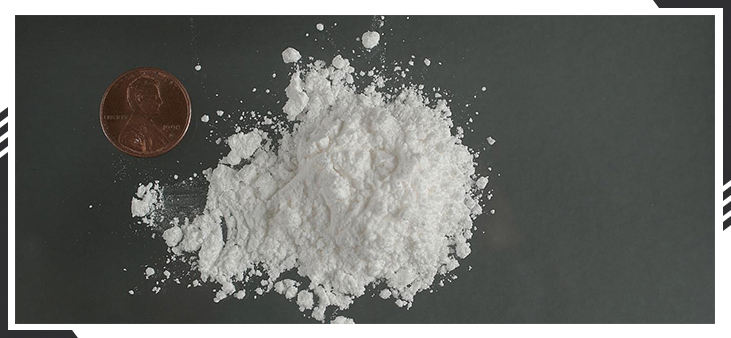
You are assessing a 30-year-old female who presents with respiratory distress and tachycardia after she opened a package that was delivered to her home. The patient tells you that there was a fine white powder on the package, but she did not think it was important. This patient has most likely been exposed to:
anthrax.
botulinum.
a neurotoxin.
Ebola.
anthrax.
Continual reassessment of the scene at a suspected terrorist or weapon of mass destruction incident is most important because:
a secondary explosive device might detonate.
terrorists are often at the scene after an attack.
weather conditions might change quickly.
bystanders might destroy the evidence.
a secondary explosive device might detonate.
When multiple patients present with an acute onset of difficulty breathing, chest tightness, and hoarseness or stridor, you should be most suspicious of exposure to:
sarin or soman.
a nerve agent.
phosgene or chlorine.
a vesicant agent.
phosgene or chlorine.
Which of the following agents blocks the body's ability to use oxygen and possesses an odor similar to almonds?
Carbon monoxide
Organophosphates
Phosgene oxime
Hydrogen cyanide
Hydrogen cyanide
Carbon monoxide poisoning disrupts oxygen transport by binding to hemoglobin, and its primary treatment is oxygen therapy. Cyanide poisoning blocks cellular respiration by inhibiting enzymes, and requires specific antidotes like hydroxycobalamin in addition to oxygen
The 1996 Summer Olympics bombing is an example of:
apocalyptic violence.
domestic terrorism.
state-sponsored terrorism.
an ecoterrorist attack.
domestic terrorism.
Viral hemorrhagic fevers (VHF), such as Ebola, cause the blood to:
seep out of the blood vessels and tissues.
engorge the brain and cause hemorrhaging.
attack the bone marrow and destroy cells.
become thick and spontaneously clot.
seep out of the blood vessels and tissues.
Symptoms of both inhaled and ingested ricin include:
joint pain and bradycardia.
dehydration and convulsions.
liver necrosis and diarrhea.
fever and headache.
fever and headache.
You are dispatched to the scene of a building explosion. Upon arrival, you see people frantically fleeing the building, screaming, "Everyone is passing out!" You should:
contact the FBI immediately and report the current situation.
notify dispatch and state that a terrorist attack has occurred.
carefully assess the situation and ensure your own safety.
assist with the evacuation and begin triaging the patients.
carefully assess the situation and ensure your own safety.
As you and your partner report for duty, you check your ambulance and begin talking about the possibility of a terrorist attack. The most effective and appropriate way to determine the likelihood of this happening is to:
ask your immediate supervisor if he or she has been watching the local news.
check with local businesses to see if they have received any terrorist threats.
ascertain the current situation overseas regarding the number of casualties.
know the current threat level issued by the Department of Homeland Security.
know the current threat level issued by the Department of Homeland Security.
 Note
Note  Flashcards (23)