AP World History - Topic 6.3. 6.4, 6.5
 Call Kai
 Learn
Learn Practice Test
 Spaced Repetition
 Match
Match Flashcards
 Knowt Play
1/46

There's no tags or description
Looks like no tags are added yet.
Name | Mastery | Learn | Test | Matching | Spaced | Call with Kai |
|---|
No study sessions yet.
47 Terms
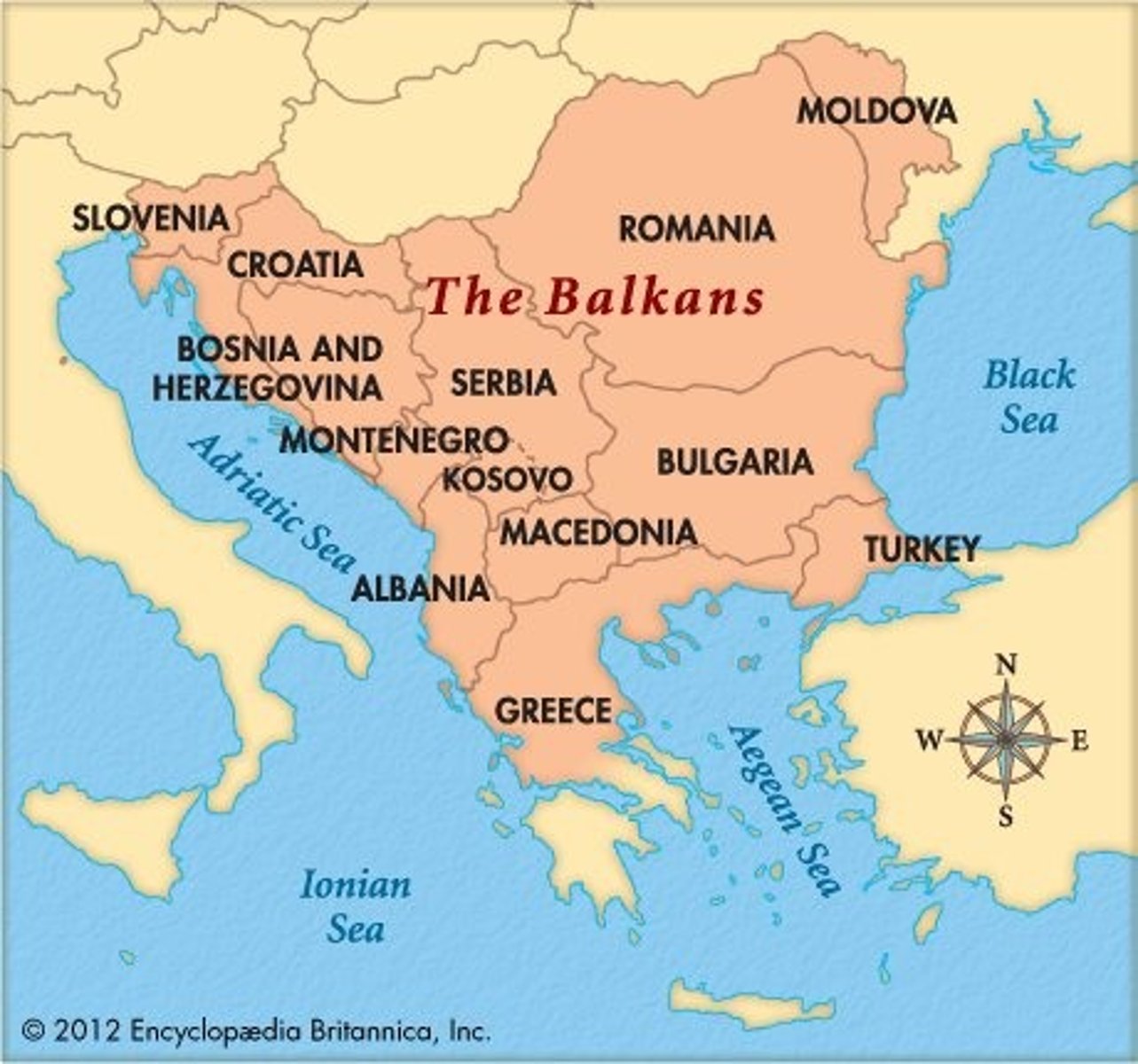
Balkan Nationalism
Movements to create independent states and reunite ethnic groups in the Balkans; provoked crises within the European alliance system and caused turmoil in the Ottoman Empire
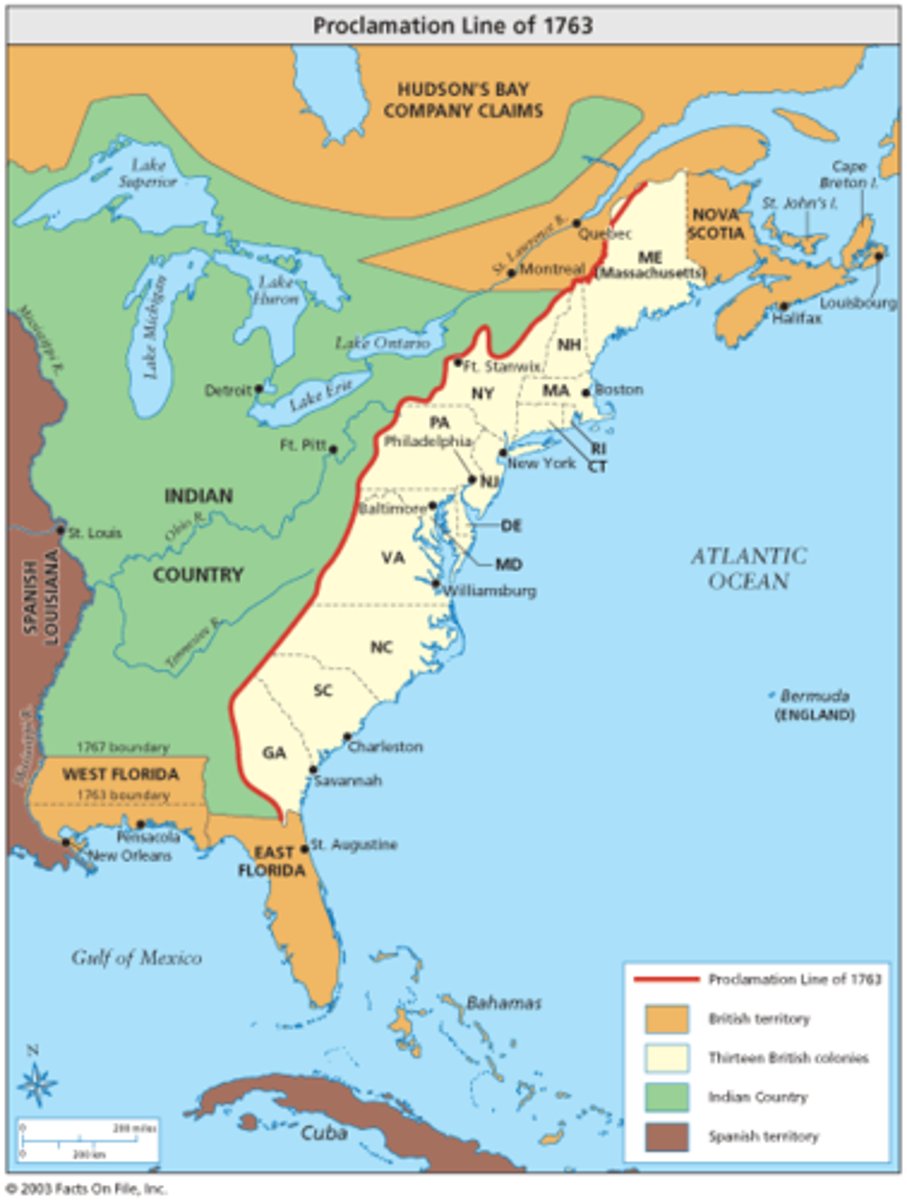
Proclamation of 1763
A proclamation from the British government which forbade British colonists from settling west of the Appalachian Mountains and set aside land for Native Americans; angered British colonists who resented interference in colonial affairs
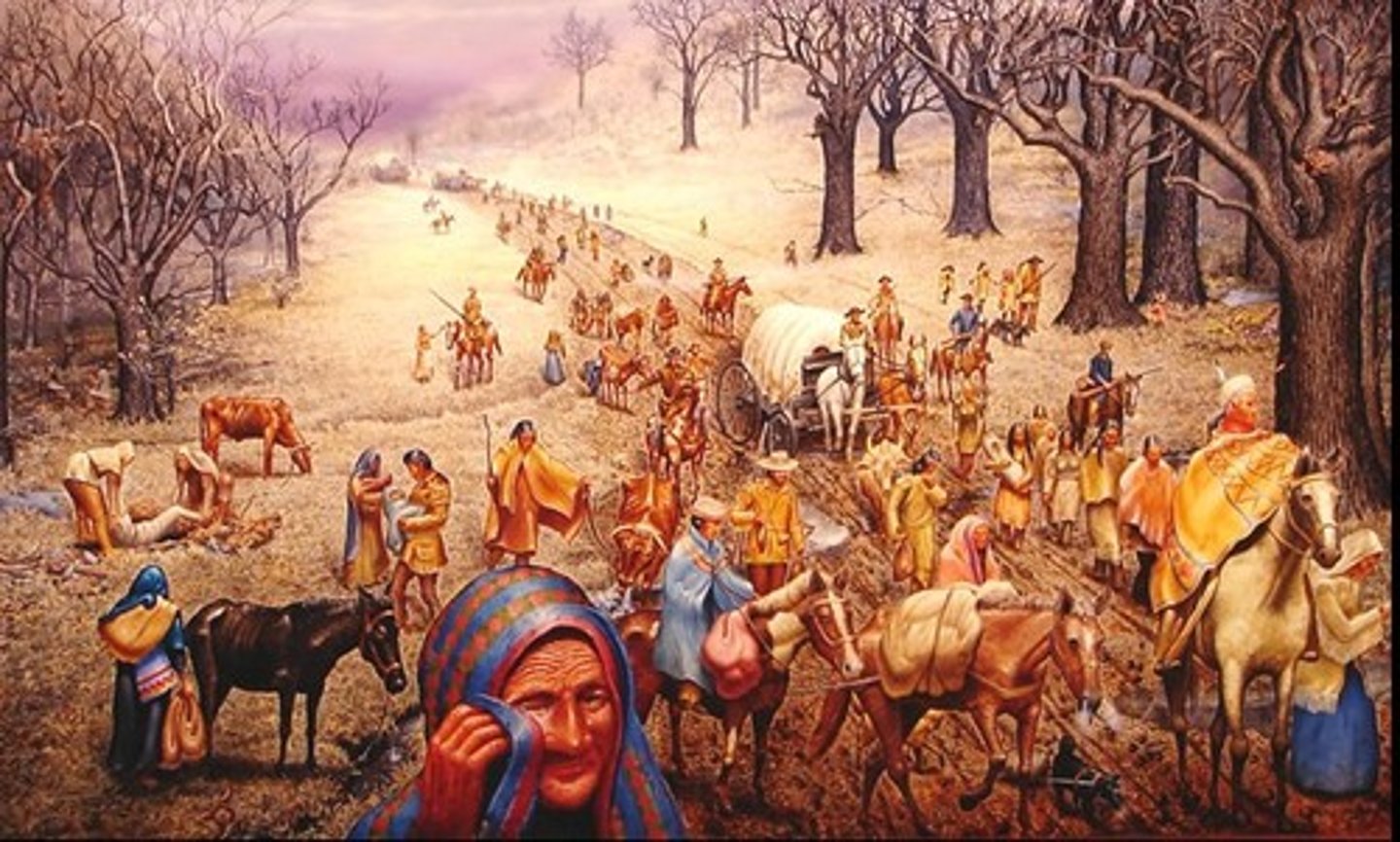
Cherokee Nation
Native American tribe assimilated to white settler culture; were still forced to leave their land due to the Indian Removal Act in 1830
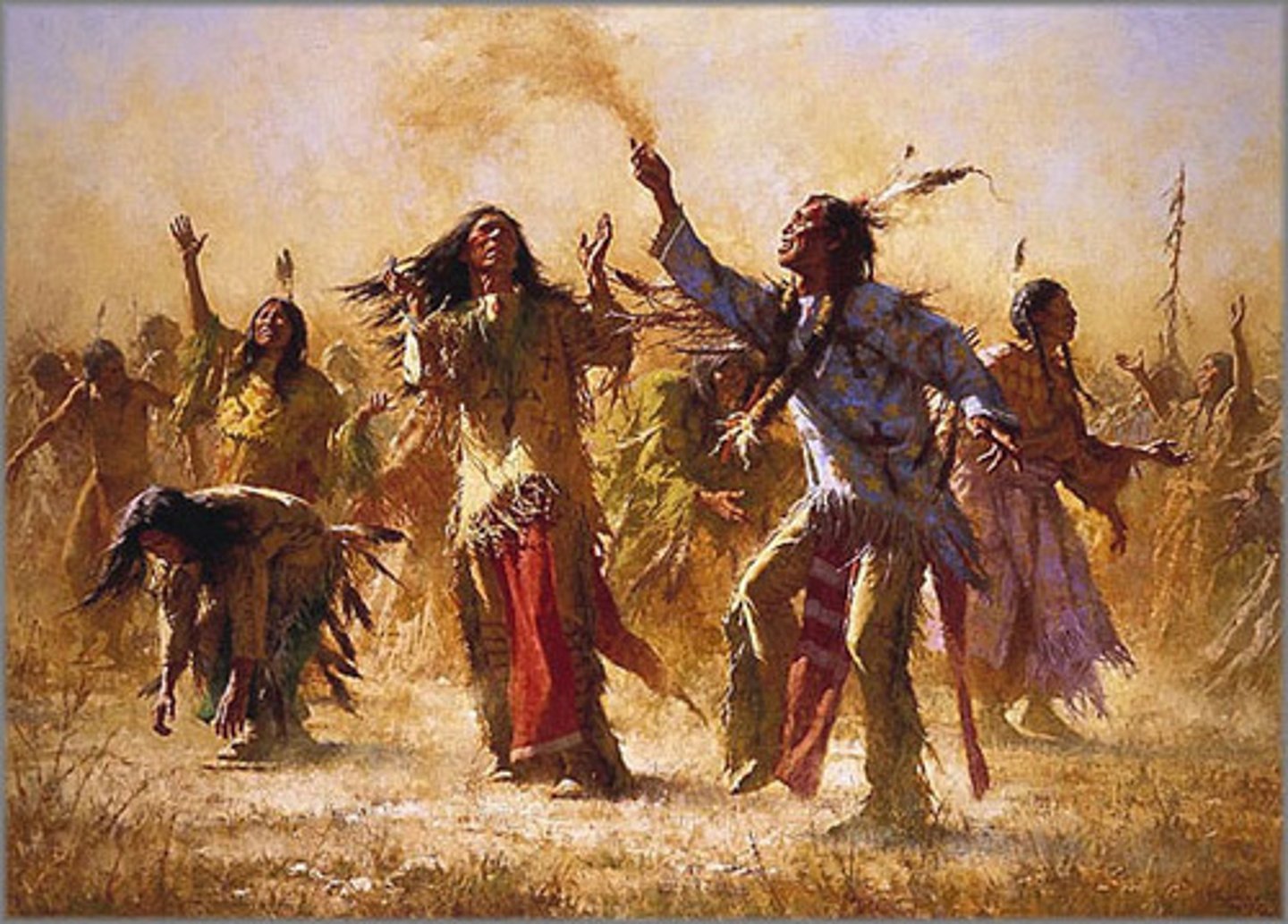
Ghost Dance Movement (1890)
The last effort of Native Americans to resist US domination and drive whites from their ancestral lands and restore Native traditions; was defeated at the Wounded Knee Massacre
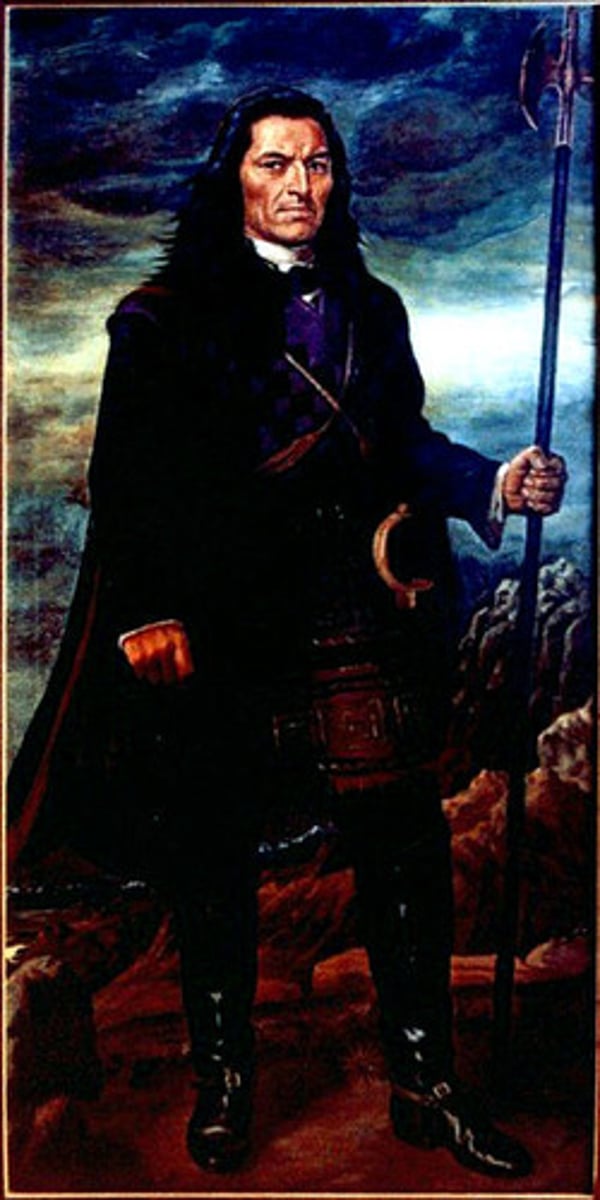
Tupac Amaru II
Mestizo leader of Indian revolt in Peru; supported by many among lower social classes; revolt eventually failed because of Creole fears of real social revolution
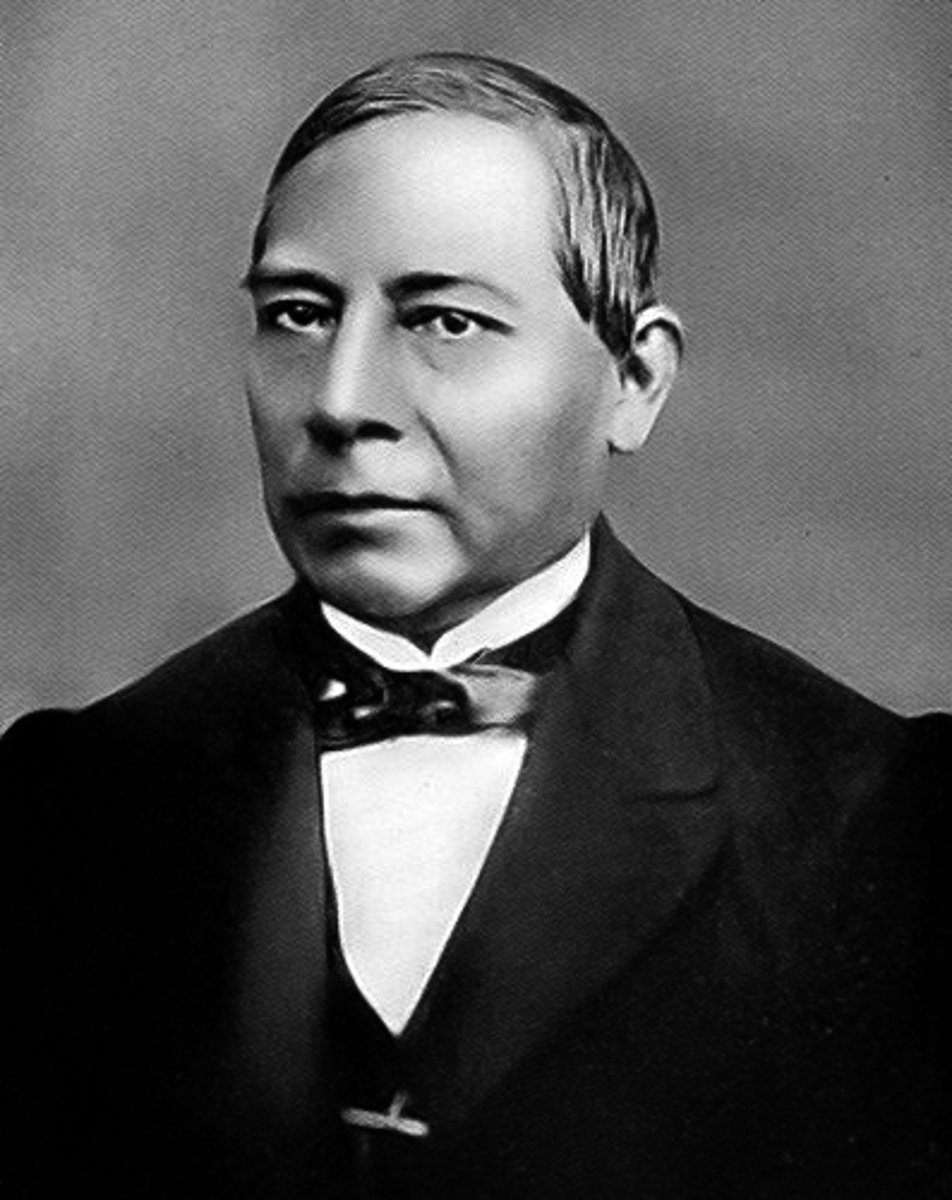
Benito Juarez
Mexican national hero; brought liberal reforms to Mexico, including separation of church and state, land distribution to the poor, and an educational system for all of Mexico; was overthrown by Mexican conservatives with French assistance; replaced by Archduke Maximilian as Emperor
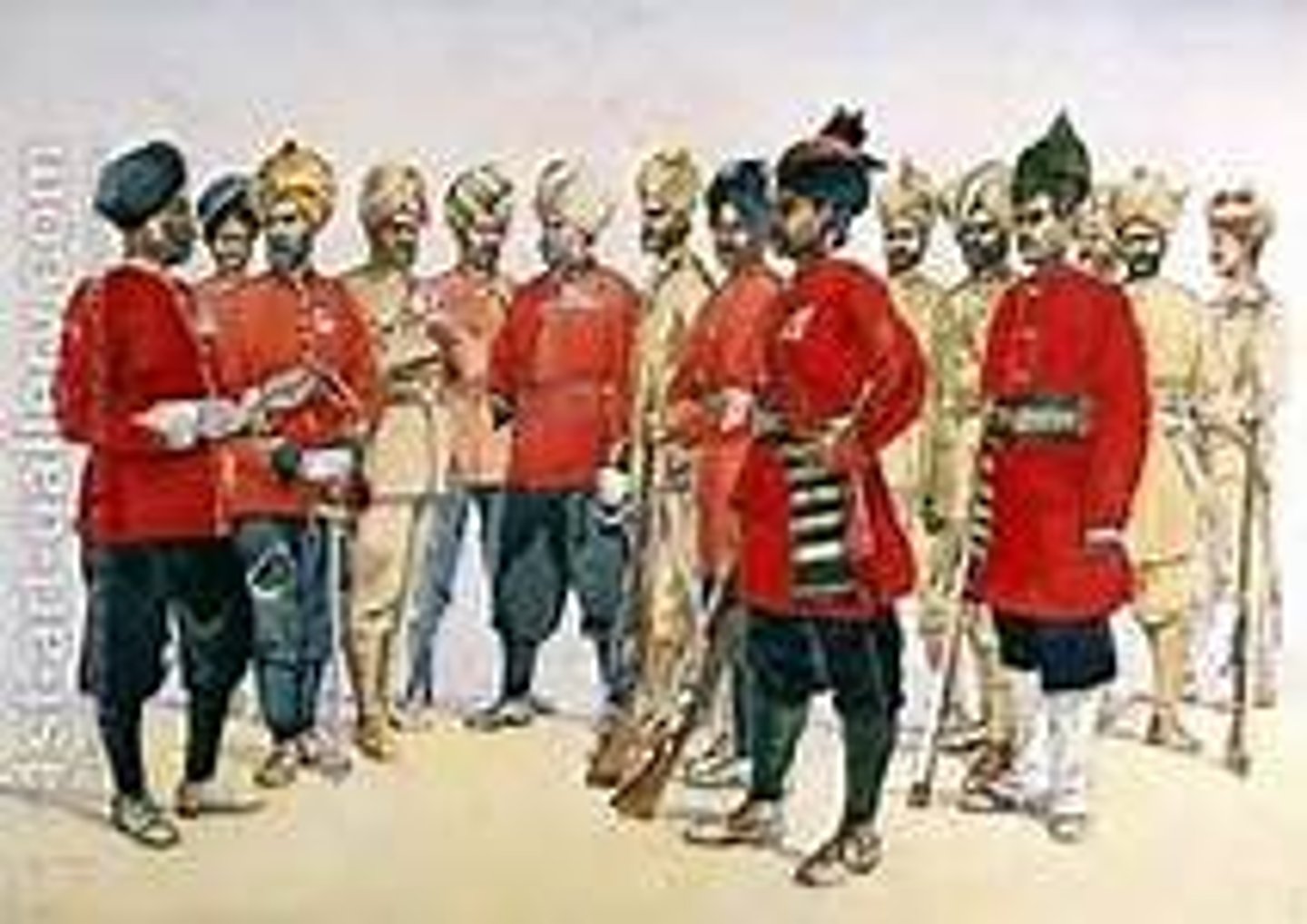
Sepoys
Indian troops who served in the British army; made up the majority of British armed forces in colonial India
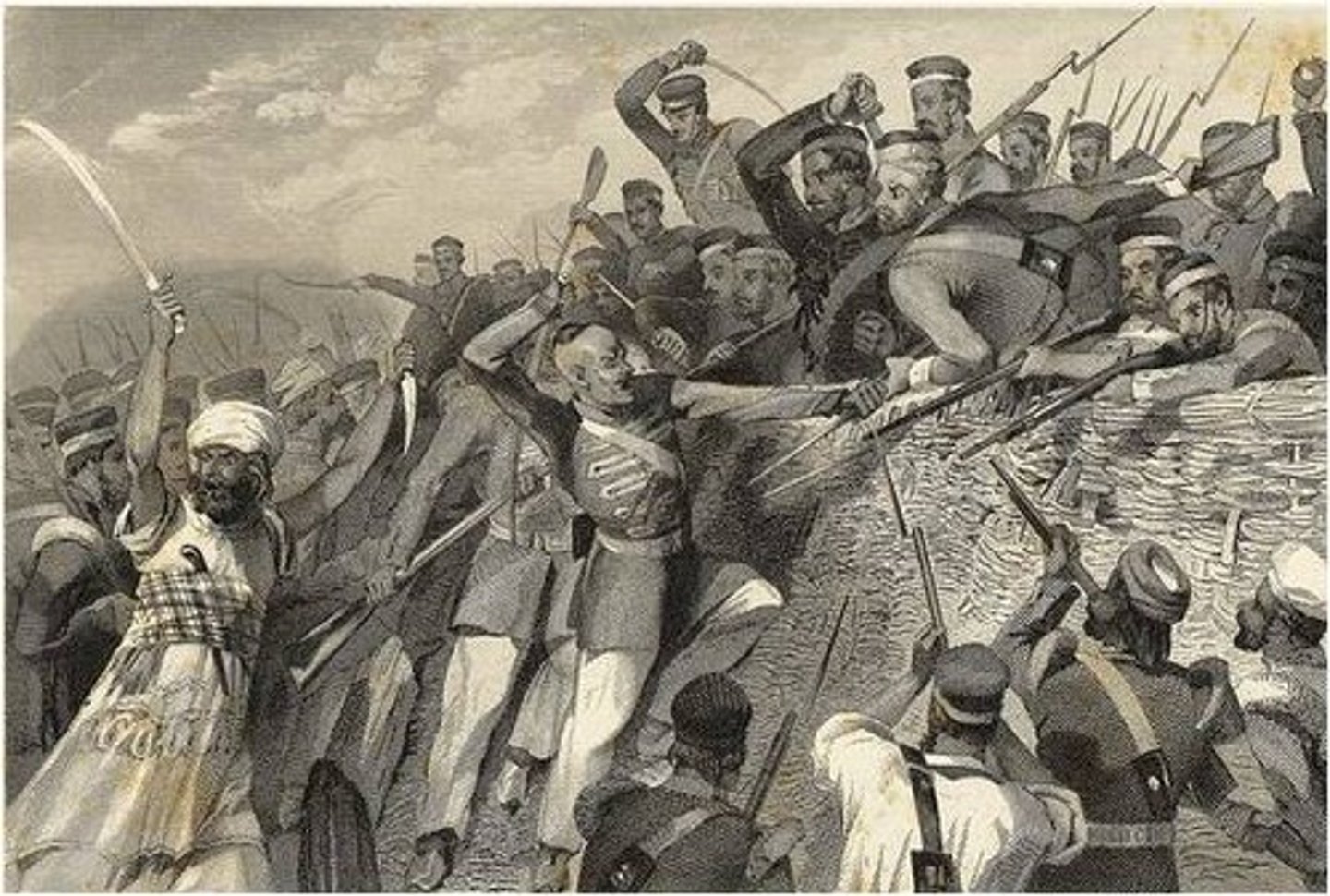
Indian Rebellion of 1857
A revolt led by the Sepoy soldiers against the British rule in India; sparked by the use of animal fat in gun cartridges which was seen as British attempt to convert Muslim & Hindu sepoys
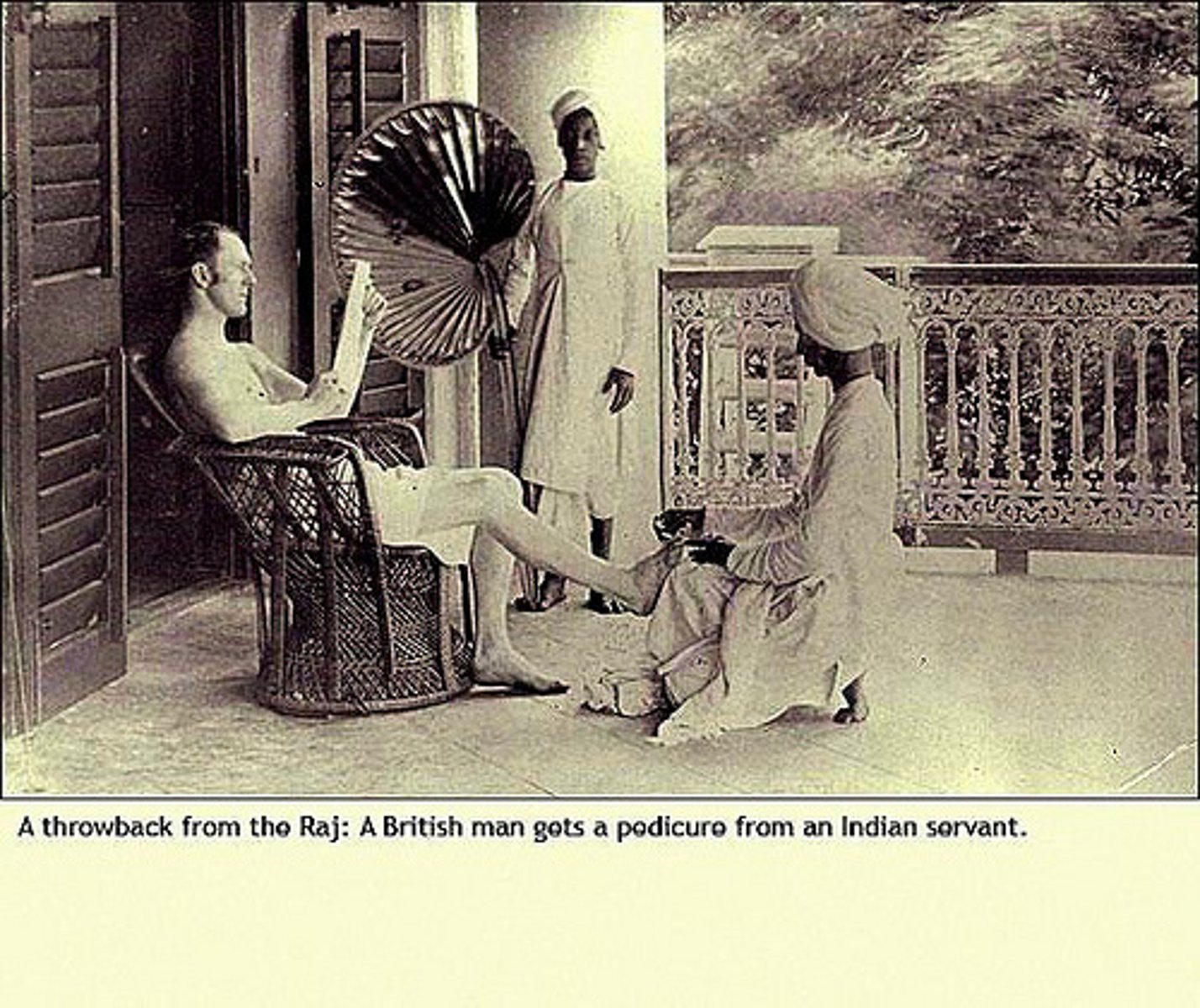
Raj
British rule after India came under the British crown during the reign of Queen Victoria
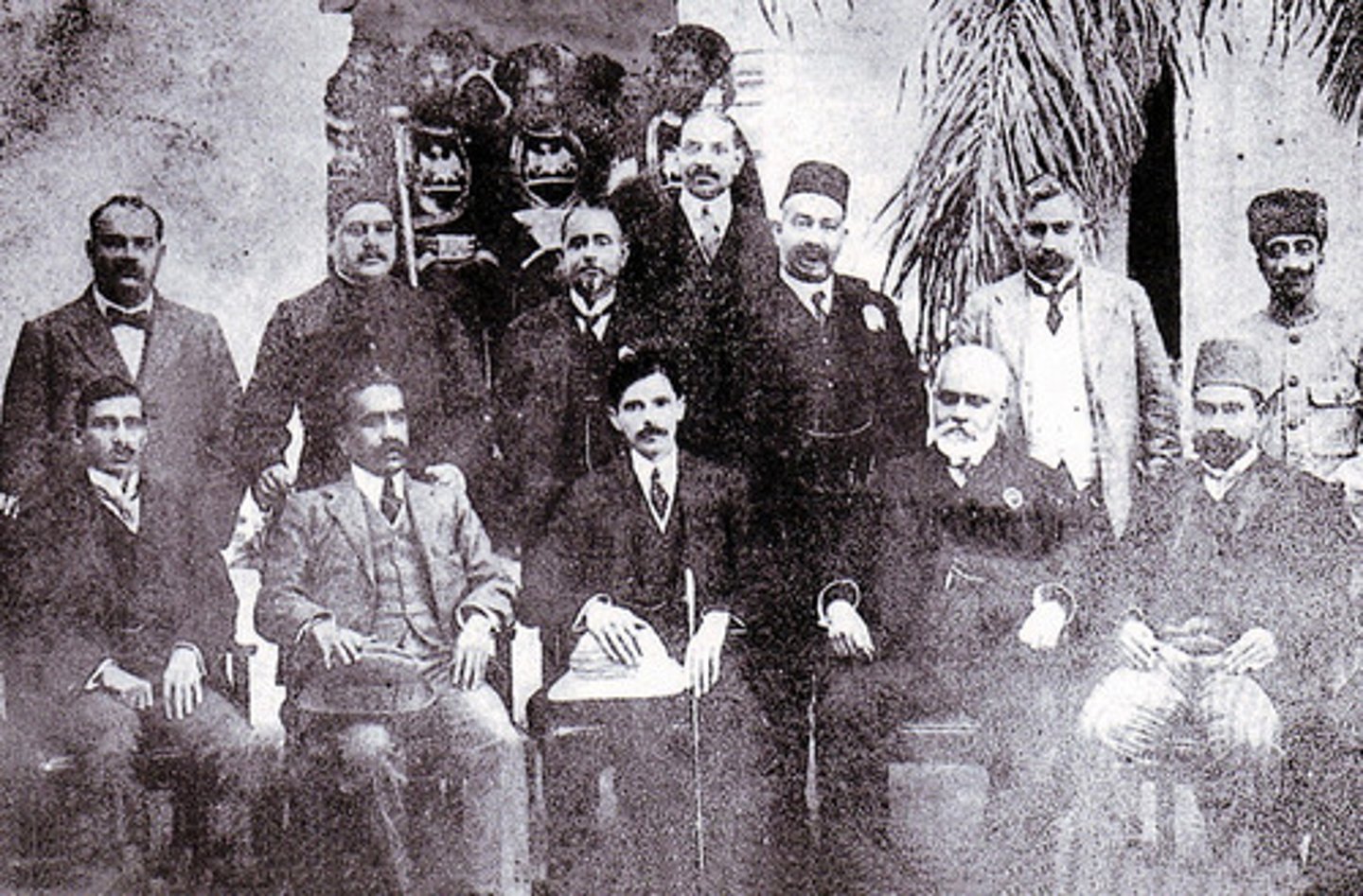
Indian National Congress
A movement and political party founded in 1885 to demand greater Indian participation in government. Its membership was middle class, and its demands were modest until World War I. Led after 1920 by Mohandas K. Gandhi, appealing to the poor.
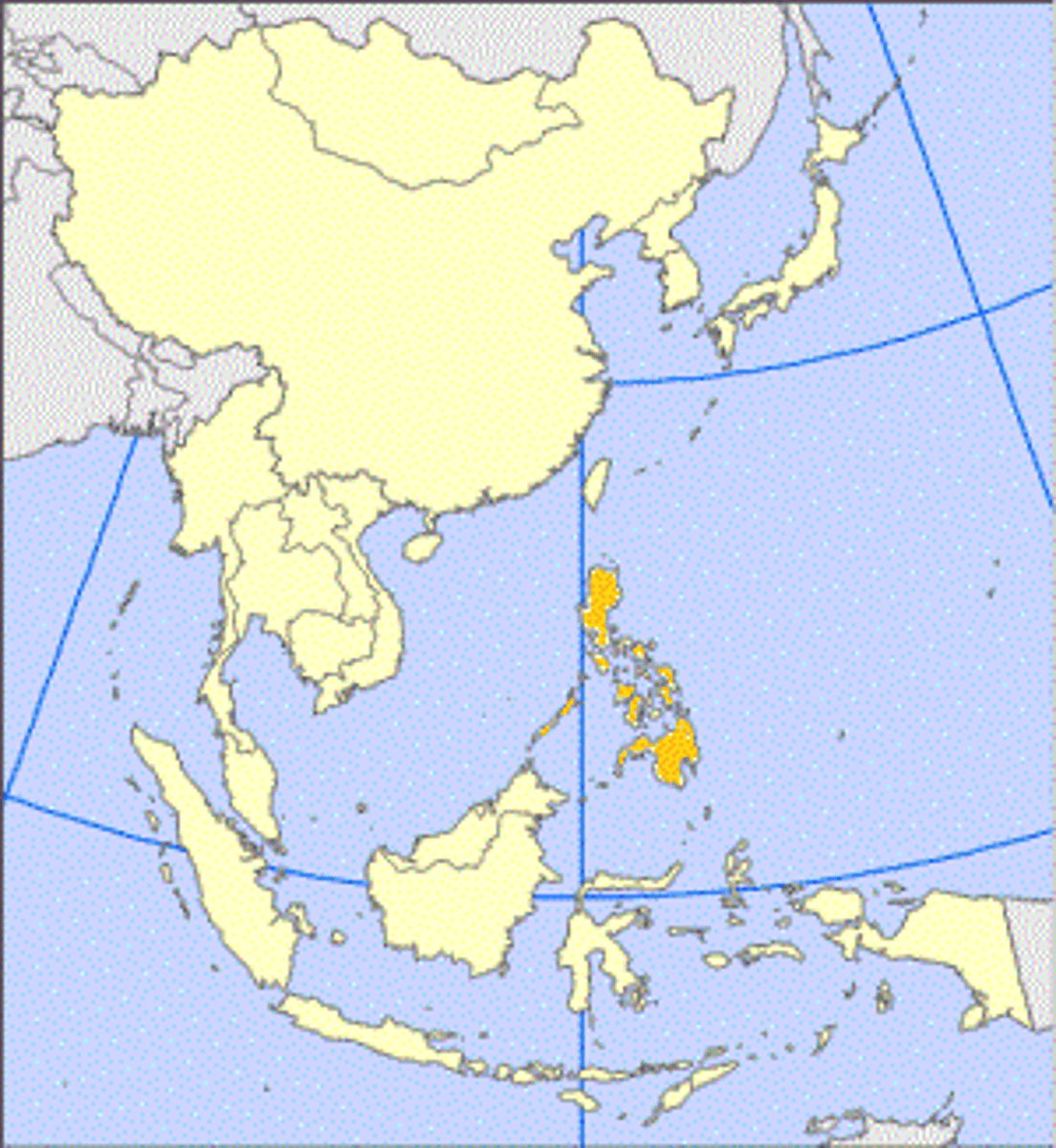
Philippines
Spanish colony in the Pacific whom the US helped free from the Spanish, but soon after took as their own colony
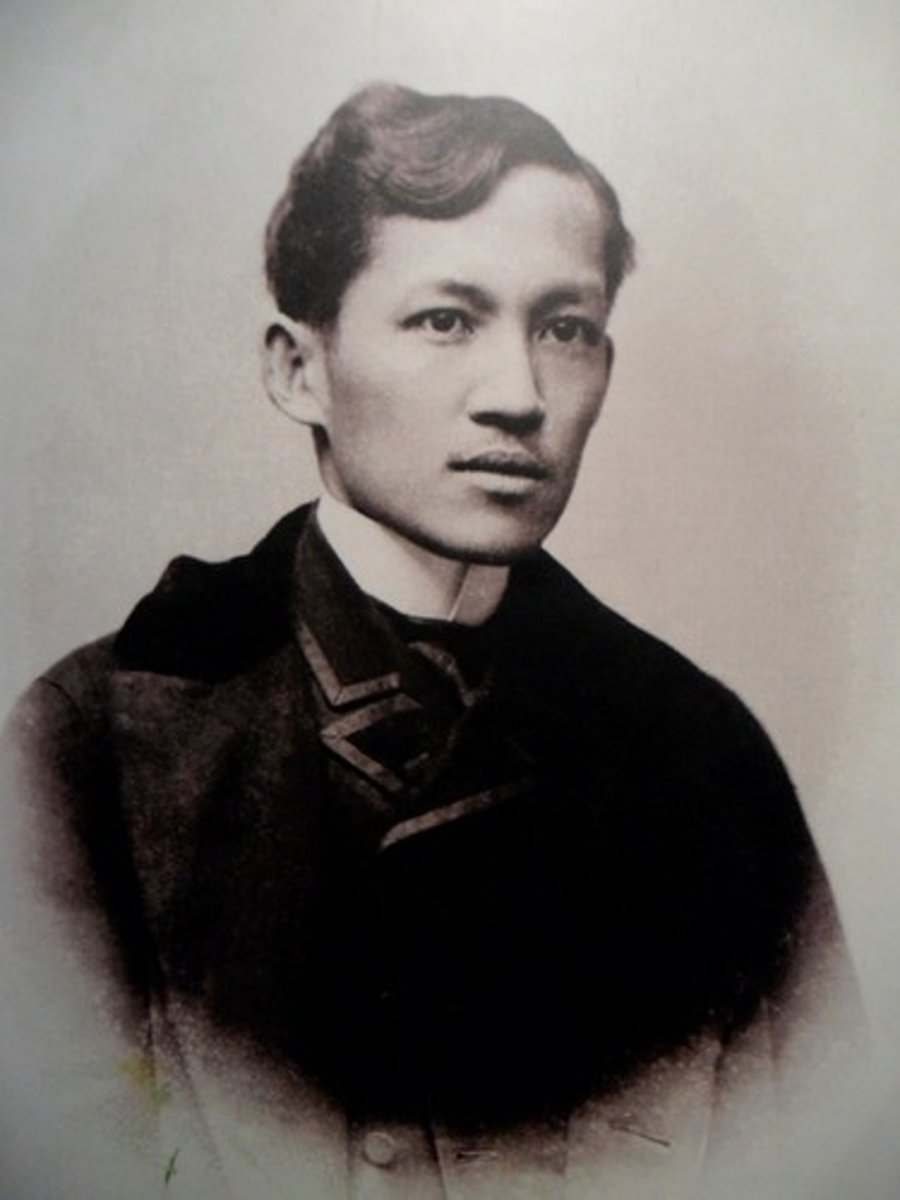
Jose Rizal
Filipino revolutionary leader who fought for sovereignty from the Spanish
Spanish-American War
1898 conflict between the United States and Spain in which the U.S. supported the Cubans' fight for independence; US victory resulted in US control of Guam, Cuba, Puerto Rico and the Philippines
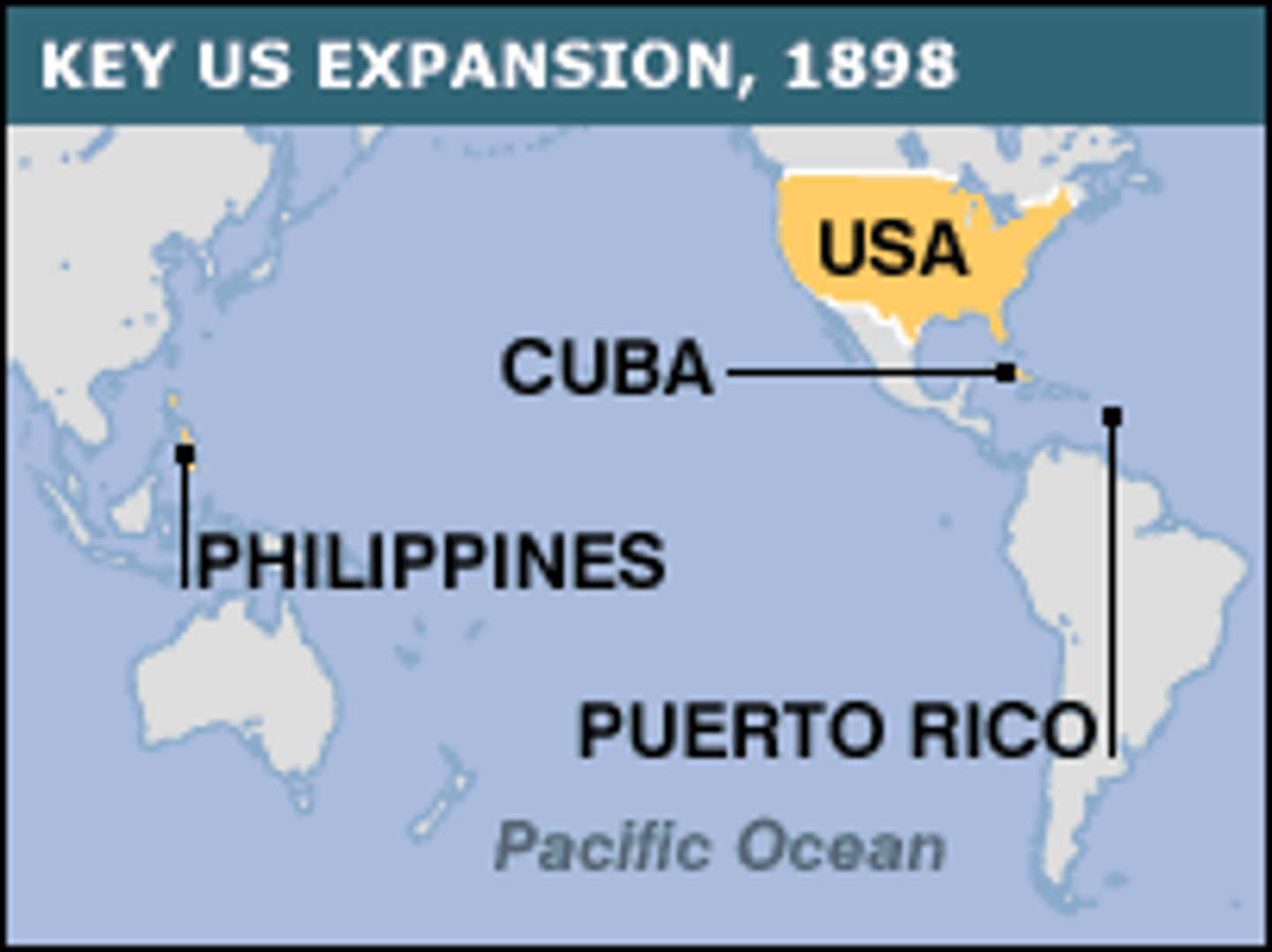
Treaty of Paris 1898
The treaty that concluded the Spanish American War; America got Guam, Puerto Rico and paid $20 million for the Philippines. Cuba was freed from Spain.
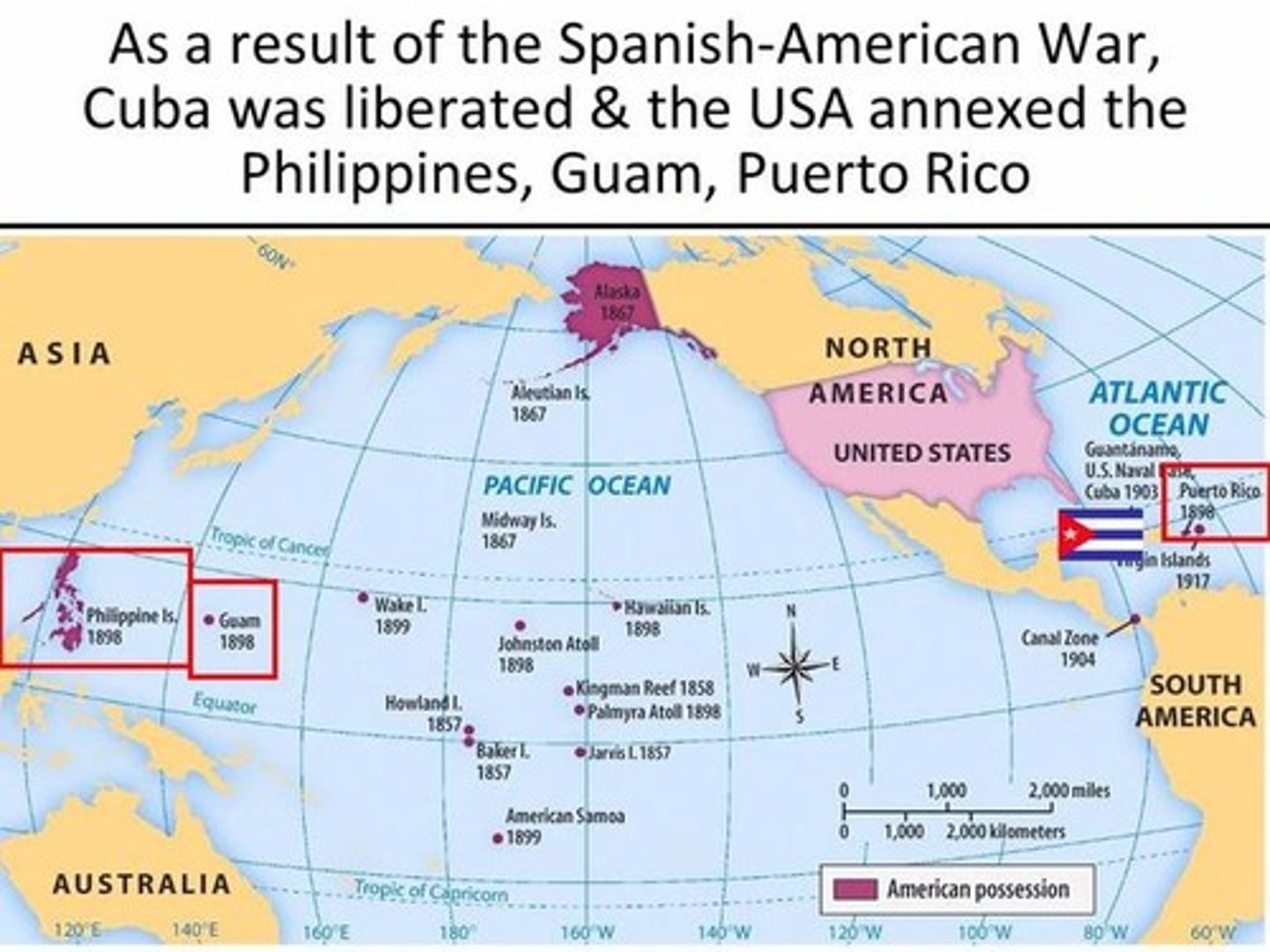
Philippine-American War
armed conflict between the Philippines and the United States that was a continuation of the Philippine struggle for independence; ended with over 20,000 Filipino troops and 200,000 civilians killed; Philippines remained a US possession until 1946.
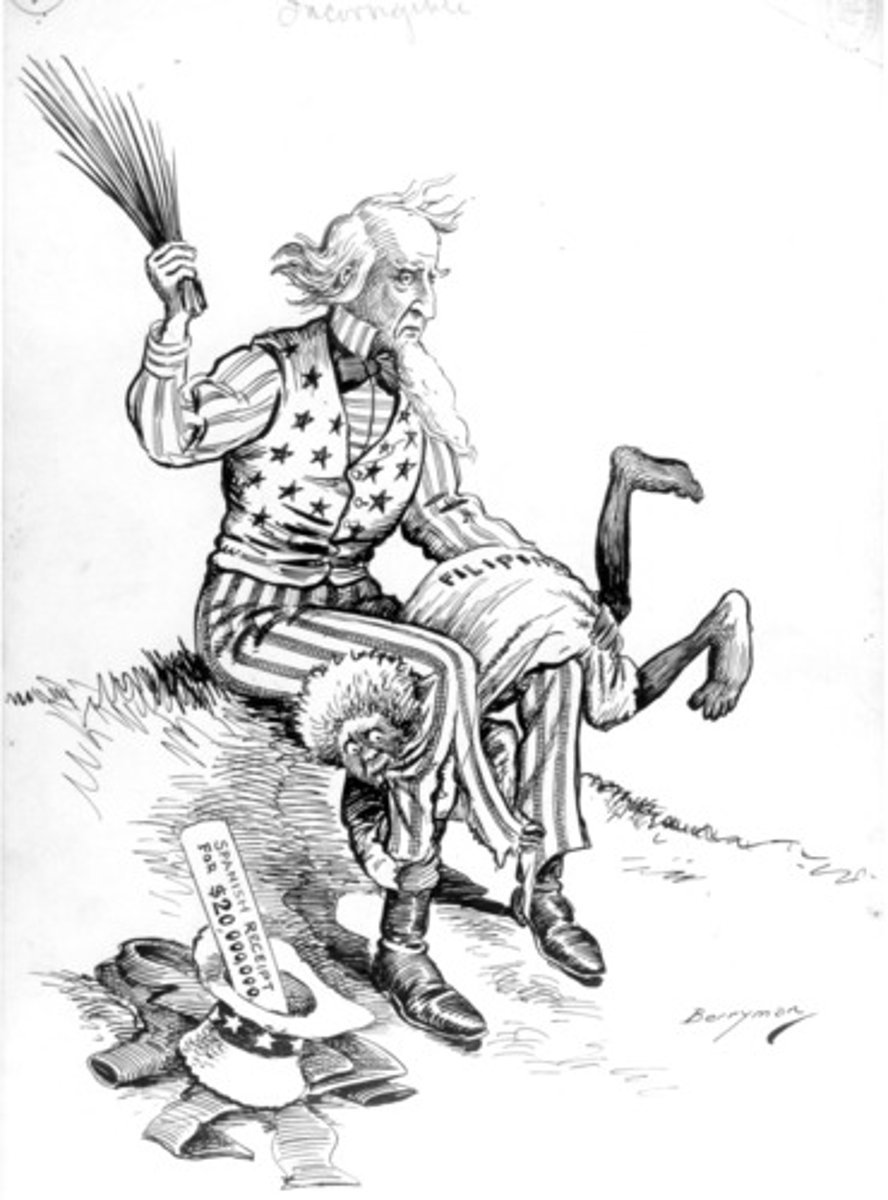
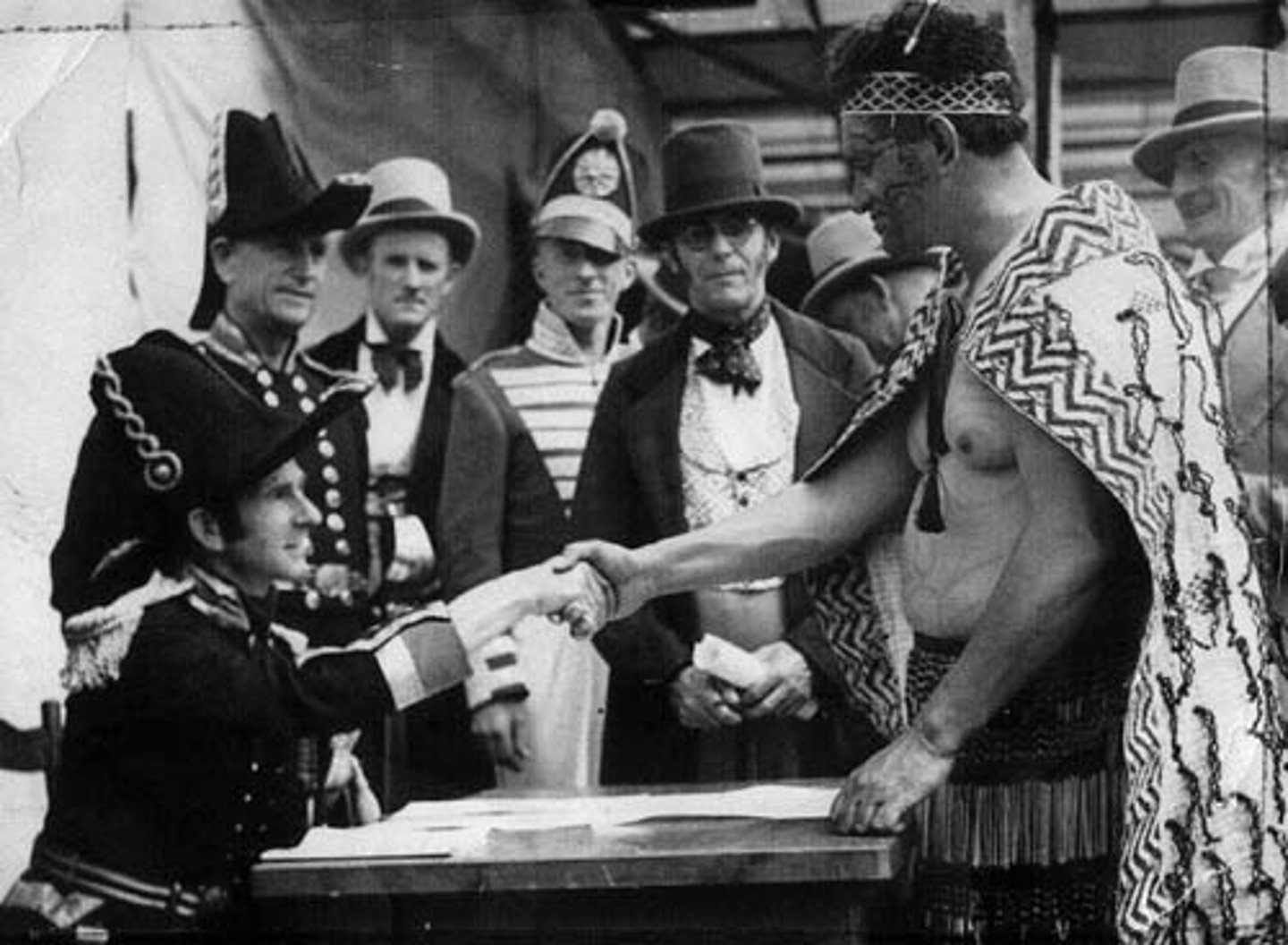
Treaty of Waitangi
Treaty signed by the British and Maori in 1840 giving Britain control over New Zealand.
Aboriginal people
Native people of Australia; have the oldest continuous culture on Earth
Maori Wars
natives of New Zealand fighting British after colonist continued to move inland and take Maori lands
Pan-Africanism
shared identity and nationalism of all black Africans, regardless of national boundaries
Usman dan Fodio
scholar who inspired resistance against corruption and European control; began an Islamic revival in northern Nigeria
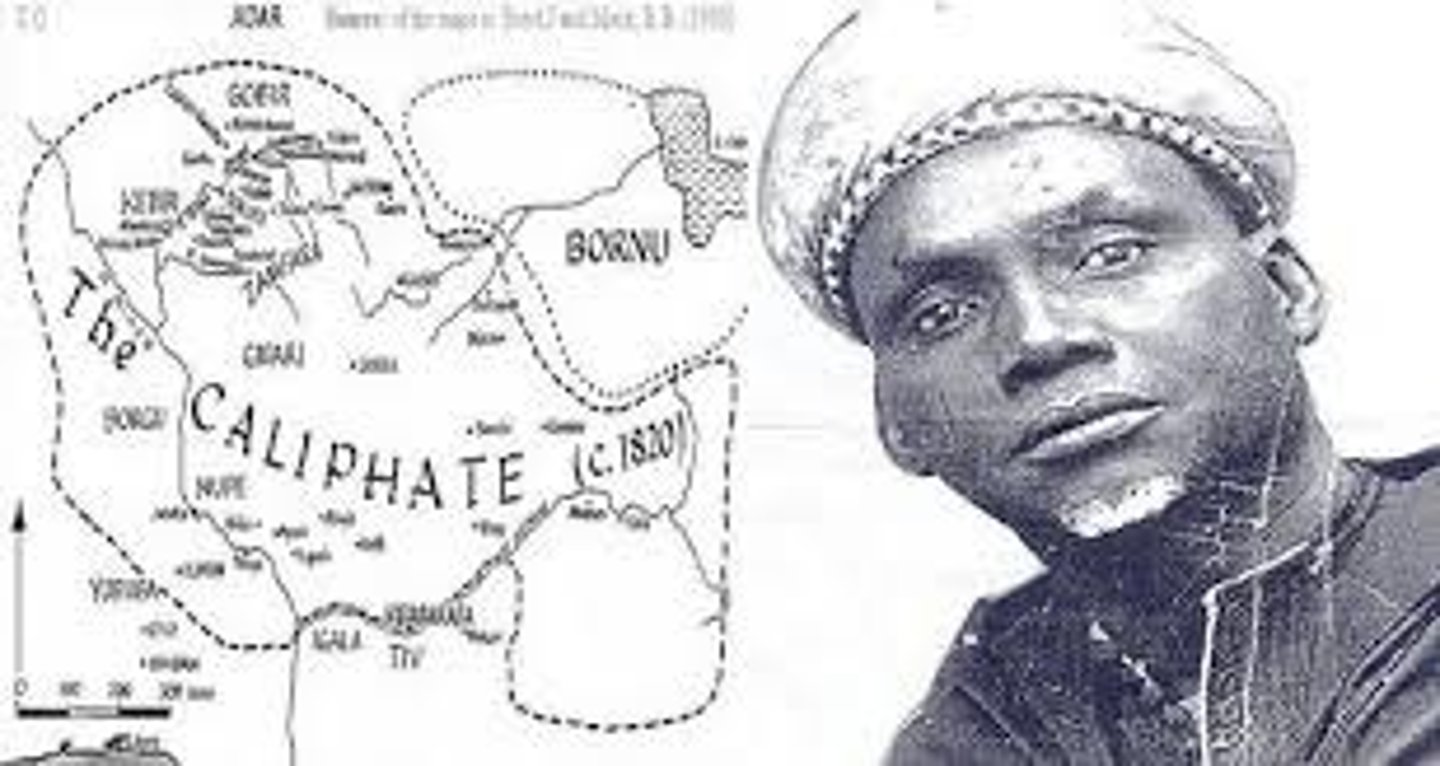
Sokoto Caliphate
large Muslim state founded in 1809 by Usman dan Fodio in what is now northern Nigeria; subdued by the British in 1903 and made part of the colony of Nigeria
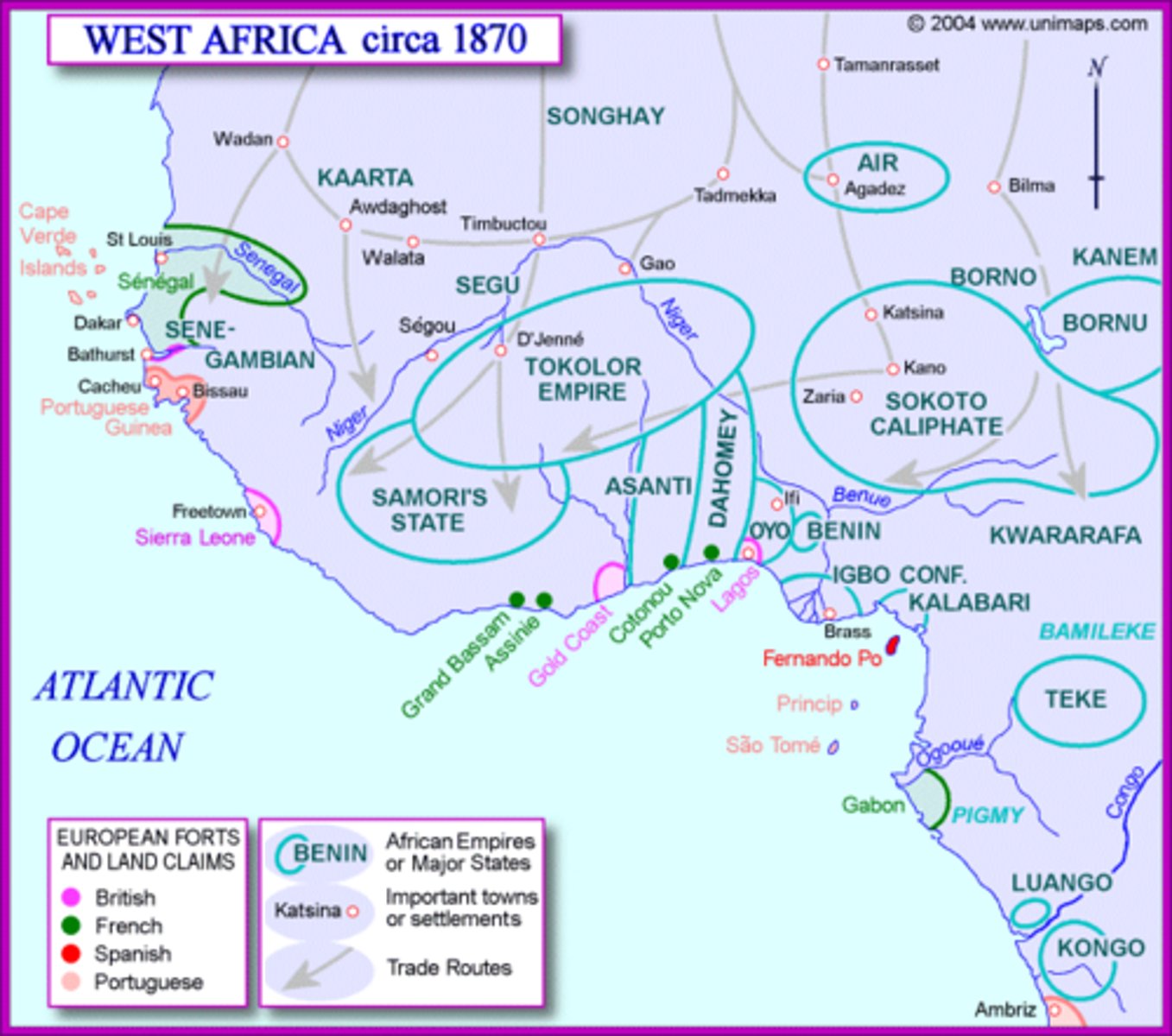
Xhosa
a member of a South African people traditionally living in the Eastern Cape Province that formed the second largest ethnic group in South Africa after the Zulus.
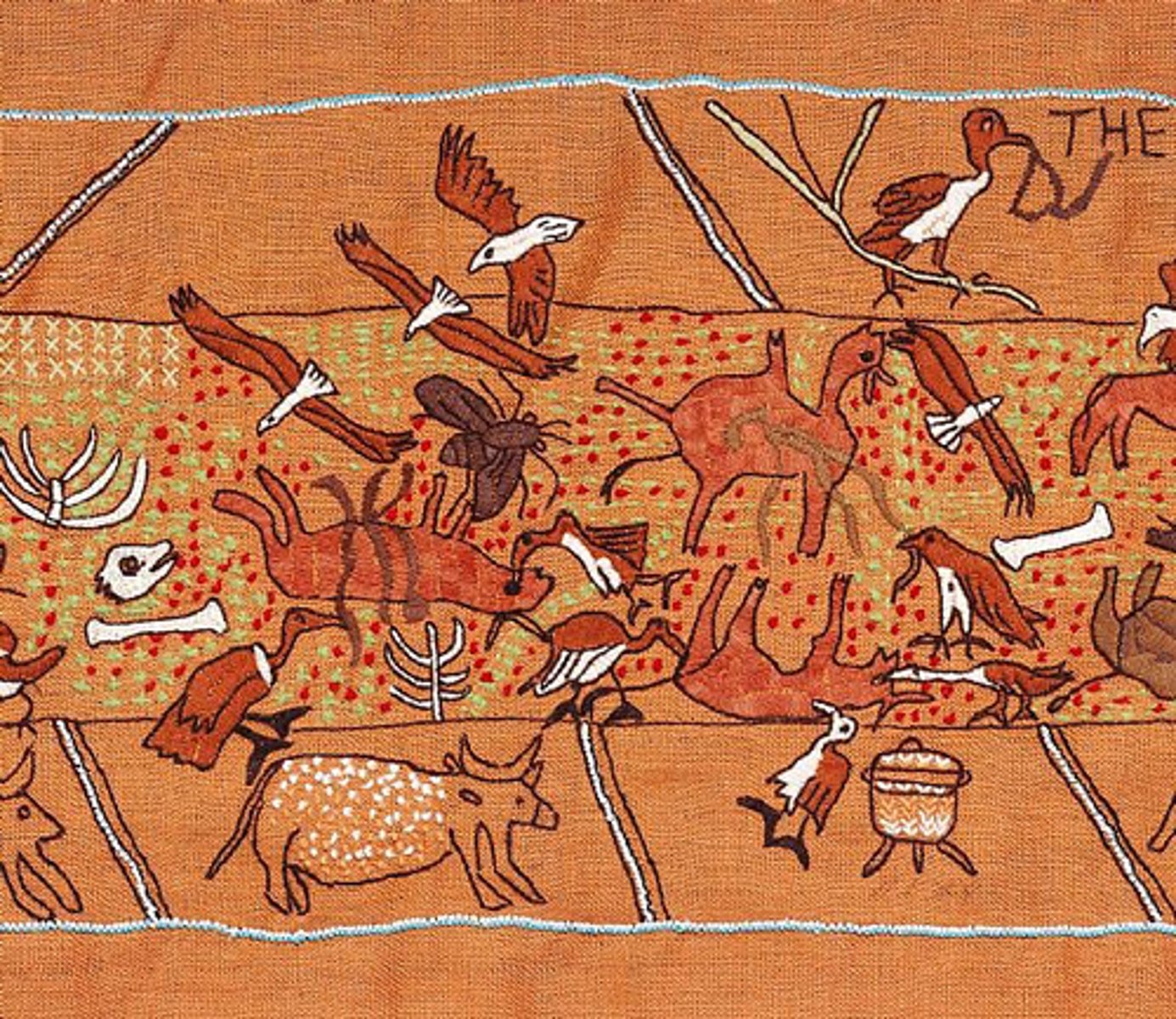
Xhosa Cattle Killing Movement
Pivotal movement that weakened the Xhosa and ushered in a new era of colonial expansion and domination of South Africa by the British; prophecy was that killing all cattle would bring back ancient chiefs and ancestors; an example of an indigenous rebellion against European imperial expansion
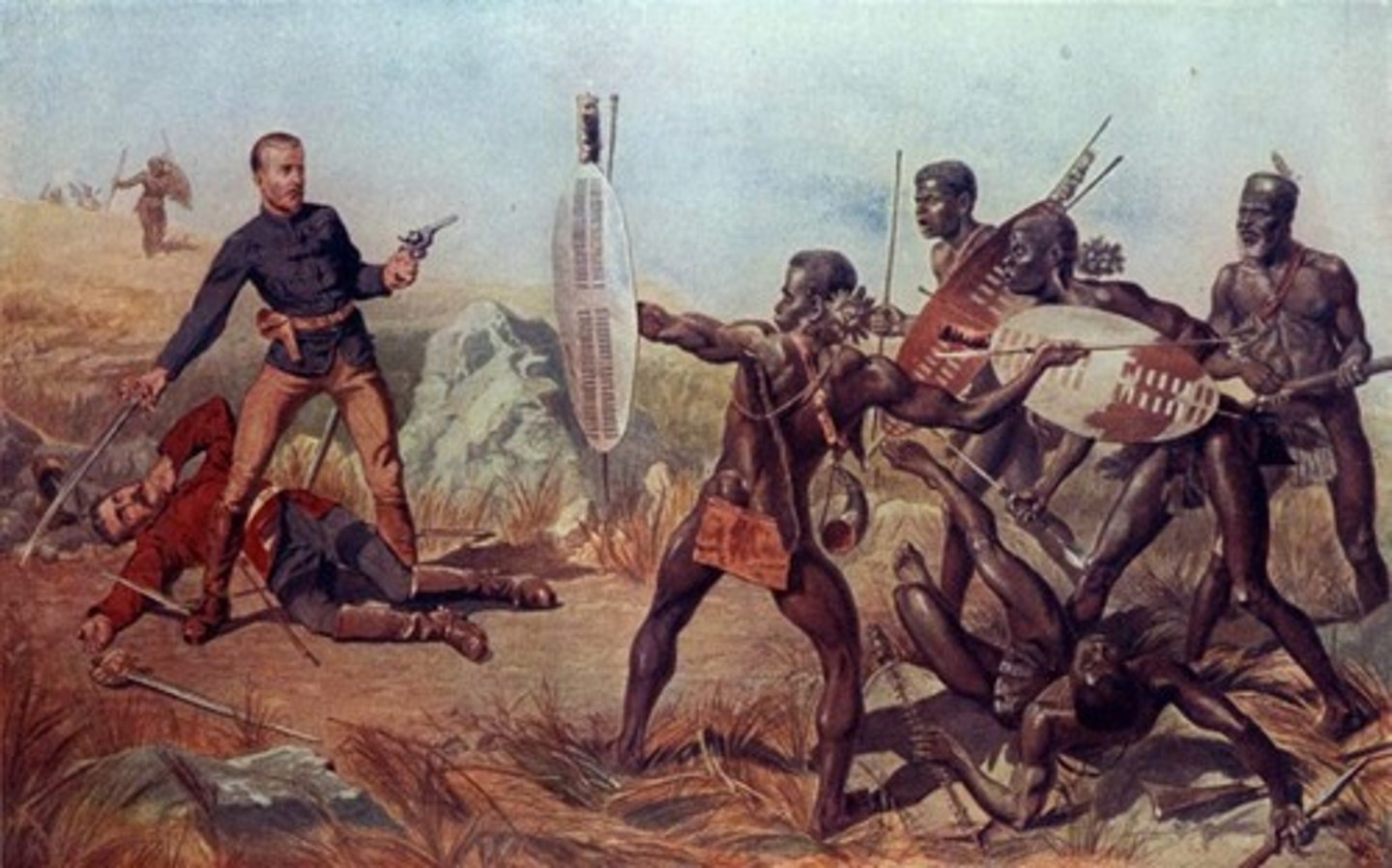
Anglo-Zulu War
Between the British and Zulu's that was caused by the Zulu refusing to sign treaty with Britain; ended with Zulu defeat and their lands becoming part of British South Africa
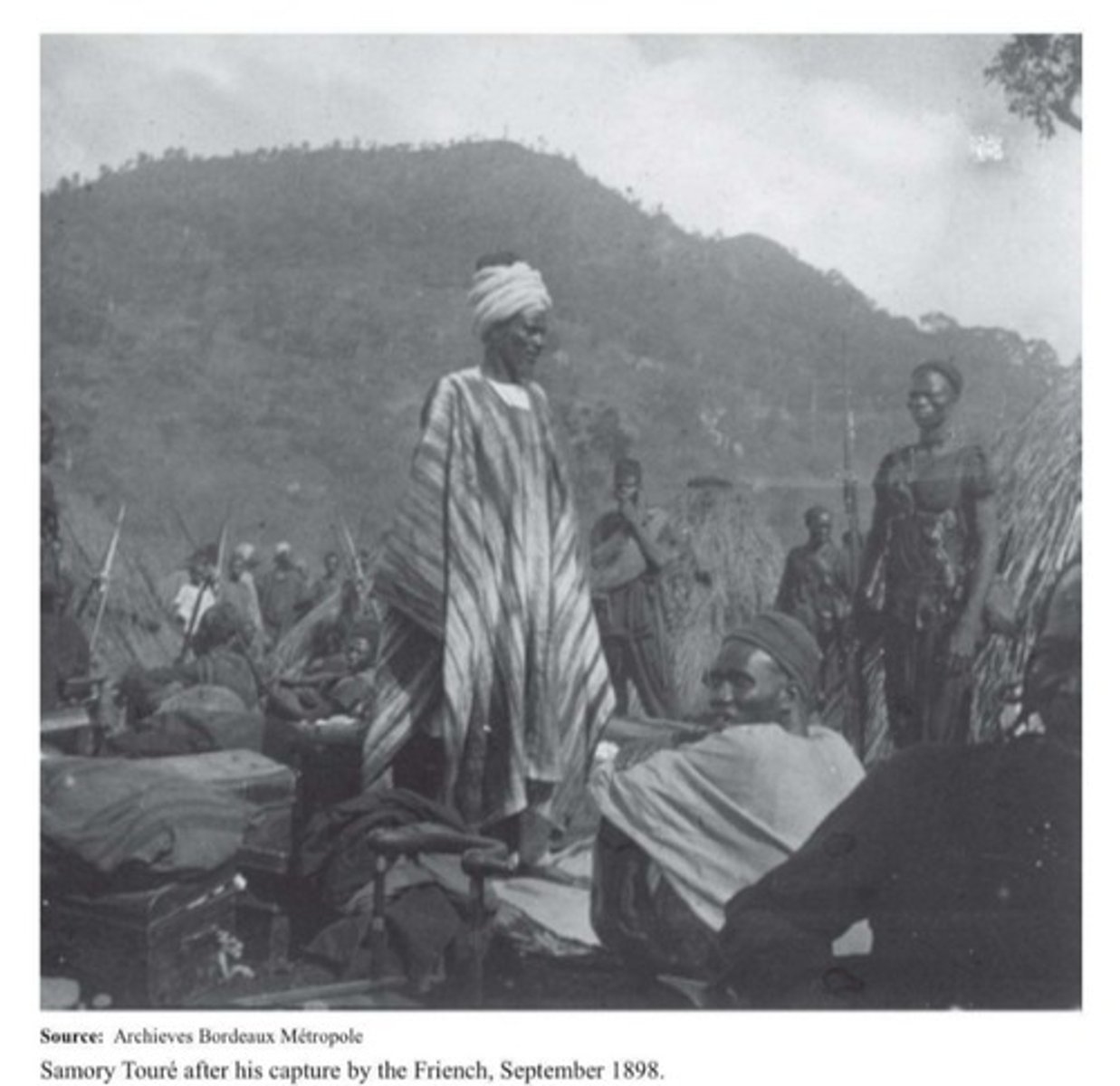
Samory Toure's War
armed resistance waged against the French between 1883-1891; led by the ruler of the newly created kingdom of Guinea when the French tried to annex West Africa; an example of direct resistance to European encroachment on African territory and over African people
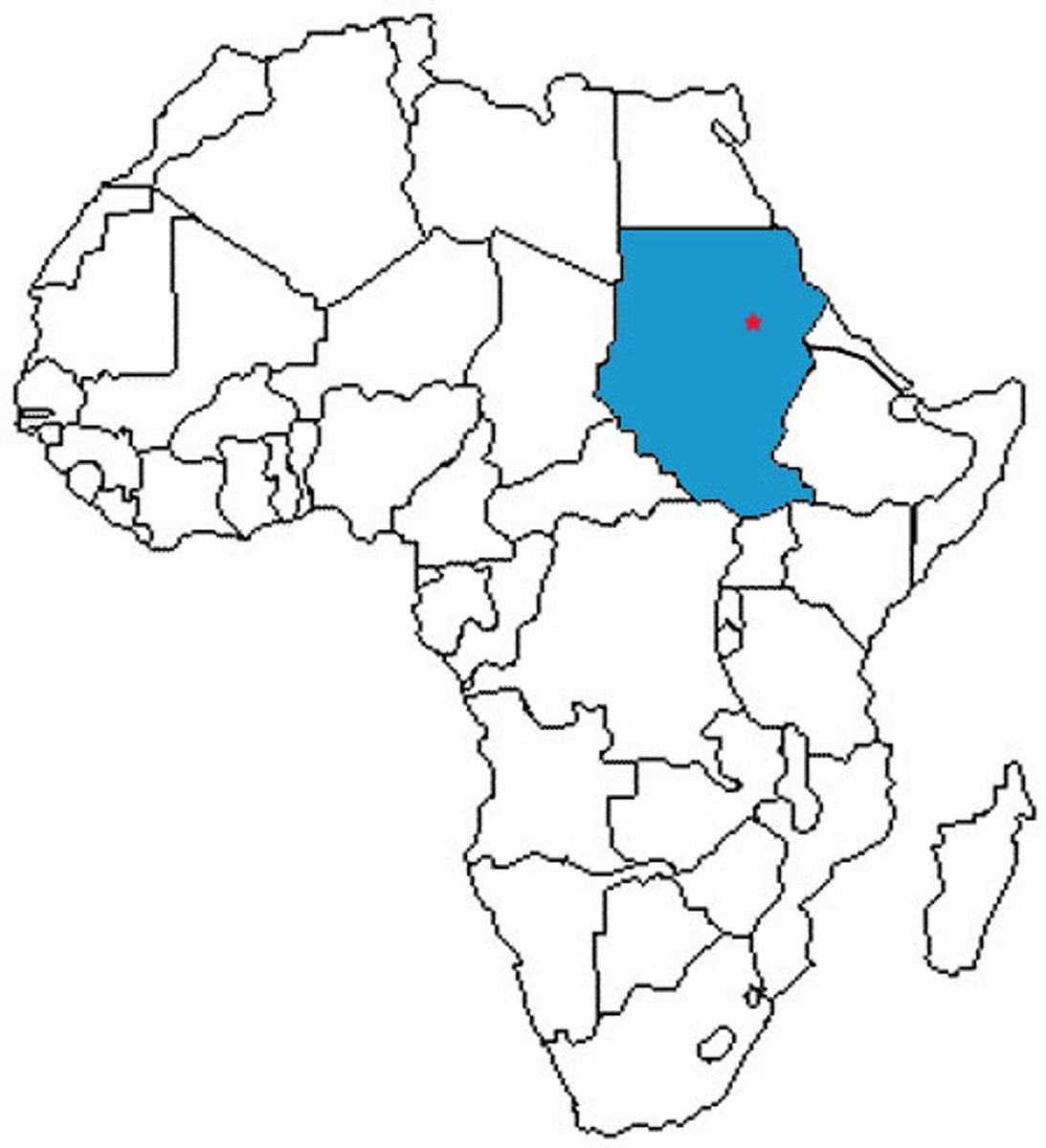
Mahdist Revolt
Rebellion of Sudanic peoples against the British; led by Muhammad Ahmad (named Mahdi due to his promises during the revolt); defeated by the British in 1898
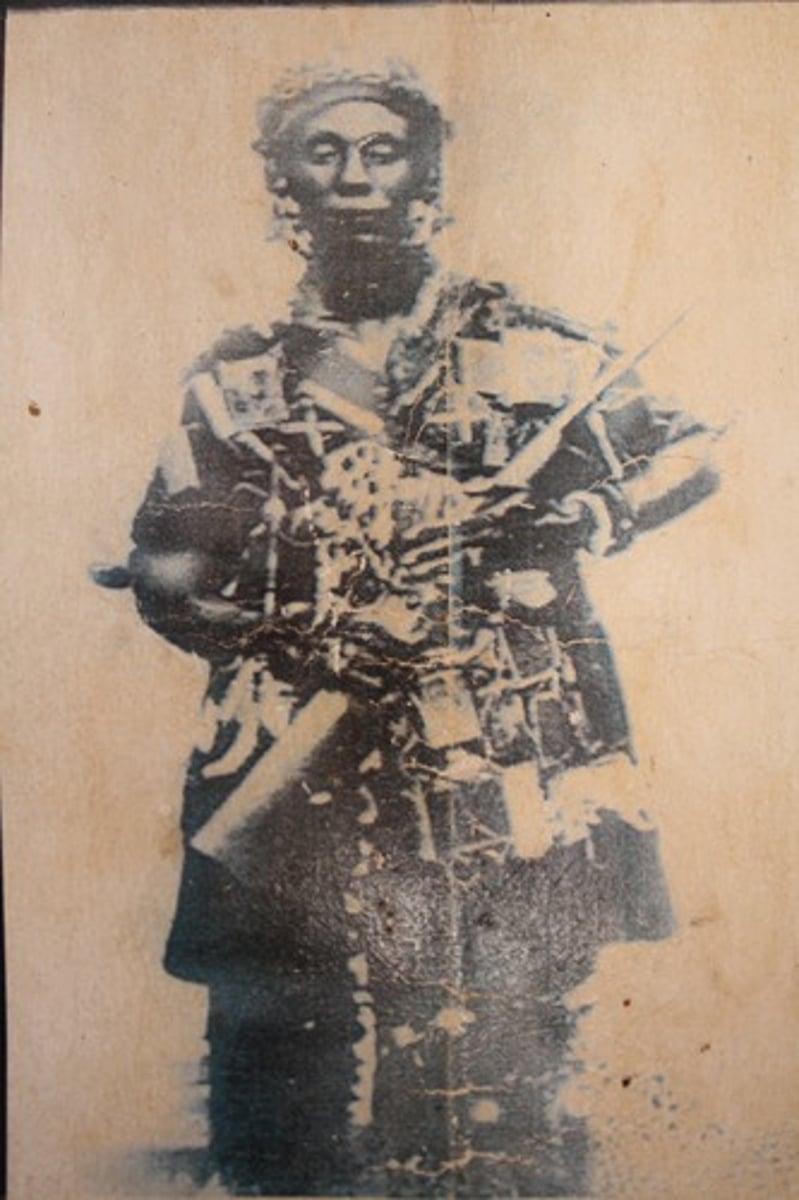
Yaa Asantewaa
Queen of the Asante that led the fight against the British in the last Asante war; was exiled after her defeat, and Asante (Ashanti) became part of British Gold Coast colony
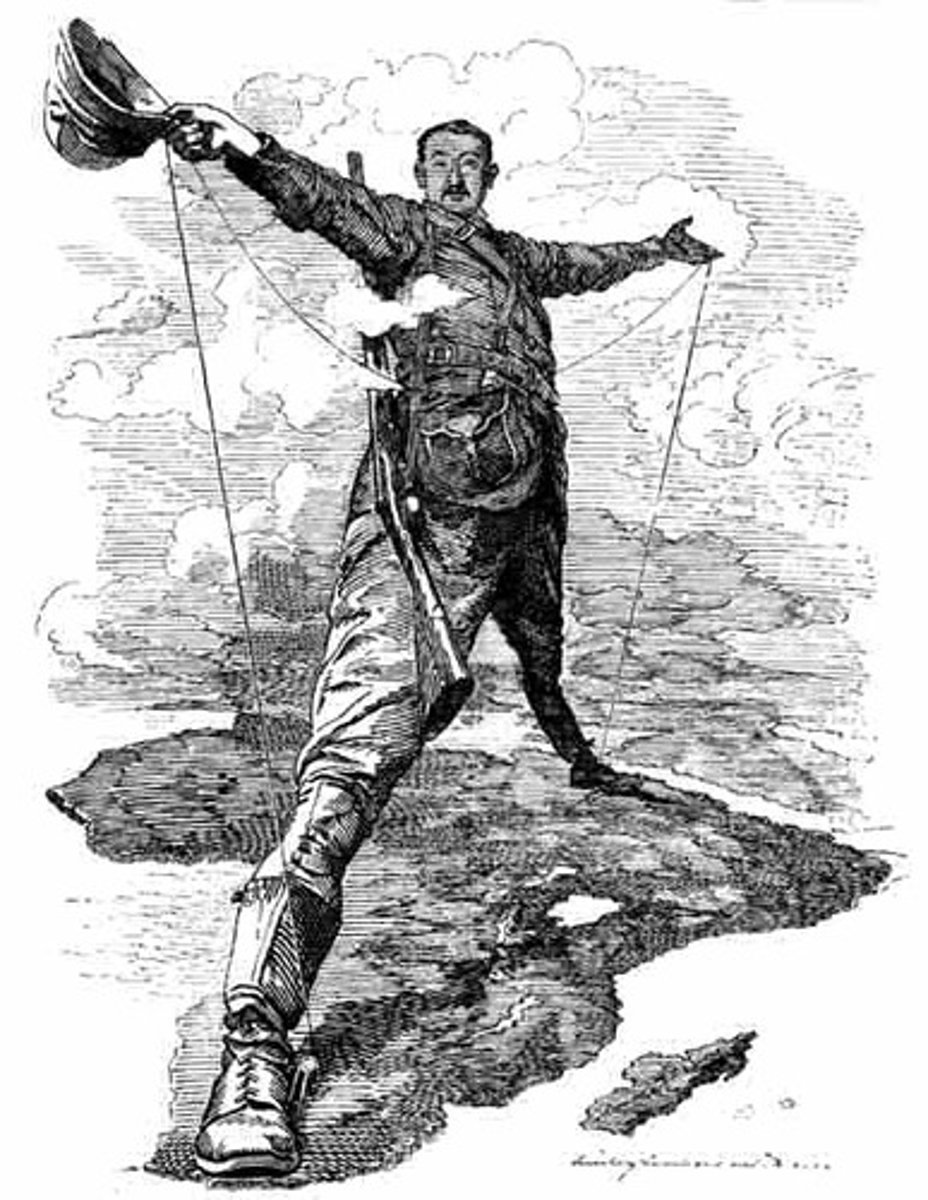
Cecil Rhodes
British entrepreneur and politician; founder of DeBeers Diamonds; involved in the expansion of the British Empire from South Africa into Central Africa
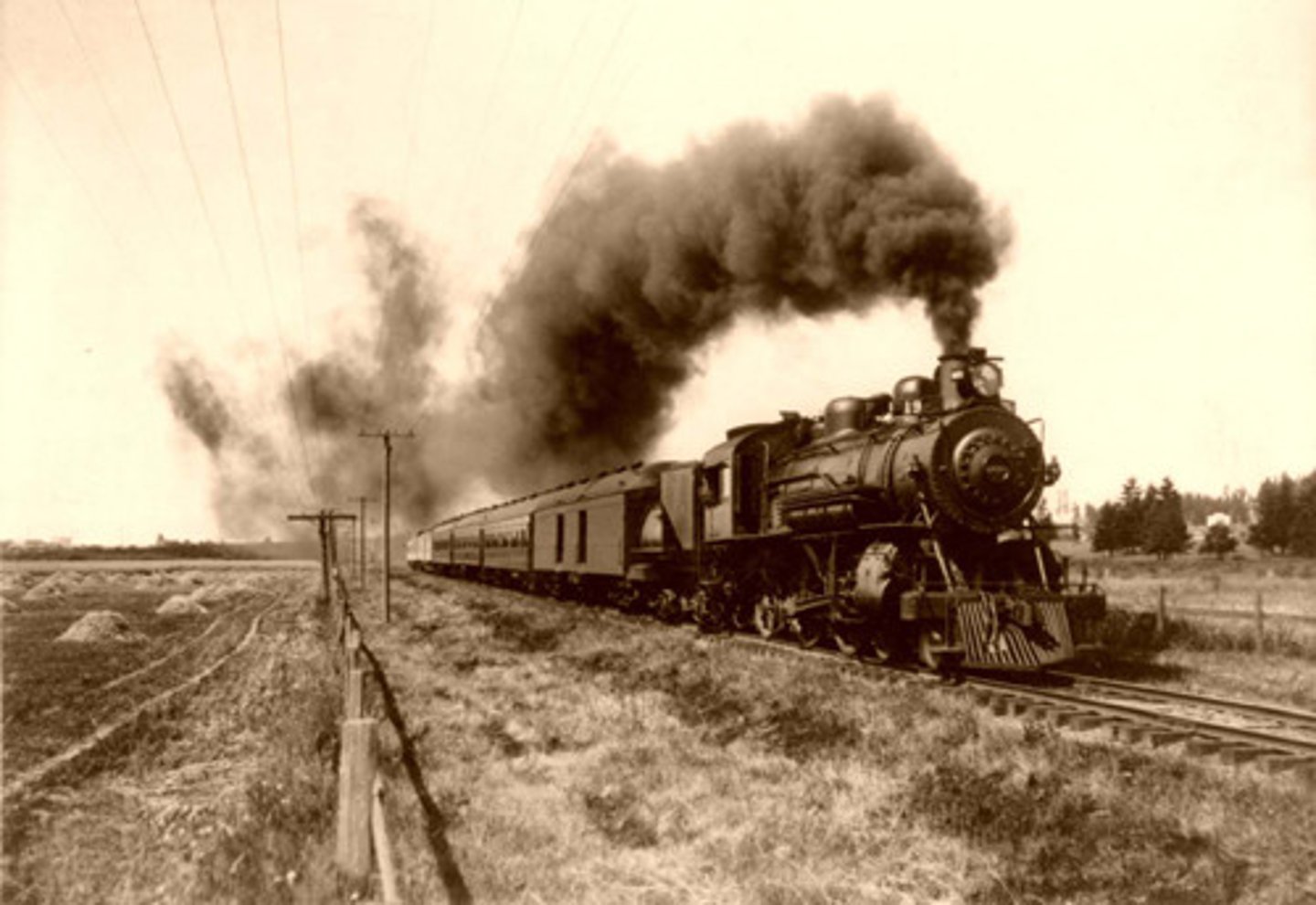
Railroads
improvements in transportation that lowered the cost of transporting raw materials for shipment to Europe and allowed extraction of resources; opened up colonial markets for manufactured goods
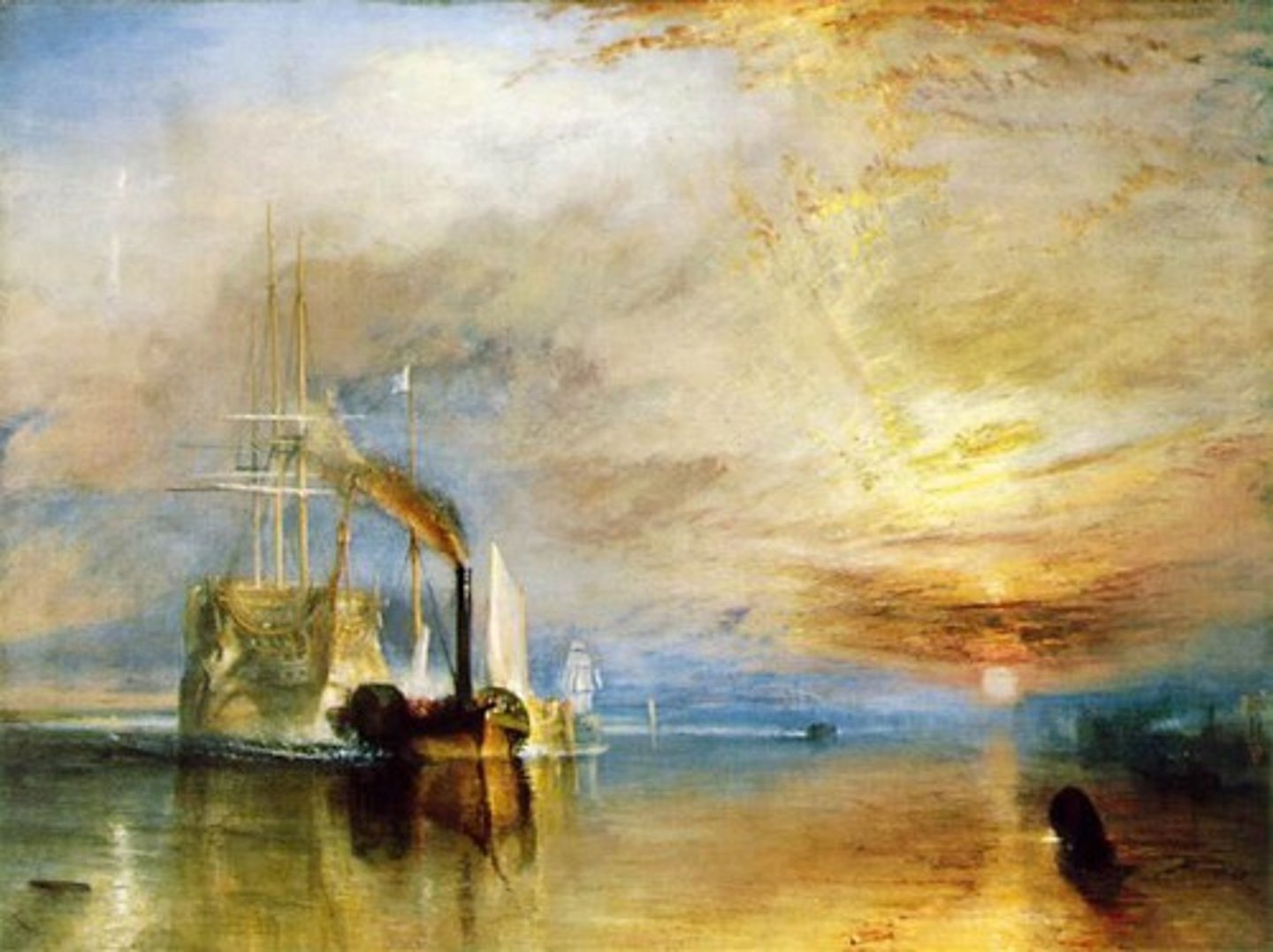
steamships
ships powered by steam engines used to replaced sailing ships in the mid-19th century; allowed for transport of goods and and people along navigable rivers in Africa and Asia as well as transoceanic shipments of cargo
telegraph
A device for rapid, long-distance transmission of information over an electric wire; underwater cables allowed for instant communication between Europe and the Americas to colonial possessions
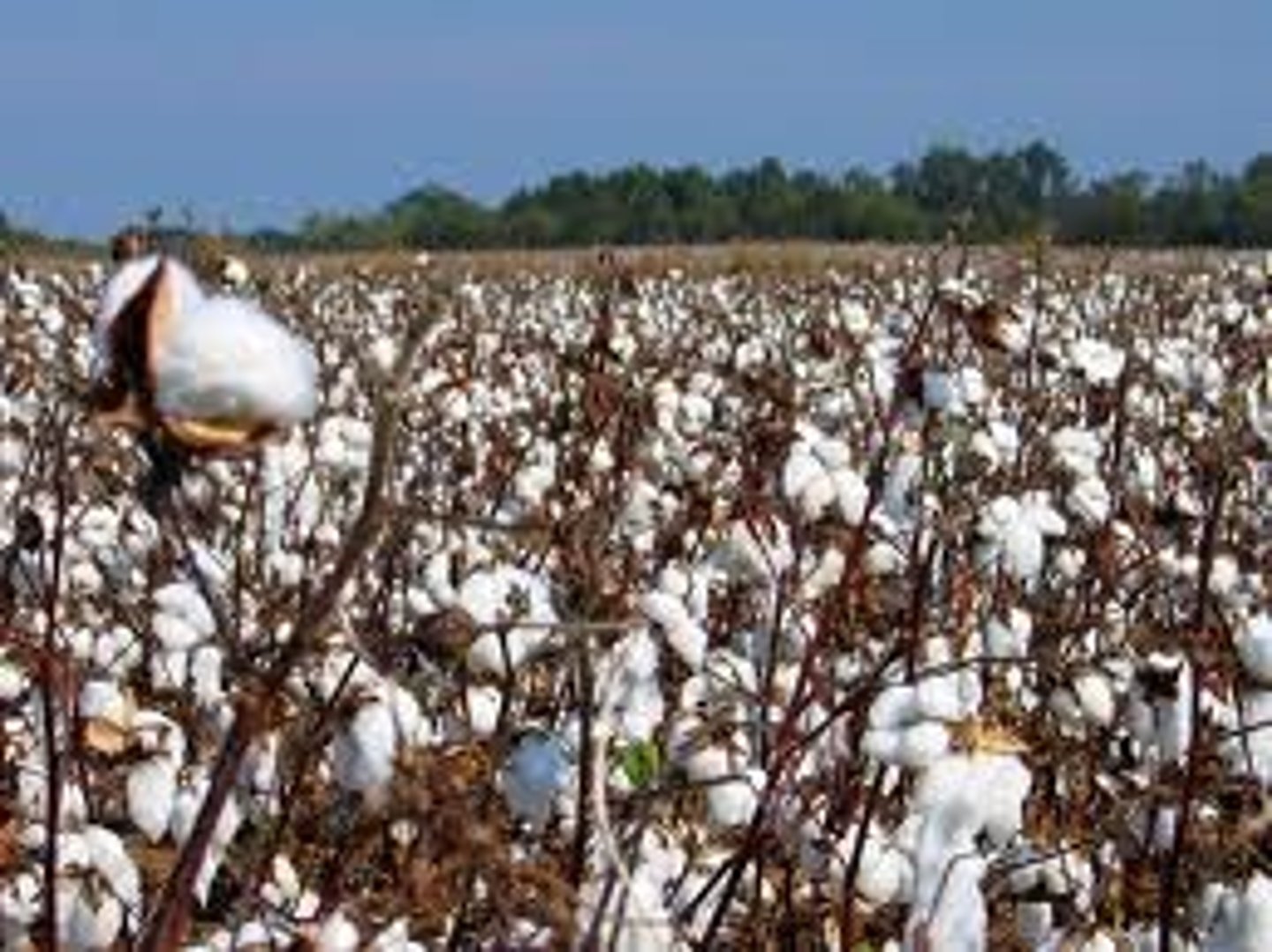
cash crops
crops, such as rubber, palm oil, sugar, tea and cotton, raised in large quantities in order to be sold for profit
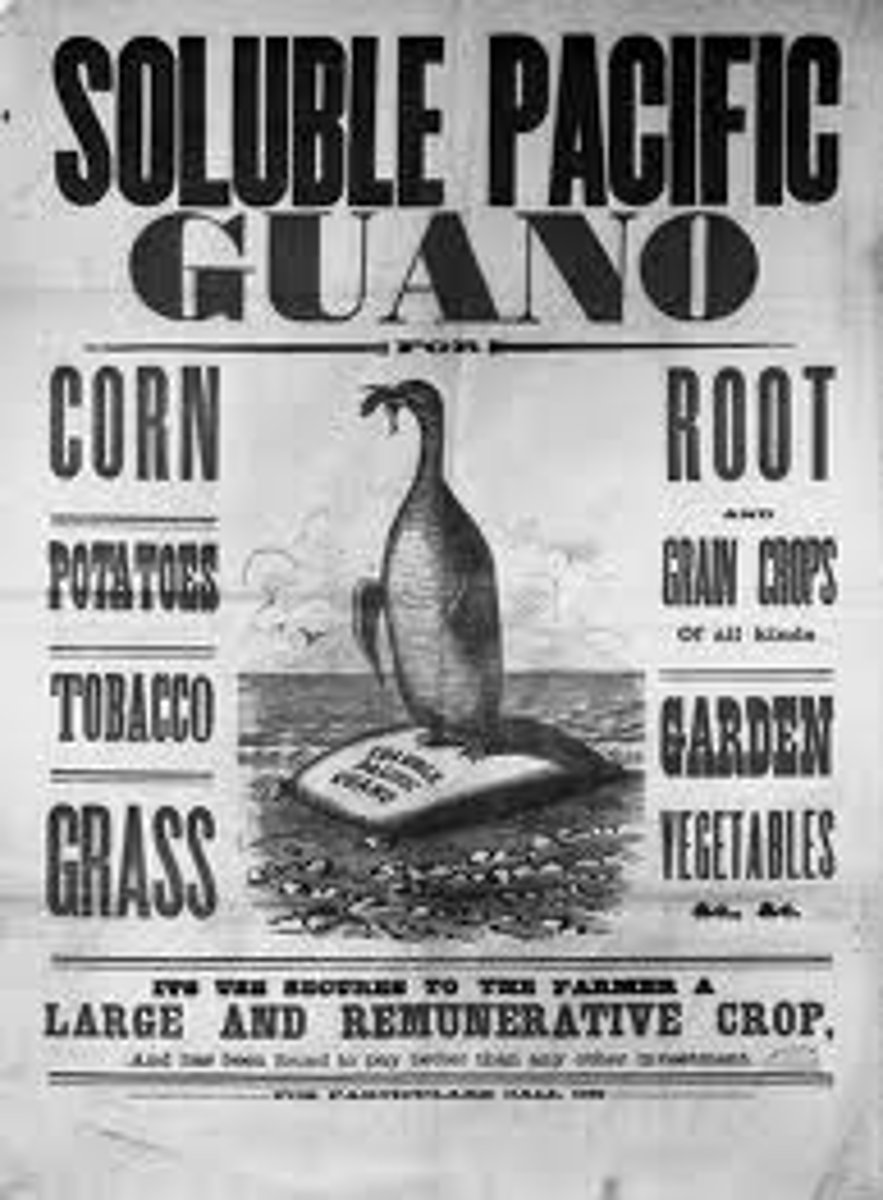
Guano
Bird droppings used as fertilizer; a major trade item of Peru in the late nineteenth century
Export Economies
colonial economies that relied on products such as coffee, sugar, fruit, and oil produced for export to imperial powers
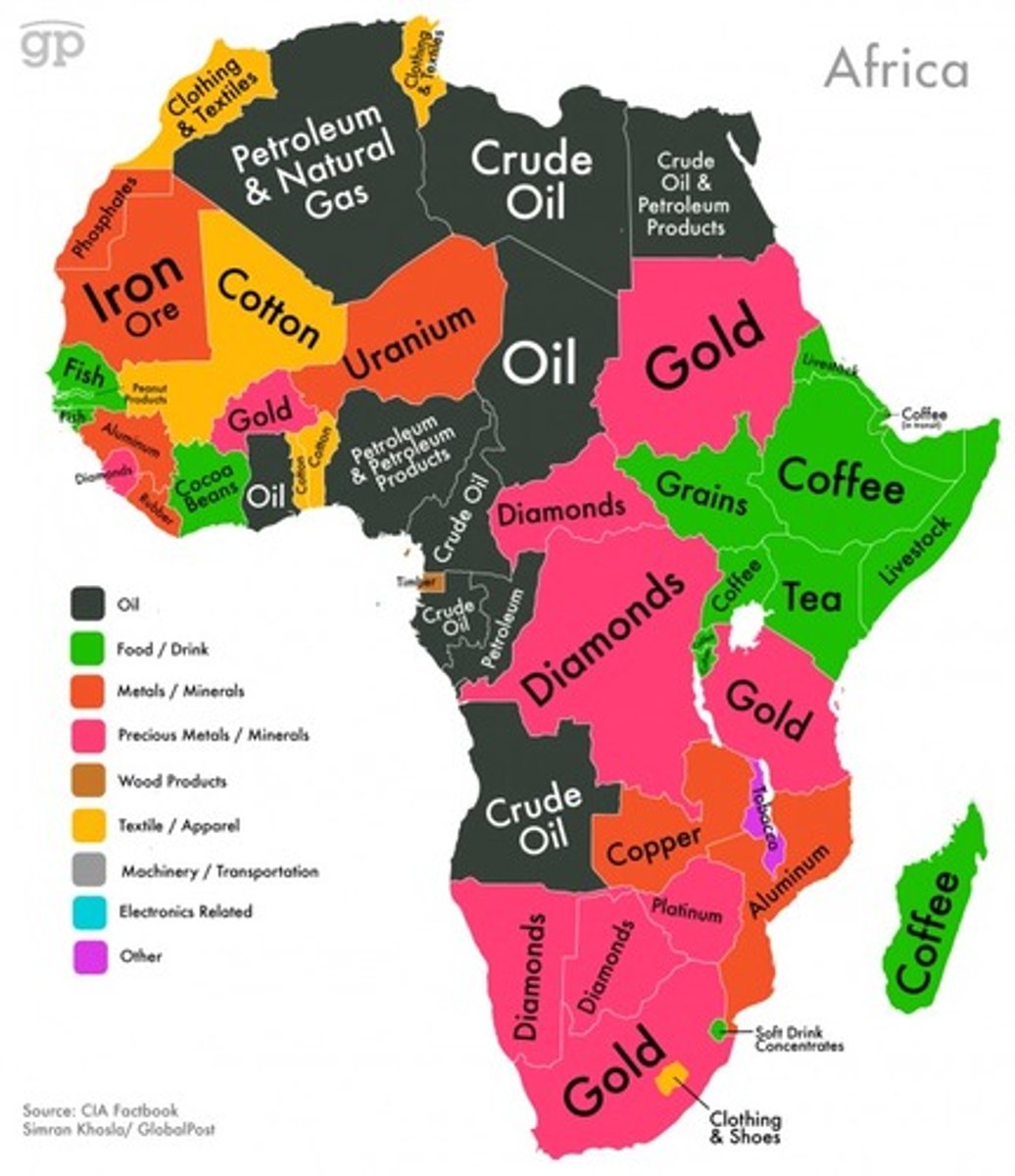
Monoculture
dependence on a single agricultural commodity; led to lack of agricultural diversity in colonies
De Beers Mining Company
Owned by British Cecil Rhodes, this company controlled up to 90% of the world's rough diamonds
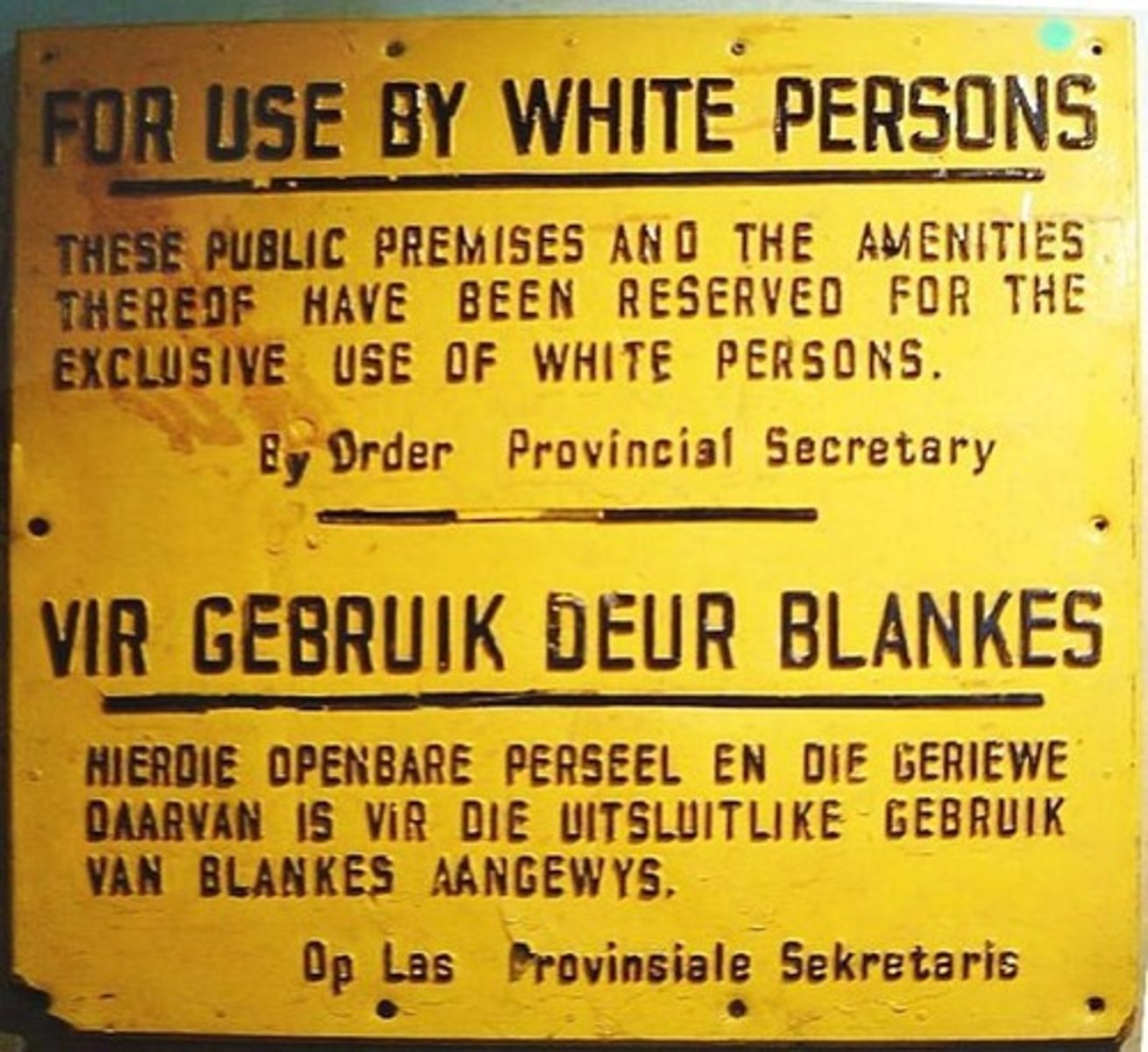
Apartheid
A social policy of racial segregation in British South Africa involving political and economic and legal discrimination against non-whites.
Economic Imperialism
A form of imperialism where foreign business interests have major economic influence or power
British East India Company
A joint stock company that controlled most of India during the period of imperialism after taking land from weakened Mughal Empire; controlled the political, social, and economic life in India for more than 200 years.
Dutch East India Company
A company founded by the Dutch in the early 17th century to establish and direct trade throughout Asia; richer and more powerful than England's company, they drove out the English and established dominance over the region; ended up going bankrupt and being bought out by the British
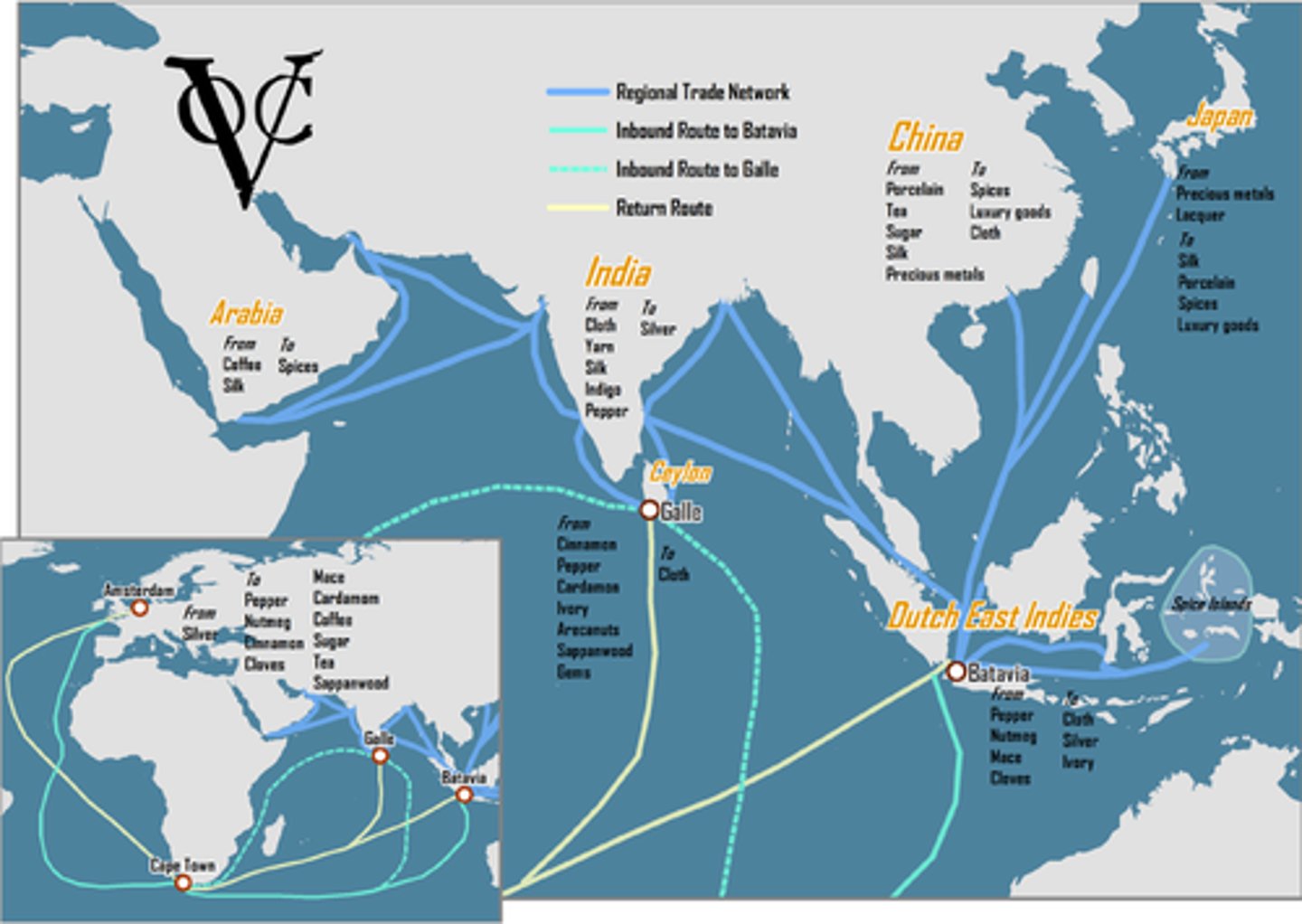
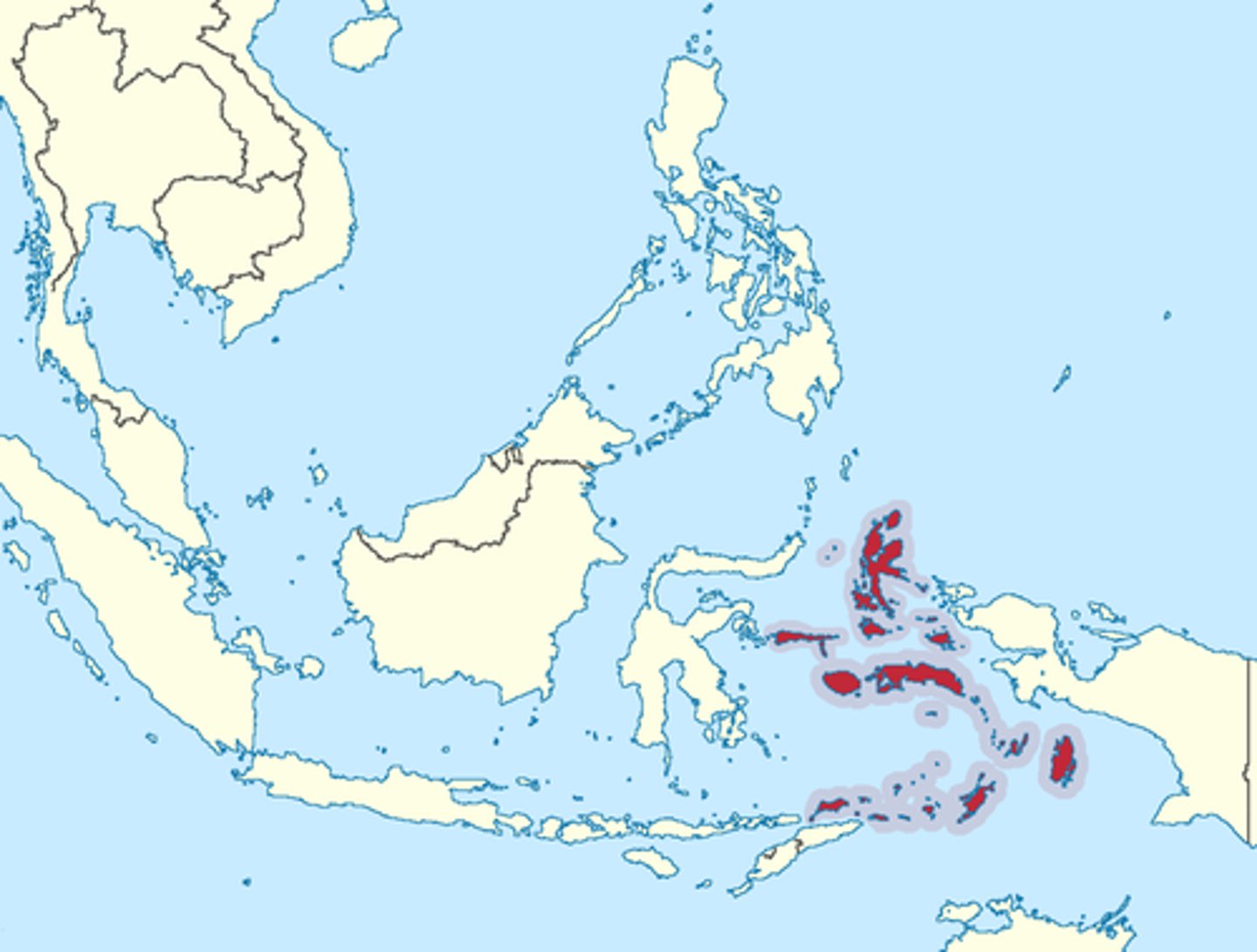
Spice Islands
Colony controlled by the Dutch East India company (VOC); exported cash crops of sugar, tea, coffee, tobacco, and rubber, making it a valuable colony; taken over by the Dutch government when VOC folded and became Dutch East Indies
culture system
Dutch system that forced farmers to choose between growing cash crops for export or perform compulsory unpaid labor (corvée labor)
corvee labor
unpaid forced labor usually by lower classes, forced upon them by the government as form of taxation
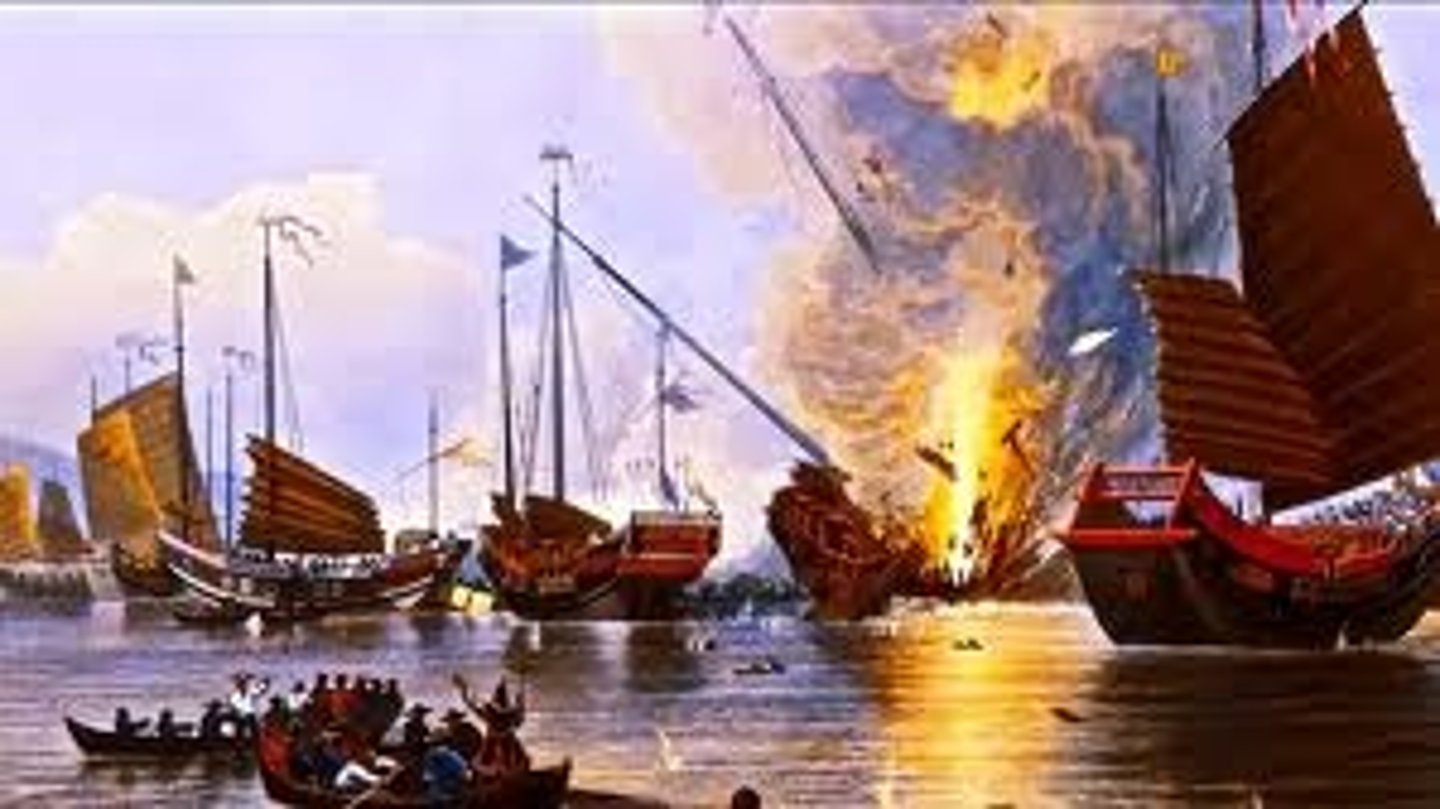
Opium War
a conflict between Britain and China lasting from 1839 to 1842 over objections to Britain's opium trade in China
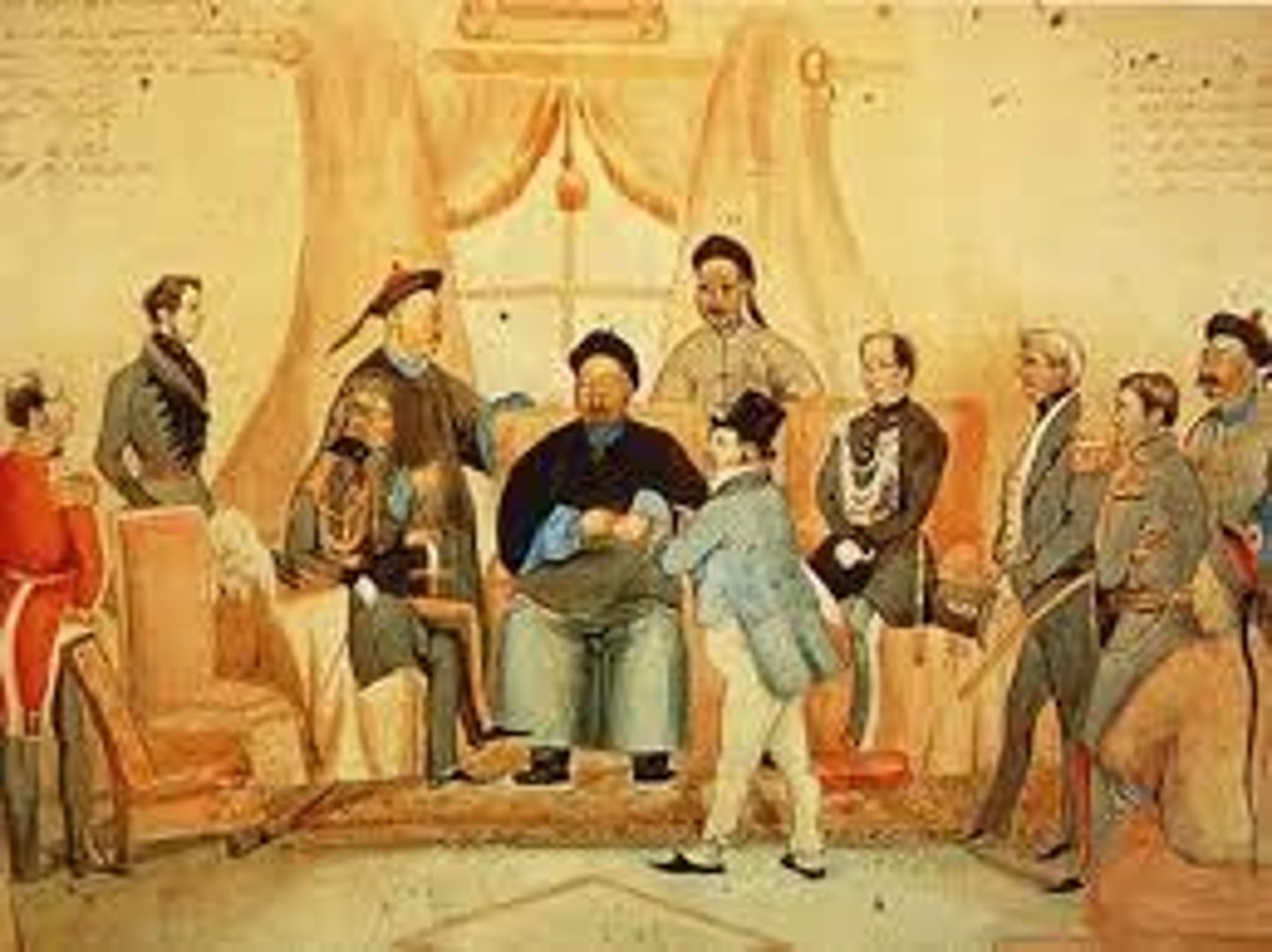
Treaty of Nanjing
"unequal treaty" to end Opium War in which China had to accept British terms for peace; required China to open up four additional ports to foreigners, cede the island of Hong Kong to Britain and allow free trade (including opium)
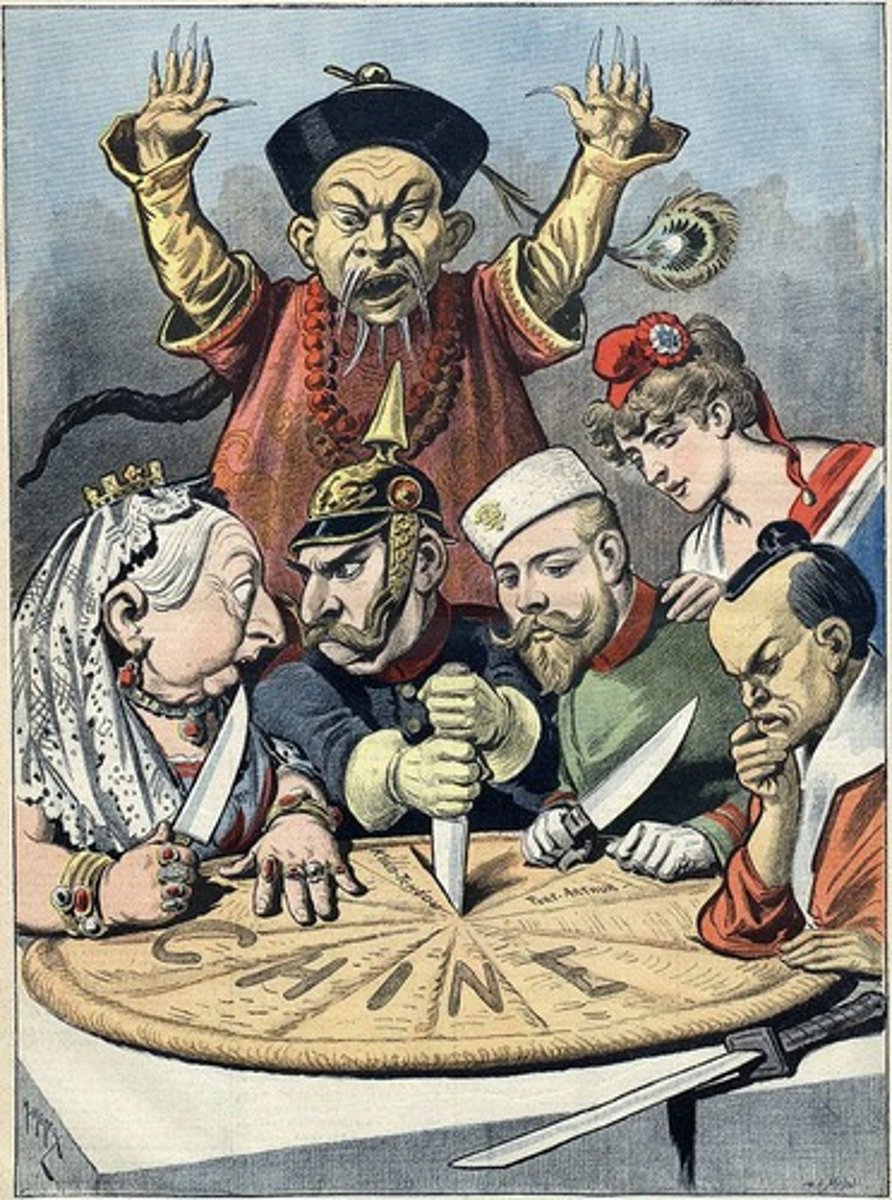
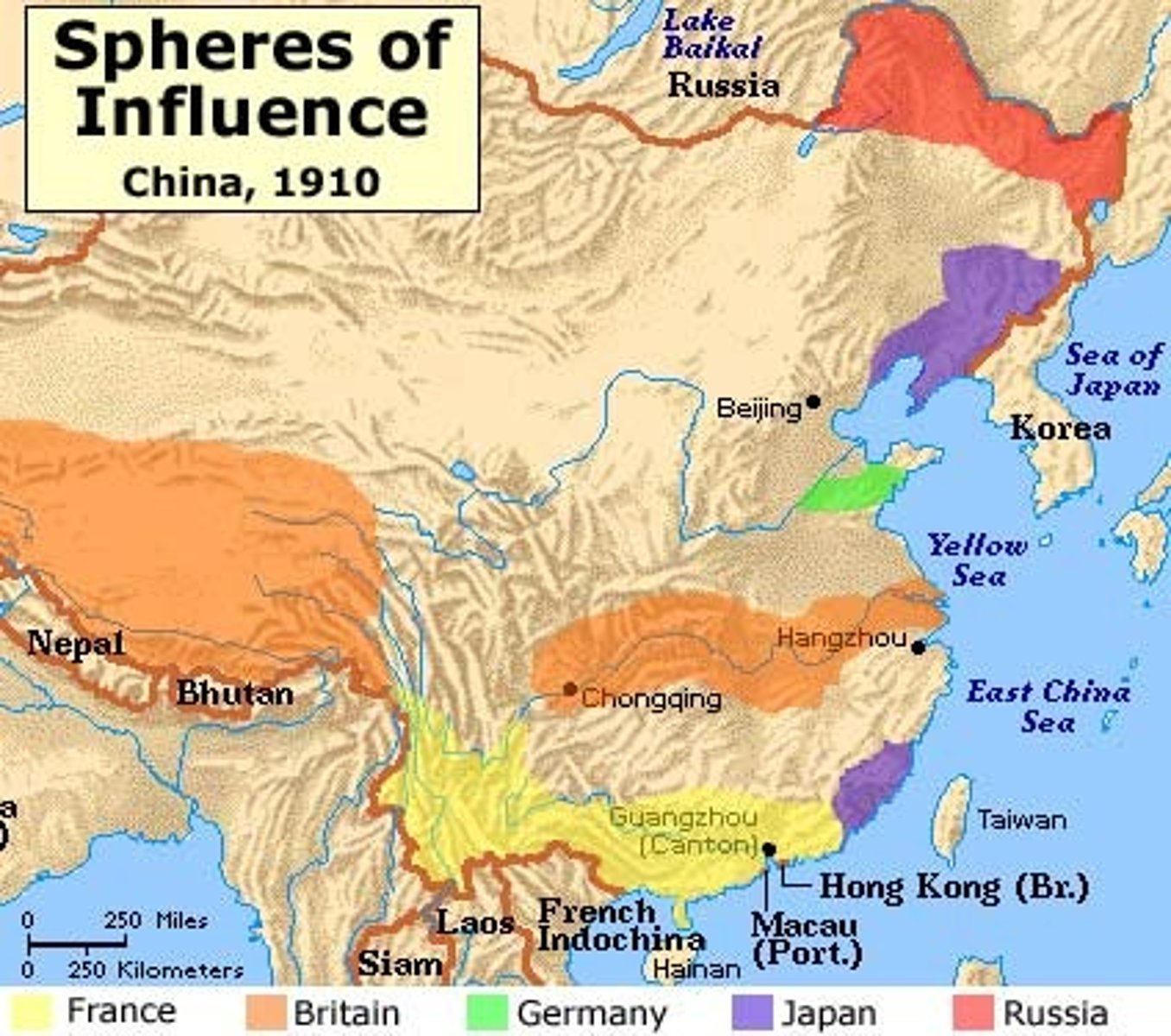
Spheres of Influence
one country would have special authority or presence and another country would have a different area of authority; China became divided by European powers; he different European countries supported each other through the spheres of influence because of economic advantage
Banana Republic
Term used to describe a Central American nation dominated by foreign-based corporations
 Note
Note  Flashcards (38)