Pharm1 - Allergic reactions/Congestion (EXAM3)
 Call Kai
 Learn
Learn Practice Test
 Spaced Repetition
 Match
Match Flashcards
 Knowt Play
1/46

There's no tags or description
Looks like no tags are added yet.
Name | Mastery | Learn | Test | Matching | Spaced | Call with Kai |
|---|
No analytics yet
Send a link to your students to track their progress
47 Terms
Antihistamines
These medications reduce the action of histamines; reactions of inflammation, redness, and itching
H1
What receptor site is our main focus of this unit?
allergic reaction, extreme cold, cellular injury
What triggers cause the release of histamines? (3)
Bronchioconstriction, cough, edema, mucus secretion, Pruritus
What are 5 possible results that these triggers (allergic reaction, extreme cold, and cellular injury) can lead to?
Pruritus
(def) severe itching
allergic rhinitis, food allergy, drug allergy, contact dermatitis
What are the different types of reactions that histamines cause? (4)
Bendaryl (Diphenhydramine)
What is a popular example of an H1 receptor antagonist?
Block histamine receptor sites
What is the action of H1 receptor antagonist?
most hypersensitivity reaction (also used prophylactically)
What is the main use for H1 receptor antagonist?
children under 6
Who is Benadryl not often recommended for?
CNS depression, neuro impairment, anxiety/agitation, anticholinergic effects
What are the 4 adverse effects of H1 receptor antagonists?
cant see, cant pee, cant spit, cant shit (dry up)
What is the mnemonic that consists of *4 cant's* to help remember anticholinergic effects?
Promethezine
What is another example of a histamine 1 receptor antagonist which is also called Hydroxyzine Percolate?
nausea, vomiting
What is Promethazine commonly used for? (2)
- Not first line treatment for allergic reaction
sedation
What is a secondary use for Promethazine?
bind with peripheral receptors (to decrease adverse effects)
What do second generation H1 receptor antagonists do? (bind)
decrease adverse effects
When second generation H1 receptor antagonists bind with peripheral receptors what happens?
seasonal allergies
What are the uses of second generation H1 receptor antagonists?
Zyrtec
What is 1 example of an second generation H1 receptor antagonists that is also called Cetrizine?
Claritin
What is 1 example of an second generation H1 receptor antagonists that is also called Loratadine?
1st generation, 2nd generation
Third generation H1 receptor antagonists have similar actions to which others? (2)
seasonal allergies, congestion (if combined)
What are the 2 main uses for Third generation H1 receptor antagonists?
- Safer than 1st generation
common cold, rhinitis, sinusitis
What are the 3 things that nasal congestion, bronchial secretions, and coughs cause?
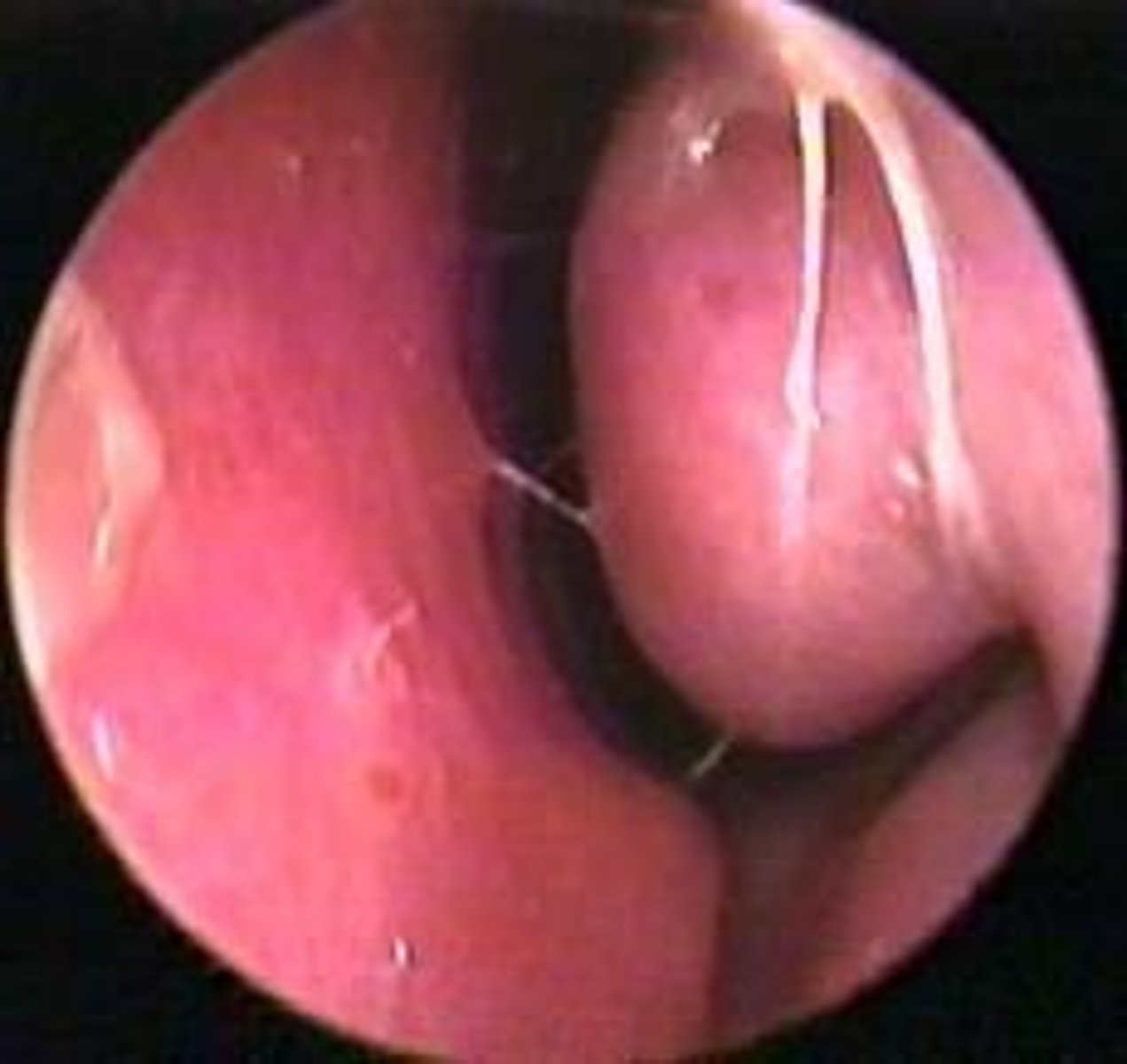
Rhinitis
(def) inflammation of the nose/ nasal membranes
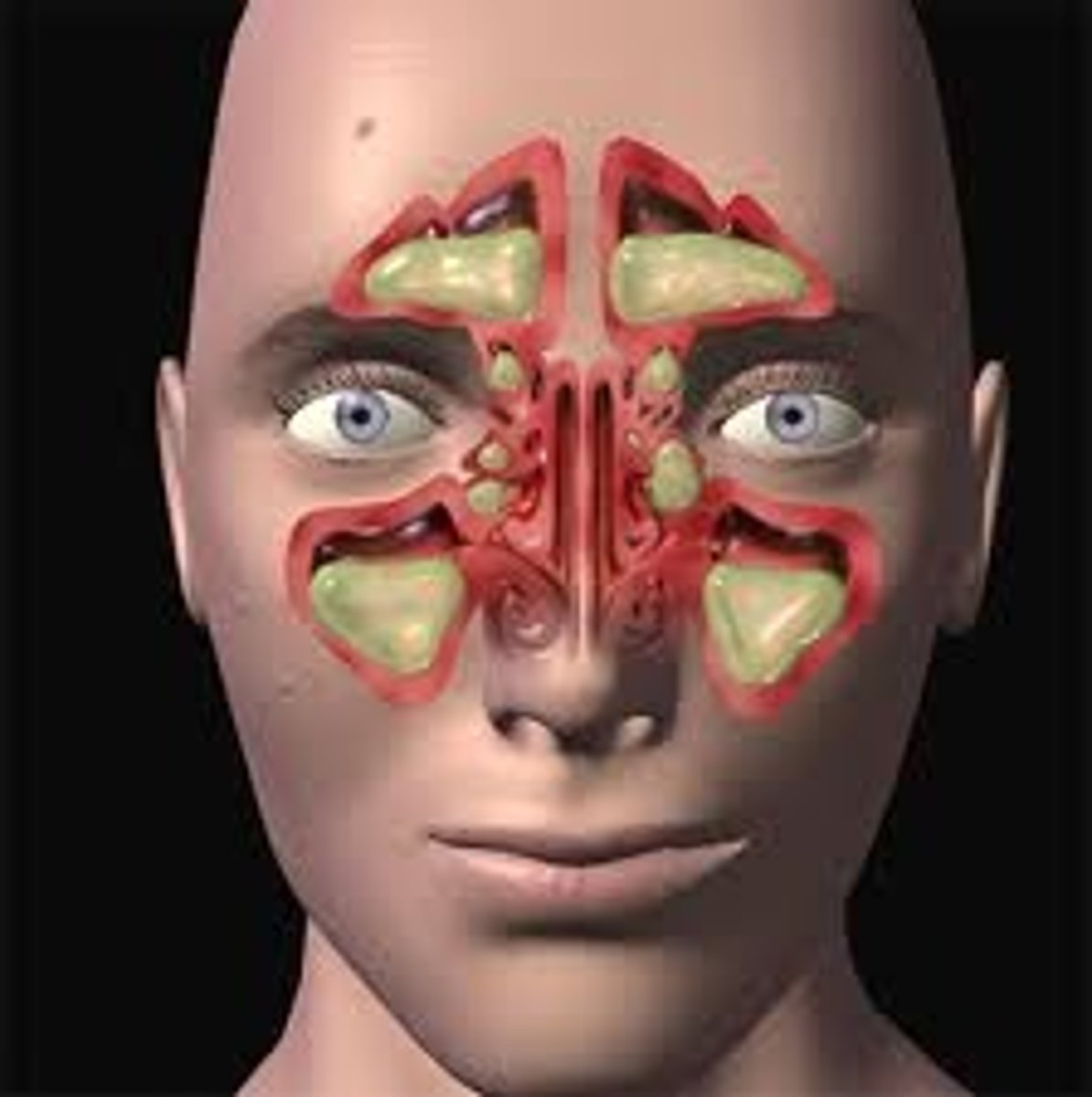
Sinusitis
(def) inflammation of the sinuses
Sudafed
What is a common example of a nasal decongestant? (Hint: pseudoephedrine)
adrenergic receptors
What receptors do nasal decongestants work on?
vasoconstriction
Nasal decongestants cause a decrease in blood flow and a decrease in inflammation. What is the reason these two things happen?
cardiac (history of heart problems)
Since nasal decongestants cause vasoconstriction, what kind of patients may you want to be more aware of when giving these medications?
allergies, cough, cold
What 3 things are nasal decongestants used for?
Delsym
What is a common example of an Antitussives? (Hint: dextromethorphan)
when cough interferes with sleep
When are Antitussives used?
cough suppressant
What do Antitussives do?
Tessalon pearls
What is another common drug that is a cough suppressant and is also called Benzonatate?
Afrin
What is another common drug that is a nasal decongestant spray and is also called Oxymetazoline?
pneumonia
What condition does stroke often increase the chances of someone getting due to decreased movement from stroke?
Mucinex
What is a common example of an Expectorant? (hint: Guaifenesin)
decrease mucus secretion viscosity (thins mucus)
What is the action of the expectorant group (Mucinex)?
productive cough, pneumonia, bronchitis
What are the 3 main uses for expectorants?
rash, headache, N/V
What are 3 common side effects of expectorants?
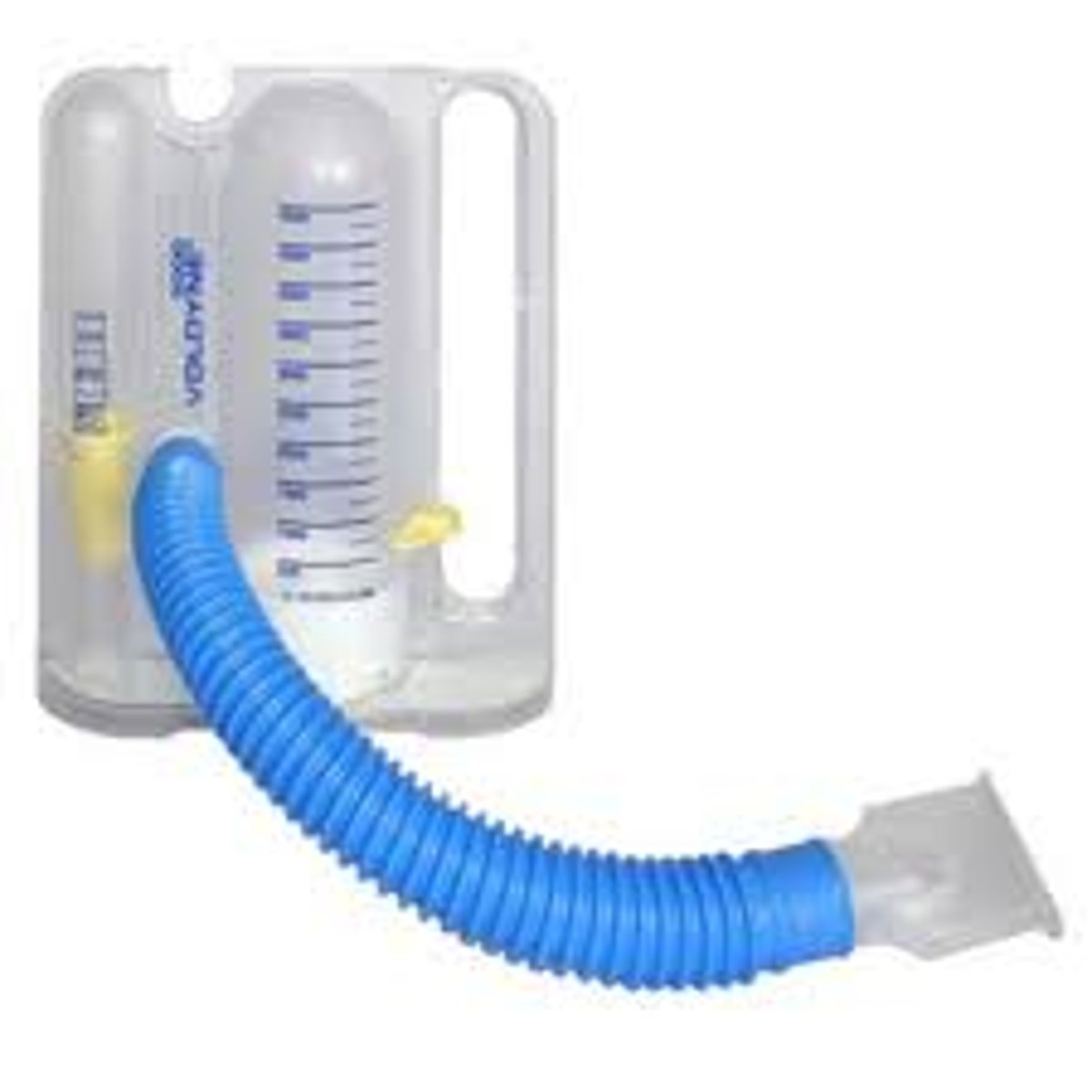
Incentive spirometry
A non-pharmacological intervention pictured here
cough, increase fluid intake, ambulation, chest physiotherapy
Other than deep breathing exercises, what are 4 Non-pharmacological interventions that can be used for increased mucus secretion?
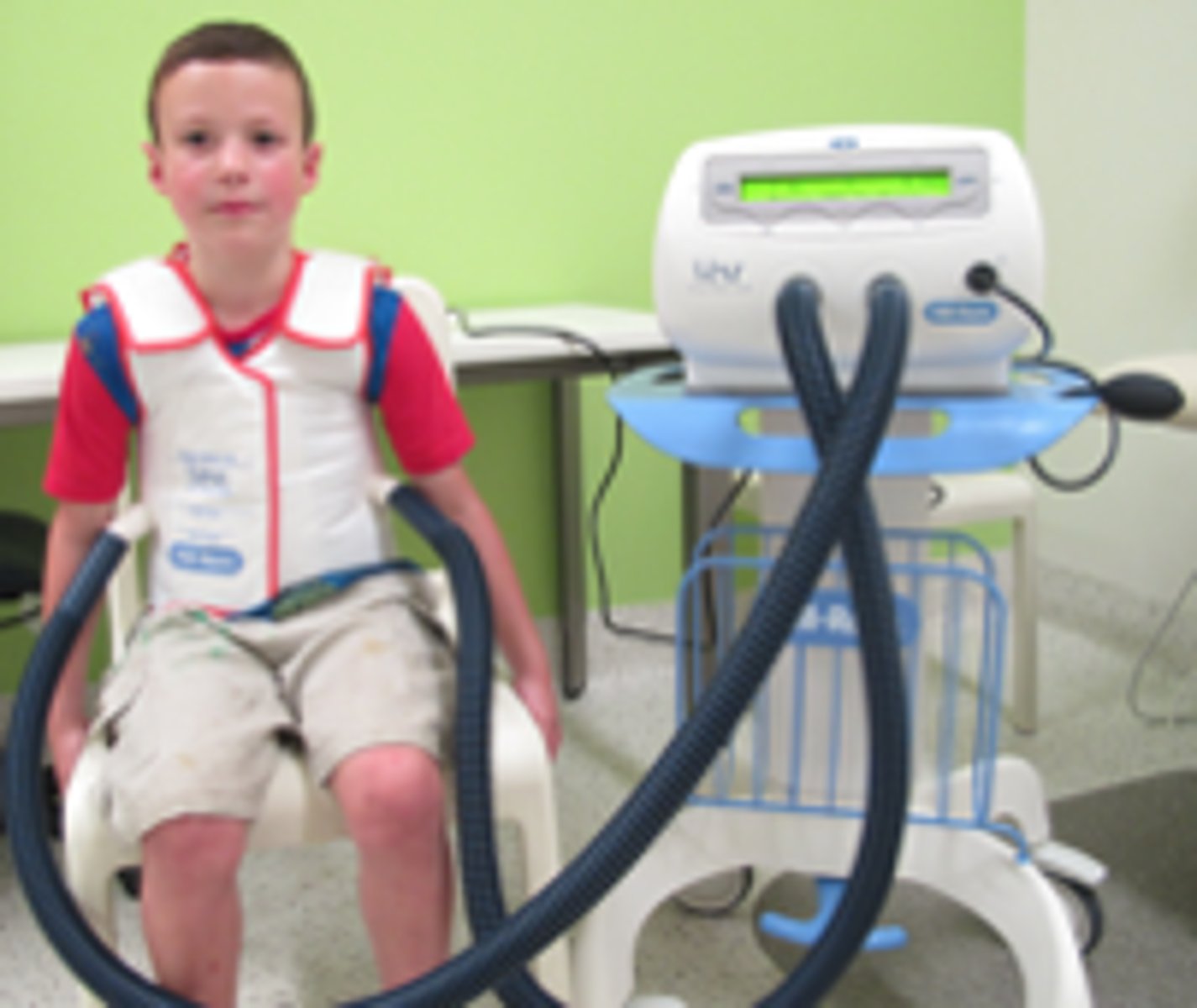
chest oscillation therapy
What example is pictured of a non-pharmacological intervention?
zinc sulfate, vitamin C, echinacea
What are 3 common herbal remedies?
reduce length and severity of cold
What two things does zinc sulfate help with? (1 sentence)
reduce incidence of cold and flu
What two things does Vitamin C help with? (1 sentence)
unknown action (but helps with immune system in someway)
What does Echinacea help with?

