Color Theory

0.0(0)
studied byStudied by 6 people
0.0(0)
full-widthCall with Kai
learnLearn
examPractice Test
spaced repetitionSpaced Repetition
heart puzzleMatch
flashcardsFlashcards
GameKnowt Play
Card Sorting

1/32

flashcard set

Earn XP

Description and Tags

Color Theory Notes for Exam

Study Analytics
Name
Mastery
Learn
Test
Matching
Spaced
Call with Kai

No study sessions yet.

33 Terms

1
New cards

Monochromatic

  • Uses only one hue with variations in tints, tones, and shades to create a subtle and cohesive palette.
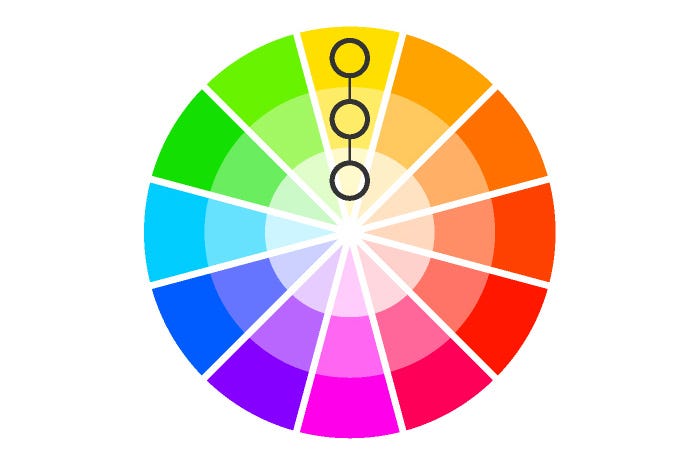
<ul><li><p><span style="background-color: transparent; font-family: &quot;Red Hat Display&quot;, sans-serif;"><strong><span>Uses only one hue with variations in tints, tones, and shades to create a subtle and cohesive palette.</span></strong></span></p></li></ul><p></p>
2
New cards

Analogous

  • Uses colors located next to each other on the color wheel (e.g., yellow, yellow-green, and green). These schemes are often harmonious and consistent in temperature.
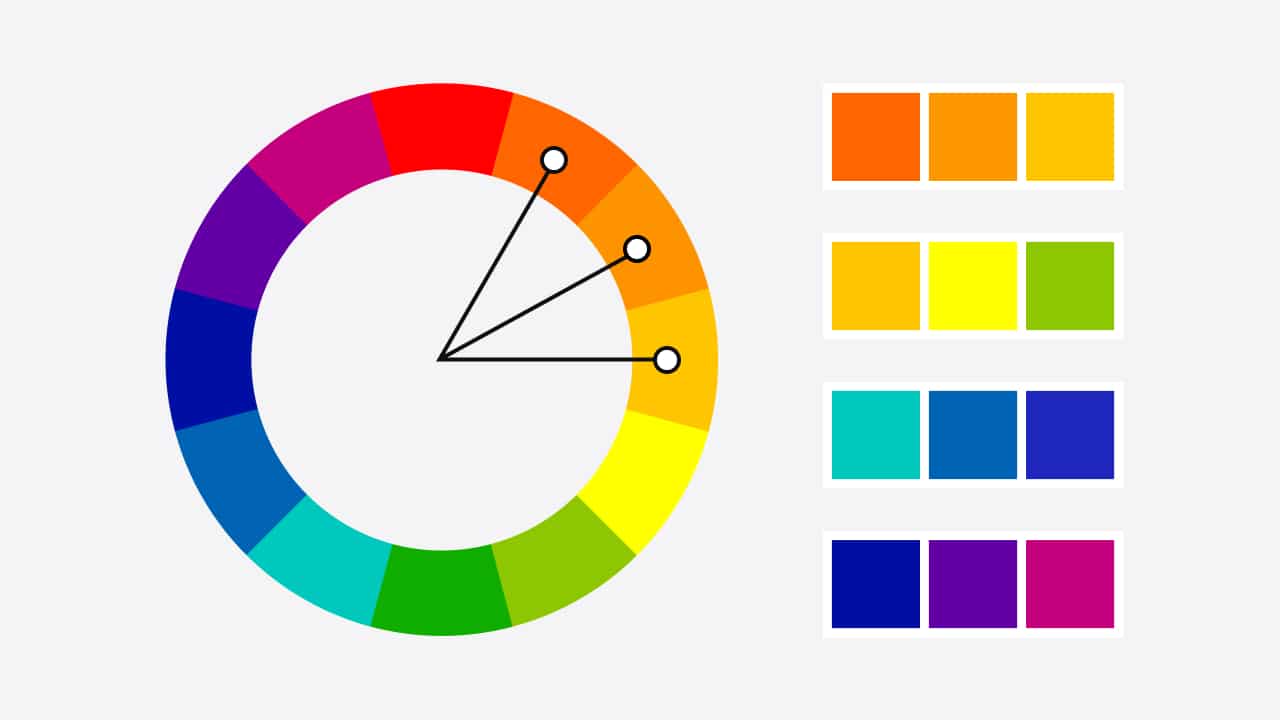
<ul><li><p><span style="background-color: transparent; font-family: &quot;Red Hat Display&quot;, sans-serif;"><strong><span>Uses colors located next to each other on the color wheel (e.g., yellow, yellow-green, and green). These schemes are often harmonious and consistent in temperature.</span></strong></span></p></li></ul><p></p>
3
New cards

Complementary

  • Uses colors directly opposite each other on the color wheel (e.g., red and green, blue and orange). This creates a high-contrast, vibrant look.
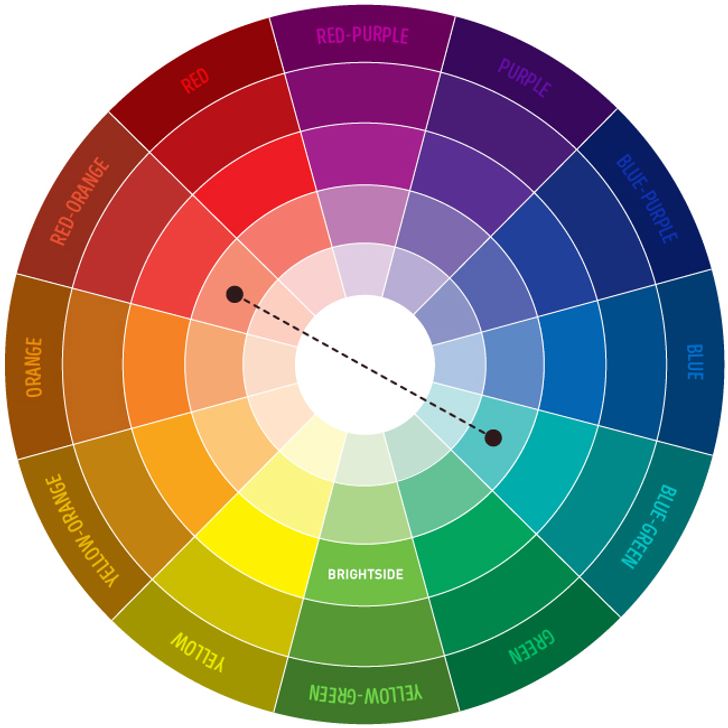
<ul><li><p><span style="background-color: transparent; font-family: &quot;Red Hat Display&quot;, sans-serif;"><strong><span>Uses colors directly opposite each other on the color wheel (e.g., red and green, blue and orange). This creates a high-contrast, vibrant look.</span></strong></span></p></li></ul><p></p>
4
New cards

Split-Complementary

  • Uses one base color and the two colors immediately adjacent to its direct complement (e.g., blue with red-orange and yellow-orange). This scheme offers strong contrast with less visual tension than a direct complementary scheme.
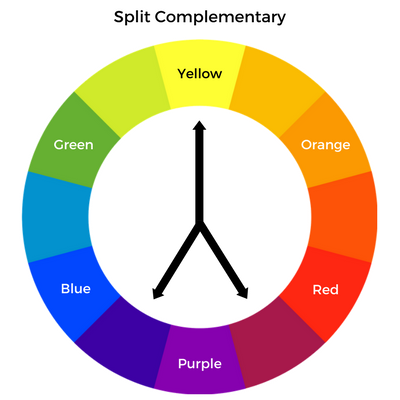
<ul><li><p><span style="background-color: transparent; font-family: &quot;Red Hat Display&quot;, sans-serif;"><strong><span>Uses one base color and the two colors immediately adjacent to its direct complement (e.g., blue with red-orange and yellow-orange). This scheme offers strong contrast with less visual tension than a direct complementary scheme.</span></strong></span></p></li></ul><p></p>
5
New cards

Triadic

  • Uses three colors that are evenly spaced around the color wheel, forming an equilateral triangle (e.g., the primary colors red, yellow, and blue). This offers a balanced, vibrant effect.
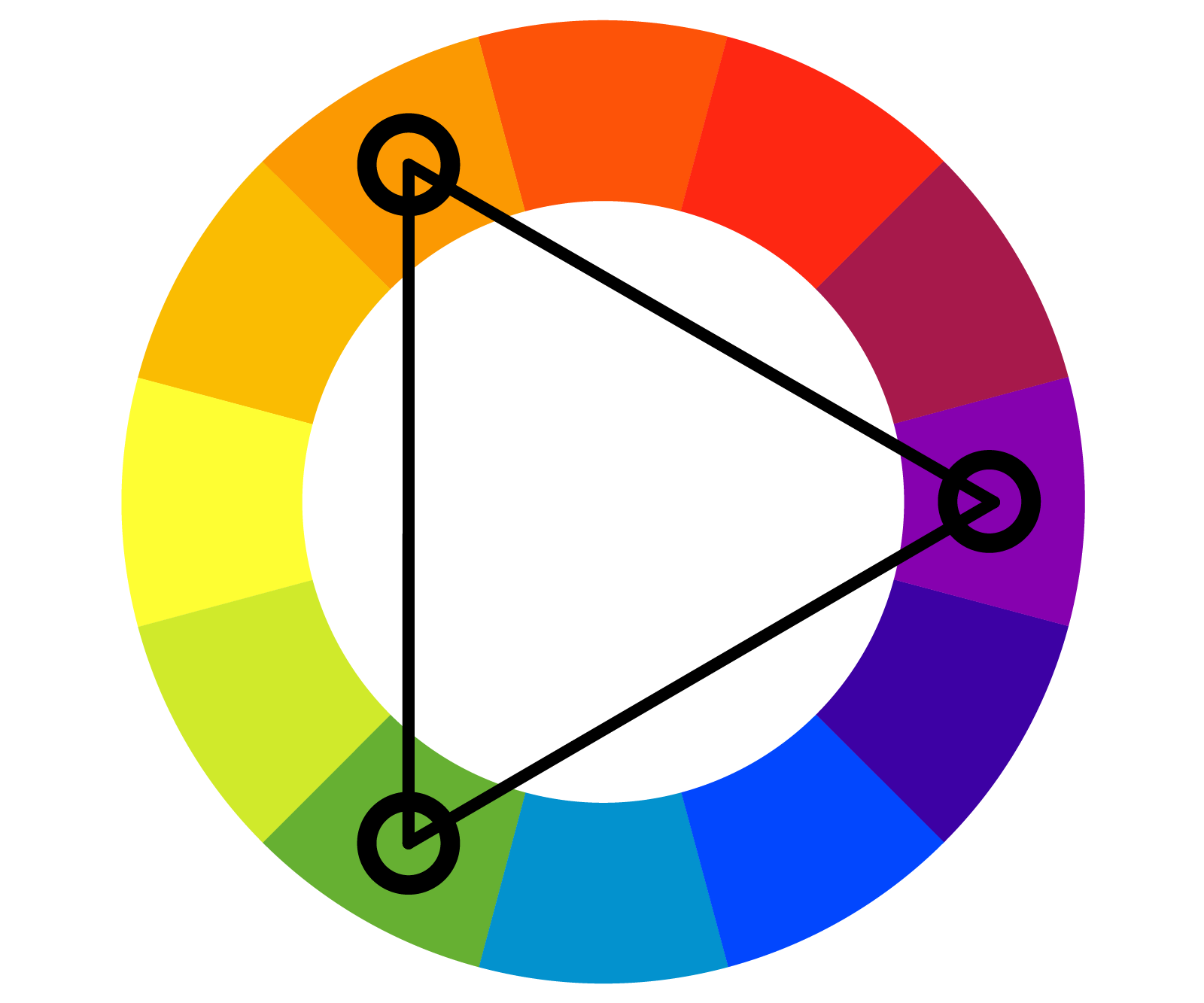
<ul><li><p><span style="background-color: transparent; font-family: &quot;Red Hat Display&quot;, sans-serif;"><strong><span>Uses three colors that are evenly spaced around the color wheel, forming an equilateral triangle (e.g., the primary colors red, yellow, and blue). This offers a balanced, vibrant effect.</span></strong></span></p></li></ul><p></p>
6
New cards
7
New cards

Tetradic

  • (Rectangular): Uses four colors arranged into two complementary pairs (e.g., red and green with blue and orange).
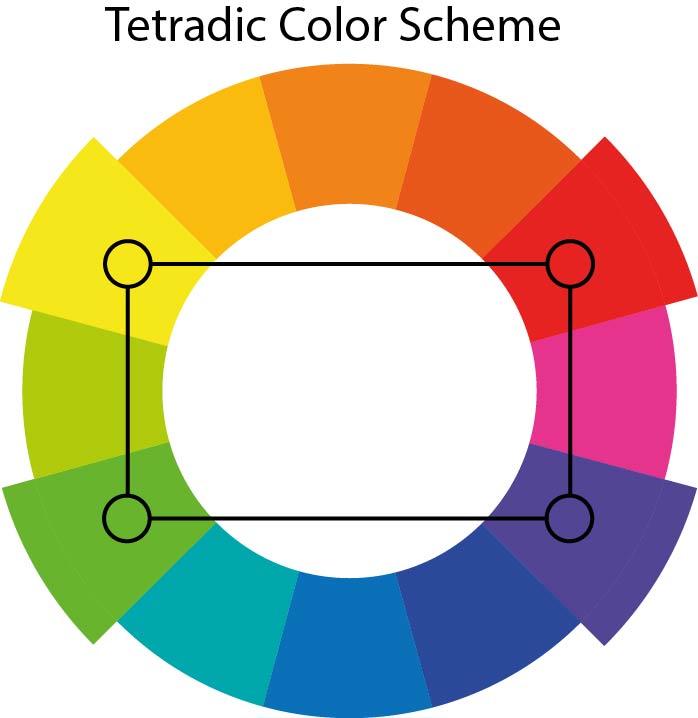
<ul><li><p><span style="background-color: transparent; font-family: &quot;Red Hat Display&quot;, sans-serif;"><strong><span>(Rectangular): Uses four colors arranged into two complementary pairs (e.g., red and green with blue and orange).</span></strong></span></p></li></ul><p></p>
8
New cards

Square

  • A variation of the tetradic scheme using four colors that are evenly spaced around the color wheel, forming a square.
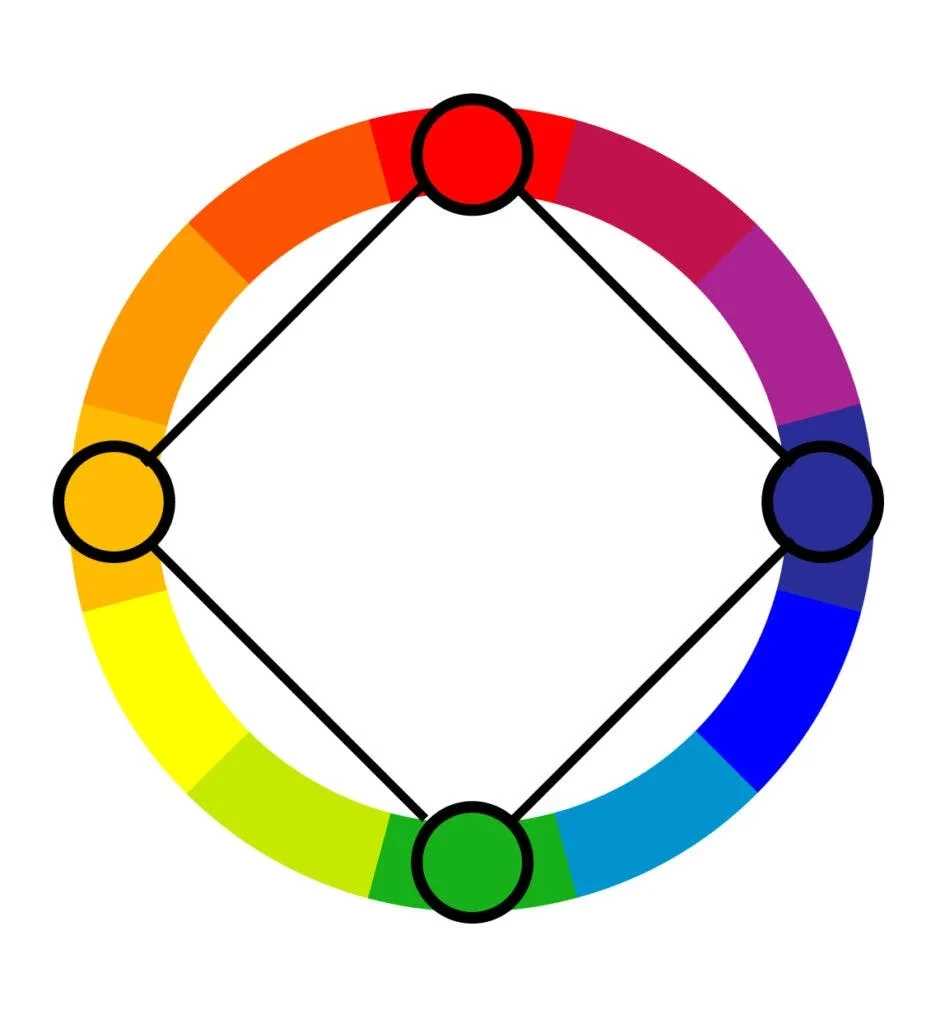
<ul><li><p><span style="background-color: transparent; font-family: &quot;Red Hat Display&quot;, sans-serif;"><strong><span>A variation of the tetradic scheme using four colors that are evenly spaced around the color wheel, forming a square.</span></strong></span></p></li></ul><p></p>
9
New cards

Neutral

  • Colors such as black, white, gray, and brown that are not part of the color wheel and generally combine well with other, more saturated colors.
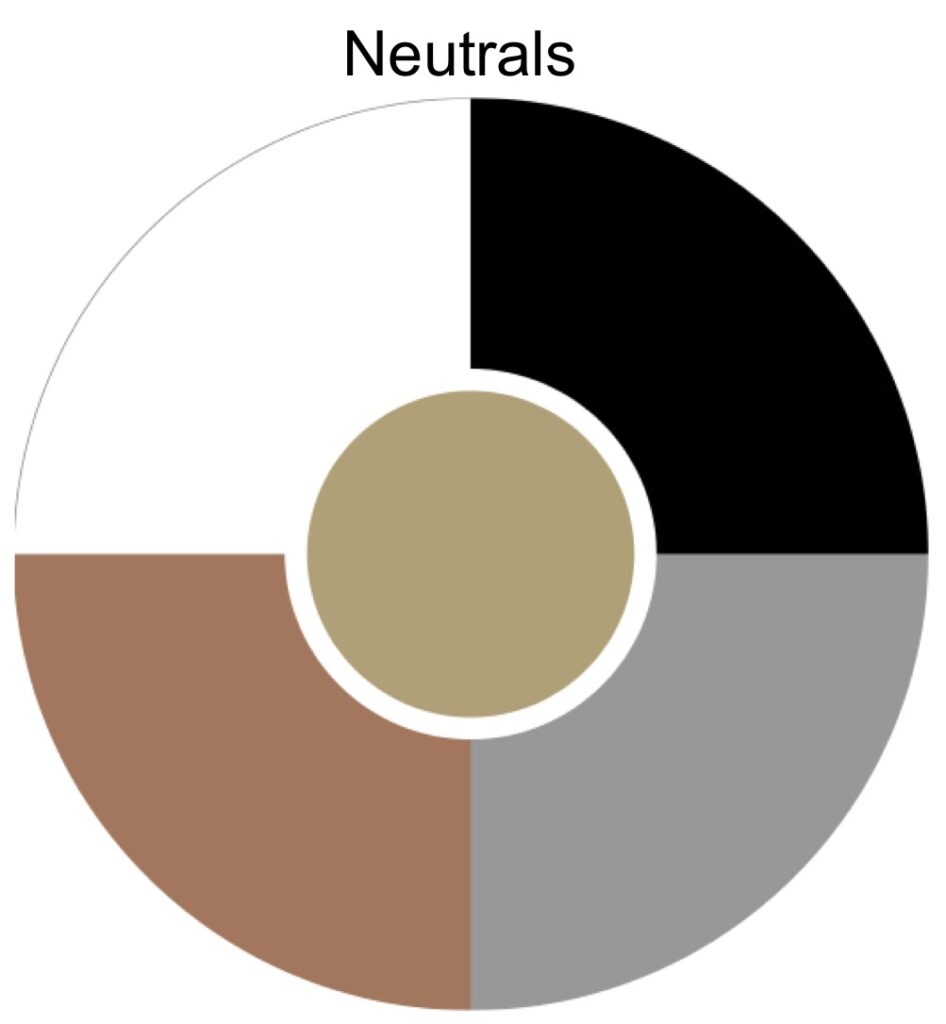
<ul><li><p><span style="background-color: transparent; font-family: &quot;Red Hat Display&quot;, sans-serif;"><strong><span>Colors such as black, white, gray, and brown that are not part of the color wheel and generally combine well with other, more saturated colors.</span></strong></span></p></li></ul><p></p>
10
New cards

Hue

The name of a pure color, such as red, blue, or yellow.
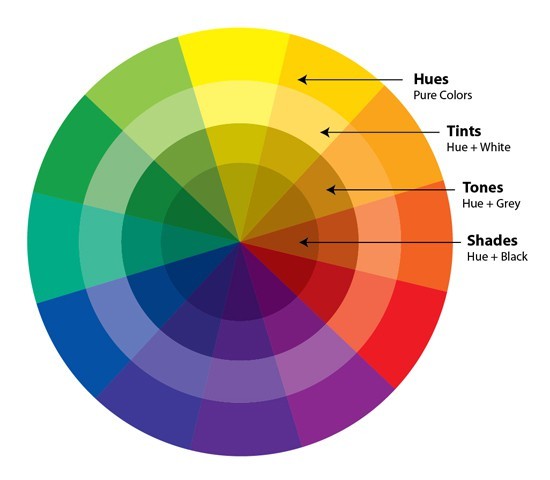
<p><span style="background-color: transparent; font-family: &quot;Red Hat Display&quot;, sans-serif;"><strong><span>The name of a pure color, such as red, blue, or yellow.</span></strong></span></p>
11
New cards

Value

  • The lightness or darkness of a color, ranging from black (lowest value) to white (highest value).
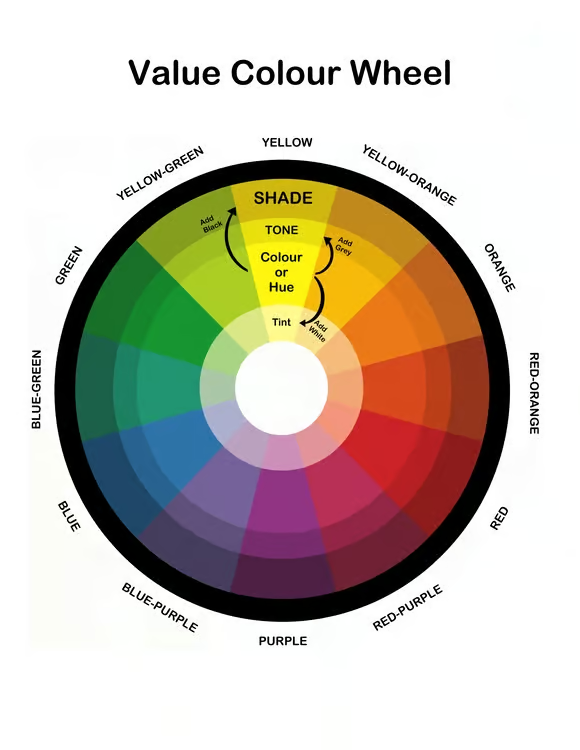
<ul><li><p><span style="background-color: transparent; font-family: &quot;Red Hat Display&quot;, sans-serif;"><strong><span>The lightness or darkness of a color, ranging from black (lowest value) to white (highest value).</span></strong></span></p></li></ul><p></p>
12
New cards

Saturation

  • (Chroma/Intensity): The purity, strength, or intensity of a color. A fully saturated color is vivid, while a less saturated one is duller or more muted (closer to gray).
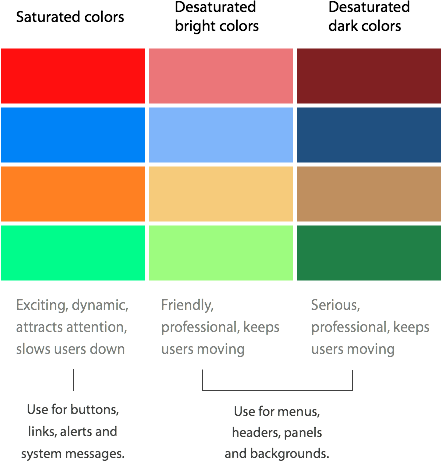
<ul><li><p><span style="background-color: transparent; font-family: &quot;Red Hat Display&quot;, sans-serif;"><strong><span>(Chroma/Intensity): The purity, strength, or intensity of a color. A fully saturated color is vivid, while a less saturated one is duller or more muted (closer to gray).</span></strong></span></p></li></ul><p></p>
13
New cards

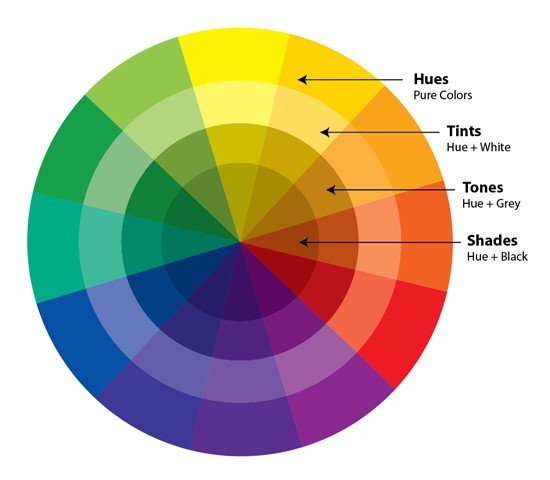
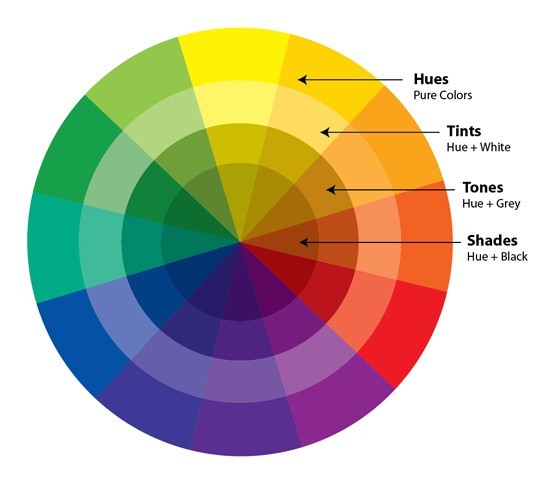
Tint

A hue mixed with white to lighten it (e.g., pink is a tint of red).
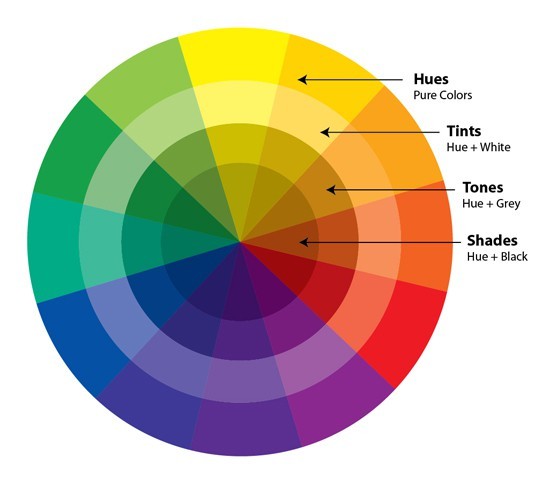
<p><span style="background-color: transparent; font-family: &quot;Red Hat Display&quot;, sans-serif;"><strong><span>A hue mixed with white to lighten it (e.g., pink is a tint of red).</span></strong></span></p>
14
New cards

Shade

A hue mixed with black to darken it (e.g., navy is a shade of blue).
<p><span style="background-color: transparent; font-family: &quot;Red Hat Display&quot;, sans-serif;"><strong><span>A hue mixed with black to darken it (e.g., navy is a shade of blue).</span></strong></span></p>
15
New cards

Tone

  • A hue mixed with gray (or both black and white), which desaturates and subdues the color.
<ul><li><p><span style="background-color: transparent; font-family: &quot;Red Hat Display&quot;, sans-serif;"><strong><span>A hue mixed with gray (or both black and white), which desaturates and subdues the color.</span></strong></span></p></li></ul><p></p>
16
New cards

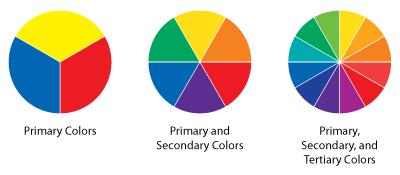
Primary Colors

  • Red, yellow, and blue (in the traditional pigment system; red, green, and blue for light/digital displays), which cannot be created by mixing other colors.
<ul><li><p><span style="background-color: transparent; font-family: &quot;Red Hat Display&quot;, sans-serif;"><strong><span>Red, yellow, and blue (in the traditional pigment system; red, green, and blue for light/digital displays), which cannot be created by mixing other colors.</span></strong></span></p></li></ul><p></p>
17
New cards

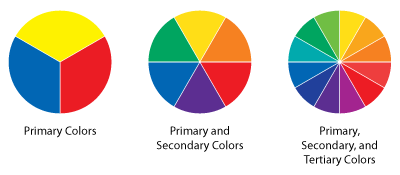
Secondary Colors

  •  Orange, green, and purple/violet, created by mixing two primary colors.
<ul><li><p><span style="background-color: transparent; font-family: &quot;Red Hat Display&quot;, sans-serif;"><strong><span>&nbsp;Orange, green, and purple/violet, created by mixing two primary colors.</span></strong></span></p></li></ul><p></p>
18
New cards

Tertiary Colors

  • Colors created by mixing a primary color with an adjacent secondary color (e.g., red-orange, blue-green).
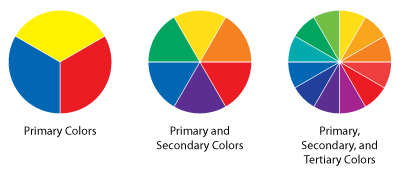
<ul><li><p><span style="background-color: transparent; font-family: &quot;Red Hat Display&quot;, sans-serif;"><strong><span>Colors created by mixing a primary color with an adjacent secondary color (e.g., red-orange, blue-green).</span></strong></span></p></li></ul><p></p>
19
New cards

Color Wheel

  • A circular diagram that illustrates the relationships between primary, secondary, and tertiary colors.
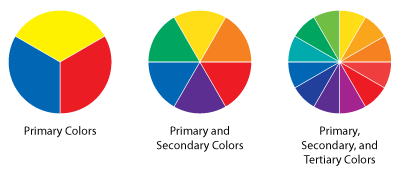
<ul><li><p><span style="background-color: transparent; font-family: &quot;Red Hat Display&quot;, sans-serif;"><strong><span>A circular diagram that illustrates the relationships between primary, secondary, and tertiary colors.</span></strong></span></p></li></ul><p></p>
20
New cards

Warm Colors

  • Hues from red through yellow, associated with fire and sun, which tend to feel energetic or appear to advance in a composition.
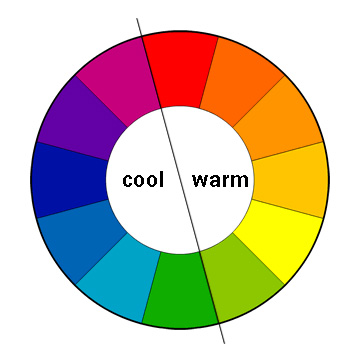
<ul><li><p><span style="background-color: transparent; font-family: &quot;Red Hat Display&quot;, sans-serif;"><strong><span>Hues from red through yellow, associated with fire and sun, which tend to feel energetic or appear to advance in a composition.</span></strong></span></p></li></ul><p></p>
21
New cards

Cool Colors

Hues from green through blue and violet, associated with water and sky, which tend to feel calm or appear to recede.
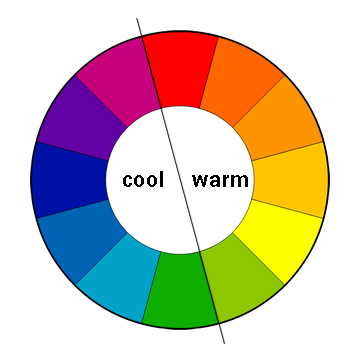
<p><span style="background-color: transparent; font-family: &quot;Red Hat Display&quot;, sans-serif;"><strong><span>Hues from green through blue and violet, associated with water and sky, which tend to feel calm or appear to recede.</span></strong></span></p>
22
New cards

Achromatic

  • Without color; referring to neutrals such as black, white, and gray.
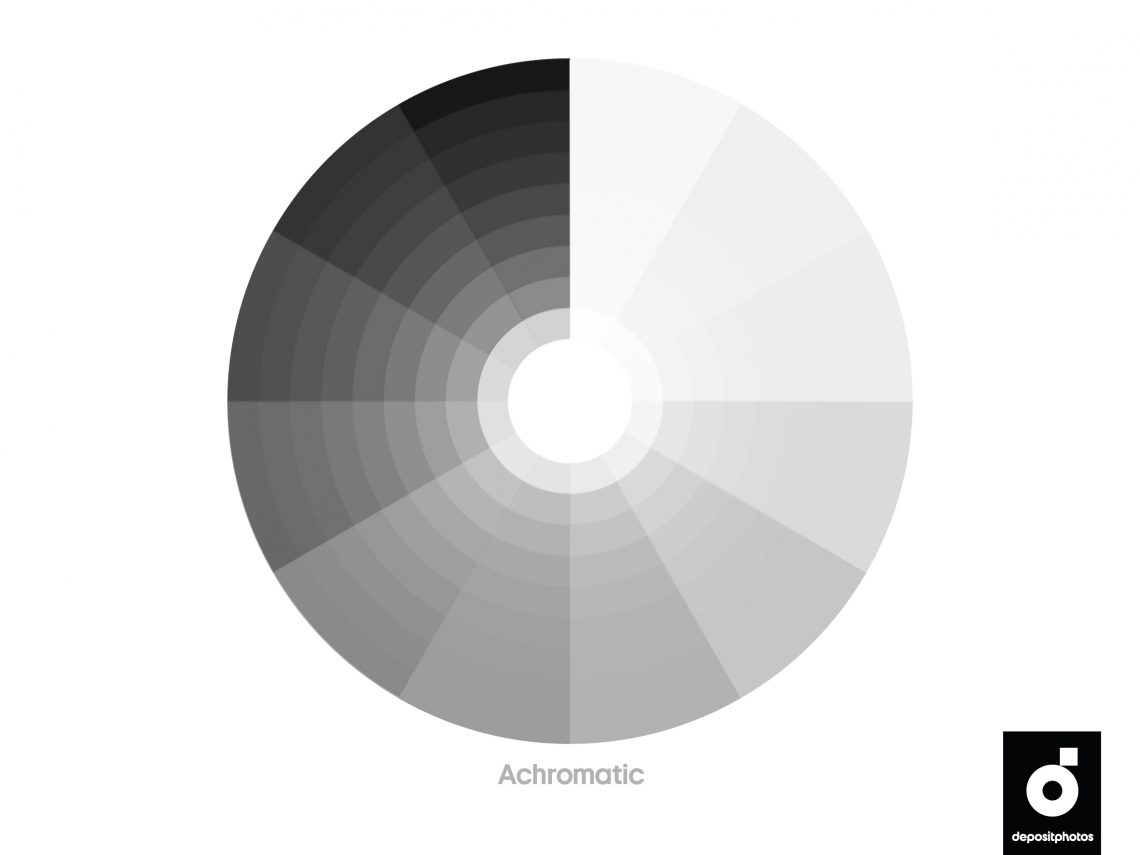
<ul><li><p><span style="background-color: transparent; font-family: &quot;Red Hat Display&quot;, sans-serif;"><strong><span>Without color; referring to neutrals such as black, white, and gray.</span></strong></span></p></li></ul><p></p>
23
New cards

Design Principles

24
New cards

Balance

Balance is a cornerstone of graphic design. It refers to the distribution of visual “weight” in a design

25
New cards

Contrast

Contrast is about making elements stand out by highlighting the differences between them. It’s a powerful tool in design because it creates visual interest and draws the viewer’s attention.

26
New cards

Emphasis

Also known as focal point, emphasis is about giving certain elements in a design more prominence.

27
New cards

Unity

Unity refers to the cohesion and consistency of a design.

28
New cards

Proximity

Proximity is about the arrangement of elements in a design. Objects that are close to each other are perceived as related, while those that are further apart are perceived as separate

29
New cards

Repetition

Repetition involves using the same or similar design elements throughout a piece to create a sense of consistency and cohesiveness.

30
New cards

Alignment

Alignment ensures that all elements in a design are visually connected and positioned purposefully.

31
New cards

Hierarchy

Hierarchy is the organization of content to convey the relative importance of different elements.

32
New cards

Simplicity

The principle of simplicity encourages designers to eliminate unnecessary elements and distractions.

33
New cards

Negative Space

Negative space, (sometimes known as white space), is the empty or unused space in a design.