chapter 28- invertebrates
 Studied by 0 people
 Call Kai
 Learn
Learn Practice Test
 Spaced Repetition
 Match
Match Flashcards
 Knowt Play
1/44

There's no tags or description
Looks like no tags are added yet.
Name | Mastery | Learn | Test | Matching | Spaced |
|---|
No study sessions yet.
45 Terms
invertebrates
no backbones, more than 97 percent of species on world, diverse, more than 35 phyla
porifera
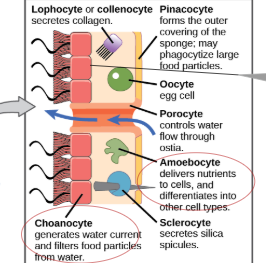
basal, sponges, aquatic, sessile adults, no nervous or digestive or respiratory/circulatory/reproductive system, filter feeders, no true tissue/cephalization
choanocyte
water current and filters food from water (collar cells)
amoebocyte
nutrients to cells and differentiates to other cells
mesohyl
structure support
structure of porifera sponges
supported by spicules and protein fibers (spongin) made me ameobocytes in mesohyl
porifera reproduction
asexually (fragmentation or budding), sexually (hermaphroditic diffe M and F), no gonads (gametes in mesohyl), larvae disperse
Eumetazoans (Cnidaria)
Cnidaria (Basal), radial symmetry, diploblastic, aquatic, 2 body forms sessile polp or free swimming medusa, no cephalization
Cnidaria characteristics
sac body with gastrovascular cavity, 1 opening to digestive sac, mesoglea (non cell layers as skeleton, flexible), simple nervous system (non centralized nerve net)
eating habits (Cnidaria- Eumetazoans)
aquatic (sit and wait carnivores), stinging tentacles around moth, catch prey with cnidocytes
namatocyst
organelle in cnidocyte for stinging
Eumetazoans (Ctenophora)
comb jellies, radial and diploblastic, transparent medusa body, moves with cillia, 8 comb plates, carnivores, 2 tentacles
gastrovascular cavity
digestive sac with one opening
lophotrochozoa
some develop lophophore for feeding or pass through trochophore larval stage or neither
plathyhelminthes
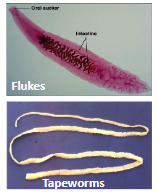
lophototrochozoa, marine, flatworms, flukes, tapeworms, gas exhange and waste through diffusion across body surface , acoelomates, cephalization, gastrovascular cavity, no respiratory or circulatory systems,
syndermata
lophototrochozoa, rotifers, free living, aquatic, microscopic, cylindrical body, crown of cillioa, jaws grind up organisms, psuedocoelom, alimentary canal, parthogenisis

annelida
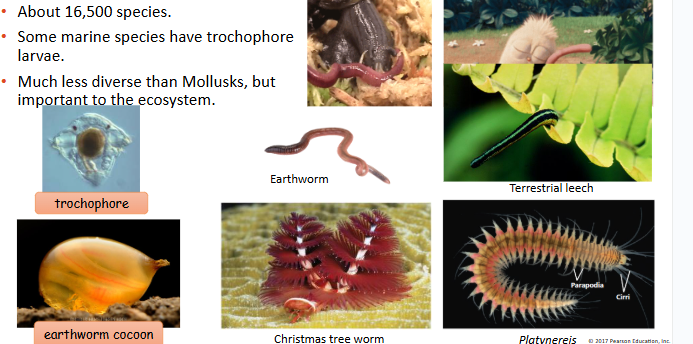
lophototrochozoa, segmented worms, metamerism (external and internal features are repeated), soft body (true coleom acts as hydrostatic skeleton, well developed organ system, closed circulatory system, gas exchange through moist body surface
mollusca
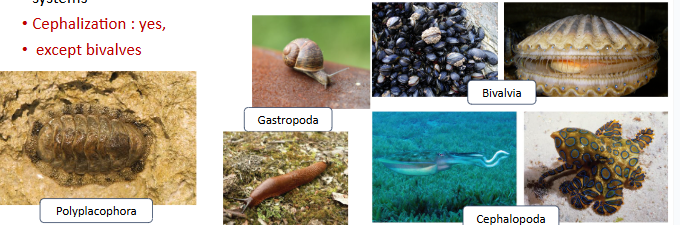
lophototrochozoa, marine, soft bodied with shell, true coeloms, cephalization except bivalves, seperate sexes, trochophore larvae (disperses snail to new locations)
ectoprocta
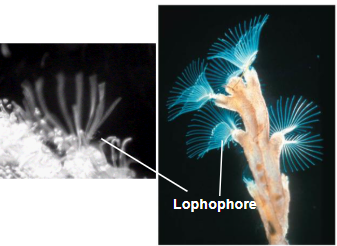
lophototrochozoa, ex- bryzoan, crown of cilliated tentacles (lophophore) for feeding around mouth
brachiopoda
lophototrochozoa, pedicle, ex- lampshell, crown of cilliated tentacles (lophophore) for feeding around mouth

planaria
free living flatworm (plathyhelminthes)
alimentary canal
digestive tube with 2 openings
parthenogenisis
asexual reproduction, females make more females from unfertilized eggs
major clades of mollusca
polyplacophora (chitons), gastropoda (snails and slugs), bivalvia (clams, oysters), cephlopoda (squids, octopus)
mollusca body plan
muscular foot (locomotion), visceral mass (internal organs), mantle (secretes minerals that makes shell), gas exchange (gills, simple lungs), open circulatory system
earthworms
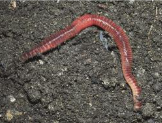
sedentarians (annelidea), few bristles no parapodia, deposit feeders, aerate soils
leeches
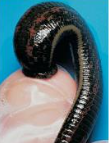
sedentarians (annelids), no bristles no parapodia, fresh water mostly, anti-coagulant (hirudin)
ecdysozoans
ex- crayfish, lobsters, crabs, barnacles, spiders, ticks, and insects, covered by tough coat called cuticle, cuticle is shed or molted (ecdydisis)
2 large phyla in ecdysozoans
nematodes and arthropods
nematoda
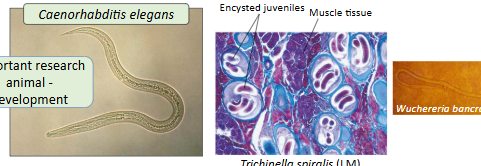
roundworms, no segmentation, pseudeocoelom, cuticle, C elegans, plant and animal parasites
tardigrada
water bear, segmented with cutilcle, 2 stubby legs, lives in water, moss, soil, extreme conditions
arthropoda
most diverse, segmented body (2-3 parts), hard exoskeleton and jointed appendages, open circulatory system, and all systems
4 groups in arthropoda
chelicerata, myriapoda, crustacean, hexapoda
hemolymph
fluid pumped in vessels and bathes tissues
chelicerates
most modern (arachnids, spiders, scorpions, ticks, mites), 4 pairs of walking legs, feed appendages (pedipalps and chelicerae), no atennae
chelicerates body plan
cephalothorax and abdomen
myriapods
many identical segments, chewing mandibles, 1 pair of attenae, all terrestrial, milipedes (2 pairs) centipedes (1 pair) poison claw
crustaceans
lobsters, shrimp, crayfish, krill, barnacles, marine, 2 pairs of attenae, chewing mandibles, many legs
hexapods
insects, first animals to fly, wings from cuticle extensions
insects bodyplan
head, thorax, abdomen, 3 pairs of legs, 1 pair of atennae, compound eyes, mandibles, complex organ systems
malphigan tubules
excretion of metabolic waste
tracheal system
gas exchange
dueterostomes- enchinodermata
pentaradial symmetry, larvae bilateral symmetry, oral (bottom) and aboral (top) sides (central mouth), no head/brain
characteristics of echinodermata
marine, free living, endoskeleton, large coelom, water vascular system, tube feet
chordata
(lacelets, tunicates, vertebrates), notochord, dorsal hollow nerve cord, pharyngeal slits, post anal tail, endostyle or thyroid gland
 Note
Note  Flashcards (30)