Igneous Rocks
 Call with Kai
 Learn
Learn Practice Test
 Spaced Repetition
 Match
Match Flashcards
 Knowt Play
1/15

There's no tags or description
Looks like no tags are added yet.
Name | Mastery | Learn | Test | Matching | Spaced | Call with Kai |
|---|
No study sessions yet.
16 Terms
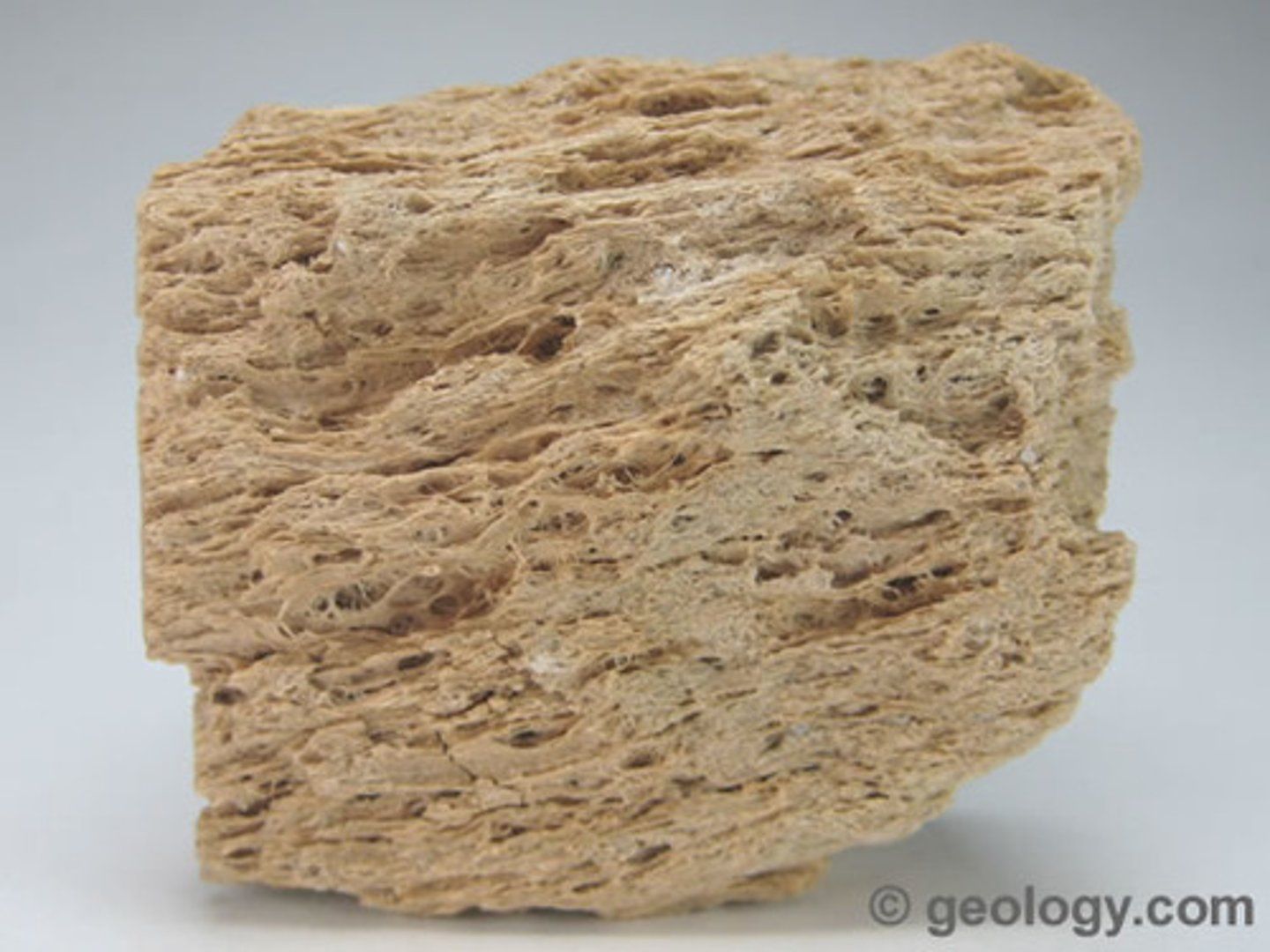
pumice
A type of igneous rock that contains air bubbles
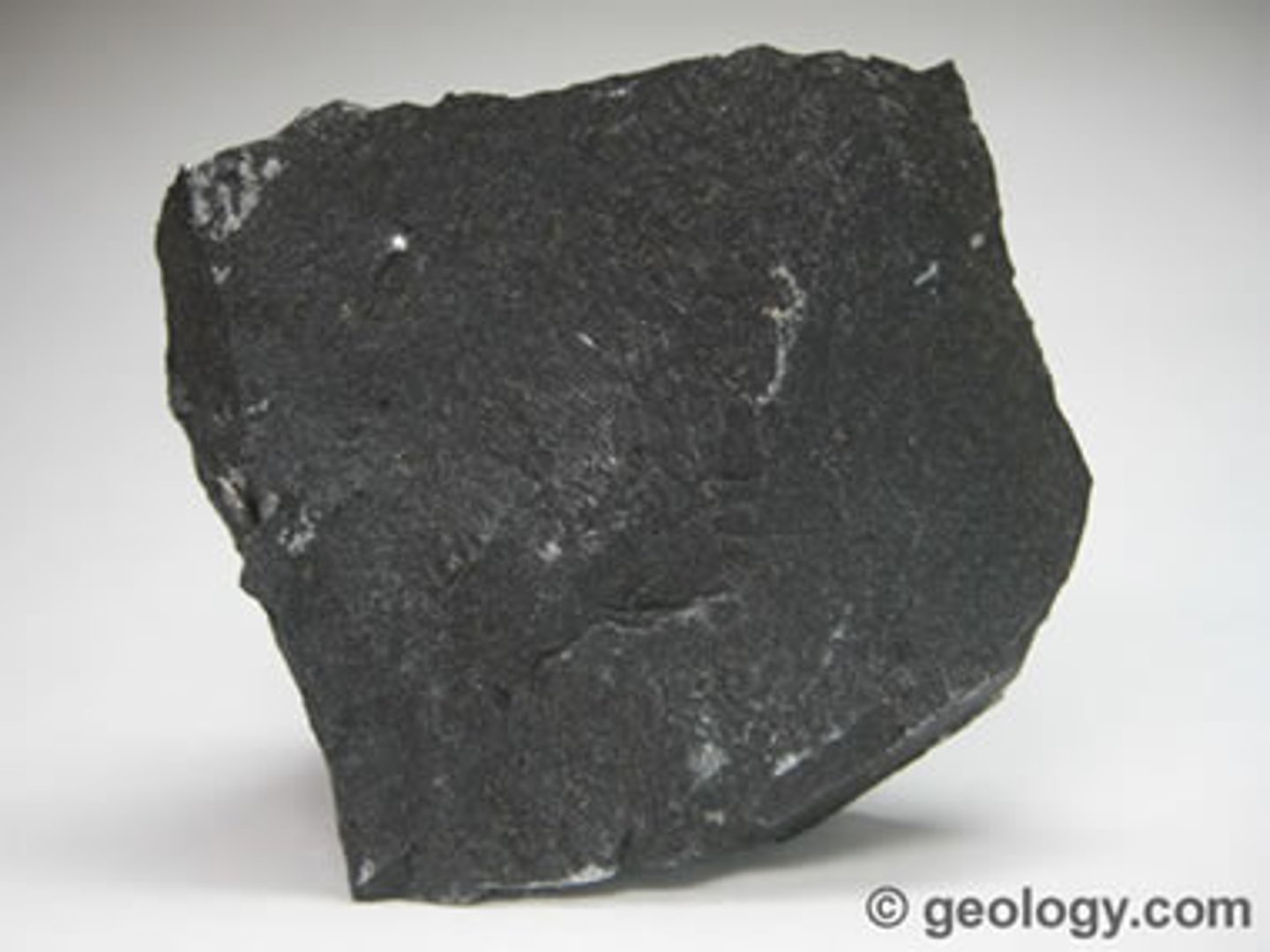
basalt
A dark, dense, igneous rock with a fine texture, found in oceanic crust
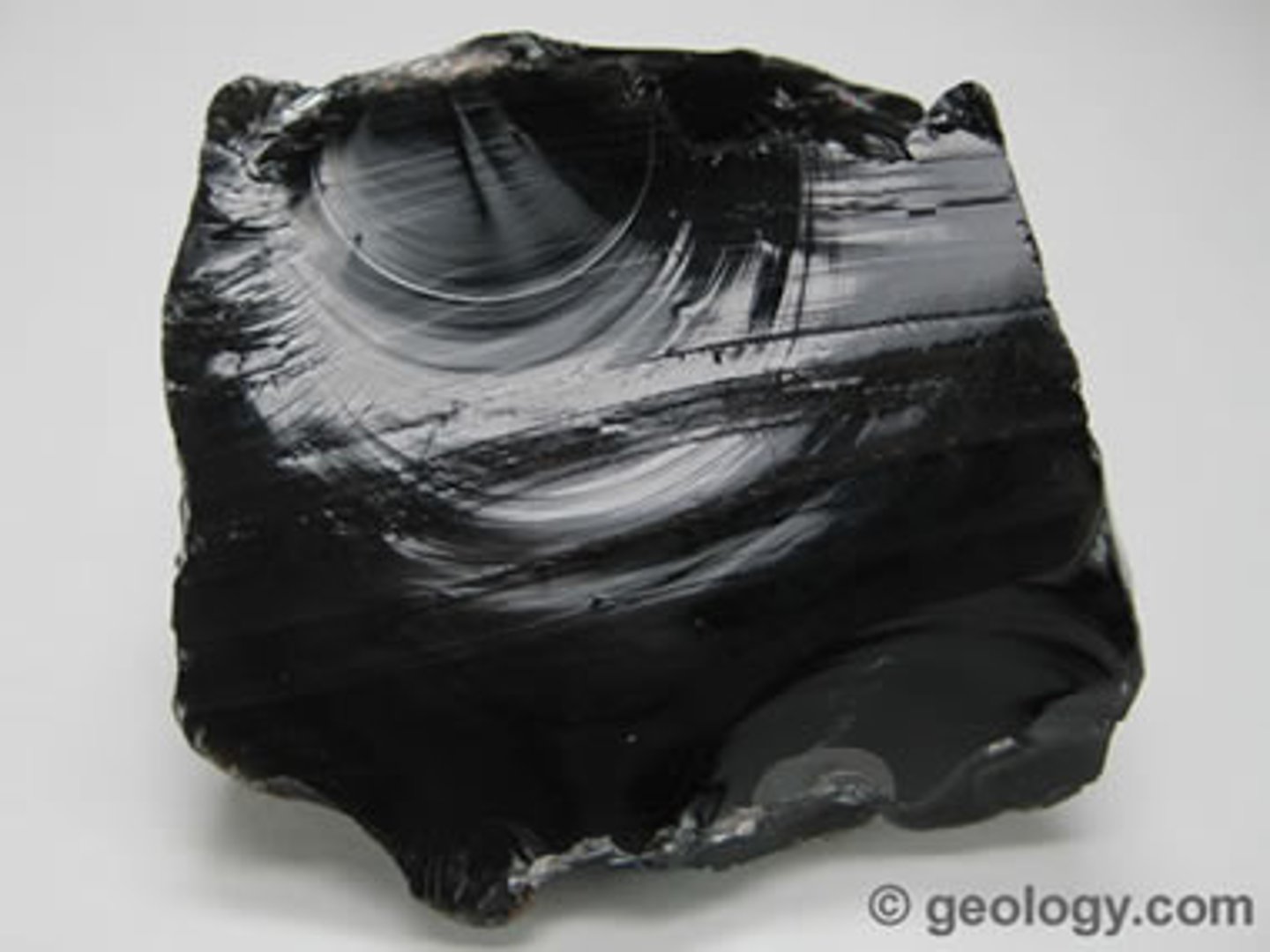
obsidian
A usually black or banded, hard volcanic glass that displays shiny, curved surfaces when fractured and is formed by rapid cooling of lava
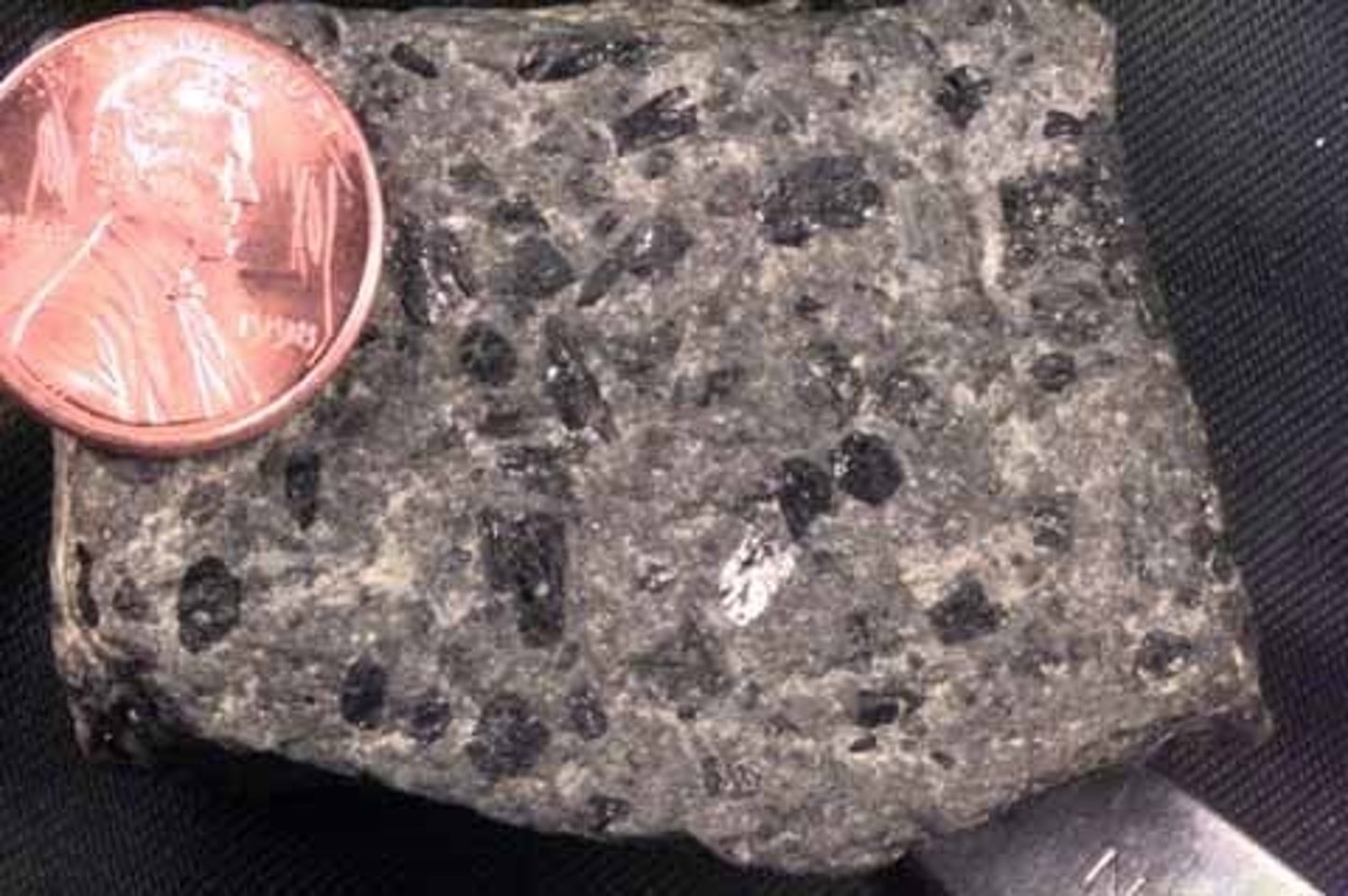
andesite
An intermediate colored rock, generally gray greenish-gray, also classed as an aphanite because of the small crystal or grain size.
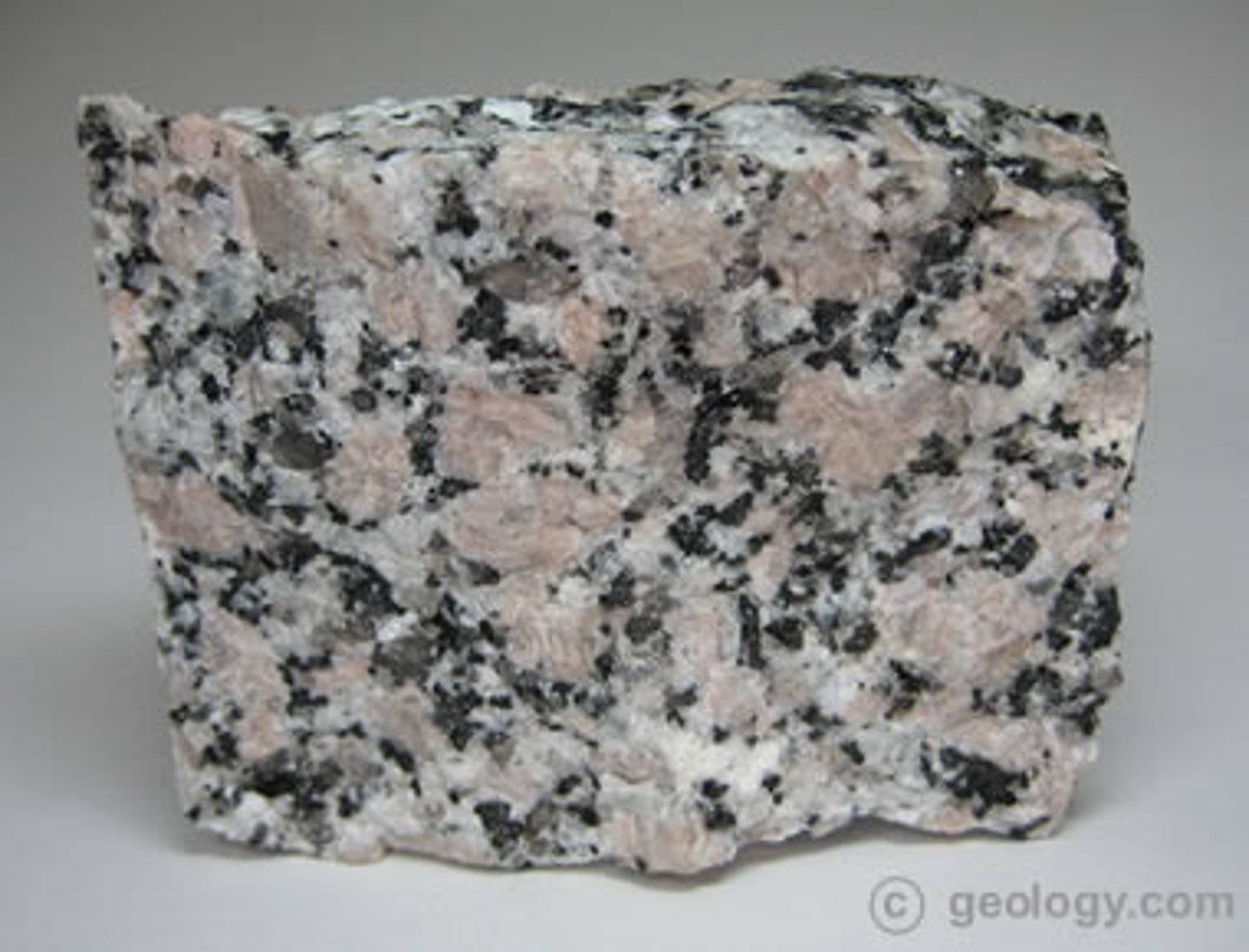
granite
A usually light colored igneous rock that is found in continental crust
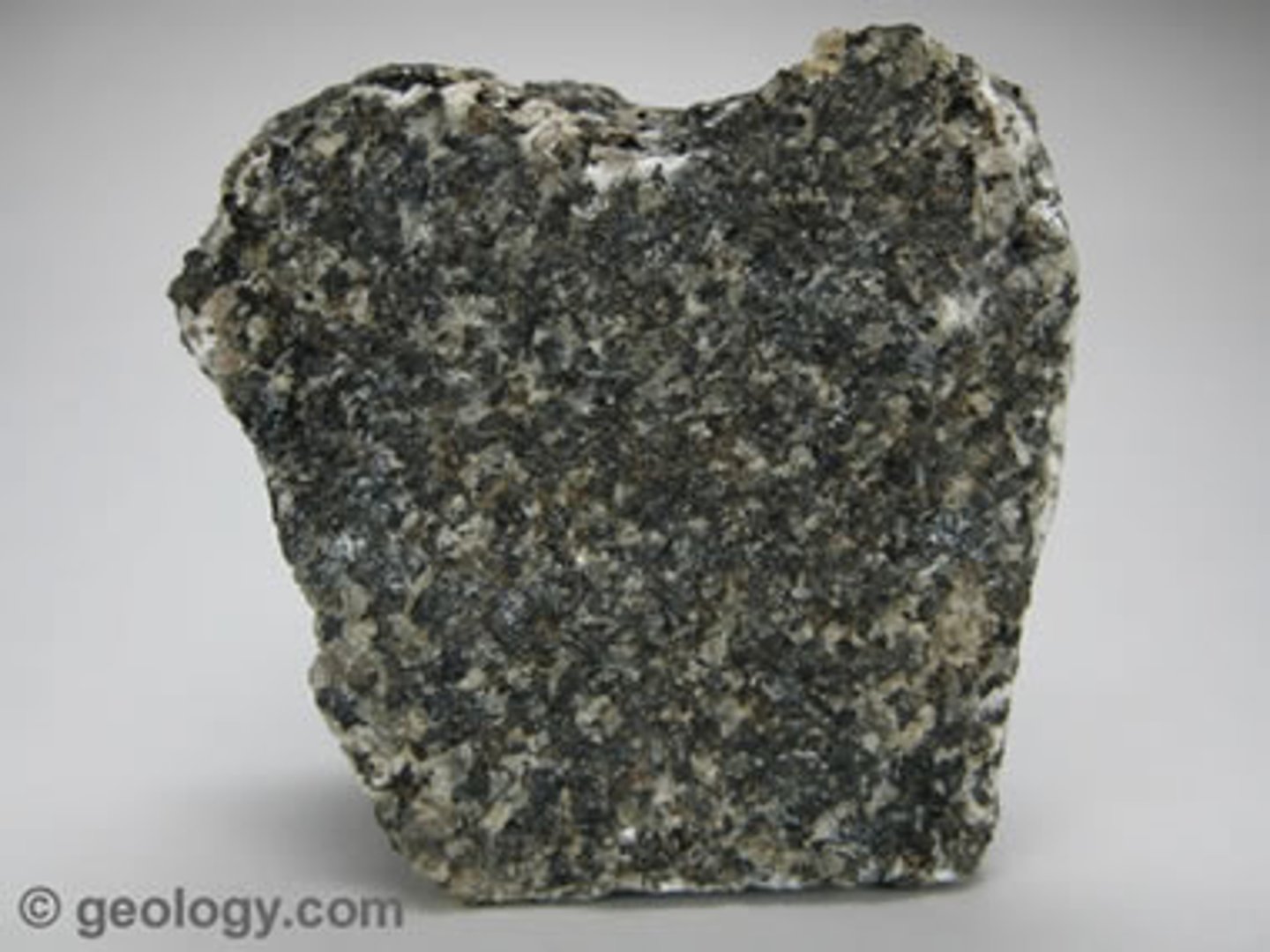
gabbro
A mafic, coarse-grained igneous rock
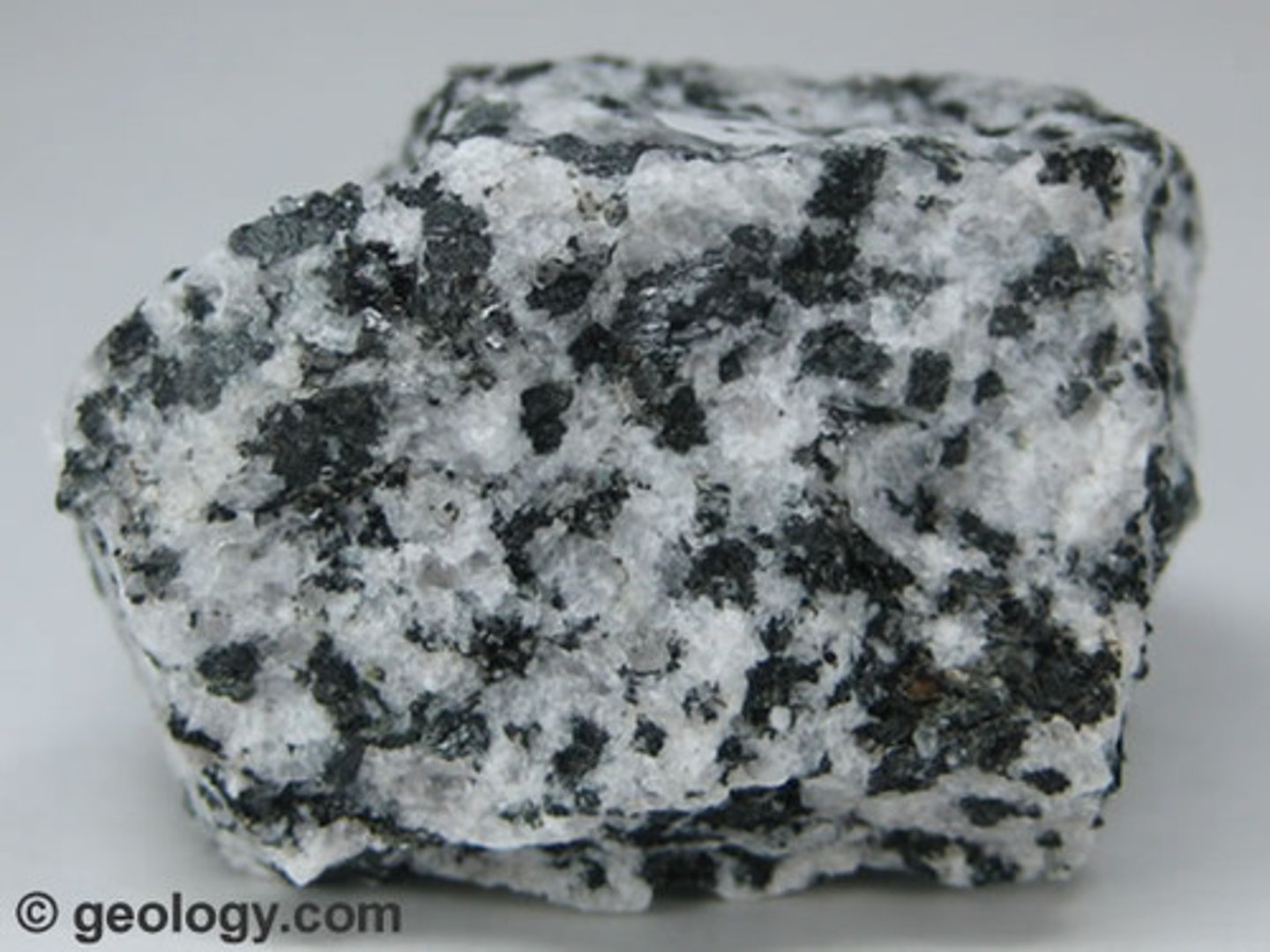
diorite
Coarse-grained igneous rock of intermediate composition. Up to half of the rock is plagioclase feldspar and the rest are dark minerals.
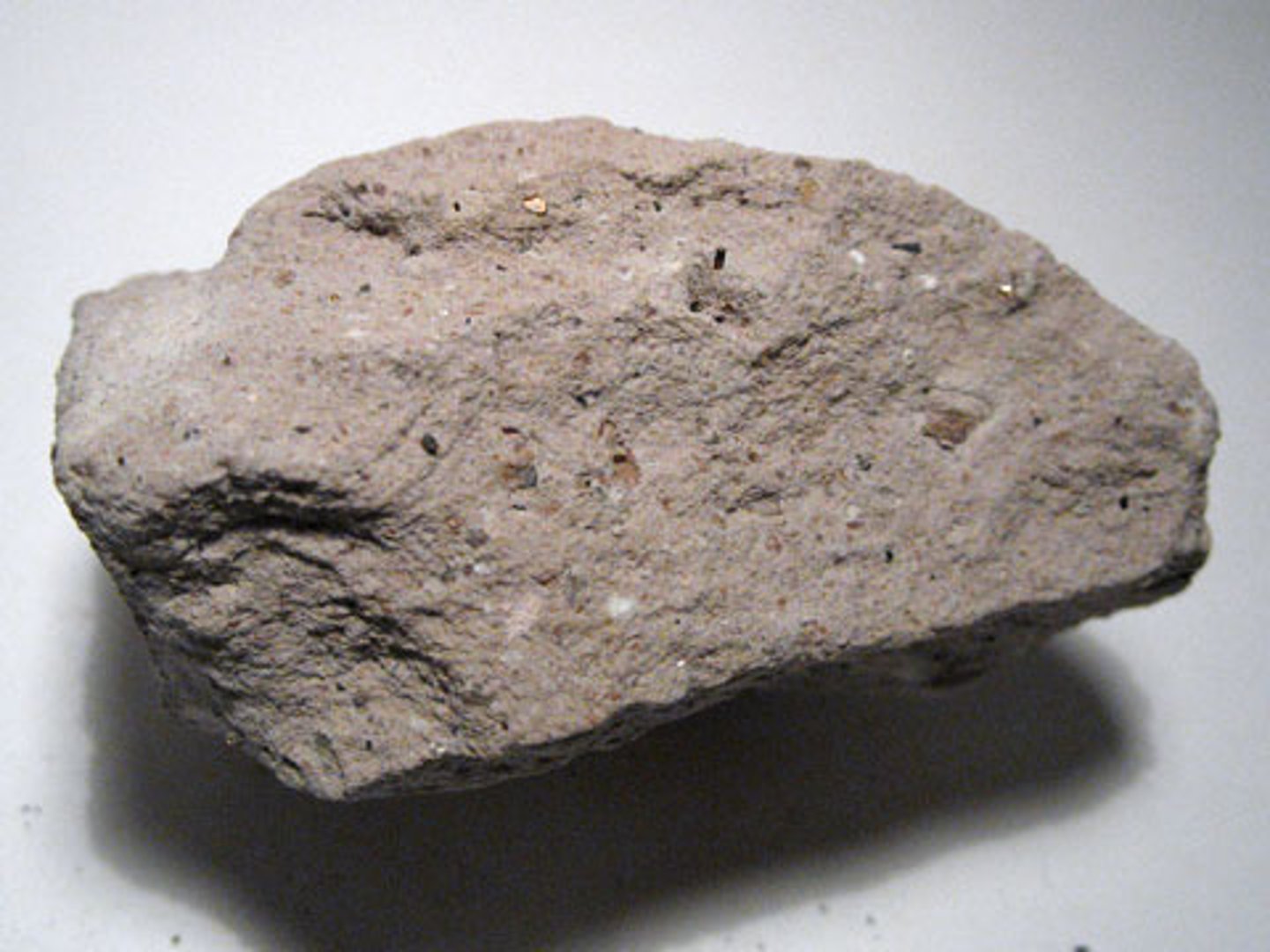
rhyolite
A light-brown to gray, fine-grained extrusive igneous rock with a felsic composition. The extrusive equivalent of granite.
felsic
refers to igneous rocks that are rich in light-colored minerals such as quartz and feldspar, typically with a high silica content.
mafic
refers to igneous rocks that are rich in dark-colored minerals such as pyroxene and olivine, typically with lower silica content.
intermediate
refers to igneous rocks that have a composition between felsic and mafic, containing minerals such as amphibole and plagioclase. They typically have moderate silica content.
ultramafic
refers to igneous rocks that are very dark in colorand have a low silica content, predominantly composed of olivine and pyroxene.
aphanitic
describes igneous rocks that have a fine-grained texture, where individual mineral crystals are typically not distinguishable to the naked eye.
porphyritic
describes an igneous rock texture characterized by larger crystals embedded within a finer-grained matrix, indicating a complex cooling history.
phaneritic
describes igneous rocks that have a coarse-grained texture, where individual mineral crystals are large enough to be seen without a microscope, indicating slow cooling below the Earth's surface.
vessicular
describes igneous rocks that contain gas bubbles or vesicles formed during magma solidification, often resulting in a light, airy texture.
 Note
Note  Flashcards (42)