375 Quiz Resistance Training Prescription
 Studied by 0 people
 Call Kai
 Learn
Learn Practice Test
 Spaced Repetition
 Match
Match Flashcards
 Knowt Play
1/27

There's no tags or description
Looks like no tags are added yet.
Name | Mastery | Learn | Test | Matching | Spaced | Call with Kai |
|---|
No analytics yet
Send a link to your students to track their progress
28 Terms
PROS
progression
regularity
overload
specificity
What are the 4 fundamental principles that determine the effectiveness of all resistance training programs
the demands placed on the body must continually and progressively be increased over time
At some point the threshold will will get higher meaning your body will have progressed close to your max
two plus two rule
when a person can perform two additional repetitions over two consecutive workouts weight should be added to the exercise during the next session
increase the weight 5-10 percent and decrease reps by 2-4
PROS
Progression
what is progression
what is a threshold and what does it mean for the threshold to become higher
what is the rule of progression
two to three nonconsecutive sessions per week
this would be a break of 48-72 hours between session
you need time to properly recover
PROS
frequency
how many days should one do resistance training per week how should they be spaced - why
changing intensity, duration, or frequency
for one to enhance muscular fitness the body must exercise at levels beyond what is normally stressed
PROS
overload
how can overload be manipulated
it is an evaluation of the clients needs / goals
movement analysis
body/limb movement patterns
physiological analysis
strength, power, muscular endurance priorities
injury analysis
common sites for joint and muscle injury
Specificity;
What is the purpose of a needs analysis
what 3 things are in the needs analysis
Dynamic constant external resistance [DCER]
variable resistance training
isokinetics
plyometrics
List the types of resistance training [4]

DCER
strength of muscle at weakest point
variable resistance mashies can help provide a movement path that will make the exercise easier to perform
types of resistance training;
In what exercise does the weight being not change during the lifting [concentric] and lowering [eccentric] movement
the heaviest weight that can be lifted through a ROM is limited by what
what way can that issue be helped with
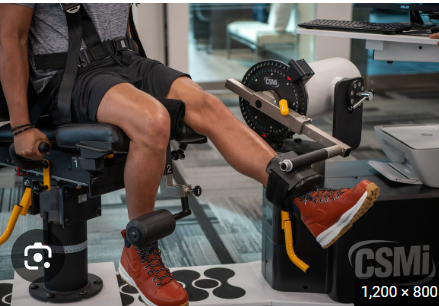
isokinetic
it will help develop increased strength and power at different movement speeds
types of resistance training;
what type of exercise is a dynamic movement performed at constant angular limb velocity
where speed of the movement is being controlled rather than resistance
what will this type of exercise be best at developing in the individual
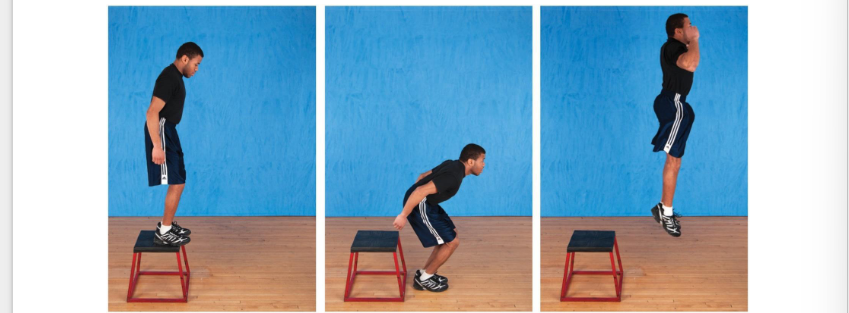
quick, powerful movements that rapidly strength a muscle followed by a rapid shortening of the same muscle
one or two sets of 6-8 reps
more than 40 reps per session
types of resistance training;
plyometric training
what is it
how many sets and reps when individuals are just beginning plyometric training
how many reps to optimize training adaptations per session
multi
what is more beneficial multi joint or single joint
combination
what is the best way for resistance training a combo of multi joint and single or them separately
body weight
resistance training;
what is one of the oldest modes of training
that they can correctly perform the exercises themselves
What is important for HFS’s to know when teaching a movement to another individual
equal stress being put on opposing muscle groups
ex. biceps curl and triceps extension
what is muscle balance
closed
distal joint is stationary
dead lift
open
distal joint is freely movable
leg extension
what is the difference between a closed kinetic chain and open kinetic chain
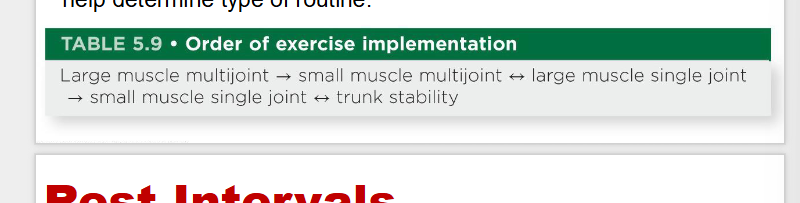
large muscles
small muscles
multijoint
single joint
what of the two should be exercised first
small muscles
large muscles
multijoint
single joint
longer
no
90s to 3min
when using heavier weights should longer or shorter rest intervals be used
should the same rest interval be used for every exercise
typically, what range of time is good for rest
using different training velocities and the integration of numerous training techniques
in terms of velocity what will provide the most effective training stimulus
how should velocities be used in combo with training
40-50
60-70
80 or more
intensity
sedentary persons should start resistance training with what percent of 1 RM
how much for intermediate exercisers
how much for experienced
8-12
15-20
reps
how many reps to improve strength and power
how many reps to improve muscular endurance
2-4
sets
how many sets should be done to improve strength and power
a gradual progression of resistance, reps, and frequency
progression
periodization
……. is the systematic variation in training program design prioritizing training goals over a long term plan
macrocyle
what type of cycle
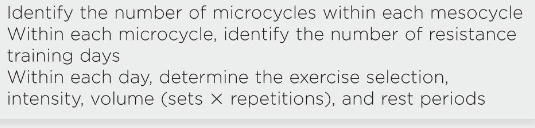
identify sport phases - off season, preseason, in season, post season
outline the mesocycle within each phase
mesocycle
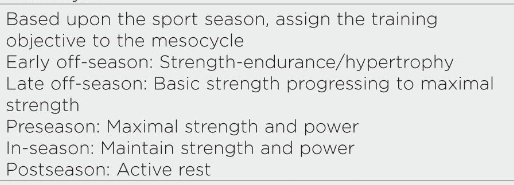
microcyle
specificity
What is knows as the distinct adaptations that take place as a result of a training program
often times referred to as the SAID principle
DCER
what is the most common method of resistance training for enhancing muscular fitness
 Note
Note  Flashcards (54)