Latin- Classical Art JCL exams
 Studied by 0 people
 Call Kai
 Learn
Learn Practice Test
 Spaced Repetition
 Match
Match Flashcards
 Knowt Play
1/64

There's no tags or description
Looks like no tags are added yet.
Name | Mastery | Learn | Test | Matching | Spaced | Call with Kai |
|---|
No analytics yet
Send a link to your students to track their progress
65 Terms
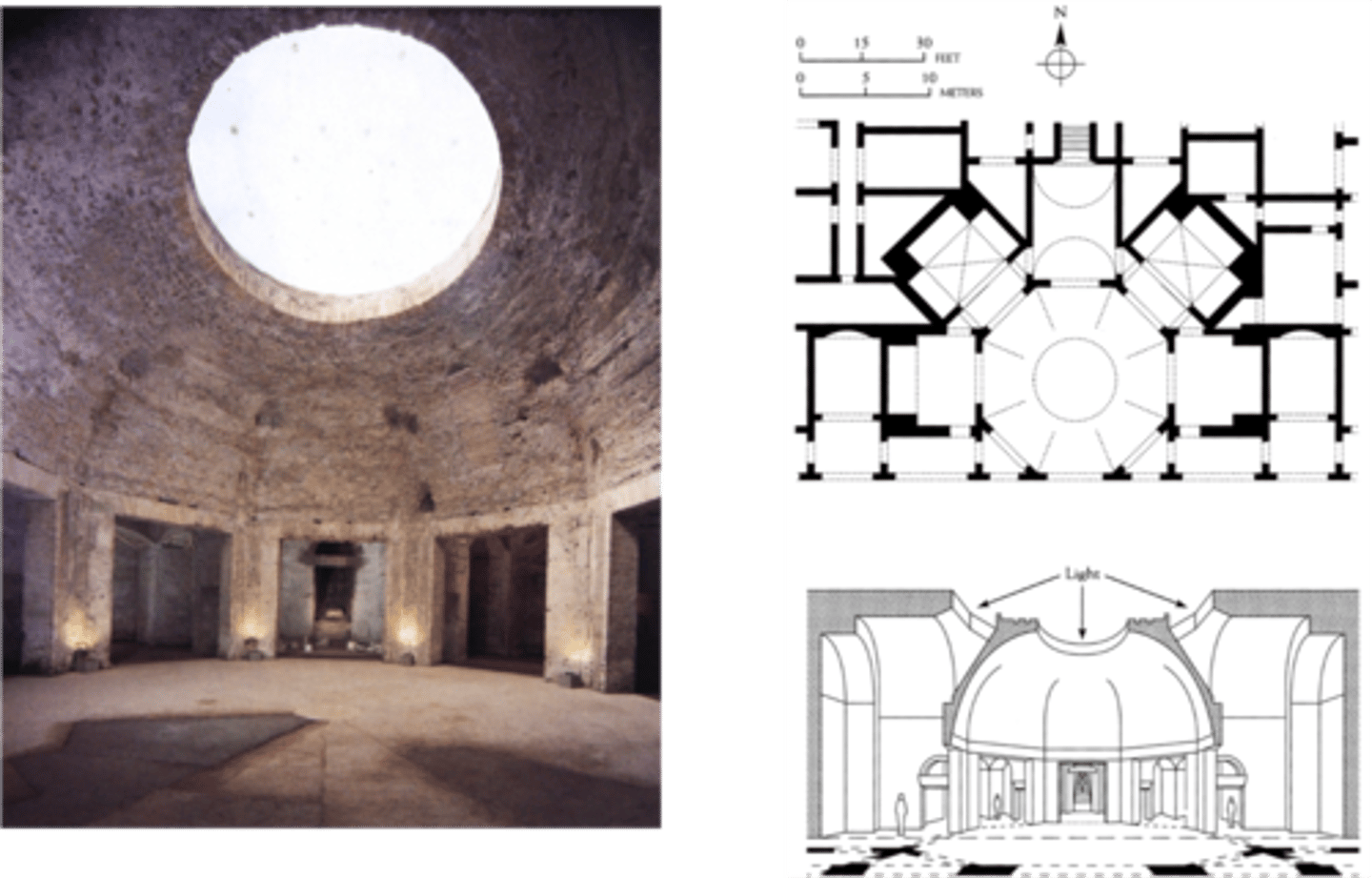
Domus Aurea- Nero's palace
The Domus Aurea was a vast landscaped palace built by the Emperor Nero in the heart of ancient Rome after the great fire in 64 AD had destroyed a large part of the city and the aristocratic villas on the Palatine Hill
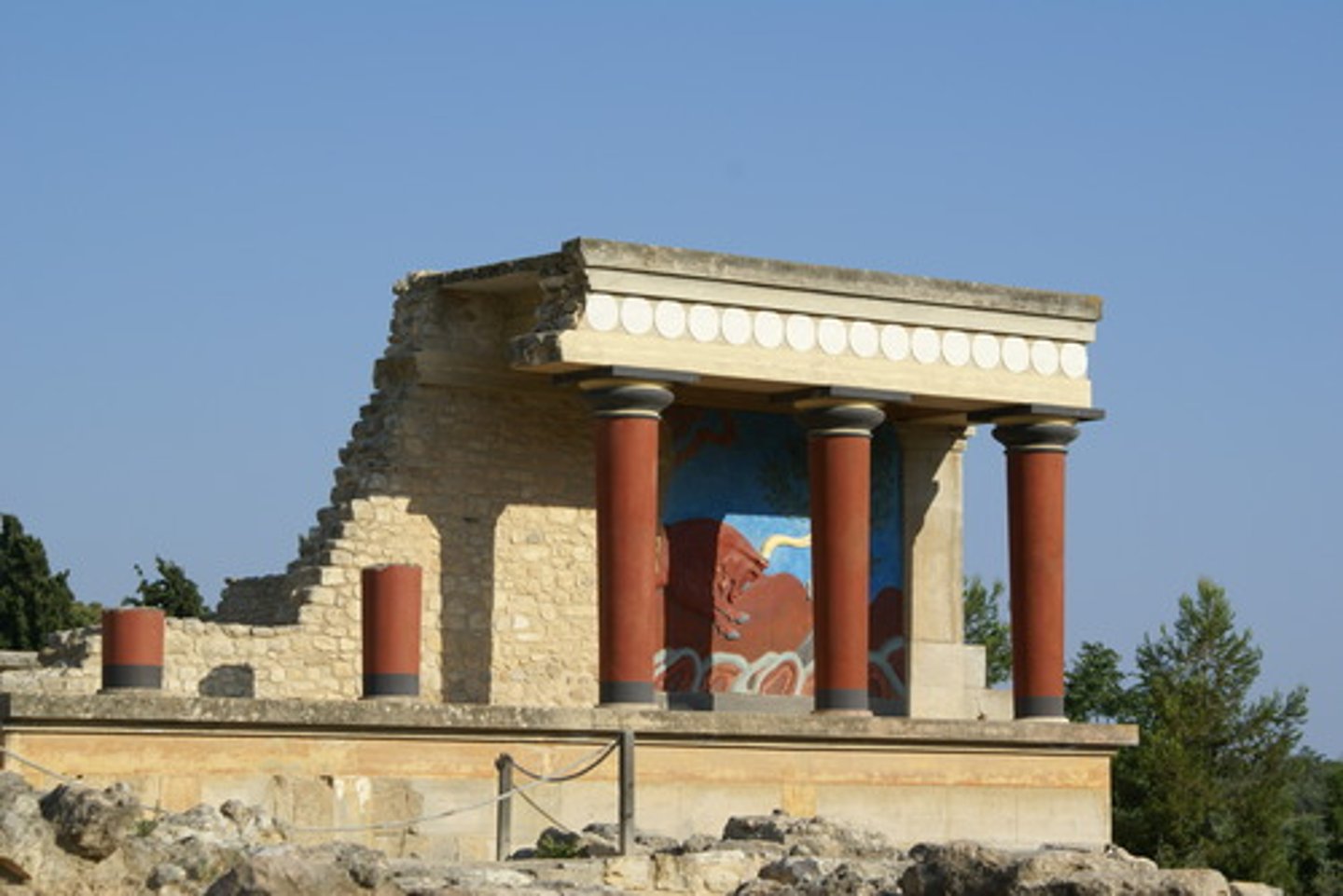
Palace of Knossos- where is it located
Knossos is the largest Bronze Age archaeological site on Crete and has been called Europe's oldest city
Ara Pacis
The Ara Pacis Augustae is an altar in Rome dedicated to Pax, the Roman goddess of Peace

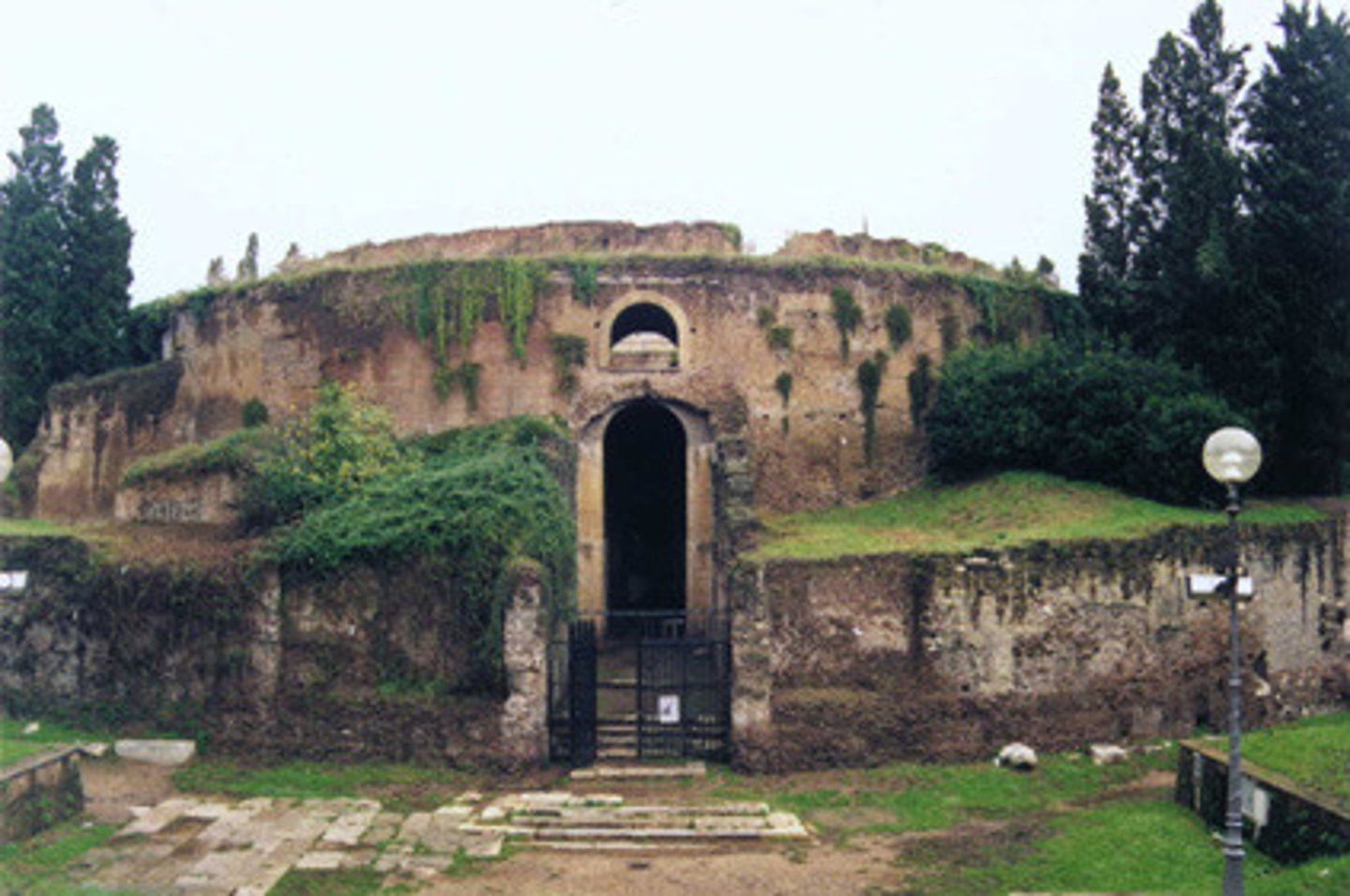
The Mausoleum of Augustus- where Augustus was buried
structure in Rome that housed the remains of Augustus, The Mausoleum of Augustus is a large tomb built by the Roman Emperor Augustus in 28 BC
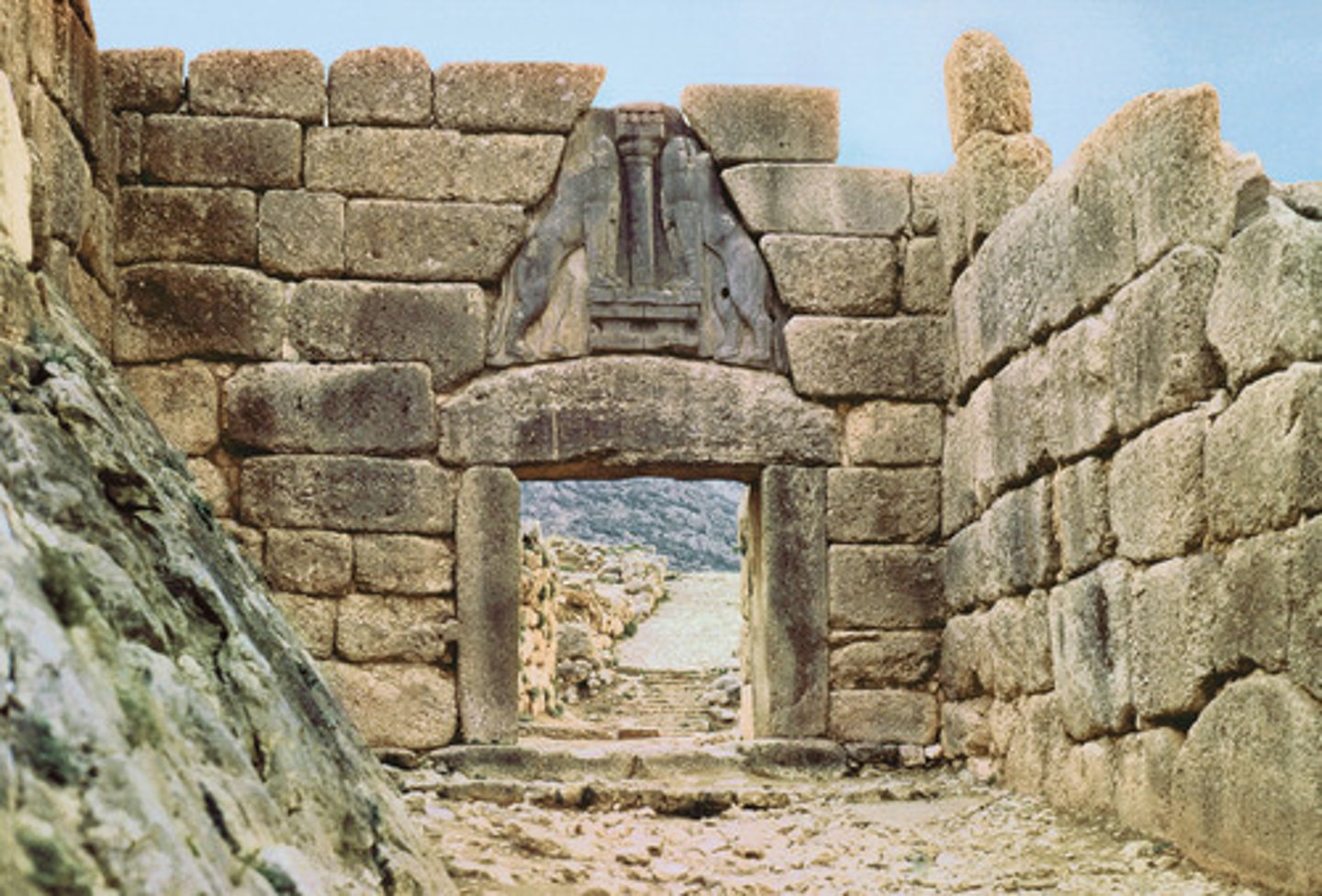
Lion Gate- triangle found on Crete during Mycenaean period
was the main entrance of the Bronze Age citadel of Mycenae, southern Greece.
Parthenon- who is depicted fighting in metopes
Amazons
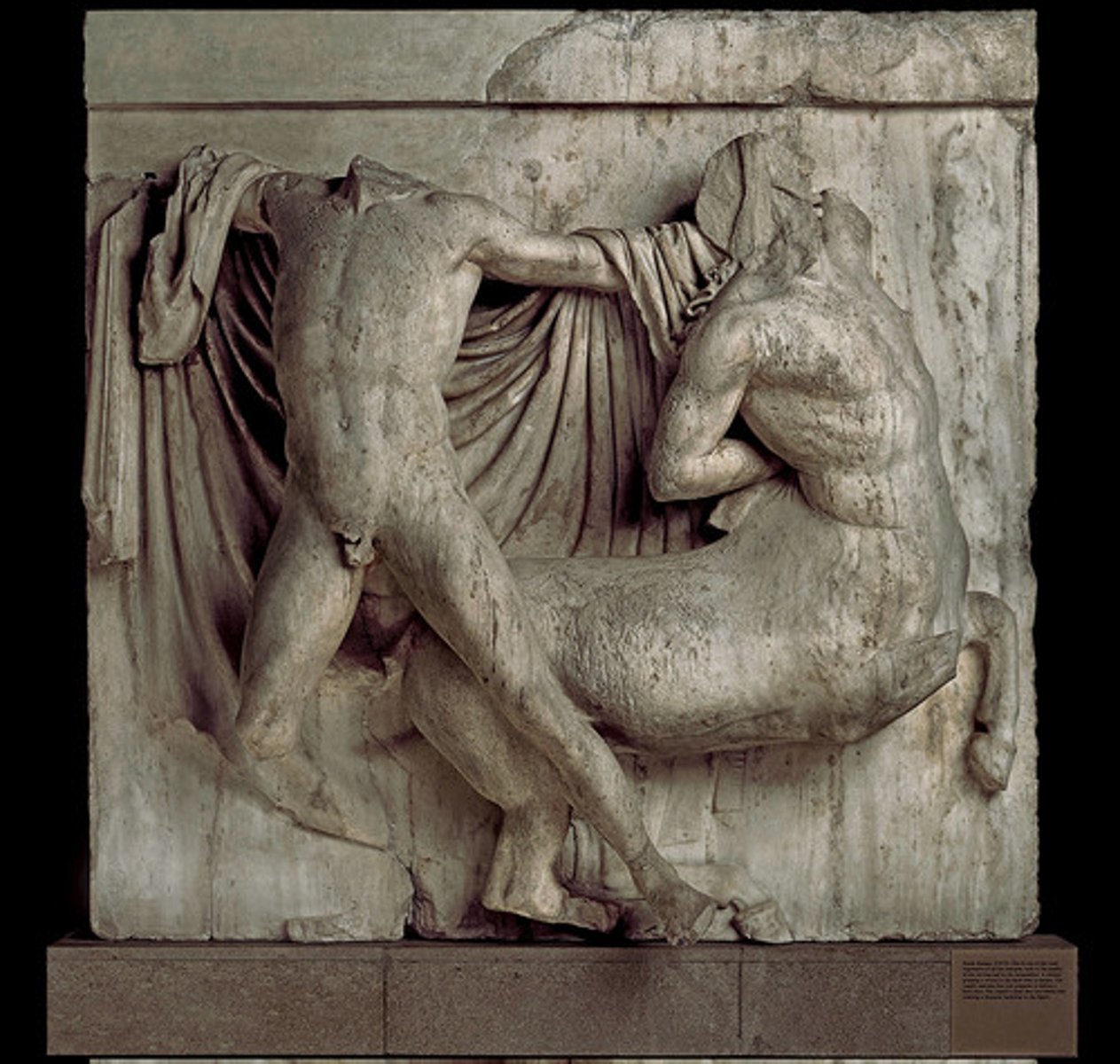
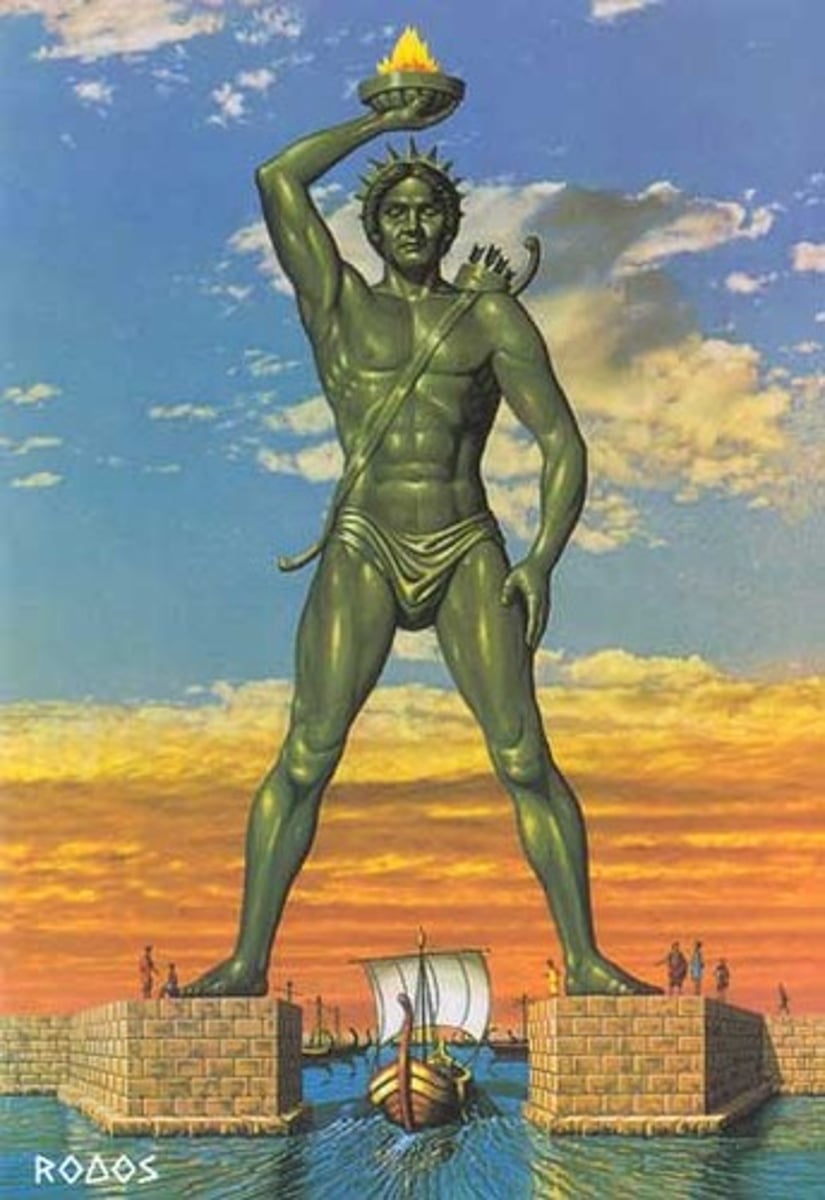
Colossus of Rhodes- depicts which deity
depicts helios, The Colossus of Rhodes was a statue of the Greek titan-god of the sun Helios,
deity
god or goddesses in ancient egypt
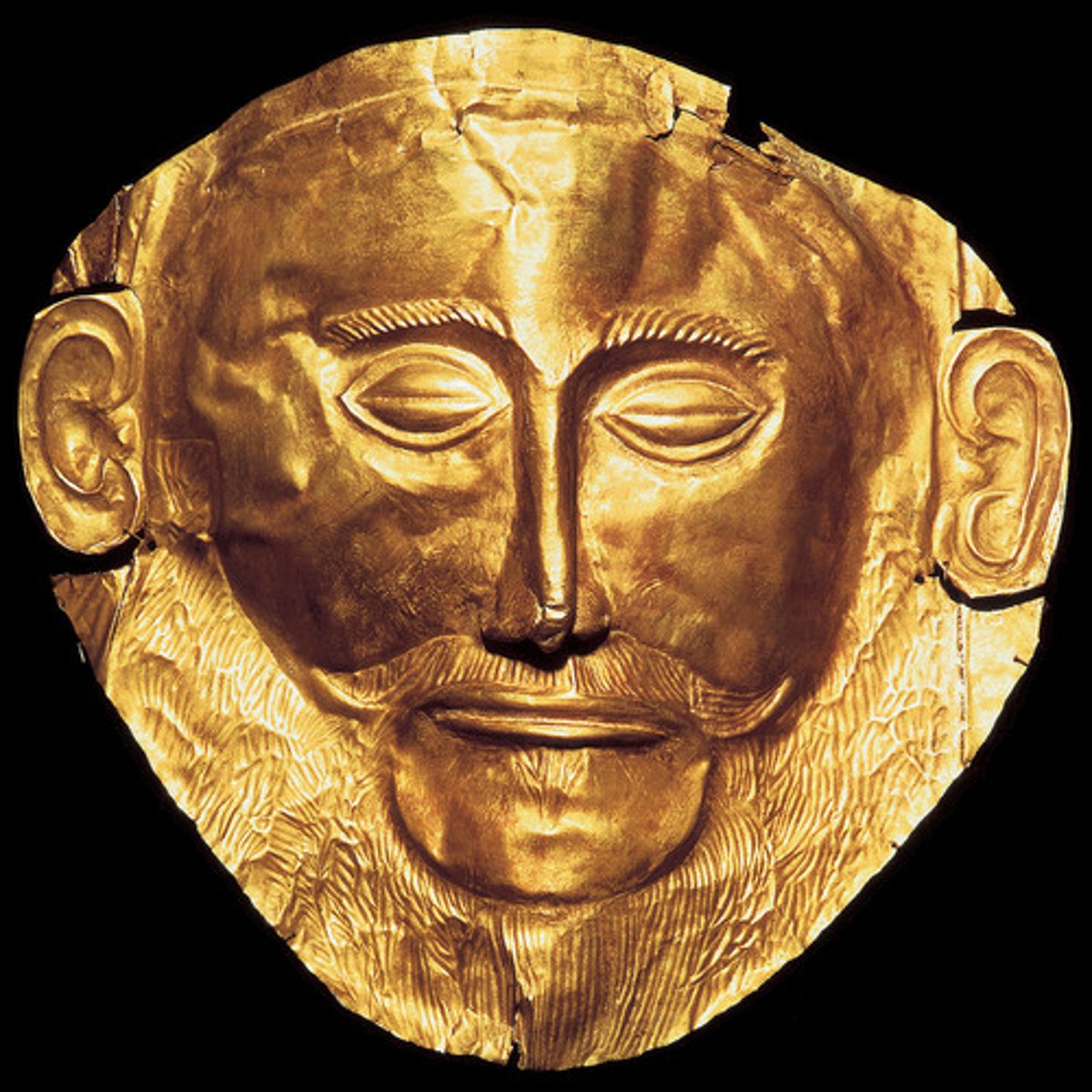
Death Mask of Agamemnon- made of what material
bronze, found during excavations at Mycenae in Greece
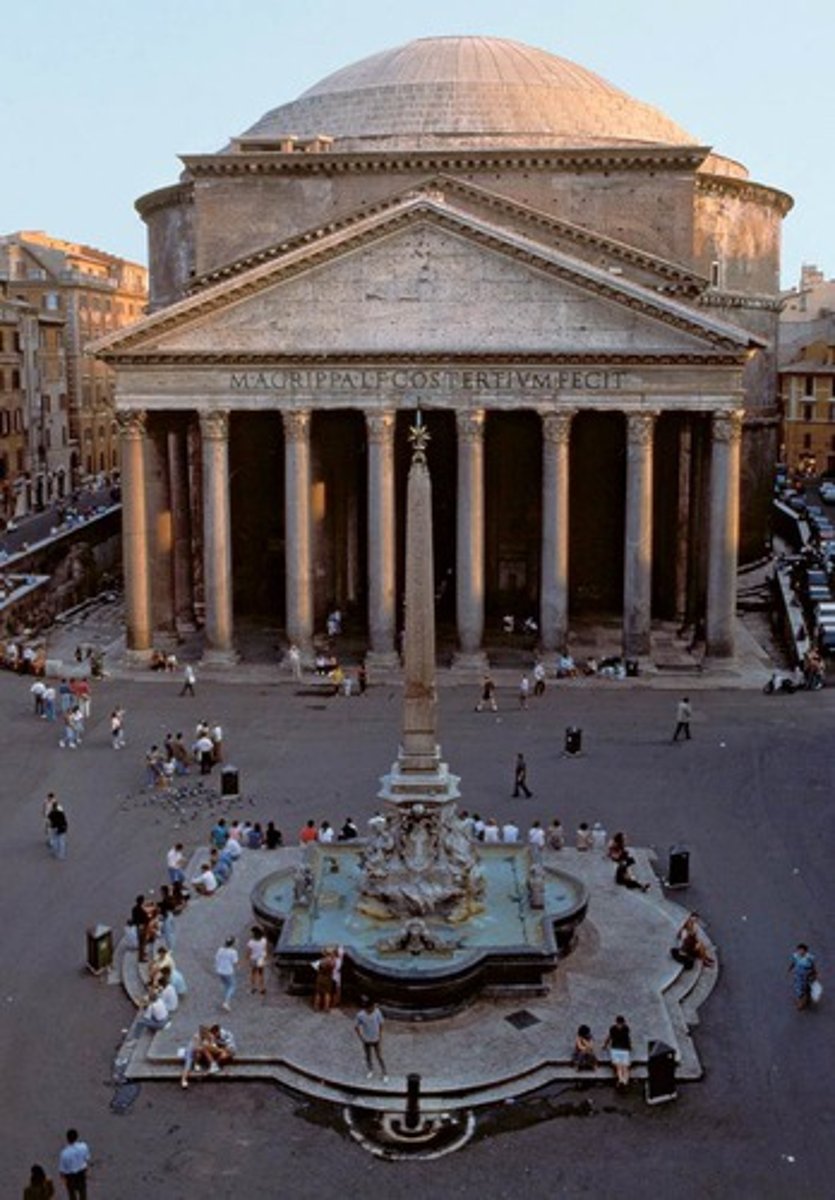
emperor who reconstructed the pantheon?
Augustus

Pantheon
was built in Rome to celebrate all the Roman gods
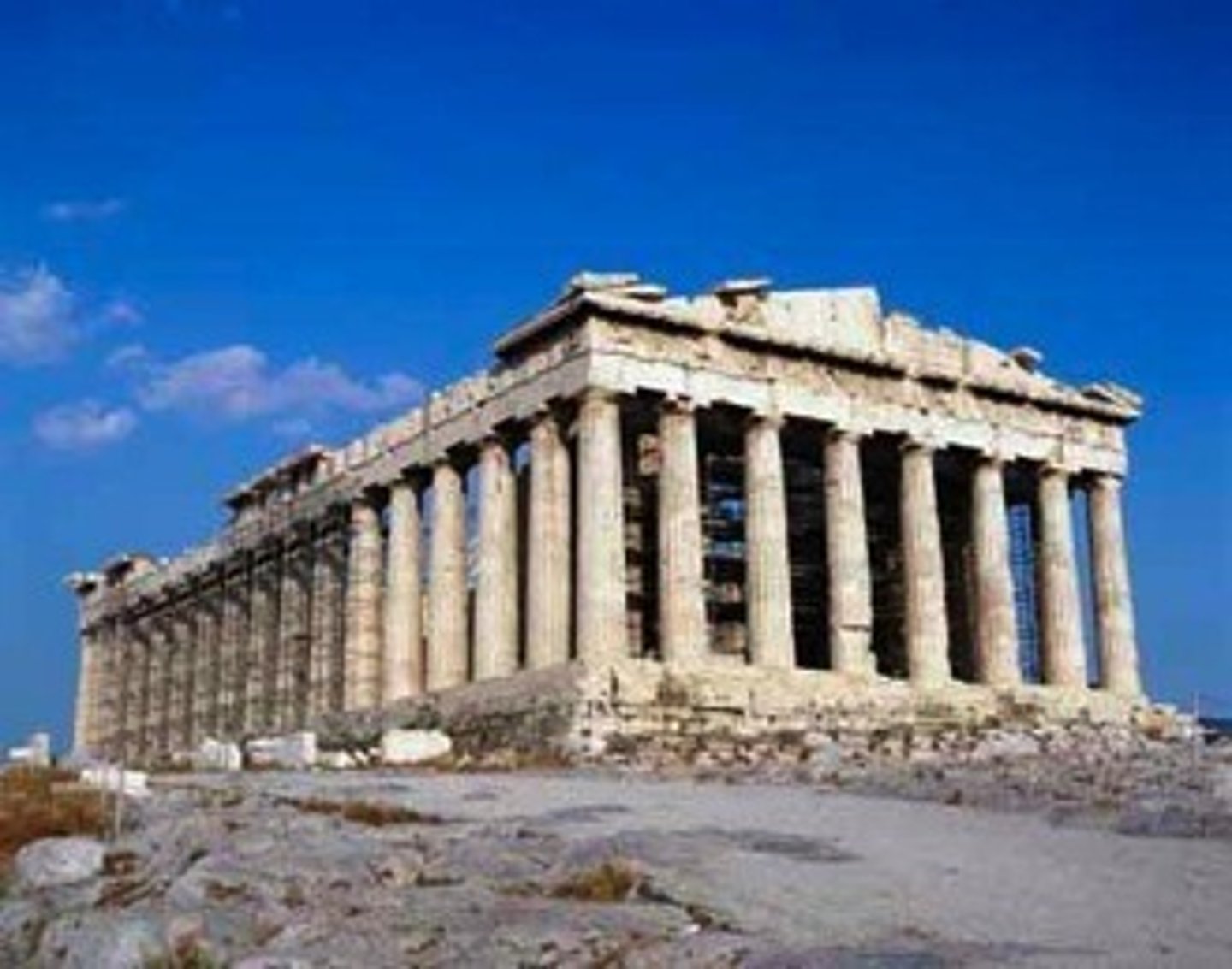
Parthenon
was built in Ancient Greece for the goddess Athena
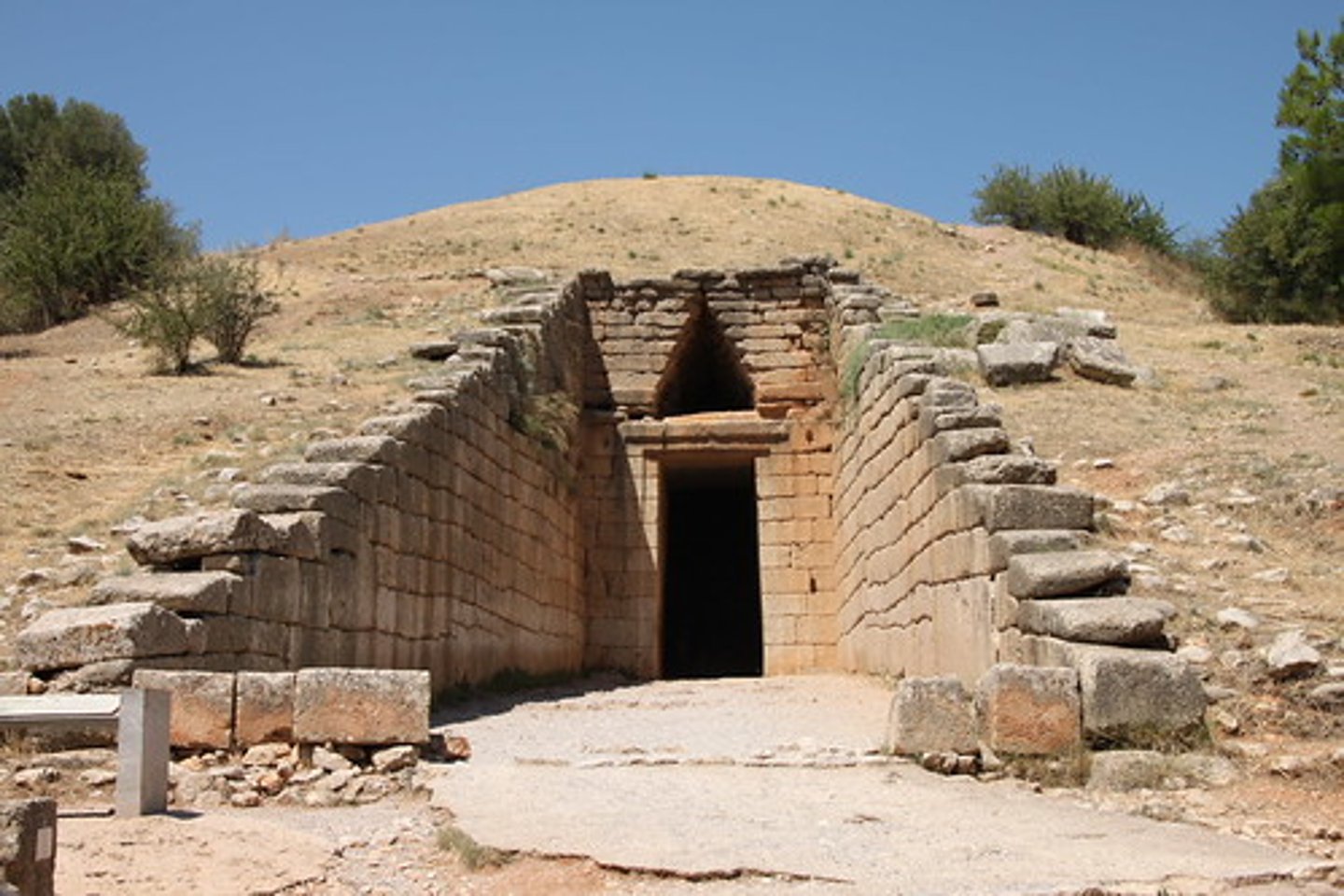
beehive tombs are associated with
Mycenaeans
famous sculptors
Phidias, Praxiteles, Polykleitos
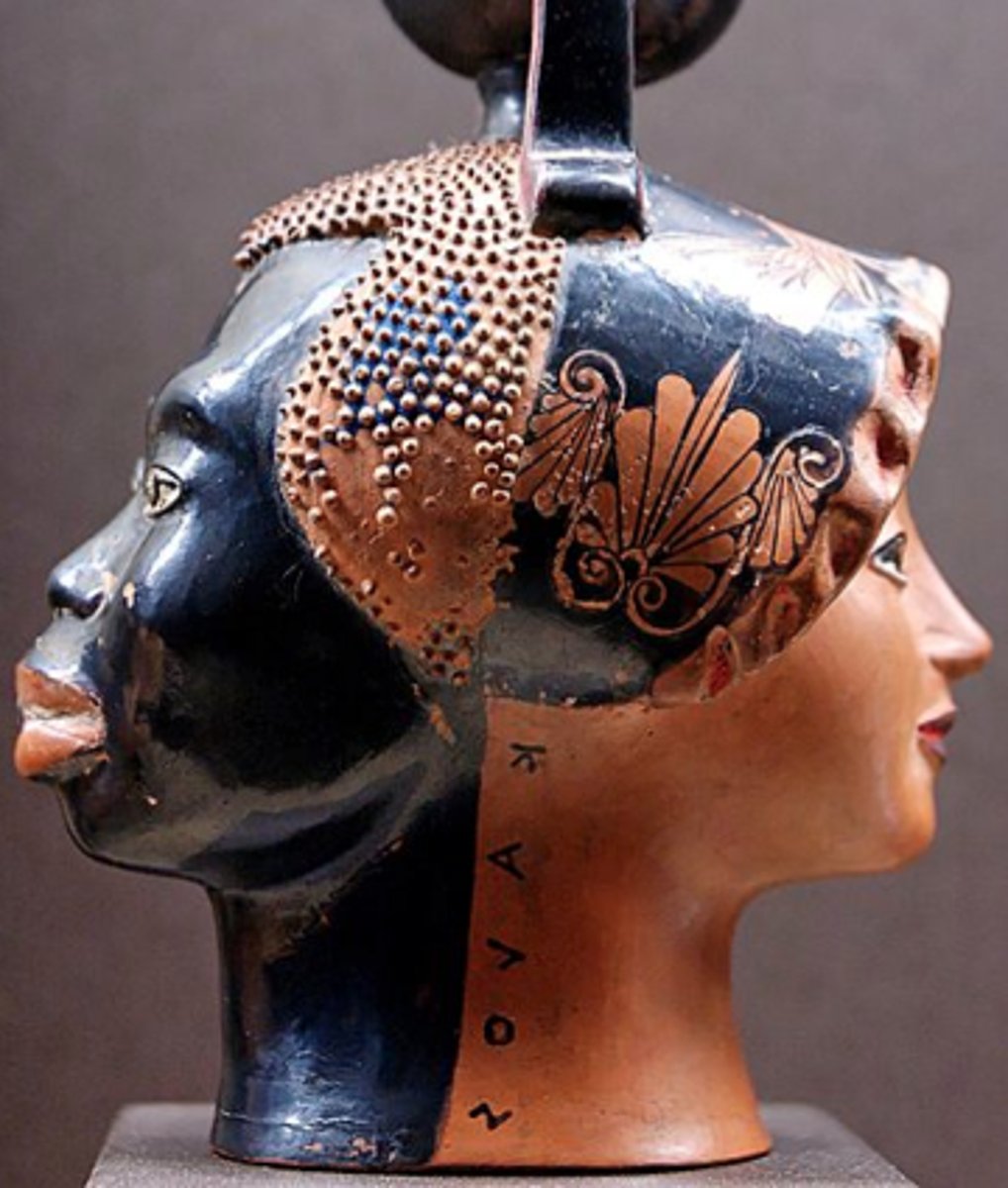
janiform figure- what it looks like
two-faced
three gods known as the "big three" temples on Capitoline hill
1. Jupiter (Zeus) god of seas
2. Neptune (poseidon) god of sky
3. Pluto (Hades) god of underworld
Augustus created or under direction of
Ara Pacis, Pantheon, Temple of Caesar
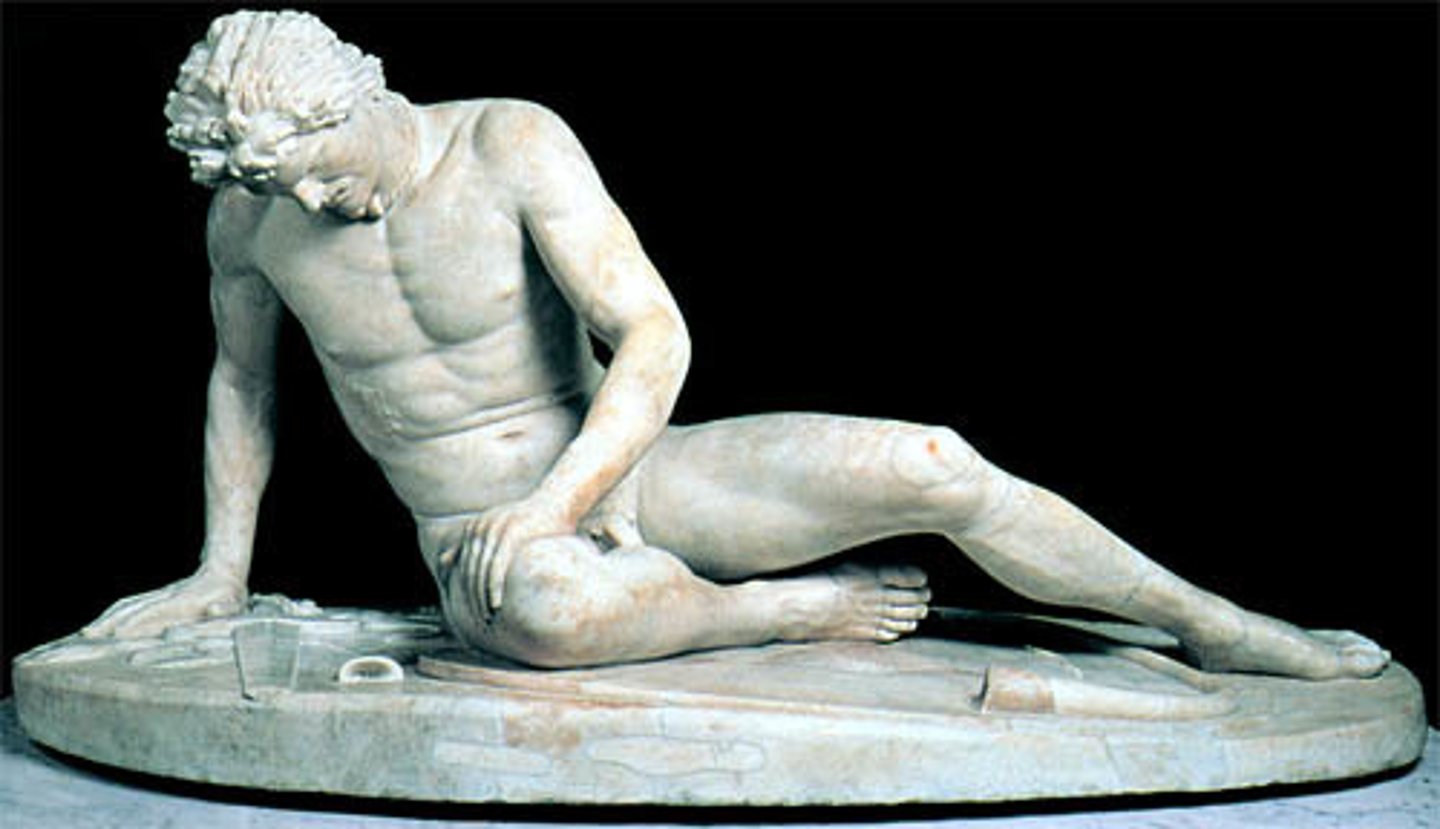
Dying Trumpeter statue- what is depicted that makes him from gaul
depicts man from gaul, we think it was a man from gaul as his TORQUE was depicted in this picture
Ancient Torque
is a large rigid or stiff neck ring in metal
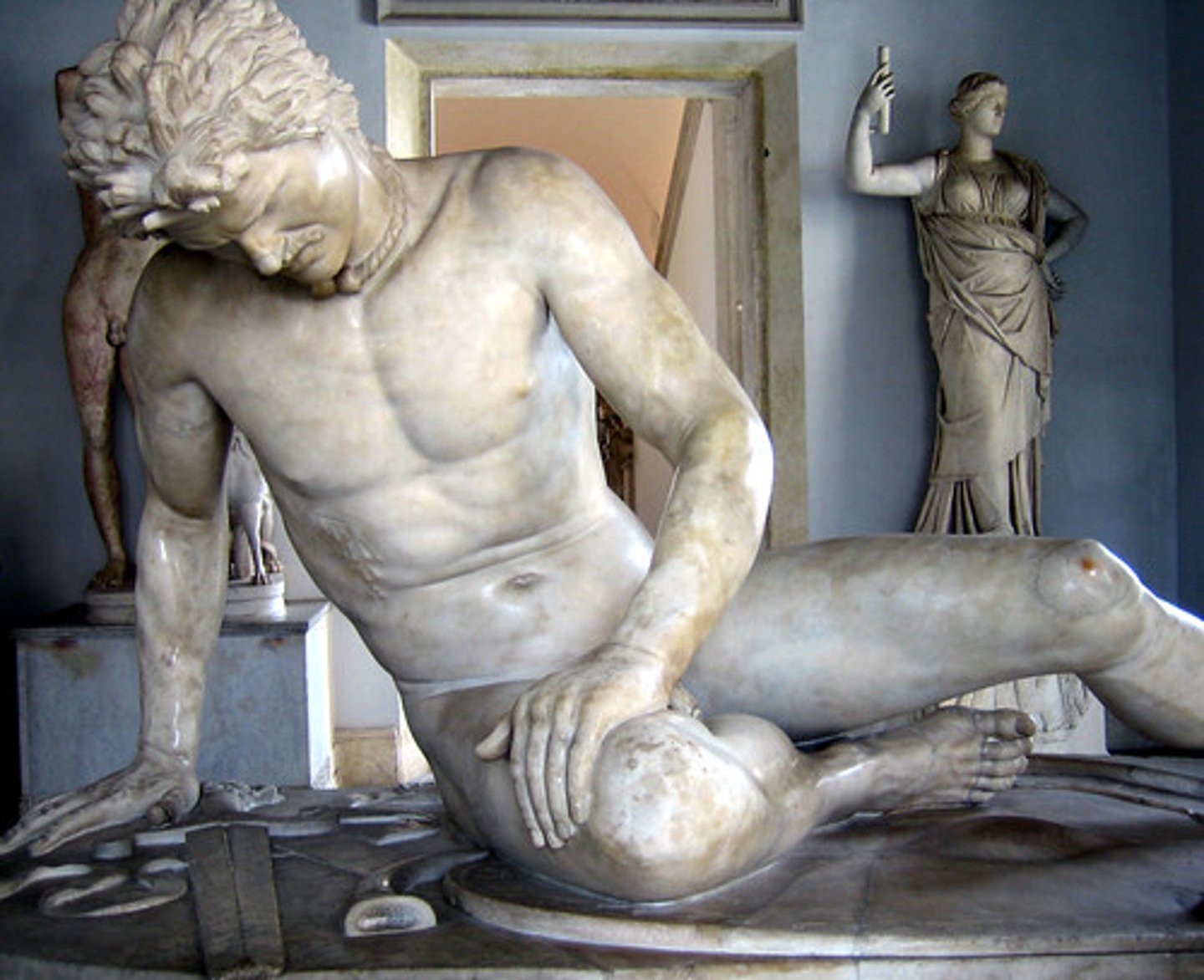
what is a STELE?
grave marker
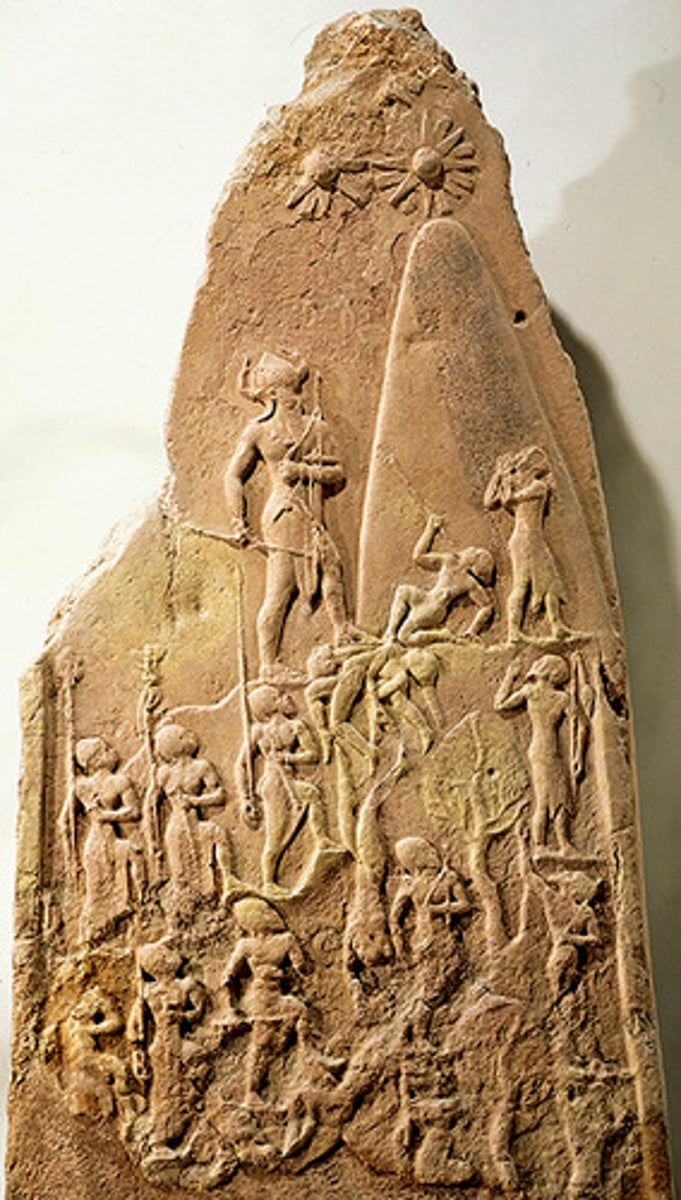
seven wonders of the ancient world
the Great Pyramid at Giza, Egypt.
the Hanging Gardens of Babylon.
the Statue of Zeus at Olympia, Greece.
the Temple of Artemis at Ephesus.
the Mausoleum at Halicarnassus.
the Colossus of Rhodes.
the Lighthouse at Alexandria, Egypt
Henrich Schliemann
archaeologist who excavated what he thought was troy and first rediscovered the city
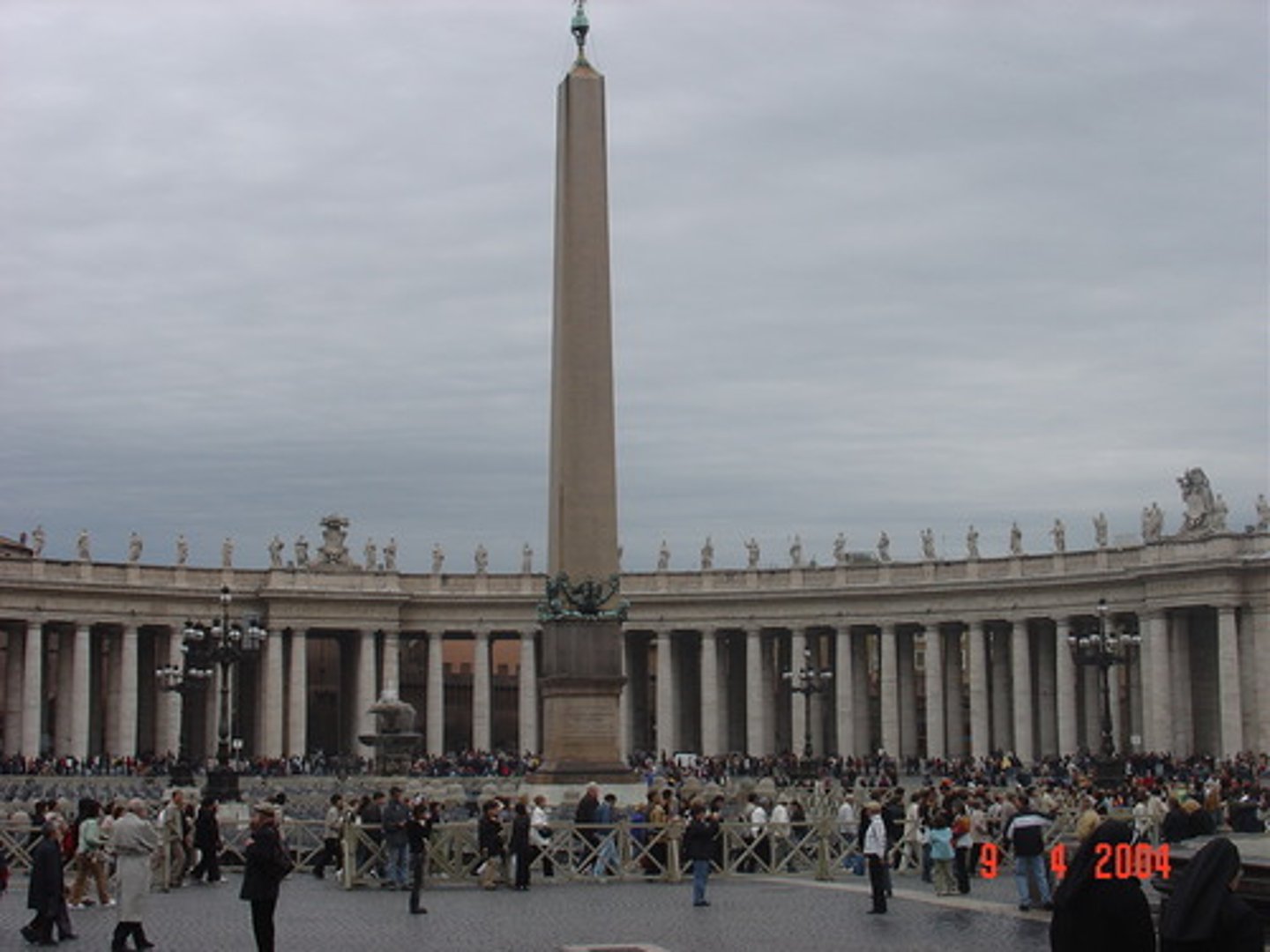
roman obelisks
There are eight ancient Egyptian and five ancient Roman obelisks
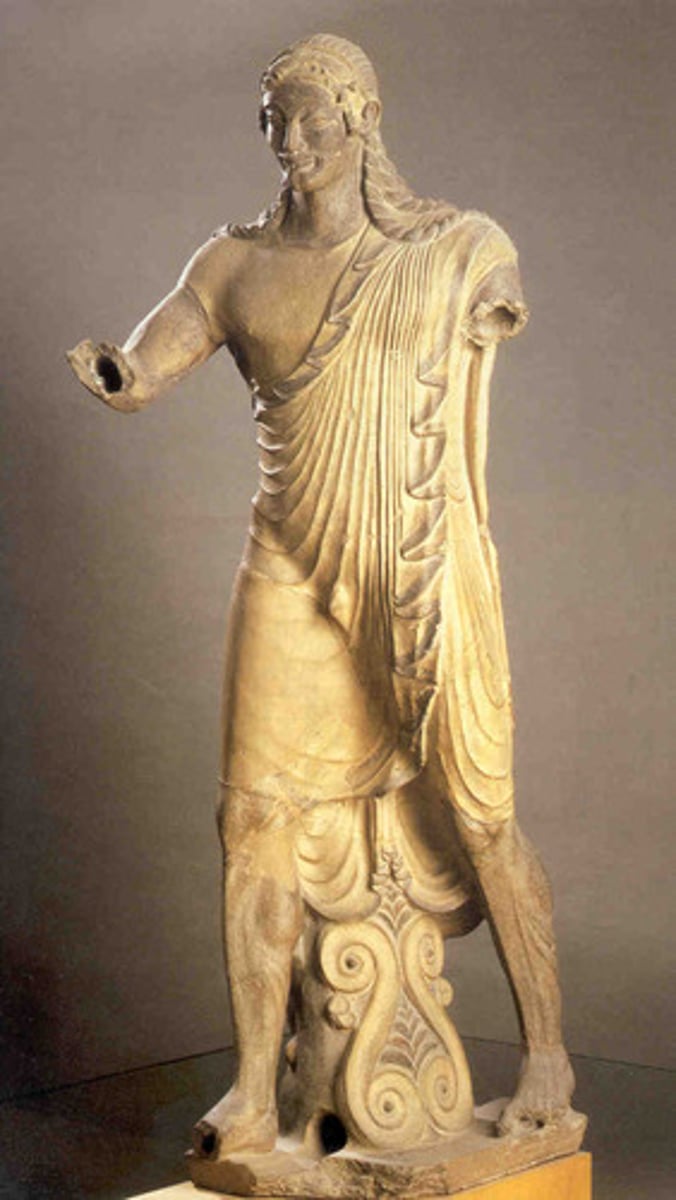
which staute of apollo comes from apollo tradition?
The Apollo of Veii (a life-size painted terracotta Etruscan statue of Apollo)
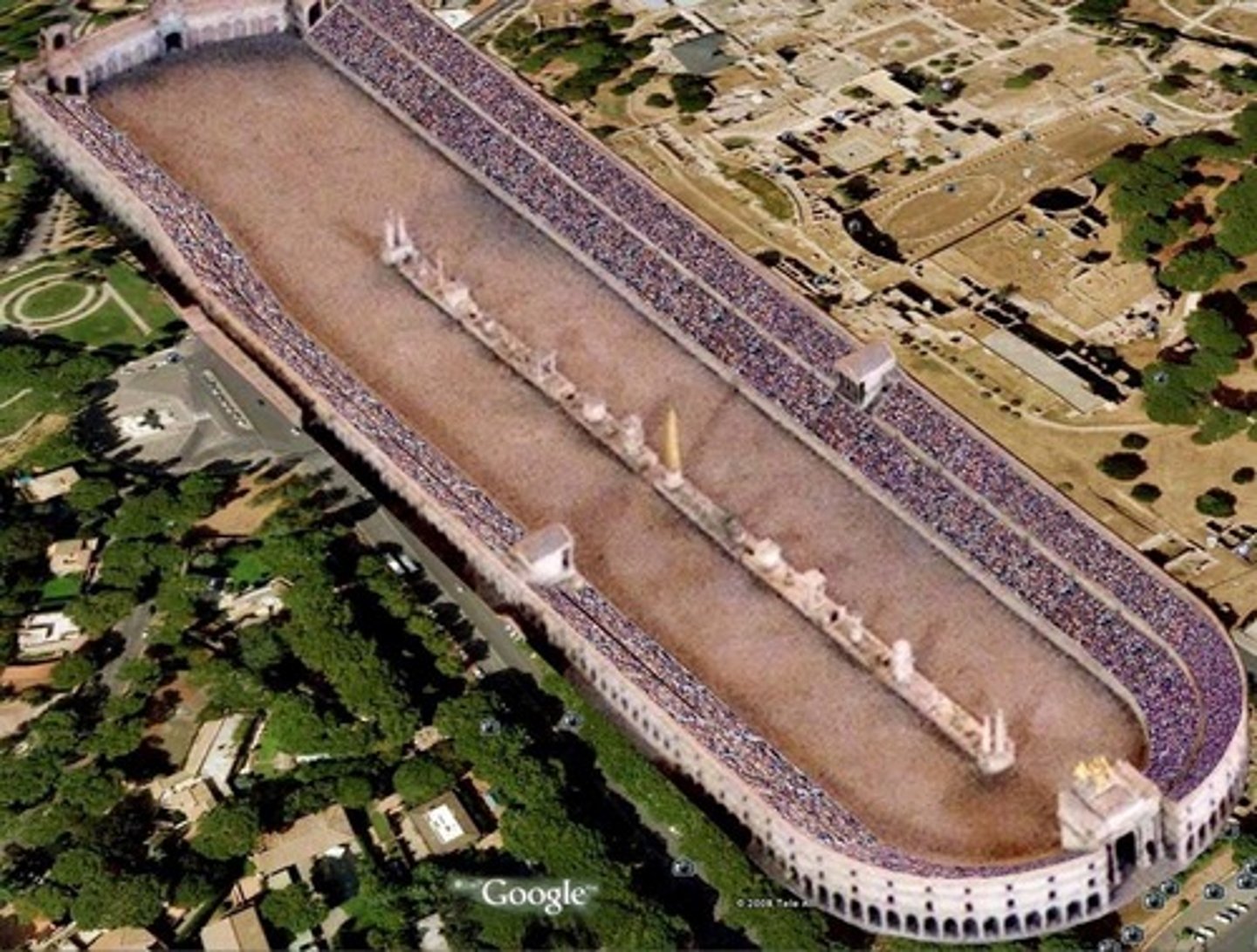
Circus Maximus
The Circus Maximus is an ancient Roman chariot-racing stadium and mass entertainment venue located in Rome, Italy
Colossus of Nero
structure built by Nero to be used to be the next Colosseum, staute
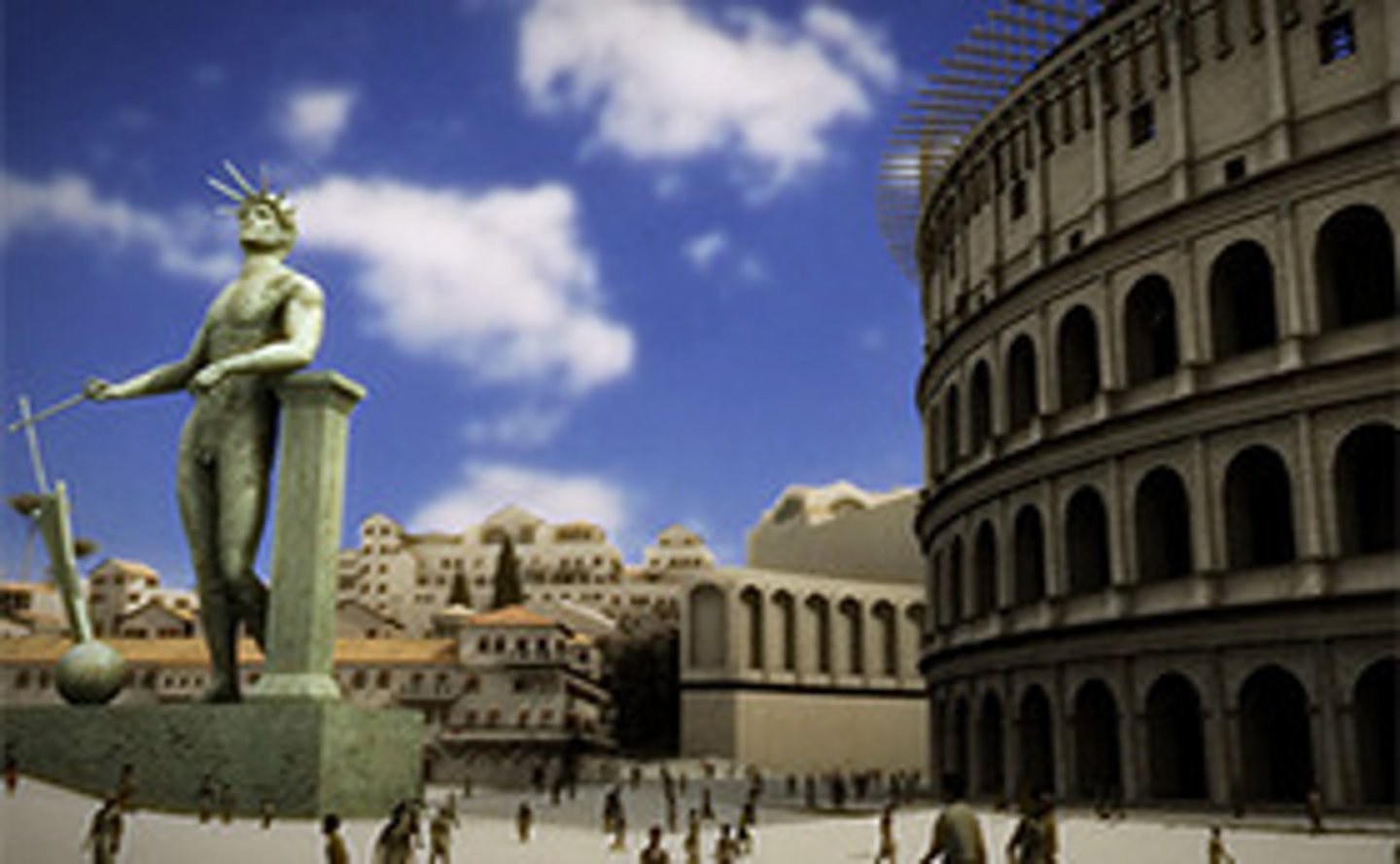
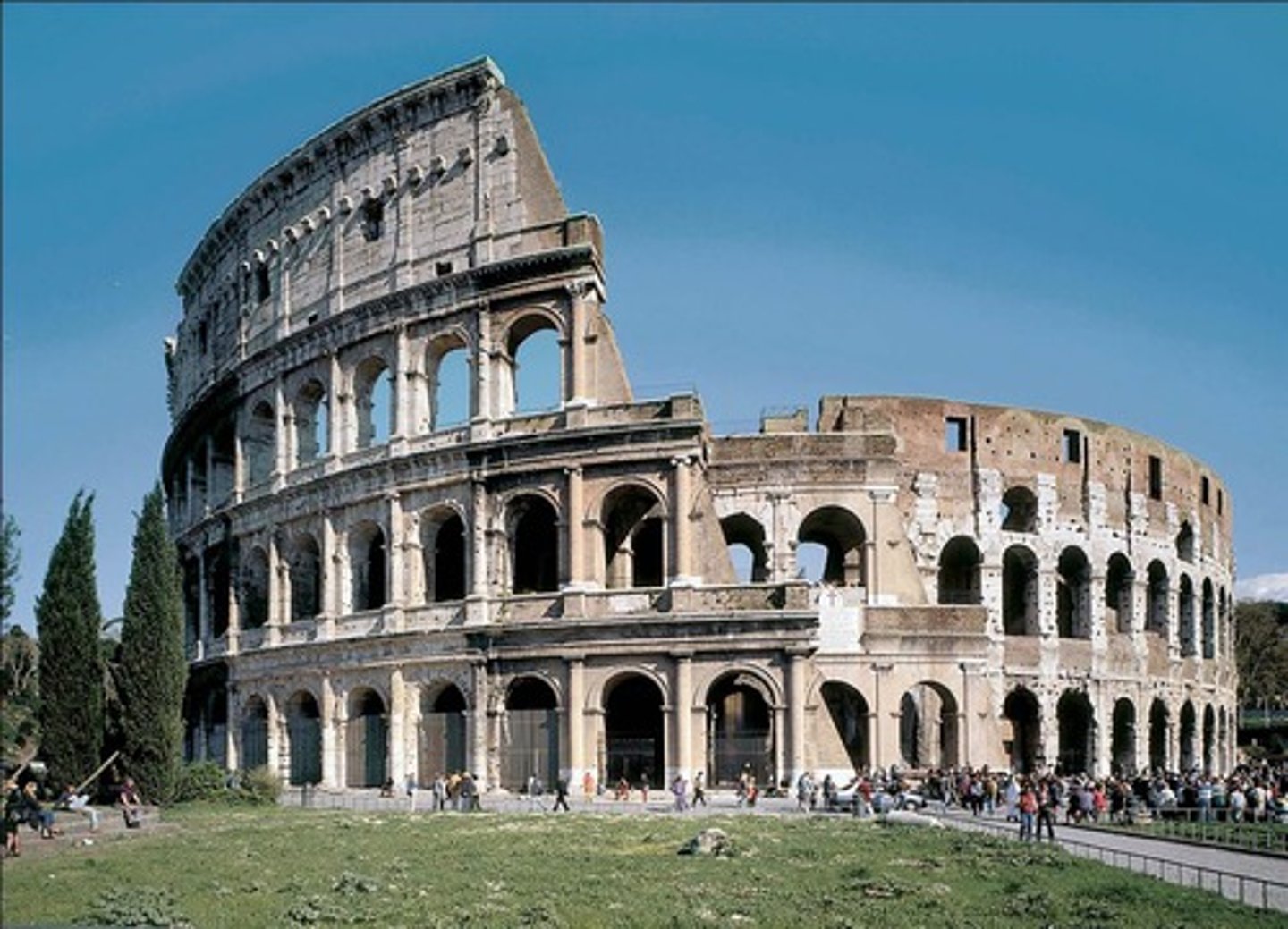
Colosseum
It is also known as the Flavian Amphitheatre because it was built during the Flavian dynasty. It got the name Colosseum because of a statue that was located alongside the amphitheatre called 'the colossus of Nero'. Construction began in 72 AD under the emperor Vespasian.
who is said to have found Rome a city of brick and changed it into a city of marble
Augustus
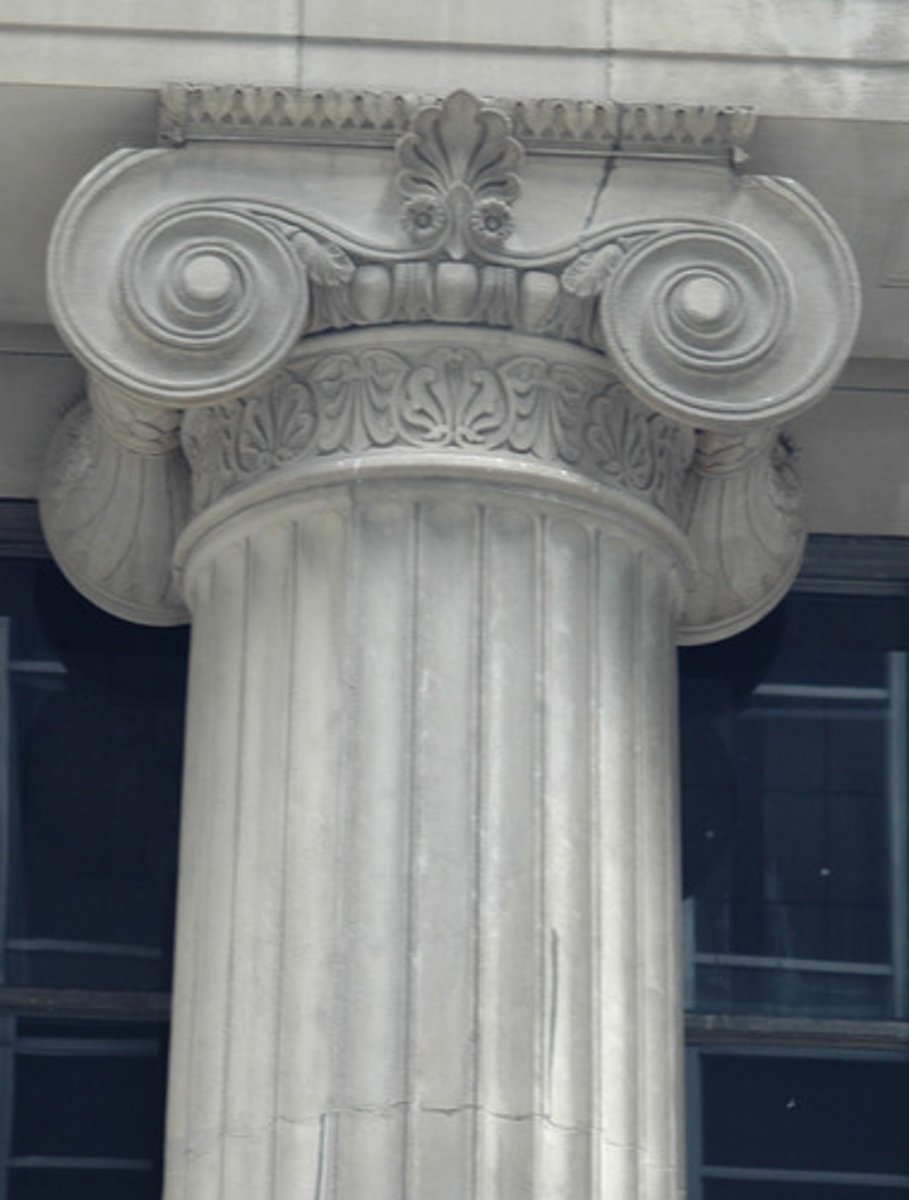
Ionic
columns with swirls
Doric
plain column
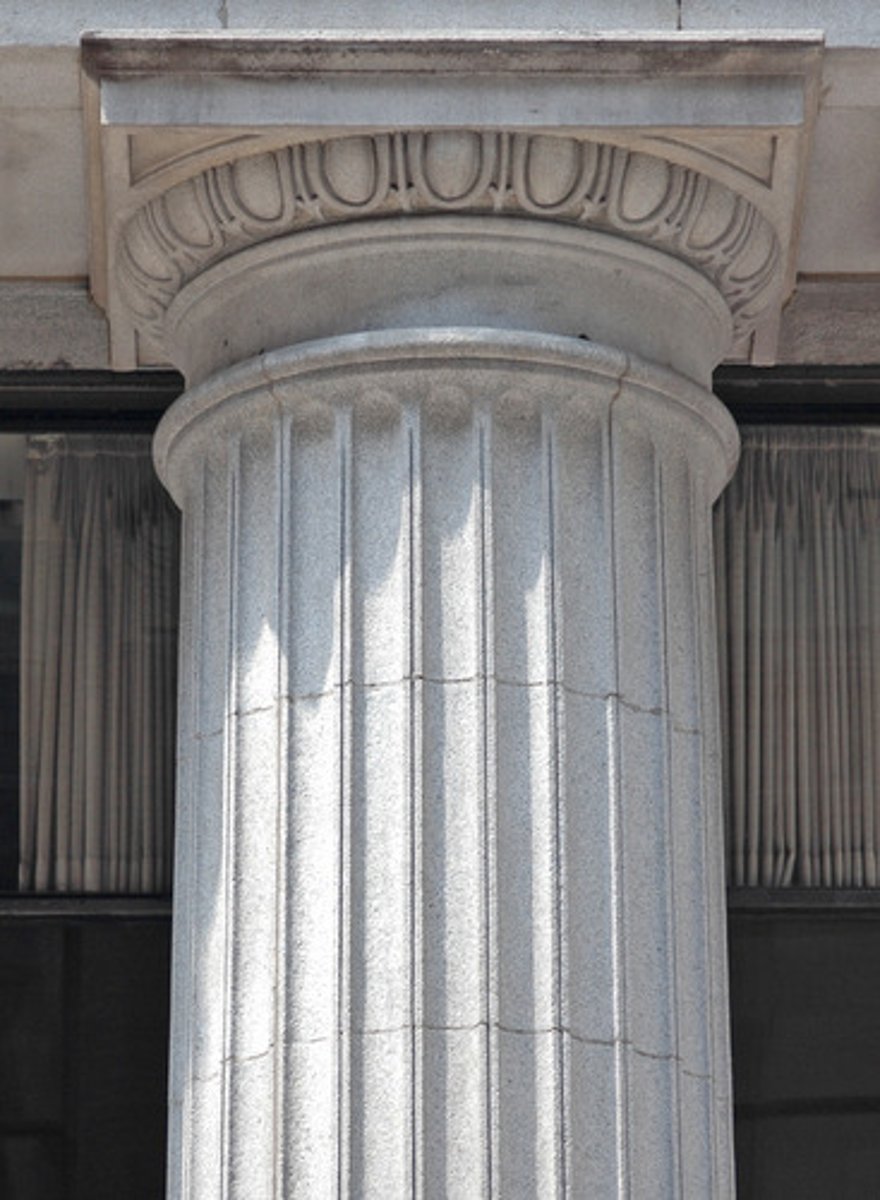
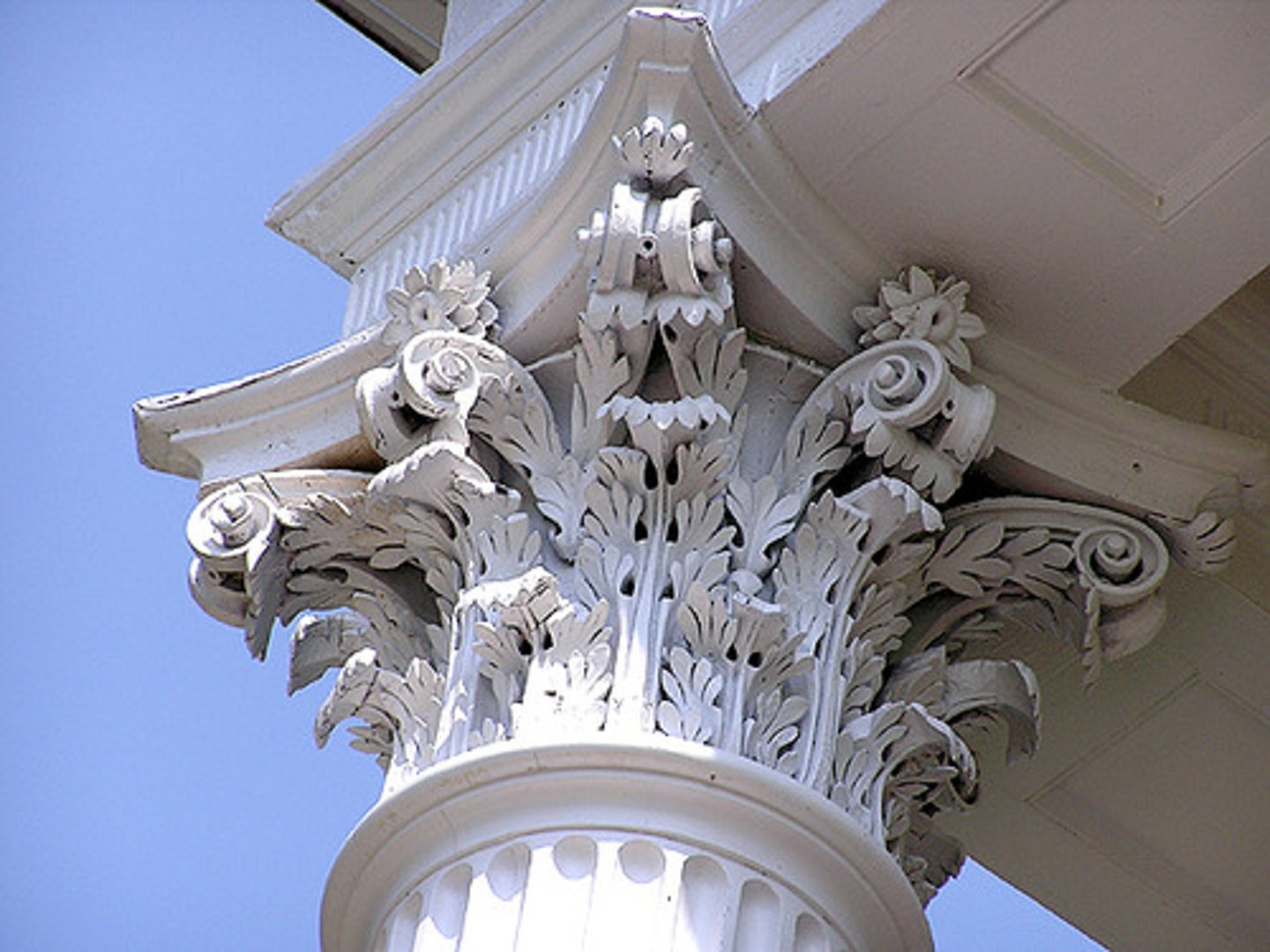
Corinthian
more complex column with intricate designs
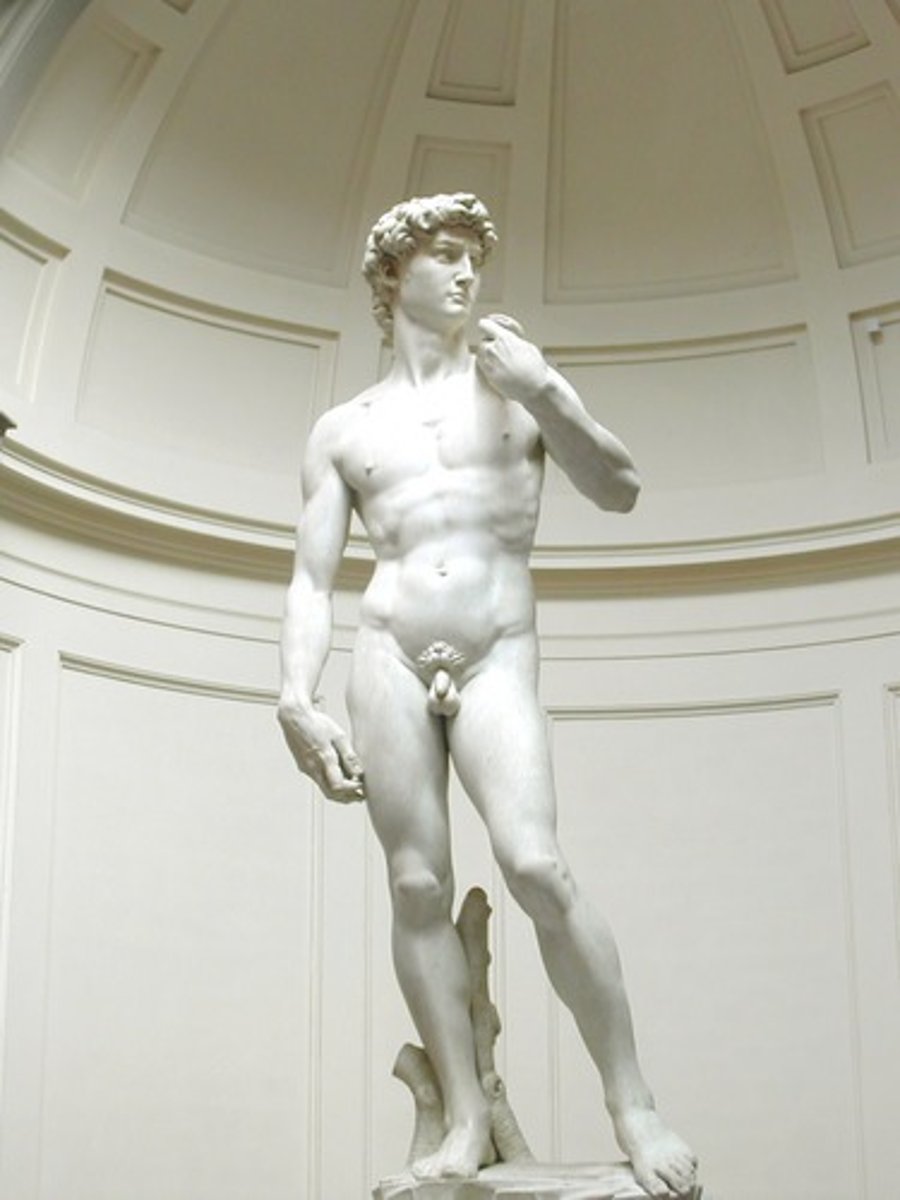
Contrapposto
type of art in post-Archaic statues, Contrapposto ) is an Italian term that means counterpoise. It is used in the visual arts to describe a human figure standing with most of its weight on one foot so that its shoulders and arms twist off-axis from the hips and legs
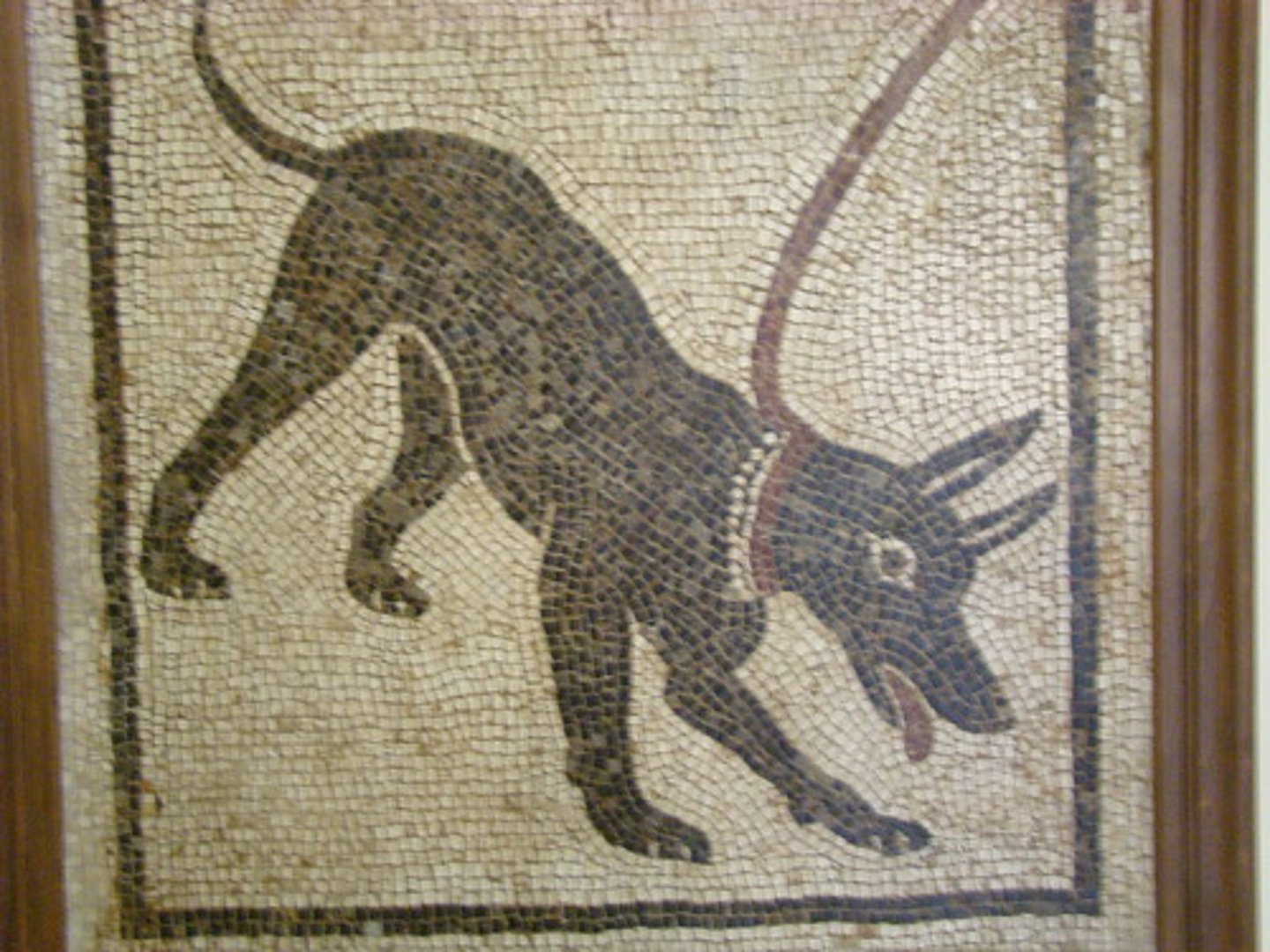
Cave Canem
famous Latin motto accompanied this mosaic in Pompeii
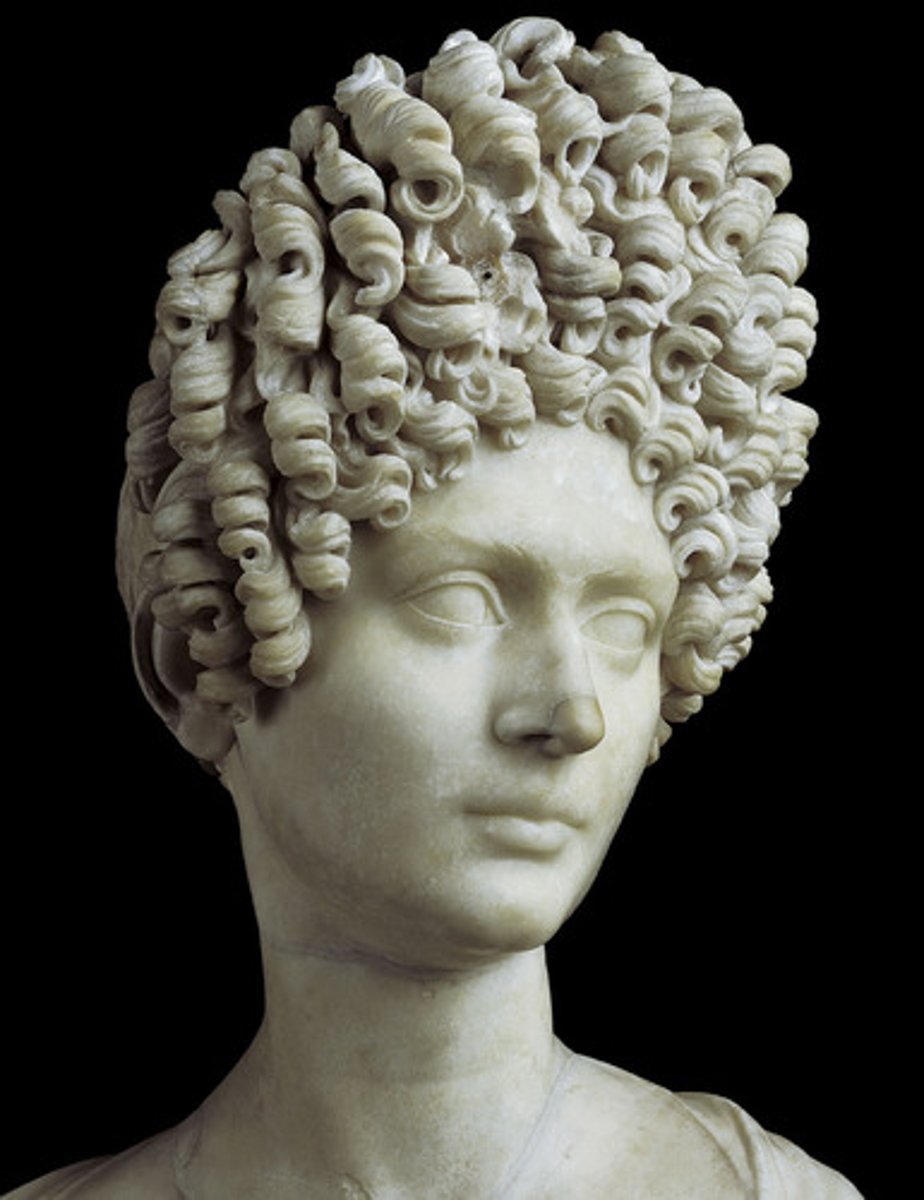
The Flavian Woman
high fashion bust commonly known, created during the Flavian dynasty based off of realism
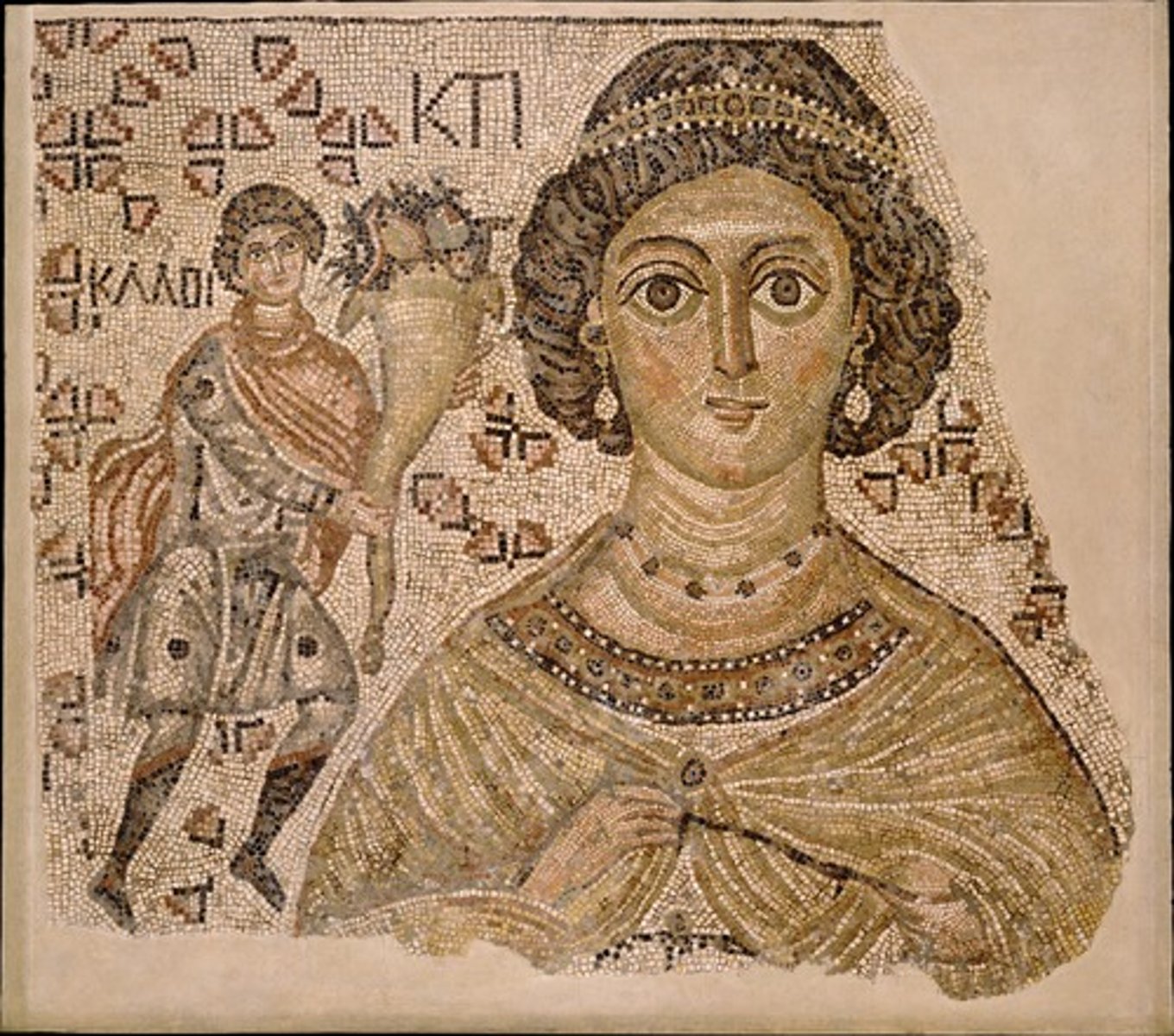
which period does this mosaic come from
Byzantine
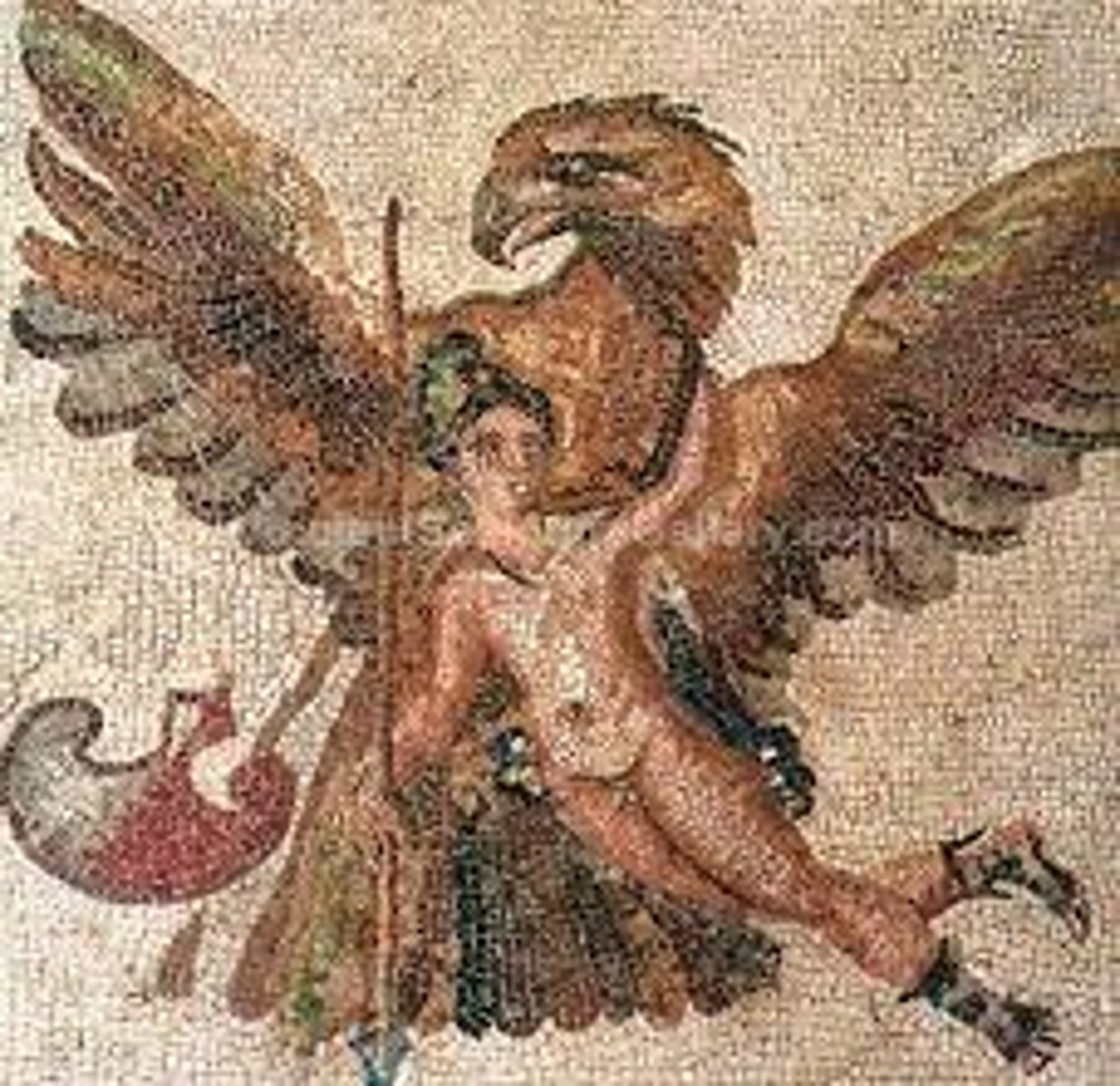
This mosaic shows an eagle carrying off what Trojan youth?
Ganymede- Zeus' gay lover
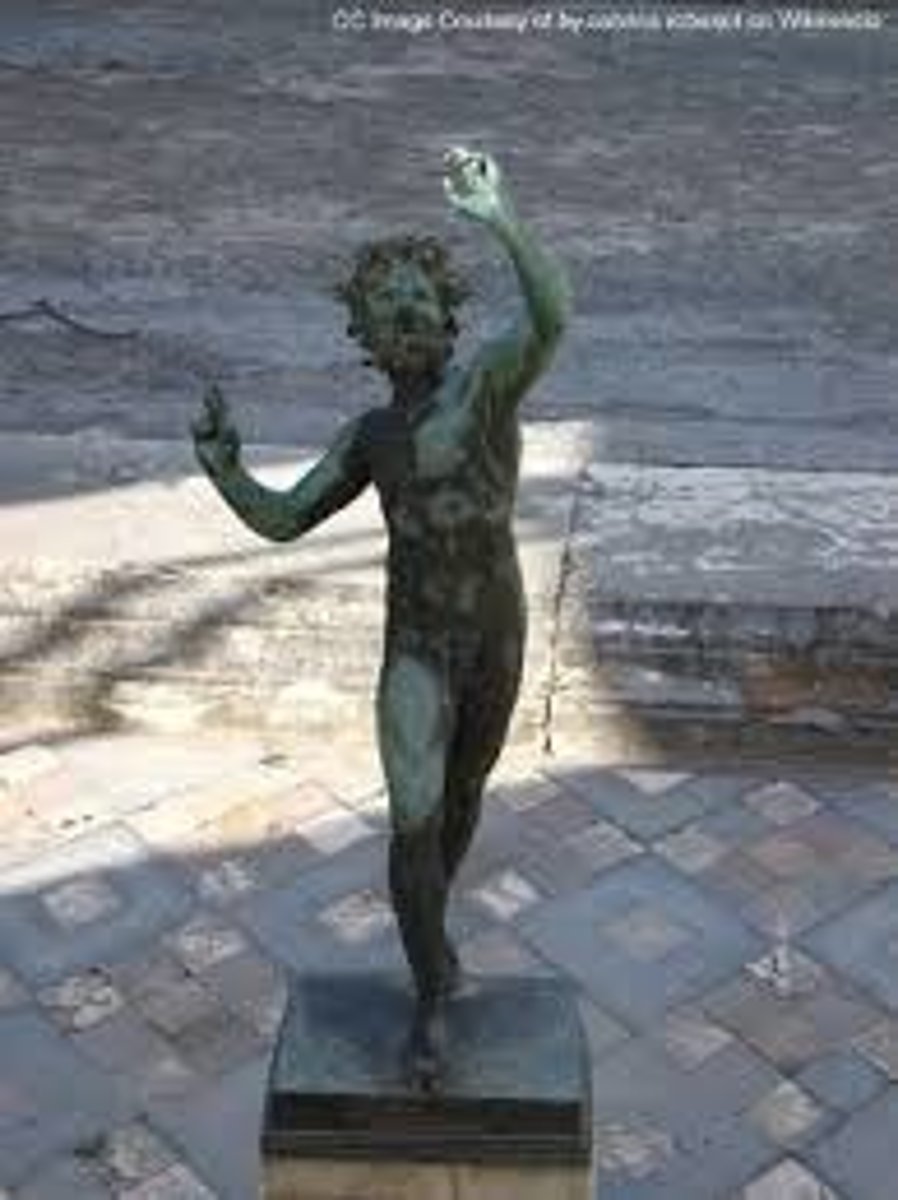
This little faun statue, known as "The Dancing Faun," is from an impluvium in what Ancient Roman city?
Pompeii
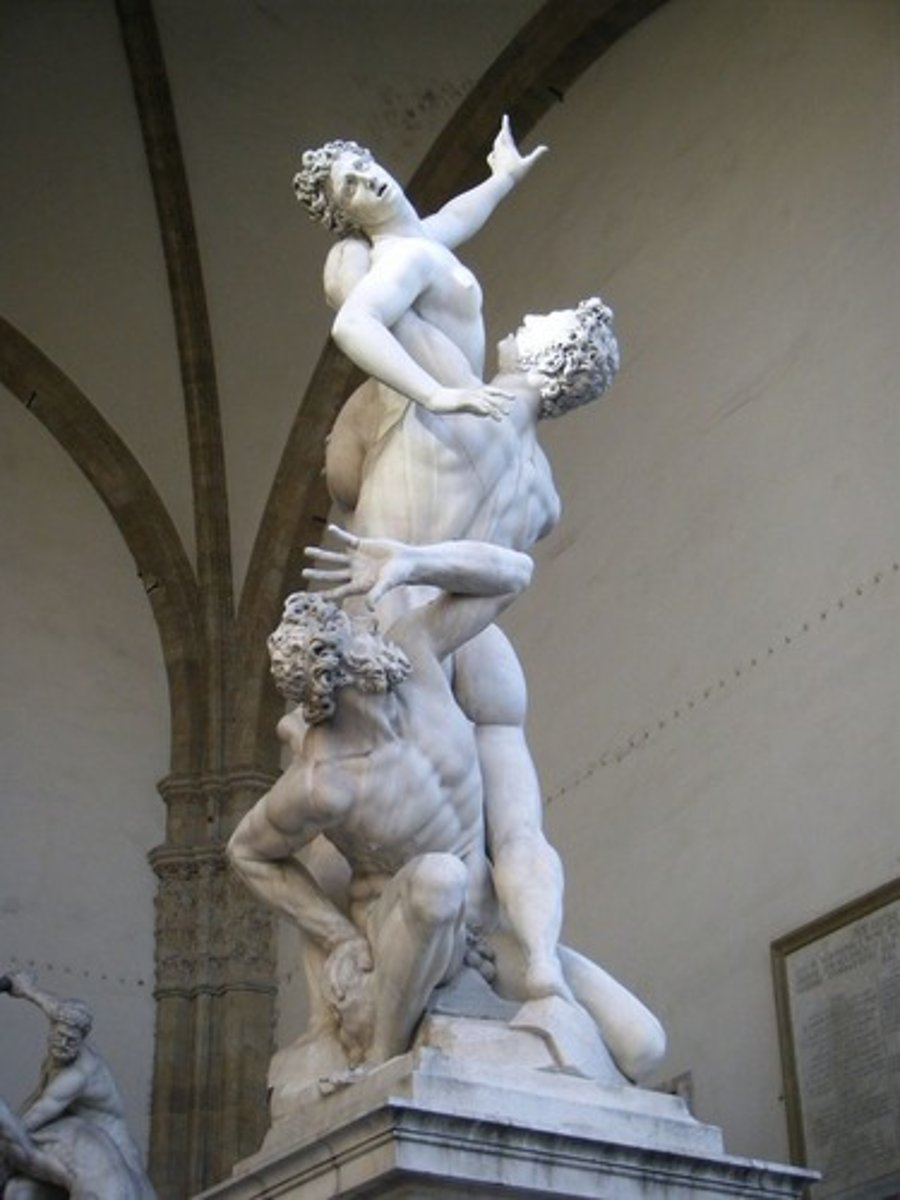
What period does "The Rape of the Sabine Women come?"
Classical Greek
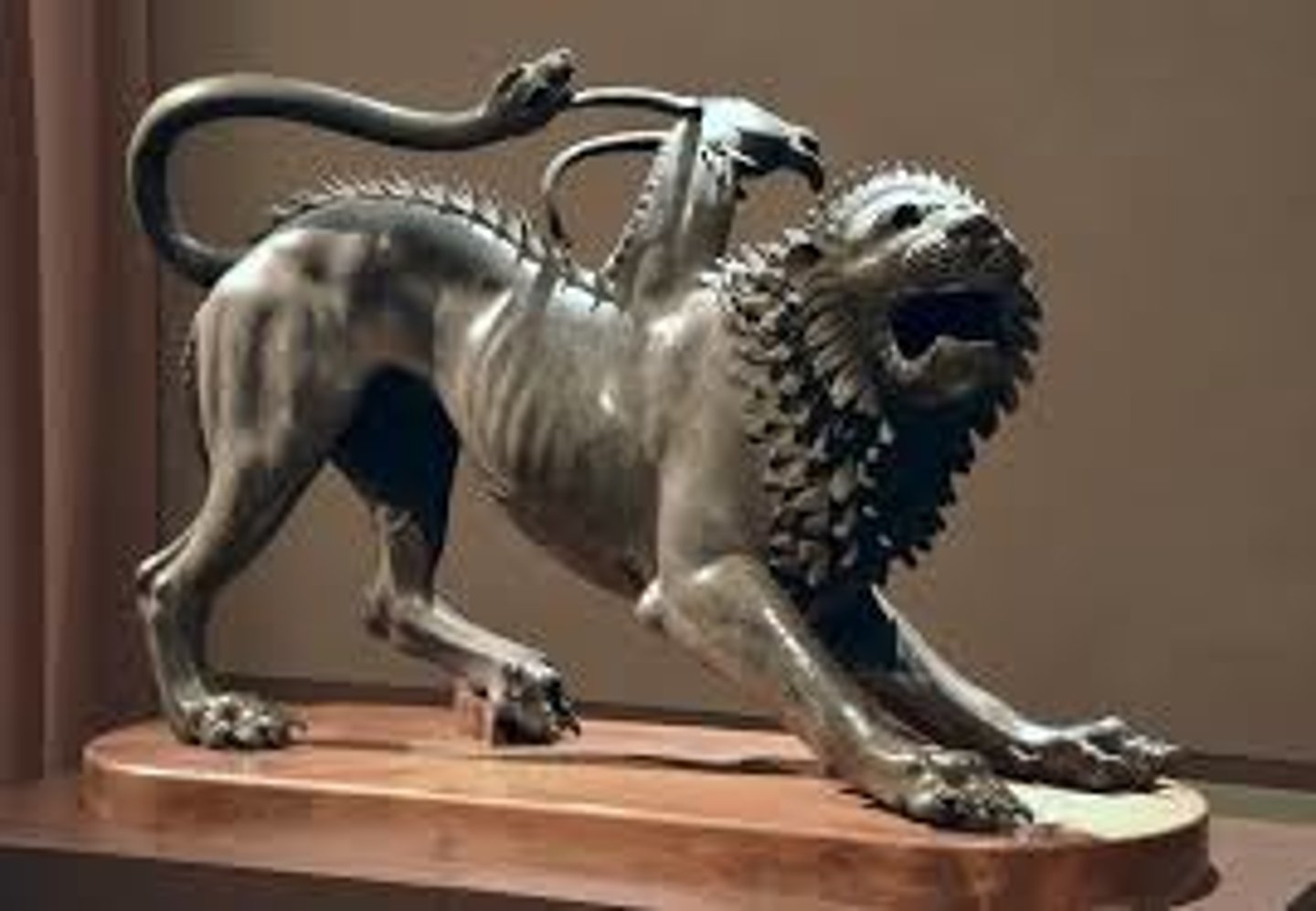
Statue created Chimera made by which culture?
Etruscan- lion age
name given to small colored stones in mosaics
Tesserae
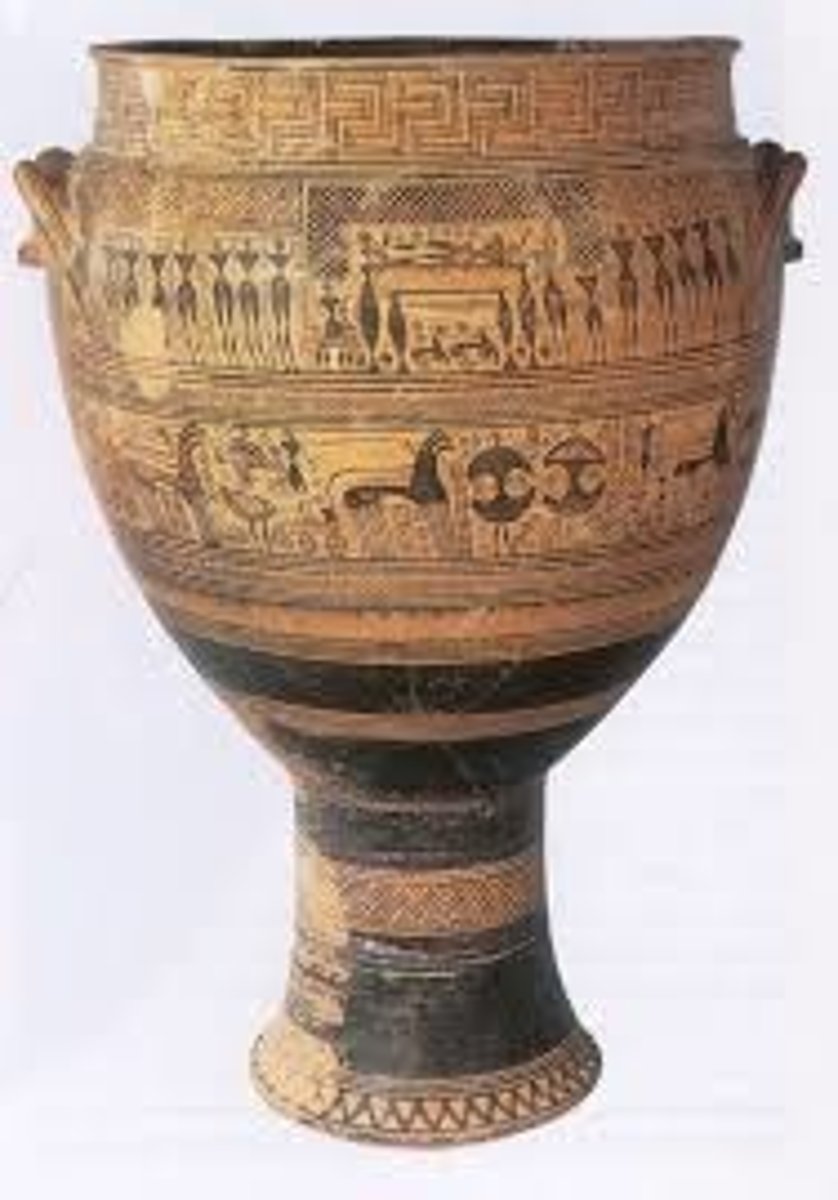
What is the purpose of the "Dyplon Krater?"
used as a grave marker
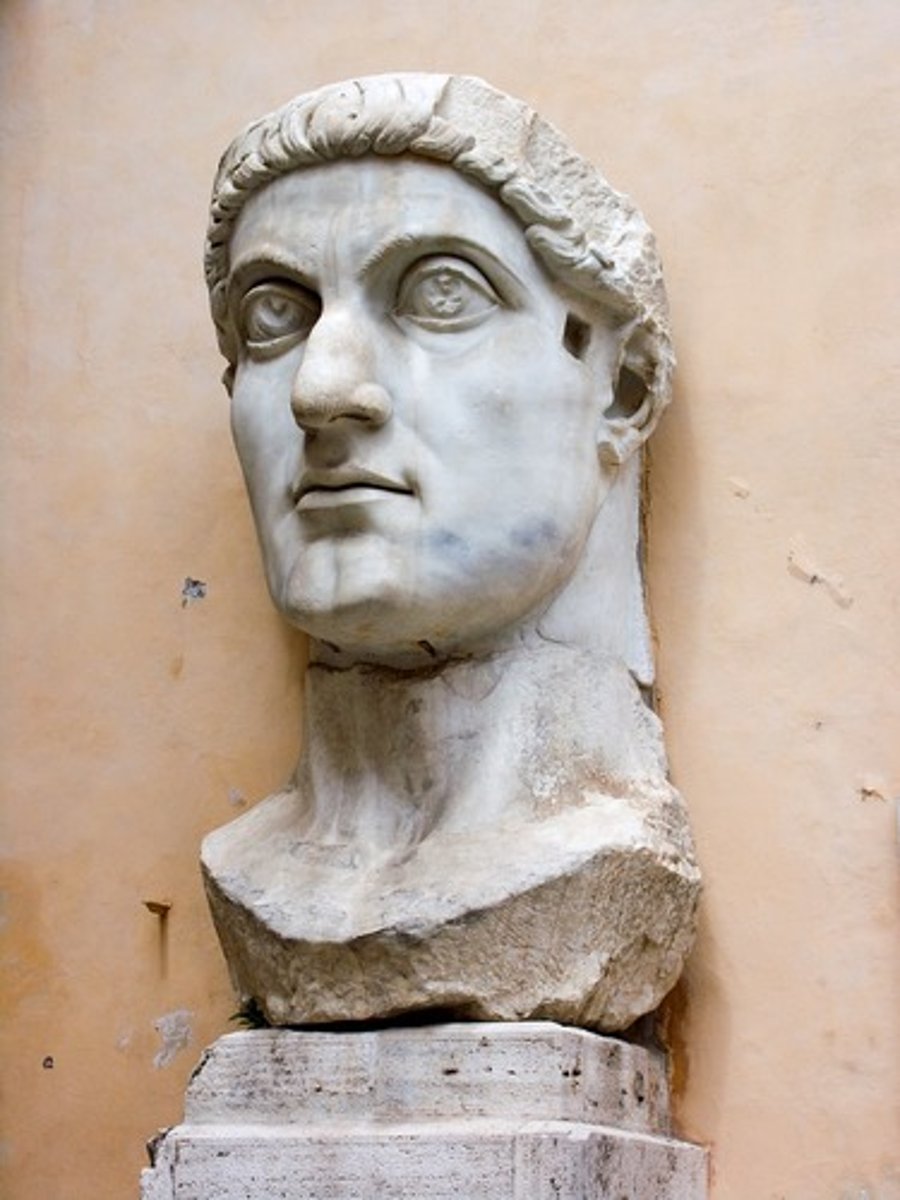
This emperor was made famous with this colossus (statue bigger than life) and his "all seeing eyes." Who is he?
Constantine
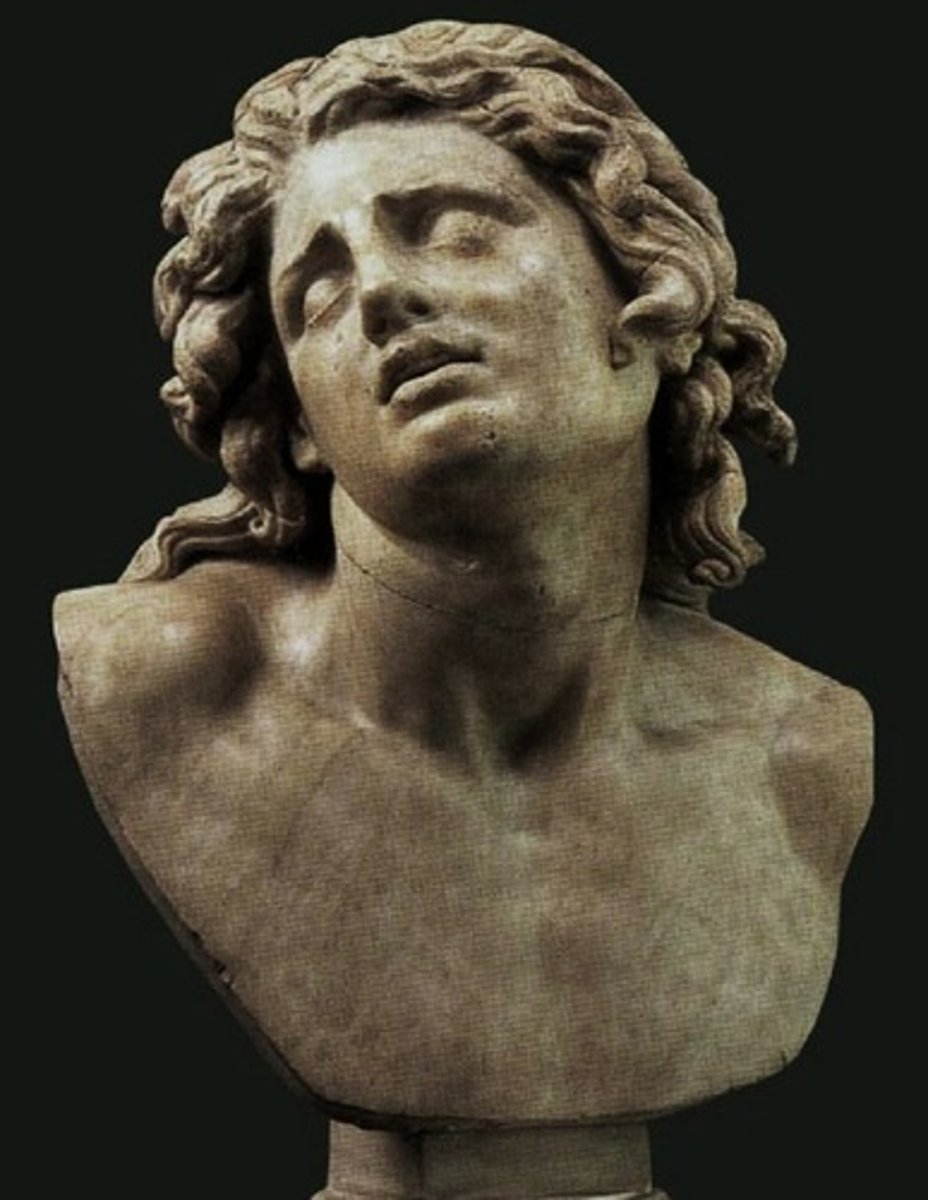
This bust belongs to what period of Greek art?
Hellenistic- passionate staute depicted by facial expression and emption
Geometric art
Geometric abstraction is a form of abstract art based on the use of geometric forms sometimes, though not always, placed in non-illusionistic space and combined into non-objective (non-representational) compositions.
Hellenistic art
passionate, no heads, suffering etc. Hellenistic art is the art of the period in classical antiquity generally taken to begin with the death of Alexander the Great in 323 BC and end with the conquest of the Greek world by the Romans, a
Classical art
Classical antiquity is the long period of cultural history centered on the Mediterranean Sea, comprising the interlocking civilizations of ancient Greece and ancient Rome, collectively known as the Greco-Roman world.
Archaic art
During the Archaic period, Greek art became less rigidly stylized and more naturalistic. Paintings on vases evolved from geometric designs to representations of human figures, often illustrating epic tales, etc.
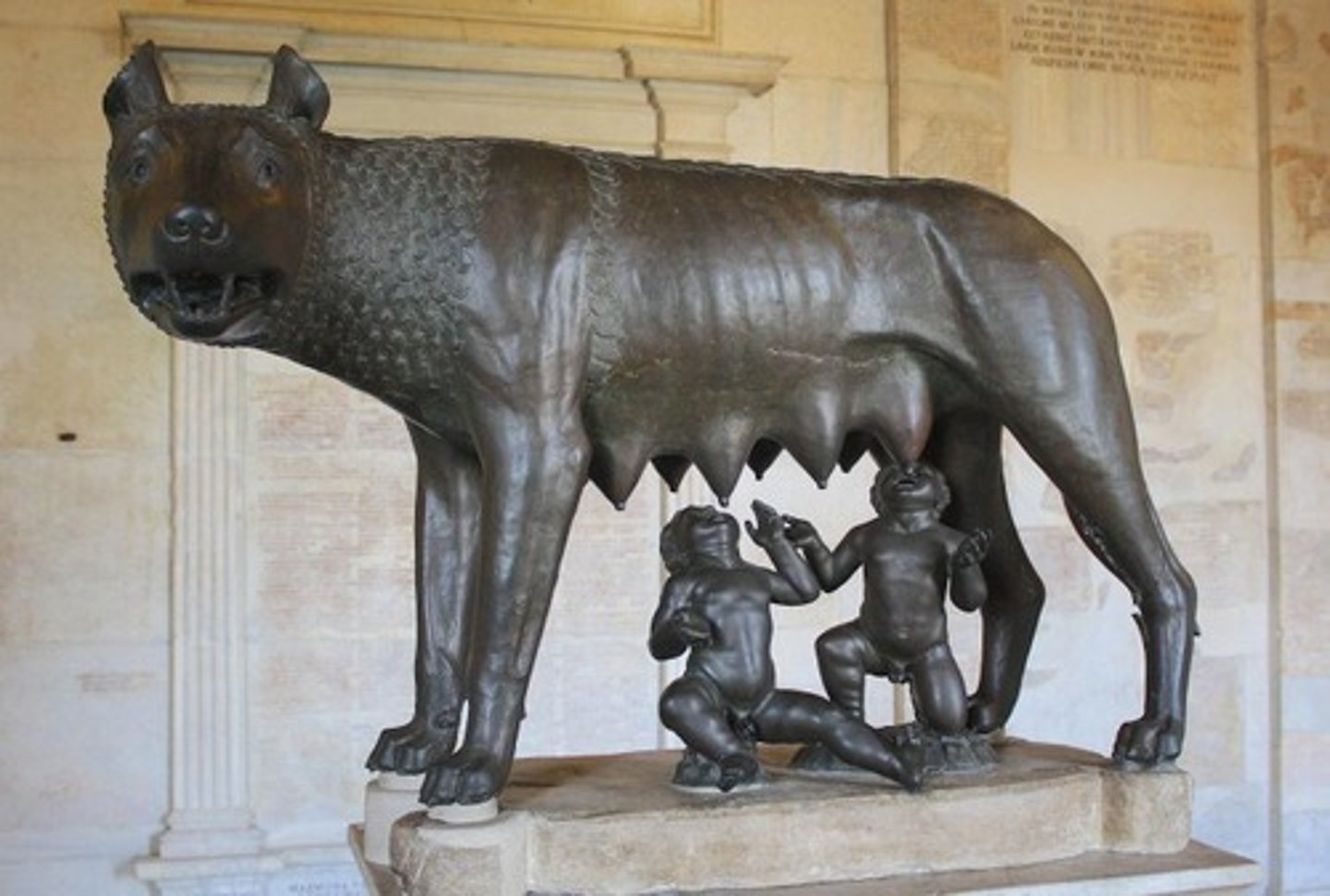
This famous statue is made up of pieces from different eras of art history. What art period are the famous twins from?
Renaissance
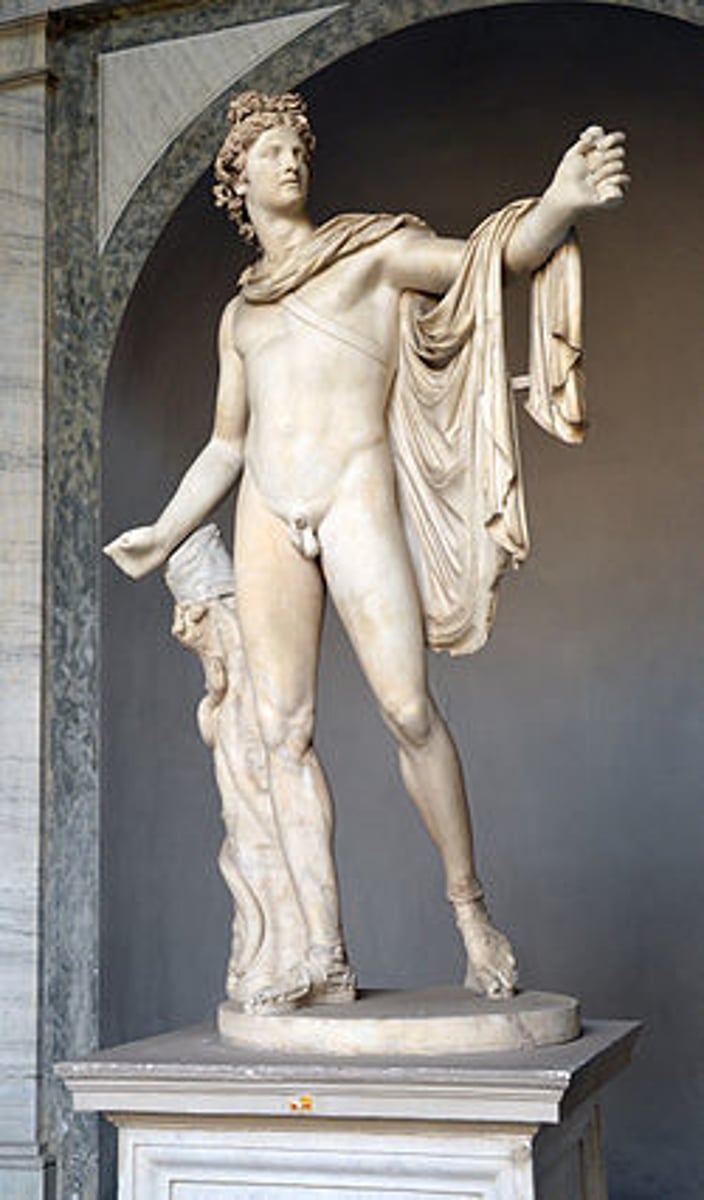
The famous "Apollo Belvedere" pictured here shows the god Apollo doing what?
Playing the Lyre (ancient instrument)
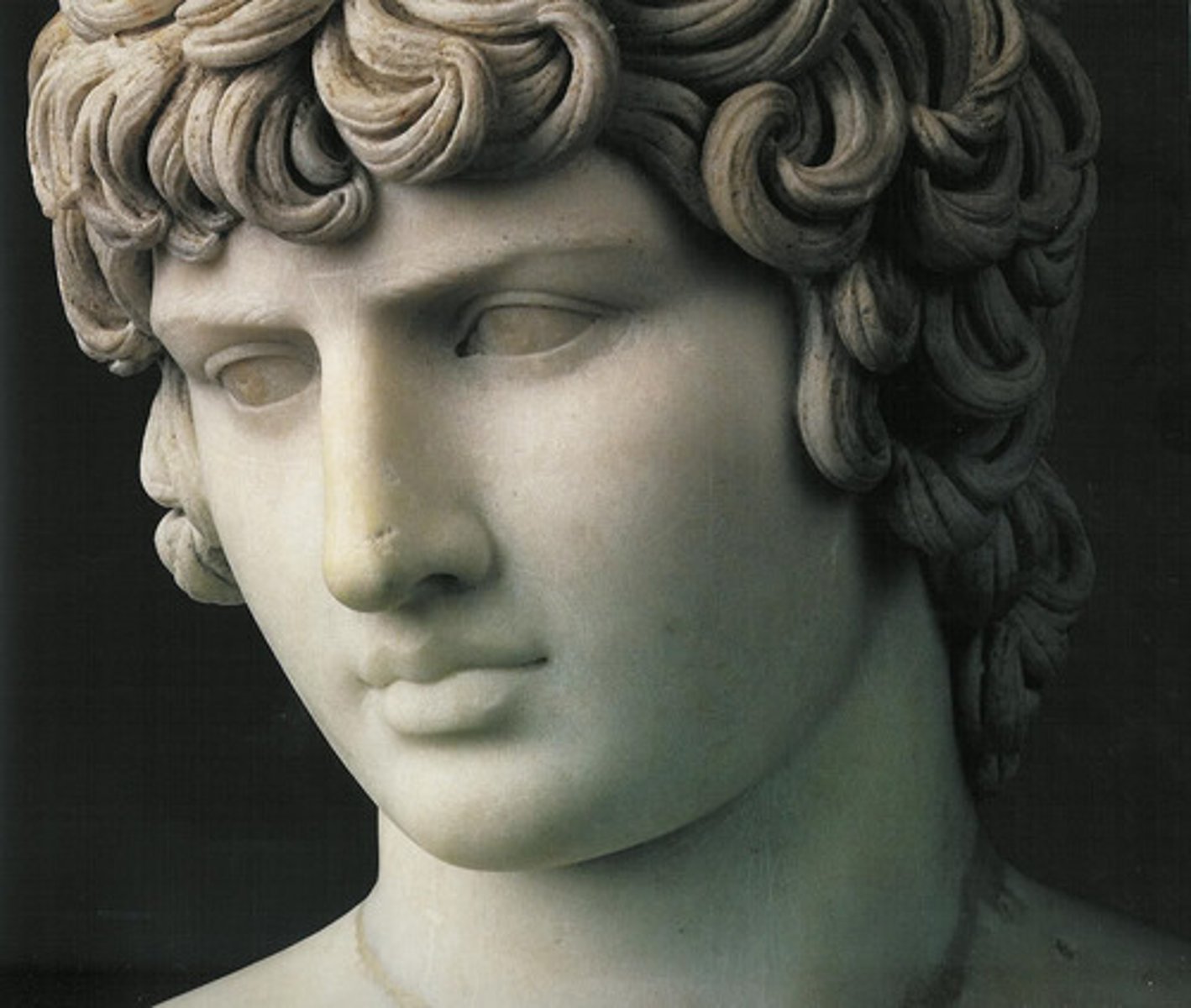
Who is the handsome youth, often associated with the Emperor Hadrian?
Antinous- he was Hadrian's gay lover
These Roman frescos are from the "Villa of Mysteries" in Pompeii. What style of Roman wall painting is this?
Third
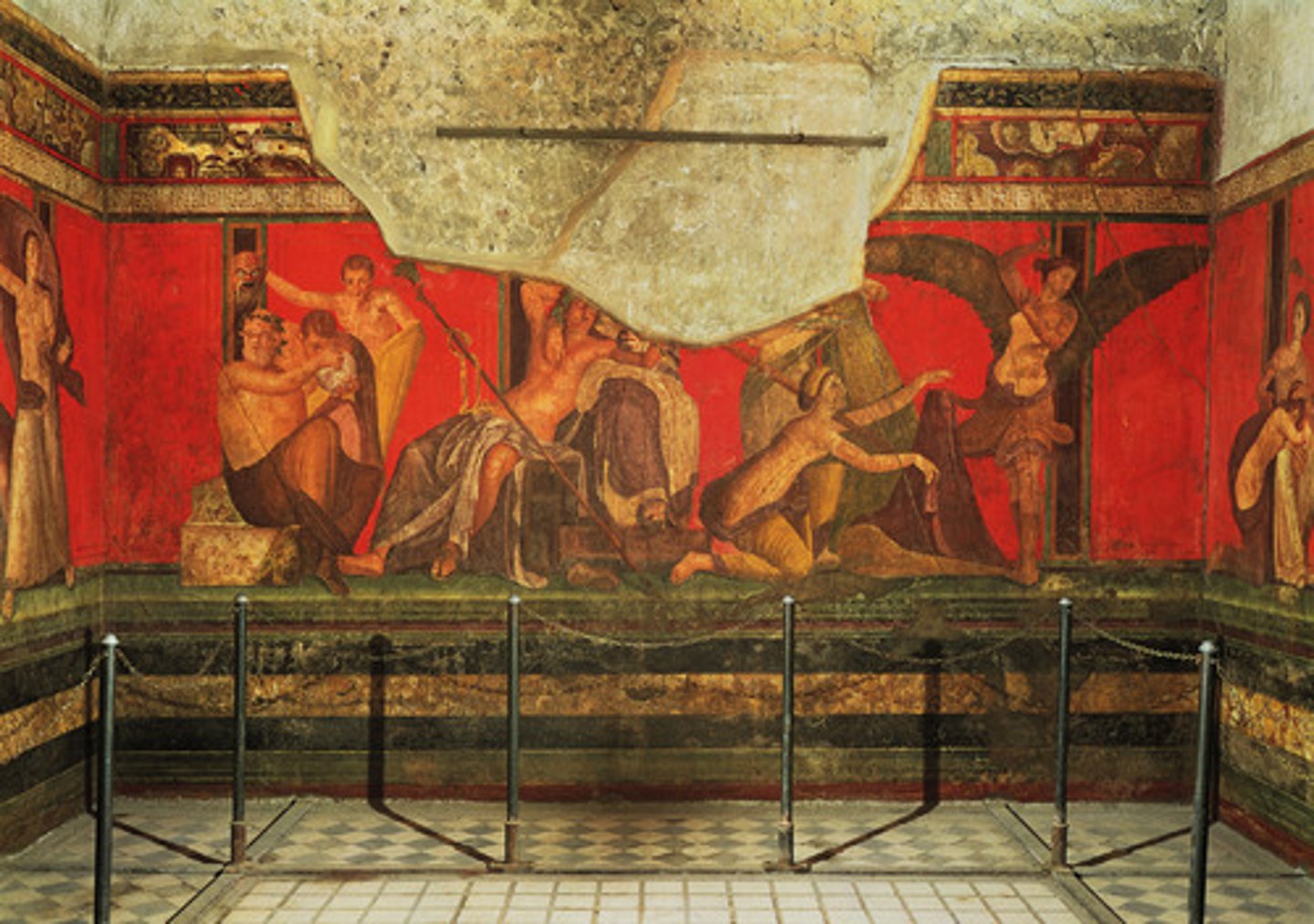
4 styles of ancient art paintings (according to Magister)..
1) simple
2) columns
3) intricate
4) darker/weird
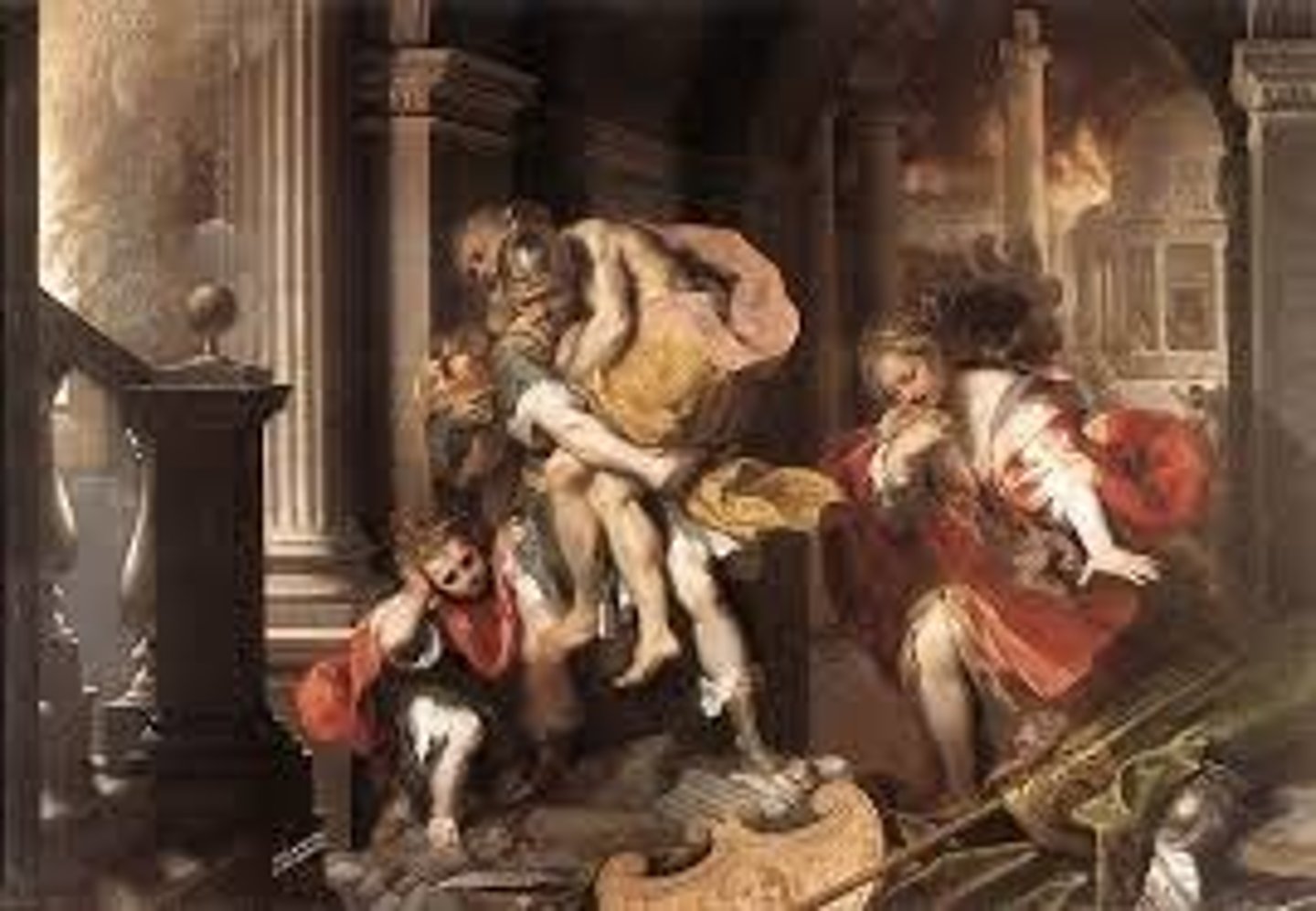
This Neo-Classical painting depicts what famous Trojan at the end of the Trojan War?
Aeneas
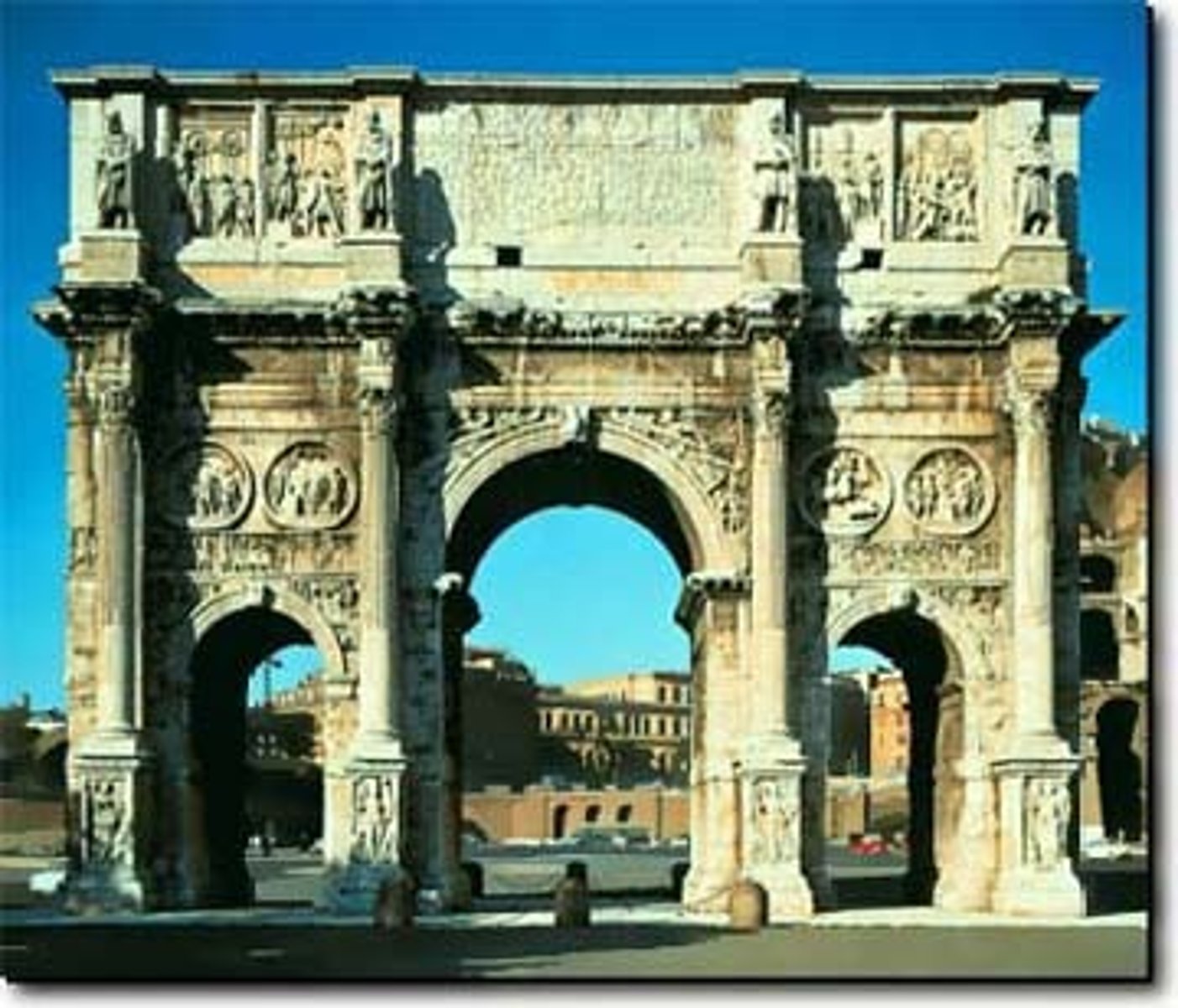
To whom is this triumphal arch dedicated to?
Titus
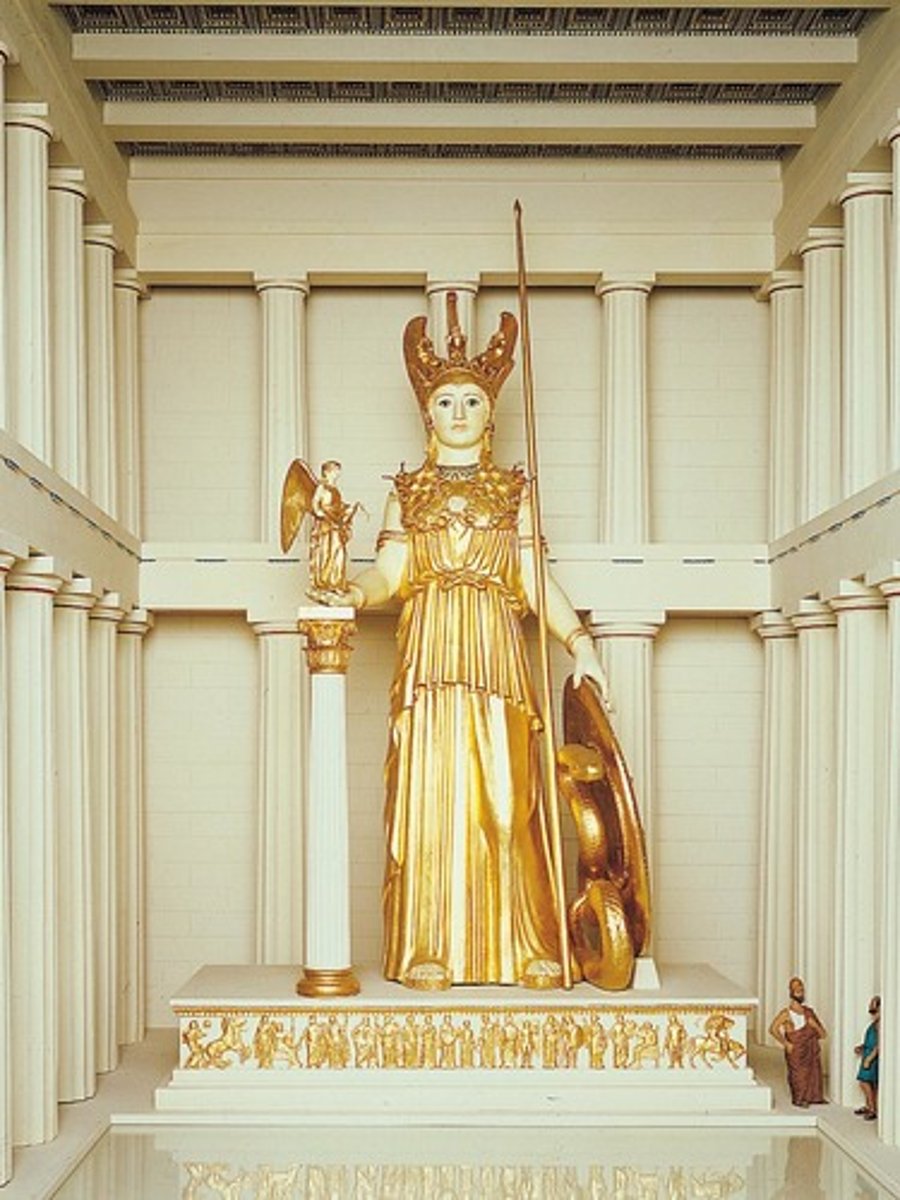
In ancient times this statue could only be found in what structure?
The Parthenon
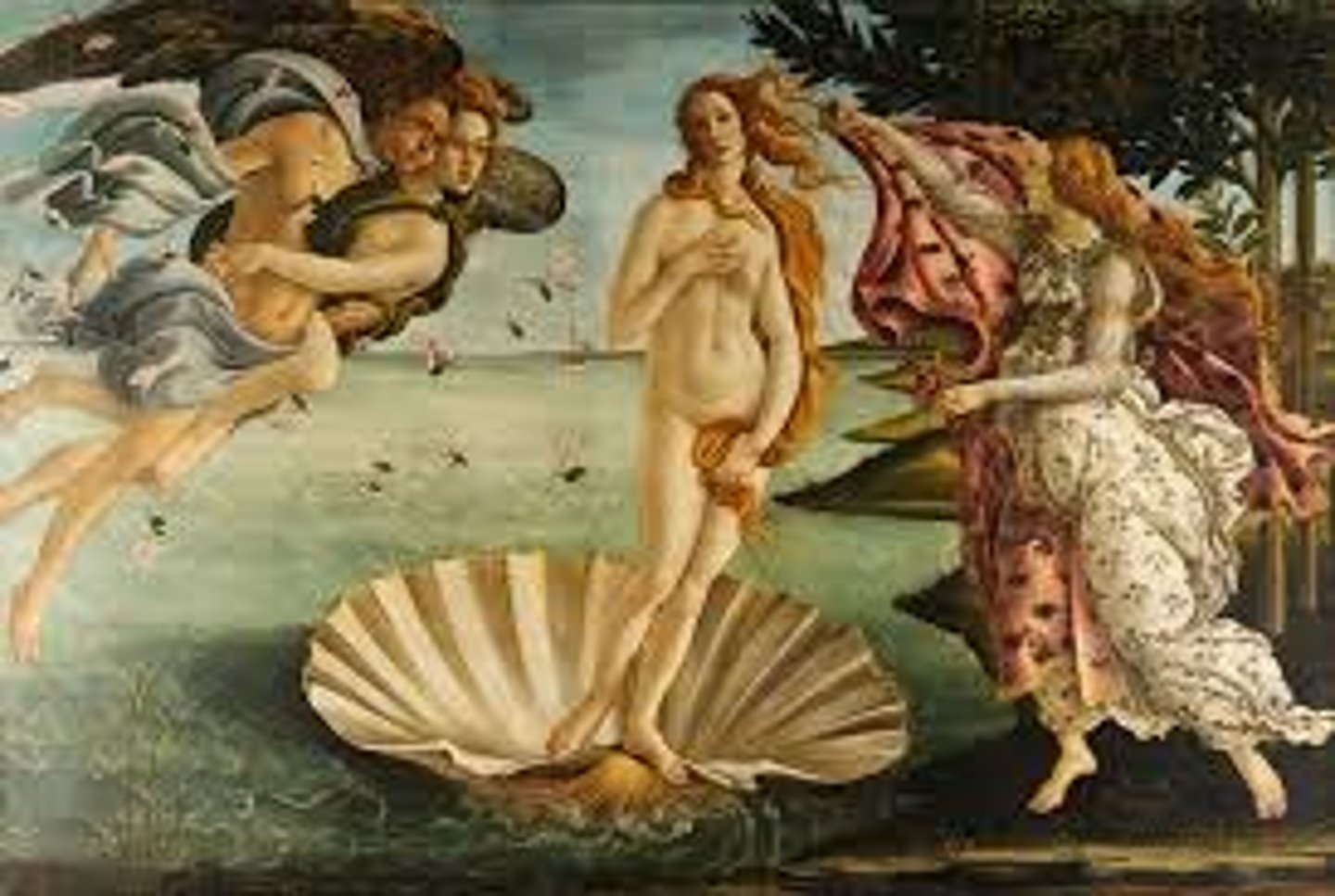
Botticelli's "The Birth of Venus" features many figures from mythology. Who is the character flying in on the left side?
Zephyr (winds that blow venus to shore)
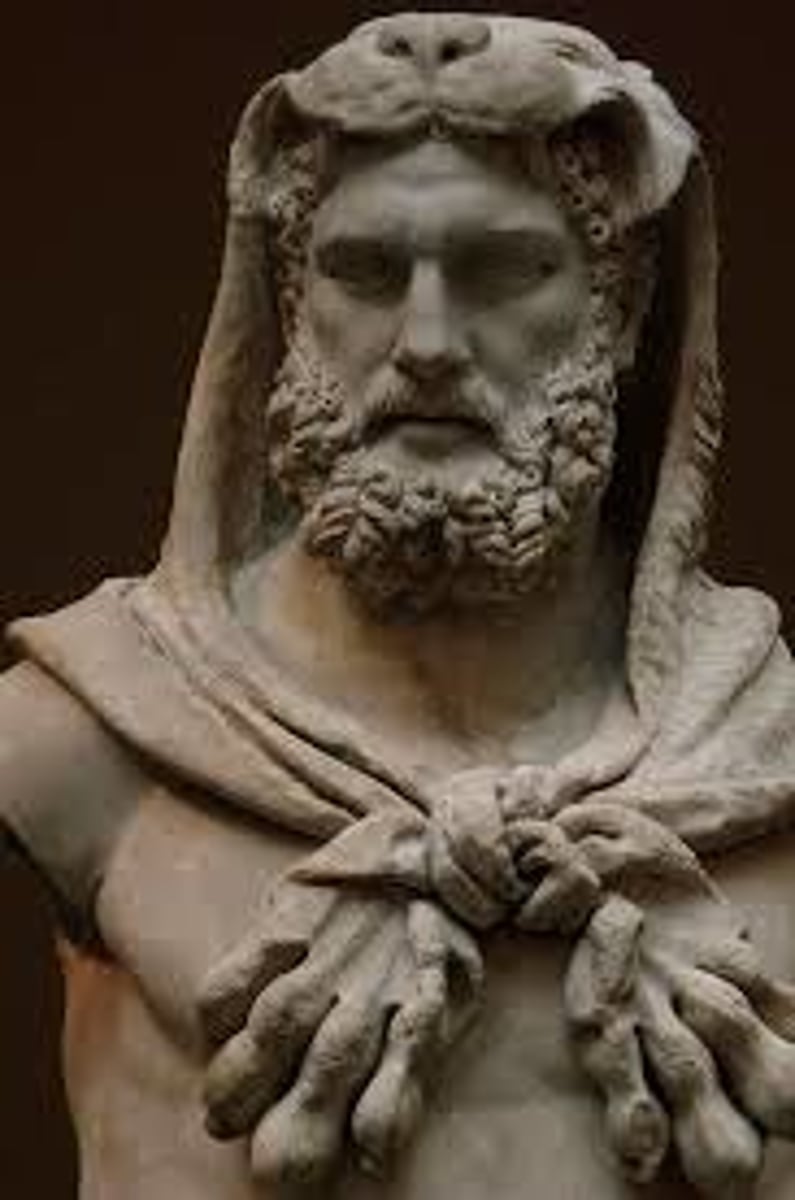
detail of a lion skin is worn by which mythological hero?
Heracles
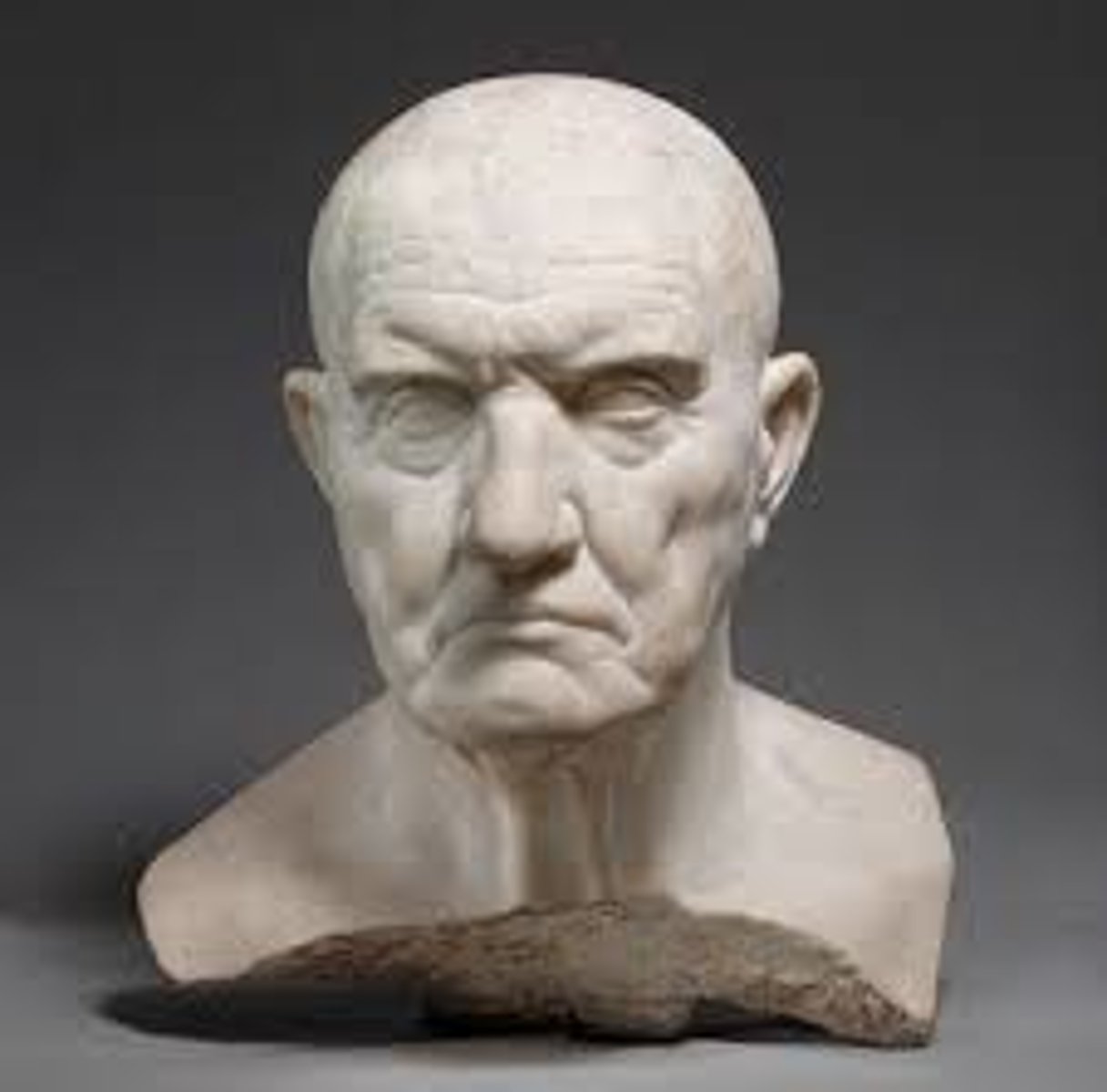
These two Roman busts are apart of what type of movement in Rome?
Naturalism
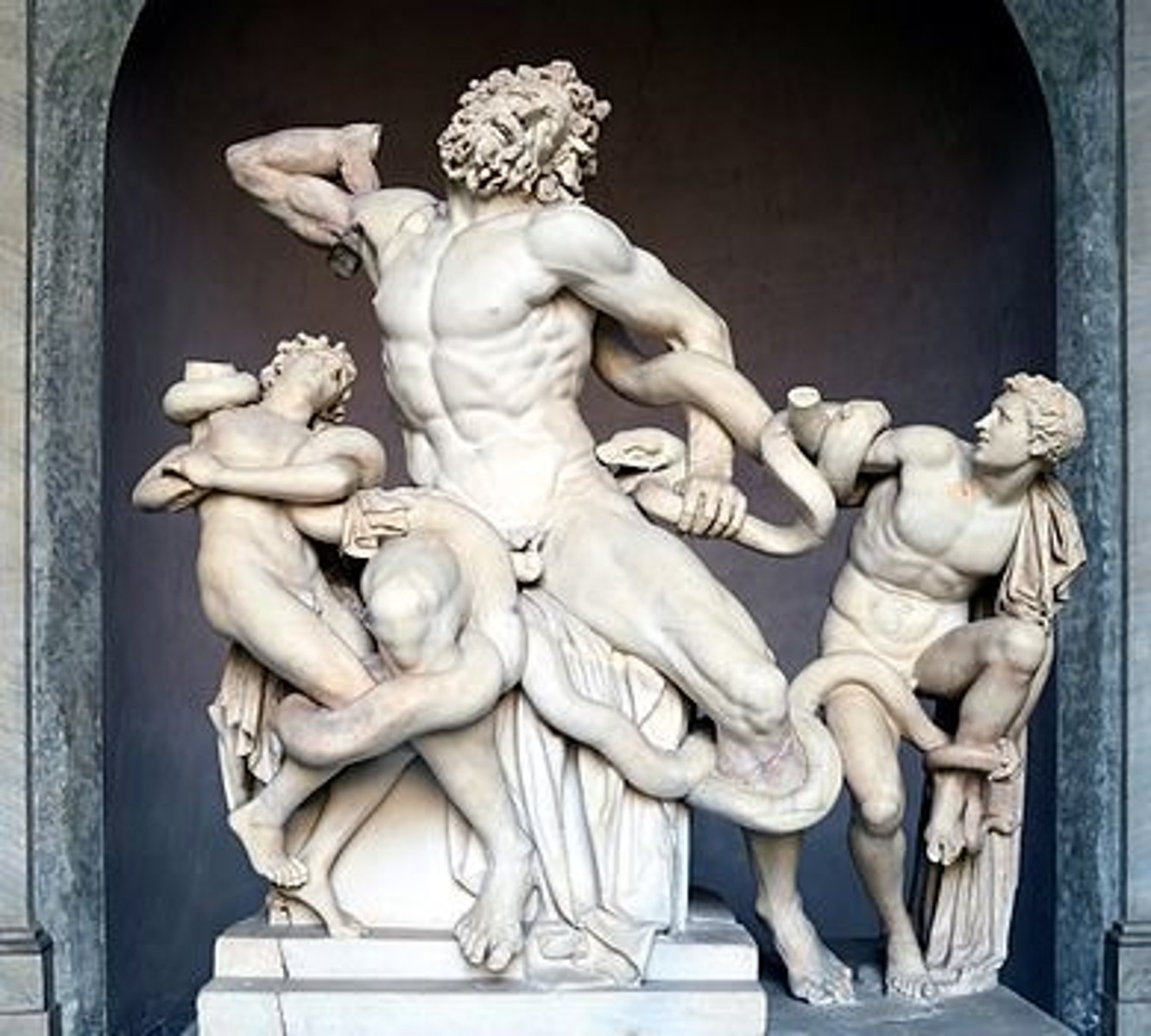
Famous classical statue, "Laocoōn and his sons," inspired Michelangelo later in life. Where does this statue now reside?
The Vatican Museums
small oil flask
Aryballos
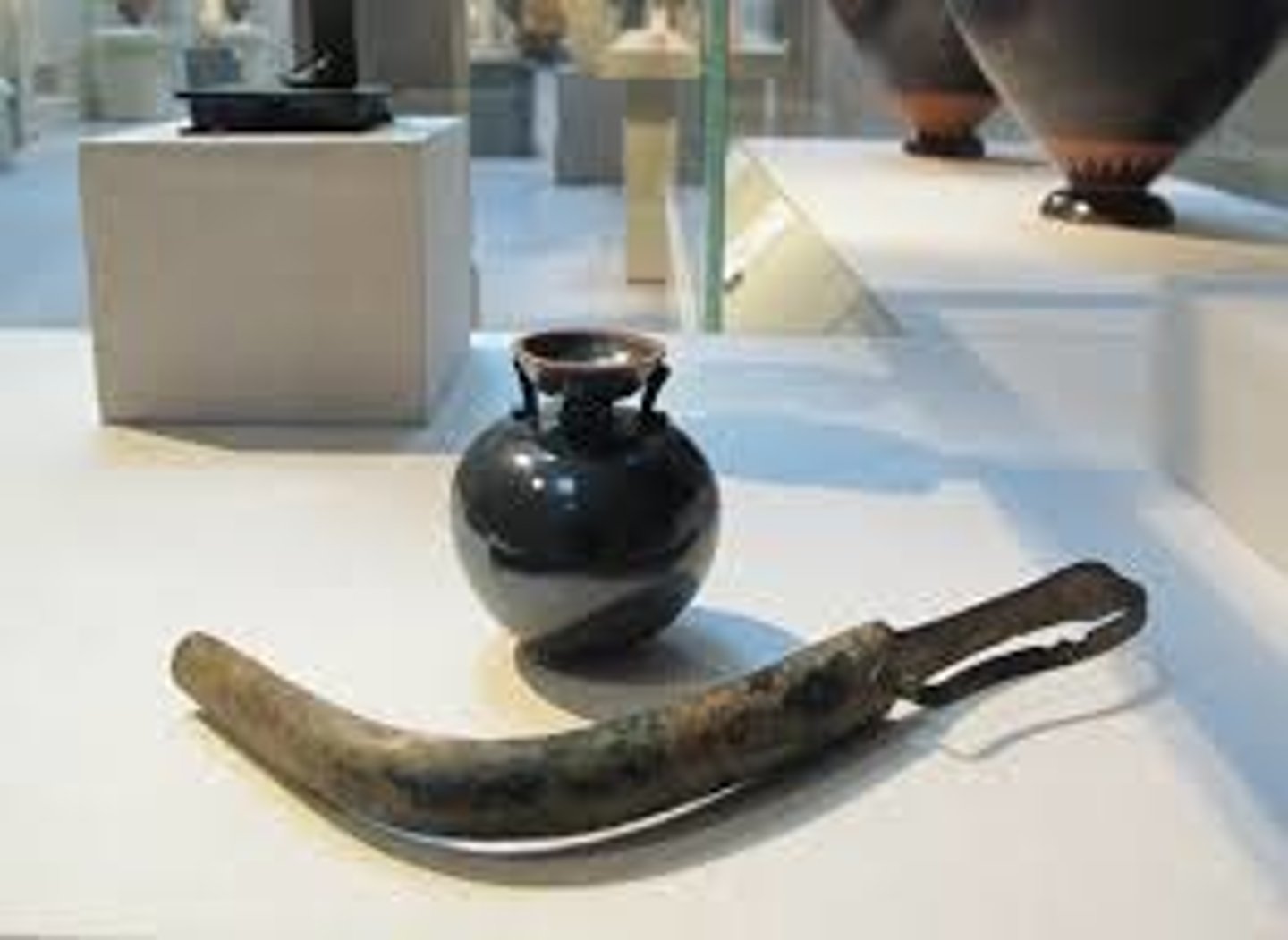
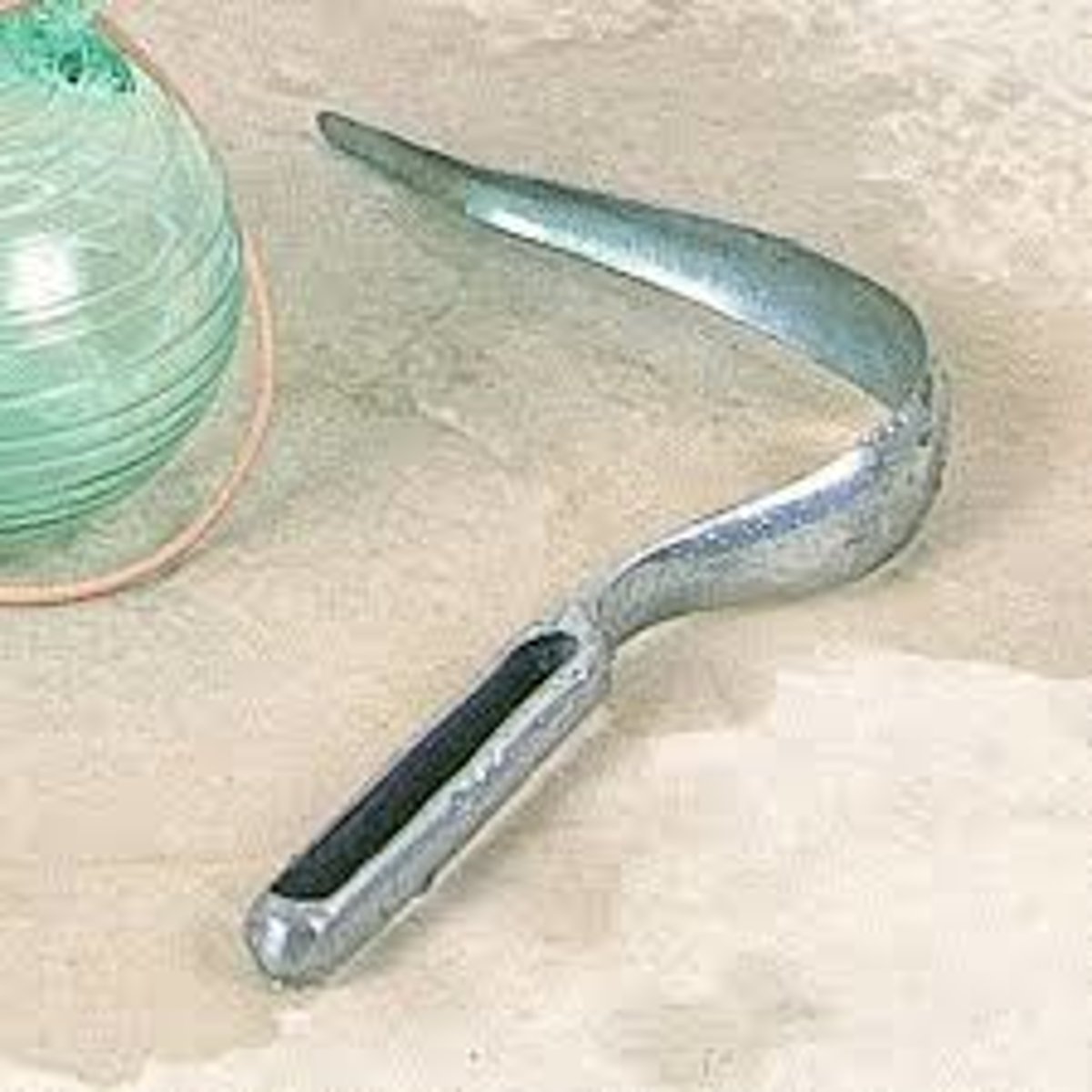
strigil
an instrument with a curved blade used, especially by ancient Greeks and Romans, to scrape sweat and dirt from the skin in a hot-air bath or after exercise; a scraper.
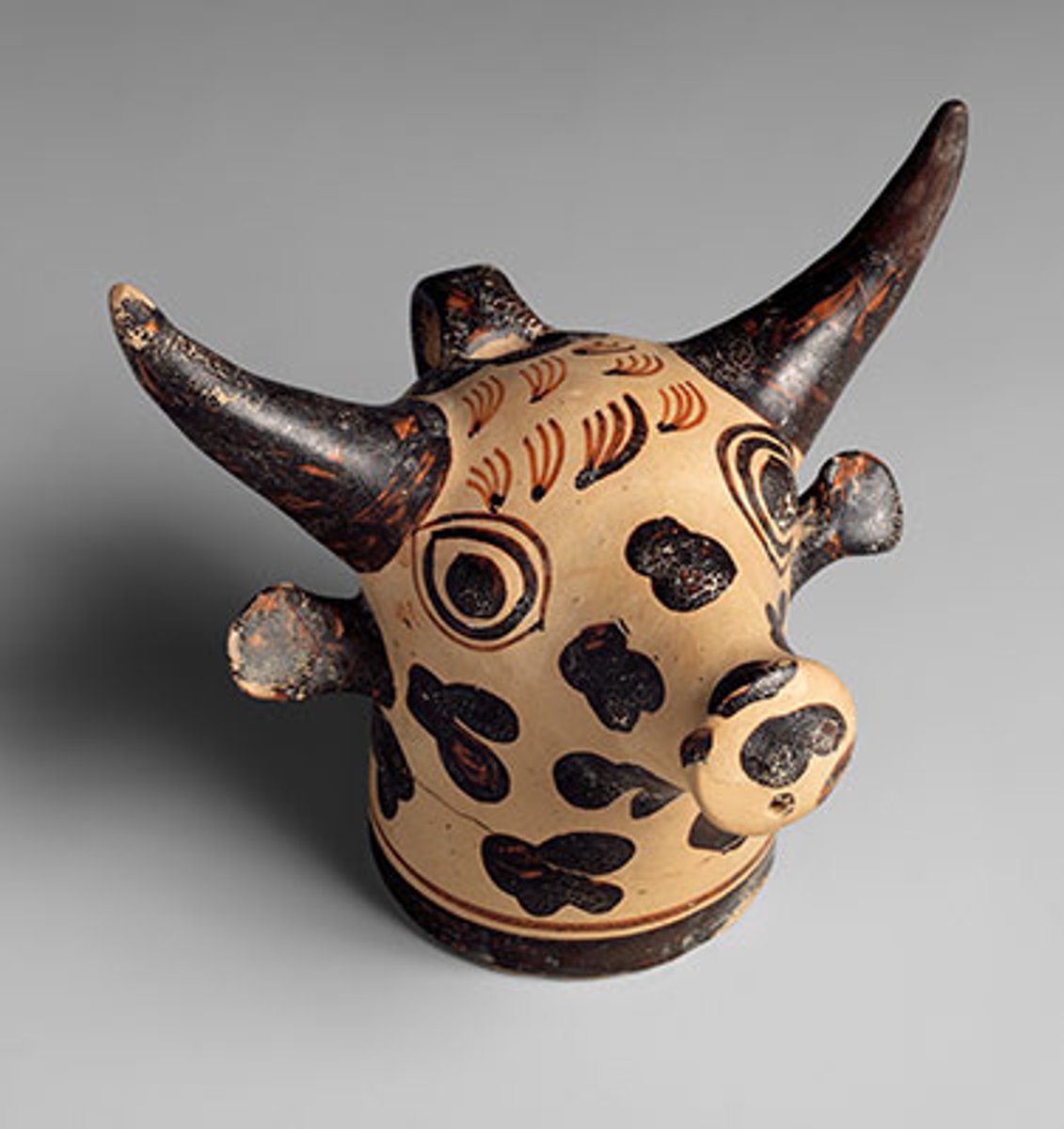
Purpose of this Greek piece of pottery?
musical instrument
Orientalizing art style
uses stick figures
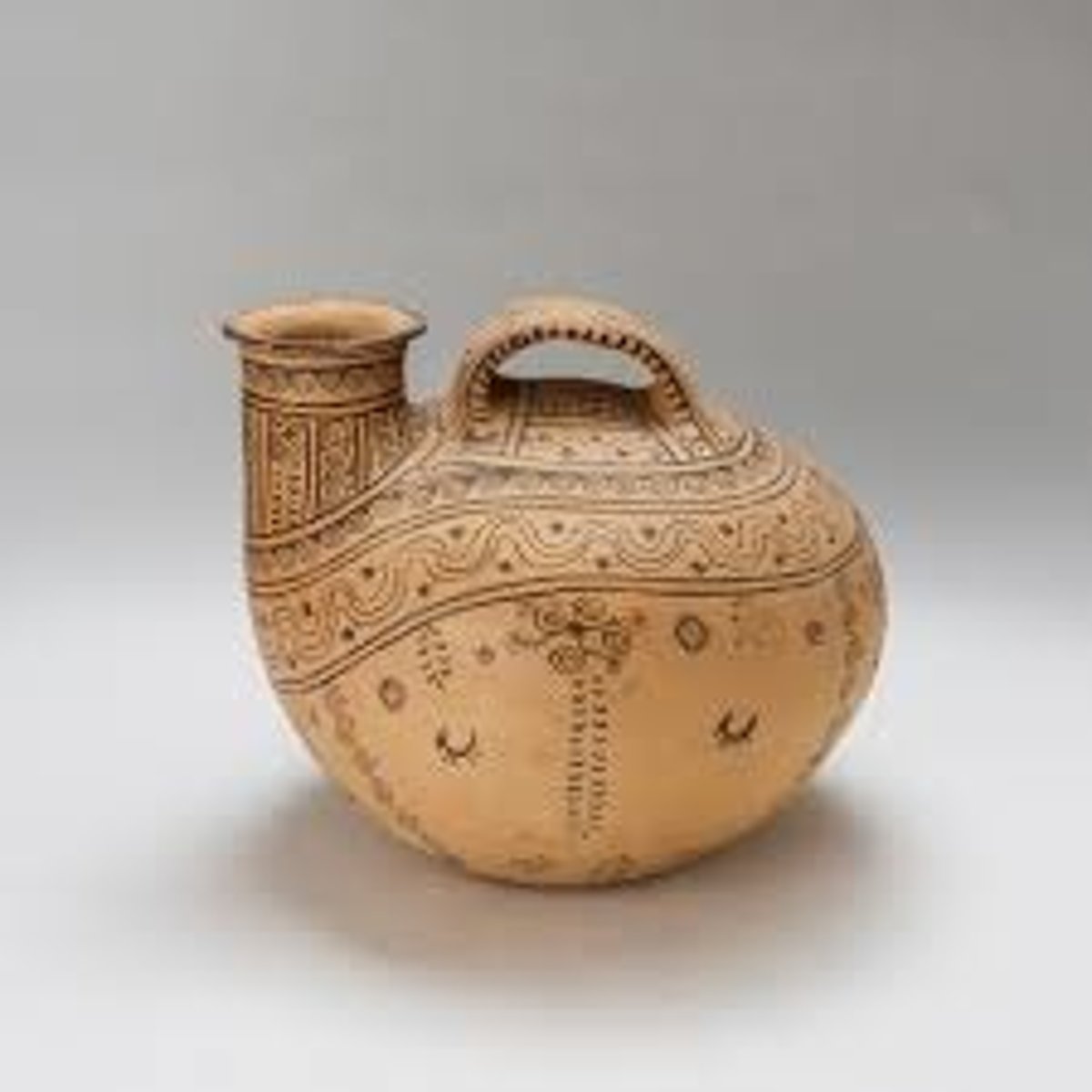
what is this greek pouring container
askos
famous mythological couple does Bernini depict here?
Apollo & Daphne
 Note
Note  Flashcards (24)