ch 3 biopsychology - 3.1 human genetics
 Studied by 0 people
 Call Kai
 Learn
Learn Practice Test
 Spaced Repetition
 Match
Match Flashcards
 Knowt Play
1/21

There's no tags or description
Looks like no tags are added yet.
Name | Mastery | Learn | Test | Matching | Spaced | Call with Kai |
|---|
No analytics yet
Send a link to your students to track their progress
22 Terms
psychological researchers..
-study genetics in order to better understand the biological factors that contribute to certain behaviors
while our bodies have many of the same parts brains & hormones & cells with genetic codes..
-these are expressed in a wide variety of behaviors, thoughts & reactions
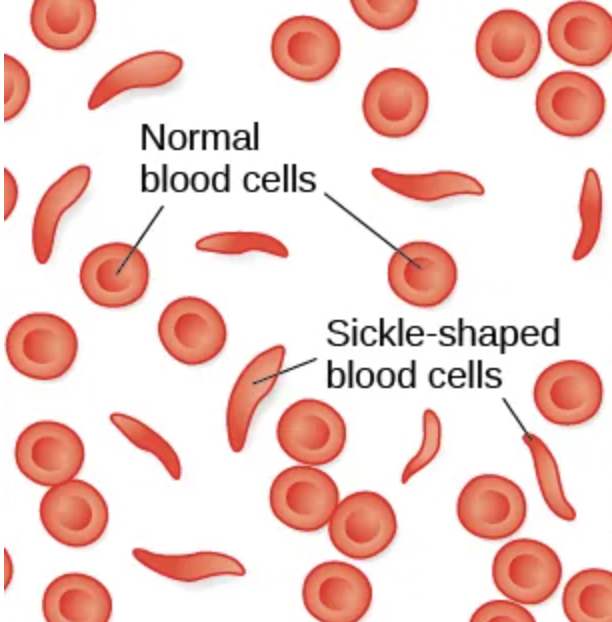
Sickle-cell anemia
-genetic condition in which red blood cells, which are normally round, take on a crescent-like shape
*changed shape affects the function (can clog blood vessels & block blood flow leading to fever or tissue damage
*people have a low survival rate
theory of evolution by natural selection (Charles Darwin)
-states that organisms that are better suited for their environment will survive and reproduce, while those that are poorly suited for their environment will die of
ex - as a carrier, Luwi’s mutation is highly adaptive in her African homeland; however, if she resided in the U.S (where malaria is rare), her mutation could prove costly
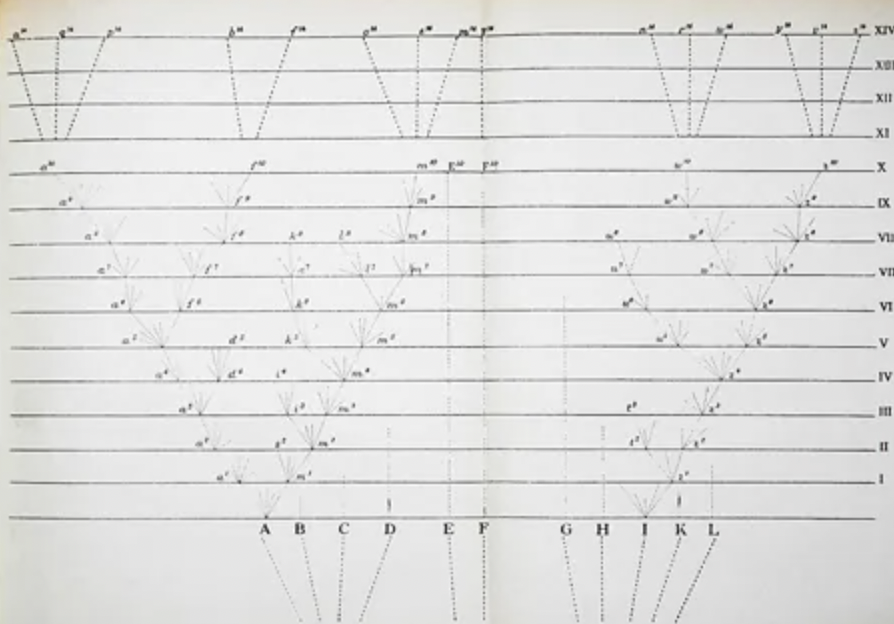
genetic variation
-the genetic difference between individuals
-contributes to a species’ adaptation to its environment
genetic variation in humans begins with..
an egg, about 100 million sperm & fertilization
Chromosomes
-long strings of genetic material known as deoxyribonucleic acid (DNA).
in each chromosome..
-sequences of DNA make up genes
genes
control a number of visible characteristics, known as traits (eye color, hair color..)
allele
-a specific version of a gene
* a given gene may code for the trait of hair color & the different alleles of that gene affect which hair color an individual has
genotype
-the genetic makeup of that individual
Phenotype
-individual’s inherited physical characteristics, which are a combination of genetic & environmental influences
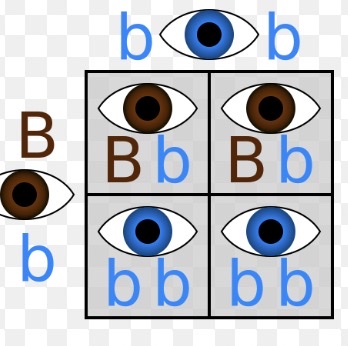
homozygous
-when someone has two copies of the same allele
heterozygous
when someone has a combination of alleles for a given gene
recessive allele
-a version of a gene that only determines an organism's phenotype (observable trait) when two copies are present
ex → blue eyes , cleft chin
polygenic
-controlled by more than one gene
ex → height, skin color & weight
mutation
- a sudden, permanent change in a gene
-*many mutations can be harmful but sometimes a mutation benefits an individual by giving that person an advantage over those who do not have the mutation
Range of reaction
-asserts that our genes set the boundaries within which we can operate, & our environment interacts with the genes to determine where in that range we will fall
ex → if an individual’s genetic makeup leads them to high levels of intellectual potential & they are reared in a rich, stimulating environment, they will be more likely to achieve full potential than if they were raised under conditions of significant deprivation
genetic environmental correlation
-our genes influence our environment, and our environment influences the expression of our genes
ex- the child of an NBA player would probably be exposed to basketball from an early age, exposure might allow the child to realize their full genetic, athletic potential, Thus, the parents’ genes, which the child shares, influence the child’s environment, & that environment, in turn, is well suited to support the child’s genetic potential
epigenetics
-looks beyond the genotype itself & studies how the same genotype can be expressed in different ways.
identical twins
develop from a single fertilized egg that split, so the genetic material is exactly the same in each
fraternal twins
-result from two different eggs fertilized by different sperm, so the genetic material varies as with non-twin siblings
 Note
Note  Flashcards (37)