human health and disease
 Studied by 4 people
 Call Kai
 Learn
Learn Practice Test
 Spaced Repetition
 Match
Match Flashcards
 Knowt Play
1/59

Earn XP
Name | Mastery | Learn | Test | Matching | Spaced |
|---|
No study sessions yet.
60 Terms
smoking is assoicated with increase incidence of
lung cancer, urinary bladder cancer, throat cancer, emphysema, coronary heart disease, gastric ulcer
antibodies are released by
B cells/ B lymphocytes
specific opioid receptors are present in
central nervous system and gastrointestinal tract
cannabinoid receptors are present in
brain
coca alkaloid receptor is present in
dopamine receptors(affects dopamine transport)
excessive dosage of drug can lead to
coma or death by respiratory failure,heart failure, cerebral haemorrhage
chronic use of alcohol and drugs cause
damage to nervous system, liver cirrhosis
sportsperson misuse 5 types of drugs they are
narcotic analgesic ,anabolic steroids, diuretic, certain hormones, cannabinoids
side effects of anabolic steroids in female
increased aggressiveness, masculinisation, mood swings, depression, abnormal menstrual cycle, excessive hairs on body and face, enlargement of clit, deepening of voice
effects of anabolic steroids on male
acne, increased aggressiveness, reduction in testicle size, decreased sperm production, potential kidney and liver dysfunction, breast enlargement, premature baldness, enlargement of prostate gland
heroin (smack) is chemically known as
diacetylmorphine
heroin is generally consumed by
snorting, injection
heroin acts as
depressant, slows down body function
different type of drugs obatined from cannabis sativa
Marijuana, hashish, charas, ganja
cannabinoids are taken by
inhalation, oral ingestion
cannabinoids effect
cardiovascular system
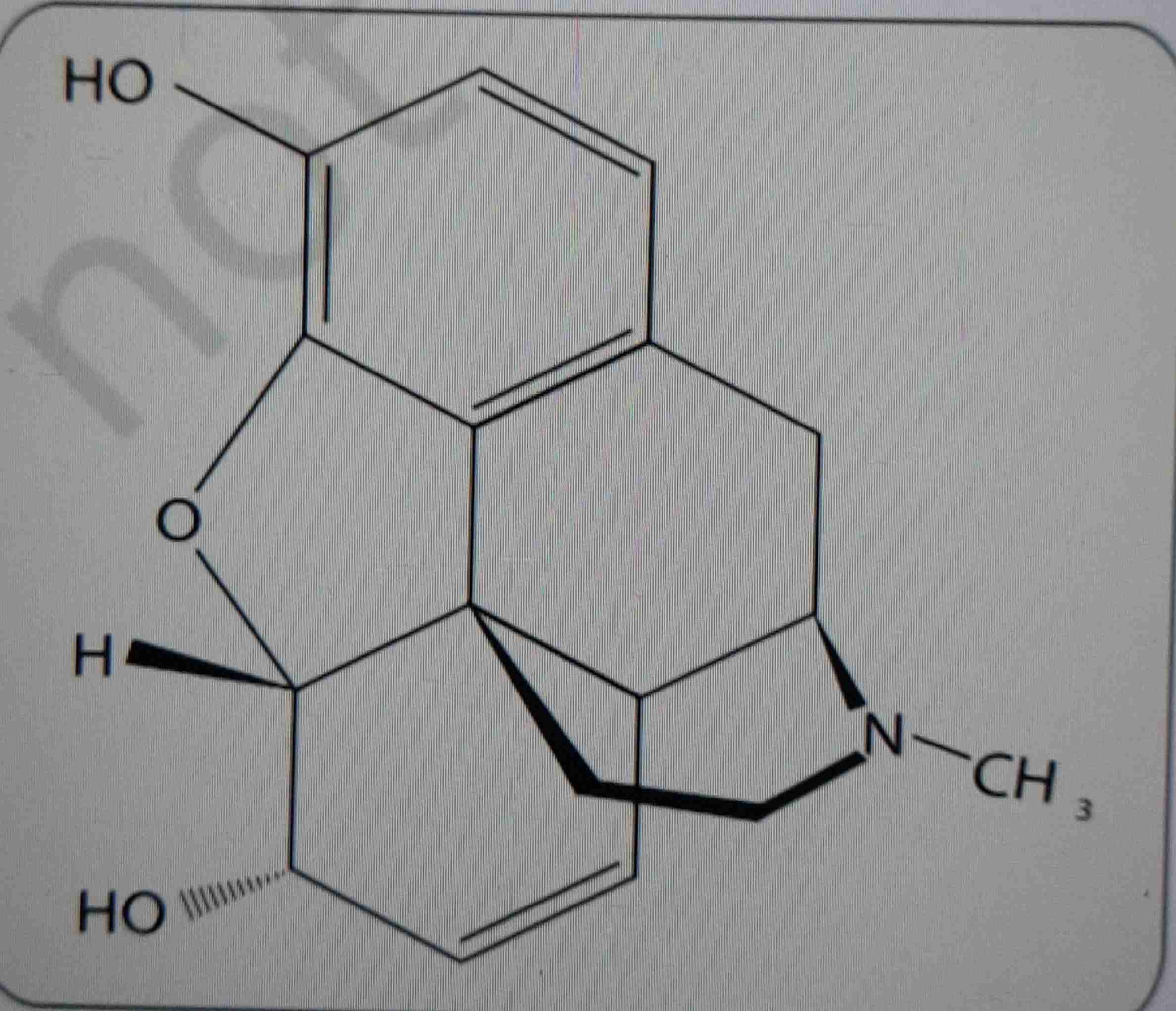
morphine structure
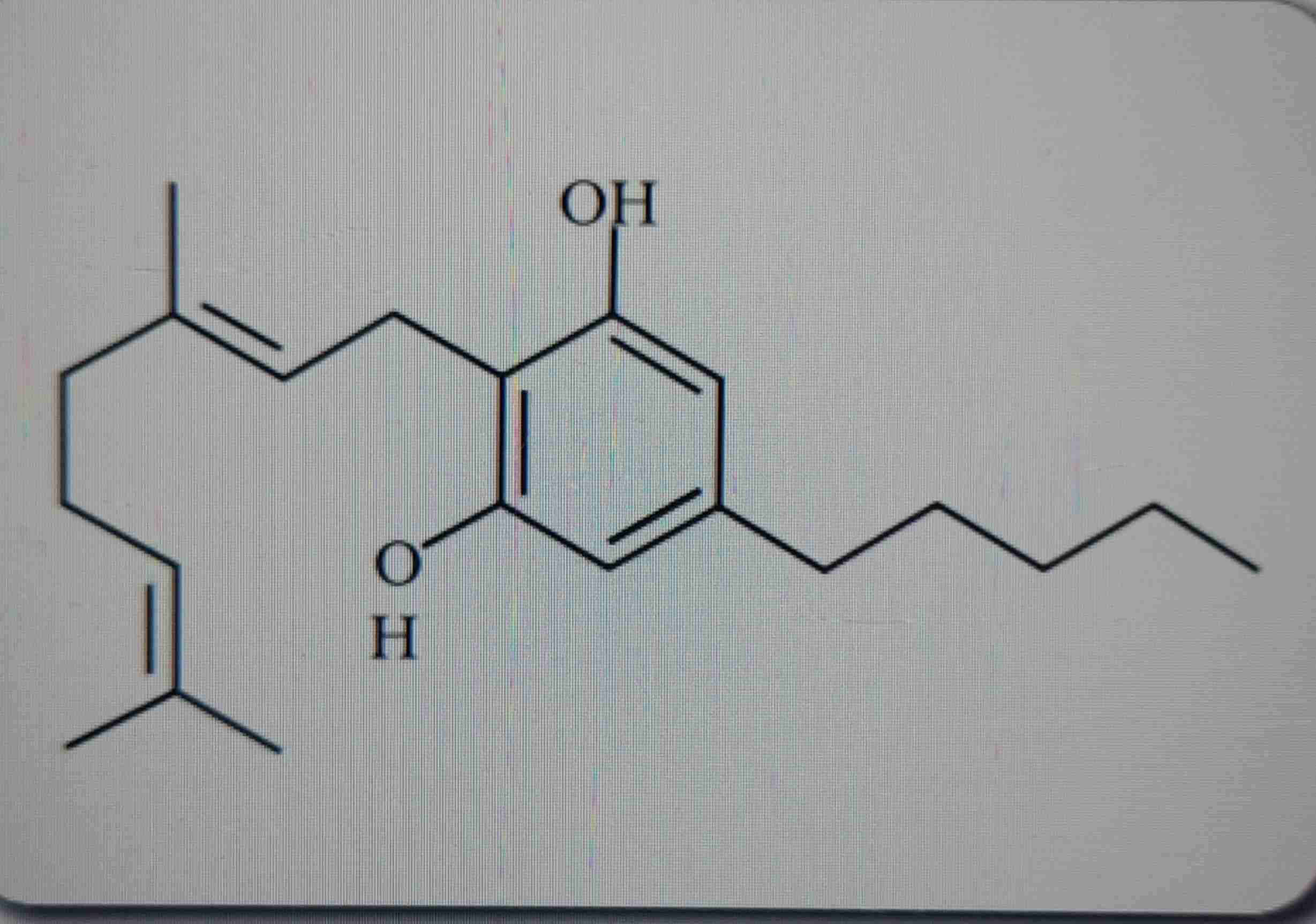
cannabinoid structure
cocaine is usually taken
snorting
cocaine can cause
potent stimulating action on nervous system
excessive use of cocaine can cause
hallucinations
plants with hallucinogenic properties
atropa belladonna and datura
drugs normally used as medicine to help patient cope with mental illness and depression, insomnia
barbiturates, amphetamines, benzodiazepines
physical agents of cancer
ionising x rays and γ rays and non ionising uv rays
chemical agent of cancer
smoke from ciggrates, tobacco smokes
biological agents of cancer
oncogenic viruses, cellular oncogens(proto oncogens)
ways to diagnose cancer in internal organs
xrays, ct scan, mri
method which is also used to identify cancer in some cases
antibodies against specific cancer antigens
majority of cancer treatment drugs have side effects like
hairloss and anemia
blood circulation was developed by
william Harvey
sustained high fever, weakness, stomach pain, constipation, headache, loss of appetite
typhoid( salmonella typhi)
fever, chills, cough, headache
pneumonia( streptococcus pneumoniae, haemophilus influenzae)
nasal congestion, discharge, sore throat, hoarsness, cough , headache, tiredness
common cold( rhino virus)
constipation, abdominal pain, cramps, stools with excess mucous and blood clots
amoebiasis( entamoeba histolytica)
internal bleeding, muscular pain, fever anemia, bloackage of intestinal passage
ascariasis( ascaris)
most common infectious disease in man
ringworm
fungi belonging to genera which causes ringworm
microsporum, trichophyton, epidermophyton
dry scaly lesions on skin nails and scalp
ringworm
chikungunya is caused by
aedes mosquito
skin, mucus coating of epithelium lining of respiratory tract, gastrointestinal and urogenital tract
physical barrier
acid in stomach,saliva in mouth, tears from eyes
physiological barrier
pmnl neutrophils, monocytes, natural killer cell
cellular barrier
interferons
cytokine barrier
primary and sec immune responses is bcos of
b and t lymphocytes
causes of graft rejection
ability to distinguish self cell and cell mediated immunity
colostrum has
igA
hepatitis b vaccine is produced
yeast
antibodies released due to allergy
igE
allergy is due to the relaese of chemical like
histamine and seretonin
drugs to reduce symptoms of allergy
anti histamine, adrenaline and steroids
primary lymphoid organ
thymus and bone marrow
oragns which provide site for interaction of lymphocytes with antigens
secondary lymphoid organs
the secondary lymphoid organs provide the site for interaction of lymphocyte with the antigen which then proliferates to become
effector cell
both bone marrow and thymus provide micro environment for maturation of
t lymphocytes
spleen mainly contains
lymphocytes and phagocytes
can infected hiv cells survive while virus is being replicated and released
yes
the rna genome of the virus is replicated in ehich cells
macrophages
hiv can also enter into which cells to replicate
t lymphocytes
bouts of fever , diarrhoea, weight loss
hiv( when hiv is attacking and decreasing t lympho count)
NACO
National AIDS control organisation
Explore top notes
 Note
Note Explore top flashcards
 Flashcards (60) Flashcards (60)