College Biology - DNA Unit
 Studied by 7 people
 Call Kai
 Learn
Learn Practice Test
 Spaced Repetition
 Match
Match Flashcards
 Knowt Play
1/84

Earn XP
Description and Tags
Test 6
Name | Mastery | Learn | Test | Matching | Spaced | Call with Kai |
|---|
No analytics yet
Send a link to your students to track their progress
85 Terms
Nucleotide
1 sugar
1 phosphate
1 base
HYDROGEN BOND
Anti-parallel
Nucleotide Diagram
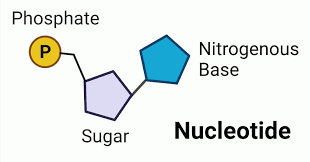
How do nucleotides connect?
3rd carbon connects with phosphate
Hydrogen bond between bases
Nitrogenous Bases
Adenine (2)
Thymine (1)
Guanine (2)
Cytosine (1)
Nitrogenous Bases Connections
Apple in the tree (A to T)
Car in the garage (C to G)
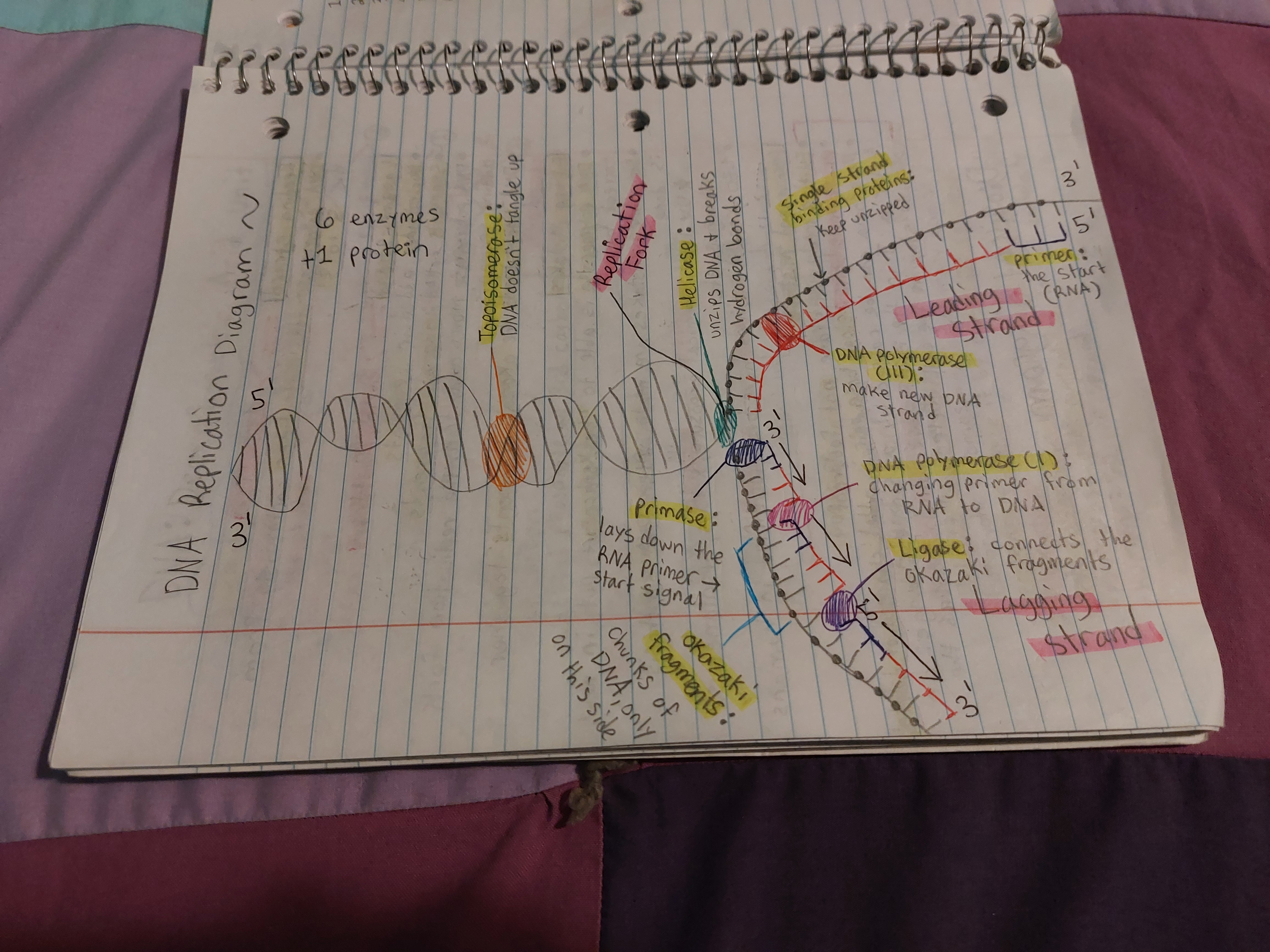
DNA Replication: Topoisomerase
Makes sure DNA doesn’t tangle
DNA Replication: Replication Fork
Half-way point between the helix and zipper
DNA Replication: Helicase
Unzips DNA at the origin of replication
DNA Replication: DNA Polymerase (III)
Makes new strands of DNA
Adds nucleotides to the template
DNA Replication: Single Strand Binding Proteins
Keeps the two strands unzipped
Expressed as little dots on zipper
DNA Replication: Primer
The start of replication (RNA)
DNA Replication: Leading Strand
DNA Polymerase (III) adds nucleotides from 5I to 3I continuously
DNA Replication: Lagging Strand
Nucleotides added in segments
DNA Replication: Primase (Lagging)
Lays down the RNA primer — start signal
DNA Replication: Okazaki Fragments (Lagging)
What the segments are called
DNA Replication: DNA Polymerase (I) (Lagging)
Changing primer from RNA to DNA
DNA Replication: Ligase (Lagging)
Bonds the okazaki fragments together
Summary of Leading Strand
Primer begins process
DNA Polymerase makes new strand
Fast and Simple
Summary of Lagging Strand
Primase sets down the primer
Works downwards (5I to 3I)
Goes back a few and starts over
DNA Polymerase (I) changes primer RNA to DNA
Chunks of DNA (Okazaki Fragments) are connected by Ligase
Editing Mistakes
DNA Polymerase (II) is able to “backspace” and put in new, correct bases
All Proteins Listed in DNA Replication
Helicase
SSB Proteins
Topoisomerase
Primase
DNA Polymerase (I and III)
Ligase
Where does replication start?
At specific points called origins where helicase unwinds the double helix, creating a replication fork, and primase lays down its primers, providing a starting point for DNA polymerase
Semi-Conservative
DNA makes a copy of itself and the original unwinds
2 parents serve as a template
Contains 1 old and 1 new strand
DNA Replications are needed when…
When a cell dies
To fix errors
Reproduction
DNA Replication Drawing
Compare Replication and Protein Synthesis
Both are DNA functions
Contrast Replication and Protein Synthesis
However, DNA Replication is a complete copy of DNA, and Protein Synthesis reads genes and makes proteins by transcription and translation
DNA Attributes
Double Helix
H-Bonds
A, T, C, G
Sugar: Deoxyribose
RNA Attributes
Single Helix
NO H-Bonds
A, U, C, G
Sugar: Ribose
mRNA
A piece of RNA that encodes info for protein synthesis and brings it to ribosomes
What does RNA Polymerase bind to at beginning of transcription?
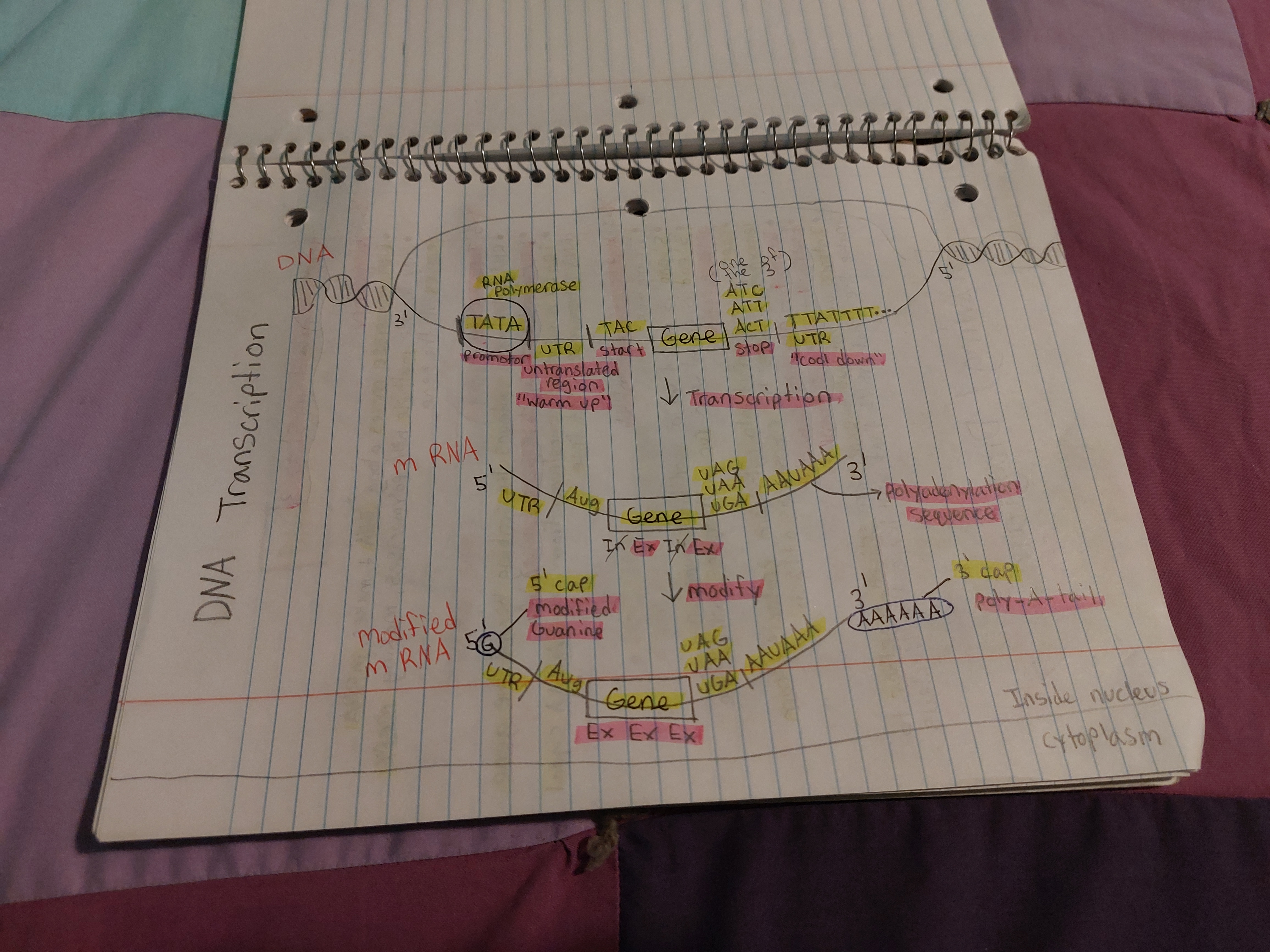
It binds to the DNA at a promotor
TATA Box
Promotor DNA sequence that is recognized by RNA Polymerase
Transcription Factors
Helps with binding RNA polymerase to its promotor
How is mRNA made?
ALWAYS 5I to 3I
Elongation - DNA Transcription
RNA Polymerase moves along DNA and makes mRNA
May include multiple, making many copies of the gene
Beyond the gene… what happens with transcription?
It continues transcribing
Polyadenylation Signal Sequence
AAUAAA
What happens after the AAUAAA signal?
10-30 nucleotides downstream
RNA polymerase is set free
Where does DNA modification happen?
In the nucleus
5I end capped with…
A modified Guanine
3I end capped with…
A run of Adenines, called the Poly-A-Tail
What do the caps help with? (3 things)
Export into cytoplasm
Protects from enzymes
Helps ribosomes attach
Introns
Noncoding regions
Extrons
Coding regions
How do Introns and Extrons work in modification?
Introns are cut out and exons are spliced together to make the final mRNA that will leave the Nucleus
DNA Transcription Drawing
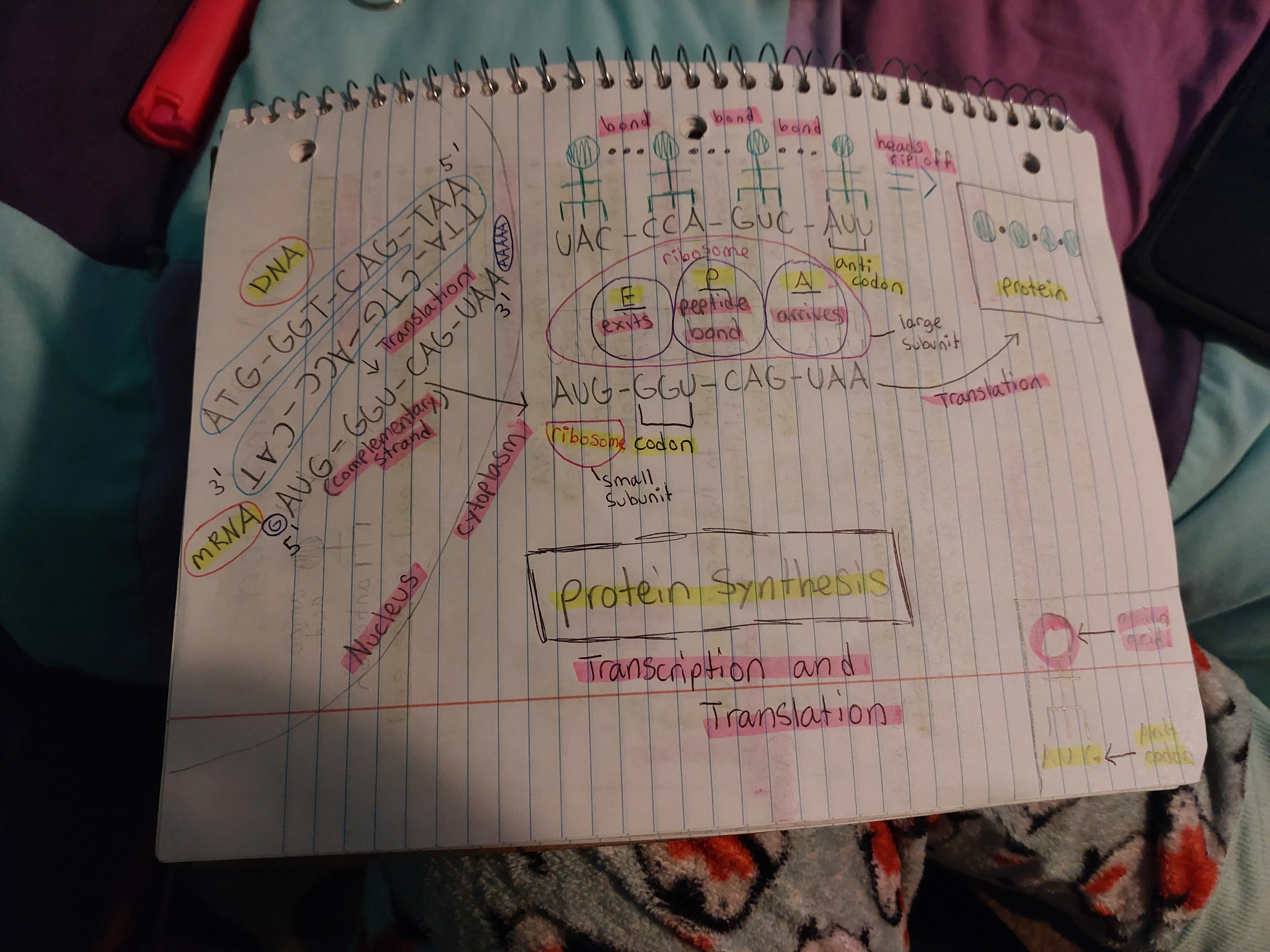
tRNA
(t = transfer)
Transfer RNA
Carries a specific amino acid on one end [head]
Anticodon on the other [three legs]
![<p>(t = transfer)</p><ul><li><p><strong>Transfer RNA</strong></p></li><li><p>Carries a <strong>specific amino acid </strong>on <strong>one end </strong>[head]</p></li><li><p><strong>Anticodon</strong> on the <strong>other</strong> [three legs]</p></li></ul><p></p>](https://knowt-user-attachments.s3.amazonaws.com/a8873d27-1ad0-49e9-953b-f8866980267a.jpg)
Ribosomes
Mixture of proteins and rRNA
2 subunits (small and large)
3 binding sites (E, P, A)
Made in the nucleolus
Initiation - DNA Translation
Small subunit binds to the mRNA and RNA
Scans until it reaches the start codon
Large subunit attaches
tRNA is in the p-site
What is the start codon?
AUG
Elongation - DNA Translation
Amino acids are added 1 by 1 to proceeding
tRNA with anticodon enters the A-site
Peptide bond formed between amino acids
tRNA in the A-site to P-site
Termination - DNA Translation
Stop codon is reached
Protein release factor binds to the A-site
Released the polypeptide
Translation apparatus comes apart
Stop Codons
UAG
UAA
UGA
DNA Translation Drawing
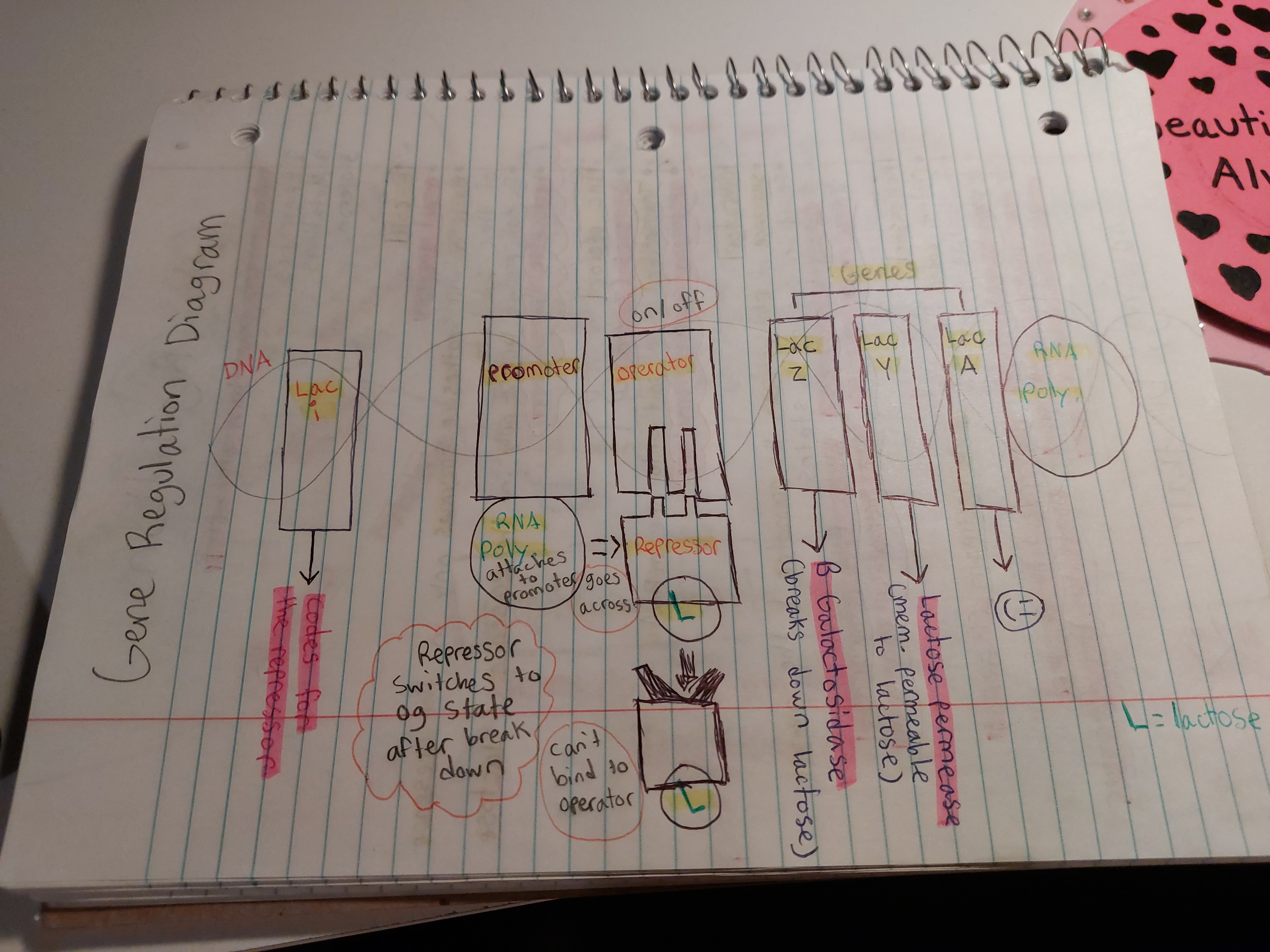
What makes genes turn on/off?
Epigenetics
Mutations
Operon
E. Coli
Model system
Lactose is the inducer
Bacteria will synthesize enzymes only in the presence of their substrate
Lactase only in presence of lactose
Iac Operon
3 genes (Z, Y, A)
Transcribed as a unit onto one mRNA
Upstream is the promoter
Operator
Sequence of DNA between the promoter and the gene
Found in one of two states
Attached to a Repressor - Operator
Blocks RNA polymerase
Free of a Repressor - Operator
RNA polymerase can bind
Repressor
Protein coded for by a gene upstream (I gene)
2 binding sites
When bound to lactose - Repressor
Does not fit operator
When lactose is not bound - Repressor
Binds to the operator and blocks RNA polymerase
Gene Regulation Drawing
DNA Replication (Review) - Purpose and Where
Purpose = to copy DNA strand
Where = nucleus
DNA Transcription (Review) - Purpose and Where
Purpose = create portable RNA copy of gene’s DNA sequence
Where = nucleus
DNA Translation (Review) - Purpose and Where
Purpose = Build proteins
Where = Cytoplasm (on ribosomes)
Genetic Code - Translation Steps
Read codon (sequence of 3)
Use codon chart
Find amino acid
DNA Translation - Silent Mutation
Nucleotide change that DOES NOT change the amino acids
DNA Translation - Frameshift Mutation
Deletion / Insertion that changes the way it is read
DNA Translation - Nonsense Mutation
Shortened, stop codon instead of coding for another amino acid
DNA Translation - Missense Mutation
Single nucleotide change = different amino acid in the chain
Basic Review of Protein Synthesize
A = transcription
B = mRNA
C = translation
D = protein
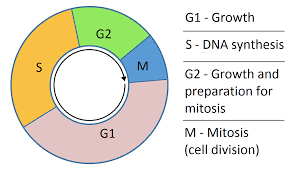
G1 Phase - Cell Cycle
Cellular contents duplicated
Growth
G2 Phase - Cell Cycle
Chromosomes are duplicated by the cell
Growth
S Phase - Cell Cycle
Double checks errors and makes repairs
Replication
Interphase - Cell Cycle
Cell grows and hangs out
Longest (G1, G2, S)
Mitosis - Cell Cycle
Division of the nucleus
Includes PMAT
Cytokinesis - Cell Cycle
Division of the cytoplasm
Does the cell cycle have checkpoints?
Yes!
Cell Cycle Simple Diagram
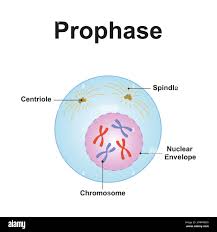
Prophase - Cell Phases
Chromosomes visible, spindle forms as centrioles move
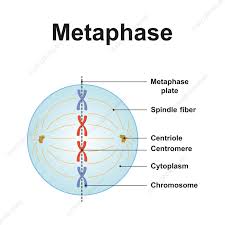
Metaphase - Cell Phases
Chromosomes line up along equator
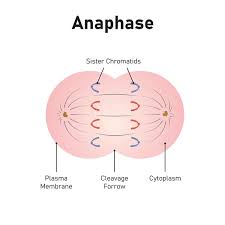
Anaphase - Cell Phases
Chromatids separate
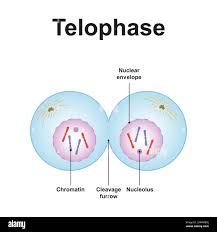
Telophase - Cell Phases
Nuclear membrane forms, cytokinesis begins
 Note
Note  Flashcards (64)