C1.2 Cell Respiration
 Studied by 3 people
 Call with Kai
 Learn
Learn Practice Test
 Spaced Repetition
 Match
Match Flashcards
 Knowt Play
1/39

There's no tags or description
Looks like no tags are added yet.
Name | Mastery | Learn | Test | Matching | Spaced | Call with Kai |
|---|
No study sessions yet.
40 Terms
What monomer is ATP?
nucleotide
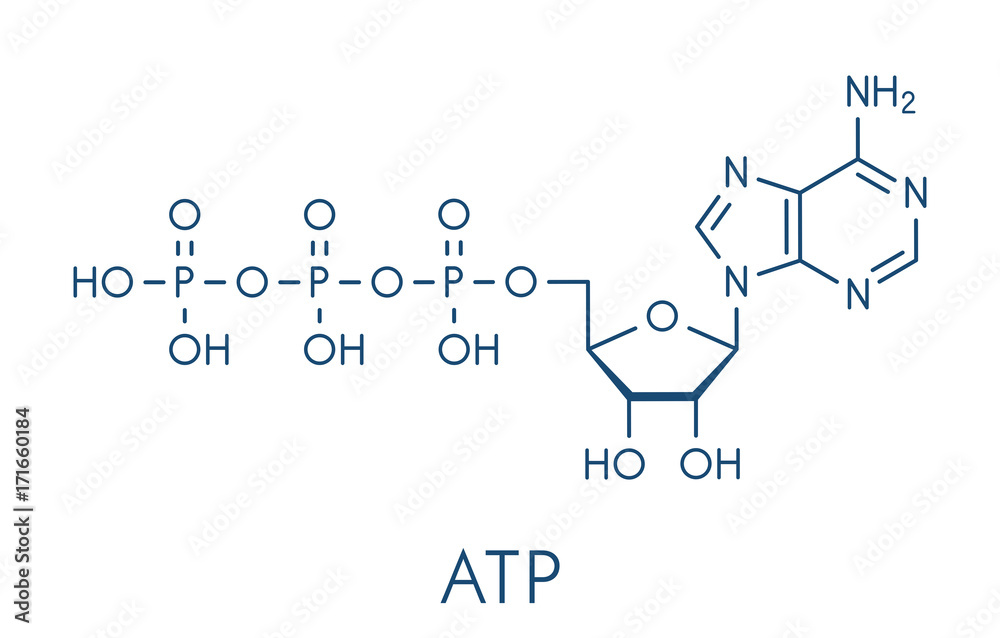
What is the structure of an ATP molecule?
adenine base, five-carbon ribose sugar, three phosphate groups
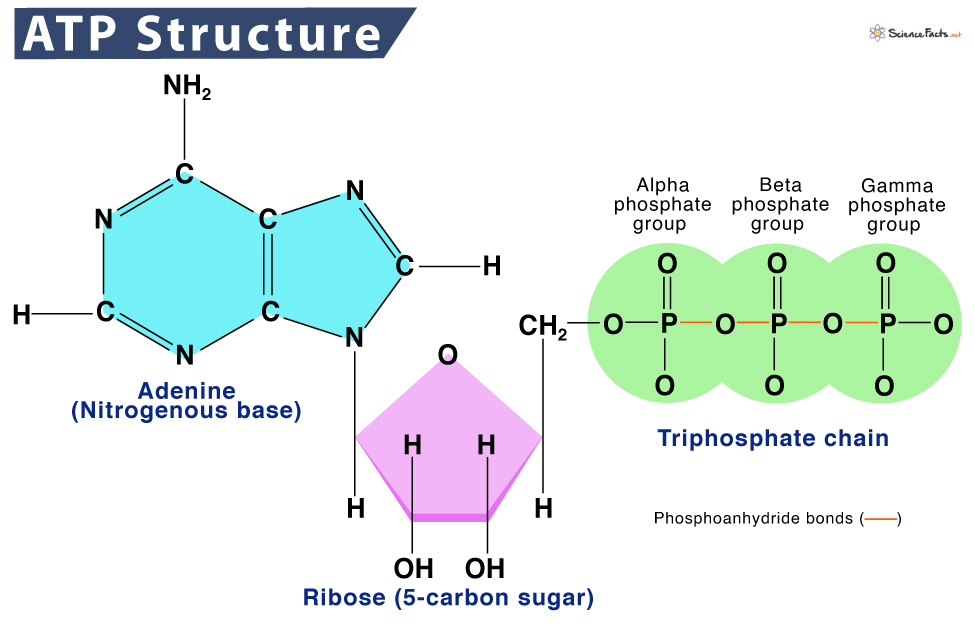
What does ATP stand for?
Adenosine Triphosphate
How does energy release?
Breaking bonds between phosphates
What does ADP stand for?
Adenosine Diphosphate
Traits of ATP
soluble in water → can be in the cytoplasm
can be regenerated
cannot cross membranes → compartmentalized where it is needed
Functions of ATP
synthesize macromolecules → anabolic, endothermic reactions
active transport → moving against concentration gradient, protein pumps
movement → movement of all cell components, locomotion
How does the third phosphate break off ATP?
hydrolysis
Respiration
biochemical process that releases energy from carbon compounds to produce ATP
Gas exchange
the process of oxygen and carbon dioxide diffusing into and out of cells
Ventilation
breathing
Aerobic
with oxygen
Anaerobic
without oxygen
Differences between aerobic and anaerobic
Aerobic
with oxygen
mitochondria
can utilize many more macromolecules as initial source
produces H2O and CO2
30 ATP
Anaerobic
cytoplasm
without oxygen
only use carbohydrates as initial energy source
produce lactate in humans
produce ethanol in yeast
2 ATP
Why do we do anaerobic?
necessary when you need ATP but don’t have enough O2, and because the NAD→NADH repeats the cycle
Oxygen debt
the amount of oxygen you must absorb following anaerobic respiration in order to break down the lactate
Aerobic respiration equation
glucose + O2 → CO2 + H2O + ATP + heat
Respirometer
measures oxygen consumption
Electron carriers
substances that are easily oxidized and reduced
What is NAD?
a molecule that carries electrons
reduction
gain of electron
oxidiation
loss of electrons
Four main steps of aerobic respiration
Glycolysis
Link rxn
Krebs cycle
Electron transport chain
Explain the process of glycolysis
occurs in the cytoplasm
anaerobic
produces: net 2 ATP, 2 pyruvate, 2 NADH
where does glycolysis occur?
cytoplasm
explain each step of glycolysis
6-carbon glucose molecule
2 phosphate from 2 ATP attach to carbons (phosphorylation) which makes the glucose unstable
glucose splits in half (lysis)
NAD picks up H electron and becomes NADH (oxidation)
floating phosphates attach to other side of the 3-carbon chains
2 ADP take the two phosphate and become 2 ATP (ATP formation)
pyruvate is made
describe the differences between the aerobic and anaerobic cell respiration
glucose → glycolysis → pyruvate
pyruvate (cytoplasm) → no oxygen → anaerobic → CO2 + no more ATP (2 total) + ethanol + lactic acid
pyruvate (mitochondria) → oxygen → aerobic → CO2 + lots of ATP + H20
Label all the parts of the mitochondria
matrix, intermembrane space, inner membrane, outer membrane
where does the lnk rxn occur?
matrix
where does the krebs cycle occur?
matrix
where does the electron transport chain occur?
inner membrane
what is the end product of the link rxn?
acetyl coA
decarboxylation
removal of carboxyl group
explain the process of the link rxn
pyruvate gets oxidized/NAD gets reduced and becomes NADH (pyruvate has 4 H’s left)
removes a carboxyl group (decarboxylation)
2 carboxyl groups = acetyl
acetyl enters the matrix and bonds with coenzymeA creating acetylcoA
happens twice, for each pyruvate
explain the Krebs cycle
acetyl coA will bond with oxaloacetate (4 carbon molecule) to create citrate and coA leaves
NAD → NADH (reduction) and removes an original CO2
NAD → NADH (reduction) and removes an original CO2 (no more original CO2)
ADP and floating phosphate create ATP
FAD → FADH2
NAD → NADH creates oxaloacetate
cycle repeats again for second pyruvate
what are the products of the Krebs cycle?
3 NADH x2
2 CO2 ×2
FADH2 ×2
ATP x2
From glycolysis to the Krebs cycle, what are the products?
12 NADH
loses original 6 CO2
how many H is made in each process?
2 NADH → glycolysis
2 NADH → link rxn
6 NADH → Krebs cycle
2 FADH2 → Krebs cycle
oxidative phosphorylation
use of oxygen as the final electron acceptor in the production of ATP
Chemiosmosis
movement of H+ from high to low across membrane
 Note
Note  Flashcards (76)