D104 - OA #2 Intermediate Accounting II
 Studied by 1 person
 Call with Kai
 Learn
Learn Practice Test
 Spaced Repetition
 Match
Match Flashcards
 Knowt Play
1/142

There's no tags or description
Looks like no tags are added yet.
Name | Mastery | Learn | Test | Matching | Spaced | Call with Kai |
|---|
No study sessions yet.
143 Terms
Sum-of-the-years’-digits Method
Accelerated depreciation method that results in higher depreciation costs in the earlier years and lower charges in later periods
Each fraction uses the sum of the years as a denominator (e.g., 5 + 4 + 3 + 2 + 1 = 15). The numerator is the number of years of estimated life remaining at the beginning of the year. In this method, the numerator decreases yearly, and the denominator remains constant (e.g., 5/15, 4/15, 3/15, 2/15, and 1/15)
Depreciation Expense - Sum-of-the-years’-digits Method
(Cost - Salvage Value) x (Remaining Useful Life / Sum-of-the-years’ digits)
Salvage Value
At the end of the asset’s useful life, the balance remaining should equal the salvage value. Never depreciate beyond an asset’s salvage value
The Activity Method
Also called the variable-charge or units-of-activity/production approach
It assumes that depreciation is a function of use or productivity instead of the passage of time
It calculates depreciation based on the asset’s activity, such as the number of units produced or the number of hours/miles the asset is used during the period. The amount of depreciation expense is directly proportional to the amount of the asset’s usage
Depreciation Charge - Activity Method

Book Value/Carrying Value
It is an asset’s original cost minus accumulated depreciation
Straight-line Depreciation
Most used and simplest depreciation method for allocating the cost of a capital asset
With the straight-line depreciation method, the value of an asset is reduced uniformly over each period until it reaches its salvage value
If used, it would give you the smallest deprecation in the first year of an asset’s life

Double-Declining Balance (DDB) Method
An accelerated depreciation that records larger depreciation expenses during the earlier years of an asset’s useful life and smaller ones in later years
Step 1: Straight-line rate = 100% / Useful life
Step 2: DDB Rate: 2 x Straight-line rate
Step 3: Depreciation Expense = DDB Rate x beginning period book value
What method is used by composite or group depreciation?
Straight-line method
Depreciation Expense for Partial Periods
First determine the depreciation expense for the full year and then prorate this amount between the two periods involved
Fractional-Year Depreciation Policy Calculations
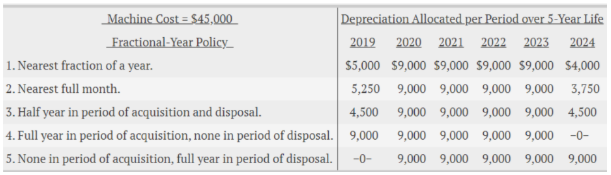
Half-Year - Fractional-Year Depreciation
The asset will be depreciated for 6 months in the first year
Nearest Full Month - Fractional-Year Depreciation
The asset will be depreciated for 9 months in the first year
Nearest Fraction of a Year - Fractional-Year Depreciation
Asset will be depreciated for 8 ⅔ months in the first year
Composite Depreciation Rate
(Total Annual Depreciation) / (Total Original Cost)
Smallest depreciation in the first year of an asset’s life
Composite Life
(Total Depreciable Cost) / (Total Annual Depreciation)
The Composite Method
It uses an average rate for determining depreciation expense and is used when the assets are different and have varying useful lives
Allows the company to use one rate to depreciate all the assets
The Group Method
It uses an average rate for determining depreciation expense and is used when the assets are similar and have the same useful live
Recoverability Test
Used to determine if an asset has suffered an impairment
Examines the undiscounted future cash flows of the asset to its book/carrying value
Undiscounted future cash flows > Carrying amount, no impairment exists
Undiscounted future cash flows < Carrying amount, an impairment exists, and the loss needs to be measured
Fair Value Test
Used to determine the impairment loss amount
The impairment loss is the difference between current value and fair value
If FV < CV, the asset’s new basis is the FV
Fair Value Test - Impairment Loss
The amount by which the carrying amount of the asset exceeds its fair value
CV > FV
What happens after recording an impairment loss?
The reduced carrying amount of the asset held for use becomes its new cost basis
A company does not change the new cost basis except for depreciation in future periods or for additional impairments
Net Realizable Value
Fair value minus costs to sell/dispose
Assets Held for Disposal - Impairment Loss
Impairment loss is reported at the lower-of-cost-or-net realizable value, like inventory
Assets Held for Disposal Impairment Test
Compare net realizable value (NRV) to carrying value (CV)
If CV > NRV, recognize a loss.
If CV < NRV, recognize a gain; however, the gain cannot exceed the amount of the initial impairment loss
Restoration of Impairment
Assets that are impaired can only have their carrying value restored if they are held for disposal
Held-for-use assets are not allowed to have restoration of their carrying value
Two-Step Process for Accounting for Impairment Losses
The first step is to perform a recoverability test, comparing the assets' book/carrying value and expected future cash flows (undiscounted)
The second step is to do the fair value test to measure the amount of impairment as the excess of the asset’s book/carrying value over its fair value
Depletion Base
Cost to acquire + cost to explore + cost to develop (intangible costs) + cost to restore
Equipment should not be included if it can be used elsewhere
Tangible & Intangible Assets in Depletion
Tangible assets used in extracting natural resources are normally set up in a separate account and depreciated separately. Tangible costs include all transportation and other heavy equipment needed to extract the resource and get it ready for market
Intangible costs are drilling costs, tunnels, shafts, and wells
Depletion Rate
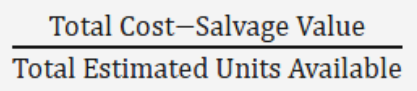
(Depletion Base - Salvage Value) ÷ (Total Units to be Recovered)
Depletion Expense
(Depletion Rate) x (Units of Usage/Extracted)
****Investment in Natural Resources Recap Journal Entries
baboy
Asset Turnover Ratio
(Net Sales) / (Average Total Assets)
Defines how efficiently a company uses its assets to generate sales
The higher the asset turnover ratio, the more efficient a company is at generating revenue from its assets

Return on Assets Ratio
The return on assets ratio measures how profitably assets were used to generate profit during a period. The higher the ratio, the better. A high return on assets means that the company was able to utilize its resources well in generating income
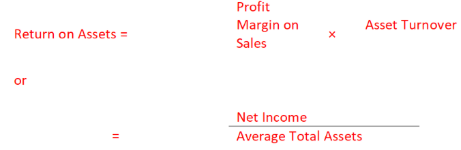
Profit Margin on Sales
The profit margin on sales ratio measures the ability of a company to generate profit on each sales dollar

Ratio Recap Rule
The asset turnover ratio, the return on assets ratio, and the profit margin on sales ratio are all profitability ratios. The higher the ratio, the more profitable it is.
The asset turnover ratio measures how much sales are generated from $1.00 of assets
The return on assets ratio measures how much net income is generated from $1.00 of assets
The profit margin on sales ratio measures how much net income is generated from $1.00 of sale
Current Liabilities
Accounts payable
Notes payable
Dividends payable
Customer advances/deposits
Unearned (deferred) revenues
Sales taxes payable
Current maturities of long-term debt
****Unearned Revenue Journal Entry
Unearned revenue is recorded as a debit to cash, an asset account, and credit to unearned revenue, a current liability.
Recording Loss Contingencies and Liabilities
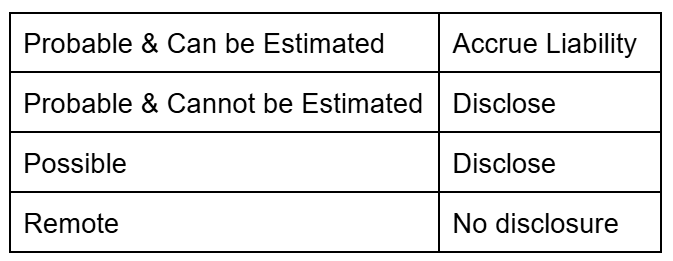
A company records a loss contingency and a liability if the loss is both probable and estimable. But, if the loss is either probable or estimable but not both, and if there is at least a reasonable possibility that a company may have incurred a liability, it must disclose the following in the notes
The nature of the contingency
An estimate of the possible loss or range of loss or a statement that an estimate cannot be made
Quick Ratio (aka Acid-Test)
It is a liquidity ratio that measures the ability of a company to pay its short-term liabilities by having assets that are readily convertible into cash (like quick assets)
A larger quick ratio is better
There are two ways to calculate the quick ratio:
(current assets – inventories – prepaids) / current liabilities
(cash + cash equivalents + marketable securities or short-term investments + net accounts receivable) / current liabilities
Quick Assets
Assets that can quickly be converted into cash, such as cash, marketable securities or short-term investments, and net accounts receivable
Stated Interest Rate (SIR)
Coupon or nominal rate
Market Interest Rate (MIR)
Effective or yield rate
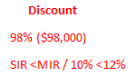
Discount Bonds
If the bonds sell for less than face value, they sell at a discount
The stated interest rate on the bonds is less than the market or effective yield rate
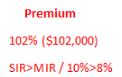
Premium Bonds
If the bonds sell for more than face value, they sell at a premium
The stated interest rate on the bonds is more than the market or effective yield rate
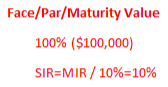
Face Value Bonds
Also called the par value, principal amount, or maturity value
The stated interest rate on the bonds equals the market or effective yield rate
How are bond issuance costs recorded?
They are recorded as a deduction from the bond liability on the balance sheet. The costs are then charged to expense over the life of the associated bond, using the straight-line method. Under this amortization method, the same amount is charged to expense in each period over the life of the bonds. The full period over which bond issue costs is charged to expense is from the date of bond issuance to the bond maturity date
Gain vs Loss due to Reacquisition
There is a gain when the reacquisition price is less than the current net carrying value
The extinguishment of debt will be recorded as a loss when the reacquisition price is more than the current net carrying value
Long-Term Debt
Long-term debt is broken into two parts: current maturity of long-term debt with the remaining portion posted to long-term debt
Current maturity is anything due within the next twelve months operating cycle, whichever is longer
Points
Points reduce the cash received, but do not affect the basis of the mortgage liability. A point is 1% of the face of the note
Times Interest Earned Ratio
Earnings before interest and taxes (EBIT) ÷ Interest
(Net income + interest expense + income tax expense) divided by interest expense
Measures the ability of a company to pay its debt obligations
It indicates the margin of safety provided to creditors
Debt to Asset Ratio
(Total liabilities) / (Total assets)
It is a leverage ratio that measures the amount of total assets that are financed by creditors (liabilities) instead of investors (equity)
It shows the percentage of a company’s total assets financed by creditors
Debt-to-Equity Ratio
It is a financial leverage ratio that measures how much of a company is financed by its debtholders compare with its owners
A company with a lot of debt will have a very high debt/equity ratio, while one with little debt will have a low debt/equity ratio

When depreciation is computed for partial periods under a decreasing charge depreciation method, it is necessary to…
determine depreciation expense for the full year and then prorate the expense between the two periods involved
Depreciation Base
Cost - Salvage Value
Gain/Loss from Sale of Equipment
Sale Amount - (Cost - Accumulated Depreciation)
If it offsets with accumulated depreciation, then there is no gain
When is the restoration of an impairment loss permitted?
Assets held for disposal
When is the restoration of an impairment loss prohibited?
Assets held for use
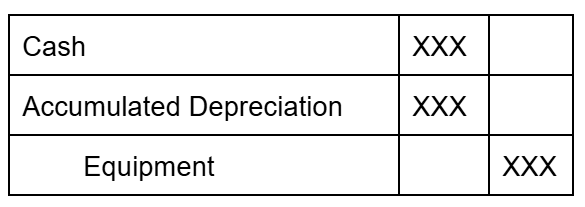
Journal Entry - Sale of Equipment
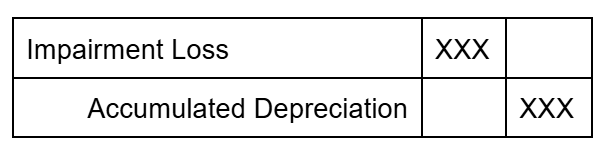
Journal Entry - Impairment Loss
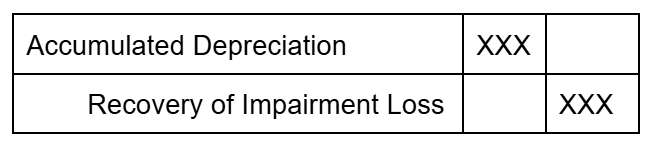
Journal Entry - Recovery of Impairment Loss
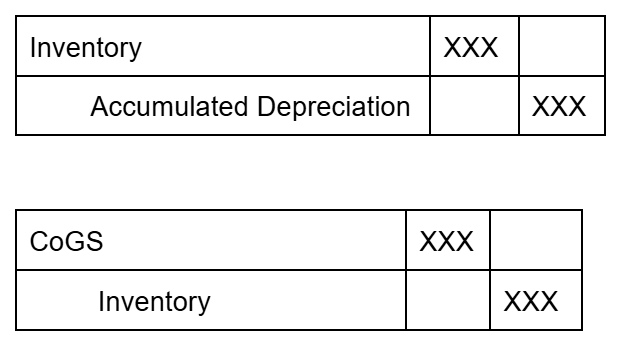
Journal Entry - Recording Depletion
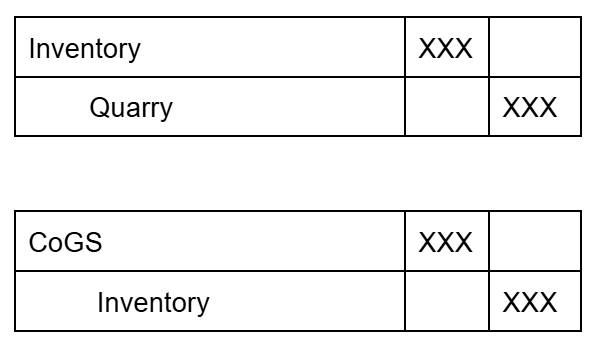
Journal Entry - Inventory Extracted and Sold
Depletion Cost per Unit
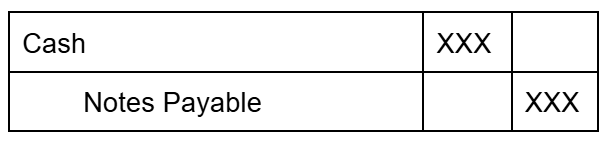
Journal Entry - Borrowing Money
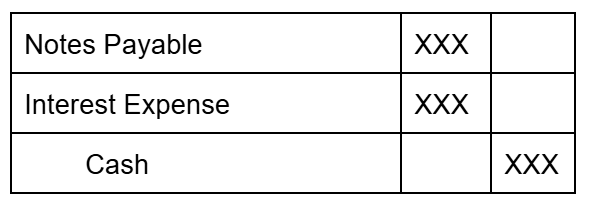
Journal Entry - Recording Payment of Note and Interest at Maturity
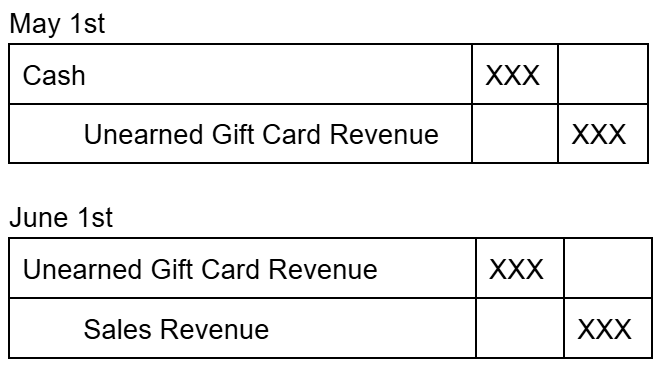
Journal Entry - Record Sale of Gift Booklet and Redemption
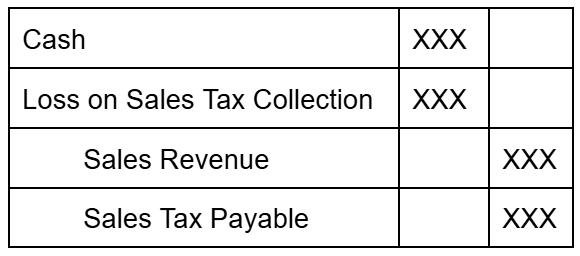
Journal Entry - Record Sale (Segregating Sales Tax and Sale)
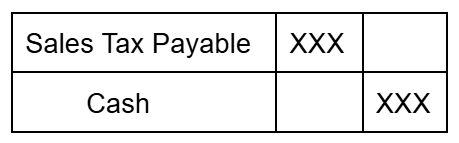
Journal Entry - Payment to Sales Tax Agency (Segregated Sales Tax and Sale)
Journal Entry - Record Sale (Sales Tax & Sale)
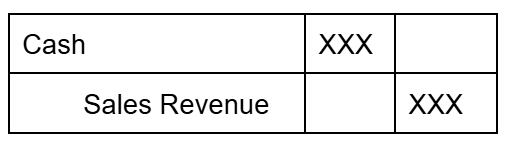
Journal Entry - Payment to Sales Tax Agency (Sales Tax and Sale)
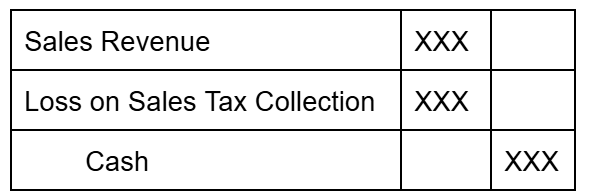
Journal Entry - Amount due to Taxing Unit
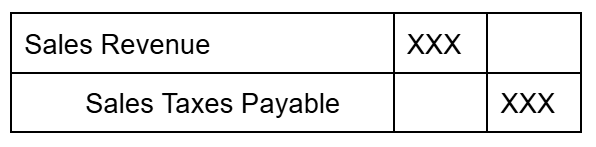
Journal Entry - Recording Loan Taken
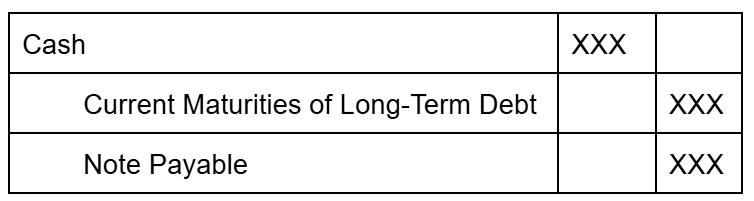
Estimated loss from a loss contingency should be accrued by a charge to expense & a liability recorded IF BOTH conditions are met:
It is probable (70% or higher)
Amount of loss can be reasonably estimated
In situations where the loss is a range of potential losses..
the minimum amount of the estimated loss must be accrued, and the footnotes should disclose the range of the potential loss too. However, if the amount can be estimated more accurately, then accrue said amount and disclose the additional contingency,
When should a contingent loss be reported in a disclosure note to the financial statements rather than being accrued?
Premiums, coupon offers, and rebates also create a…
contingency liability that should be accrued
Gain contingencies are not recorded/accrued until realized, but they are…
disclosed in the notes to the financial statements when a high probability exists they will be realized
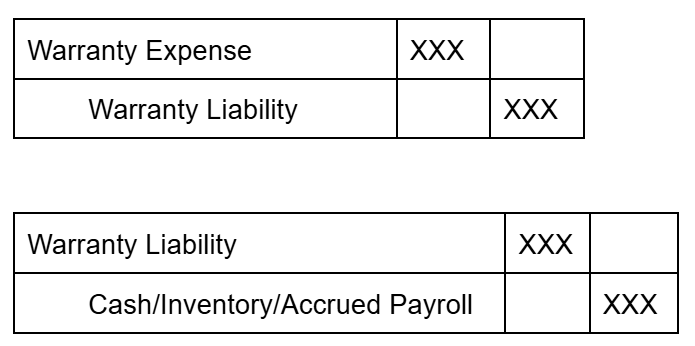
Journal Entry - Accounting for Warranty Liability Expense
If the loss is either probable OR estimable, but not both, and if there’s at least a reasonable possibility that a company may have incurred a liability, it must disclose the following in the notes:
Nature of contingency
An estimate of the possible loss or range of loss or a statement that an estimate cannot be made
Current Ratio
(Current Assets) / (Current Liabilities)
PP&E is not part of current assets
Journal Entry - Record Bond Issuance at Par
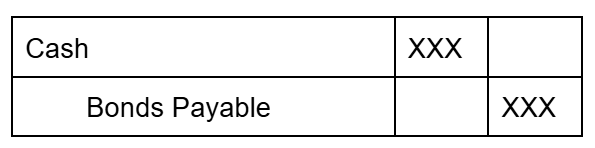
Journal Entry - Record Bond Issuance at Discount
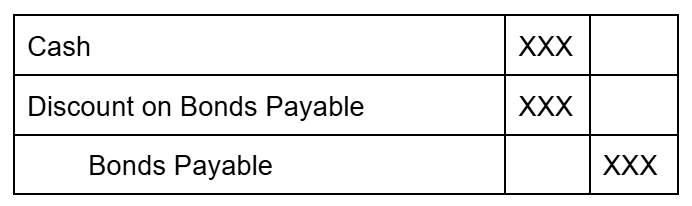
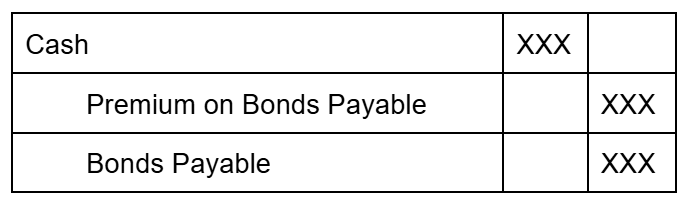
Journal Entry - Record Bond Issuance at Premium
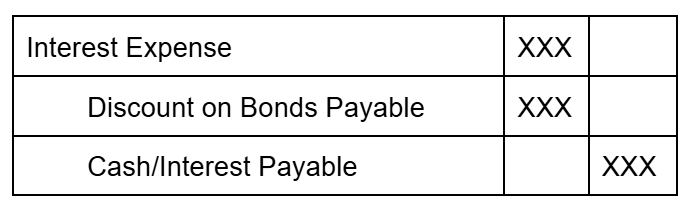
Journal Entry - Recording Interest Expense on Discounted Bonds
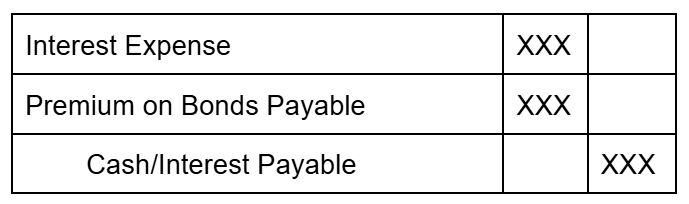
Journal Entry - Recording Interest Expense on Premium Bonds
Bond issuance costs should…
be accumulated in a deferred charge account and amortized over the life of the bonds
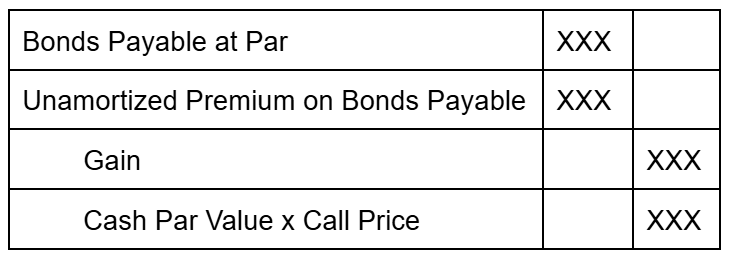
Journal Entry - Purchasing Back Premium Bonds
Journal Entry - Purchasing Back Discounted Bonds
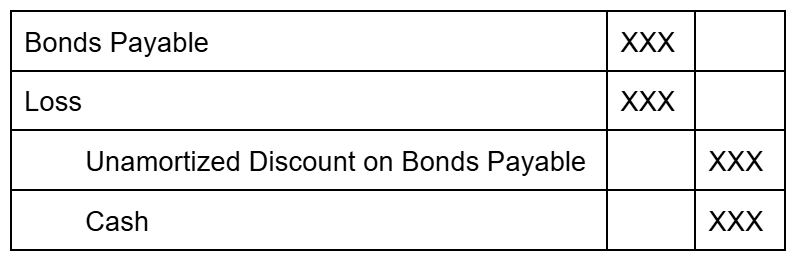
Debt to Equity Ratio
(Total Liabilities) / (Total Shareholder’s Equity)
Loss Contingency Balance
(Estimate Total Warranty) + (Units sold x Estimated Warranty Cost) - (Paid Warranty Claims)
Cost Method
Results in debiting the Treasury Stock account for the reacquisition cost and in reporting this account as a deduction from the total paid-in capital and retained earnings on the balance sheet.
Stockholders’ Equity
Includes:
Common stock
Preferred stock
Additional paid-in capital
Retained earnings
Journal Entry - Exchanging Shares for Land
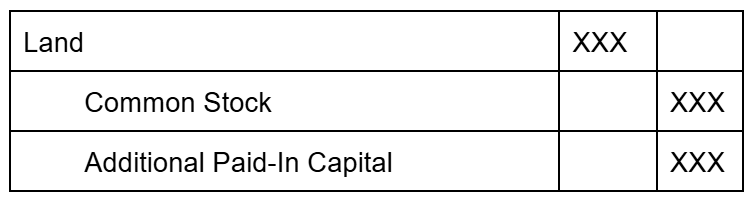
Journal Entry - Common Stock Issuance
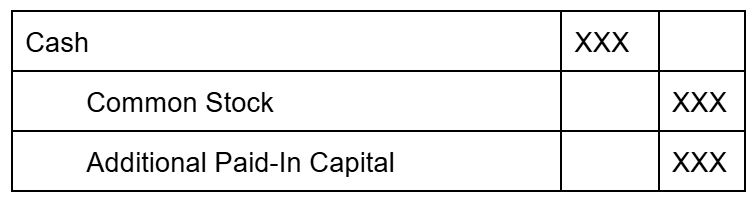
Journal Entry - Selling Treasury Stock at Par
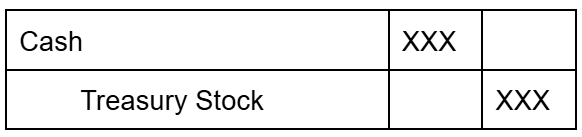
Journal Entry - Selling Treasury Stock at Premium
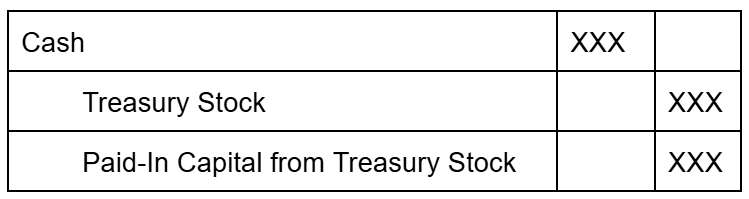
Journal Entry - Selling Treasury Stock at Discount
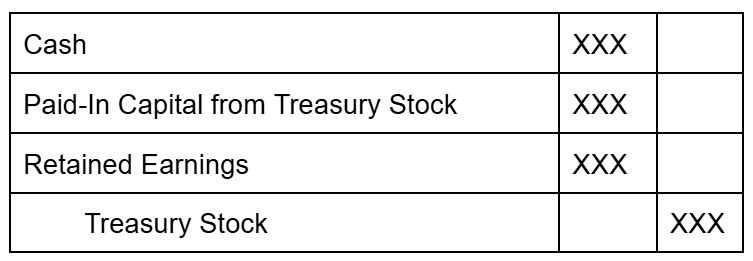
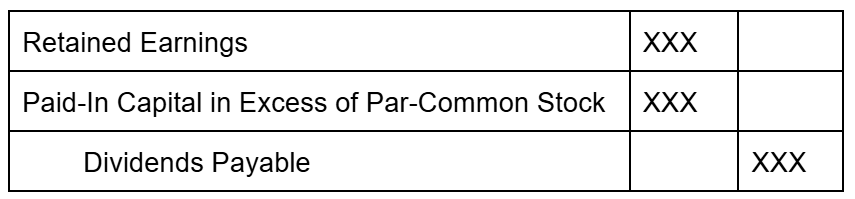
Journal Entry - Recording Dividends
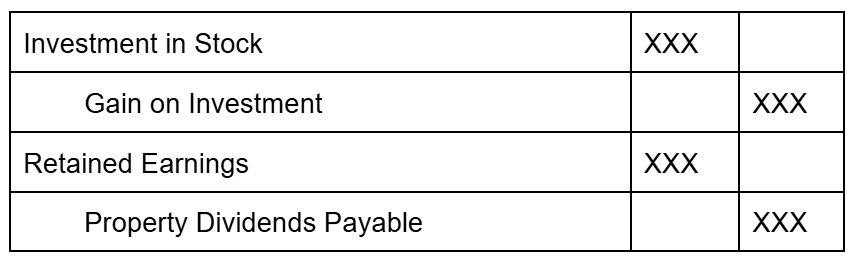
Journal Entry - Property Dividend Declaration Date
This is in the forms of shares of stock held as an investment
 Note
Note  Flashcards (69)