Ch. 31 Fungi
 Call Kai
 Learn
Learn Practice Test
 Spaced Repetition
 Match
Match Flashcards
 Knowt Play
1/28

Earn XP
Description and Tags
Read over zombie fungus (slide 35)
Name | Mastery | Learn | Test | Matching | Spaced | Call with Kai |
|---|
No analytics yet
Send a link to your students to track their progress
29 Terms
Fungi
460 MYO
heterotroph that feeds by absorption by breaking down molecules (derive nutrition)
reproduce sexually/asexually\
mutualistic relationship with early land plants
decomposer
break down and absorb nutrients from nonliving organic material
EX: cellulose + lignin
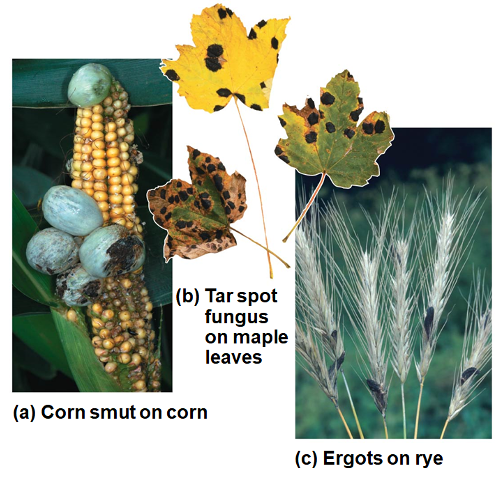
Parasitic/Parasites
30% of known fungal species
absorb nutrients from living hosts
attack food crops (10-50%) + toxic to humans
Mutualistic/Mutualists
absorb nutrients from hosts and reciprocate with actions that benefit the host
relations with plants, algae, cyanobacteria, and animals
Animals: digestive service breaks down plant material for cows
Yeast
multicellular filaments and single cell body structures
enhances fungi absorption
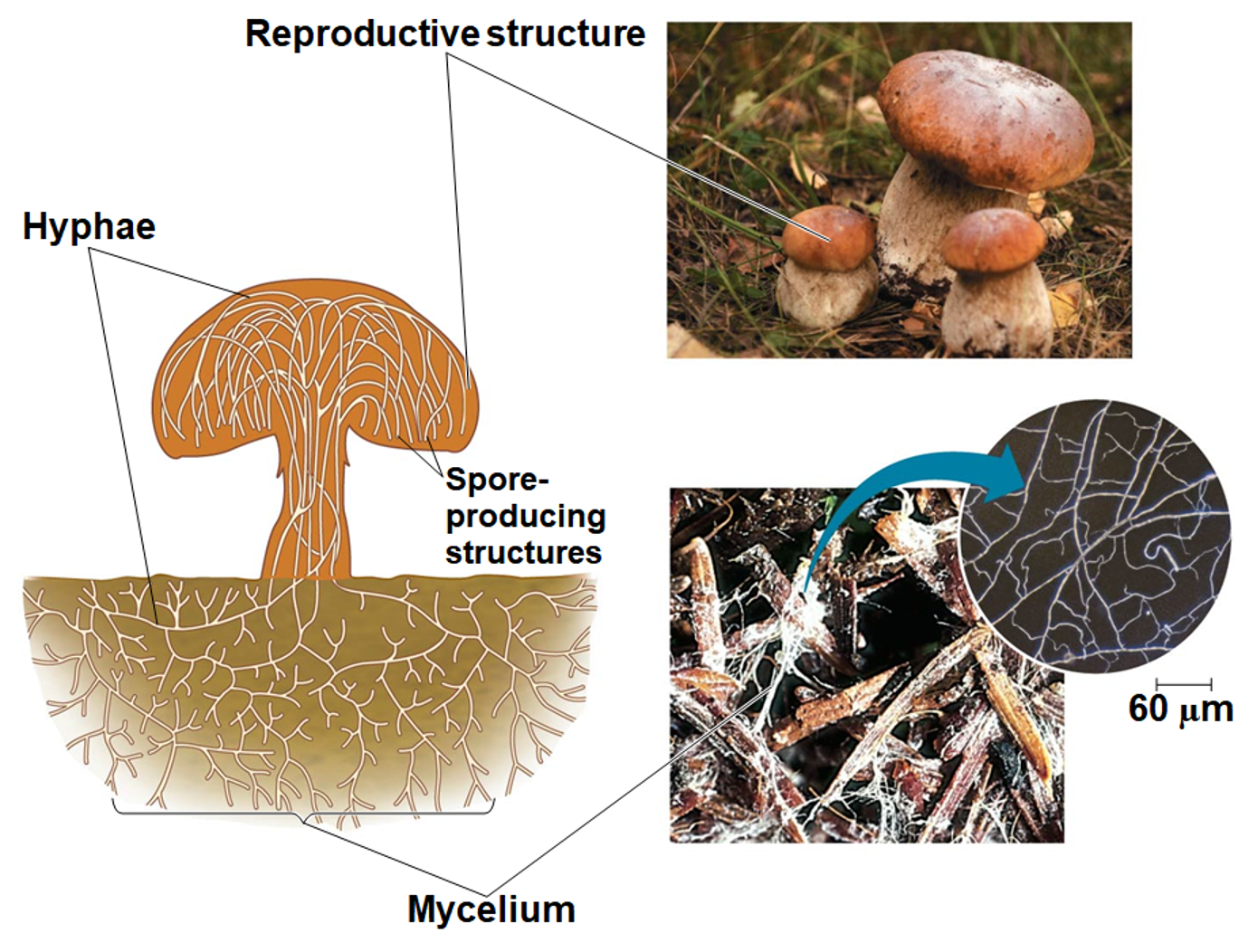
Hyphae
branched body of fungi that has adapted for absorption
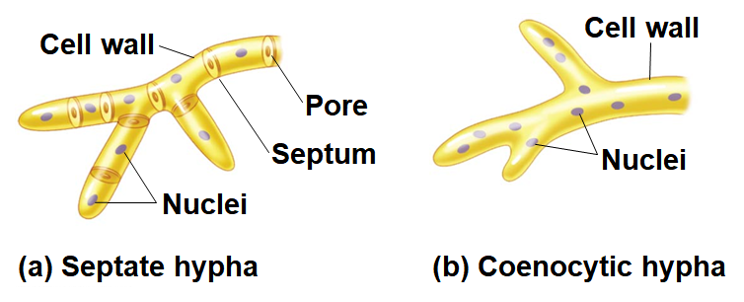
Chitin strengthens tubular cell walls
Septa divides hyphae with pores that allow cell-to-cell move. of organelles
Coenocytic fungi
lack septa and have a continuous cytoplasmic mass with hundreds or thousands of nuclei
Mycelium
Fungal hyphae form an interwoven mass
maximizes surface-to-volume ratio, making feeding very efficient
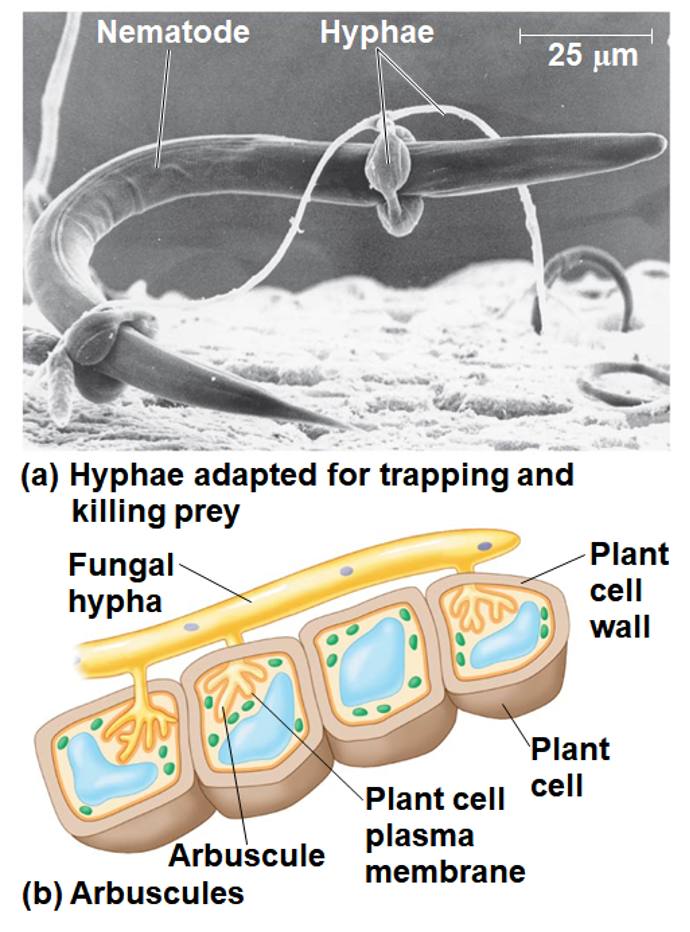
Haustoria
specialized hyphae that allow them to extract nutrients from plants
arbucsules exchange the nutrients with plant hosts
Ectomycorrhizal Fungi
form sheaths of hyphae over a root and typically grow into the extracellular spaces of the root cortex
Arbuscular mycorrhizal fungi
extend arbuscules through the root cell wall and into tubes formed by invagination of the plasma membrane
Mycorrhizae (mutualist)
mutually beneficial relationships between fungi and plant roots
deliver phosphate ions and minerals to plants
in vascular plants
Spores: dispersed haploid cells that colonize soils for mycorrhizae
Sexual reproduction in Fungi (5)
Nuclei are haploid → Karyogamy produces diploid over long period
Hyphae fuse from different mating types
Pheromones to signal
Plasmogamy unites cytoplasm from 2 mycelia
Diploid → meiosis → haploid spores = genetic variation
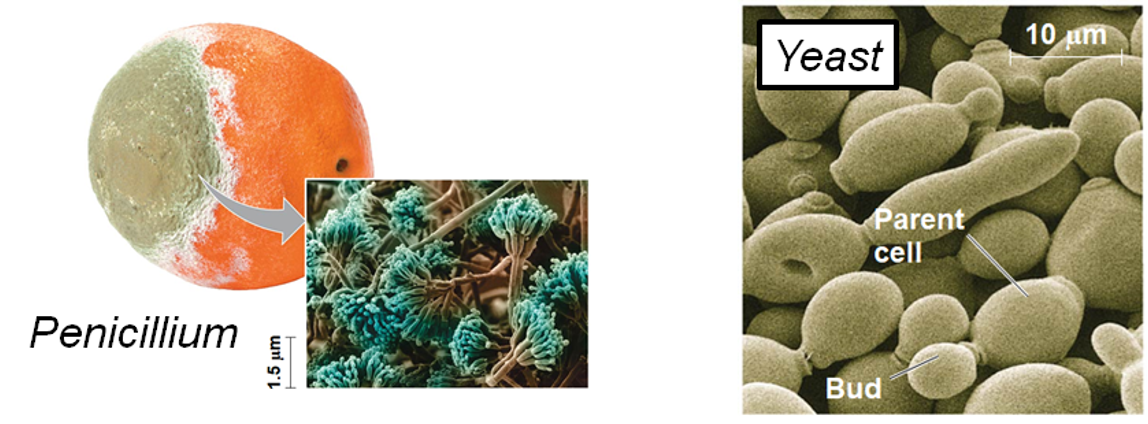
Asexual Reproduction in Fungi (2)
Deuteromycetes
Molds: produce haploid spores by mitosis = visible mycelia
Yeasts through budding
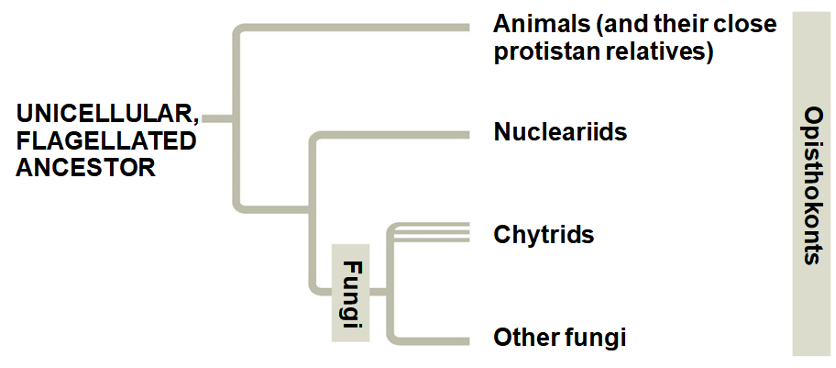
Opisthokonts
Fungi (unicell pro: nucleariids), animals (unicell pro: choanoflagellates), and their protistan relatives
evolved from unicellular flagellated ancestor
Phyla/Divisions of Fungi (5)
1.5 mil species
1.Chytrids (1000 species)
Zygomycetes (1000 species)
Glomeromycetes (160 species)
Ascomycetes (65,000 species)
Basidiomycetes (35,000 species)
Chytrids (phylum Chytridiomycota)
“little pot”
are found in terrestrial, freshwater, and marine habitats including hydrothermal vents
decomposers, parasites, mutualists
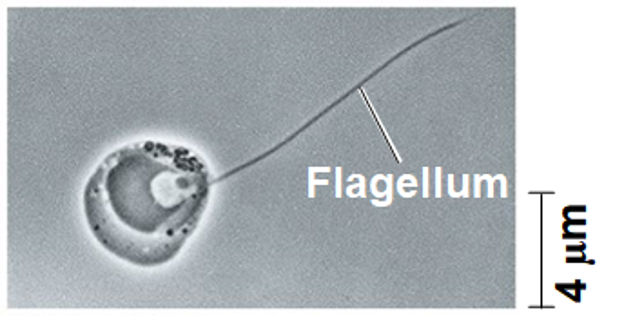
Zoospores: flagellated spores in chytrids
Batrachochytrium dendrobatidis: kills amphibian species
Zygomycetes (phylum Zygomycota)
fast-growing molds, parasites, and commensal symbionts
Black bread mold life cycle (Rhizopus stolonifer)
Coenocytic hyphae
Asexual sporangia = haploid spores
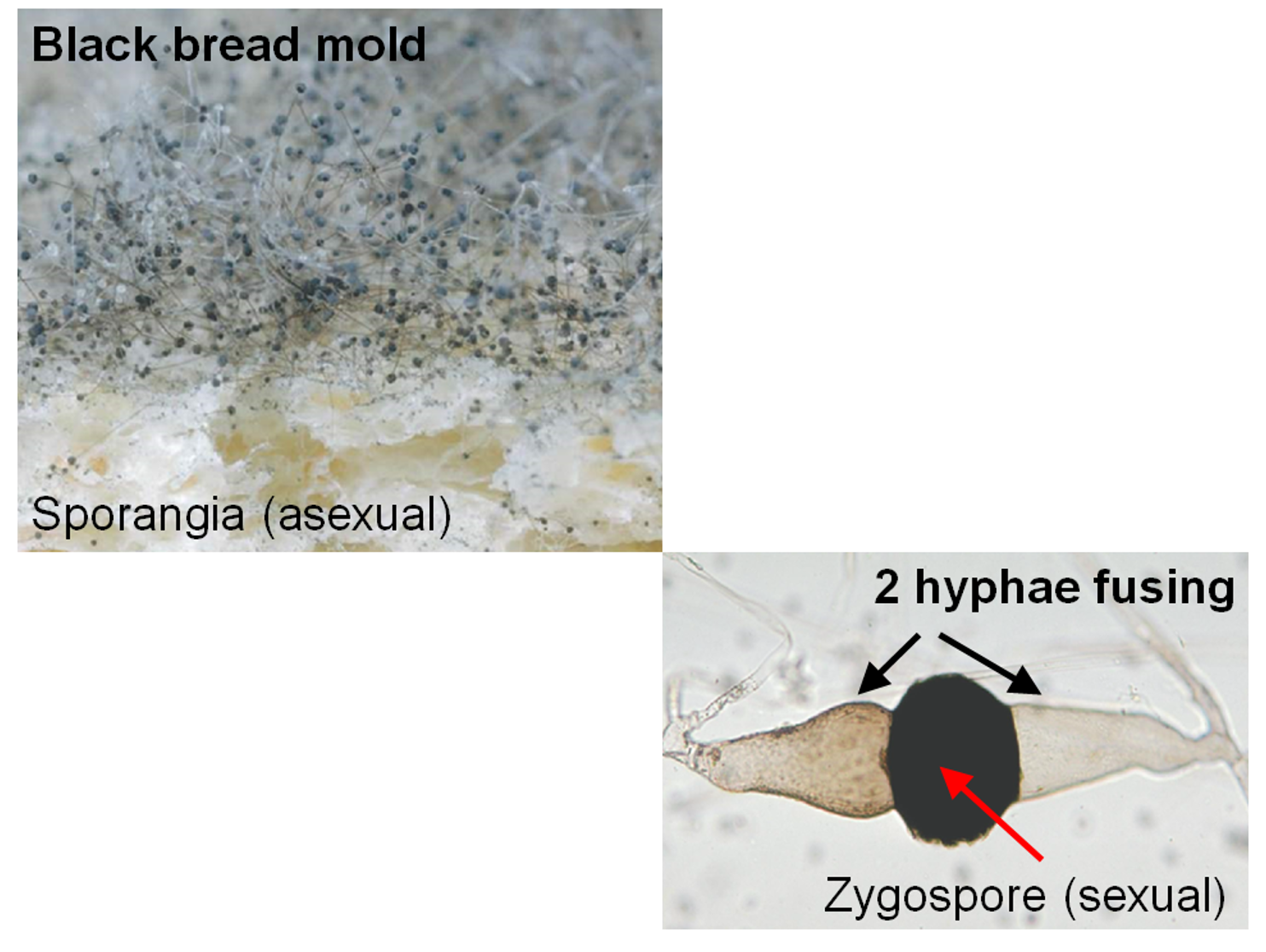
Zygosporangia
site of karyogamy and then meiosis
gives zygomycetes its name
survives unfavorable conditions
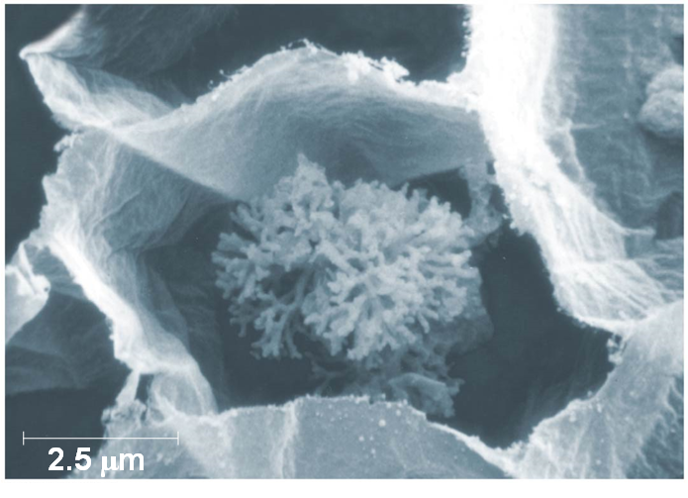
Glomeromycetes (phylum Glomeromycota)
Once considered zygomycetes but form separate clade
form arbuscular mycorrhiza
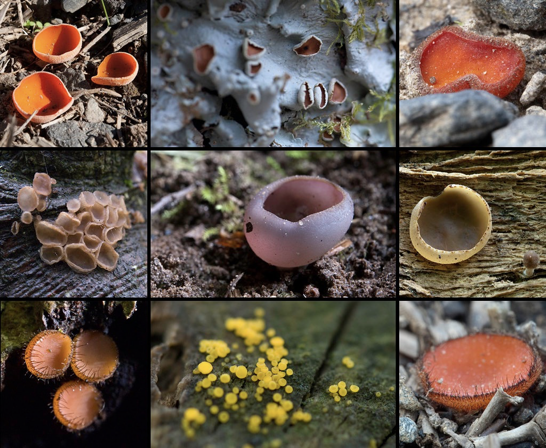
Ascomycetes (phylum Ascomycota)
“Sac fungi”
plant pathogens, decomposers, and symbionts (can vary in complexity)
live in marine, freshwater, and terrestrial habitats
produce sexual spores in asci (sacs) that contained ascocarps (fruiting body)
Conidia
Ascomycetes typically reproduce asexually by enormous numbers of asexual spores
Ascomycetes form symbiotic relations w/ green algae or cyanobacteria (lichens)
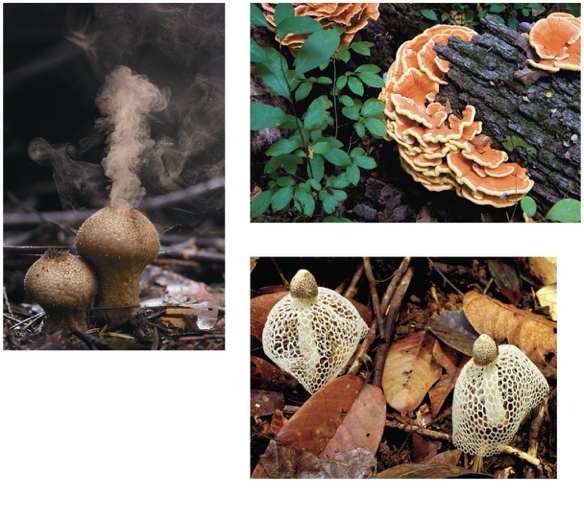
Basidiomycetes (phylum Basidiomycota)
“Club fungi”
mushrooms, puffballs, and shelf fungi that decompose wood
form mycorrhizae or are plant parasites
Basidium: clublike structure, diploid stage
Bassidiocarps
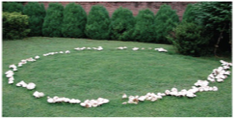
The dikaryotic mycelium of basidiomycete can reproduce sexually by producing fruiting bodies using sexual spores (basidiospores) in few hours
EX: white button mushrooms or “fairy rings”
Endophytes (Mutalist)
Harmless symbiotic, fungi that live inside leaves or other plant parts
make toxin for defense or to tolerate heat/drought + heavy metals
Ascomycetes
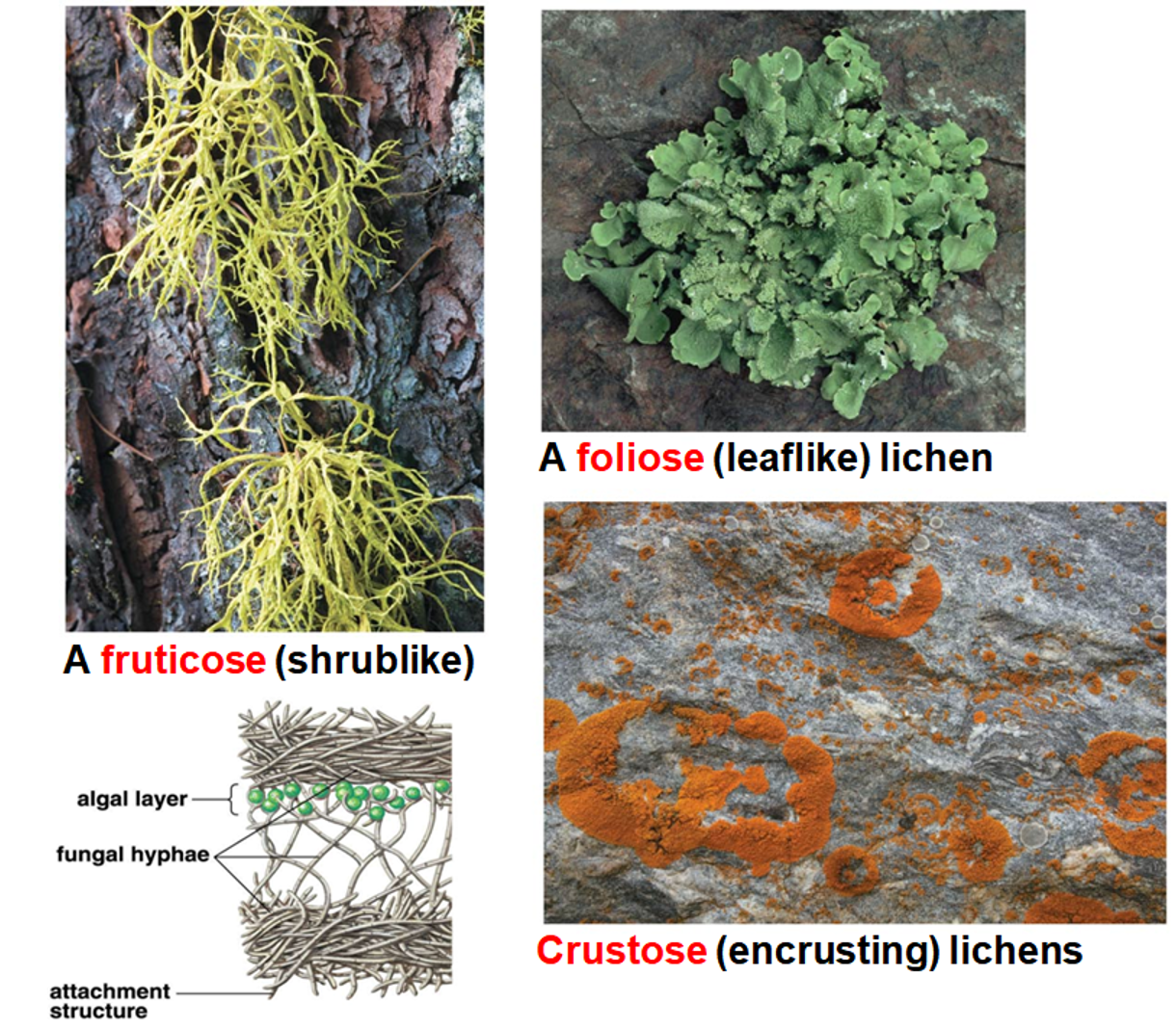
Lichen
symbiotic association between a photosynthetic microorganism and a fungus that hold a mass of fungal hyphae
EX: green algae + cyanobacteria (occupy inner layer below surface)
Pioneer of new rock + soil surfaces
Ergot on rye/Ergotism
caused by an ascomycete, produces toxins, contain lysergic acid
caused 40,000 death in Middle Ages
Symptoms: gangrene, nervous spasms, burning sensations, hallucinations, and temporary insanity
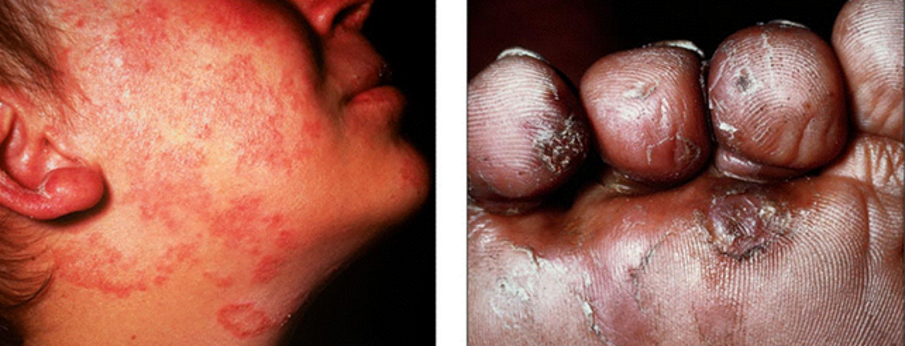
Mycosis (3 types)
fungal infection in animals
Human ex: ringworm + athlete’s foot
Systemic ex: Coccidioidomycosis (tuberculosis)
Opportunistic ex: Candida albicans (yeast infection)
Practical Uses of Fungi
cheeses, alcoholic beverages, and bread
Antibiotics: ascomycete Penicillium
Biotech: treat Parkinson’s, Huntington’s disease, diabetes, biofuels

