geography changing places ALL flaschards
 Call Kai
 Learn
Learn Practice Test
 Spaced Repetition
 Match
Match Flashcards
 Knowt Play
1/54

Earn XP
Description and Tags
Name | Mastery | Learn | Test | Matching | Spaced | Call with Kai | Chat |
|---|
No analytics yet
Send a link to your students to track their progress
55 Terms
geographic place definition
a location on a map / a description of its physical and human characteristics
without meaning, these are just spaces - unkown and unfamilliar
place of meanign definition:
a place becomes meaningful through emotional attachment and experiences
e.g. a home physically is a home with rooms, but emotionally it is a space with memories
different people having a different sense of place: definition and example
the subjective and emotional attatchment people have to a place, based on: experience, knowledge and connections
e.g. A tourist city like London may be seen as positive by a tourist, but negative by someone who lives there and hates their job
Genius Loci
this is the spirit of a place - every place has a unique spirit or atmosphere based on what it was and what it is now
factors affecting people’s sense of place - age and gender
age:
children focus on play spaces, familiarity and safety
teenagers value social space, independance and culture
older adults want quietness, community and accessibility
Gender:
women may see some places as unsafe at night
they can use recreational space differently
factors affecting people’s sense of place - ethnicity and religion
ethnicity:
ethnic backround influences cultural meaning behind places
ethnics can feel: included in multicultural areas or excluded by discrimination and low diversity
religion:
sacred spaces have more significance
conflicts and tensions create negative feelings towards places
study - Relph
Placelessness - the loss of uniqueness and identity, often caused by globalisation
places start to look and feel the same (clone towns, same stores, architecture)
people may feel less emotionally connected to placed due to their lack of individuality
study - Tuan
Topophilia - the ‘love of a place’ - the strong emptional and cultural attachment people have to specific locaitons
can be caused by memories, experiences, cultural significances and aesthetic appreciation
places with strong topophilia connections often have deep meaning for individuals and communities
study - Massey
dynamic place - places are not bounded, they are dynamic / interconnected / shaped by global processes
a progressive sense of place - connections whihc flow through identitiy are never finished or final, with a place belonging to everyone who interacts with it
goes against defensive ideas that places must stay the same as this idea is unrealistic
globalisation does not destroy places, it forms new identities
endogenous factors - definition and factors
those which originate from within the place, making them local:
Land use - is the area urban or rural
physical geography / location
infrastructure - services, roads, network, schools healthcare etc.
demographics - age, race, gender etc.
economic characteristics - industries, economic sectors, growth etc.
exogenous factors - definition and factors
those which originate from outside a place:
people - tourists, migrants, vistors changea n area
money and investment - trade deals, major events e.g. sports etc.
resources - raw materials, products, food, energy
ideas - information about an area from another country, designers bringing processes within an area
Insider perspective
those who feel at home within an area:
born here
hold local citizenship
fluent in local language with idioms
conform to social norms
outsider persepective
may not be accustomed to culture, social norms and dialect
shops and areas on high street may not be familiar
find ti hard to find particular foods which they had in their country of origin
may have feelings of unfamiliarity but may change in the long term
Media Places - example: Manchester
Shameless - insider perspective into the rough, gritty and poor backgrounds of Manchester, with council housing, rough streets and crime
Oasis - working class pride and youth rebellion, became an unofficial anthem for the area
‘This is the place’ (poem) - ‘Northern grit, Nortern wit, recessions, depressions and dark times’
News - positive on Manchester being fast growing but negative regarding crime, and transprot inequality
near places
places that people feel familiar with due to direct, personal experiences
often geographically close, but the idea is based around emotional and experimental closeness
far places
places that feel distant, unfamiliar or different than everyday life
often far away, but can be socially or culturally different than everyday life
often far away
usually experience through media representations / secondary sources
lead to outsider perspective shaped by imagination and stereotypes
Endogenous forces - definition and types
characteristics of a place which have originated internally within a place e.g.:
location
topography / physical geography
land use / built environment
infreastructure
demographic population
economic services
Exogenous factors - definition and factors
characteristics which originate from outside of a place, providing linkages and relationships with and to other places e.g.:
people - migrants or workers who migrate into an area
capital - investment from external businesses
resources
ideas - urban planner, architects and artists bringing ideas
Endogenous factors: Bromsgrove
location - South-west Birmingham, edge of West Midland green belt
built environment - historic market town, Georgian and Victorian houses
land use - agricultural housing and green area
economic - many commute to Birmingham, local jobs in retail, education and public sector
physical geog / topography - rolling hills, rural, woodland
Endogenous factors: Llandudno
land use - tourist town, shops cafes, services
topography / physical geography - coastal town, steep hilly land, flat town centre, limestone geology, exposed to coastal weather, between great Orme and little Orme
economy - traditional tourism decline, rise in day-trippers and a retirement economy
infrastructure - good rail links to major cities, Promoneade Pier
Exogenous factors - Bromsgrove
in-migration - up 8.5% over last decade, 5 year older average population, being 45, strong inflow from urban areas e.g. Birmingham
economic shift - high-income commuter profile, local areas e.g. Barnt Green have the highest income in Worcestershire, manufacturing decline
transport - influenced by M5/M42 junctions, can go as far as Hereford by train
Exogenous factors - Llandudno
In-migration - population often declining due to older residents dying, 97% whit population, high second-home ownership
economic shits = tourism dependant economy, shift from seaside tourism to day-trip and heritage, high service of service and tourism sector jobs
transport = A55 Expressway links to Manchester and Liverpool, rail links to Manchester airport
clone town - definition
where high streets and shopping areas are dominated by chain Stores
term made by New Economic Foundation
clone town - example, Heathrow Airport
70 shops and 30 restaurants, however, all of these are chain stores, presenting a lack of identity
Any old terminals are removed to make way for larger, efficient terminals, rather than preserving identity
Home town - definition
a place that retains it’s individual character and is recognisable and distinctive to people who live there or visit
Home town - Llandudno
£10 million investment
maintain the Victorian facade of former Tudno Castle
conservation rules in the area preserve Llandudno’s historic character, limiting large branding
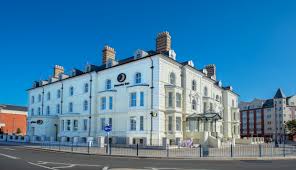
home town - Minehead
tourism based seaside town, with a small population and preservation of specific history e.g. Hobby horse festival
High street is not dominated by national chains, with unique smaller shops and preservation of old areas
clone town - Cambridge
described by the New Economics Foundation as a ‘clone zone’ in the city centre
it highlighted that there were only 9 varieties of shops showing low diversity
historic centre now dominated by national chains, with independent shops now down smaller side streets
Ferdinand Tonnies - Gemeinschaft
community based, close relations:
everyone knows everyone
strong personal bonds
social life around family, church and social events
informal social control
what this shows:
why rural areas resist change
the emotional connections that shape experiences of places
Ferdinand Tonnies - Gesellschaft
modern, urban, impersonal and individualistic forms of social organisation
urban areas
impersonal relationships
individualism
rapid change and modernisation
weak social cohesion
what this shows;
urban areas have weak community tires
why residients are varied and fragmented
globalised cities have more diversity and mobility
the way people see us: Nairobi
declining Britishness important
more African American lifestyles seen in the media, wanting to be American rather than British
investment into Asia rather than UK
still interested in UK sports
the way people see us: Russians
call us ‘foggy albion’ and still see us as basic stereotypes (stiff upper lip, drinking tea, emotional retardation)
London is still important to them, but relationship not recovered since Litvinenko murders
now see America as enemy no.1
the way people see us: America
associate with our accent and upper headendess
Tony Hayward has reduced some of the stereotypes, as well as Simon Cowell
the way people see us: Indiands
play a key role for higher education
look at UK as positive, in army and economic class
America leads the pack on fashion, media, music and TV now
the way people see us: Germany
unruly football hooligans
has not been the greater relationship, due to history
England has what Germany wants - a harmonious and functioning Government
see us as absurdly romantic
migration study: Handsworth
4,700 out of 6,500 residents originate from outside of the UK, with the majoirty being Middle Eastern / Asian
average age in 34, 6 years younger than average
3.3. residents per households, higher than average
specialist economy - community services fo linguistic purposes, cultural infrastructure e..g Mosques and specialist shops
issues with overcrowded, housing shortages and strain on social services leads to frustration with new residents
why do Landmark’s matter
Symbol of identity:
act as visual anchors
shared spaced of belonging and culture
Influence on placer perception:
modernity e.g. the Shard
History and heritage e.g. Stonehenge
Regeneration e.g. the Angel of the North
economic character e.g. Canary Wharf
Landmark case study (inside, outsider, media, perception changing) - Angel of the North
insider - a symbol of resilience and rebirth, connection to industrial heritage with steel
outsider - iconic northern landmark representing the change on the north as a whole
media - controversy over design being too modern, but now is seen as a recognisable sculpture for the north
perception - went from controversial to loved, showing industrial decline to regeneration and local landmark to national symbol
Landmark case study (inside, outsider, media, perception changing) - The Shard
insider - sign of london’s modern growth and economic success
outsider - a global landmark of wealth and elit business, seen as exclusive
media - flagship global interest, used in debates describing the ‘two London’s’
perception - strengthens perception that london is a world-leading city, increased perception and economic divides
Global initiatives - Detroit - why did the most industry thrive in Detroit?
the industry with Dodge and Henry Ford brought large investment, with affordable cars being made accessible to the USA causing explosive growth
African American’s who immigrated found new opportunities to work in Detroit
became a manufacturing powerhouse with the ‘big 3’ car industries
WW2 allowed Detroit to produce military vehicles and weapons
Global initiatives - Detroit - why did the motor industry decline?
centralized production made the city controlled by companies
international competition challenged Detroit’s performance, as USA hade stronger unions and higher wages
the failure to adapt to consumer taste and competition with tech lagged the city behind rivals, which meant when the industry declined, so did Detroit
Global initiatives - Detroit - what were the effects of the Decline
unemployment - 28,00 workers lost jobs when GM closed Buick City
the big 3 no longer existed, loosing its social character
Ford became the most influential in Driving regeneration, with:
£1 billion to restore Michigan central station
5000 tech jobs, changing the employment base to be more successful
Mixed income household improvements
Local initiative - Hackney Boxing - knockout success
local community sports initative, working with young people especially those at risk of crime or exclusion
helps to lower crime, build a youth community in an urban area, improve life chance and improve Hackney’s reputation
limited funding keeps the impact localised, risk of being overshadowed by larger fitness imitative groups e.g. Pure Gym
Re-branding definition
reinventing a place for economic reasons, normally by an agency to attract investment in areas e.g. London Docklands
Re-imagining definition
reinvesting in a place for cultural reasons, changing the way the area is perceived via the media
Re-making definition
umbrella term bringing the social, economic, and cultural changes a place experiences, including changes that are not deliberate
past development impacts - historical sties
impacts endegenous forces acting on a place
may be restrictions to building, renovating, and planning permission
effect the economy by creating tourism
past development impacts - recent developments
impact on landscape and whether areas are loved or hated
might be subject to planning permision restriction
utilised and manipulated to change in perception of place to regenerate an area while keeping identityb
development impact - Park hill Sheffield / Urban Splash - before development
before:
it worked as affordable and new housing for the people who just moved in, with: nursery’s, underground heating and large apartment corridors presenting benefits to homeowners
it was seen for it’s high crime rate to others, with it being a no-go area,
development impact - Park hill Sheffield / Urban Splash - the urban splash company
was known for redeveloping deprived areas in the trendy and new areas with a better known areas
they bought the site to turn it into flats and business units, with their plan to add colour to the building
this costed £14 million on the north block and then £17 million on the 2nd phase
development impact - Park hill Sheffield / Urban Splash - impacts
many new fflats brought residents bac to the inner city, created a more safe space, but many see it as an eyesore as it can be clearly seen due to it’s location on park hill
job creation and attraction of new business
energy efficiency and reduced pressure on greenfield sites
re-branding: Alice Town Llandudno - before and strategies used
before:
strict development regulations
wonderland themed visitor center shut in 2008
hosted major political conferences but not very family friendly
strategies:
shopping center rebranded
12 structures built on a trail
new activities, sports, cultural festivals and art pieces
online app
re-branding: Alice Town Llandudno - results and issues
results:
tourism up by 25% with 800k visitors in 2017
tourism revenue increased by £10 million and unemployment reduced by 6%
issues:
off-peak months were felt more in the area
White Rabbit app unsuccesful
limited re-branding effect on locals
re-branding: Mayflower - Plymouth - context and methods
context:
loss of identity after bombing during ww2
connected to its naval past and secure economic future
plan:
May Flower boat festival in 2020
use of hashtags to get the word out
reconnecting young and older ideas of Plymouth
re-branding: Mayflower - Plymouth - positives
20% increase in vistors
rebranded as a ‘ocean city’
allowed for building fo a £25 million musuem to display