Pathogenic Micro Exam 2
0.0(0)
 Studied by 2 people
 Call Kai
 Learn
Learn Practice Test
 Spaced Repetition
 Match
Match Flashcards
 Knowt Play
Card Sorting
1/121

Earn XP
Description and Tags
Last updated 2:18 AM on 3/22/23
Name | Mastery | Learn | Test | Matching | Spaced | Call with Kai |
|---|
No analytics yet
Send a link to your students to track their progress
122 Terms
1
New cards
Antibiotics
* comprise vast majority of chemotherapeutic agents used to treat microbial diseases
* used for synthetic chemotherapeutic agents such as sulfonamides that are clinically useful but chemically synthesized
* must affect target organism and not the human host
* many have side effects at high doses
* Chloramphenicol interferes with RBC development
* some may cause allergic responses
* targets microbial physiology absent in humans
* Peptidoglycan
* differences in ribosome structure
* biochemical pathways missing in humans
* used for synthetic chemotherapeutic agents such as sulfonamides that are clinically useful but chemically synthesized
* must affect target organism and not the human host
* many have side effects at high doses
* Chloramphenicol interferes with RBC development
* some may cause allergic responses
* targets microbial physiology absent in humans
* Peptidoglycan
* differences in ribosome structure
* biochemical pathways missing in humans
2
New cards
Bactericidal antibiotics
* antibiotics that kill the target organism
* many drugs only affect growing cells
* inhibitors of cell wall synthesis; only effective if organism is building new cell wall
* ex. Penicillin
* many drugs only affect growing cells
* inhibitors of cell wall synthesis; only effective if organism is building new cell wall
* ex. Penicillin
3
New cards
Bacteriostatic
* antibiotics that prevent growth of organisms
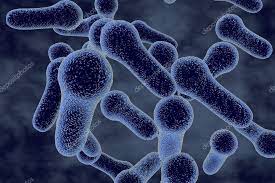
* cannot kill the organism
* immune system removes intruding microbe
* cannot kill the organism
* immune system removes intruding microbe
4
New cards
Cell Wall Synthesis Inhibitor Antibiotics: Beta Lactams
* Penicillin and Cephalosporins
* beta-lactam ring chemically resembles the D-Ala-D-Ala piece of peptidoglycan
\-this mimicry allows the drug to bind transpeptidase and transglycosylase
\-this prevents their activities and halts synthesis of the chain
* R groups can be modified to generate a number of semisynthetic drugs
* usually most effective against gram positive bacteria
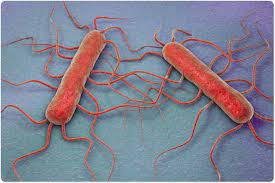
\
* beta-lactam ring chemically resembles the D-Ala-D-Ala piece of peptidoglycan
\-this mimicry allows the drug to bind transpeptidase and transglycosylase
\-this prevents their activities and halts synthesis of the chain
* R groups can be modified to generate a number of semisynthetic drugs
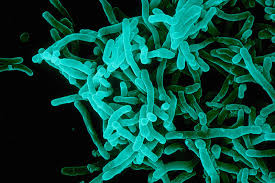
* usually most effective against gram positive bacteria
\
5
New cards
Other Cell Wall Synthesis Inhibitors
* Vancomycin: binds to ends of peptides
\-prevents action of transglycosolases and transpeptidases
\-same step as penicillin but different activity
* Cycloserine: inhibits formation of the D-ala-D-ala dipeptide precursor
* Bacitracin: blocks the lipid carrier
\-disaccharide subunits do not reach the periplasm
\-prevents action of transglycosolases and transpeptidases
\-same step as penicillin but different activity
* Cycloserine: inhibits formation of the D-ala-D-ala dipeptide precursor
* Bacitracin: blocks the lipid carrier
\-disaccharide subunits do not reach the periplasm
6
New cards
Antibiotics that disrupt cell membranes
* Gramicidin
\-cyclic peptide produced by Bacillus brevis
\-forms a cation channel, through which ions leak
* Polymyxin
\-produced by Bacillus polymyxa
\-binds LPS and disrupts cell membrane, similar to a detergent
* Nephrotoxic so used only topically
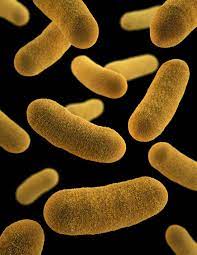
\-cyclic peptide produced by Bacillus brevis
\-forms a cation channel, through which ions leak
* Polymyxin
\-produced by Bacillus polymyxa
\-binds LPS and disrupts cell membrane, similar to a detergent
* Nephrotoxic so used only topically
7
New cards
Antibiotics that affect DNA synthesis/integrity
* quinolones: blocks bacterial DNA gyrase which prevents DNA replication
\-nalidixic acid and ciprofloxacin
* Metronidazole
\-nontoxic, unless metabolized by anaerobe ferredoxin
* Sulfa drugs
\-analogs of PABA, a precursor of folic acid
\-needed for DNA synthesis
\-supplied in our diet, thus no folic acid synthesis to inhibit
\-nalidixic acid and ciprofloxacin
* Metronidazole
\-nontoxic, unless metabolized by anaerobe ferredoxin
* Sulfa drugs
\-analogs of PABA, a precursor of folic acid
\-needed for DNA synthesis
\-supplied in our diet, thus no folic acid synthesis to inhibit
8
New cards
RNA Synthesis Inhibitors
* antibiotics that inhibit transcription are bactericidal and most active against growing bacteria
* Rifampin: binds to beta subunit of RNA polymerase and prevents elongation step of transcription
* Actinomycin D: prevents the initiation step of transcription
\-binds to DNA from any source (nonspecific)
\-thus it is not selectively toxic
* Rifampin: binds to beta subunit of RNA polymerase and prevents elongation step of transcription
* Actinomycin D: prevents the initiation step of transcription
\-binds to DNA from any source (nonspecific)
\-thus it is not selectively toxic
9
New cards
Protein synthesis inhibitors
* drugs that affect the 30S subunit
* aminoglycosides cause the translational misreading of mRNA
* are bactericidal
* include streptomycin
* tetracyclines: block the binding of charged tRNAs to the A site of the ribosome
* bacteriostatic
* include doxycyline
* drugs that affect the 50S subunit
* macrolides: inhibit translocation
* lincosamides: inhibit translocation
* chloramphenicol: inhibits peptidyl transferase activity
* oxazolidonones: prevent formation of the 70S ribosome initiation complex
* streptogramins:
* Streptogramin A: blocks tRNA binding
* Streptogramin B: blocks translocation
* aminoglycosides cause the translational misreading of mRNA
* are bactericidal
* include streptomycin
* tetracyclines: block the binding of charged tRNAs to the A site of the ribosome
* bacteriostatic
* include doxycyline
* drugs that affect the 50S subunit
* macrolides: inhibit translocation
* lincosamides: inhibit translocation
* chloramphenicol: inhibits peptidyl transferase activity
* oxazolidonones: prevent formation of the 70S ribosome initiation complex
* streptogramins:
* Streptogramin A: blocks tRNA binding
* Streptogramin B: blocks translocation
10
New cards
Antibiotic resistance
* growing problem worldwide
\-medicine for non-bacterial problems
\-used in farm animal feed
* this exerts selective pressure for drug-resistance strains
\-ex. Streptococcus pneumoniae and Acinetobacter baumanii
\-resistant to multiple drugs
\-medicine for non-bacterial problems
\-used in farm animal feed
* this exerts selective pressure for drug-resistance strains
\-ex. Streptococcus pneumoniae and Acinetobacter baumanii
\-resistant to multiple drugs
11
New cards
The four forms of Antibiotic resistance
* modify the target so that it no longer binds the antibiotic
\-mutations in ribosomal proteins confer resistance to streptomycin
* destroy the antibiotic before it gets into the cell
\-the B-lactamase enzyme specifically destroys B-lactam antibiotics
* add modifying groups that inactivate the antibiotic
\-3 classes of enzymes are used to modify and inactivate the aminoglycoside antibiotics
* pump the antibiotic out of the cell
\-specific and non-specific transport proteins
\-similar strategy is used in cancer cells
\-mutations in ribosomal proteins confer resistance to streptomycin
* destroy the antibiotic before it gets into the cell
\-the B-lactamase enzyme specifically destroys B-lactam antibiotics
* add modifying groups that inactivate the antibiotic
\-3 classes of enzymes are used to modify and inactivate the aminoglycoside antibiotics
* pump the antibiotic out of the cell
\-specific and non-specific transport proteins
\-similar strategy is used in cancer cells
12
New cards
Strategies to fight drug resistance
* alter antibiotic structure to sterically hinder access of modifying enzymes (Methicillin vs B-lactamase)
* block enzyme conferring resistance (Clavulanic acid vs B-lactamase)
* link antibiotics together
* block enzyme conferring resistance (Clavulanic acid vs B-lactamase)
* link antibiotics together
13
New cards
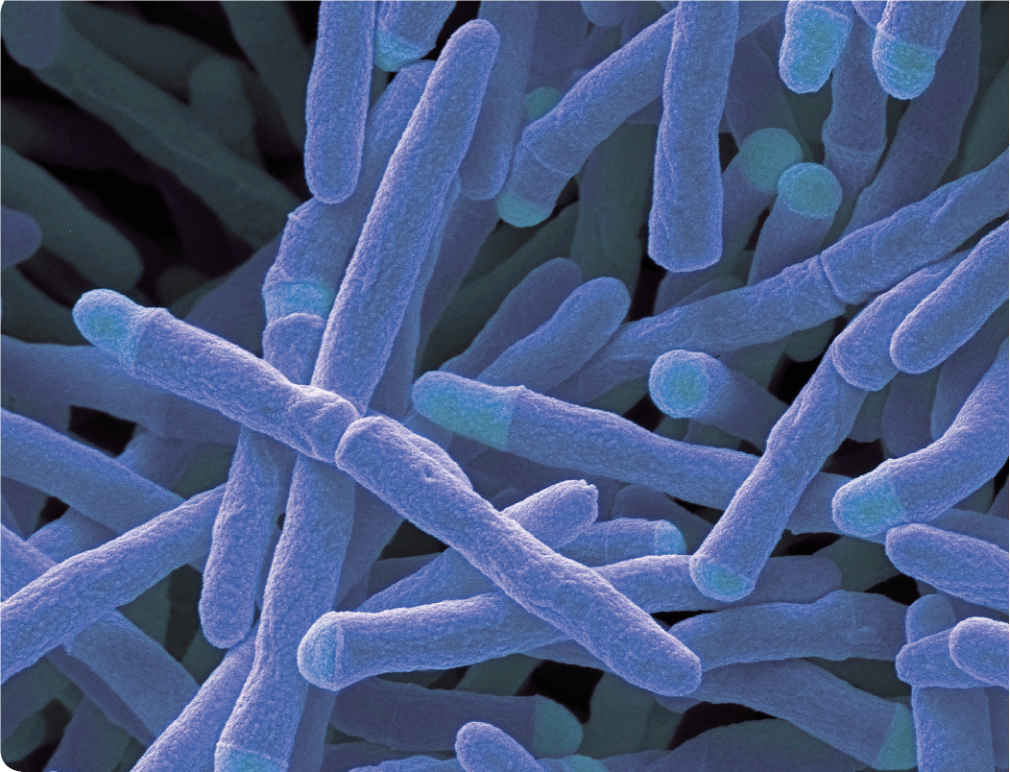
Mycobacteria
* acid-fast rod, nonmotile (technically gram positive)
* obligate aerobe
* facultative intracellular parasite
* very slow grower
* catalase positive
* include Mycobacterium tuberculosis and M. leprae
* obligate aerobe
* facultative intracellular parasite
* very slow grower
* catalase positive
* include Mycobacterium tuberculosis and M. leprae
14
New cards
Nontuberculosis Mycobacteria (opportunistic)
* M. kansasii- respiratory disease
* M. avium- respiratory disease
* M. scrofulaceum- cervical lymphadenitis
* M. ulcerans- skin/soft tissue infections
* M. marinum- skin/soft tissue infections
* mostly an issue for immunocompromised individuals
* M. avium- respiratory disease
* M. scrofulaceum- cervical lymphadenitis
* M. ulcerans- skin/soft tissue infections
* M. marinum- skin/soft tissue infections
* mostly an issue for immunocompromised individuals
15
New cards
Leprosy
* bacteria prefers 33C; goes for extremities
* also likes peripheral nervous system
* most deformities are due to immunopathology
* also likes peripheral nervous system
* most deformities are due to immunopathology
16
New cards
Tuberculosis
* single deadliest bacterial disease
* second single-deadliest agent (HIV is #1)
* takes about 3 bacilli to infect (easy to transmit); inhaled via droplets
* most infections are latent
* only 3-4% of acute infections proceed to active TB
* after 1 year, risk rises to 10%
* second single-deadliest agent (HIV is #1)
* takes about 3 bacilli to infect (easy to transmit); inhaled via droplets
* most infections are latent
* only 3-4% of acute infections proceed to active TB
* after 1 year, risk rises to 10%
17
New cards
TB diagnosis
* diagnosis by isolating Mycobacterium from sputum
* they need to grow it
* takes 6-7 weeks because of slow growth
* they need to grow it
* takes 6-7 weeks because of slow growth
18
New cards
Tuberculosis progression
* Latent infection
* Cavitary tuberculosis
* miliary tuberculosis
* Cavitary tuberculosis
* miliary tuberculosis
19
New cards
TB Stage 1
* infection
* droplet nuclei small enough to be airborne for long time
\-high transmissibility
* droplet nuclei expelled by talking, coughing, sneezing
\-nuclei contain less than 4 bacilli inhaled
* bacteria phagocytosed by alveolar macrophages (tissue resident macrophages in the lungs)
* macrophages not activated and fail to kill MTB
* droplet nuclei small enough to be airborne for long time
\-high transmissibility
* droplet nuclei expelled by talking, coughing, sneezing
\-nuclei contain less than 4 bacilli inhaled
* bacteria phagocytosed by alveolar macrophages (tissue resident macrophages in the lungs)
* macrophages not activated and fail to kill MTB
20
New cards
TB Stage 2
* begins 7-21 days after initial infection
* MTB multiplies virtually unrestricted within inactivated macrophages until the macrophages lyse
* other macrophages begin to extravasate from peripheral blood
* also attack and fail to kill MTB because not activated
* however, antigen presentation does occur at this time
* MTB multiplies virtually unrestricted within inactivated macrophages until the macrophages lyse
* other macrophages begin to extravasate from peripheral blood
* also attack and fail to kill MTB because not activated
* however, antigen presentation does occur at this time
21
New cards
TB Stage 3
* T cell and B cell responses start
* T cell response is most important due to the antibodies being blocked by intracellular lifestyle
* high lipid concentration in MTB cell wall
* activated T-cells produce IFN-y and activate macrophages
* killing of bacteria and immunopathology commences'
* Tubercle formation begins, center has cessation necrosis= semi-solid or cheesy consistency
* low pH, anoxic environment blocks MTB multiplication
* but doesn’t kill off MTB
* T cell response is most important due to the antibodies being blocked by intracellular lifestyle
* high lipid concentration in MTB cell wall
* activated T-cells produce IFN-y and activate macrophages
* killing of bacteria and immunopathology commences'
* Tubercle formation begins, center has cessation necrosis= semi-solid or cheesy consistency
* low pH, anoxic environment blocks MTB multiplication
* but doesn’t kill off MTB
22
New cards
Stage 4
* MTB hijacks inactivated macrophages to evade center
* allows tubercle growth, can invade bronchus/blood
* allows MTB spread
* milliary tuberculosis=hematogenous spread of MTB
* secondary lesions occur anywhere but usually involve the genitourinary system, bones, joints, lymph nodes, and peritoneum
* exudative lesions from build up of PMNs around MTB
\-soft tubercle because of no resistance
* productive/granulomatous lesions from host
\-hard tubercle because of hypersensitivity to TB proteins
* allows tubercle growth, can invade bronchus/blood
* allows MTB spread
* milliary tuberculosis=hematogenous spread of MTB
* secondary lesions occur anywhere but usually involve the genitourinary system, bones, joints, lymph nodes, and peritoneum
* exudative lesions from build up of PMNs around MTB
\-soft tubercle because of no resistance
* productive/granulomatous lesions from host
\-hard tubercle because of hypersensitivity to TB proteins
23
New cards
TB Stage 5
* sometimes caseous centers of the tubercles liquify
* helps MTB growth and MTB rapidly multiplies
* walls of nearby bronchi become necrotic and rupture
* cavity formation
* spills MTB into other airways and rapidly spread
* only a very small percent of MTB infections lead to disease and a smaller percentage of MTB infections progress to an advanced stage
* due to immune control
* helps MTB growth and MTB rapidly multiplies
* walls of nearby bronchi become necrotic and rupture
* cavity formation
* spills MTB into other airways and rapidly spread
* only a very small percent of MTB infections lead to disease and a smaller percentage of MTB infections progress to an advanced stage
* due to immune control
24
New cards
TB Virulence
* no toxins
* cell wall and slow growth is majority of virulence
* mycolic acid in cell wall about half of dry weight of envelope
* high lipid content in general
* block lysozyme, radicals, peptides, C, Abs, and antibiotics
* cord factor blocks PMNs
* catalase-peroxidase; SOD
* Esx-1 (Type VII secretion)
* prevents phagosome-lysosome fusion
* cell wall and slow growth is majority of virulence
* mycolic acid in cell wall about half of dry weight of envelope
* high lipid content in general
* block lysozyme, radicals, peptides, C, Abs, and antibiotics
* cord factor blocks PMNs
* catalase-peroxidase; SOD
* Esx-1 (Type VII secretion)
* prevents phagosome-lysosome fusion
25
New cards
TB Control
* 4 antibiotic combination therapy
\-Rifampin, Isoniazid, Pyrazinamide, ethambutol and sometimes streptomycin
\-Isoniazid and ethambutol both hit mycolic acid
\-bacteriostatic when slow growing
* Multi-drug resistant (MDR)/Extremely-drug resistant (XDR)
* vaccine is M. bovis BCG
\-efficacy very questionable
\-does not slow disease if already infected
\-does not prevent infection
\-skin test becomes positive
\-Rifampin, Isoniazid, Pyrazinamide, ethambutol and sometimes streptomycin
\-Isoniazid and ethambutol both hit mycolic acid
\-bacteriostatic when slow growing
* Multi-drug resistant (MDR)/Extremely-drug resistant (XDR)
* vaccine is M. bovis BCG
\-efficacy very questionable
\-does not slow disease if already infected
\-does not prevent infection
\-skin test becomes positive
26
New cards
Granulomas
* form in response to continued stimulation by the intracellular growth of MTB
* consist of epithelial cells created from chronically activated macrophages, fused epithelioid cells (multinucleated giant cells) surrounded by lymphocytes, and fibrosis caused by the deposition of collagen from fibroblasts
* restrict the spread of MTB as long as CD4 T cells can provide IFN-y
* consist of epithelial cells created from chronically activated macrophages, fused epithelioid cells (multinucleated giant cells) surrounded by lymphocytes, and fibrosis caused by the deposition of collagen from fibroblasts
* restrict the spread of MTB as long as CD4 T cells can provide IFN-y
27
New cards
\
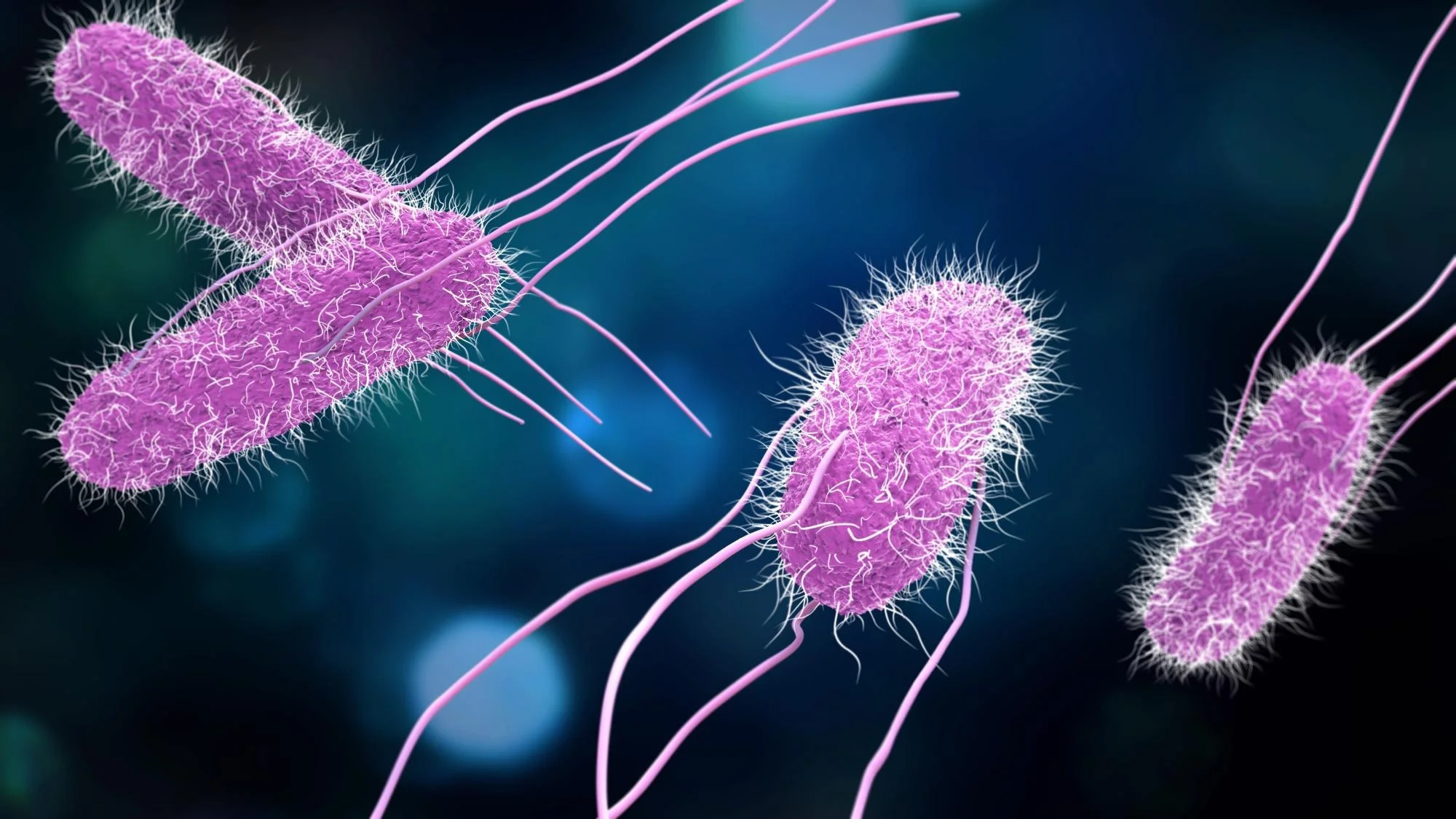
Salmonella
Salmonella
* gram-negative motile rod
* acid tolerant'
* lives in intestines of animals
* fermenter that produces gas
* ex. Salmonella bongori and Salmonella enterica
* six subspecies designated by Roman numerals
\-99.5% of Salmonella in humans is type I
* salmonella enterica (I) has serovars (serological variants)
* Enteritidis
* Typhi
* Typhimurium
* Choleraesuis
* acid tolerant'
* lives in intestines of animals
* fermenter that produces gas
* ex. Salmonella bongori and Salmonella enterica
* six subspecies designated by Roman numerals
\-99.5% of Salmonella in humans is type I
* salmonella enterica (I) has serovars (serological variants)
* Enteritidis
* Typhi
* Typhimurium
* Choleraesuis
28
New cards
Typhoid
* Salmonella enterica Typhi
* restricted to humans
* acute gastroenteritis
\-animal reservoir
* invades through epithelial barrier
* travels to mesenteric lymph node
* septicemia if enters blood stream
* LPS induces fever and other ill effects
* Salmonella also hides after infection cleared
* 5% of cured typhoid patients asymptomatically shed disease
* Typhoid Mary
* restricted to humans
* acute gastroenteritis
\-animal reservoir
* invades through epithelial barrier
* travels to mesenteric lymph node
* septicemia if enters blood stream
* LPS induces fever and other ill effects
* Salmonella also hides after infection cleared
* 5% of cured typhoid patients asymptomatically shed disease
* Typhoid Mary
29
New cards
Salmonella Virulence Factors
* most localized to pathogenicity islands
* SPI-1 and SPI-2
* T3SS-1 and T3SS-2
* many effectors are Sops
* control actin cytoskeleton
* avoids lysosomal fusion
* blocks antigen presentation
* reduces MHC surface expression
* SPI-1 and SPI-2
* T3SS-1 and T3SS-2
* many effectors are Sops
* control actin cytoskeleton
* avoids lysosomal fusion
* blocks antigen presentation
* reduces MHC surface expression
30
New cards
Salmonella Host Defense
* low pH of the stomach
* innate immunity: TLR2/4/5 and NLRC4/NLRP3
* TLR5 expressed on basolateral surface of M cells
* macrophages execute pyroptosis to deny intracellular shelter
* then PMNs attack and kill Salmonella
* Th1 T cell response
* innate immunity: TLR2/4/5 and NLRC4/NLRP3
* TLR5 expressed on basolateral surface of M cells
* macrophages execute pyroptosis to deny intracellular shelter
* then PMNs attack and kill Salmonella
* Th1 T cell response
31
New cards
Typhoid Control
* Typhoid vaccine available but not routine in US
* not 100% effective
* recommended if travel to at-risk country
* antibiotic therapy (esp. chloramphenicol) only for typhoid
* not 100% effective
* recommended if travel to at-risk country
* antibiotic therapy (esp. chloramphenicol) only for typhoid
32
New cards
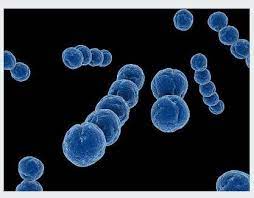
Streptococci
* gram-positive, nonmotile cocci
* often appearing in pairs or chains
* mostly facultative anaerobes
* fermentative metabolism without production of gas
* major end products are lactic acid, ethanol, and acetate
* catalase negative and oxidase negative
* some strains have hyaluronic acid capsule
* produce hyaluronidase later in growth cycle
* often appearing in pairs or chains
* mostly facultative anaerobes
* fermentative metabolism without production of gas
* major end products are lactic acid, ethanol, and acetate
* catalase negative and oxidase negative
* some strains have hyaluronic acid capsule
* produce hyaluronidase later in growth cycle
33
New cards
Lancefield Classification
* based on carbohydrates on cell wall
* Group A: streptococcus pyogenes
* Group B: streptococcus agalactiae
* Group C: streptococcus equisimilis, streptococcus equi
* Group D: enterococci, streptococcus bovis
* Group E: streptococcus milleri (S. intermedius)
* Group F: streptococcus anginosus
* Group G: streptococcus canis and streptococcus dysgalactiae
* Group L: streptococcus dysgalactiae
* Group N: lactococcus lactis
* Group R and S: streptococcus suis
* Viridans streptococci: no lancefield ag., usually not beta-hemolytic
* Group A: streptococcus pyogenes
* Group B: streptococcus agalactiae
* Group C: streptococcus equisimilis, streptococcus equi
* Group D: enterococci, streptococcus bovis
* Group E: streptococcus milleri (S. intermedius)
* Group F: streptococcus anginosus
* Group G: streptococcus canis and streptococcus dysgalactiae
* Group L: streptococcus dysgalactiae
* Group N: lactococcus lactis
* Group R and S: streptococcus suis
* Viridans streptococci: no lancefield ag., usually not beta-hemolytic
34
New cards
Pathogenic Streptococci
* Group A (S. pyogenes)
* Group B (S. agalactiae)
* Group D strep (Enterococcus faecalis)
* Viridans streptococci
* S. mutans
* S. mitis
* S. salivarius
* S. sanguis
* Streptococcus pneumoniae (bacterial pneu.)
* each cause different ranges of disease
* Group B (S. agalactiae)
* Group D strep (Enterococcus faecalis)
* Viridans streptococci
* S. mutans
* S. mitis
* S. salivarius
* S. sanguis
* Streptococcus pneumoniae (bacterial pneu.)
* each cause different ranges of disease
35
New cards
Group A Strep
* Primary
* pharyngitis
* pyoderma=streptococcal impetigo
* scarlet fever
* otitis media, sinusitis, mastoiditis
* erysipelas
* cellulitis=inflammation of the skin and deep underlying tissues
* necrtotising fascitis (flesh-eating bacteria)
* toxic shock syndrome
* Sequelae
* rheumatic fever
* glomerulonephritis
* pharyngitis
* pyoderma=streptococcal impetigo
* scarlet fever
* otitis media, sinusitis, mastoiditis
* erysipelas
* cellulitis=inflammation of the skin and deep underlying tissues
* necrtotising fascitis (flesh-eating bacteria)
* toxic shock syndrome
* Sequelae
* rheumatic fever
* glomerulonephritis
36
New cards
Virulence Factors: Group A Strep
* capsule is hyaluronic acid: anti-phagocytosis
* M protein for attachment-multiple types
* Protein F/Sfb bind fibronectin
* secretes hyaluronidase: can digest host/capsule
* streptokinase-cuts fibrin
* secretes streptomycin S/O- both pore-forming toxins
* NADase: kills host cells
* C5a peptidase: block complement
* streptodornase: cleaves nucleic acids, esp. DNA
* SpeA/B/C: superantigens (triggers about 20% of T cells)
* SpeB cleaves lots of things including C3b/IL-1B
* M protein for attachment-multiple types
* Protein F/Sfb bind fibronectin
* secretes hyaluronidase: can digest host/capsule
* streptokinase-cuts fibrin
* secretes streptomycin S/O- both pore-forming toxins
* NADase: kills host cells
* C5a peptidase: block complement
* streptodornase: cleaves nucleic acids, esp. DNA
* SpeA/B/C: superantigens (triggers about 20% of T cells)
* SpeB cleaves lots of things including C3b/IL-1B
37
New cards
Group A Strep Immune Control
* GAS is weak against Reactive oxygen species so phagocytosis is good
* avoids phagocytosis
* streptodornase helps avoid neutrophils
* M protein major antibody target as is SLO
* different M proteins give different subtypes of GAS
* gas weakly antigenic but no immunity
* no vaccine available
* very little antibiotic resistance (penicillins work well)
* avoids phagocytosis
* streptodornase helps avoid neutrophils
* M protein major antibody target as is SLO
* different M proteins give different subtypes of GAS
* gas weakly antigenic but no immunity
* no vaccine available
* very little antibiotic resistance (penicillins work well)
38
New cards
Rheumatic fever
* molecular mimicry
* certain M proteins similar to connective tissue
* antibodies cross-react with connective tissue
* develop polyarthritis/ mitral valve destruction
* certain M proteins similar to connective tissue
* antibodies cross-react with connective tissue
* develop polyarthritis/ mitral valve destruction
39
New cards
Group B Strep
* opportunistic pathogen; immunocompromised targeted
\-neonates
\-elderly, esp. with comorbidities
* neonatal sepsis/meningitis, preterm birth
* postpartum infections
* cellulitis
* arthritis
* meningitis
\-neonates
\-elderly, esp. with comorbidities
* neonatal sepsis/meningitis, preterm birth
* postpartum infections
* cellulitis
* arthritis
* meningitis
40
New cards
Virulence Factors: group B strep
* capsule polysaccharide; avoid phagocytosis/ complement
* fibrinogen-binding protein A: binding
* Pili (makes it hard to flush out digestive tract)
* serine protease (CspA): cleaves fibrinogen
* pigment (granadaene): pore-forming toxin
* superoxide dismutase: resist reactive oxygen species
* C5a peptidase
* PBP1 confers resistance to antimicrobial peptides
* fibrinogen-binding protein A: binding
* Pili (makes it hard to flush out digestive tract)
* serine protease (CspA): cleaves fibrinogen
* pigment (granadaene): pore-forming toxin
* superoxide dismutase: resist reactive oxygen species
* C5a peptidase
* PBP1 confers resistance to antimicrobial peptides
41
New cards
immune control: Group B strep
* colonizes about 25% of women
* no symptoms
* GBS resist complement thanks to capsule
* neutralize ROS in phagosome and kill macrophages
* take advantage of neonate/elderly weakness
* no symptoms
* GBS resist complement thanks to capsule
* neutralize ROS in phagosome and kill macrophages
* take advantage of neonate/elderly weakness
42
New cards
Group D Strep Diseases
* Enterococcus faecalis
* normally lives in your gut
* nosocomial (hospital acquired) infection
\-bacteremia
\-endocarditis
\-UTIs
\-meningitis
\-neonatal sepsis
\-peritonitis
\-septic arthritis
\-vertebral osteomyelitis
* normally lives in your gut
* nosocomial (hospital acquired) infection
\-bacteremia
\-endocarditis
\-UTIs
\-meningitis
\-neonatal sepsis
\-peritonitis
\-septic arthritis
\-vertebral osteomyelitis
43
New cards
Virulence: Group D strep
* Plasmid: cytolysin (PFT)
* Plasmid: aggregation substance ( vs. lysosome)
* Ace and Esp mediate adhesion
* hyaluronidase
* gelatinase (matrix metalloproteinase)
* biofilm formation
* extreme antibiotic resistance, often including vancomycin
* changes D-Ala-D-Ala to D-Ala-D-Lactate
\-but only in presence of vancomycin
* can give that antibiotic resistance to Staph/others
* also can grow in sodium azide
* Plasmid: aggregation substance ( vs. lysosome)
* Ace and Esp mediate adhesion
* hyaluronidase
* gelatinase (matrix metalloproteinase)
* biofilm formation
* extreme antibiotic resistance, often including vancomycin
* changes D-Ala-D-Ala to D-Ala-D-Lactate
\-but only in presence of vancomycin
* can give that antibiotic resistance to Staph/others
* also can grow in sodium azide
44
New cards
pore-forming toxins (PFTs)
* several streptococci produce PFTs
* cholesterol-dependent cytolysins (CDCs)
* streptolysin O (SLO) and Pneumolysin (PLY)
* cholesterol-dependent cytolysins (CDCs)
* streptolysin O (SLO) and Pneumolysin (PLY)
45
New cards
CDCs and MACPF proteins
* 3D structure similar
* means both can engage complement inhibiting factors
* except CDC uses it as a binding receptor
* S. intermedius intermedilysin to human CD59
* means both can engage complement inhibiting factors
* except CDC uses it as a binding receptor
* S. intermedius intermedilysin to human CD59
46
New cards
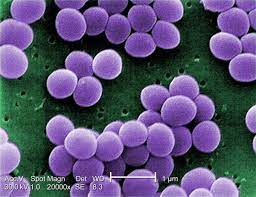
Staphylococci
* Gram-positive, nonmotile cocci
* often appearing in clusters
* facultative anaerobes
* fermentative metabolism without production of gas
* major endproducts include lactic acid
* catalase positive
* oxidase negative
* grow in high salt
* often antibiotic resistance
* Pathogenic Staphylococci: Staph aureus
\-other Staphylococci can be opportunistic pathogens
* often appearing in clusters
* facultative anaerobes
* fermentative metabolism without production of gas
* major endproducts include lactic acid
* catalase positive
* oxidase negative
* grow in high salt
* often antibiotic resistance
* Pathogenic Staphylococci: Staph aureus
\-other Staphylococci can be opportunistic pathogens
47
New cards
diseases: S. aureus
* systemic infection
* localized infection
* toxin production
* Skin:
* cellulitis
* folliculitis
* scalded skin syndrome
* wound infections
* deep tissue
* osteomyelitis
* septic arthritis
* endocarditis
* toxic shock
* others:
* septicemia
* pneumonia
* food poisoning
* localized infection
* toxin production
* Skin:
* cellulitis
* folliculitis
* scalded skin syndrome
* wound infections
* deep tissue
* osteomyelitis
* septic arthritis
* endocarditis
* toxic shock
* others:
* septicemia
* pneumonia
* food poisoning
48
New cards
Staphylococcus Pathogenesis
49
New cards
Staph. colonization
* trouble getting in; usually localized near entry
* capsular polysaccharide: very thin microcapsule
\-can promote biofilm formation
* mostly by adhesion factors and enzymes
* coagulase
* clumping factor: binds fibrin and fibrinogen
* present in wounds/distressed tissue
* staphylokinase: dissolve clots
* capsular polysaccharide: very thin microcapsule
\-can promote biofilm formation
* mostly by adhesion factors and enzymes
* coagulase
* clumping factor: binds fibrin and fibrinogen
* present in wounds/distressed tissue
* staphylokinase: dissolve clots
50
New cards
Staph Invasion
* extracellular enzymes
* staphylokinase
* hyaluronidase
* collagenase
* proteases
* nucleases
* lipases
* staphylokinase
* hyaluronidase
* collagenase
* proteases
* nucleases
* lipases
51
New cards
Staph. Toxins
* alpha-toxin: kill monocytes, septic shock
* beta-toxin: sphingomyelinase
* delta-toxin: peptide toxin, function not known
* Panton-Valentine Leukocidin: kill PMNs
* PVL in about 2% of isolates, but most of the bad ones
* Exfoliatin: separates live/dead layers of skin
\-causes scalded skin syndrome
* beta-toxin: sphingomyelinase
* delta-toxin: peptide toxin, function not known
* Panton-Valentine Leukocidin: kill PMNs
* PVL in about 2% of isolates, but most of the bad ones
* Exfoliatin: separates live/dead layers of skin
\-causes scalded skin syndrome
52
New cards
Staph Superantigens
* toxic shock syndrome toxin I (TSST)
* enterotoxins (SE-A to G) SE-B/SE-C major ones
* TSST responsible for menstrual toxic shock
* SE responsible for food poisoning
* enterotoxins (SE-A to G) SE-B/SE-C major ones
* TSST responsible for menstrual toxic shock
* SE responsible for food poisoning
53
New cards
Staph. Immune Evasion
* block complement activation/mask complement on cell
* block antimicrobial peptides
* Protein A to avoid opsonization
* Coagulase and fibrin/fibrinogen vs phagocytosis
* biofilm growth against phagocytosis
* carotenoids and catalase to resist oxidative burst
* kill responding leukocytes esp. PMNs
* block antimicrobial peptides
* Protein A to avoid opsonization
* Coagulase and fibrin/fibrinogen vs phagocytosis
* biofilm growth against phagocytosis
* carotenoids and catalase to resist oxidative burst
* kill responding leukocytes esp. PMNs
54
New cards
S. aureus Immune Control
* Lipoteichoic acid by TLR2
* Muramyl dipeptide (cell wall product) by Nod2
* PFTs by NLRP3-IL-1B secretion
* proteases/antimicrobial peptides in phagosome
* neutrophils/Th17 main control mechanism
* Muramyl dipeptide (cell wall product) by Nod2
* PFTs by NLRP3-IL-1B secretion
* proteases/antimicrobial peptides in phagosome
* neutrophils/Th17 main control mechanism
55
New cards
S. aureus Antibiotic Resistance
* S. aureus resistant to most antibiotics
* generally resistant to bacitracin
* methicillin resistance is best known, but also others
\-erythromycin, clindamycin, vancomycin
* altered PBP 2a via mecA gene
* also encodes different gene for B-lactamase
* antibiotics resistance formerly limited to hospitals
* S. aureus formerly top nosocomial infection
\-now E. coli and Pseudomonas
* resistant S. aureus also in community
* associated with more virulent form
* generally resistant to bacitracin
* methicillin resistance is best known, but also others
\-erythromycin, clindamycin, vancomycin
* altered PBP 2a via mecA gene
* also encodes different gene for B-lactamase
* antibiotics resistance formerly limited to hospitals
* S. aureus formerly top nosocomial infection
\-now E. coli and Pseudomonas
* resistant S. aureus also in community
* associated with more virulent form
56
New cards
Clostridia
* gram-positive, variably motile bacilli that stain variably
* anaerobes
* fermentative metabolism with production of gas
* lots of major end products
* spore-formers
* anaerobes
* fermentative metabolism with production of gas
* lots of major end products
* spore-formers
57
New cards
pathogenic clostridia
* C. botulinum: botulism, food poisoning
* C. tetani: lockjaw/tetanus paralysis, death
* C. perfingens: gas gangrene, food poisoning
* C. difficile: colitis, antibiotic-associated diarrhea
* C. tetani: lockjaw/tetanus paralysis, death
* C. perfingens: gas gangrene, food poisoning
* C. difficile: colitis, antibiotic-associated diarrhea
58
New cards
Pathogenesis: C. botulinum
* toxicity entirely due to Botulinum neurotoxin
* canning process creates anaerobic environment
* improper sterilization leads to growth/toxin prod.
* toxin is heat liable (sensitive)
* humans/horses most vulnerable
* in infant botulism, C. botulinum colonizes gut first
* canning process creates anaerobic environment
* improper sterilization leads to growth/toxin prod.
* toxin is heat liable (sensitive)
* humans/horses most vulnerable
* in infant botulism, C. botulinum colonizes gut first
59
New cards
Pathogenesis: C. tetani
* two toxins: tetanospasmin and tetanolysin O (TLO)
* tetanospasmin is neurotoxin like BoTox
* TLO is a CDC like SLO, PLY and others
* tetanospasmin only released on cell death
* normally soil bacteria that must breach skin
* bacteria also need anaerobic environment
* TLO kills cells and helps foster environment
* once inside and growing/dying, toxin released
* tetanospasmin is neurotoxin like BoTox
* TLO is a CDC like SLO, PLY and others
* tetanospasmin only released on cell death
* normally soil bacteria that must breach skin
* bacteria also need anaerobic environment
* TLO kills cells and helps foster environment
* once inside and growing/dying, toxin released
60
New cards
Immunity: C. botulinum/tetani
* none
* issue is not growth of bacteria but toxin production
* lethal dose of toxin below dose required to develop antibiotic response to neutralize toxin
* vaccination for tetanus via toxoid (formalin fix toxin)
* 3 courses then booster every 10 years
* issue is not growth of bacteria but toxin production
* lethal dose of toxin below dose required to develop antibiotic response to neutralize toxin
* vaccination for tetanus via toxoid (formalin fix toxin)
* 3 courses then booster every 10 years
61
New cards
Strains: C. perfringens
* 5 different strains, categorized A-E
* based on five major toxins produced
* strain A makes alpha-toxin
* strain B makes alpha, beta, E-toxin
* strain C makes alpha and beta toxin
* strain D makes alpha and E-toxin
* strain E makes alpha and i-toxin
* based on five major toxins produced
* strain A makes alpha-toxin
* strain B makes alpha, beta, E-toxin
* strain C makes alpha and beta toxin
* strain D makes alpha and E-toxin
* strain E makes alpha and i-toxin
62
New cards
Toxins: C. perfringens
* alpha-toxin: zinc metallophospholipase (mimics phospholipase C)
\-diacylglycerol signaling leads to edema
\-responsible for gas gangrene
* beta-toxin: PFT selective for cations
\-necrosis and hypertension due to catecholamine
* E-toxin: not usually found in humans, PFT
* i-toxin: AB toxin that blocks actin polymerization
* perfringolysin O (PFO, theta-toxin): CDC, blocks immune cells
* enterotoxin (CPE): breaks tight junctions
\-diacylglycerol signaling leads to edema
\-responsible for gas gangrene
* beta-toxin: PFT selective for cations
\-necrosis and hypertension due to catecholamine
* E-toxin: not usually found in humans, PFT
* i-toxin: AB toxin that blocks actin polymerization
* perfringolysin O (PFO, theta-toxin): CDC, blocks immune cells
* enterotoxin (CPE): breaks tight junctions
63
New cards
Pathogenesis: food poisoning
* grows in improperly prepared food (meat/poultry) and is consumed where it grows in intestines
* secretes CPE, which causes disease
\-CPE present on chromosome=food poisoning
\-CPE present on plasmid=antibiotic-associated diarrhea/sporadic diarrhea
* plasmid could potentially be passed on to others
* 8-16 hour onset, 24 hour disease
* antibiotics to C. perfringens common in population
* secretes CPE, which causes disease
\-CPE present on chromosome=food poisoning
\-CPE present on plasmid=antibiotic-associated diarrhea/sporadic diarrhea
* plasmid could potentially be passed on to others
* 8-16 hour onset, 24 hour disease
* antibiotics to C. perfringens common in population
64
New cards
pathogenesis: gas gangrene
* usually present at site of surgery or wound trauma
* all strains can manage this
* toxins break down host and kill competing bacteria
* toxins also reduce blood flow to tissue
* ischemic environment good for bacteria; bacteria are anaerobic, easier for bacteria to grow
* enough toxins=toxic shock
* all strains can manage this
* toxins break down host and kill competing bacteria
* toxins also reduce blood flow to tissue
* ischemic environment good for bacteria; bacteria are anaerobic, easier for bacteria to grow
* enough toxins=toxic shock
65
New cards
immune response: gas gangrene
* gas gangrene develops fast (medical emergency)
* innate immune system has to deal with it
* major clearance is phagocytosis
* PFO/alpha-toxin both defend vs phagocytosis by M-phi
* PMN do not play major role in control
* ischemic environment also helps bacteria
* accessibility for immune cells/antibiotics
* innate immune system has to deal with it
* major clearance is phagocytosis
* PFO/alpha-toxin both defend vs phagocytosis by M-phi
* PMN do not play major role in control
* ischemic environment also helps bacteria
* accessibility for immune cells/antibiotics
66
New cards
C. difficile
* colitis and antibiotic-associated diarrhea
* lives as commensal in subset of population
* opportunistic pathogen
* mostly immunocompromised or antibiotic-therapy
* usually treated with Metronidazole or Vancomycin
* lives as commensal in subset of population
* opportunistic pathogen
* mostly immunocompromised or antibiotic-therapy
* usually treated with Metronidazole or Vancomycin
67
New cards
Toxins: C. difficile
* two major toxins: toxin A and Toxin B (TcdA and TcdB)
* toxin B rarer, but deadlier
* both are glucosyltransferases and modify RhoA/Rac/Cdc42
* messes up actin cytoskeleton, leads to cell death
* also interferes with barrier function
* toxin B rarer, but deadlier
* both are glucosyltransferases and modify RhoA/Rac/Cdc42
* messes up actin cytoskeleton, leads to cell death
* also interferes with barrier function
68
New cards
C. difficile toxin actin polymerization
* Rho/Rac/Cdc42 are small GTPases
* regulate actin cytoskeleton in different ways
* also send signal to rest of cell about cytoskeleton
* regulate actin cytoskeleton in different ways
* also send signal to rest of cell about cytoskeleton
69
New cards
Listeria
* gram-positive rod
* tumbling motility
* flagellae
* facultative anaerobe
* psychrophile (cold-loving)
* catalase (+)
* oxidase (-)
* tumbling motility
* flagellae
* facultative anaerobe
* psychrophile (cold-loving)
* catalase (+)
* oxidase (-)
70
New cards
Listeria-Diseases
* Listeria monocytogenes is a human pathogen
* transferred on undercooked food
* easily cleared most of the time
* mainly affects immunocompromised and pregnant people
* very good at killing fetuses
* people with meningitis/sepsis at risk
* carries about 30% mortality in non-pregnant people
* transferred on undercooked food
* easily cleared most of the time
* mainly affects immunocompromised and pregnant people
* very good at killing fetuses
* people with meningitis/sepsis at risk
* carries about 30% mortality in non-pregnant people
71
New cards
Listeria-foods to avoid during pregnancy
* hot dogs
* cheese
* raw milk
* deli meats
* cheese
* raw milk
* deli meats
72
New cards
Listeria: pathogenesis
* ingest contaminated food which enters the intestines
\-travels to the lymph nodes and enters the bloodstream
\-circulates through the bloodstream to the liver and the spleen
\-can cross the blood-brain barrier and can cross into the placenta
* Internalin binds to E-cadherin to gain entry
* Listeriolysin O (LLO): critical CDC for pathogenesis
* active at acidic pH
* allows phagasomal escape
* also secretes two phospholipases and Zn2+ protease
* ActA polymerizes actin to create rockets (which propels Listeria around the cell)
* transfers intracellularly-avoids humoral responses
\-travels to the lymph nodes and enters the bloodstream
\-circulates through the bloodstream to the liver and the spleen
\-can cross the blood-brain barrier and can cross into the placenta
* Internalin binds to E-cadherin to gain entry
* Listeriolysin O (LLO): critical CDC for pathogenesis
* active at acidic pH
* allows phagasomal escape
* also secretes two phospholipases and Zn2+ protease
* ActA polymerizes actin to create rockets (which propels Listeria around the cell)
* transfers intracellularly-avoids humoral responses
73
New cards
Immune control: Listeria
* intracellular pathogen so phagocytosis is a given
* IFNy is critical to early control
\-helpful because it initiates TH1 response, Class I, IFNs, and NODs
* NLRs also provide control
* kill infected macrophage to force Listeria out of cells
* IFNy is critical to early control
\-helpful because it initiates TH1 response, Class I, IFNs, and NODs
* NLRs also provide control
* kill infected macrophage to force Listeria out of cells
74
New cards
Corynebacteria
* gram-positive, non-motile rod
* unencapsulated
* aerobe
* catalase (+)
* unencapsulated
* aerobe
* catalase (+)
75
New cards
Corynebacteria: Toxin Production
* toxin gene carried by lysogenic beta phage
* transcription of bacteriophage DNA is repressed
* repressor is iron-dependent protein
* when iron levels drop, toxin production begins
* transcription of bacteriophage DNA is repressed
* repressor is iron-dependent protein
* when iron levels drop, toxin production begins
76
New cards
Corynebacteria: Pathogenesis
* Corynebacteria diphtheria is major pathogen
* localized skin infection (minor)
* upper respiratory disease
\-can cause pseudomembrane formation- causes suffocation
* uses pili to colonize epithelium
* toxin secretion-systemic destruction
* mortality about 5-10%
* localized skin infection (minor)
* upper respiratory disease
\-can cause pseudomembrane formation- causes suffocation
* uses pili to colonize epithelium
* toxin secretion-systemic destruction
* mortality about 5-10%
77
New cards
structure of Diphtheria Toxin
* contains:
* catalytic domain
* transmembrane domain
* receptor binding domain
* catalytic domain
* transmembrane domain
* receptor binding domain
78
New cards
Corynebacteria: Immune Control
* bacteria do not make it past epithelial layer
* localized infection dealt with normally
* concern is neutralizing toxin
* antibodies needed to neutralize toxin
* localized infection dealt with normally
* concern is neutralizing toxin
* antibodies needed to neutralize toxin
79
New cards
commensals
* microbes living in/on people
* in ecology, they are considered +/0
* can be helpful or harmful ex. Bacteroides fragilis=gas gangrene
* commensals can cause disease when homeostasis is disrupted
* Biont also used to describe these microbes
* in ecology, they are considered +/0
* can be helpful or harmful ex. Bacteroides fragilis=gas gangrene
* commensals can cause disease when homeostasis is disrupted
* Biont also used to describe these microbes
80
New cards
gnotobiotic animals
* germ-free animals
* used to study the role of commensals in disease
* used to study the role of commensals in disease
81
New cards
human microbiota: genomics
* next gen sequencing allows rapid identification
* many of these could never be cultured
* microbe populations change constantly
* vary with type of tissue/condition
* altering balance has potential to cause disease
* many of these could never be cultured
* microbe populations change constantly
* vary with type of tissue/condition
* altering balance has potential to cause disease
82
New cards
human microbiota: abundance
* skin
* 1:10 (aerobe:anaerobe)
* acquired through birth canal; oral environments
* mouth
* 1:10 (a:an)
* birth canal; caregiver
* genitourinary tract
* 1:100 (ae:an)
* surrounding external environment
* intestine
* 1:1000 (ae/an)
* baby formula; mother; caregiver
* 1:10 (aerobe:anaerobe)
* acquired through birth canal; oral environments
* mouth
* 1:10 (a:an)
* birth canal; caregiver
* genitourinary tract
* 1:100 (ae:an)
* surrounding external environment
* intestine
* 1:1000 (ae/an)
* baby formula; mother; caregiver
83
New cards
skin microbiota
* the skin is difficult to colonize
* dry, salty, acidic, protective oils
* microbes in moist areas: scalp, ears, armpits, anal and genital areas
* mostly gram-positive bacteria
* more resistant to salt and dryness
* Staph. epidermidis
* Propionibacterium acnes
* degrades skin oil
* inflames sebaceous glands
* causes acne
* dry, salty, acidic, protective oils
* microbes in moist areas: scalp, ears, armpits, anal and genital areas
* mostly gram-positive bacteria
* more resistant to salt and dryness
* Staph. epidermidis
* Propionibacterium acnes
* degrades skin oil
* inflames sebaceous glands
* causes acne
84
New cards
oral/nasal cavity microbiota
* at first a human infant’s mouth is colonized with:
\-nonpathogenic Neisseria (gram-negative cocci)
\-Streptococcus, Lactobacillus (gram-positive rods)
* as teeth emerge other bacteria start growing:
\-Prevotella and Fusobacterium: between gums and teeth
* Nasopharynx and oropharynx are populated by Staph aureus and S. epidermidis
\-these bacteria are normally harmless but they may cause disease if they enter the bloodstream
\-nonpathogenic Neisseria (gram-negative cocci)
\-Streptococcus, Lactobacillus (gram-positive rods)
* as teeth emerge other bacteria start growing:
\-Prevotella and Fusobacterium: between gums and teeth
* Nasopharynx and oropharynx are populated by Staph aureus and S. epidermidis
\-these bacteria are normally harmless but they may cause disease if they enter the bloodstream
85
New cards
genitourinary tract microbiota
* the kidneys and urinary bladder are normally sterile
* the urethra contains Staph. epidermidis and some members of Enterobacteriaceae
* may cause urinary tract infections
* composition of the vaginal microbiota changes with the menstrual cycle
* acidic secretions favor Lactobacillus acidophilus
* antibacterial antibiotic therapy allows Candida albicans to proliferate, causing yeast infections
* vaginal microbiota in HIV+ women:
\-high amount of Lactobacillus
\-bacilli
\-firmicutes
* the urethra contains Staph. epidermidis and some members of Enterobacteriaceae
* may cause urinary tract infections
* composition of the vaginal microbiota changes with the menstrual cycle
* acidic secretions favor Lactobacillus acidophilus
* antibacterial antibiotic therapy allows Candida albicans to proliferate, causing yeast infections
* vaginal microbiota in HIV+ women:
\-high amount of Lactobacillus
\-bacilli
\-firmicutes
86
New cards
stomach microbiota
* stomach has very high acidity
* few microbes survive
* Helicobacter pylori
\-survives at pH 1
\-burrows into protective mucus
\-causes gastric ulcers
* decreased stomach acidity: Hypochlorydia
\-caused by malnourishment
* Vibrio cholerae survive stomach passage
\-establishes infection in less acidic intestine
* few microbes survive
* Helicobacter pylori
\-survives at pH 1
\-burrows into protective mucus
\-causes gastric ulcers
* decreased stomach acidity: Hypochlorydia
\-caused by malnourishment
* Vibrio cholerae survive stomach passage
\-establishes infection in less acidic intestine
87
New cards
dysbiosis
* caused by altered gut environment (antibiotics, diet, hygiene, pollutants, virus, etc.)
* decrease in peace-keeping bacteria and increase in pathobionts
* damage to epithelial barrier, leads to increased bacterial adherence and penetration
* pathobionts can cross epithelial barrier and cause pathological inflammation
* altered host immune system:
* genetics:
* severe monogenic immunodeficiency: IL-10R mutations, CVID
* immune gene variants: NOD2, ATG16L1, IL-23R, IRGM
* environment: stress, diet, infections, vaccine
* decrease in peace-keeping bacteria and increase in pathobionts
* damage to epithelial barrier, leads to increased bacterial adherence and penetration
* pathobionts can cross epithelial barrier and cause pathological inflammation
* altered host immune system:
* genetics:
* severe monogenic immunodeficiency: IL-10R mutations, CVID
* immune gene variants: NOD2, ATG16L1, IL-23R, IRGM
* environment: stress, diet, infections, vaccine
88
New cards
gut microbes: mutualistic vs pathogenic
* mutualistic
* regulatory
* homeostasis
* host health
* tolerance
* robust regulation
* barrier protection
* antimicrobial activity
* tissue repair
* cell renewal
* pathogenic
* proinflammatory
* dysbiosis (IBD,CRC)
* disease:
* intolerance
* lack of regulation
* barrier defects
* microbial invasion
* tissue pathology
* cell damage
* regulatory
* homeostasis
* host health
* tolerance
* robust regulation
* barrier protection
* antimicrobial activity
* tissue repair
* cell renewal
* pathogenic
* proinflammatory
* dysbiosis (IBD,CRC)
* disease:
* intolerance
* lack of regulation
* barrier defects
* microbial invasion
* tissue pathology
* cell damage
89
New cards
probiotics
* alterations in microbiota leads to disease
* recall pseudomembranous colitis, caused by Clostridium difficile
* difficult to treat, even with vanco
* probiotics are living microbes that are ingested to restore the natural microbial balance
* the most commonly used genera are Bifidobacterium and Lactobacillus
* recall pseudomembranous colitis, caused by Clostridium difficile
* difficult to treat, even with vanco
* probiotics are living microbes that are ingested to restore the natural microbial balance
* the most commonly used genera are Bifidobacterium and Lactobacillus
90
New cards
Fecal Transplant
* the transfer of intestinal microbiota between people using feces
* shown efficacy in treating recurrent C. difficile infections
* major nosicomial (hospital-acquired) infection
* metronidazole and vancomycin antibiotic choices
* about 20% relapse with antibiotics, longer hospital stay
* about 10% relapse with fecal transplant, 90+% response rate
* shown efficacy in treating recurrent C. difficile infections
* major nosicomial (hospital-acquired) infection
* metronidazole and vancomycin antibiotic choices
* about 20% relapse with antibiotics, longer hospital stay
* about 10% relapse with fecal transplant, 90+% response rate
91
New cards
biofilms
* specialized, surface-attached communities
* can be constructed by one or multiple species and can form on a range of organic or inorganic surfaces
* extracellular matrix varies by biofilm
* most share exopolymers or extracellular polymeric substances
* polysaccharides, lipids, DNA, pili
* pH also controlled-often acidic
* contains varying environmental conditions: anaerobic, aerobic, high/low permeability
\-limits competition
* can be constructed by one or multiple species and can form on a range of organic or inorganic surfaces
* extracellular matrix varies by biofilm
* most share exopolymers or extracellular polymeric substances
* polysaccharides, lipids, DNA, pili
* pH also controlled-often acidic
* contains varying environmental conditions: anaerobic, aerobic, high/low permeability
\-limits competition
92
New cards
biofilm formation
* attachment
* bacteria fasten onto variety of surfaces using specialized tail-like structures
* pipes, water filters, human intestines, heart valves
* expansion
* cells grow and divide, forming a dense mat may layers thick
* bacteria communicate with each other using specific signals (QS)
* biofilm still too thin to be seen
* maturation
* quorum is formed containing enough bacteria in biofilm
* microbes secrete sugary glue and form mushroom-shaped structures
* resistance
* glue protects bacteria in biofilm from the harsh environment outside shielding them from antibiotics, toxic chemical, and the body’s immune system
* bacteria fasten onto variety of surfaces using specialized tail-like structures
* pipes, water filters, human intestines, heart valves
* expansion
* cells grow and divide, forming a dense mat may layers thick
* bacteria communicate with each other using specific signals (QS)
* biofilm still too thin to be seen
* maturation
* quorum is formed containing enough bacteria in biofilm
* microbes secrete sugary glue and form mushroom-shaped structures
* resistance
* glue protects bacteria in biofilm from the harsh environment outside shielding them from antibiotics, toxic chemical, and the body’s immune system
93
New cards
biofilms and infections
* biofilms play an important role in chronic infections by enabling persistent adherence and resistance to bacterial host defenses and antimicrobial agents
94
New cards
mechanisms of biofilm tolerance
* slow penetration
* stress response
* altered microenvironment
* persisters
* stress response
* altered microenvironment
* persisters
95
New cards
destroying biofilms
* nonspecific inhibition
* anti-adhesive polymers
* specific inhibition
* blocking adhesins
* competing with lectins
* bulky hydrocarbons
* signaling pathway
* cyclic-di-GMP
* quorum sensing
* stringent response
* action on matrix
* enzymes
* chelating agents
* fighting persisters
* persister formation
* killing persisters
* inactivating tolerance
* anti-adhesive polymers
* specific inhibition
* blocking adhesins
* competing with lectins
* bulky hydrocarbons
* signaling pathway
* cyclic-di-GMP
* quorum sensing
* stringent response
* action on matrix
* enzymes
* chelating agents
* fighting persisters
* persister formation
* killing persisters
* inactivating tolerance
96
New cards
keystone pathogens
* pathogenicity depends on microbiota of host
\-disrupt microbiota and its balance
* pathogens cannot cause disease alone
* Periodontal disease
\-Porphyromonas gingivalis
\-disrupt microbiota and its balance
* pathogens cannot cause disease alone
* Periodontal disease
\-Porphyromonas gingivalis
97
New cards
Periodontal disease
* Porphyromonas gingivalis
* biofilm-induced disease
* cannot cause disease in gnotobiotic mice
* present in healthy gums
* fails Kochs postulates
* needs rest of biofilm community
* turns your healthy biofilm into a pathogenic biofilm
* disease of progression:
* pioneer bacteria colonization, biofilm formation; streptococci and actinomyces
* coaggregation pf early colonizers; C. gingivalis, V. atypica, P. acnes, P. loescheii
* acquisition of bridging bacteria; F. nucleatum
* accumulation of keystone pathogens; P. gingivalis, T. forsythia, T. denticola
* further dysbiosis with immunostimulatory pathobionts to cause alveolar bone loss
* biofilm-induced disease
* cannot cause disease in gnotobiotic mice
* present in healthy gums
* fails Kochs postulates
* needs rest of biofilm community
* turns your healthy biofilm into a pathogenic biofilm
* disease of progression:
* pioneer bacteria colonization, biofilm formation; streptococci and actinomyces
* coaggregation pf early colonizers; C. gingivalis, V. atypica, P. acnes, P. loescheii
* acquisition of bridging bacteria; F. nucleatum
* accumulation of keystone pathogens; P. gingivalis, T. forsythia, T. denticola
* further dysbiosis with immunostimulatory pathobionts to cause alveolar bone loss
98
New cards
Porphyromonas gingivalis
* late-colonizer
* non-motile, gram-negative anaerobe
* ferments amino acids
* also needs heme/hemin and Vitamin K
* multiple forms of LPS: hypo-acylated, variably P
* secretes proteases called gingipains (RgpA/B, Kgp)
* can invade tissue to evade immune system
* non-motile, gram-negative anaerobe
* ferments amino acids
* also needs heme/hemin and Vitamin K
* multiple forms of LPS: hypo-acylated, variably P
* secretes proteases called gingipains (RgpA/B, Kgp)
* can invade tissue to evade immune system
99
New cards
P. gingivalis: Immune Evasion
* LPS:
* resist C-mediated lysis
* antagonize/ignore TLR4
* upregulate negative regulators of TLR signaling
* Gingipain:
* block C3, bind C4b
* block killing by C5aR-TLR2
* block TLR-2 signaling (and IL-12) but not IL-1/TNF
* degrade TLR co-receptors and cytokines
* Fimbriae:
* invasion
* CR3 entry in macs
* block killing
* block TLR2
* resist C-mediated lysis
* antagonize/ignore TLR4
* upregulate negative regulators of TLR signaling
* Gingipain:
* block C3, bind C4b
* block killing by C5aR-TLR2
* block TLR-2 signaling (and IL-12) but not IL-1/TNF
* degrade TLR co-receptors and cytokines
* Fimbriae:
* invasion
* CR3 entry in macs
* block killing
* block TLR2
100
New cards
Yersinia
* gram-negative, variably motile bacillus
* non-spore forming
* occurs singly, in pairs and in chains in liquid cultures
* catalase +
* frequently encapsulated at 37 C
* Yersinia enterolitica: diarrhea, abscesses
\-deer/cattle pathogen, spread by unclean water
* Yersinia pseudotuberculosis: gastroenteritis
\-motile rodent pathogen, spread by unclean water
* Yersinia pestis: bubonic/pneumonic plague
\-nonmotile, spread by fleas
* non-spore forming
* occurs singly, in pairs and in chains in liquid cultures
* catalase +
* frequently encapsulated at 37 C
* Yersinia enterolitica: diarrhea, abscesses
\-deer/cattle pathogen, spread by unclean water
* Yersinia pseudotuberculosis: gastroenteritis
\-motile rodent pathogen, spread by unclean water
* Yersinia pestis: bubonic/pneumonic plague
\-nonmotile, spread by fleas
 Note
Note  Flashcards (41)