BIOL 215 - UNIT 1
 Studied by 0 people
 Call Kai
 Learn
Learn Practice Test
 Spaced Repetition
 Match
Match Flashcards
 Knowt Play
1/116

There's no tags or description
Looks like no tags are added yet.
Name | Mastery | Learn | Test | Matching | Spaced | Call with Kai |
|---|
No analytics yet
Send a link to your students to track their progress
117 Terms
Characteristics of Living Things
-Organization
-DNA
-Response to Environment
-Homeostasis
-Metabolism
-Reproduction
-Evolution of populations
-Contain one or more cells
-Growth / Development
Virus
Complex of Protein + Nucleic Acids
Virus is a nucleoprotein complex
-Can have a genome made of DNA or RNA
-Genome can be double stranded or single stranded
Virus use host machinery to...
replicate new virus particles
Virus is not considered living because...
They lack the characteristics of
-Organization
-Growth / Development
-Metabolism
-Response to environment
-Homeostasis
-Contain one or more CELLS....-
Characteristics of living things that a Virus does have?
-Evolution of populations (quick replication)
-DNA (Viruses can have RNA genomes)
-Reproduction (Using host machinery)
SARS-CoV-2
Severe Acute Respiratory Syndrome - Corona Virus - 2
-Virus that caused COVID - 19
-SARS - CoV-2 is a single stranded RNA virus
-genome is a single strand of RNA
-HIGHLY contagious
-Enters human cell by binding to ACE2 receptors
What is a cell?
Basic unit of life
-Smallest unit with the capacity to live and reproduce independently or as part of a multicellular organism
Cell Theory
1) The cell is a unit of structure, physiology, and organization in living things
2) The cell retains a dual. existence as a distinct entity and a building block in the construction of organisms
3) All cells arise from ONLY pre-existing cells
How many different Domains of living organisms are recognized in the contemporary phylogenetic tree of life?
3
Cells are incredibly diverse
TRUE
Tree of Life
-Continually being redrawn
-Early classification systems based on morphological characteristics
(350 BC) Scala naturae (ladder of complexity)
-scheme outlined in Aristotle's History of Animals
-All matter organized as decreed by God
-Terms still used today: Vertebrates and
Invertebrates
(1700s) 2 kingdoms
-pioneered by Carl Linnaeus and his binomial taxonomy
-Everything was either Plant or Animal
-Bacteria was considered a plant
(1960's) 5 kingdoms
-Monera (prokaryotes), Protista, Plantae, Fungi, Animalia
What are the current phylogeny Domains? AND Give me some context AND WHY THEY REDREW IT
Bacteria = Prokaryotes
Archaea = Prokaryotes
Eukaryotic = Eukaryotes includes Protists, Plants, Fungi, and Animals
Pioneered by Carl Woese & George Fox in the late 1970s and formally recognized in the 1990's
Redrew phylogenetic relationships based on the analysis of rRNA gene sequences
What was used as evidence to classify the 3 domains?
rRNA gene sequences
Why were the rRNA genes used to classify / redraw the phylogenetic relationships?
1)All cells require rRNA
-Found in all organisms, components of the ribosome
2)rRNA gene sequences change very slowly with time
-Important sequences that do not evolve rapidly (i.e Any slight change in sequence reflects an evolutionary "step"
-can be used to establish evolutionary relationships between all species
-conserved regions enable easy in vitro replication (i.e we know these sequences, therefore we can design PCR primer against them to amplify the sequence for study)
3)Using such data, phylogenetic relationships were redrawn...
What information did we learn from the rRNA gene sequences pioneered by Woese and Fox
1) There are two separate groups of prokaryotes (Bacteria & Archaean)
2) Also suggest that eukaryotes and archaea are more closely related to each other than to bacteria
3) Allow better understanding of how protists should be organized phylogenetically
-Revealed how incorrect it was to classify all protists into one kingdom
-Some protists are not closely related at all
Protist
Many diverse lineages of various eukaryotic organisms
Why is it not correct to classify all protists into one phylogenetic group?
Some protists are not even closely related. Additionally can be unicellular or multicellular.
One example of a unicellular protist
dinoflagellates
One example of a multicellular protist
some algae species like kelp
List the steps leading to the evolution of the first cell.
1) Abiotic synthesis of simple organic compounds (e.g nitrogenous bases, amino acids)
2) Abiotic synthesis of organic macromolecular polymers (e. g nucleic acids)
3) Evolution of an information storage molecular capable of replication
4) Formation of a membrane surrounding the information storage molecule
Compare earth's early atmosphere vs current atmosphere
Earth's Early atmosphere
-Methane (CH4)
-Ammonia (NH3)
-Hydrogen (H2)
-Water vapor (H2O)
-Was a very hostile environment called the Hadron Era 4.6 billion years ago
Earth's Current atmosphere
-78% Nitrogen
-21% Oxygen
-0.9% Argon
-0.1% other (CO2, H2O vapor, ozone, etc..)
Miller - Urey Experiment
Conducted in 1953 by Stanley Miller and Harold Urey
-tested the hypothesis that energy from lightning could have powered the production of simple organic compounds from reduced atmospheric gases
-After a week of continuous exposure of gases to electrical discharge, Miller checked the flask
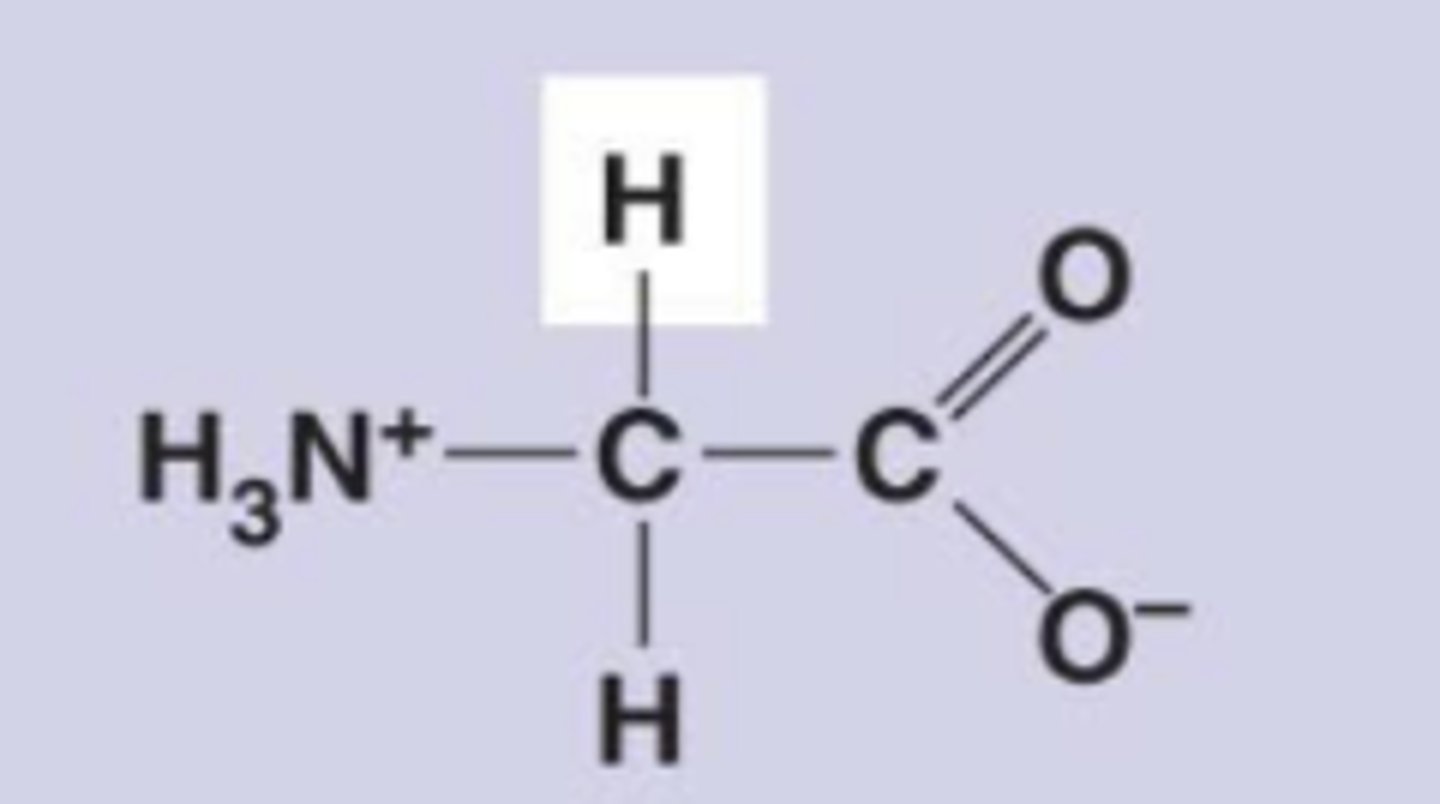
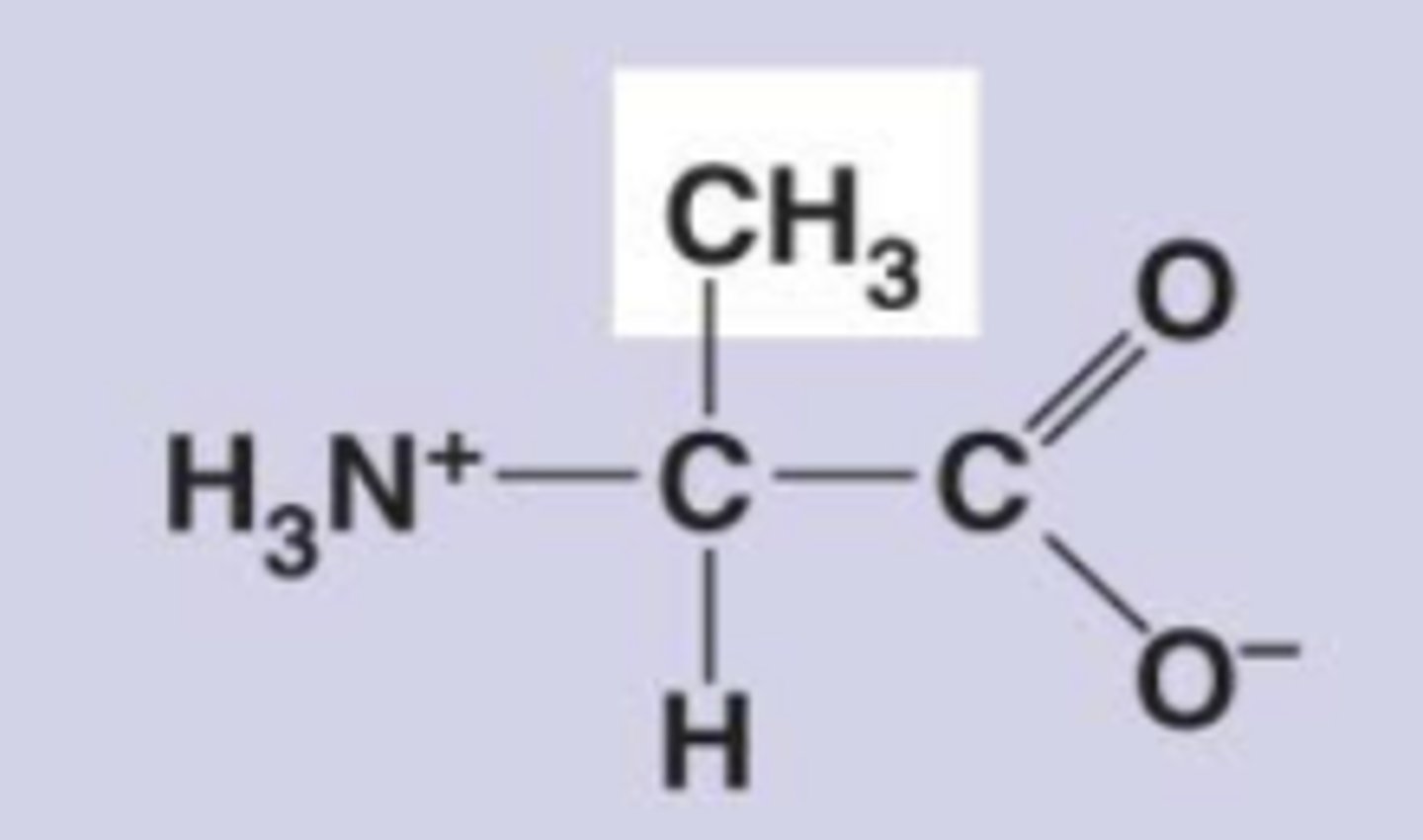
-He detected two simple amino acids (alanine and glycine) in the flask
-This suggested that some organic compound could be produced under abiotic conditions
How do prokaryotic and eukaryotic cells differ?
Prokaryotic cells (Archaea and Bacteria Domains)
-"pro" means before and "karyon" means nucleus
-NO NUCLEUS
-Lack of internal complexity compared to Eukaryotes
-Average size of 1-5 um diameter
Eukaryotic cells (Eukarya domain)
-"eu" means true and "karyon" means nucleus
-HAS NUCLEUS
-Average size 10-110 um in diameter
-Carries out Exocytosis and Endocytosis
Convert between the different SI/metric prefixes.
Exa - 10^18
Peta - 10^15
Tera - 10^12
Giga - 10^9
Mega - 10^6
Kilo - 10^3
Hecto - 10^2
Deka - 10
Deci - 10^-1
Centi - 10 ^-2
Milli - 10^-3
Micro - 10^-6
Nano - 10^-9
Pico - 10^-12
Femto - 10^-15
Atto - 10^-18
Prefixes Appropriate to describe size of cells? Prefixes Appropriate to describe size of molecules and subcellular structures?
Prefixes Appropriate to describe size of cells
Micrometer (um) or 10^-6 (most useful unit for expressing size of cells and larger organelles)
Prefixes Appropriate to describe size of molecules and subcellular structures
Nanometer (nm) OR Angstrom (Å)
Nm = 10^-9 m
Angstrom = 10^-10 m (commonly used to express dimension of molecules)
Why is cell size limited?
1) Resource Availability (nutrients , space)
*Assuming resources are plentiful, cell size is limited by
2)Surface area to volume ratio
Surface area and volume formulas
SA = [(H x W) x number of sides] x number of cells
V = (H x W x L) x number of cells
As cells increase in size...
-V (x^3) grows proportionately more than SA (x^2)
...leads to..
-Lower SA to V ratio
...leads to
-Problematic exchange of substance between cell and environment affects...
-Localized concentration of molecules
-In turn affects diffusion rates of molecules
-Which affects rates of chemical reaction... slowing reaction rates are not good for living things!
Strategies cells / organisms can use to overcome limitations imposed by surface area : volume
Strategies to cope with SA / V constraints
1)Cells divide
2)Growth stops (enters G0 phase - withdraw from cell cycle and no longer grow / proliferates)
3)Active Transport = Expenditure of E by the cell (i . e note relying on simple diffusion)
- (e.g. transportation of 'cargo' by specialized carrier proteins (motor proteins)
-Motor proteins use ATP hydrolysis as energy to actively transport things around the cell
4)Multicellularity
-SA:V sets an upper limit on cell size
-The only way to get larger is for cells to cooperate
-Thought to be a driving force behind the evolution of multicellularity
Strategies to increase SA
5)Membrane folding (e.g. brush border cells of intestinal epithelium)
-The folding increases surface area without increasing volume
-Not limited to the plasma membrane in eukaryotes (can also be seen in prokaryotes and any of the internal membrane bound compartments)
6)Long thin cells (example: neurons and muscle fibers)
Define the following types of cells/tissues: epithelial, endothelial.
Epithelial: cells that line organ / tissue surfaces
-Can be outer or inner surfaces
(e.g.) the lining of the small intestine = intestinal epithelial cells
-(e.g. lining of bronchioles (small airways in the lungs) = bronchiole epithelial cells
Endothelial = cells lining the cardiovascular system
-Specifically line the inside of blood vessels
Describe how cells are fractionated in order to study their individual components. What does is mean to "lyse" a cell? What is homogenization? What is centrifugation?
Cell Fractionation: Process to separate subcellular components
1)Cell Lysis
-Cells are broken open
-Occurs by exposure to chemicals, enzymes, or sound waves
2)Homogenization
-Subcellular contents are blended together → "cell soup"
-(e.g. homogenized milk blends fat + liquid phase)
3)Centrifugation
-Use of centrifugal force to differentially sediment the heterogenous subcellular mixture
-(separation is due to different densities
Centrifugation: use of centrifugal force to separate mixtures
-Separation of components based on density and size
-Supernatant: remaining liquid phase
-Pellet: sediment at bottom
Define the sedimentation coefficient and explain its usage in cell biology
-Sedimentation coefficient (S) - measure of how rapidly a particle sediments when subjected to centrifugal force
-S values are used to indicate relative size
-LARGER / DENSER particles sediment faster
- Higher S values
Describe Typical Subcellular Structure of a prokaryotic cell
-Average size of prokaryotic cell = 1-5 um diameter
-Relatively "Simple" Organization:
-Extracellular Matrix (ECM) / Cell wall: rigid protective layer of carbohydrate surrounding plasma membrane
-Plasma membrane
-Generally lack internal membranes
-DNA in nucleoid region since there is no nucleus
-Not enclosed in a membrane
Describe Cytoplasm
-Both in prokaryotes and eukaryotes
-Internal contents of cell
-Cytoplasm contains
-Semi-Fluid cytosol material
-Organelles in (*in eukaryotes)
-Other Subcellular structures (e.g. ribosomes, cytoskelet
Describe Plasma membrane
-4-8nm (40-80 A) thick layer of lipids + proteins
-Boundary between cell and external environment
-defines the "cell"
-regulates movement in / out
-mediates communication with external environments (e.g. protein receptors
What does extra cellular mean
"outside of cell"
Region that lies outside of the plasma membrane
Describe to me what ECM is and the functions
ECM is...
-Fibrous network outside of cell ("extra" cellular) made of various proteins and / or polysaccharides (ECM composition varies by species)
-Found outside of the PM, in the extracellular space
-e.g. Collagen (fibrous protein) e.g. cellulose (polysaccharide)
-ECM is linked to cell via PM components
-e.g. Integrins (intermembrane proteins)
FUNCTIONS OF ECM:
1)Support / Structure
-Example: Cell walls of plants (cellulose) or fungi chitin), Bone matrix, Protection against osmotic pressure change in single cells
2)Adhesion / Anchorage : to surrounding medium
-Example: tissue formation
When fractioning cells, centrifugation will cause ______ subcellular objects to form a pellet first.
larger / denser
Describe the ECM: Prokaryotic cell walls
Bacteria
Peptidoglycan
-Polysaccharide chain (NAM- NAG)
-Cross linked with Peptides = short amino acid chains
Archaea
Several Variations
-Proteinaceous walls
-Peptidoglycan-like... called Pseudomurein
-similar to peptidoglycan (i.e)a polysaccharide (NAG - NAT) cross linked with peptides
What's a peptide
Peptide is defined as a short amino acid chains
Explain why antibiotics can be used to treat bacterial infections without affecting human cells. (what is prokaryotic cell wall synthesis inhibitors)
Prokaryotic Cell Wall - Synthesis Inhibitors
-Certain antibiotics work by inhibiting cell wall biosynthesis
-Compromises integrity of the cell wall
→Makes bacteria susceptible to osmotic pressures
→With weakened CWs, they will generally lyse
-Examples: Penicillin and Fosfomycin
Answering the question: Antibiotics can be used to treat bacterial infections without affecting human cells because antibiotics can inhibit cell wall synthesis. Bacterial cells rely on the cell wall to maintain structure so if cell wall synthesis is disrupted, bacterial cells will weaken. However, human cells lack cell walls and peptidoglycan so they don't affect human cells.
Describe the Gram stain and its purpose.
Gram Stain: technique to ID bacteria based on cell wall characteristics
-Cells stained with purple dye
-Rinse with alcohol
-Stain again with counter-stain (usually red dye)
Gram-positive bacteria:
-Thick cell walls with large amount of peptidoglycan
-Cell wall traps violet dye in the cytoplasm
→alcohol rinse does not remove the violet dye
→Masks the counterstain (red dye)
→Thus the cell appears purple after addition of counter stain
**Thick layer of peptidoglycan so rinse doesnt work
Gram-negative bacteria:
-Complex cell walls
-Cell wall located in between PM AND OUTER MEMBRANE
-Cell wall is thinner with less peptidoglycan
-During the alcohol rinse, the thin cell wall allows violet dye to be easily rinsed from the Cytoplasm
→cells appears pink / red after adding counter stain
Gram Positive
Thick peptidoglycan layer
Gram negative
Thin peptidoglycan layer
Gram stain
-Used as a quick preliminary diagnostic tool
Examples:
-Used to establish presence / absence of bacteria (e.g Assessing bacterial contamination of tissue cultures)
-Can broadly differentiate bacteria as Gram positive or negative
-Based on CW characteristics
**cannot ID species
-To confirm / rule out bacterial infection
-Swabs taken from wounds, joint fluids, CSF, etc
Define the abbreviation 'R' as used in organic chemistry.
-"R" = an abbreviation for "the rest of the molecule"
-"R" could be any type of organic molecule with any number of hydrocarbons
-Hydrocarbon = carbon with hydrogens attached
Define a functional group.
-Functional groups are specific groups of atoms added to organic molecules
-Lend specific chemical characteristics to molecule in which group occurs
3) Identify and describe the functional groups listed in our class.
4) Given a functional group structure, be able to name and describe it's
chemical properties
5) Given the name of a functional group, be able to identify it's structure and
describe it's chemical properties
6) Given an organic molecule, identify the functional group(s) present, and
describe the chemical properties of the organic molecule. (OUTSIDE OF FLASH CARDS!!!)
GG
1)Describe the general structure of an amino acid.
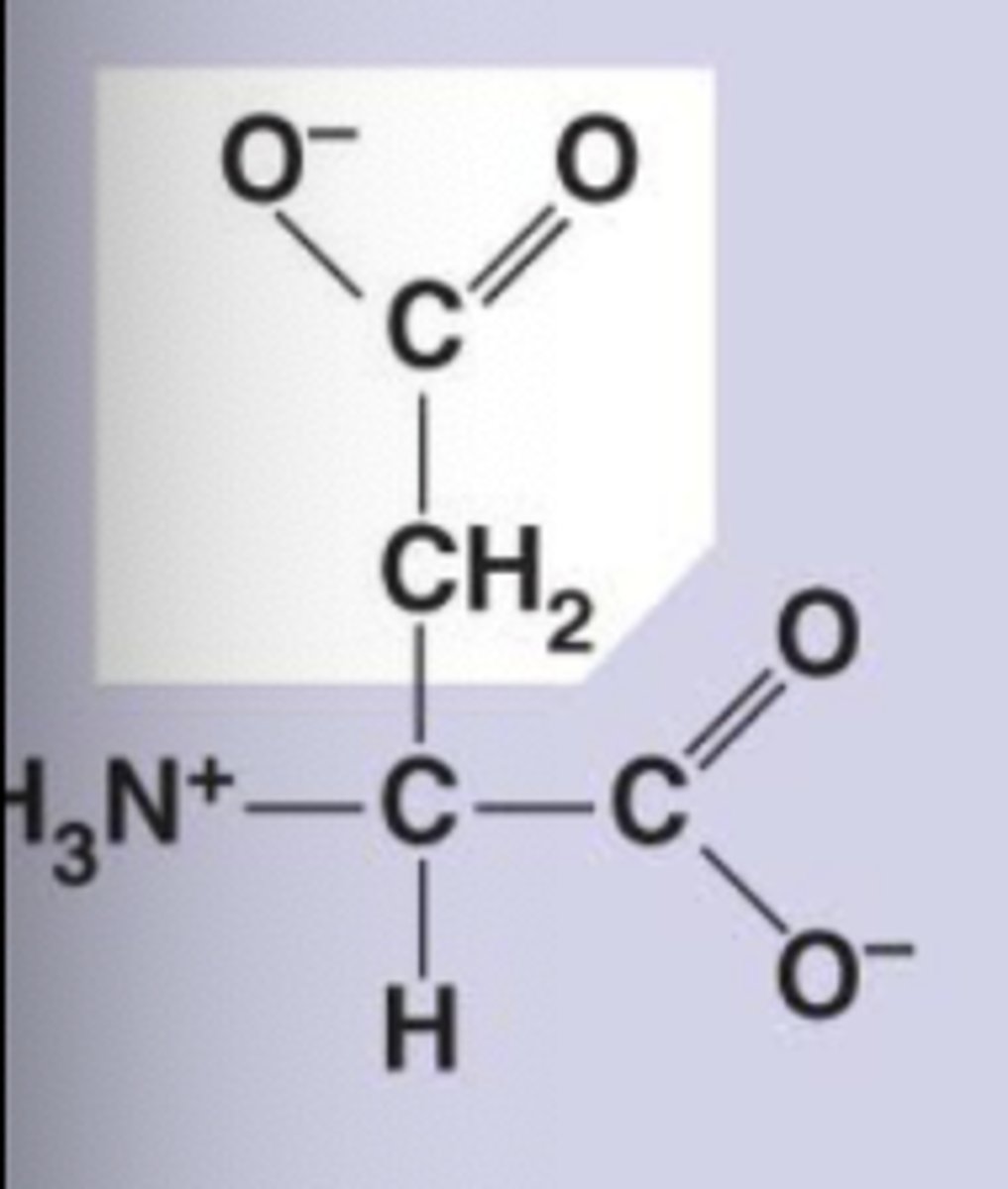
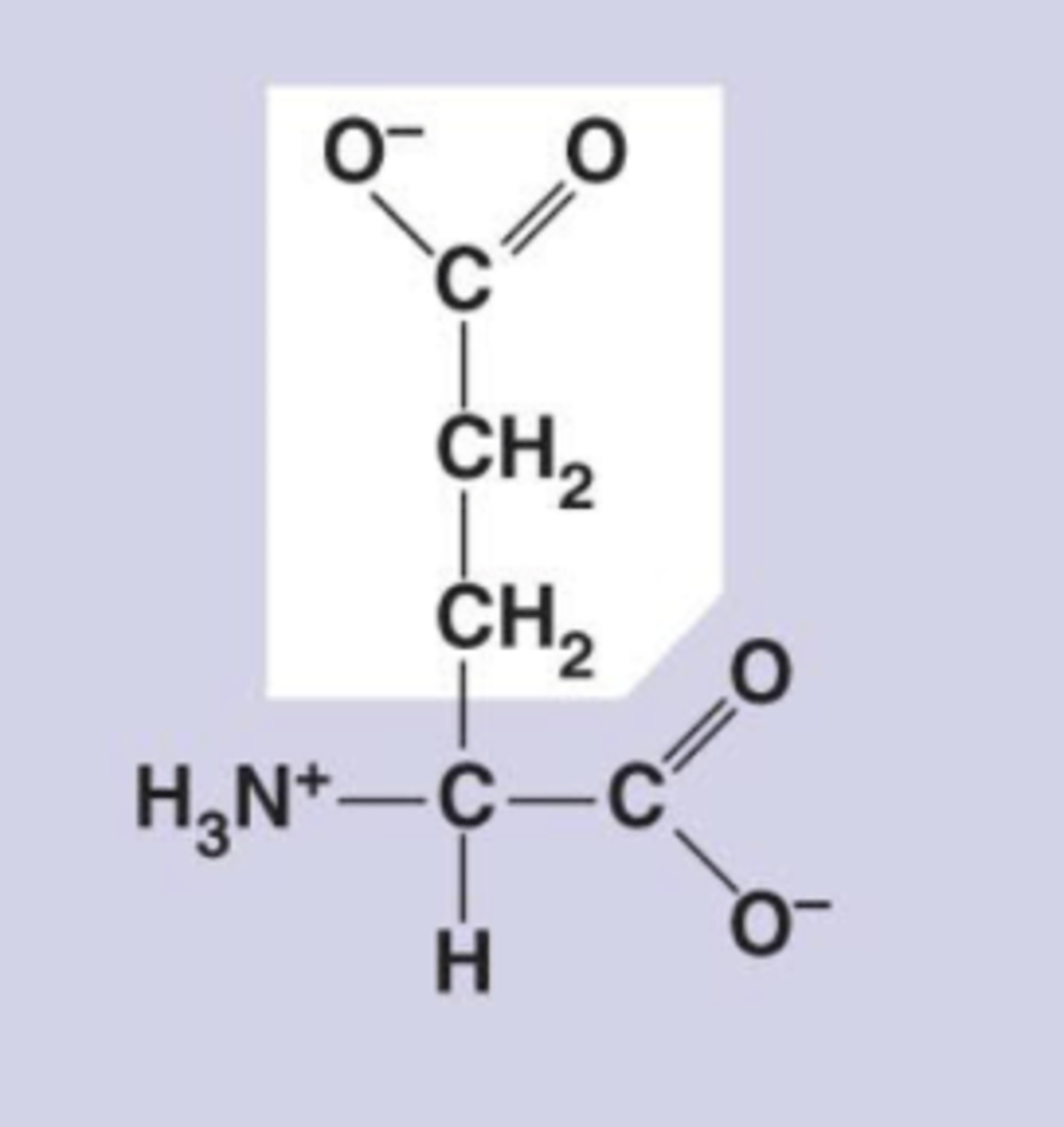
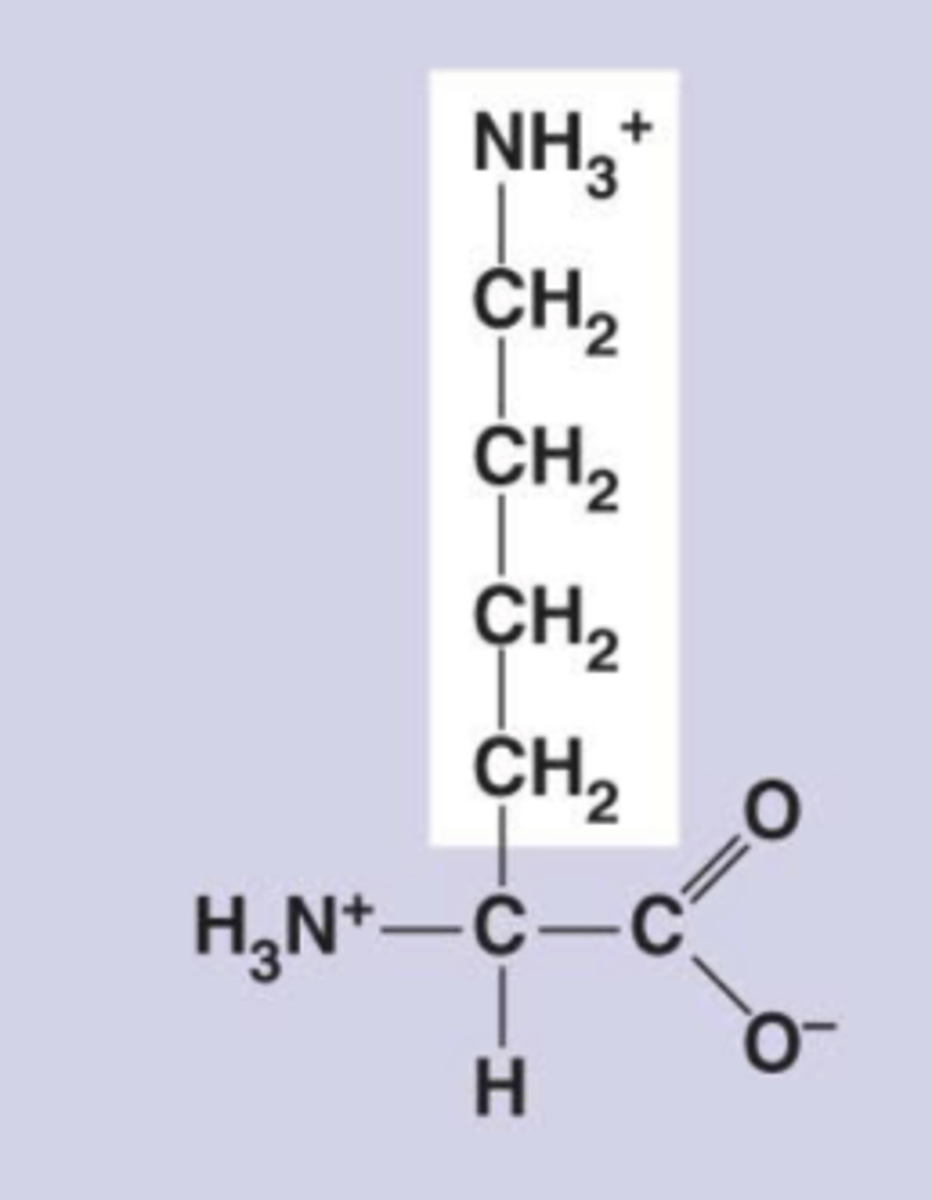
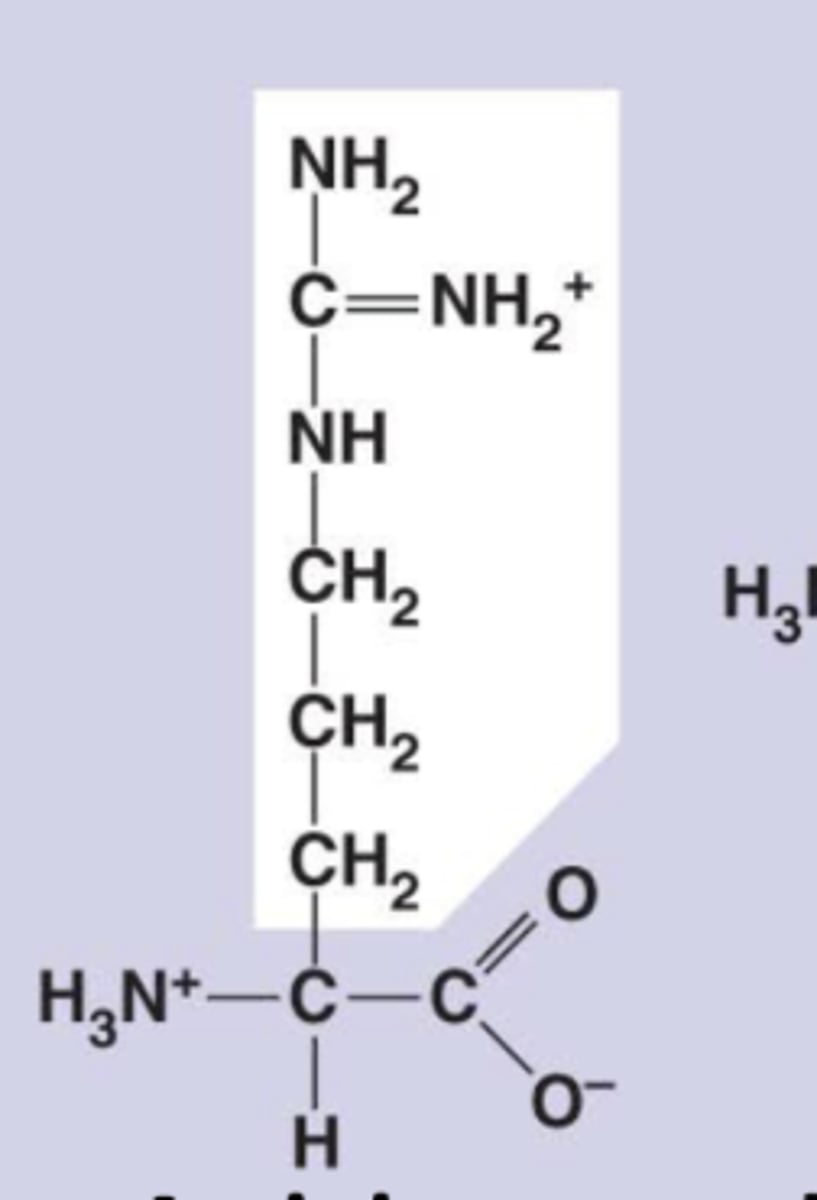
2)Given an amino acid structure, name and classify the 20 amino acids as acidic, basic,
polar uncharged, or non-polar.
3)Given a name, identify the structure and chemistry of the 20 amino acids.
•Identify whether a given amino acid structure is shown in solution (aq) or not. (OUTSIDE OF FLASHCARDS!!!)
GG
Name the functional Groups
-Carbonyl
-Aldehyde
-Ketone
-Acetyl
-Carboxyl / Carboxylic Acid
-Hydroxyl
-Amine
-Amide (also contains a carbonyl, derived from carboxylic acids + amines)
-Phosphate
-Sulfhydryl
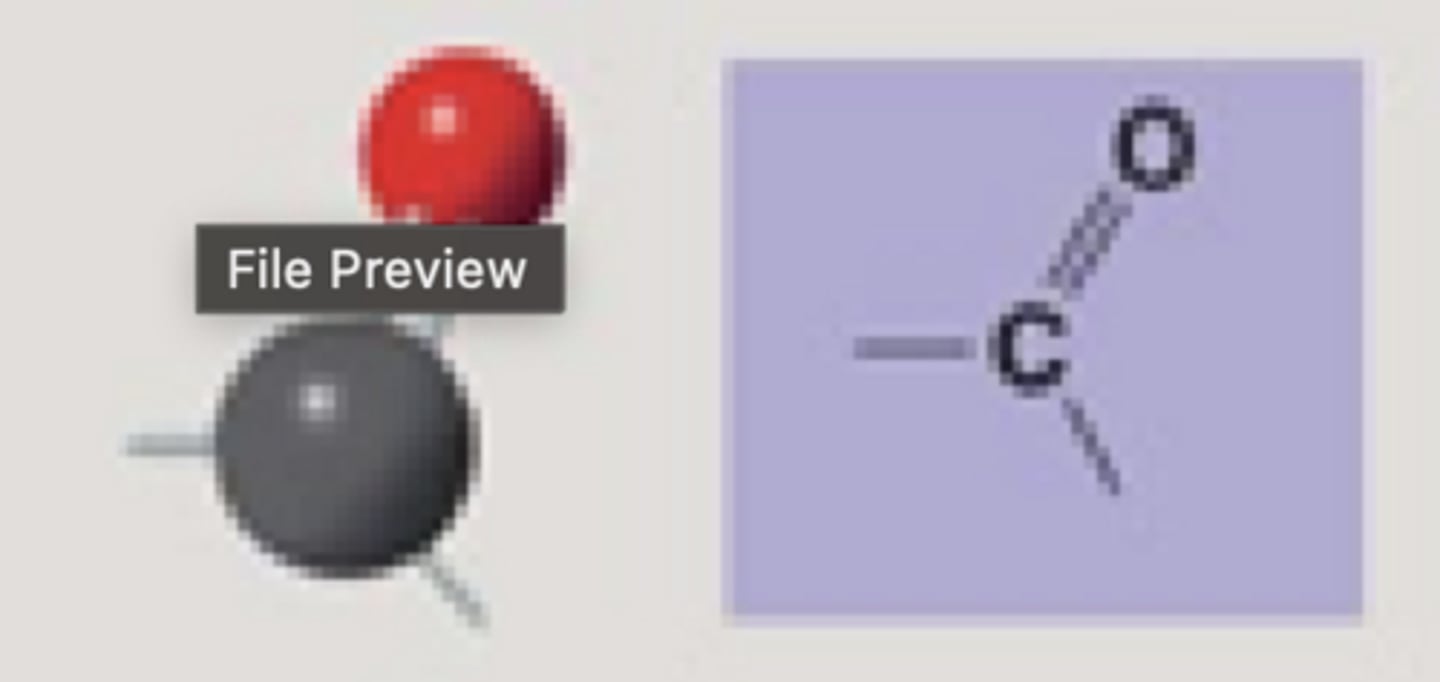
Describe and draw the carbonyl structure
The carbonyl group consists of a carbon atom joined to an oxygen atom by a double bond
Describe what a ketone and aldehyde is. Draw them.
Ketone: carbonyl group is within the carbon skeleton
Aldehyde: carbonyl group is at the terminal position of the carbon skeleton
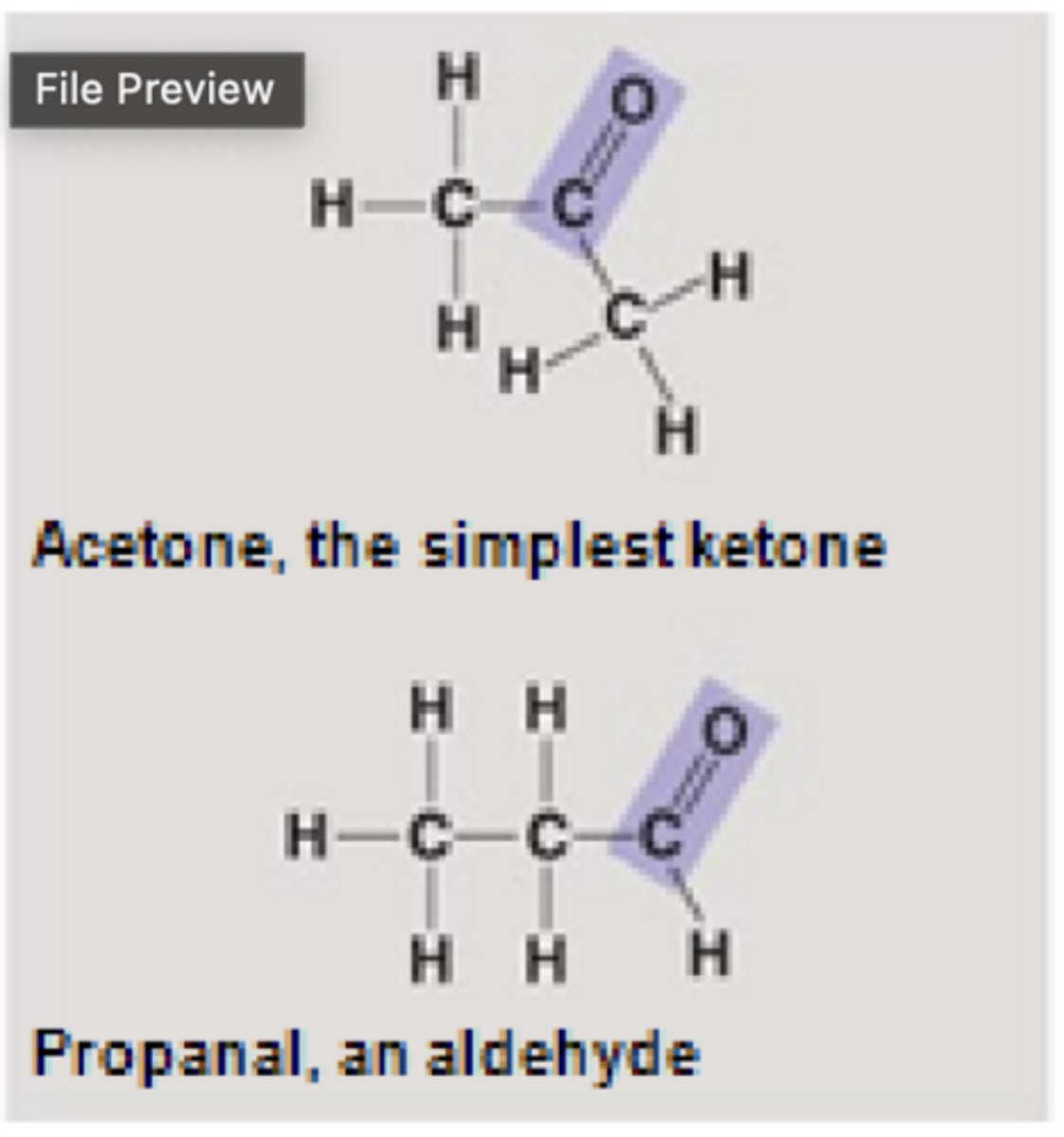
Aldehyde and Ketones may be what?
structural isomers, sometimes with different properties
Where are aldehyde and ketones mainly found in?
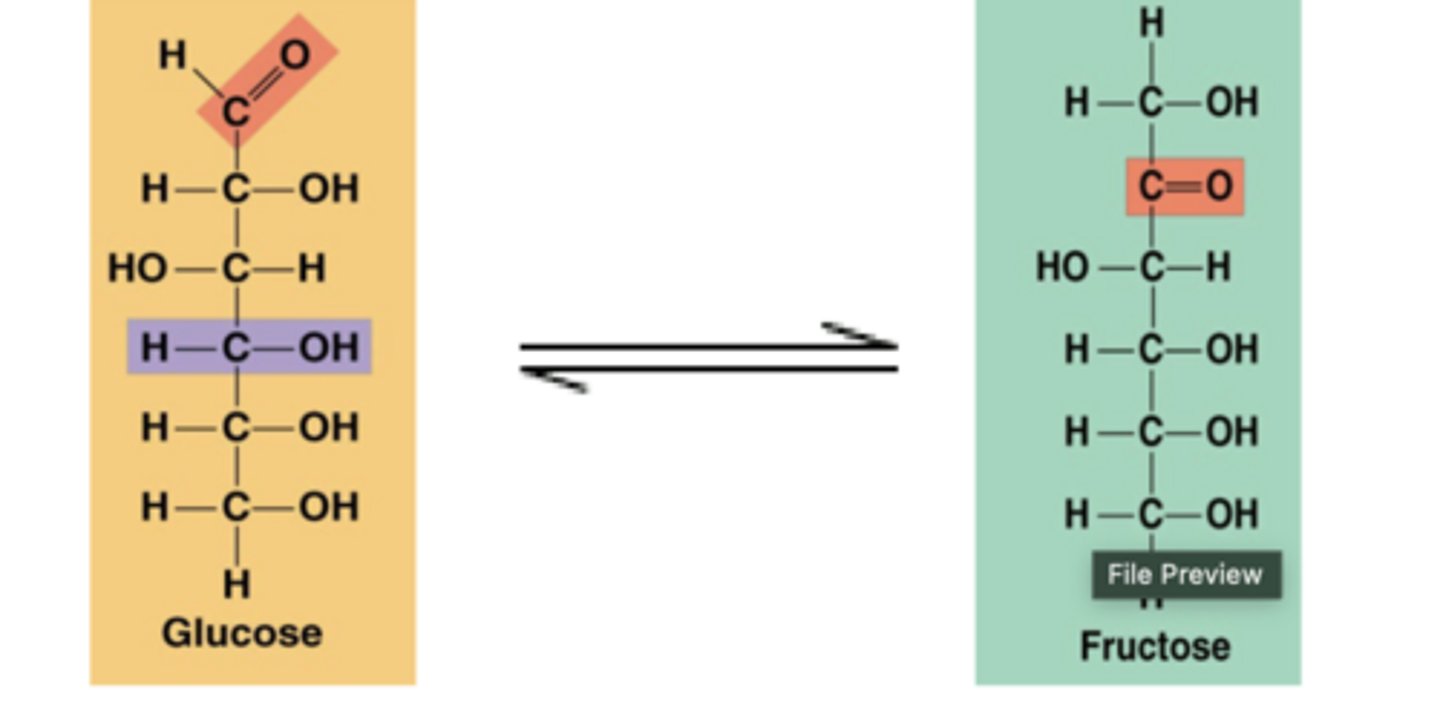
monosaccharides (carbohydrates) (e.g. Pentoses (5 carbon sugars), Hexoses (6 carbon sugars))
What is the difference between aldose sugar and ketos sugar?
Aldose sugar
-contains an aldehyde
-also considered a type of hexose
-can combine terms to call glucose an aldo-hexose
Ketose sugar
-contains a ketone
-also considered a type of hexose
-can combine terms to call fructose a keto-hexose
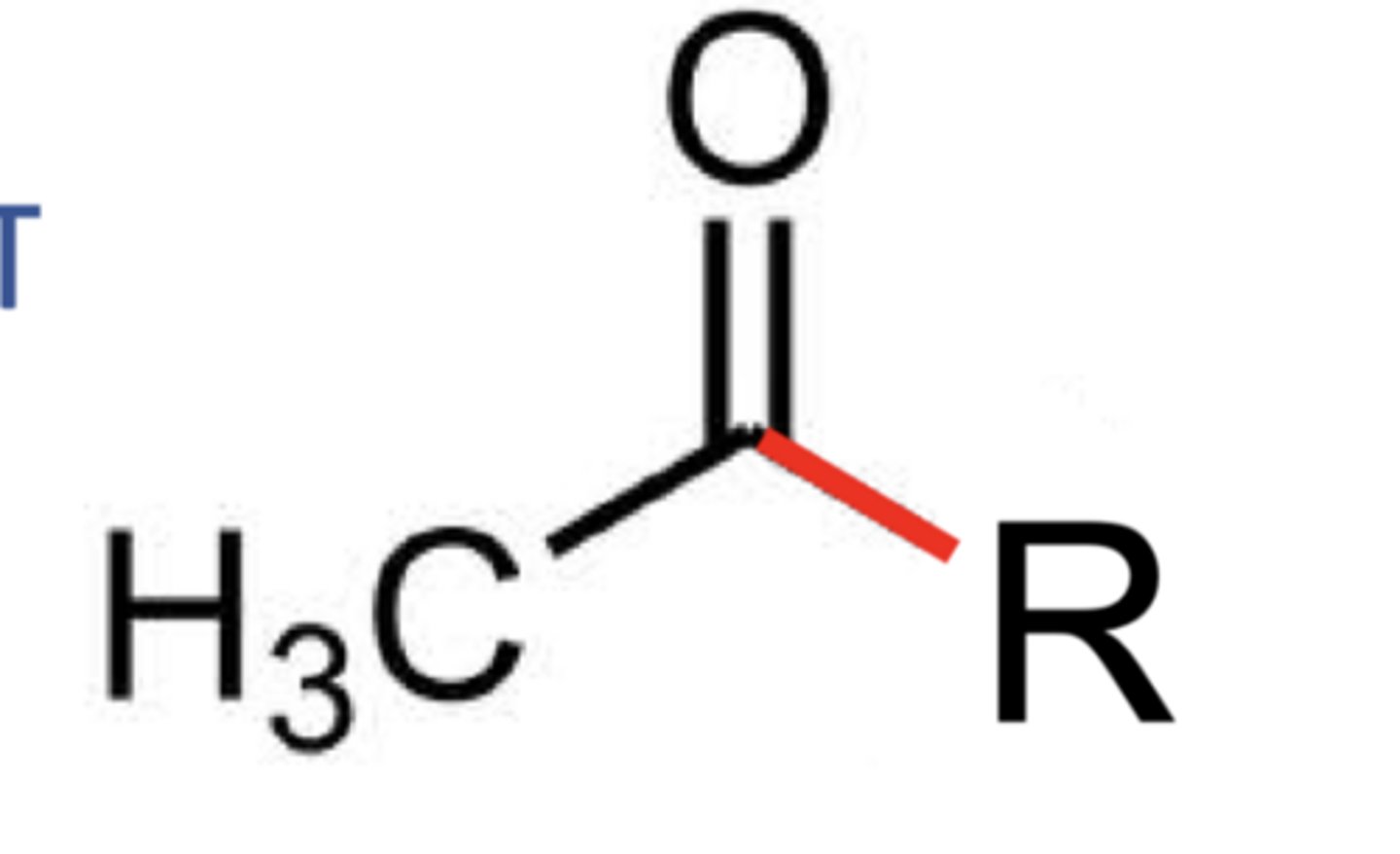
Describe the acetyl group and DRAW IT!
Further what does the red. line mean?
-CH3CO
-Specific Type of carbonyl
-talked a lot during metabolism
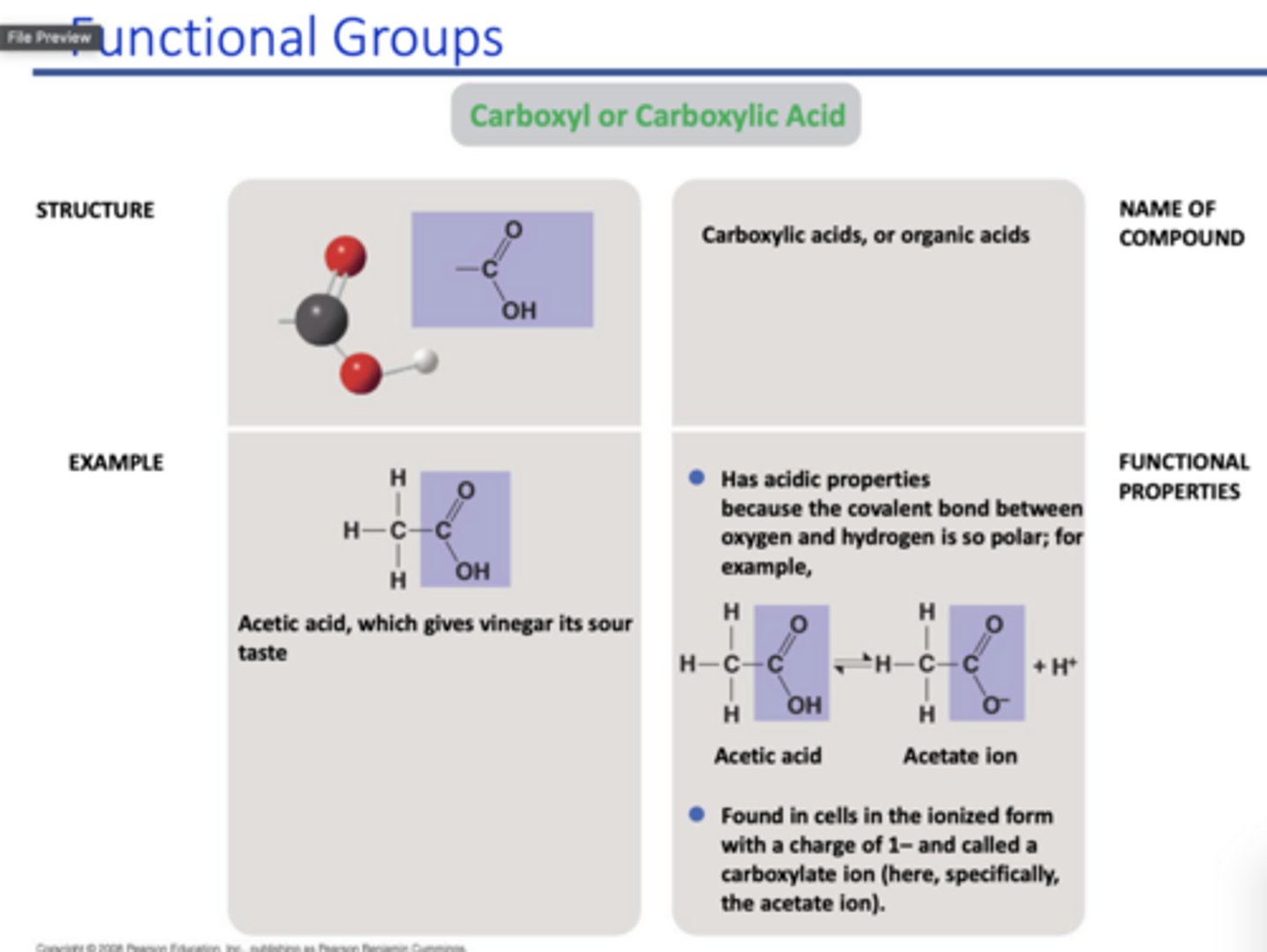
For Carboxyl or Carboxylic Acid,
-Draw the structure
-Name of compound
-Give me an example
-And give me the functional properties
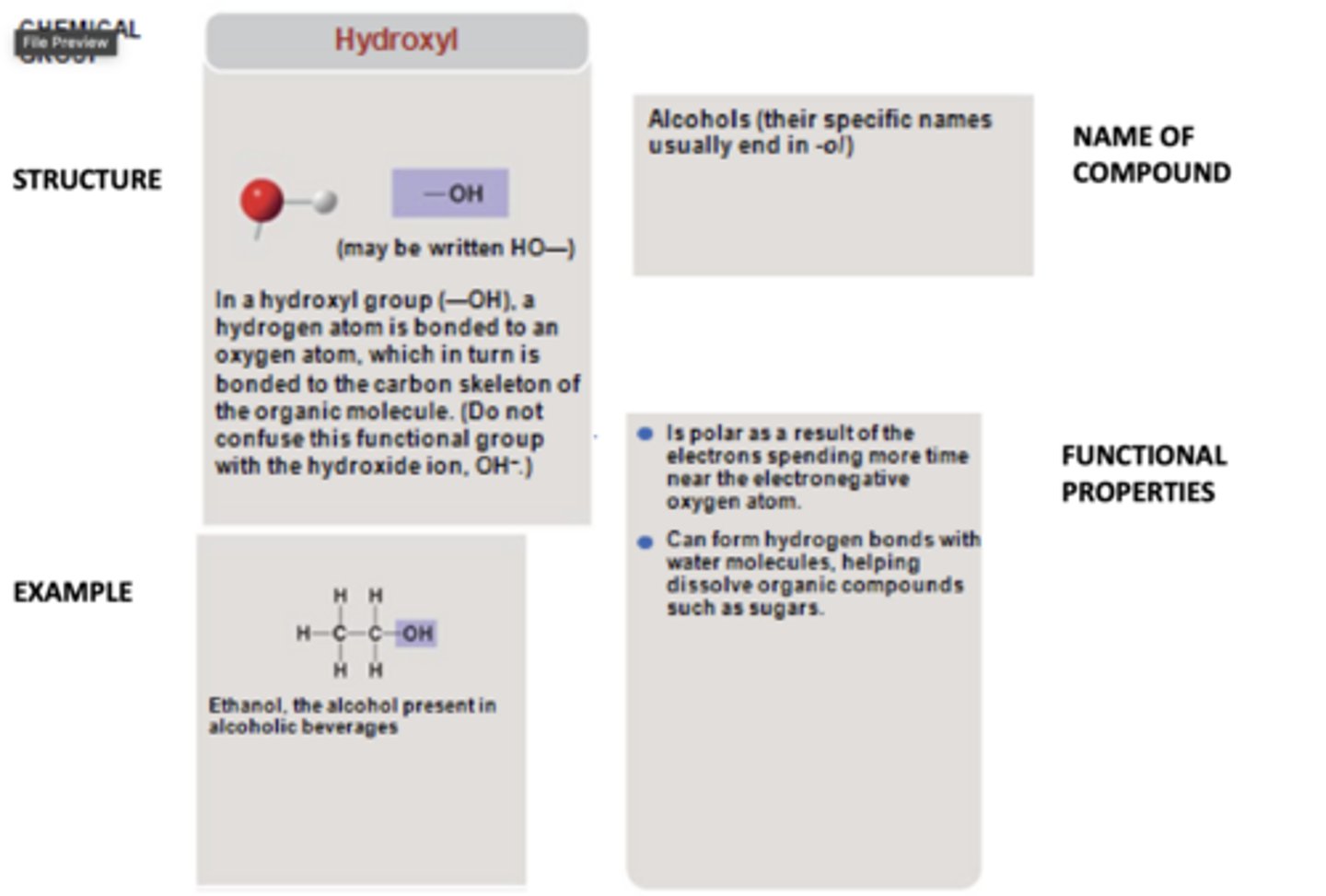
For Hydroxyl,
-Draw the structure
-Name of compound
-Give me an example
-And give me the functional properties
True or False: -OH functional group is the same as a hydroxide ion? Why
FALSE. IN an aqueous environment , -OH(hydroxyl) functional groups are not charged
-OH (Hydroxyl) functional groups DO NOT deprotonate in an aqueous environment
Tell me more about carboxylic acid vs carboxylate
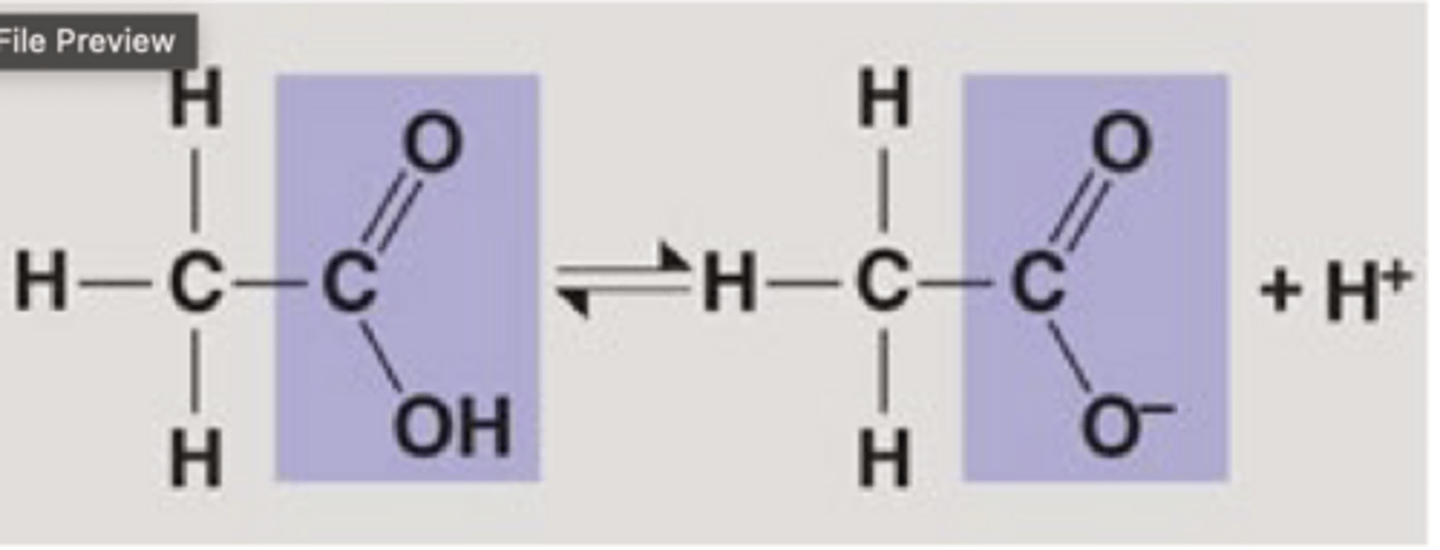
Carboxylic acid = protonated, uncharged form of molecule (acetic acid)
Carboxylate ion = deprotonated, charged for (acetate (ionic form of acetic acid)
Why does a carboxylic acid (carboxyl, -COOH) functional group behave differently in solution (aq) compared to a. hydroxyl?
-Carboxylic Acid has two electronegative oxygens
-The O's pull electrons away from the H
-->weakens the bond between O and H
-->H atoms tends to dissociate from the molecules as a hydrogen (H+) ion
-Because it donates hydrogen ions, this group is considered acidic
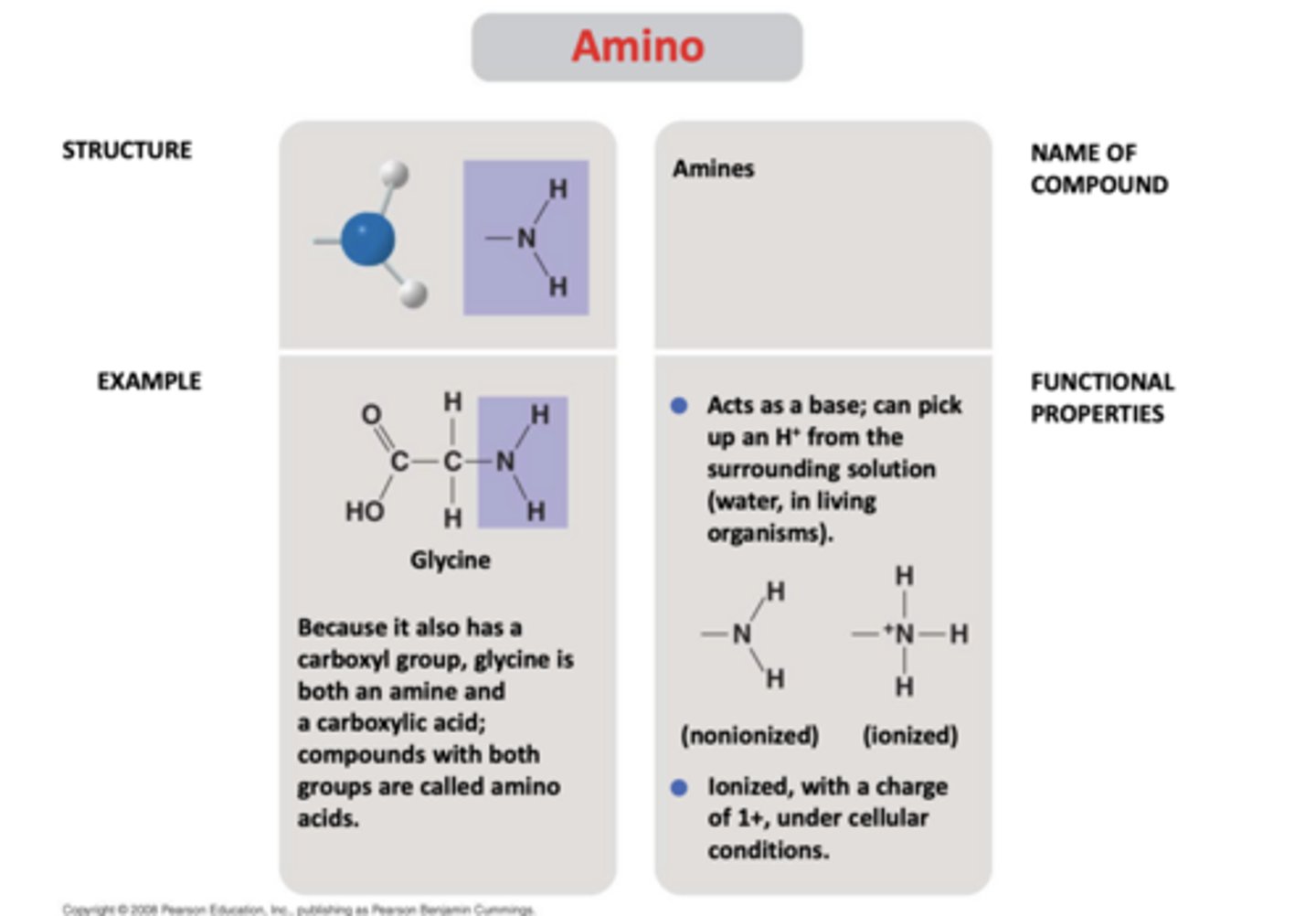
For Amine
-Draw the structure
-Name of compound
-Give me an example
-And give me the functional properties
For Amide
-Draw the structure
-Give me the reaction
-Give me an example
-And give me the functional properties
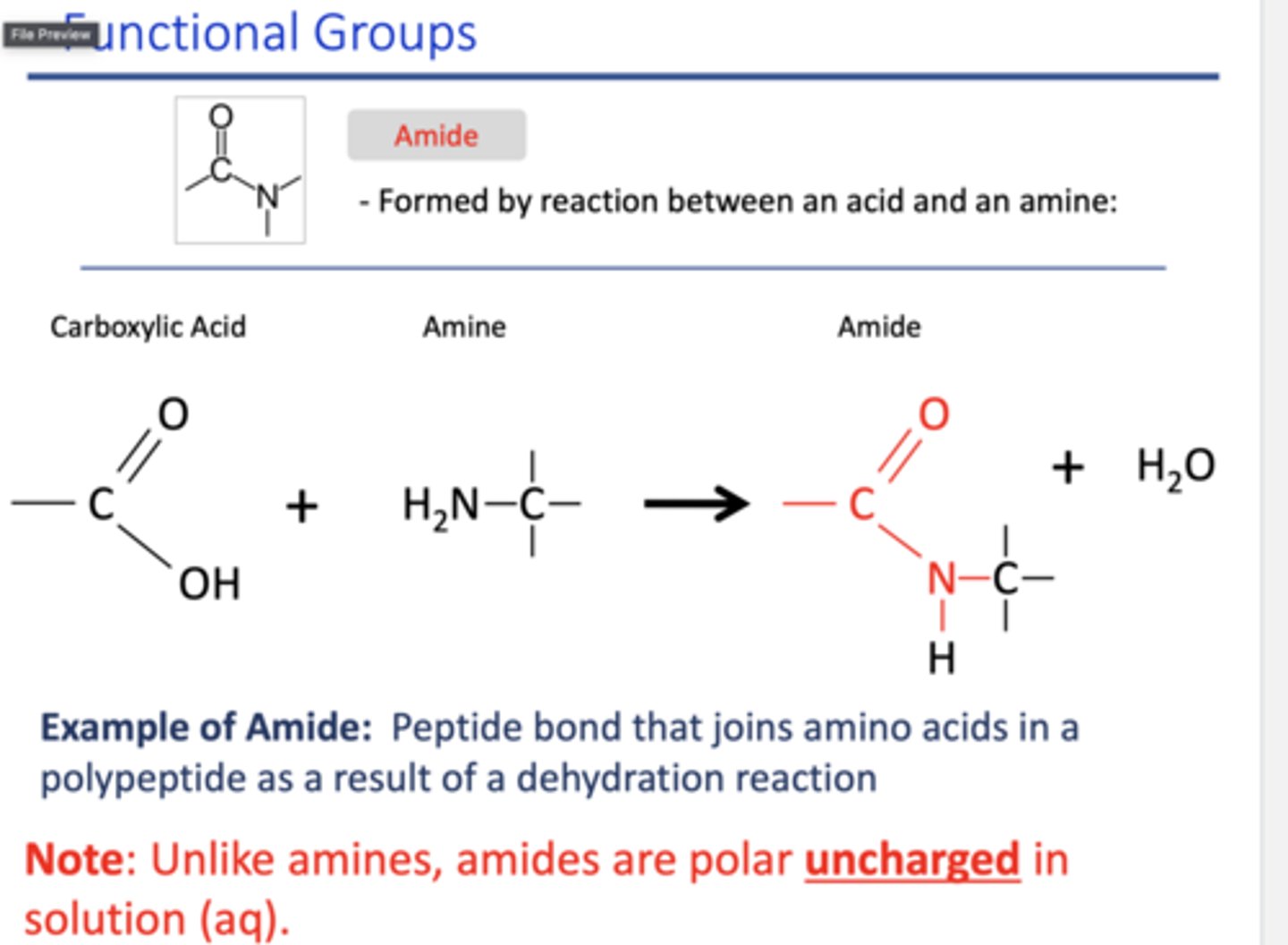
For Phosphate
-Draw the structure
-Name of compound
-Give me an example
-And give me the functional properties
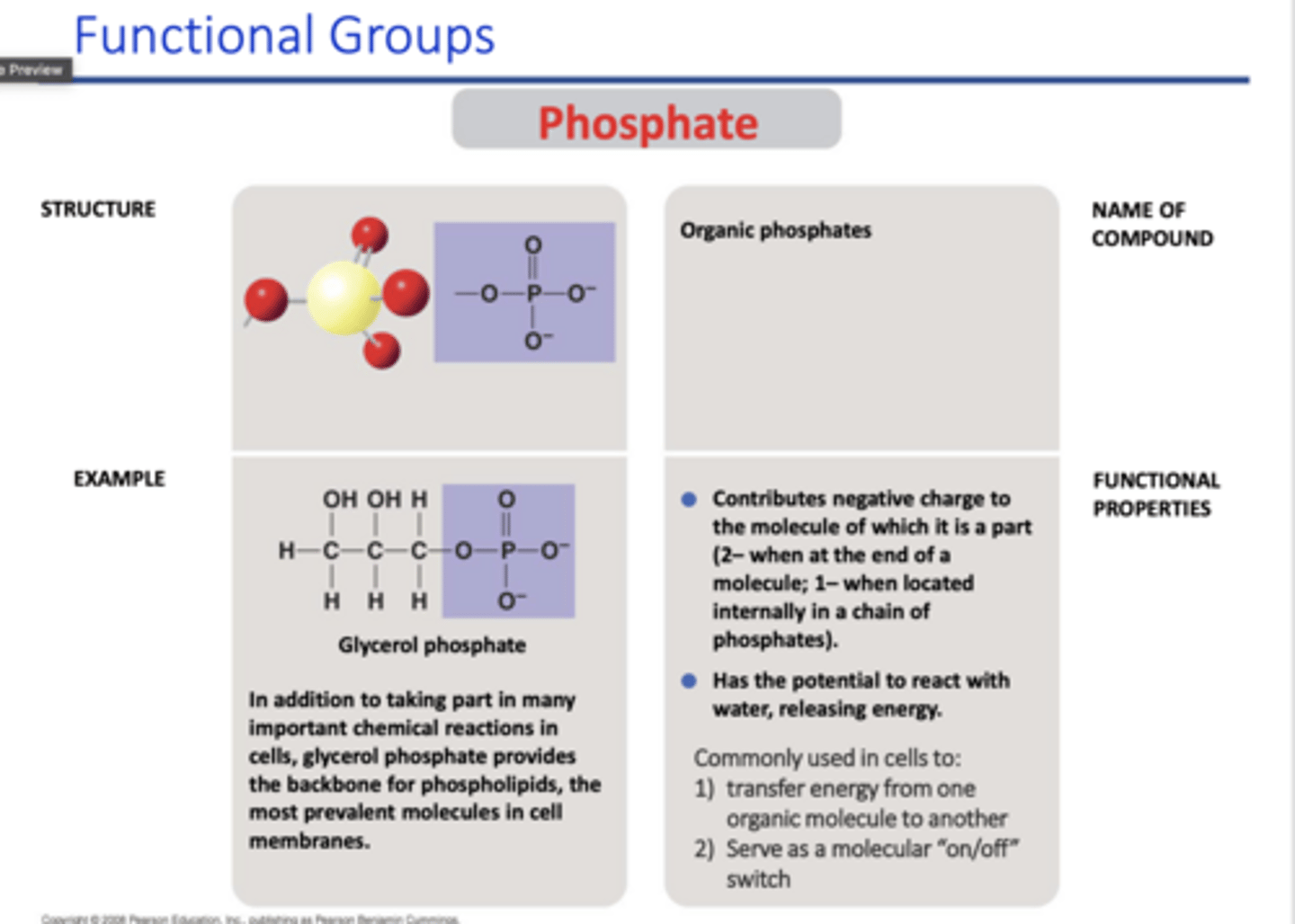
For Sulfhydryl
-Draw the structure
-Name of compound
-Give me an example
-And give me the functional properties
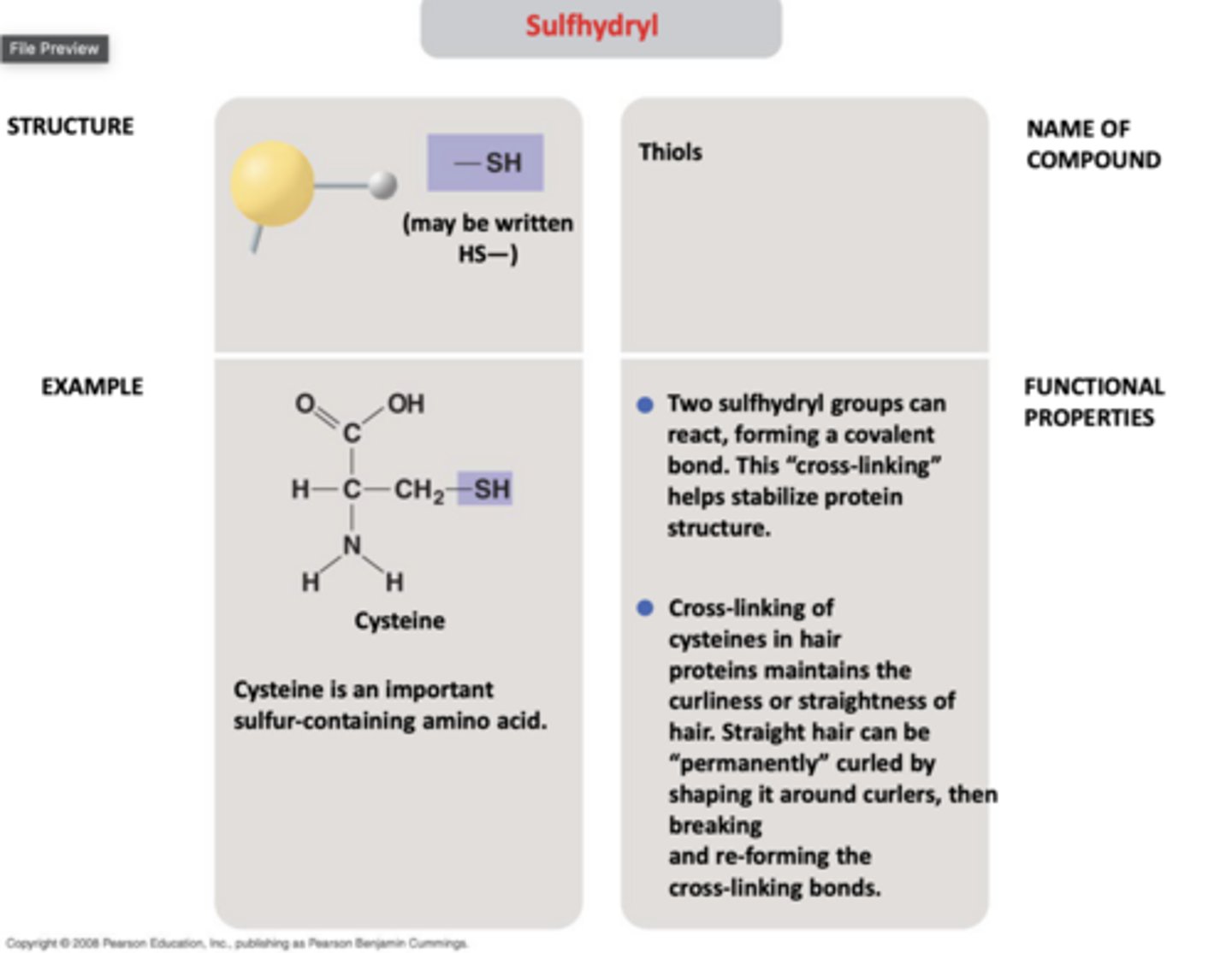
Group the functional groups into negatively charged groups, positively charged groups, and neutral but polar groups based on how they will behave in solution
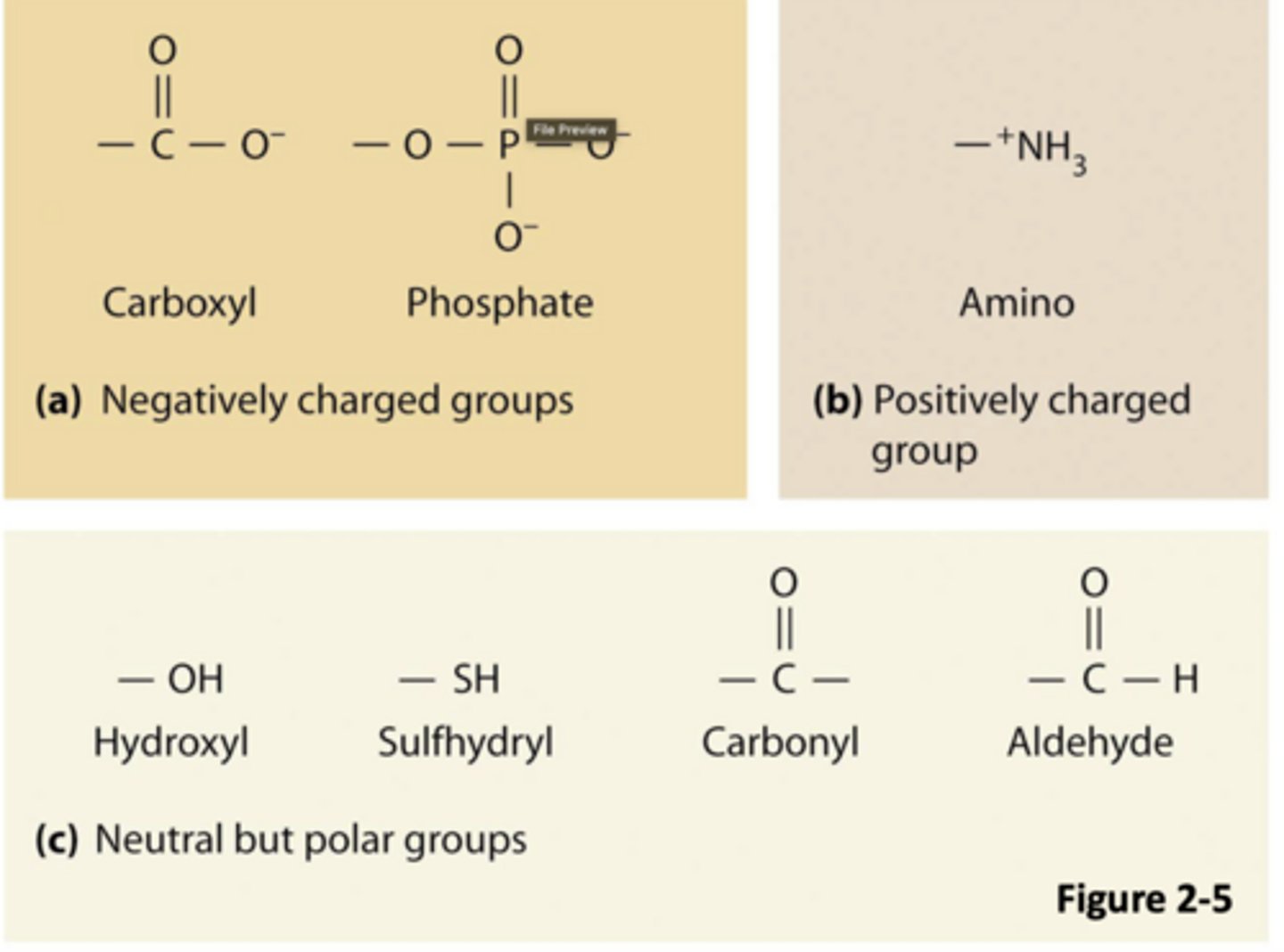
Describe the Structure of an amino acid
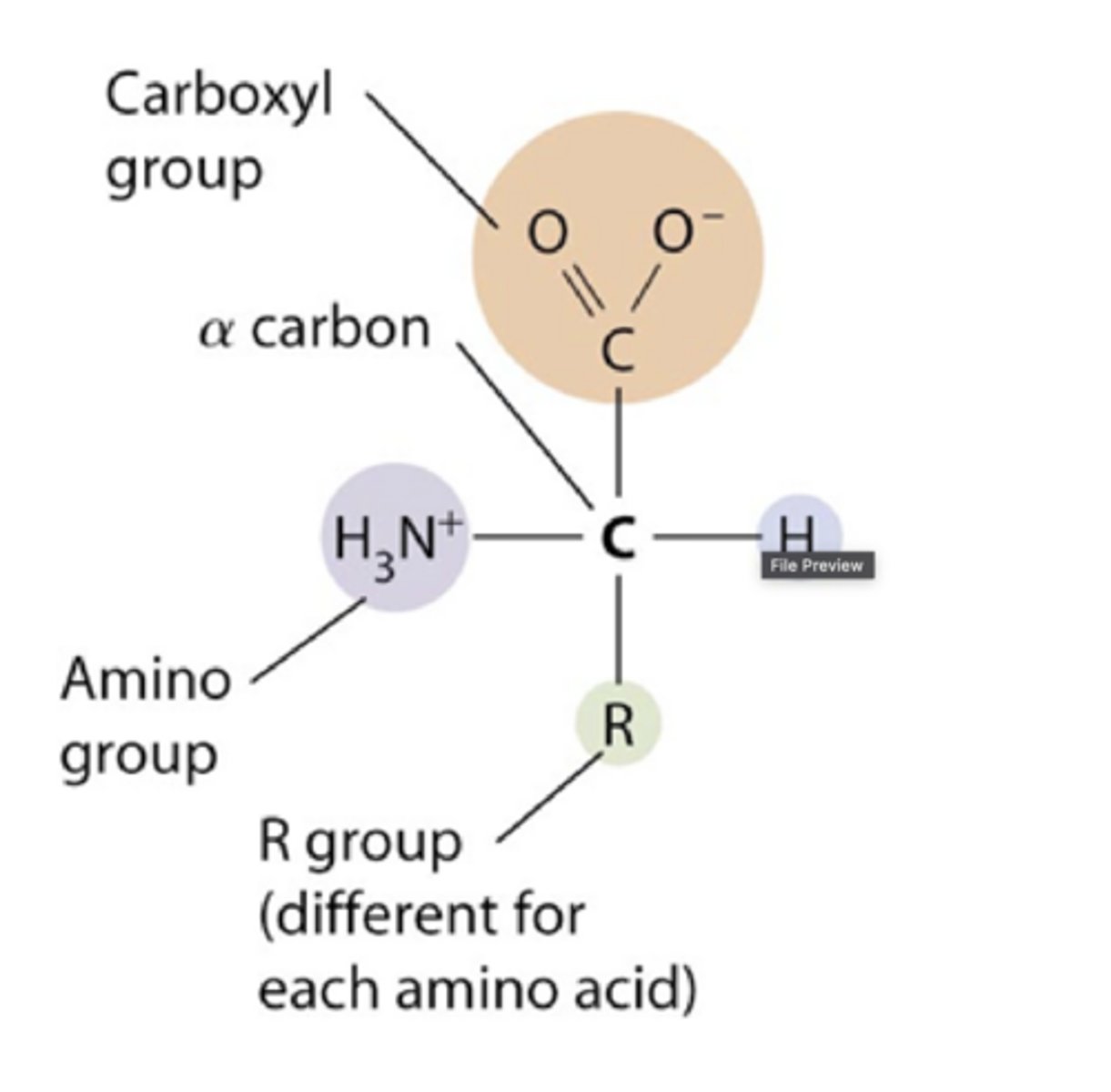
True or false: Amin acids structures only differ in R group
TRUE
Glycine - non polar
Alanine - non polar
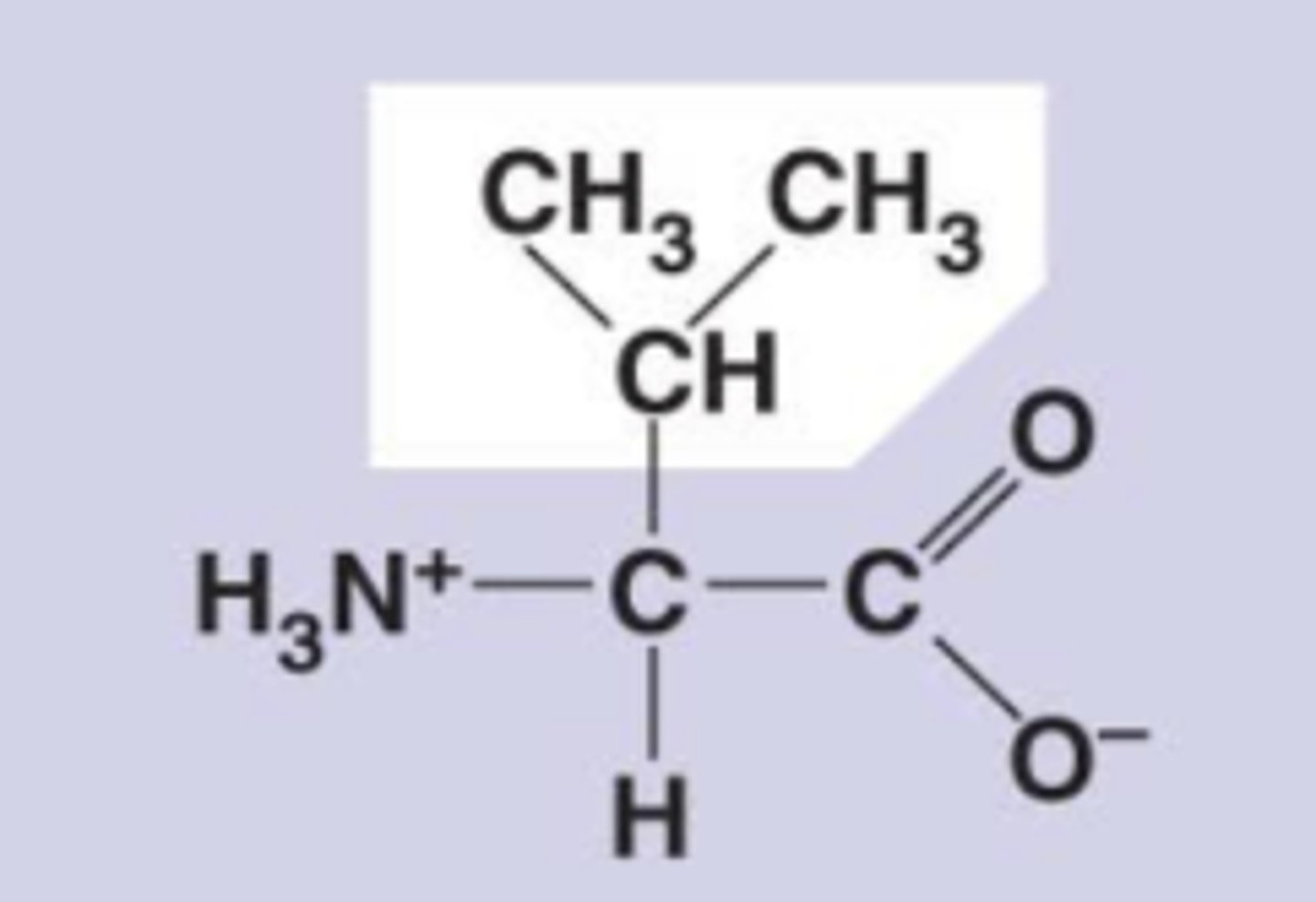
Valine - non polar
Leucine - non polar
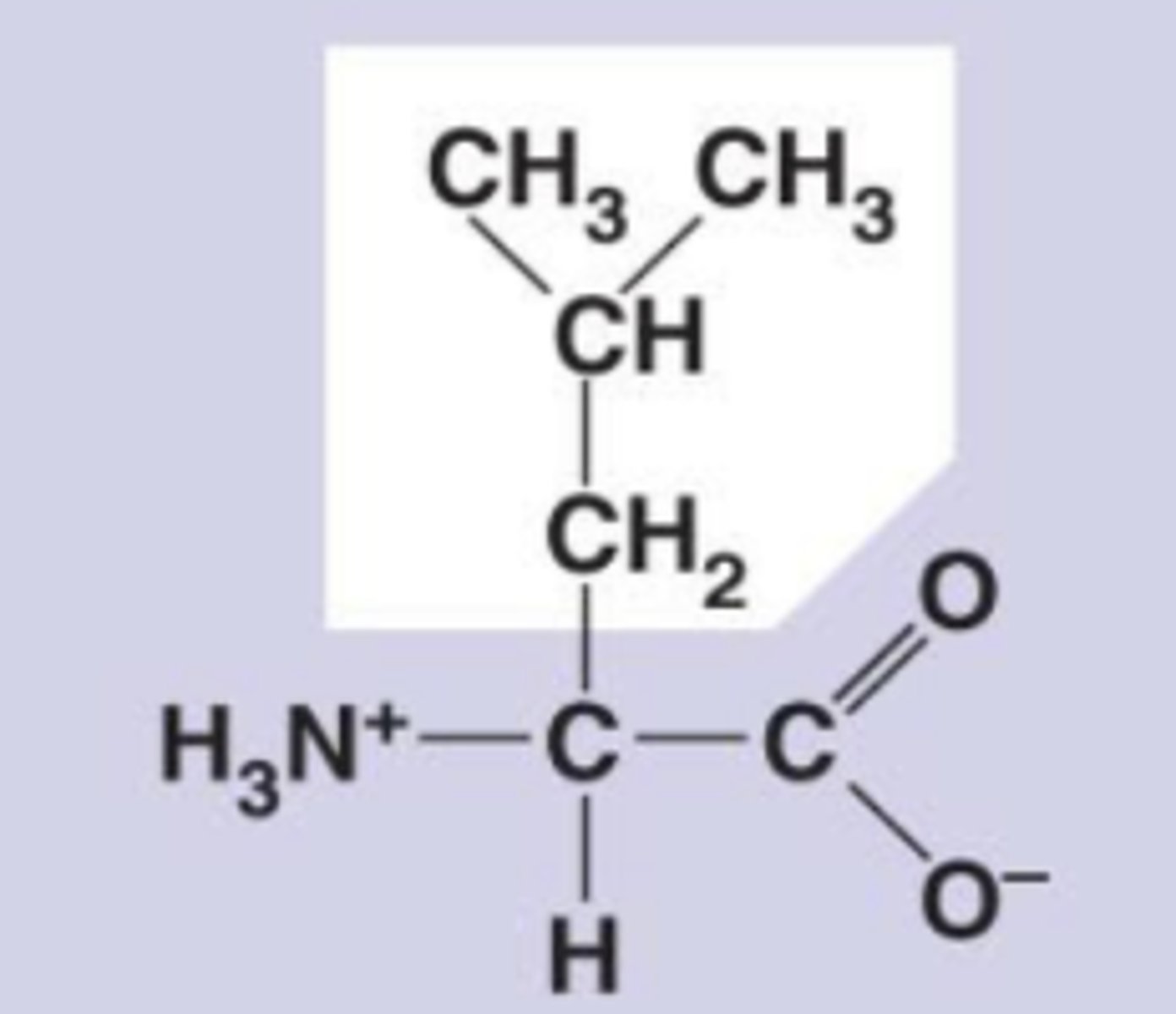
isoleucine - non polar
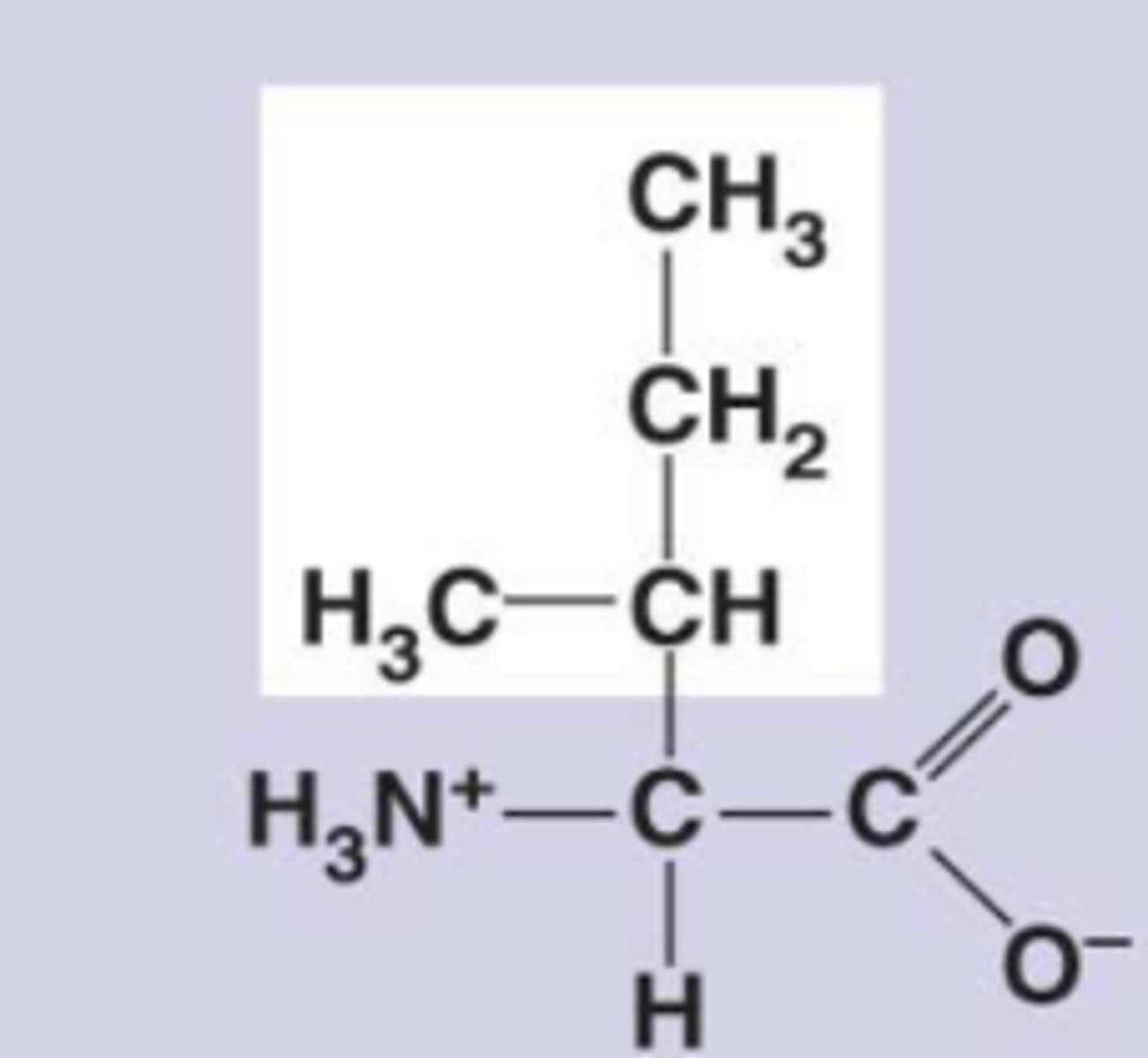
Methionine - non polar
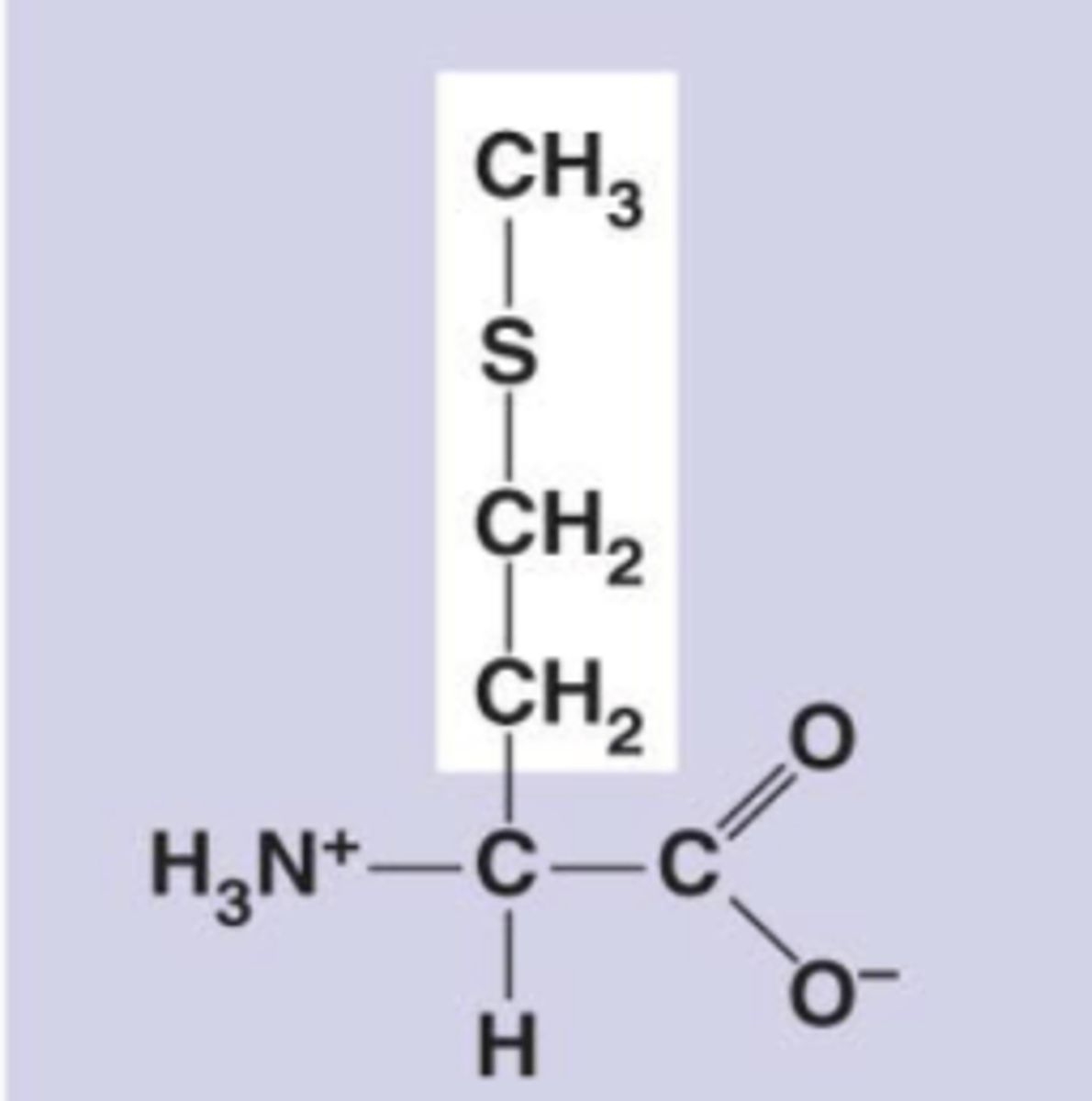
Phenylalanine - non polar
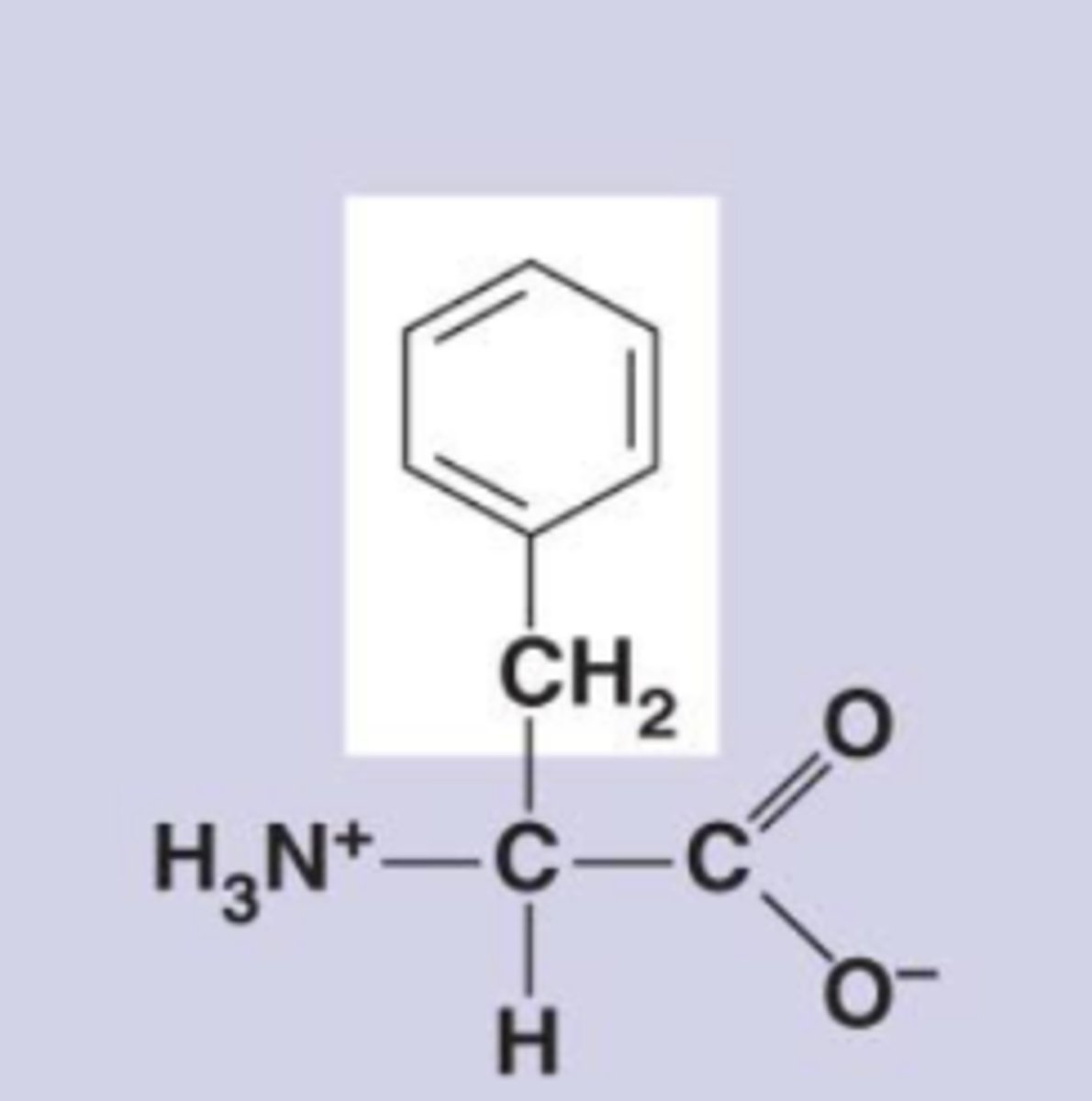
Tryptophan - non polar
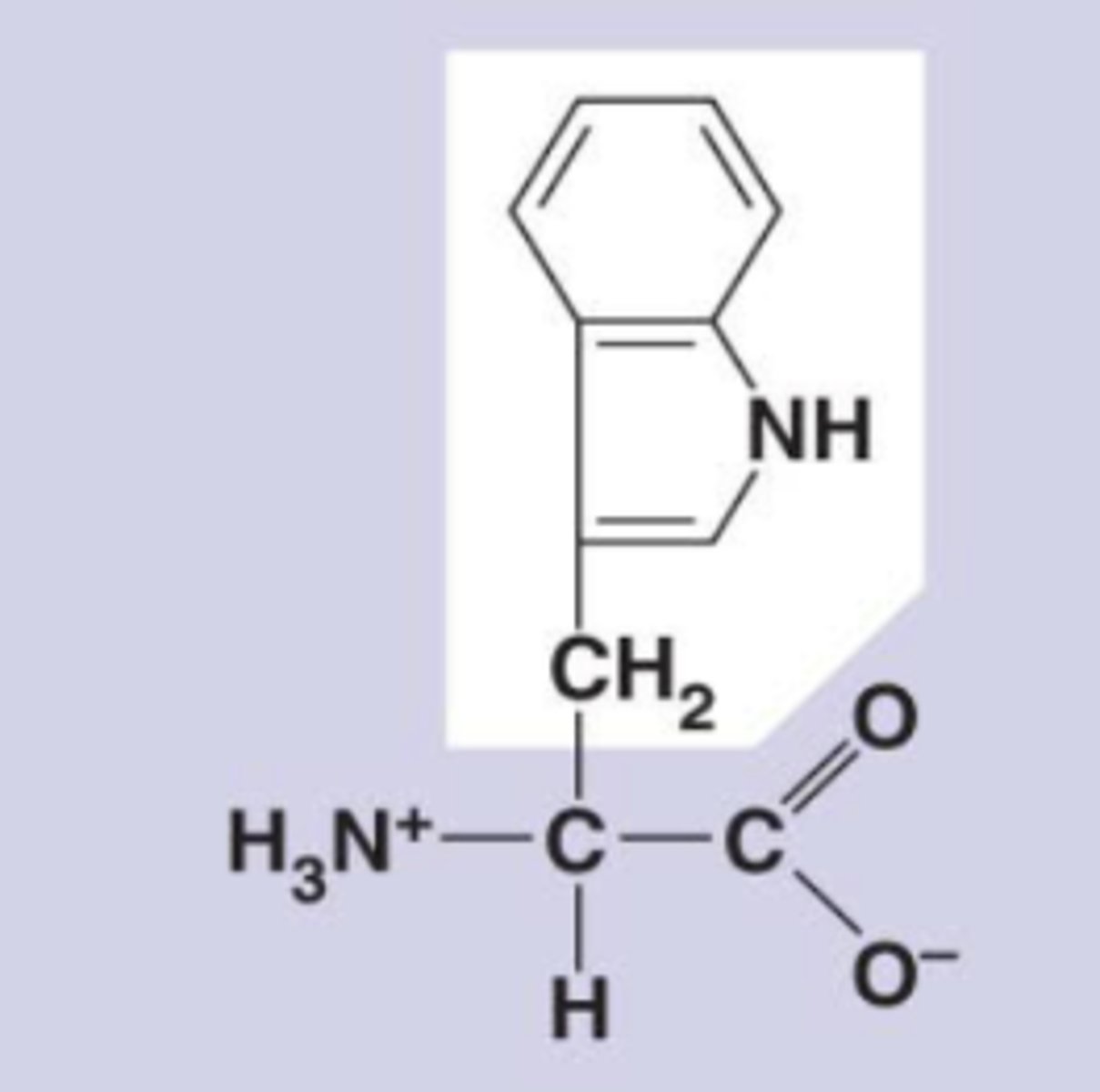
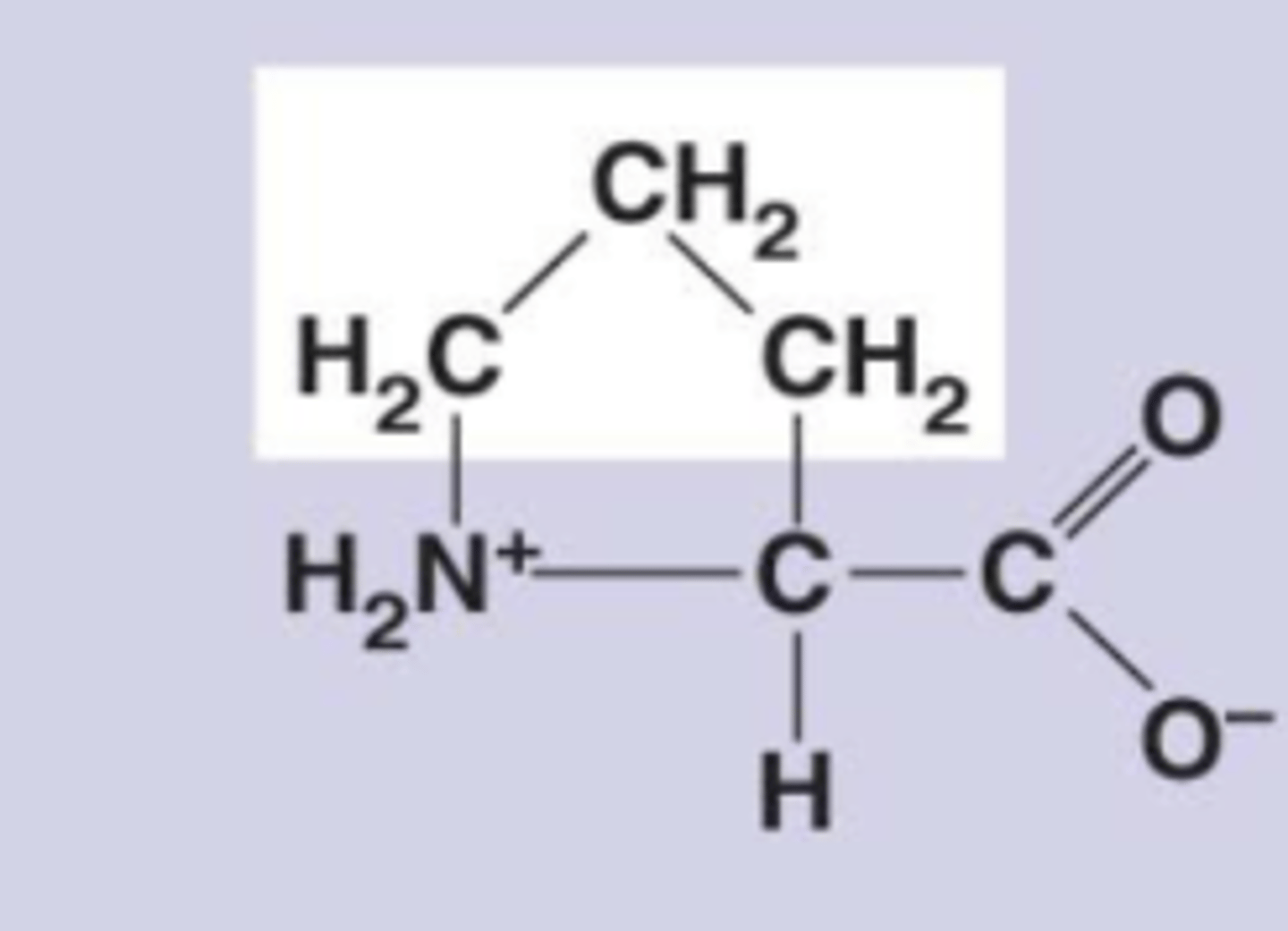
Proline - non polar
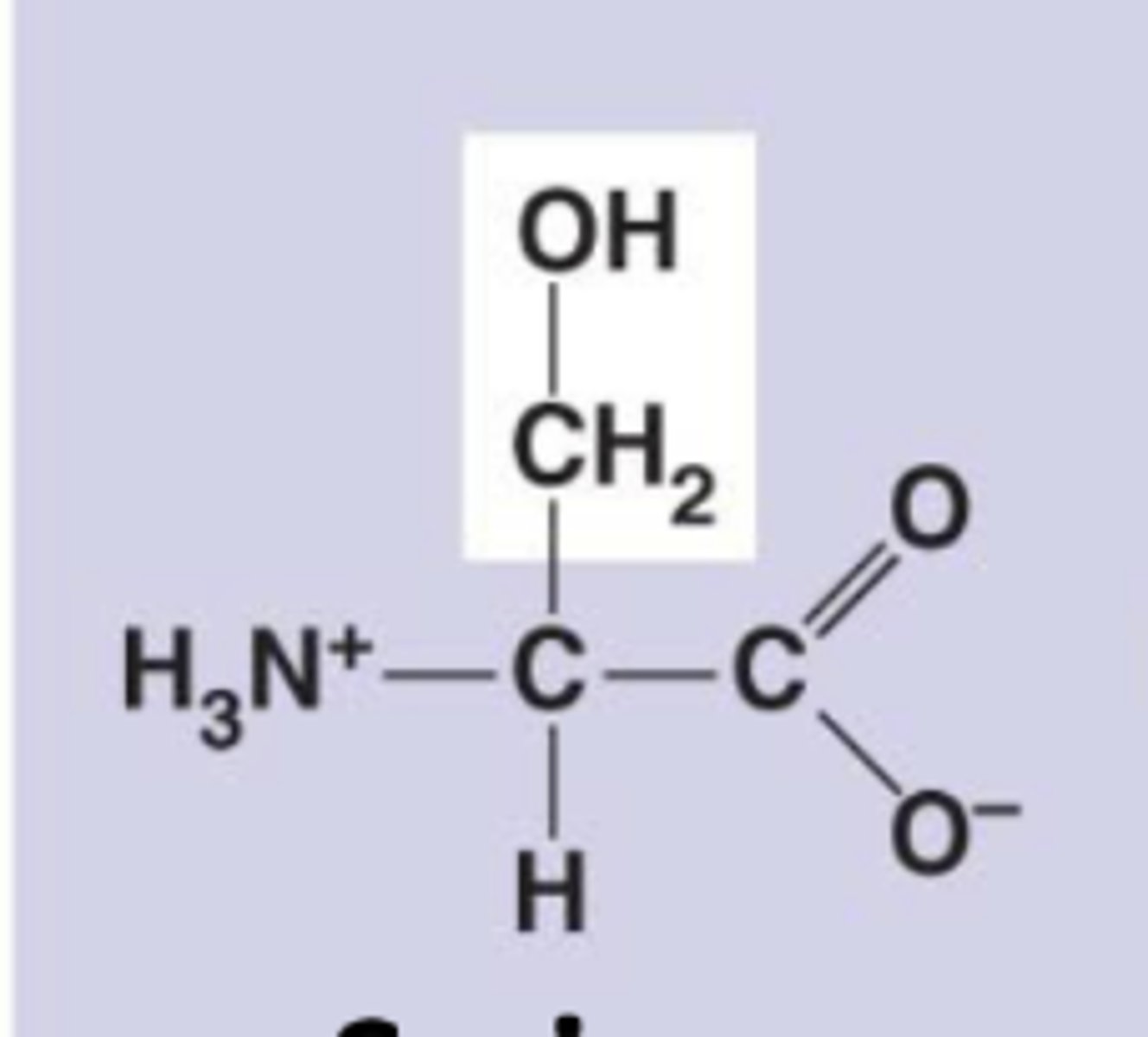
Serine - polar, uncharged
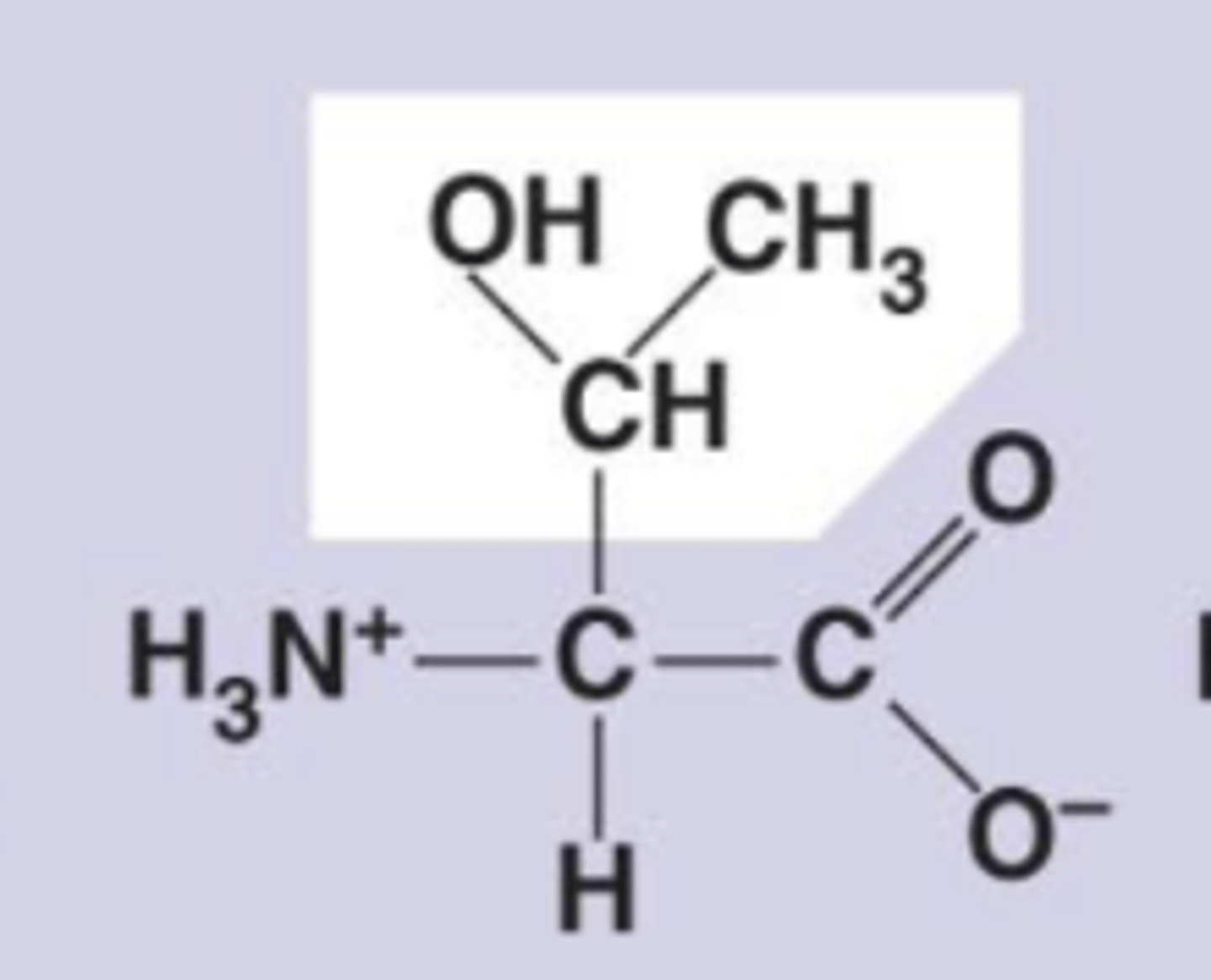
Threonine - polar, uncharged
Cysteine - polar, uncharged
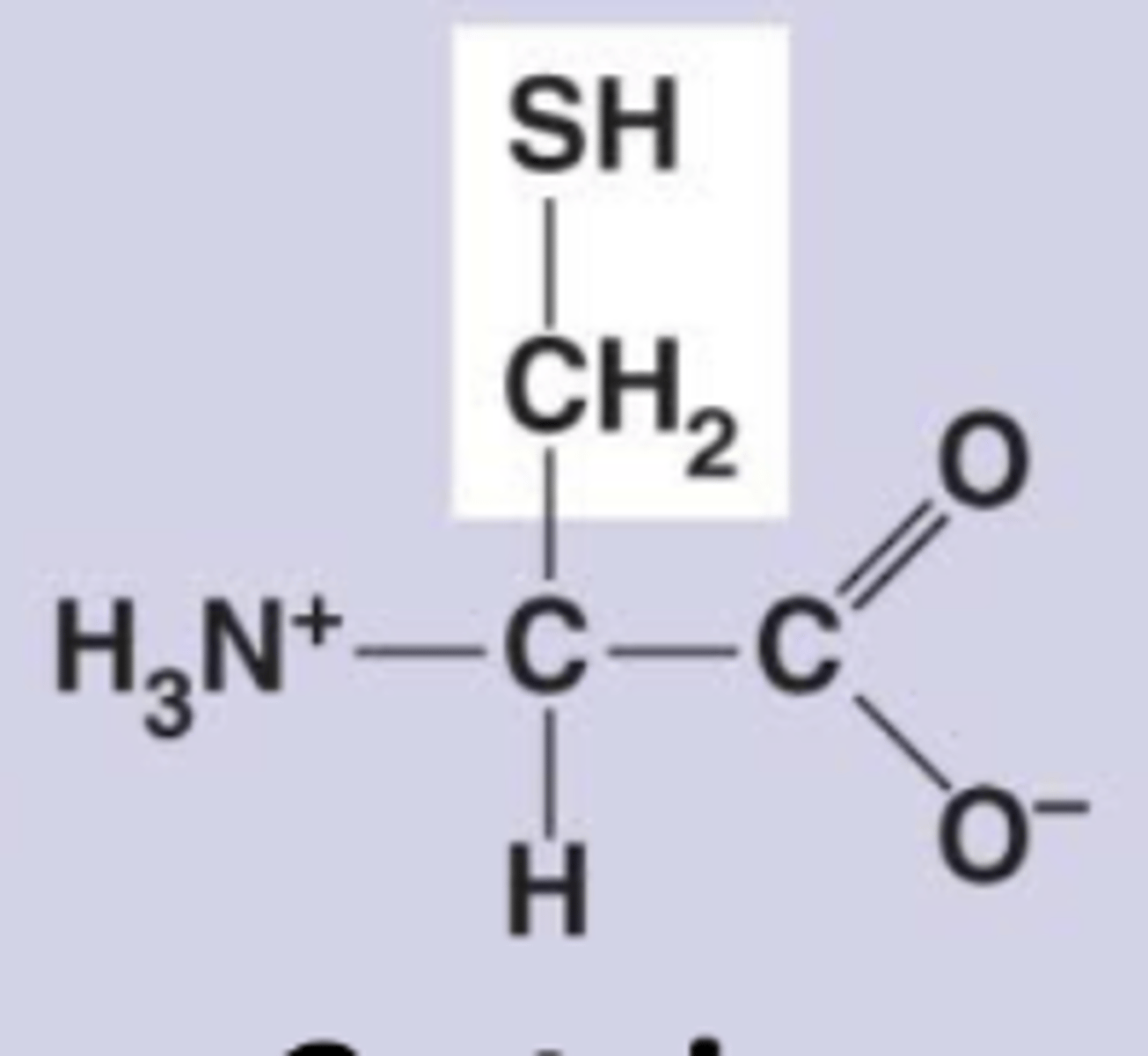
Tyrosine - polar, uncharged
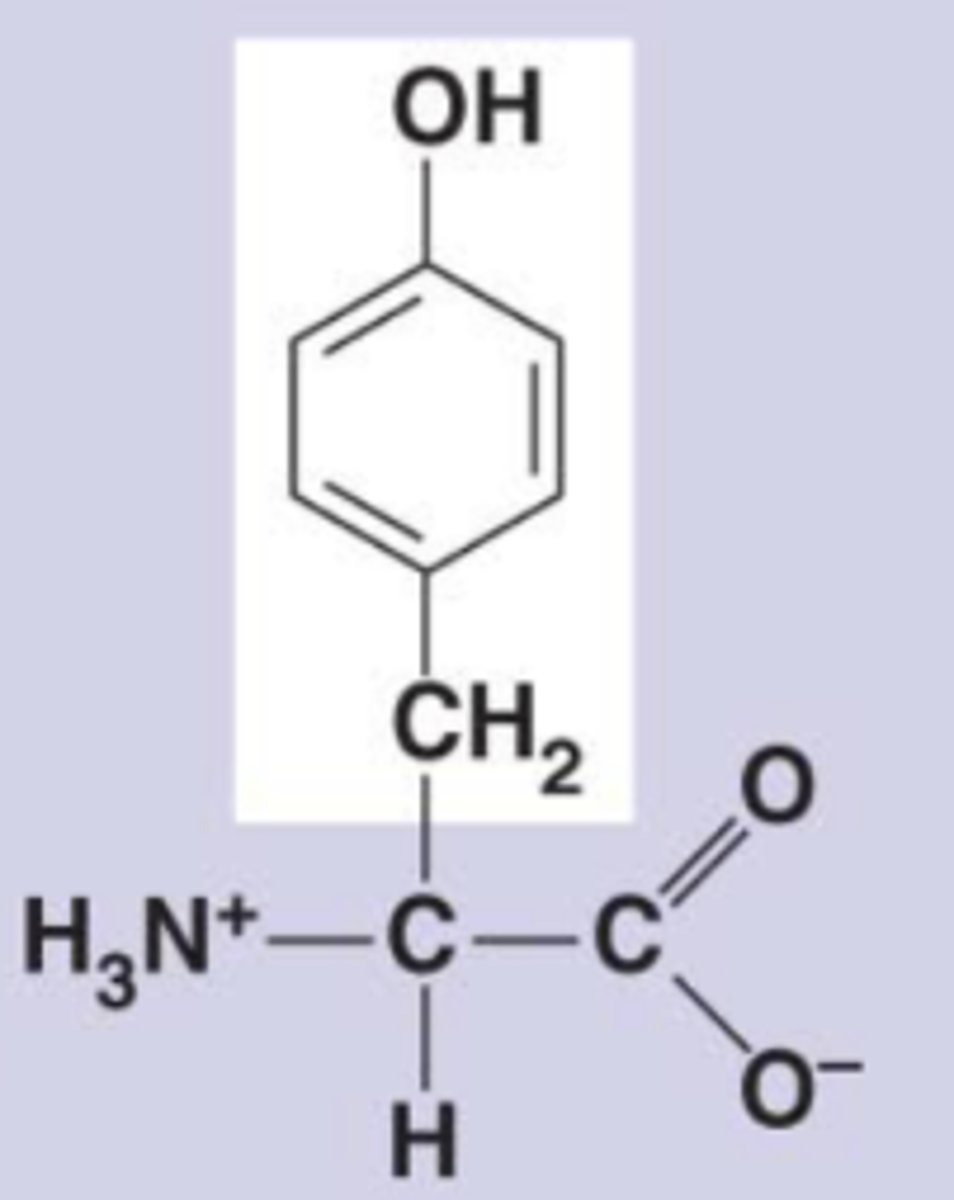
Asparagine - polar, uncharged
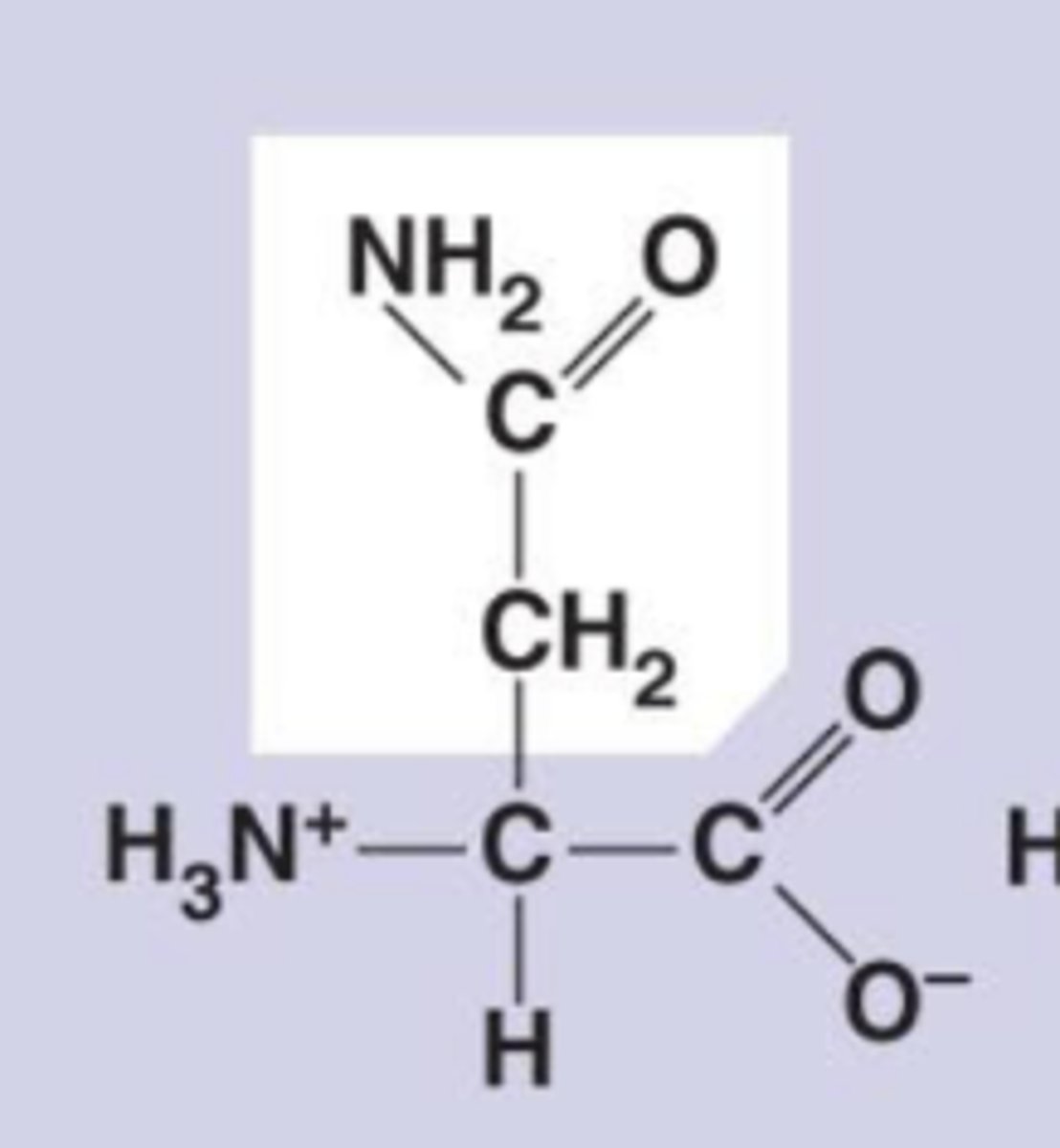
Glutamine - polar, uncharged
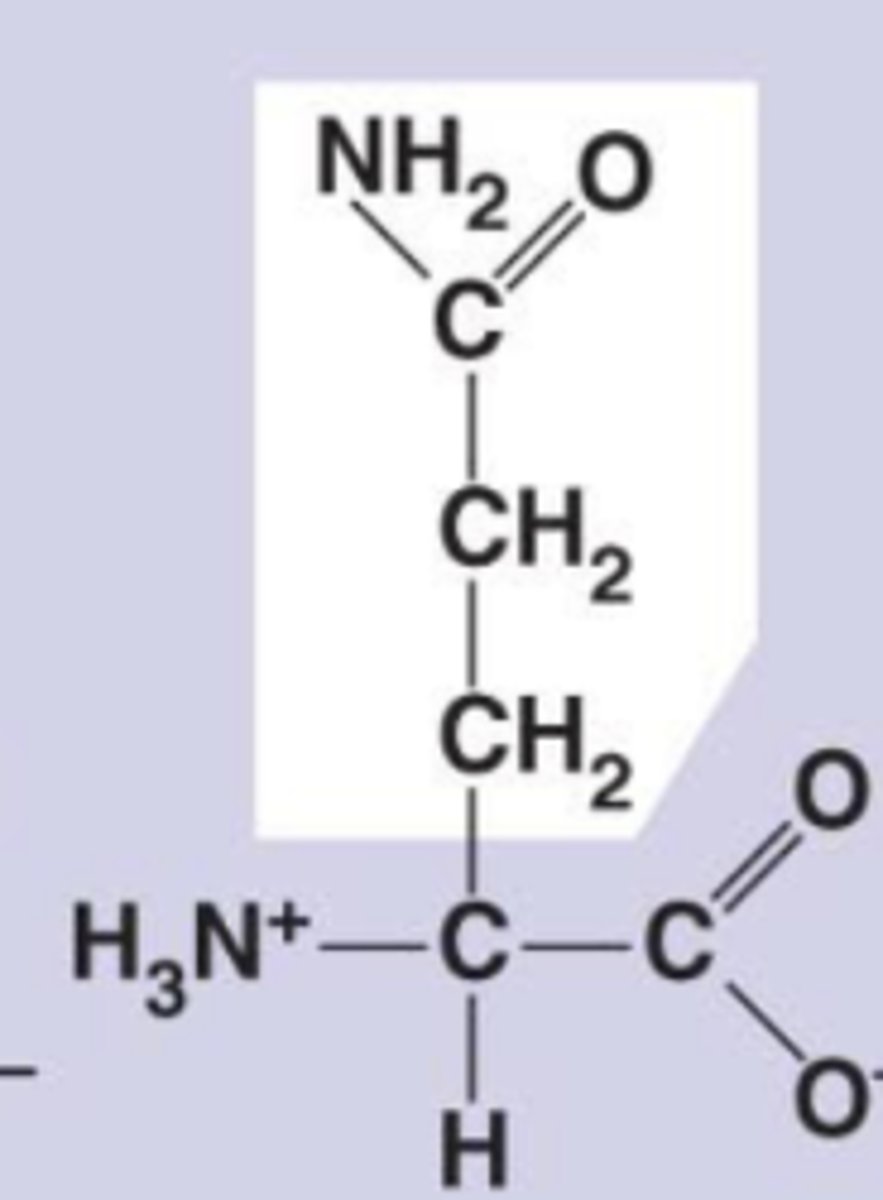
Aspartate - polar, negative charged, acidic
Glutamate - polar, negative charged, acidic
Lysine - polar, positive charged, basic
Arginine - polar, positive charged, basic
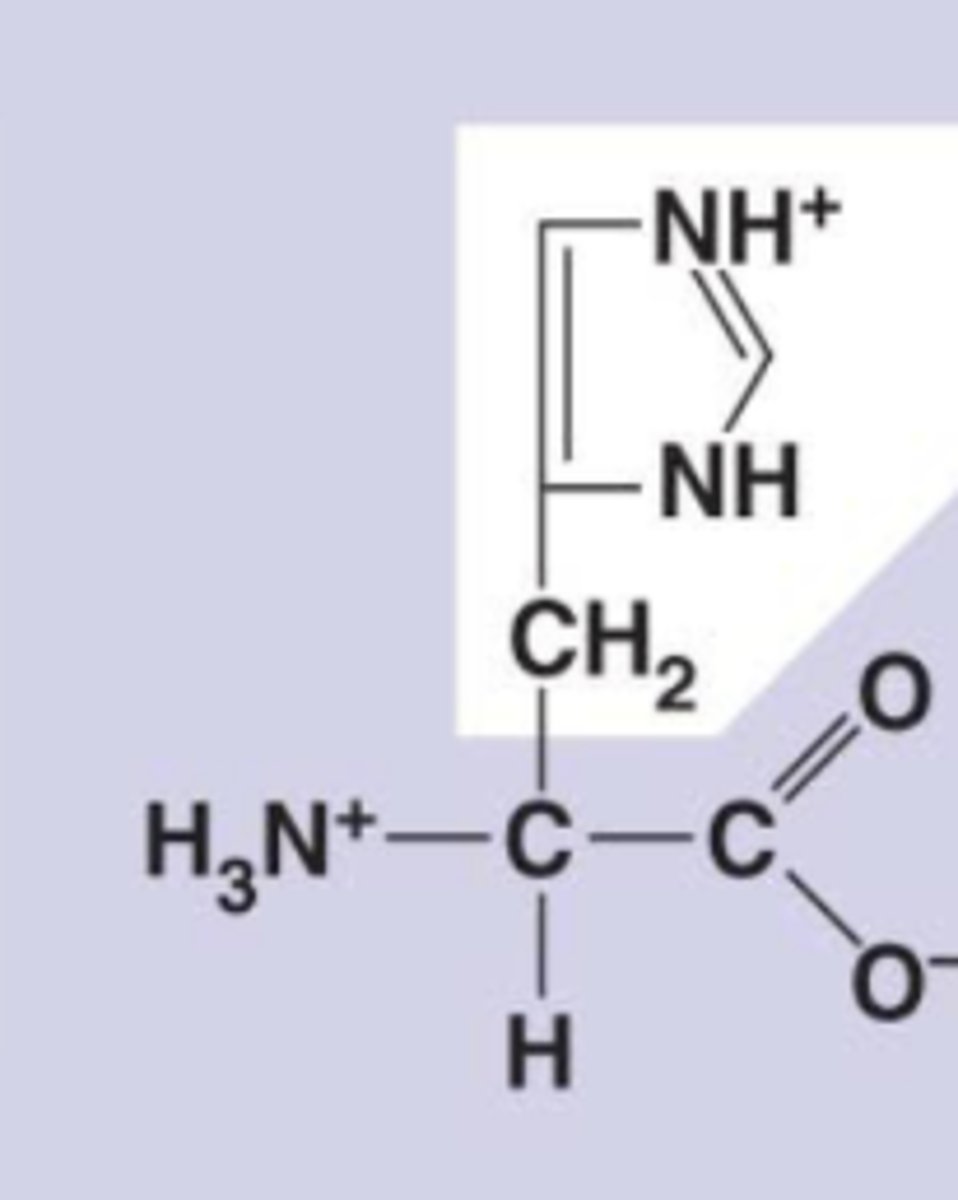
Histidine - polar, positive charged, basic
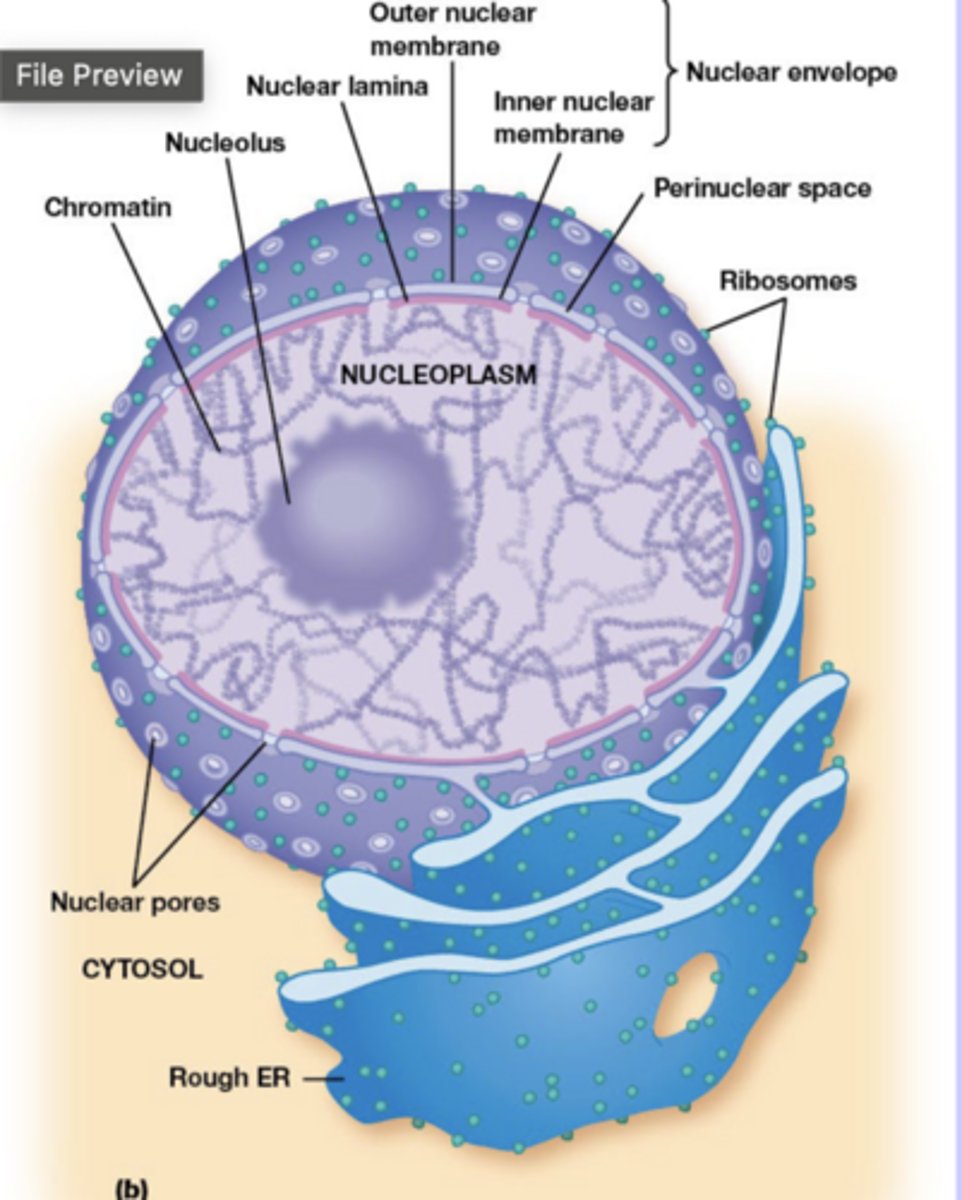
Nucleus
Nucleus
-Stores DNA = Control center of Cell
-Large organelle (around 5-6 um diameter)
-Surrounded by Nuclear Envelope
=Double membrane layer
-Supported underneath by Nuclear Lamina
-Perforated by Nuclear Pores
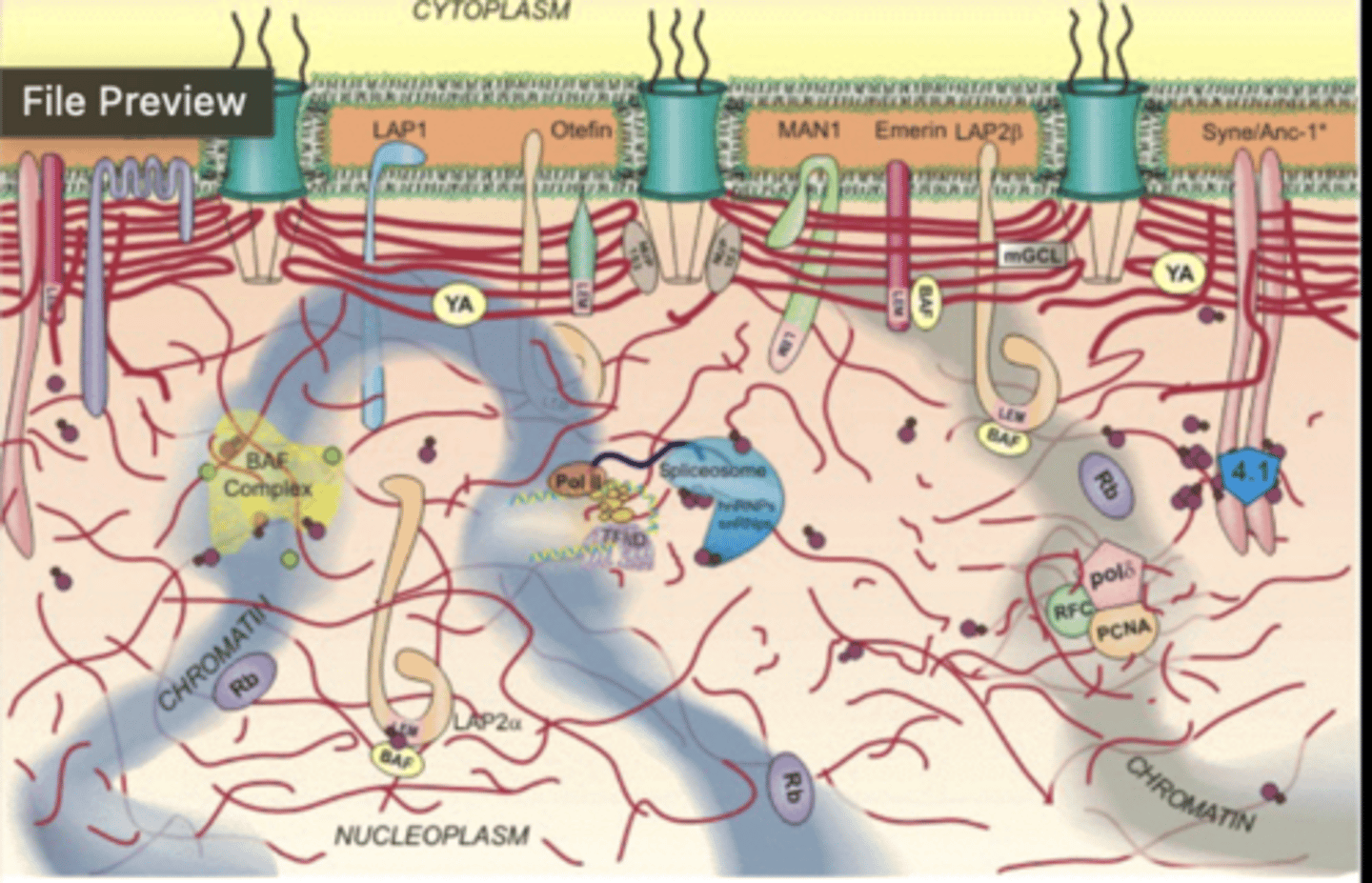
Nuclear Lamina
Nuclear Lamina
-Network of intermediate filaments
-components of the cytoskeleton
-Scaffolding that supports nuclear structure
-Lamina lies just beneath inner layer of Nuclear Envelope
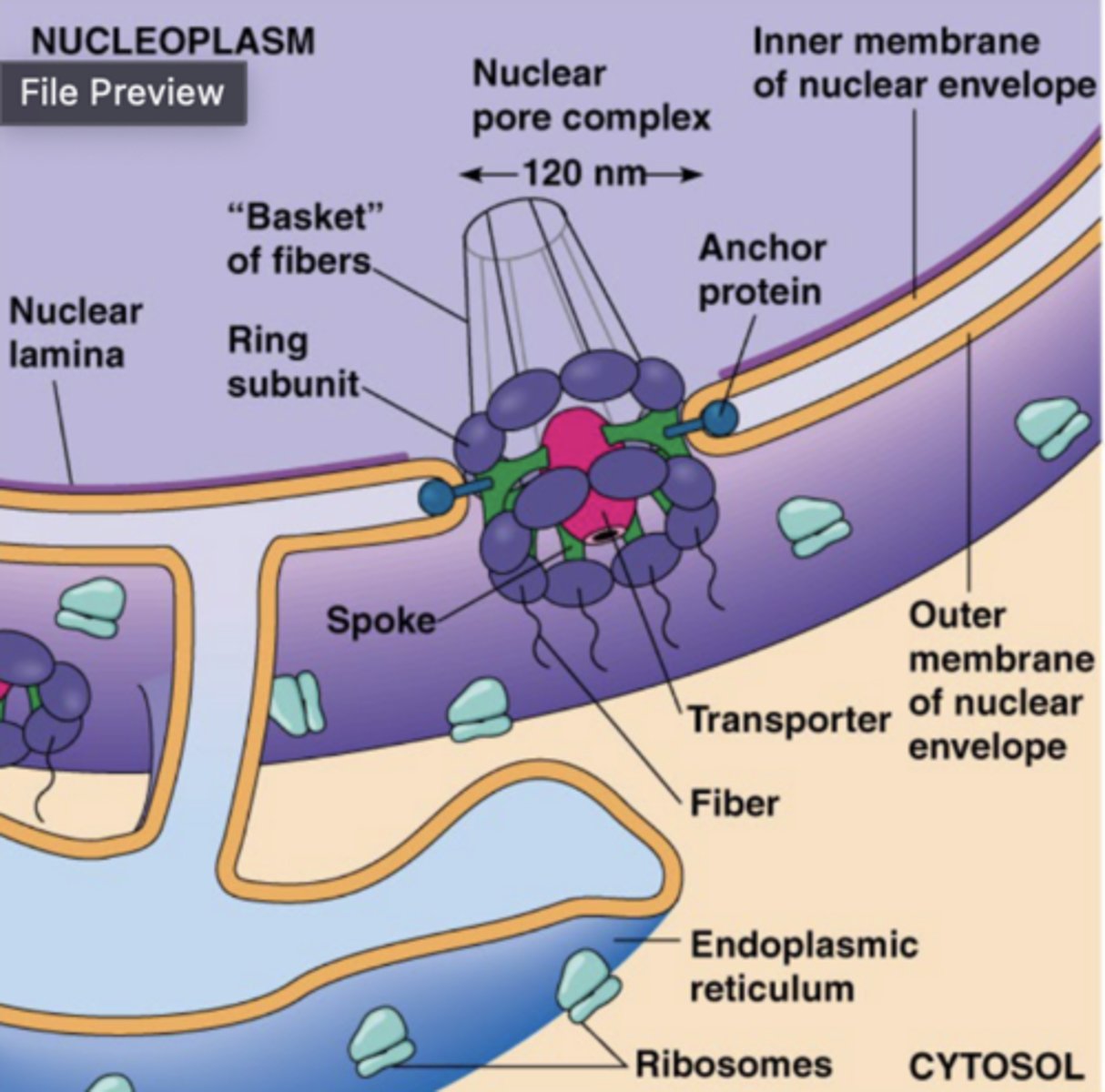
Nuclear Pores
Nuclear Pores
-Opening through Nuclear Envelope
-Openings controlled by Nuclear Pore complex (NPC)
-NPC controls movement of substances in / out of nucleus
Nucleolus
-Dense region within the nucleus
-Clustered region of ribosomal RNA genes
-Surrounded by specific RNAs and proteins
-Site of ribosomal subunit synthesis
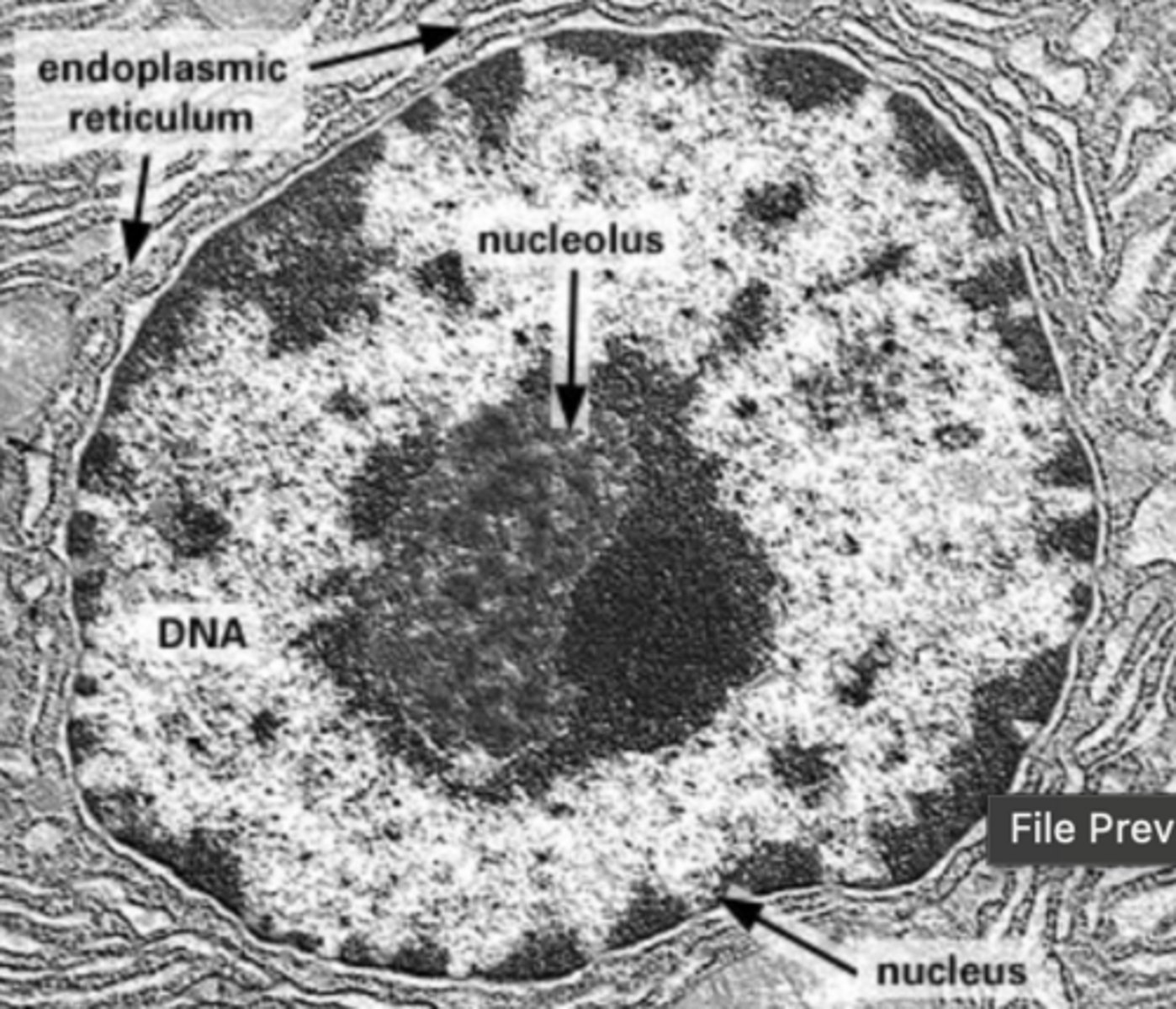
The site of the nucleolus is correlated with the rate of protein synthesis. The process of protein synthesis is referred to as?
Translation
Ribosome
-Found in all cell types (prokaryotic and eukaryotic) and certain organelles
-*not considered an organelle - not membrane bound
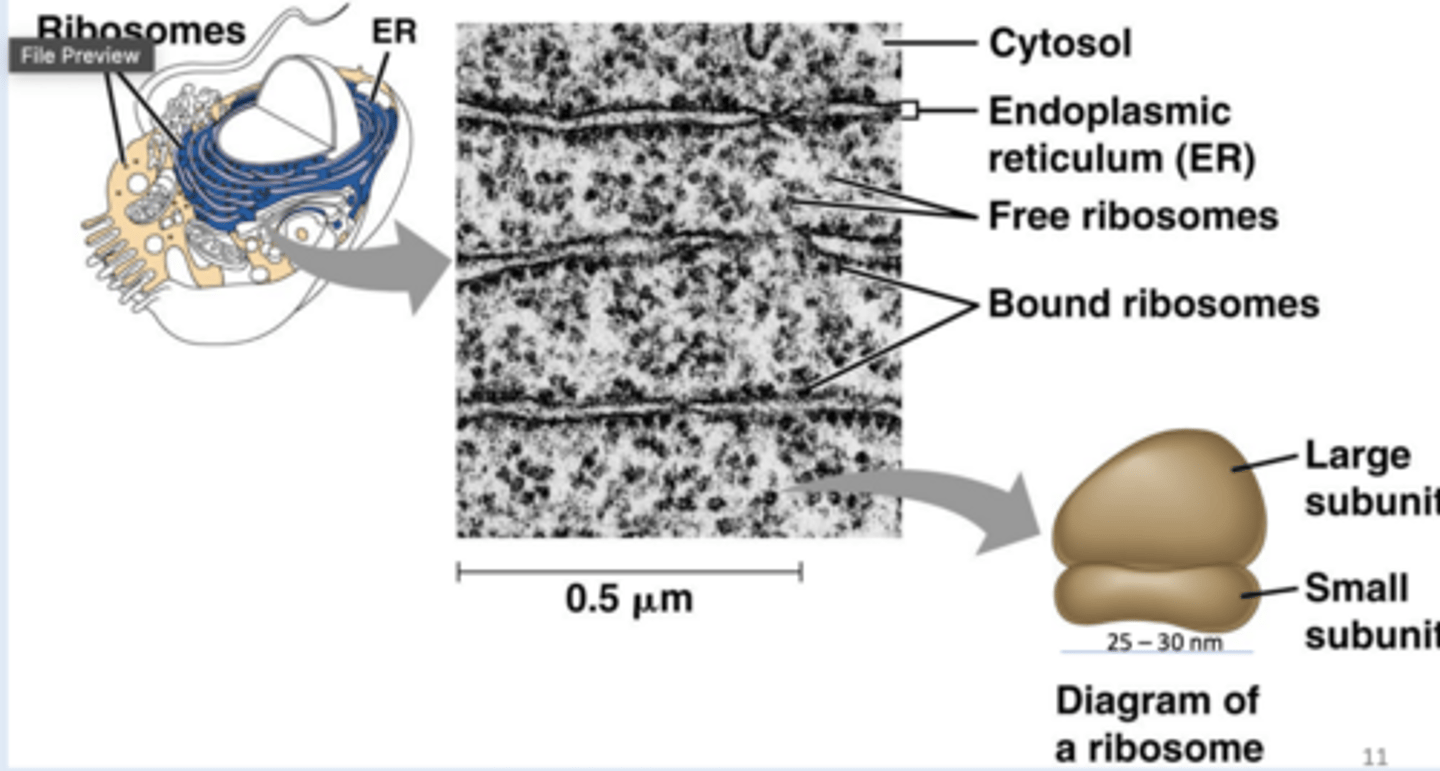
Describe the difference in prokaryotic vs Eukaryotic Ribosomes
-Ribosomes are RNP (ribonucleoprotein) complexes
-Differences between the prokaryotic and eukaryotic ribosomes:
Prokaryotic
-Large Subunit: 50S
-Small Subunit: 30S
-Assembled Ribosome: 70S
Eukaryotic
-Large Subunit: 60S
-Small Subunit: 40S
-Assembled Ribosome: 80S
Describe the Ribosome structure (All sites)
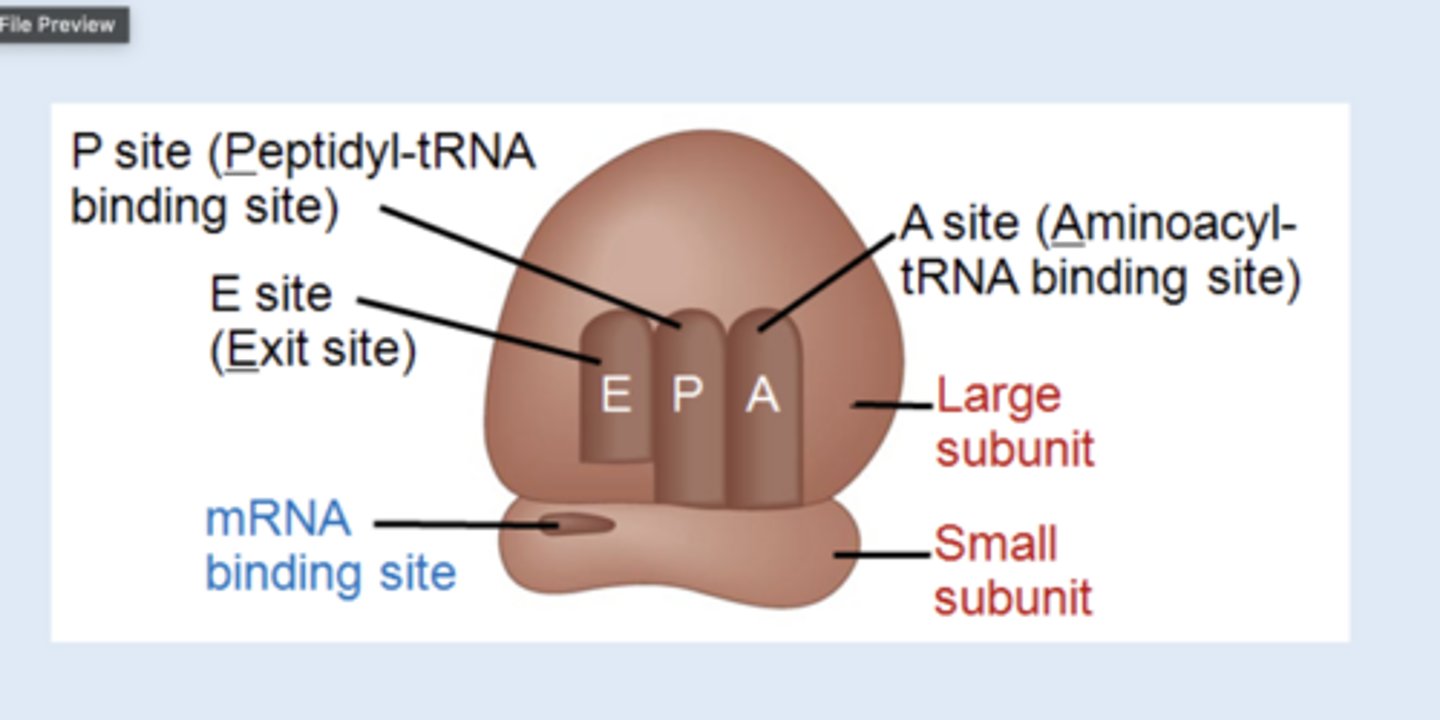
Give me an overview of Translation
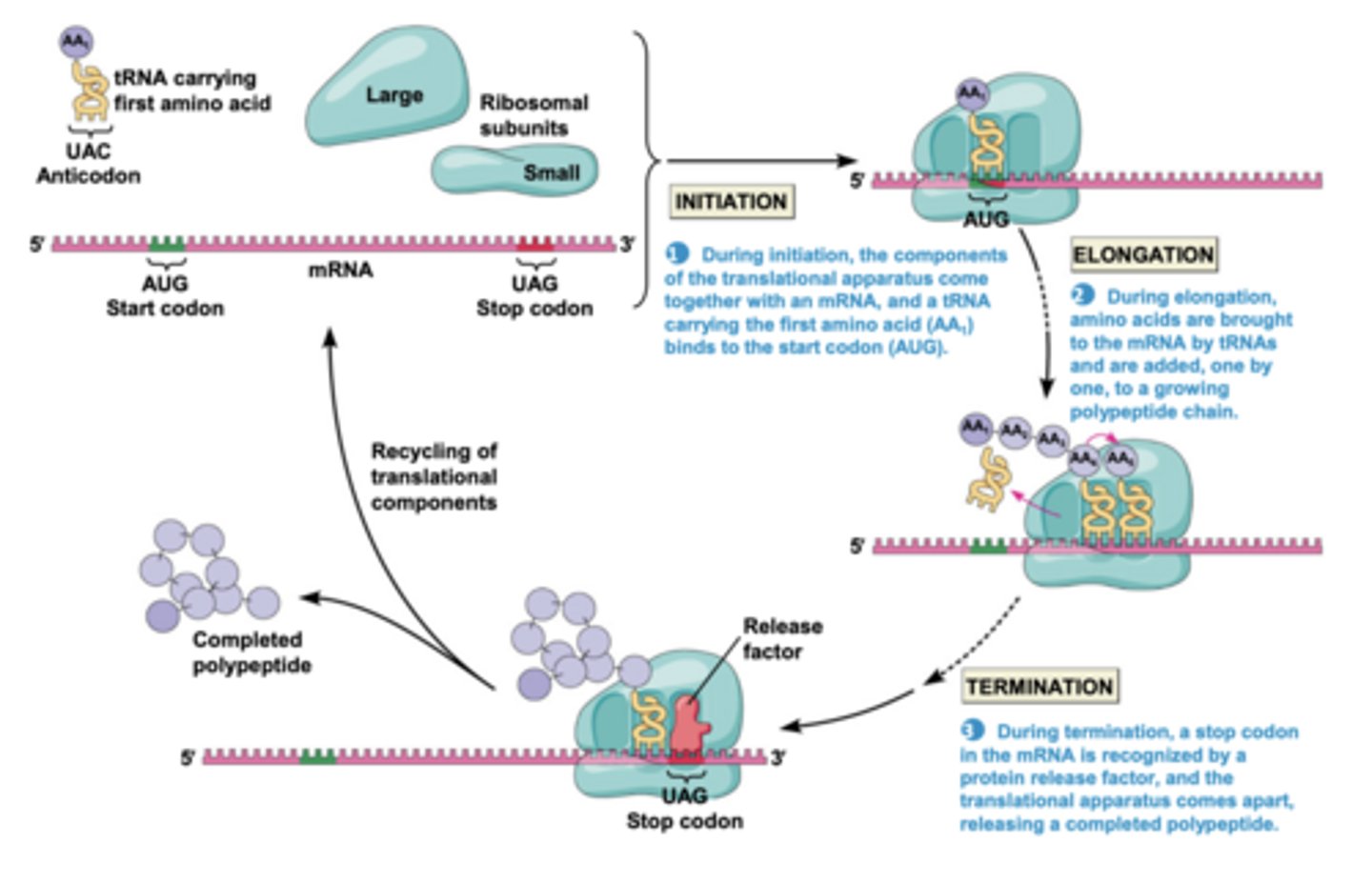
What are Prokaryotic Protein Synthesis Inhibitors
Certain Antibiotics work by inhibiting ribosome activity
Example:
-Tetracylin
-Spectinomycin
What is included in the Endomembrane System. and describe it
Includes:
-Nuclear Envelope
-ER
-Golgi
-Lysosome
-Vacuoles
-Transport Vesicles
-Plasma membrane
-Secreted Proteins
-Compromise a system of membranes and internal space
-Components can be directly connected to each other
-or "connected" via transport vesicles
Label the structures (answers on slides)
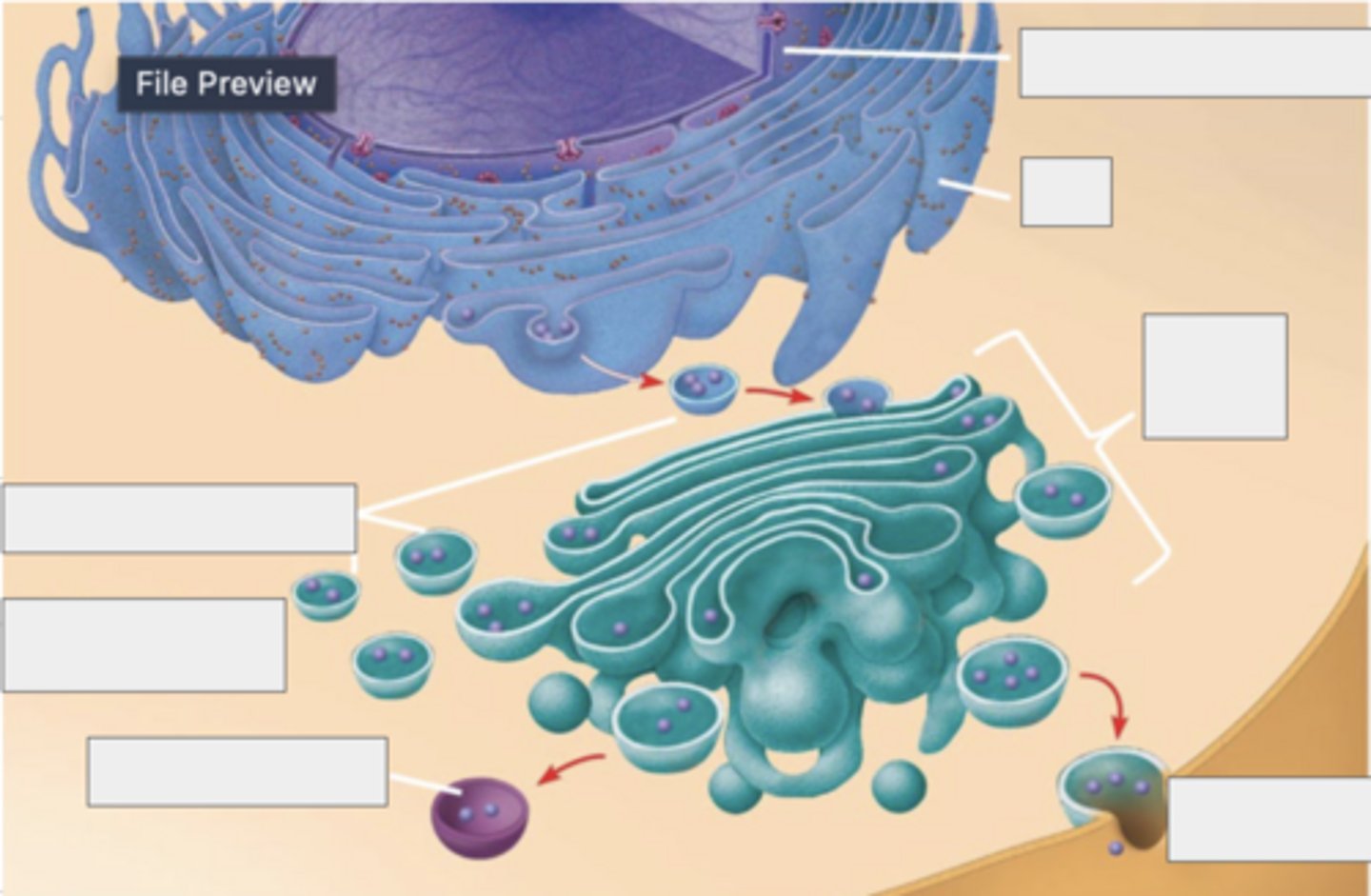
Endoplasmic Reticulum
-Accounts for 1/2 the membranes in eukaryotic cell (10% total cell volume)
-Contiguous with outer nuclear membrane
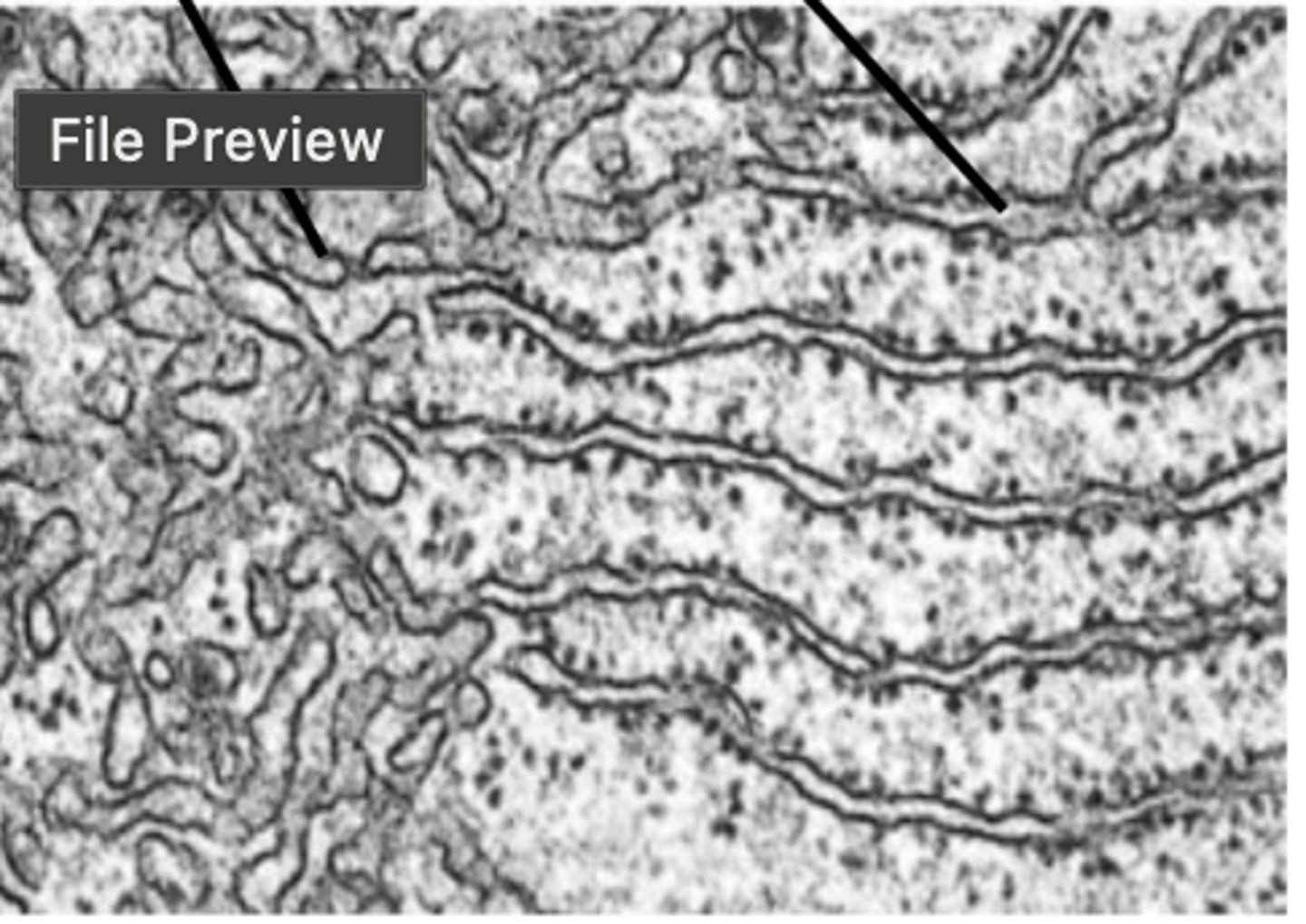
-Two distinct regions of ER
-Smooth ER, lacks ribosome
-Rough ER, contains ribosome
-Functionally separate compartments
(e.g. A secreted protein)
-->would go through the RER
-->would not go through the SER
Which is rough vs smooth ER
 Note
Note  Flashcards (22)