Size and scale: Key concepts in biology: Biology: GCSE (9:1)
 Call Kai
 Learn
Learn Practice Test
 Spaced Repetition
 Match
Match Flashcards
 Knowt Play
1/22

There's no tags or description
Looks like no tags are added yet.
Name | Mastery | Learn | Test | Matching | Spaced | Call with Kai |
|---|
No analytics yet
Send a link to your students to track their progress
23 Terms
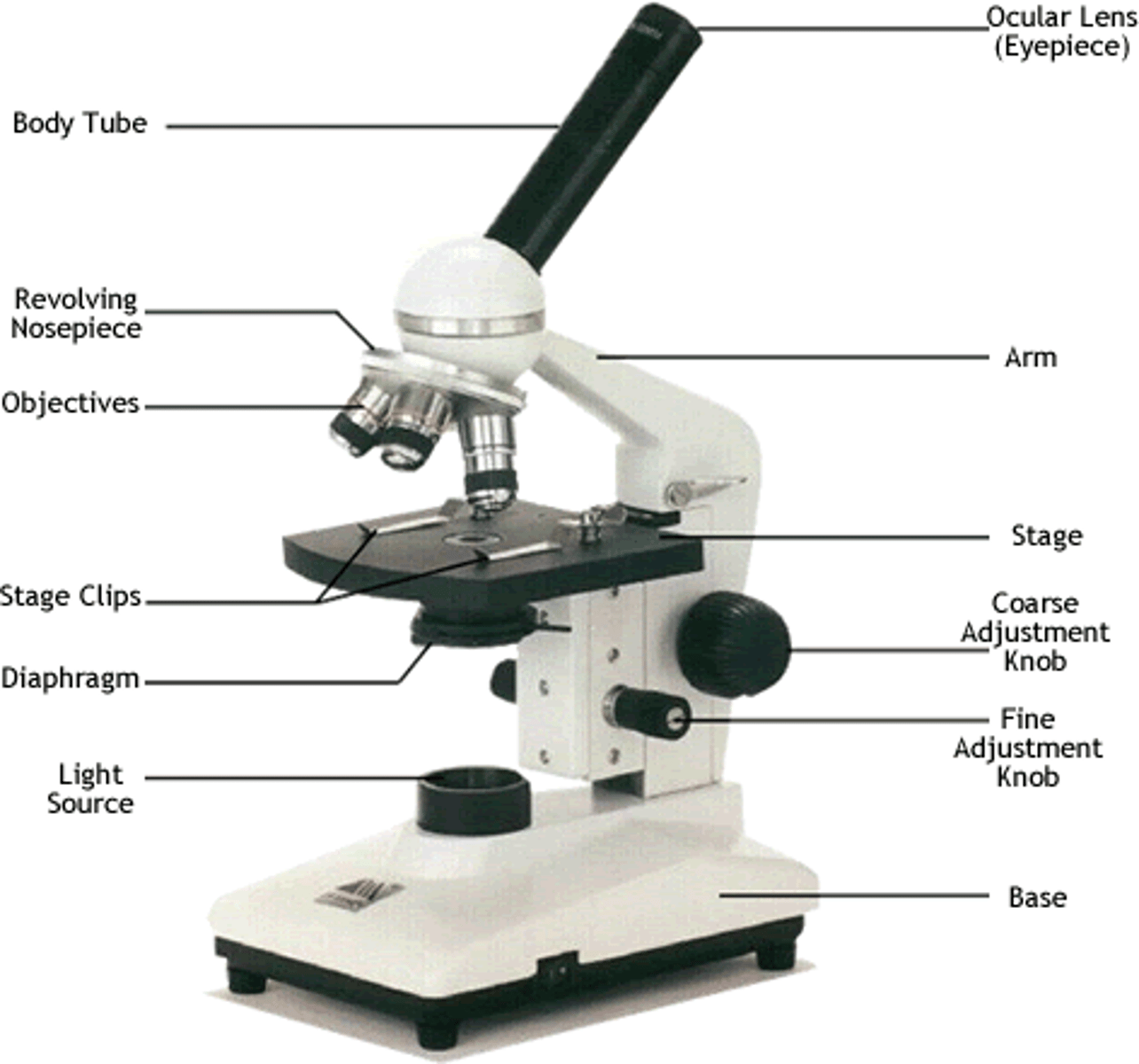
Light microscope
Equipment which uses visible light to detect and magnify small objects
Electron microscope
A microscope that forms an image by focusing beams of electrons onto a specimen, has a higher resolution and magnification than light microscopes
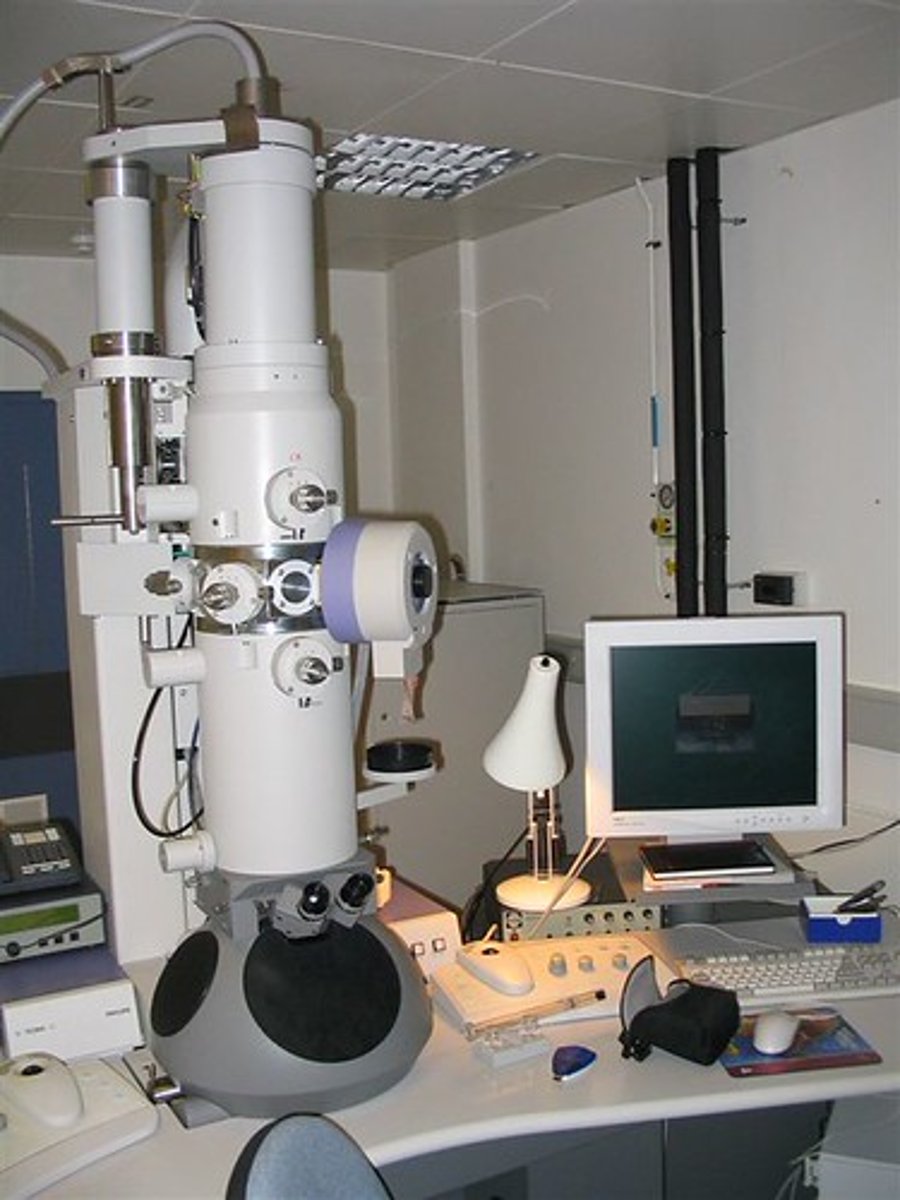
Importance of electron microscopes
Allowed for an increased understanding of sub-cellular structures such as ribosomes, that are too small to view with a light microscope
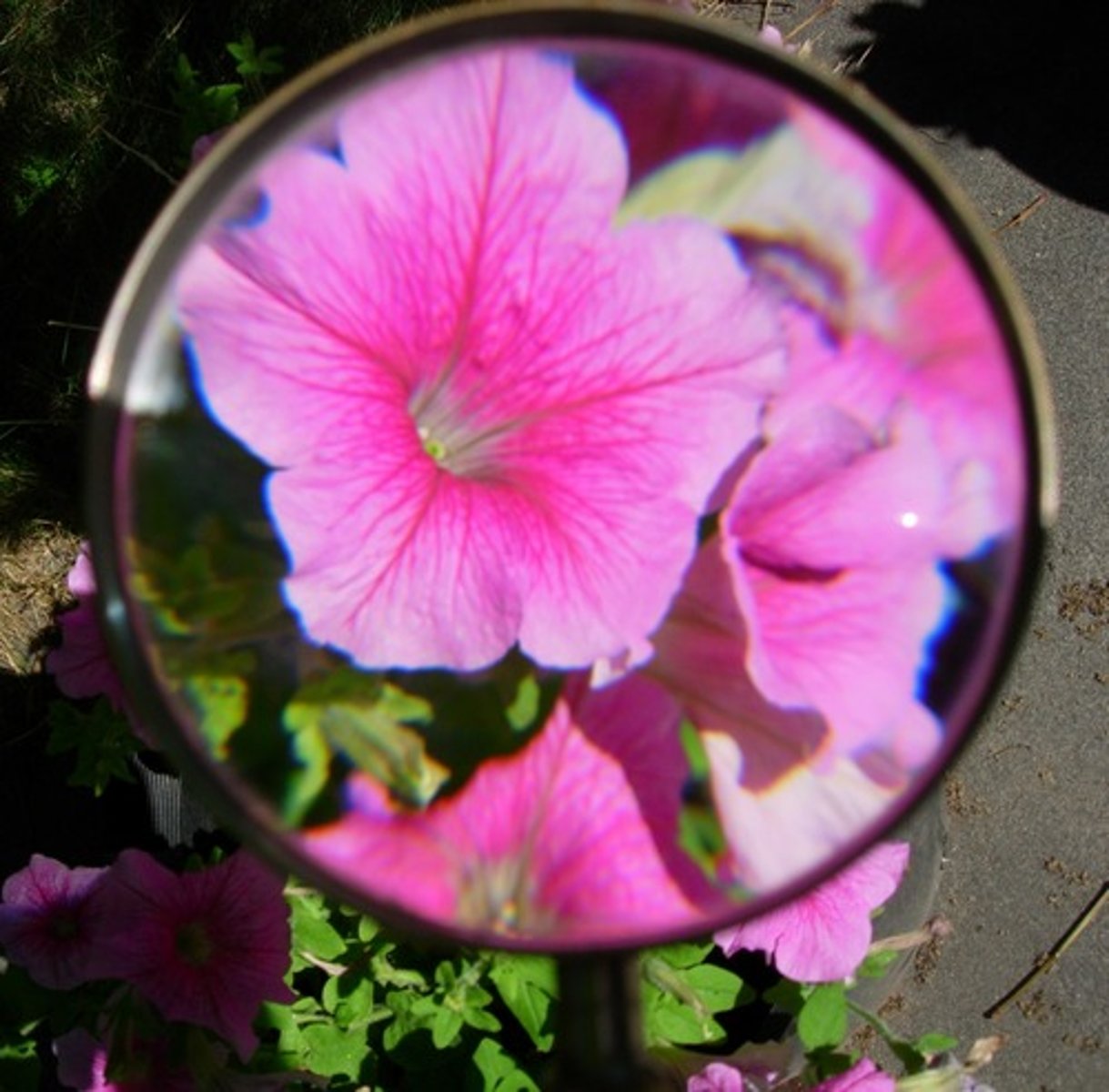
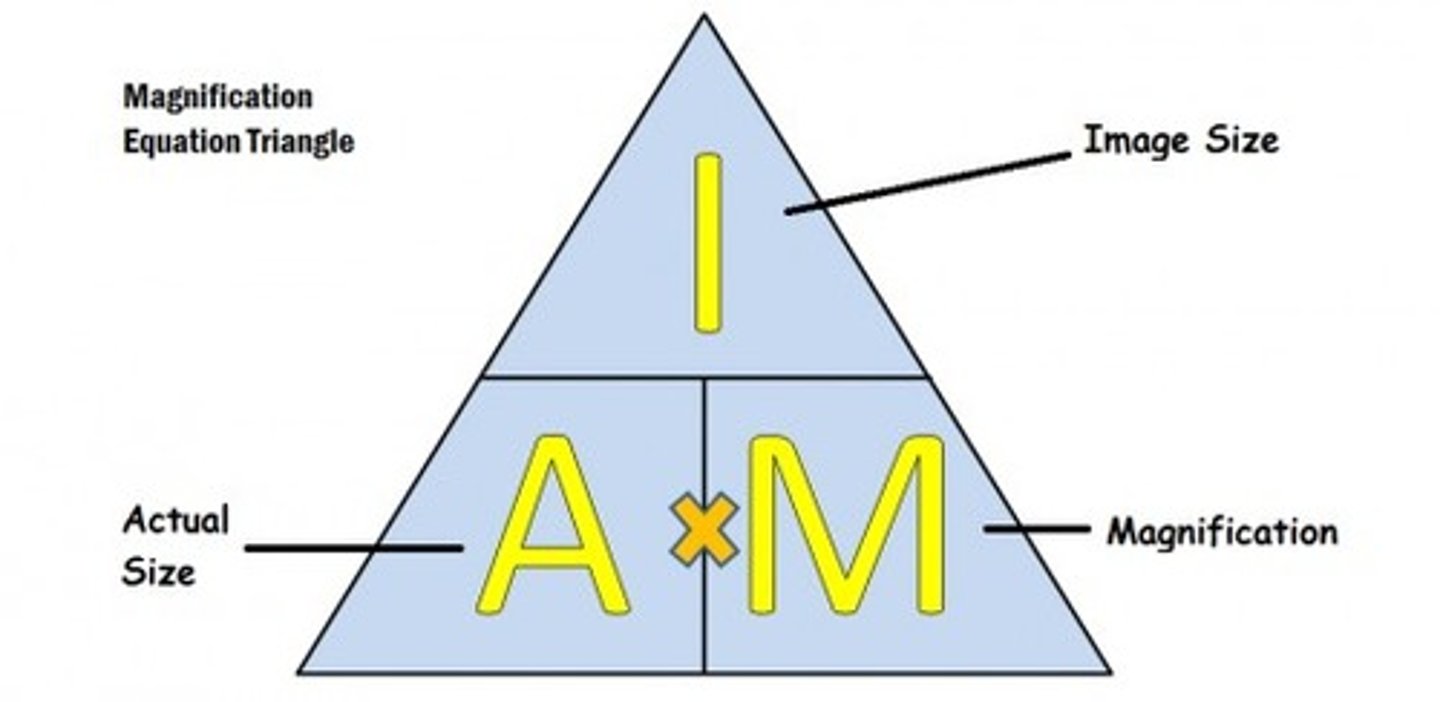
Magnification
How much an image appears to have increased in size by
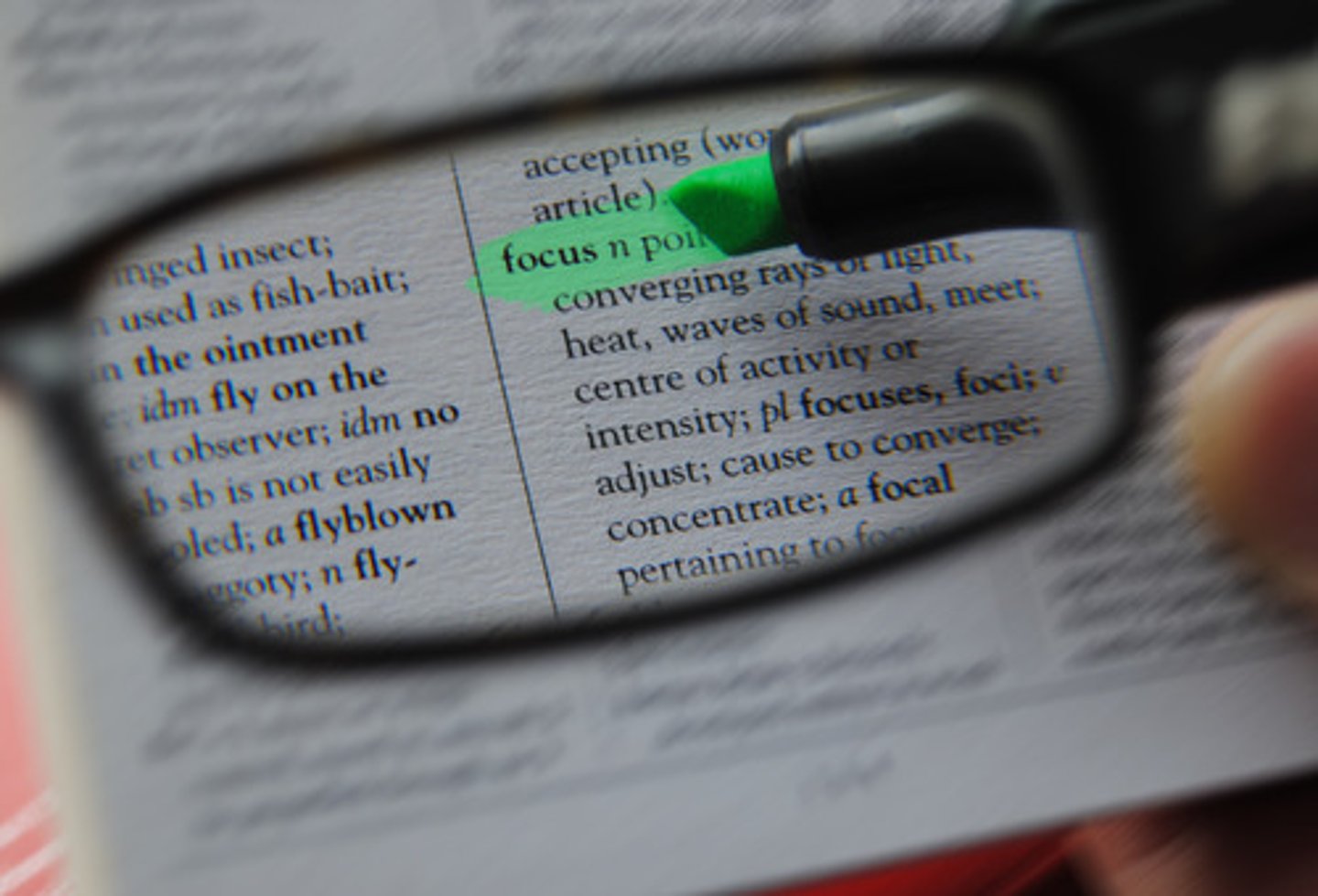
Resolution
The degree of detail visible in an image
Magnification equation
Magnification = size of image/size of real object
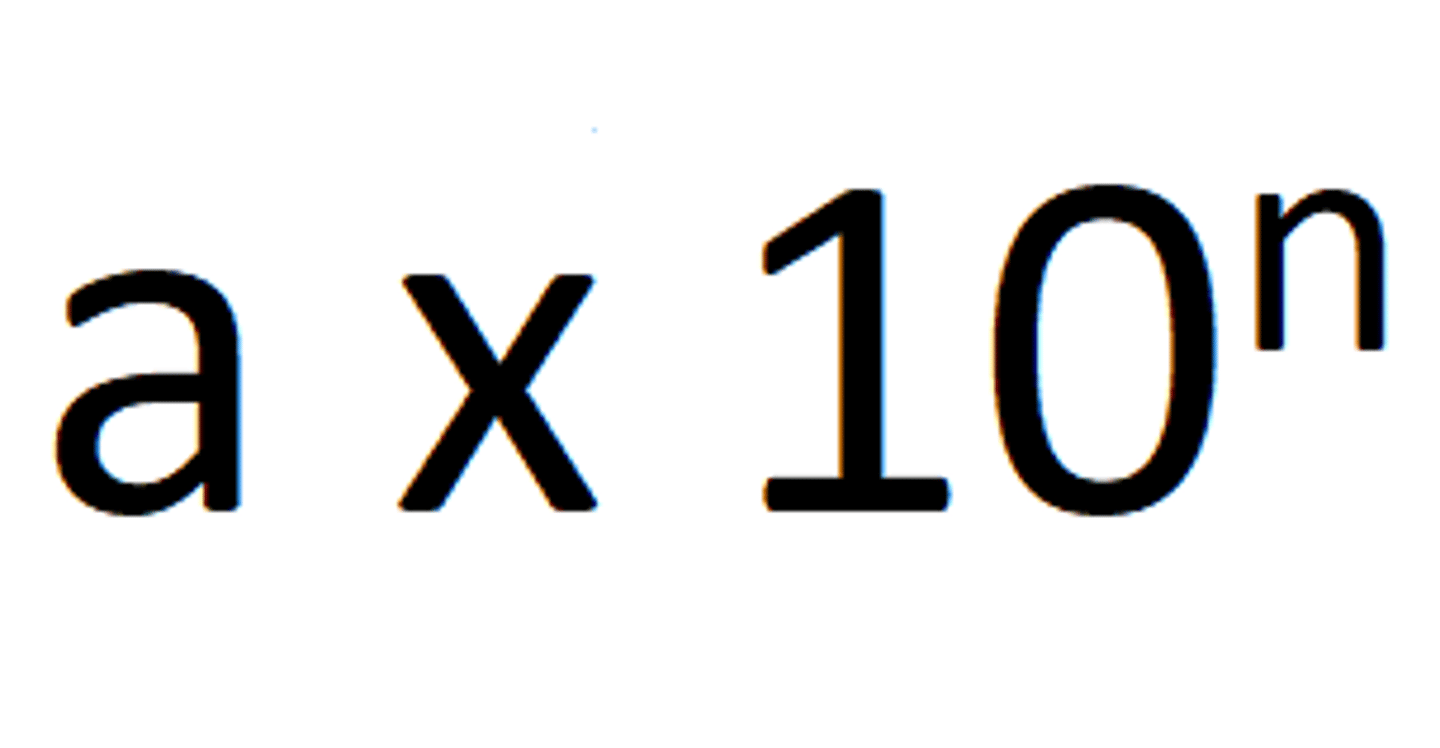
Standard form
A system where numbers are expressed as decimals between 1 and 10 and multiplied by a power of 10
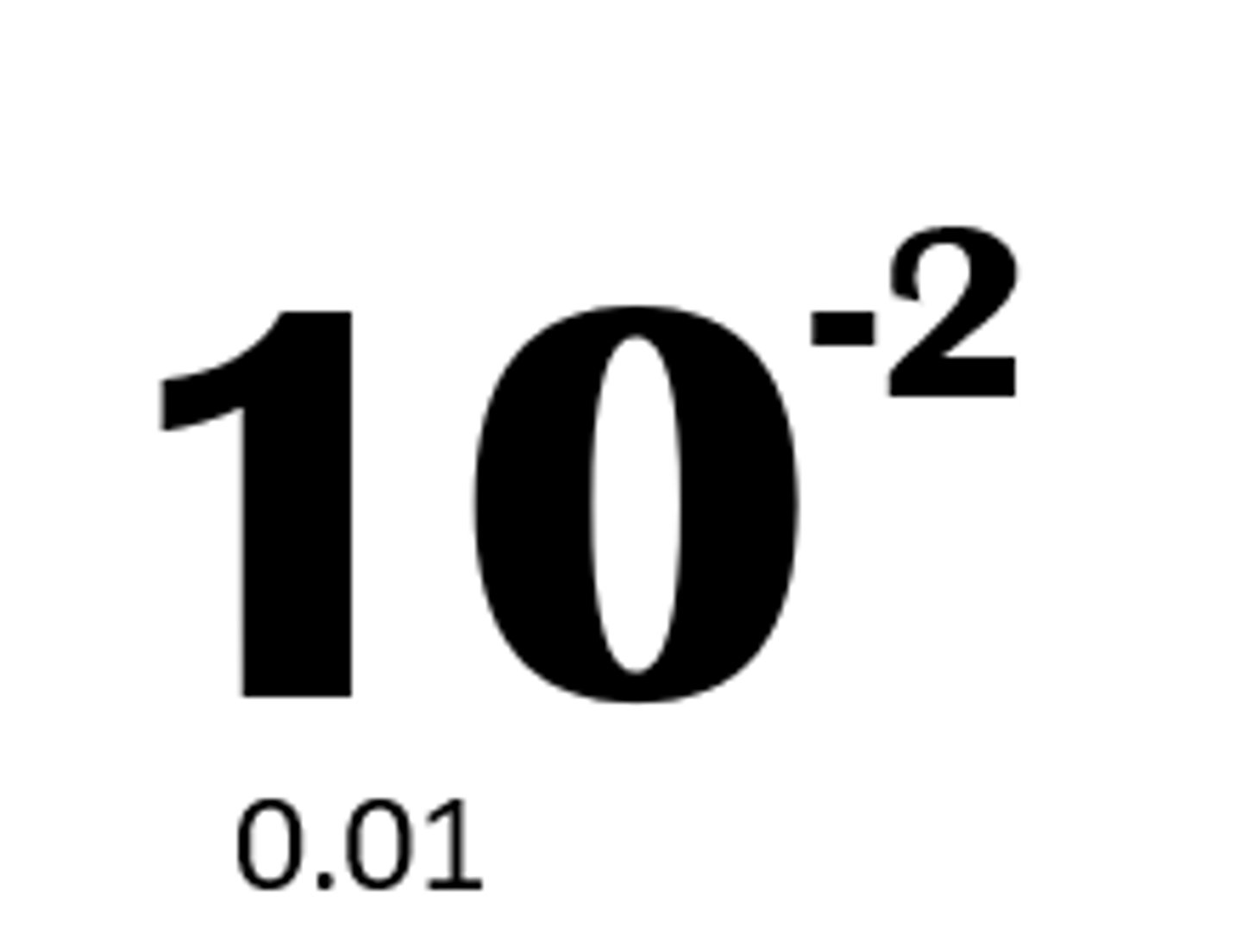
Centi
A prefix meaning one hundredth of a unit
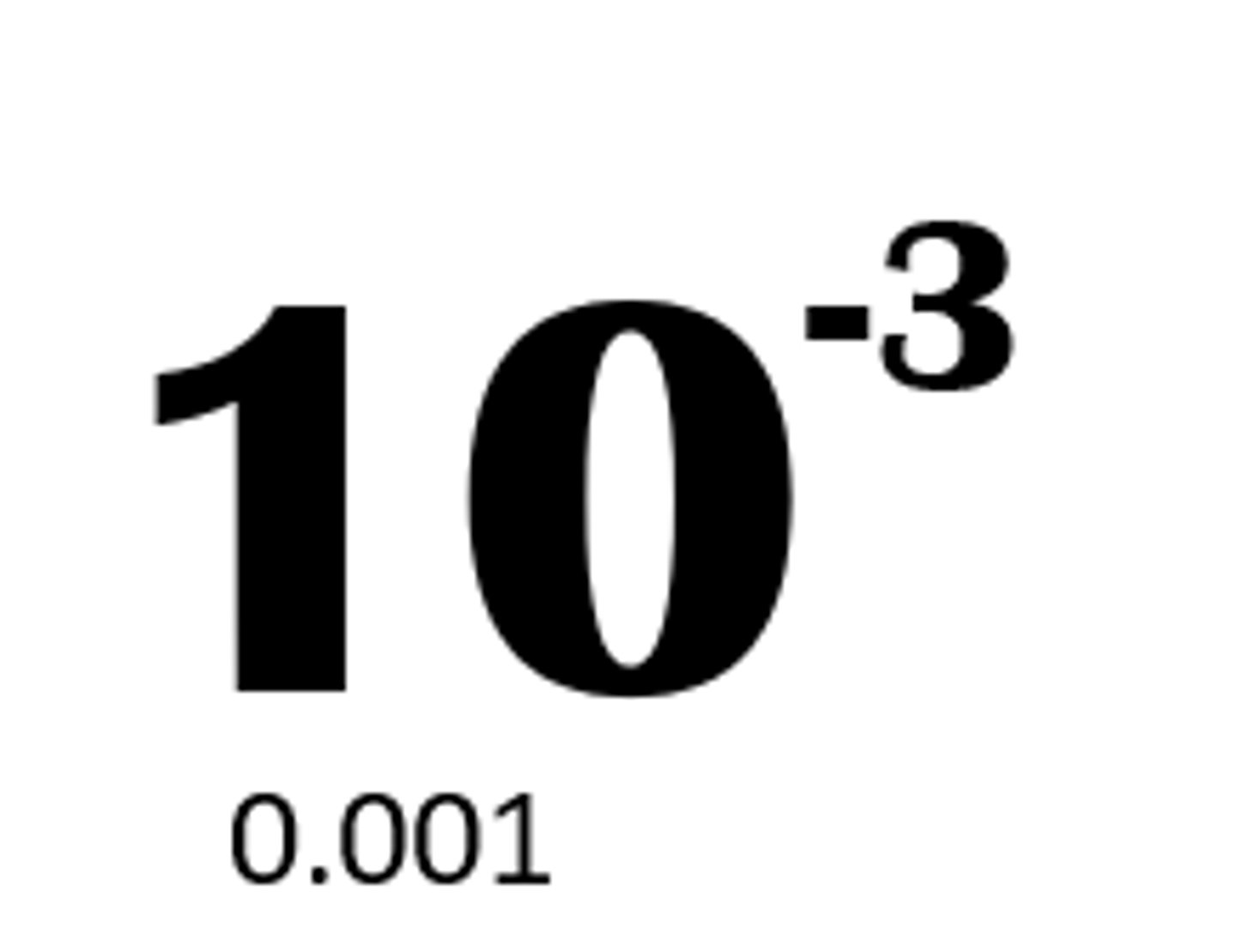
Milli
A prefix meaning one thousandth of a unit
Micro
A prefix meaning one millionth of a unit
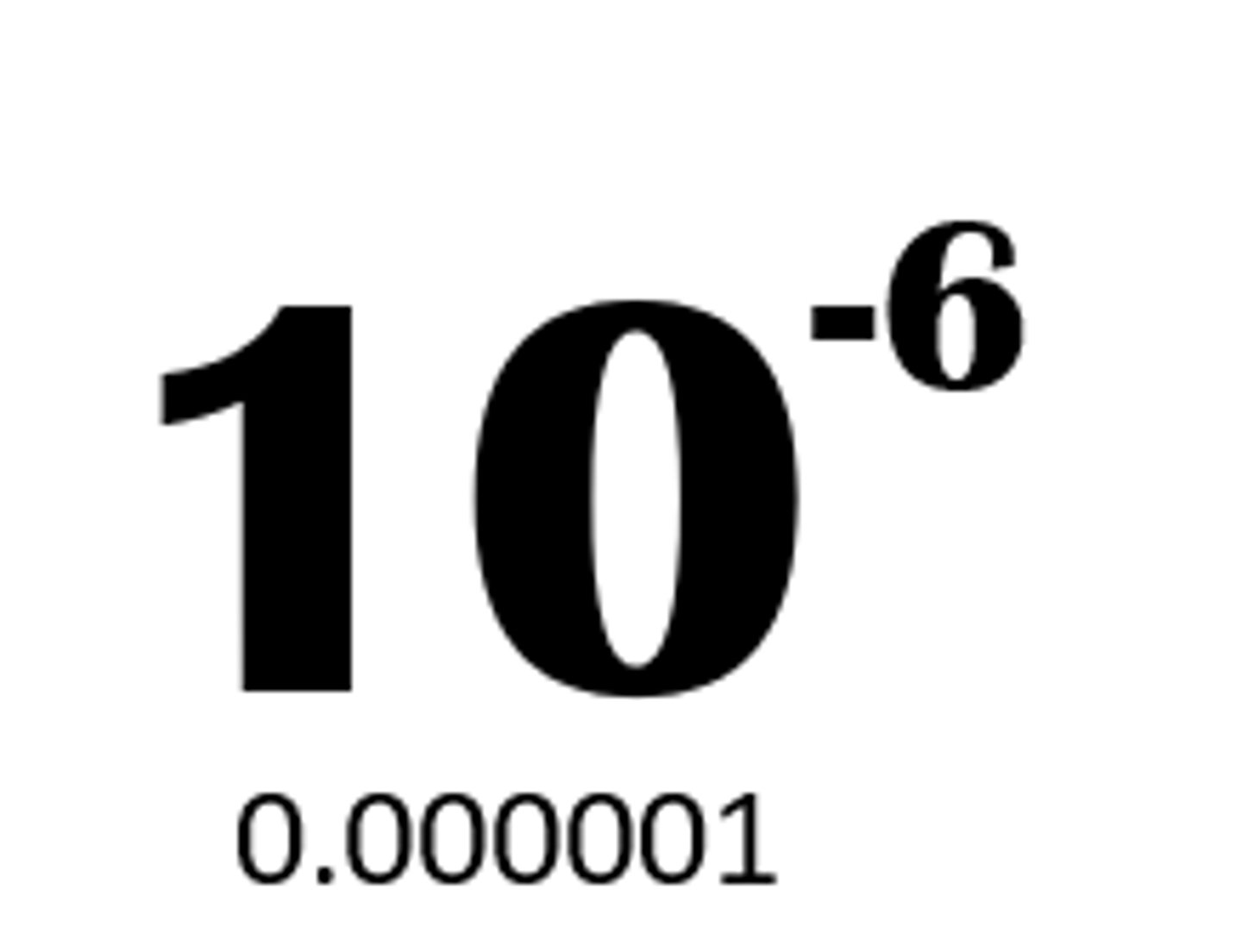
Nano
A prefix meaning one thousand-millionth (now called a billionth) of a unit
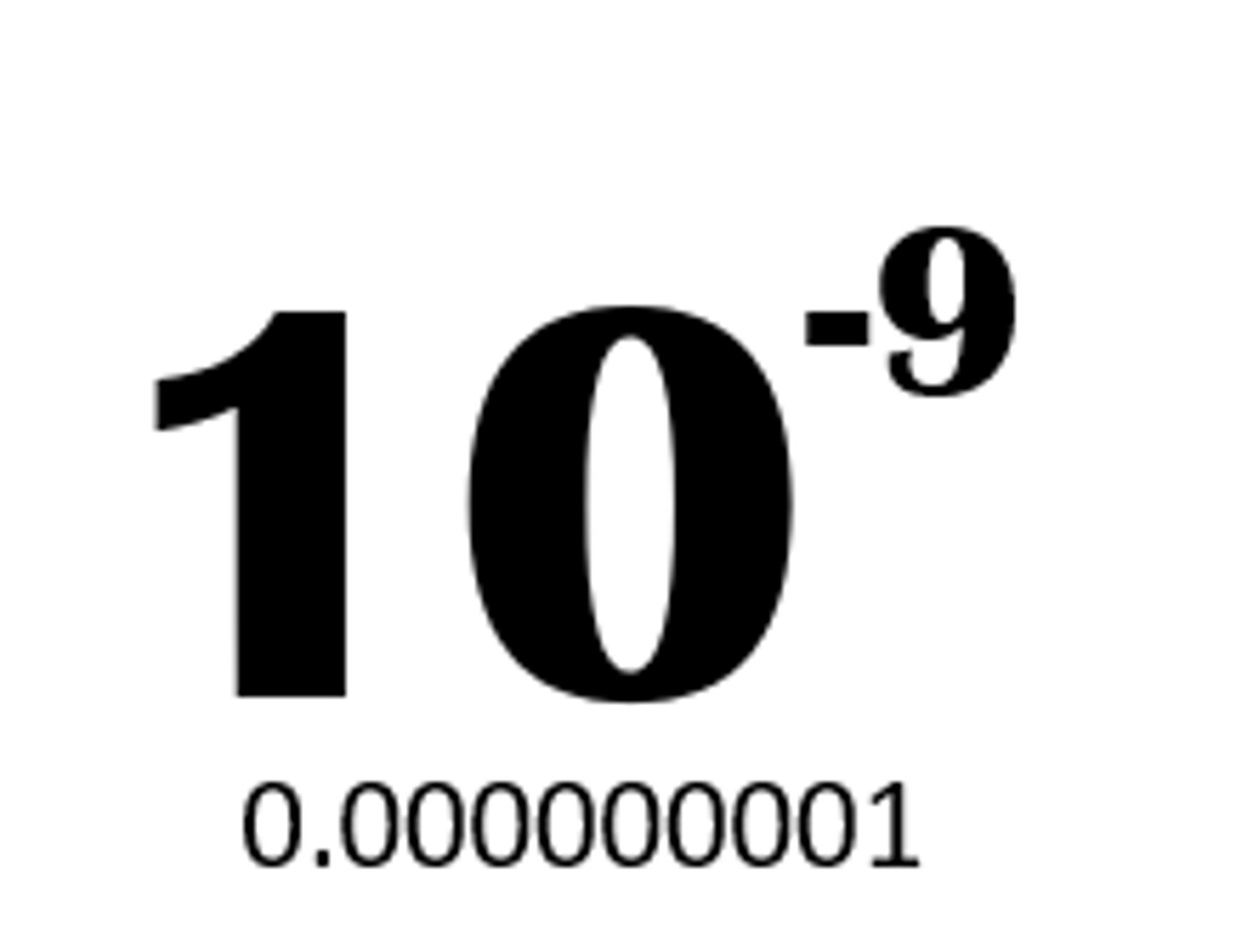
Pico
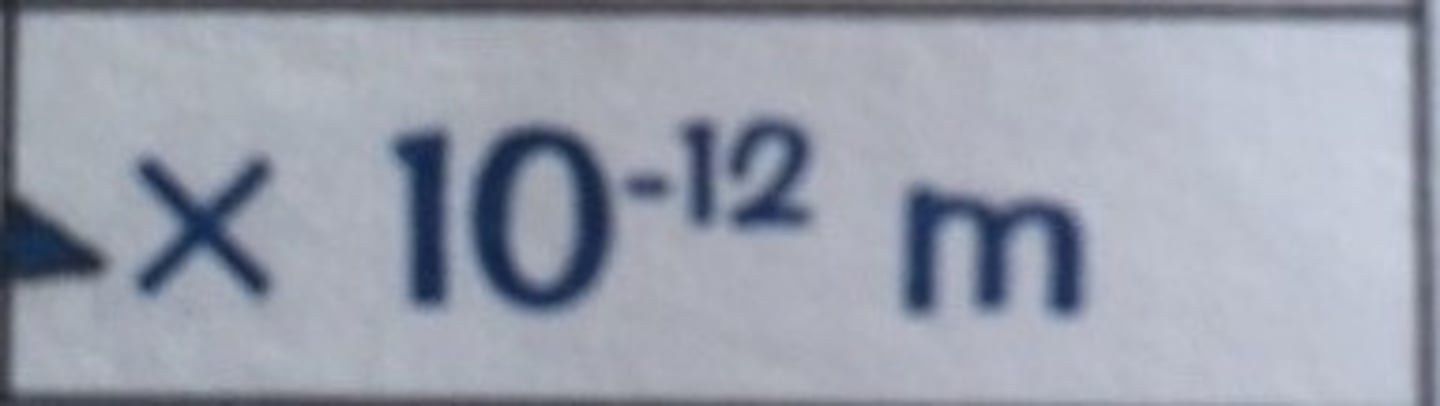
A prefix equating to one million-millionth (now called a trillionth) of a unit
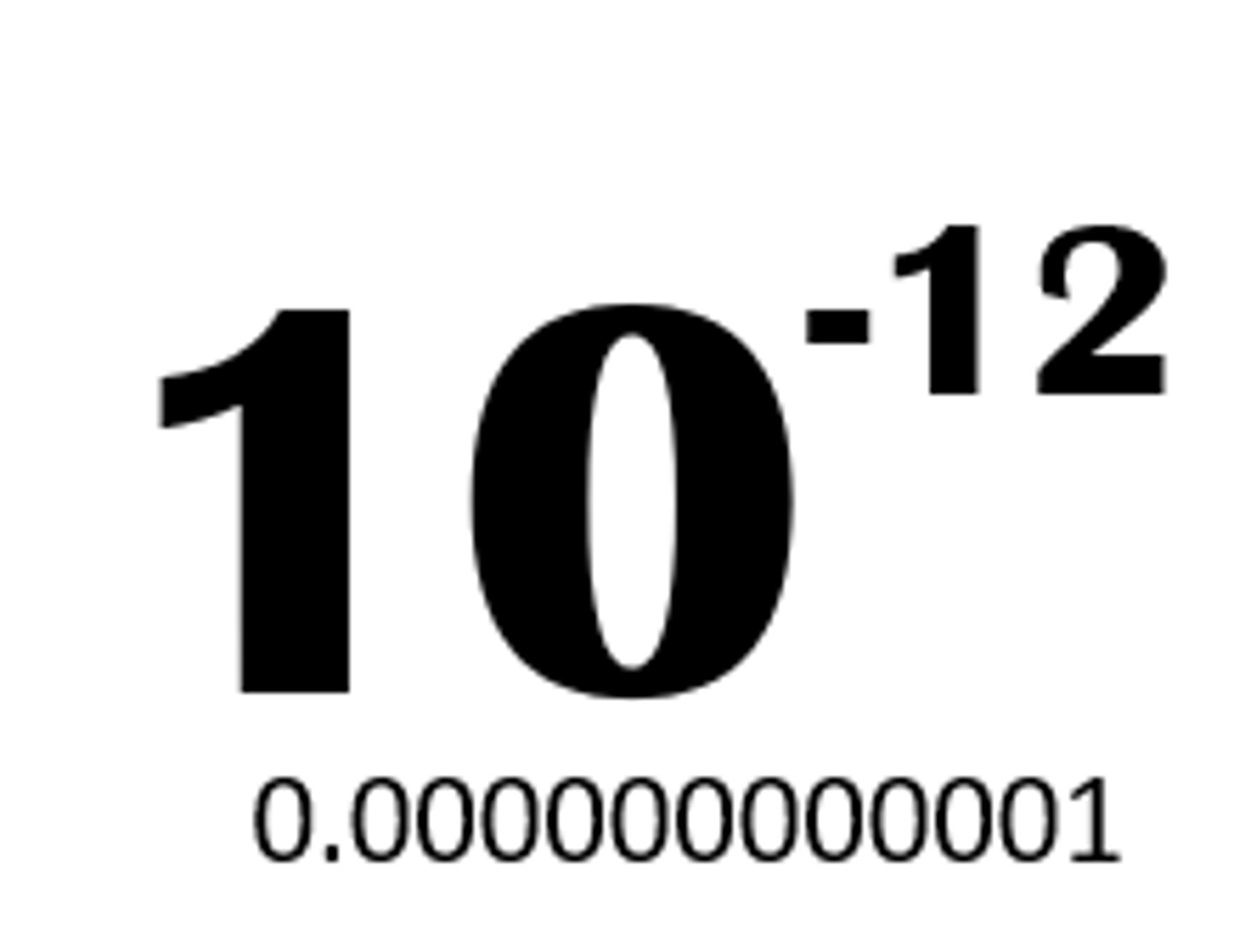
Image size
The size of an object on an image after magnification
Actual size
The actual or real size of an object before magnification
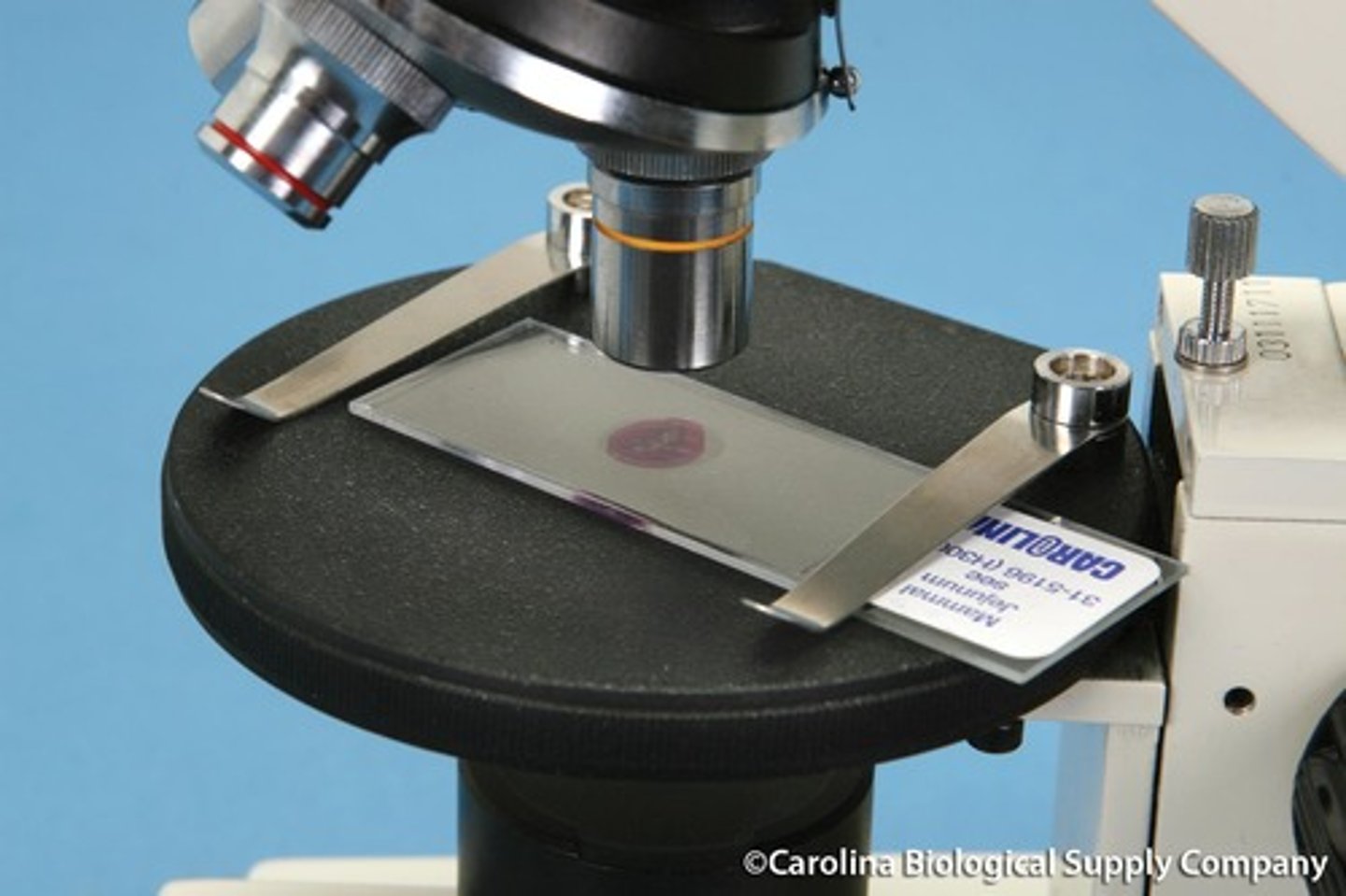
Sub-cellular structures
Structures or organelles that are found in the cell
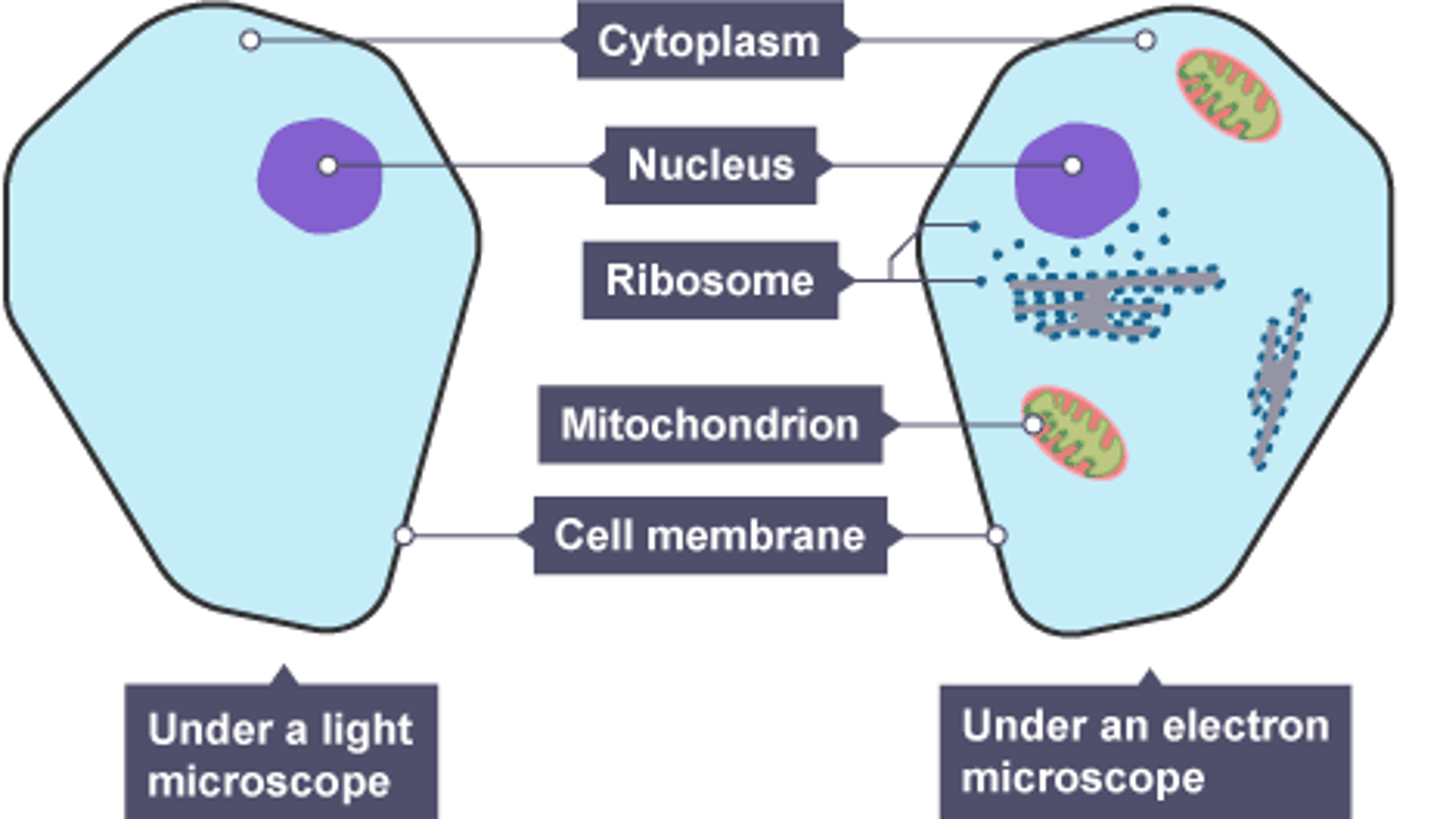
Staining techniques
The use of dyes such as iodine or methylene blue to better see cells and sub-cellular structures under a light microscope
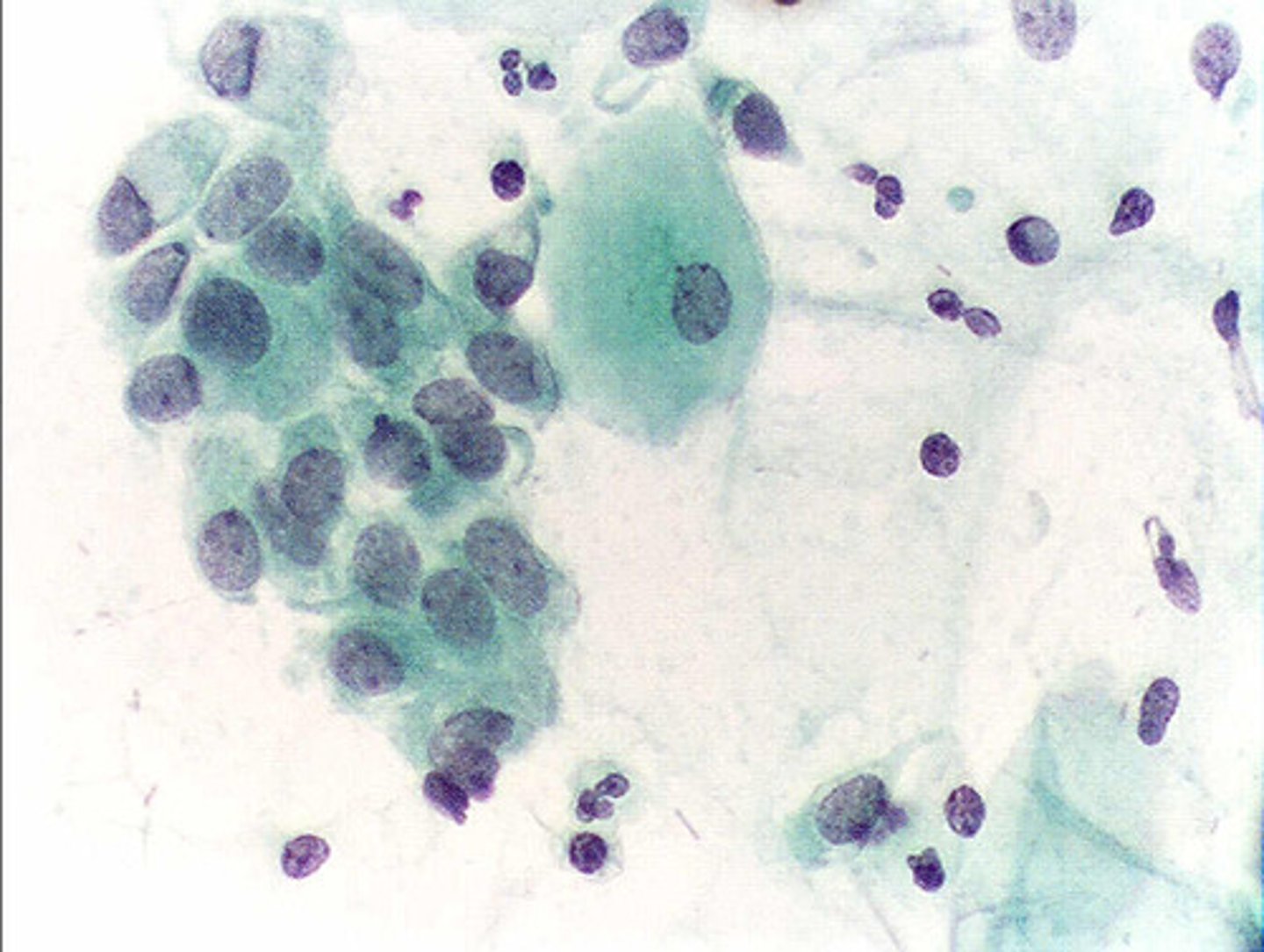
SI units
The preferred metric units for use in science such as metre, millimetre, micrometre
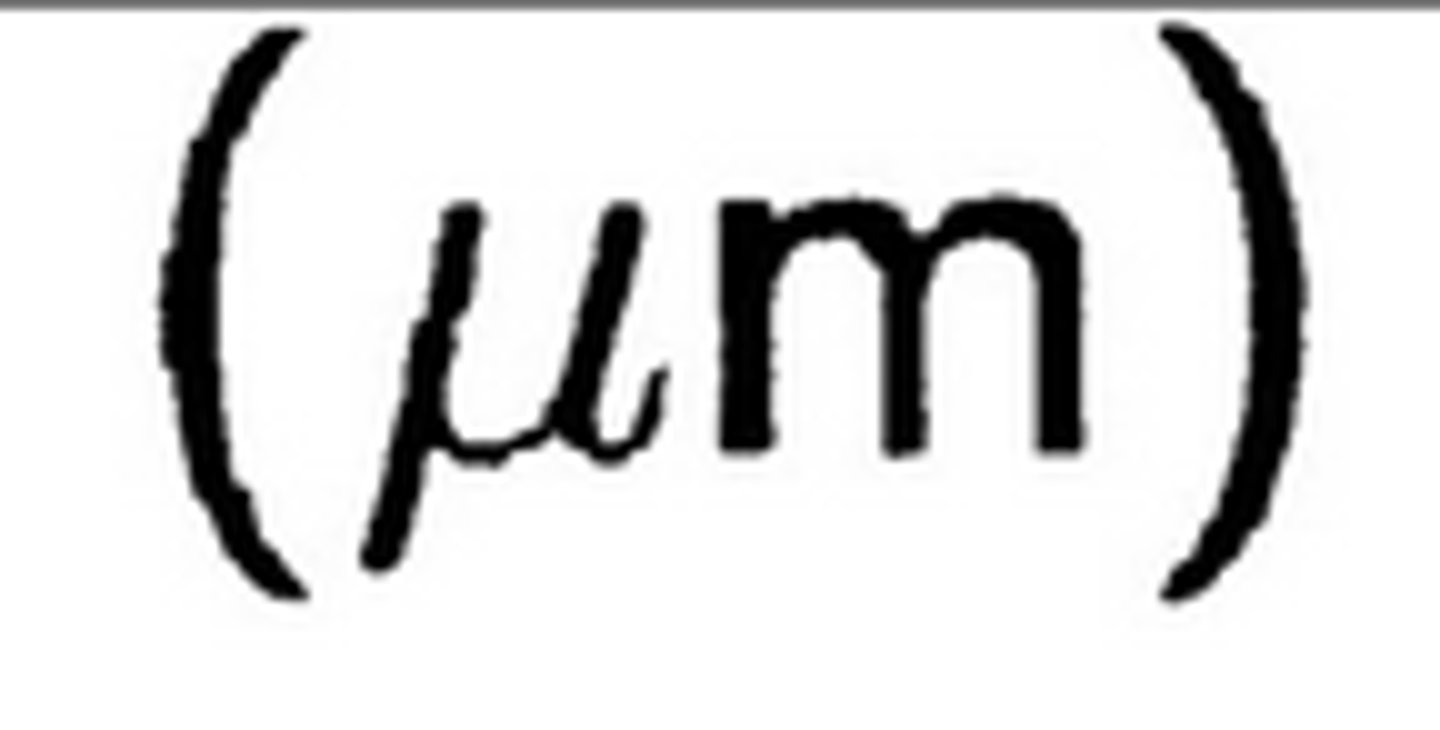
Micrometre
There are 1000 micrometres in a millimetre and 1000000 micrometres in a metre
Millimetre
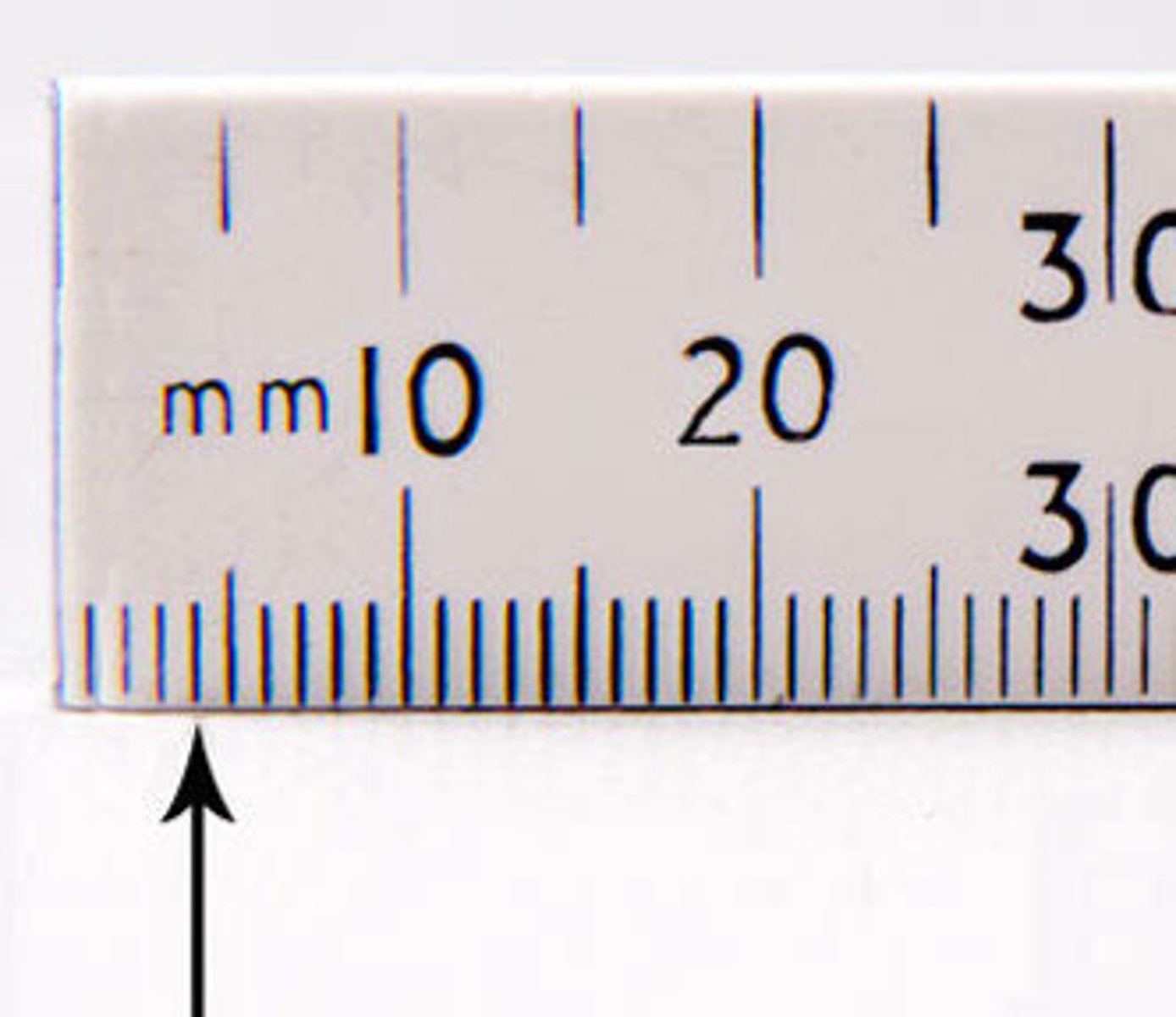
There are 10 millimetres in a centimetre and 1000 millimetres in a metre
Picometre
There are 1000 picometres in a micrometre, 1000000 picometres in a millimetre and 10^12 picometres in a metre
Earliest microscopes
Dutch spectacle maker Janssen experimented with putting lenses in tubes in the 1590s, he made the first compound microscope that could have magnified from ×3 to ×9
Robert Hooke
British scientist, Robert Hooke (also famous for his law of elasticity in Physics) observed and drew cells using a compound microscope in the 1650s
Antonie van Leeuwenhoek
Dutch scientist who constructed a microscope with a single spherical lens in the late 1600s, it magnified up to ×275

