Camera shots
 Studied by 0 people
 Call Kai
 Learn
Learn Practice Test
 Spaced Repetition
 Match
Match Flashcards
 Knowt Play
1/9

There's no tags or description
Looks like no tags are added yet.
Name | Mastery | Learn | Test | Matching | Spaced | Call with Kai |
|---|
No analytics yet
Send a link to your students to track their progress
10 Terms
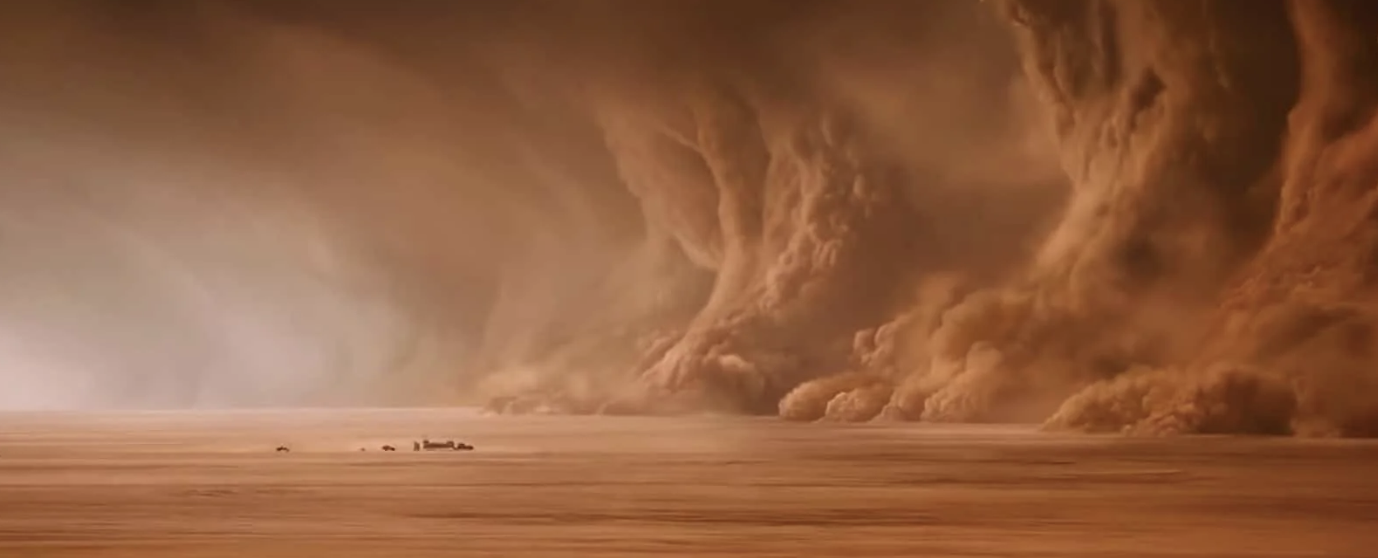
Extreme Long Shot (ELS) or Extreme Wide Shot (EWS)
An extreme long shot (or extreme wide shot) makes your subject appear small against their location. You can use an extreme long shot to make your subject feel distant or unfamiliar.
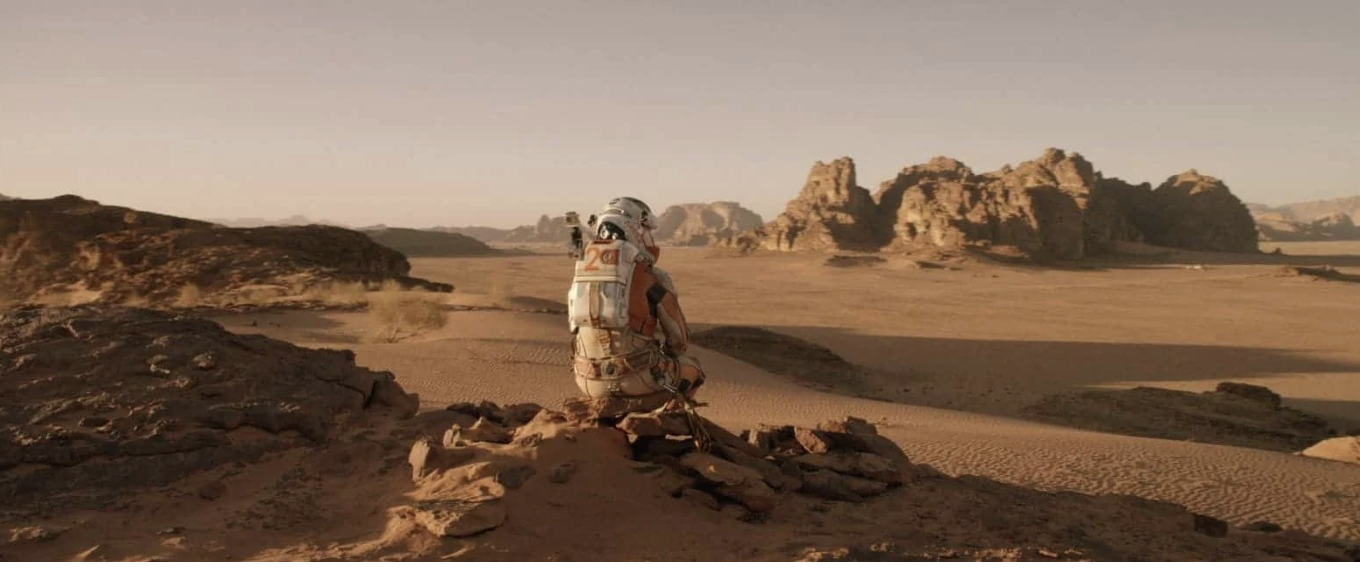
Long Shot (LS) or Wide Shot (WS)
The long shot (also known as a wide shot, abbreviated “WS”) is the same idea, but a bit closer. If your subject is a person, then his or her whole body will be in view — but not filling the shot. Here's an example of the wide shot size from The Martian, one of the best 2015 movies.
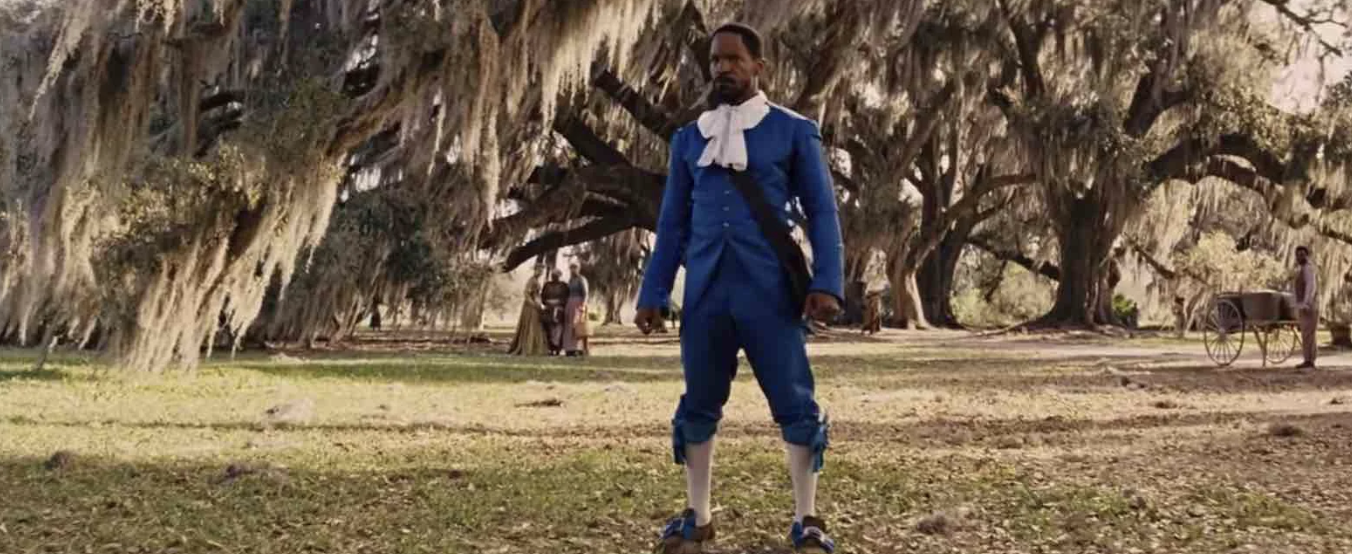
Full Shot (FS)
frames a subject's entire body from head to toe, while still leaving some room for the surrounding environment.
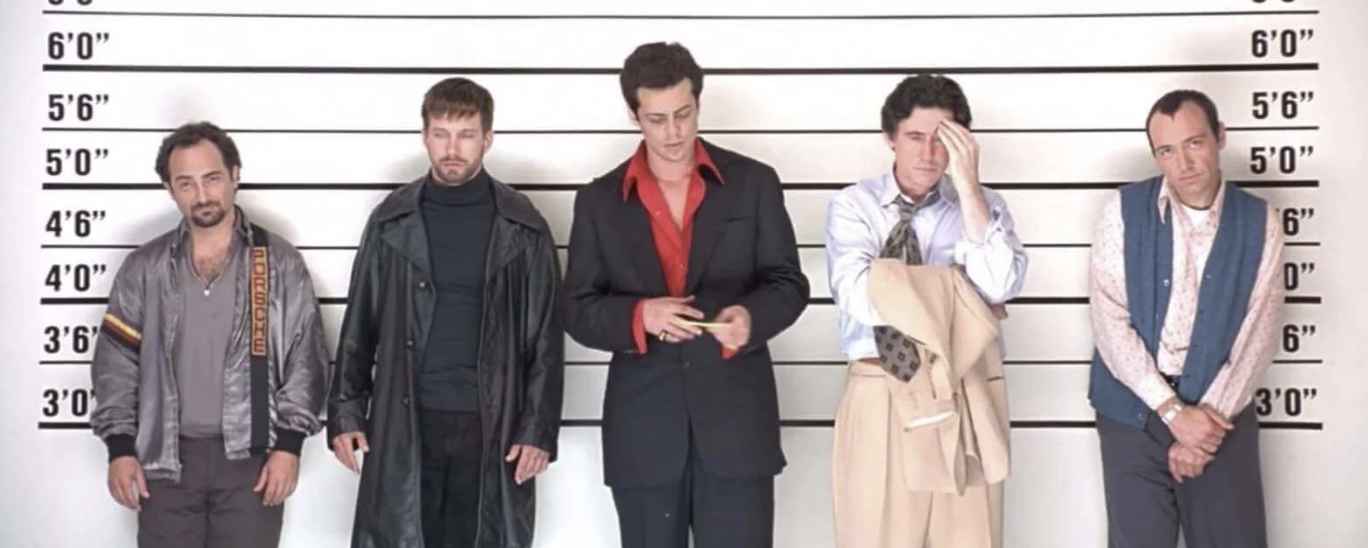
Medium Wide Shot (MWS)
A medium wide shot (aka medium long shot) frames the subject from roughly the knees up. It splits the difference between a full shot and a medium shot. Here's an example of the medium wide shot size from one of the best crime movies, The Usual Suspects:
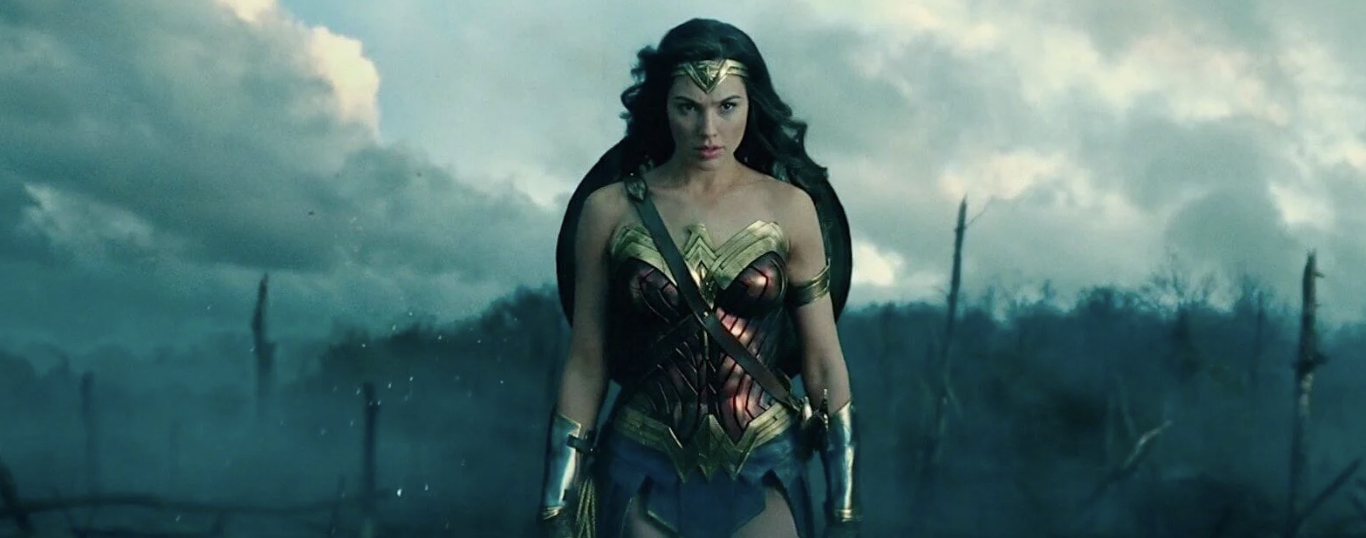
Cowboy Shot (CS)
A variation on this is the Cowboy Shot, which frames the subject from roughly mid-thighs up. It’s called a “cowboy shot” because it is used in Westerns to frame a gunslinger’s gun or holster on his hip. Here's an example of the cowboy shot size from one of the best movies of 2017 Wonder Woman.
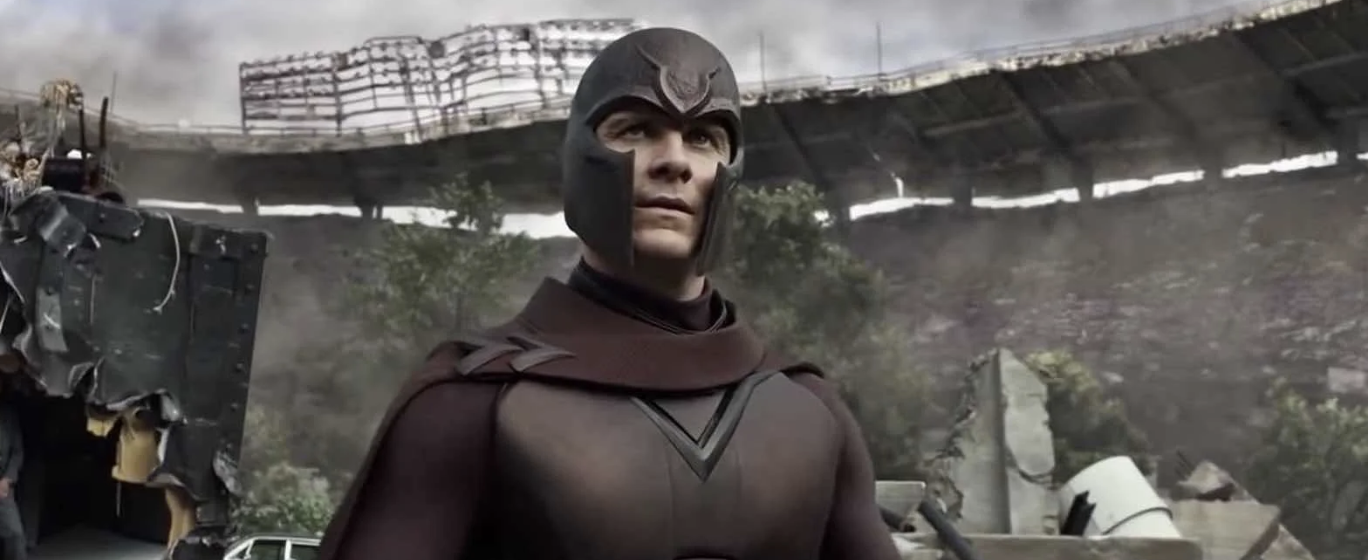
Medium Shot (MS)
The medium shot is one of the most common camera shots. It's similar to the cowboy shot above, but frames from roughly the waist up and through the torso. So, it emphasizes more of your subject while keeping their surroundings visible. Here's an example of the medium shot size from one of the best superhero movies X-Men: Days of the Future Past.
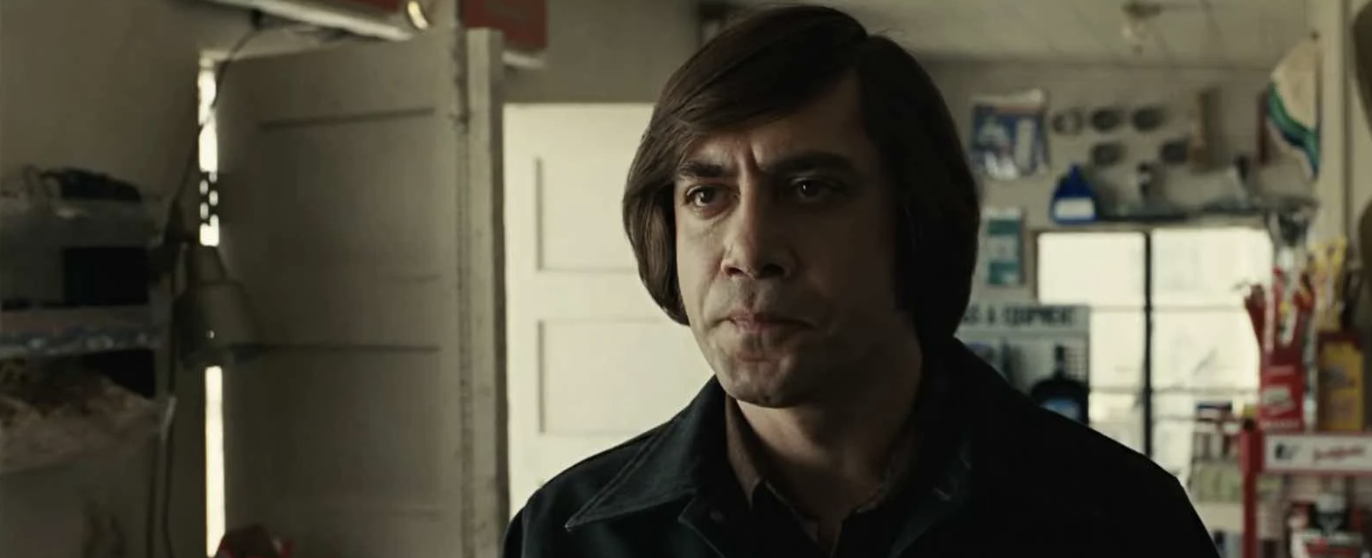
Medium Close Up Shot (MCU)
The medium close-up frames your subject from roughly the chest up. So, it typically favours the face but still keeps the subject somewhat distant.
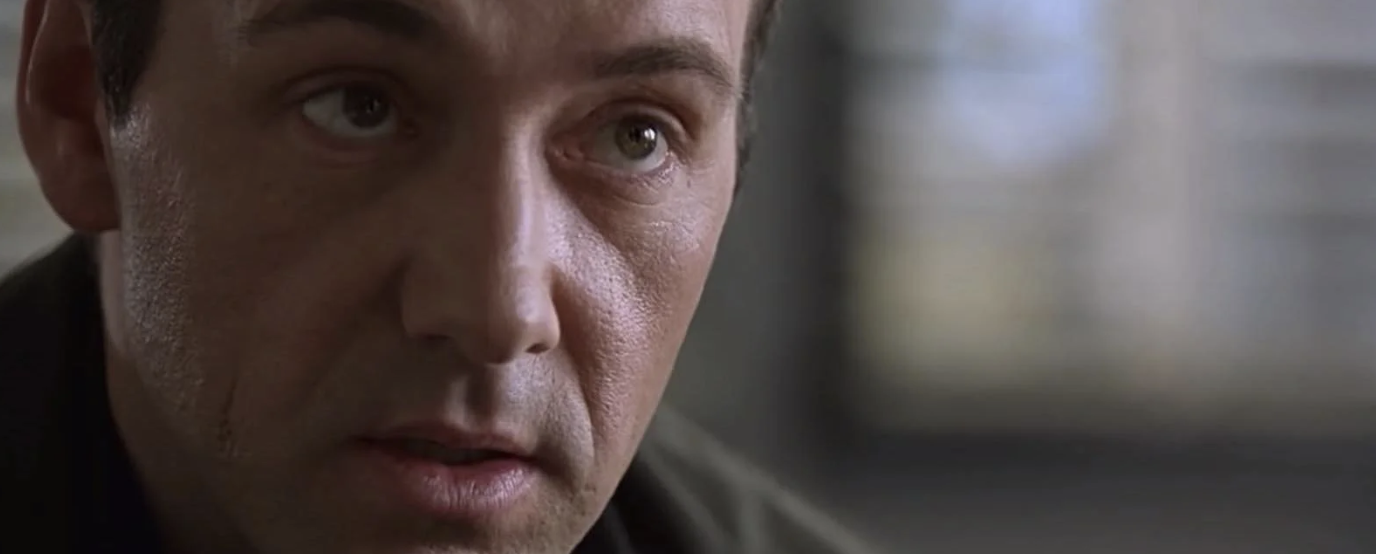
Close Up (CU)
You know it’s time for a close-up shot when you want to reveal a subject’s emotions and reactions. The close-up camera shot fills your frame with a part of your subject. If your subject is a person, it is often their face. Here's an example of the close-up shot size:
Extreme Close Up (ECU)
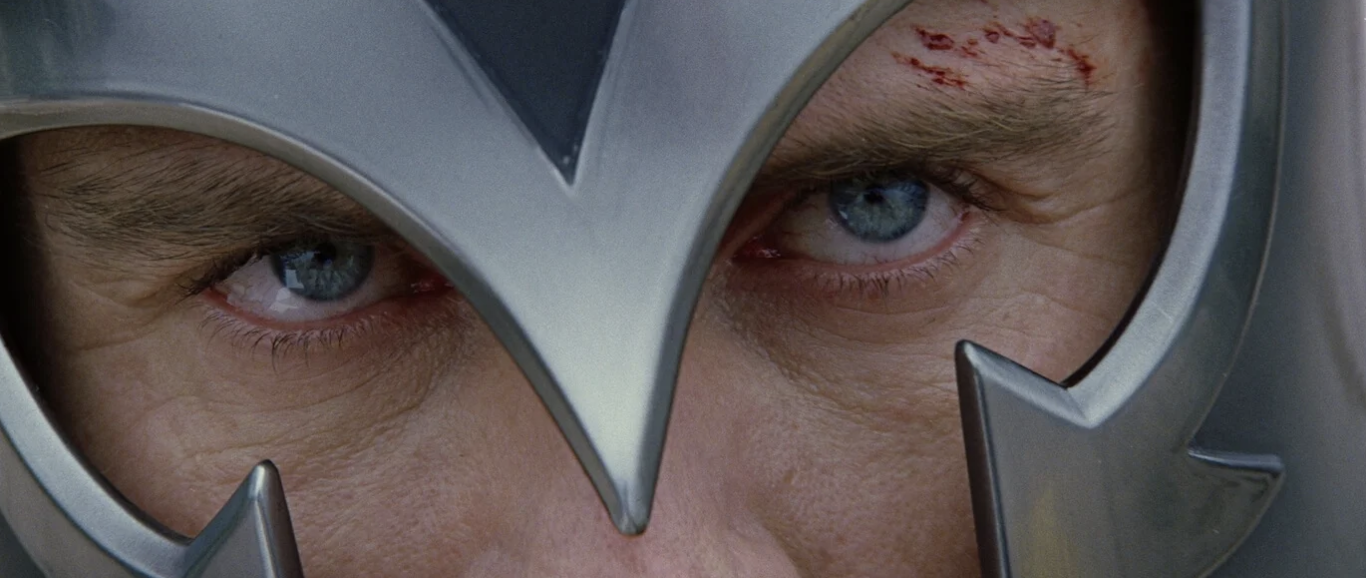
An extreme close-up is the most you can fill a frame with your subject. It often shows eyes, mouths and gun triggers. In extreme close-up shots, smaller objects get great detail and are the focal point.
What is an establishing shot?
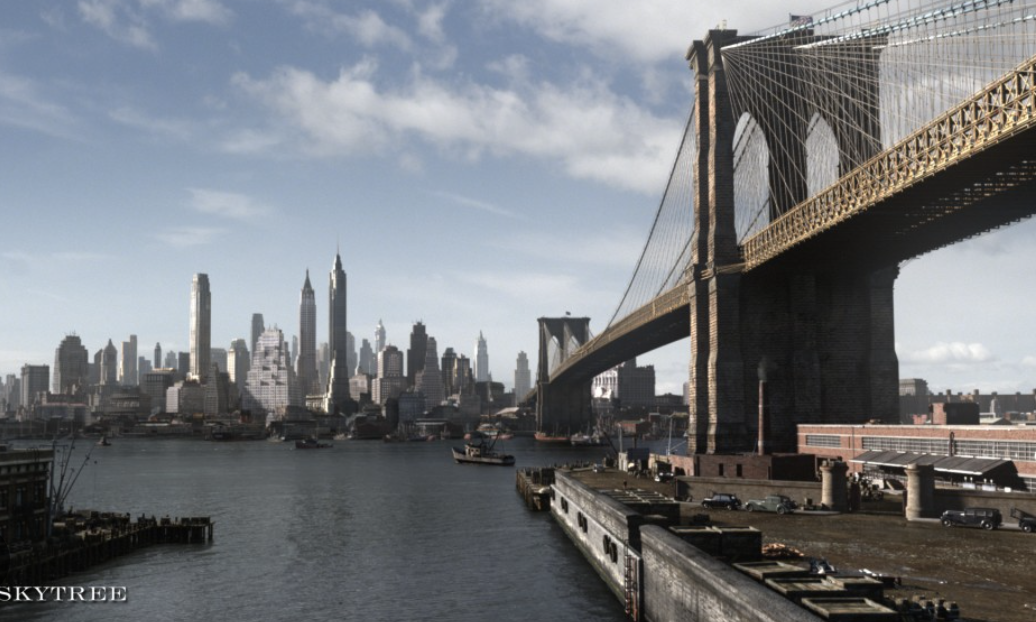
An establishing shot is a shot in filmmaking or television that sets up the context for the scene ahead, designed to inform the audience where the action will be taking place. It shows the relationship between people and objects and establishes the scene’s geography.
 Note
Note  Flashcards (73)