Exam I: Wildlife Techniques
 Call Kai
 Learn
Learn Practice Test
 Spaced Repetition
 Match
Match Flashcards
 Knowt Play
1/63

There's no tags or description
Looks like no tags are added yet.
Name | Mastery | Learn | Test | Matching | Spaced | Call with Kai |
|---|
No analytics yet
Send a link to your students to track their progress
64 Terms
For which species can you determine sex by physical characteristics?
Chorus Frogs
What are the 3 R’s in the context of the use of animals for research?
Replacement, Reduction, Refinement
What is an example of reduction?
Using a statistical power analysis to determine the minimum number of animals need to detect a difference between groups
What are identified as challenges to the 3R’s in Wildlife Research (reading/lecture)?
Wildlife research has ecological impacts that are not considered with the 3 R’s
Replacement is not possible when studying a target species
I have received a federal grant to study koala habitat selection using GPS transmitter. When can I begin conducting research on this grant?
Not until a final IACUC protocol has been approved by the committee and I have been notified I can work
True/False: Wildlife is in the public trust, which means that all members of the public have the right to work with wildlife.
False: Wildlife belongs to everyone but they’re managed by the government on behalf of the public
Which pain category does observing an animal and recording behavioral data fall under?
C
Humane Endpoints Criteria describe when its time to:
remove an animal from a study
discontinue a painful procedure
Which of the 3 R’s is most commonly used in wildlife research?
Refinement
Capture myopathy is:
Muscle damage caused by physical exertion or stress that can result in death.
Which item below should not be considered when selecting a capture device?
Cost (not the main consideration)
What is stress and why do we try to minimize it when handling animals?
Stress is defined as a physiological reaction to adverse stimuli that triggers an animals “fight-or-flight” response. We try to minimize stress when handling animals to protect their welfare as well as our safety.
What factors can be negatively influenced by stress?
body size
reproduction
behavior
physiological health
population size (in some cases)
For what species would it be susceptible to capture using a pitfall trap?
Western harvest mouse
Long-tailed shrew
Western fence lizard
Spring peeper
Avoiding setting traps in areas with high sun exposure during the day is an example of:
Refinement
What are appropriate target species for a rocket net?
Eastern turkeys
Waterfowl
What is the difference between a Bal-chatri trap and a noose trap?
A Bal-chatri trap has fine filament nooses and attracts the animal using a lure animal, whereas a noose carpet also has fine filament nooses, but is placed in a spot the animals are expected to land.
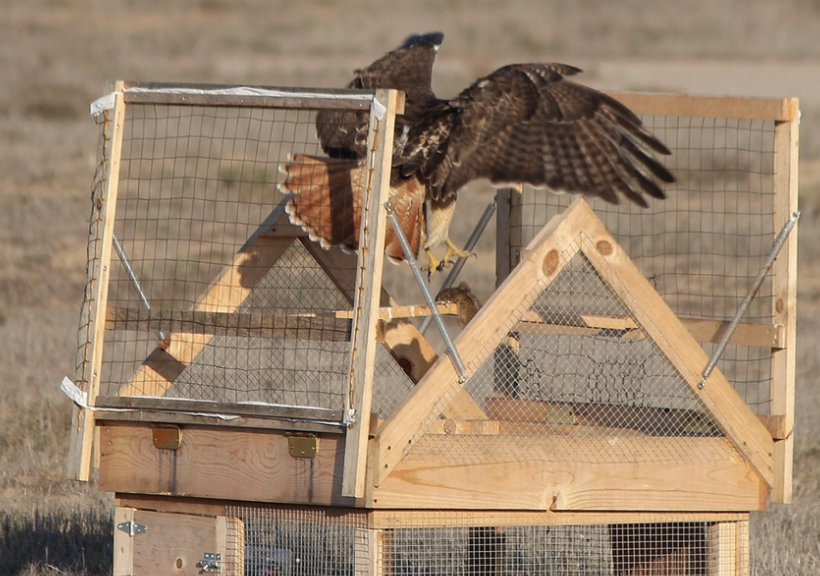
What is the name of this trap?
Swedish goshawk trap
What is not a benefit of standardization of methods in electrofishing surveys?
It offers flexibility in timing of surveys so can avoid bad weather.
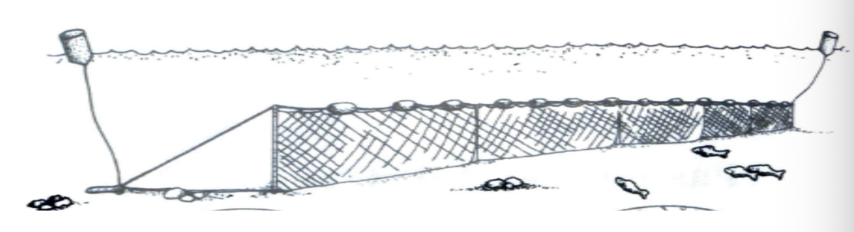
What kind of net is shown?
Sinking gill net because its sticks to the ground instead of floating
True/False: Trap nets are constraint traps
True
How are gill nets selective?
Only fish of a specific size and shape can be captured by a particular mesh size, if not they can escape.
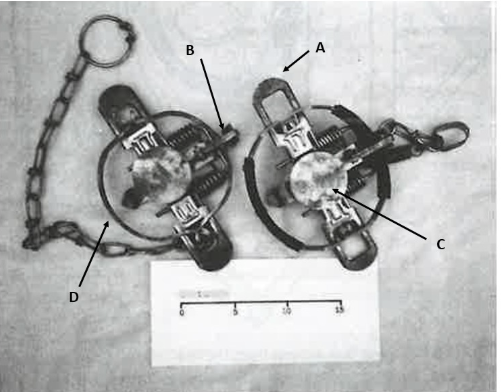
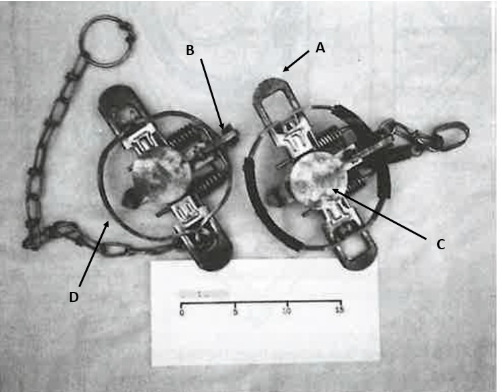
What part is labeled A?
Ear
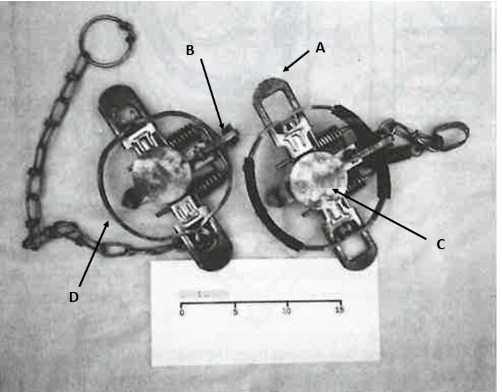
What part is labeled B?
Dog
What part is labeled C?
Hand
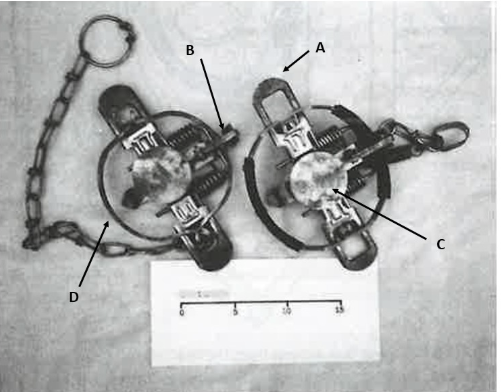
What part is labeled D?
Jaws
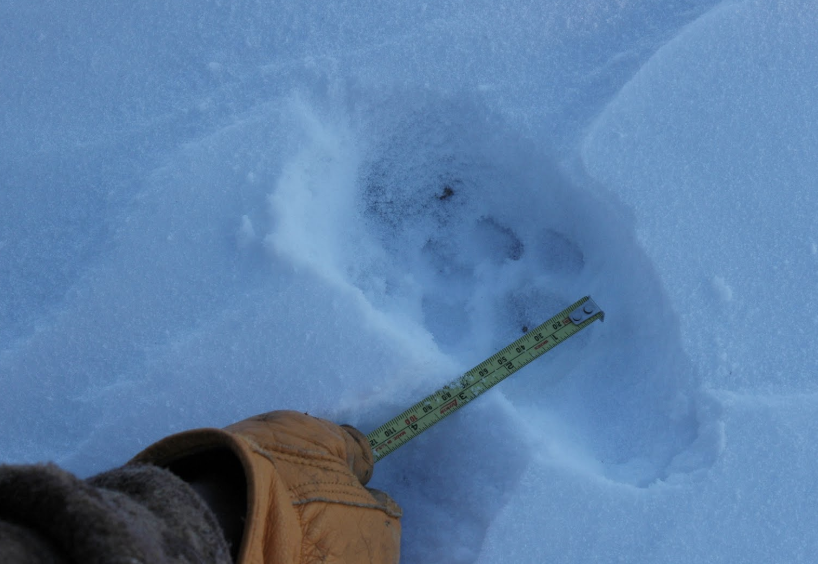
Is this a felid, canid, or bear?
Felid
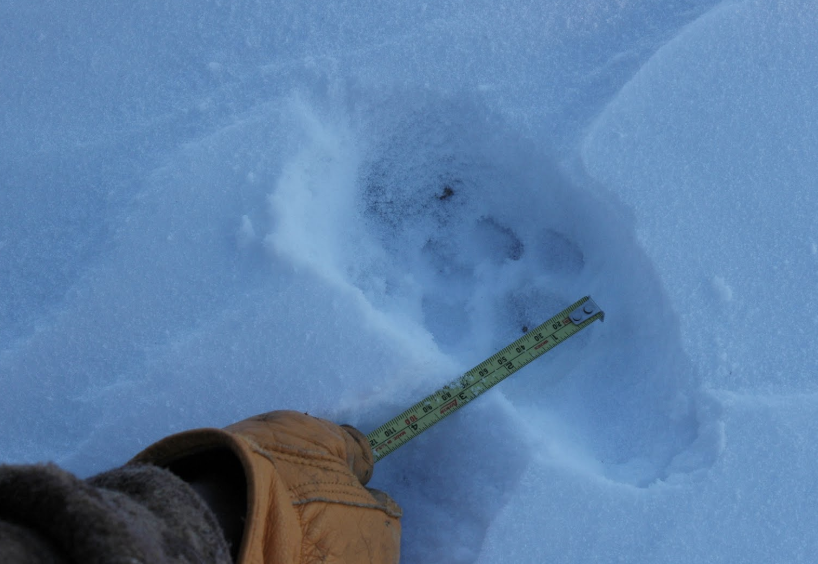
Is this the left or right paw?
Right because it has a leading toe (Felids are asymmetrical)
Plantigrade:
Animals that walk in their entire foot, specially toes, metatarsals, and heel flat to the ground (Humans and bears)
Digitigrade:
Form of locomotion where animals walk or run on their toes rather than their heelsk increases speed and efficiency (dogs and cats)
Unguligrade:
Form of locomotion where animals walk or run. on their toes, which are usually protected by hooves
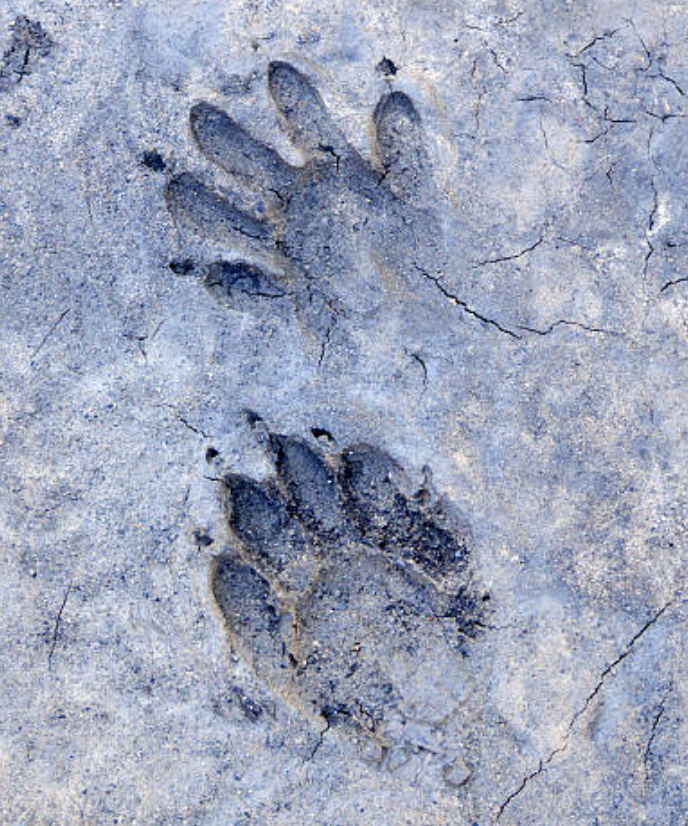
Is this plantigrade, digitgrade, or unguligrade?
plantigrade
Which gait has a one gathered suspension?
lope
True/False: Is it better to underestimate an animals weight because it reduces the chances of overdosing.
False because we always want to overestimate because most of the drugs we use have a HIGH THERAPEUTIC INDEX, we’re very unlikely to overdose them. If they become underdosed, they could be a threat to themselves and to others.
What is the most common mode of drug administration in wildlife immobilizations?
intramuscular
True/False: Sedatives, tranquilizers, and anesthetics all depress the central nervous system.
True
Which is generally used as a secondary agent to smooth out the onset of the primary agent?
Tranquilizers
What is the difference between monitoring capillary refill time and color or mucus membranes (what do each give information about)?
MMC deals with the respiratory system
oxygenation
hemoglobin levels
perfusion status
CTR deals with the cardiovascular system
measures the speed of blood returning to the peripheral capillaries
tells the efficiency of the peripheral circulation
blood flow to tissues
indicator of shock
Wildlife telemetry is best defined as:
remote measurement and tracking of animals using transmitted signals
Which telemetry method typically provides the highest spatial accuracy?
GPS telemetry because it gives the exact location of the animal that you’re monitoring
Not satellite telemetry because its not as a precise measurement as the GPS, it just tells you where the signal comes from, not the animal
What is the most common type of telemetry used in wildlife studies?
Very High Frequency telemetry (VHF Telemetry)
What are the 5 components of a VHF transmitter?
Circuit board
power supply
encapsulation material
antenna
attached method
True/False: Researchers can estimate population abundance using telemetry
False
True/False: Researchers can estimate population parameters including survival and recruitment using telemetry.
True
What is the best method to select if you are interested in studying migration movements of elk in the Canadian Rockies?
GPS tags with satellite transmission of data
Rank in order of increasing accuracy: Cementum annulli, marking behavior, tooth wear and replacement.
Marking behavior
Tooth wear and replacement
Cementum annulli
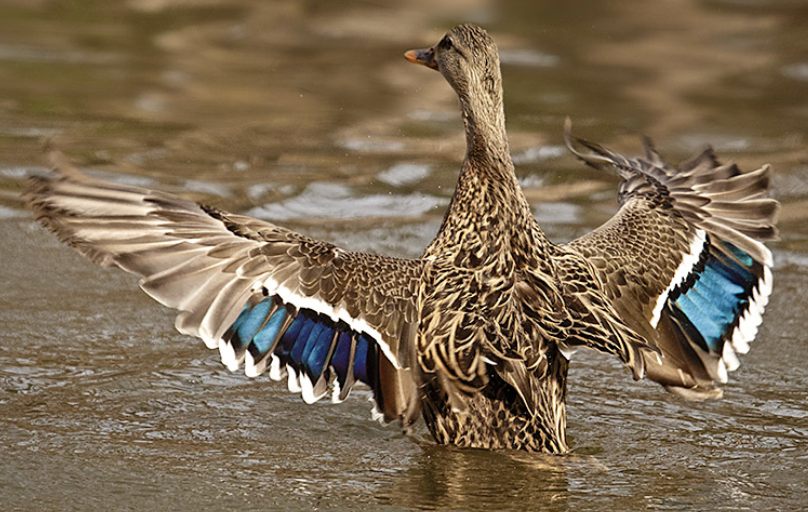
Is this a male or female mallard?
Female
True/False: adult female sea eagles are smaller than adult male sea eagles.
False
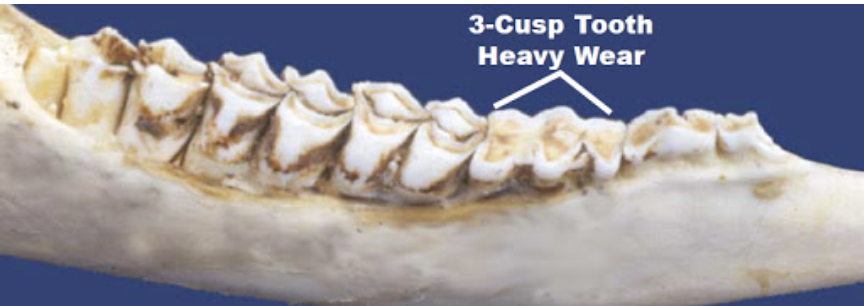
How old is this deer?
1.5 years (Tricuspid later on third premolar)
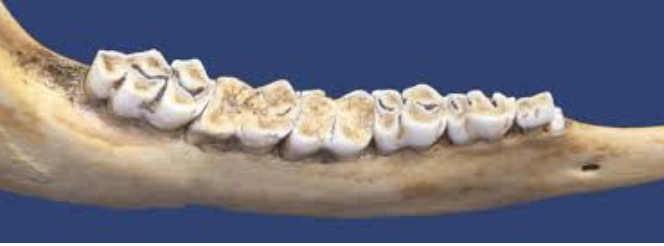
What stage is this deer in?
Mature adult (6 teeth or more)
Rank the type of mark with the correct hierarchy: Natural marks, non-invasive marks, invasive marks.
Natural marks
Non-invasive marks
Invasive marks
What is not a quality of an ideal marking technique?
Be easily removed
True/False: It is preferable to fit an animal with a loose neck collar.
False: It can be dangerous to itself and to others if it gets loose
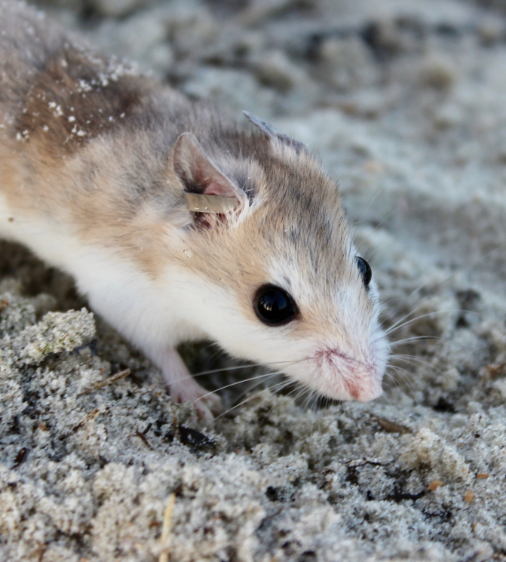
Is this a band or a tag? Invasive or noninvasize
Tag (across the ear) and Invasive (perforates through the animals ear)
Why do we age deer?
compare conditions relative to age-specific expectations to track progress of management efforts
monitor changes in age class composition of harvest
What is Cementum Annulli?
Annual growth rings found in tooth cementum of mammals, help determine age of animal
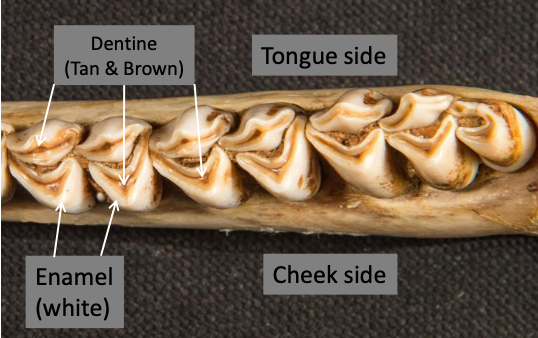
Dentine (brown) and Enamel (white) in deer teeth:
Helps us determine how old a deer can be. If the tooth has more dentine and less enamel, the deer is older.
What factors can help you determine a deer’s age?
amount of dentine and enamel
number of teeth (6 or more is at least 1.5 years)
how sharp teeth are
bicuspid or tricuspid on third premolar
bicuspid is (2+)
tricuspid is (1.5-)
What are the qualities of an ideal mark?
minimal pain or stress
no adverse effects on reproduction or survival
permanently mark
be recognizable at a distance
easy to apply
easy to assemble
relatively inexpensive
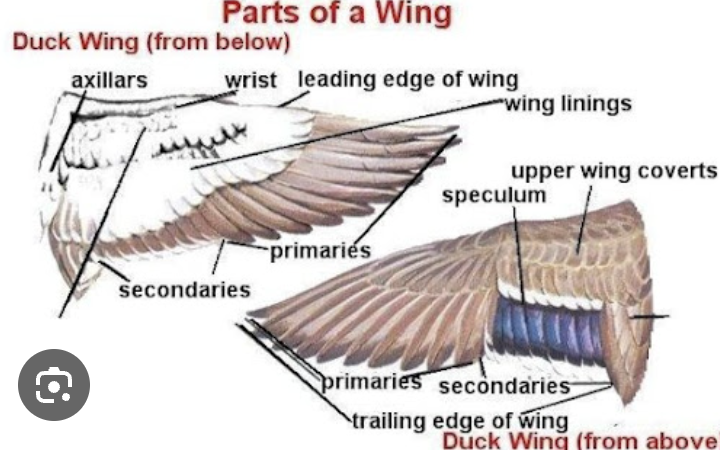
Layout of bird wings:
Primaries (wear, shape, molt limits, buffy tips)
Secondaries (pattern/edging, buffy tips)
Speculum (colors and borders)
Tertials (shape and patterns)
Coverts (top part of wings)
Axillaries (divers)
What is Refinement? Give an example.
Improvements to scientific procedures and housing that minimize pain, suffering, or distress, and enhance animal welfare.
Using improved anesthesia, analgesics for pain relief, or providing environmental enrichment for social animals
Reduction
Strategies that minimize the number of animals used per study, while still maintaining reliable data.
Using statistical analysis to calculate the minimum number of animals that are needed for data
What is Replacement? Give example.
Methods that avoid or replace the use of animals.
Using human cell cultures or computer models to test drug toxicity instead of live mice.
What are the pain categories for an animal according to USDA pain?
B is no pain
C is momentary pain
D is pain relieved by medication
E is unbearable pain

