bi303 marine dynamics
 Studied by 0 people
 Call with Kai
 Learn
Learn Practice Test
 Spaced Repetition
 Match
Match Flashcards
 Knowt Play
1/15

There's no tags or description
Looks like no tags are added yet.
Name | Mastery | Learn | Test | Matching | Spaced | Call with Kai |
|---|
No study sessions yet.
16 Terms
learning outcomes
what drives the dirstibution of ocean biomes/biodiversity
how extensive is ocean biodiversity and how much do we know?
earths surface vs ocean
71% ocean, 97% of all water on earth is in the ocean
beginning of all terrestrial life
primary protein source
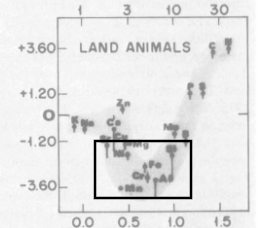
elements that make up living things =/= elements that make up earths crust
most common in living things are mostly soluble in saltwater, most comes from the ocean
soluble in saltwater
inside the square arent soluble, water as a sieve for elements //rewatch
marine biodiversity
lower than terrestrial biodiversity (1.5mil species richness vs 5mil) - not necessarily true, this is all the species that we know of. we know more about terrestrial organisms
mostly invertebrates, have microorganisms as well
marine biomes driven by
who is the primary producer!!
mangrove vs kelp
sort of complete each other irt the americas, mangrove located around the equator and kelp around the tropics
based on currents, upwelling, deep trench water
drivers of marine biodiversity
temperatures
currents and circulation
nutrients (upwelling/downwelling)
primary productivity
light
salinity
temperature
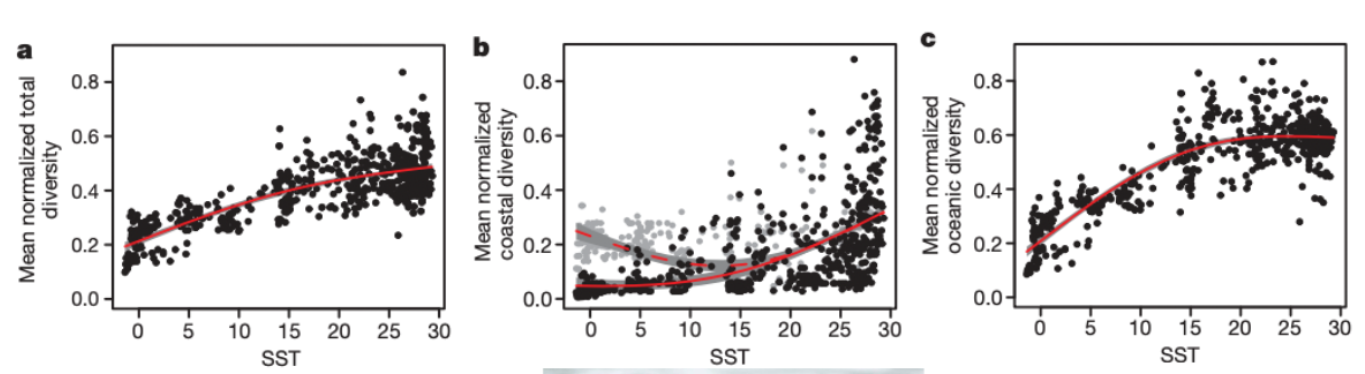
latitude based, cold at the poles, warm at the equator
graph is sea surface temperature vs amt of biodiversity * increasing diversity with increasing temperature
pinnipeds adapted to colder environments
currents and circulation
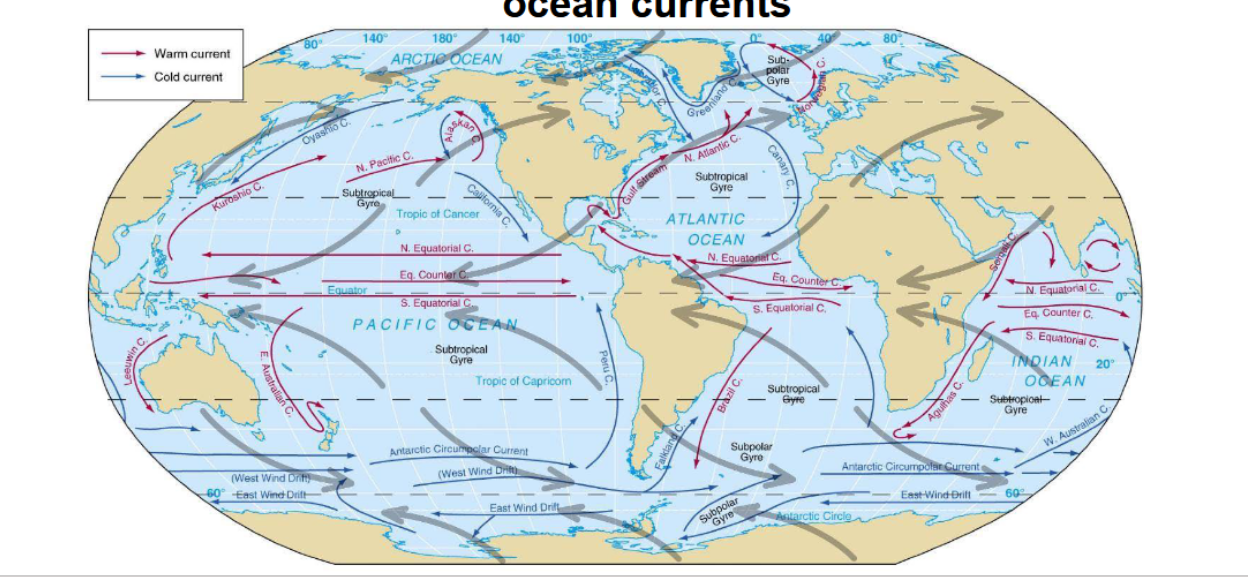
coriolis effect - wind moves clockwise in north hemi and ccw in south hemi
nutrients (upwelling/downwelling)
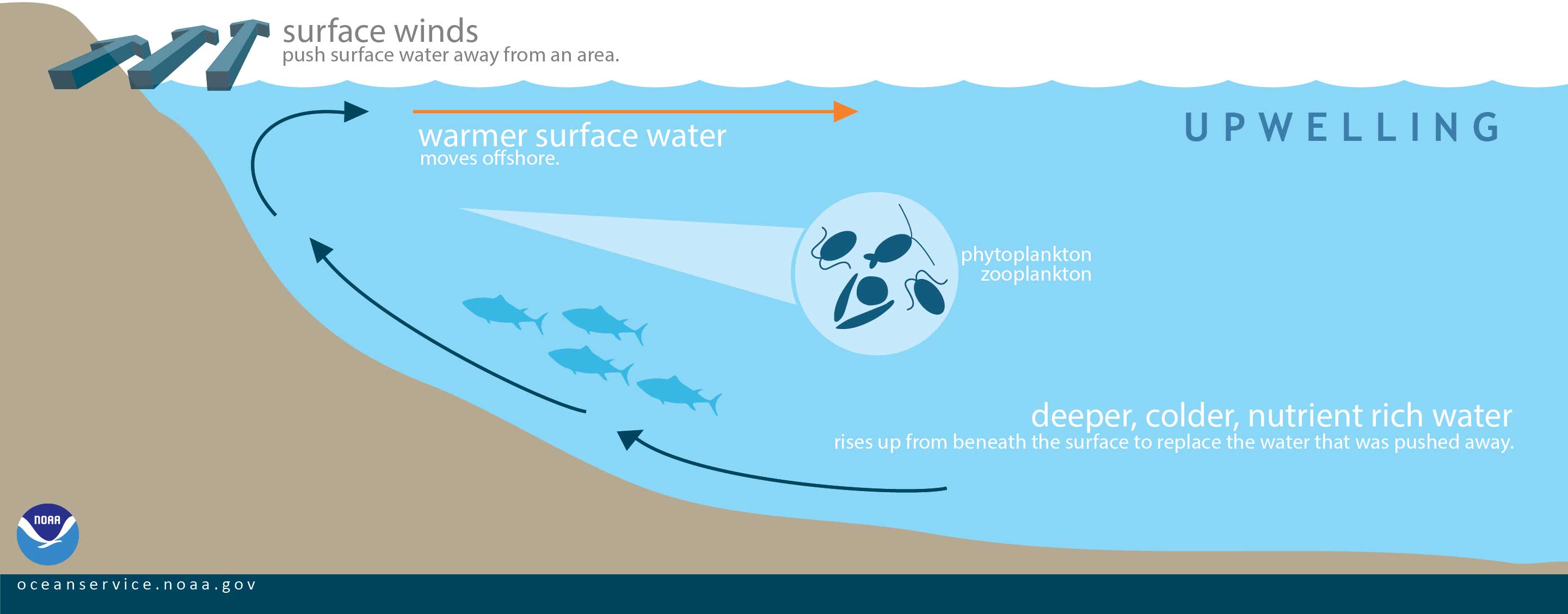
movement of water upwards/downwards - as water comes from land into more open ocean, deep water comes up and causes upwellings
nutrients at depth, so upwelling brings nutrients upwards while downwelling brings nutrients to deep water
primary productivity
ultimate limit on abundance and diversity
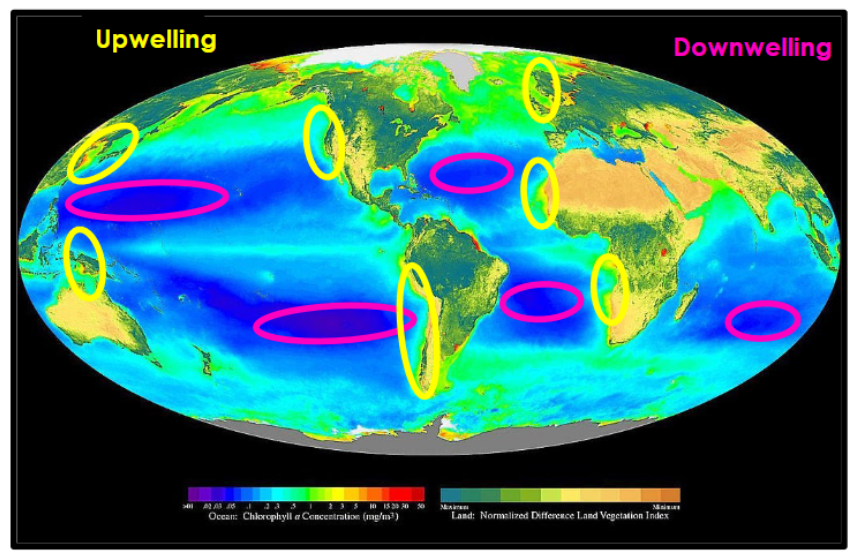
CHLOROPHYLL as a proxy of primary productivity - pigment of phytoplankton
graph of surface chlorophyll matches with areas of upwelling
light
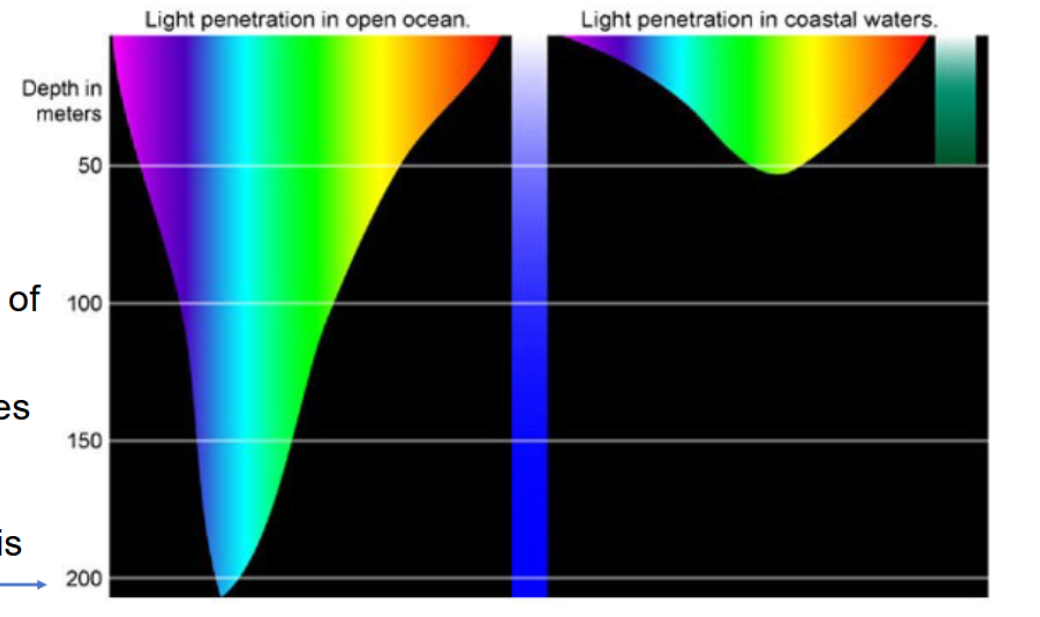
photic zone - 0-200m
not all light penetrates down to 200m
why coastal light doesnt reach 200m - lot of stuff in the way (phytoplankton, silt, dust, more particles essentially) so it physically cant reach
salinity
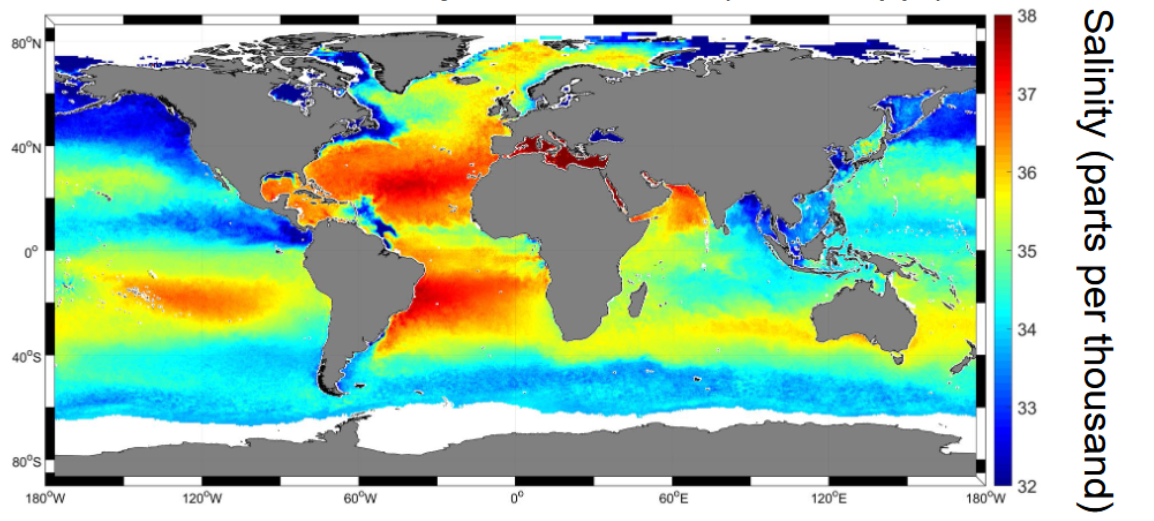
less variation 32 to 38ppt
35 ppt - average
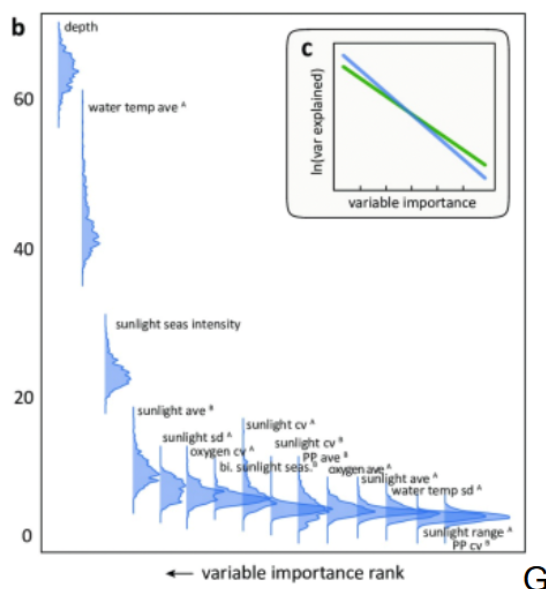
whats the most important variables for predicting marine biodiversity?
depth
water temp
sunlight
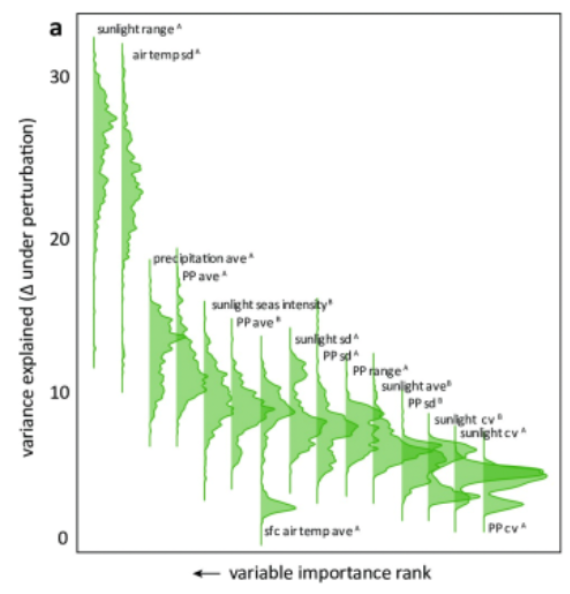
whats the most important variables for predicting terrestrial biodiversity?
sunlight
air temp
precipitation
(sunlight determines temperature)
 Note
Note  Flashcards (60)