Regulation of Gene Expression in Prokaryotes and Mutations
 Studied by 0 people
 Call Kai
 Learn
Learn Practice Test
 Spaced Repetition
 Match
Match Flashcards
 Knowt Play
1/17

There's no tags or description
Looks like no tags are added yet.
Name | Mastery | Learn | Test | Matching | Spaced | Call with Kai |
|---|
No analytics yet
Send a link to your students to track their progress
18 Terms
Gene expression
process of DNA being transcribed + translated into a functional protein
transcription
DNA to RNA
translation
RNA to protein
regulatory sequences
stretches of DNA that can promote or inhibit protein synthesis
regulatory proteins
interaction of regulatory sequences with ? controls transcription
histones
proteins that DNA wraps around
epigenetic changes
the character of histone packing (tight or loose) that regulates gene expression
loose = polymerase access
tight = restricted access, no transcription
phenotype
an organism’s ? is determined by gene expression
transcription factors
proteins that promote or inhibit transcription of a gene
all of these are regulatory proteins, but not all regulatory proteins are these
operons
closely linked genes that produce a single mRNA during transcription
genes, regulatory sequence, operator (components)
lac operon
a type of operon that is inducible because it can turn on
it’s usually in the off position
inducers
induce operons hence releasing regulatory proteins
releasing these proteins allow RNA polymerase to start transcribing genes
trp operon
example of operon that is repressible (able to turn off)
it’s usually on, but it can turn off under the right circumstances
co-repressor
on a repressible operon like trp operon, the binding of a ? to a repressor protein activates the repression
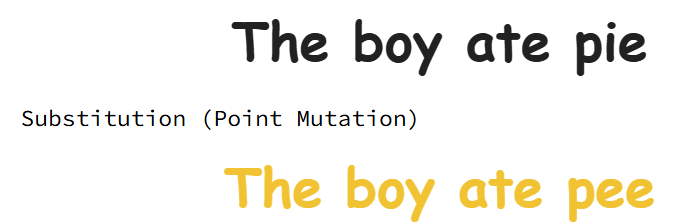
point mutation
when one nucleotide has been substituted for a different nucleotide
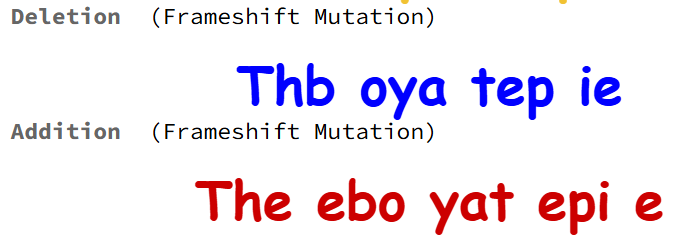
frameshift mutation
when one or more nucleotides are inserted / deleted, causing reading frame to shift
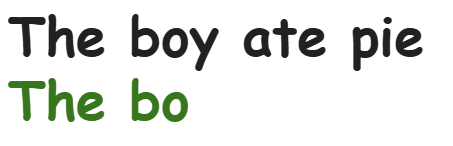
Nonsense mutation
when a point mutation causes a premature stop
silent mutation
when change in nucleotide sequence has no effect on amino acid sequence
 Note
Note  Flashcards (94)