Topic 10/11 - Electricity, Circuits and Static Electricity
 Call Kai
 Learn
Learn Practice Test
 Spaced Repetition
 Match
Match Flashcards
 Knowt Play
1/153

Earn XP
Description and Tags
154 Terms
Define: Current
Rate of flow of charge/electrons.
Current will only flow if ___.
There is a potential difference in a closed circuit.
In which direction does current flow?
From the positive to negative terminal of the power supply.
Define potential difference in terms of charge.
Work done per unit charge.
What is one volt equivalent to?
1 joule per coulomb.
What are some sources of potential difference?
Cell, batteries/cells and electrical generator.
What is the unit for resistance?
Ohm, Ω.
What is the circuit symbol for a switch?

What is the circuit symbol for a battery?
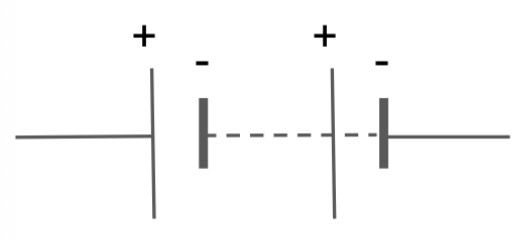
What is the symbol for a power supply?

What is the symbol for AC and DC power supply?
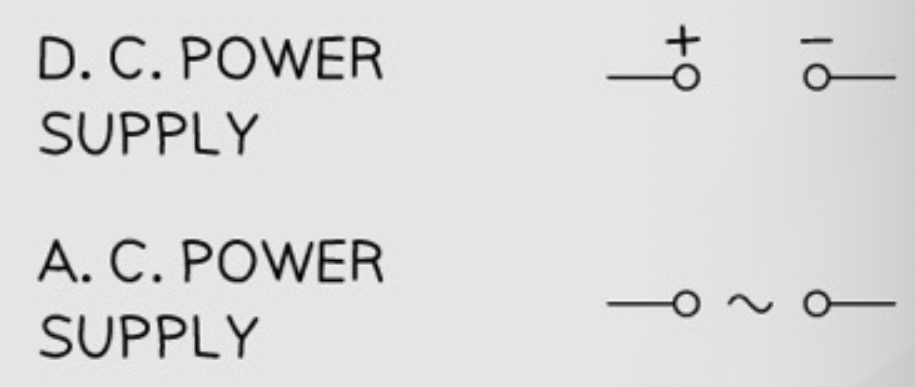
What is the circuit symbol for a fuse?

What is the circuit symbol for a diode?
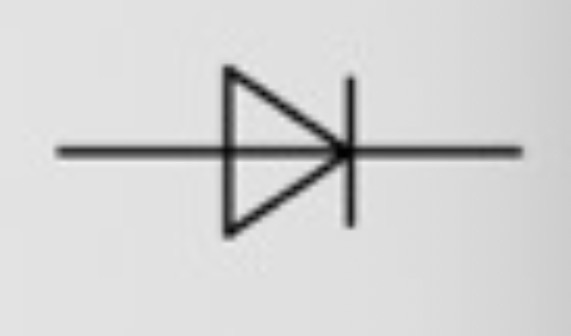
What is the circuit symbol for a resistor?
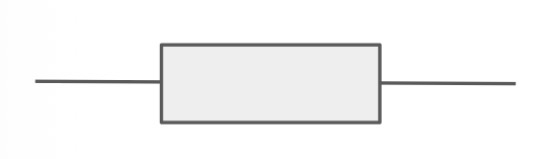
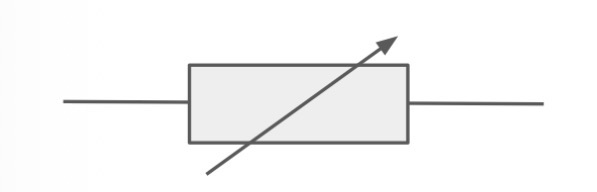
What is the circuit symbol for a variable resistor?
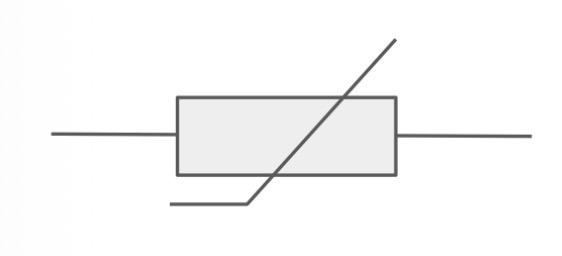
What is the circuit symbol for a thermistor?
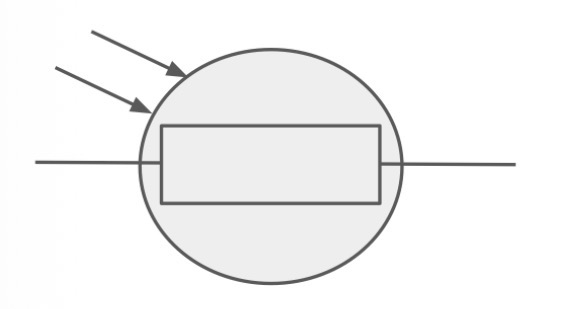
What is the circuit symbol for a LDR?
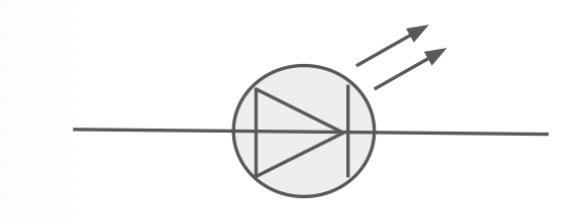
What is the circuit symbol for a LED?
What is the role of a resistor in an electrical circuit?
Limits flow of current.
Explain the role of a variable resistor in an electrical circuit.
Change resistance by changing the length of wire.
A longer wire has more resistance than a shorter wire and therefore the larger the resistance, the smaller the current.
A shorter wire has less resistance than a longer wire and therefore the smaller the resistance, the larger the current.
This is because electrons make their way through more resistor atoms so it’s harder to get through a shorter wire.
Does a longer wire have more or less resistance? Does a longer wire have more or less current?
More resiatnce and less current.
Does a shorter wire have more or less resistance?
Less.
Which electrical component converts electrical energy to mechanical energy?
Motor.
What is the role of a diode in an electrical circuit?
Allows current to flow in one direction only. It converts AC to DC.
Why does current flow from the negative to positive terminal?
Current is the flow of electrons. Electrons are negatively charged so flow away from the negative terminal and towards the positive one.
In a series circuit, what does increasing the number of resistors do to the overall resistance? Why?
Increases overall resistance.
This is because the charge has to push through multiple components when flowing around the circuit. The more components the charge has to travel through, the higher the number of collisions that occur.
How is total resistance affected by two resistors in a parallel circuit? Why?
Total resistance decreases and is less than the resistance of the resistor with the lowest resistance.
This is because the charge has more than one pathway to take, so only some charge will flow along each path. The more pathways there are, the smaller the amount of charge in each path.
What are the disadvantages of a series circuit?
If one of the components breaks, all of the others will stop working.
The components cannot be controlled (switched on and off) separately.
What is an Ohmic Conductor?
A conductor for which current and potential difference are directly proportional.
Resistance and temperature remain constant.
How do low resistance wires reduce unwanted energy transfers?
A smaller resistance will mean there are fewer collisions therefore less energy will be wasted through heating.
What are some advantages of the heating effect?
It is useful for appliances like toasters, ovens, heaters or electrical fires which are intended to heat up.
What are some disadvantages of the heating effect?
The loss of energy as wasted thermal energy can make an appliance inefficient.
If an appliance overheats it can catch fire or burn someone when they touch it.
How can the amount of heat created in wires be reduced?
Reduce current in wires or use wires with lower resistance.
Why is copper often used in electrical wiring?
It has a relatively low resistances and is fairly cheap.
In a fixed resistor, are current and potential difference directly or indirectly proportional?
Directly.
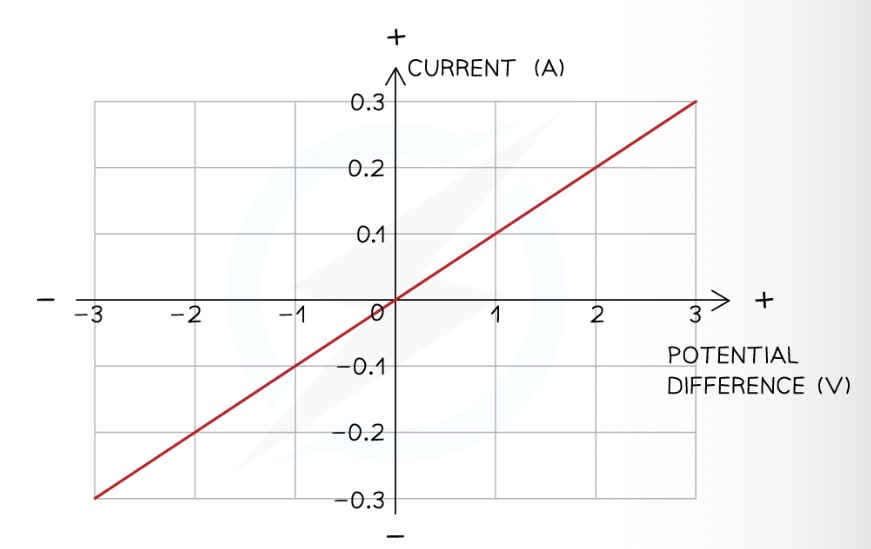
Which type of resistor is shown below?
Fixed resistor.
Draw the graph for a fixed resistor.
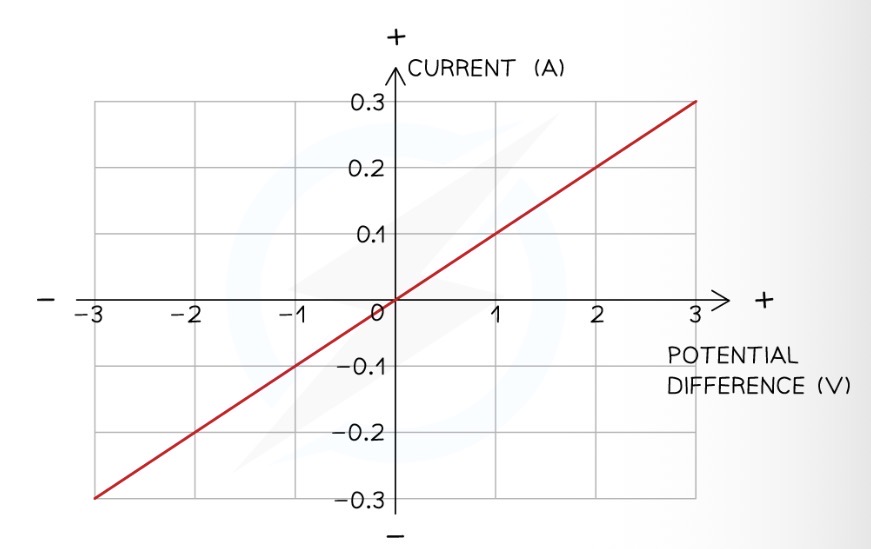
Do linear graphs have a straight or curved line?
Straight.
Do non linear graphs have a straight or curved line?
Curved.
List four components for which resistance is not constant as current changes.
Filament lamps, diodes, thermistors and light dependant resistors (LDR).
Explain what happens to the resistance of a filament lamp as temperature increases.
Resistance increases.
Higher temperature causes metal ions to have more kinetic energy, so vibrate more, colliding more frequently with electrons as they flow through the metal.
This creates more resistance as it becomes more difficult for free electrons (current) to pass through.
Current increases at a slower rate than the potential difference as resistance opposes the current.
Draw the graph for a filament lamp.
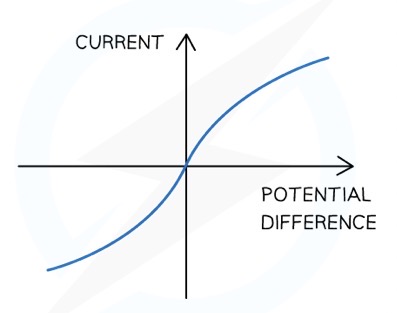
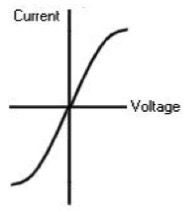
Which electrical component does this graph represent?
Filament lamp.
How do diodes work?
A diode only allows current to flow through in one direction. Resistance is very high in the other direction, preventing current flowing through.
Explain how current flow is different through a diode.
Current only flows in one direction. Resistance is very high in the other direction, preventing current flowing through.
Draw the graph for a diode.
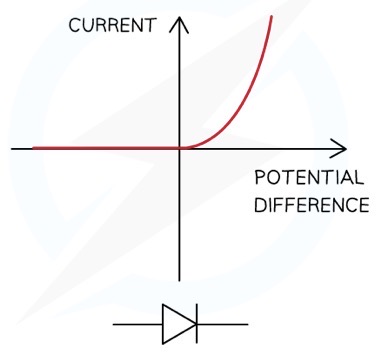
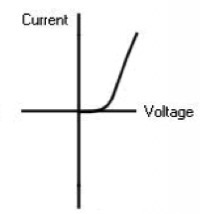
Which electrical component does this graph represent?
Diode.
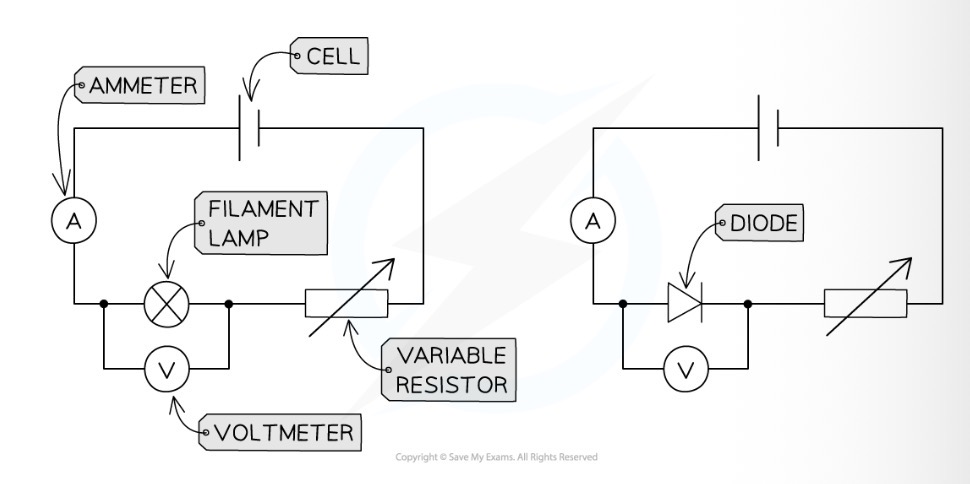
How can we investigate the resistance in filament lamps and diodes?
The variable resistor changes the current flowing through the lamp/diode. Current is therefore the independent variable.
The voltmeter measures the voltage across the lamp/diode. Voltage is therefore the dependent variable.
How can a circuit be set up to investigate resistance in filament lamps and diodes?
State what happens to the resistance of a thermistor as temperature increases.
Thermistor resistance increases.
State what happens to the resistance of a thermistor as temperature decreases.
Thermistor resistance increases.
Give two examples of when a thermistor may be used.
In a thermostat to turn heater on below a certain temperature.
In a freezer to turn on a cooler when the temperature becomes too high.
State what happens to the resistance of an LDR as light intensity decreases.
LDR’s resistance increases.
State what happens to the resistance of an LDR as light intensity increases.
LDR’s resistance decreases.
Give an application for an LDR.
Street lamps as when light levels drop at night, resistance increases and the light gains sufficient current to turn on.
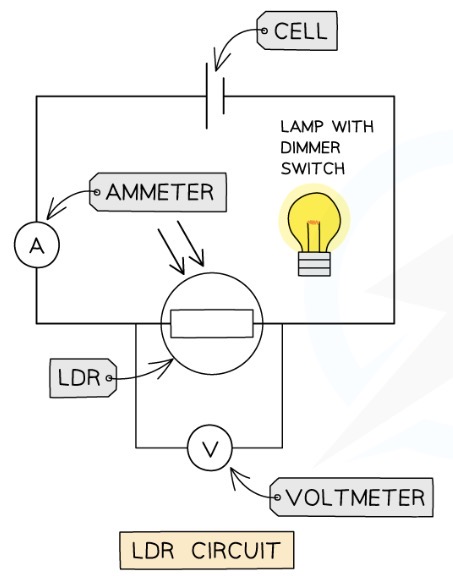
Explain how we can investigate the resistance in LDR’s.
Begin with the lamp turned off in a dark room.
Record the reading on the voltmeter and ammeter.
Slowly increase the light intensity of the lamp using the dimmer switch.
Record the reading on the voltmeter and ammeter for each increase in light intensity.
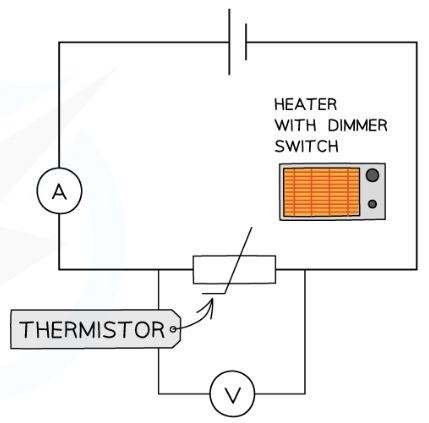
Explain how we can investigate the resistance in thermistors.
Begin with the heater turned off.
Record the reading on the voltmeter and ammeter.
Slowly increase the temperature of the heater using the dimmer switch.
Record the reading on the voltmeter and ammeter for each increase in temperature of the heater.
How can a circuit be set up to investigate resistance in thermistors?
How can a circuit be set up to investigate resistance in LDR’s?
What factors affect the energy transferred when charge flows through a component?
Amount of charge and potential difference.
Explain how energy is transferred from the power source to various components.
As the electrons pass through the power supply, energy is transferred to the electrons. As the electrons pass through each component, energy is transferred from the electrons to the components.
Energy transferred per second is also known as what?
Power.
Define: Power
Rate of energy transfer.
What are the units of power?
Watts.
What is one watt equal to?
1 joule per second.
State the equation linking power, potential difference and current.
Power = Current x Potential Difference.
State the equation linking resistance, power and current.
Power = Current squared x Resistance.
State the equation linking energy, power and time.
Energy = Power x Time.
State the equation linking energy, current, potential difference and time.
Energy = Current x Potential Difference x Time.
What is the power rating of an appliance?
Shows how much energy a device converts per second.
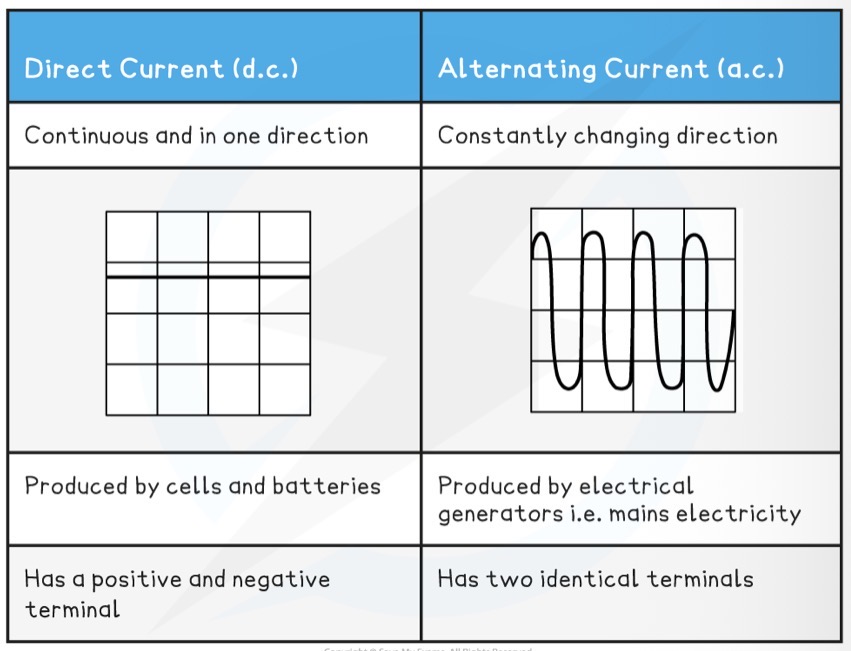
What does AC mean?
Alternating Current.
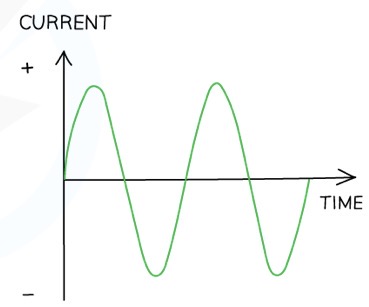
What is alternating current?
Currently which is constantly changing between negative and positive.
What does DC mean?
Direct Current.
What is direct current?
A current that is steady, constantly flowing in the same direction in a circuit, from positive to negative
Is mains electricity an AC or DC supply?
AC supply.
What type of current do batteries and cells supply have?
Direct current.
What is meant by the frequency of a supply?
The rate/number of times at which an alternating current changes direction.
What is the frequency and voltage of the UK mains supply electricity?
Frequency: 50 Hz.
Voltage: 230 V.
Draw a graph representing alternating current.
Compare alternating and direct current.
Name the three wires a typical domestic appliance has.
Live, Neutral and Earth wire.
What colour is the live wire?
Brown.
Which wire is brown?
Live wire.
What colour is the neutral wire?
Blue.
Which wire is blue?
Neutral wire.
What colour is the earth wire?
Green and yellow striped.
Which wire is green and yellow?
Earth wire.
Which wire is most dangerous?
Live wire.
What is the purpose of the live wire?
Carries the alternating potential difference from the supply to a circuit.
Which wire carries the voltage/potential difference?
Live wire.
What is the purpose of the neutral wire?
Complete the circuit by connecting to the mains supply.
Which wire completes the circuit?
Neutral wire.
What is the purpose of the earth wire?
Acts as a safety wire to stop the appliance from becoming live.
Which wire is for safety purposes?
Earth wire.
Many electrical appliances have metal cases. What would happen if a live wire came into contact with the case?
The case would become electrified and anyone who touched it would be at risk of being electrocuted.
Explain when the Earth wire does and doesn’t carry a current.
Under normal circumstances, no current flows through the wire.
Current will flow when a fault occurs in the appliance.
For metal appliances, where is the Earth wire connected and why?
Earth wire is connected to the metal casing of the appliance.
If the live wire touches the casing, the current will flow through the Earth wire, preventing electrocution.
Why is it dangerous to have a connection between the earth and live wire?
May results in a current surge, causing electrical shocks.
What is the voltage of the earth and neutral wire?
0 Volts.
State the potential difference of the live wire.
230 Volts.