Insect Orders
 Studied by 0 people
 Call Kai
 Learn
Learn Practice Test
 Spaced Repetition
 Match
Match Flashcards
 Knowt Play
1/29

There's no tags or description
Looks like no tags are added yet.
Name | Mastery | Learn | Test | Matching | Spaced | Call with Kai |
|---|
No analytics yet
Send a link to your students to track their progress
30 Terms
Entognatha
"Non-insect hexapods"
Mouthparts retracted into head
Ametabolous
Primitively wingless
Orders: Protura, Diplura, Collembola
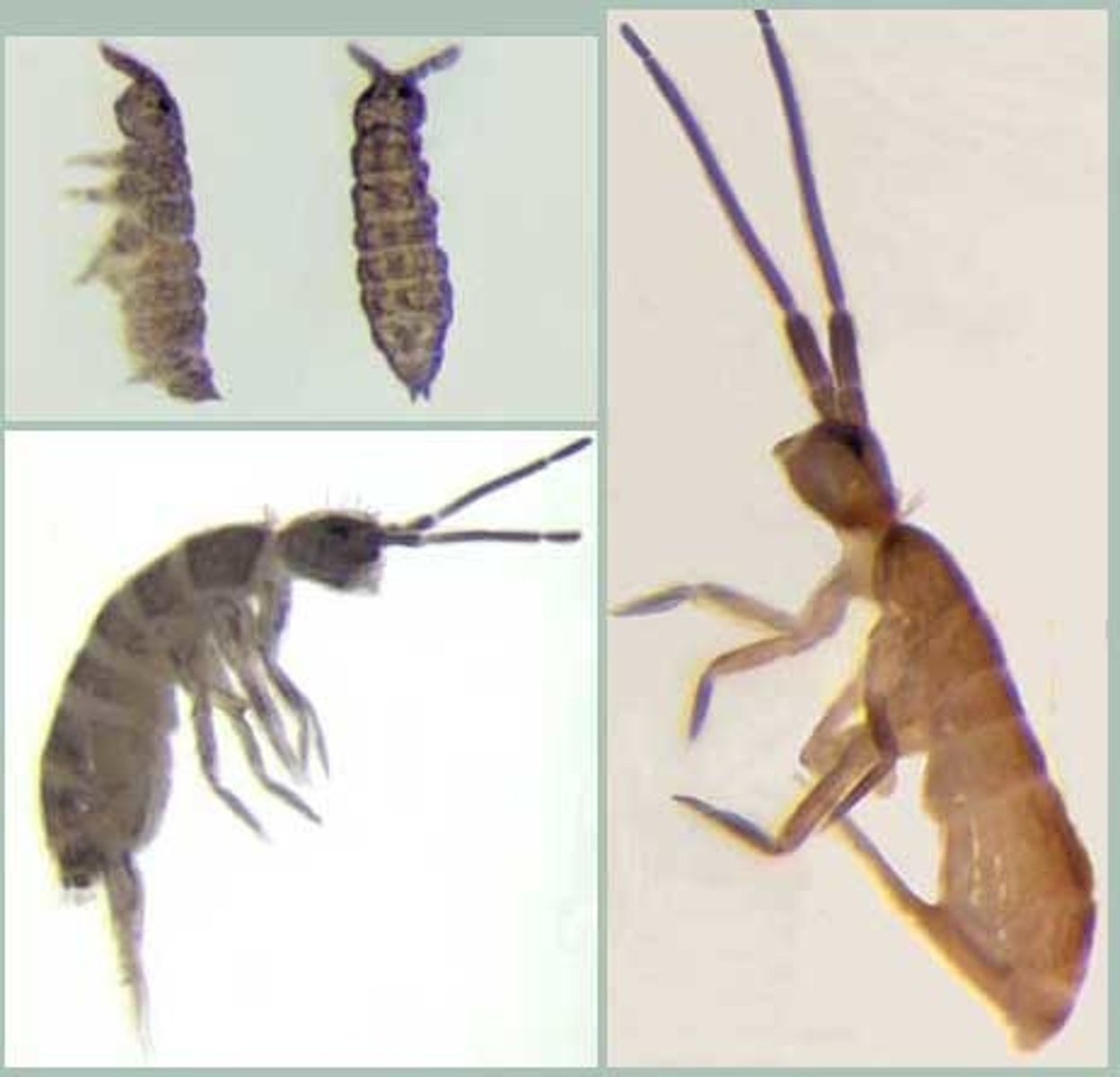
Collembola
Springtails
-.25-6mm long
-Furcula for springing
-Ametabolous, Entognatha
Ectognatha
External mouthparts
Ametabolous
Orders: Archaegnatha, Zygentoma
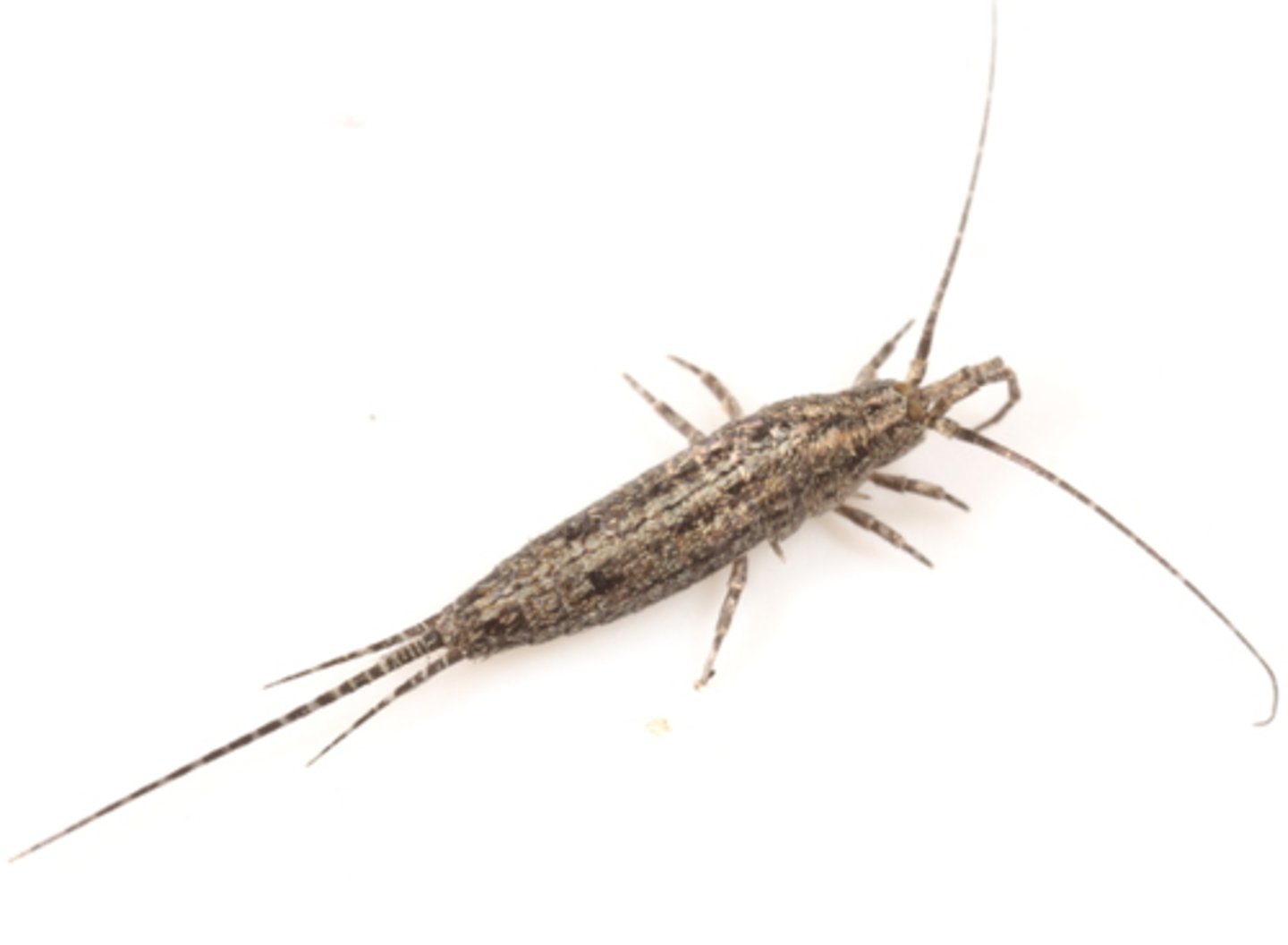
Archaeognatha
Bristletails
-Up tp 15 mm
-Cylindrical, arched body
-Large, contiguous compound eyes
-Scaled body
-3 parallel caudal filaments, middle one longest
-Prominent maxillary palps
-Ametabolous, Ectognatha
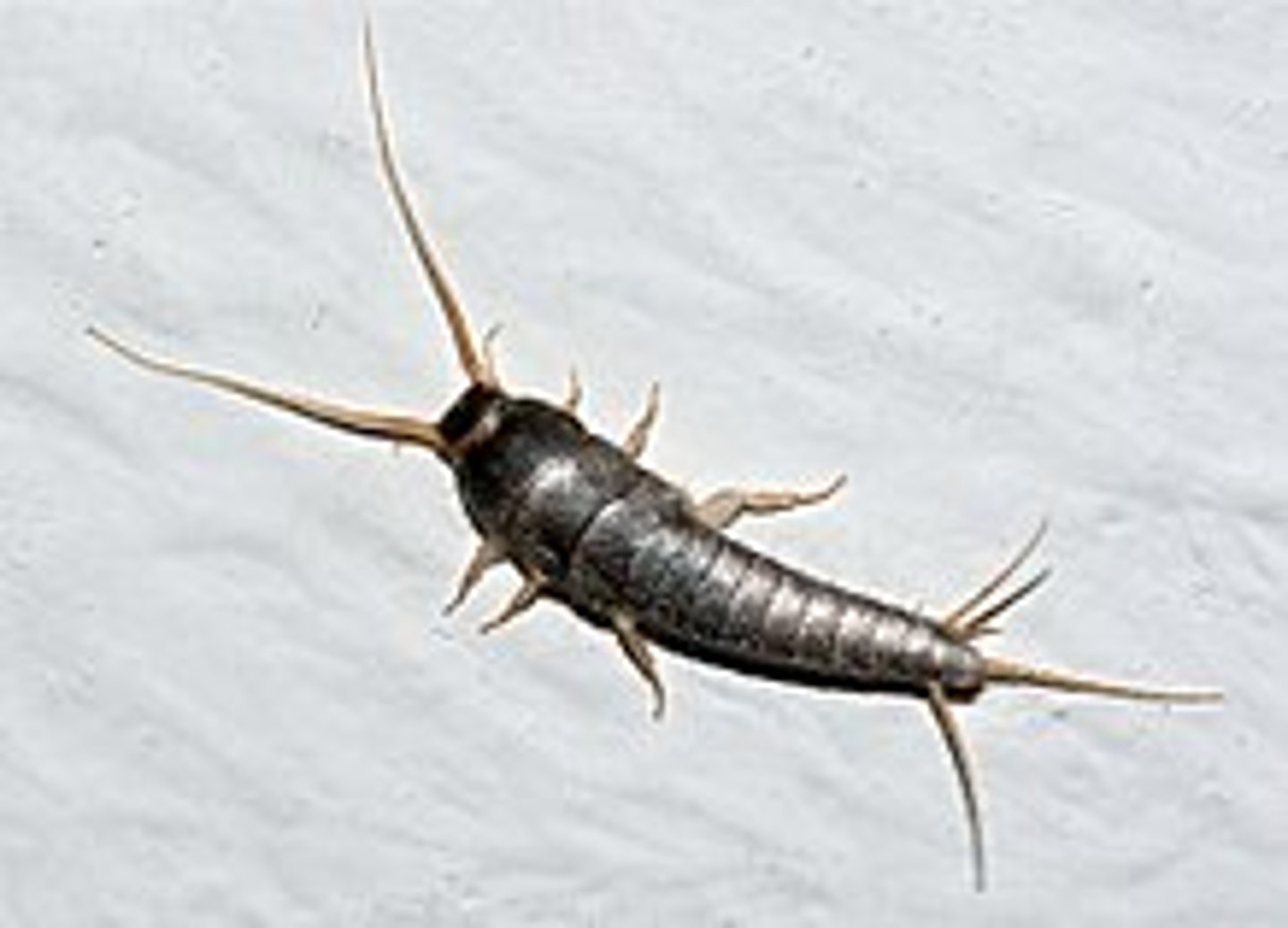
Zygentoma
Silverfish
-Elongate, flattened body
-Small, separated compound eyes
-Scaled body
-3 caudal filaments pointing in dif directions
-Ametabolous, Ectognatha
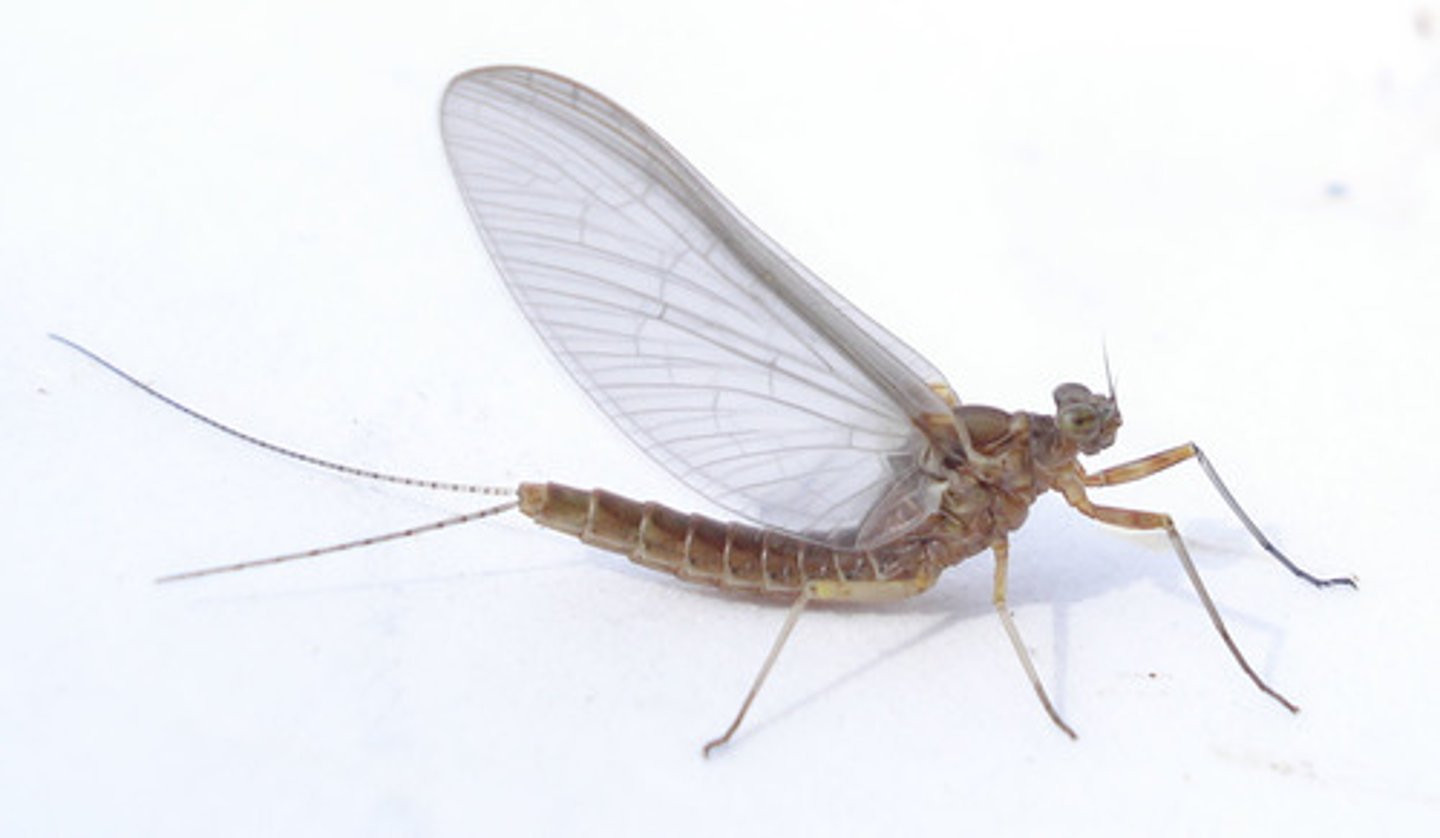
Ephemeroptera
Mayflies
-Elongate, soft bodies
-2-3 caudal filaments
-Membranous wings, forwings large and triangular
-Antennae short, small, setaceous
-Hemimetabolous
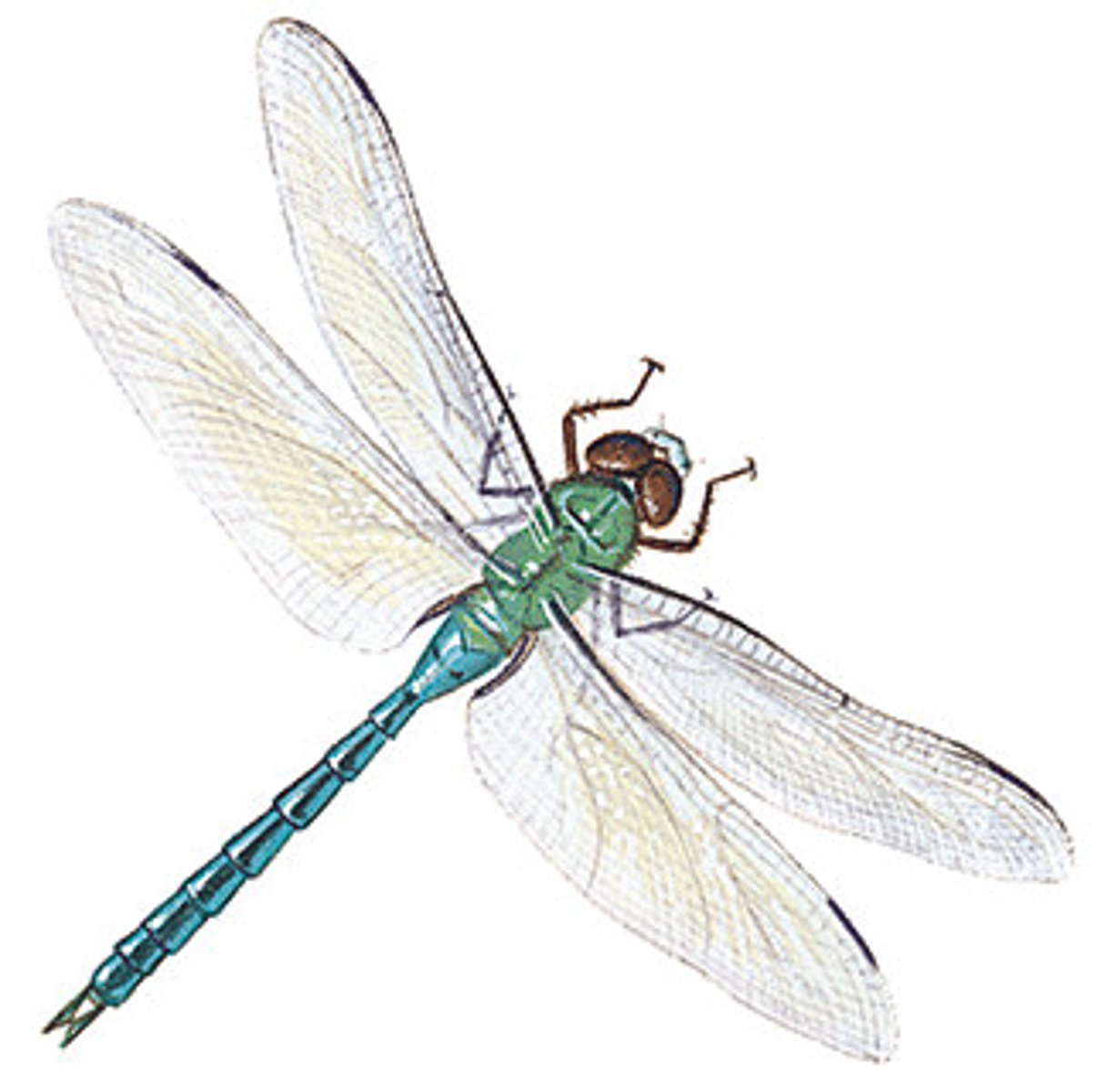
Odonata
Dragonflies & damselflies
-Long, slender abdomen
-Elongate, membranous, veined wings
-Dragonfly wings held out to side, damselfly wings held together behind body
-Setaceous antennae
-Chewing mouthparts
-Hemimetabolous
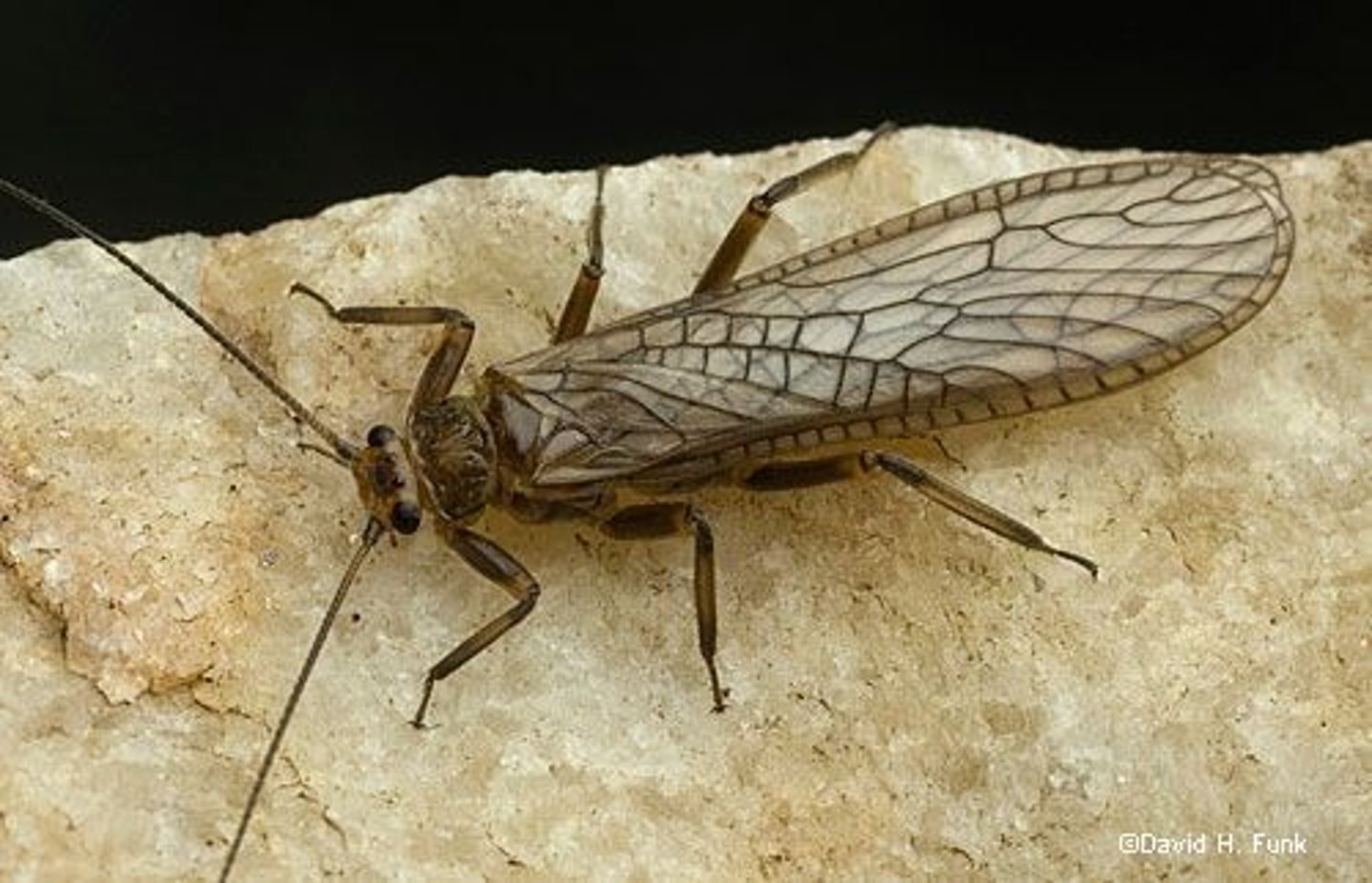
Plecoptera
Stoneflies
-Soft, flattish body
-Wings fold flat over abdomen, approx. same length as body
-Long narrow forewings
-Long antennae
-Chewing mouthparts
-Hemimetabolous
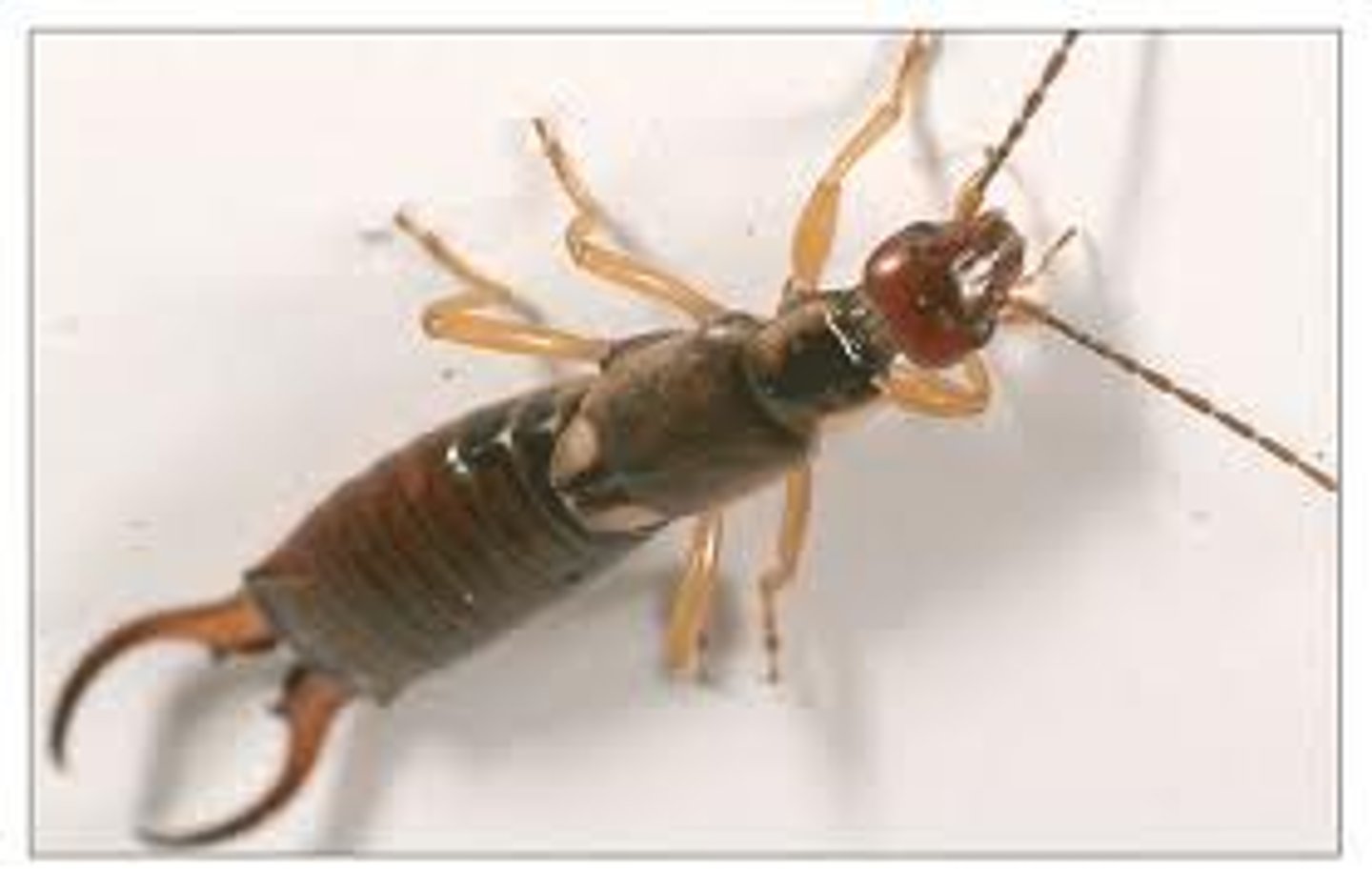
Dermaptera
Earwigs
-Elongate, slender, flat body
-Foreceps-like cerci
-Very short, nonfunctional wings
-Filiform antennae
-Chewing mouthparts
-Hemimetabolous
Blattodea
Cockroaches
-Oval, dorsoventrally flattened body
-Cursorial legs
-Head concealed dorsally by pronotum
-Tegmina wings
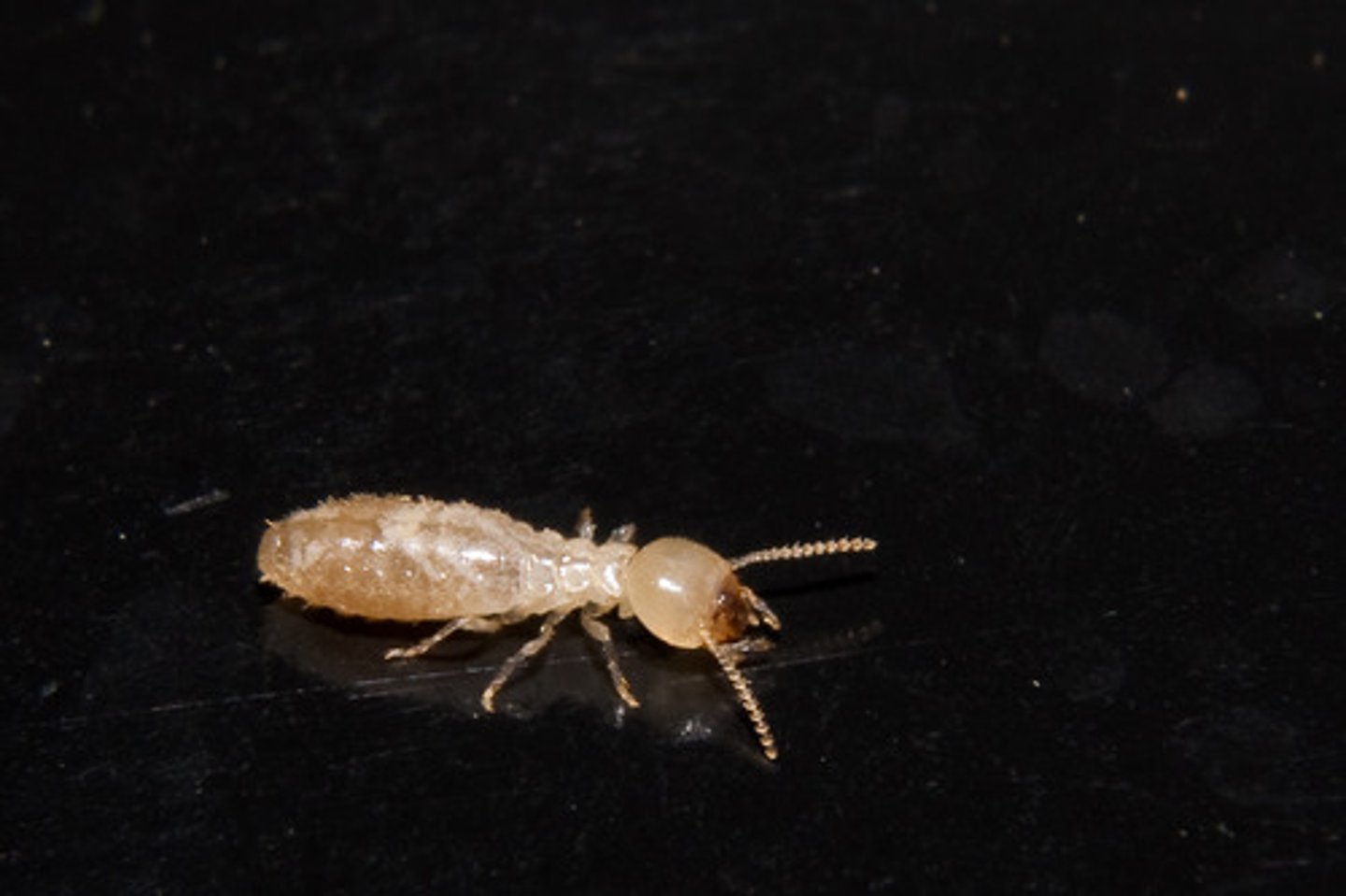
Termites (formerly Isoptera)
-White, soft-bodied
-Abdomen broadly joined to thorax
-Wingless except for reproductives
-If winged, wings are membranous
-Hemimetabolous
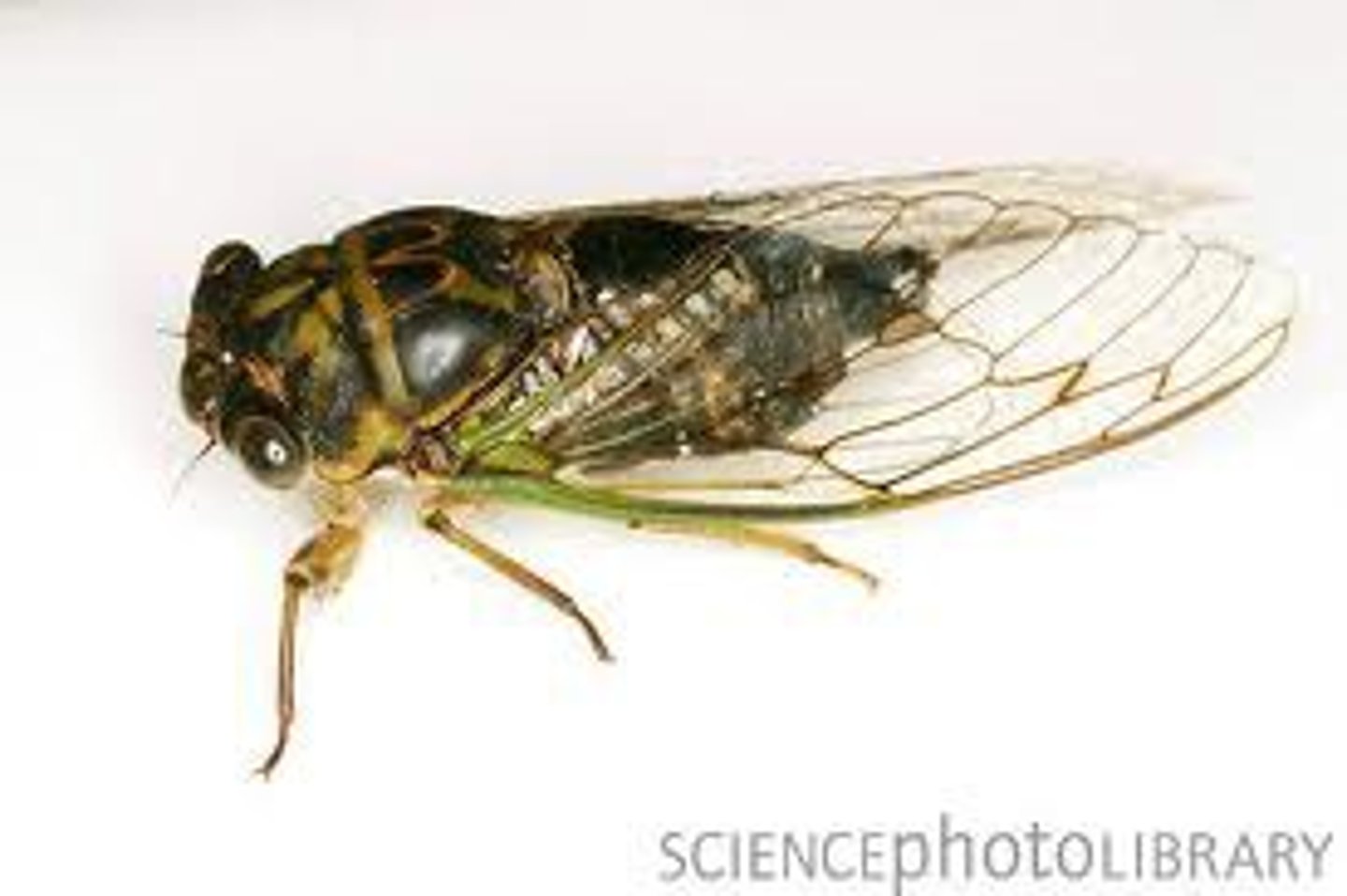
Hemiptera: Homoptera
Cicadas, aphids, plant hoppers, etc.
- "Same wing"
- Uniform forewings, either membranous or thickened
- Wings held together tent-like
- Setaceous or filiform antennae
- Piercing/sucking mouthparts
- Hemimetabolous
Hemiptera: Heteroptera
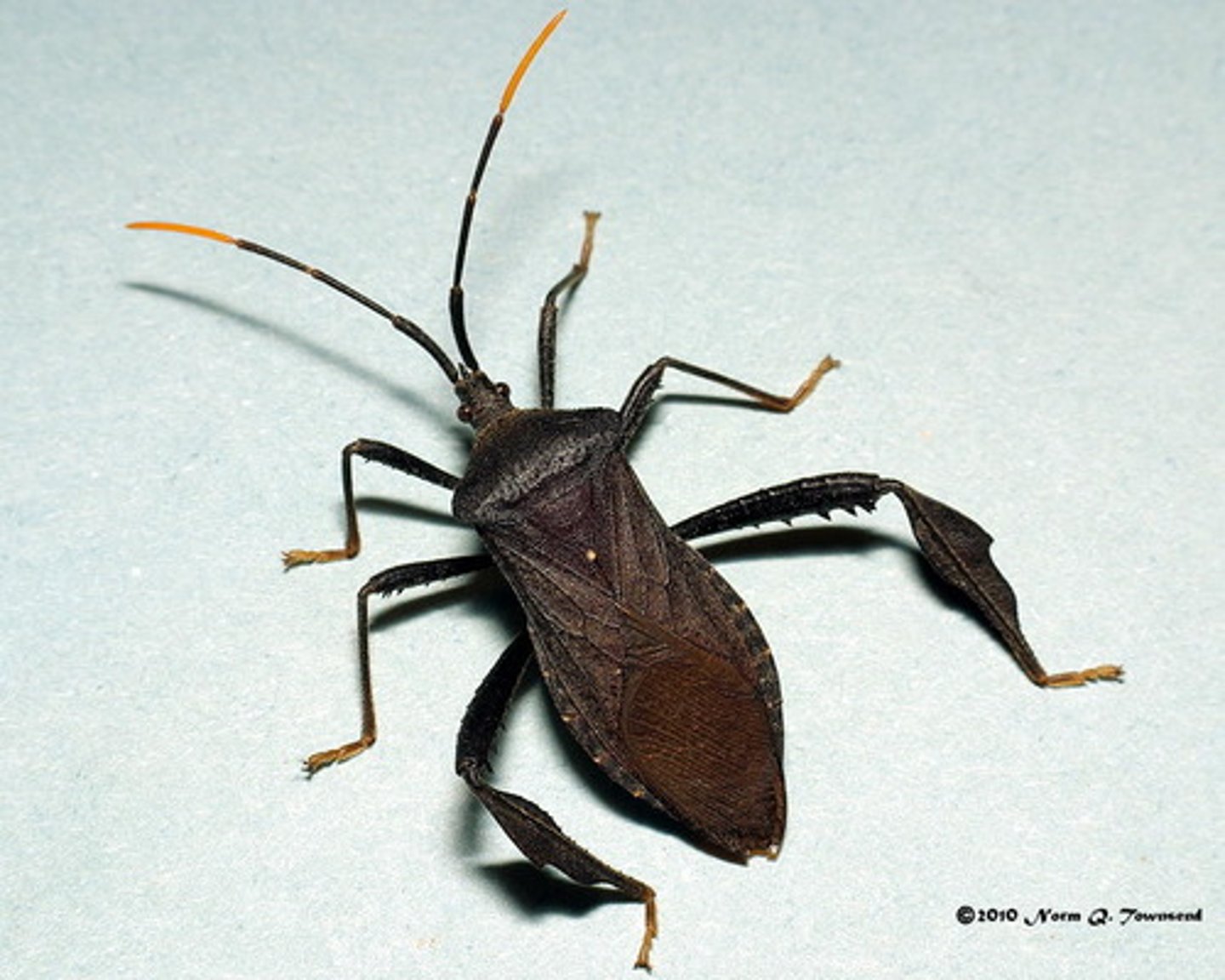
True bugs (stinkbugs, assassin bugs, etc.)
- "Different wing"
- Wings held flat on body, tips crossing apically
- Hemelytra forewings (top half thickened, bottom half membranous)
- Long antennae
- Piercing/sucking mouthparts
- Distinct triangular scutellum
- Hemimetabolous
Psocodea
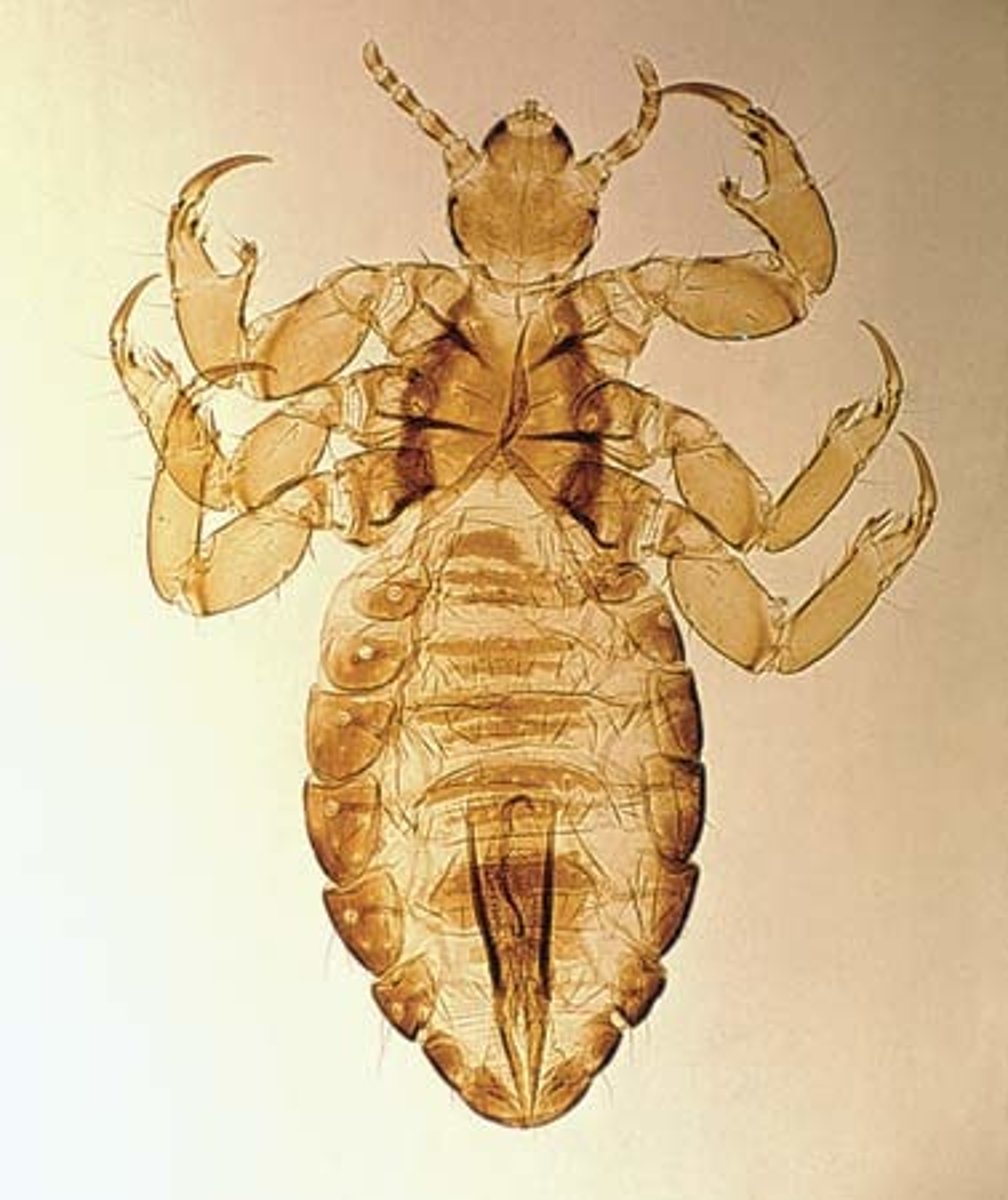
Lice
- Wingless
- Eyes reduced or absent
- Clawed tarsi for gripping onto host
- Hemimetabolous
Thysanoptera
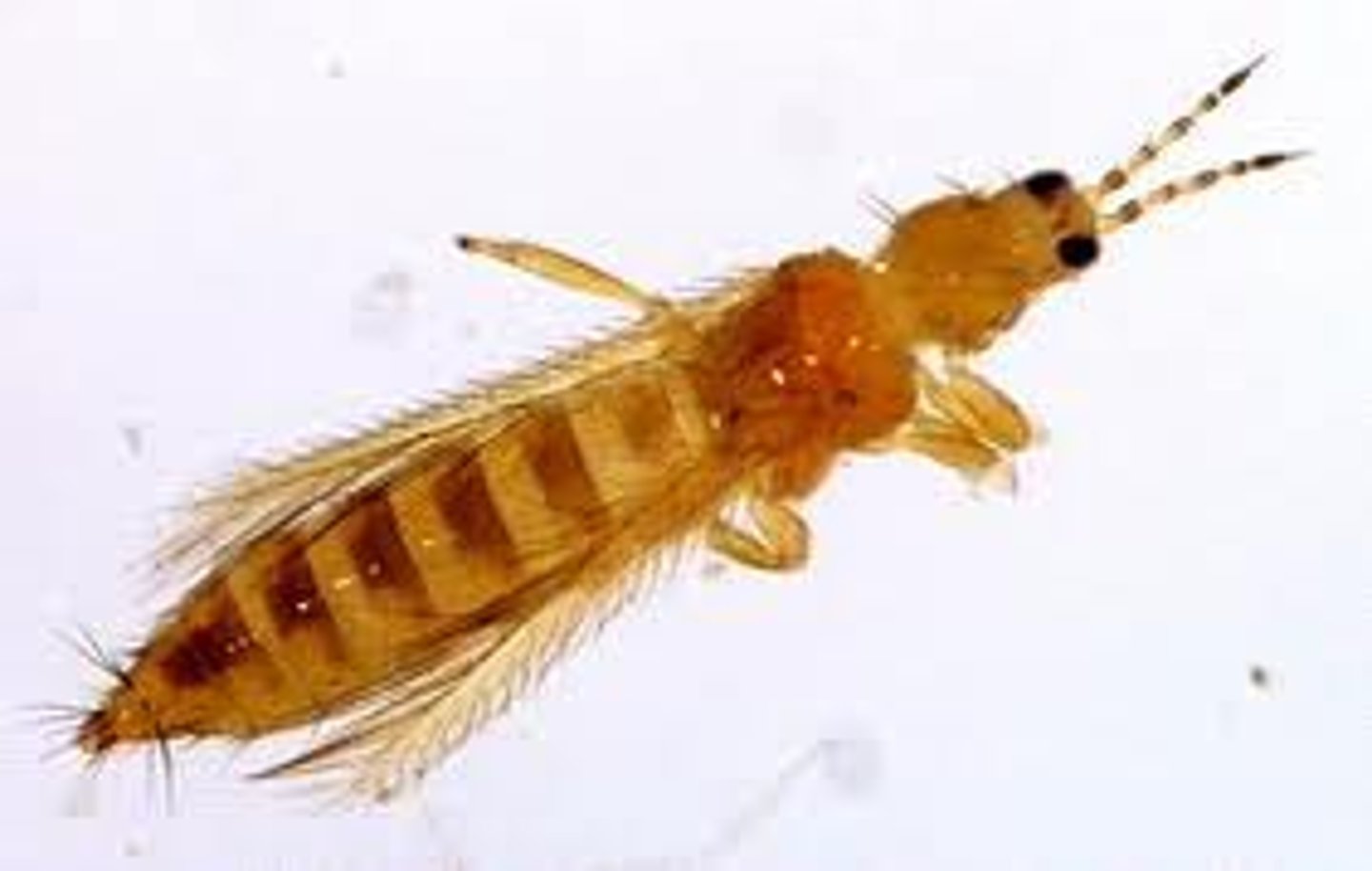
Thrips
- 0.5-5mm, slender body
- Sucking/rasping mouthparts
- If present, wings are scletotized rods with fringe of hairs
- Short antennae
- Hemimetabolous
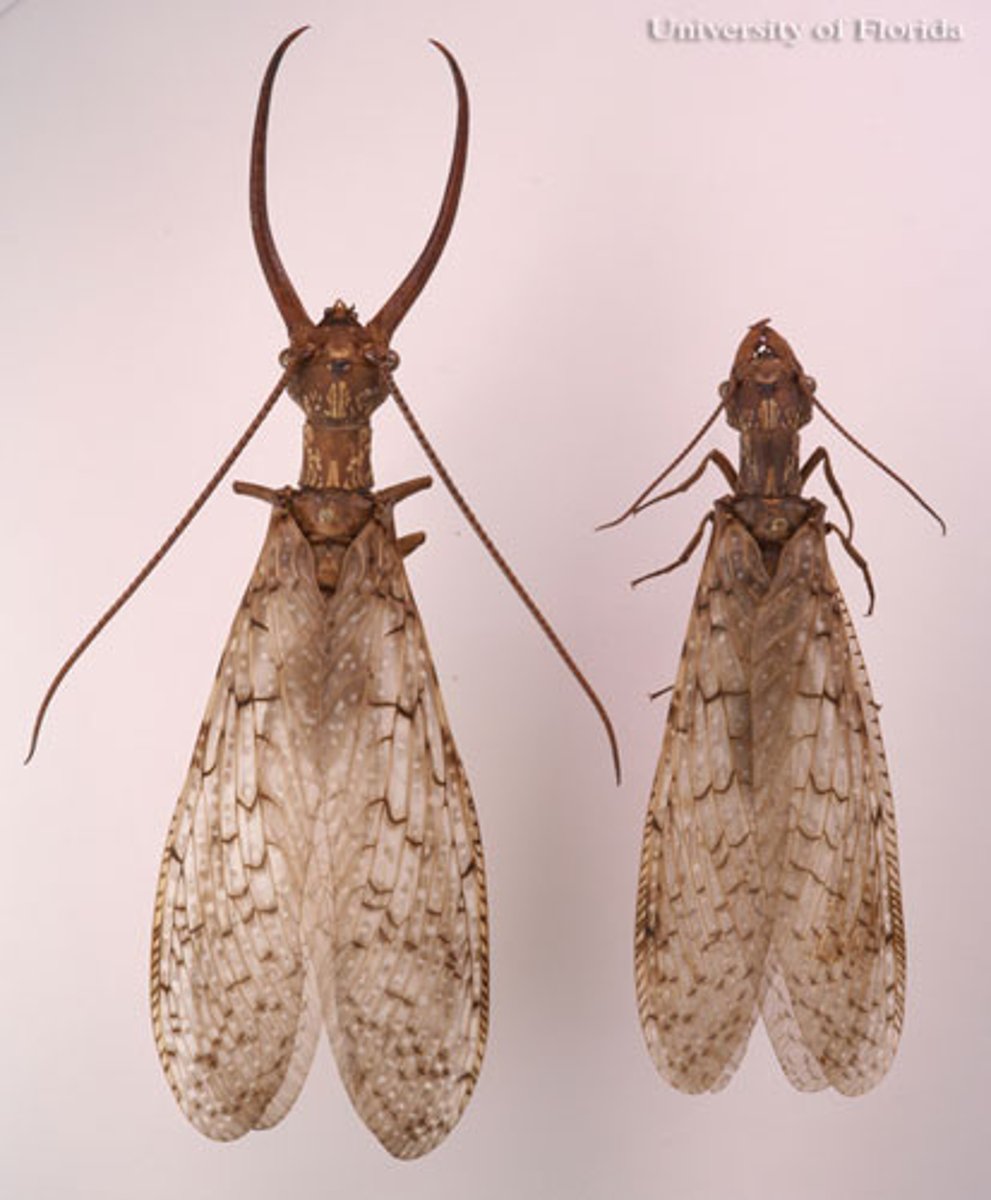
Megaloptera
Dobsonflies, alderflies, fishflies
- Large veined wings, clearish but darkened
- 4 membranous wings held tent-like or flattened over body
- Strong mandibulate mouthparts, often pointing forward
- Long antennae
- Holometabolous
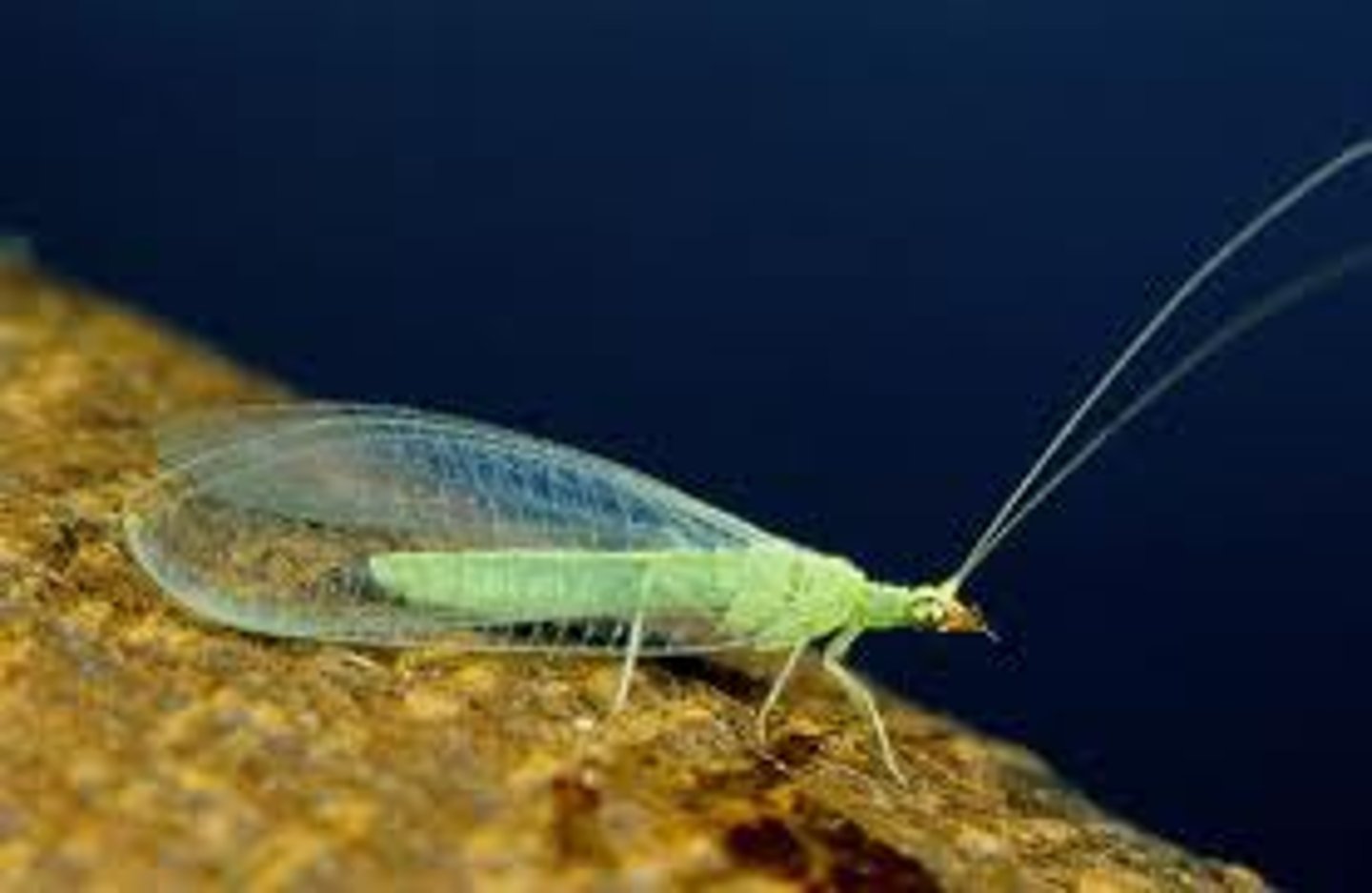
Neuroptera
Lacewings, antlions, mantisflies, etc.
- Wings with many veins, usually clear
- 4 membranous wings held tent-like over body
- Mandibulate mouthparts, often pointing downward
- Long antennae
- Holometabolous
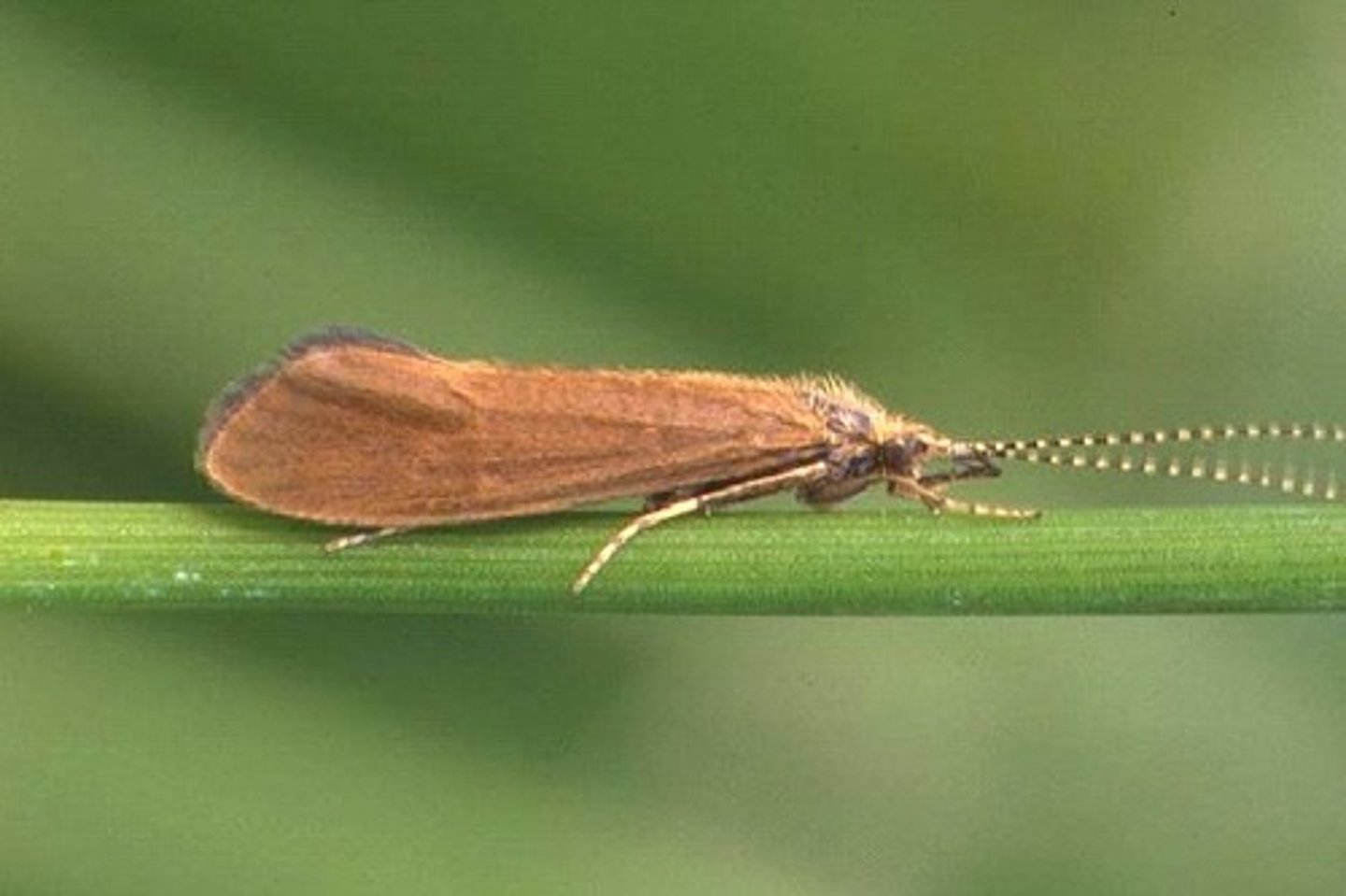
Trichoptera
Caddisflies
- small/medium sized, slender
- generally dull colored, hairy, scales on wings
- wings held tent-like over body
- antennae long and slender
- adults have well-developed palps and reduced mandibles
- holometabolous
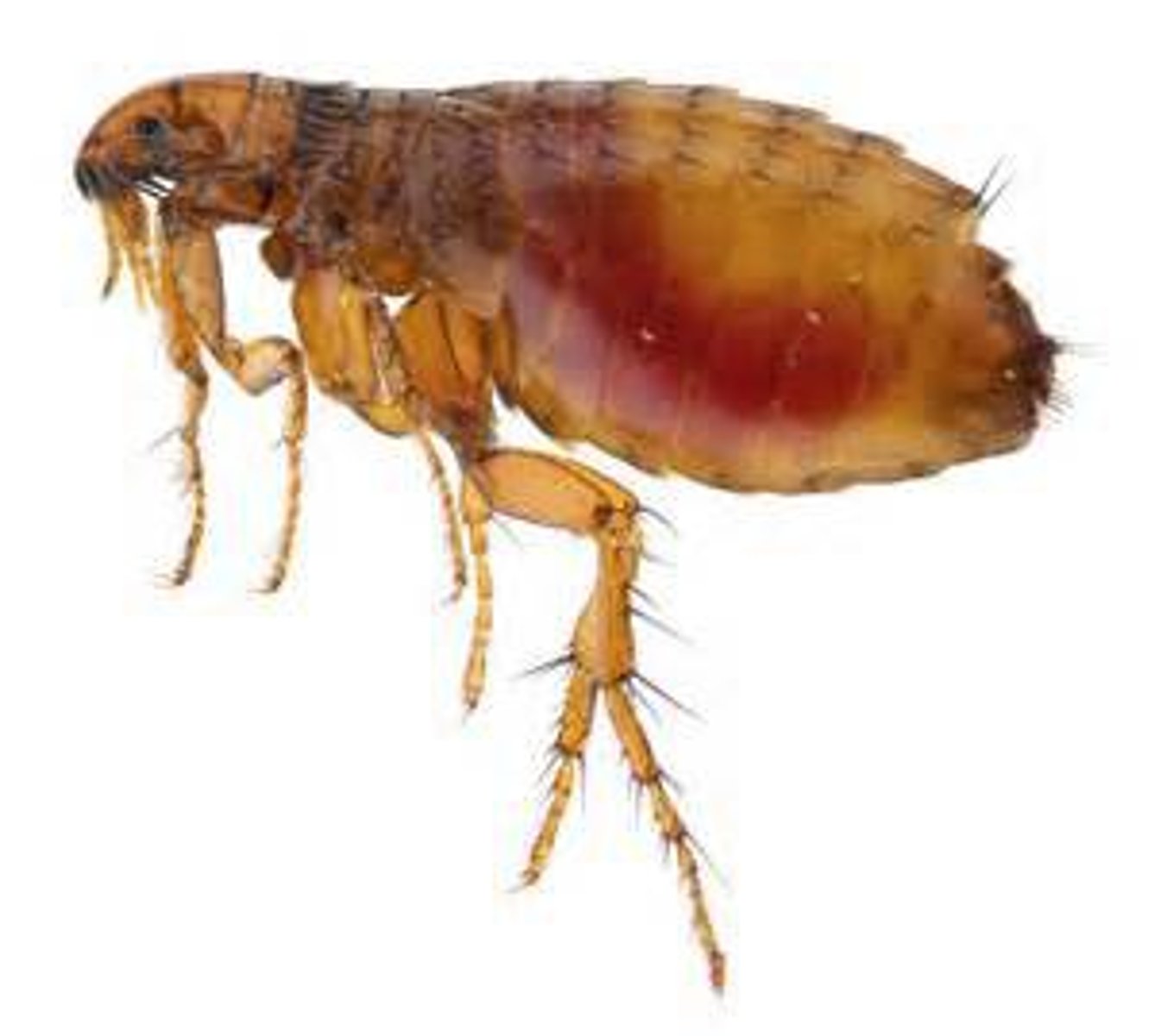
Siphonaptera
Fleas
- laterally flattened
- wingless
- small, 0.5-2 mm
- backward-projecting spines/bristles
- short antennae in grooves on head
- piercing/sucking mouthparts
- holometabolous
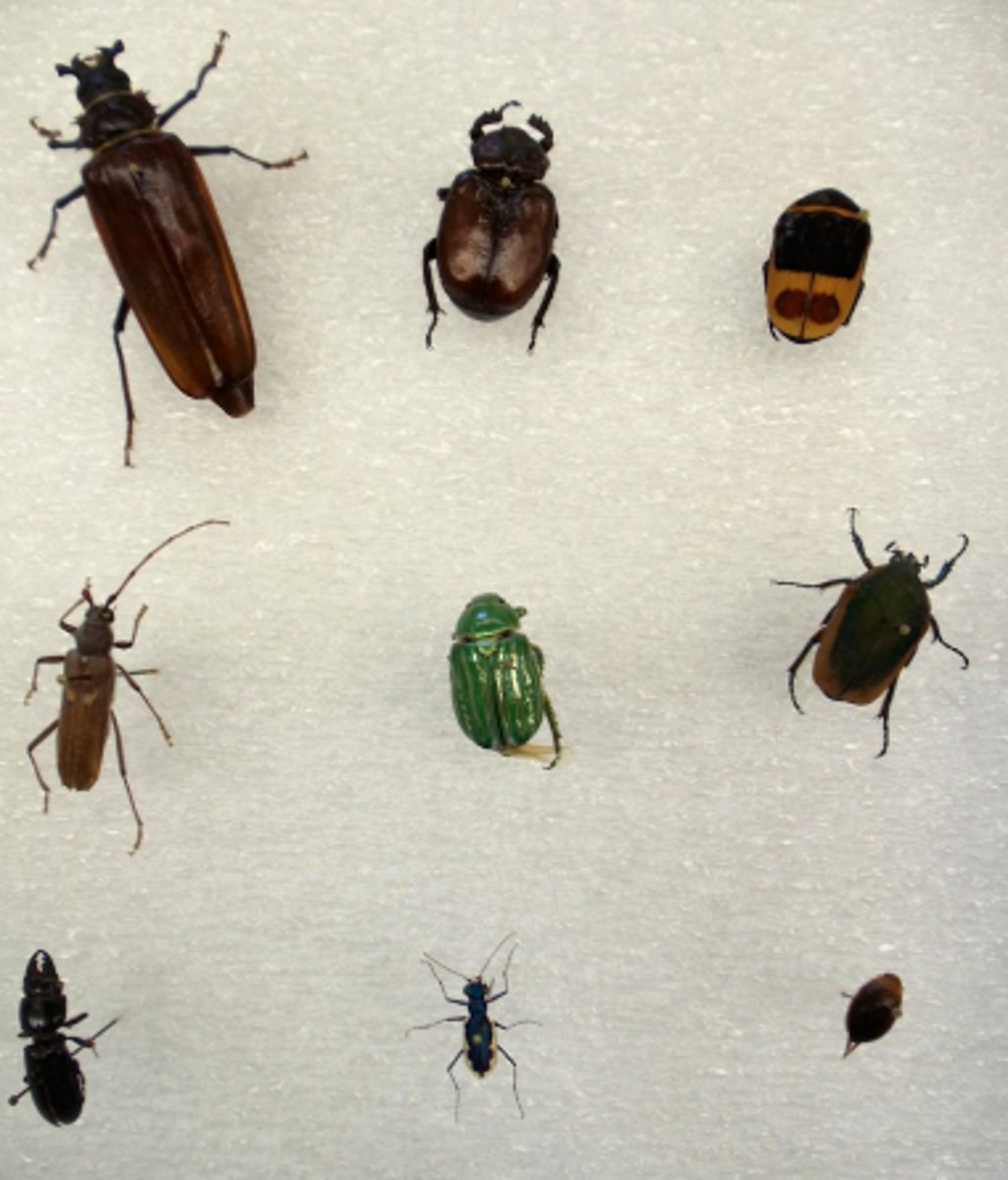
Coleoptera
Beetles
- elytra, meet at midline of body, may be shortened
- highly diverse in size, shape, color, antennae
- chewing mouthparts
- usually no ocelli
- holometabolous
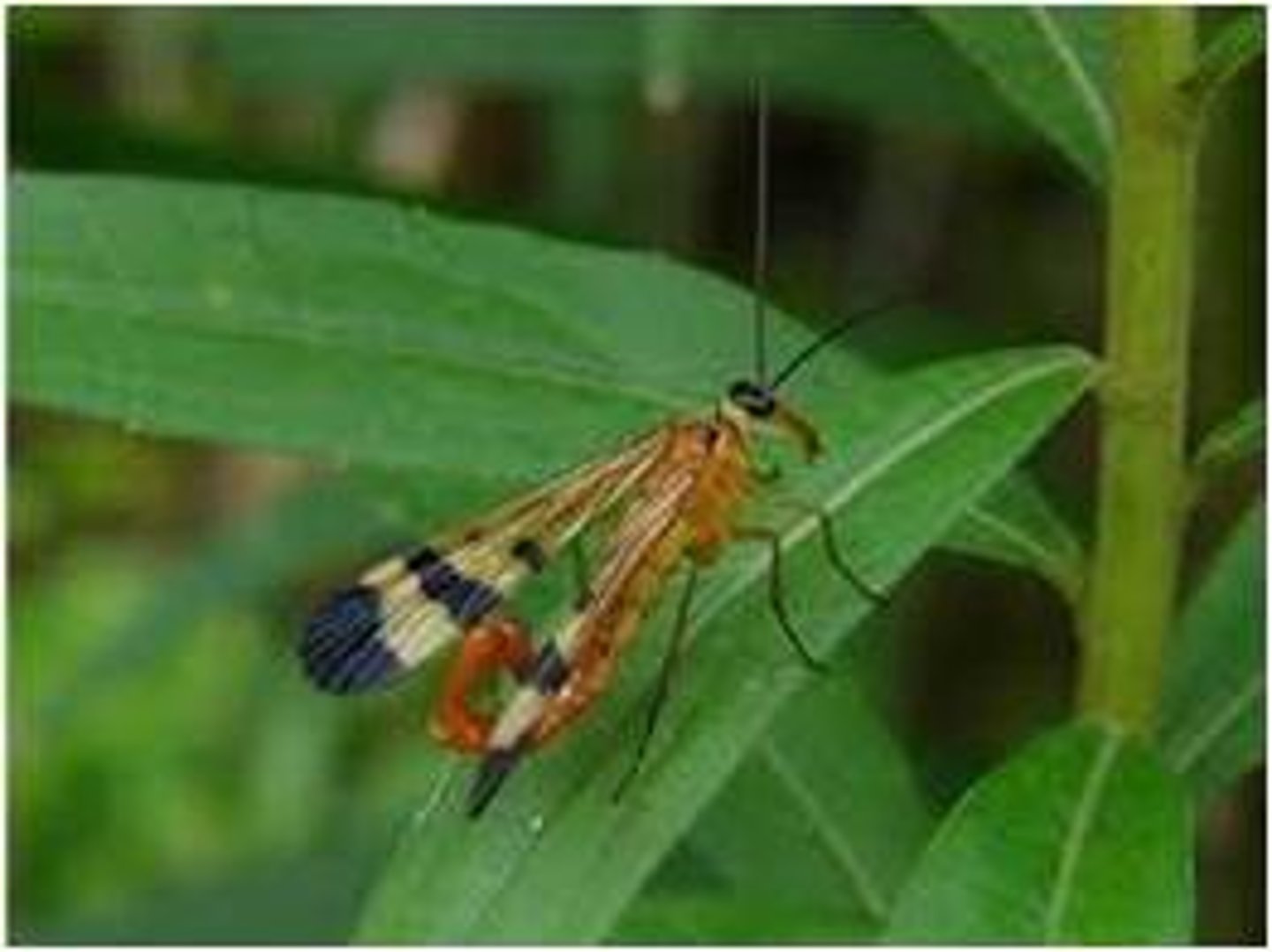
Mecoptera
Scorpionflies
- slender body, 9-22 mm
- rostrum (prolonged "beak" on head)
- 4 membranous wings of similar size/venation
- tip of abdomen enlarged and curled up like a scorpion tail
- holometabolous
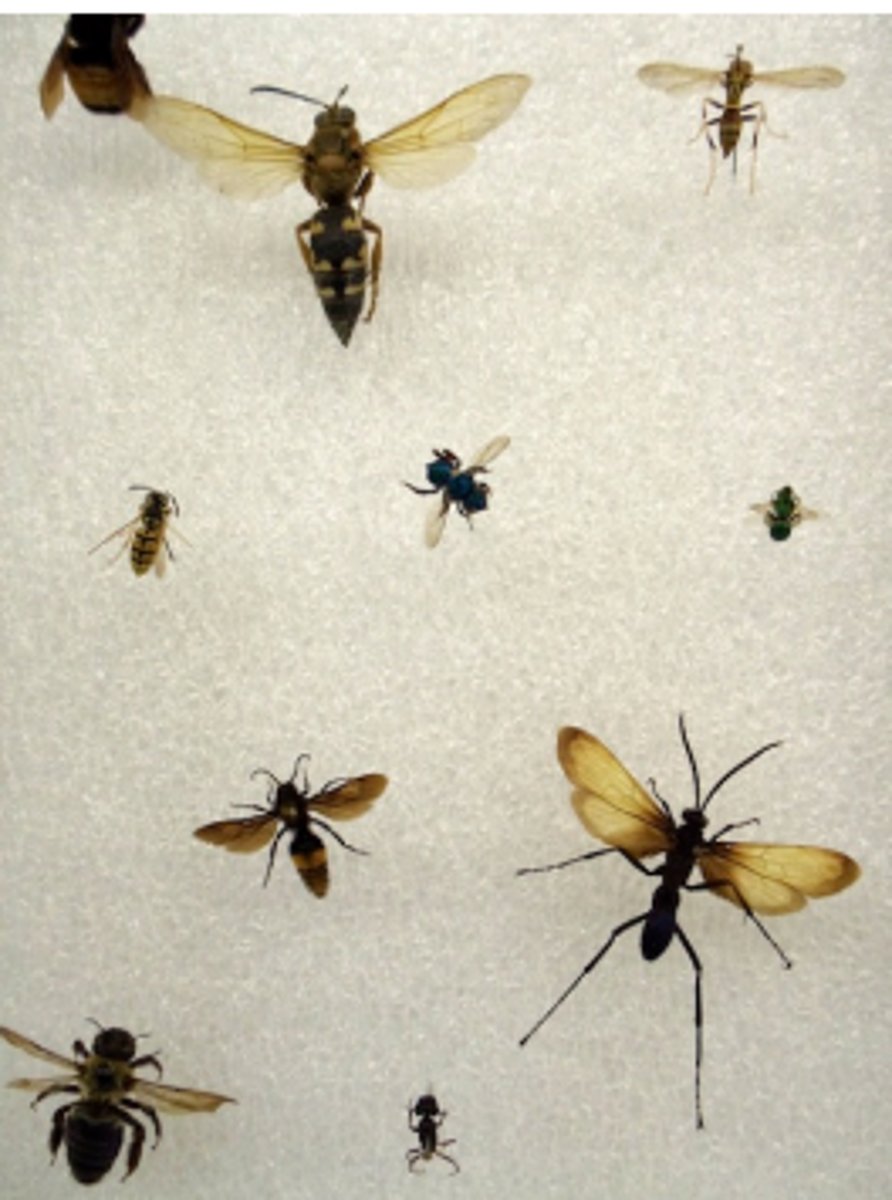
Hymenoptera
Bees, wasps, ants
- winged species have 4 membranous wings
- hindwings smaller than forewings, connected
- ovipositor may be developed into a stinger
- many have narrow waist
- holometabolous
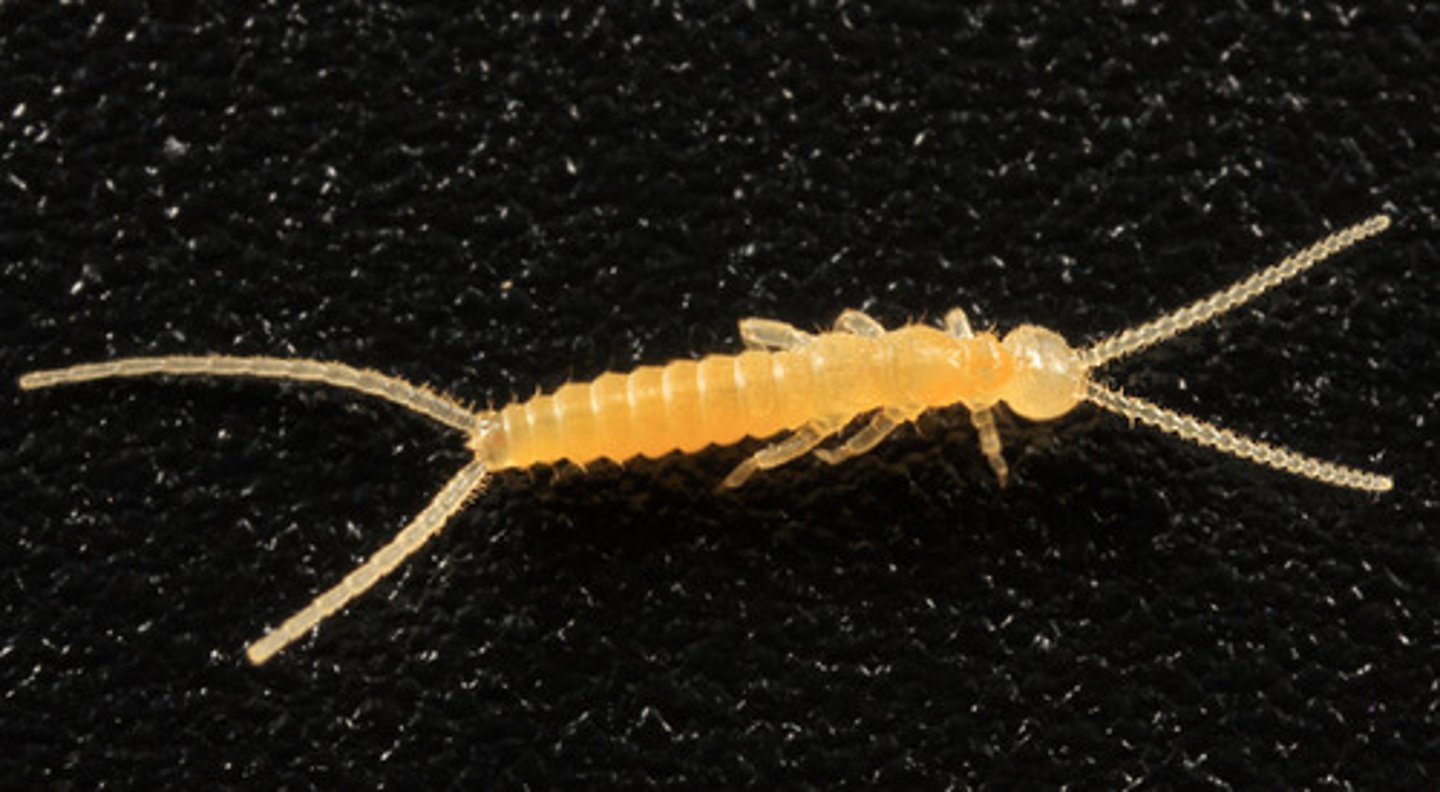
Diplura
-<7 mm, pale
-2 caudal filaments (cerci)
-Eyeless/no ocelli
-Ametabolous, Entognatha
Hemimetabolous
Incomplete metamorphosis
No pupal stage
Young "nymphs/naiads" resemble adults
Main changes: size, sexual organs, wings
May have niche differentiation
Orders: Ephemeroptera, Odonata, Plecoptera, Dermaptera, Orthoptera, Phasmatodea, Mantodea, Blattodea (Isoptera), Hemiptera (Heteroptera & Homoptera), Psocdodea, Thysanoptera
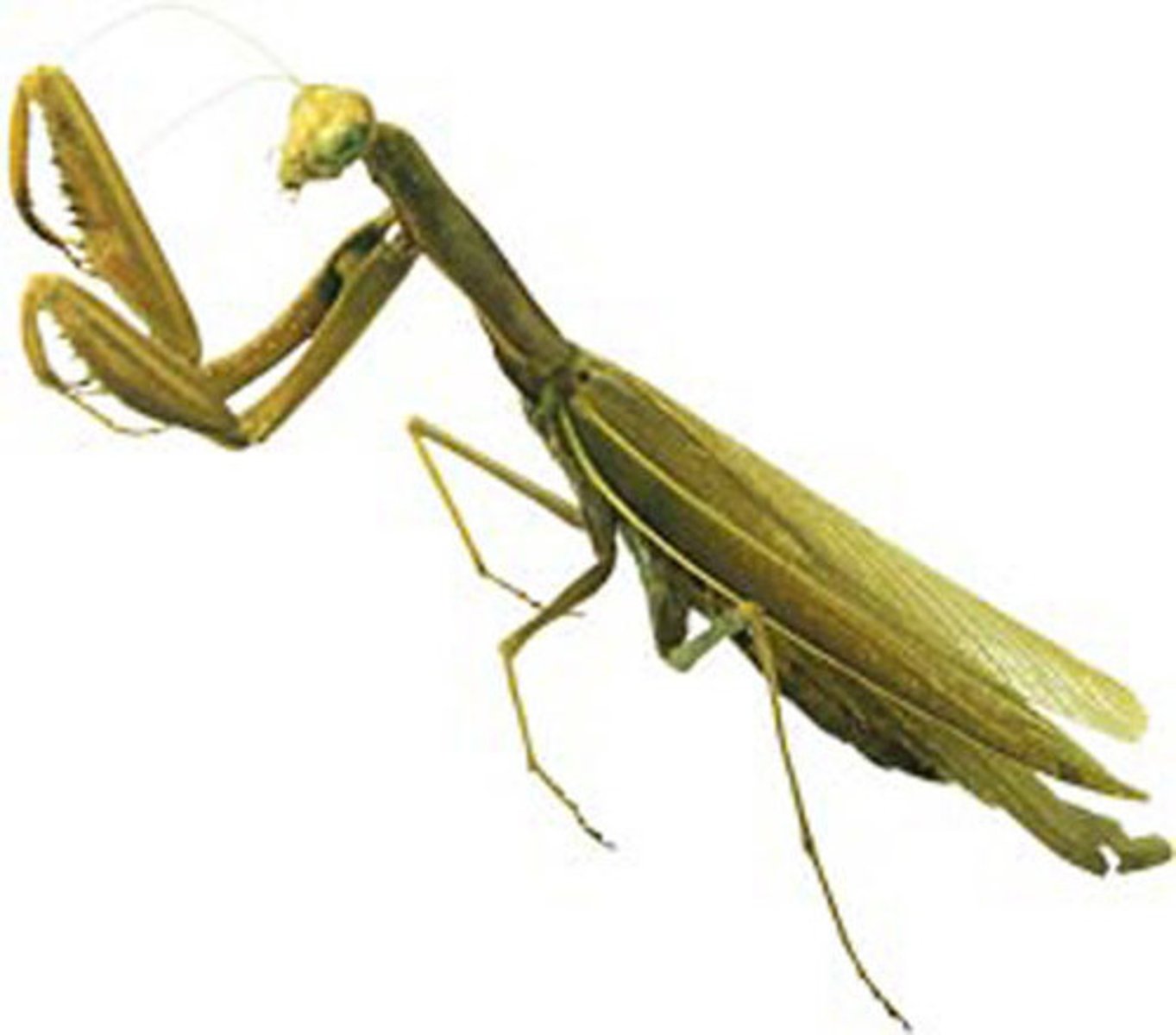
Mantodea
Mantises/mantids
-Large, elongate
-Raptorial forelegs
-Extended pronotum
-Freely movable head
-Hemimetabolous
Holometabolous
Complete metamorphosis
Egg, larva, pupa, adult
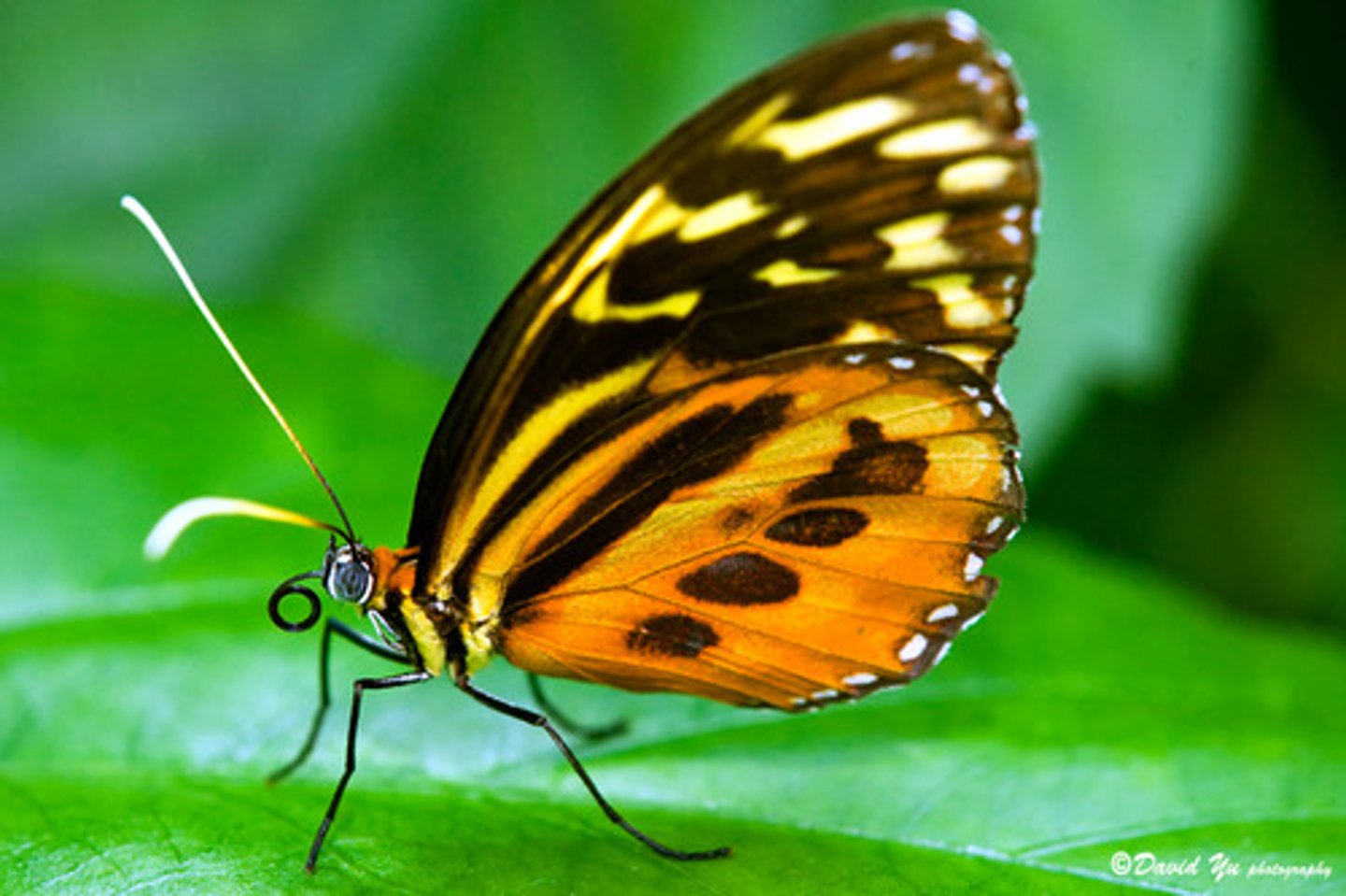
Lepidoptera
Butterflies, moths
- scales on wings
- adults have sucking mouthparts, larva chewing
- large compound eyes
- butterflies generally have clubbed antennae, male moths often have plumed antennae
- holometabolous
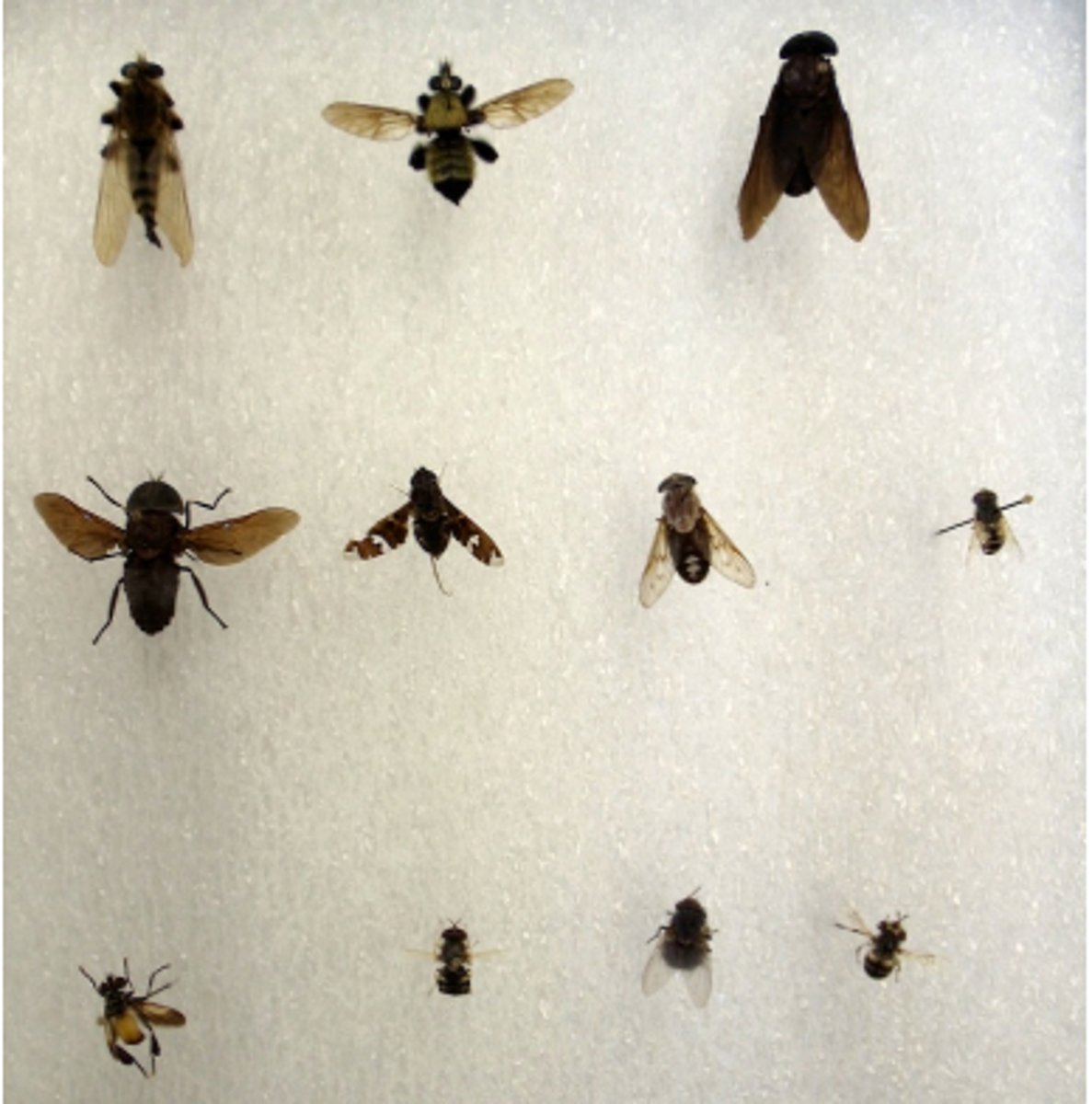
Diptera
Flies
- 1 pair of wings
- 1 pair of halteres (reduced hindwings)
- diverse mouthparts
- holometabolous
Ametabolous
No metamorphosis
Gradual size increase
Adults look similar to young and occupy same ecological niche
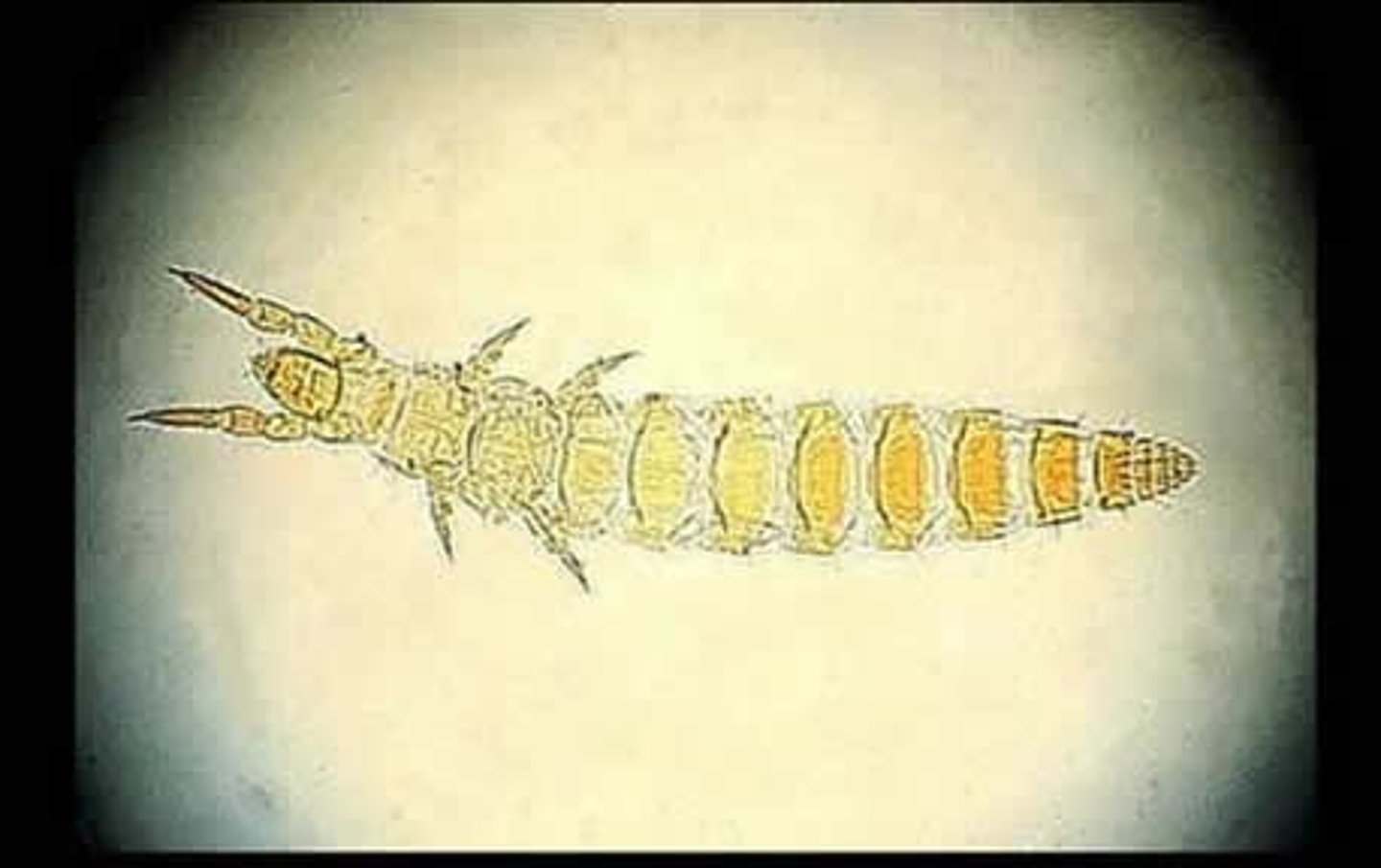
Protura
-0.6-1.5 mm, whitish
-Eyeless
-No antennae
-Ametabolous, Entognatha
Still learning (27)
You've started learning these terms. Keep it up!
 Note
Note  Flashcards (64)