Phylum Annelida,Lophophorates and Branchiopoda
 Studied by 8 people
 Call Kai
 Learn
Learn Practice Test
 Spaced Repetition
 Match
Match Flashcards
 Knowt Play
1/35

There's no tags or description
Looks like no tags are added yet.
Name | Mastery | Learn | Test | Matching | Spaced |
|---|
No study sessions yet.
36 Terms
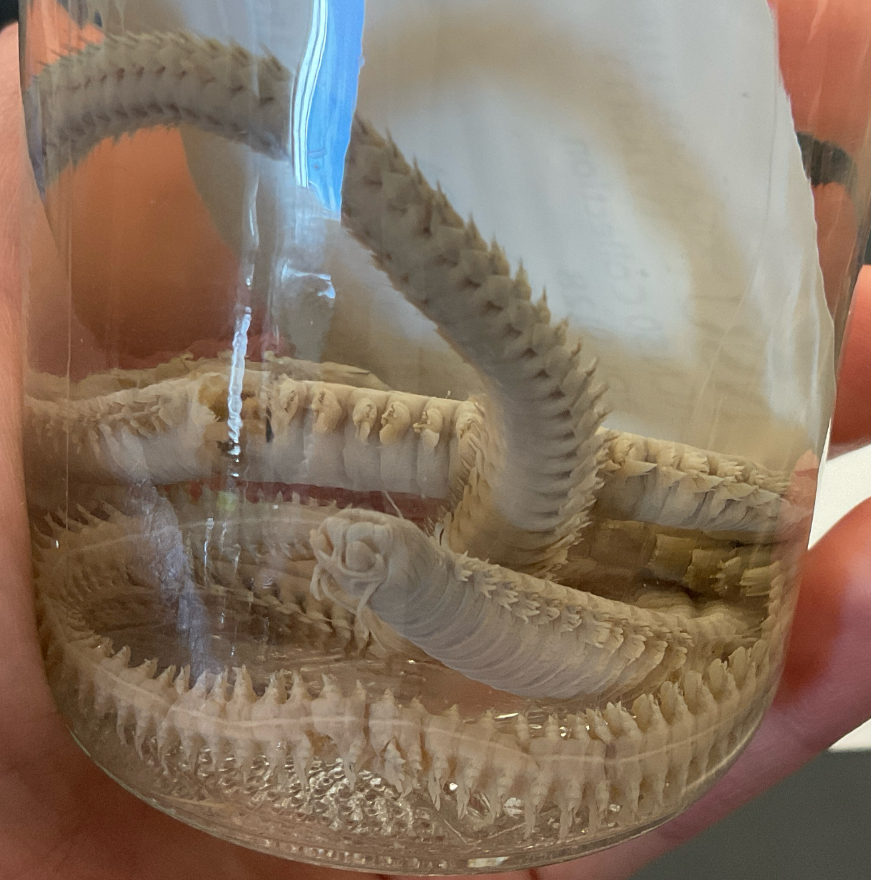
Family Nereididae (Sandworms,ragworms)
Class Polychaeta
Phylum Annelid
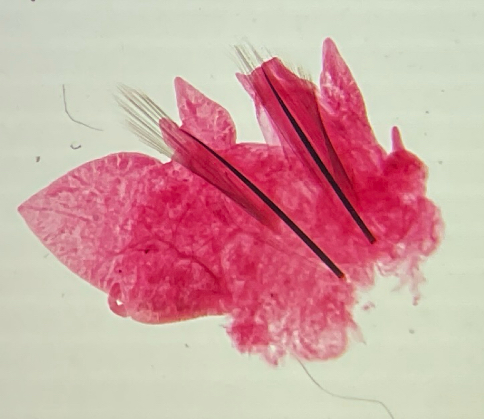
Parapodia of nereididae
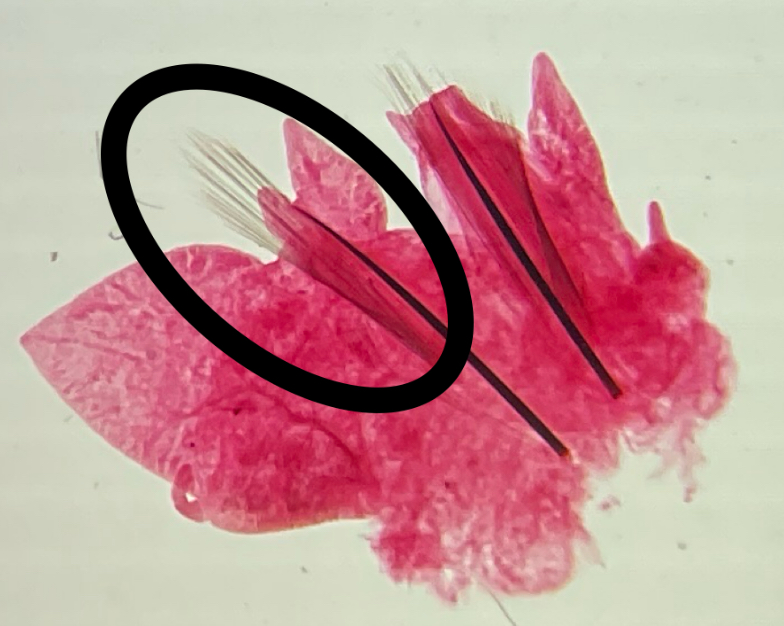
What is this structure called
Chaetae, stiff bristle made of chitin in annelid worm
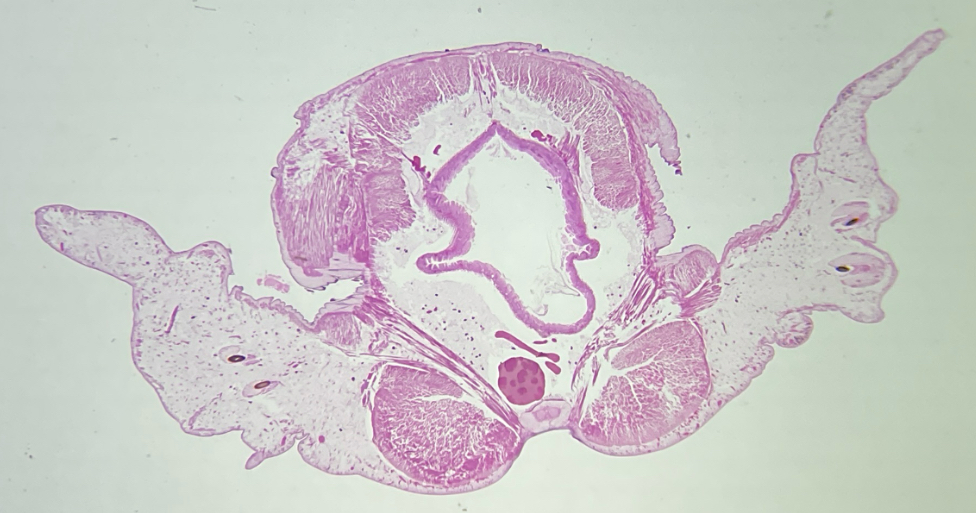
Cross-section of Alitta virens
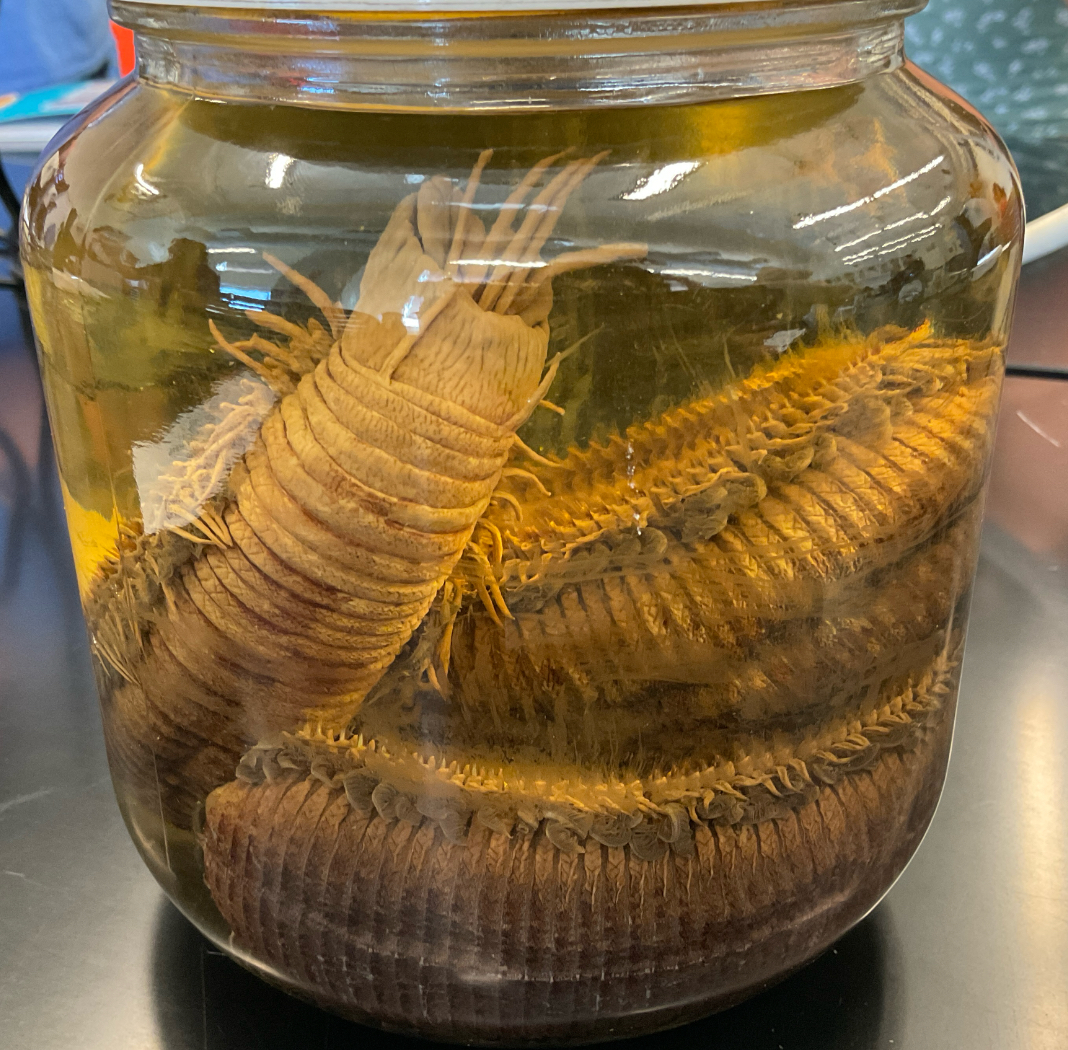
Family Eunicidae (bobbitt worm)
Class Polychaeta
Phylum Annelida

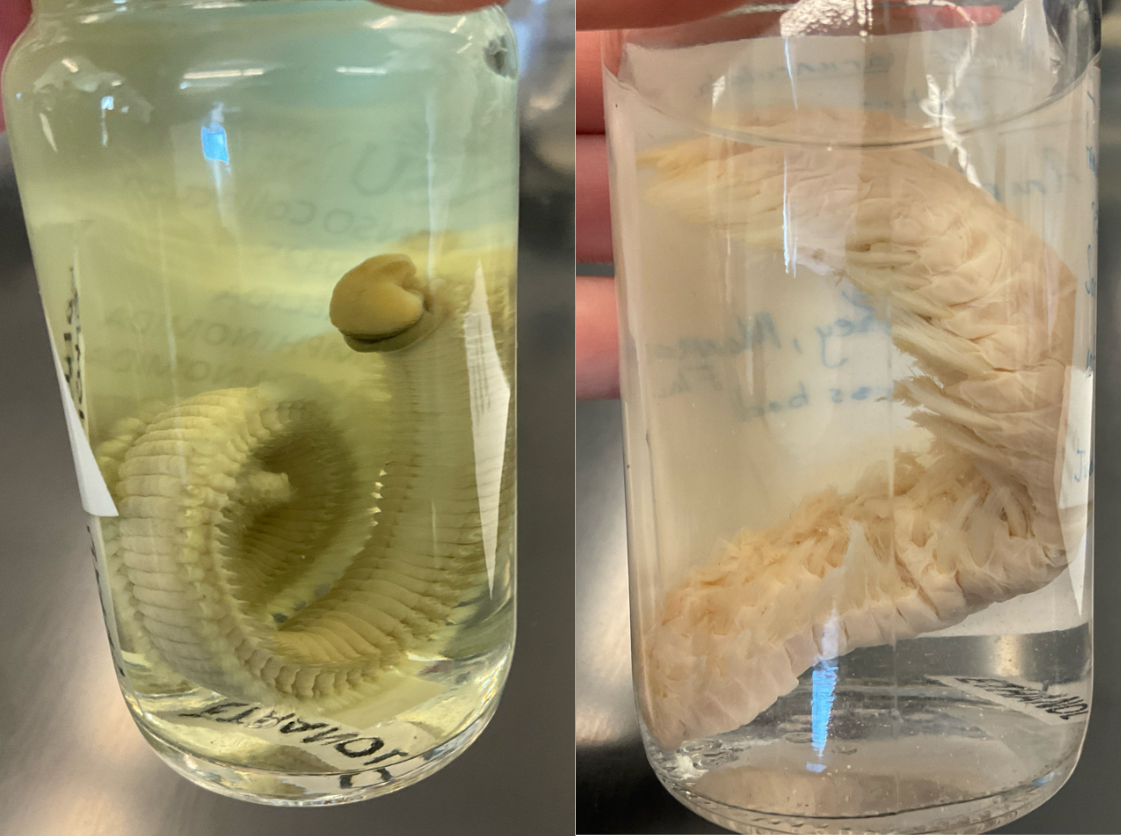
Family Glyceridae (bloodworms)
Class Polychaeta
Phylum Annelida
Family Amphinomidae (fireworms)
Class Polychaeta
Phylum Annelida
What are calcareous setae and what family has them?
They are bristle-like appendages that contain poison for defense, found in the Amphinomidae family
What is a caruncle and a characteristic to which family?
A wrinkled sensory organ, located backwards from the prostomium. Found in the family Amphinomidae
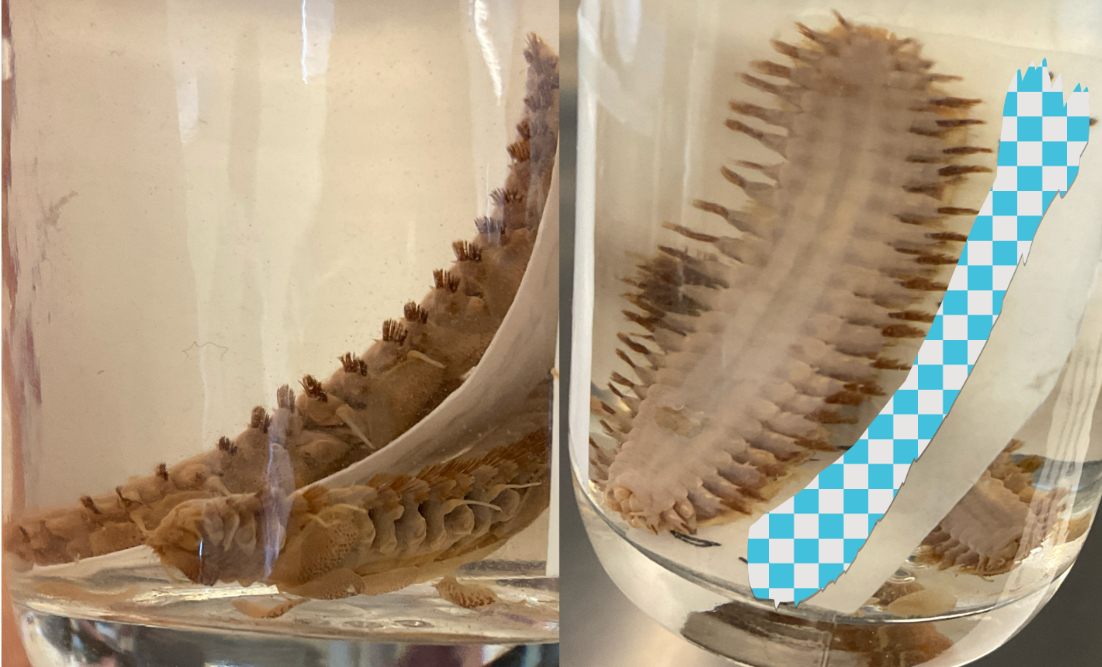
Family Polynoidae (scale worms)
Class Polychaeta
Phylum Annelida
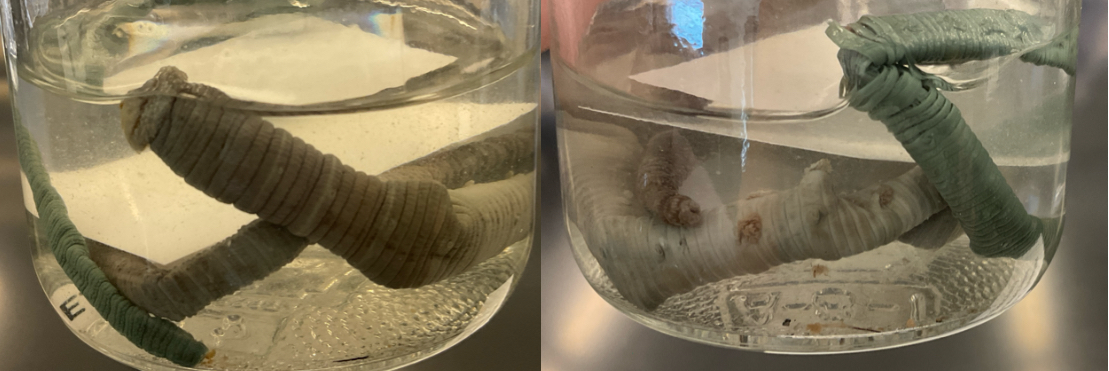
Family Arenicolidae (lugworms)
Class Polychaeta
Phylum Annelida
Family Sabellariidae (mason worms)
Class Polychaeta
Phylum Annelida

Family Sabellidae (feather duster worm)
Class Polychaeta
Phylum Annelida
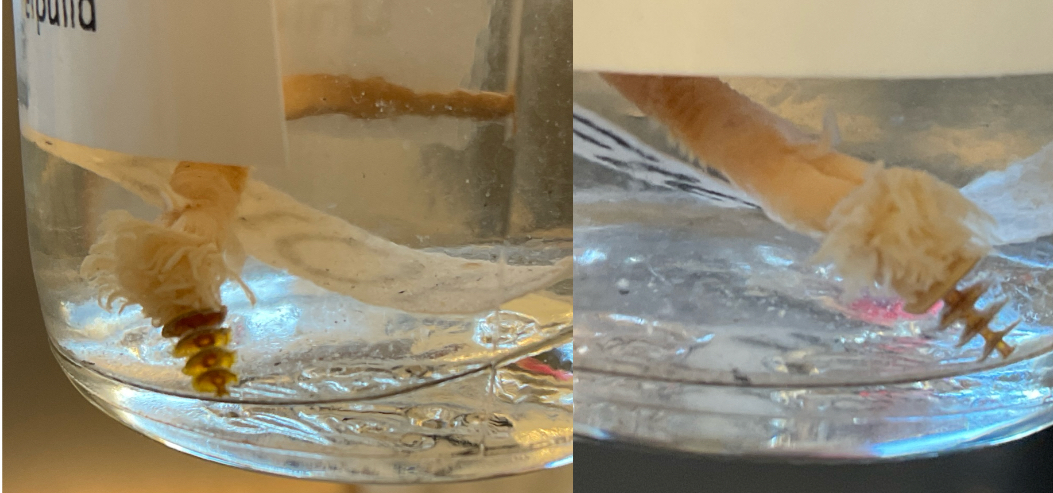
Family Serpulidae (Christmas tree worm)
Class Polychaeta
Phylum Annelida
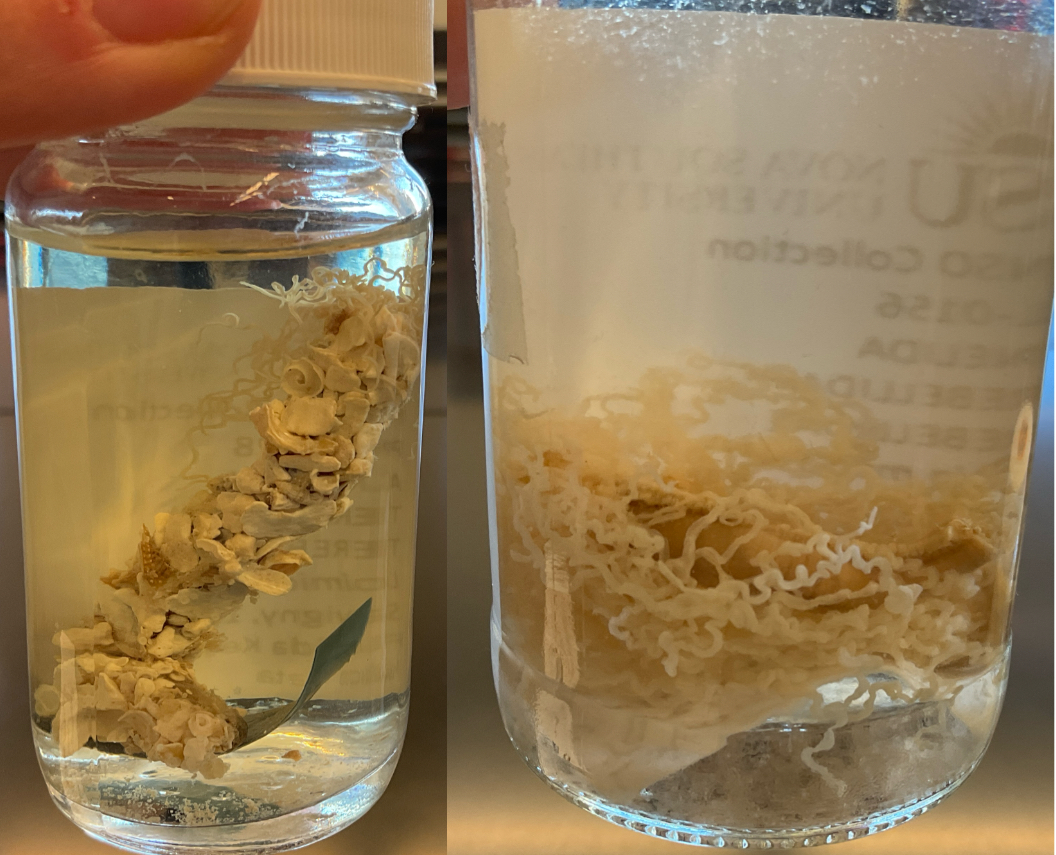
Family Terebellidae (Medusa worms)
Class Polychaeta
Phylum Annelida
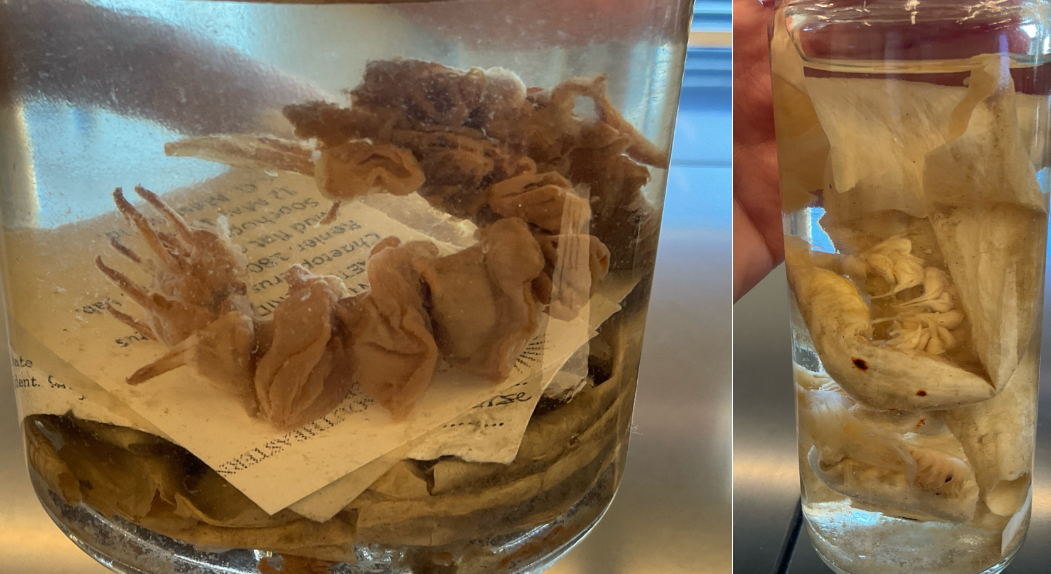
Family Chaetopteridae (parchment tube worm)
Class Polychaeta
Phylum Annelida
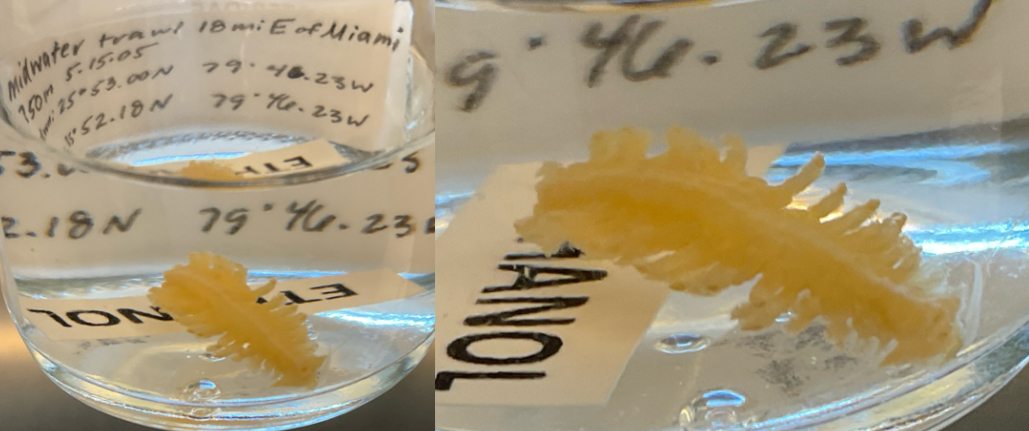
Family Tomopteridae (glass worms)
Class Polychaeta
Phylum Annelida
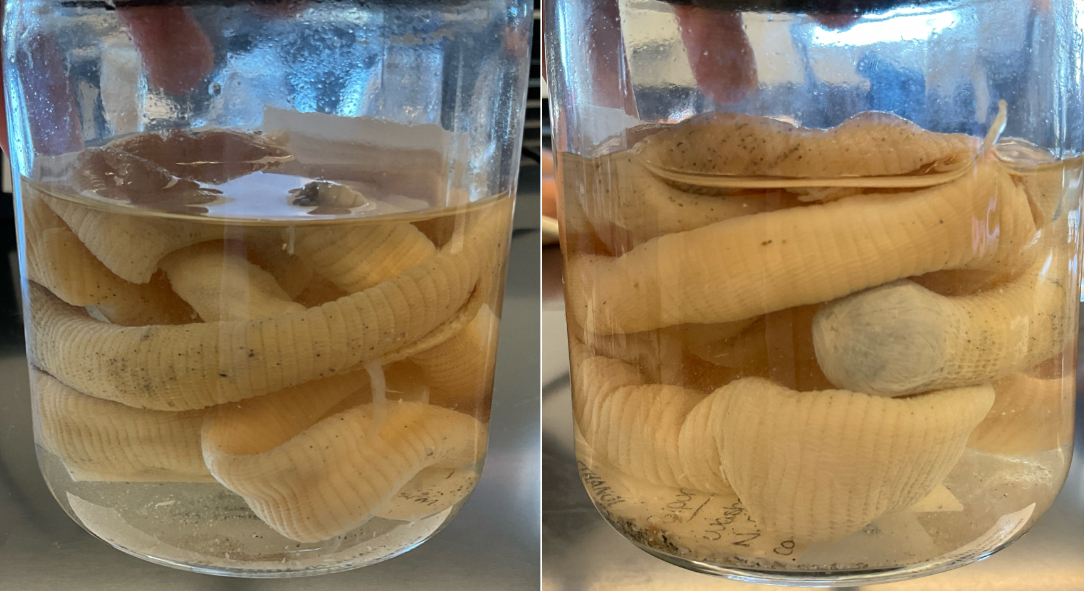
Family Sipuncula (peanut worms)
Class Polychaeta
Phylum Annelida
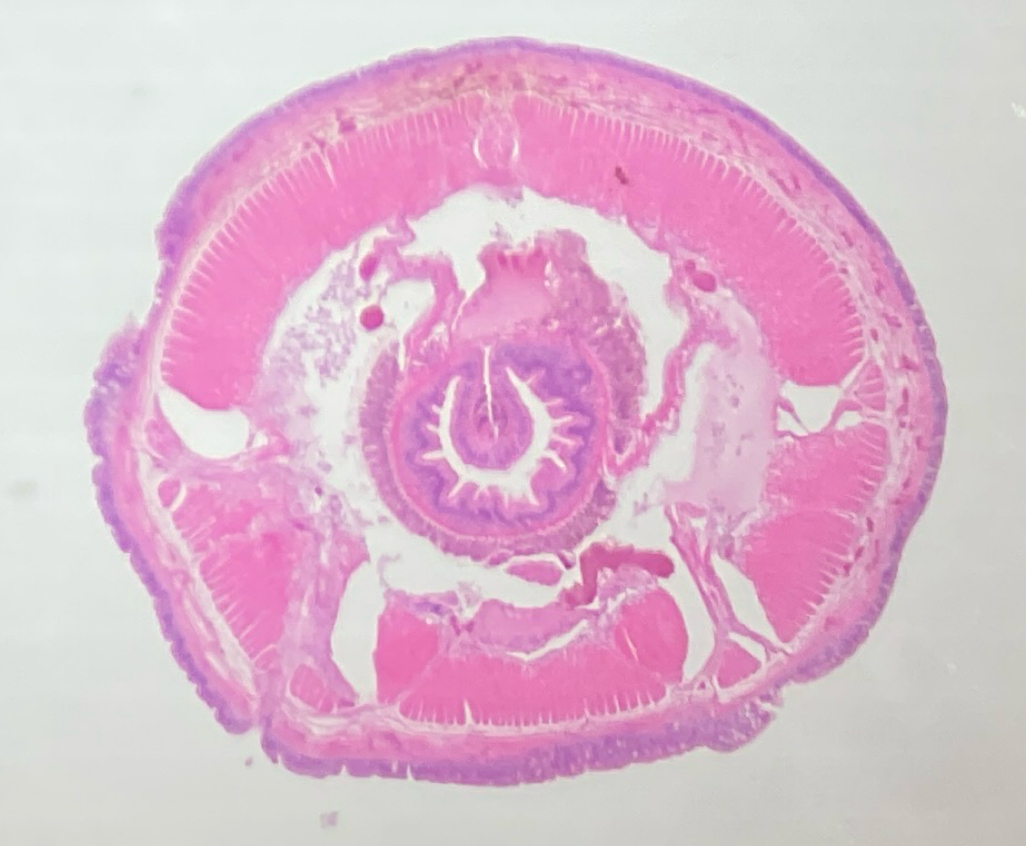
Cross-section of Lumbricus (earthworms)
Class Clitellata, subclass Oligochaeta
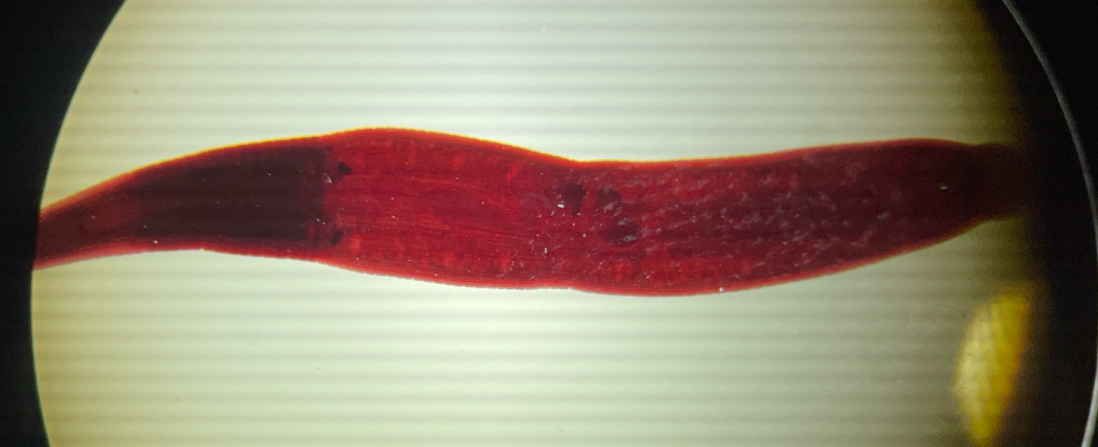
Hirudo medicinalis (leeches)
Subclass Hirudinoidea, class Clitellata
Phylum Annelida
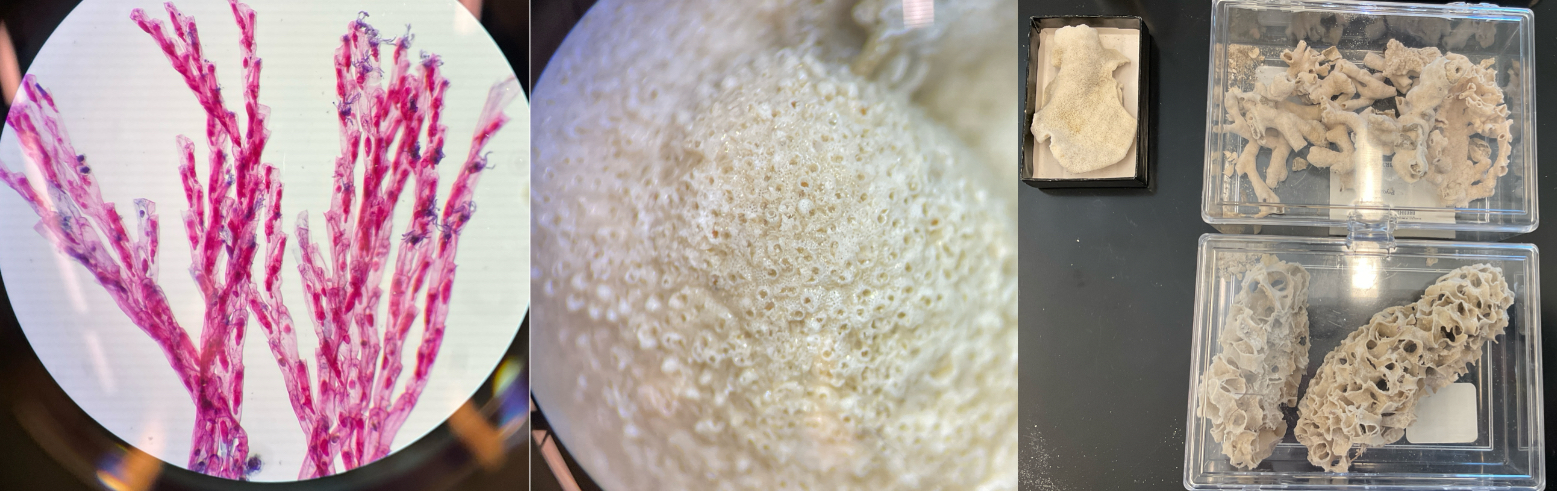
Bugula pacifica
Order Cheilostomata
Clade Lophophorates
Phylum Bryozoa

Lingula
Clade Lophophorata
Subphylum Linguliformea, Phylum Brachiopoda
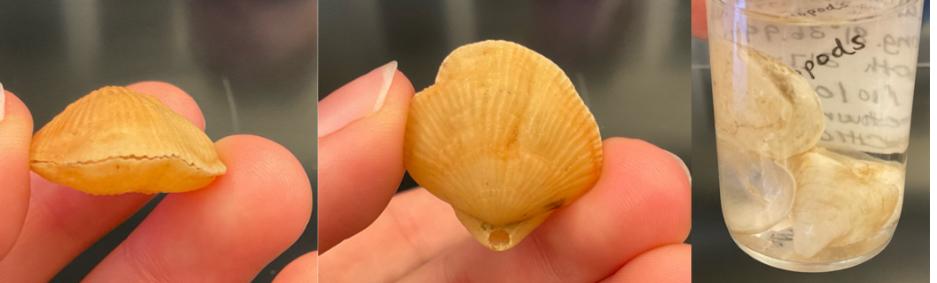
Terebratulina
Clade Lophophorata
Subphylum Rhynchonelliformea, Phylum Brachiopoda
The Prostomium can best be described as
Anterior segment containing brain, mouth, & sensory tentacles
What are Radioles
Featherlike ciliated head appendages that function in feeding and respiration
Parapodia are described as
Paired, lateral, unsegmented fleshy appendages
Among inarticulate brachiopods such as Lingula, the two valves are held together
by a combination of muscles and interlocking teeth
Clitellum are described as
Corset-like band of secretory epidermis
What are lophophore
A funnel-shaped ring of ciliated tentacles that are feeding organs
What are radioles?
feathery, tentacle-like structures that form the feeding and respiratory crown of Sabellidae and Serpulidae
What is the feeding mechanism for Terebellidae called?
selective deposit feeding
What are the aliform parapodia and what family has them
they are wing-like parapodia which produce the mucus feeding bag to capture food particles. This is found in the family Chaetopteridae
How have the parapodia been modified for Tomopteridae relative to crawling polychaetes?
distinctive, paddle-like, appendages of the deep-sea tomopterid worms that are adapted for swimming and prey capture
How is the Sipuncula (peanut worm) body divided?
slender anterior introvert & sausage-like posterior trunk, Introvert contains brain & mouth & can be retracted into trunk.
What are ciliated urns?
coelomic micro-organs that are free in coelom or fixed to coelomic lining; for internal defense.

What is this structure called and what group can it be found in?
Typhlosole and its found in subclass Oligochaeta
 Note
Note  Flashcards (30)