GI Histology
 Studied by 3 people
 Call Kai
 Learn
Learn Practice Test
 Spaced Repetition
 Match
Match Flashcards
 Knowt Play
1/49

There's no tags or description
Looks like no tags are added yet.
Name | Mastery | Learn | Test | Matching | Spaced | Call with Kai |
|---|
No analytics yet
Send a link to your students to track their progress
50 Terms
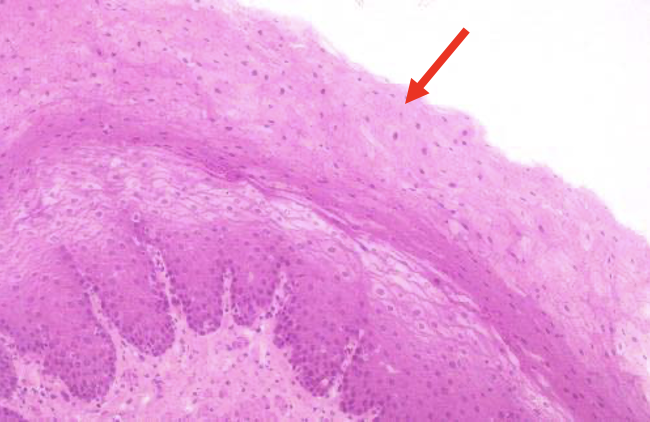
Esophageal mucosa
Esophageal stomach junction
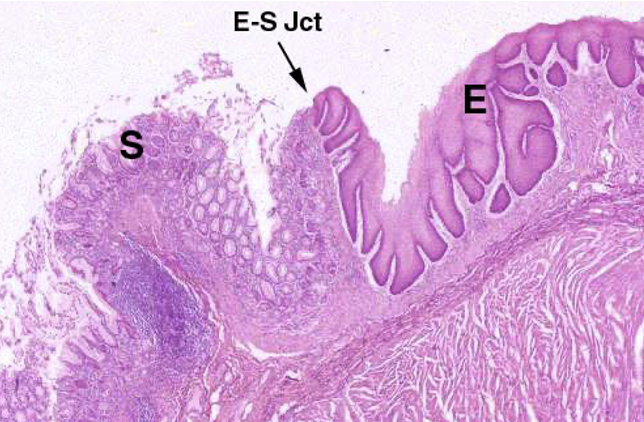
Esophageal stomach junction
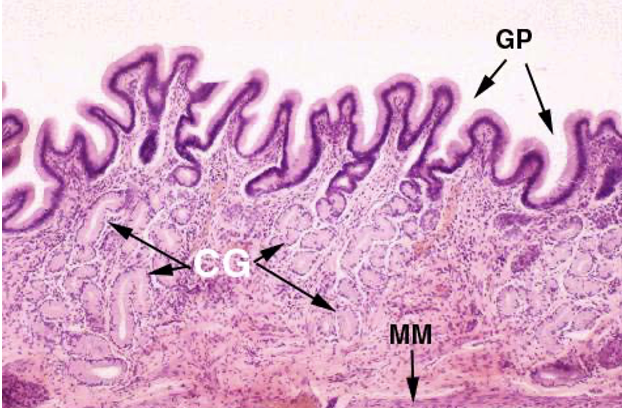
Stomach
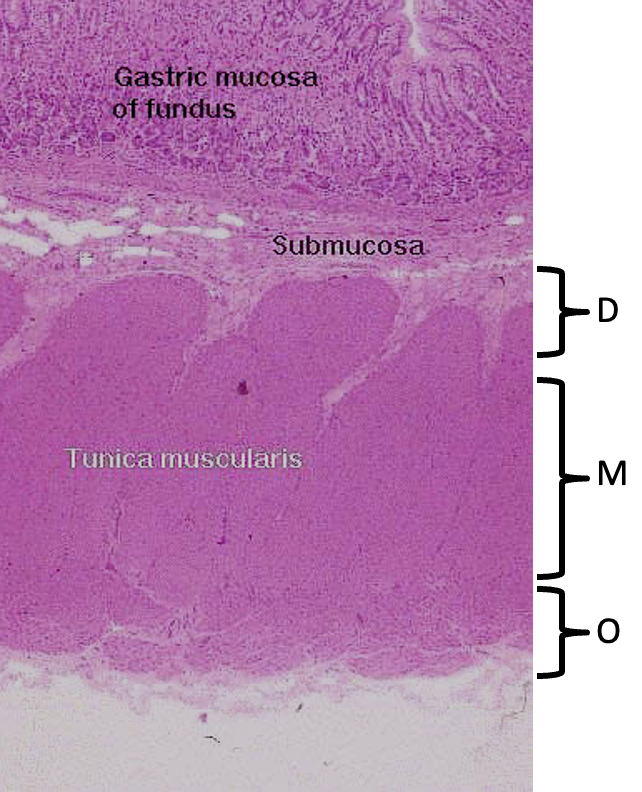
Duodenum
Velvet like
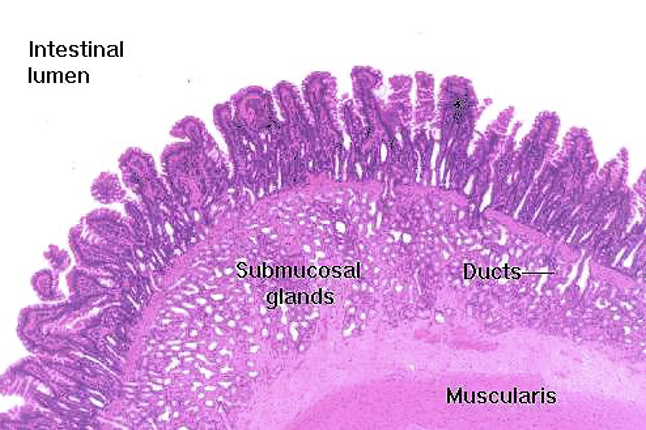
Jejunum
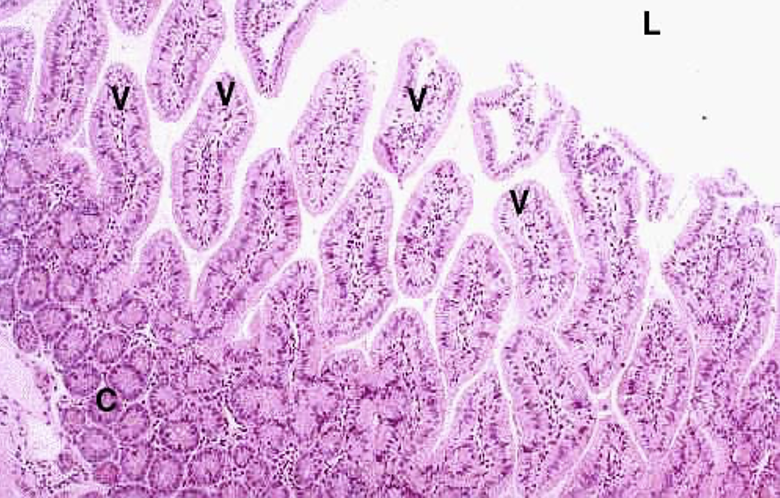
Ileum
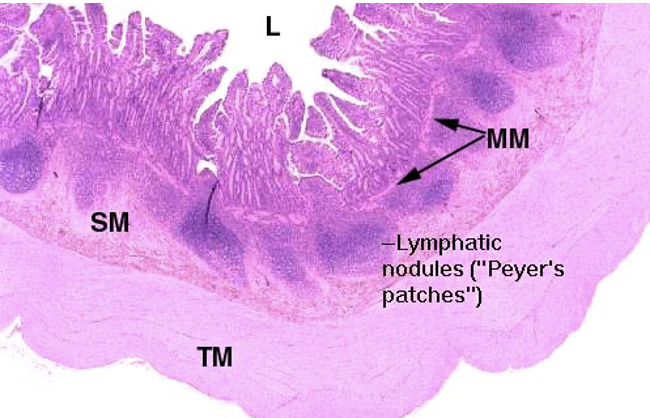
Colon (large intestine)
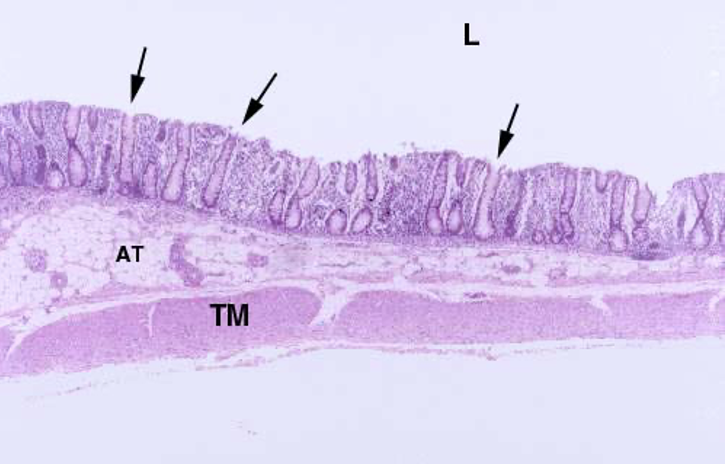
Anorectal Junction
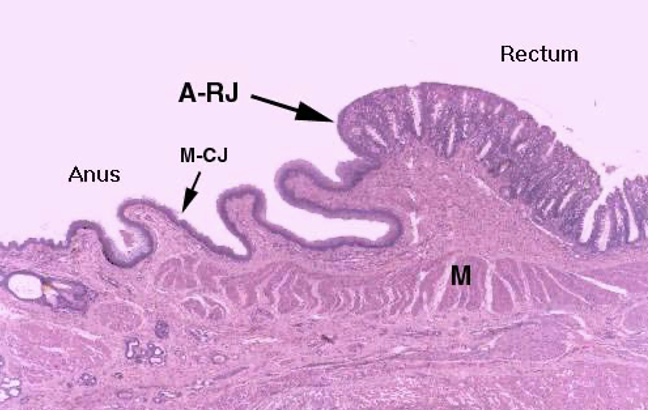
Anorectal junction
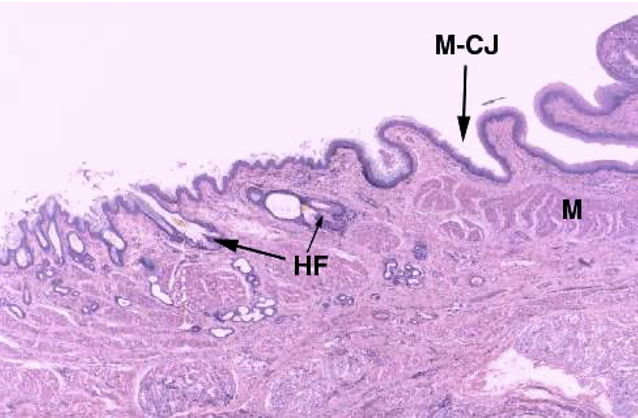
Rumen
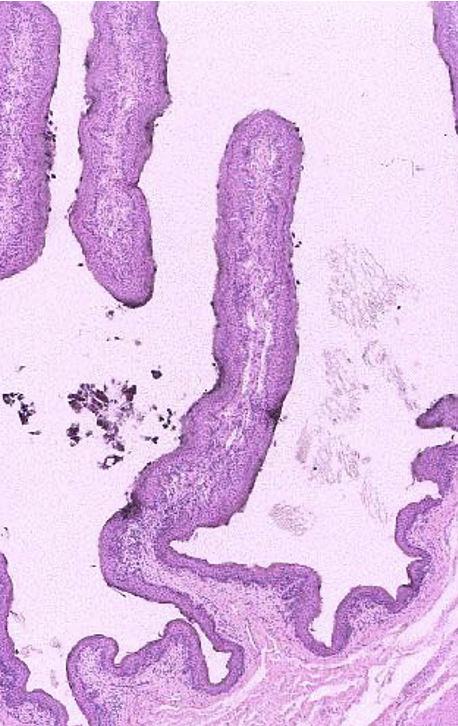
Reticulum
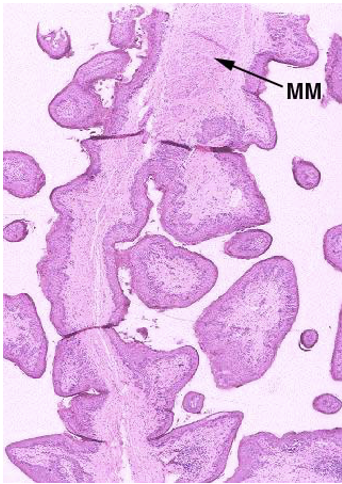
Omasum
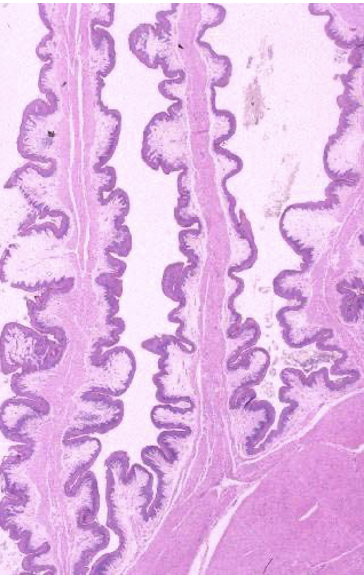
Abomasum
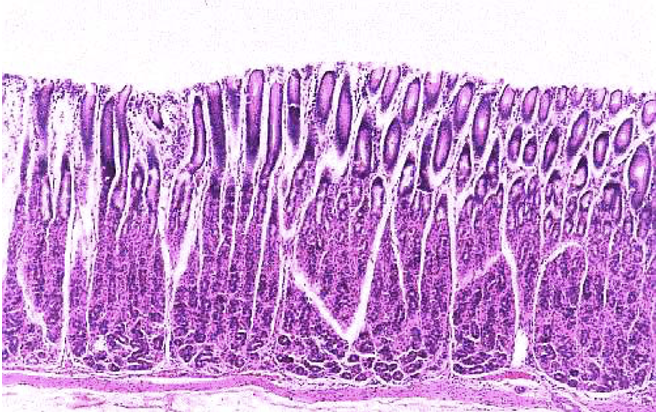
Bird tongue
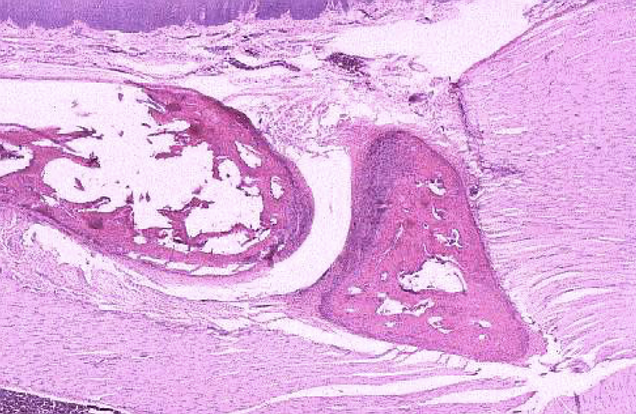
Proventriculus
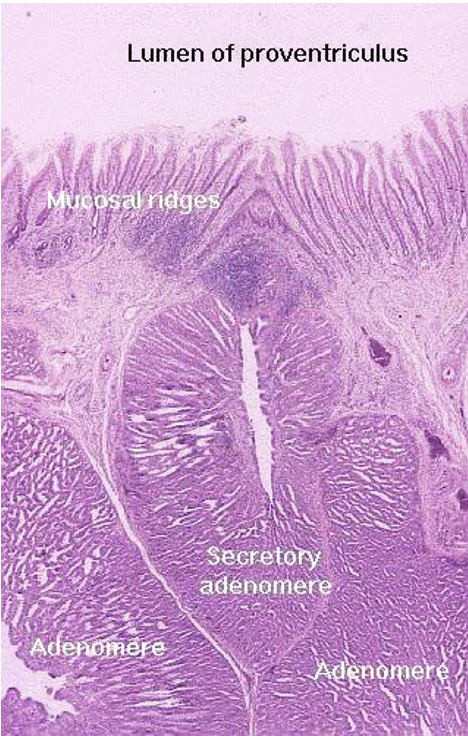
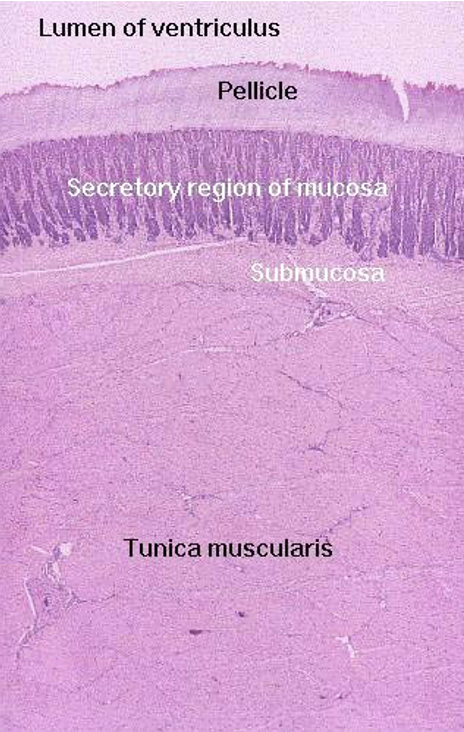
Ventriculus
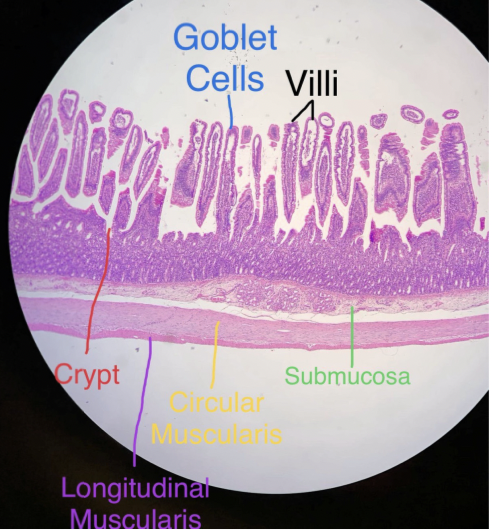
jejunum
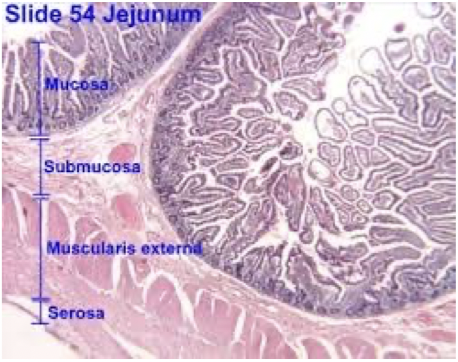
jejunum
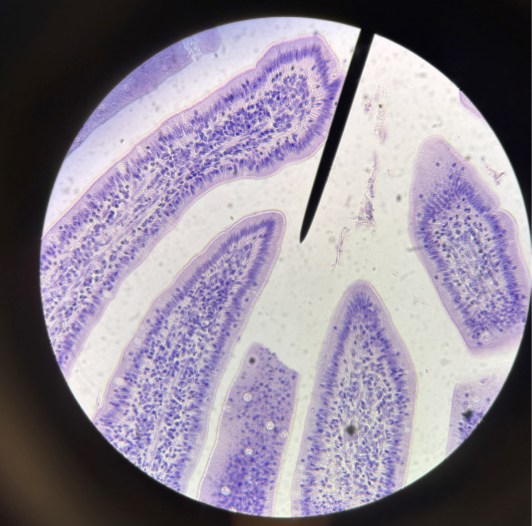
jejunum
jejunum
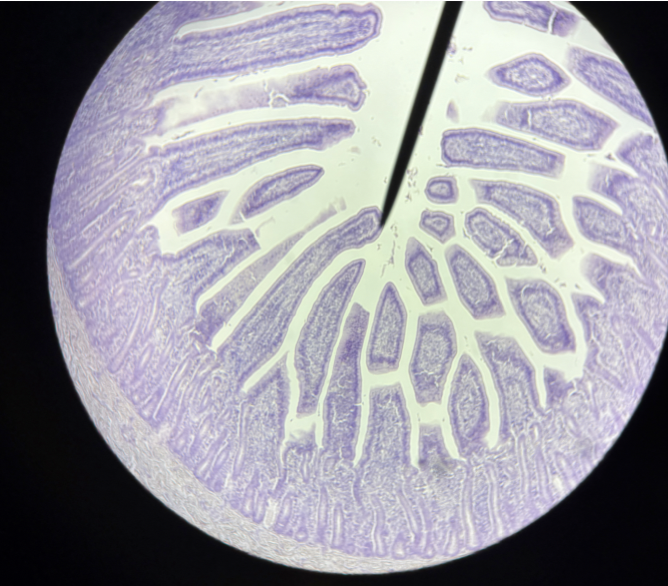
Colon (large intestine)
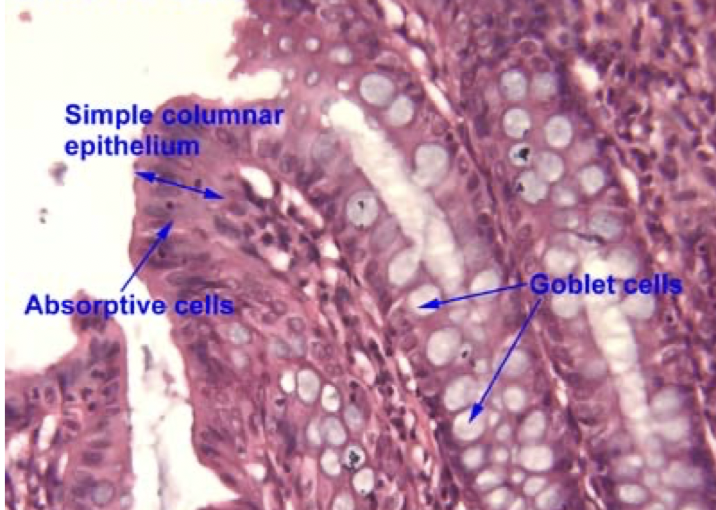
Colon (large intestine)
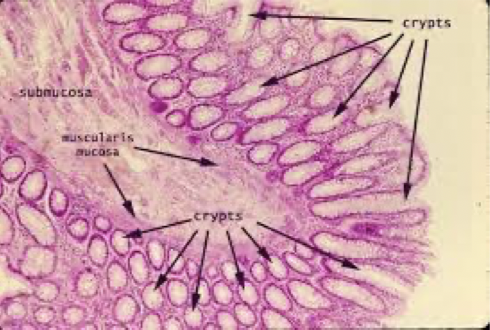
Colon (large intestine)
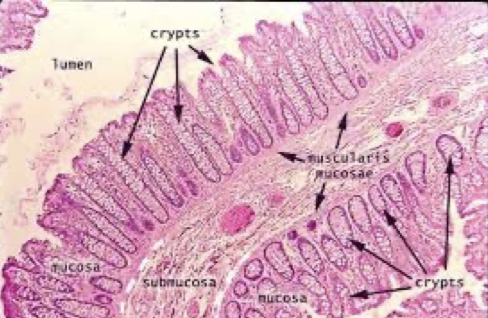
Colon (large intestine)
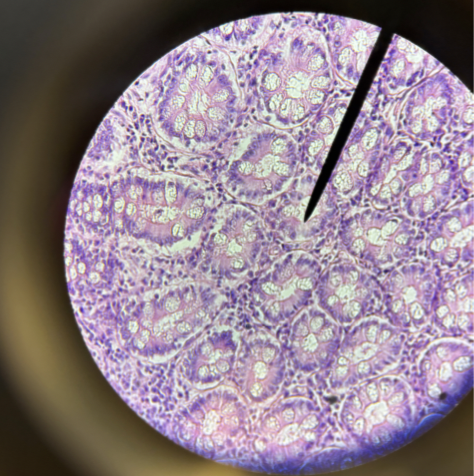
rumen
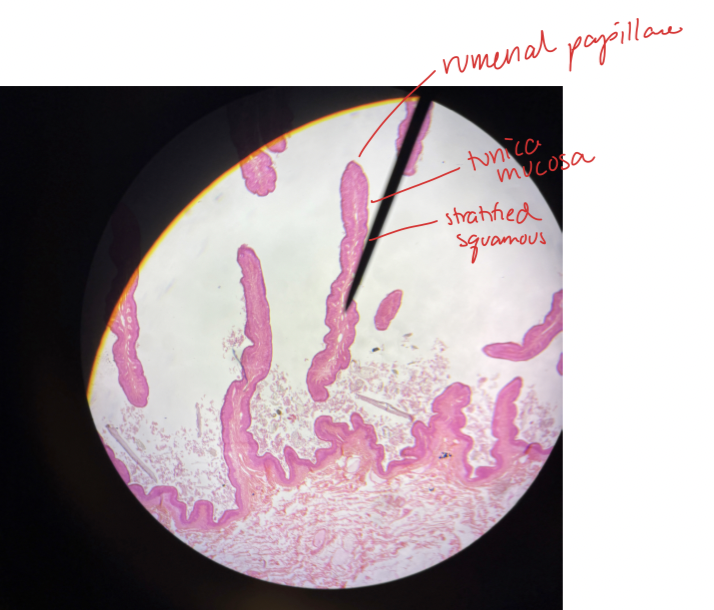
reticulum
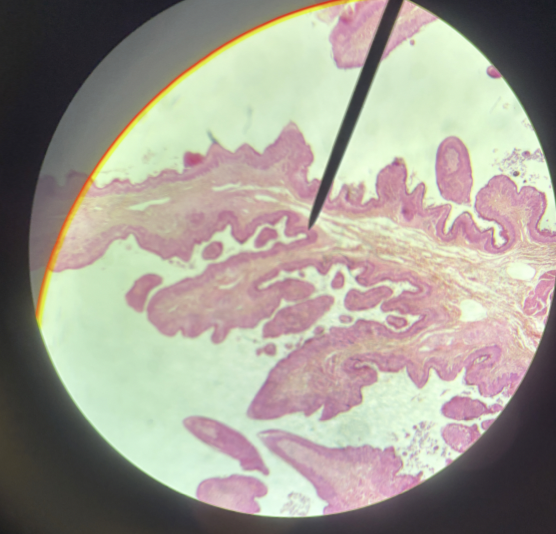
omasum
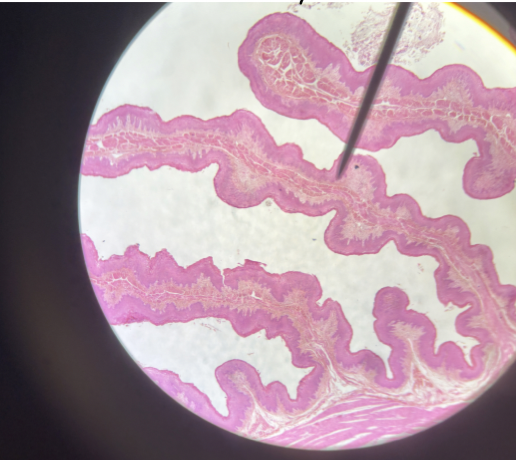
abomasum
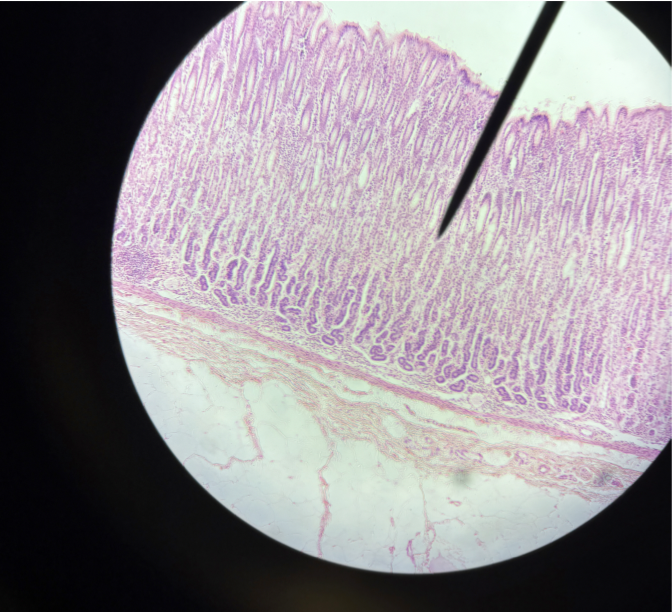
ventriculus
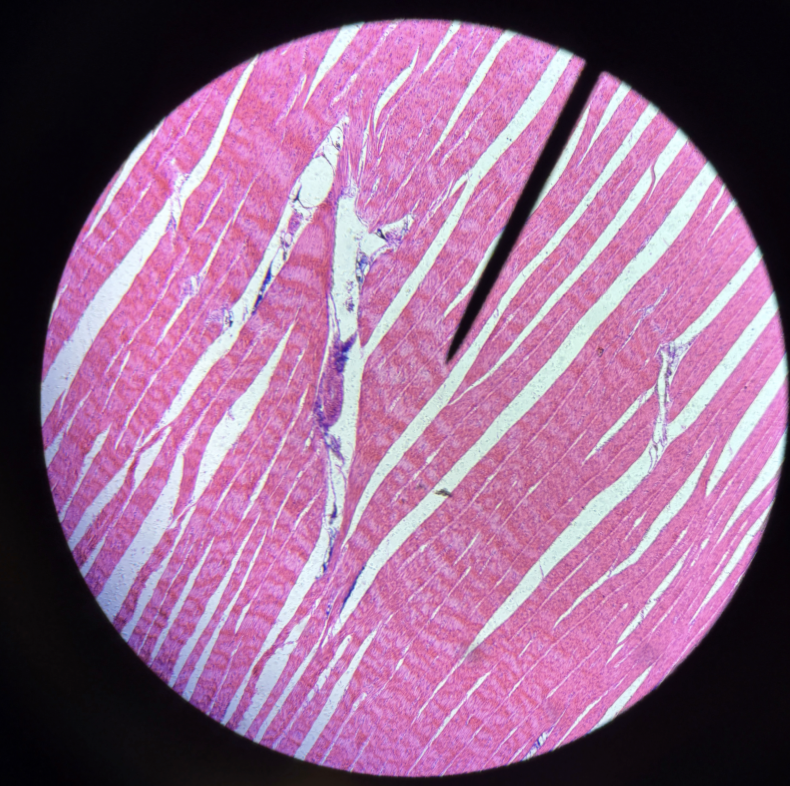
tunica adventitia
The G.I. tract is covered superficially by a —
tunica muscularis, tunica submucosa, tunica mucosa
Superficial to deep (GI layers)
plicated
The esophagus is — to accommodate different sizes of food boluses
enterocytes
The tunica mucosa of the duodenum contains absorptive —
submucosa, ileum
The peyers patches are found in the — of the —
peyers patches
The — are found in the submucosa of the ileum
fibrous adipose tissue
The large intestine has — instead of peyers patches
simple columnar, stratified squamous
The rectum’s tunica mucosa is a — epithelium, which abruptly changes to — epithelium as we move into the anus
hardware disease
the reticulum is subject to a condition called —
papillae
the rumen contains rumenal —
rumen, reticulum, omasum, abomasum
The four divisions of the stomach in the ruminant, from anterior to posterior, are: the —, the —, the —, and the —.
symbiotic organisms, cellulase
The luminal surfaces of the rumenal papillae are coated with black specks. These specks contain the — which produce the — enzymes.
foliae
The omasum (fig 12, 13) is formed from leaf like folds, also called —
proventriculus
The true glandular stomach of the bird is called the —
mucosal ridges
Rather than crypts, the villi in the Tunica mucosa of the proventriculus are arranged in —
adenomere
The gastric gland in birds is also called the —
ventriculus
Even though birds don't have teeth they still need to masticate their food before it moves into the small intestines. To accomplish this they have a region of the "gizzard". More formally this region is called the —
tunica muscularis
the ventriculus has a very thick —
pellicle
a thick cornified layer produced by the cells of the Tunica mucosa in the ventriculus
simple columnar or cuboidal
the ventriculus has — epithelium
 Note
Note  Flashcards (85)