Nobel prize winners
 Call Kai
 Learn
Learn Practice Test
 Spaced Repetition
 Match
Match Flashcards
 Knowt Play
1/10

There's no tags or description
Looks like no tags are added yet.
Name | Mastery | Learn | Test | Matching | Spaced | Call with Kai |
|---|
No analytics yet
Send a link to your students to track their progress
11 Terms
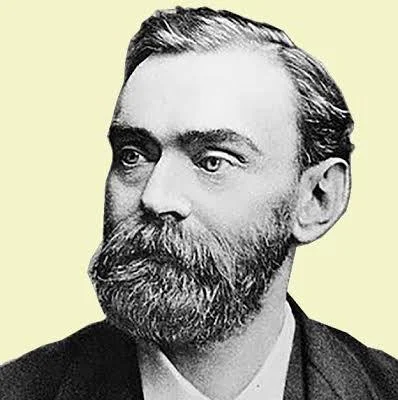
Alfred Nobel life
pioneering scientist, inventor, philanthropist
invented dynamite
wanted to invest 5 nobel prizes in his will
physics, chem, literature, peace, eventually economics
a prize awarded for inspiring an outpouring of research and creating new fields of study
Typical characteristics of a nobel laureate
strong math background
related to laissez faire or govt int
ideas that change how we think about econ issues and can affect govt policies
George stigler life and work
studies uni of chicago
professor at uni of columbia
Economics of information
won prize in 1982
for his studies of industrial structures, functioning of markets, and causes and effects of public regulation
helped form the US govt measure of poverty
Stigler’s thoughts on policy
traditionally: no govt int even to curb monopoly power or ensure consumer protection
argued that regulation benefits companies under govt control = govt failure
over-regulation can hinder comp counteracting any benefits from it
Stigler’s relation to other economists
Robinson: saw that similar goods were selling for different prices
not between customers but between vendors
Smith: Extended Smith’s work by incorporating information in price formation
Chicago school: they agreed that there should be limited govt int while recognizing role of info in market dynamics
not even to limit monopoly power
not to guarantee consumer safety
regulation benefits companies under govt control
there is a possibility of govt failure
Akerlof: he built on Stigler’s theory economic of information
Stigler’s theory of value
struggling with the idea that identical products sell at different prices
this was an inconsistency between real-world and comp economic model
he was a firm believer of comp model so he believed that the cost of acquiring info was the cause of this
diminishing returns to information
MC of acquiring new info increases
information is an economic good —> economics of information
higher information costs = greater price discrepancies
this theory only works if there is perfect info abt MB and MC of information
George Akerlof life and work
Yale and MIT
professor at uni of California
Witnessed great depression
Asymmetric information
The market for lemons
efficiency wage model of the labor market
won for studies in asymmetric information spence and Stiglitz in 2001
Akerlof theory on information
perfect info in info is not available = markets are still efficient
asymmetric info —> one party has more info than the other
this causes market inefficiencies
adverse selection in car market, insurance market and borrowing money
Akerlof relation to other economists
Smith: free markets lead to efficient outcomes but Akerlof added that they don’t under asymmetric information
agreed that wages may differ due to noneconomic reasons
Akerlof added that some firms pay efficiency wages to increase profitability
Akerlof’s efficiency wage theory
Wages are rigid —> in great depression, wages were not cut instead mass unemployment
if firms paid more than avg wage, workers worked better and were more loyal
firms decided to keep wages bcs cutting them would demotivate workers
frictional unemployment occurs due to efficiency wages and need to exist for efficiency wages to work
it is persistent compared to ppl thinking it is temporary
labor markets DONT clear like goods markets
Stigler and Akerlof relevance
imperfect info is everywhere
nowadays there are many arrangement to reduce info asymmetry
many intermediaries provide more info
inexpensive access to info provided by internet reduces asymmetric info

