A&P Exam and Lab Practical 1
 Call Kai
 Learn
Learn Practice Test
 Spaced Repetition
 Match
Match Flashcards
 Knowt Play
1/103

There's no tags or description
Looks like no tags are added yet.
Name | Mastery | Learn | Test | Matching | Spaced | Call with Kai |
|---|
No analytics yet
Send a link to your students to track their progress
104 Terms
Endocrine System Function
Along with nervous system, regulates functions of body to maintain homeostasis, and coordinates communication
Major endocrine glands
Pituitary gland, thyroid gland, parathyroid glands, adrenal glands, pancreas, pineal gland, thymus, ovaries & testes
Endocrine glands
ductless; secretes homornes directly into the body fluids. hormones only act on target cells that contain receptors for them.
exocrine glands
glands that secrete into ducts or tubes that lead to a body surface; secrete externally & delivers products directly to a specific site
“local hormones"
other cells beside exocrine/endocrine glands secrete these; paracrine/autocrine secretions
paracrine secretions
affect nearby cells
autocrine secretions
affect only the cells that secrete them
Nervous system vs endocrine system
neurotransmitters/hormones; nervous system responds faster while endocrine system effects last longer
hormones
released into extracellular fluid, & then diffuse into blood; method of transport depends of if hormone is lipid or water soluble; powerful in low concentrations
steroid/steroid-like hormones
lipids containing complex rings of carbon & hydrogen atoms; produced from cholesterol; sex hormones & adrenal cortex hormones (cortisol, aldosterone)
nonsteroid hormones
amines, proteins, peptides, glycoproteins
Amine hormone
derived from tyrosine; epinephrine, noepinephrine, thyroxine
protein hormones
long chains of amino acids; growth hormone
peptide proteins
short chains of amino acids; ADH, oxytocin
glycoprotein hormones
carbohydrates joined to proteins; TSH
hormone actions
exert effects by altering metabolic processes: may alter enzyme activity, may change rate of membrane transportation of a substance
hormone actions
delivered messages by binding to their receptors on/in target cells; can cause changes in target cells even in extremely low concentrations
hormone actions
number of receptors determines strength of response, & can be changed to alter the response: upregulation, downregulation
upregulation
increase in number of receptors on target cell, in response to a decrease in hormone level
downregulation
decrease in number of receptors on target cell, due to an increase in hormone level
steroid & thyroid hormones
have poor water-solubility; transported through lipid bilayer of cell membrane; bind to receptors inside cell (usually nucleus); cause transcription of particular genes; protein synthesis leads to the action
steroid vs thyroid hormones
steroid hormones can diffuse through lipid bilayer of cell membrane; thyroid hormones enter cell by specific transport methods
sequence of steroid hormone action
endocrine gland secretes steroid hormone
blood carries hormone molecules throughout body
unbound steroid hormone diffused through target cell membrane & enters cytoplasm or nucleus
hormone combines with a receptor molecule in cytoplasm or nucleus
steroid hormone-receptor complex binds to DNA in nucleus and promotes transcription of messenger RNA
messenger RNA enters cytoplasm and directs protein synthesis
Newly synthesized proteins produce the steroid hormone’s specific effects
nonsteroid hormone action
cannot penetrate the lipid bilayer of cell membranes; binds to receptors on the target cell membranes; use cAMP as second messenger
signal transduction
process of chemical communication from outside cells to inside
first messenger
hormone
second messenger
chemical that induces changes leading to hormone’s effect
sequence of actions of nonsteroid hormones
endocrine gland secretes nonsteroid hormone
blood carries hormone molecules throughout body
hormone combines with receptor site on membrane of target cell, activating G protein
adenylate cyclase are activated
Adenylate cyclase converted ATP into cyclic AMP
cyclic AMP activates protein kinases
protein kinases activate protein substrates in cell that changes metabolic processes
cellular changes produce hormones effects
prostaglandins
paracrine substances: potent in small amounts; not stored in cells; rapidly inactivated after use; regulate cellular responses to hormones
control of hormonal secretions
precisely regulated; negative feedback; effects can last from a few minutes to days; some excreted in urine after use; can be broken down by enzymes, mainly from liver to stop effects
pituitary gland
in sella turcica of sphenoid bone; attached to hypothalamus by pituitary stalk (infundibulum); anterior lobe & posterior lobe; secretion is controlled by hypothalamus
anterior lobe of pituitary regulation
hypothalamic releasing hormones are transported to lobe through hypophyseal portal veins & stimulates or inhibit cells of lobe to release hormones
posterior lobe of pituitary gland regulation
nerve impulses from hypothalamus travel to lobe through infundibulum & stimulates nerve endings in lobe to release hormones
releasing (or release-inhibiting) hormone
from hypothalamus & acts on specific hormone-secreting cells in anterior pituitary
anterior pituitary hormone
acts on cells in peripheral endocrine gland to stimulate secretion
peripheral endocrine gland
secretes its hormone, which exerts effects on target cells
anterior pituitary hormones
growth hormone, prolactin, thyroid-stimulating hormone (TSH), Adrenocorticotropic hormone (ACTH), follicle stimulating hormone (FSH), luteinizing hormone (LH)
hypopituitary dwarfism
deficiency of growth hormone during childhood; short stature but regular body proportions; hgh treatment must start before bones ossify
gigantism
over secretion of GH in childhood; height may exceed 8 ft; often cause by pituitary tumor
acromegaly
over secretion of GH in adulthood; bones thicken & enlargement of tongue, nose, hands, feet, jaw, heart, thyroid gland
posterior pituitary hormones
Antidiuretic hormone (ADH, vasopressin) & oxytocin
growth hormone
stimulates increase in size & rate of division of body cells & enhances movement of amino acids through membranes
prolactin (PRL)
sustains milk production after birth; amplifies effects of luteinizing hormone in males
thyroid stimulating hormone (TSH)
controls secretion of hormones from the thyroid gland
Adrenocorticotropic hormone (ACTH)
controls secretion of certain hormones from the adrenal cortex
follicle stimulating hormone (FSH)
promotes development of egg-containing follicles in ovaries & stimulates follicular cells to secrete estrogen; stimulates production of sperm in males
luteinizing hormone (LH)
promotes secretion of sex hormones; releases egg cell in females
Antidiuretic hormone (ADH)
causes kidneys to reduce water excretion; may help maintain blood pressure
Oxytocin (OT)
contracts smooth muscle in uterine wall; forces liquid from milk glands into milk ducts & ejects milk
thyroid gland
2 lateral lobes just below larynx connected by isthmus; composed of round secretory units called follicles & each follicle is surrounded by a single layer of follicular cells; colloid fills follicle cavities
hormones of the thyroid gland
thyroxine (T4), triiodothyronine (T3), & calcitonin
thyroxine (T4)
increases rate of energy release from carbohydrates; increases rate of protein synthesis; accelerates growth; necessary for nervous system maturation
triiodothyronine (T3)
same as thyroxine but much more potent
calcitonin
lowers blood calcium and phosphate ion concentrations by inhibiting release of calcium and phosphate ions from bones & increasing excretion of calcium by kidneys
hypothyroidism
causes low metabolic rate, resulting in cold sensitivity, fatigue, & weight gain; can cause problems with bone formation, growth, and intellectual abilities in newborns
hyperthyroidism
causes high metabolic rate resulting in restlessness, weight loss, & overeating; caused by non cancerous thyroid tumor, excess T4 medication, or autoimmune disease
graves’ disease
autoantibodies bind TSH receptors on thyroid cell membranes, overstimulating gland; profusion of eyes and goiters
hashimoto disease
autoantibodies destroy thyroid cells, resulting in hypothyroidism
simple goiter
deficiency of thyroid hormones due to iodine deficiency; thyroid enlarges but functions normally
parathyroid glands
located on posterior surface of thyroid gland — most people have 4; secretes parathyroid hormones
parathyroid hormone (PTH)
increases blood level of calcium & decreases phosphate; stimulates bone resorption, indirectly stimulates calcium absorption, acts on kidney to cause final step in production of vitamin D, conserves calcium in kidneys, & excretes phosphate in urine
hyperparathyroidism
fatigue, muscle weakness, painful joints, altered mental functions, depression, weight loss, bone weakening — increased PTH secretion overstimulates osteoclasts; caused by tumor
hypoparathyroidism
muscle cramps & seizures; decreased PTH secretion reduces osteoclasts activity, diminishing blood calcium ion concentration; caused by injury or surgical removal
adrenal glands
sit like cap on each kidney; consists of outer cortex & inner medulla
adrenal cortex hormones
aldosterone, cortisol, sex hormones
adrenal medulla hormones
80% epinephrine & 20% norepinephrine
function of epinephrine & norepinephrine
mimic sympathetic stimulation; increased heart rate, blood pressure, airflow to lungs, blood glucose level, & decreased digestive activities
major difference between epinephrine & norepinephrine
epinephrine causes vasodilation while norepinephrine causes vasoconstriction in skin & viscera
aldosterone
helps regulate the concentration of extracellular electrolytes by conserving sodium ions and excreting potassium ions
cortisol
decreases protein synthesis, increases fatty acid release, & stimulates glucose synthesis from noncarbohydrates
adrenal androgens
supplement sex hormones from gonads; may be converted into estrogen
renin-angiotensin system
system that helps maintain blood pressure; the product of this system, angiotensin II, increases blood pressure & promotes secretion of aldosterone
addison disease
insufficient hormone secretion from adrenal cortex; electrolyte & glucose imbalances, dehydration, low blood pressure, fatigue, nausea, increased skin pigment — can be fatal
cushing syndrome
hyper secretion of cortisol due to adrenal tumor or excess ACTH from pituitary; muscle wasting, loss of bone, elevated blood glucose, sodium retention & water retention, high blood pressure, puffy skin, abnormal fat tissue in face & back
pancreas
elongated, flattened organ posterior to stomach; pancreatic duct transports digestive juice to duodenum; is both an endocrine & exocrine gland
endocrine function of pancreas
secretes hormones into body fluids; glucagon, insulin, & somatostatin
exocrine function of pancreas
secretes digestive juices through pancreatic duct
glucagon
stimulates liver to break down glycogen & convert noncarbohydrates into glucose; stimulates break down of fats
insulin
promotes formation of glycogen from glucose, inhibits conversion of noncarbs into glucose, enhances movement of glucose through adipose & muscle cell membranes which decreases blood glucose concentration; promotes transport of amino acids into cells, enhances synthesis of proteins & fats
somatostatin
helps regulate carbohydrates
diabetes mellitus
lack of insulin or inability of cells to recognize insulin; elevated blood glucose causes damage to eyes, heart, kidney, & nerves; hyperglycemia; weight declines, hunger increases, fatigue increases, wounds do not heal well, growth stops in children, dehydration
type 1 diabetes mellitus
usually begins before age 20; autoimmune disease — immune system destroys beta cells of pancreas resulting in a lack of insulin production; 5-10% of cases
type 2 diabetes mellitus
90-95% of cases; insulin is produced but body cells do not recognize it; milder than type 1; coronary artery disease, nerve or retinal damage; also called maturity-onset or non-insulin-dependent
treating type 1 diabetes
administration of insulin obtained from pigs and cattle through injection, insulin pump, or aerosol form
treating type 2 diabetes
low carb, high protein diet, regular exercise, medications that increase glucose production, gastric bypass surgery
pineal gland
between cerebral hemispheres in brain; secretes melatonin which regulates circadian rhythms
thymus gland
found in mediastinum between lungs; secretes thompson which promote development of T-lymphocytes; important role in immunity
reproductive organs in endocrine system
ovaries produce estrogen and progesterone; testes produce testosterone; placenta produces estrogens, progesterones, and a gonadotropin
digestive glands
produces hormones to regulate digestion
heart function in endocrine system
produces natiuretic peptides to stimulate sodium secretion in urine
function of hypothalamus in stress response
hypothalamus activates sympathetic nervous system & increases secretion of adrenal hormones
general adaption syndrome
the response of the hypothalamus in response to stress; alarm stage, resistance stage, & exhaustion stage
alarm stage
fight or flight response; sympathetic impulses increase blood glucose & fatty acids, heart & breathing rate & blood pressure, dialates air passages, shunt blood to skeletal muscles, increases epinephrine secretion
resistance stage
slower & longer lasting; increased cortisol secretion; cortisol, glucagon, and GH mobilize energy sources for other tissues & organs; ADH & renin cause water retention
exhaustion stage
begins after months of resistance stage; wasting due to depletion of nutrients in body, electrolyte imbalance, suppressed immune system; due to long-term cortisone over secretion, can result in death
life-span changes in endocrine system
endocrine glands decrease in size, muscular & skeletal strength decreases as GH levels decline, ADH levels increase due to slower elimination by liver and kidneys, calcitonin levels decrease & PTH levels change causing increased risk of osteoporosis, insulin resistance may develop, changes in melatonin secretion, thymosin production declines increasing risk of infection
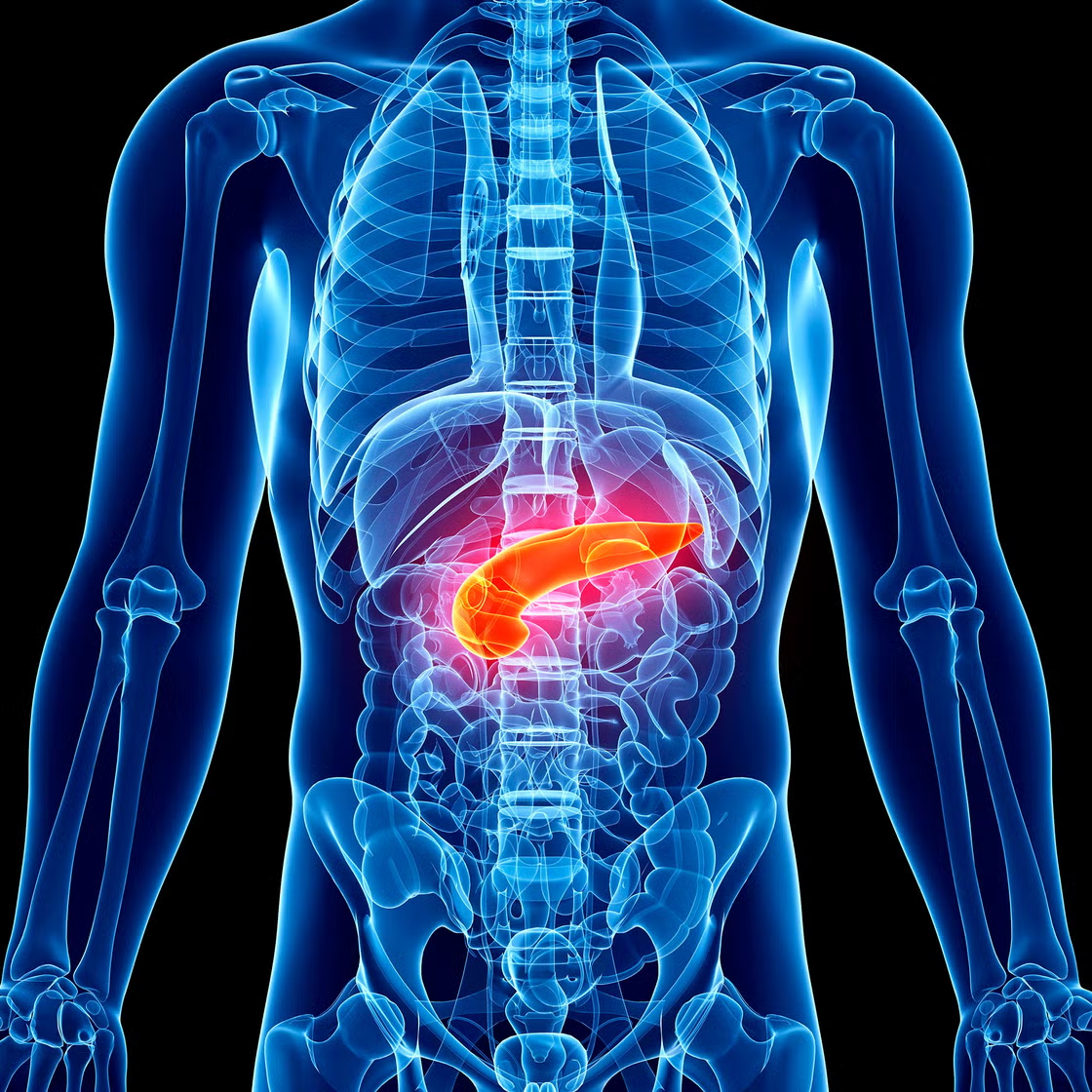
pancreas (picture)
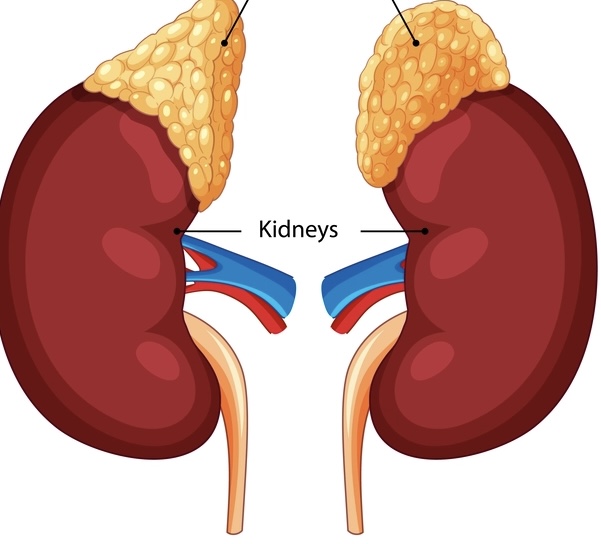
adrenal glands (picture)
kinsey function in endocrine system
produces erythropoietin to stimulate red blood cell production
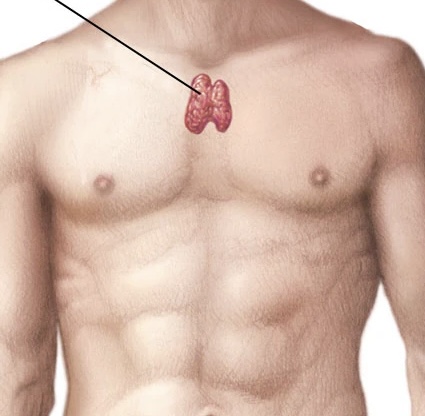
thymus gland (picture)

