igneous rocks
 Studied by 0 people
 Call Kai
 Learn
Learn Practice Test
 Spaced Repetition
 Match
Match Flashcards
 Knowt Play
1/55

There's no tags or description
Looks like no tags are added yet.
Name | Mastery | Learn | Test | Matching | Spaced | Call with Kai |
|---|
No analytics yet
Send a link to your students to track their progress
56 Terms
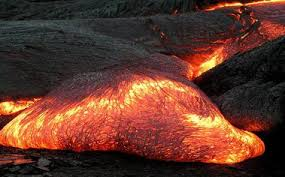
What are magmatic (igneous) rocks?
Endogenous rocks (no fossils) formed by cooling + crystallization of magma (a silicate melt)
What is magma?
A mixture of molten rock (silicate melt) + dissolved gases + sometimes suspended crystals.
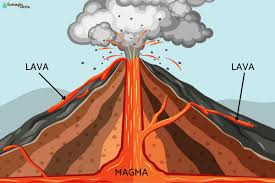
What is lava?
Magma that reaches the Earth’s surface.
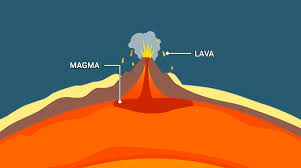
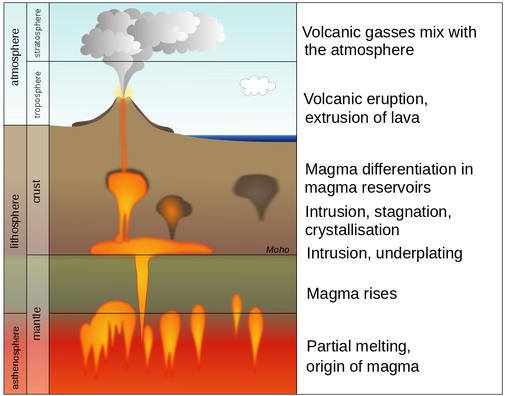
Where does magma mainly form?
In the upper mantle (a few tens of km, ~50 km) by partial melting.
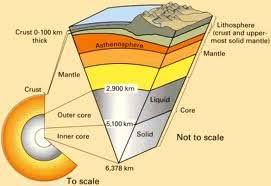
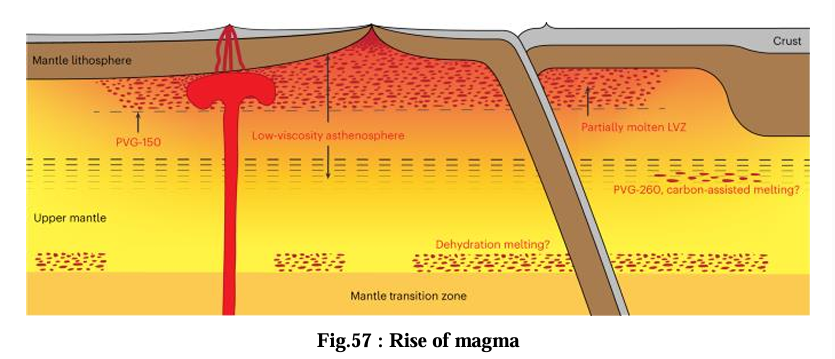
Why does magma rise toward the surface?
It’s less dense than surrounding rocks.
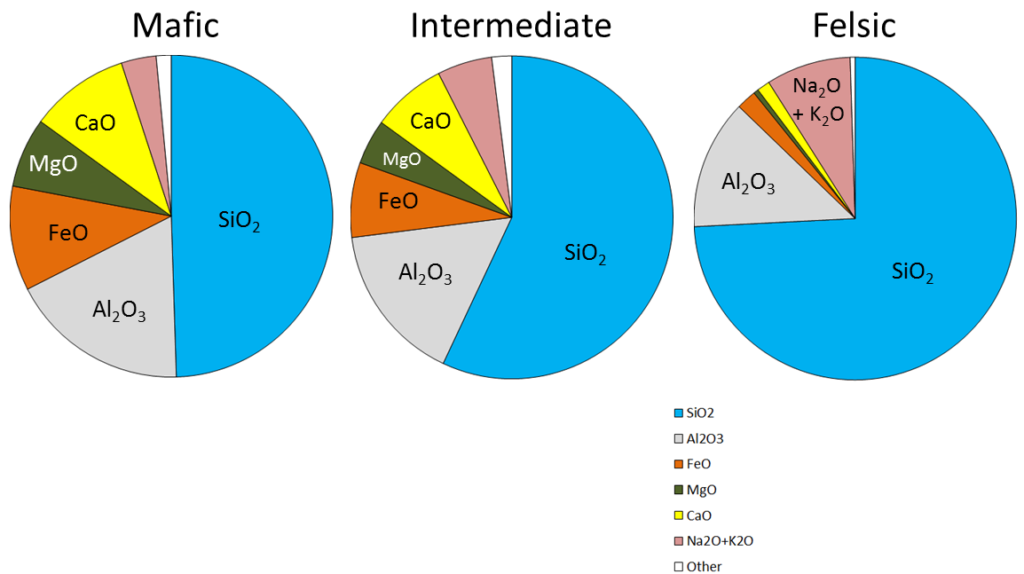
What are the main chemical constituents of magma (major elements)?
O, Si, Al, Ca, Na, K, Fe, Mg.
What controls magma viscosity most strongly?
Mainly SiO₂ content.
What controls magma melting point significantly?
Mainly H₂O content (dissolved water lowers melting point)
What is the typical SiO₂ range from mafic to felsic rocks?
About 35% (mafic) to 75% (felsic).
Which dissolved gases are especially important in magmas (even if not most abundant)?
H₂O and CO₂.
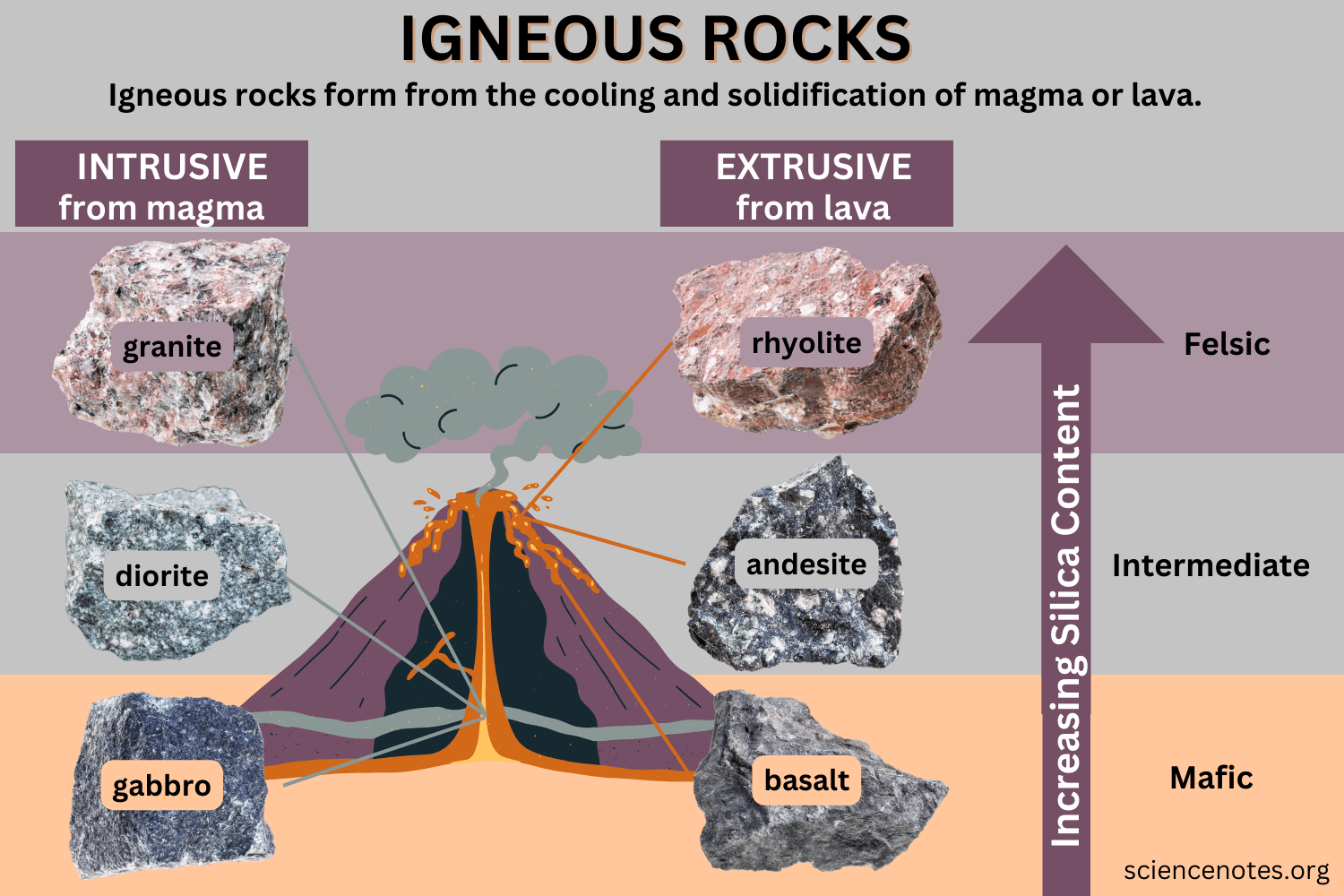
Define volcanic (extrusive) igneous rocks.
Form by cooling of lava at the surface (rapid cooling).
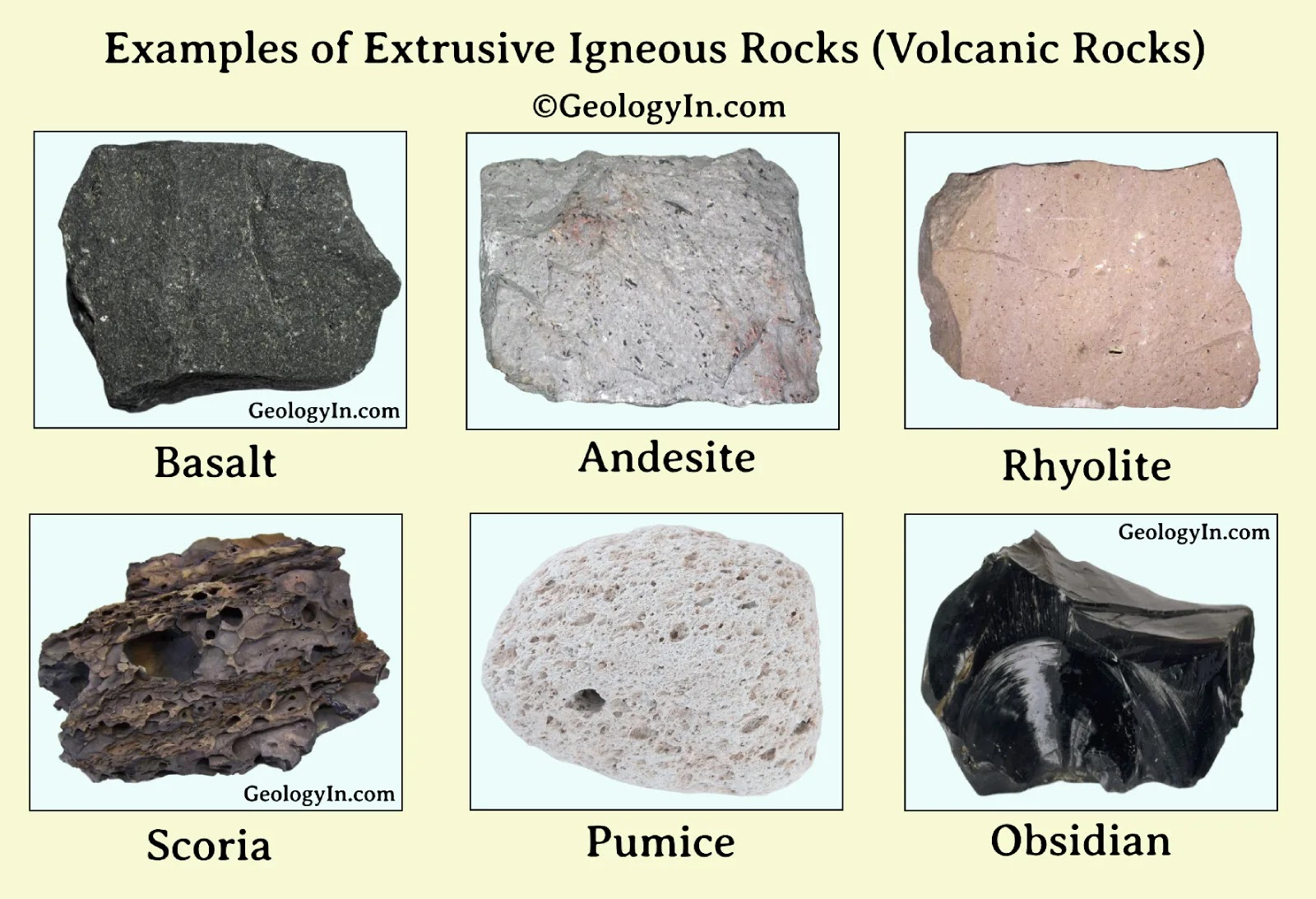
Most common volcanic rock mentioned?
Basalt.
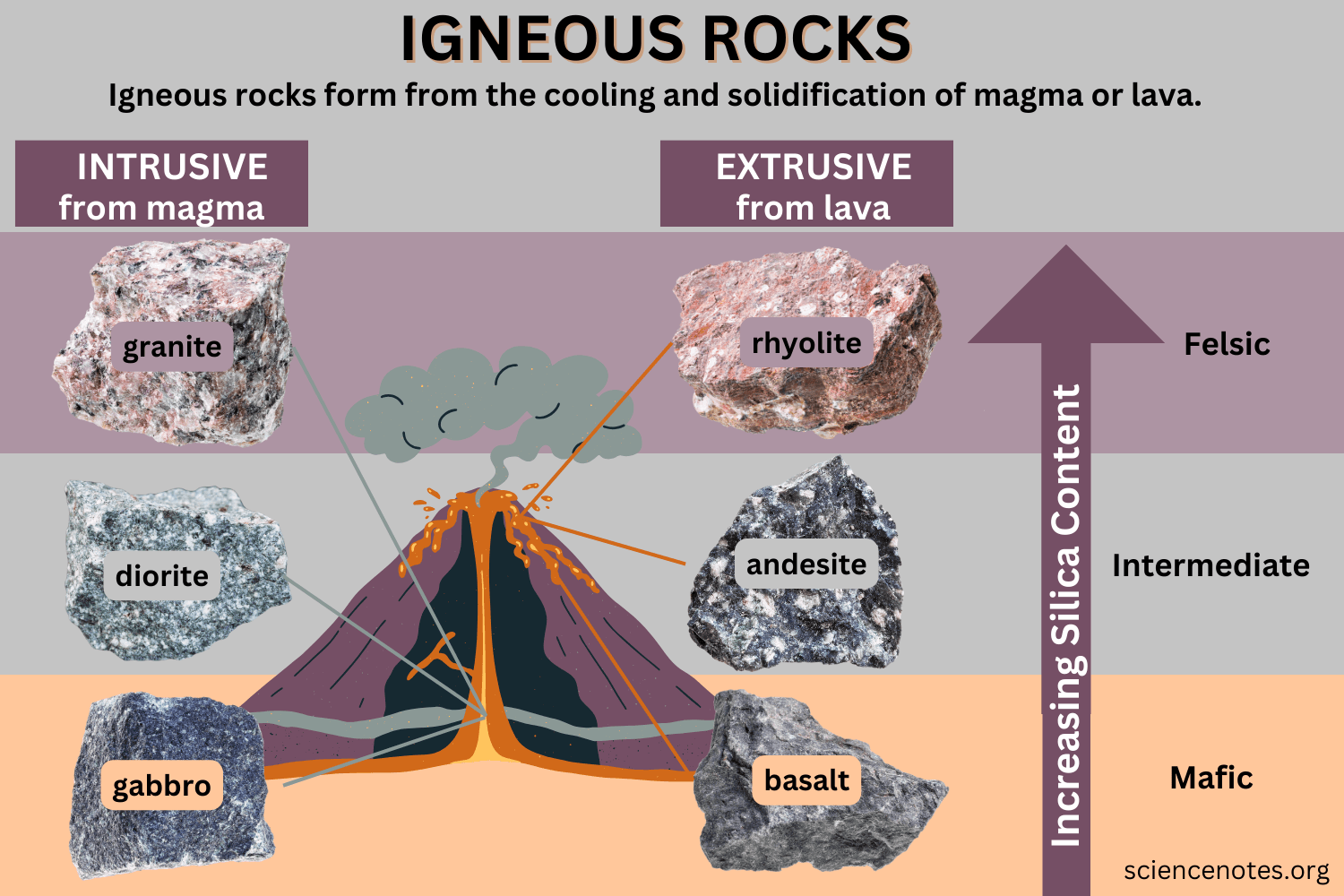
Define plutonic (intrusive) igneous rocks.
Form by cooling of magma at depth (slow cooling).
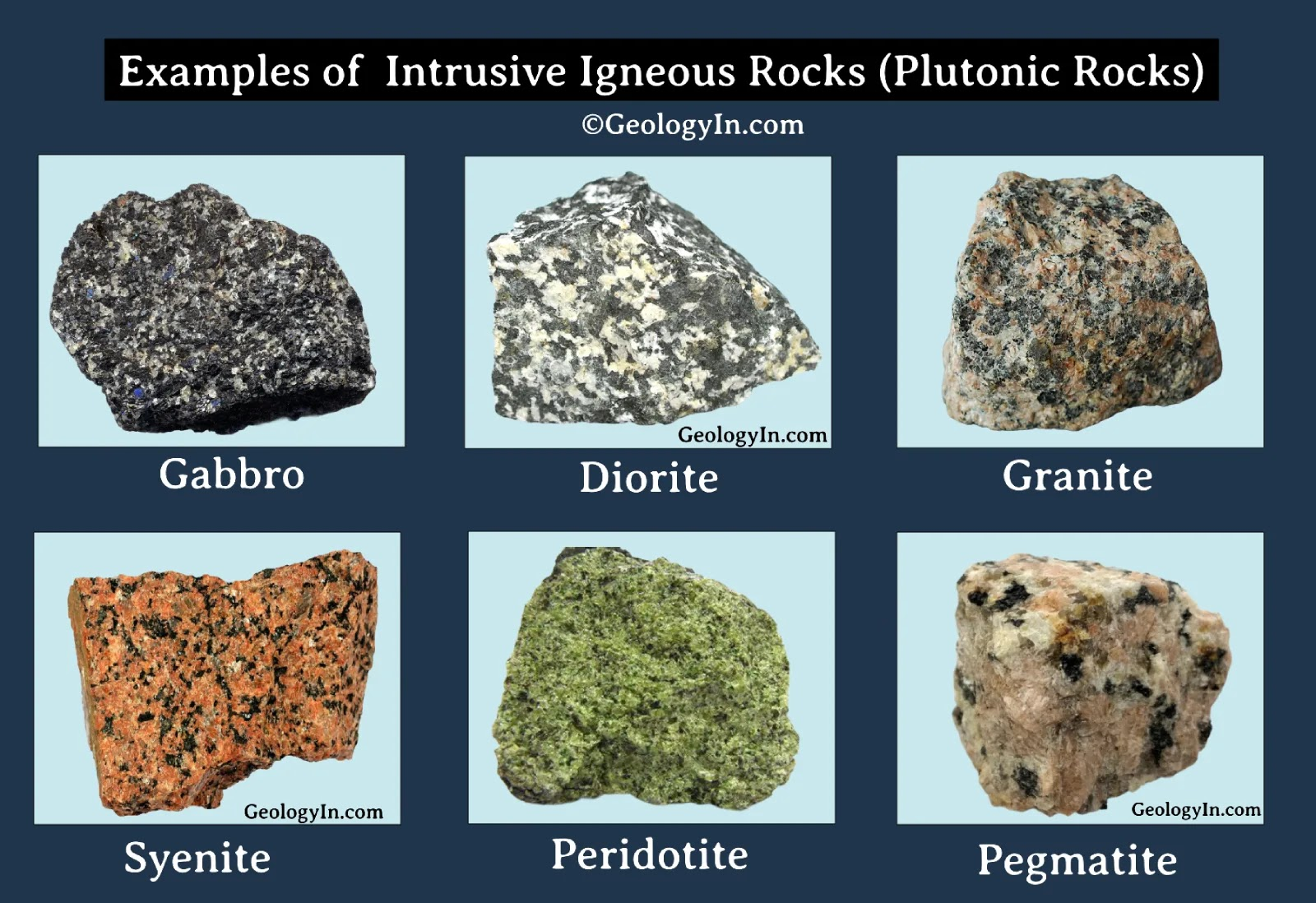
Most common plutonic rock mentioned?
Granite.
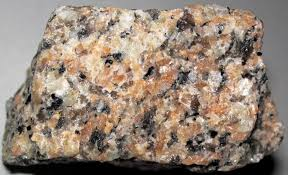
Why do intrusive rocks generally have larger crystals than extrusive rocks?
They cool slowly, allowing crystals to grow.
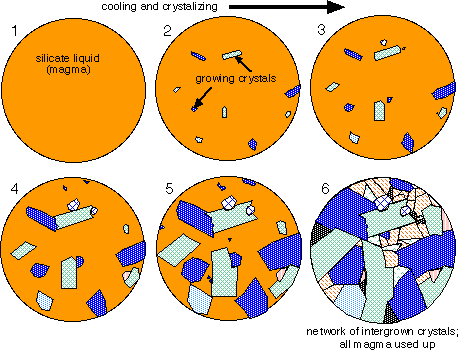
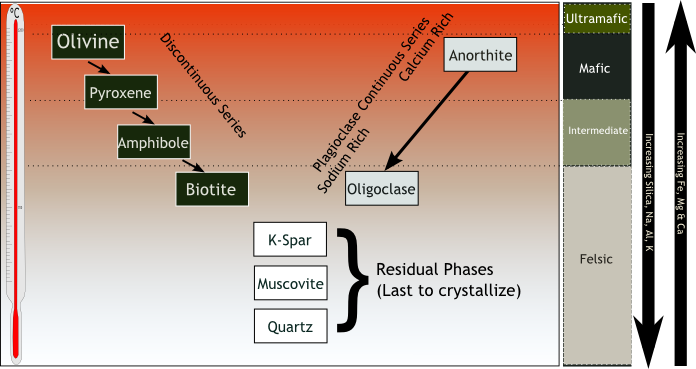
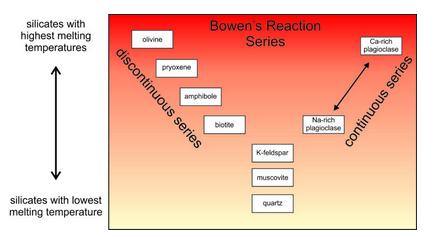
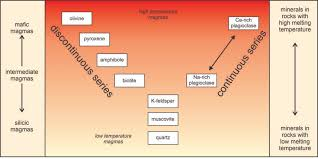
What does Bowen’s reaction series explain?
it shows how minerals cristallize from magma as temerature decreases
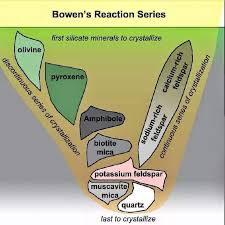
In Bowen’s series, which minerals crystallize first (high temperature)?
Olivine first (then pyroxene, amphibole, biotite in the discontinuous series).
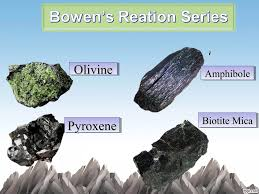
What is the “discontinuous series”?
Mafic minerals change with cooling: olivine → pyroxene → amphibole → biotite.
What is the “continuous series”?
Plagioclase feldspar evolves continuously from Ca-rich to Na-rich with cooling.
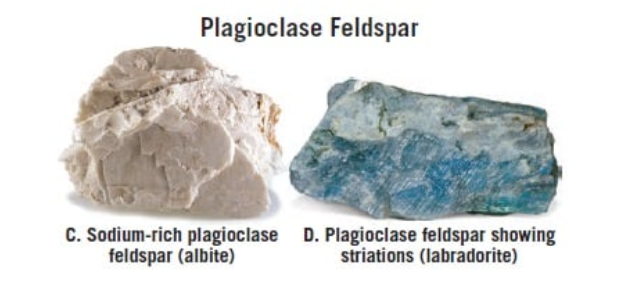
Which minerals crystallize last (low temperature “residual phases”)?
K-feldspar, muscovite, quartz.
What does Bowen’s diagram suggest about weathering stability at Earth surface?
Low-temperature minerals are more stable; high-temperature minerals weather faster.
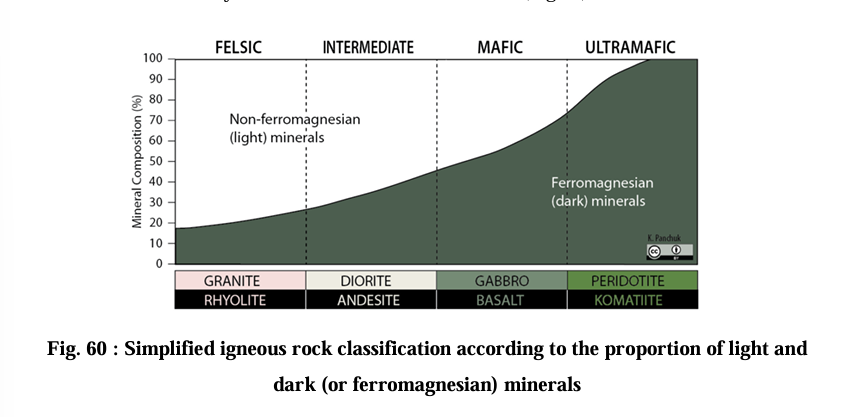
List the 4 igneous composition categories.
Felsic, Intermediate, Mafic, Ultramafic.
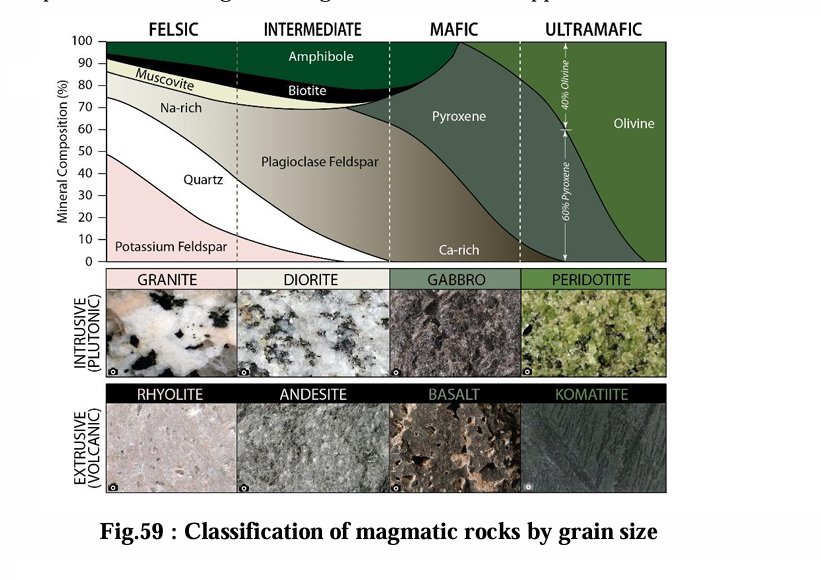
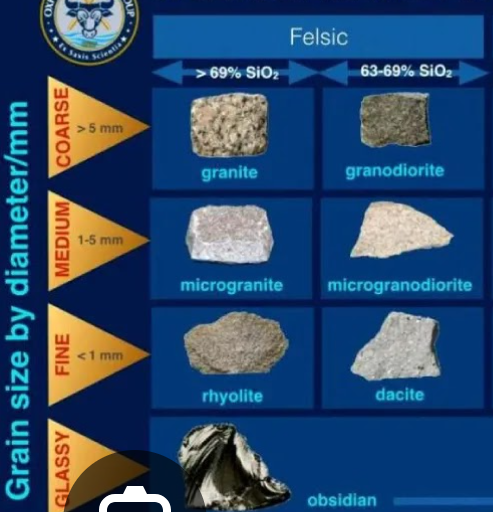
What does “felsic” generally mean chemically?
Rich in feldspar + silica (Si) (lighter minerals).
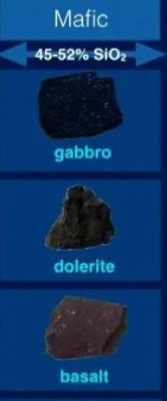
What does “mafic” generally mean chemically?
Rich in Mg + Fe (darker, ferromagnesian minerals).
What are ferromagnesian (dark) minerals examples?
Olivine, pyroxene, amphibole, biotite
How does the proportion of dark minerals change from felsic to ultramafic?
It increases (rocks become darker and more mafic).
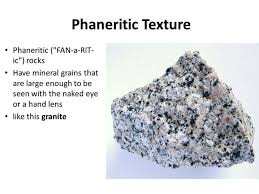
What is “phaneritic” texture?
Coarse-grained, crystals visible to the naked eye → slow cooling (intrusive).
Comparison of intrusive and extrusive igneous rocks table
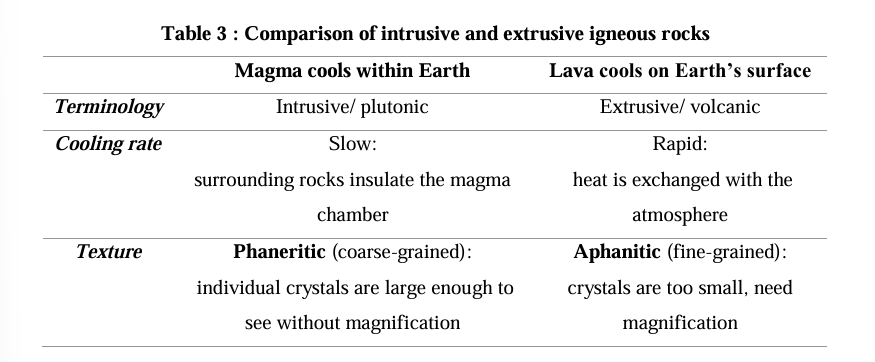
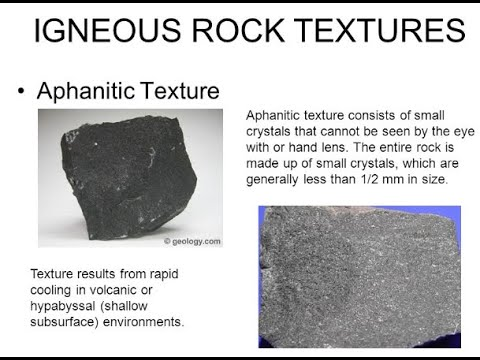
What is “aphanitic” texture?
Fine-grained, crystals not visible → rapid cooling (extrusive)
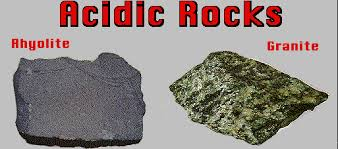
Give the felsic intrusive and felsic extrusive rock pair.
Granite (intrusive) vs Rhyolite (extrusive).
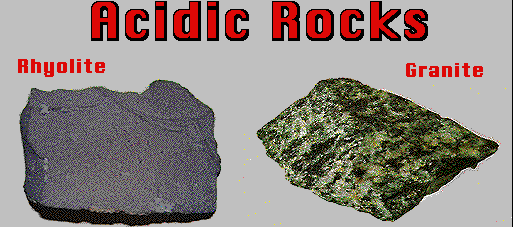
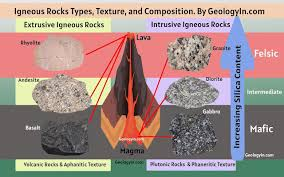
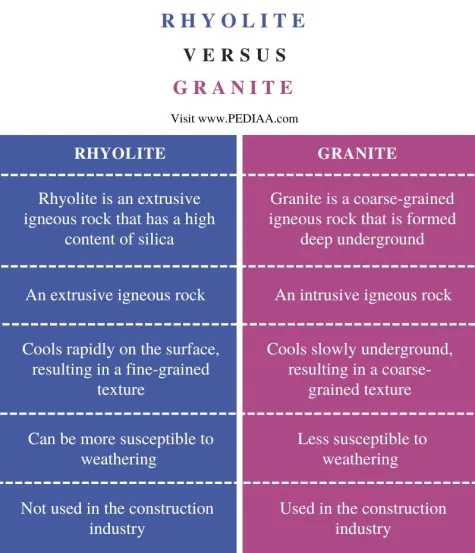
Why can granite and rhyolite have same composition but different appearance?
same minerals, different cooling rate → different grain size
If crystals/phenocrysts are absent, how are volcanic rocks classified?
Mainly by color + textural features.
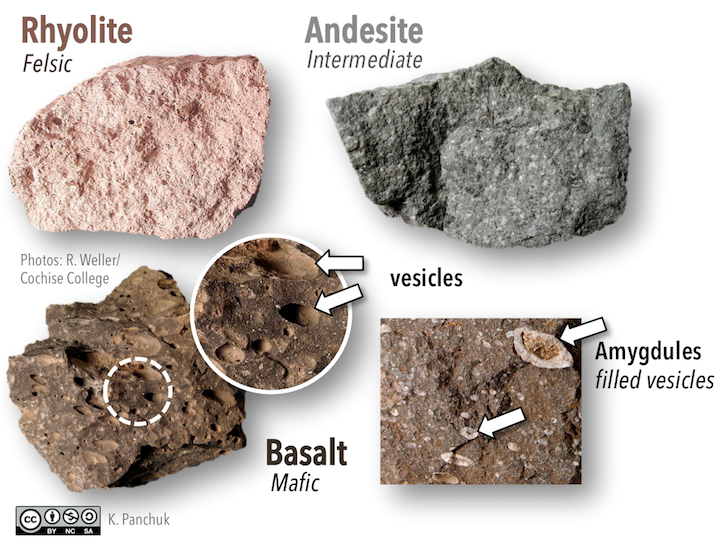
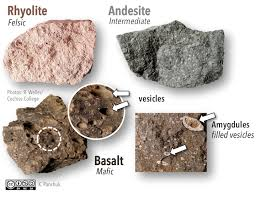
Typical colors: rhyolite / andesite / basalt?
Rhyolite tan/pink, andesite grey, basalt brown–dark green–black.
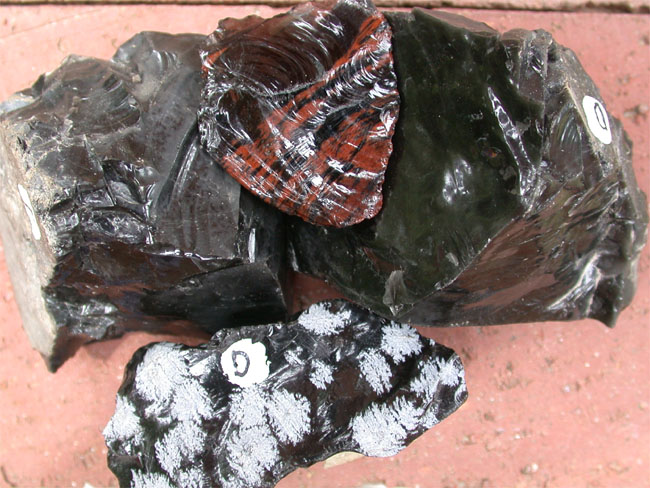
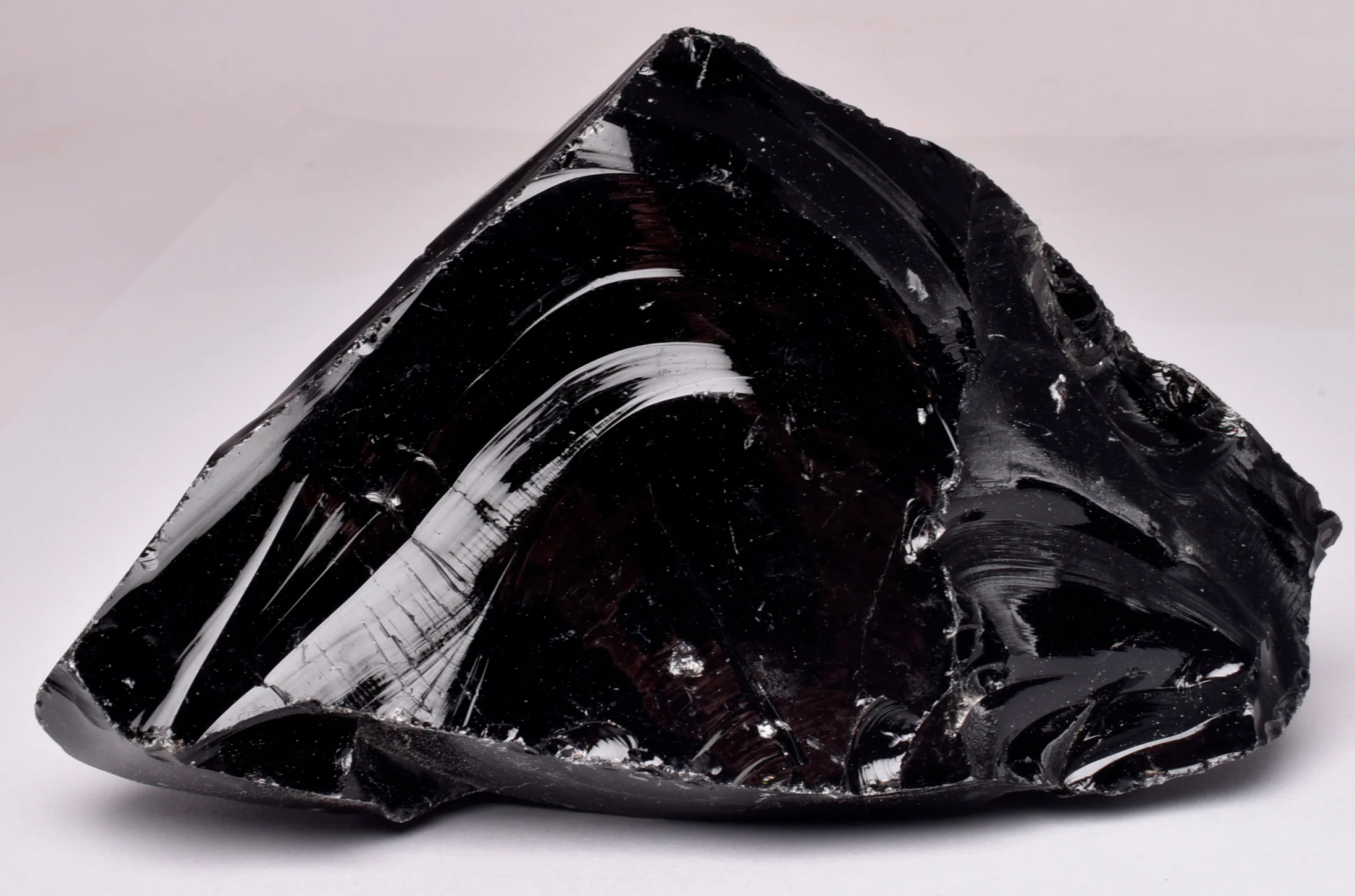
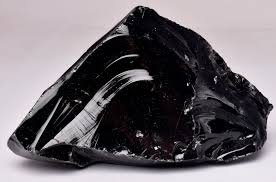
Define glassy texture + example.
very rapid cooling → volcanic glass; example: obsidian.
Define porphyritic texture (two-stage cooling).
Large crystals form slowly at depth, then fine matrix forms quickly near surface.
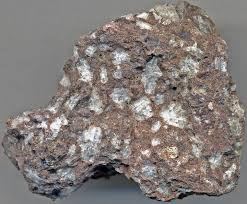
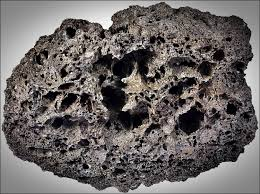
Define vesicular texture.
Rock has cavities (vesicles) from gas bubbles escaping as pressure decreases.
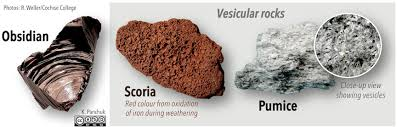
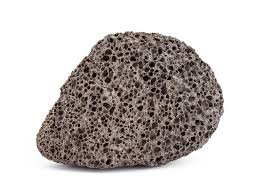
What is pumice?
Vesicular felsic rock; low density; can float on water.
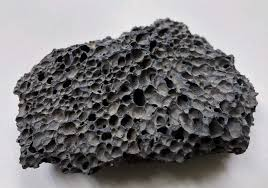
What is scoria?
Vesicular mafic rock; darker and denser than pumice, thicker walls, larger vesicles.
volcanc rock texture to remember
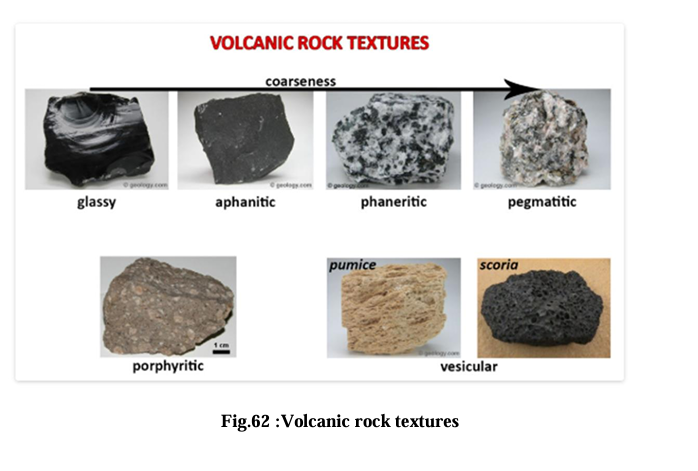
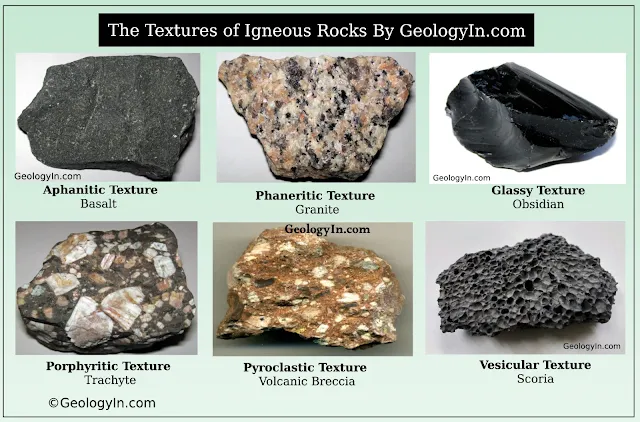
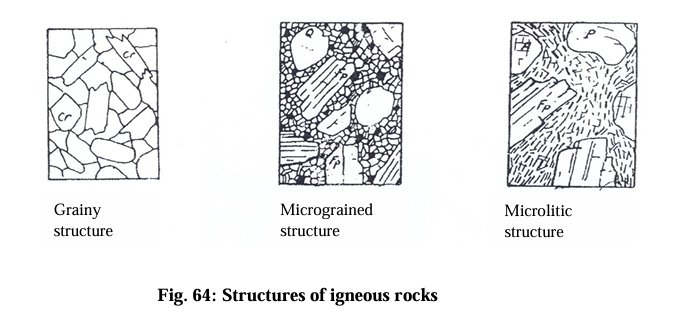
In petrography, what is “texture/structure”?
The arrangement/layout of mineral aggregates (size, shape, fitting
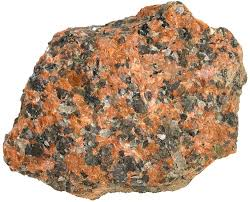
Grainy structure: key traits + typical rock.
Fully crystalline, grains visible; typical plutonic rock: granite.
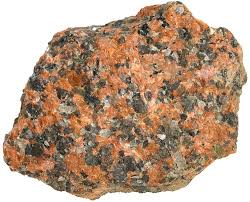
Micrograined structure: how does it form?
Two-step:
phenocrysts form at depth then
microcrystals form after intrusion at shallower levels; typical semi-depth (veins) rock (e.g., microgranite).
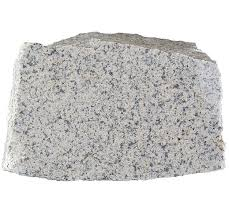
Microlitic structure: key idea.
Specific to lavas; partly glassy + microlites (rod-like, often plagioclase) + phenocrysts.
Hyaline (vitreous) structure: key idea + example.
Glass dominates or alone due to extremely fast cooling; example: obsidian.
Structures of igneous rocks table
Two mineral groups in igneous rocks?
Two mineral groups in igneous rocks?
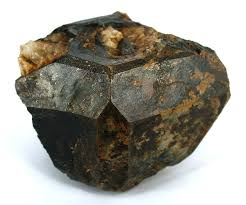
Examples of essential (rock) minerals listed.
Quartz/cristobalite; feldspars (alkali + plagioclase); feldspathoids (nepheline, leucite); micas; amphiboles; pyroxenes; olivine.
Examples of accessory minerals listed.
Zircon, corundum, garnet, hematite, ilmenite, rutile, apatite, etc.
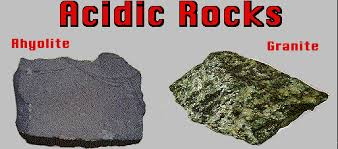
What are “acid rocks” rich in?
Silica + alumina + alkalis → rich in quartz + K-feldspar + Na-plagioclase
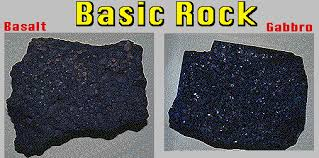
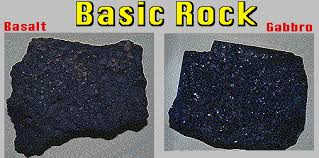
What are “basic rocks” rich in?
Ca, Fe, Mg and poorer in silica → rich in olivine, pyroxene, amphibole, Ca-plagioclase, feldspathoids
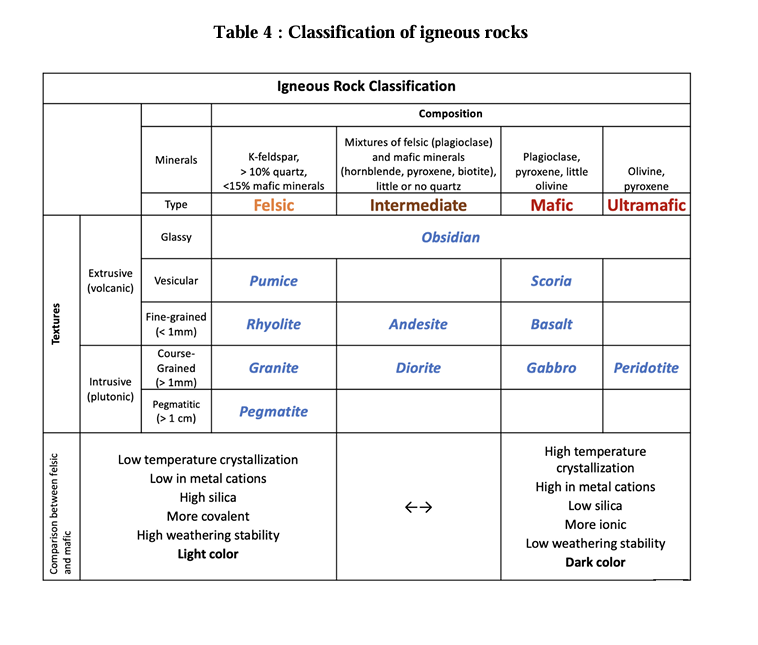
Give the fine-grained extrusive sequence (felsic → intermediate → mafic).
Rhyolite → Andesite → Basalt.
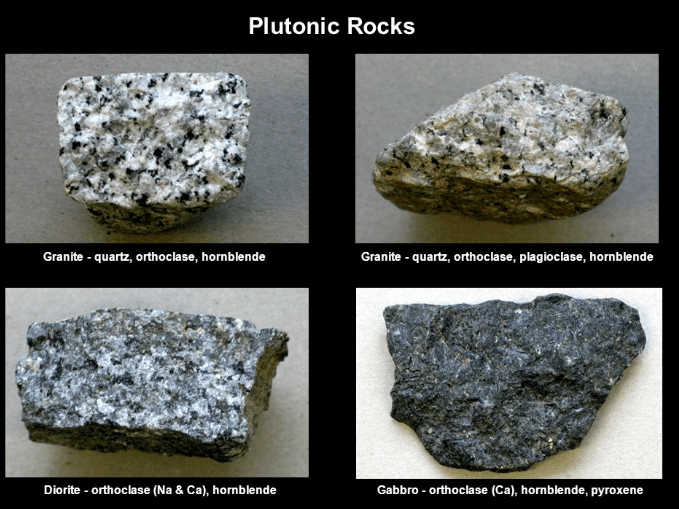
Give the coarse-grained intrusive sequence (felsic → intermediate → mafic → ultramafic).
Granite → Diorite → Gabbro → Peridotite.
Which glassy rock is listed in the table?
Obsidian.
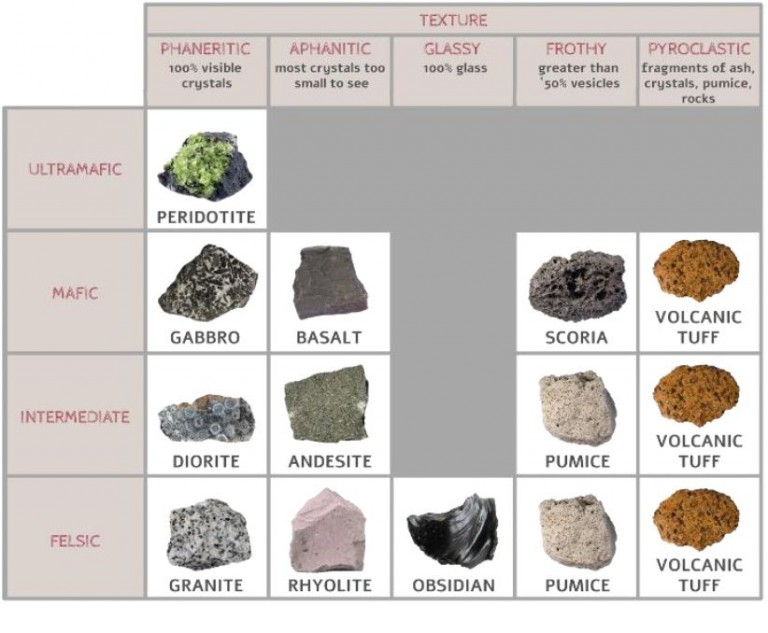
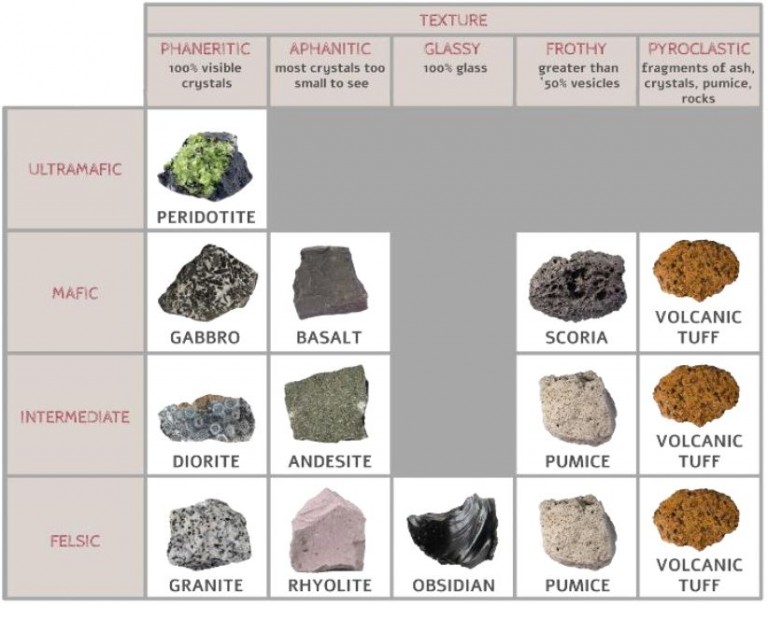
Which vesicular rocks are listed (felsic vs mafic)?
Pumice (felsic) and Scoria (mafic).
Classification of igneous rocks table
 Note
Note  Flashcards (53)