CH 27 | Liberal Crisis & Conservative Rebirth
 Call Kai
 Learn
Learn Practice Test
 Spaced Repetition
 Match
Match Flashcards
 Knowt Play
1/35

There's no tags or description
Looks like no tags are added yet.
Name | Mastery | Learn | Test | Matching | Spaced | Call with Kai |
|---|
No analytics yet
Send a link to your students to track their progress
36 Terms
Great Society
President Lyndon B. Johnson's ambitious set of domestic programs launched in the mid-1960s aimed at eliminating poverty and racial injustice through initiatives like Medicare, Medicaid, and federal aid to education.
Economic Opportunity Act
A 1964 landmark law, the centerpiece of the War on Poverty, that created programs like the Job Corps, VISTA, and Community Action Agencies to combat poverty at the local level.
Medicare
A 1965 federal health insurance program established for Americans aged 65 and older, regardless of income or medical history.
Medicaid
A 1965 joint federal and state program that provides health coverage to low-income individuals and families who meet specific eligibility requirements.
Equal Pay Act
A 1963 federal law that prohibits employers from paying men and women different wages for substantially equal work.
The Feminine Mystique
Betty Friedan's influential 1963 book that articulated the widespread unhappiness and lack of fulfillment among suburban housewives, helping spark the second-wave feminist movement.
Presidential Commission on the Status of Women
A commission created by President Kennedy in 1961, chaired by Eleanor Roosevelt, that documented widespread workplace discrimination against women and helped lay the groundwork for modern feminism.
National Organization for Women (NOW)
The largest and most prominent feminist advocacy group in the United States, founded in 1966 to fight for equal rights, reproductive freedom, and an end to sex discrimination.
Gulf of Tonkin Resolution
A 1964 congressional resolution passed after an alleged attack on US ships, giving President Johnson broad authorization to use military force in Vietnam without an official declaration of war.
Operation Rolling Thunder
The code name for the sustained US bombing campaign against North Vietnam, lasting from 1965 to 1968, intended to destroy enemy infrastructure and morale.
Port Huron Statement
The 1962 founding manifesto of Students for a Democratic Society (SDS), which critiqued American society for its racism, Cold War militarism, and corporate conformity, calling for a "participatory democracy."
New Left
A broad political movement primarily among young people in the 1960s and 1970s, distinguished from the "Old Left" by its focus on social and cultural issues like civil rights, feminism, and opposition to the Vietnam War rather than traditional labor concerns.
Young Americans for Freedom (YAF)
A conservative youth organization founded in 1960 that mobilized young people in support of traditional values, free-market economics, and a strong anti-communist foreign policy.
Sharon Statement
The founding document of the Young Americans for Freedom, written in 1960, which articulated the core principles of modern American conservatism, including individual liberty, limited government, and victory over communism.
Tet Offensive
A massive 1968 surprise attack by North Vietnamese and Viet Cong forces on more than 100 South Vietnamese cities and towns during the Tet holiday, a major military defeat for the communists but a psychological turning point that turned many Americans against the war.
1986 Democratic National Convention
A tumultuous convention held in Chicago marked by violent clashes between anti-war protesters and police, and deep divisions within the party over the Vietnam War, severely damaging the Democratic Party's image.
Chicano Moratorium Committee
A coalition of Mexican American activists that organized the 1970 National Chicano Moratorium March in Los Angeles, the largest anti-war protest by the Latino community, demanding an end to the disproportionate draft and death rate of Mexican Americans in Vietnam.
Title IX
A 1972 federal law, part of the Education Amendments, that states: "No person in the United States shall, on the basis of sex, be excluded from participation in, be denied the benefits of, or be subjected to discrimination under any education program or activity receiving Federal financial assistance," most famously applied to college athletics.
Stonewall Inn
A gay bar in New York City's Greenwich Village where a 1969 police raid sparked several days of rioting and protests by the LGBTQ community, widely considered the catalyst for the modern gay liberation movement.
Silent Majority
A term used by President Nixon in a 1969 speech to refer to the large number of Americans who, he believed, supported his Vietnam War policies but did not participate in public protests or express their views loudly.
Vietnamization
President Nixon's policy of gradually withdrawing US troops from Vietnam and transferring the responsibility for combat to the South Vietnamese forces, while continuing to provide air support and military aid.
My Lai
The site of a 1968 massacre in which US soldiers killed more than 300 unarmed South Vietnamese civilians, mostly women, children, and the elderly; the subsequent cover-up and revelation of the atrocity further eroded public support for the war.
Détente
The policy of easing Cold War tensions between the United States and the Soviet Union, pursued most notably by President Nixon and his national security advisor Henry Kissinger during the 1970s.
Warren Court
The Supreme Court of the United States under Chief Justice Earl Warren (1953-1969), known for its sweeping liberal decisions that dramatically expanded civil rights, civil liberties, and the power of the federal judiciary.
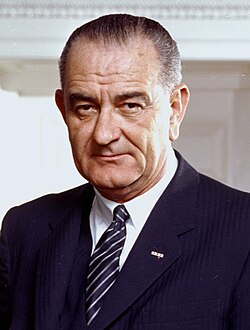
Lydon B. Johnson
The 36th US President who assumed office after Kennedy's assassination and championed his Great Society domestic programs, but whose presidency was ultimately consumed by the escalating Vietnam War.
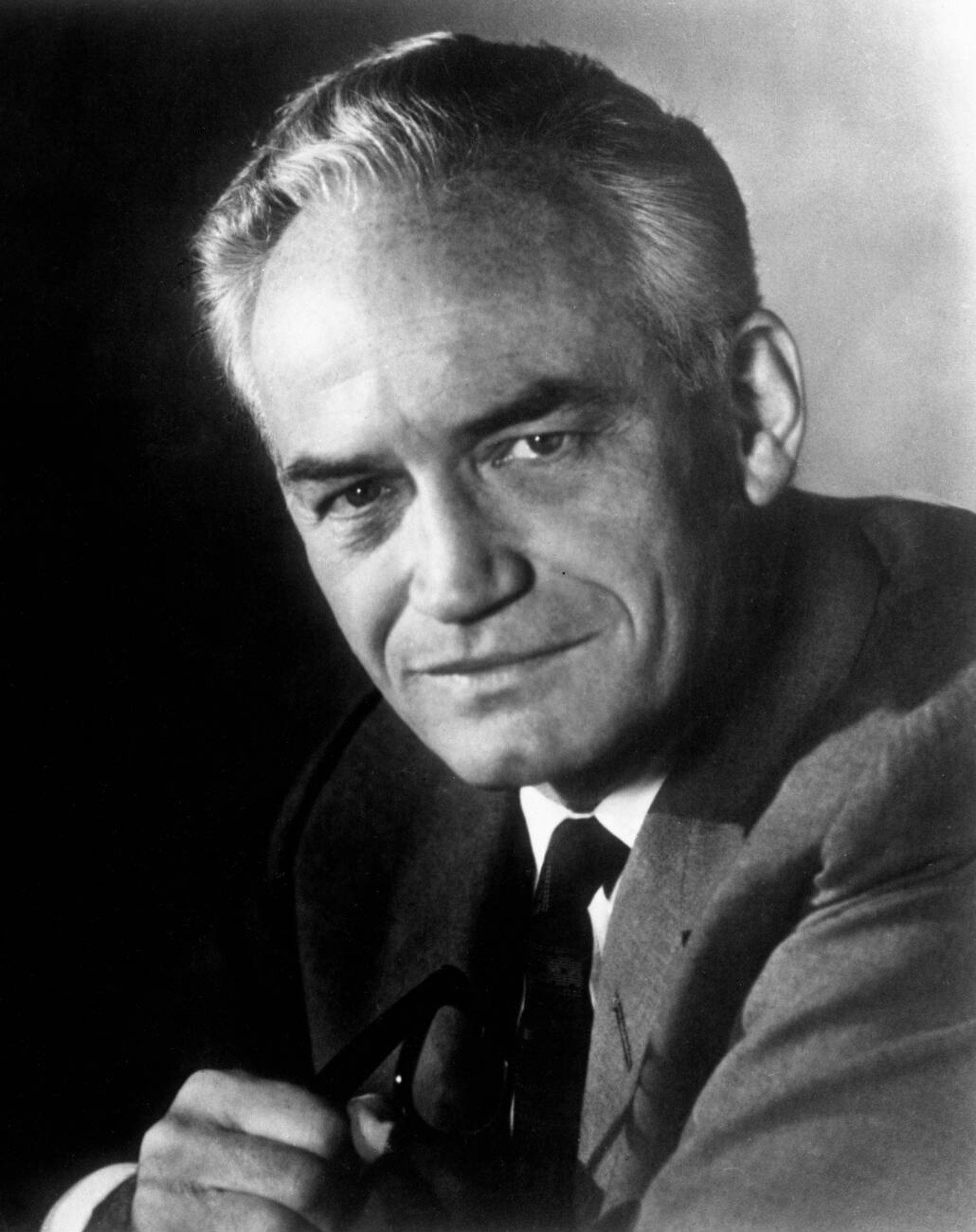
Barry Goldwater
A conservative US Senator from Arizona and the 1964 Republican presidential nominee whose staunch anti-communism and opposition to the New Deal helped galvanize the modern conservative movement, despite his landslide defeat.
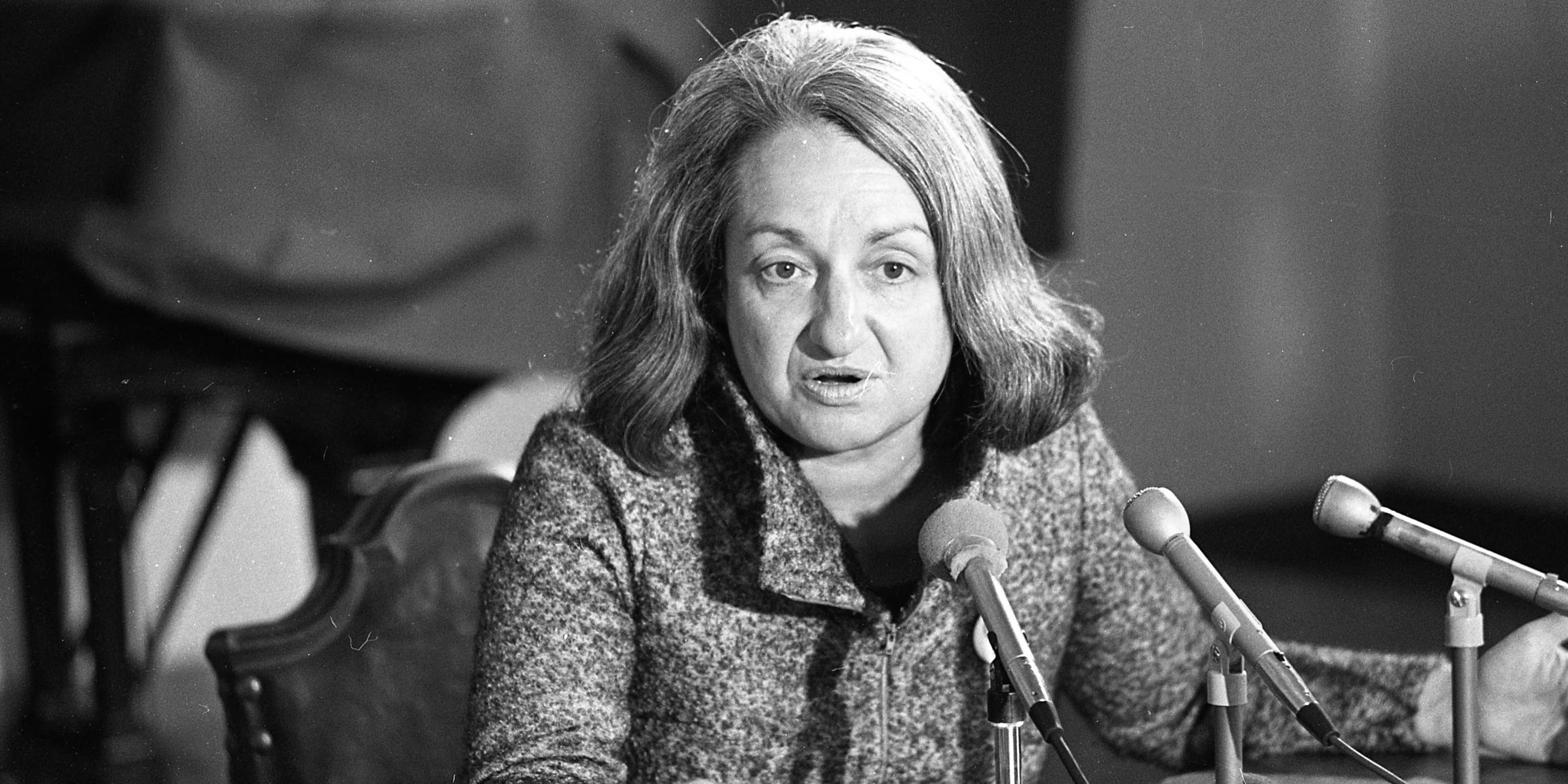
Betty Friedan
A leading feminist activist and writer whose book The Feminine Mystique helped ignite second-wave feminism, and who co-founded and became the first president of the National Organization for Women (NOW).
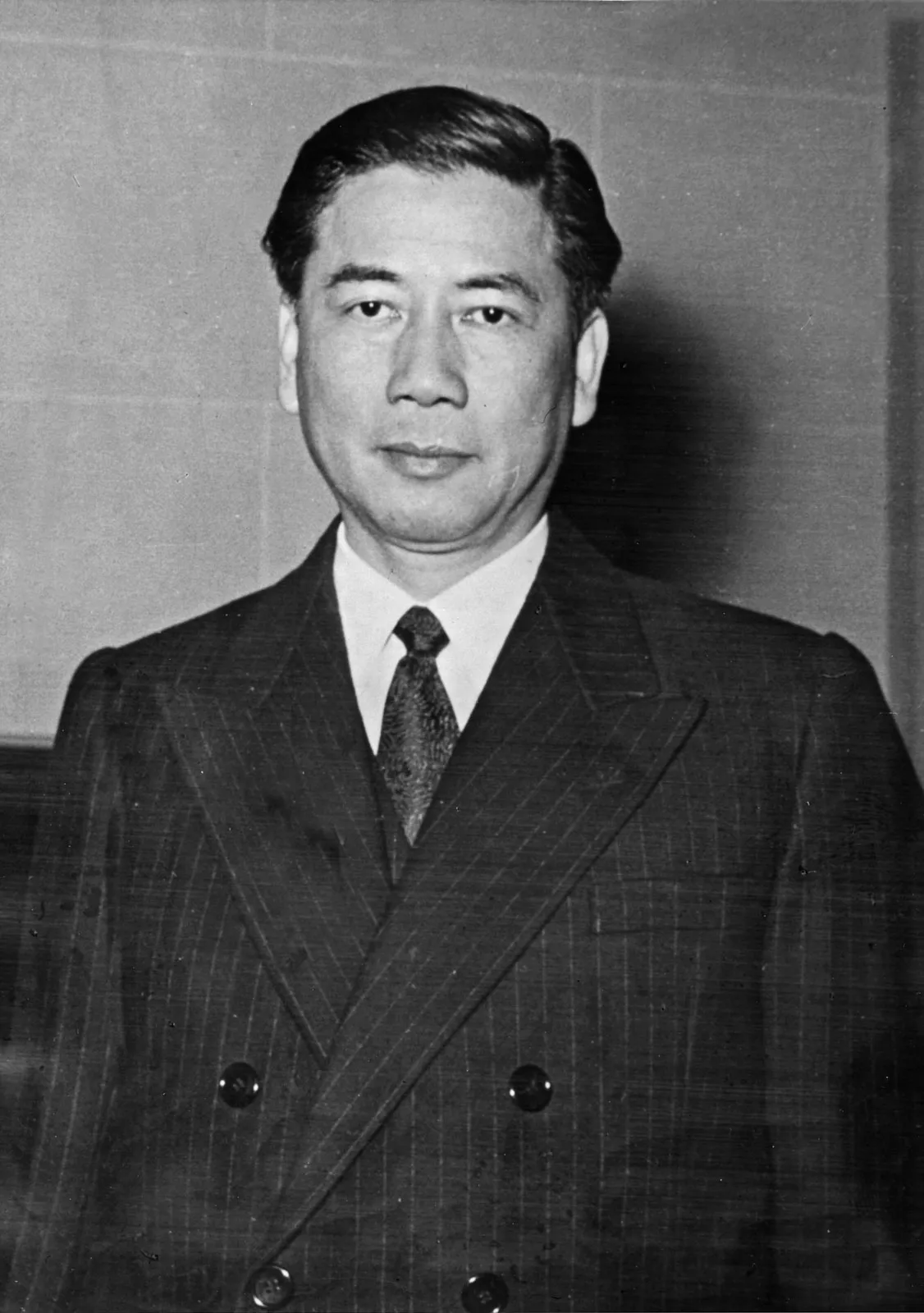
Ngo Dinh Diem
The authoritarian, Catholic leader of South Vietnam from 1955 until his assassination in 1963, whose repressive and unpopular regime, backed by the US, fueled the communist Viet Cong insurgency.
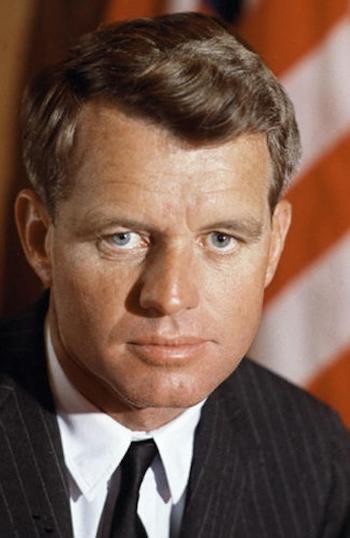
Robert Kennedy
A US Attorney General and later Senator from New York, brother of JFK, whose 1968 presidential campaign championed social justice and an end to the Vietnam War, until his assassination that June.
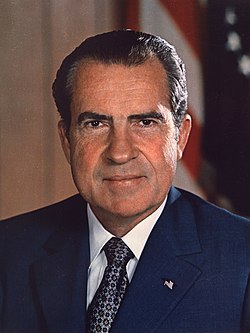
Richard M. Nixon
The 37th US President who pursued a policy of Vietnamization and détente with the Soviet Union and China, but whose presidency was destroyed by the Watergate scandal, leading to his resignation in 1974.
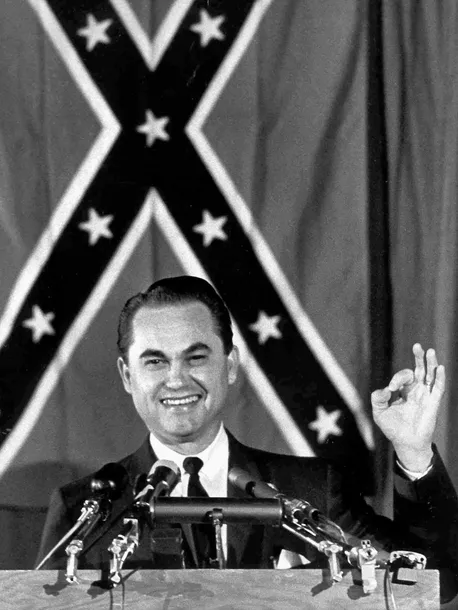
George C. Wallace
The segregationist Governor of Alabama who ran for president four times as a Democrat and on a third-party ticket, appealing to working-class whites with his opposition to federal desegregation and his law-and-order message.
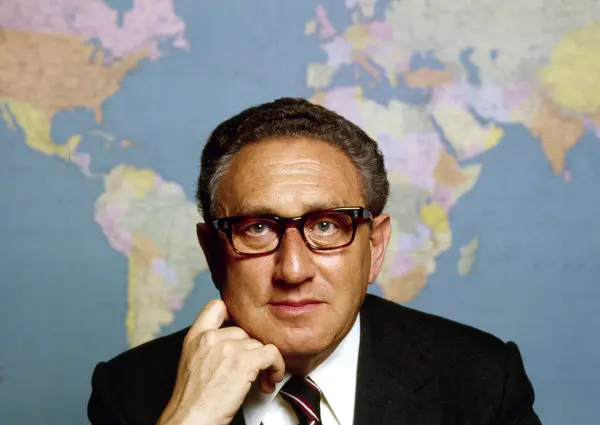
Henry Kissinger
A diplomat and political scientist who served as National Security Advisor and Secretary of State under Nixon and Ford, playing a central role in shaping US foreign policy, including the opening of China, détente with the Soviets, and the expansion of the Vietnam War into Cambodia.
Why was there a surge in liberal politics and social policy in the early 1960s?
The surge in liberal politics and social policy in the early 1960s was driven by a combination of sustained economic growth, a sense of national purpose and optimism inherited from the Kennedy administration, and the moral imperative to address poverty and inequality revealed by civil rights activism and books like The Other America.
What factors led President Johnson to escalate the war in Vietnam, and how did Americans respond?
President Johnson escalated the war in Vietnam due to his fear of appearing weak on communism (the "loss" of Southeast Asia) and his desire to protect his Great Society legacy, which prompted a deeply divided American response that saw growing anti-war protests, particularly on college campuses, alongside the continued support of the "Silent Majority."
What factors best explain the rising militancy of social change and protest movements in 1968 and afterward?
The rising militancy of social change and protest movements in 1968 and afterward is best explained by the frustration with the slow pace of change despite landmark legislation, the radicalizing example of the Black Power movement, the shocking violence of the Tet Offensive and assassinations, and a broader youth-led rejection of traditional authority.
What social issues divided Americans in the early 1970s, and how did those divisions affect the two major political parties?
Americans in the early 1970s were deeply divided by social issues such as the Vietnam War, racial busing, feminism and the Equal Rights Amendment, and the emerging environmental and gay rights movements, divisions that fractured the Democratic coalition and fueled the rise of a more conservative, culturally-focused Republican Party that appealed to the "Silent Majority."

