Art History Final Artifacts
 Studied by 233 people
 Call Kai
 Learn
Learn Practice Test
 Spaced Repetition
 Match
Match Flashcards
 Knowt Play
1/171

There's no tags or description
Looks like no tags are added yet.
Name | Mastery | Learn | Test | Matching | Spaced | Call with Kai |
|---|
No analytics yet
Send a link to your students to track their progress
172 Terms
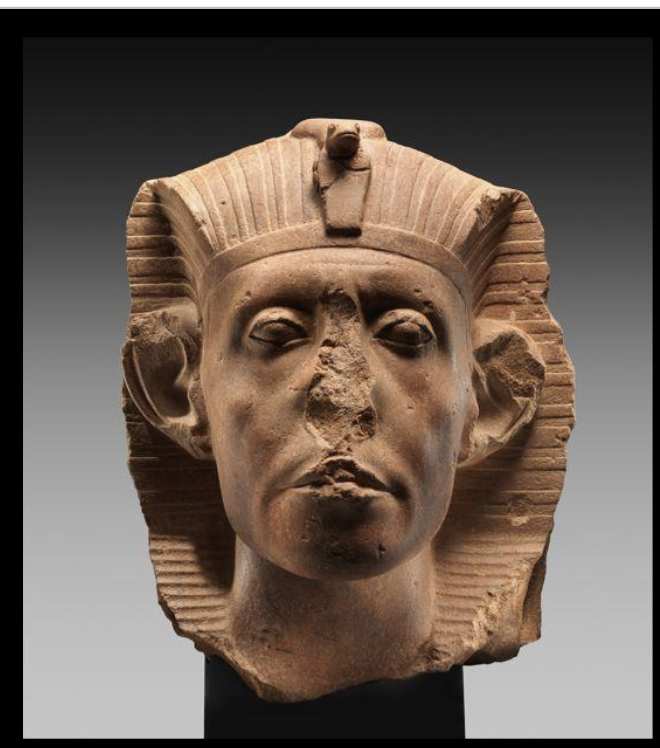
What is the name of this object?
Statue of Senwosret iii
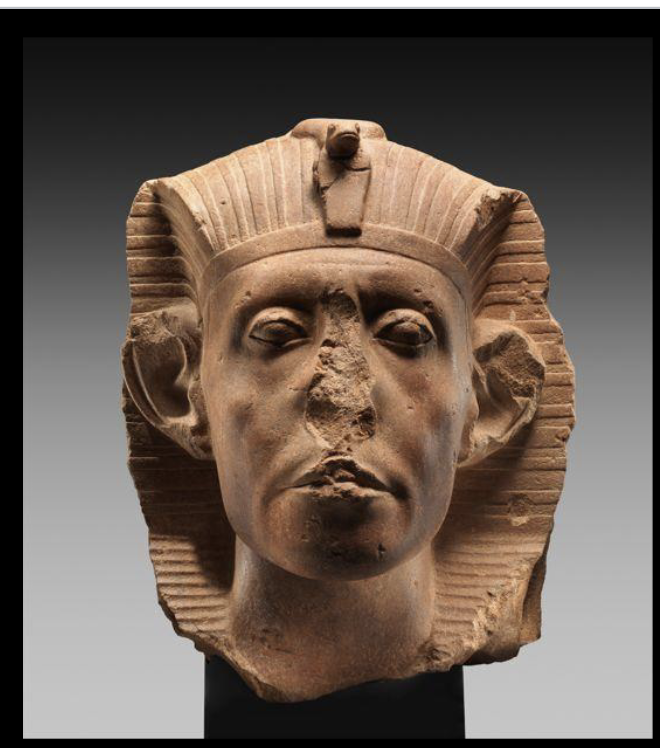
What material is the object made out of?
Stone (Quartzite)
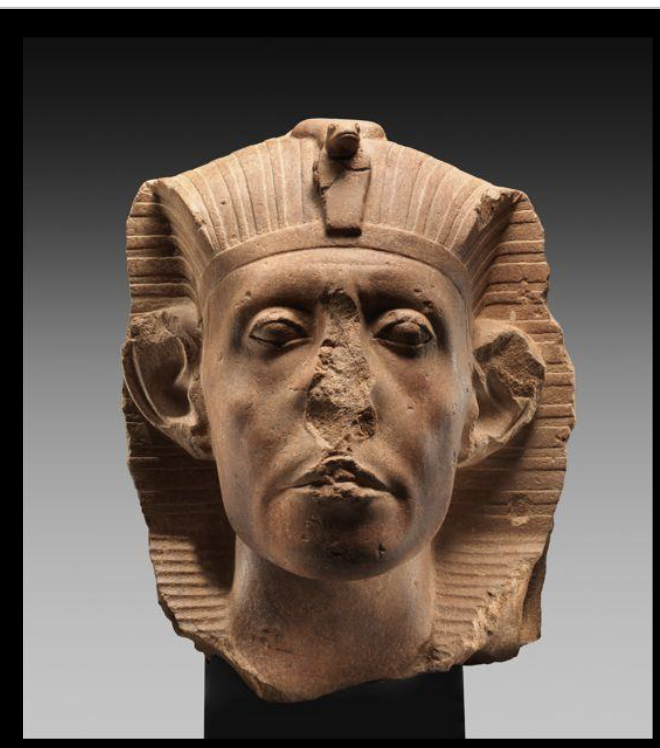
When is the object dated?
12th Dynasty - Middle Kingdom
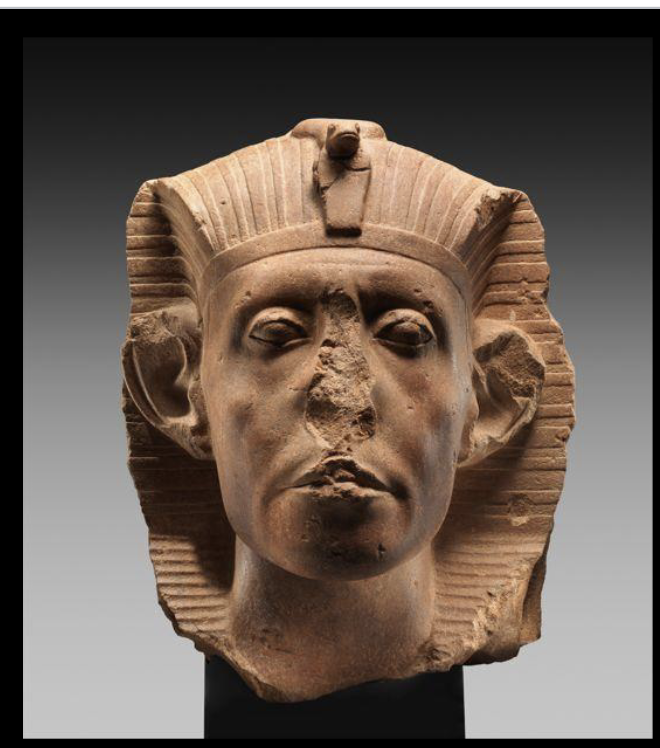
Where is the object found?
Funerary Temple
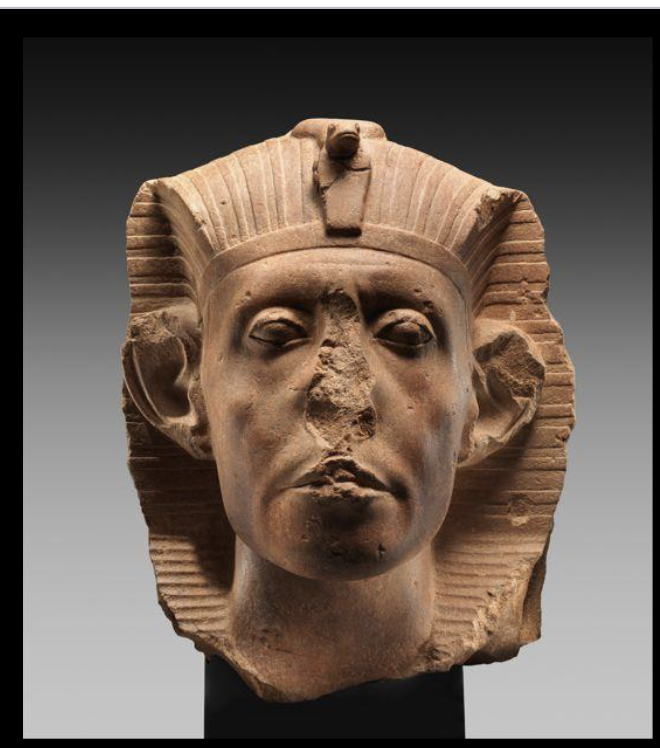
What is the significance of the object?
Shows a shift in how Old Kingdom kings were depicted, as he is not shown in an “ideal” form. He has deep lines in his face, emphasizing an older age, whereas other kings would represent themselves as young. Also has bigger ears.
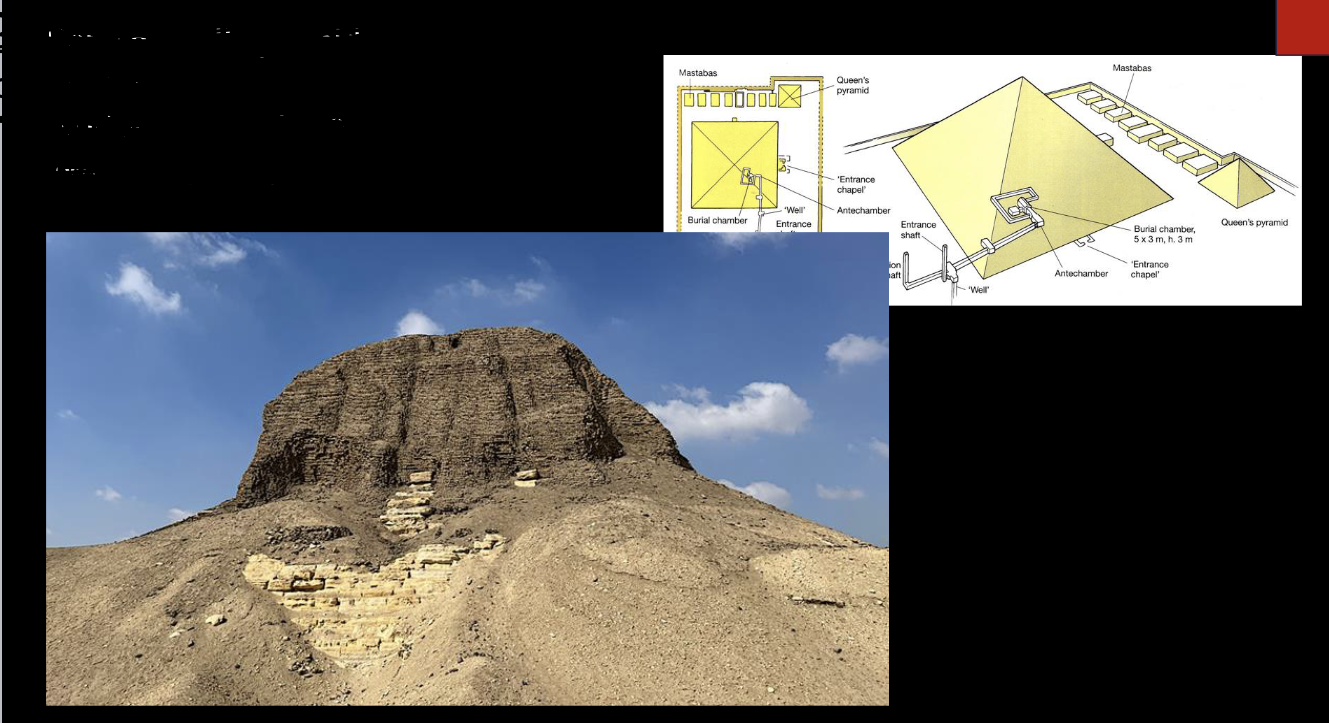
What is the name of this object?
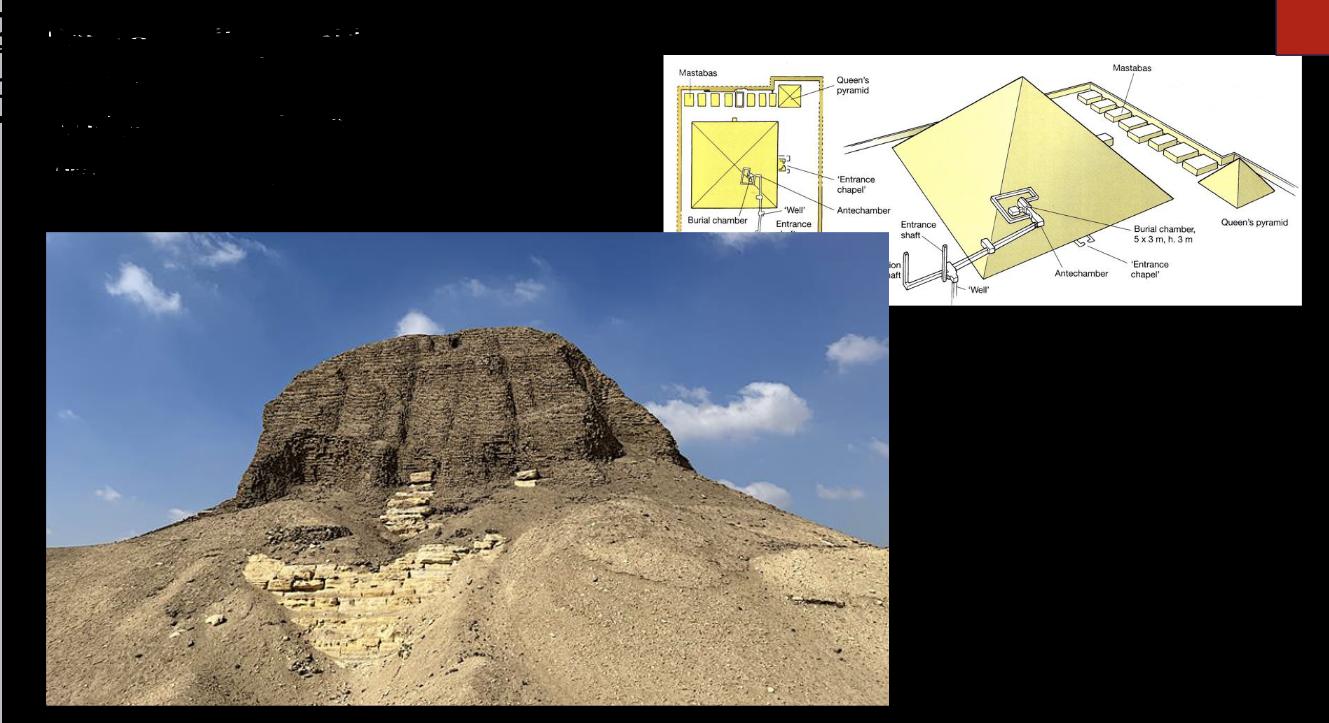
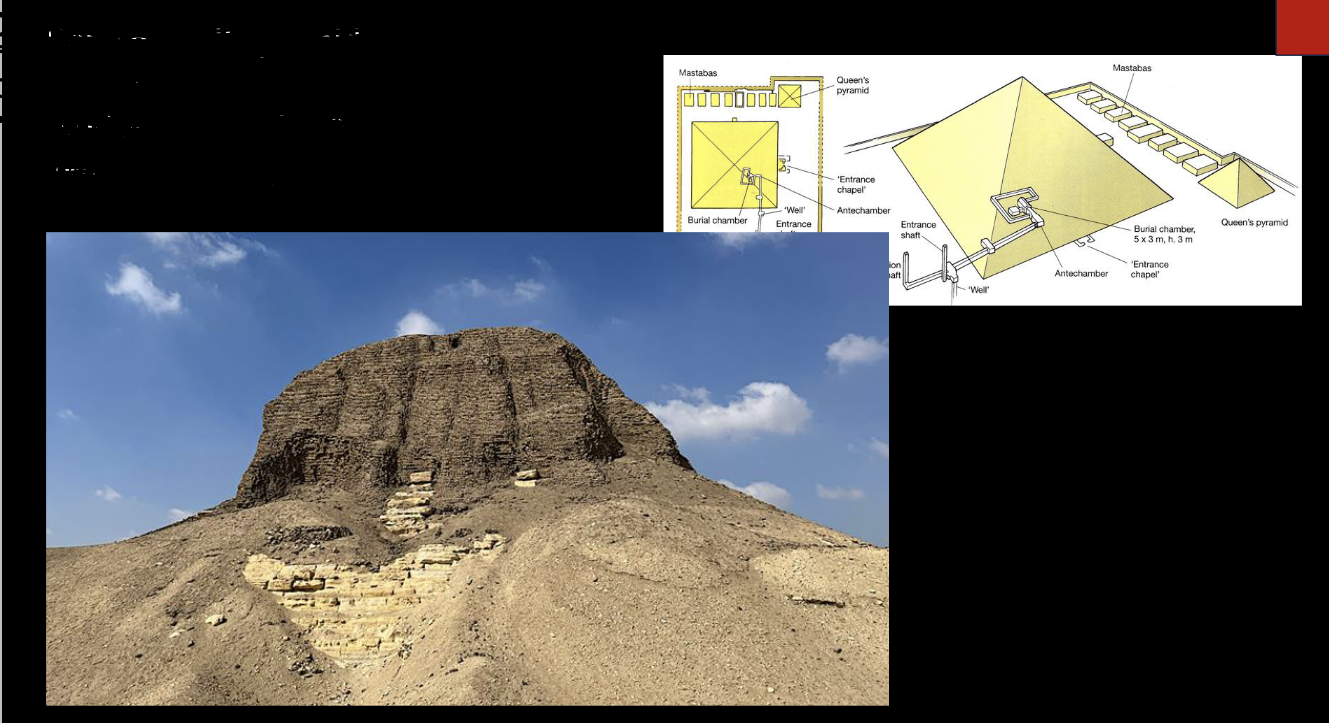
Senwosret ii Pyramid
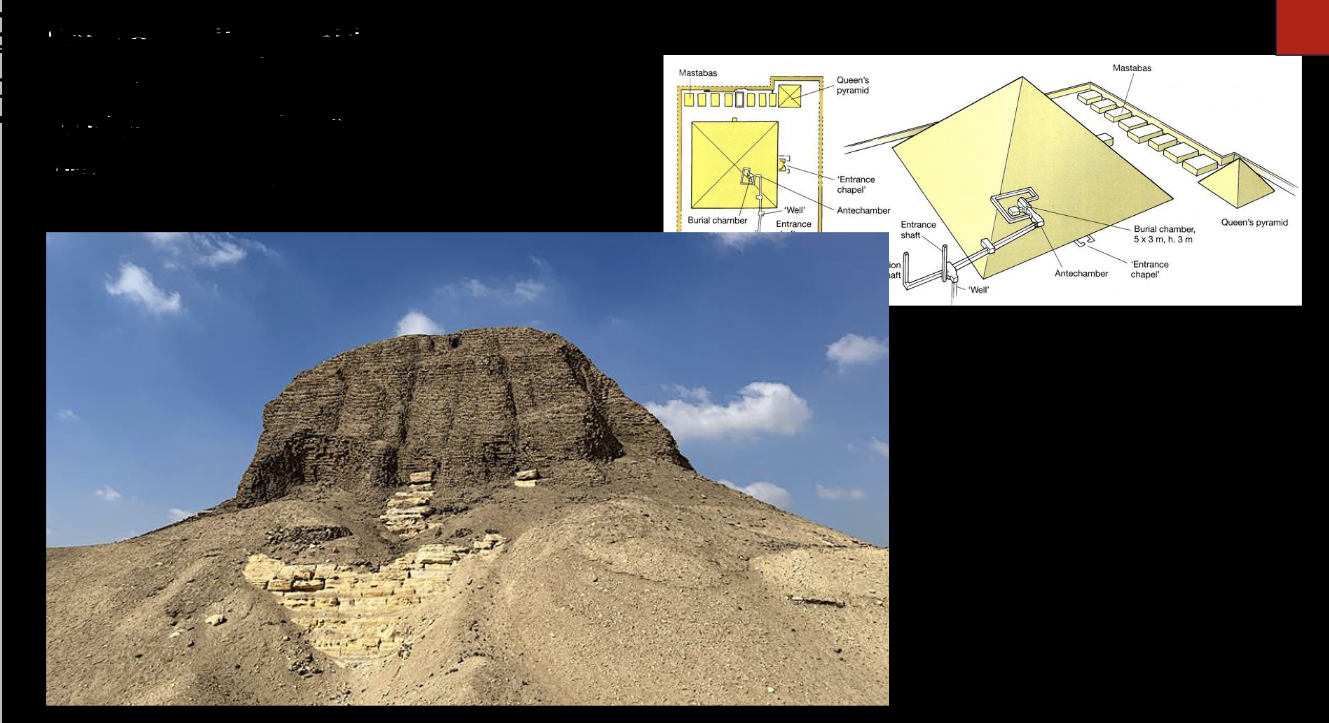
What materials is the object made out of?
Mudbrick and Stone
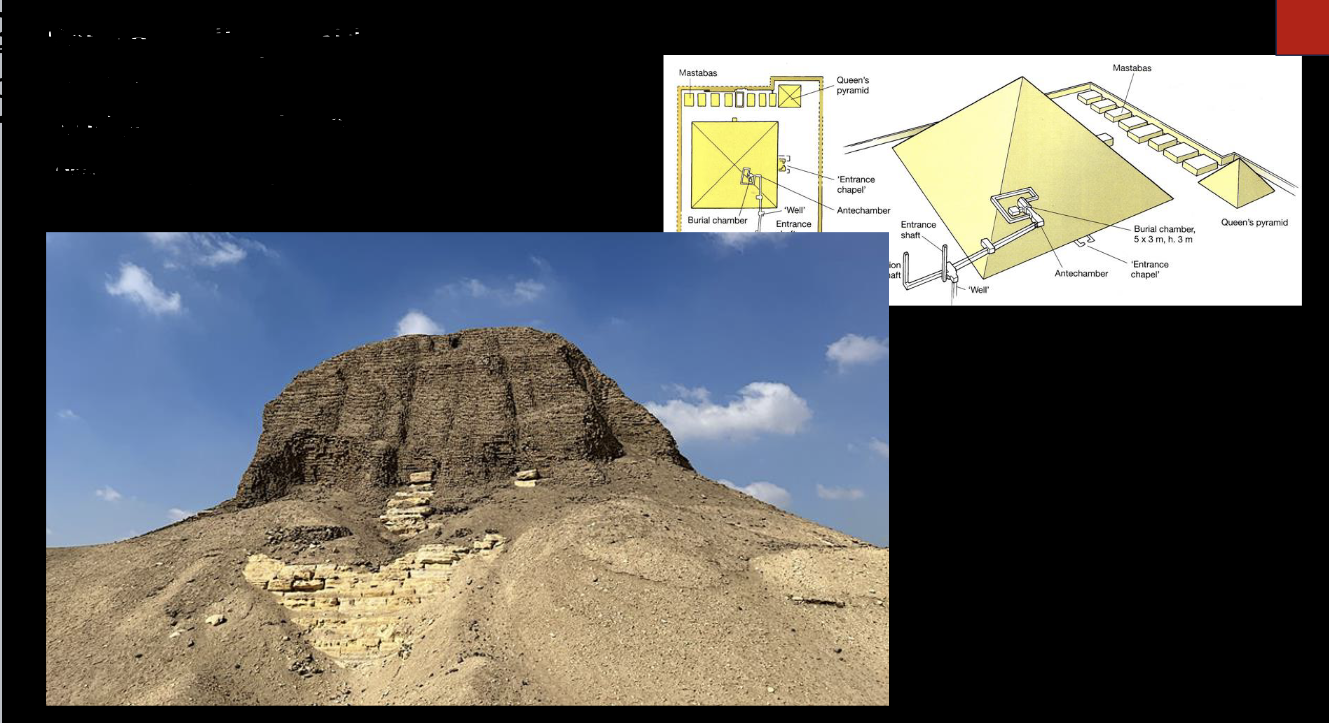
When is the object dated?
12th Dynasty - Middle Kingdom
Where is the object found?
Lahun
What is the significance?
Made out of mostly mudbrick - not usually used in royal construction besides here and palaces. Shows the changes in royal ideology and leans into connection to the human realm rather than divinity. Mudbrick has a connection to life and life cycles.
What is the name of this object?
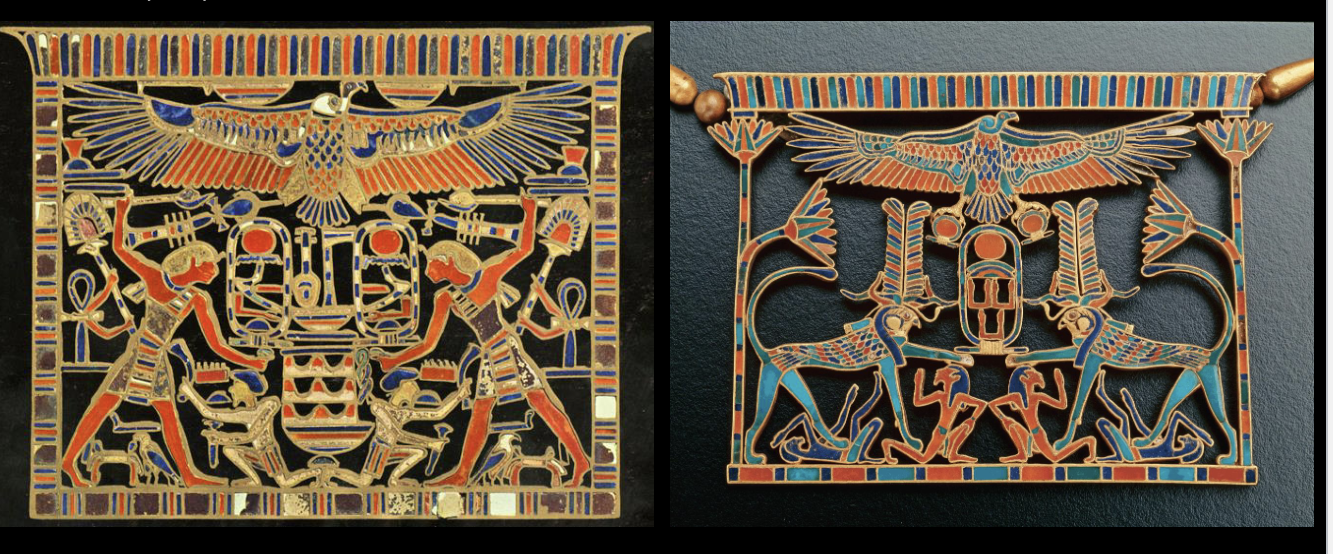
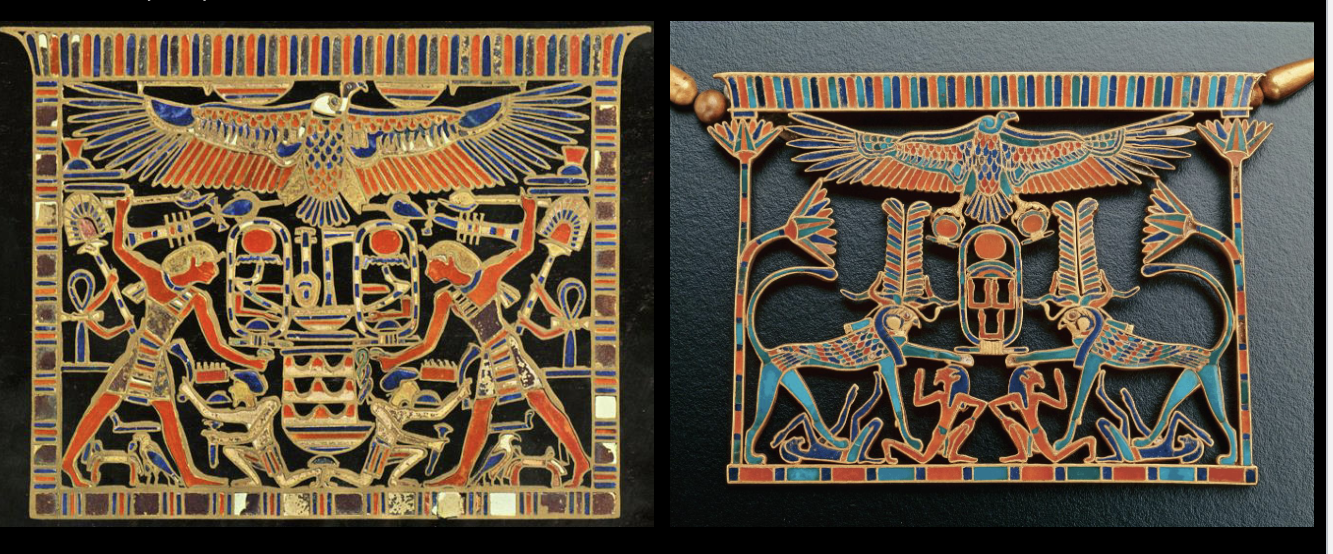
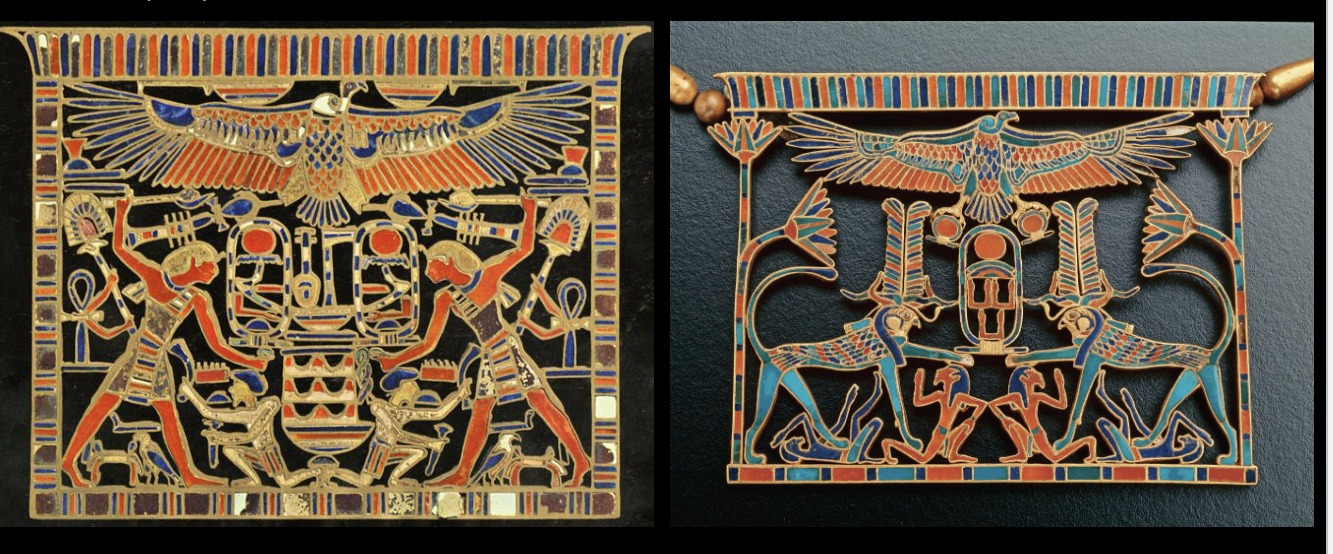
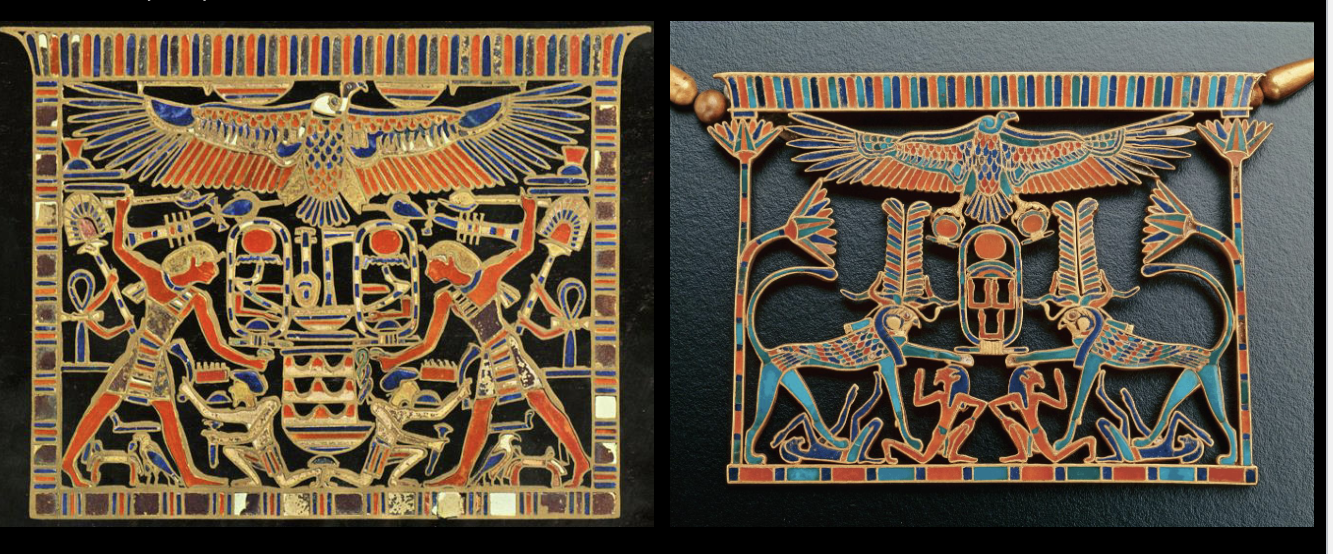
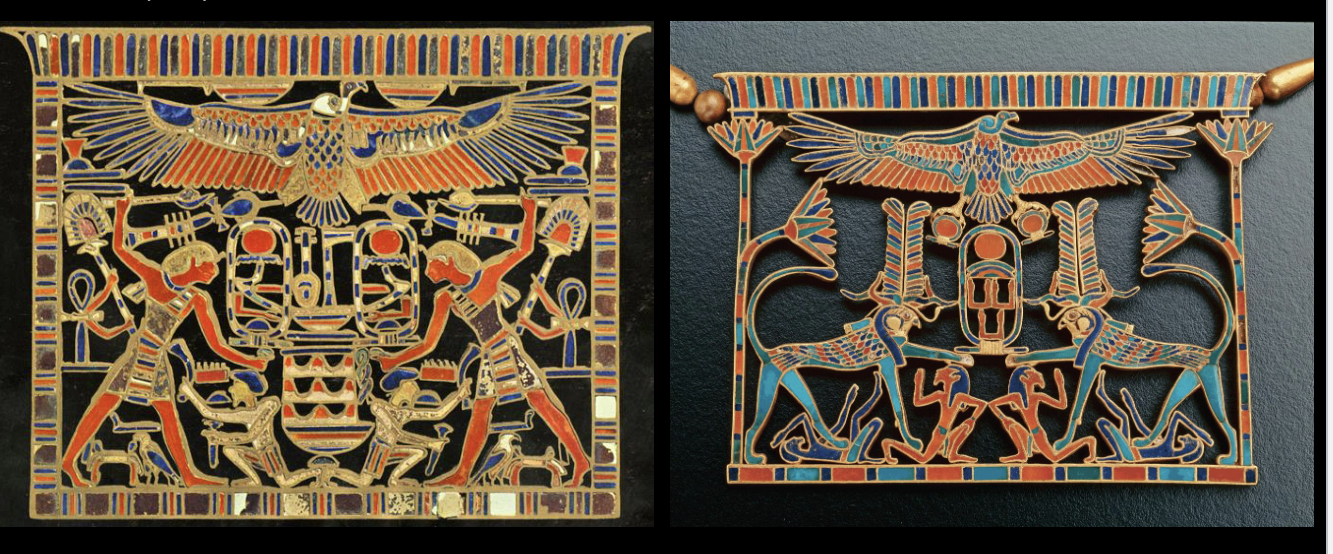
Pectorals from the burial of Mereret
What materials is the object made out of?
Gold and Precious Stones
When is the object dated?
12th Dynasty - Middle Kingdom
Where is the object found?
Dashur - Inside a burial
What is the significance of the object?
Two different enemies - shown through skin tones. Sophisticated techniques from what has been seen so far. Griffins are civilizing the king and taking the role of protector. Images of the king being violent in portable objects are uncommon in this period.
What is the name of this object?
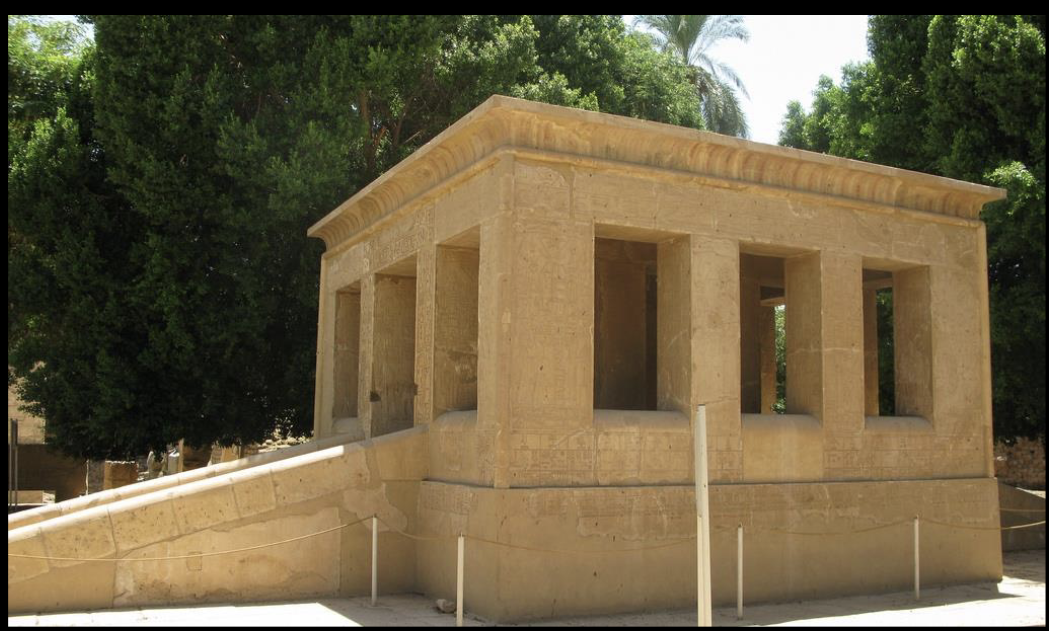
White Chapel of Senwosret 1
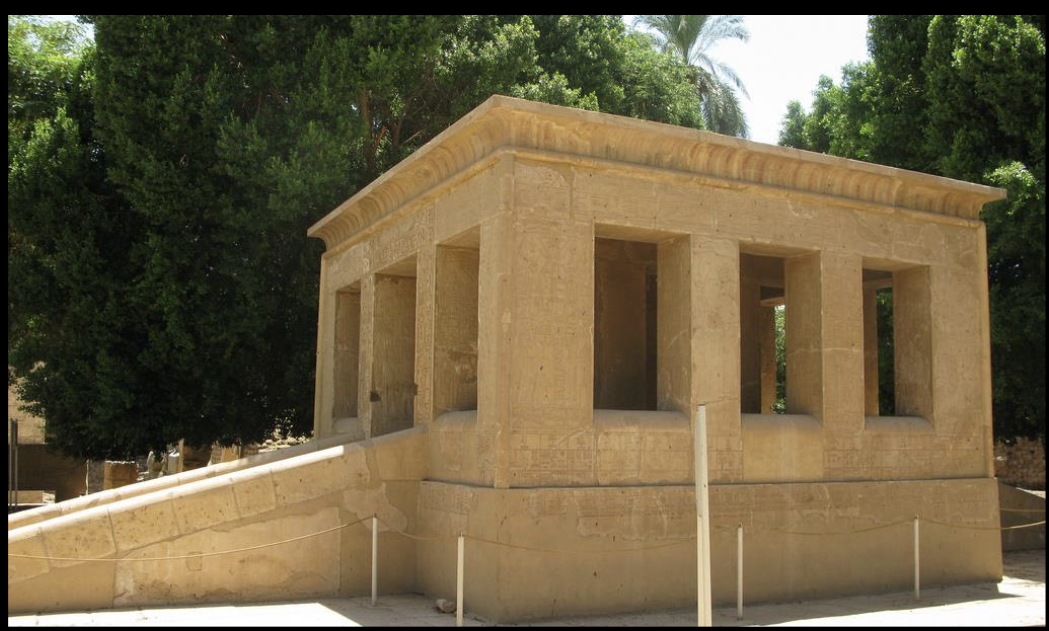
What materials is the object made out of?
Limestone
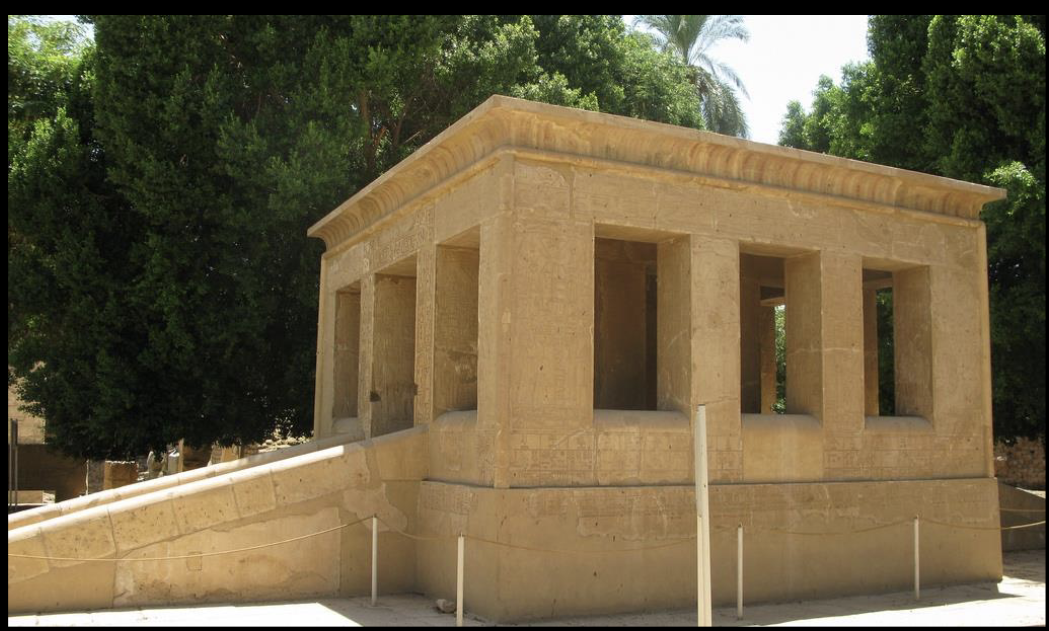
Where is the object usually found?
Karnak
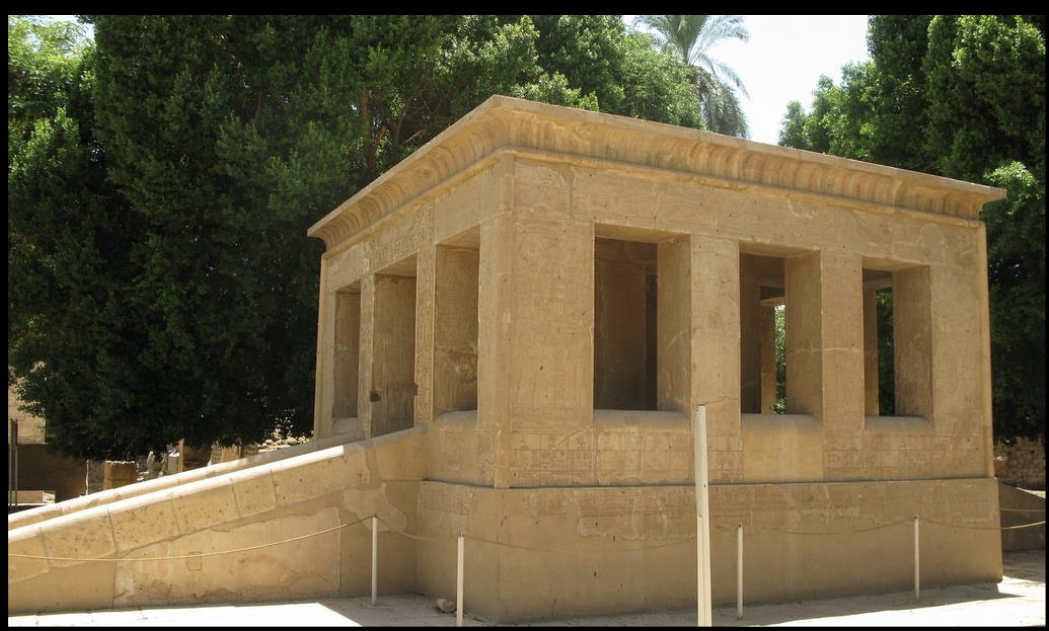
When is the object dated?
12th Dynasty - Middle Kingdom
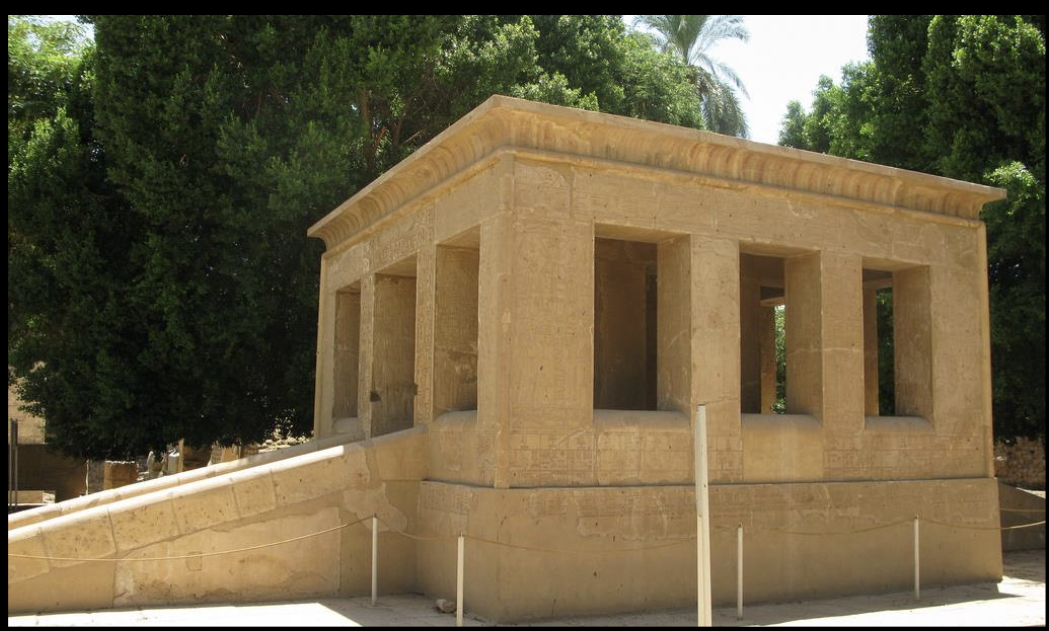
What is the significance of the object?
Built temples all over the place. Both administrative and religious functions. Lists of different regions of Egypt about taxes and types of goods. In religion, priests would go one way with a statue and go out the other side.
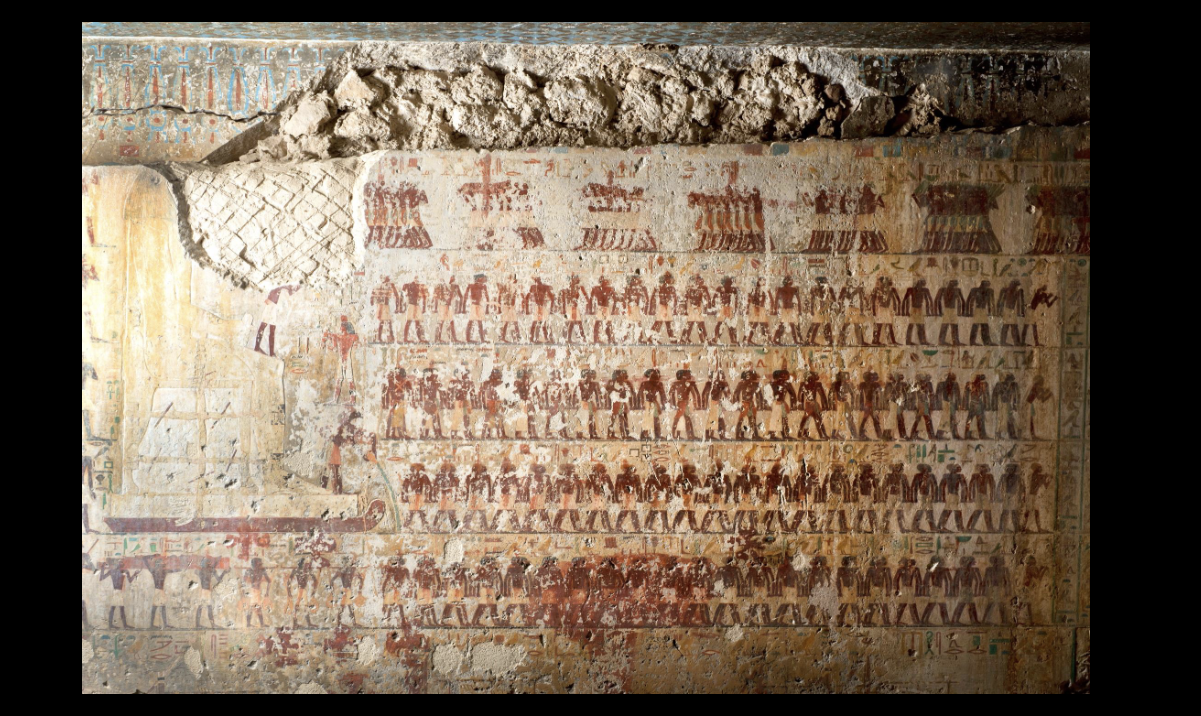
What is the name of this object?
Painting from the tomb of Djehutihotep
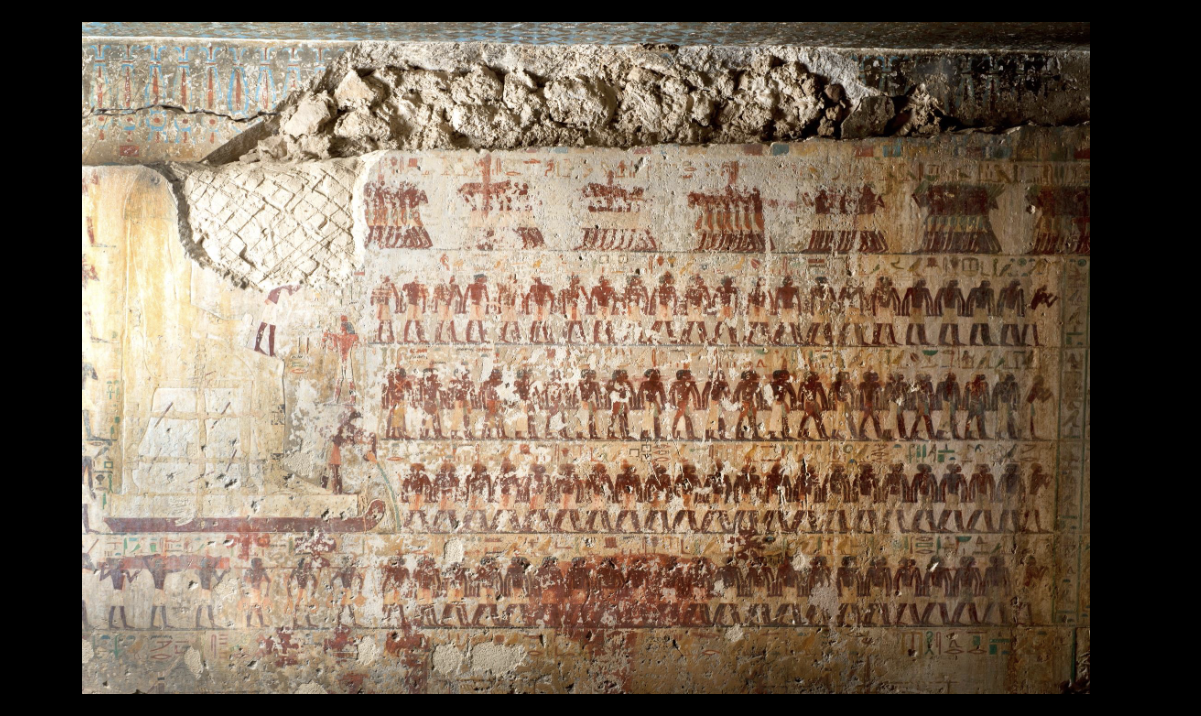
What materials is the object made out of?
Paint and stone
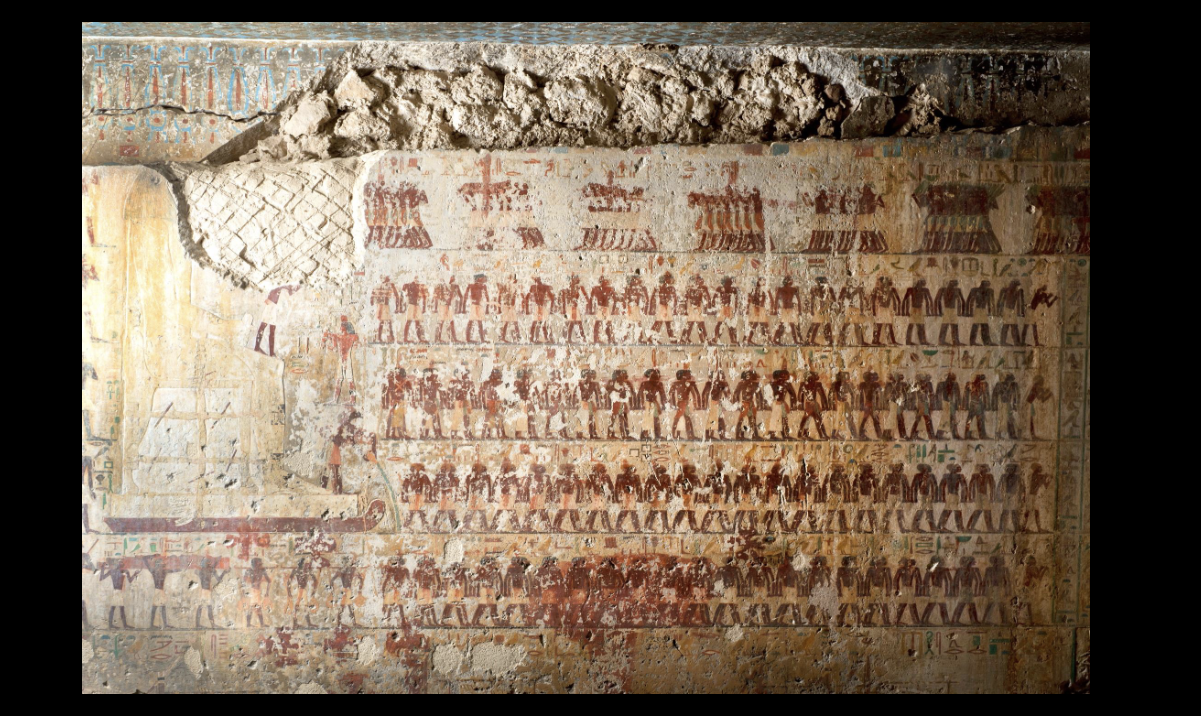
Where is the object found?
Dehir el-Bersha
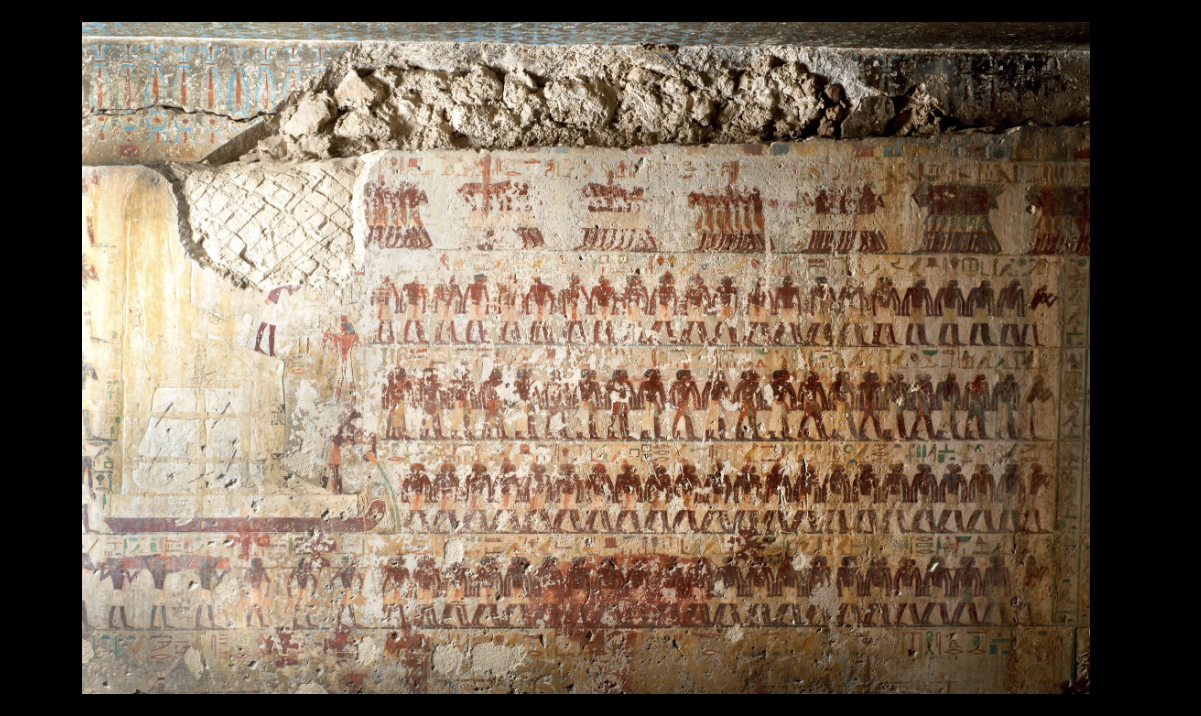
When is the object dated?
12th Dynasty - Middle Kingdom
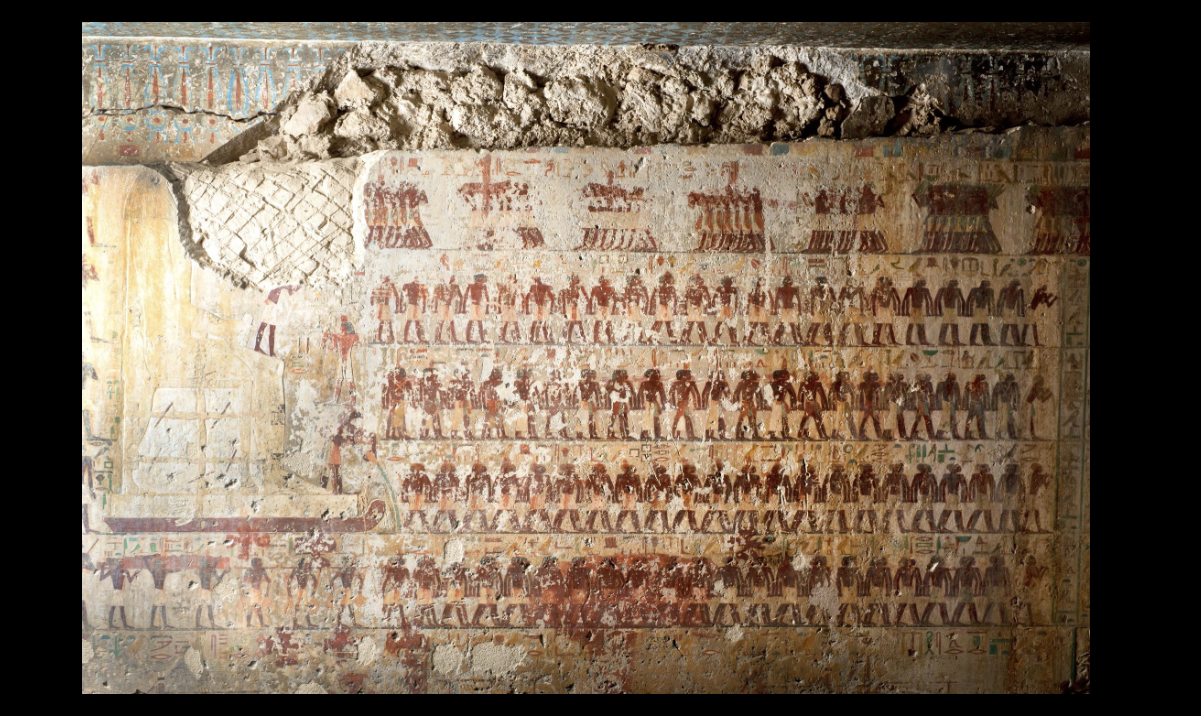
What is the significance of the object?
From a non-royal tomb. Big figure sitting on a fancier chair - on a wooden plank with people carrying. Emblematic on what is going on with royal officials as they have a lot of power in a local sense.
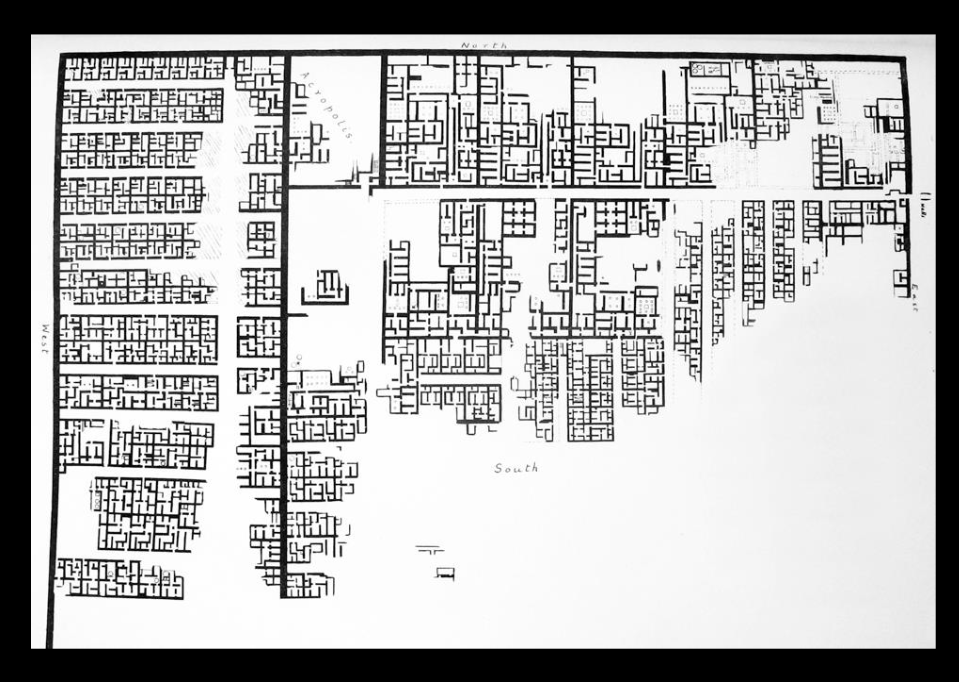
What is the name of this object?
Town of Lahun (Kahun)
What materials is this object made out of?
Limestone
When is the object dated?
12th Dynasty - Middle Kingdom
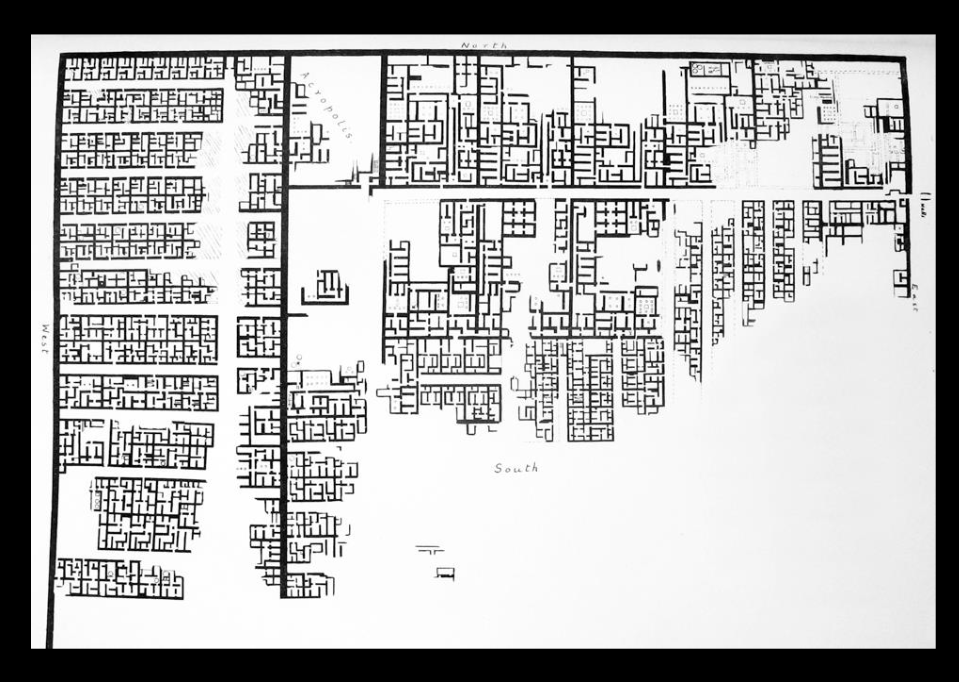
Where is this object usually found?
Lahun
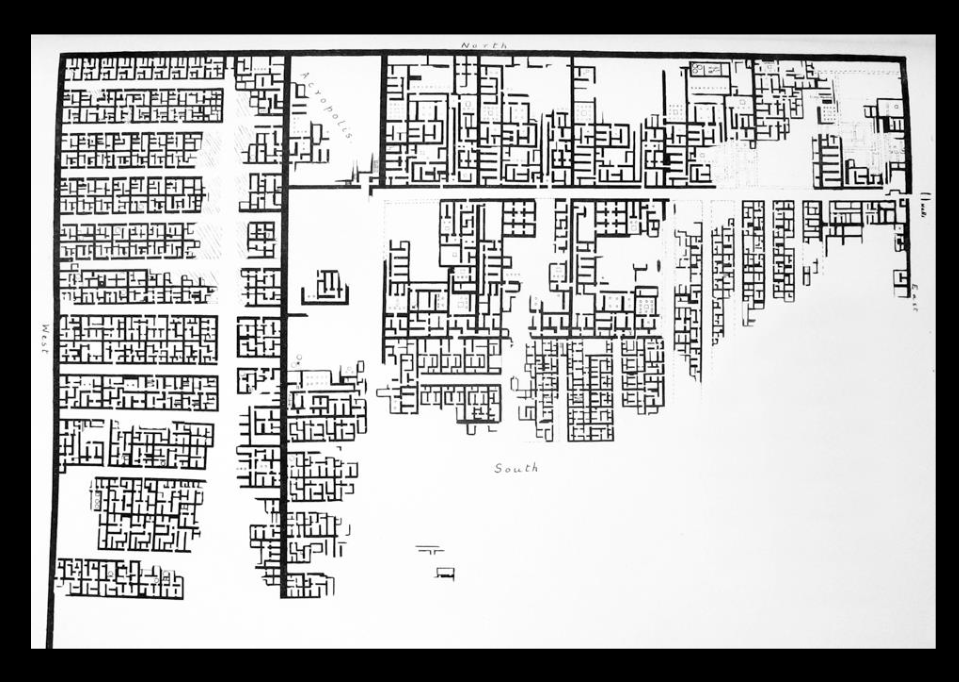
What is the significance of this object?
The left section is made up of little houses, while the right section is mansions, indicating a social divide. Mansions include: Entrance/”master suite”, secondary living suite (wife and children), and rooms for administrators and servants. A granary (bunch of little squares with openings) where grains were kept. Houses at Lahun were made for families along with workers and servants
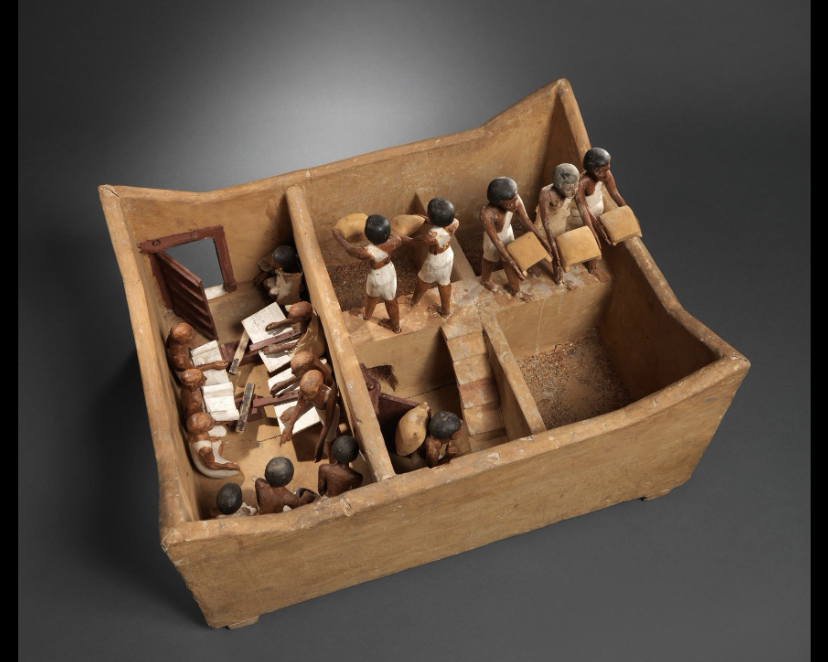
What is the name of this object?
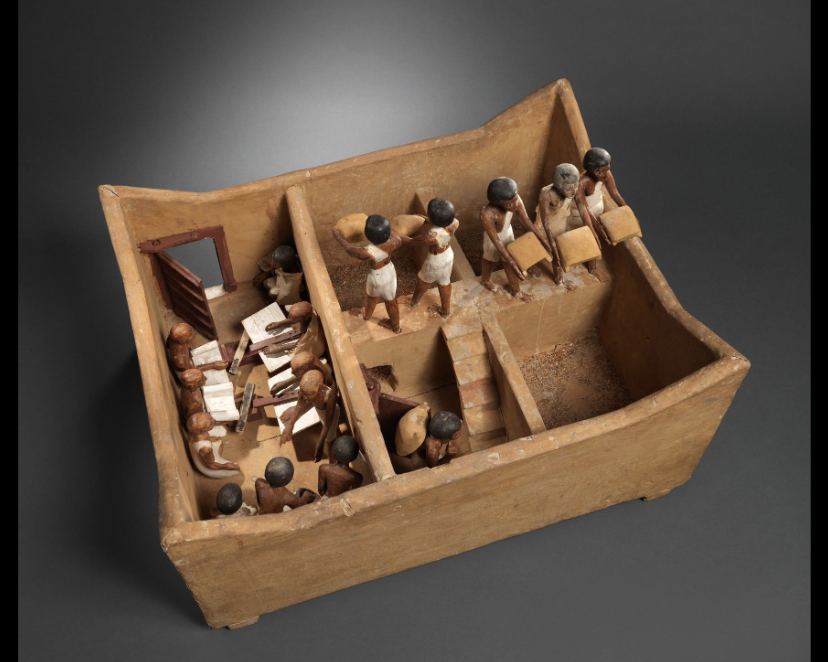
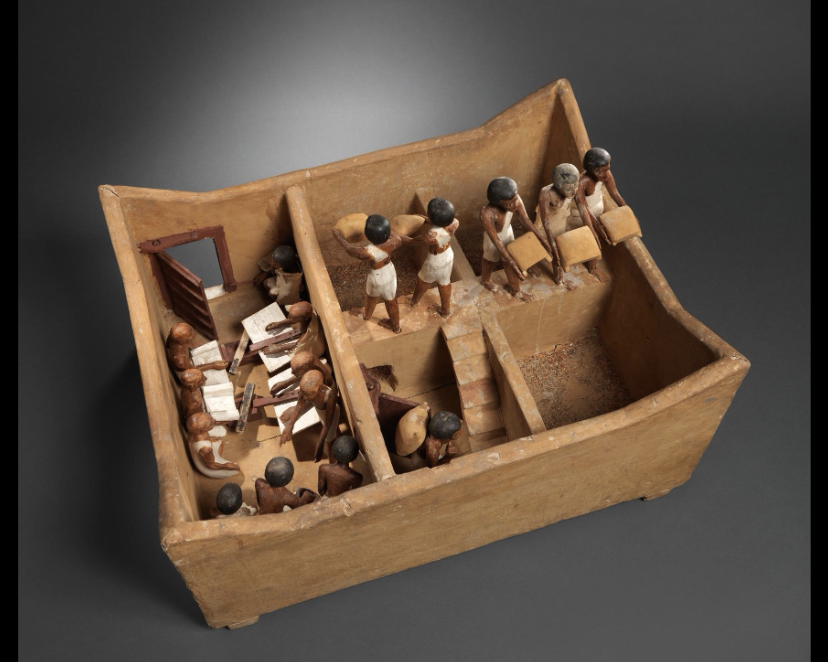
Model of Granary with Scribes
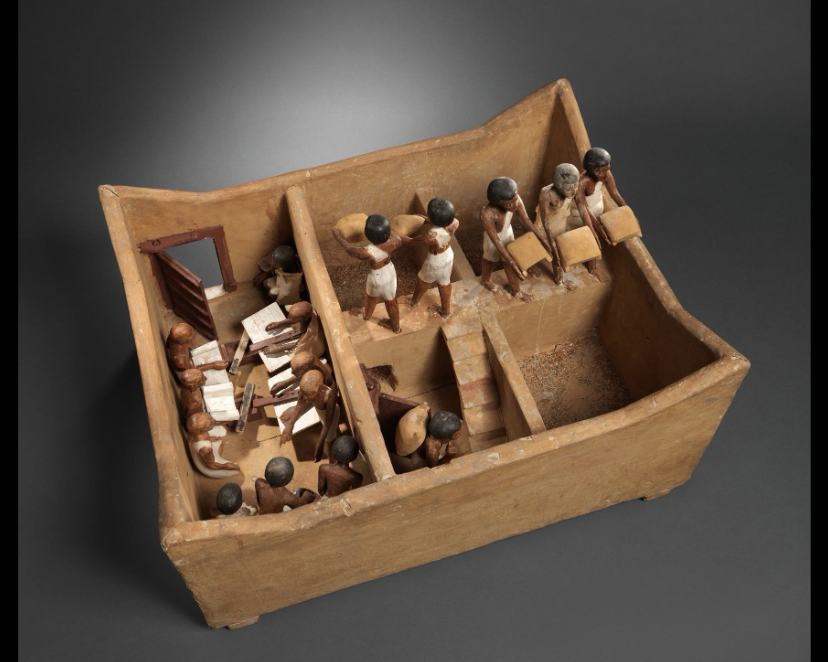
What materials is the object made out of?
Painted and carved wood

Where is the object usually found?
Tomb of Meketre
When is the object dated?
12th Dynasty - Middle Kingdom
What is the significance of the object?
Shows a grain room with people taking notes of the grain. The object is divided into two sections, the granary and an accounting area. The granary ensures the tomb owner has access to food in the afterlife and shows a change in funerary customs as they have similar functions to daily life scenes. The wood models were more accessible to nonroyals, shifting afterlife practices.
What is the name of this object?
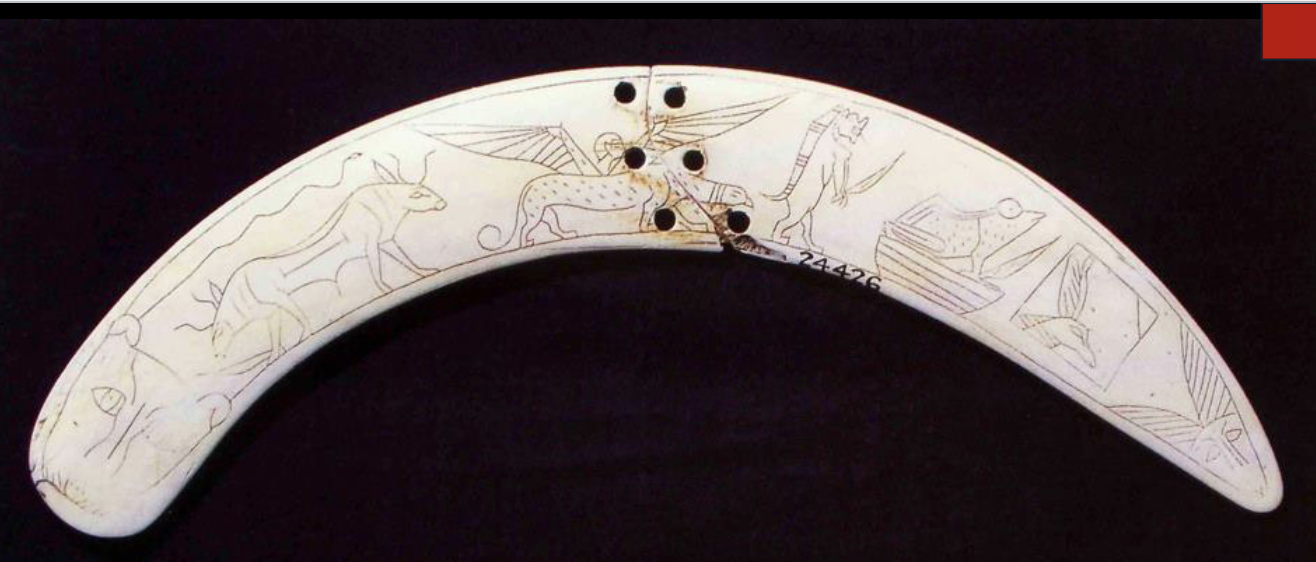
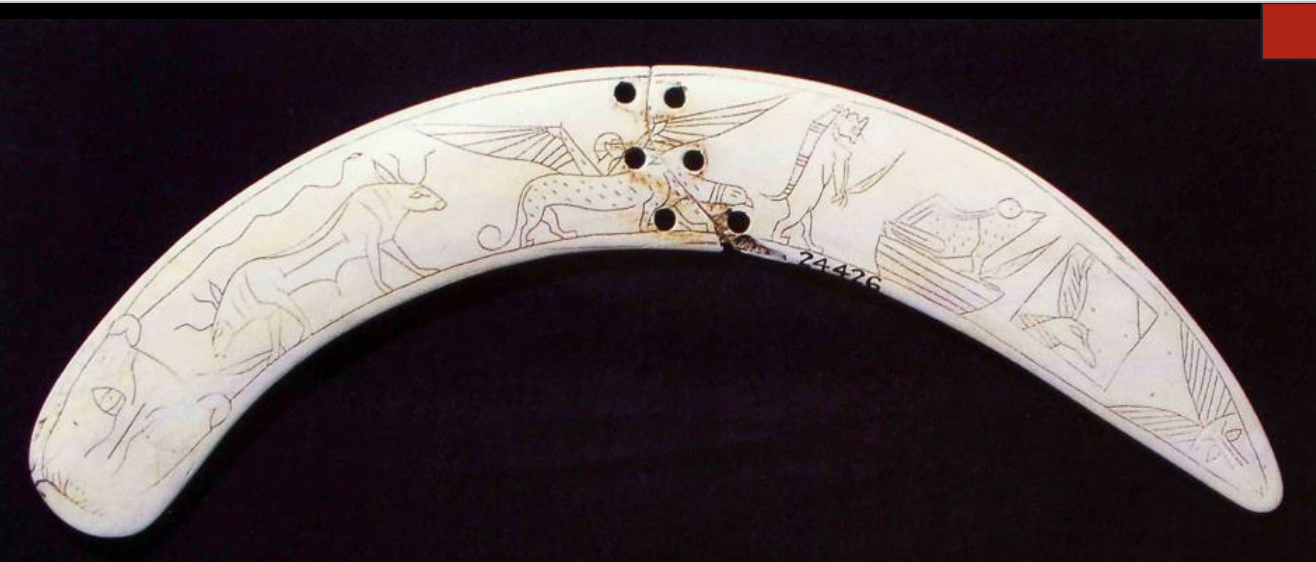
“Magic Wands”
What materials is this object made out of?
Ivory
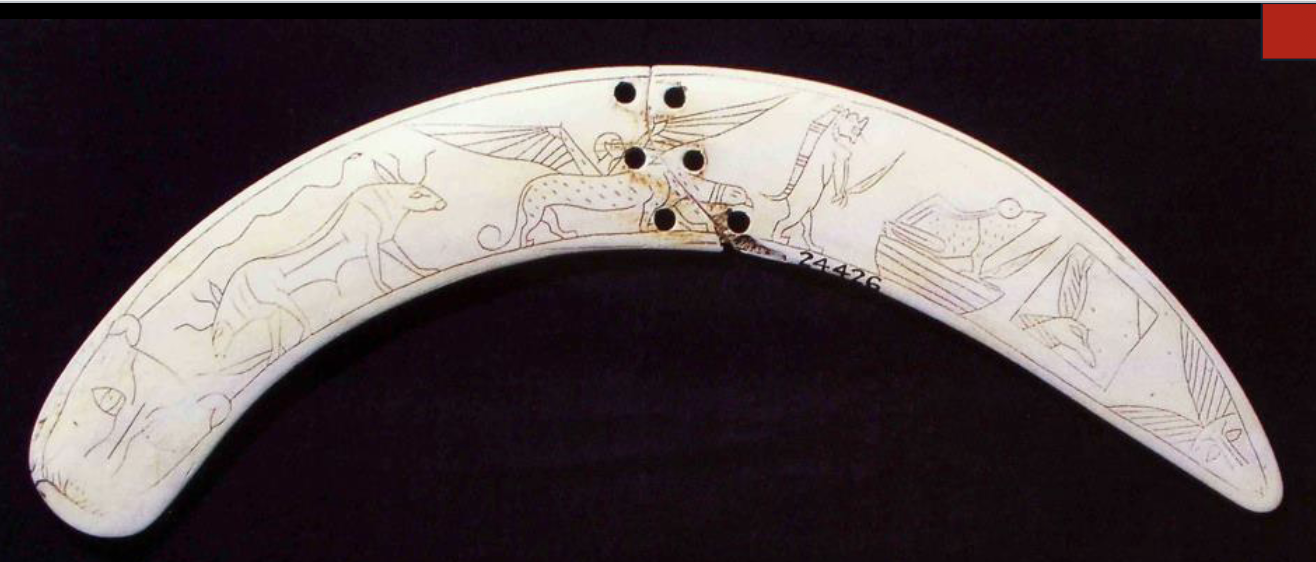
When is this object dated?
12th Dynasty - Middle Kingdom
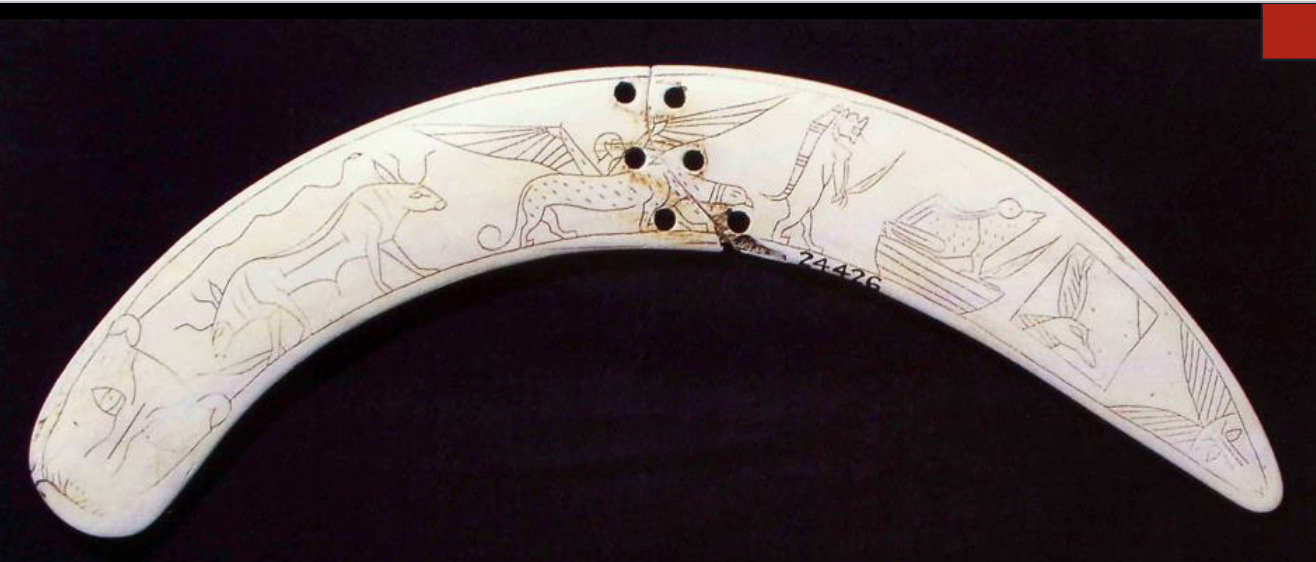
Where is this object usually found?
In tombs
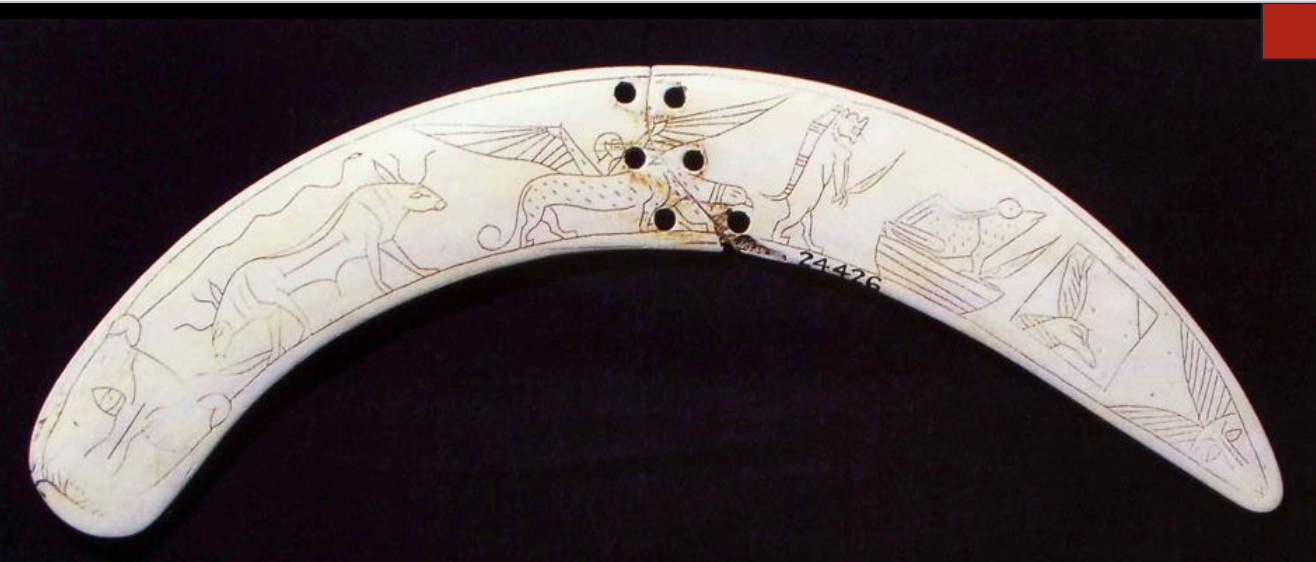
What is the significance of this object?
Iconography: Twaeret, who is associated with the protection of mothers and children, is holding a knife. Frog has ties to afterlife beliefs, also holding a knife. Mythological creatures that hold the knife, making them protective creatures. Most likely used to protect the mother during childbirth, and wanted the protection to remain in death
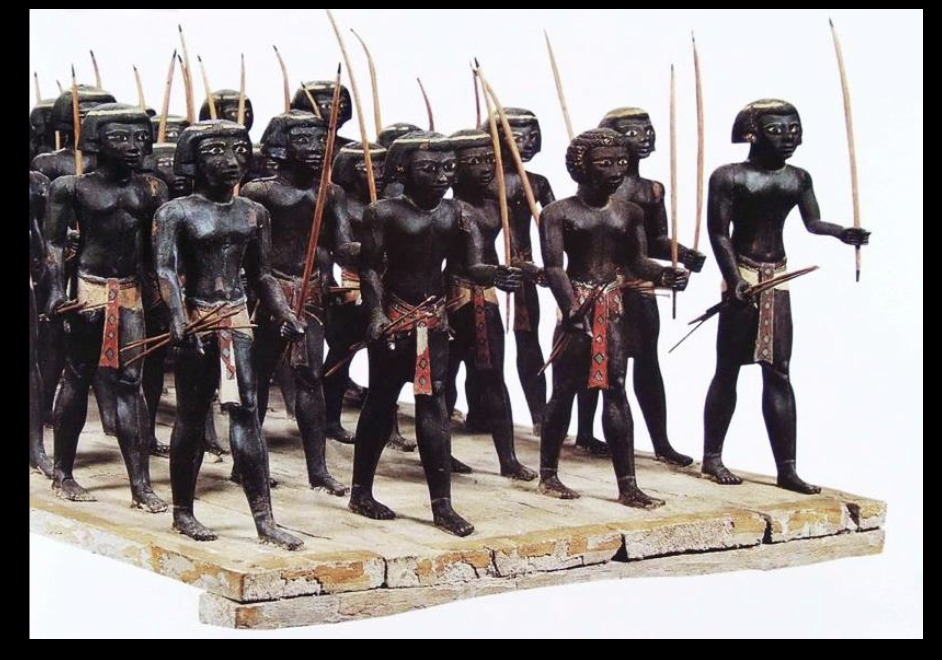
What is the name of this object?
Nubian Archers
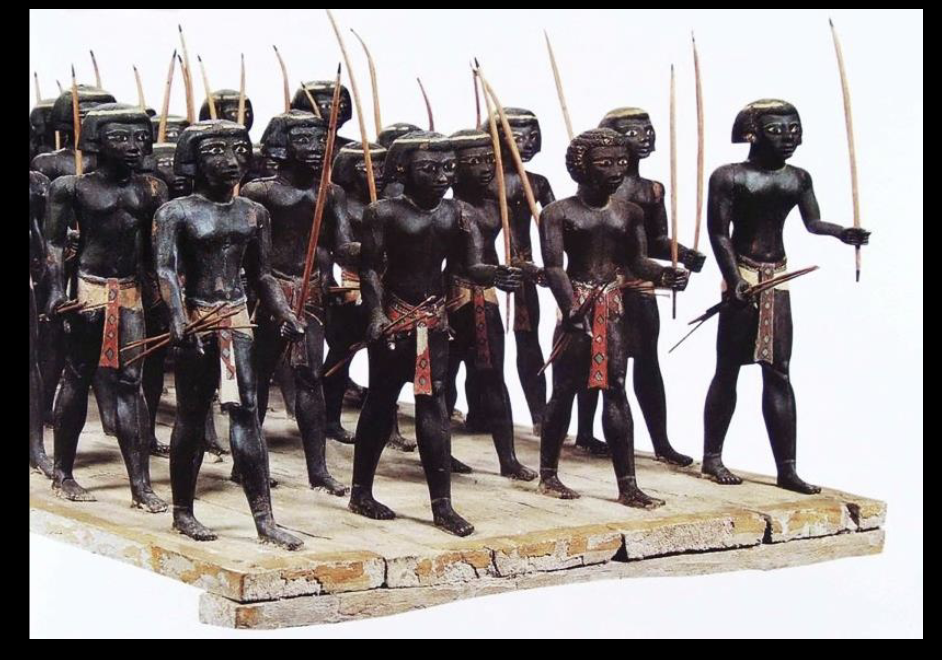
What materials is the object made out of?
Carved and Painted Wood
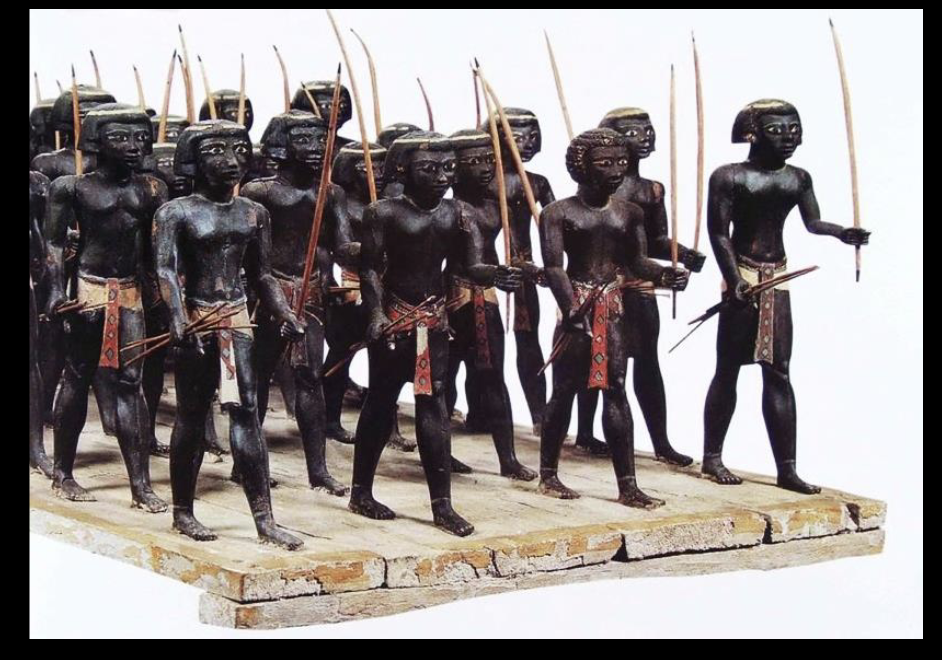
When is this object dated?
Middle Kingdom
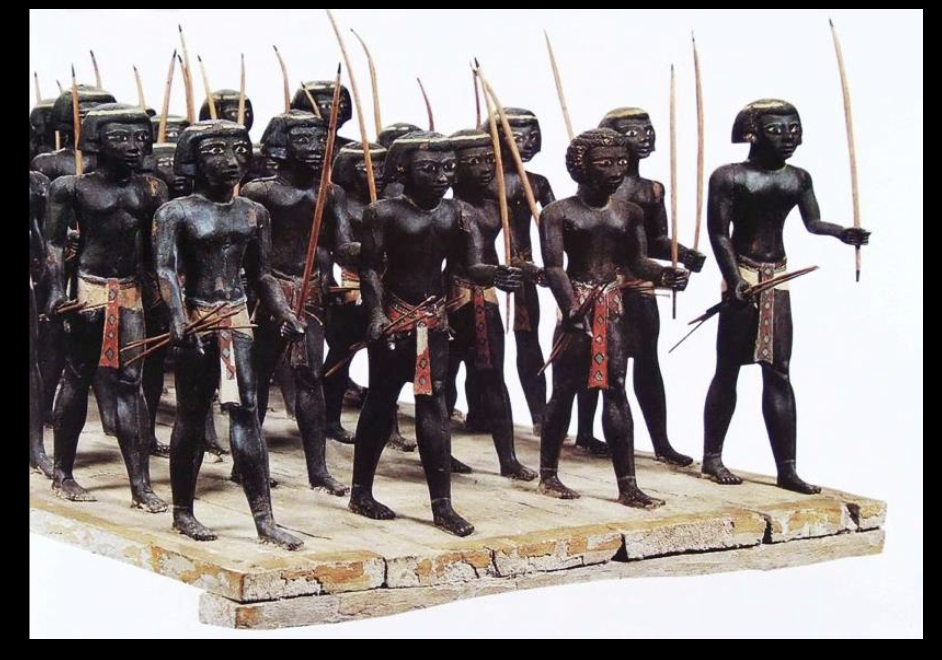
Where is this object found?
Middle Kingdom Tomb
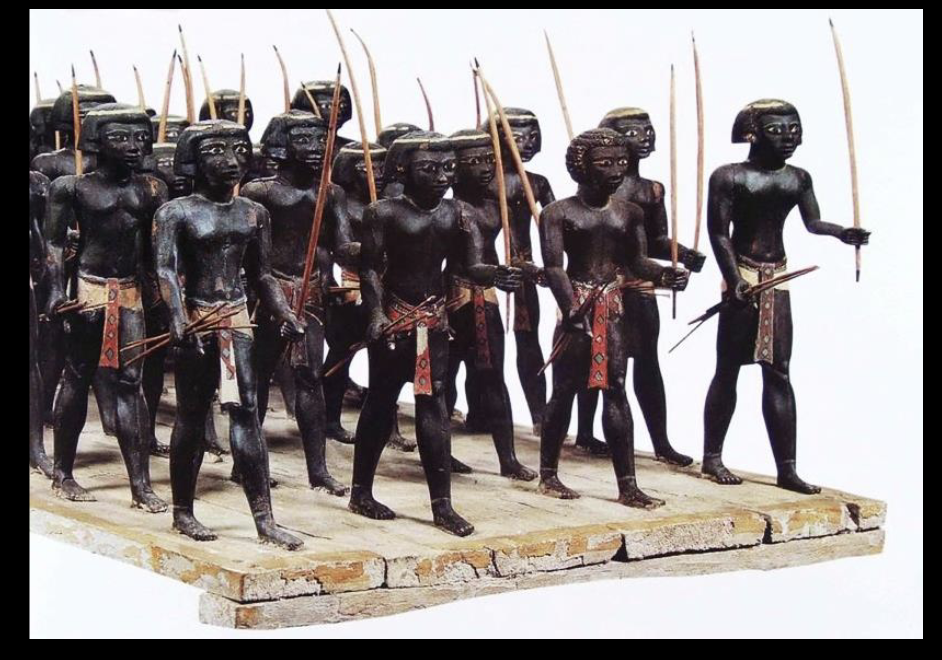
What is the significance of this object?
Nubian hunters were known for being excellent hunters, especially with bows and arrows, and darker skin, which is how Egyptians identified with Nubians. Since it was found in a tomb shows that the tomb owner did not find Nubians threatening. Grave goods helped to ensure the survival of the tomb owner.
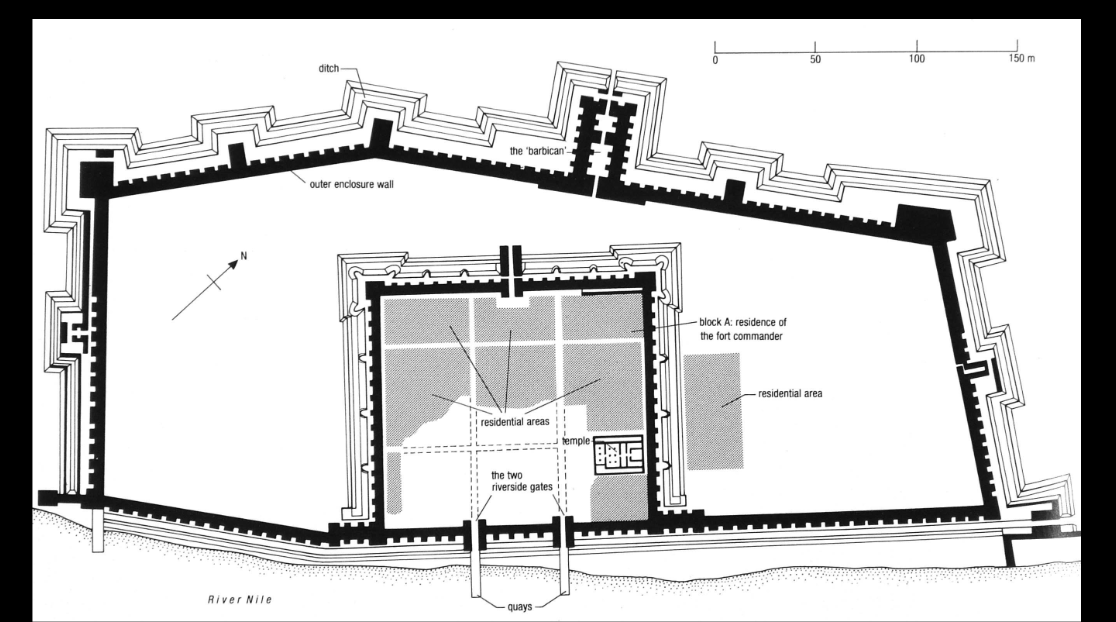
What is the name of this object?
Buhen Fortress
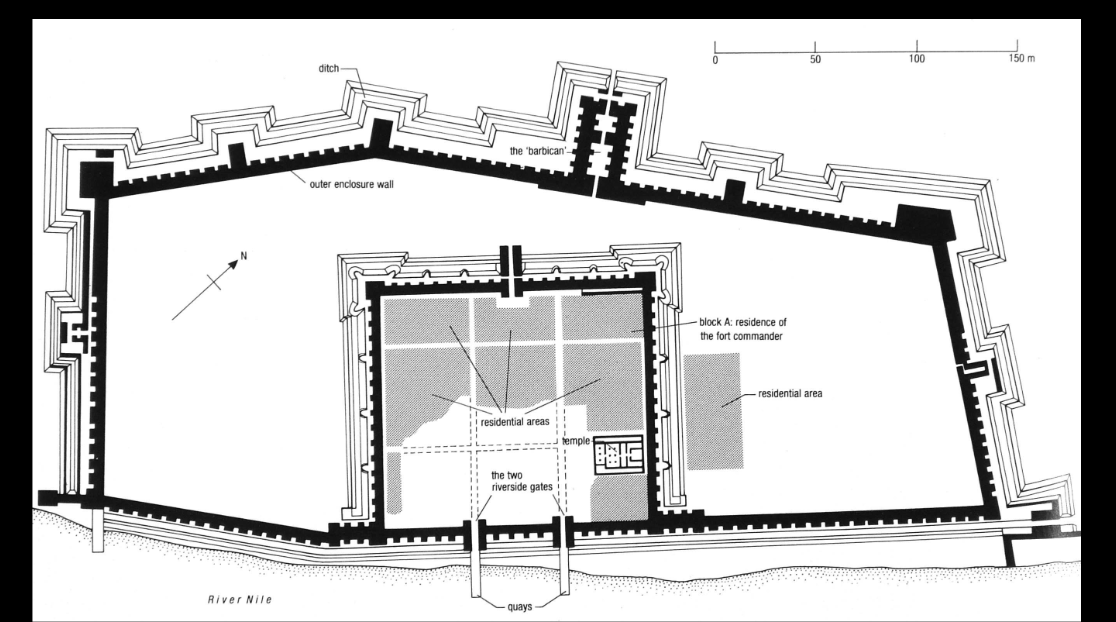
What materials is this object made out of?
Mudbrick
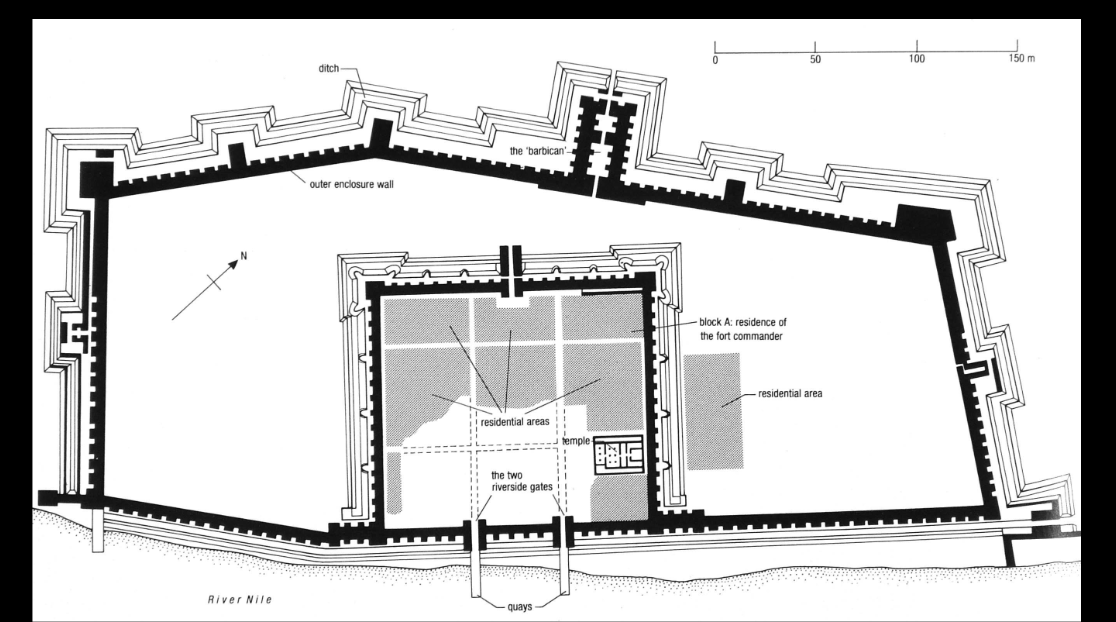
Where is this object found?
Nubia
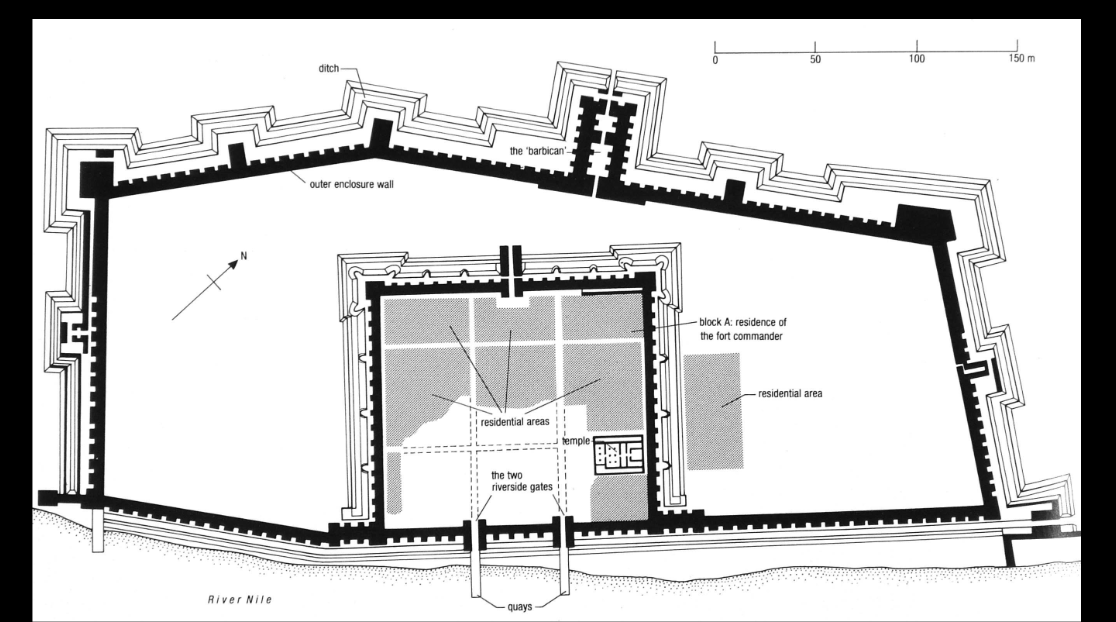
When is this object dated?
Senwosret I/Beginning of the 12th Dynasty - Middle Kingdom
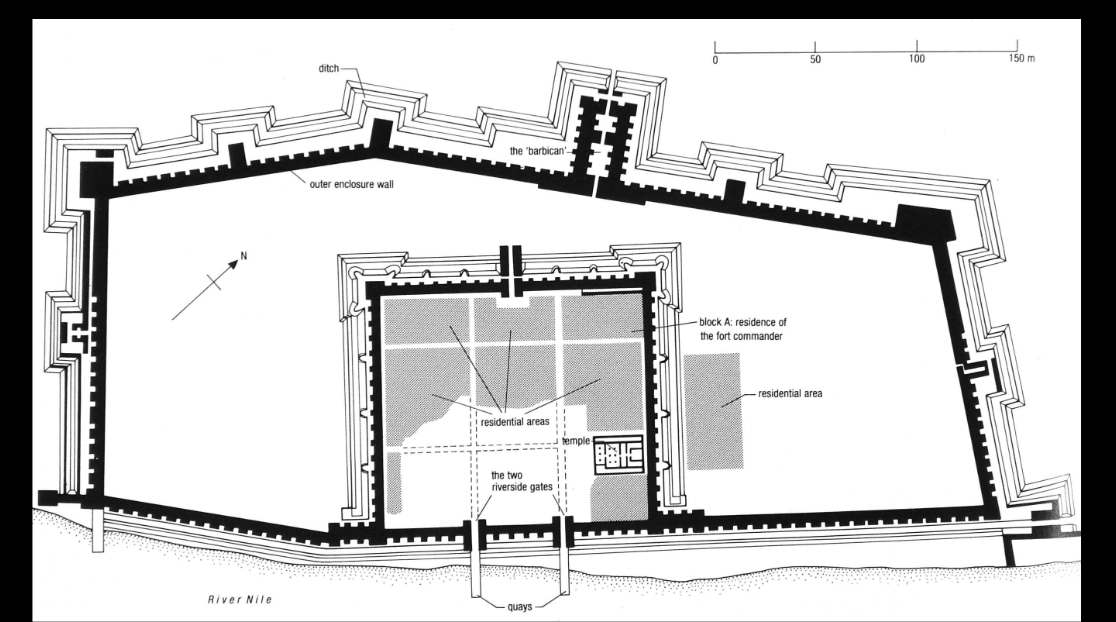
What is the significance of this object?
Built in the first wave of the fortresses built. Fortresses were made in Nubia for political control/intimidation and economic extraction. This fortress is a prime model of northern fortresses illustrating the complex architecture. The living arrangements for soldiers within the fortress show where men could get married, it was settlement for soldiers to work and live.
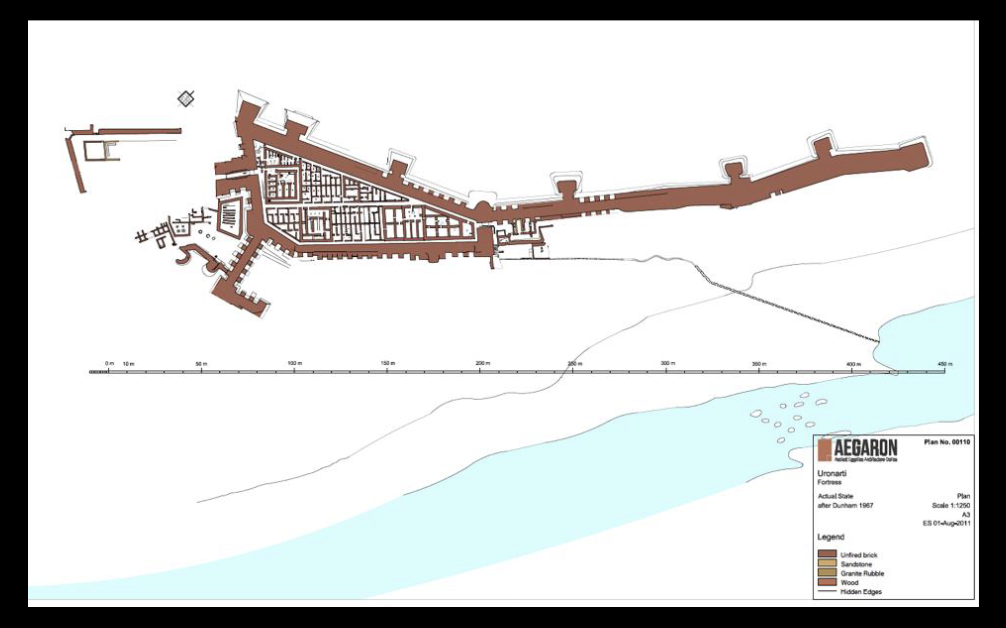
What is the name of this object?
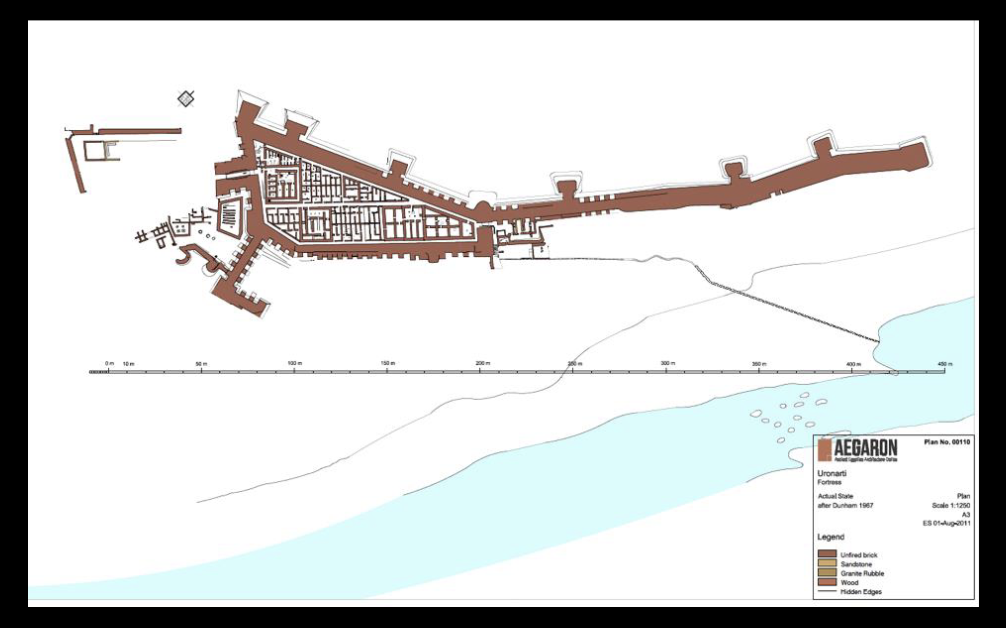
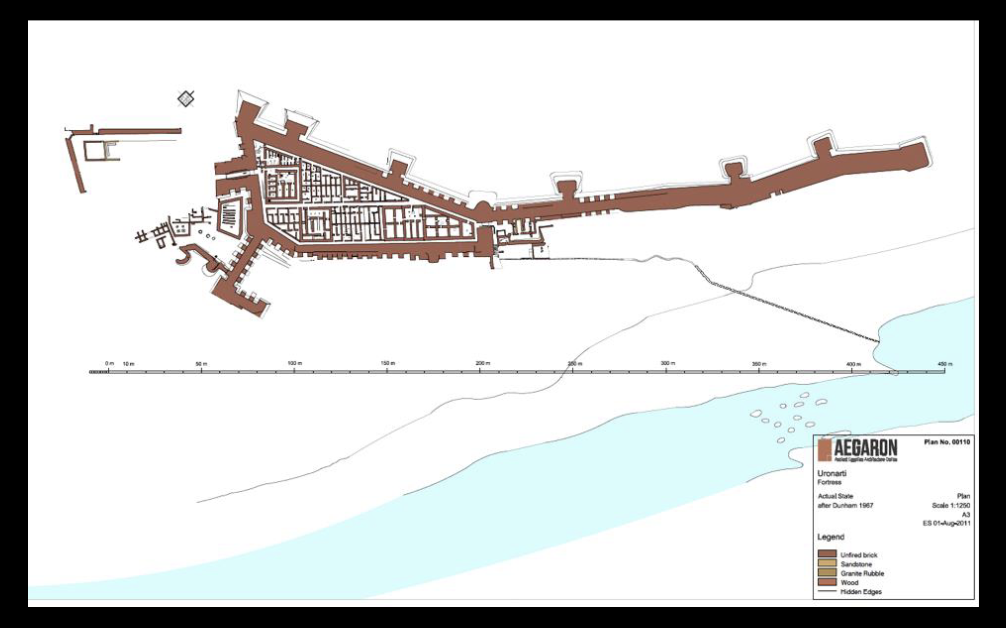
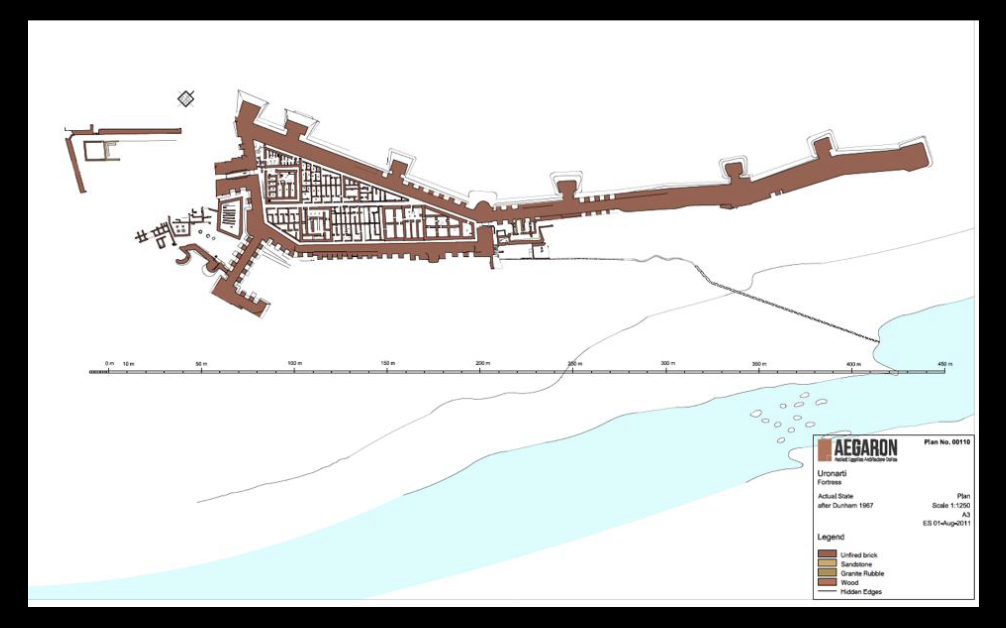
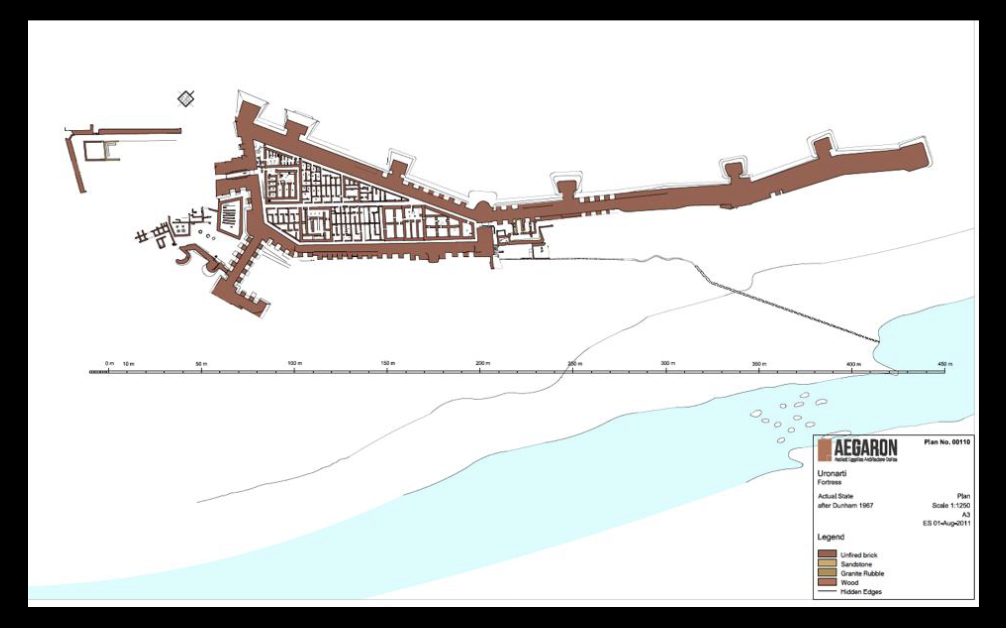
Uronarti Fortress
What materials is this object made out of?
Mudbrick
Where is this object found?
Nubia
When is this object dated?
Senwosret III / 12th Dynasty - Middle Kingdom
What is the significance of this object?
This fortress served as a military outpost and an urban center built by Senwosret iii. This fortress controlled trade and resisted Nubian incursions. It was also a symbol of Egyptian imperial power in Nubia.
What is the name of this object?
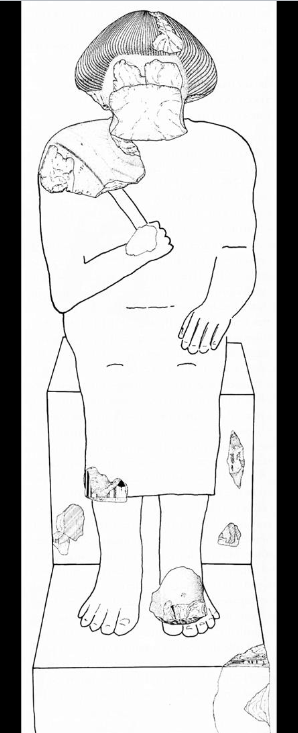
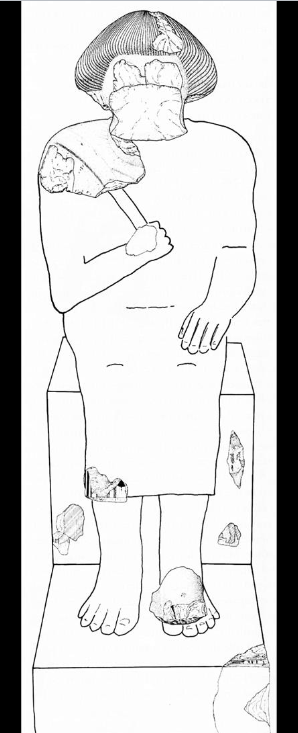
Statue of high-ranking Hyksos
What materials is the object made out of?
Limestone
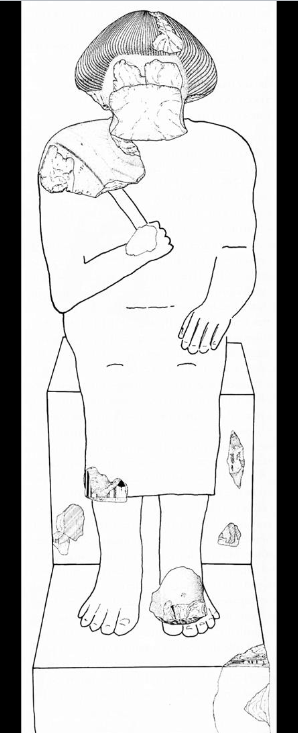
Where is this object usually found?
Cemetery at Tell el Dab’a
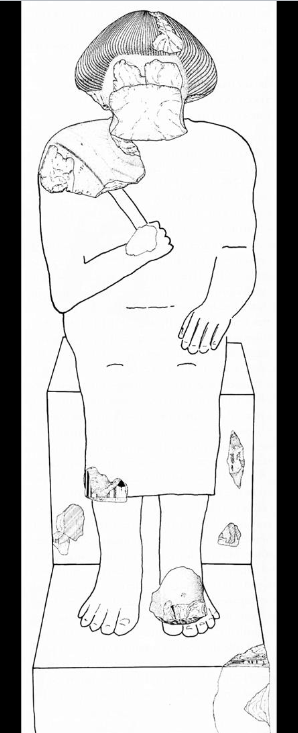
When is this object dated?
Late Middle Kingdom
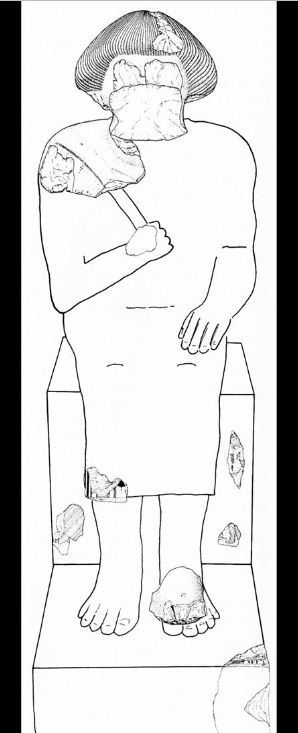
What is the significance of this object?
This object does not have an Egyptian hairstyle, indicating that they are not Egyptian. Other factors such as the clothing and the stick, which hadn’t been held by an Egyptian before. “Throw Stick” is a symbol of the Asiatic.
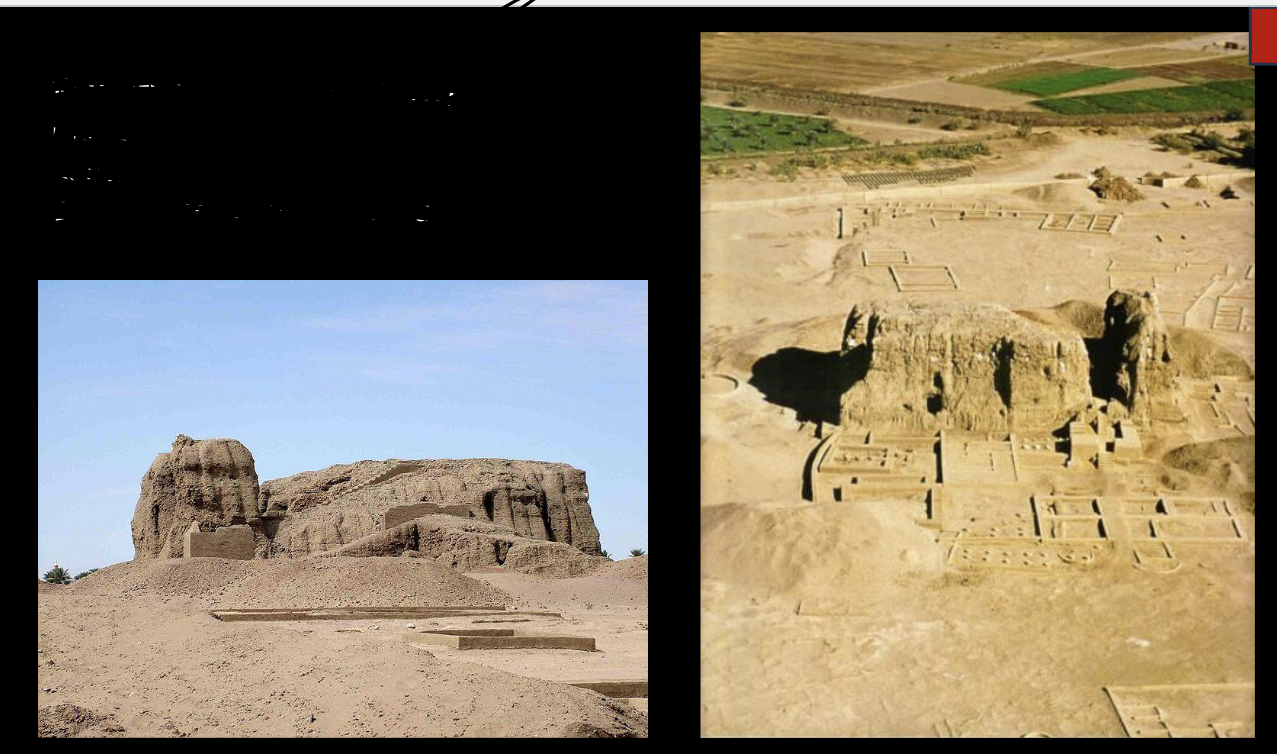
What is the name of this object?
Western Deffufa (Temple Site)
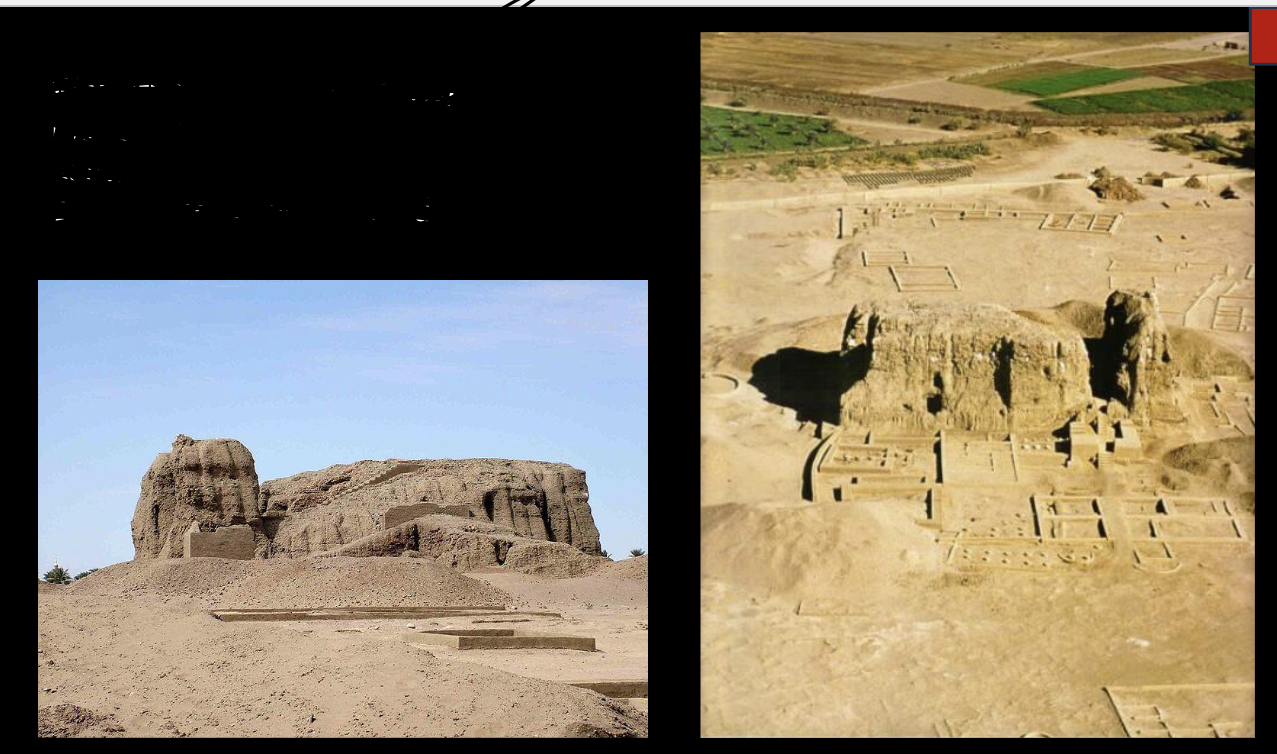
What materials is it made out of?
Mudbrick
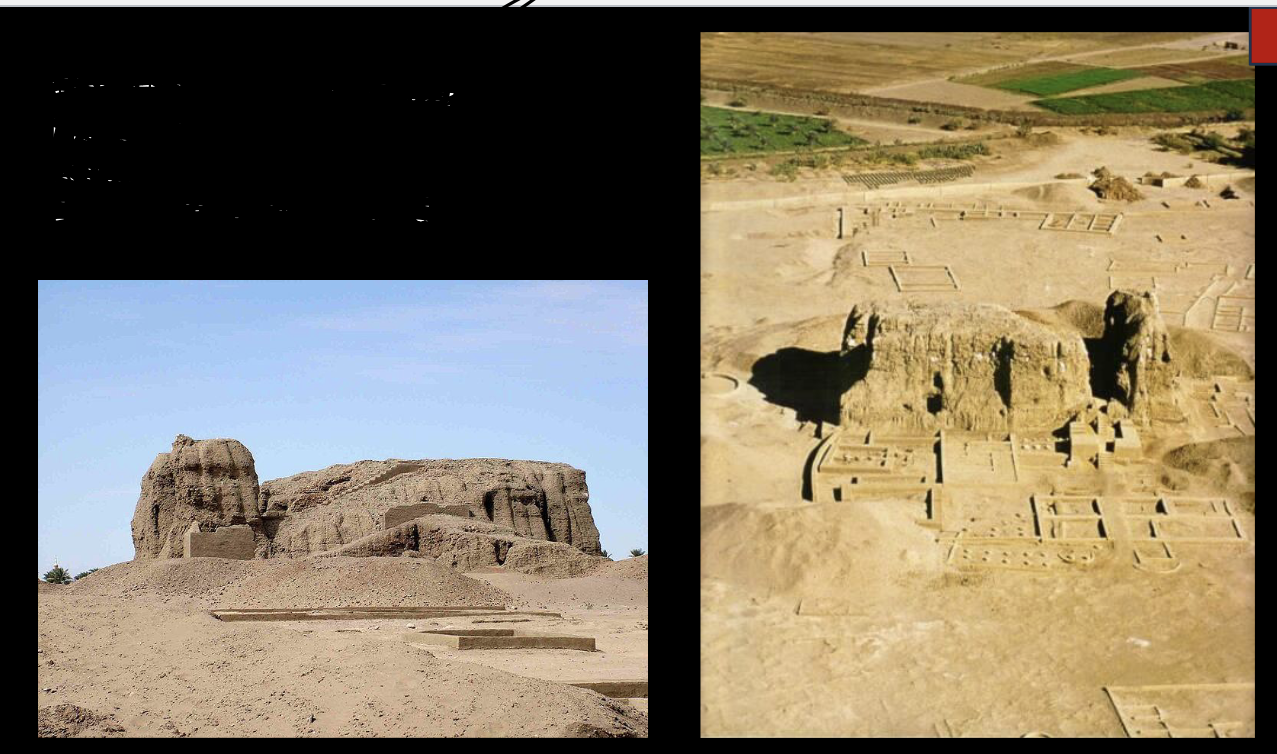
When is the object dated?
Second Intermediate Period
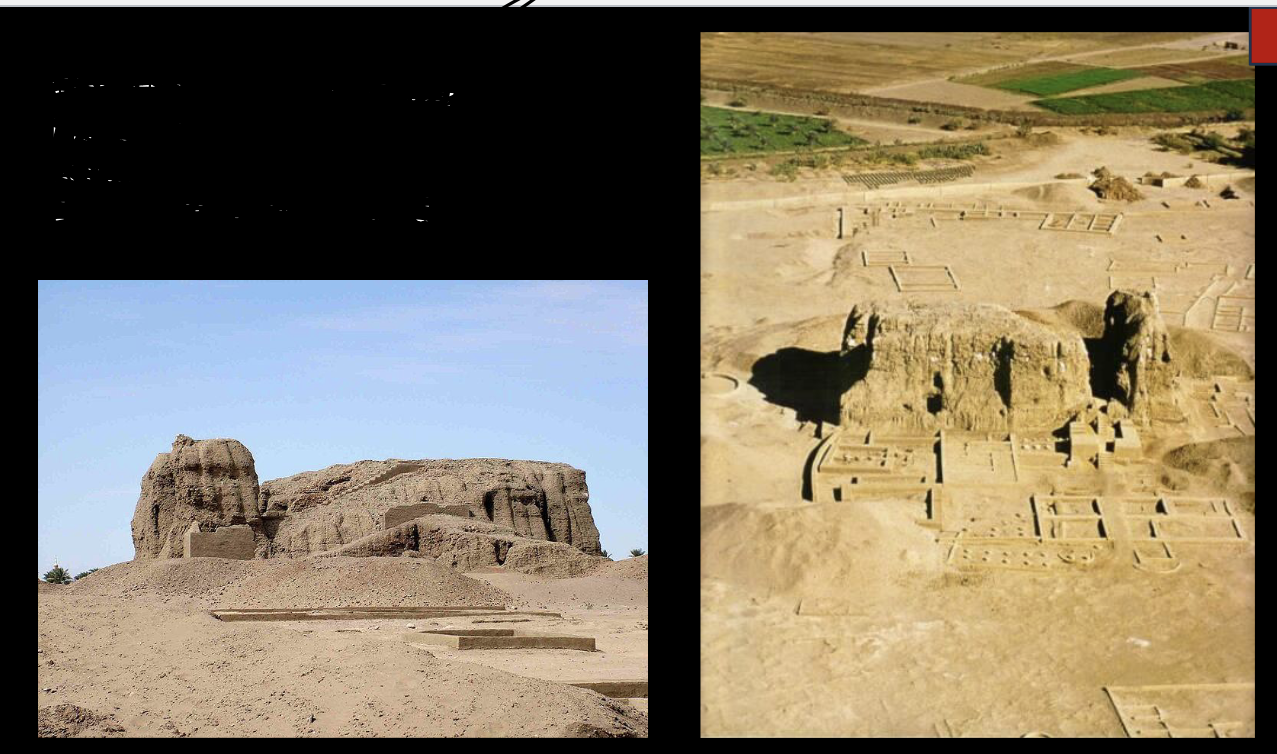
Where is the object found?
Kerma
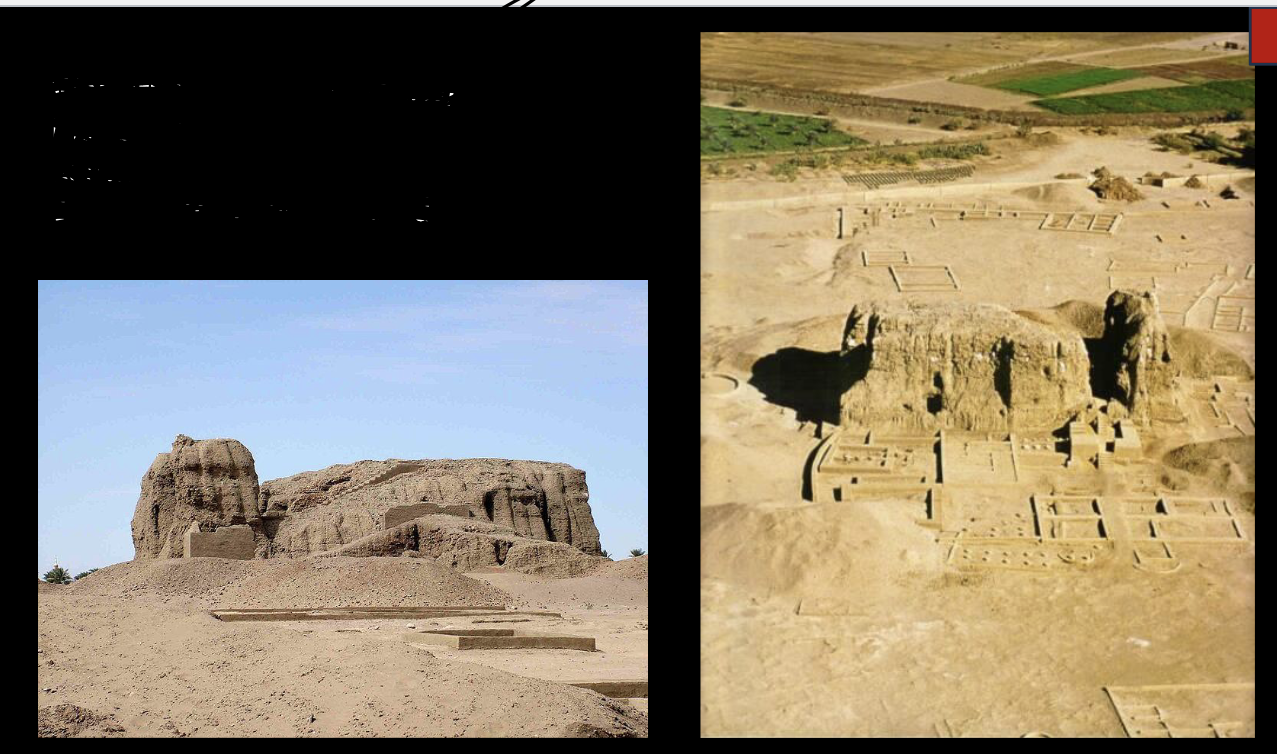
What is the significance of this object?
Very developed architectural traditions that differ completely from Egyptians, showing the representation of Nubian culture. Egyptians often had grander architecture where whereas Nubia was more simple
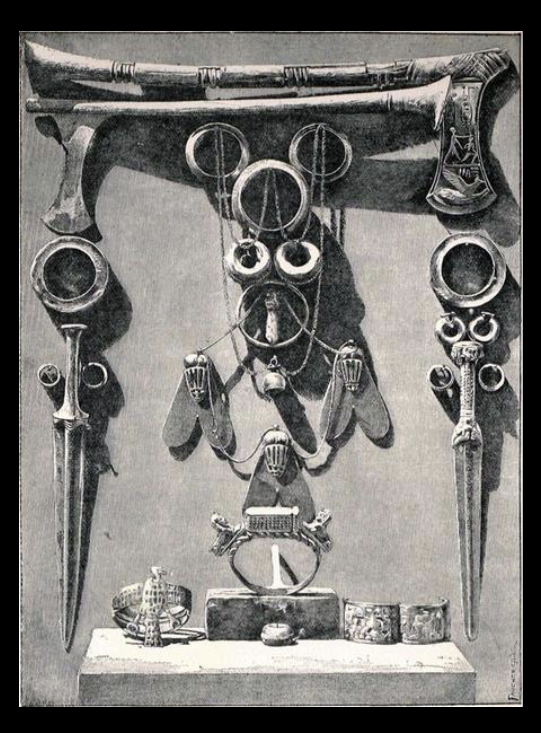
What is the name of this object?
Funerary Assemblage of Ahhotep - Ahmose’s mother
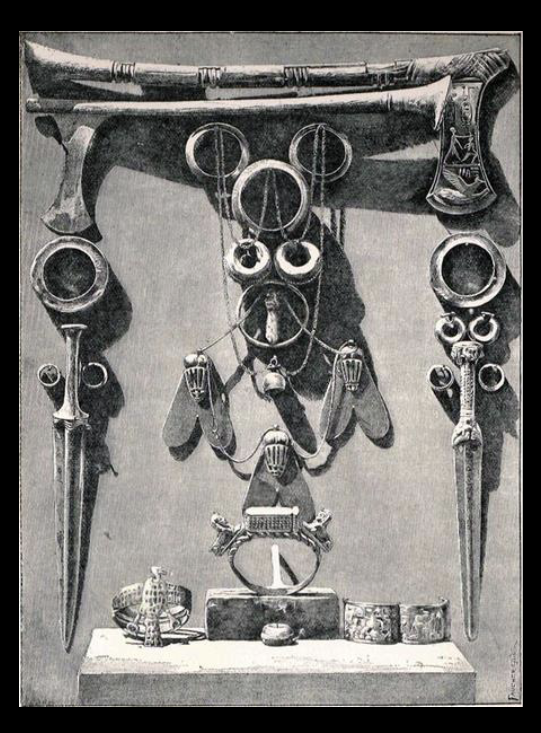
What materials is the object made out of?
Weapons, jewelry
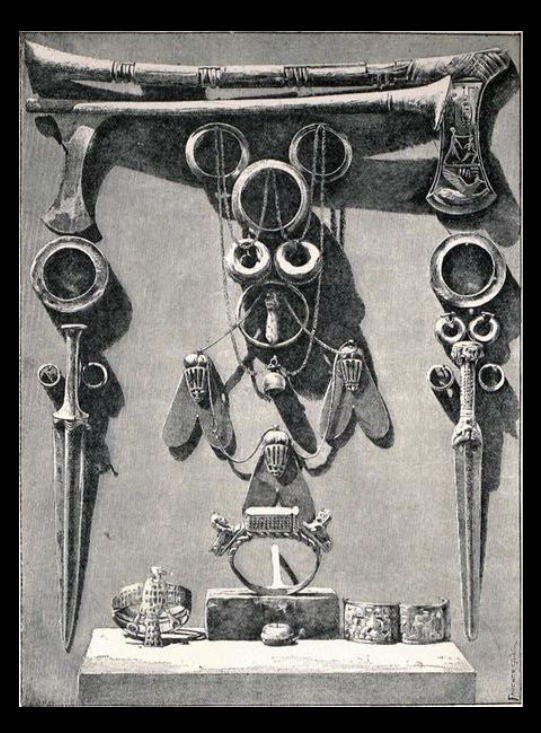
Where is the object usually found?
In her tomb
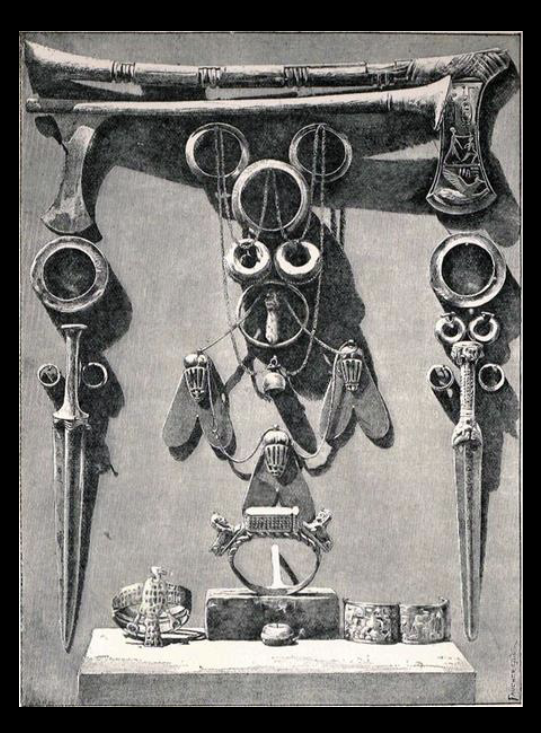
When is the object dated?
End of Second Intermediate Period / Reunification
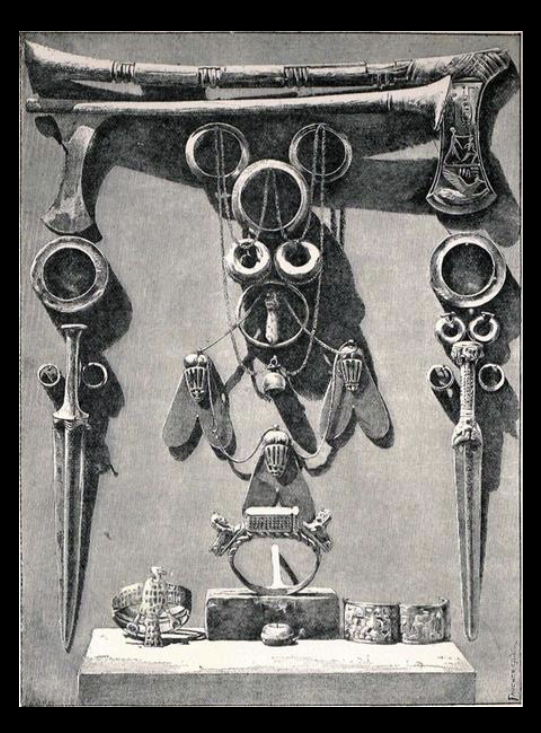
What is the significance of this object?
Ahmose’s mother, and features scenes that usually wouldn’t be associated with a queen. Axes with smiting scenes, knifes, jewelry, and flies. The gold of valor-king often gave them to the king to the parts of his officials who were deserving of this high honor)
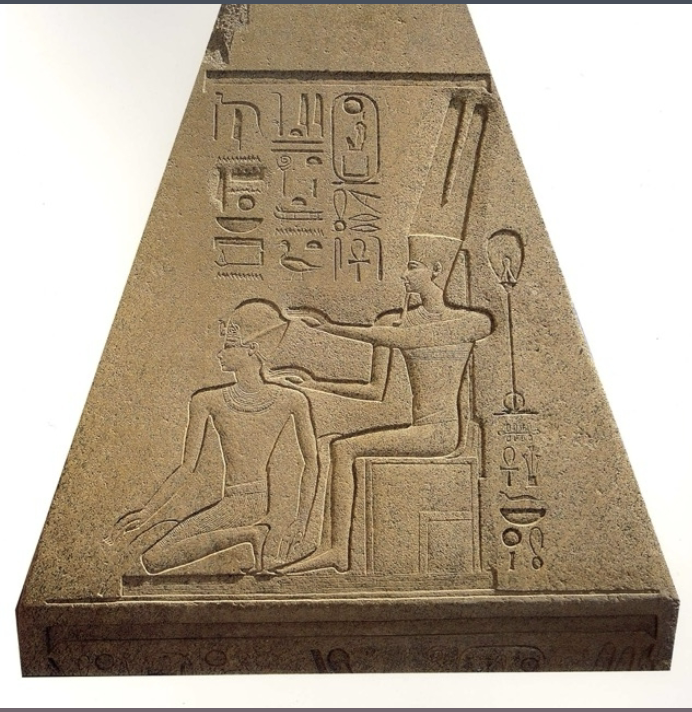
What is the name of this object?
Hatshepsut and Amun
What materials is this object made out of?
Carved on limestone
Where is the object usually found?
Karnak / On the top of an obelisk
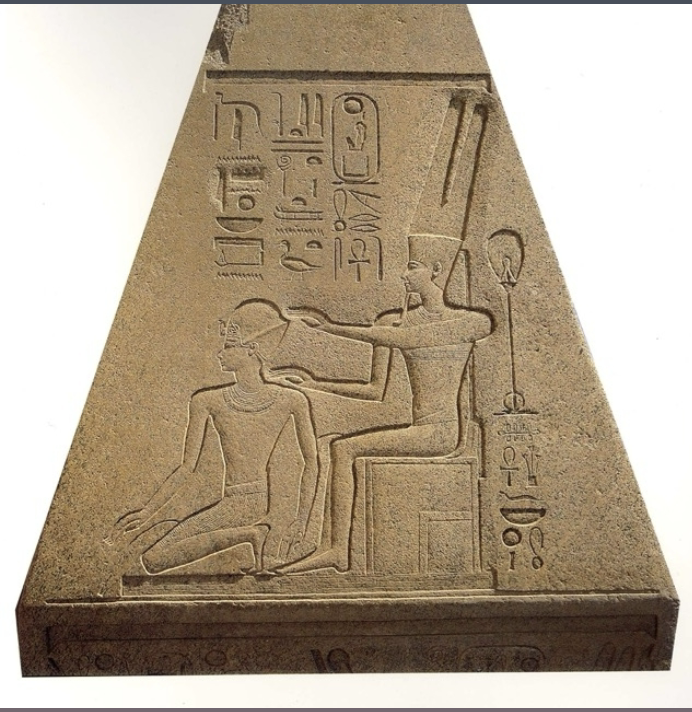
When is the object dated
Eighteenth Dynasty / New Kingdom
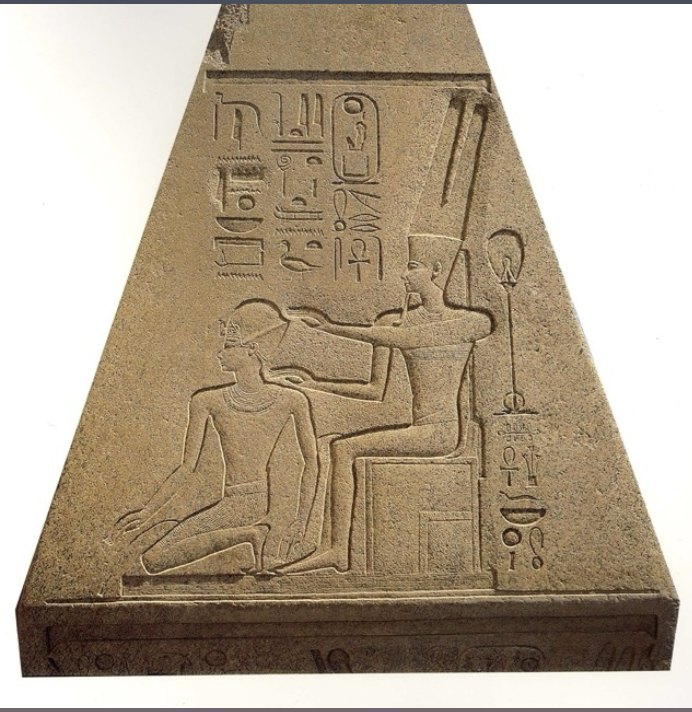
What is the significance of this object?
Hatshepsut (In blue crown) is kneeling in front of a God (Big headdress with feather - a headdress Amun wears). Hatshepsut was depicted as both women and men.
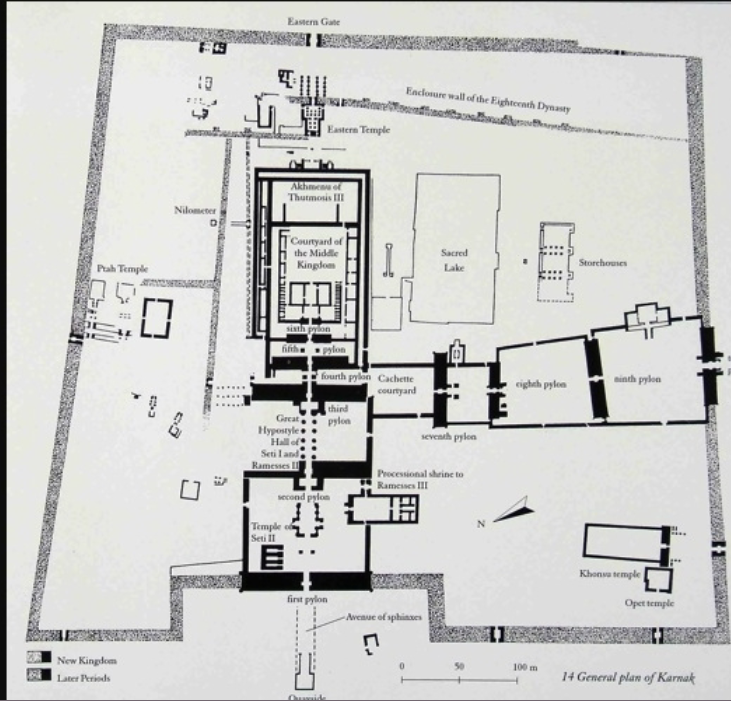
What is the name of this object?
Karnak Temple
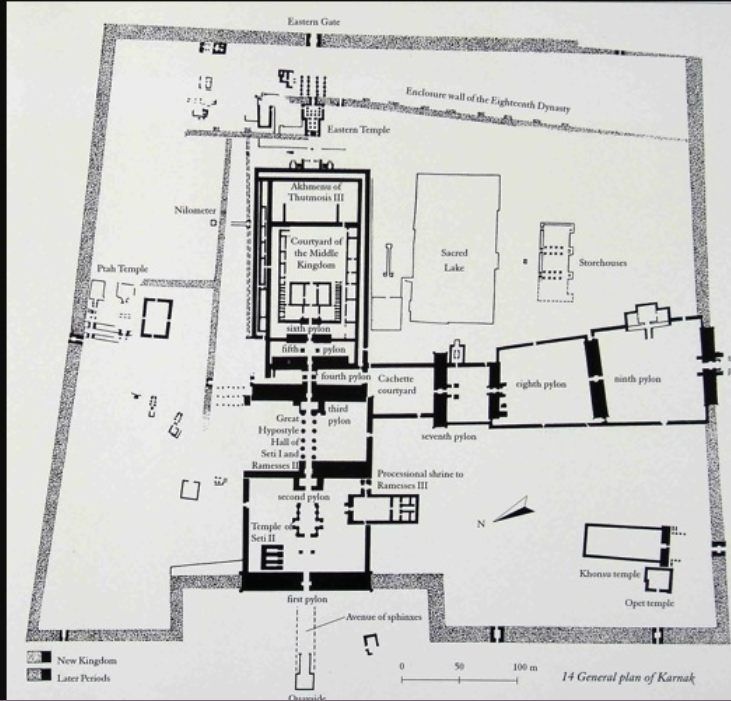
What materials is the object made from?
Stone
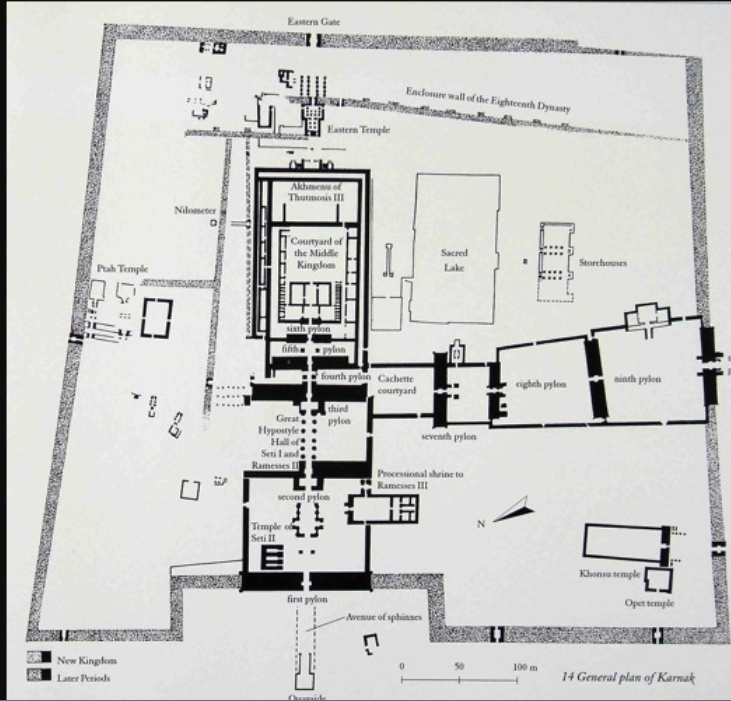
When is the object dated?
Middle Kingdom and New Kingdom
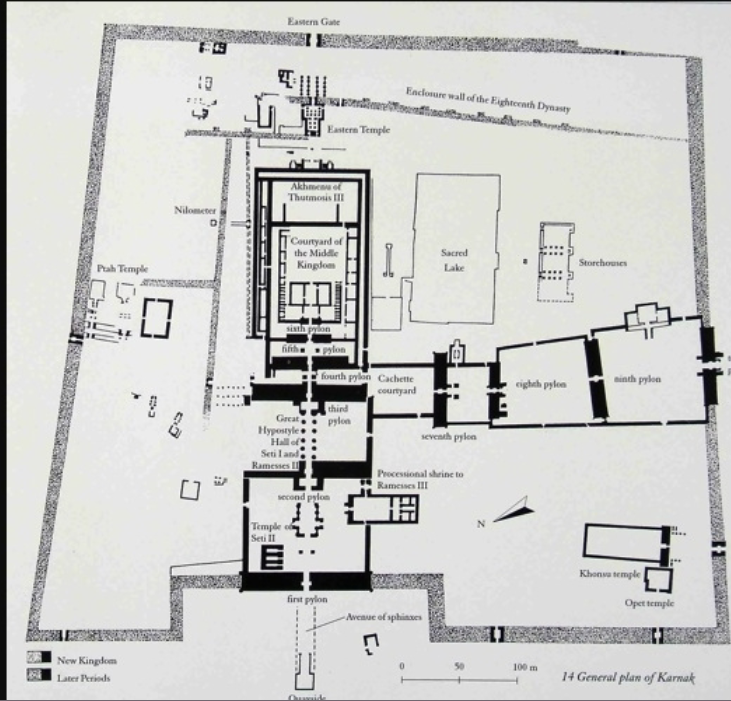
Where is the object found?
Thebes
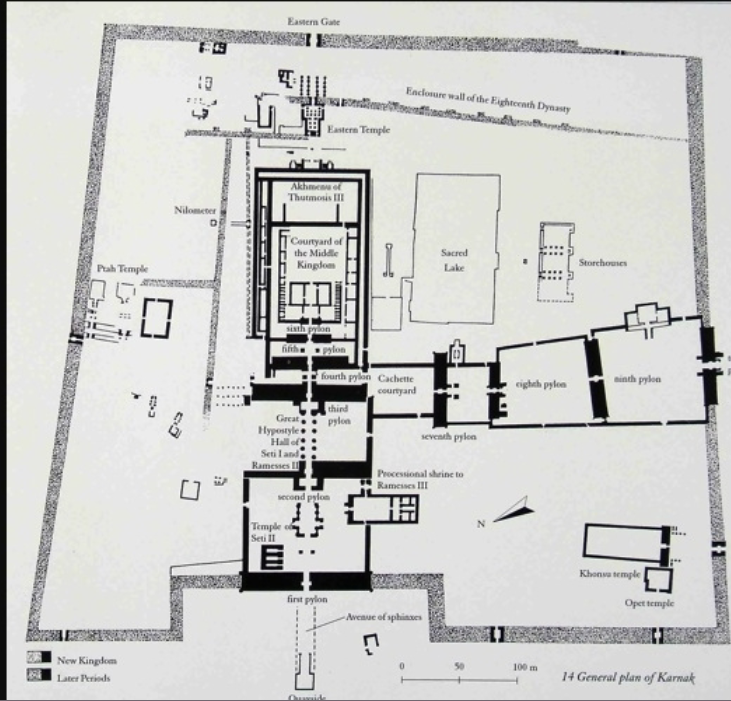
What is the significance of this object?
The largest and most important religious complex as the Temple of Amun-Ra, and where the god was believed to live on earth alongside his wife Mut, and son Khonsu.
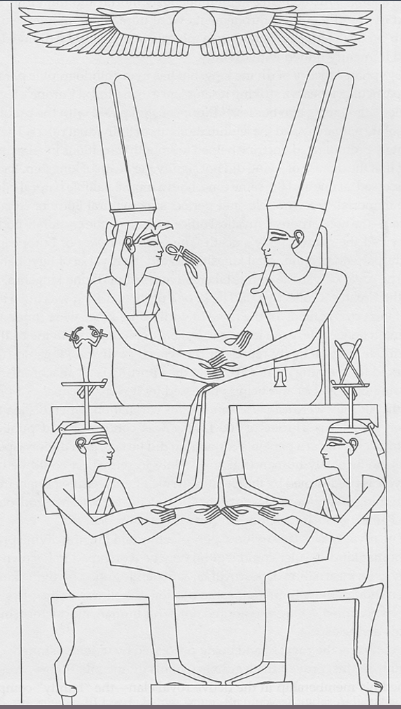
What is the name of this object?
Divine Birth of Hatshepsut
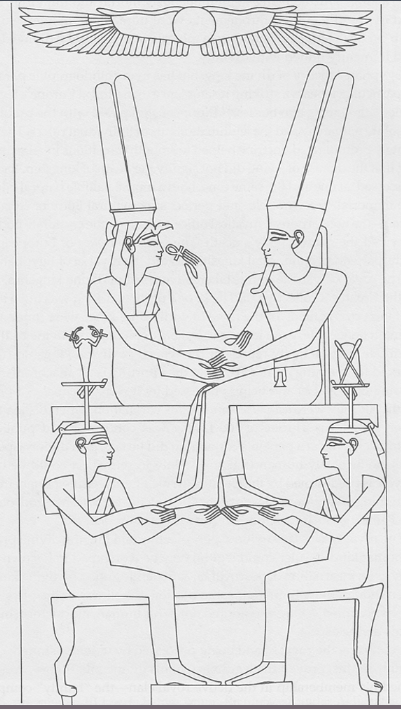
What materials is this object made out of?
Carving
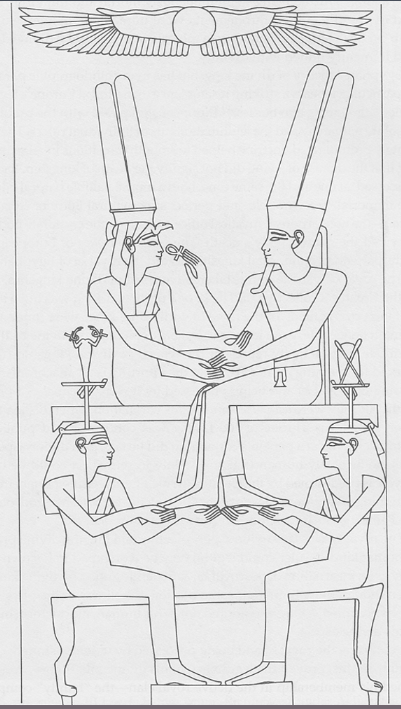
Where is the object usually found?
Deir el-Bahri
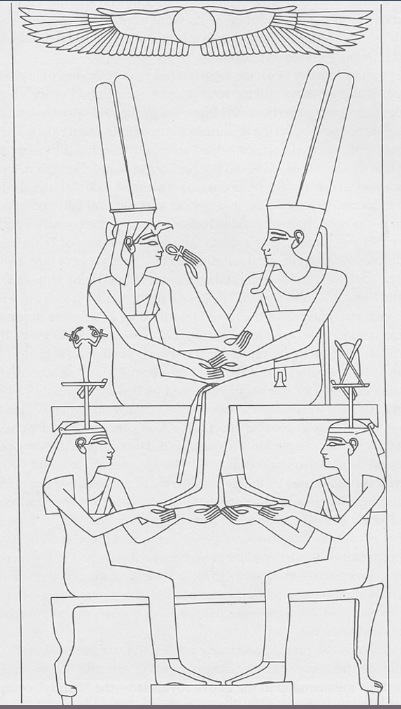
When is this object dated?
18th Dynasty - New Kingdom
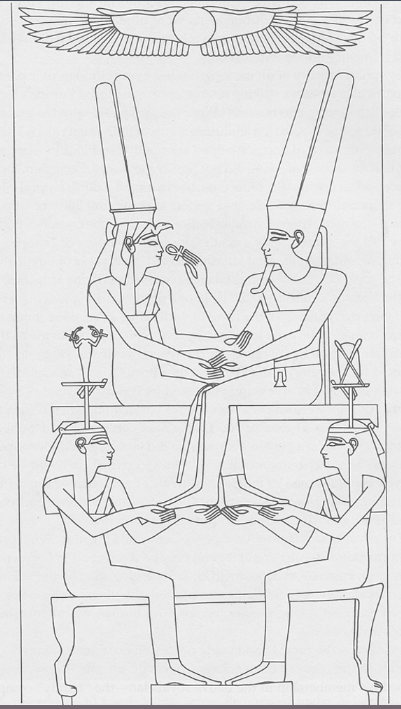
What is the significance of this object?
Showing Hatshepsut as she is born from the gods, as Amun and her mother are depicted in martial scenes, showing how her mother was shown as a goddess. Overall, connects kingship with the gods
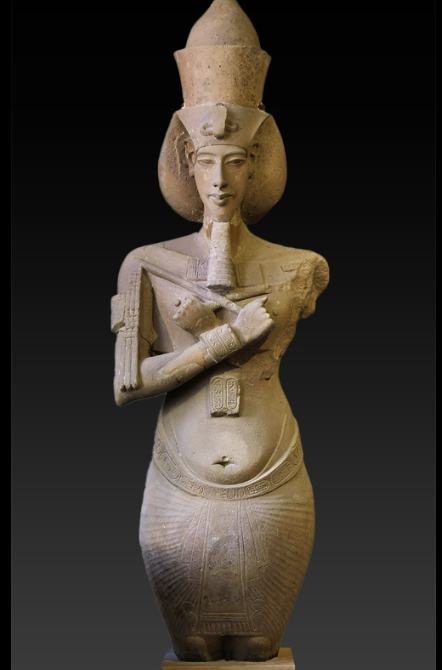
What is the name of this object?
Colossus of Akhenaten
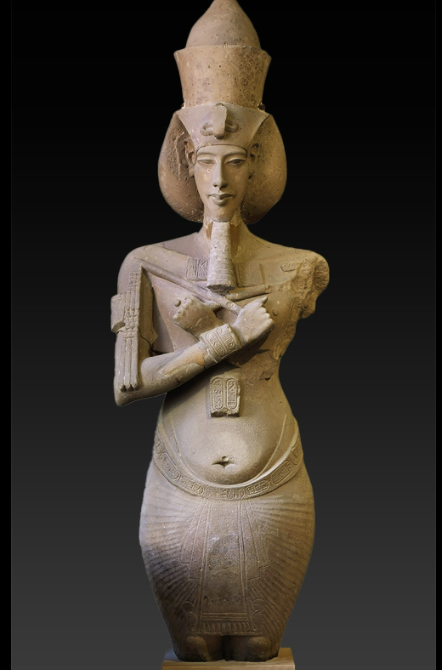
What materials is this object made out of?
Sandstone
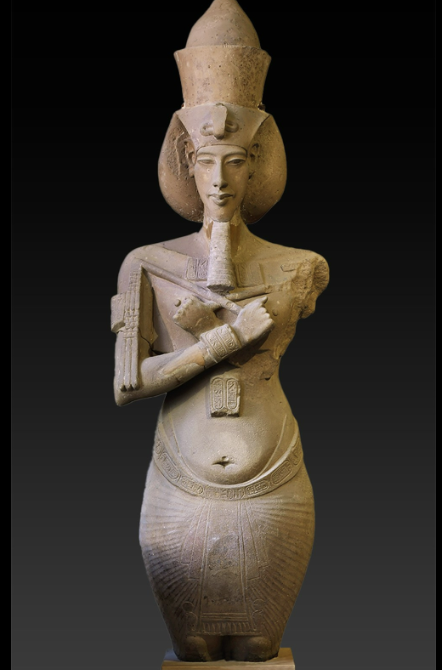
Where is this object found?
Karnak
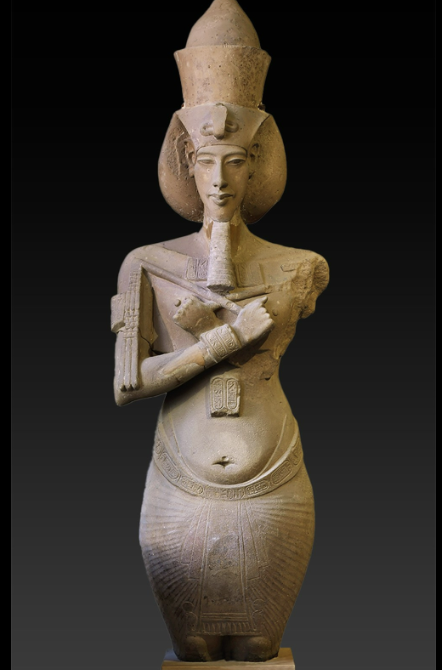
When is this object dated?
Eighteenth Dynasty
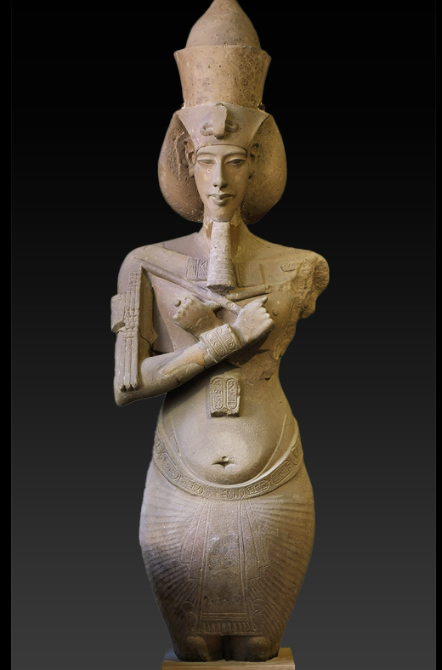
What is the significance of this object?
False beard indicating he is a king
Crown instead of a sun disk
Holding symbols of kingship
Elongated features - facial, body.
Still an idealized version
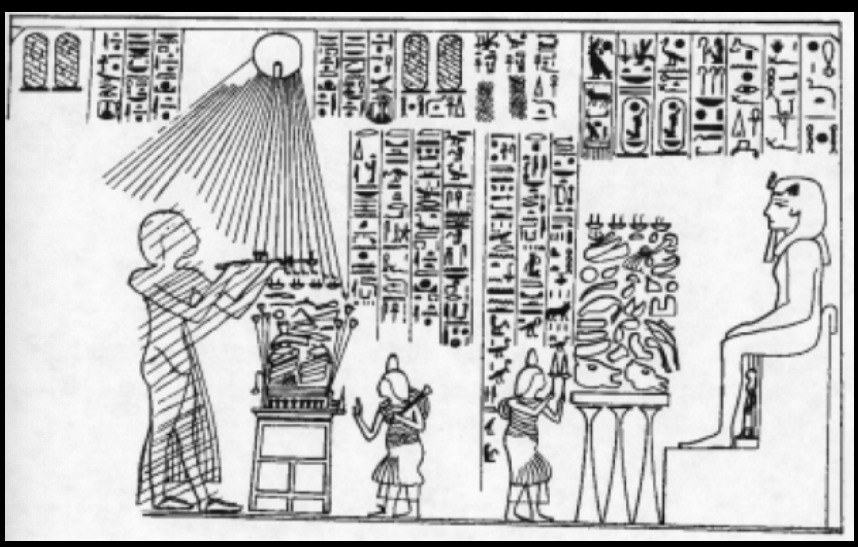
What is the name of this object?
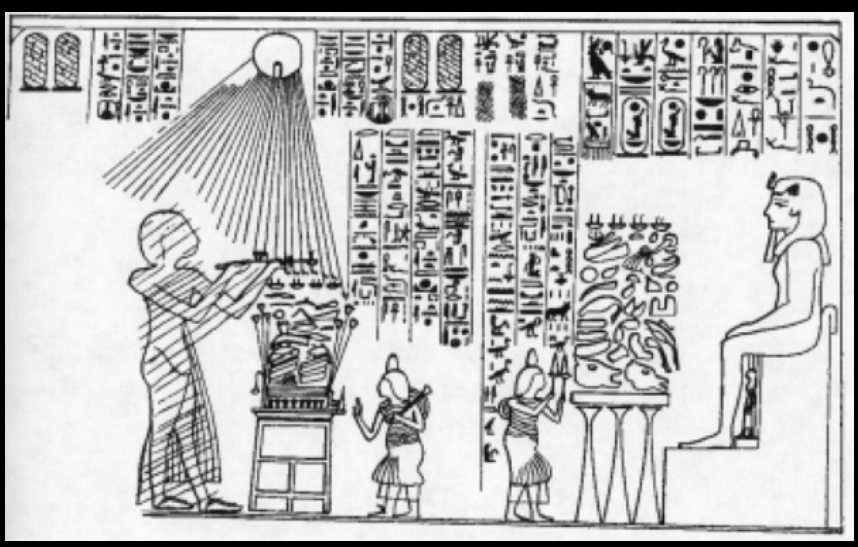
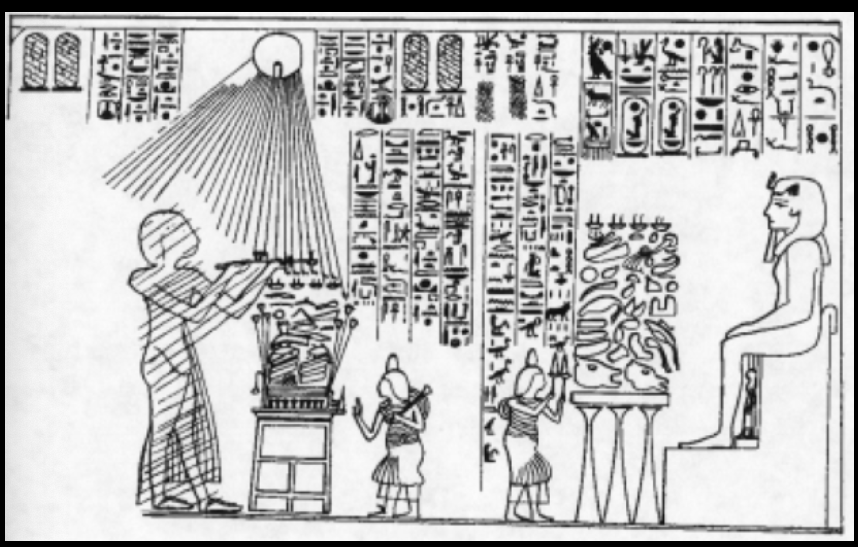
Sculptors Bek and Men offering to Akhenaten and Amenhotep III
What materials is the object made out of?
Rock Carving
When is this object dated?
18th Dynasty - New Kingdom
Where is this object found?
Aswan
What is the significance of this object?
Two sculptors who showed, depending on which king they were serving, the style would be very different. The sun disk, shown in the corner to signify giving life to the king, shows a shift in art style and religious beliefs. The idealized king, the table offering is different, and the clothing and proportions of the king are strange.
What is the name of this object?
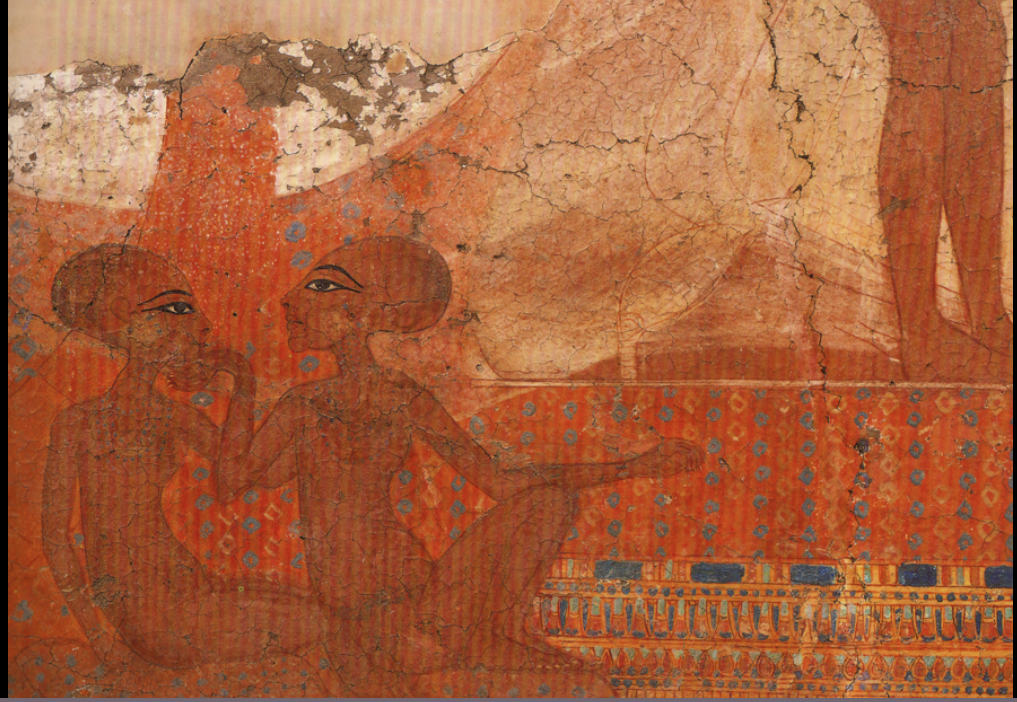
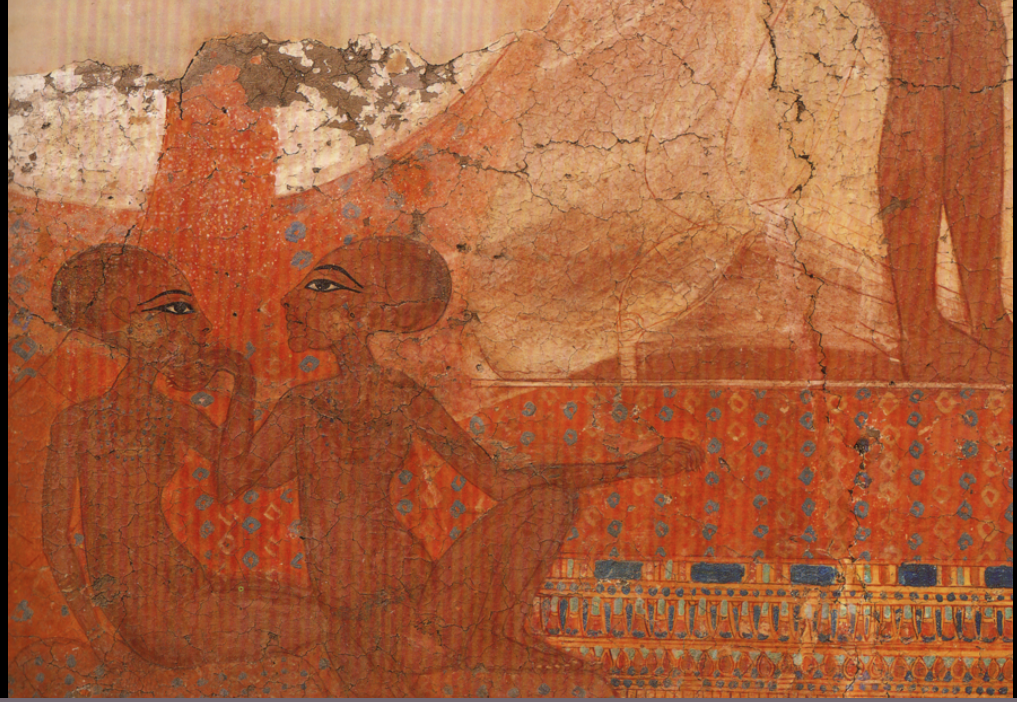
Amarna Princesses - King’s House
What materials is this object made out of?
Paint on Plaster
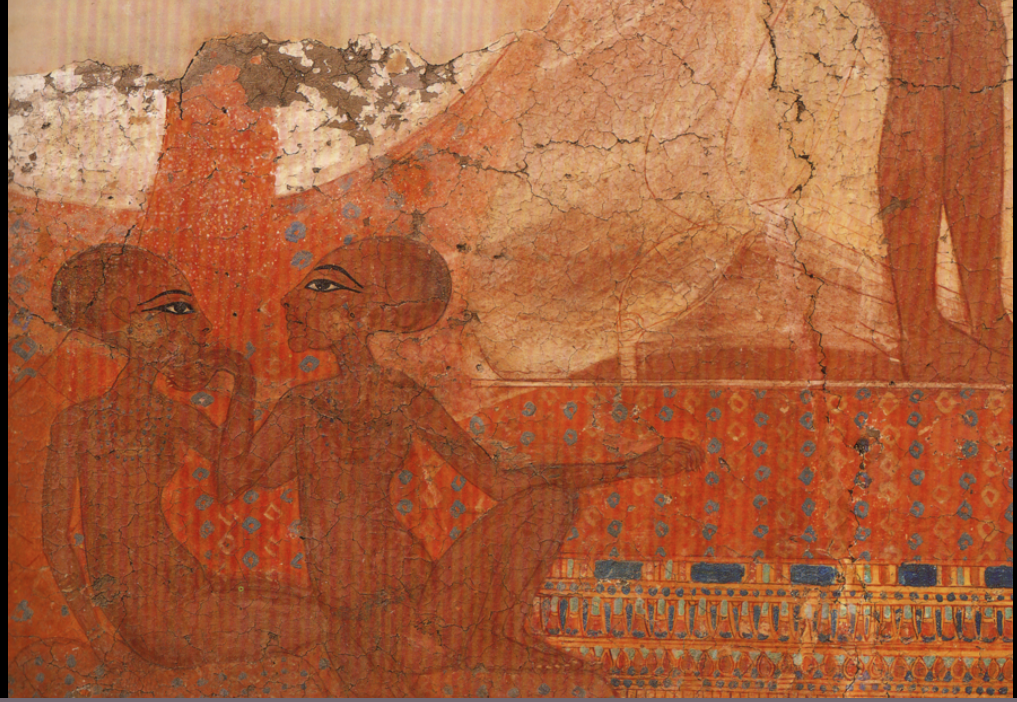
Where is this object usually found?
Armarna
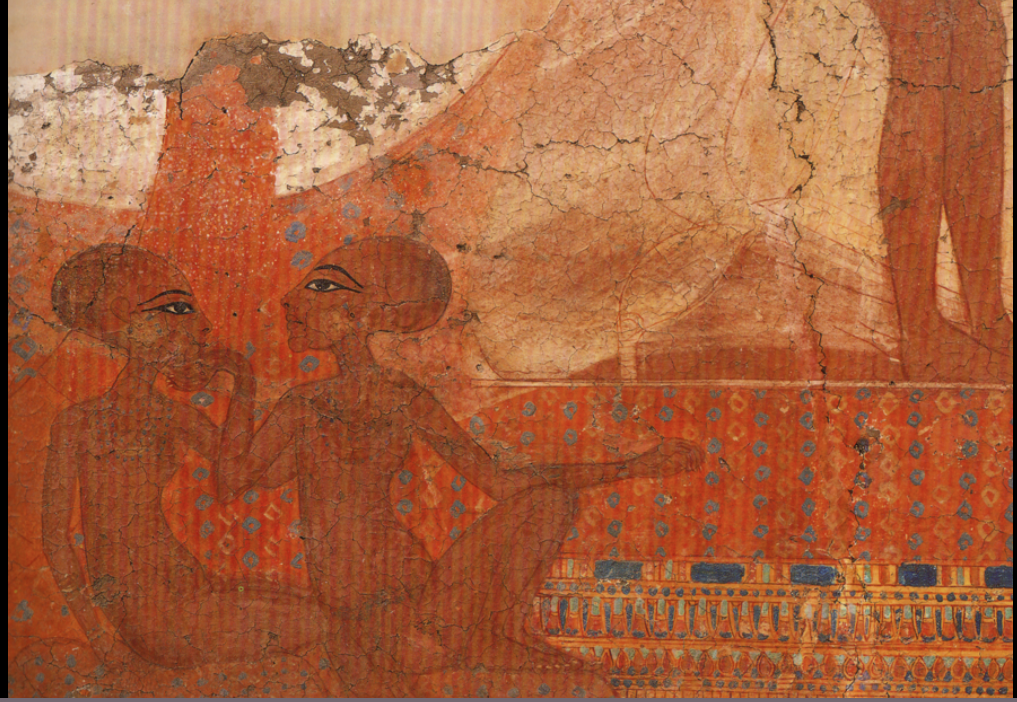
When is the object dated?
18th Dynasty - New Kingdom
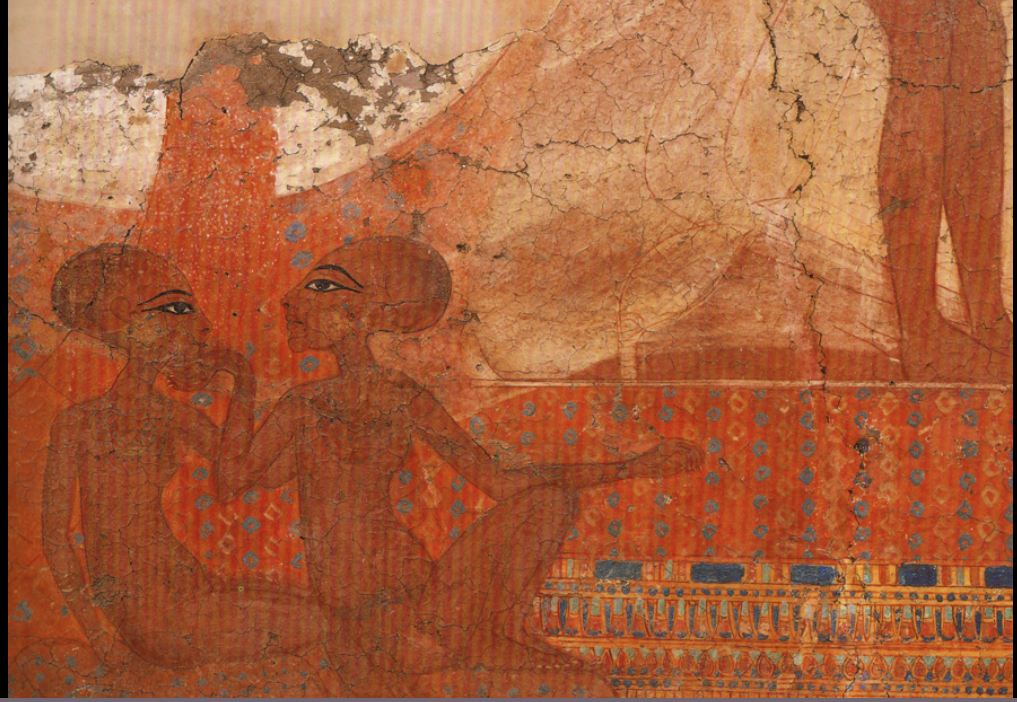
What is the significance of this object?
This object depicts two princesses and suggests that the painting is part of a bigger scene involving a family because of the big foot on the right. The girls seem to be playing, a scene not usually seen before the Amarna period
Realistic and more intimate style.
 Note
Note  Flashcards (42)