Climate Change Exam 1
0.0(0)
 Studied by 0 people
 Call Kai
 Learn
Learn Practice Test
 Spaced Repetition
 Match
Match Flashcards
 Knowt Play
Card Sorting
1/160

Earn XP
Description and Tags
Last updated 4:18 AM on 2/21/23
Name | Mastery | Learn | Test | Matching | Spaced | Call with Kai |
|---|
No analytics yet
Send a link to your students to track their progress
161 Terms
1
New cards
List Earth's "spheres"
__Atmosphere:__ air above the earth's surface
__Hydrosphere:__ all LIQUID water
__Cryosphere:__ all FROZEN water
__Biosphere:__ all parts of the earth where life exists
__Lithosphere:__ the solid earth (upper crust and mantle)
__Hydrosphere:__ all LIQUID water
__Cryosphere:__ all FROZEN water
__Biosphere:__ all parts of the earth where life exists
__Lithosphere:__ the solid earth (upper crust and mantle)
2
New cards
Weather vs. Climate
__weather:__ temporary state of the atmosphere
__climate:__ average/trends of weather over longer timescales
* "climate is what you expect, weather is what you get"
__climate:__ average/trends of weather over longer timescales
* "climate is what you expect, weather is what you get"
3
New cards
Climate Normal
30 year average for a given weather variable
(temperature, precipitation, humidity, etc.)
(temperature, precipitation, humidity, etc.)
4
New cards
Standard Deviation
a measure of how spread out data is
* Low: not spread out
* High: very spread out
* Low: not spread out
* High: very spread out
5
New cards
What does it mean when data falls within "one standard deviation"?
1 standard deviation: ~68%
2 SDs: ~95%
3 SDs: ~99.7%
2 SDs: ~95%
3 SDs: ~99.7%
6
New cards
Climate Change
a change in the long-term average conditions in climate
* "the average temperature in Philadelphia has risen an average of 2 degrees"
* "the average temperature in Philadelphia has risen an average of 2 degrees"
7
New cards
Diurnal Cycle of Temperature
24-hour cycle
* Due to the daily rotation, at roughly noon an area is getting the most solar radiation and the highest heat
* Due to the daily rotation, at roughly noon an area is getting the most solar radiation and the highest heat
8
New cards
Seasonal Cycle of Temperature
1 year due to Earth's tilt some parts of the Earth get more direct sunlight
9
New cards
Timeline of Climate
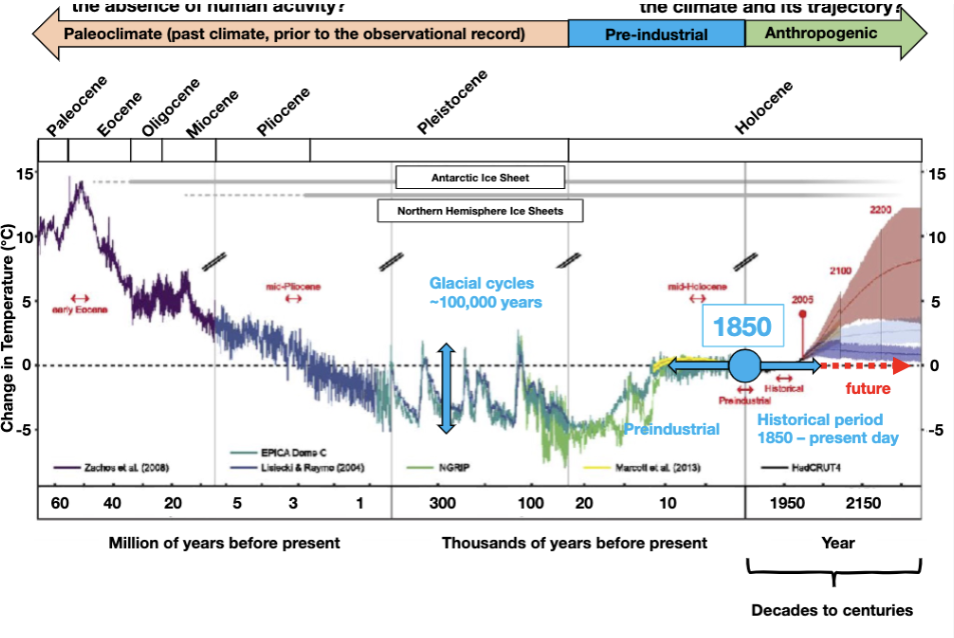
__Paleoclimate:__ earliest, variations caused by orbital parameters and rangers of sun energy
__Pre-industrial:__ started by the last glacial maxima, variations mainly because of glacial cycles
__Anthropogenic:__ current, started by the industrial revolution and an increase in greenhouse gasses & land terraforming
__Pre-industrial:__ started by the last glacial maxima, variations mainly because of glacial cycles
__Anthropogenic:__ current, started by the industrial revolution and an increase in greenhouse gasses & land terraforming
10
New cards
Three Time-Scales
__Short-Term__: daily, monthly, seasonal
__Mid-range:__ annual, decadal (10 years), multi-decadal (>10 years), centennial (100 years)
__Long-term:__ millennia (thousands), millions of years, billions of years
__Mid-range:__ annual, decadal (10 years), multi-decadal (>10 years), centennial (100 years)
__Long-term:__ millennia (thousands), millions of years, billions of years
11
New cards
Which time scales are the most immediately relevant to human life?
short-term and mid-term
12
New cards
Modes of Natural Variability
natural shifts in the climate that occur (not concerning)
13
New cards
Climate Variability
the short-term variations in the climate system (relative to the time scale of interest)
* When looking at climate change, we want to know if events are outside the normal variability
* When looking at climate change, we want to know if events are outside the normal variability
14
New cards
Latitude Impacts on Temperature
closer to the equator = more intense solar radiation, higher temperatures
* Locations near the poles have more atmosphere for energy to break through
* Locations near the poles have more atmosphere for energy to break through
15
New cards
Latitude’s Impacts on Seasonality
further from the equator = more pronounced seasonal changes
* they move the most, while the equator is usually always facing directly at the sun
* they move the most, while the equator is usually always facing directly at the sun
16
New cards
Altitude’s Impacts on Temperature
higher altitude, colder temperature
\
\
17
New cards
Topography’s Impacts on Weather
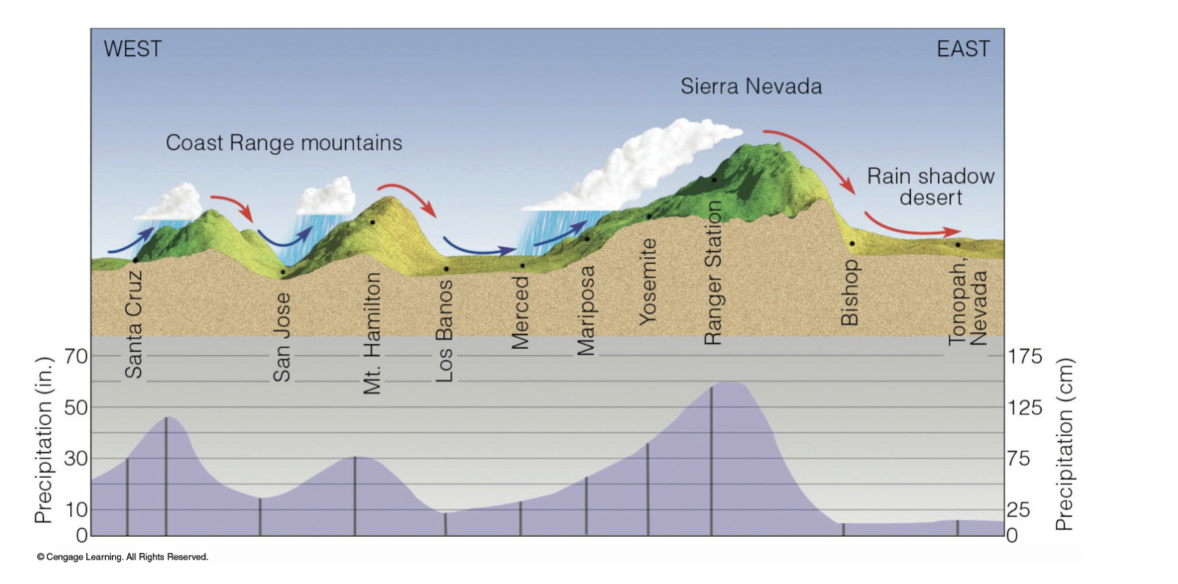
* Mountains act as barriers to atmospheric circulation
* Air is forced to climb higher, making it cooler
* Cool air can’t hold as much water, causing clouds and then rain
* Air is forced to climb higher, making it cooler
* Cool air can’t hold as much water, causing clouds and then rain
18
New cards
Rain Shadow
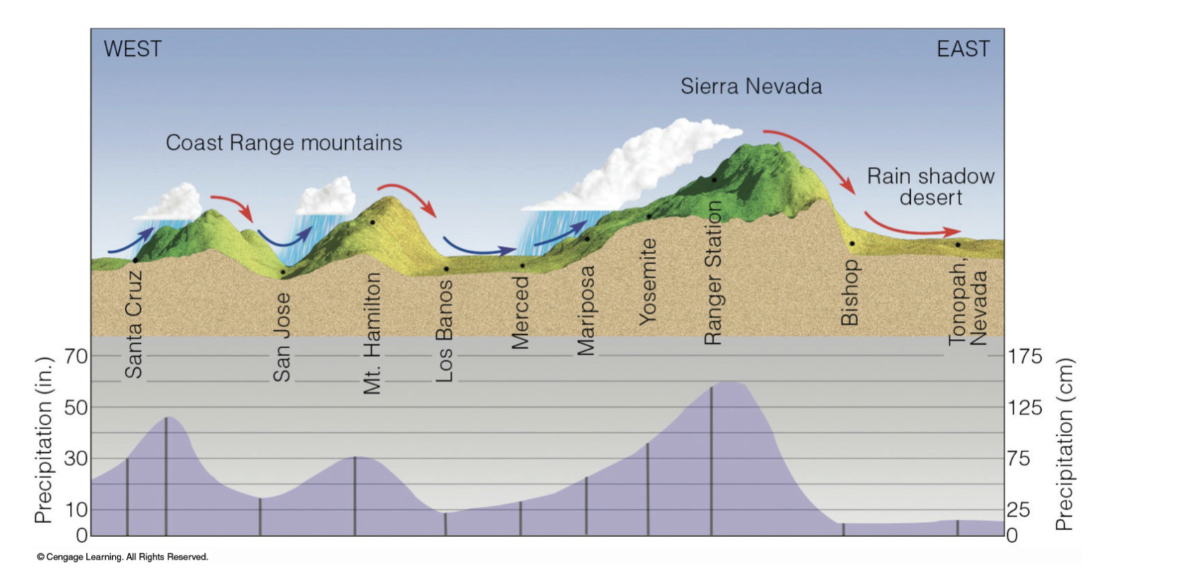
a dry area that receives little rainfall due to its position near mountains
* As air rises, it can’t hold as much water, so at the top of a mountain it is wet and has lots of precipitation
* by the time it gets to the other side of the mountain, the air can lower and heat up, meaning less precipitation
* As air rises, it can’t hold as much water, so at the top of a mountain it is wet and has lots of precipitation
* by the time it gets to the other side of the mountain, the air can lower and heat up, meaning less precipitation
19
New cards
Topography’s Impacts on Weather __by Hemisphere__
The Northern hemisphere has more mountains than the Southern hemisphere
* Fewer mountains mean more winds, because it doesn’t have mountains to interrupt the flow of air
* Fewer mountains mean more winds, because it doesn’t have mountains to interrupt the flow of air
20
New cards
The Lake Effect
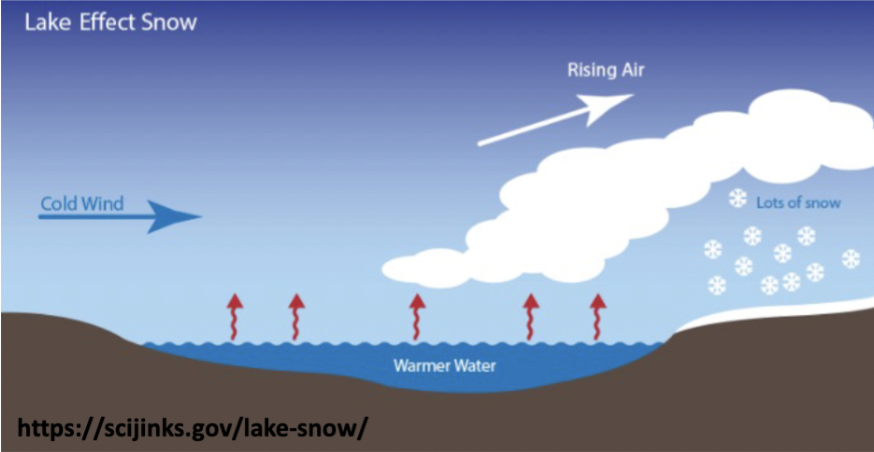
impacts a region sitting next to a warm body of water
* cold air moves over a warm lake, causing heat and moisture to transfer from the water to the atmosphere
* leads to cloud formation and lots of precipitation as it moves over the other side of the lake
* cold air moves over a warm lake, causing heat and moisture to transfer from the water to the atmosphere
* leads to cloud formation and lots of precipitation as it moves over the other side of the lake
21
New cards
specific heat
the heat required to raise the temperature of a unit of something
22
New cards
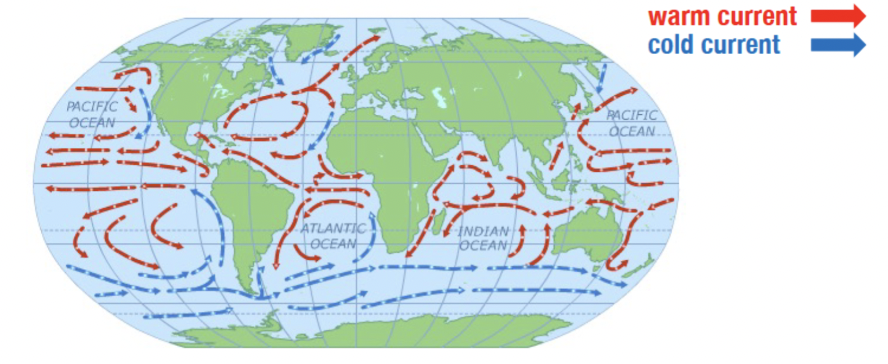
Ocean Currents’ Influences on Climate
warm vs cold currents impact how humid/dry the area is
* CA sits near a cold current (California Current), meaning it is cool and dry
* FL sits next to a warm current (Gulf Stream), meaning it is hot and humid
this is what allows Europe to be warmer than Canada despite being at the same latitude
* CA sits near a cold current (California Current), meaning it is cool and dry
* FL sits next to a warm current (Gulf Stream), meaning it is hot and humid
this is what allows Europe to be warmer than Canada despite being at the same latitude
23
New cards
Prevailing winds
* winds that blow consistently in a given direction over a particular region on Earth
* due to factors such as uneven heating from the Sun and the Earth's rotation, these winds vary at different latitudes on Earth
\
determines which type of air mass typically moves over an area
* due to factors such as uneven heating from the Sun and the Earth's rotation, these winds vary at different latitudes on Earth
\
determines which type of air mass typically moves over an area
24
New cards
Which regional climate controls can change on human time scales as the planet warms?
Ocean currents, Prevailing winds
25
New cards
States of Climate
* __Steady-State__: a stable climate where variability is relatively short-lived; no external forces changing the climate in one way or another
* the system always returns to the same state despite small changes
* The rate of change in temperature/precipitation/etc is 0
* __Forced (transient) state__: a climate that is undergoing a transition due to changes in an entity outside of the earth's system
* Human intervention: industrial properties (recent)
* Orbital changes (long ago)
* the system always returns to the same state despite small changes
* The rate of change in temperature/precipitation/etc is 0
* __Forced (transient) state__: a climate that is undergoing a transition due to changes in an entity outside of the earth's system
* Human intervention: industrial properties (recent)
* Orbital changes (long ago)
26
New cards
Climate Forcing
any agent, entity, or influence that forces the climate into another state
27
New cards
Natural Climate Forcing (def and list)
climate forcing that is NOT directly attributable to human activity
* tectonic processes
* orbital parameter changes
* solar variability
* volcanic eruptions
* tectonic processes
* orbital parameter changes
* solar variability
* volcanic eruptions
28
New cards
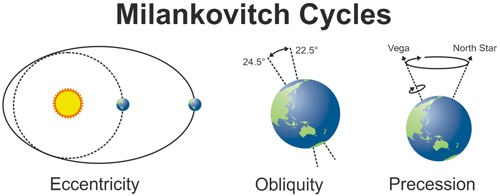
Orbital Parameter Changes (list)
* __Eccentricity__: change in the shape of Earth’s orbit around the sun
* __Precession__: change in the direction that Earth’s spin axis is pointed (wobble)
* Obliquity: change in the tilt of Earth’s axis
* __Precession__: change in the direction that Earth’s spin axis is pointed (wobble)
* Obliquity: change in the tilt of Earth’s axis
29
New cards
Solar Variability
* changes in the energy output of the sun
* The sunspot cycle affects this
* Cycles are roughly 11 years
* The sunspot cycle affects this
* Cycles are roughly 11 years
30
New cards
Why do volcanic eruptions change climate temporarily?
* inject large amounts of ash and gases into the atmosphere
* Can scatter and absorb incoming solar radiation, cooling Earth’s surface
* Can scatter and absorb incoming solar radiation, cooling Earth’s surface
31
New cards
Anthropogenic Climate Forcing (def & list)
climate forcing caused by human activity
* Greenhouse Gas Emissions
* Aerosols
* Land use change
* Greenhouse Gas Emissions
* Aerosols
* Land use change
32
New cards
Greenhouse Gases Climate Forcing
* trap heat in the atmosphere by strongly absorbing and re-emitting infrared radiation
* increase temperature
* CO2, CH4, CFCs, N2O, O
* increase temperature
* CO2, CH4, CFCs, N2O, O
33
New cards
Aerosols’ Impact on Climate
* Aerosols injected into the lower atmosphere absorb and scatter incoming radiation
* tend to cool the planet
* Factories, trucks, furnaces, fireplaces
* tend to cool the planet
* Factories, trucks, furnaces, fireplaces
34
New cards
Land Use Change
* modification of the Earth’s surface, changes the reflectivity (__albedo__) of the surface; changes the amount of radiation that gets reflects into space
* Deforestation, desertification
* Depending on what it is, it can either be warming or cooling
* Deforestation, desertification
* Depending on what it is, it can either be warming or cooling
35
New cards
Radiation
energy transmitted as electromagnetic waves
36
New cards
What do electromagnetic waves need to travel/propogate?
nothing! they don’t require a medium
* can just travel through space
* can just travel through space
37
New cards
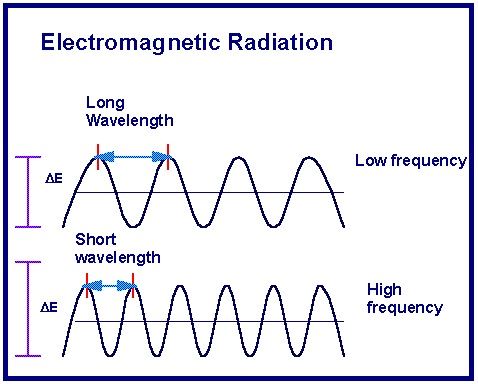
Frequency vs Wavelength
__Frequency__: # of oscillations a given amount of time
__Wavelength__: length of a wave
__Wavelength__: length of a wave
38
New cards
Perfect Black Body
* an object that absorbs and emits radiation at **all wavelengths**
* Absorbs all of its energy, heats up to a certain temperature, and then reradiates that energy
* The sun and Earth are almost perfect blackbodies
* Absorbs all of its energy, heats up to a certain temperature, and then reradiates that energy
* The sun and Earth are almost perfect blackbodies
39
New cards
Where is the sun’s peak intensity?
visible light spectrum
40
New cards
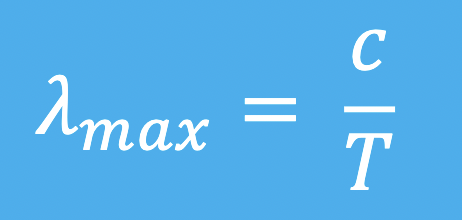
Wein’s Law
The **peak emission wavelength** of an object depends on the object’s temperature
* λmax: peak wavelength
* T: object’s temperature (units: K)
* C: a constant equal to 2898 μm K
* λmax: peak wavelength
* T: object’s temperature (units: K)
* C: a constant equal to 2898 μm K
41
New cards
The Earth emits mostly what type of electromagnetic wave?
infrared
42
New cards
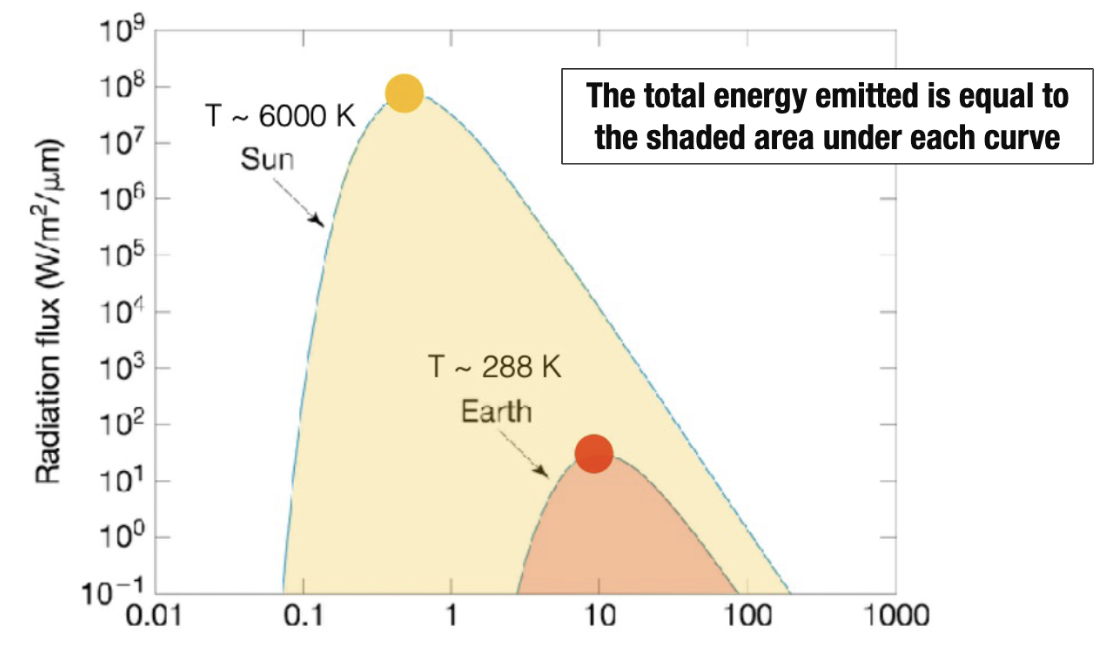
The total energy emitted from an object is equal to what on a graph?
the shaded area under each curve on a radiation flux graph
43
New cards
Stephan Boltzmann’s Law
The **total energy flux per area** emitted from a black body depends on its temperature
* E = energy flux
* 𝜀 = a measure of the object's departure from the “perfect emitter”
* A number will be given when we do calculations
* 𝜎= Stephan Boltzmann's constant (5.67 x 10^-8 units J/sK^4m^2)
* E = energy flux
* 𝜀 = a measure of the object's departure from the “perfect emitter”
* A number will be given when we do calculations
* 𝜎= Stephan Boltzmann's constant (5.67 x 10^-8 units J/sK^4m^2)
44
New cards
1 Watt = ?
1 J/s (joule per second)
45
New cards
Energy flux
the rate of transfer of energy through a surface
46
New cards
Energy Budget Model
the balance between the amount of energy that flows in and out from Earth
* energy, mass, matter
* energy, mass, matter
47
New cards
Heating & Cooling Degree Days
a measure of how much energy is being used to heat/cool a building
* not a unit of time, but a measure of temperature
* Deviation from 65 degrees Fahrenheit
* not a unit of time, but a measure of temperature
* Deviation from 65 degrees Fahrenheit
48
New cards
Calculating the Earth’s Energy Budget (list steps)
1. Find the total energy leaving the Sun
2. Find the total solar energy that reaches the Earth
3. Find the total energy from the Sun that hits Earth’s surface; **incident radiation**
4. Calculate how much of the incident radiation is absorbed/reflected; **albedo**
1. Calculate how much energy is emitted from the Earth’s surface
49
New cards
Finding the Earth’s Energy Budget: **Total Energy Leaving the Sun**
Stephan Boltzmann’s Law
* this answer is energy per square unit
* you then **multiply it by the entirety of the Sun’s surface area**
* Qsun = total energy leaving the sun
* the sun’s albedo 𝜀 is \~1
* 4𝜋𝑅𝑠𝑢𝑛^4 is the surface area
* 𝜀𝜎𝑇𝑠𝑢𝑛^4 comes from SBL
\
Unit: Watts
* this answer is energy per square unit
* you then **multiply it by the entirety of the Sun’s surface area**
* Qsun = total energy leaving the sun
* the sun’s albedo 𝜀 is \~1
* 4𝜋𝑅𝑠𝑢𝑛^4 is the surface area
* 𝜀𝜎𝑇𝑠𝑢𝑛^4 comes from SBL
\
Unit: Watts

50
New cards
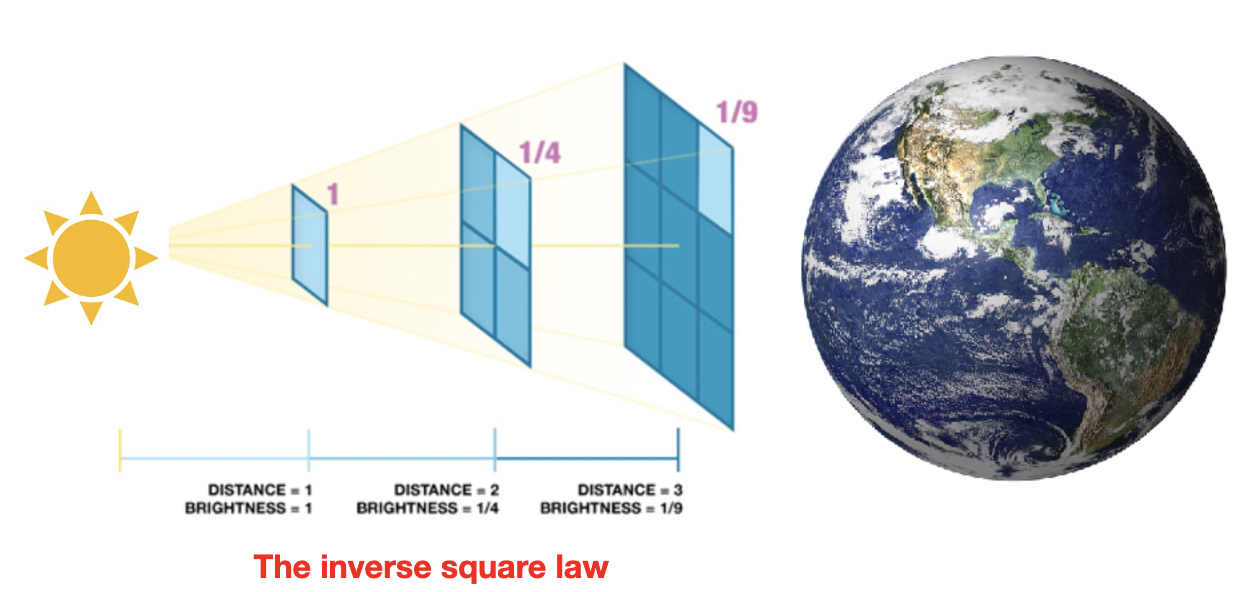
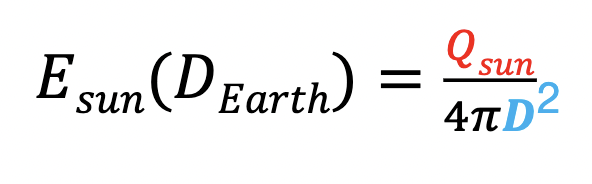
Finding the Earth’s Energy Budget: **Total Solar energy that** ***reaches*** **Earth**
Qsun = total energy leaving the sun
D = distance from Earth to sun
\
Unit: W/m^2
D = distance from Earth to sun
\
Unit: W/m^2
51
New cards
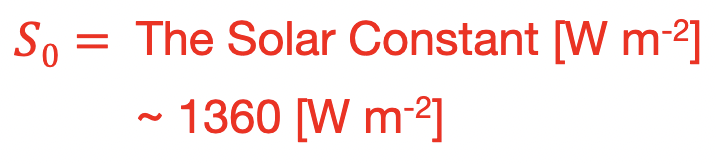
Solar Constant
derived from the equation for finding the total energy leaving the sun that **reaches the earth**
52
New cards
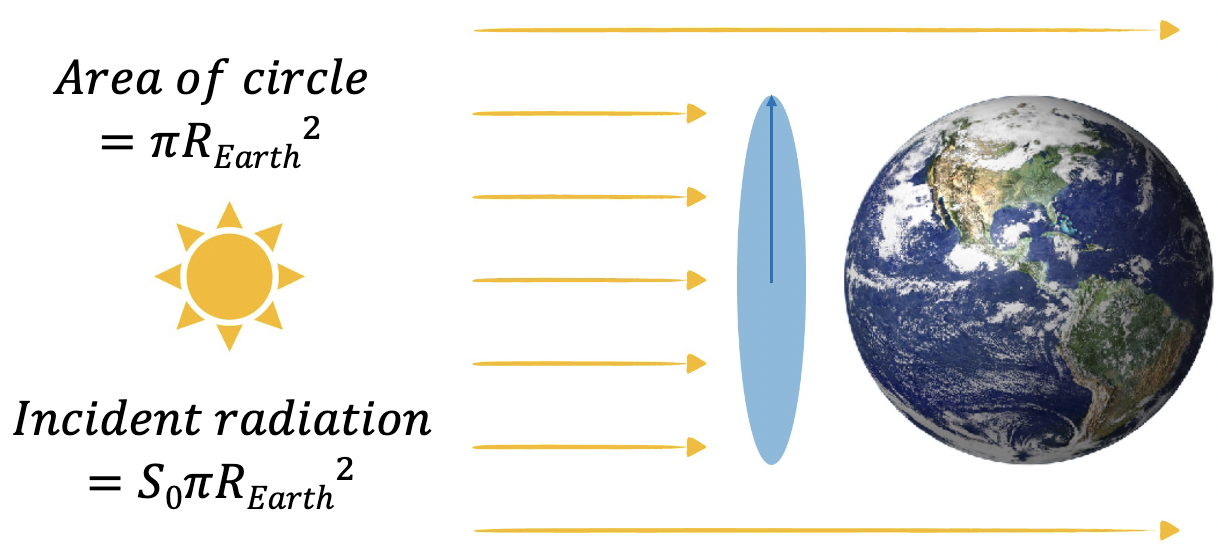
Finding the Earth’s Energy Budget: **Finding the total energy leaving the sun that** ***hits*** **Earth’s surface**
AKA “Incident Radiation”
* Solar constant x the area of a circle (the surface of the Earth hit by the Sun)
* Solar constant x the area of a circle (the surface of the Earth hit by the Sun)
53
New cards
Incident Radiation
the amount of energy that actually hits the earth (or another object)
54
New cards
Finding the Earth’s Energy Budget: **Finding how much of the incident radiation is absorbed vs. reflected out to space**
AKA “Albedo”
* the fraction of energy reflected by a surface
* The average albedo of the earth is \~0.3
* (1-𝛼) x Incident Radiation
* (1-𝛼) : the amount **absorbed** because albedo is the amount reflected
* the fraction of energy reflected by a surface
* The average albedo of the earth is \~0.3
* (1-𝛼) x Incident Radiation
* (1-𝛼) : the amount **absorbed** because albedo is the amount reflected
55
New cards
Albedo
* the fraction of energy **reflected** by a surface
* Dark colors are close to 0
* Pale colors are close to 1
* Dark colors are close to 0
* Pale colors are close to 1
56
New cards
In terms of albedo, why are we concerned about losing ice?
losing ice gets rid of some of our brighter surfaces, meaning that more energy will be absorbed
* albedo will go down
* albedo will go down
57
New cards
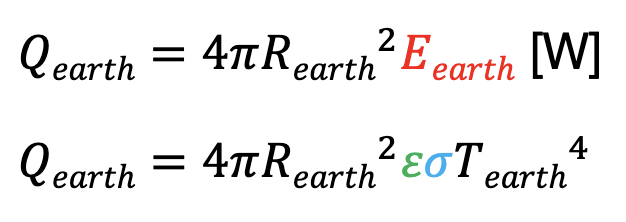
Finding the Earth’s Energy Budget: **Finding how much energy the Earth emits**
* same as the Sun’s equation
* E𝑒𝑎𝑟𝑡ℎ is the energy flux (SB Law)
* 4𝜋𝑅𝑒𝑎𝑟𝑡ℎ^2 is the surface area
* E𝑒𝑎𝑟𝑡ℎ is the energy flux (SB Law)
* 4𝜋𝑅𝑒𝑎𝑟𝑡ℎ^2 is the surface area
58
New cards
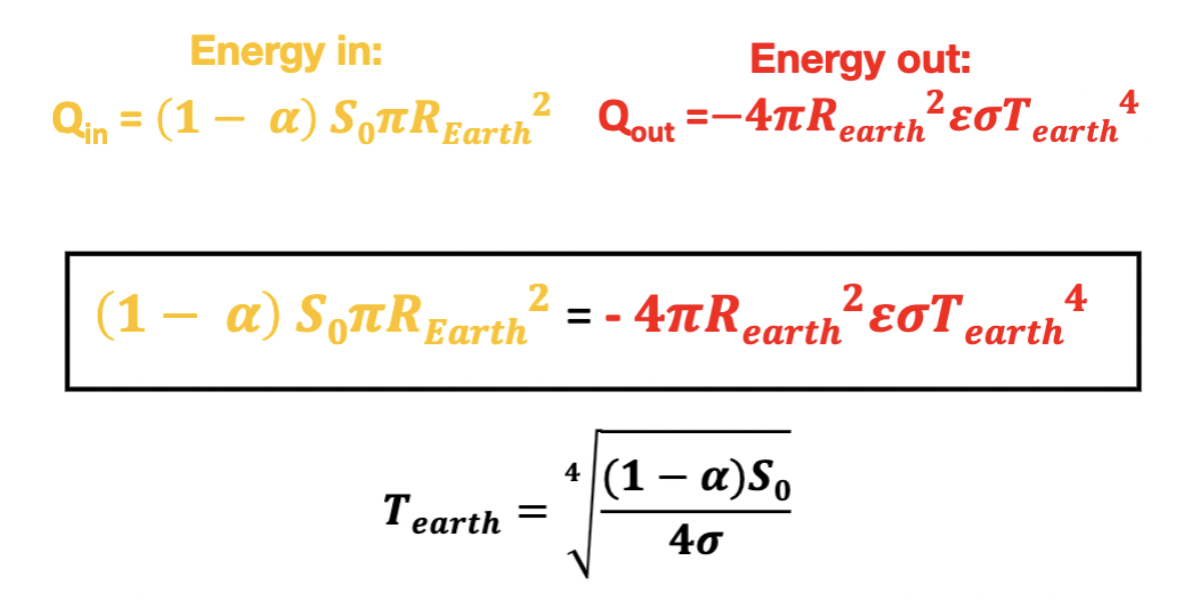
In a steady-state, Energy*in* = ?
\-Energy*out*
59
New cards
Finding Global Average Surface Temperature in a Steady-State
Energy in = Energy Out
60
New cards
Greenhouse Effect
retainment of heat due to the greater transparency to visible light than to infrared radiation
* The Sun lets visible light in, but the Earth radiates infrared
* Greenhouse gasses hold in energy and cause the earth to warm up to a habitable state (about 33C); without them, it would be too cold
* The Sun lets visible light in, but the Earth radiates infrared
* Greenhouse gasses hold in energy and cause the earth to warm up to a habitable state (about 33C); without them, it would be too cold
61
New cards
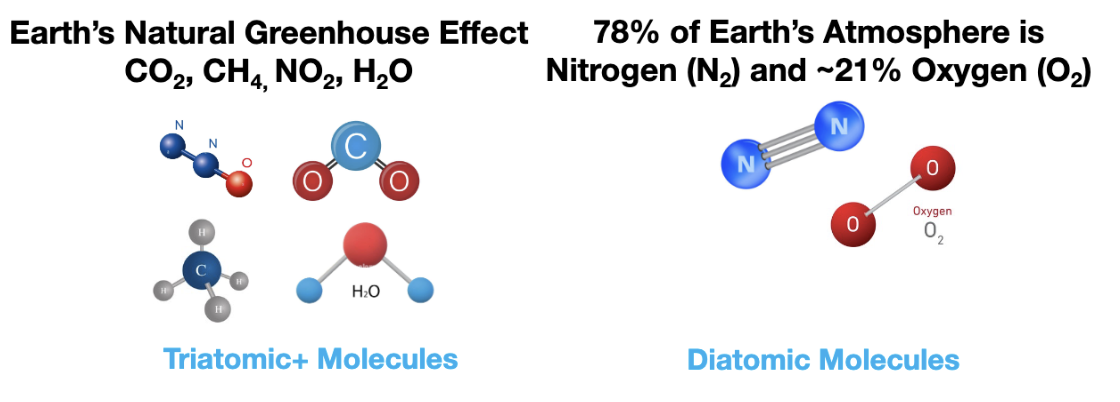
Vibration Modes
the more a molecule can move when it is hit with radiation, the more it can emit and absorb radiation
* Triatomic+ molecules have multiple ways that they can stretch and bounce around, while diatomic can only move in one way
* Triatomic+ molecules have multiple ways that they can stretch and bounce around, while diatomic can only move in one way
62
New cards
Radiative Efficiency
the ability to absorb energy
* in relation to greenhouse gasses, certain types are able to absorb more energy due to their shape and ability to move
* in relation to greenhouse gasses, certain types are able to absorb more energy due to their shape and ability to move
63
New cards
Residence Time
the amount of time greenhouse gasses remain in the atmosphere
64
New cards
Global Warming Potential (GWP)
* a measure of how much heat each gas traps in the atmosphere
* **Compared to CO2** because it is the most stable and long-lasting
* Over 100 years, how much gas can 1 ton of that gas can absorb energy compared to 1 ton of CO2
* CO2 always has a GWP of 1
* “Methane is 23% more effective at absorbing infrared radiation than CO2 over 100 years”
* Methane has a 23 GWP
* **Compared to CO2** because it is the most stable and long-lasting
* Over 100 years, how much gas can 1 ton of that gas can absorb energy compared to 1 ton of CO2
* CO2 always has a GWP of 1
* “Methane is 23% more effective at absorbing infrared radiation than CO2 over 100 years”
* Methane has a 23 GWP
65
New cards
How does Residence Time affect with GWP?
a gas with a lower residence time has to continuously replace its supply in the atmosphere, while longer residencies can build up
* *Over time, CO2 can* ***accumulate*** *while CH4 has to be* ***recycled****.*
* *Over time, CO2 can* ***accumulate*** *while CH4 has to be* ***recycled****.*
66
New cards
H2O is a strong greenhouse gas, but why does it have a GWP-100 of 0?
H2O has such a short residency that it doesn’t have the time to have a meaningful effect compared to CO2. It would be a ridiculously small number
67
New cards
CH4 has a higher radiative efficiency than CO2, but a lower residence time. Which would have a higher GWP over 20 years? 10,000 years?
* 20 years: CH4 would have a higher GWP because the residence time has less of an effect; CH4 and CO2 will both be able to accumulate relatively the same amount, meaning that the higher radiative efficiency has a chance to work in CH4’s favor
\
* 10,000 years: CO2 would have a higher GWP. CH4’s residence time would prevent its radiative efficiency to have an impact on how much it absorbs because it will need to constantly be replaced
\
* 10,000 years: CO2 would have a higher GWP. CH4’s residence time would prevent its radiative efficiency to have an impact on how much it absorbs because it will need to constantly be replaced
68
New cards
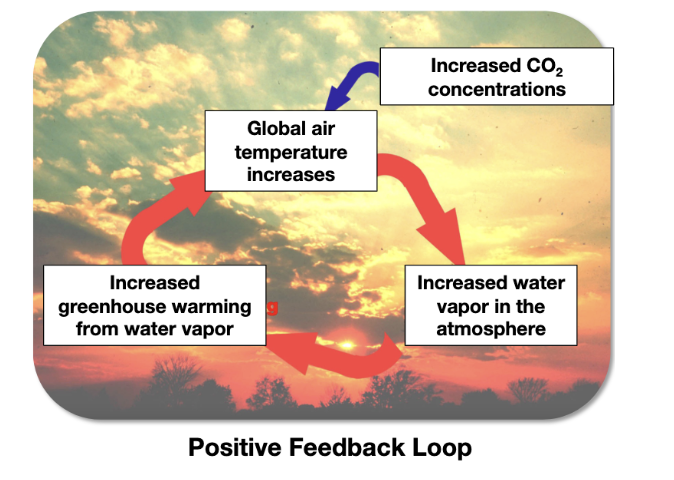
How does increased CO2 (and other greenhouse gasses) cause more extreme weather?
* increased CO2 and other greenhouse gasses absorb more energy, meaning that more heat is trapped within the Earth’s atmosphere
* As atmospheric temperature rises due to global warming, the **atmosphere can hold more water**
* This causes **more extreme rain-related events**, such as hurricanes and flooding.
* As atmospheric temperature rises due to global warming, the **atmosphere can hold more water**
* This causes **more extreme rain-related events**, such as hurricanes and flooding.
69
New cards
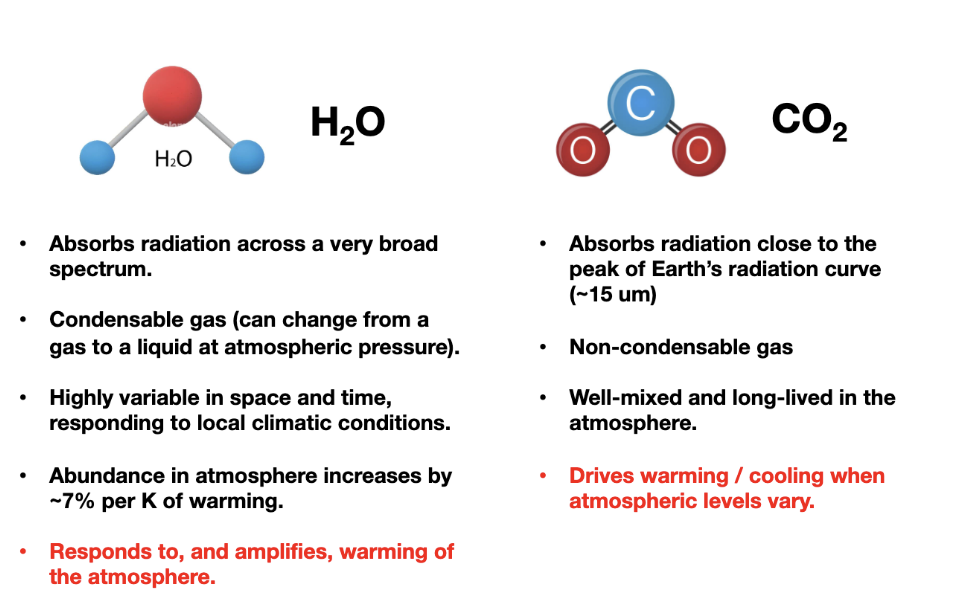
H2O vs CO2
70
New cards
Positive Feedback Loops
elements are **amplified** by successive loops
71
New cards
Negative Feedback Loops
elements are **dampened** by successive loops
* Example: as Earth’s temperature rises, more radiation comes from the Earth’s surface, and then temperature decreases
* Example: as Earth’s temperature rises, more radiation comes from the Earth’s surface, and then temperature decreases
72
New cards
Feedback Loops
a process by which something invokes a change in another element, which then impacts the first element again and the loop self perpetuates
73
New cards
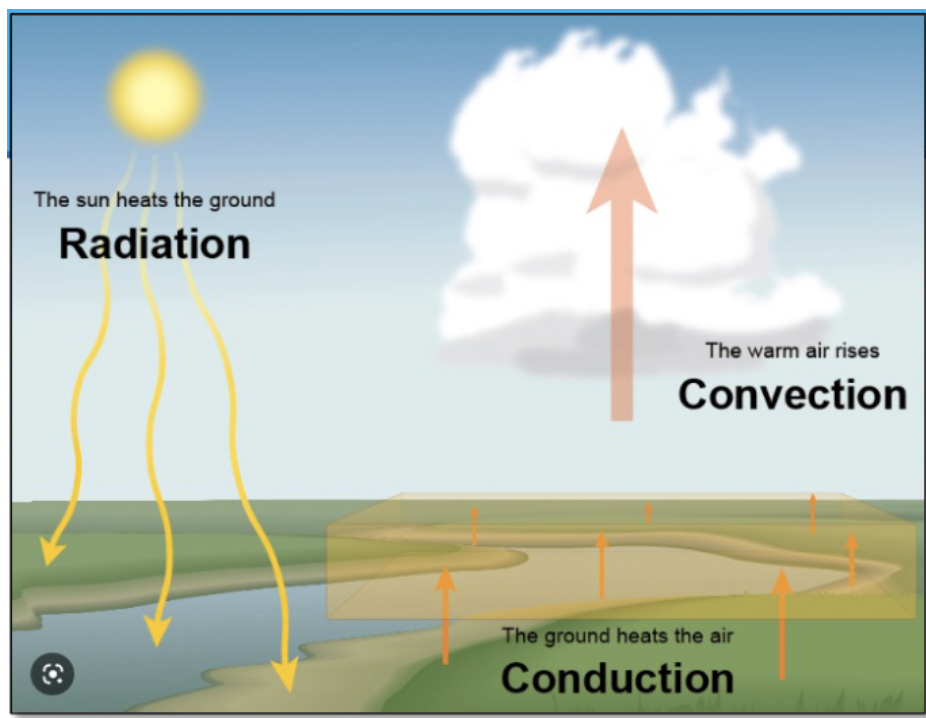
Latent Heat
heat exchange/transfer that occurs with a change of phase (solid to liquid to gas of water)
74
New cards
Advection/Convection
thermal energy transfer through the **movement** of fluids (aka “heat transport”)
* ex: ocean currents, warm air rising
\
Convection: vertical transport
Advection: horizontal transport
* ex: ocean currents, warm air rising
\
Convection: vertical transport
Advection: horizontal transport
75
New cards
Sensible Heat
thermal energy transfer through molecular contact
* no phase change
* Rate of energy transfer is higher when there is a larger difference between temperature
* Temperature difference = heat transfer
* Touching hand to a hot stove -> transfer of heat
* no phase change
* Rate of energy transfer is higher when there is a larger difference between temperature
* Temperature difference = heat transfer
* Touching hand to a hot stove -> transfer of heat
76
New cards
Radiation Cycle
77
New cards
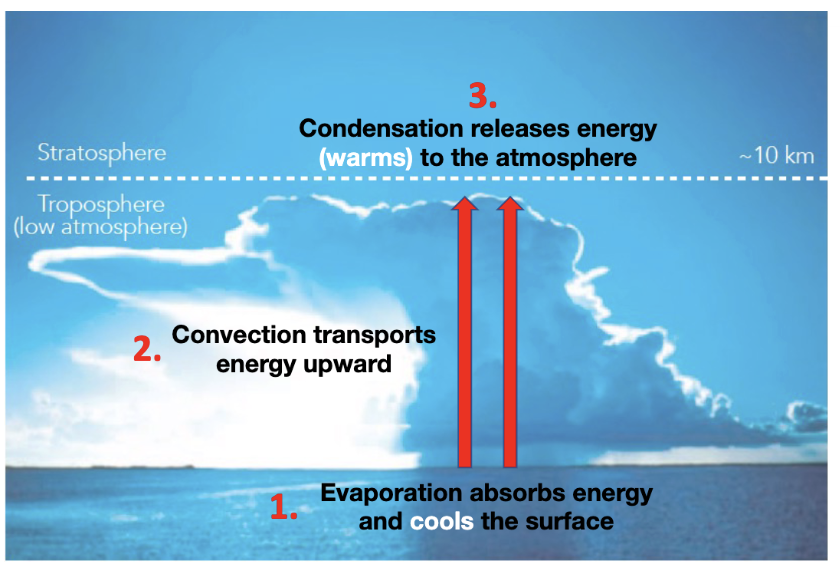
Radiative-Convective Equilibrium
* Air at Earth’s surface warmed via solar radiation **expands** and it takes up moisture via **evaporation**.
* This warm air then **rises and cools** and the water **condenses**.
* This cools the earth’s surface and warms the atmosphere
* This warm air then **rises and cools** and the water **condenses**.
* This cools the earth’s surface and warms the atmosphere
78
New cards
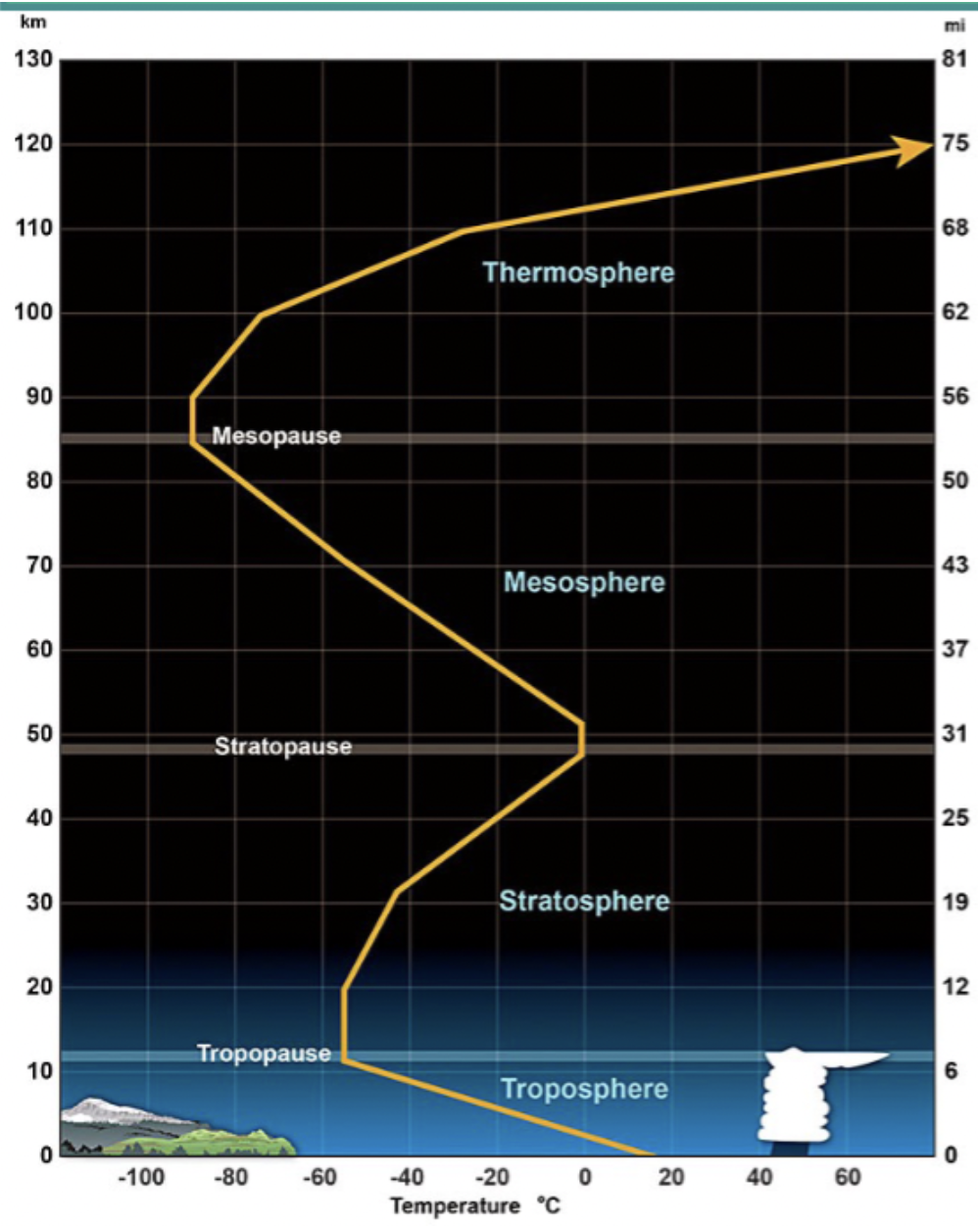
Layers of the Atmosphere (names & chart)
Thermosphere
v
Mesosphere
v
Stratosphere
v
Troposphere
v
Mesosphere
v
Stratosphere
v
Troposphere
79
New cards
Troposphere
* The unstable layer of the atmosphere: water and weather occurs here
* 75% of the total mass of the atmosphere
* The source of heat is Earth’s surface: this leads to the formation of clouds and storms
* Decreases density with elevation due to gravity
* 75% of the total mass of the atmosphere
* The source of heat is Earth’s surface: this leads to the formation of clouds and storms
* Decreases density with elevation due to gravity
80
New cards
Stratosphere
* Location of the Ozone
* Temperature increases with increasing altitude: when UV radiation interacts with ozone molecules it increases radiation
* Stable: this is where planes fly
* Temperature increases with increasing altitude: when UV radiation interacts with ozone molecules it increases radiation
* Stable: this is where planes fly
81
New cards
Mesosphere
* above stratosphere
* temperature decreases with height
* temperature decreases with height
82
New cards
Thermosphere
* above mesosphere (top)
* temperature increases with height
* temperature increases with height
83
New cards
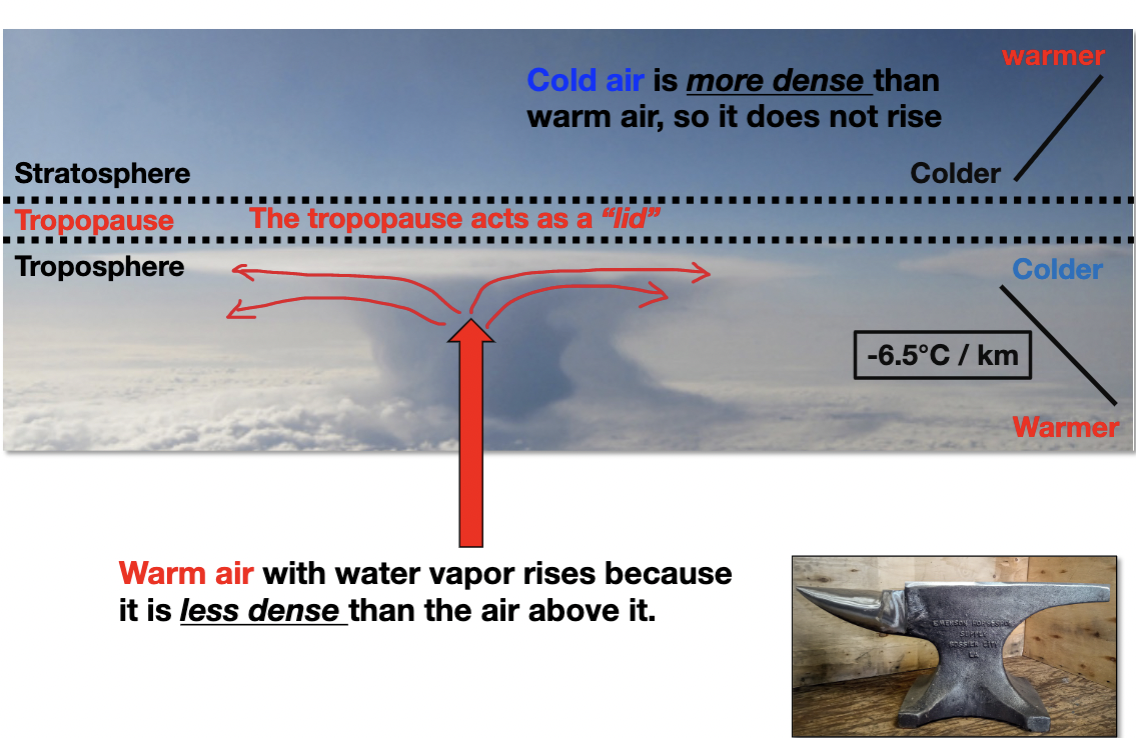
Tropopause
the “lid” of the troposphere
84
New cards
Pressure
the amount of force exerted per unit area

85
New cards
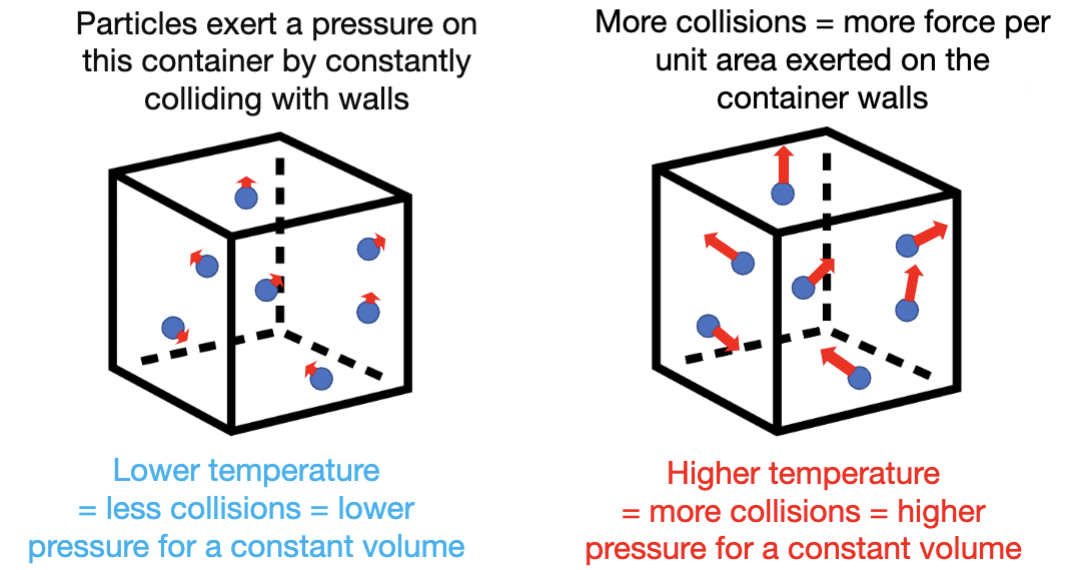
Pressure & Temperature
more pressure = more collisions = more **force** per unit area = higher **temperature**
86
New cards
Forces of Motion in the Ocean & Atmosphere (list)
1. Pressure: Pressure Gradient Force
2. Rotation: Coriolis Force
3. Gravity: Gravitational Force
4. Friction: Frictional Force
\
the total acceleration of a particle is the total of all of these
* negative/positive forces work against each other to create the net change
87
New cards
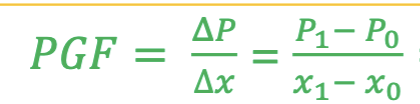
Pressure Gradient Force
* movement will always want to go from a higher to lower pressure
* Pressure Gradient = difference between Pressure (P) over a distance (D)
* In the atmosphere, results in wind
* Pressure Gradient = difference between Pressure (P) over a distance (D)
* In the atmosphere, results in wind
88
New cards
Atmospheric Pressure Graph
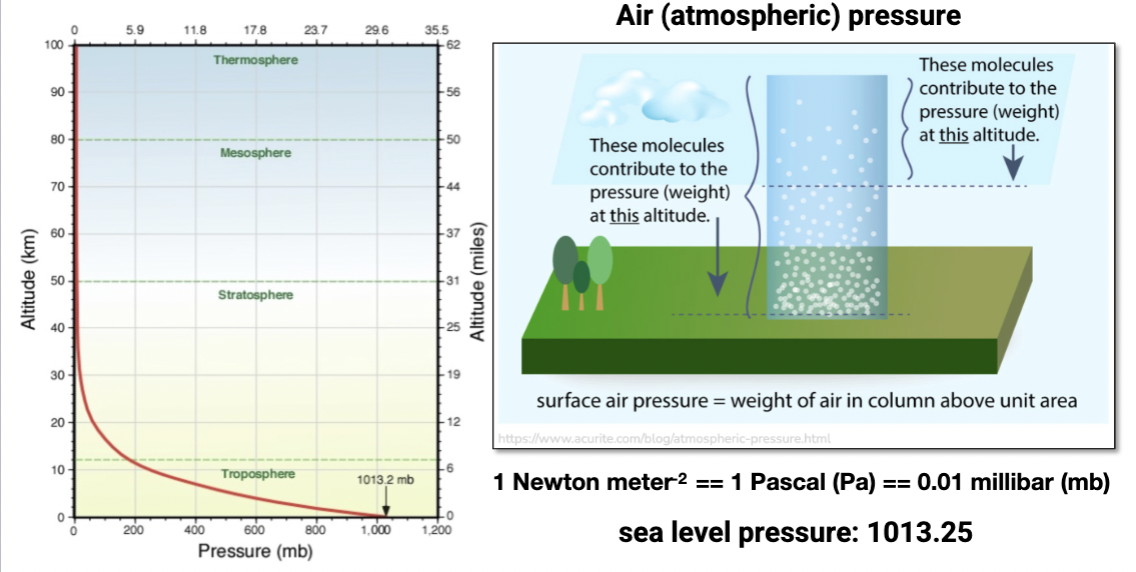
89
New cards
What causes the speed of wind?
Pressure Gradient Force
* the more intense change in pressure, the faster winds will be
* it’s like being squeezed harder
* the more intense change in pressure, the faster winds will be
* it’s like being squeezed harder

90
New cards
Convergence
air moving towards the center of a pressure system
91
New cards
Divergence
air moving away from the center of a pressure system
92
New cards
Does air in a H pressure system converge or diverge?
diverge
93
New cards
Does air in an L pressure system converge or diverge?
converge
94
New cards
Mass Continuity (Conservation) - pressure systems
When a fluid is in motion, it must move in such a way that mass is conserved.
* if there is mass coming in, it needs to also have mass coming out, and vice versa
In terms of pressure systems, this conservation occurs via vertical movement
* if there is mass coming in, it needs to also have mass coming out, and vice versa
In terms of pressure systems, this conservation occurs via vertical movement
95
New cards
L and H pressure systems vertical/horizontal movements
L: convergence horizontally, divergence vertically
H: divergence horizontally, convergence horizontally
H: divergence horizontally, convergence horizontally
96
New cards
What type of weather is associated with L pressure systems? Why?
“inclement” weather: rain, storms, etc
* this is because convergence causes air to rise, and cool down in the process
* this creates condensation, causing cloud formation and precipitation
* this is because convergence causes air to rise, and cool down in the process
* this creates condensation, causing cloud formation and precipitation
97
New cards
What type of weather is associated with H pressure systems? Why?
clear skies and sunny days
* as air horizontally diverges, vertical air needs to lower into the system to conserve mass
* descending air warms, and clouds disappear
* as air horizontally diverges, vertical air needs to lower into the system to conserve mass
* descending air warms, and clouds disappear
98
New cards
Which holds more water vapor: warm or cool air?
* warm air: water can be absorbed
* cold air creates condensation since it can not hold the water, and forces it out
* cold air creates condensation since it can not hold the water, and forces it out
99
New cards
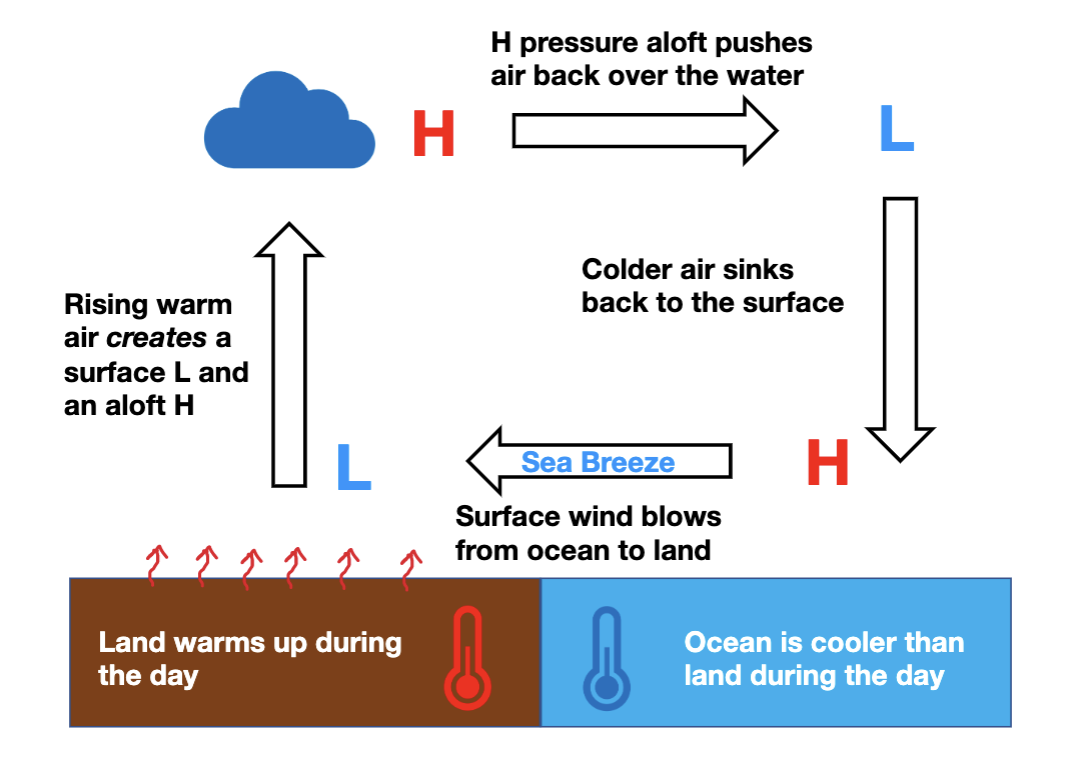
PGF at a small scale: Sea Breeze
Ocean has a higher specific heat than land, meaning that it doesn’t change temperature as quickly as land does
* as the land changes temperature, it creates a small-scale pressure gradient
* warm air rises from the land, so cold air from the ocean must travel to the shore, creating a breeze
* as the land changes temperature, it creates a small-scale pressure gradient
* warm air rises from the land, so cold air from the ocean must travel to the shore, creating a breeze
100
New cards
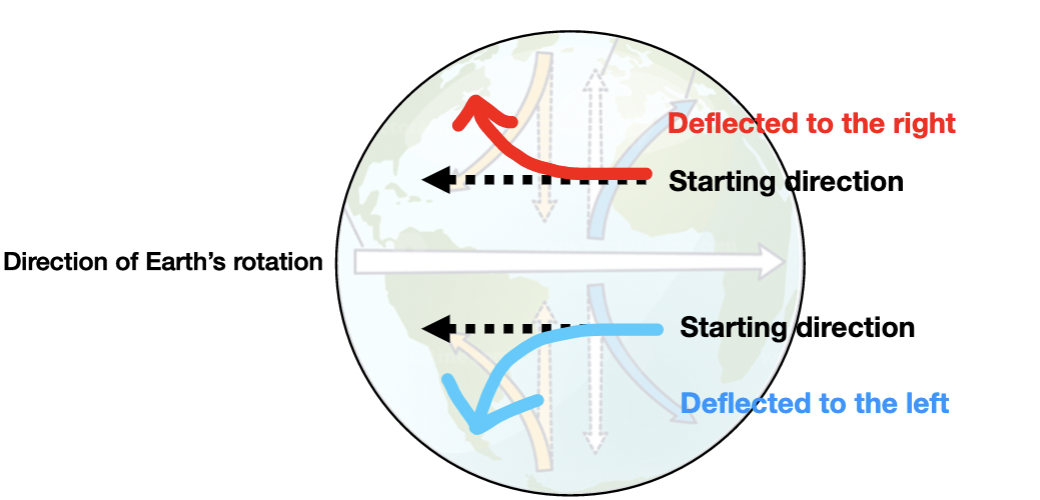
Coriolis Force
a force that results from the Earth’s rotation
* deflects all “free moving” objects on earth (planes, missiles, water, etc.)
* __Northern Hemisphere__: deflects to the *right*
* __Southern Hemisphere__: deflects to the *left*
* deflects all “free moving” objects on earth (planes, missiles, water, etc.)
* __Northern Hemisphere__: deflects to the *right*
* __Southern Hemisphere__: deflects to the *left*
 Note
Note  Flashcards (70)