AP Art History ~ Unit 2 Progress Check
 Studied by 0 people
 Call Kai
 Learn
Learn Practice Test
 Spaced Repetition
 Match
Match Flashcards
 Knowt Play
1/31

There's no tags or description
Looks like no tags are added yet.
Name | Mastery | Learn | Test | Matching | Spaced |
|---|
No study sessions yet.
32 Terms
the seated boxer was created in the style associated with which of the following cultures?
hellenistic greece
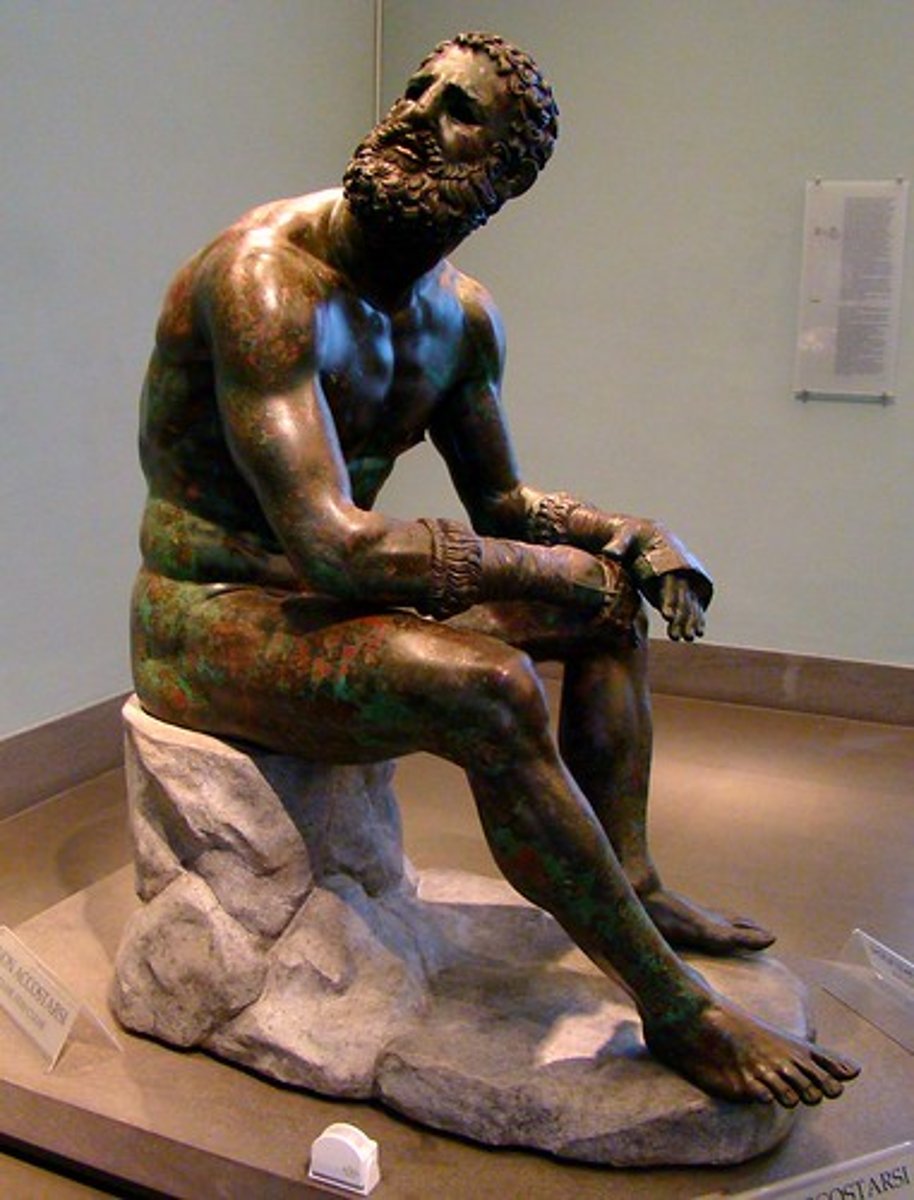
the seated boxer was created using which of the following techniques?
lost-wax casting to mold bronze into a hollow form of the figure
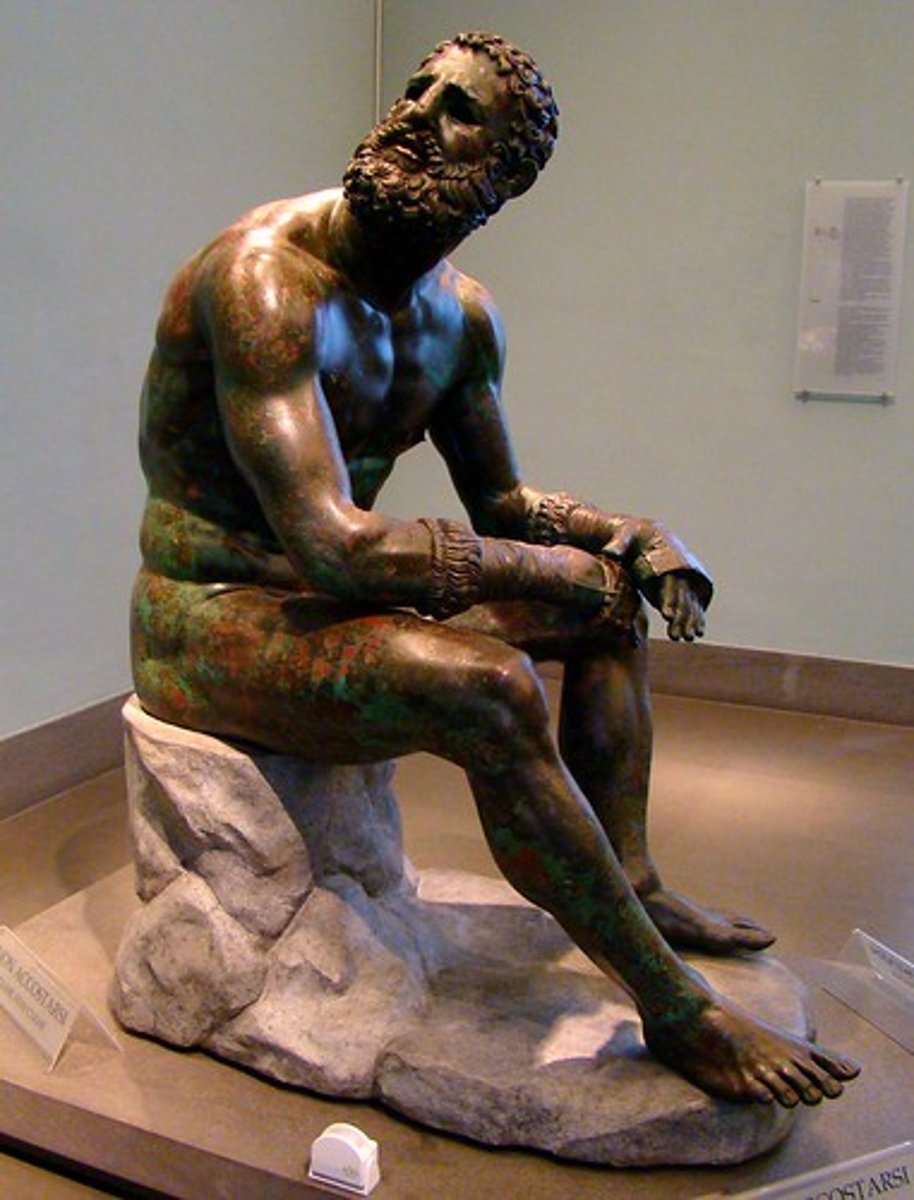
the seated boxer demonstrates a shift in style from earlier depictions of athletes through its
inclusion of a broken nose and multiple wounds to elicit empathy from the viewer
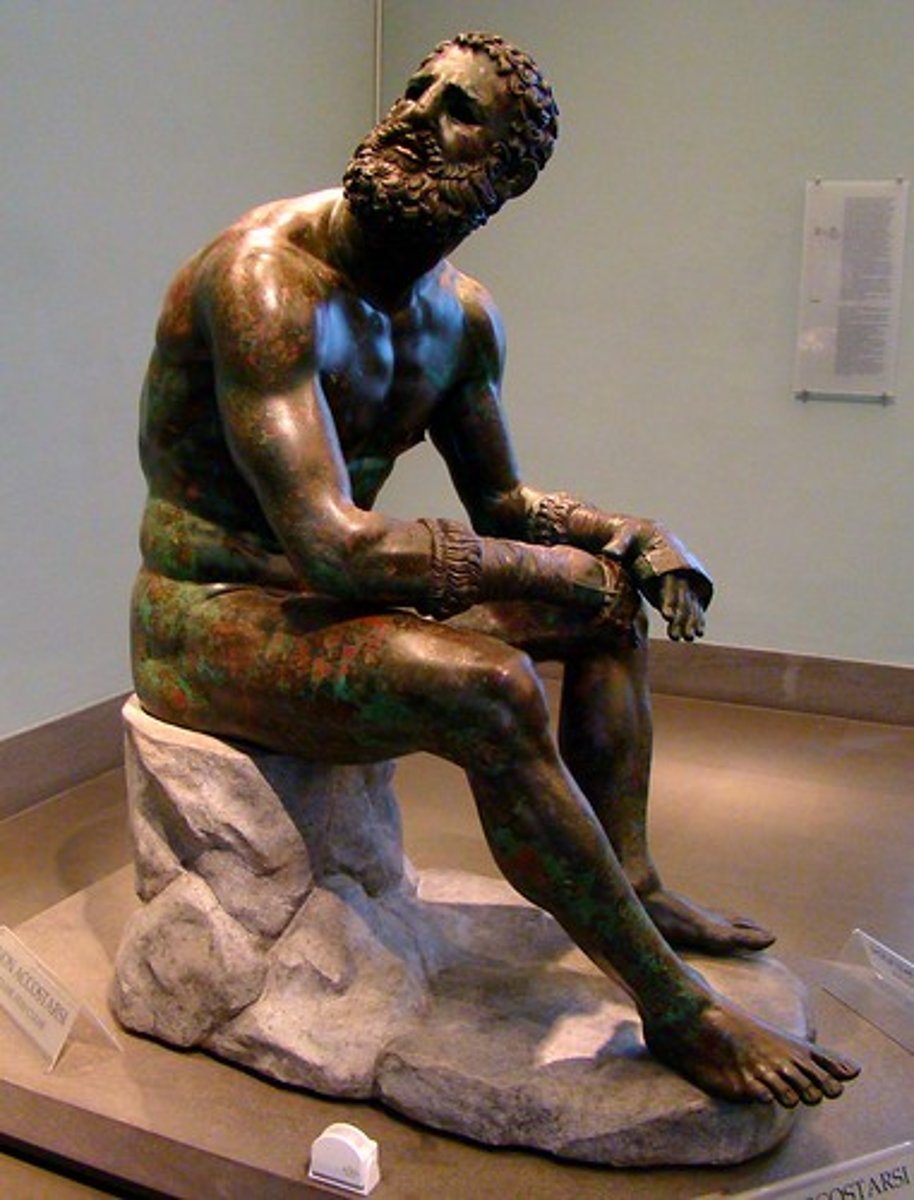
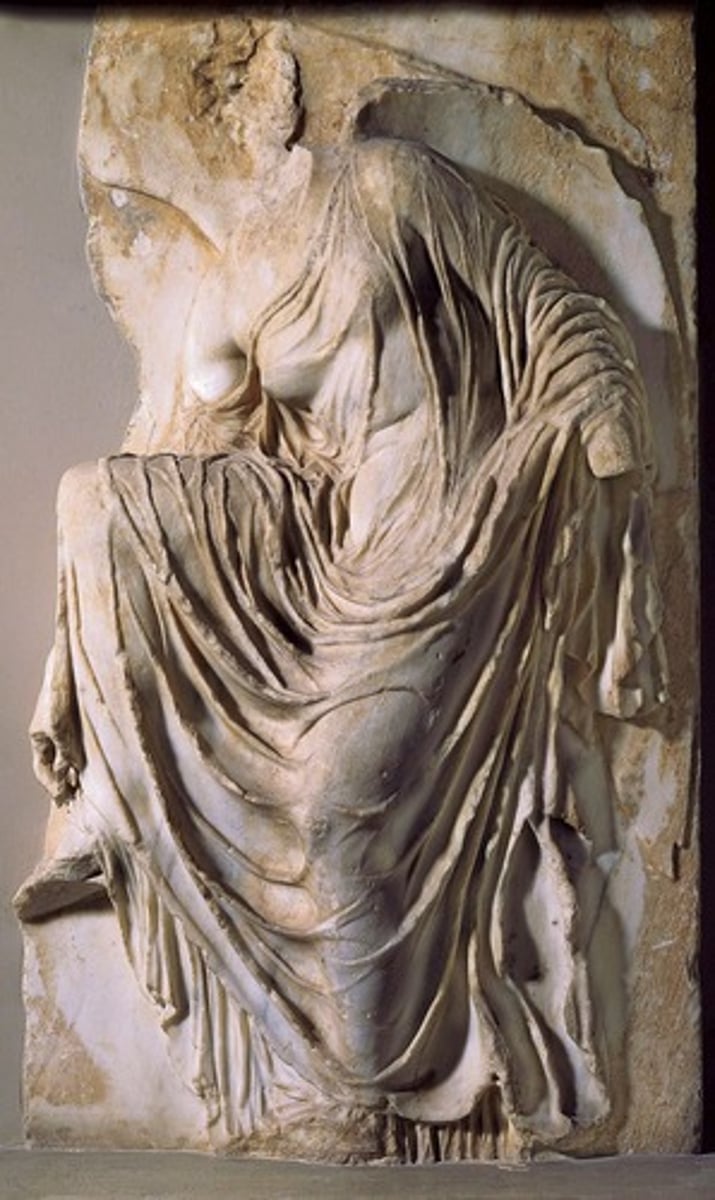
in its naturalistic pose, the seated boxer is most similar to which of the following works?
victory adjusting her sandal
the pantheon in rome is believed to have been built as
a temple dedicated to the worship of the gods
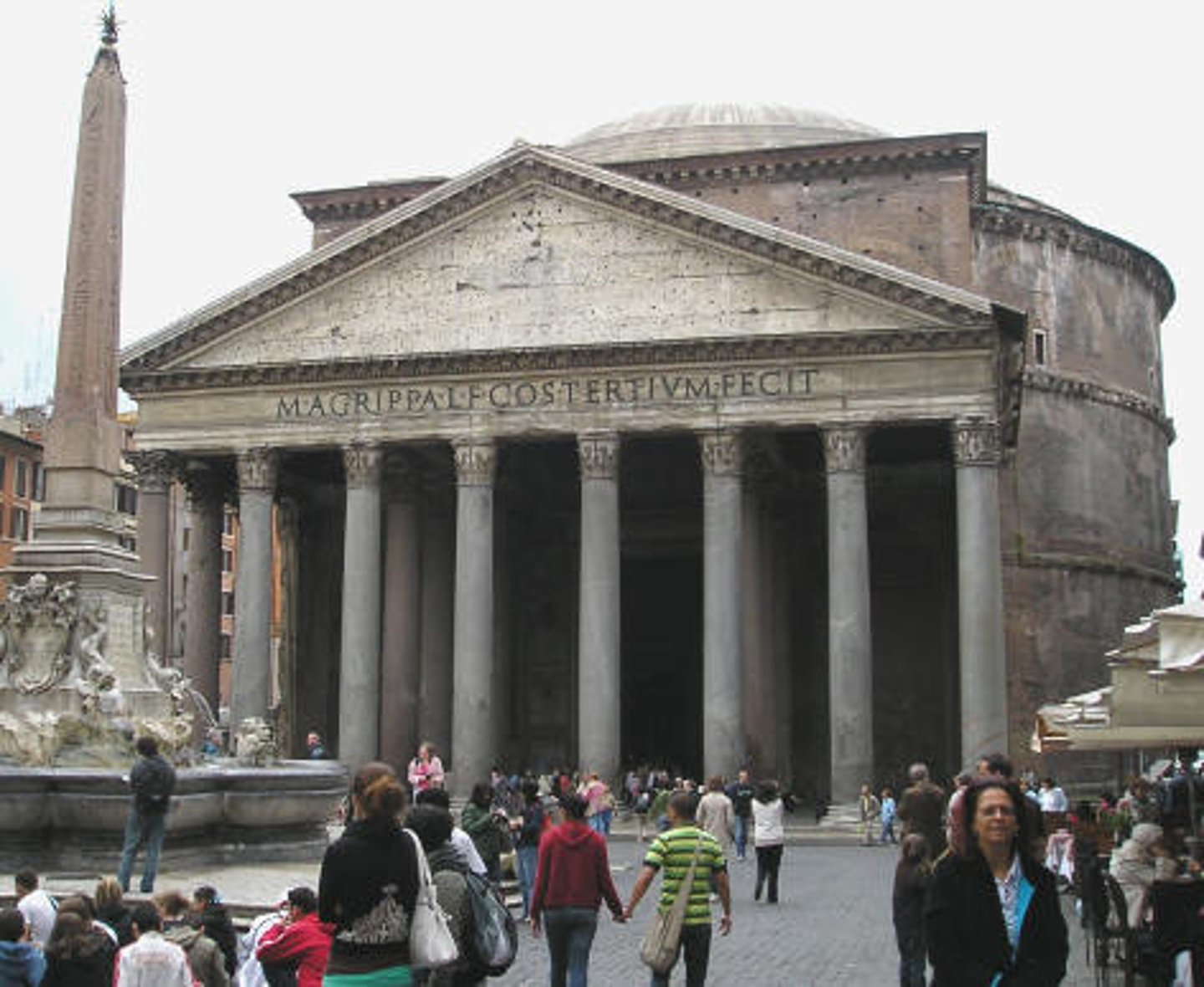
in order to support the immense weight of the pantheon's dome, roman imperial architects used
a thick-walled rotunda on which the coffered dome rests
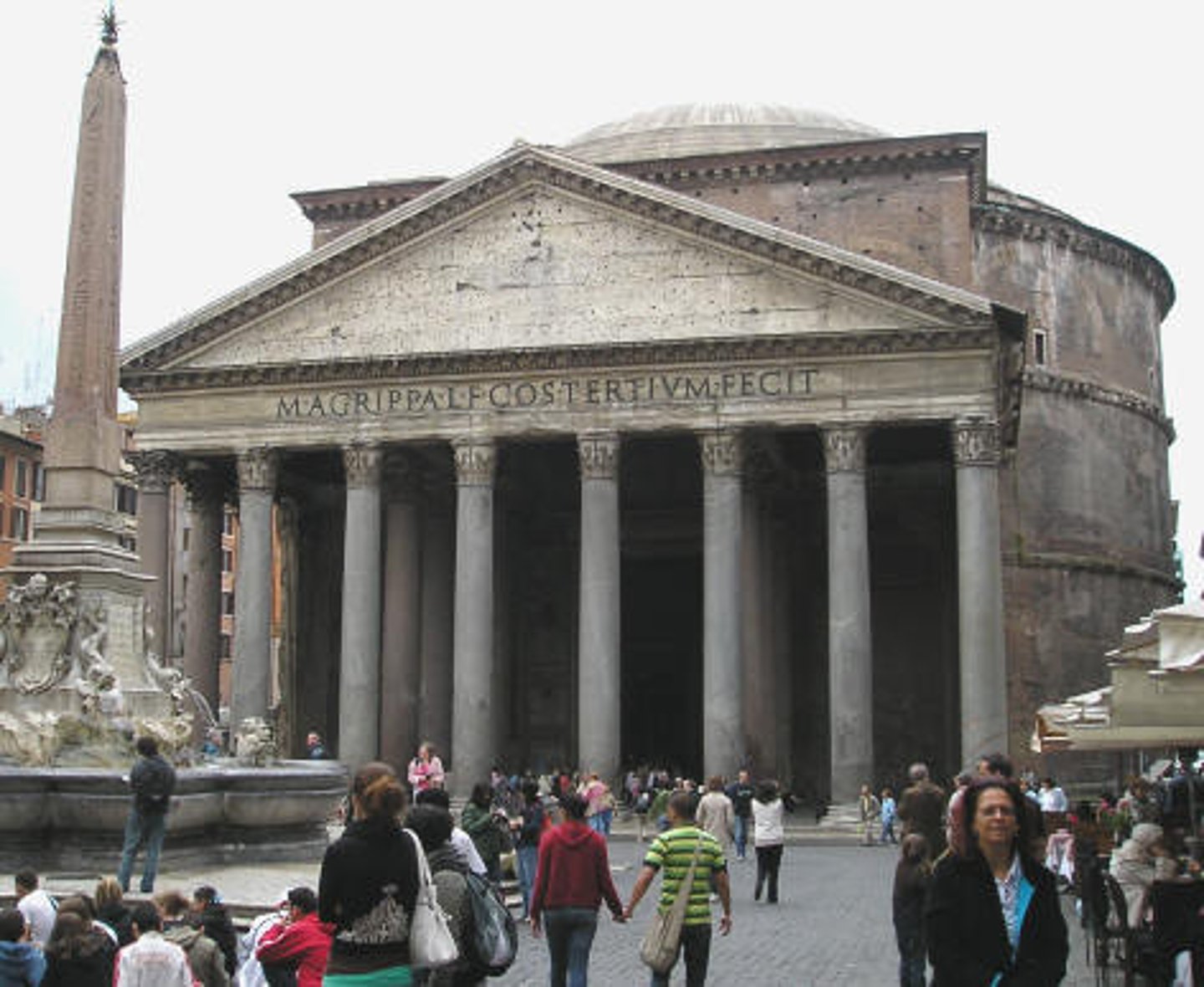
the inscription "Agrippa" in the entablature frieze was included most likely to reference the
consul who had commissioned an earlier structure on the site
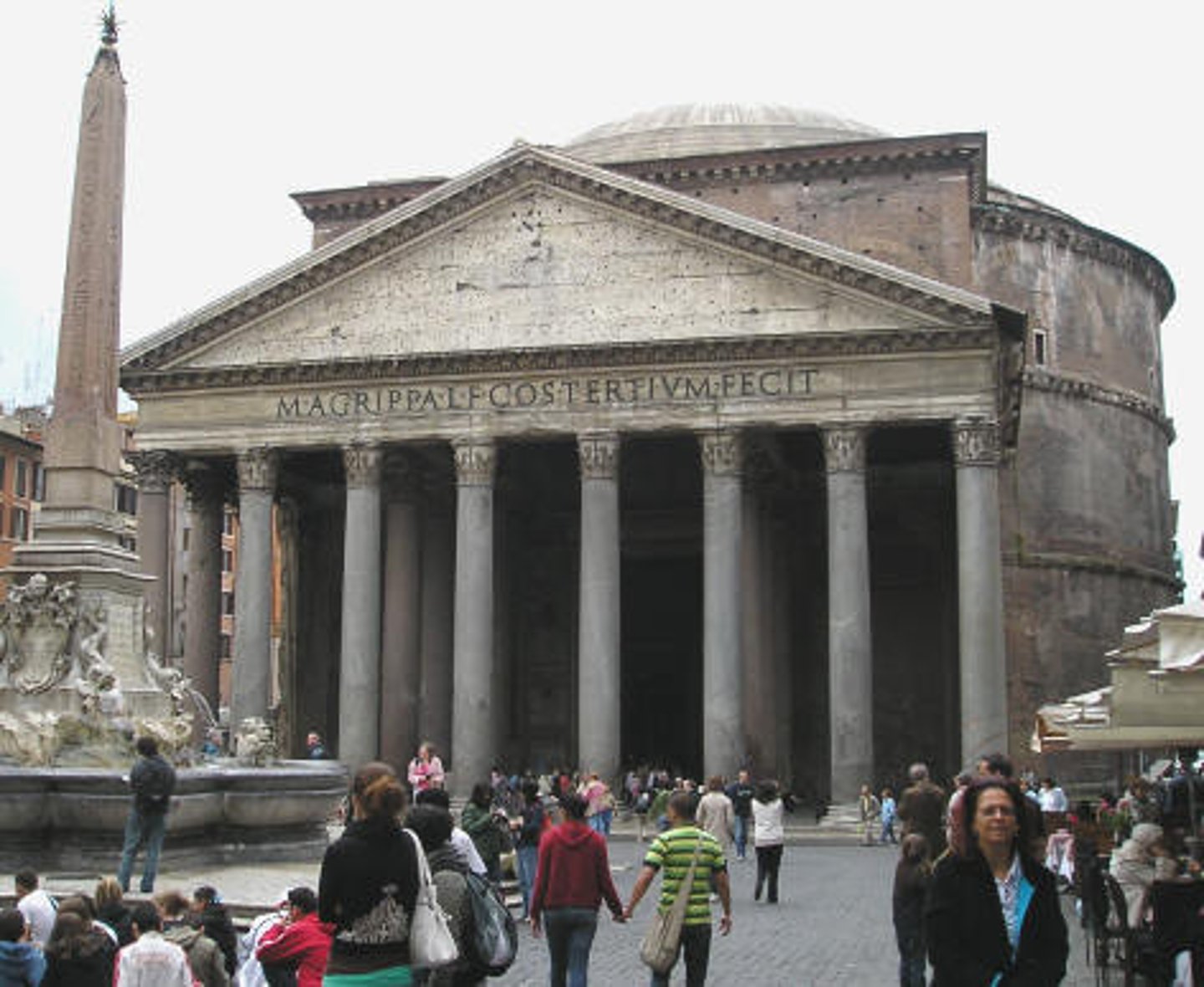
ancient roman audiences would most likely have responded to the experience of entering the pantheon in which of the following ways?
with surprise, because the vast circular interior is not suggested by the columned rectilinear facade
the relief of Akhenaton, Nefertiti, & three daughters was most likely originally displayed
in a household shrine used for private worship
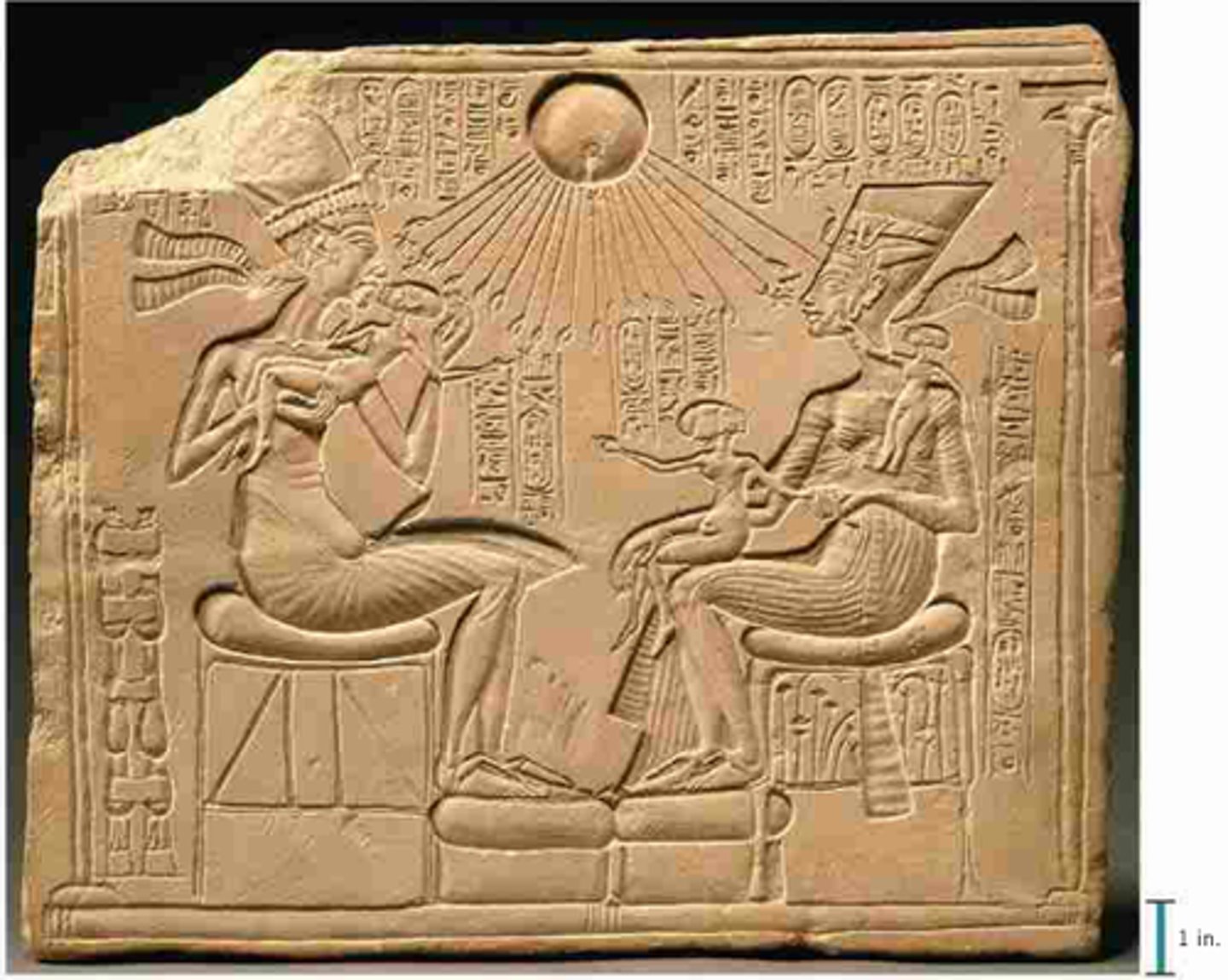
Akhenaton, Nefertiti, and three daughters demonstrates CONTINUITY within Ancient Egyptian artistic traditions through
its depiction of figures in composite poses
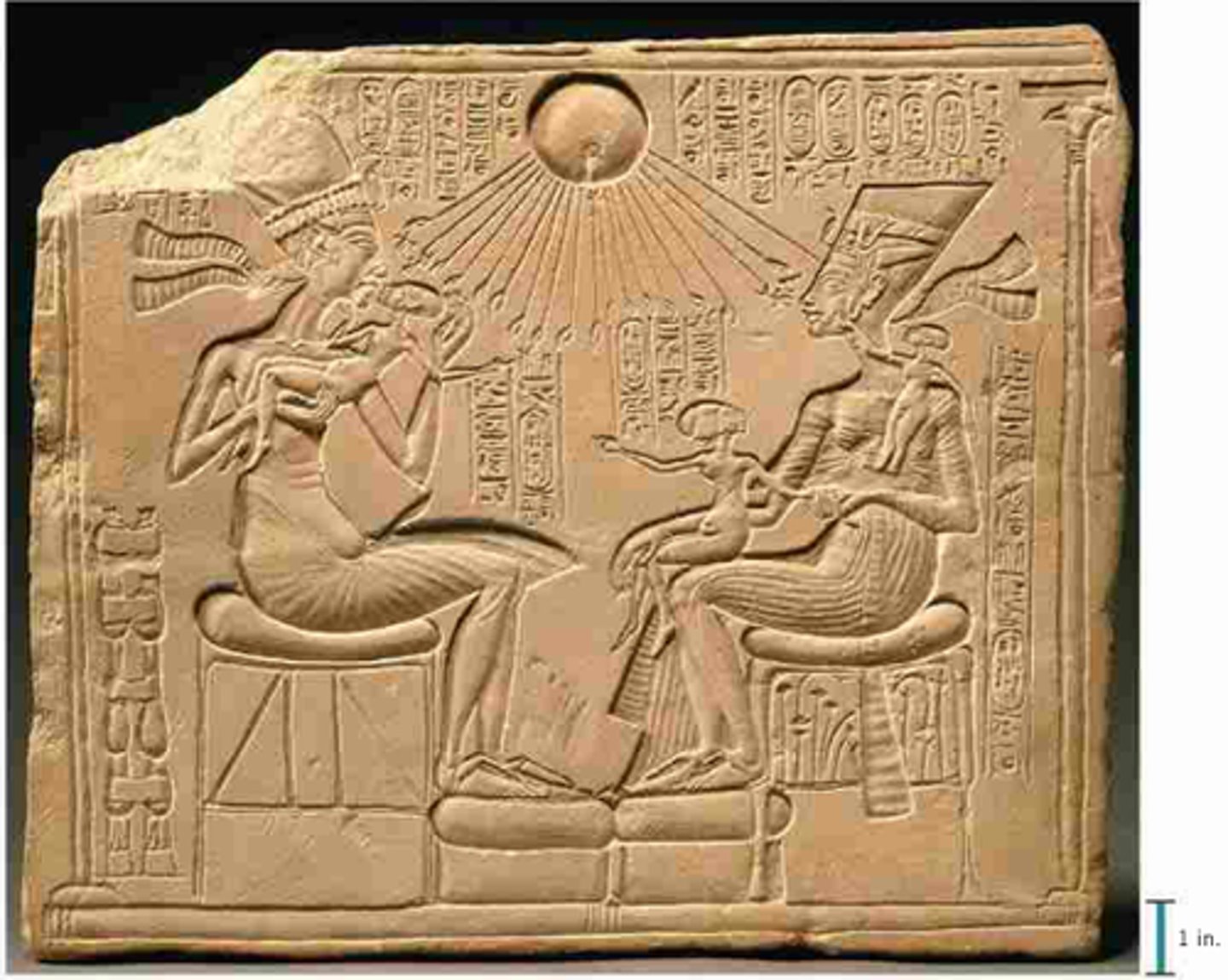
Akhenaton, Nefertiti, and three daughters demonstrates CHANGE within Ancient Egyptian artistic traditions through its
rendering of the human body with elongated, curvilinear forms
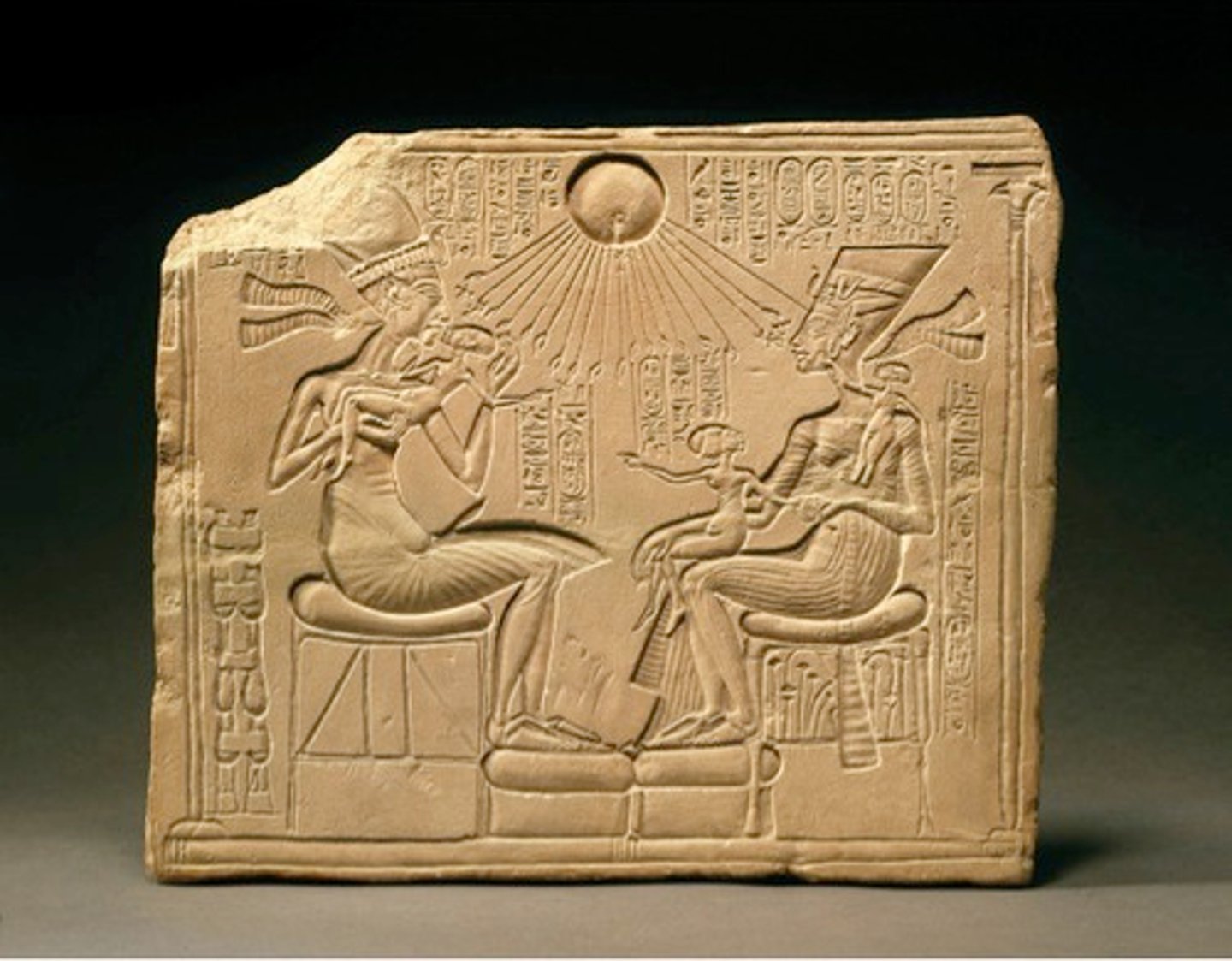
the changes in artistic practices during the Amarna period that are exemplified by Akhenaton, Nefertiti, and three daughters were most likely caused by
the introduction of new religious beliefs
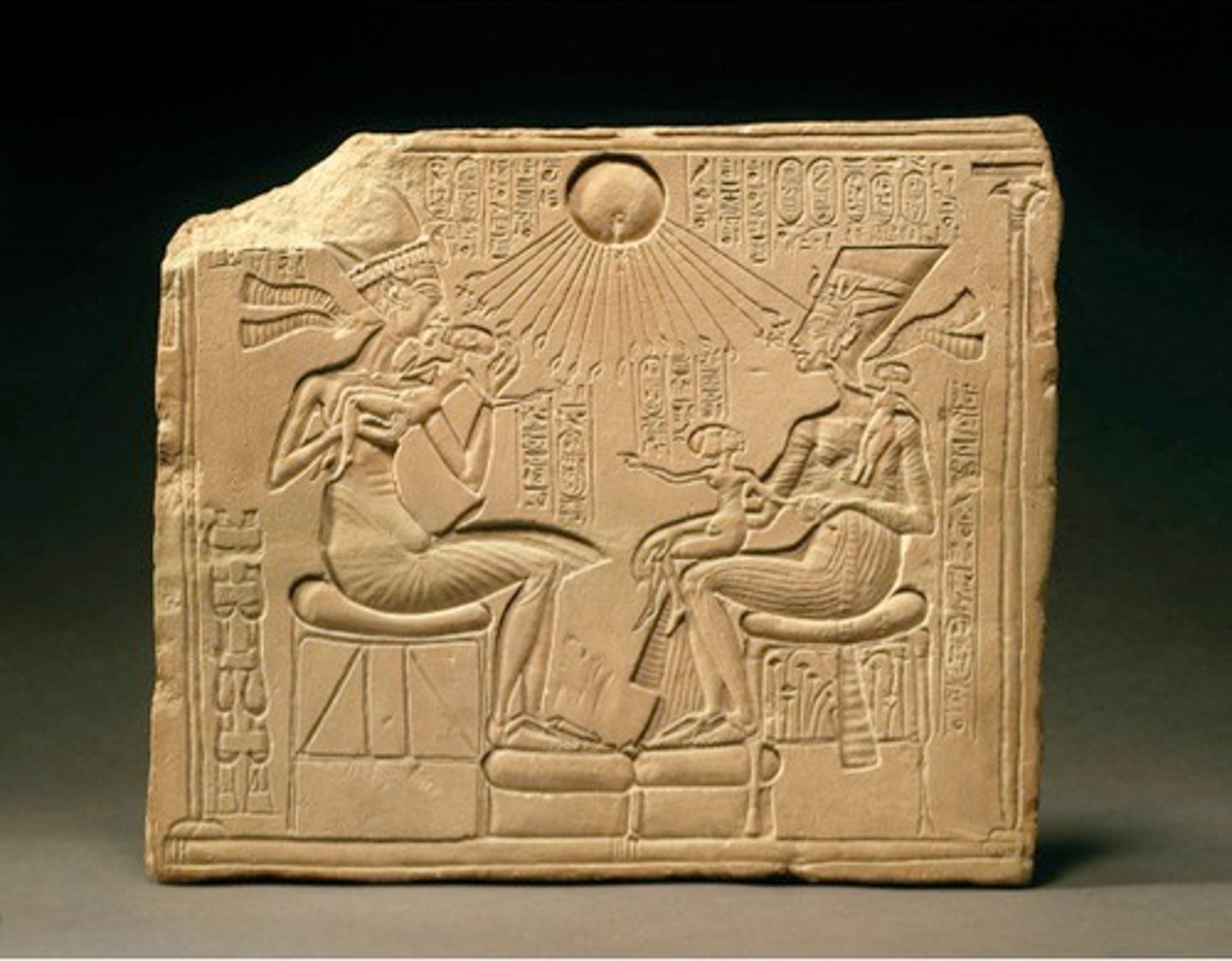
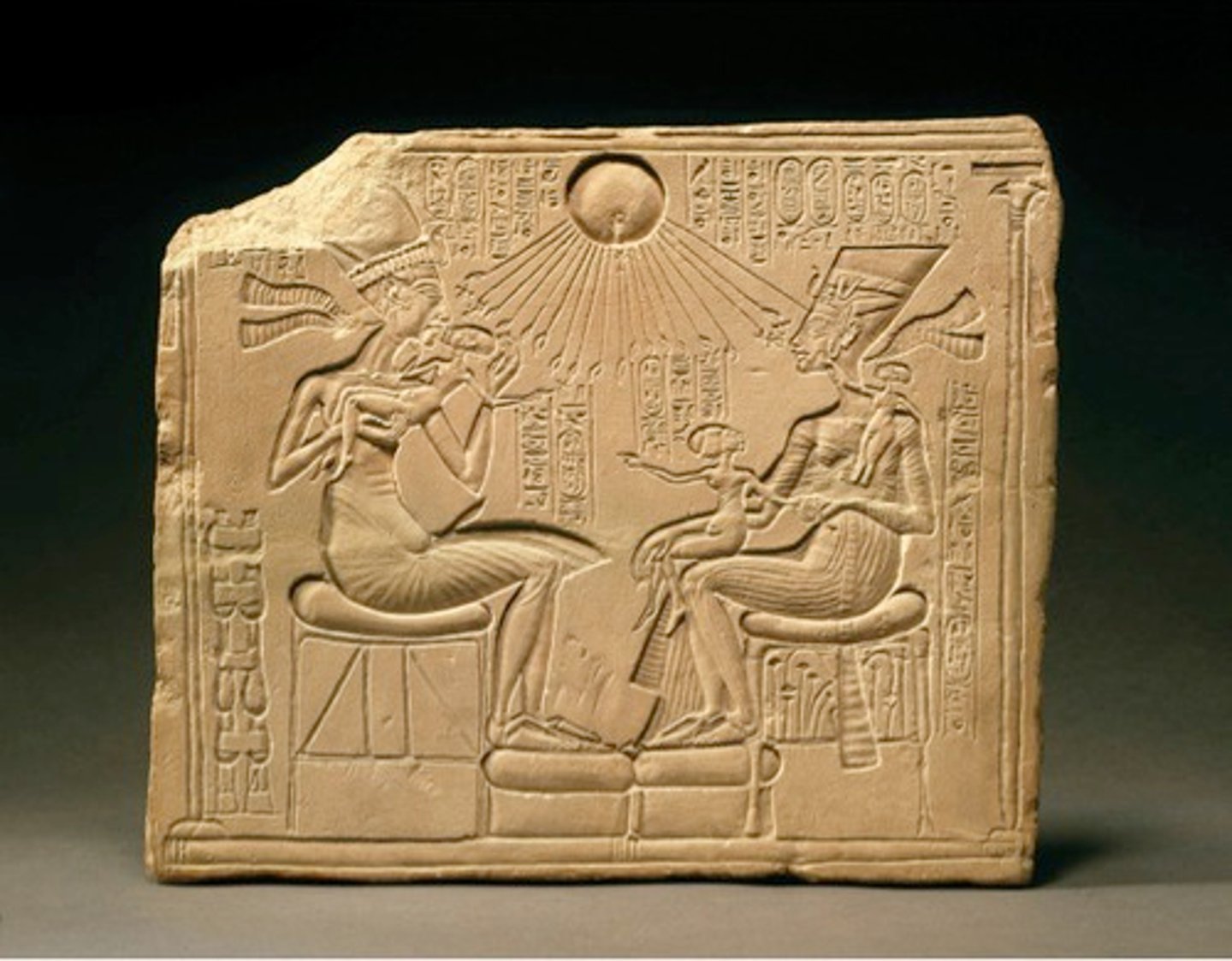
the portrayal of Akhenaton & Nefertiti would have been viewed in it's original cultural context as unconventional by its Ancient Egyptian audience because it shows
the pharaoh and his family in an affectionate scene
the architectural complex shown is the Audience Hall (apadana) of Darius & Xerxes at Persepolis, built circa
520-465 BCE
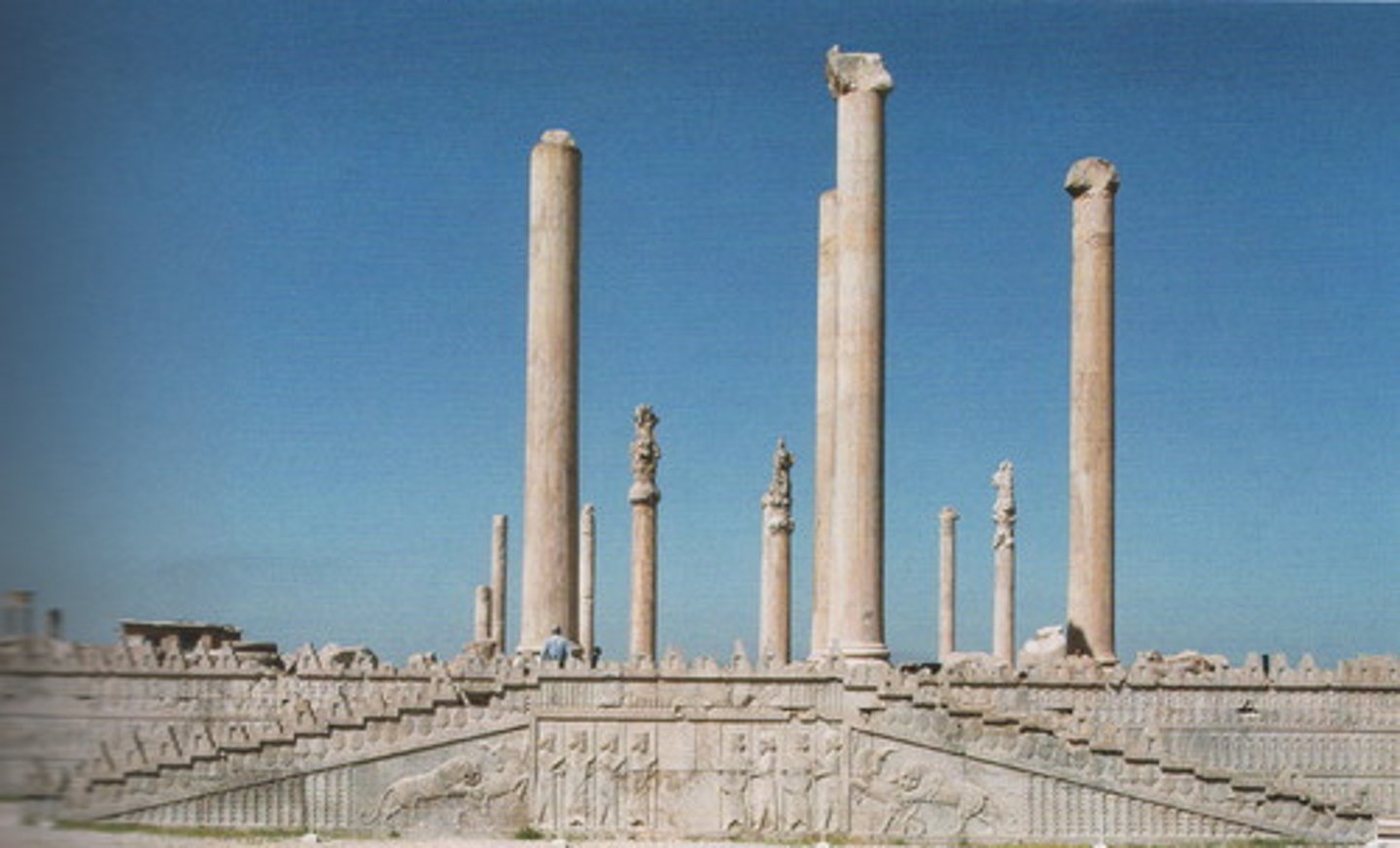
the Audience Hall (apadana) at Persepolis reveals the vastness of the Persian Empire by
including artistic styles and materials from the different cultures ruled by the Persians
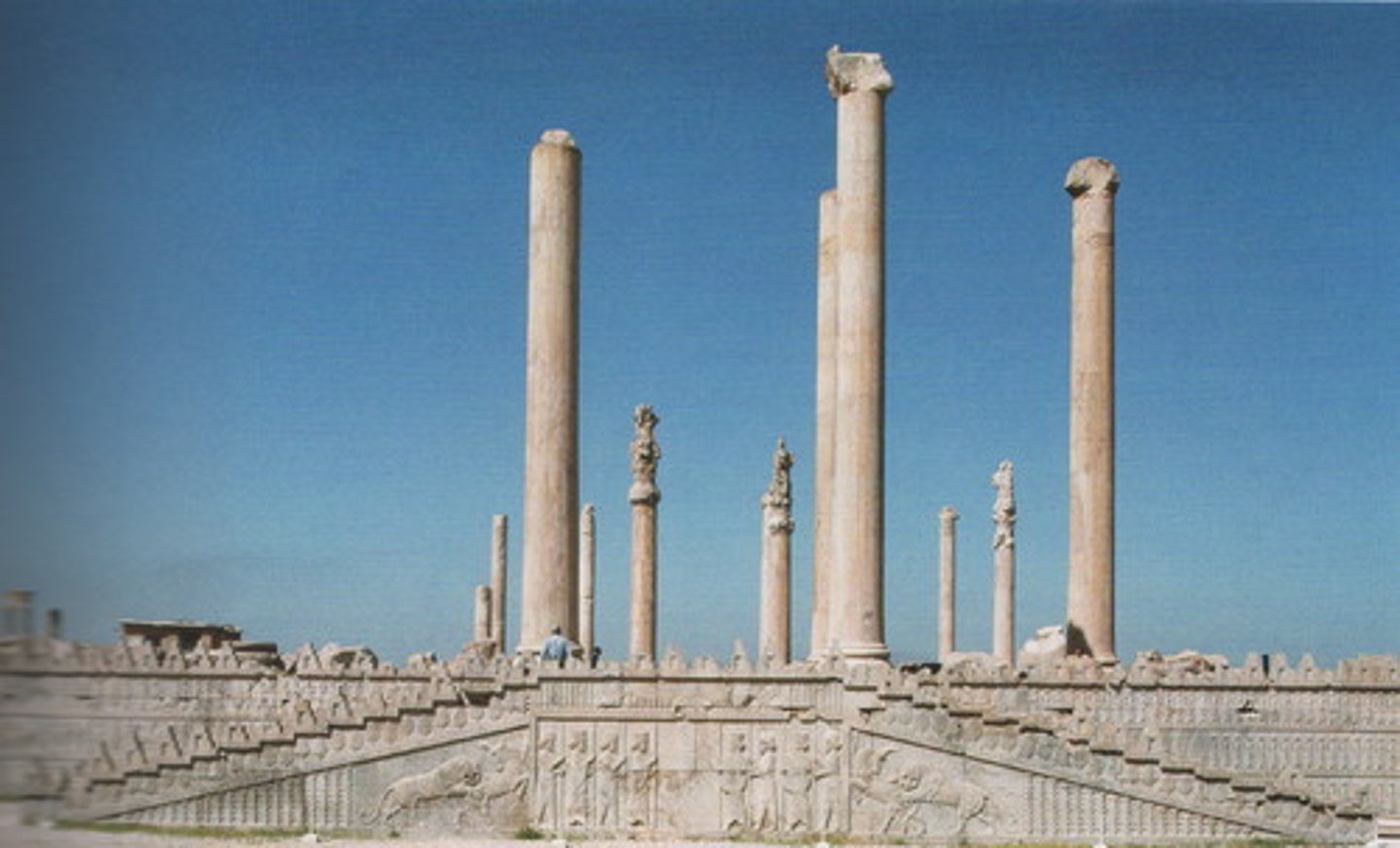
the sculptural program on the stairs leading to the apadana reflect the function of the audience hall as the seat of the Persian king by depicting
foreign representatives in various regional attire carrying offerings to represent the marry subjugated peoples who paid tribute to the empire
the creator or Tutankhamun's innermost coffin depicted the pharaoh holding the crook and flail most likely to
assert Tutankhamun's power and authority beyond the earthly realm
Apollodorus of Damascus included which of the following components in his overall design for the Forum of Trajan?
an adjacent multilevel public market
although the Great Altar of Zeus and Athena at Pergamon within its original context suggests that the structure also served
to celebrate an important military victory of the Attalid Dynasty
how do the visual characteristics of statues of votive figures from the Square Temple at Eshnunna reflect the religious context in which they were originally intended to function?
they are depicted with large eyes and prayerful gesture to illustrate their eternal attendance and devotion to the deity on a donor's behalf
the Hypostyle Hall at the Temple of Amun-re at Karnak most likely includes columns resembling blossoming papyrus stalks within the enormous, dimly lit interior to evoke in visitors the impression of
witnessing the creation of the world arising from the primordial sea
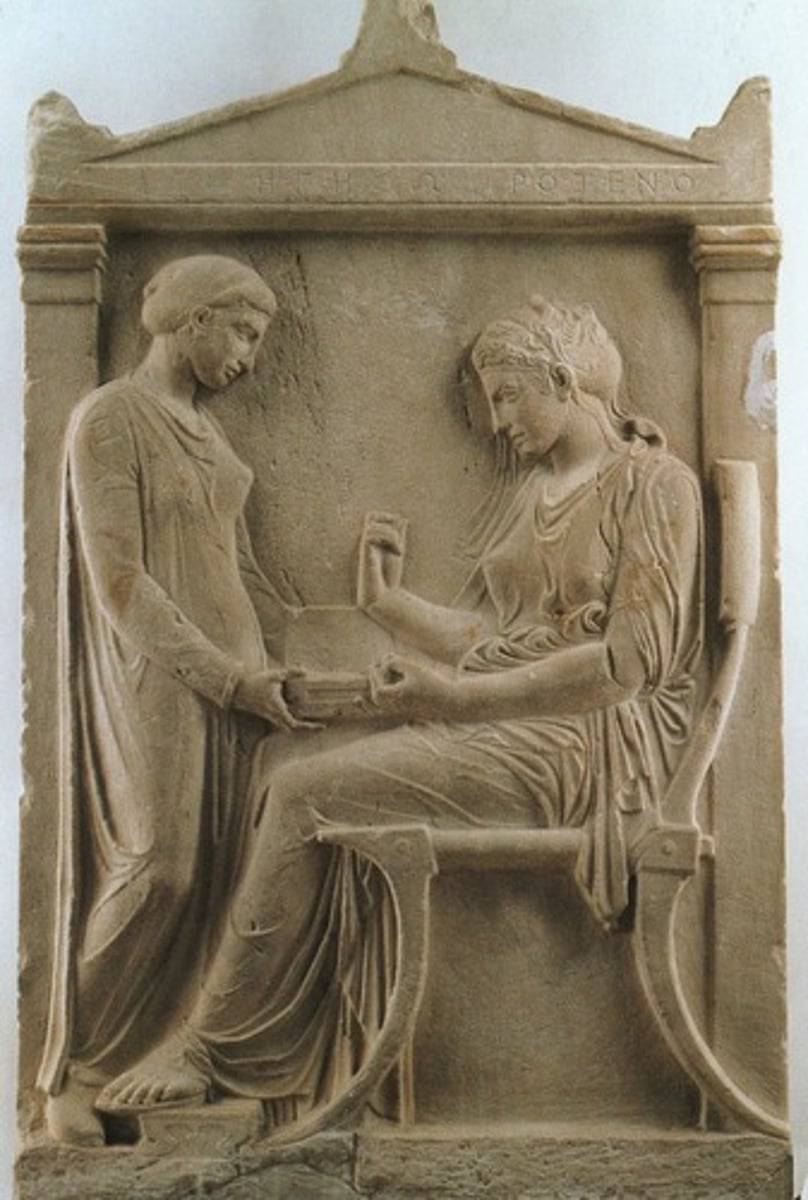
the sculptural work shown can be attributed to classical Greece because of its
idealized depiction of the figures within an architectural setting
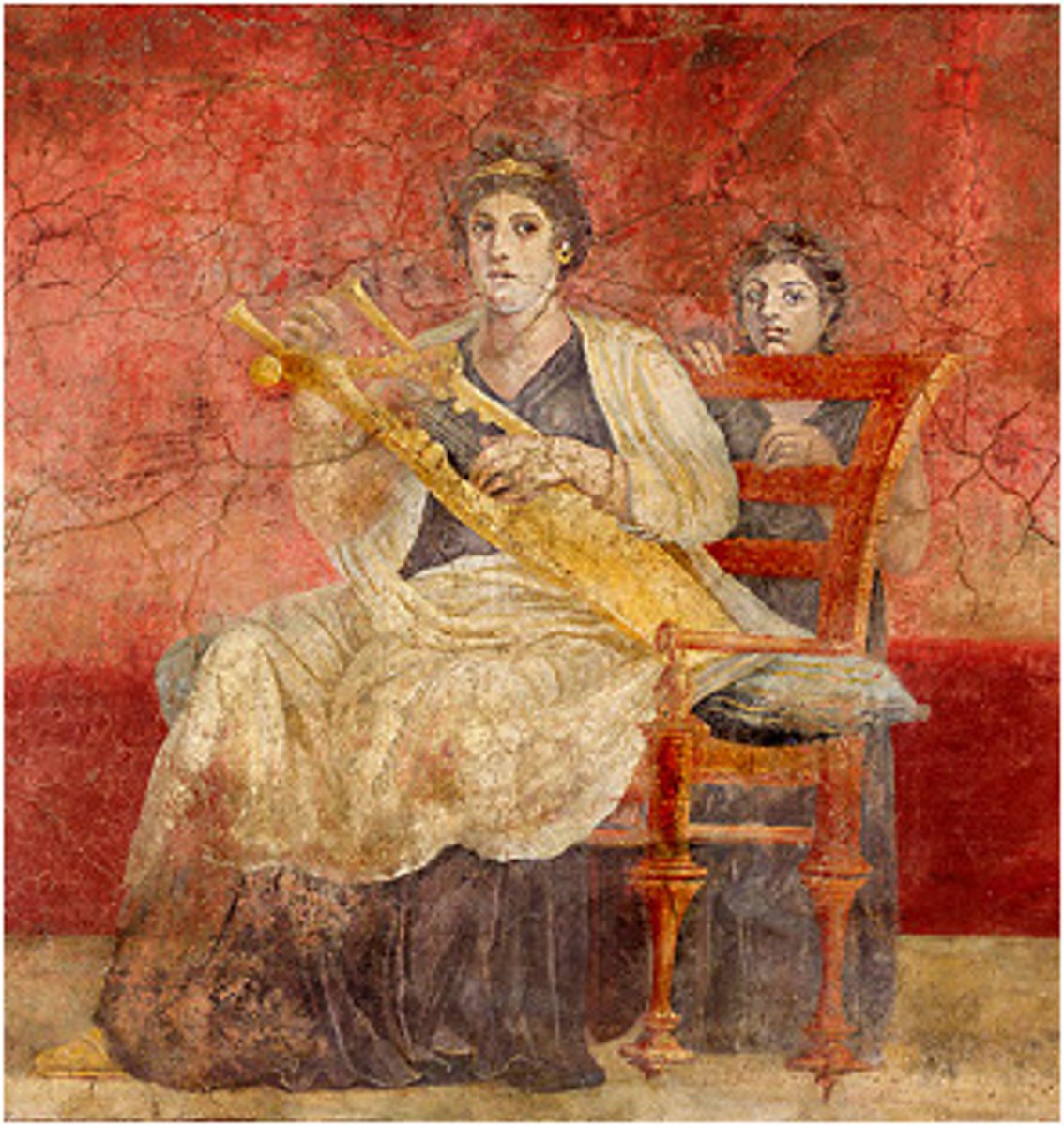
the work shown can be identified as a roman wall painting because of which of the following characteristics?
a sense of depth created by placing the figures in an architectural space
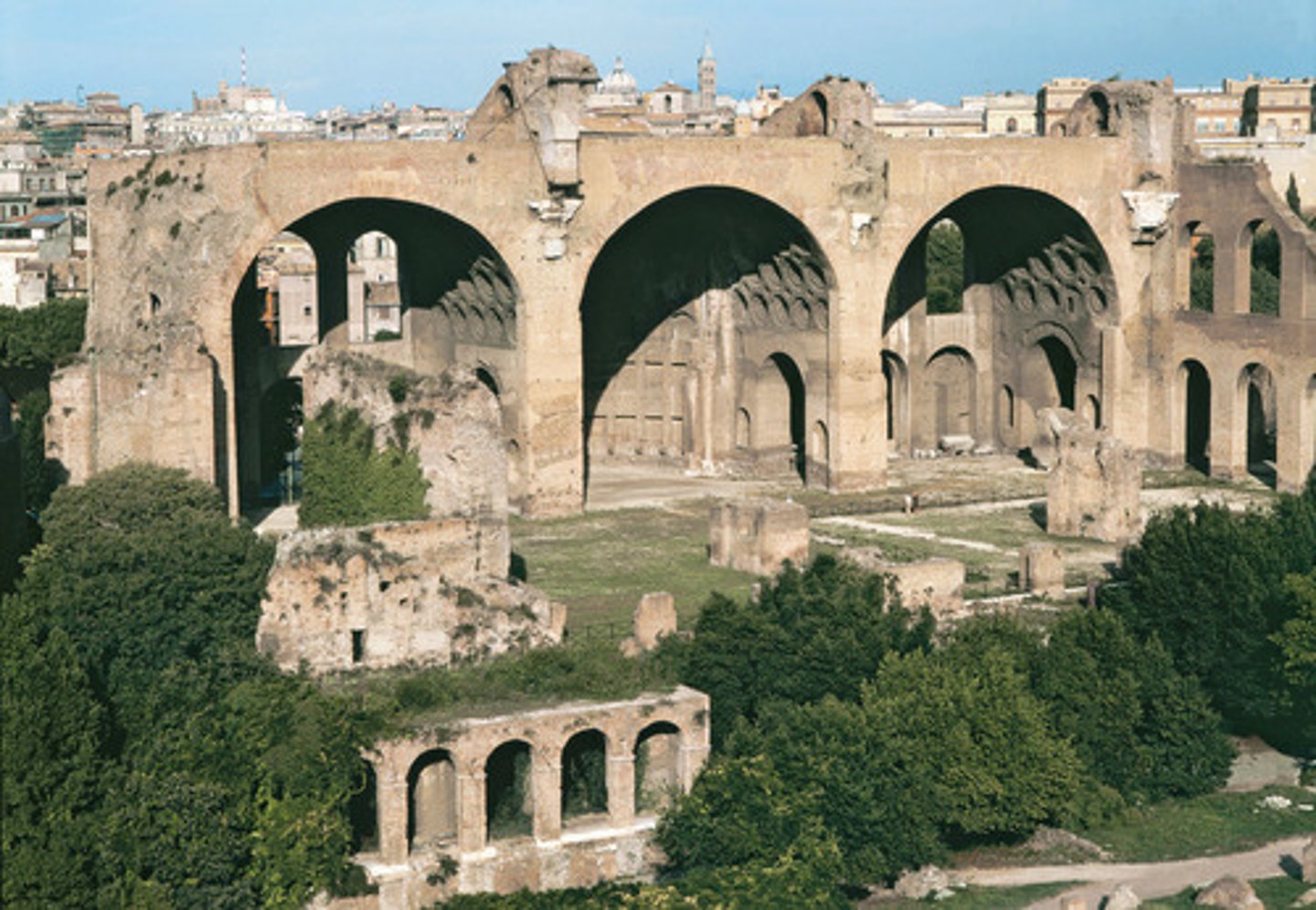
the architect of the ancient roman structure shown most likely included octagonal ceiling coffers in the building's design in order to
reduce the weight of the concrete barrel vaults
the statue of Augustus of Prima Porta is most similar to which of the following works?
Doryphoros (Spear Bearer), because of its idealized proportions & contrapposto
the Great Pyramids of Giza were mostly likely designed in the same shape as the traditional benben stone to emphasize their function as places where
the deceased ruler was reborn and ascended to the sky
the Ludovisivi Battle sarcophagus demonstrates change from earlier Roman relief sculpture in its
rejection of perspective to create a crowded scene of chaos
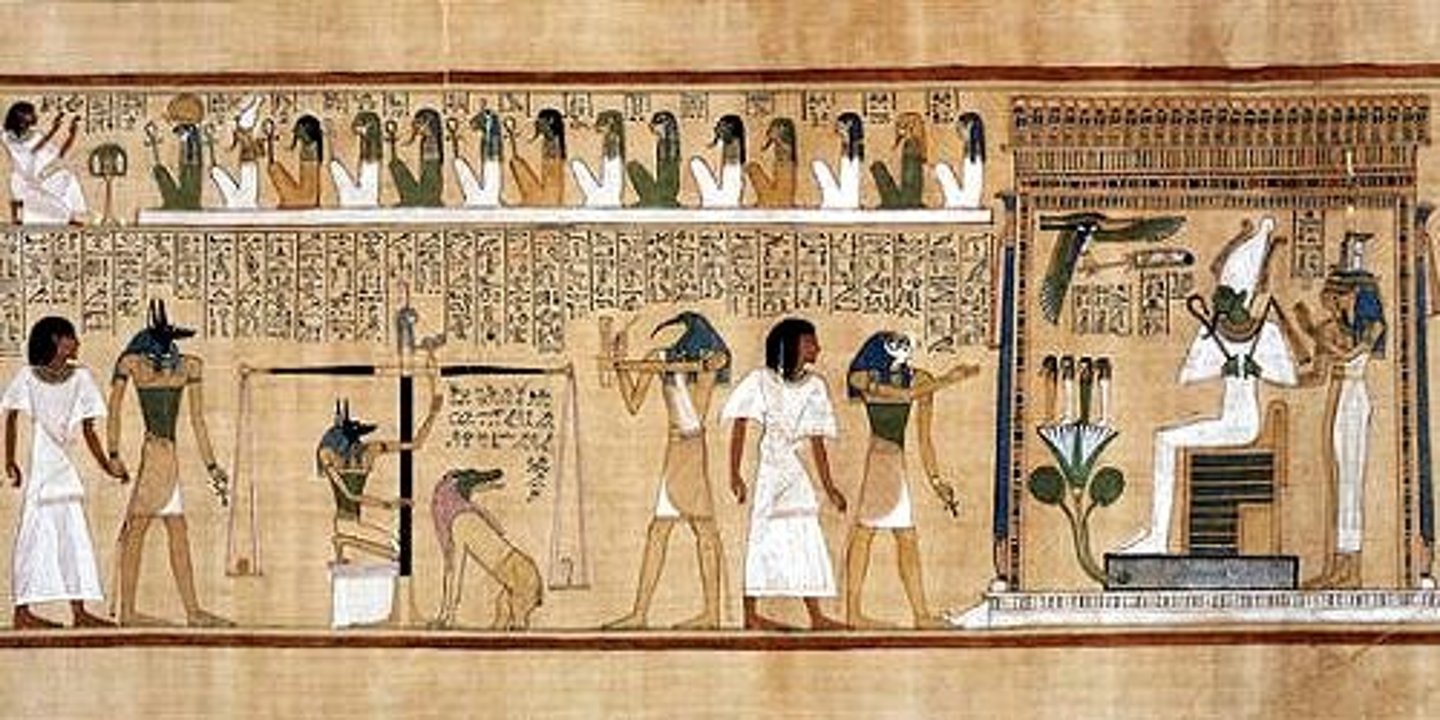
the work shown above can be identified as
a page from the Egyptian Book of the Dead
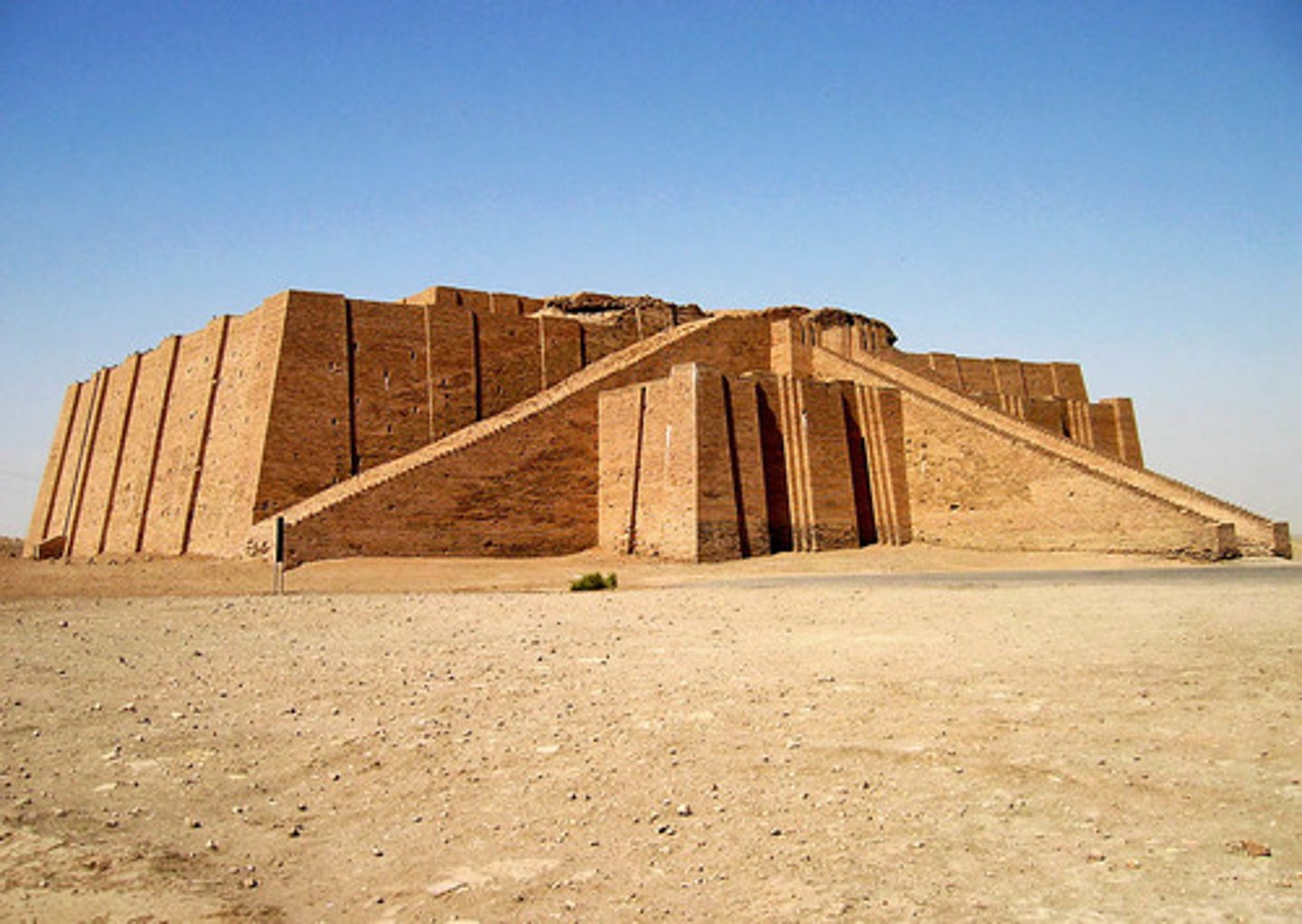
the structure shown can be identified as a
Sumerian ziggurat that served as platform for a temple
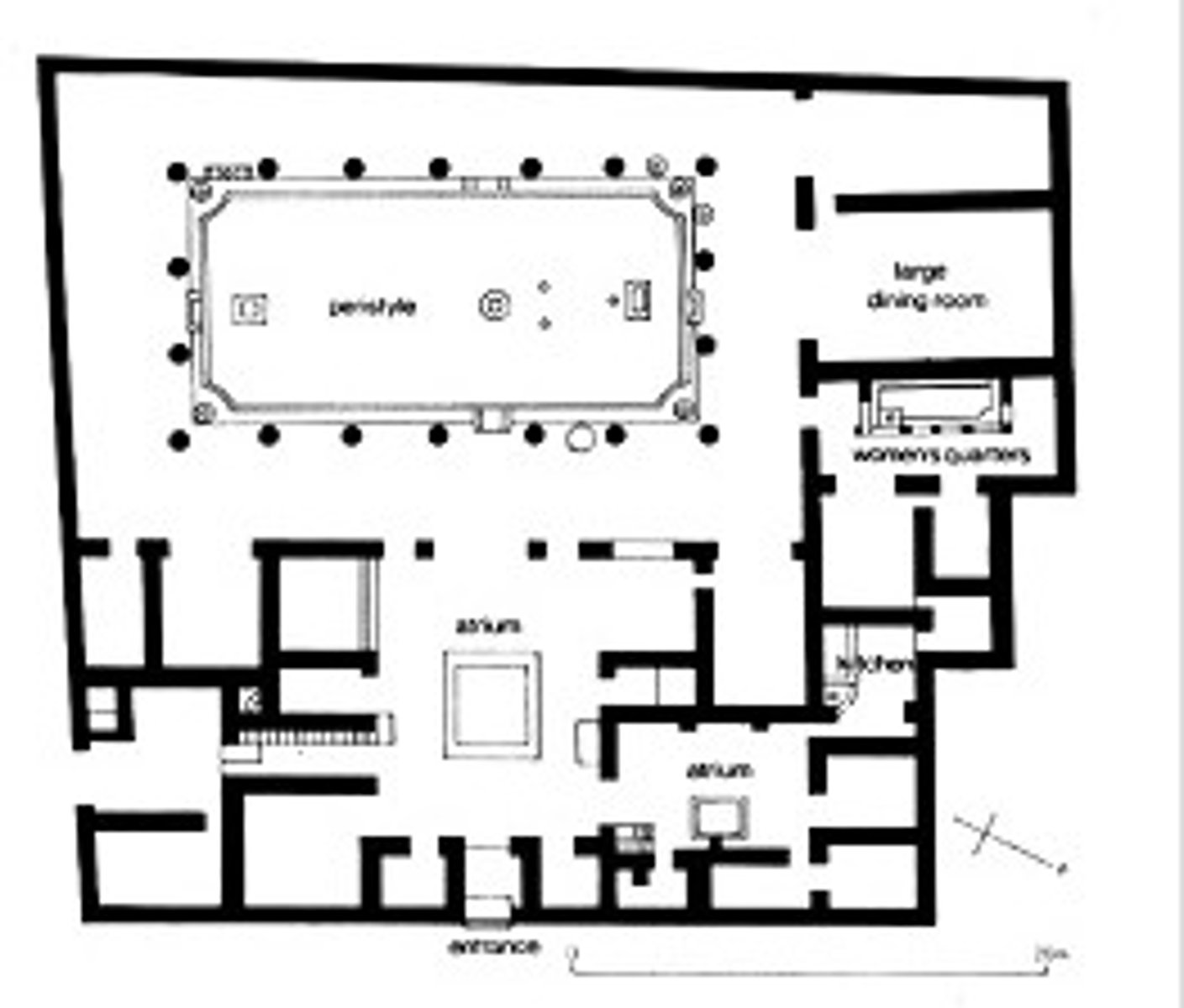
the plan shown of a villa near Pompeii demonstrates the inclusion of which of the following elements of Roman domestic architecture?
a peristyle or colonnaded courtyard
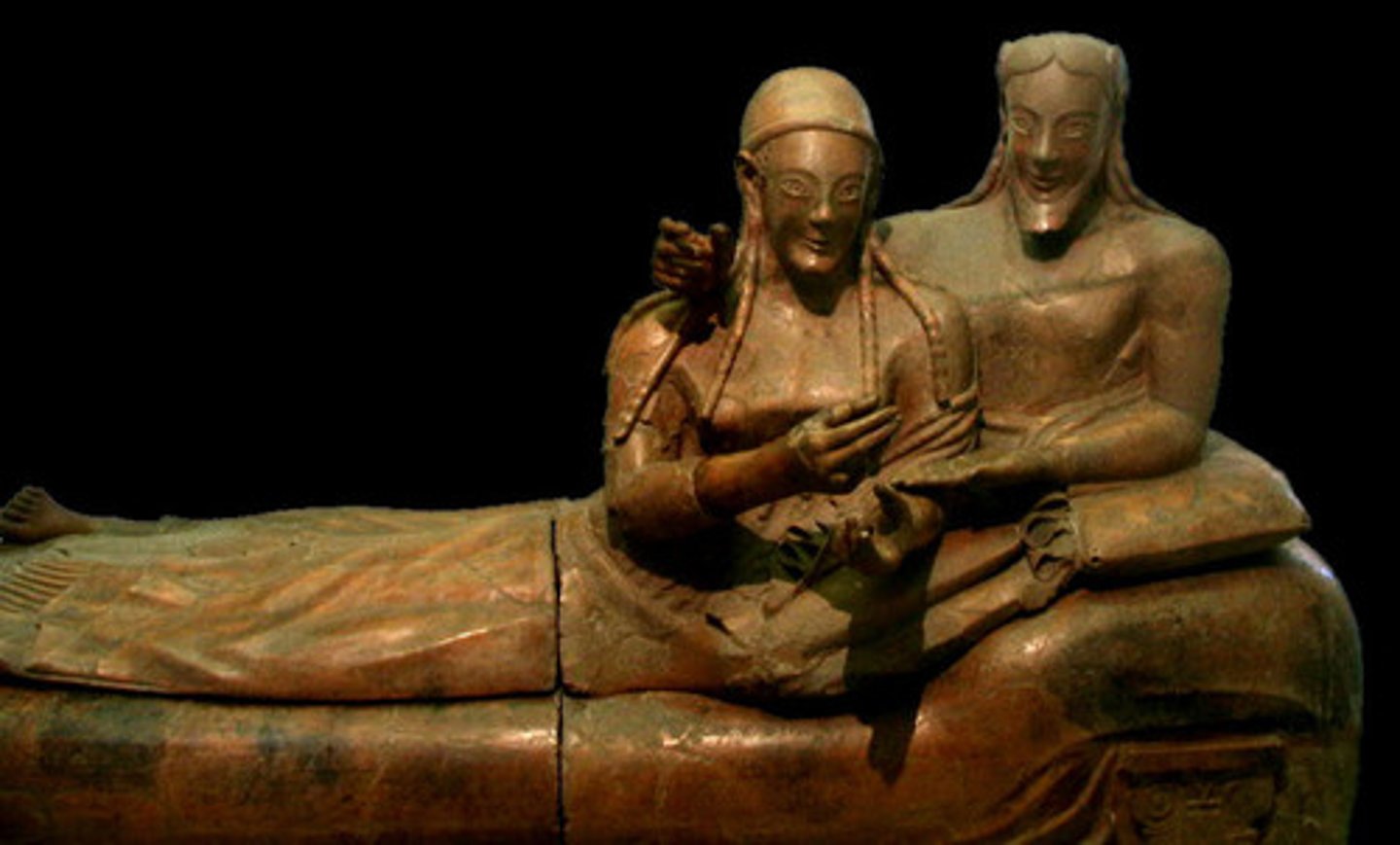
in the Etruscan sarcophagus shown, the reclining figures on the lid are presented through the use of
high-relief modeled clay painted with polychrome accents
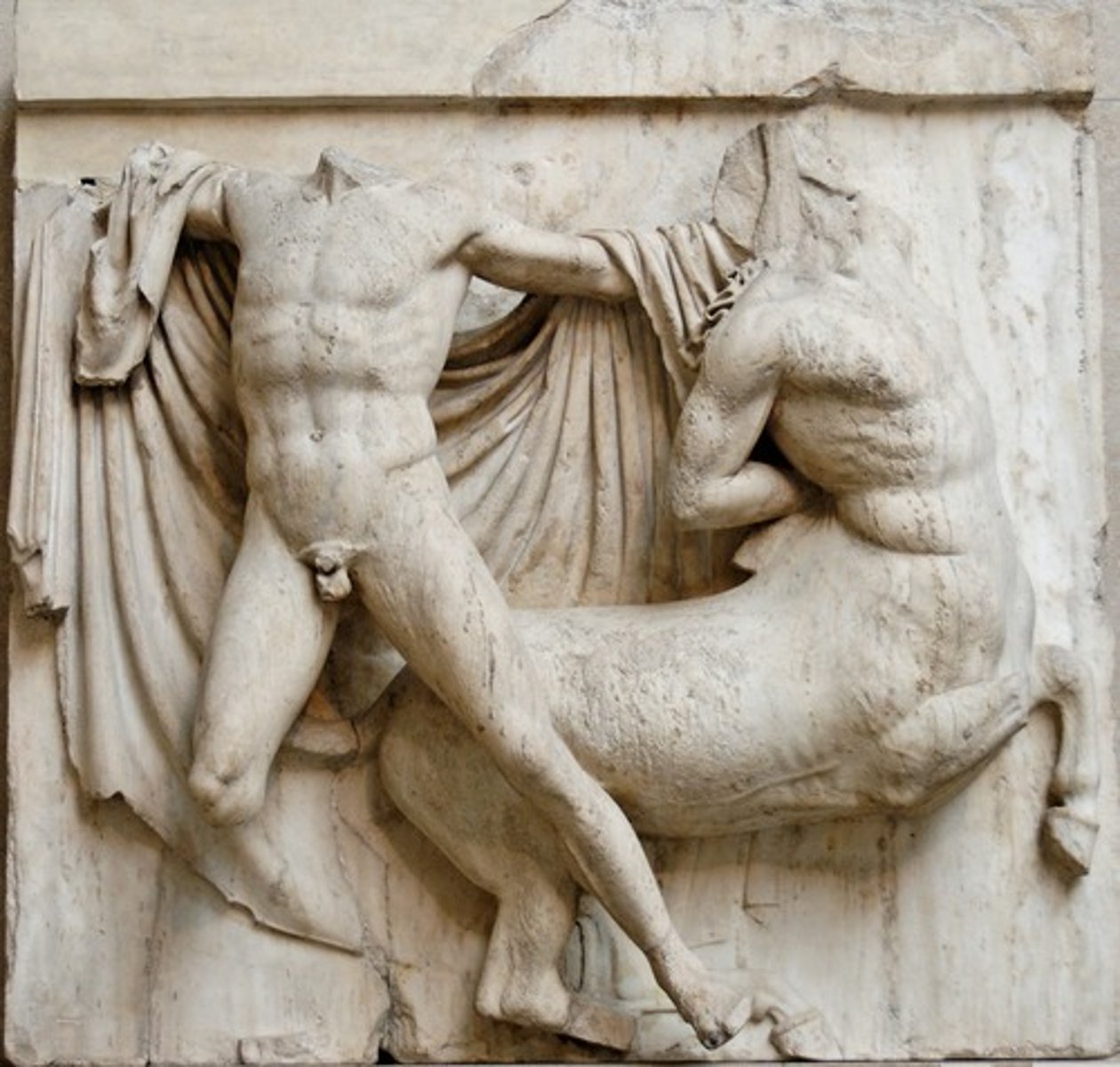
the metope shown, from the Parthenon, conveys a sense of motion and drama through which of the following techniques?
relief so high that some forms project beyond the picture plane
 Note
Note  Flashcards (120)