NMT BOT MED 1: Introduction to Western Herbalism & History of Herbal Practices
 Studied by 0 people
 Call Kai
 Learn
Learn Practice Test
 Spaced Repetition
 Match
Match Flashcards
 Knowt Play
1/37

Earn XP
Description and Tags
These flashcards cover key terms and concepts from the lecture on Western Herbalism and its historical practices.
Name | Mastery | Learn | Test | Matching | Spaced | Call with Kai |
|---|
No analytics yet
Send a link to your students to track their progress
38 Terms
What is botanical medicine?
The oldest form of therapy practiced by humans, based on the relationship between plants, humans, and the planet, encompassing environment, oppression, mysticism, and humanity.
What is biophilia?
An innate feeling (or emotional affiliation) for all living forms & systems activated through our relationship and experiences with nature, reflecting our long association with it. Biophilia refers to the inherent human tendency to seek connections with nature and other forms of life, promoting emotional well-being and a sense of belonging. It accepts that other species are our kin & that we are, (by species and history), encoded for recognition of the aliveness of the wolrd & an emotional bonding with it. Biophilia was supressed for a bit between 1906-1928.
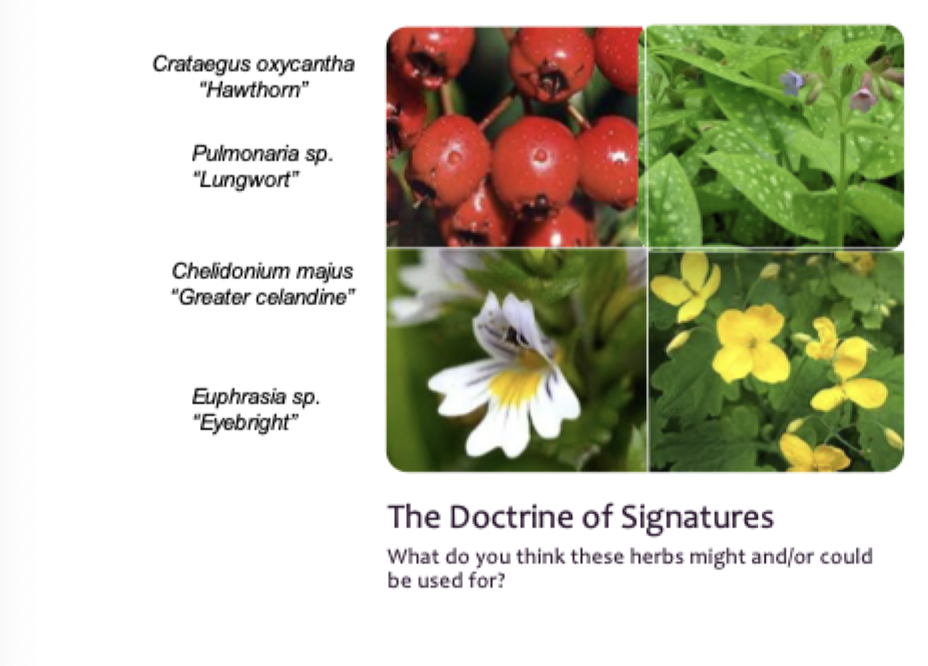
What does the 'doctrine of signatures' signify?
The belief that plants contain visible clues to their usefulness, such as their color, form, or resemblance to human organs.
Who was Paracelsus and what is he known for?
A German-Swiss physician and alchemist known as the originator of modern medicine and founder of chemical pharmacology. He believed that the specific medicinal action of each plant depends on it’s active principle. “Arcana”- meant getting to the quintessence or pure chemical part of the plant. Once this was extracted from the plant and used in isolation it was thought that “it will be more effective & powerful while remaining safe”.
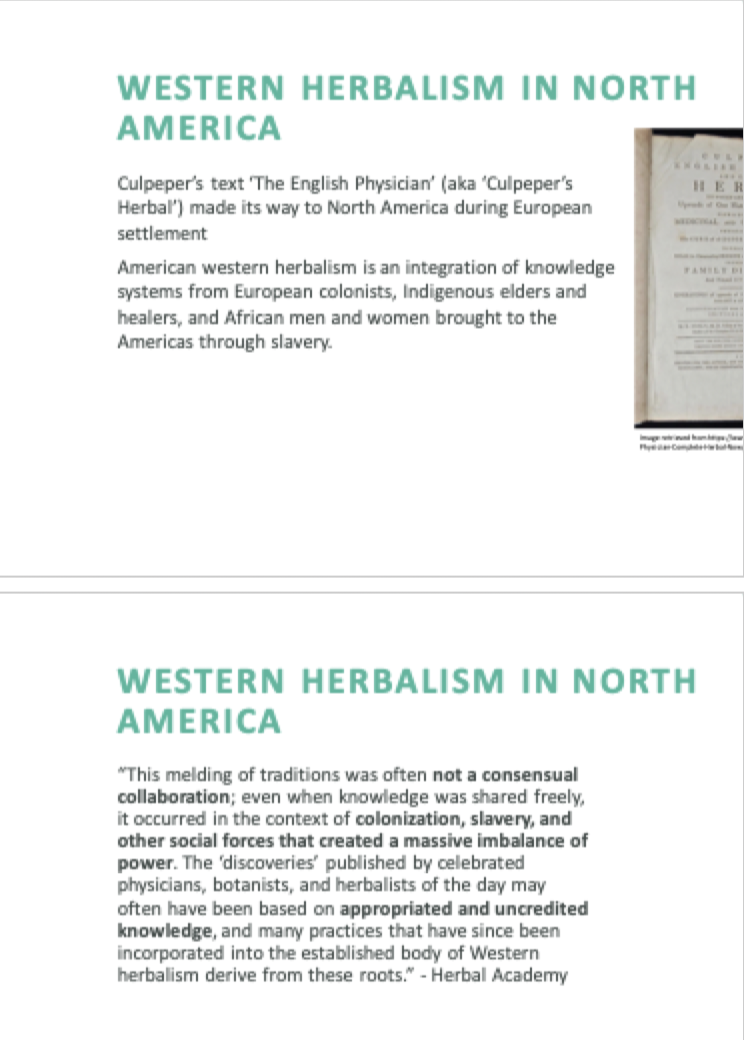
How did Western herbalism in North America develop?
It is an integration of knowledge from European settlers, Indigenous elders, and African practices, shaped by the context of colonization and slavery.
What was the significance of the Ebers papyrus?
Written in 1500 BCE, it contained 811 herbal prescriptions used in Ancient Egyptian medicine.

What are herbal constituents?
The active ingredients or chemicals of a plant, with herbal medicine focusing on using the whole plant instead of isolating chemicals.
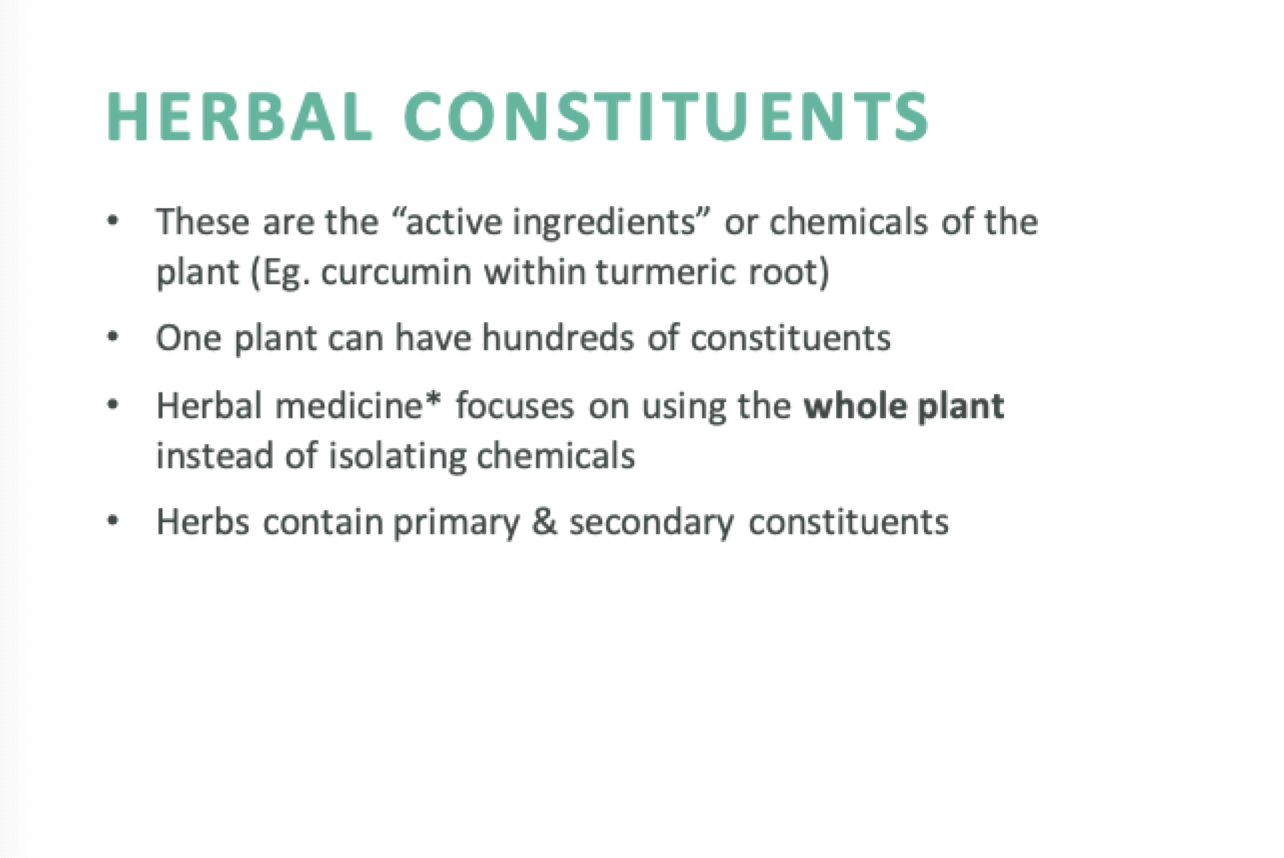
What are herbal actions in herbal medicine?
Descriptions of the effects that herbs and their constituents have on the body, often expressed as nouns or adjectives.
What was the impact of the AMA on herbal medicine?
The AMA's founding steered medicine away from traditional herbal practices by establishing standards that marginalized herbal medicine.
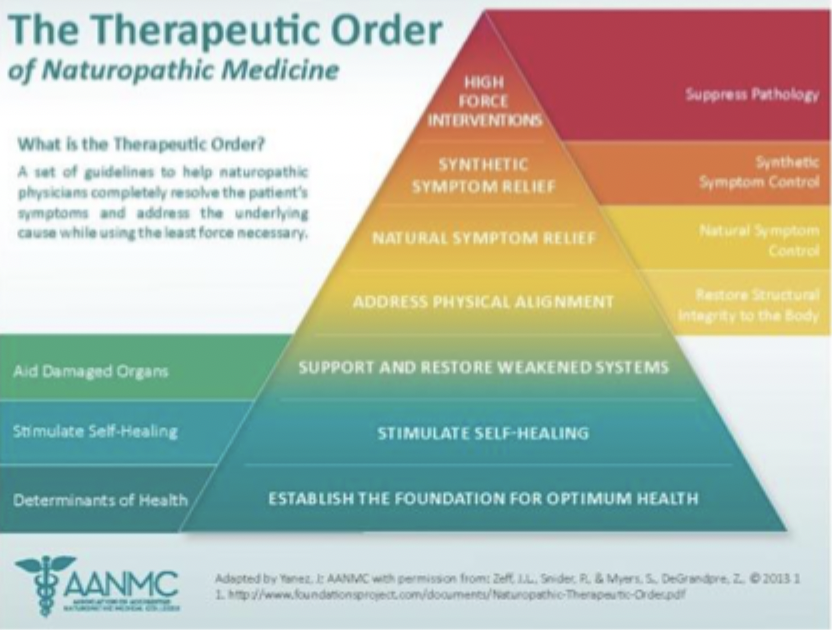
What does 'the therapeutic order' in naturopathic medicine entail?
A set of guidelines for resolving symptoms while addressing underlying causes using the least force necessary.
What is the importance of historical texts like the Hippocratic Corpus and De Materia Medica?
These texts are key references on medicinal plants that influenced herbal practices and understandings in medicine.
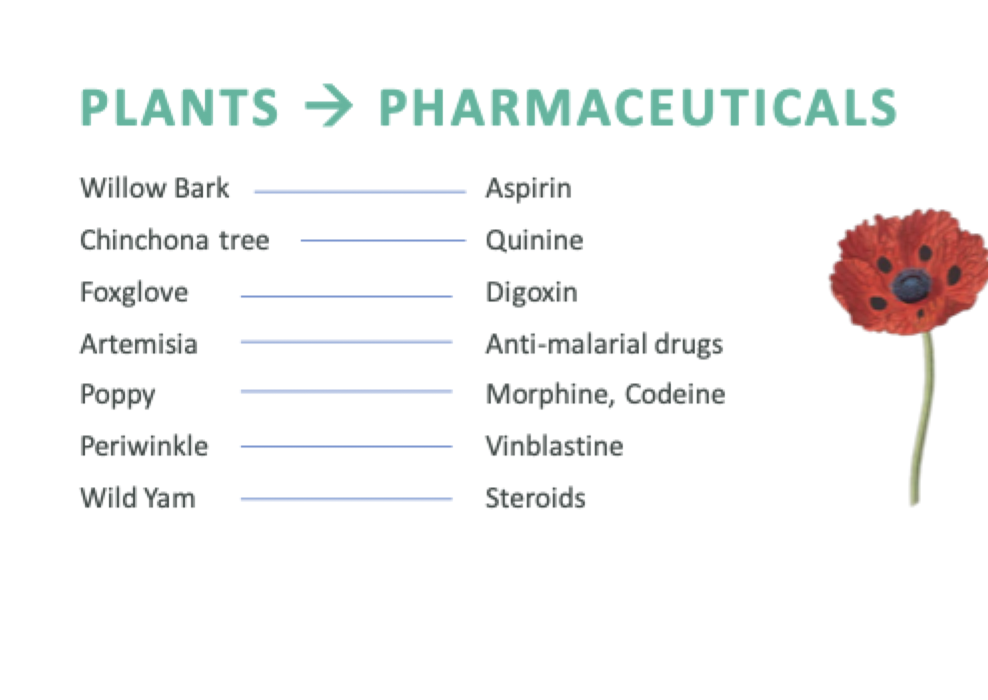
What is the role of plant-derived medicines in modern pharmaceuticals?
Many pharmaceuticals are derived from plants, including aspirin from willow bark and morphine from poppy.
How does herbal medicine today relate to global health?
Herbal medicine remains a primary form of healing for over 80% of the population worldwide and is widely used in Canada.
What are some person-plant relations (shared or where they interact with each other)?
Air, Water, Food, Shelter, Clothing, Medicine, Spirituality are examples of how humans depend on plants for various aspects of life and well-being.
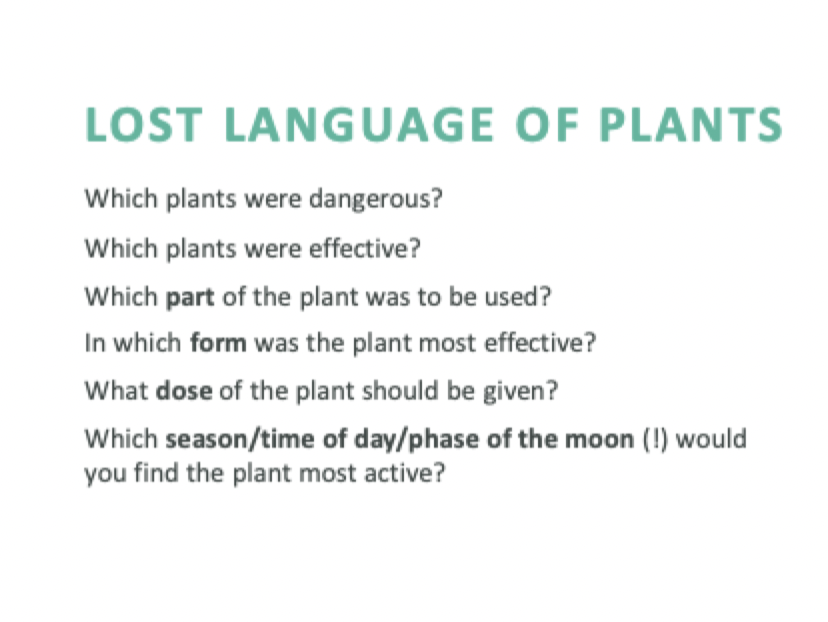
Why is the lost language of plants such an interesting concept?
It’s because biophilia can be used to explain this lost language. Traditionally, we were able to tell from just looking at the plant if it was dangerous, effective or which part of it to use for example.
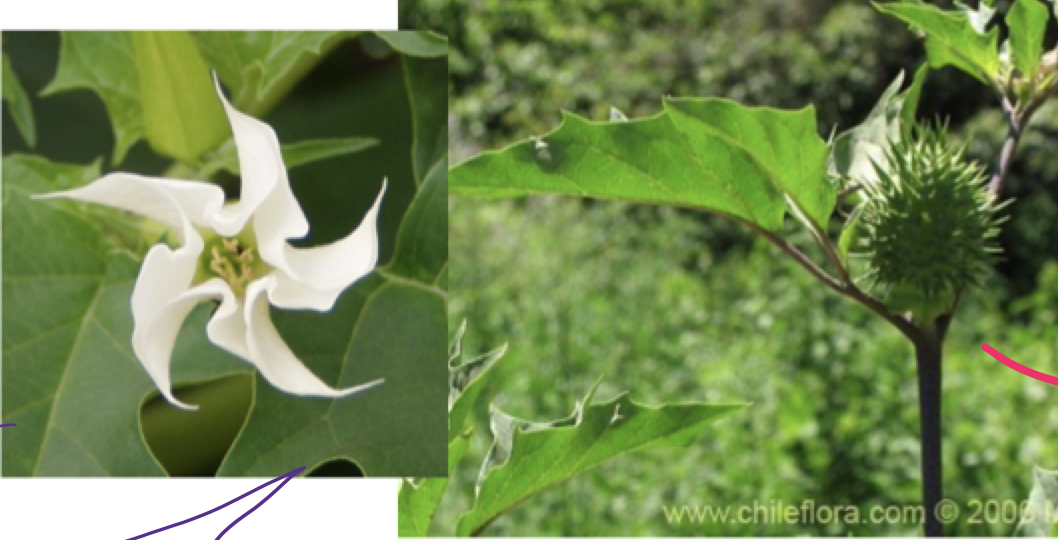
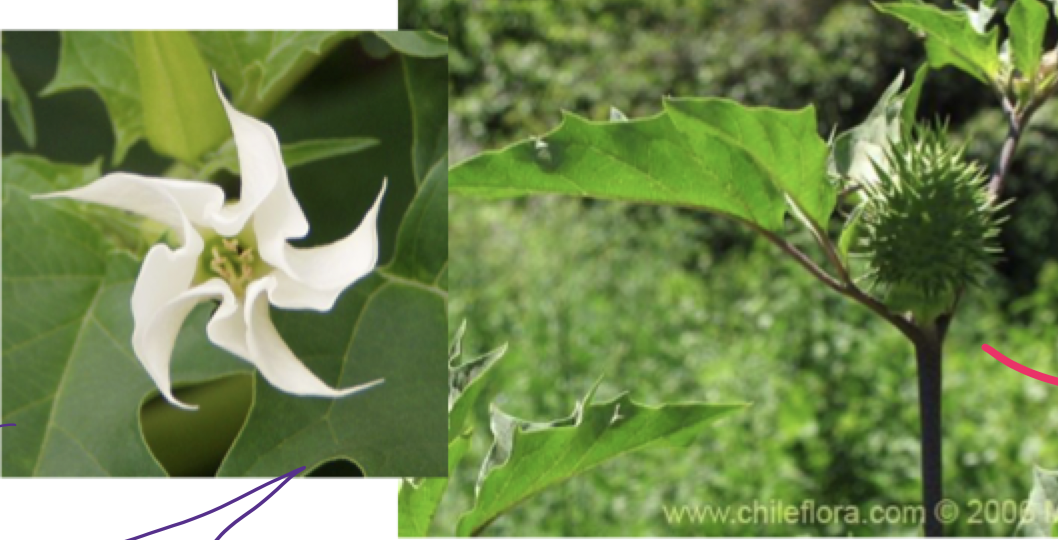
What is the name of this plant?
This is called the Trumpet flower. Other common names include devil’s flower or angel's trumpet. Latin name= Datura stramonium.
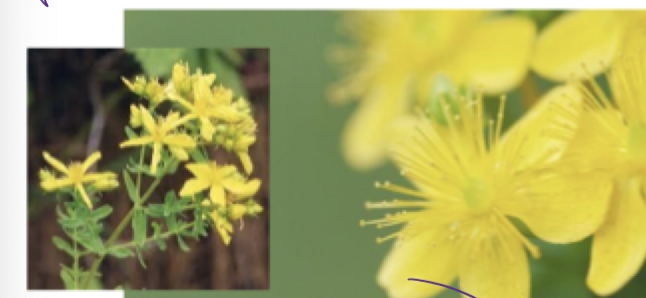
What is the latin name for St.John’s Wort?
The Latin name for St. John's Wort is Hypericum perforatum.
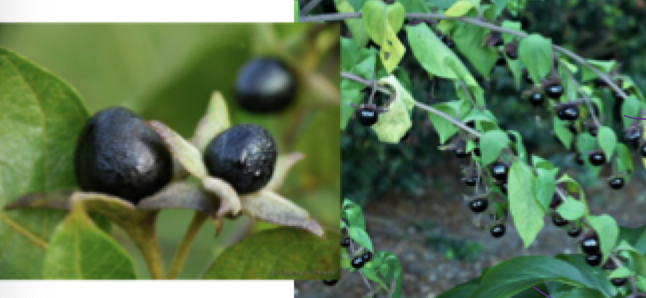
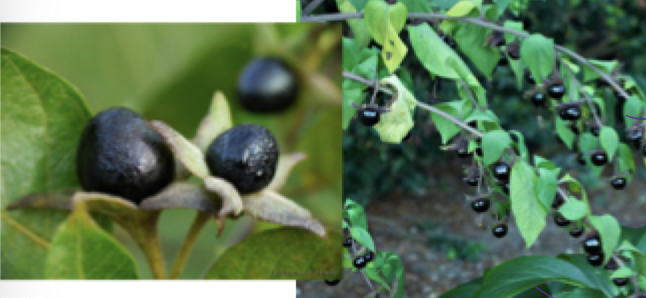
Identify this plant.
This is the deadly nightshade. Latin name= Atropa belladonna.
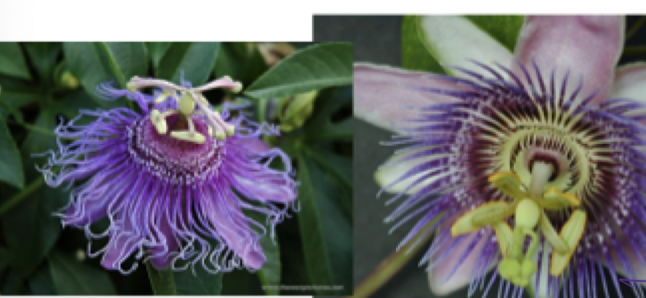
What is the common name of Passiflora?
The common name for Passiflora is passion flower, known for its distinctive flowers and edible fruits.
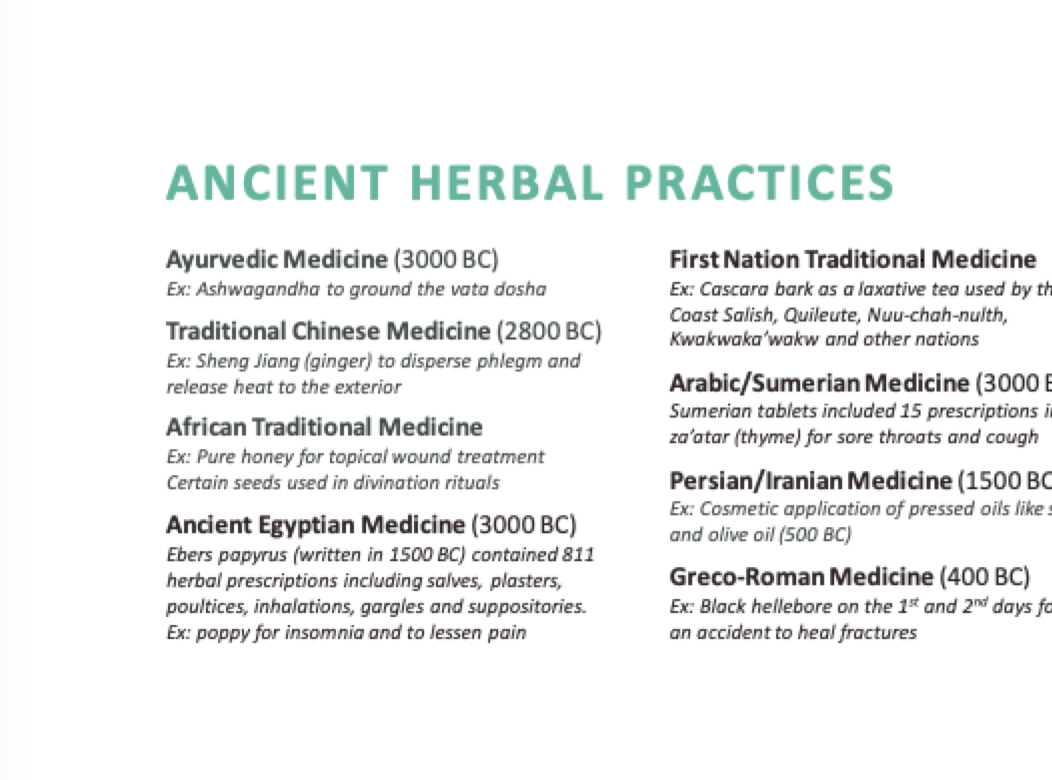
What are some ancient herbal practices you can think of (with dates if possible)?
Some ancient herbal practices include Ayurvedic medicine from India (circa 1500 BCE), Traditional Chinese Medicine (TCM, dating back to 221 BCE), and the use of herbal remedies in Ancient Greece, documented by Hippocrates in the 5th century BCE.
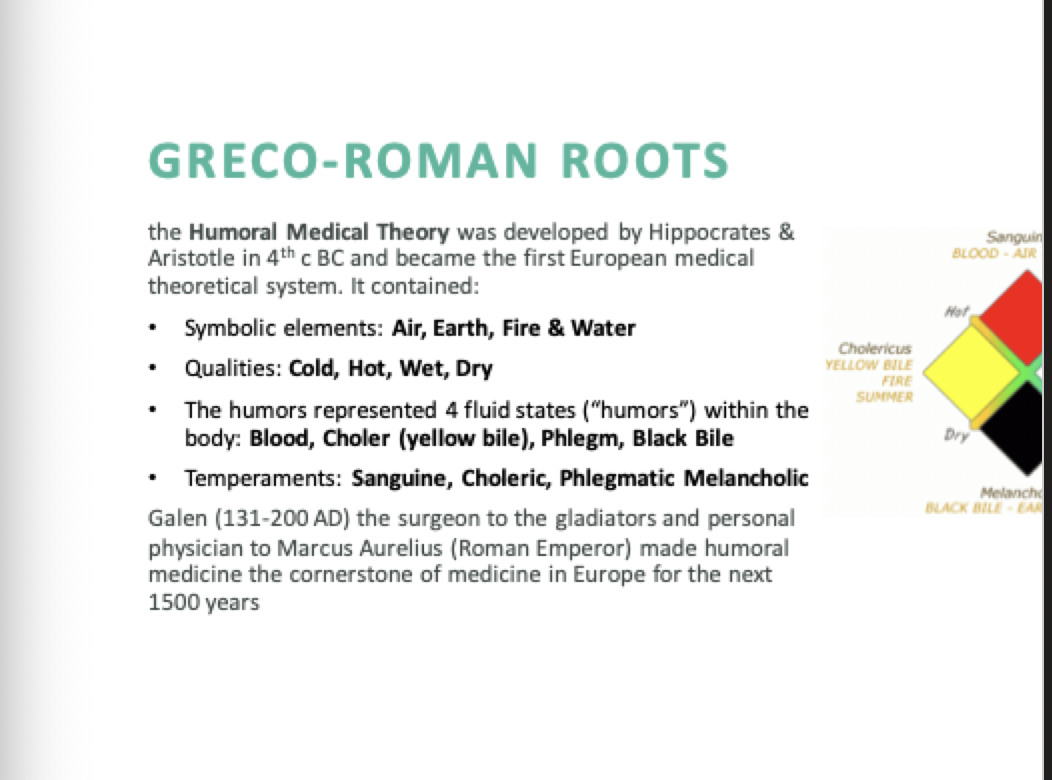
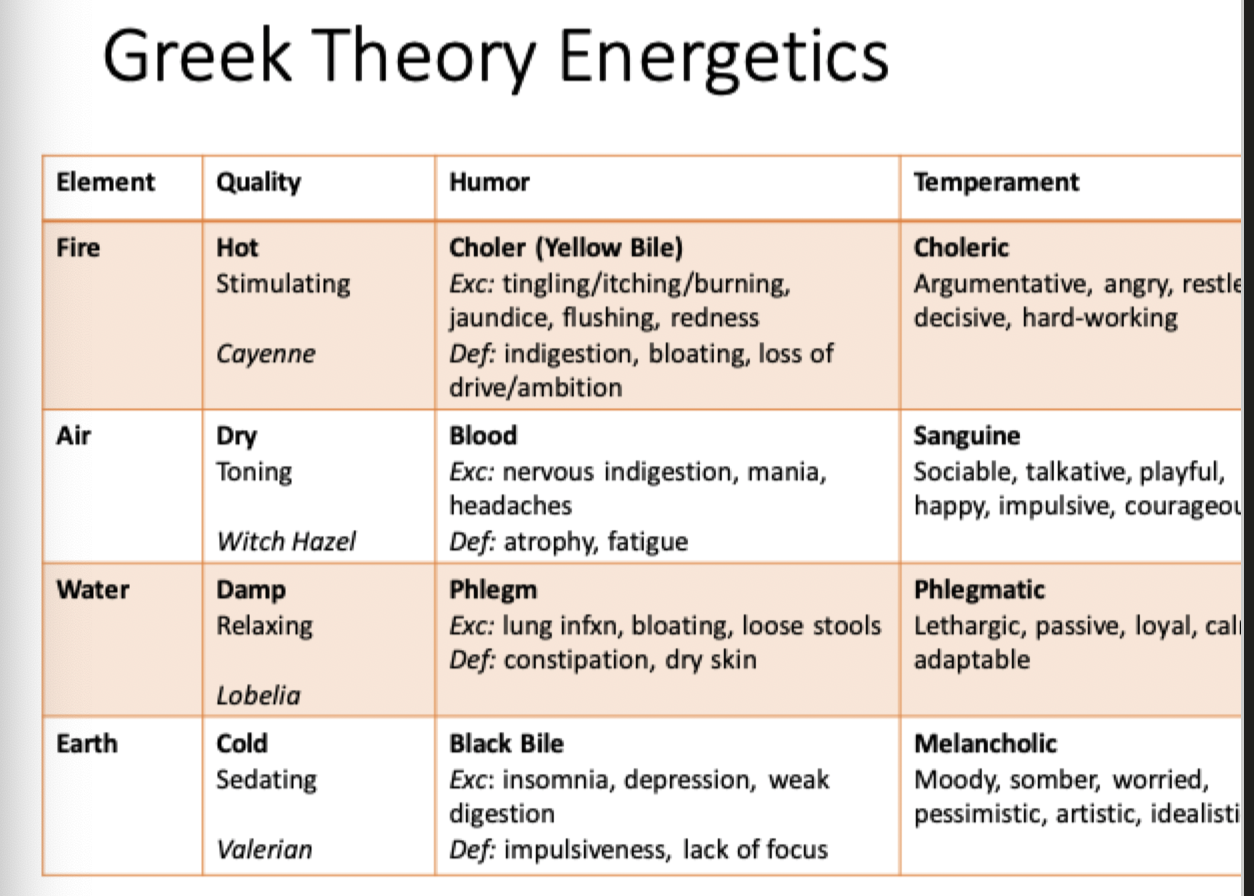
What is the Humoral Medical Theory and who was it developed by?
The Humoral Medical Theory, developed by Hippocrates, posits that health is maintained by the balance of four bodily humors: blood, phlegm, black bile, and yellow bile. An imbalance in these humors was believed to cause illness.
What are Greek Theory Energetics?
Greek Theory Energetics refers to the ancient Greek understanding of health which emphasizes the balance of qualities such as hot, cold, wet, and dry in relation to the body's temperament and disease treatment. It is closely tied to the principles of Humoral Medical Theory.
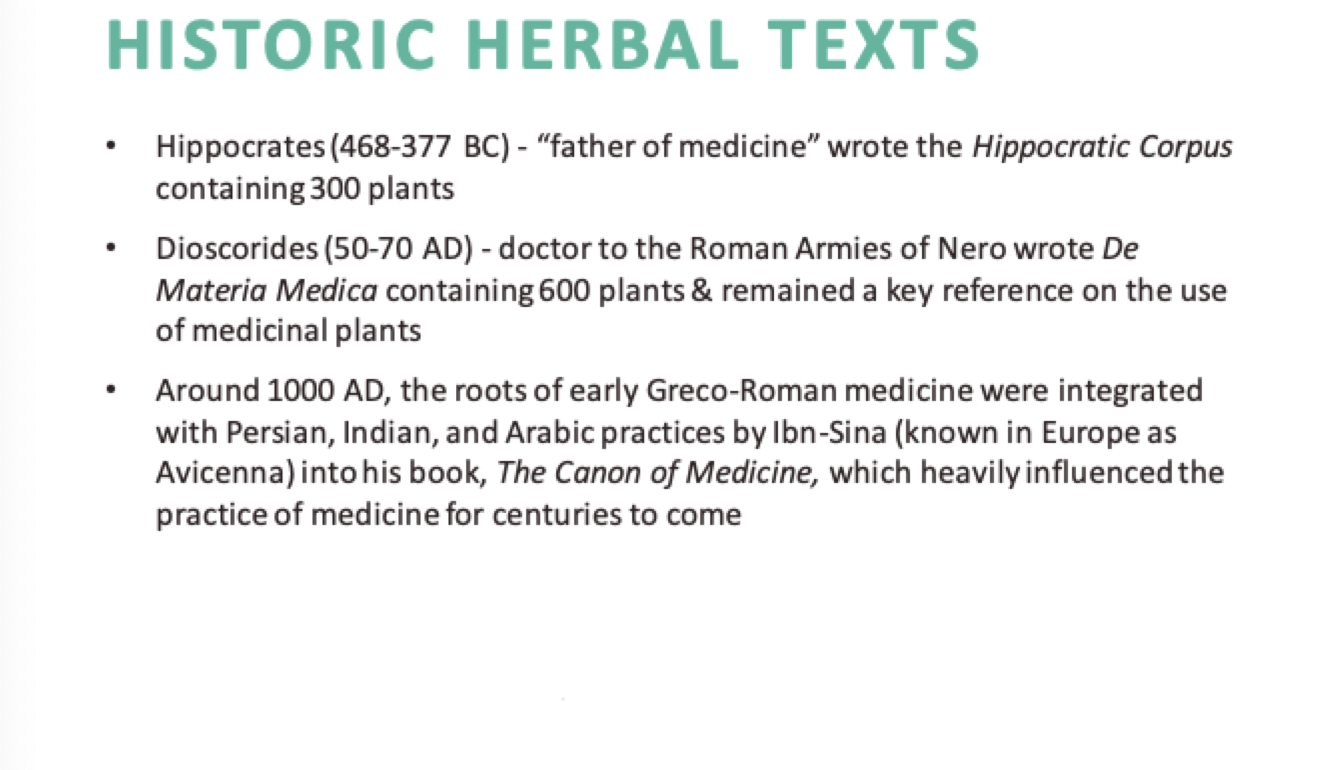
Name some historic herbal texts.
Some historic herbal texts include "De Materia Medica" by Dioscorides (1st century CE), “Hippocratic Corpus” written by Hippocrates (the “father of medicine”), and “The Canon of Medicine” in 1000 AD where Avicenna compiled medical knowledge from Persian, Indian, Arabic and Greco-Roman practices.
What are some other examples of plants used for pharmaceuticals?
Other examples of plants used for pharmaceuticals include foxglove (source of digoxin) and chinchona tree (quinine). These plants have been utilized for their medicinal properties in various cultures.
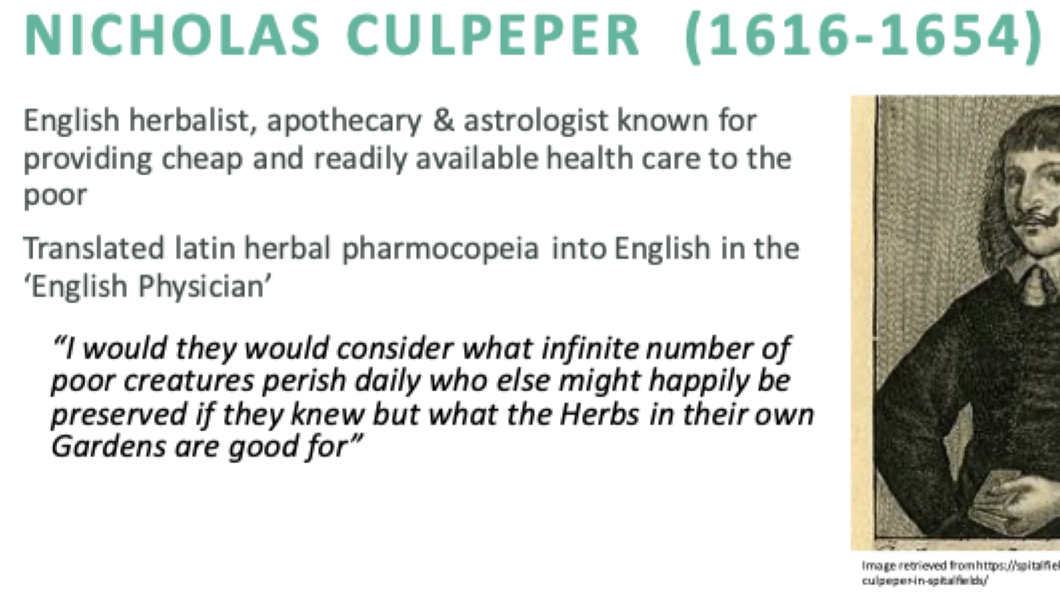
Who was Nicholas Culpeper?
Nicholas Culpeper was a 17th-century English herbalist and physician known for his book "The English Physician," which made herbal remedies accessible to the public by translating complex medical knowledge into vernacular English. He advocated for the use of common herbs and their therapeutic properties.
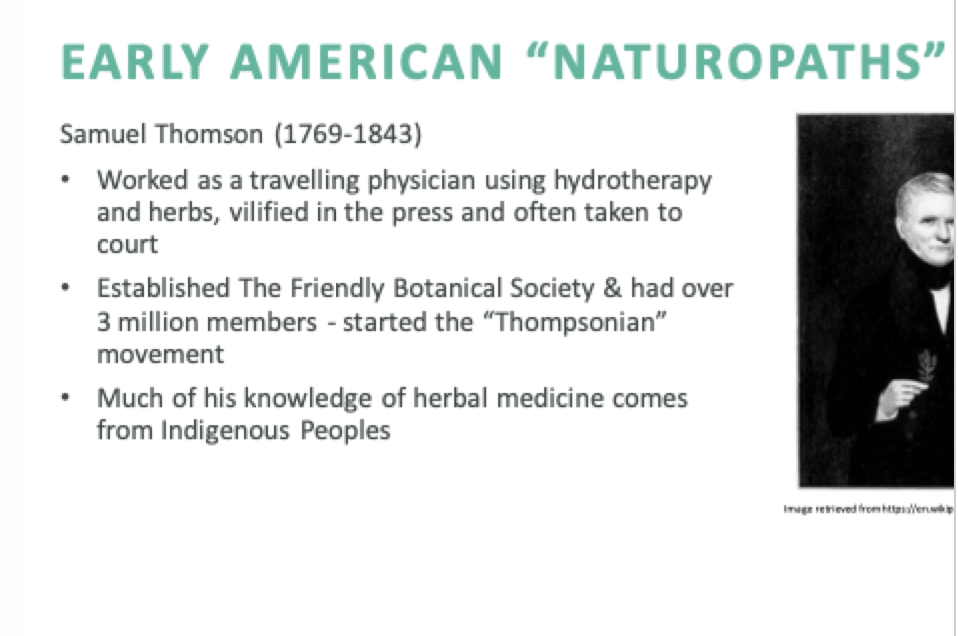
Who was Samuel Thomson?
Samuel Thomson was an American herbalist and the founder of the Thomsonian system of medicine in the early 19th century. He promoted the use of indigenous American herbs and emphasized the importance of botanical remedies and holistic approaches to health. His methods focused on simple, natural treatments and were a response to the prevailing medical practices of his time.
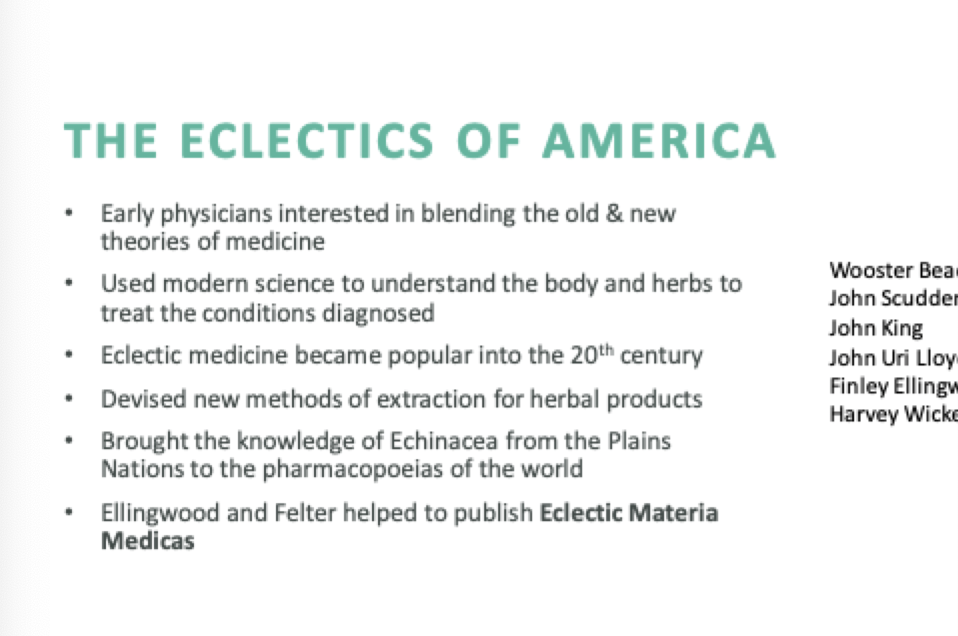
What or who are the Eclectics of America?
The Eclectics of America were a group of 19th-century herbalists and practitioners who focused on a holistic approach to medicine. They combined various traditions, including homeopathy, herbalism, and physiology, emphasizing the use of botanical remedies and individualized patient care. %
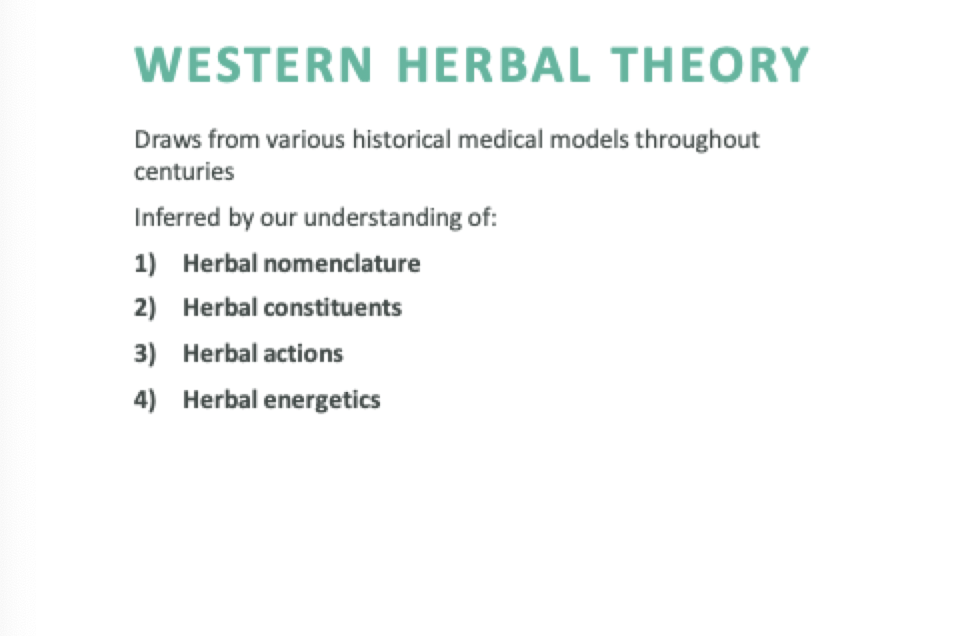
What 4 component of understanding does the western herbal theory rely on?
1) Herbal nomenclature. 2) Herbal constituents. 3) Herbal actions. 4)Herbal energetics
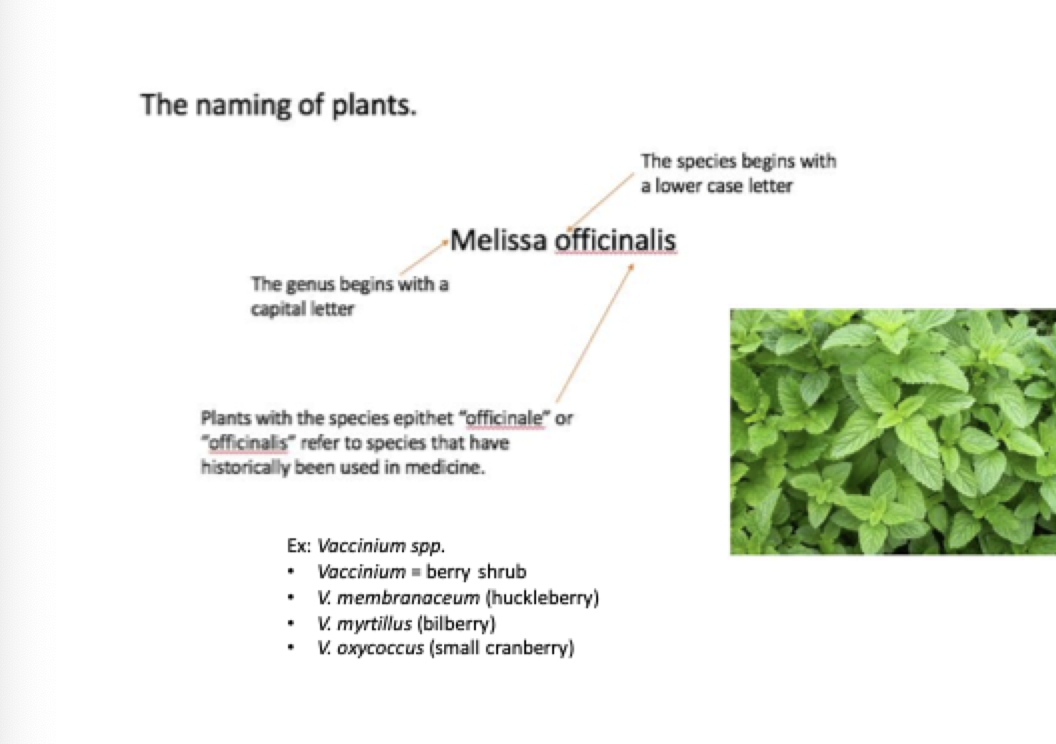
How are plants generally named?
Plants are generally named using a binomial nomenclature system, which includes a genus and species name, ensuring consistent classification and identification. The genus begins with a capital letter and the species with a lower case.
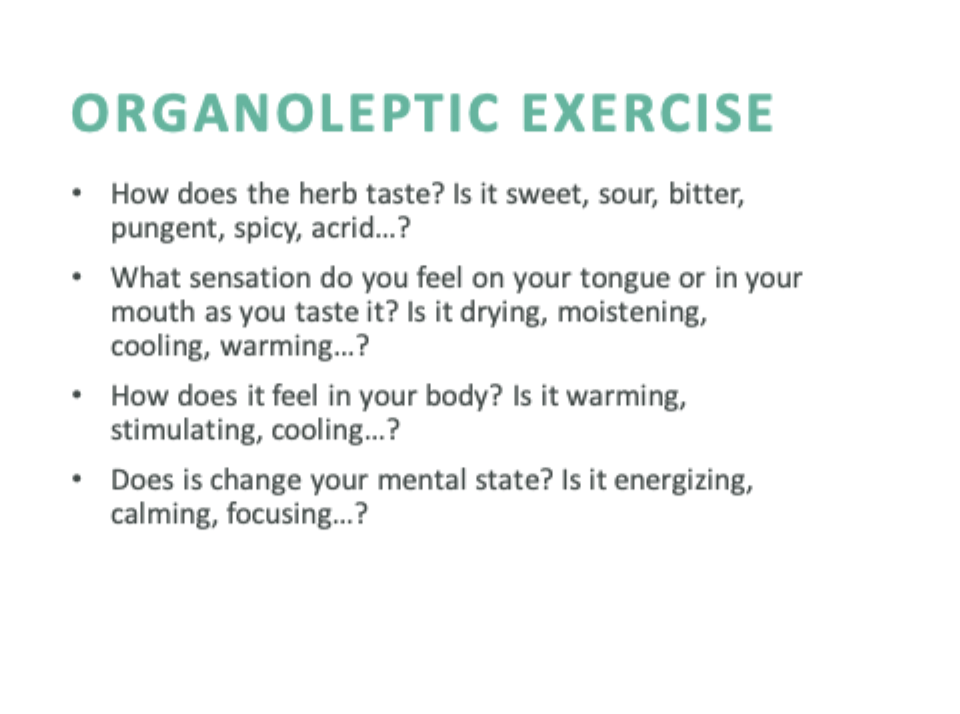
What is organoleptic exercise?
A practice involving sensory evaluation of herbs using taste, smell, touch, and sight to assess their quality and properties.
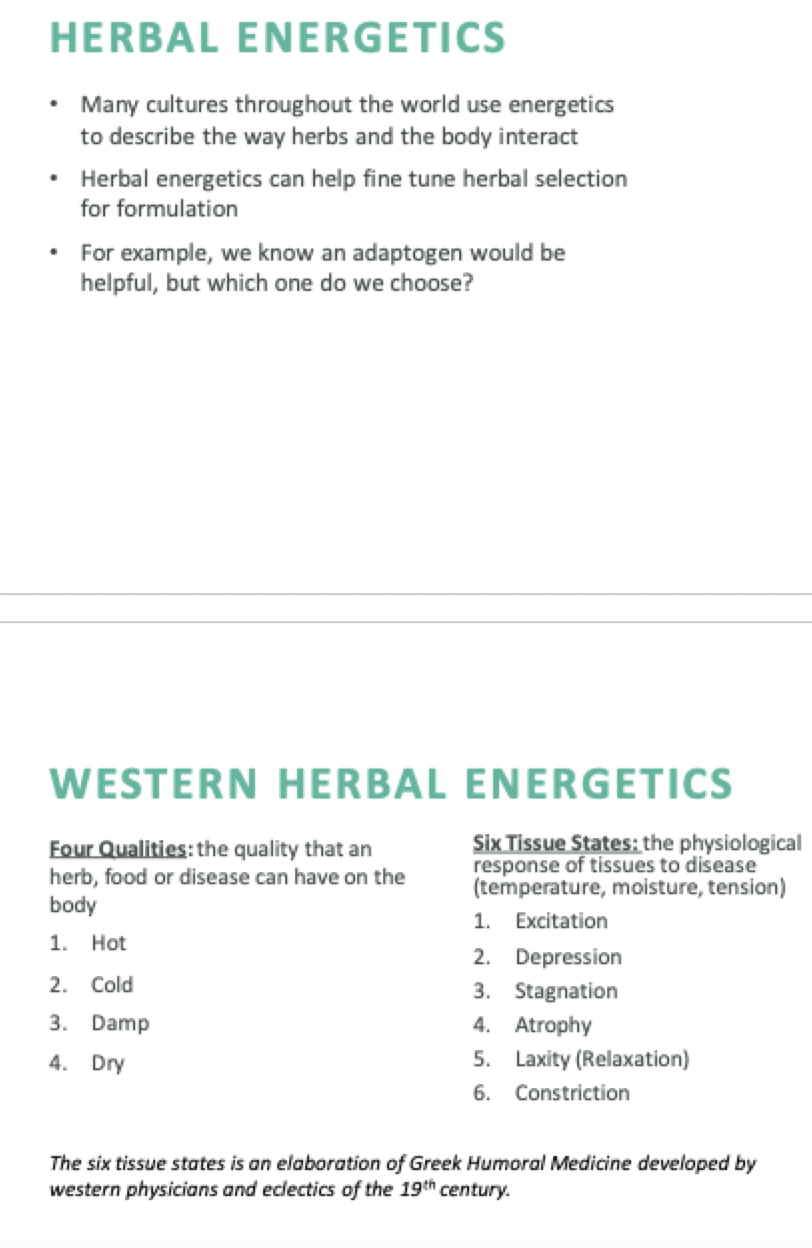
What are the four qualities used in Western herbal energetics?
Hot, Cold, Damp, and Dry.
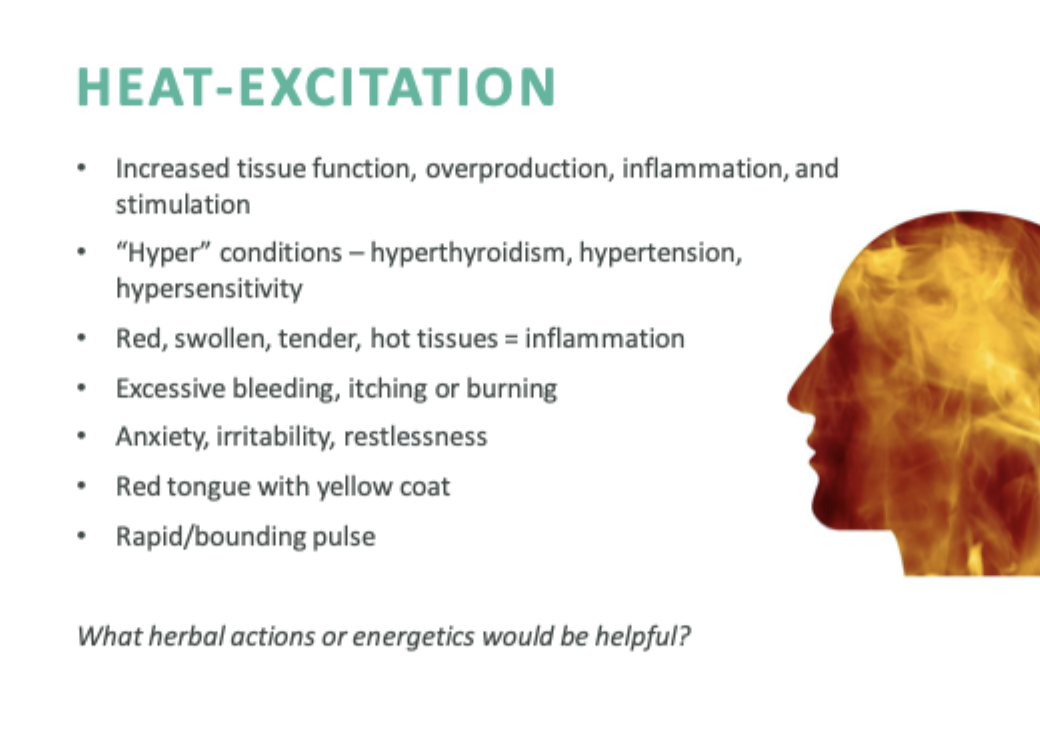
Describe Heat-Excitation. What herbal actions or energetics would be helpful?
A condition characterized by increased energy, stimulation, and activity, often associated with inflammation or heightened emotional states in herbalism. “Hyper” conditions- hyperthyroidism, hypertension, hypersensitivity. Red, swollen, tender, hot issues = inflammation. Excessive bleeding, itching or burning. Anxiety, irritability , restlessness. Red tongue with yellow coat and rapid/bounding pulse. Herbal actions that may be helpful include cooling, calming, and anti-inflammatory properties, such as those found in herbs like peppermint, chamomile, or licorice.
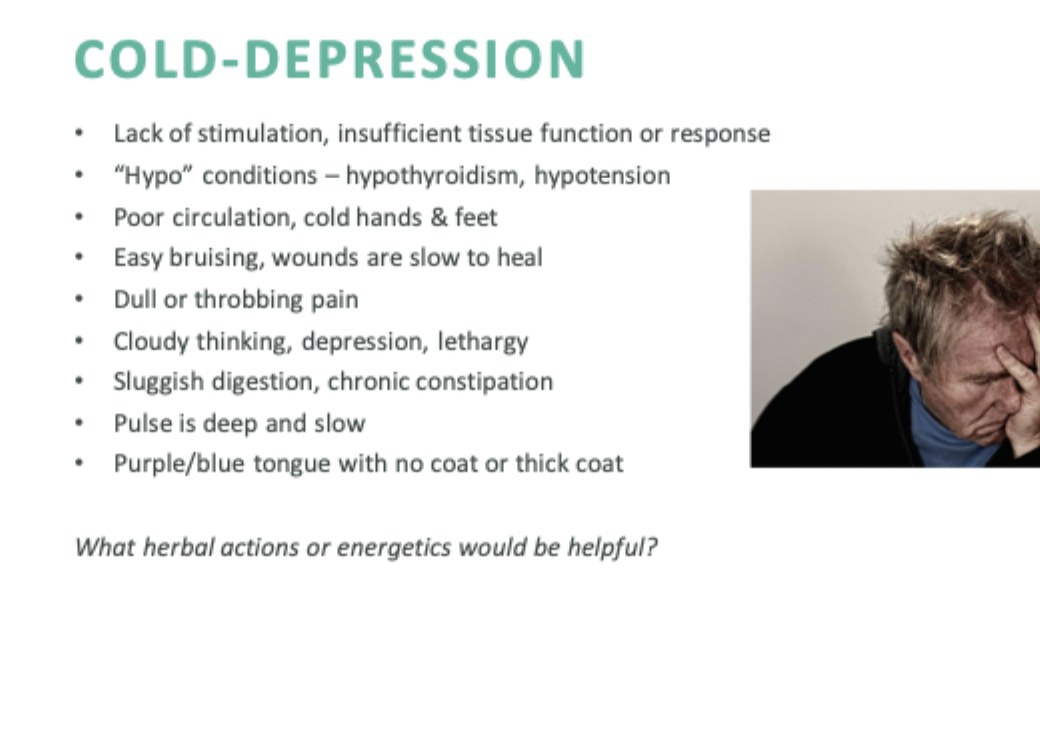
Describe Cold-Depression. What herbal actions or energetics would be helpful?
A condition characterized by low energy, lethargy, and emotional dampening, often associated with conditions like depression or chronic fatigue. Symptoms may include coldness, pale complexion, slow movements, and a heavy feeling in the body. “Hypo” conditions like hypothyroidism or hypotension. Poor circulation, cold hand & feet. Lack of stimulation, insufficient tissue function or response. Easy brusing, wounds are slow to heal. Dull or throbbing pain. Cloudy thinking, depression, lethargy. Sluggish digestion, pulse is slow, purple/blue tongue with no coat or thick coat. Herbal actions beneficial for Cold-Depression would typically include warming, stimulating, and uplifting properties, such as those found in herbs like ginger, cinnamon, and ginseng.
What is Damp-Laxity? List herbal actions or energetics that would be helpful.
Tissues lack tone, unable to hold liquids leading to fluids that leak or run freely, free flowing or clear mucus, copious water or thin saliva, mucus, diarrhea, sweat. Prolapsed organs. Pale, cool, moist skin and mucosa. Moist tongue with foam or streamers on sides. Pulse is full and non-resistant (floppy). This condition is associated with a deficiency in tissue integrity and can lead to various issues such as edema or digestive problems. Herbal actions that may be helpful include astringent, tonifying, and drying properties, found in herbs like red clover, wild indigo, and bilberry.

What is Damp-Stagnation? List herbal actions or energetics that would be helpful.
Tissues hold excess fluids causing improper assimilation of nutrients. Swollen, weak inactive and poorly nourished tissues. Thick, sticky, yellow mucus. Poor waste excretion, constipation, infrequent sweating or urination. Poor liver and metabolic function-difficult digestion, accumulation of toxins. Feeling of sluggishness, dullness and fatigue. Tongue is thick, floppy, pulse is dull and slow. Herbal actions that may be helpful include diuretic, stimulating, and warming properties, found in herbs like dandelion, fennel, and turmeric.

What is Dry-Atrophy? List herbal actions or energetics that would be helpful.
A condition marked by tissue degeneration and dryness, leading to symptoms such as brittle skin, hair loss, and poor fluid retention. This can result in sensations of dryness or hollowness in the body, accompanied by symptoms like thin and frail tissues, weak pulse, and dry mucous membranes. Tissues are dry and withered with lack of fluid and nourishment particulary the skin, mucosa, endocrine and nervous system. Dry/rough skin. Nervous exhaustion, chronic constipation, dry narrow tongue. Herbal actions that may be beneficial include moistening, nourishing, and rejuvenating properties, found in herbs like mullein, slippery elm, and licorice.

Describe Tense-Constriction. What herbal actions or energetics would be helpful?
A condition characterized by tight or rigid tissues leading to pain, restriction, and reduced flexibility. Symptoms may include muscle tension, spasms, and a feeling of tightness in the body. Herbal actions that may be helpful include relaxing, antispasmodic, and soothing properties, found in herbs like chamomile, passionflower, and valerian.

What is Therapeutic Order of Naturopathic Medicine?
A framework used by naturopathic practitioners to prioritize treatments based on the underlying cause of illness. It emphasizes correcting imbalances and addressing root causes to promote overall health, beginning with least invasive methods before progressing to more complex interventions.
 Note
Note  Flashcards (25)