connective tissue
 Studied by 0 people
 Call Kai
 Learn
Learn Practice Test
 Spaced Repetition
 Match
Match Flashcards
 Knowt Play
1/45

There's no tags or description
Looks like no tags are added yet.
Name | Mastery | Learn | Test | Matching | Spaced | Call with Kai |
|---|
No analytics yet
Send a link to your students to track their progress
46 Terms
connective
widely spaced cells w extracellular material
support and bind tght w other tissues
rich blood supply (except cartilage)
support and connection
what is connective tissue
cells
fluid
fibers
ground substance
collagenous
made of collagen
major type
like string (tough and flexible, but inelastic)
elastic
thinner than collagenous
composed of protein elastin
like a rubber band (stretch and recoil)
reticular
thin single strands of collagenous fiber
thinner
forms a fine meshwork (like a spongy)
ground substance
nonliving material that cells and proteins are found within
liquid
blood plasma
semisolid
loose connective tissue
solid
bone and cartilage
connective tissue classification
loose vs dense
cartilage
bone
blood
loose
areolar
adipose
reticular
dense (collagenous)
regular
irregular
elastic
less ground substance
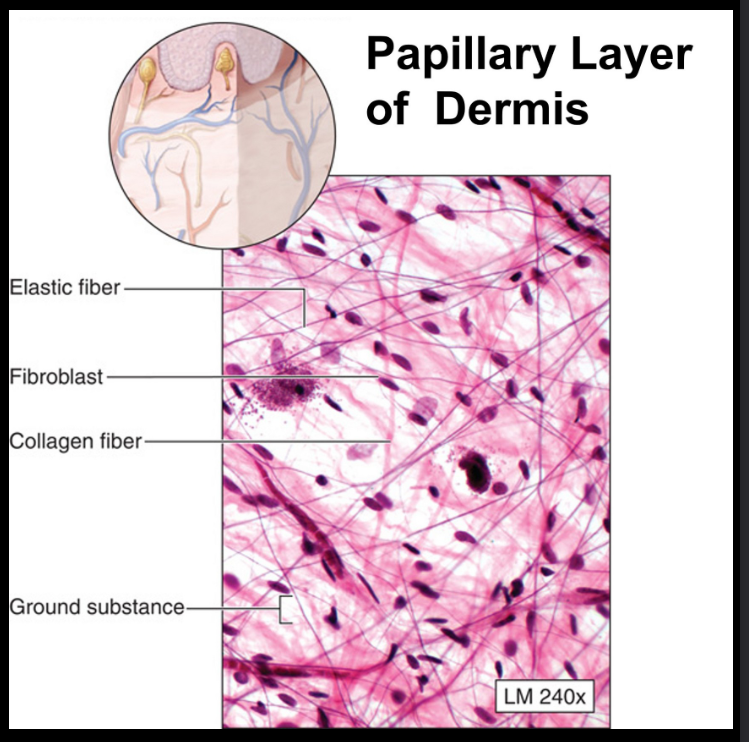
areolar tissue
often found deep to epithelium
papillary layer of dermis
loose due to lots of empty space
adipose
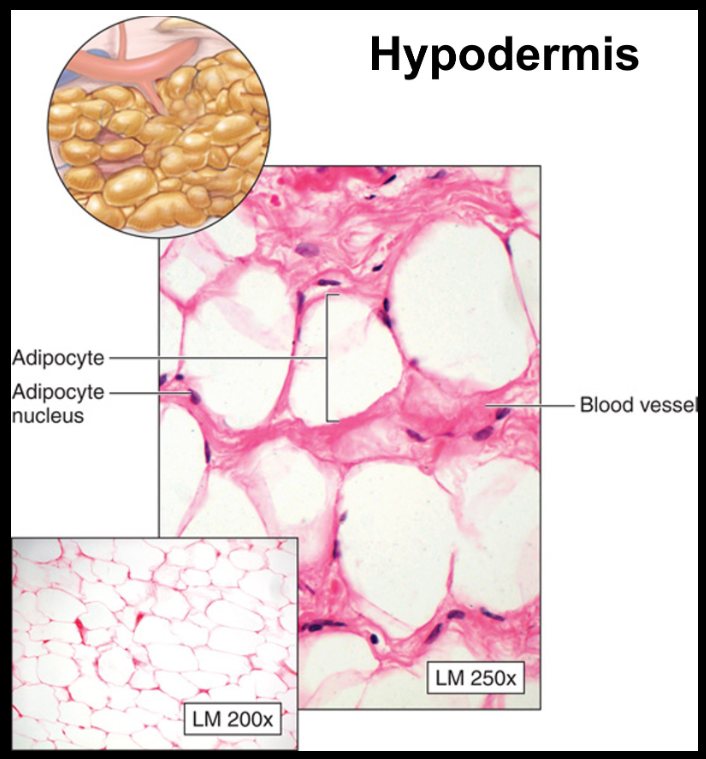
cells that store fat in adipose tissue
adipocytes (fat storing cells)
maintains heat, energy in form of fat
hypodermis
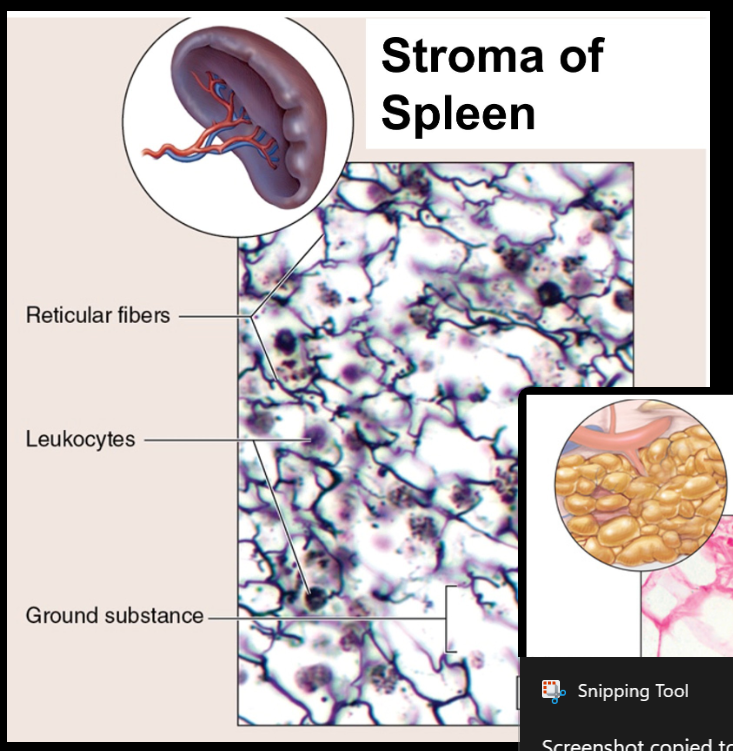
reticular (loose)
reticular fibers → supportive mesh of reticular tissue
stroma of spleen
dense regular
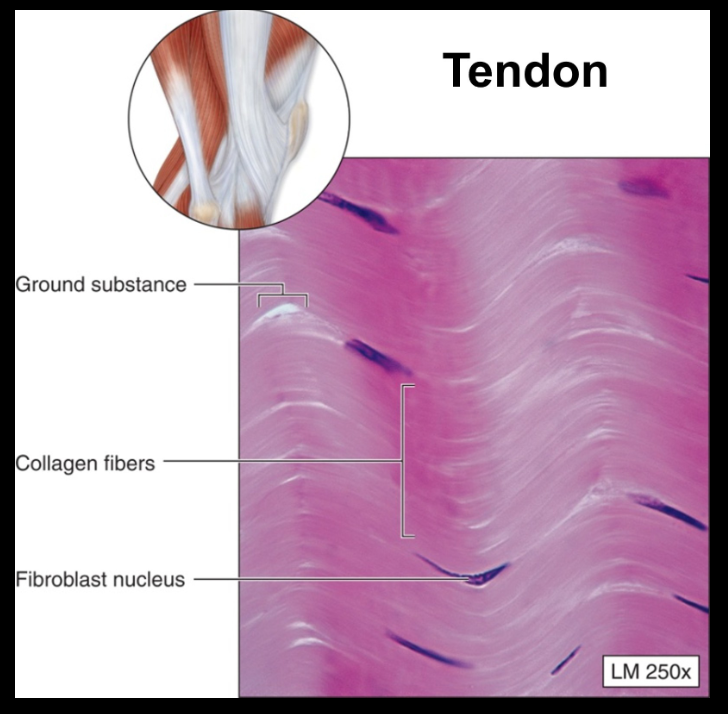
tightly paced parallel fibers define regular dense connective tissue
tendon
all the fibers are running in one direction to go against force
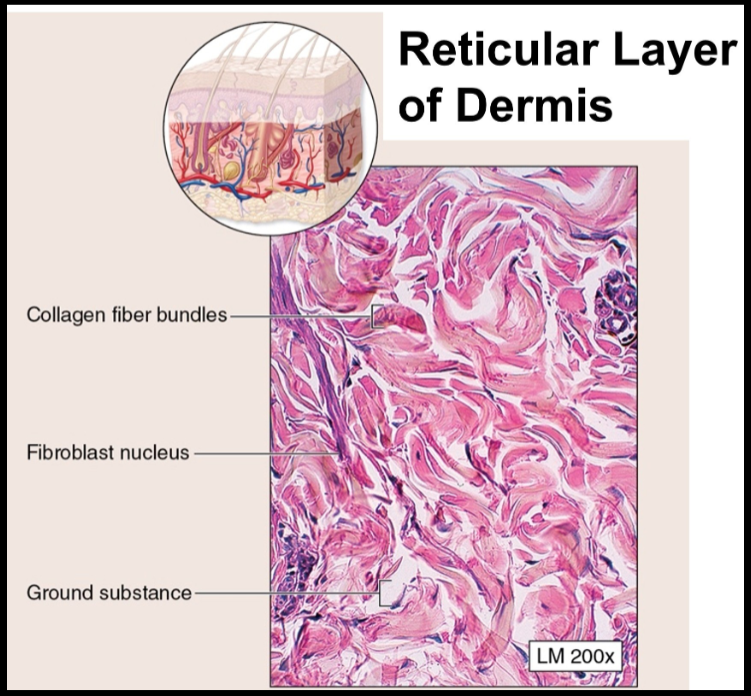
dense irregular
strong in multiple directions
interwoven fibers provide tensile strength
reticular layer of dermis due to network of collagenous fibers
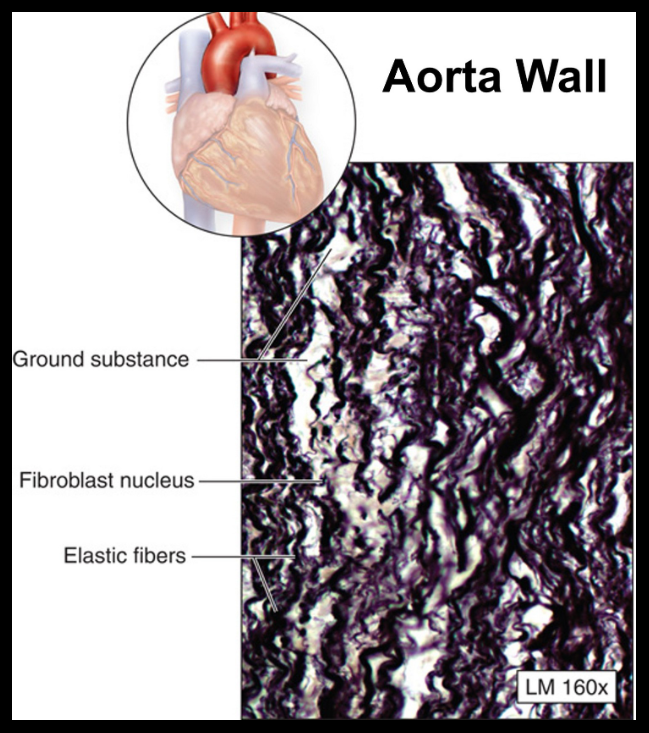
dense elastic
elastic fibers allow elastic tissue to expand and recoil w/o damage
aorta wall
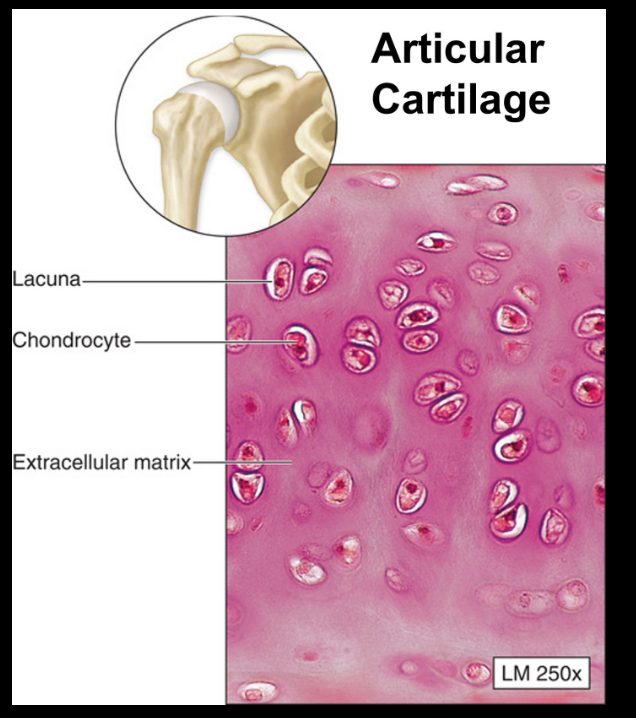
hyaline cartilage
most common and weakest
not much fibers
no blood vessels
found of articular surface
ground substance is solid
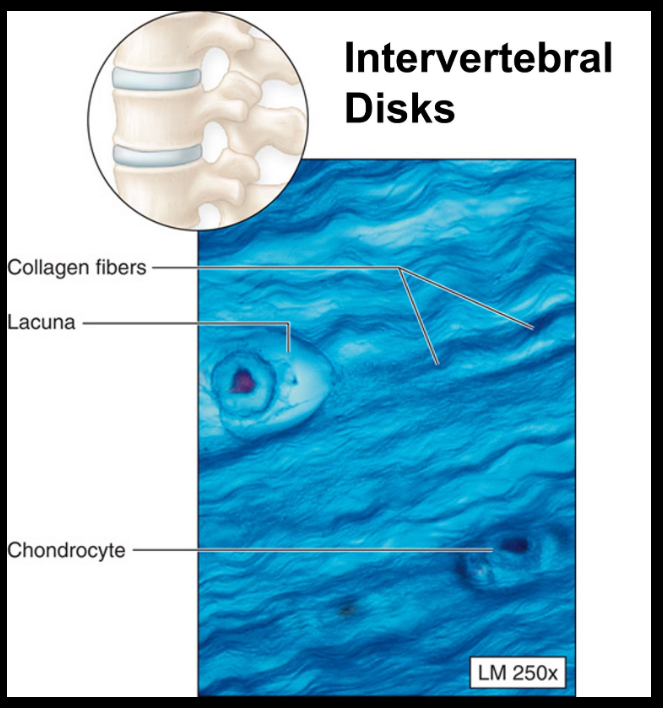
fibrocartilage
lots of collagen fibers
running in same direct resist compression
intervertebral disks
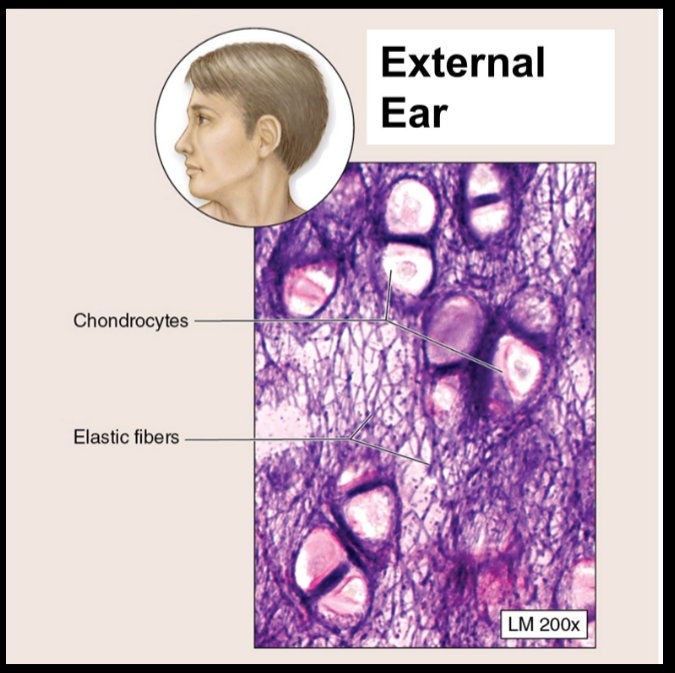
elastic cartilage
elastic fibers make elastic cartilage resilient and flexible
bone
more solid that cartilage = more support
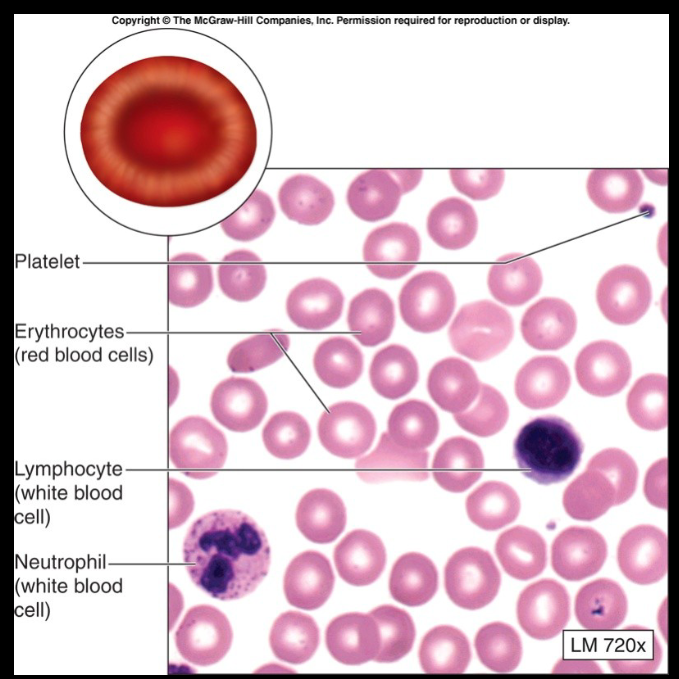
blood
fluid connective tissue
plasma = watery ground substance and protein fibers
bone as structure
organic and inorganic component
structural support for the body
a substrate for muscles ex). mvmt and breathing
space for hemopoiesis (blood cell production)
epiphysis
end of long bone
cancellous (spongy) and cortical (outer) bone
formed from secondary ossification center
diaphysis
midshaft
cortical bone
formed from primary ossification (process of bone formation) center
first site of ossification
metaphysis
location of fused growth plate between epiphysis and diaphysis
periosteum
superficial fibrous layer and site of bone formation
osteon
circular layers of bone surrounding a central canal
central canal
space within the osteon that contains blood vessels and nerves
joints
where bones, bones nad cartilage or bones and teeth are in contact
fibrous
dense fibrous connective tissue, pretty stable
cartilaginous
cartilage
synovial
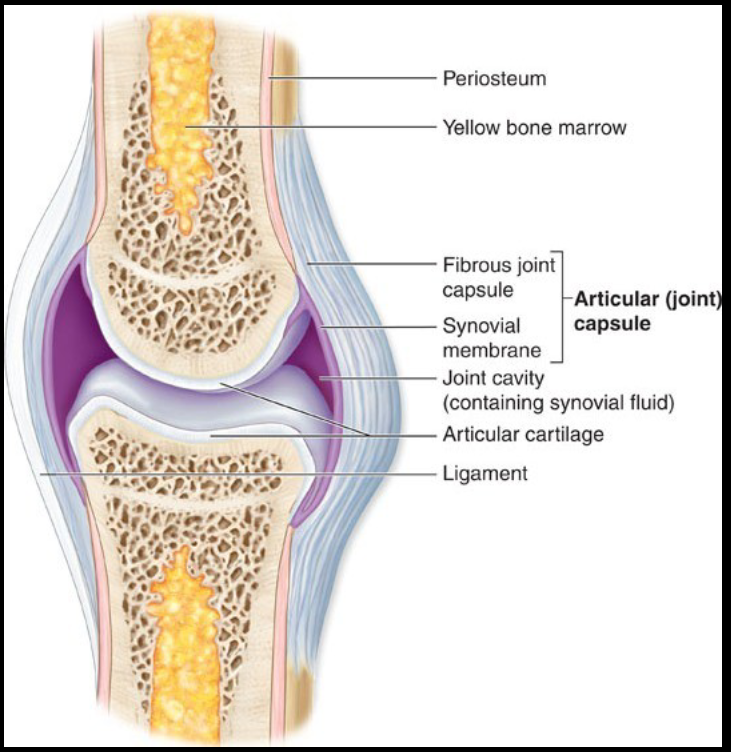
fluid-filled joint cavity, higher mobility
synarthrotic
immobile
amphiarthrotic
slightly mobile
diarthrotic
freely mobile
intervertebral disc
annulus fibrosis - outer ring
nucleus pulposus - inner protein gel
degeneration
synarthrotic and fibrous
gomphosis (in teeth) and suture
amphiarthrotic and fibrous
syndesmosis between ulna and radius
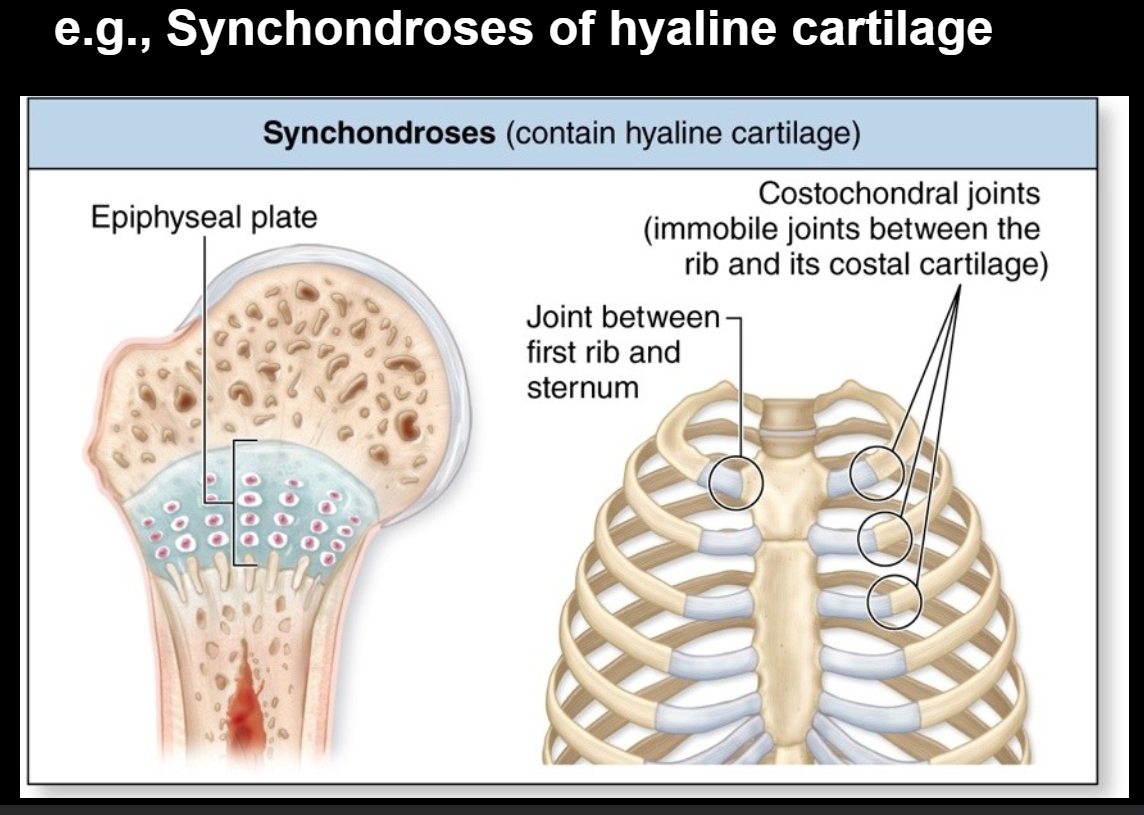
synarthrotic and cartilaginous
epiphyseal plate and costochondral joints
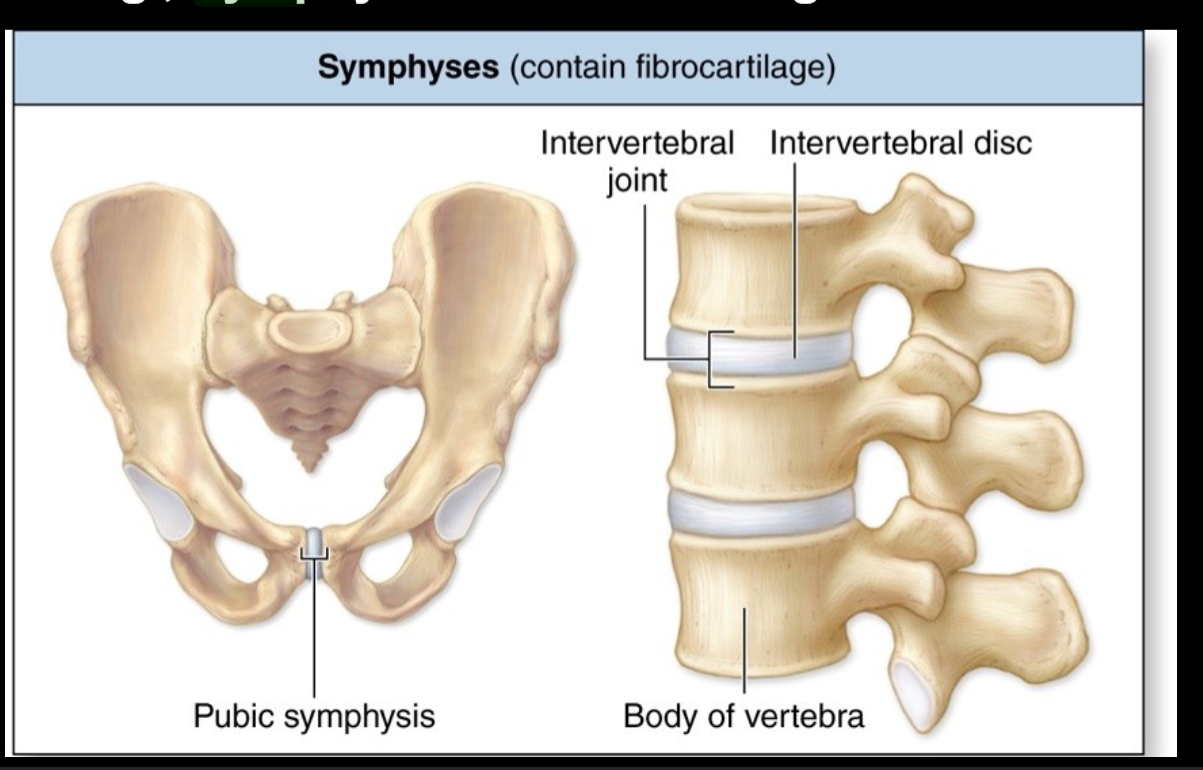
amphiarthrotic and cartilaginous
symphyses of fibrocartilage
diarthrotic and synovial
diarthrotic joints are always synovial joints
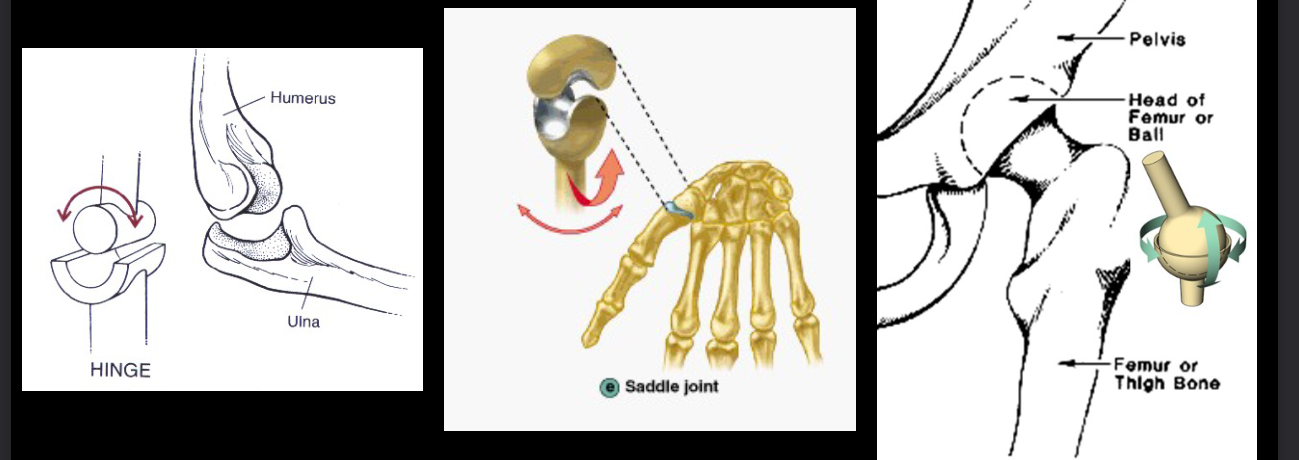
synovial joint type
uniaxial (hinge joint): lower range of motion
biaxial (saddle joint): moderate
multiaxial (ball and socket): greater
ankle joint
uniaxial
synovial joint articular discs
thin fibrocartilage separating synovial cavity space
bursae
fibrous sacs of synovial fluid
when found surrounding ligaments and tendons, can be called sheaths
bursitis
swelling of bursae, caused by trauma/prolonged pressure/infection
tendinitis
inflammation of tendons
 Note
Note  Flashcards (40)