Rest and Repose
 Studied by 0 people
 Call Kai
 Learn
Learn Practice Test
 Spaced Repetition
 Match
Match Flashcards
 Knowt Play
1/43

Earn XP
Description and Tags
Mughal Civilization to Glorious Revolution
Name | Mastery | Learn | Test | Matching | Spaced | Call with Kai |
|---|
No analytics yet
Send a link to your students to track their progress
44 Terms
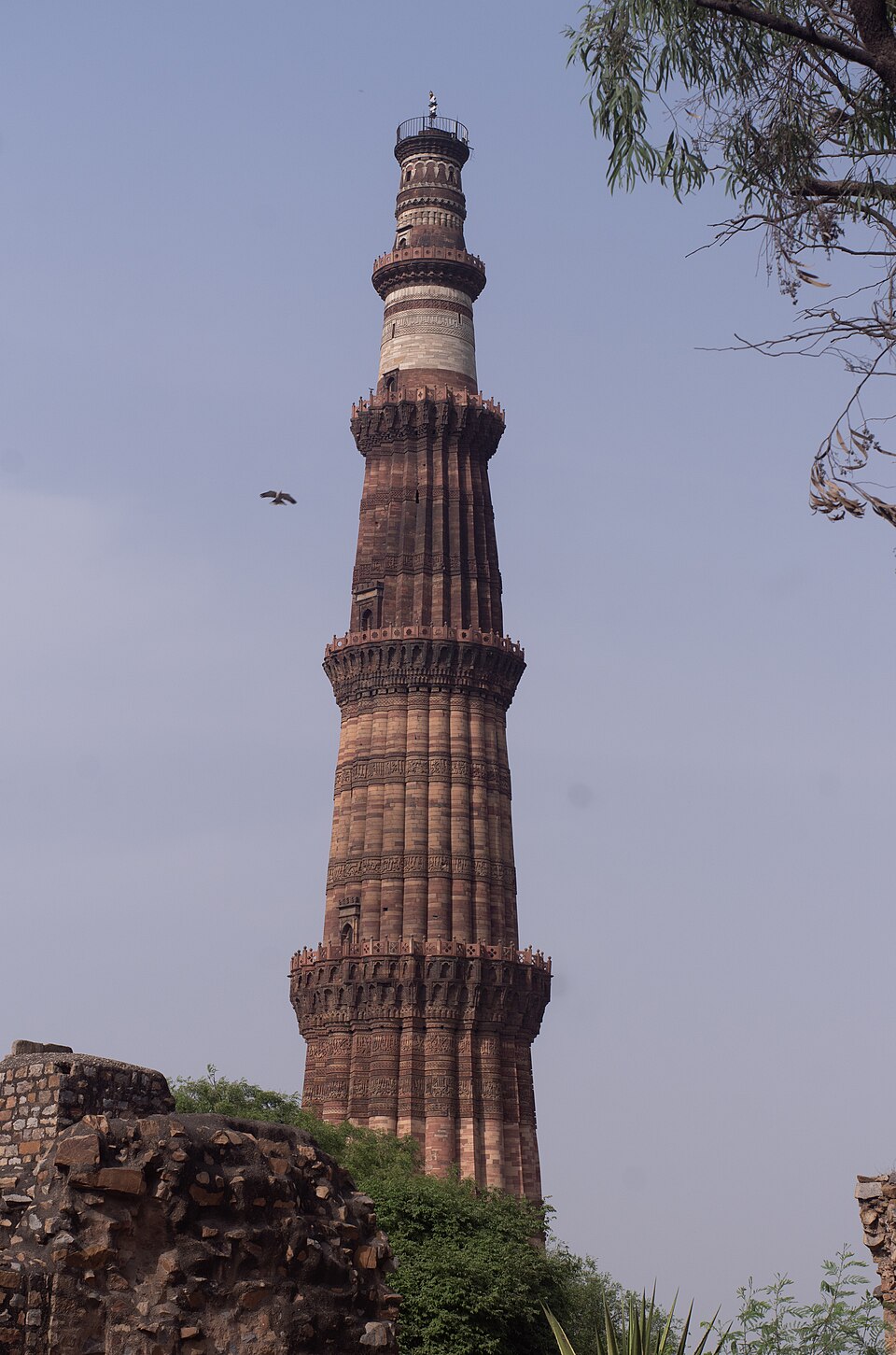
Qutb Minar - Delhi
Marks the shift from Hinduism to Islamic rule
Timur
Emperor of the Mongol Empire
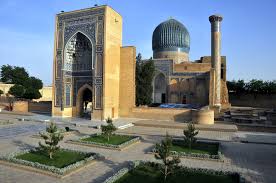
Gur-e-Amir, Samarkand
Tomb of Timur is placed here
Blue Tiles of Gur-e-Amir come from…
Persian Influence
Agra
First Capital City of Mughal Empire
Delhi
Second Capital City of Mughal Empire
Babur
Founder&First Emperor of Mughal Empire
Akbar
Best Emperor of Mughal Empire
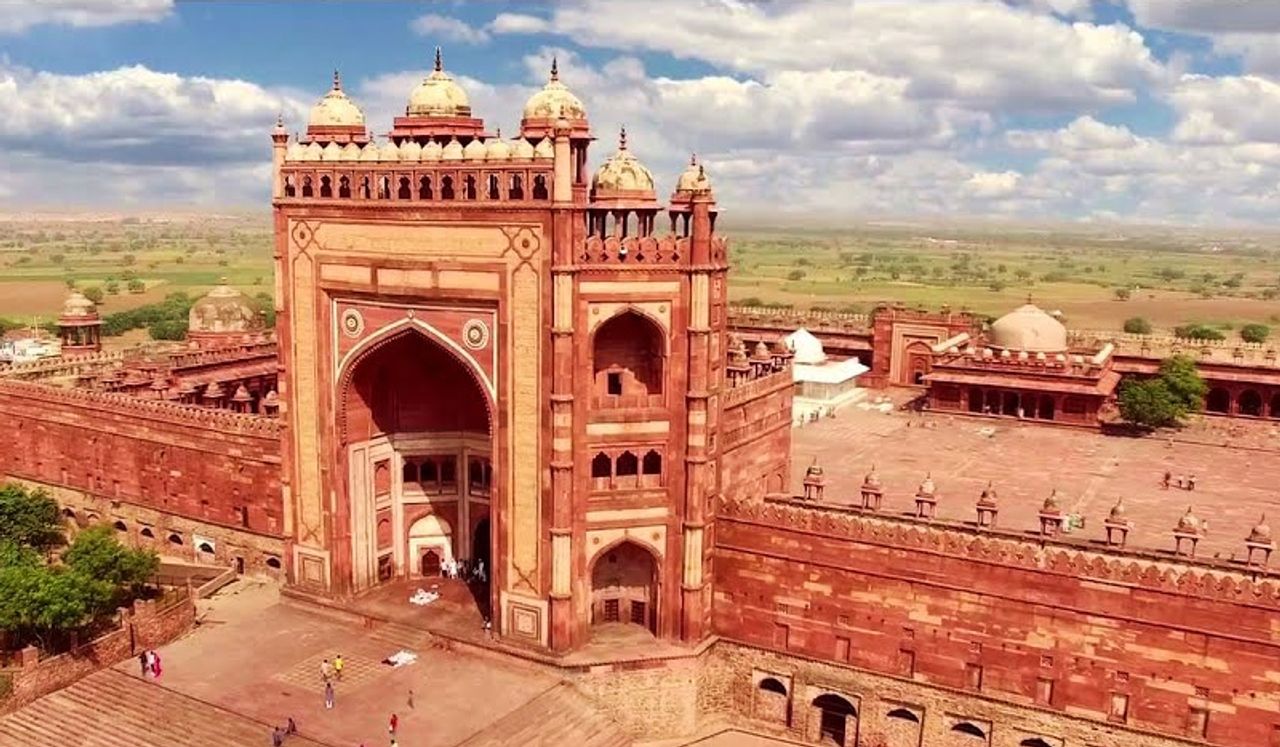
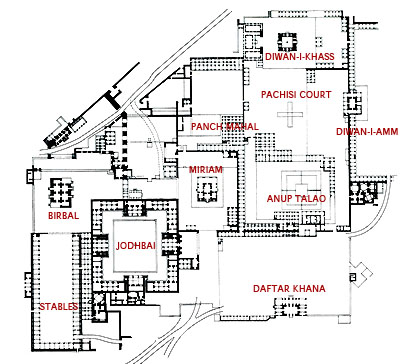
Capital City for Akbar Emperor
Fatehpur Sikri, Jami Masjid
Characteristic Arch. for Mughal Empire
Red Sandstone
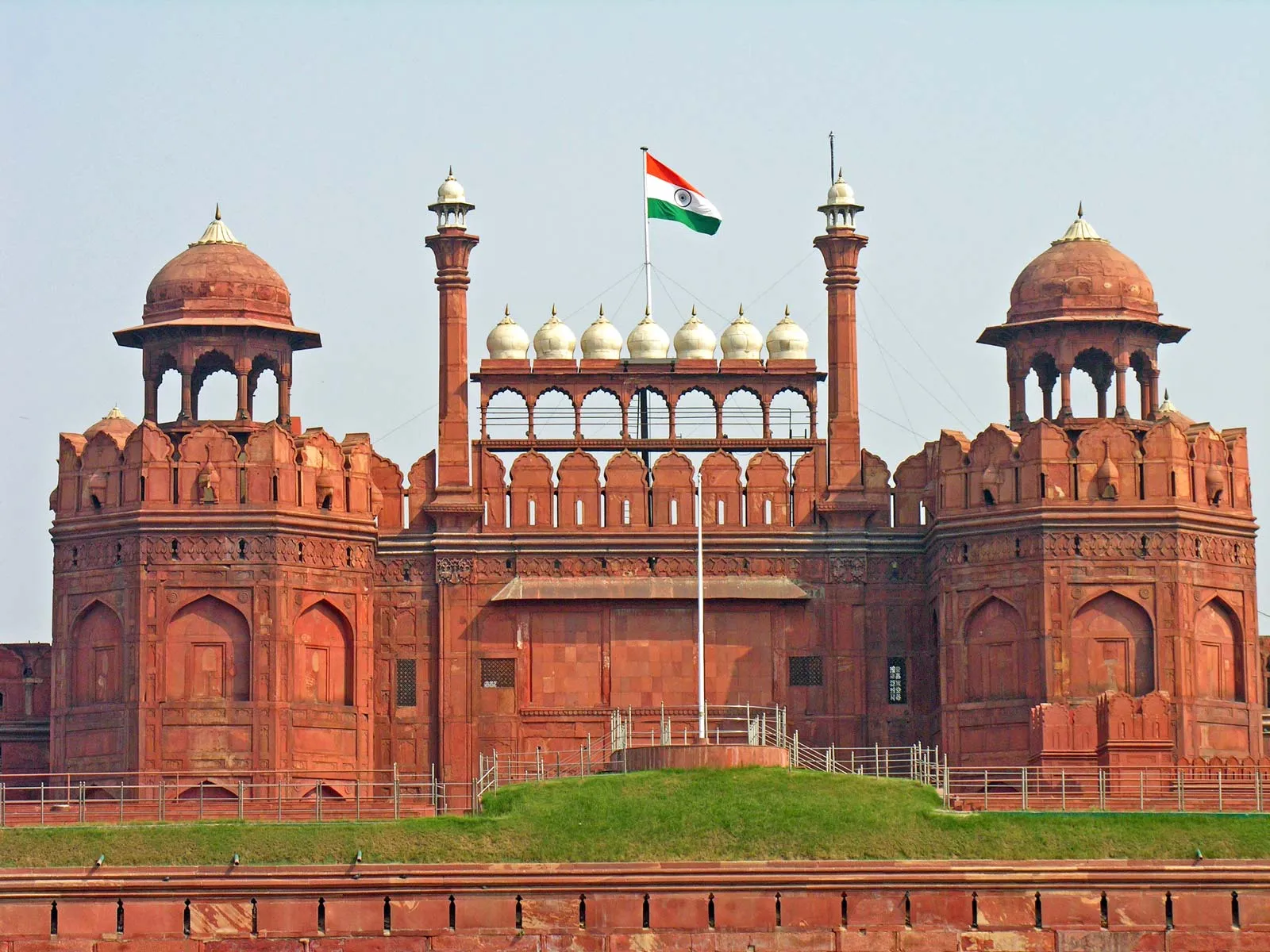
What kind of architecture is the mughal
Is architecture of representation and universal appeal
Humayun
Second Emperor of Mughal Empire
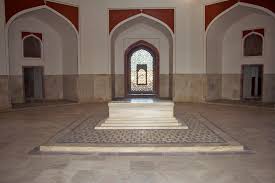
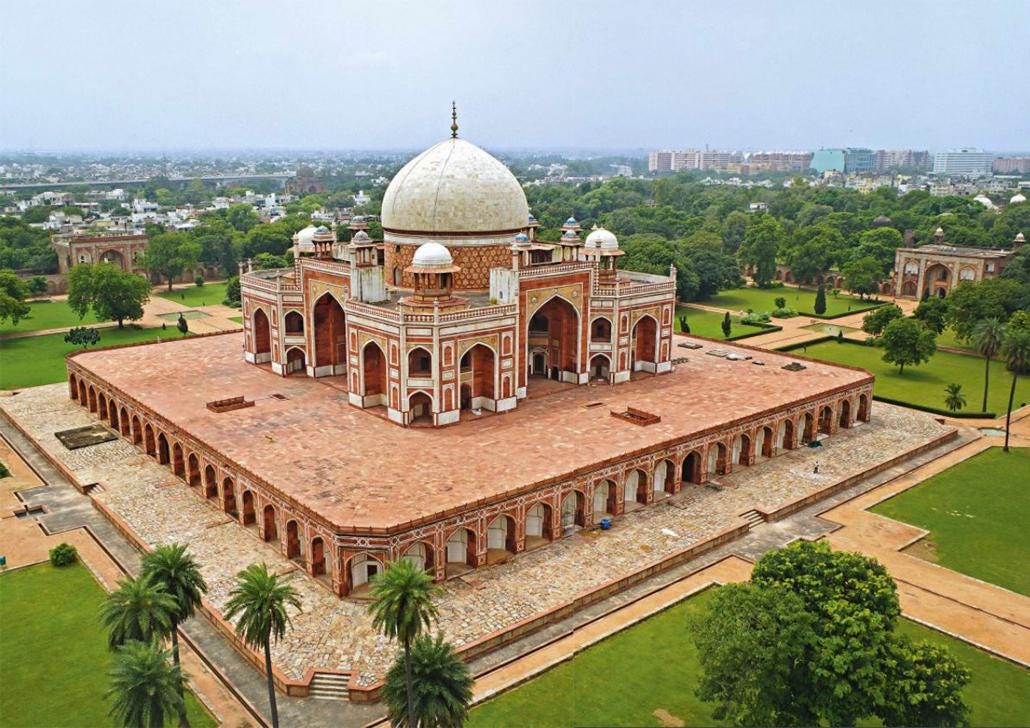
Humayum’s Tomb; Delhi, India.
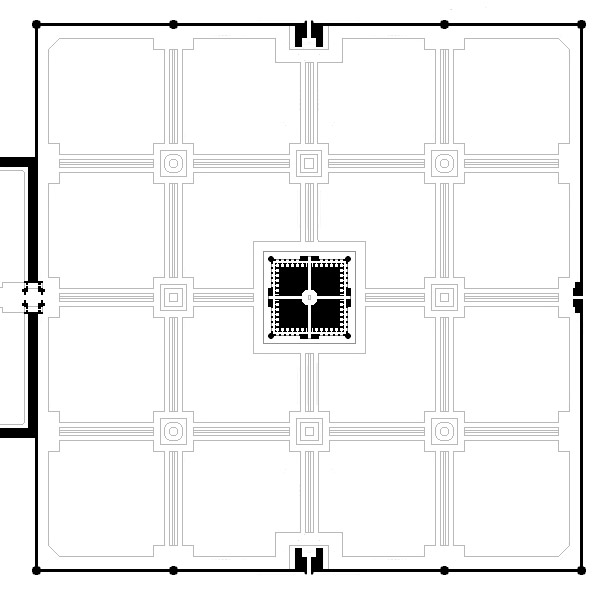
Nine-fold grid
Char-Bagh
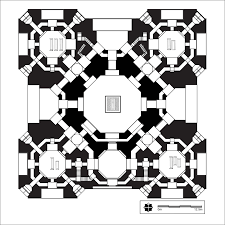
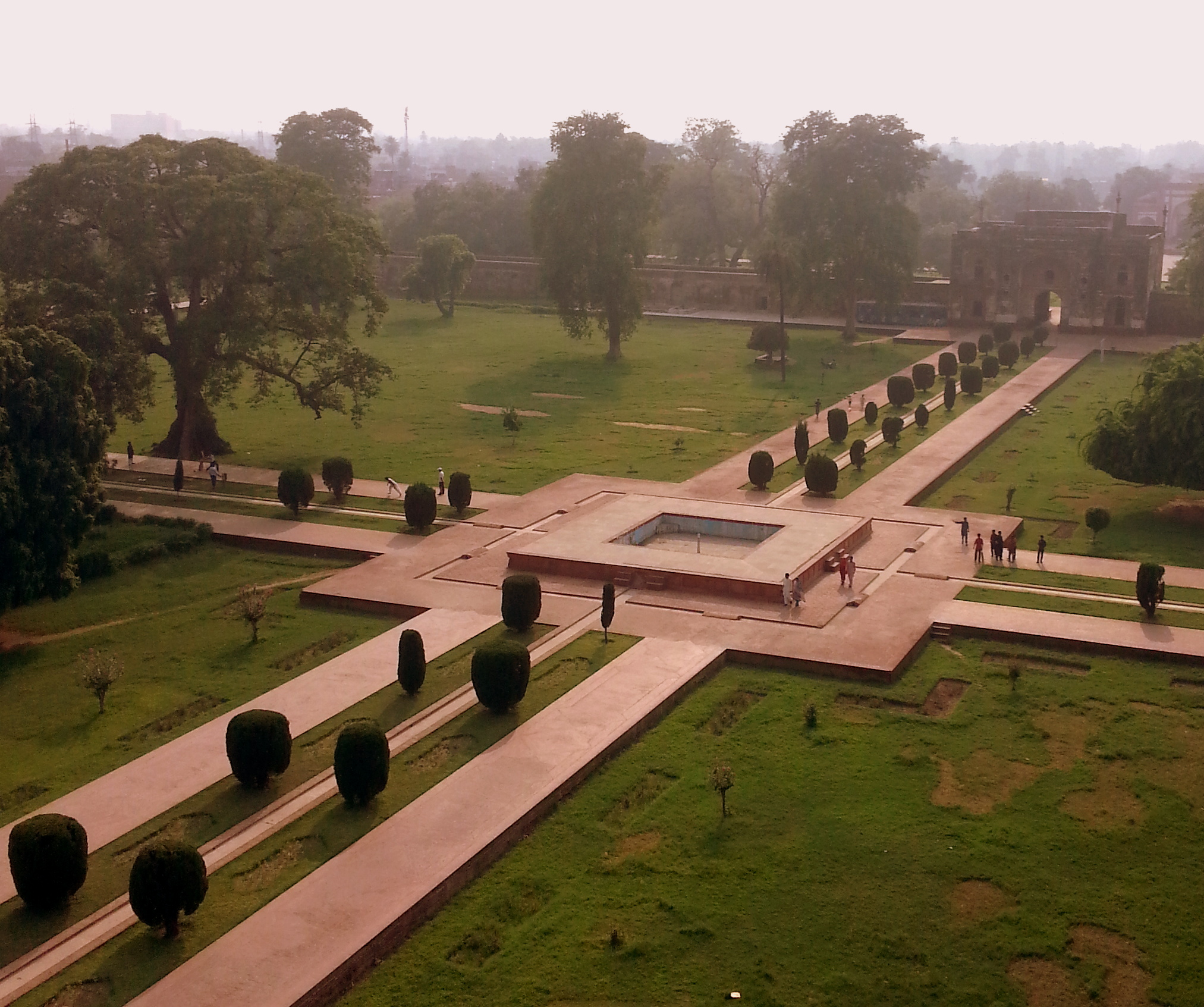
Char-Bagh
Four gardens that are separated by sidewalks and interconnected in a central garden
Akbar Son
Jahangir
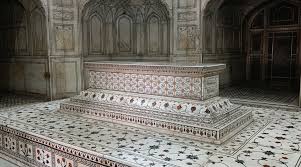
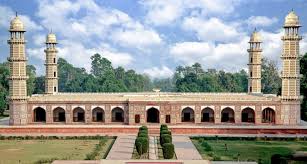
Jahangir Tomb Location
Lahore
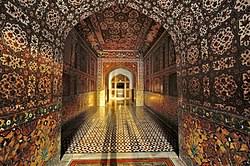
Material of Jahangir Tomb
Pietra Dura
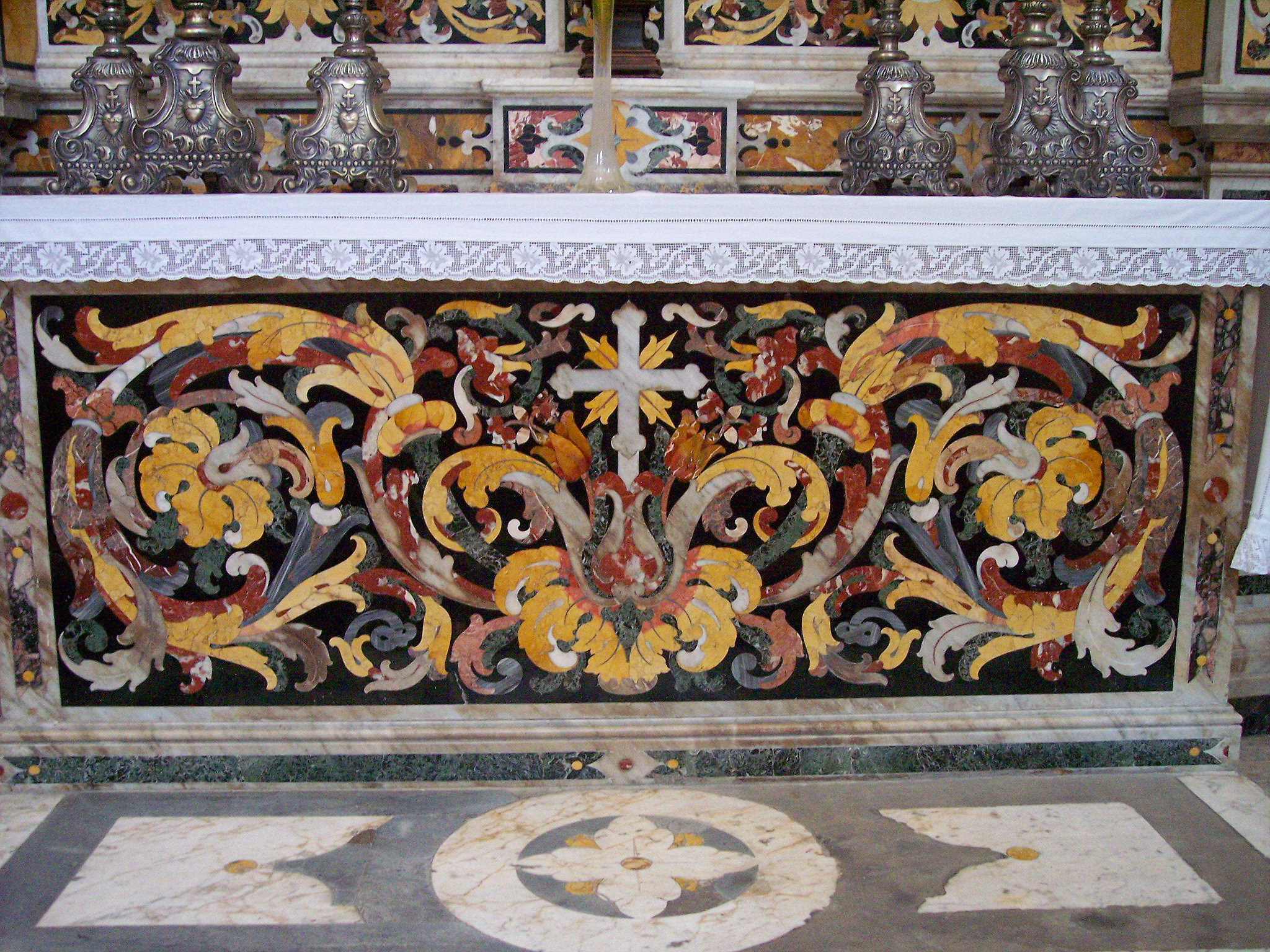
Pietra Dura
Perfectly smooth polished pieces of marmol used for creating collages
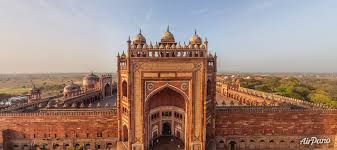
Buland darwaza, Fatehpur Sikri
Fatehpur Sikri
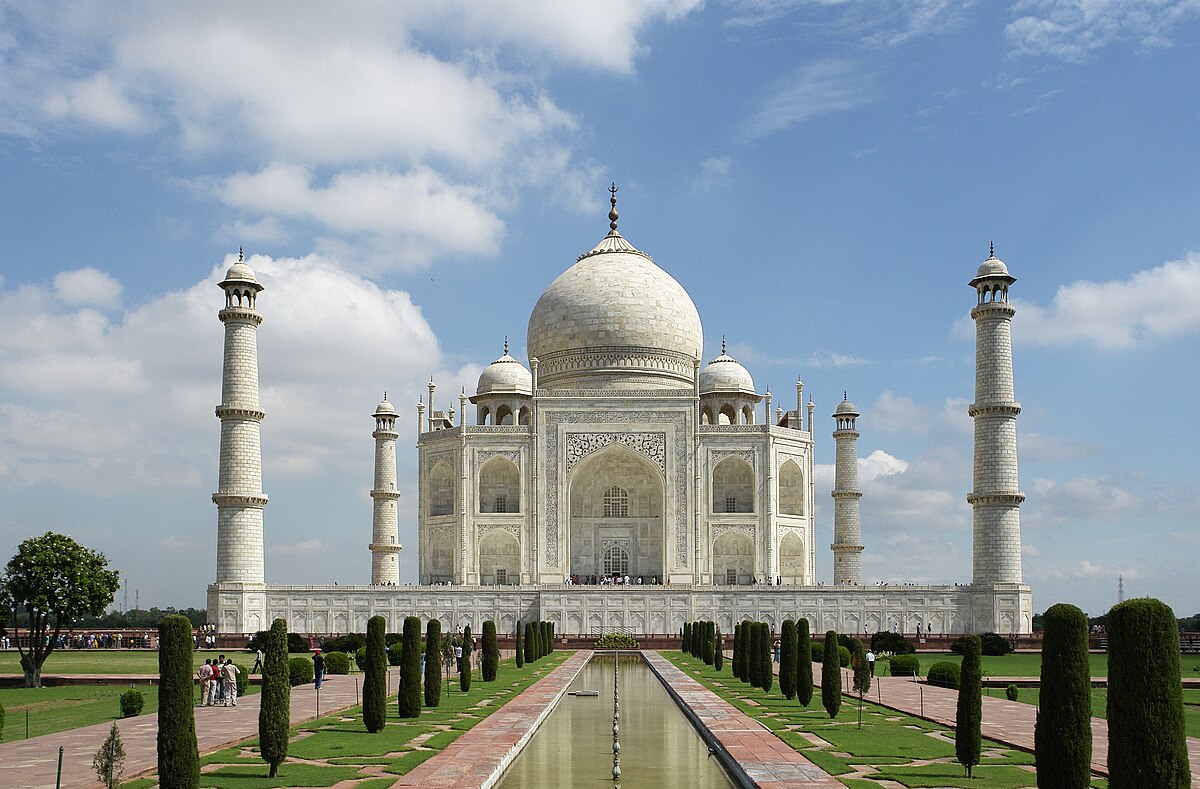
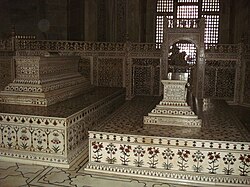
Taj Mahal, Agra. - By the side of Yamuna River
Built by Jahangir for his favorite queen
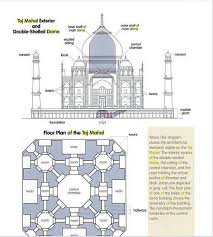
Taj Mahal tomb
Taj Mahal, Agra. - Night
Illuminated tomb
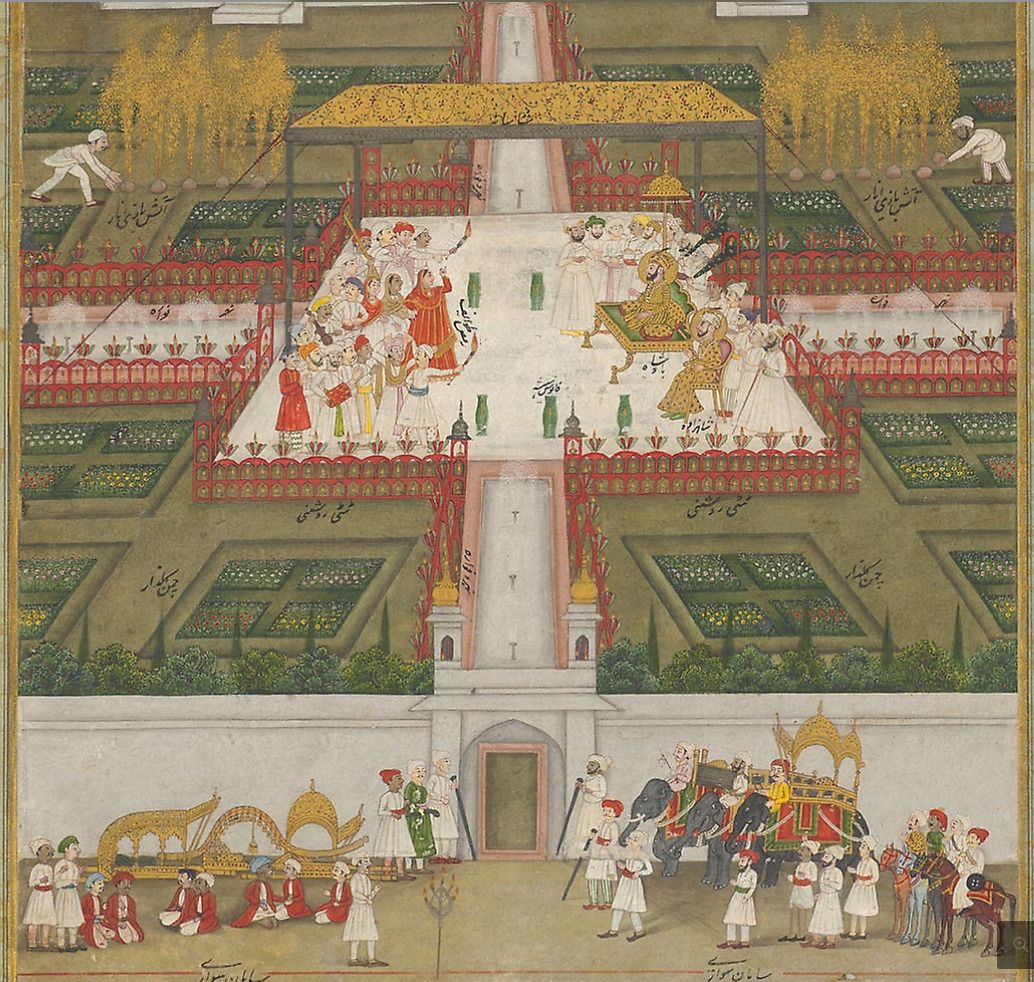
The Garden of Paradise
Persian-inspired paradise gardens symbolizing Islamic heaven on Earth, featuring geometric layouts (often four-part), flowing water, lush plants, and enclosed spaces for refuge and reflection, serving as earthly utopias, symbols of power, and places for pleasure and spiritual solace, seen vividly in structures like the Taj Mahal and Shalimar Gardens.
The importance of the gardens for the mughals come from what civilization influence
Persian
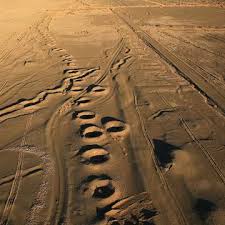
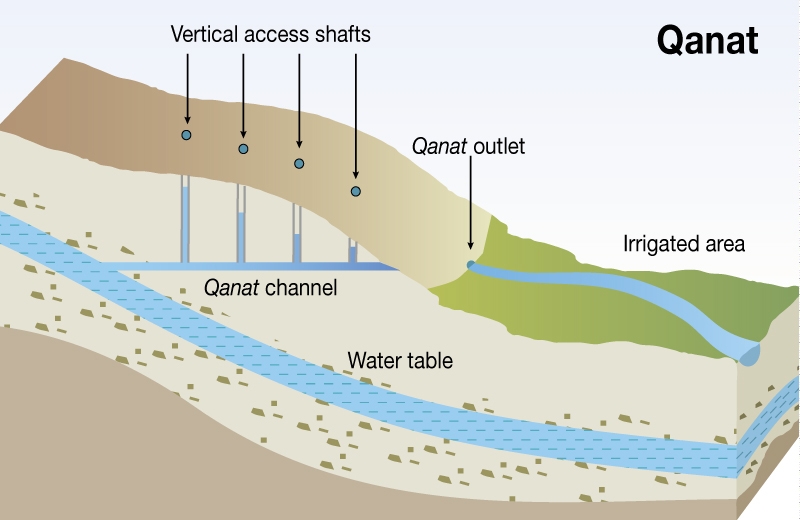
Qanat
Developed by the Persian engineers
Subterrane system of water transportion that goes from distant aquifers
Islamic Inlfuence over Italian Gradens
Norman governors of Sicily were inspired by their predecessors (Byzantine and Islamic Rulers)
Orange and Lemos trees
Fragrant flowers for perfume
Islamic gardens influenced the design of palaces and villas, incorporating elements of nature.
Renaissance gardens borrowed many of these ideas—especially terraces, water, and symmetry—and transformed them into a European architectural language.
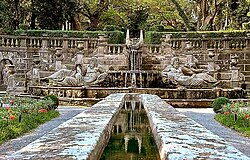
Villa Lante, Bagnia, Italy
Char-Bargh
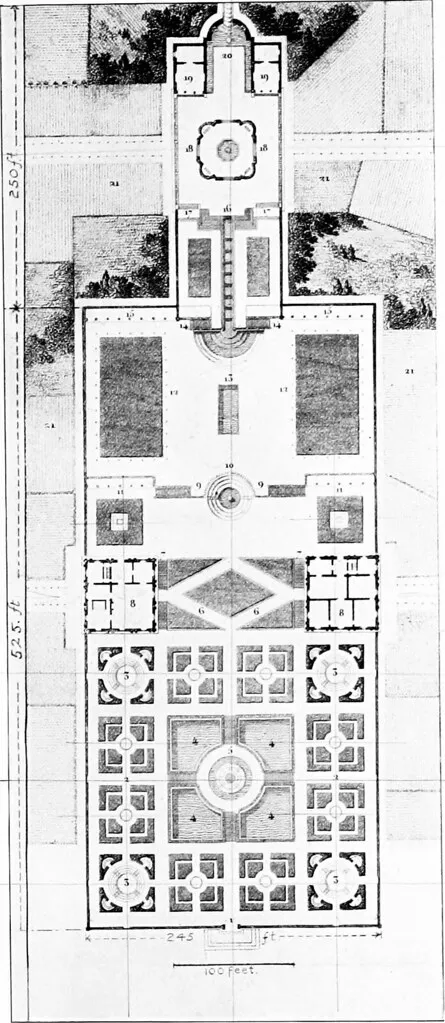
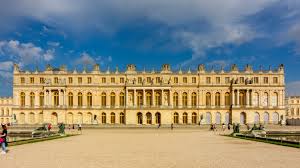
Versailles, France
Louis XIV the absolutist comissioned architects to buildt versailles
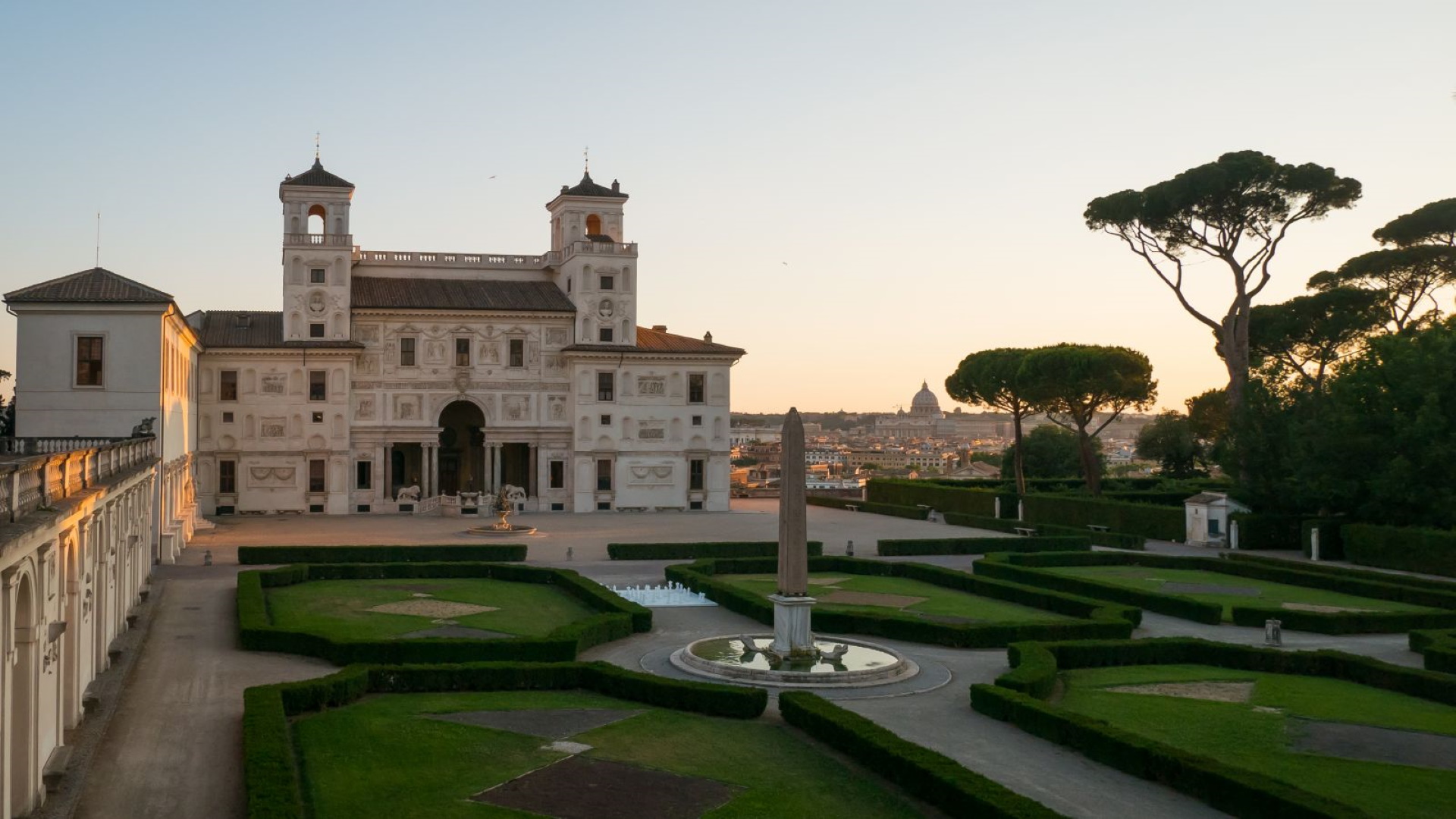
Villa Medic, France
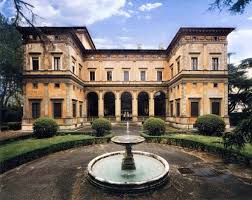
Villa Madama, Rome
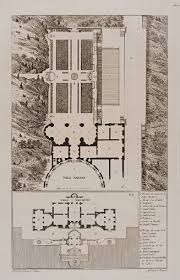
Stowe Gardens, Buckinghamshire
Ha- Ha
Follies
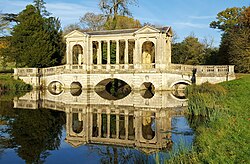
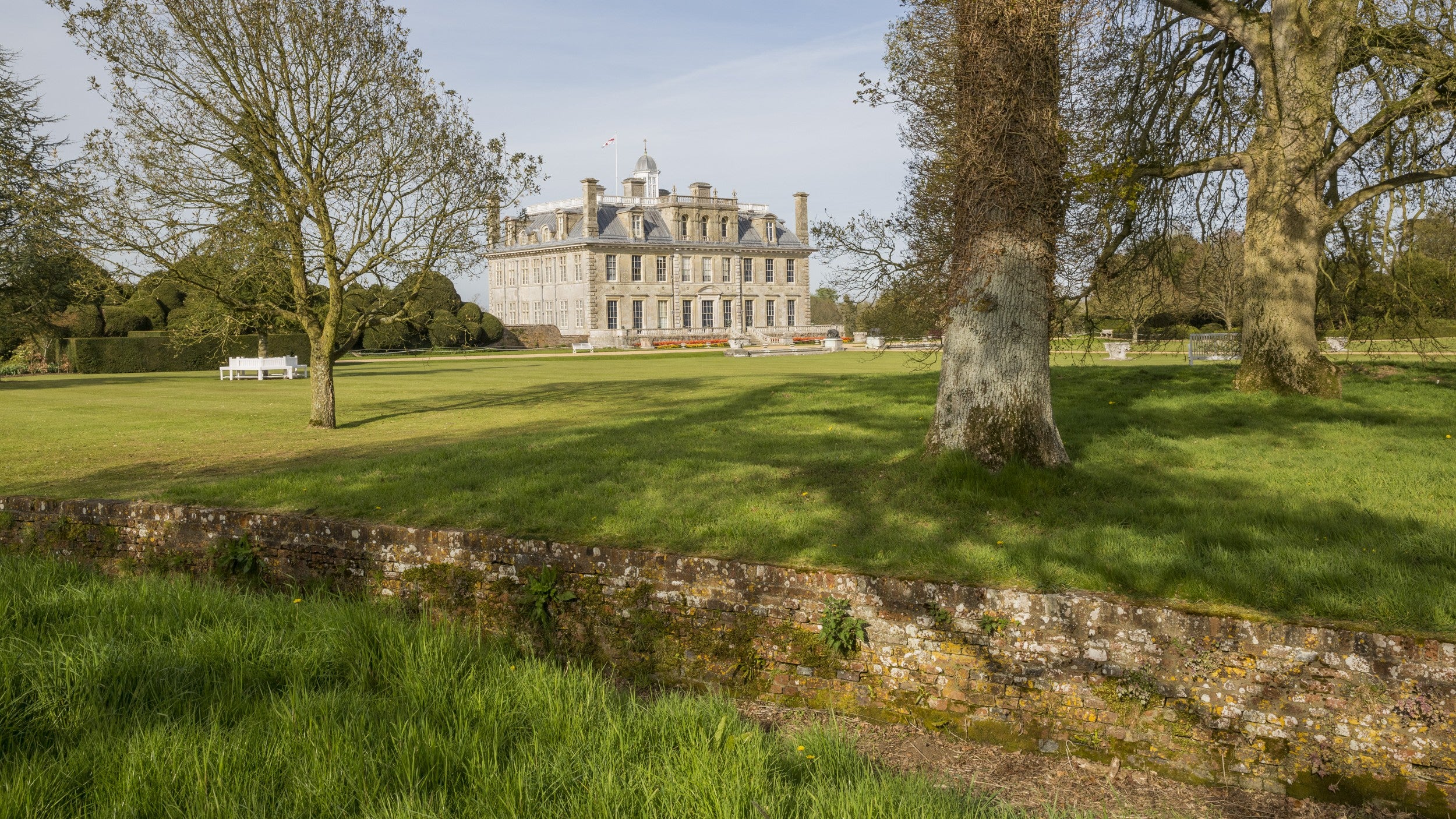
Ha-Ha
sunken wall or ditch that creates an invisible boundary, keeping animals out of gardens while preserving wide, sweeping views.
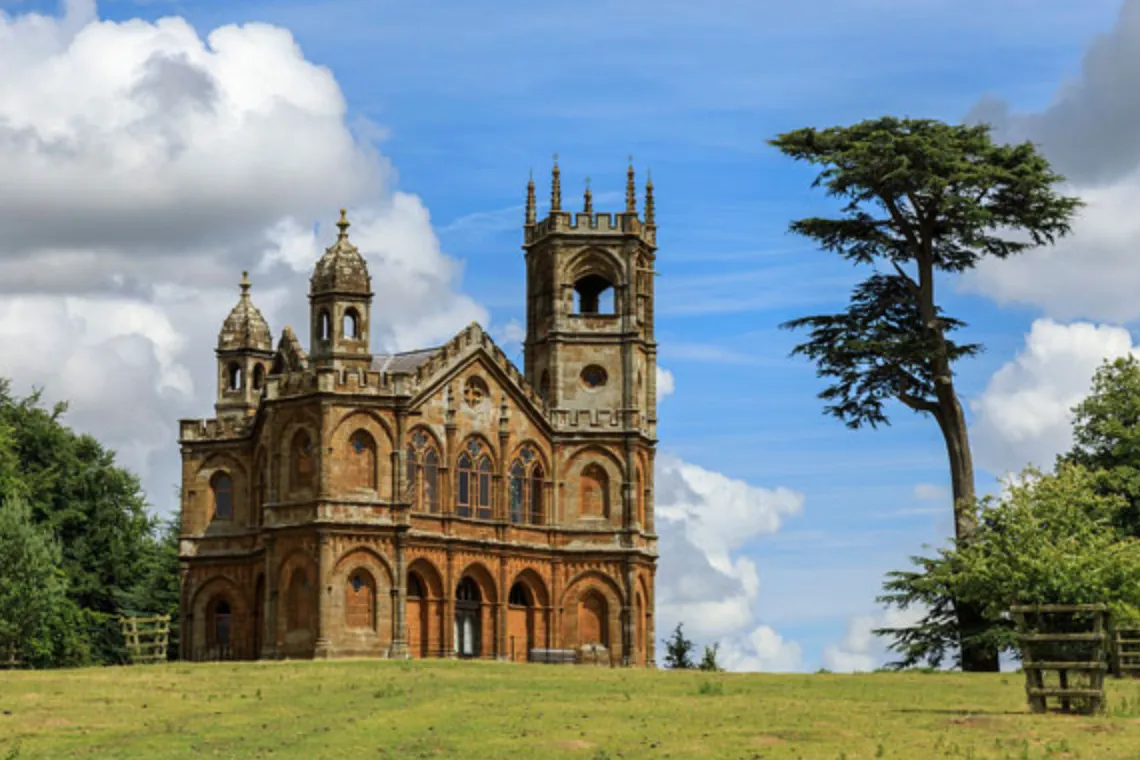
Follies
Picturesque, often miniature, fake ruins (temples, towers, hermitages) built in 18th-century English gardens to create romantic, nostalgic scenes or add symbolic meaning.
Glorious Revolution of England
End of absolutism
Streghtement in the parliament
established constitutional monarchy
assure england not following french model
 Note
Note  Flashcards (22)