Quiz 3 IDs
 Call Kai
 Learn
Learn Practice Test
 Spaced Repetition
 Match
Match Flashcards
 Knowt Play
1/9

There's no tags or description
Looks like no tags are added yet.
Name | Mastery | Learn | Test | Matching | Spaced | Call with Kai |
|---|
No analytics yet
Send a link to your students to track their progress
10 Terms
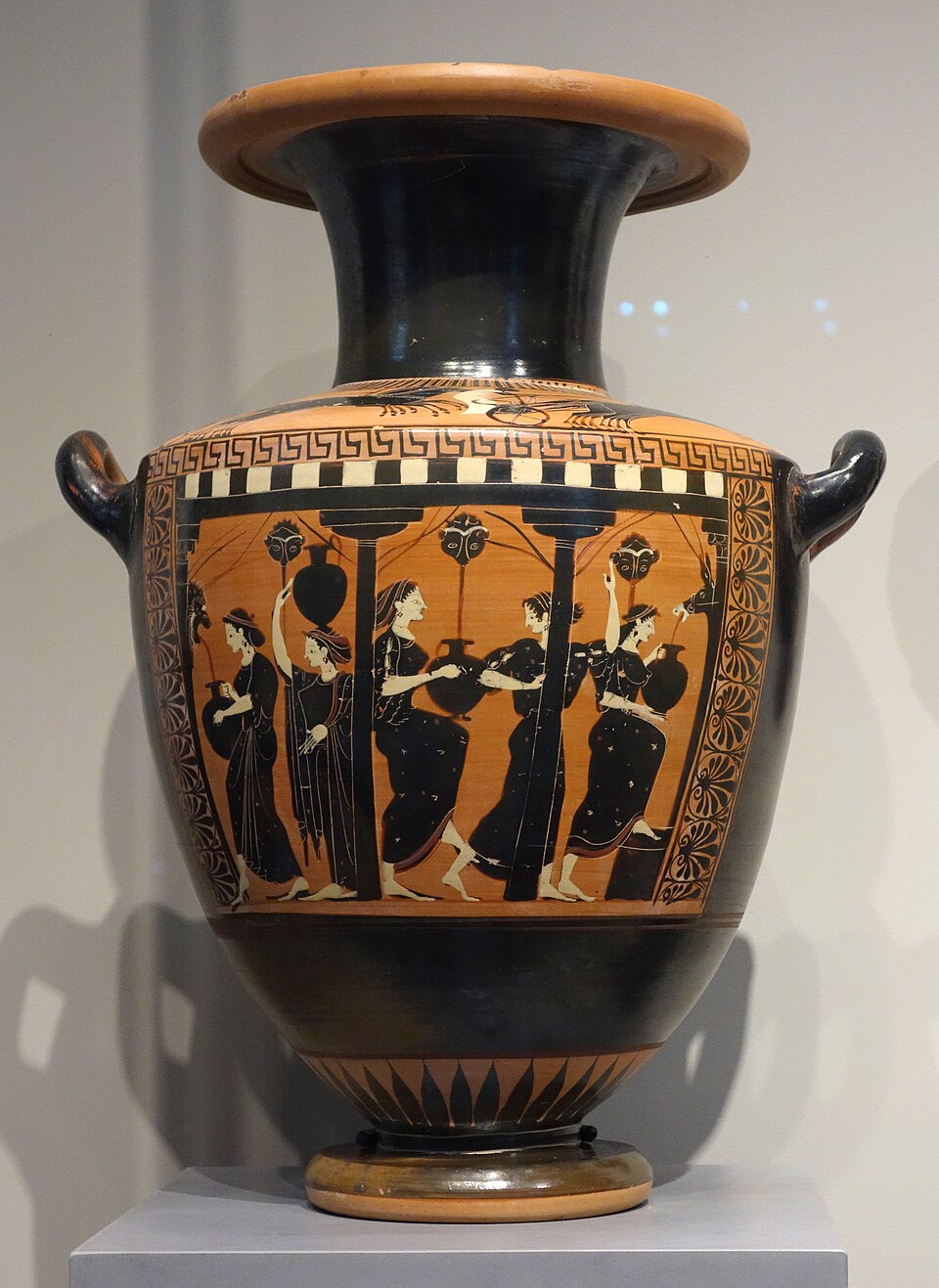
Hydria Women at Fountain House
c. 510-500 BCE, Athens or Vulci (lean to Athens)
ceramic
used to carry water, much like the women are doing. black slip technique where details would be picked out, then everything became red again. Not most expensive pottery, just nice enough. Scenes from both mythology and everyday life, likely mass-produced. Not at a temple, rather some water site. All women carrying the same water vessel, just girls chatting with no men around—the men at the top are unrelated. Greek women weren’t supposed to leave the house alone, mostly men made pottery too, detailed women’s clothing again, potentially ‘free women’ but no freedom.
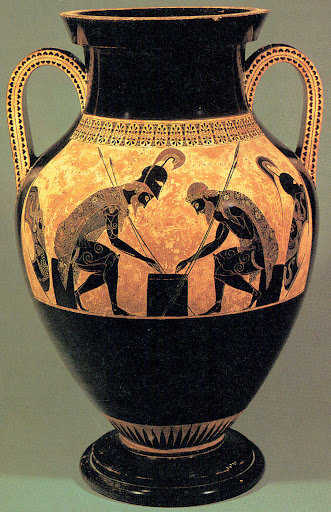
Achilles and Ajax Playing a Dice Game
c. 540-530 BCE, Archaic, Italian
ceramic
Associated with the deceased, Ajax is second best fighter aside from Achilles. Both died in Trojan War, Achilles killed crown prince of Troy out of anger after his friend died by suicide. The two are just playing a dice game, a moment of peace in war and yet tension as the game continues. Achilles rolls a four, Ajax rolls a three, in full profile yet eye is looking outward towards viewer, heavily detailed clothing but less face. Achilles is physically taller and less tense, Ajax squeezing spear tighter
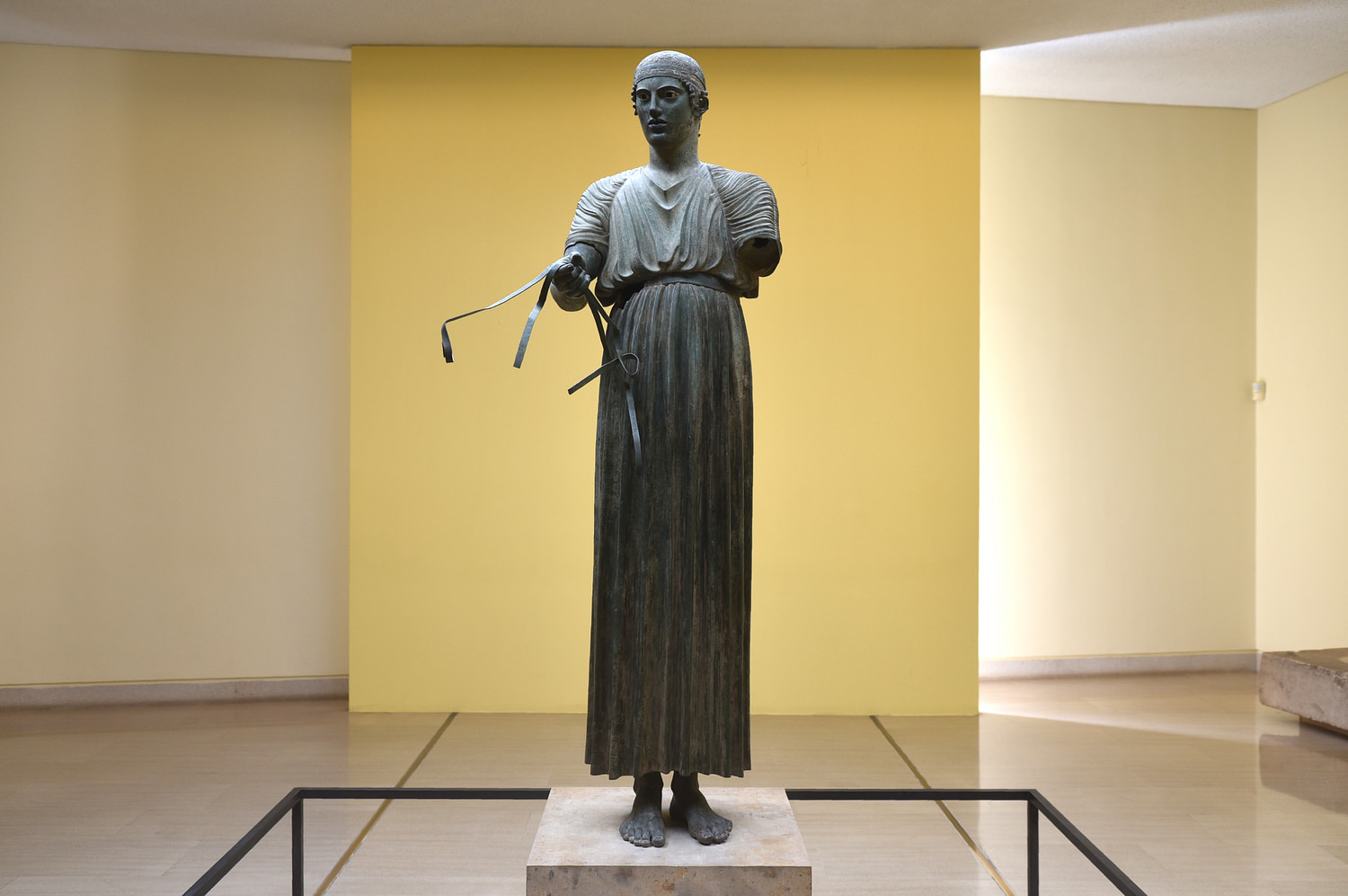
Delphi Charioteer
c. 478-474BCE, at Sanctuary at Delphi, classical
bronze
over life-sized, would’ve had a chariot and four horses originally. Severe style/stylistic naturalized, some rigidity with the column-like lower-half, yet also some movement with the upper portions. Calm, expressionless face, not archaic but not emotional either. Psychological, motional restraint. He’s dressed and not looking at the viewer, engaged in his activity which was potentially representing a victor of the chariot races at the Pythian Games in Delphi. Bronze through lost-wax technique, allows for thin details like the ropes without breaking off like marble, but harder to give texture like hair to. Some bronze mixed with materials like copper or silver to give coloration.
Made at a time when philosophy was becoming more important. Sophrosune, to have moderation (with emotions like not being too happy, or moderate with food consumption)
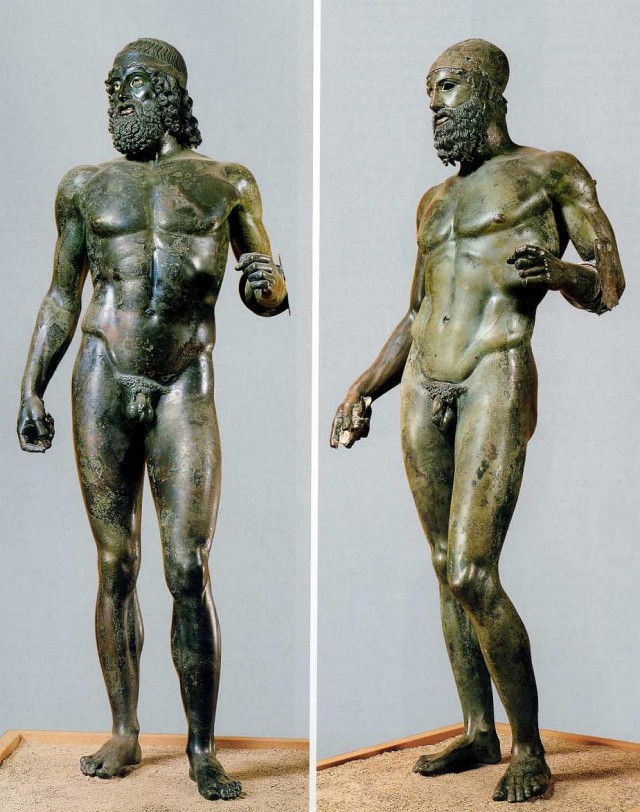
Riace Bronze Warriors
c. 460 BCE, found in a shipwreck off the coast of Sicilia, classical
bronze
Warrior A: remains because of shipwreck, otherwise a lot of bronze art was melted down for money or tools. Naked except for a space for a helmet and a shield/shield attachment. Still somewhat stiff, but some movement and his teeth are showing. Sophrosune, yet some muscles are tensed and he has forehead strain going on. Glass paste eyes, nipples, and other coloration of bronze. Aquiline features were typically reserved for nobility
Warrior B: thought of as being the older between the two because his facial hair is longer and he is less tense/more confident. Also would’ve had a shield and a helmet. Some oil on it to produce a sheen can be detected. Contrapposto, made to relate to each other, maybe in opposition
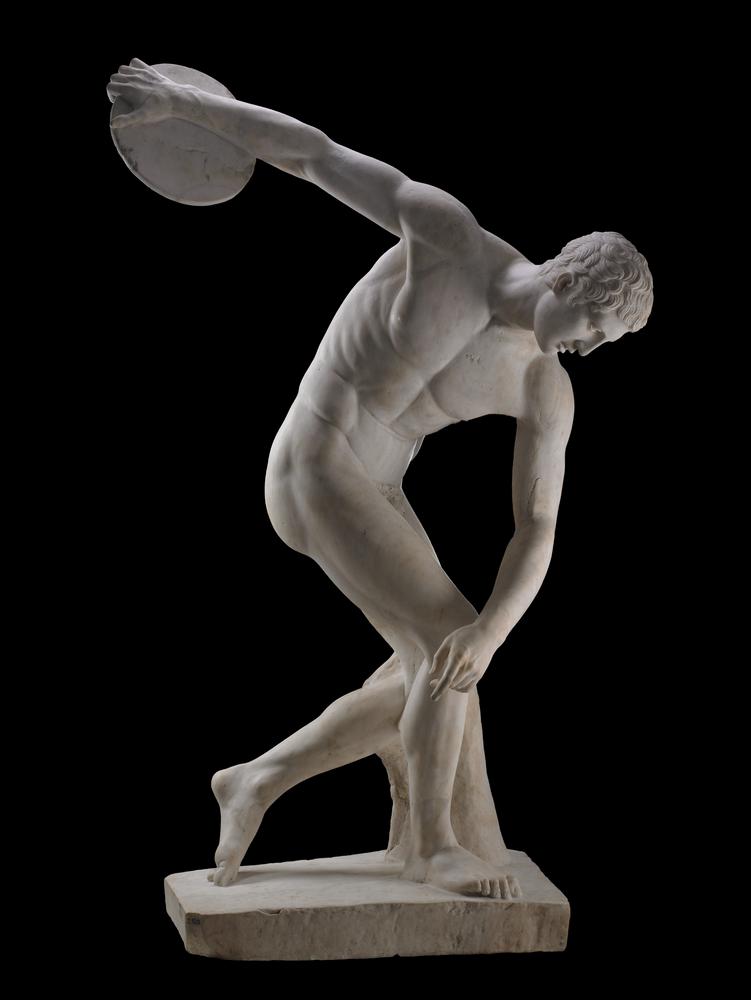
Discobolus (discus thrower) by Myron
c. 450 BCE, classical
roman bronze copy of a marble original
Romans were very infatuated with Greek art. A moment of severe tension, yet still stillness before an action. Balance and harmony, beauty of proportions, careful naturalization. Clenched teeth. Nobility and calm face for the nobility of being a human being. Sophrosune
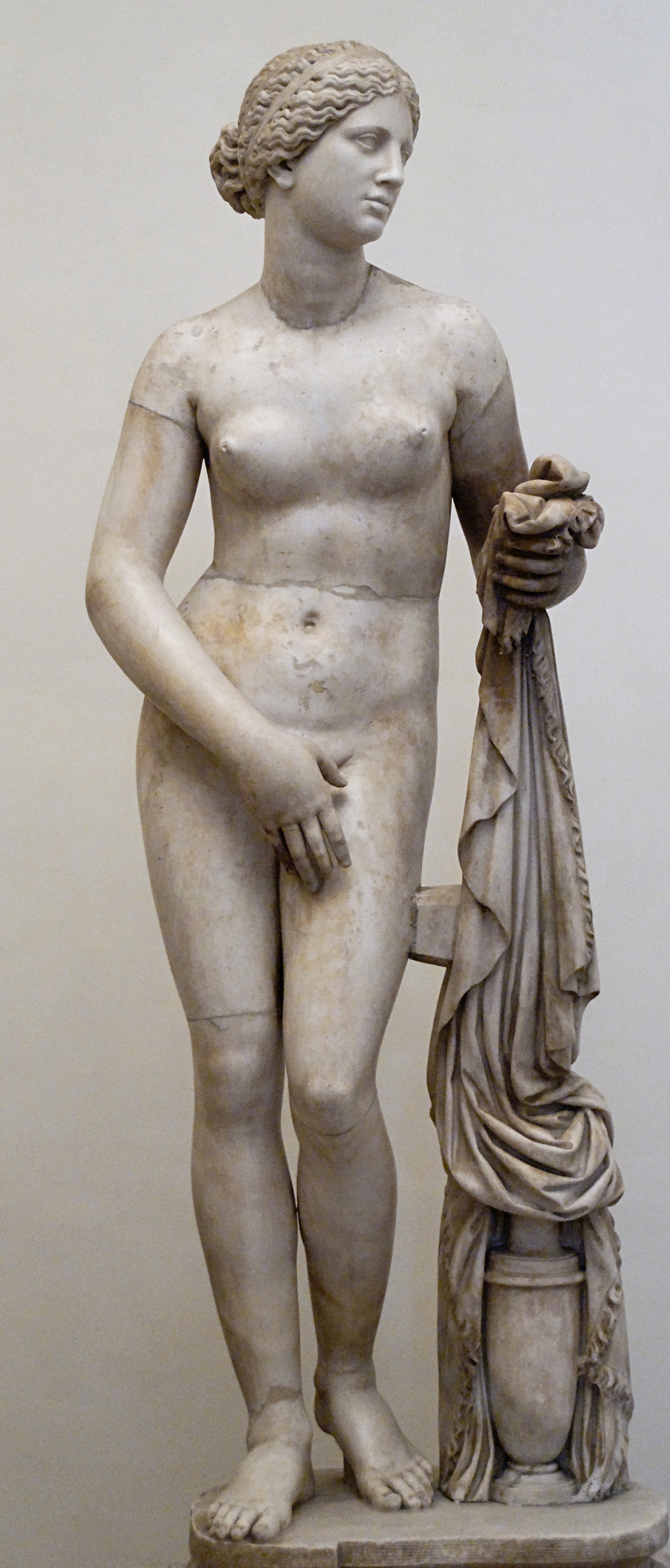
Knidian Aphrodite by Praxiteles
original bronze is 4th century BCE, Late Classical, Knidos
marble
Praxiteles was one of the most famous Greek sculpturalists, he made two copies of this piece and one was closed. Both made to sell on the market, he sold the clothed and kept the nude in Knidos which became more famous. First instance of a fully-nude woman in Greek art, very popular for Romans to copy later on. Knidos built a circular sanctuary around her bc they loved her so much, she loosely covers herself but it’s more of a false modesty. Represented as the pinnacle of beauty. initially painted and more lifelike.
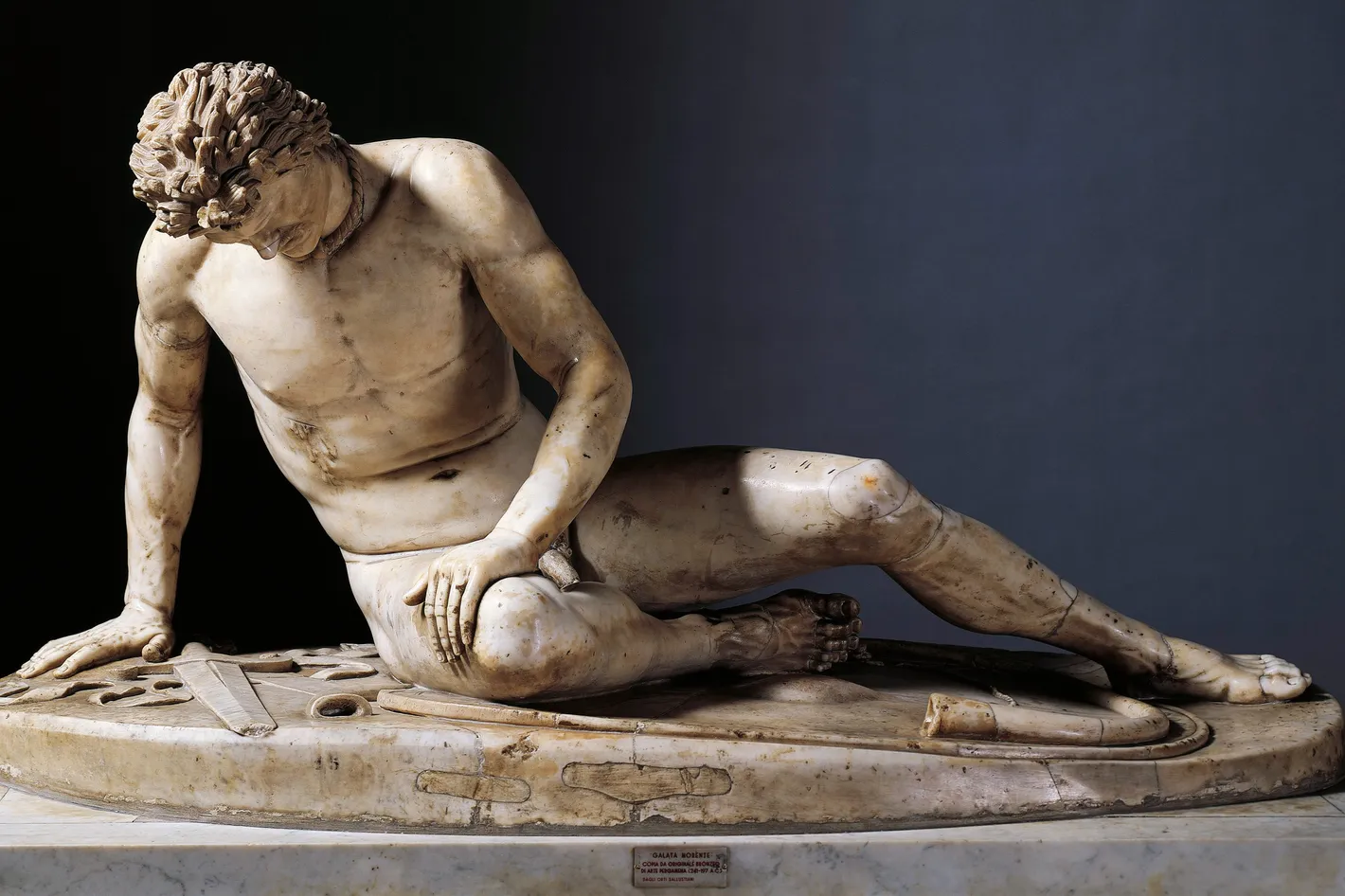
Dying Gaul
3rd century BCE, Pergamon, hellenistic
bronze
man at moments before his death, 2 horns show he was a trumpeter but he has a sword laying by him and he is bleeding out from his wound. Pain, agony, and part of a set at a monument for memorializing a victory of the Pergamon kingdom over the European Gaul. No victors are depicted in the monument, it’s a representation of the lives lost and humanizing the losers. Can tell he’s Gaul from the long hair and facial hair, but also the ring around his rope necklace
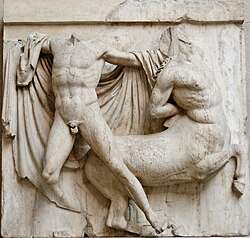
Parthenon Metope
447-432BCE, Athens, classical
marble
a continuous frieze, very dynamic battle. Lapiths vs centaurs, lapiths winning in some scenes and losing in others. It takes place after centaurs get drunk for the first time and become excessively wild. Moments of extreme tension, lapiths draped in fine cloth. Like Greeks versus monsters or maybe even Greeks vs Persians at this point. One scene has a lion skin being held by a centaur, humility in some sense.
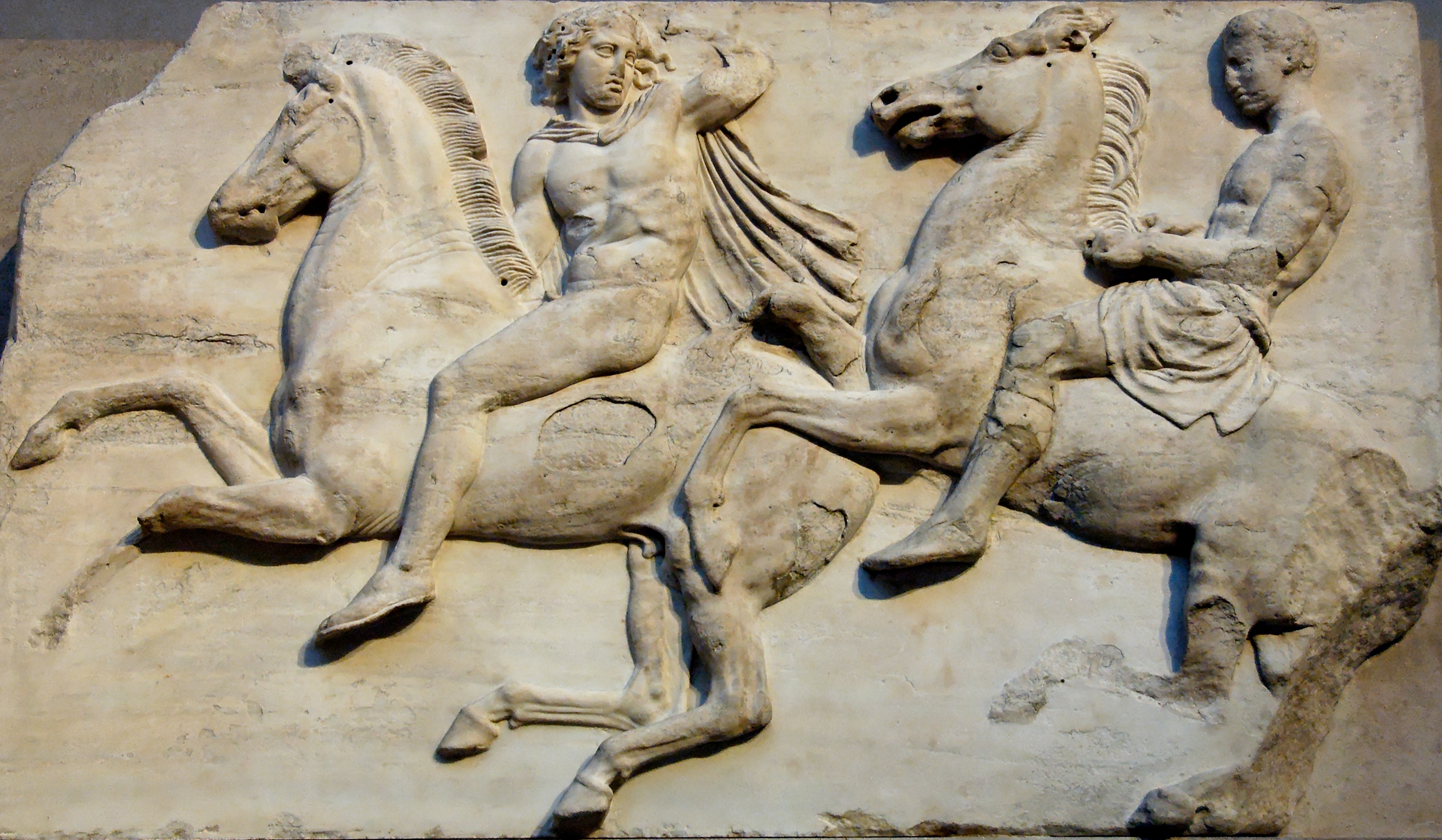
Parthenon frieze
447-432BCE, Athens, classical
marble
another battle scene, potentially representing real Greek warriors or maybe idealized people still. Carved in relief, voyeuristic as they are not engaging with the viewer so the viewer is forced to gaze at them instead. Post Persian War
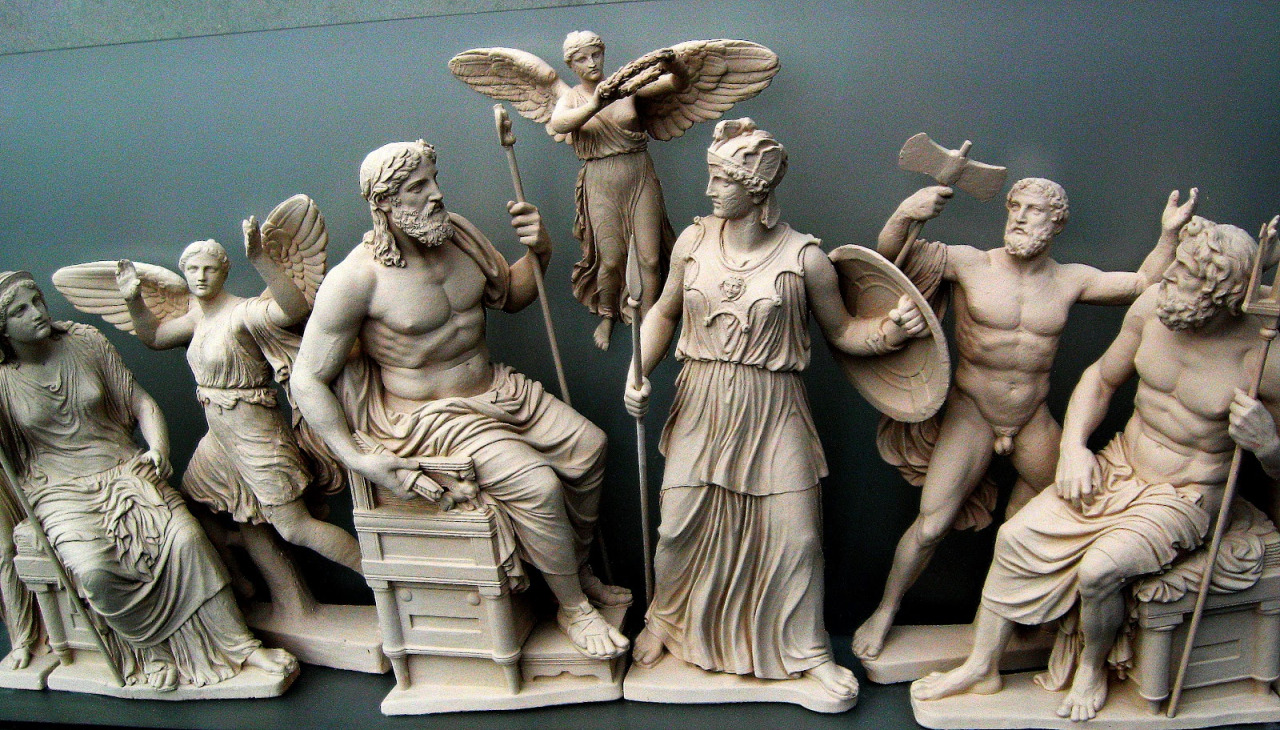
Parthenon East Pediment
447-432 BCE, Athens, classical
marble
relief sculpture like the frieze but carved much deeper so much has been lost to time and we are unsure of what it would have definitely looked like. Representing the birth of Athena coming out of Zeus’ headache with goddesses and gods reacting to the event. We have Helios bringing up the son and another god carrying it downward showing passage of time and expression within the figures. Very draping clothing showing wealth, women interacting with one another. People are totally invested in the event and ignore the viewer, surrealism combined with idealism.

