Art Appreciation Fine Art Terms
 Studied by 0 people
 Call Kai
 Learn
Learn Practice Test
 Spaced Repetition
 Match
Match Flashcards
 Knowt Play
1/108

There's no tags or description
Looks like no tags are added yet.
Name | Mastery | Learn | Test | Matching | Spaced |
|---|
No study sessions yet.
109 Terms
medium
material of the art object or technical process used to create a work of art, such as painting, drawing, or sculpture.
mixed media
artwork that combines different mediums, usually with no dominant medium
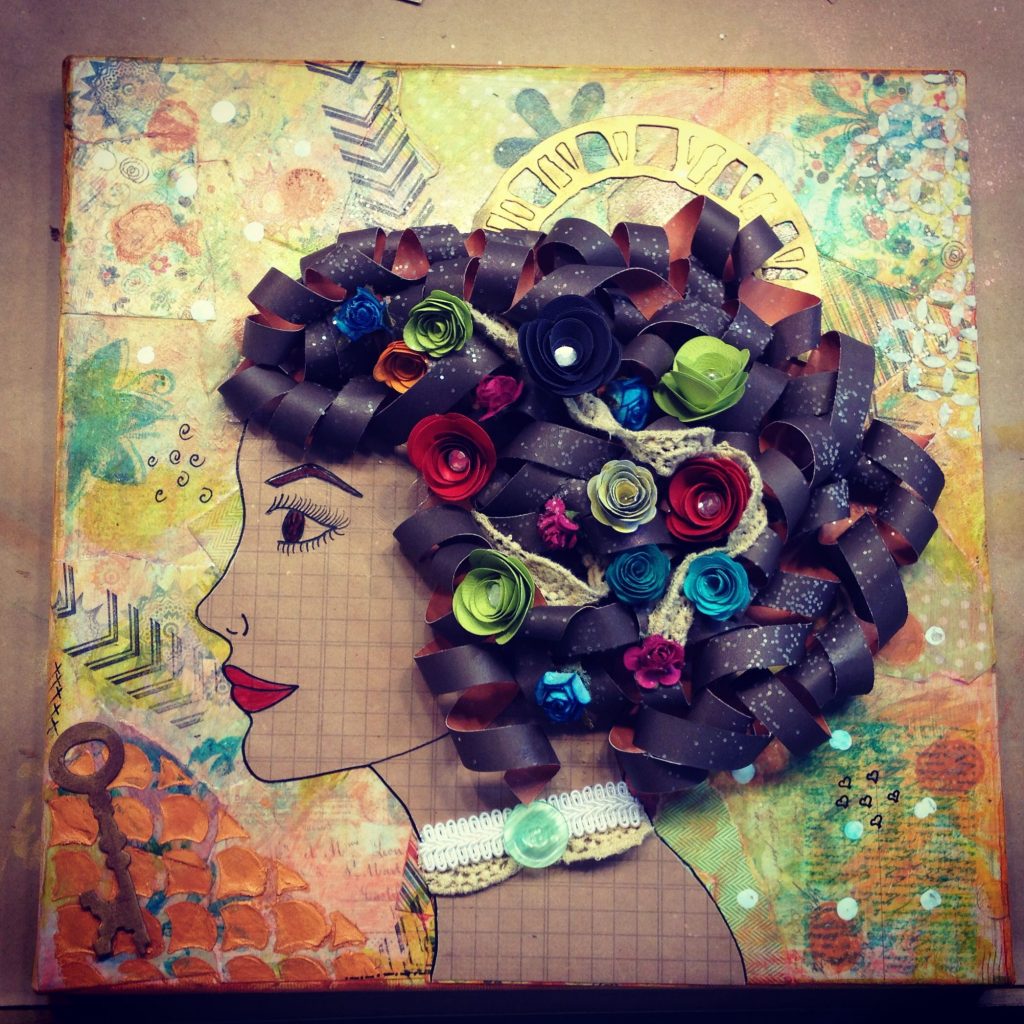
two dimensional art
drawing, painting, graphic arts, photography
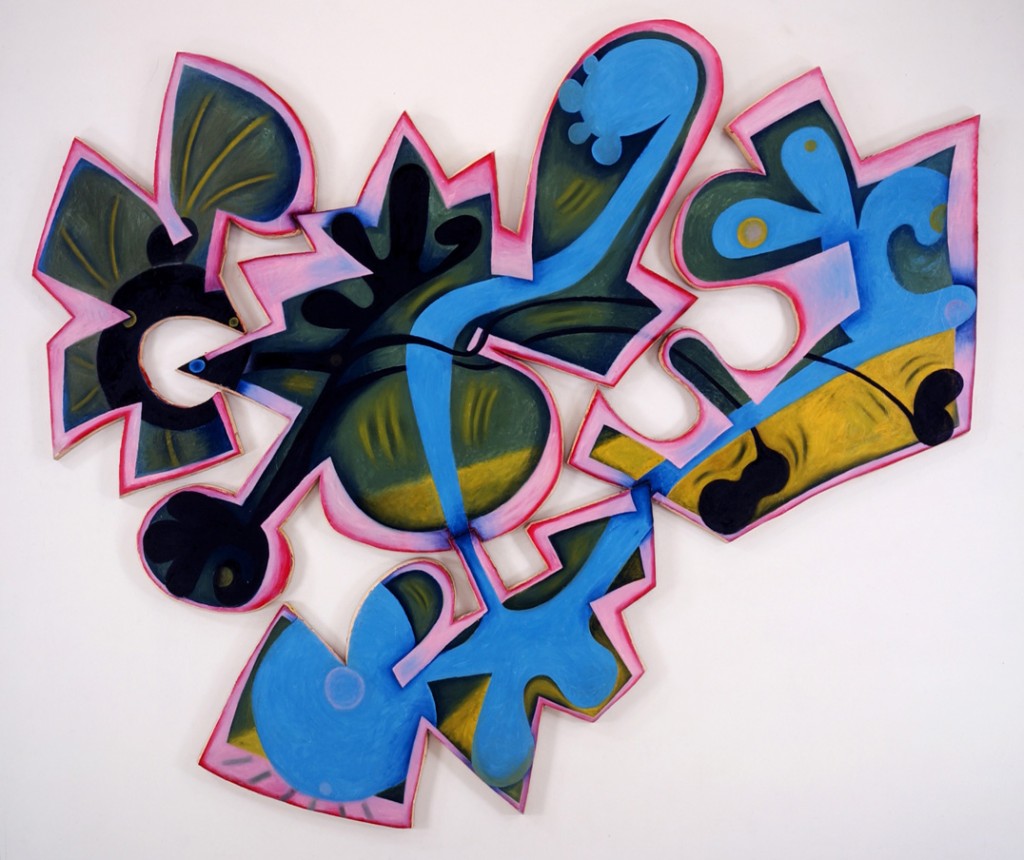
three dimensional art
sculpture, architecture, ornamental practical arts
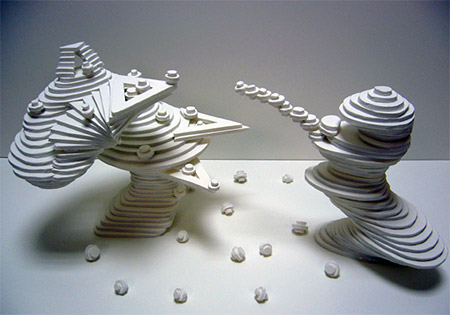
ephemeral art
less traditional and non-permanent art, using space or time in a non-traditional way; performance art, installation art, etc
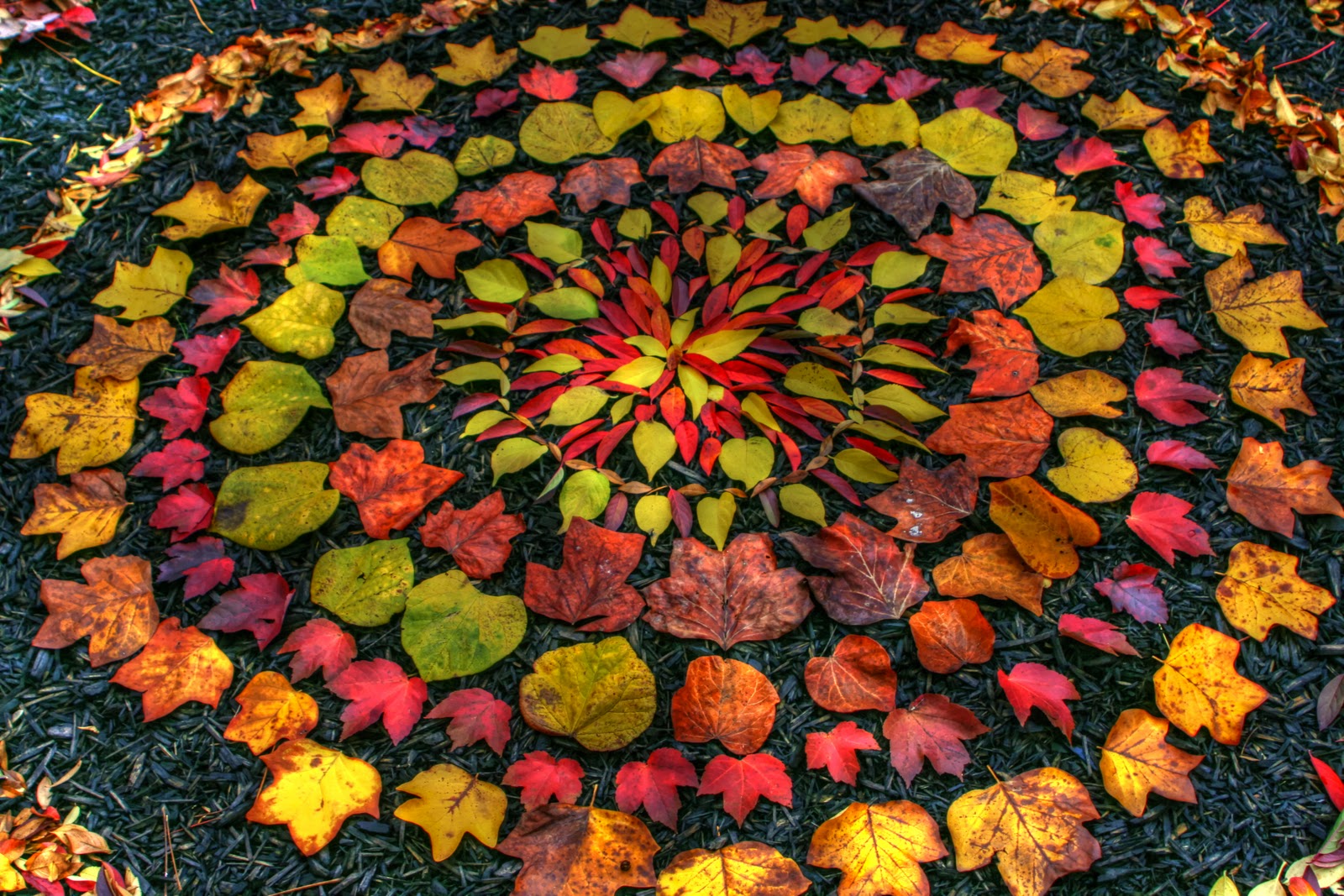
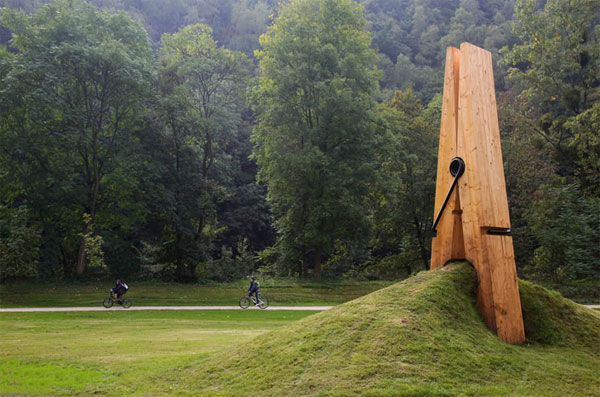
site specific
art created to exist in a particular location - designed to interact with or be influenced by its surroundings & environment
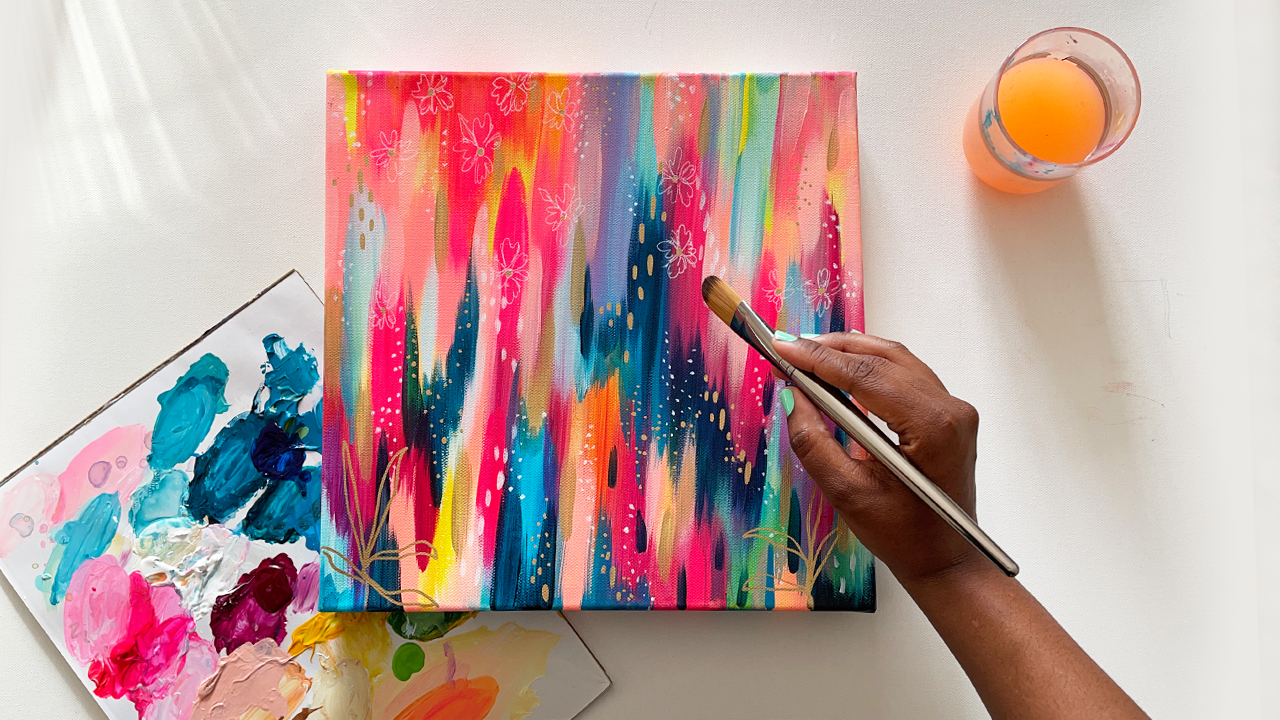
painting
an artwork created using the medium of paint; including wall paintings fresco, easel painting
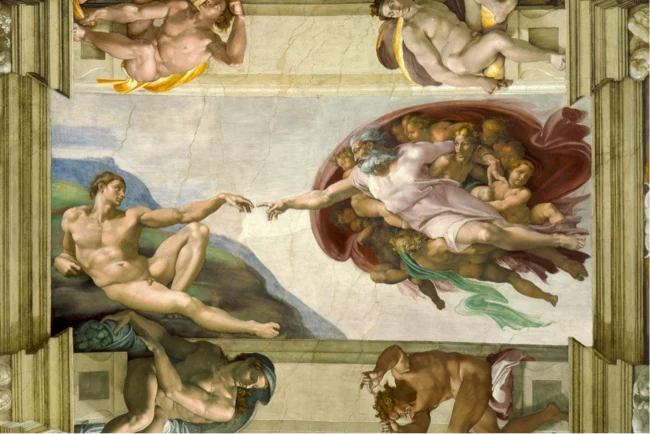
fresco
a type of painting that employs water-based pigment paint on top of freshly applied, wet plaster
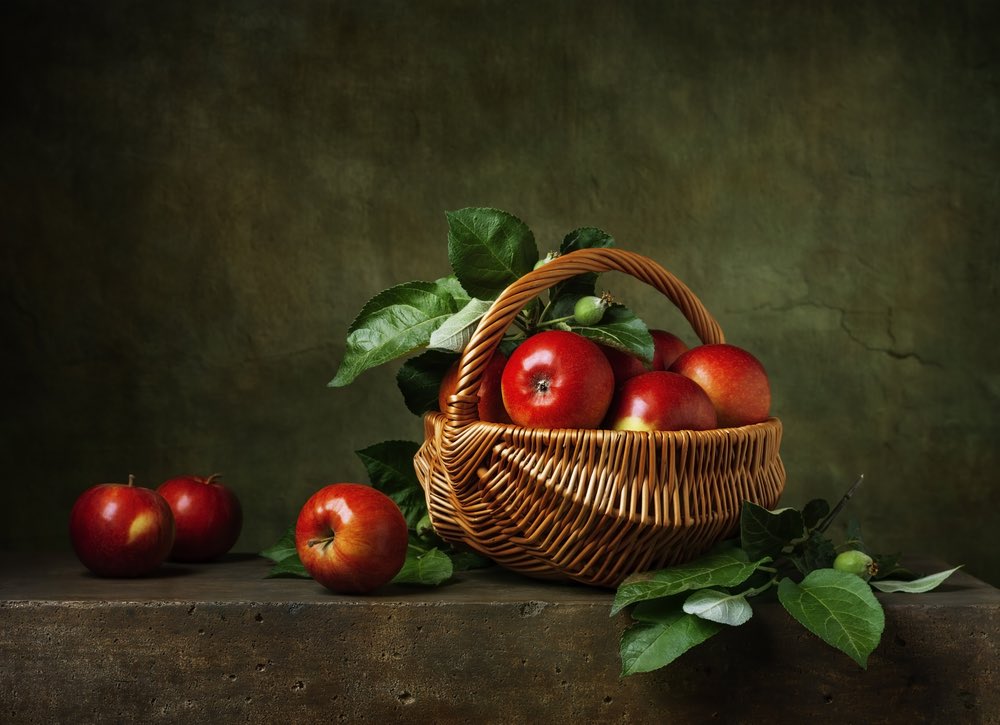
still life
artwork that depicts an arrangement of inanimate objects
genre painting
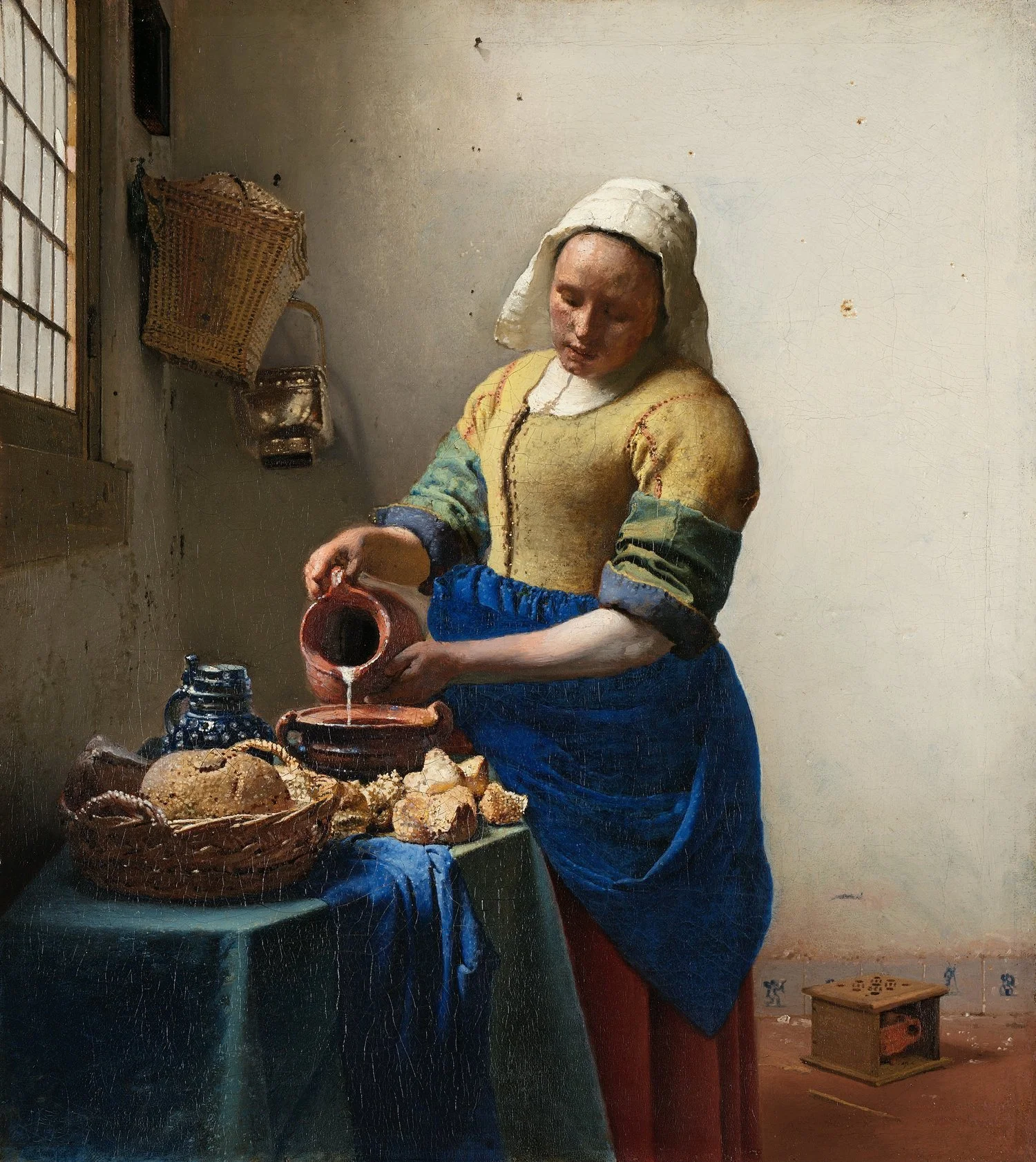
scenes from daily life, treated realistically
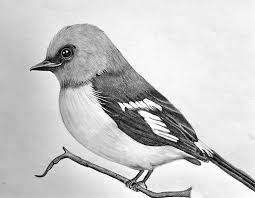
drawing
the act of representing an image on a surface by means of adding lines and shades, as with a pencil, crayon, chalk, pens, etc to make sketches, studies, cartoons, or more complete works
graphic art
printmaking; woodcut, engraving, etching, dry point, lithography; graphic design
graphic design
art of combining text and images to communicate messages visually - often used in advertising, branding, and digital media.
printmaking
the process of creating artworks by transferring ink from a prepared surface onto paper or other materials.
woodcut
a printmaking technique where an image is carved into a woodblock - with the raised areas holding ink and producing the print
engraving
a printmaking technique where designs are incised into a hard surface, like metal, which is then inked and pressed onto paper.
etching
a printmaking process that uses acid to bite into a metal plate where the artist has drawn, creating lines that hold ink for printing.
dry point
a printmaking technique where the artist scratches the design directly onto a metal plate with a sharp tool, creating a burr that holds ink.
lithography
a printmaking method that involves drawing on a flat stone or metal plate with a greasy substance - then using chemical processes to create prints from the drawn areas
photogravure
a printmaking process that combines photography and etching - where a photographic image is transferred onto a metal plate and then etched for printing
polymer plates
used in modern printmaking - flexible plates coated with light-sensitive polymer material, allowing for detailed & durable prints
typography
the art and technique of arranging type (fonts) to make written language legible, readable, and visually appealing
commercial art
refers to art that is made for the purposes of commerce
low art
art forms considered to be more accessible or popular, often associated with mass culture, such as cartoons, crafts, or graffiti
high art
art forms regarded as culturally sophisticated and often associated with classical traditions - such as fine art painting, sculpture, printmaking, fine books, etc
photography
traditional and digital images from a camera, scanner or Photoshop
digital photography
capturing images using digital cameras, where the image is recorded as digital data rather than on film
videotape
digital moving images
video
a medium that records and plays back moving images and sound, often used in contemporary art to create narrative or experimental works.
cinema
moving images using traditional film
film
a medium that captures and projects moving images, typically used in cinema and fine art to create unique works
sculpture
three-dimensional objects; carved, modeled or assembled; freestanding or in relief; high relief, low relief
reductive sculpture
sculpture created by removing material from a larger mass - such as carving stone or wood, to reveal the final form
additive sculpture
sculpture created by adding material to build up a form - such as clay modeling or assembling various elements
assembled sculpture
type of sculpture made by combining different materials or objects
relief sculpture
a shallow, sculptural form whose image has shallow depth, frequently used in architecture
bas-relief
a shallow, sculptural form whose image has shallow depth, frequently used in architecture
edge qualities
the characteristics of the boundaries between objects, how the medium of an artwork describes the border of an object or area
hard edge
a style in painting or design characterized by clean, sharp boundaries between colors or shapes, with no blending or soft transitions
blurred edge
a visual effect where the boundaries between colors, shapes, or objects are softened or indistinct - creating a sense of movement or atmosphere
distinct edge
clear and sharp boundary between forms, colors, or areas in a composition - making each element stand out crisply
volumetric
creating the illusion of three-dimensions with use of the modeling and chiaroscuro
Chiaroscuro
frequently used, and it relates to the use of light and dark to create the illusion of a volumetric object on a two-dimensional surface. Chiaroscuro in translation to English means light and dark.
perspective
a system for reproducing three-dimensional space on a flat surface there are several different techniques or systems; atmospheric perspective, one point and multiple point perspective, intuitive perspective, oblique perspective, reverse perspective
atmospheric perspective
technique in painting that creates the illusion of depth by using less detail in the background - mimicking the effect of the atmosphere on distant objects
one-point perspective
drawing method where parallel lines converge at a single vanishing point on the horizon - creating the illusion of depth
multiple point perspective
technique where several vanishing points are used on the same composition to depict objects from different angles - creating a dynamic sense of space
intuitive perspectives
technique where depth is suggested based on the artist's instinct or observation rather than strict mathematical rules - often seen in early Renaissance art
oblique perspective
technique where an object is positioned with one corner facing the viewer, and the lines (orthogonal) recede toward two vanishing points on either side of the corner. The object's edges remain parallel to the picture plane and do not diminish vertically - creating a sense of depth with a unique, stylized perspective
reverse perspective
technique where the perspective lines diverge instead of converging - making objects appear to expand as they recede - often used in Byzantine and medieval art
gold leaf
gold metal that has been hammered to be extremely thin and capable of being attached to many surfaces such as paper, gessoed wood, and smooth metal
realistic
actual visible reality, can have the look of optical information
realism
surface reality, recording what is seen, even if it is imagined or supernatural
surreal
art that explores the unconscious mind, often combining dreamlike, fantastical, or bizarre imagery to challenge reality
naturalistic
physical appearance is the primary inspiration but it is not as literal as realistic work
pointillism
a painting technique where small distinct dots of color are applied in patterns to form an image, relying on the viewer's eye to blend the colors
idealism
represents things as they ought to be according to a philosophy
romantic
in the tradition of fictitious tales, showing an idealized view of the extraordinary or extravagant
romanticism
a broad movement or attitude developed in the late 18th century with an emphasis on emotion, and its concentration on the imaginative powers of the artist
history painting
painting that includes figures in any kind of historical, mythological or biblical narrative generally conveying a high moral or intellectual idea and often adopting a grand pictorial style
abstract
schematic, deriving ideas from reality but not using realistic forms, simplification of detail, translation into pure shapes, colors or patterns, not observable aspects of nature
expressionism
expression of subjective feelings, and appeal to the subjective response of the beholders
abstract expressionist
an art movement focused on spontaneous, abstract forms, and expressive emotional content - often through dynamic brushwork and non-representational imagery
german expressionist
early 20th-century art movement characterized by bold, distorted forms, intense colors, and emotional - dark themes of the time.
neo-expressionist
late 20th-century art movement that revived expressive figurative painting with raw, gestural brushwork, and vibrant - intense and unsettling visuals
conventional
conforming to accepted models or traditions, not natural, original or spontaneous
avant-garde
term used to describe artwork that changes thinking and challenges conventional ways of seeing
cutting edge
term used to describe artwork that changes thinking and challenges conventional ways of seeing
art for art’s sake
philosophy advocating that art should be appreciated for its beauty and creativity alone - without needing to serve a moral, political, or practical purpose
style
characteristics that identify work or make it distinctive, kind of work , consistent use of form and composition, one's style
figurative
represents real-world objects - particularly human or animal forms, often in a recognizable manner
narrative
tells a story or depicts a sequence of events - often through visual imagery or symbolism
figuration
The use of representational forms in art, especially the depiction of the human figure
signature style
distinctive, recognizable style or technique that an artist consistently uses - making their work easily identifiable
silkscreen
printmaking technique where ink is pressed through a mesh screen onto a surface, often used for mass production of images
graphic images
images often with strong contrasts, bold lines, or simplified forms - commonly found in illustrations, posters, and digital art
image
a representation of a person, thing or idea in an artwork
representational
forms in subject matter are recognizable
non-representational
subject matter is not recognizable
linear
lines are the primary means of definition, work that that is not painterly
calligraphy
handwriting that is stylized, mark making that mimic handwriting
mark
a visible trace or impression on a surface, as a line, dot, scratch, dent, etc.
painterly
work that uses paint to chart space and subject matter, paint does not always define edges, color and tone rather than line create the forms
atmospheric
this refers to the use of color, light, and shading to create a sense of depth, mood, or environment in a composition
brush strokes
visible marks left by a brush on a painting's surface - contributing to the texture, direction, and expressive quality of the artwork
content
subject matter, the ideas included in a work
iconography
the study of icons, images, representations etc
icon
traditional meaning, panel painting that depicts a miraculous image or picture of a saint; contemporary meaning, can be a realistic or abstract symbol used in an artist’s work
form
the volume and shape of a three-dimensional work, perhaps including unfilled areas that are integral to the work as a whole
content
subject matter, the ideas included in a work
style
characteristics that identify work or make it distinctive, kind of work , consistent use of form and composition, one's style
formal elements
purely visual aspects, such as line, shapes, color, texture, spatial qualities and composition
line
a mark that defines shape that is more or less continuous. A mark that follows an edge or a contour
edge
the characteristics of the boundaries between objects, how the medium of an artwork describes the border of an object or area
drafting
the act of representing an image on a surface by means of adding lines and shades, as with a pencil, crayon, pen, chalk, pastels, etc. to make sketches, studies, cartoons or more complete works
shading
used to build atmosphere or volume
crosshatched
Crosshatched lines can also be used to create atmosphere or volume
contour line
an outline that depicts the edge of a figure or volume
implied line
the suggested lining up of juxtaposed objects
shape
the external appearance of an object as opposed to its structure; an area which stands out from the space next to it or around it because of a defined boundary of a difference of value, color, or texture
 Note
Note  Flashcards (136)