Lesson 5 - Life History and Succession

0.0(0)
studied byStudied by 0 people
0.0(0)
call kaiCall Kai
learnLearn
examPractice Test
spaced repetitionSpaced Repetition
heart puzzleMatch
flashcardsFlashcards
GameKnowt Play
Card Sorting

1/8

encourage image

There's no tags or description

Looks like no tags are added yet.

Last updated 1:35 AM on 1/31/26
Name
Mastery
Learn
Test
Matching
Spaced
Call with Kai

No analytics yet

Send a link to your students to track their progress

9 Terms

1
New cards

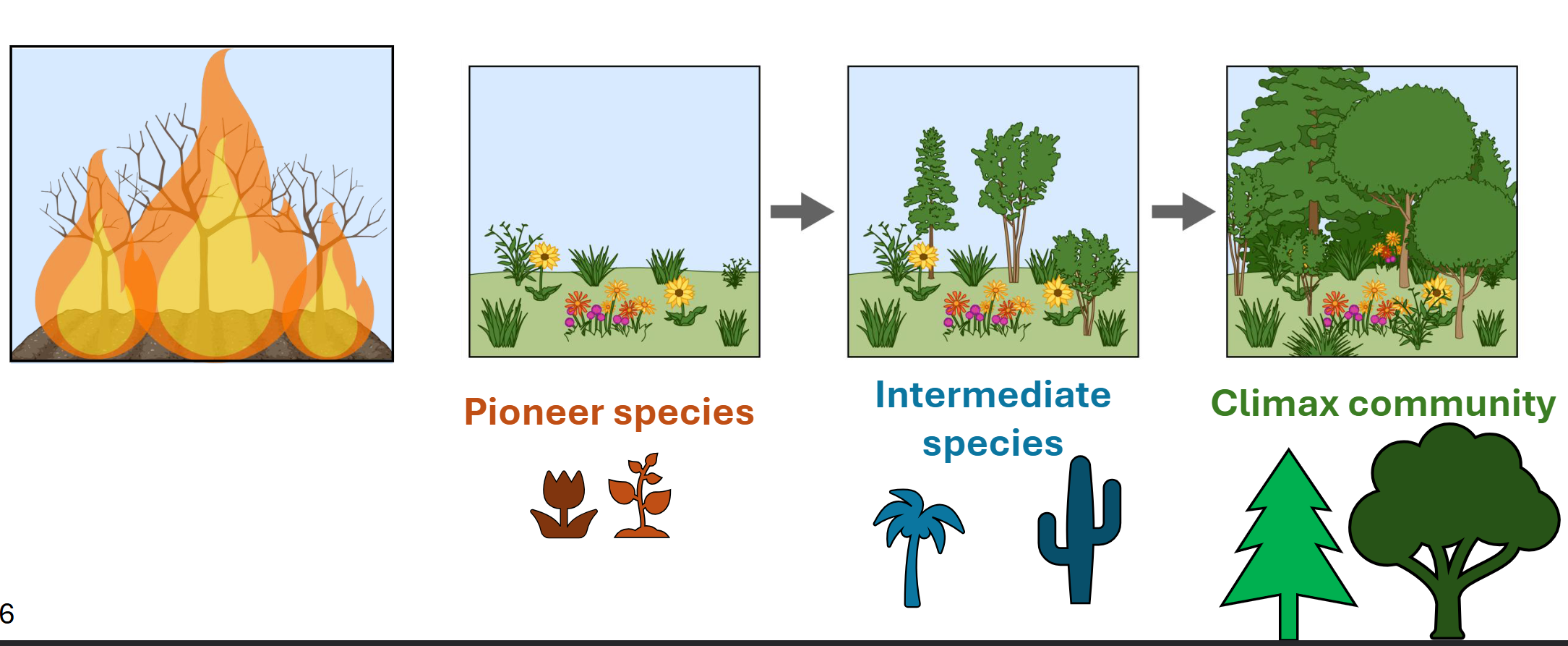
Disturbance

  • Physical or environmental event that disrupts the structure or function of an ecosystem

  • Removes biomass

  • Disturbance initiates succession!

  • Without disturbance, communities shift to climax species!

  • Fires to floods, high winds, or landslides
<ul><li><p><span>Physical or environmental event that disrupts the structure or function of an ecosystem</span></p></li><li><p><span>Removes biomass</span></p></li><li><p><span>Disturbance initiates succession!</span></p></li><li><p><span>Without disturbance, communities shift to climax species!</span></p></li><li><p><span><span>Fires to floods, high winds, or landslides</span></span></p></li></ul><p></p>
2
New cards

Dispersal (and types of Dispersal)

  • The movement of individuals (or their propagules, such as seeds, spores, or larvae) away from their place of origin

  • Pioneer Species

  • Intermediate Species

  • Climax Community Species

3
New cards

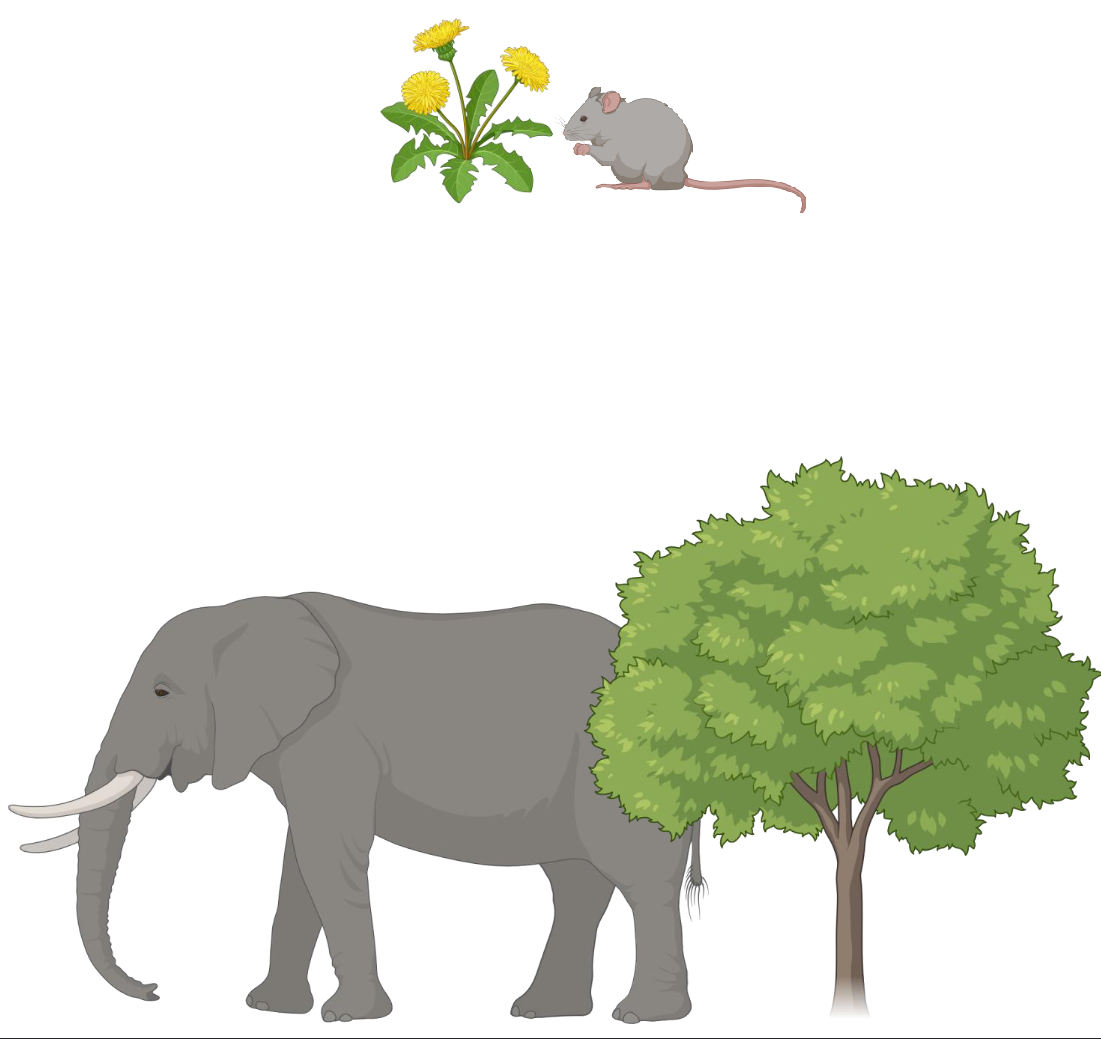
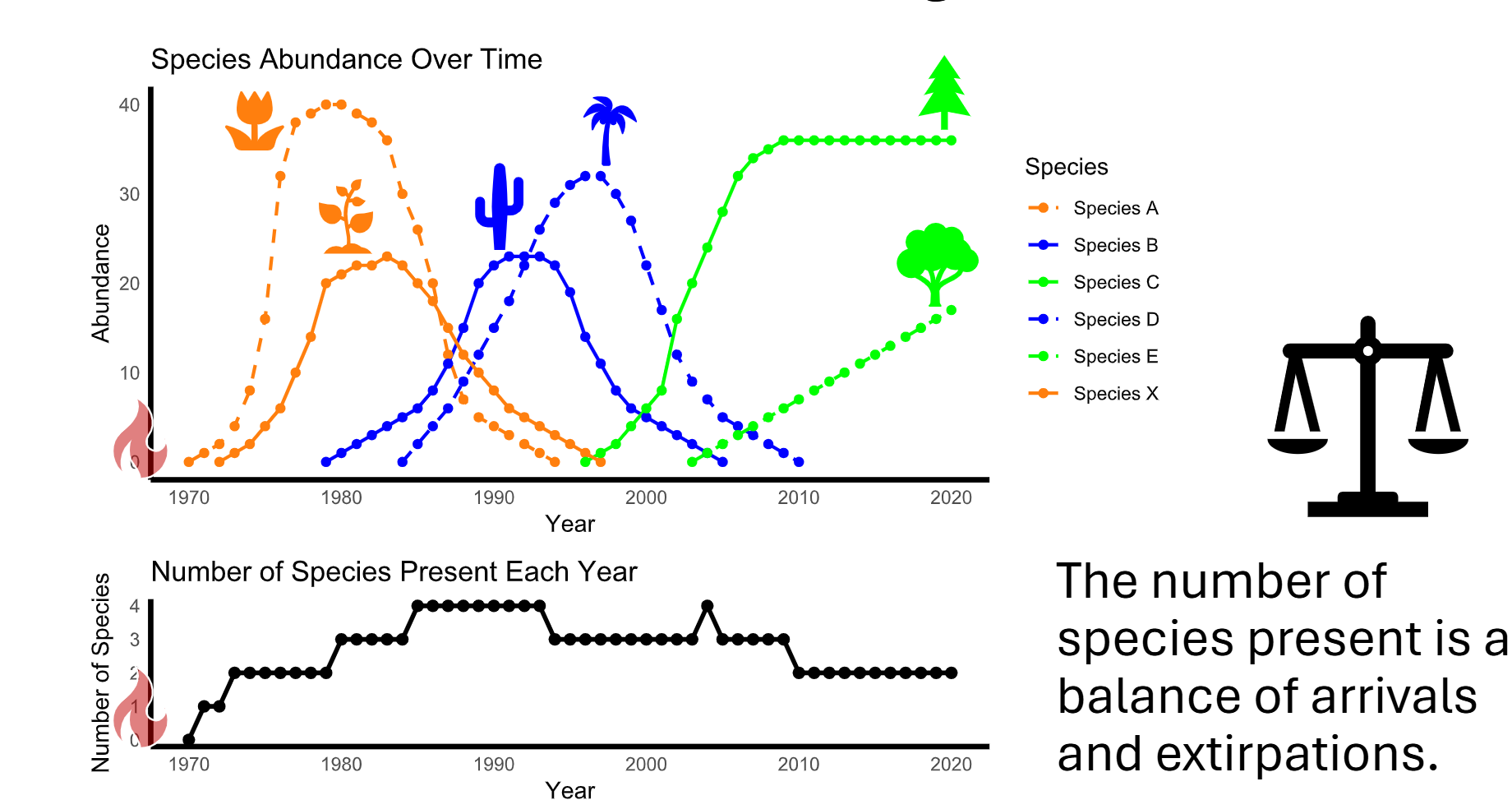
Pioneer Species

  • Good at dispersal

  • Thrive in poor/absent soils

  • Help build soils

  • Short lifespan

  • Lots of offspring

  • Rapid growth

  • Not good competitors

4
New cards

Intermediate Species

  • Moderate dispersal

  • Require some soil nutrients

  • Help build soils more

5
New cards

Climax Community Species

  • Require rich soils

  • Great competitors

  • Slow growth

  • Good competitors

  • Long lifespan

  • Low dispersal rates

  • Not as many offspring

  • Not tolerance of harsh conditions

6
New cards

Succession and Stages

  • The process by which the community of species and habitat in an area changes over time

  • The sequence of plants and animals that appear at a site after a disturbance

  • Early Succession Habitat

    • Challenging physical conditions with high light and temperature, poor soil nutrients, few soil fungi, low soil moisture, but low competition

  • Mid-Succession Habitat

    • Intermediate state with both physical and biotic challenges available

  • Late-Succession Habitat

    • Challenging biotic conditions with intense competition for light and soil nutrients, but more tolerable physical conditions
<ul><li><p><span>The process by which the community of species and habitat in an area changes over time</span></p></li><li><p><span>T</span><span><span>he sequence of plants and animals that appear at a site after a disturbance</span></span></p></li><li><p><span>Early Succession Habitat</span></p><ul><li><p><span>Challenging physical conditions with high light and temperature, poor soil nutrients, few soil fungi, low soil moisture, but low competition</span></p></li></ul></li><li><p><span>Mid-Succession Habitat</span></p><ul><li><p><span>Intermediate state with both physical and biotic challenges available</span></p></li></ul></li><li><p><span>Late-Succession Habitat</span></p><ul><li><p><span>Challenging biotic conditions with intense competition for light and soil nutrients, but more tolerable physical conditions</span></p></li></ul></li></ul><p></p>
7
New cards

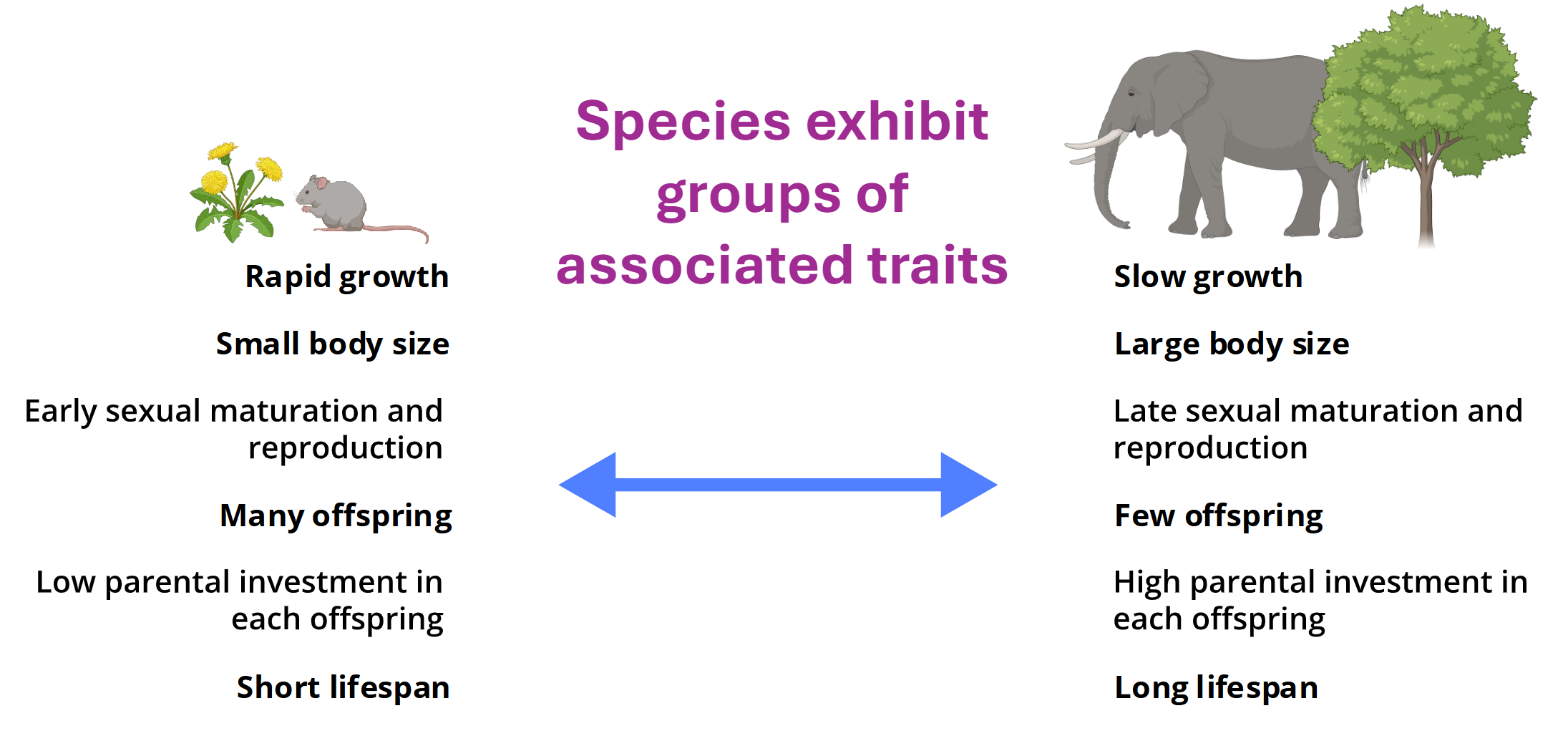
Life-History

  • The sequence of life events involving growth and reproduction—essentially, how species allocate energy and other resources to survival and reproduction

  • Allocating resources is about growth OR reproduction OR defense OR maintenance

  • Every individual has a limited amount of time and energy to devote to the activities that are required to stay alive and reproduce → trade off!
<ul><li><p><span><span>The sequence of life events involving growth and reproduction—essentially, how species allocate energy and other resources to survival and reproduction</span></span></p></li><li><p><span><span>Allocating resources is about growth OR reproduction OR defense OR maintenance</span></span></p></li><li><p><span><span>Every individual has a limited amount of time and energy to devote to the activities that are required to stay alive and reproduce → trade off!</span></span></p></li></ul><p></p>
8
New cards

(Fitness) Trade-Off

  • An inevitable compromise between traits that can't both be optimized

  • No species or strategy is best in all situations, and advantages always come with costs.

  • Traits that improve performance in one context often reduce performance in another.

  • Whether a strategy is successful depends on who else is present and what strategies they are using.

  • Tradeoffs can prevent any single species or strategy from dominating, allowing coexistence

  • Ecological systems shaped by tradeoffs often show dynamic outcomes, not fixed winners.

  • Chance plays a role

<ul><li><p><span><span>An inevitable compromise between traits that can't both be optimized</span></span></p></li><li><p><span><span>No species or strategy is best in all situations, and advantages always come with costs.</span></span></p></li><li><p><span><span>Traits that improve performance in one context often reduce performance in another.</span></span></p></li><li><p><span><span>Whether a strategy is successful depends on who else is present and what strategies they are using.</span></span></p></li><li><p><span><span>Tradeoffs can prevent any single species or strategy from dominating, allowing coexistence</span></span></p></li><li><p><span><span>Ecological systems shaped by tradeoffs often show dynamic outcomes, not fixed winners.</span></span></p></li><li><p><span><span>Chance plays a role</span></span></p></li></ul><p></p>
9
New cards

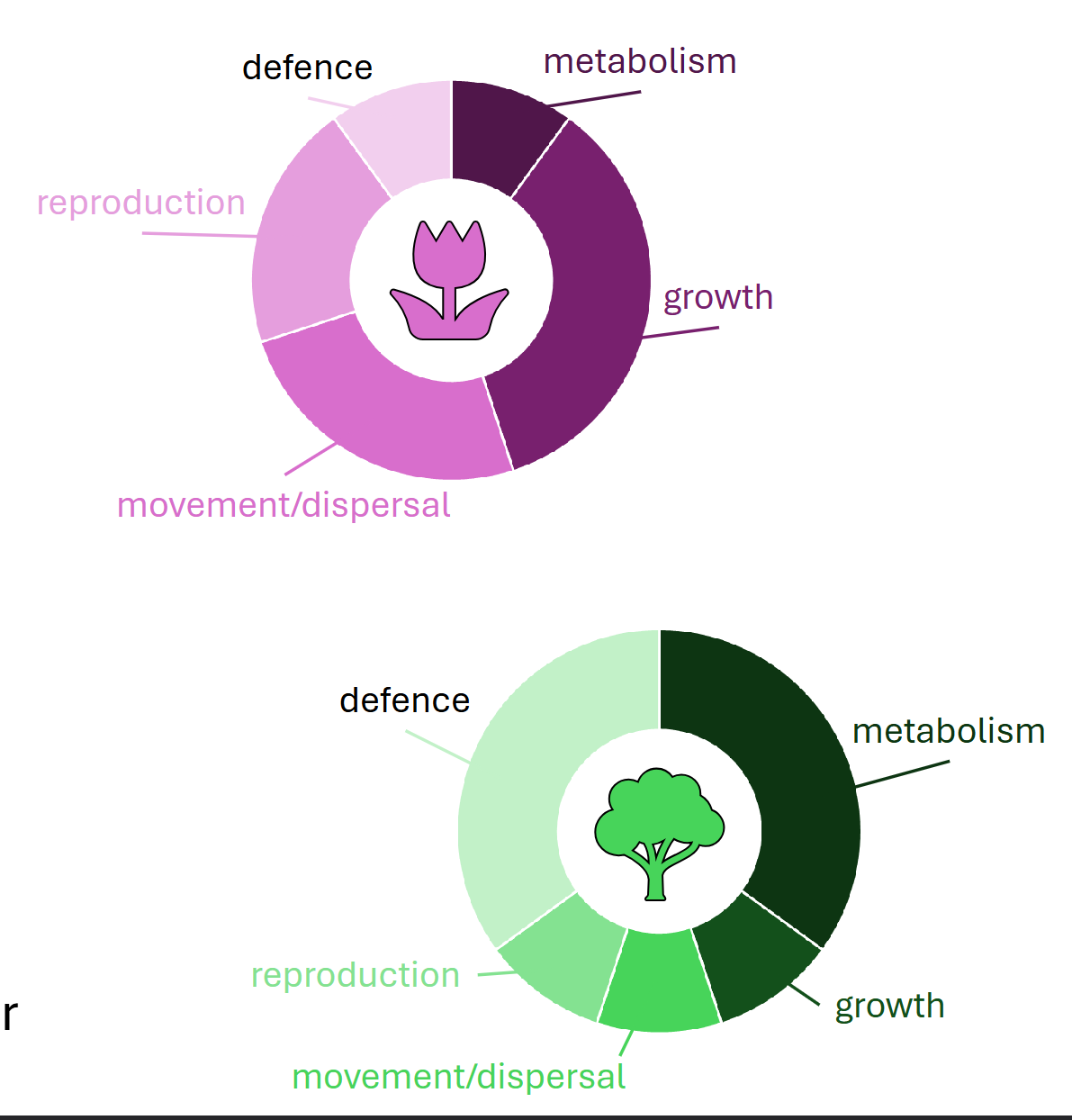
How do trade-offs allow organisms to allocate limited resources?

  • Energy budget

  • Energy must be allocated to different uses

  • Metabolism, Growth, Movement/dispersal, Reproduction, Defense

  • Investing more in one trait means investing less in another
<ul><li><p><span><span>Energy budget</span></span></p></li><li><p><span><span>Energy must be allocated to different uses</span></span></p></li><li><p><span><span>Metabolism, Growth, Movement/dispersal, Reproduction, Defense</span></span></p></li><li><p><span><span>Investing more in one trait means investing less in another</span></span></p></li></ul><p></p>