plant reproduction --topic 4
 Call Kai
 Learn
Learn Practice Test
 Spaced Repetition
 Match
Match Flashcards
 Knowt Play
1/22

There's no tags or description
Looks like no tags are added yet.
Name | Mastery | Learn | Test | Matching | Spaced | Call with Kai |
|---|
No analytics yet
Send a link to your students to track their progress
23 Terms
reproduction defintion
process by which new individuals of the species is being made
reproduction is necessary for
continuity of species
simplest form of reproduction
binary fusion in yeast and bacteria (asexual)
asexual reproduction defintion
only requires one parent and no gametes are involved (eg, veggie reproduction / budding)
types of asexual reproduction
binary fission
budding
spore formation
fragmentation
regeneration
vegetative reproduction
binary fission
a single parent cell divides into two daughter cells (amoeba / bacteria)
budding
parent cell produces bud , it gets detached and develops into new individual (yeast/hydra)
spore formation
reproduces by forming spores , under favourable conditions spores develop into new individuals (fern, fungi)
fragmentation
organism with filamentous body , break into 2 or more fragments . each fragment grows into a new individual
regernation
organisms body breaks up into one or several parts. each part develops into new individual (eg. hydra, planarian )
vegetative reproduction
organisms produce new individuals by a vegetative part of the plant (potato/onion)
artificial vegetative propagation (involve in asexual reproduction)
cutting
layering
grafting
tissue culture
cutting
a part of the stem is cut and the cut end grows into new plants when placed in moist soil (rose/guava/mango)
layering
the stem of a plant is bent down until it touches the soil. the stem is then cut once it develops roots and grows into a new plant (rose/jasmine)
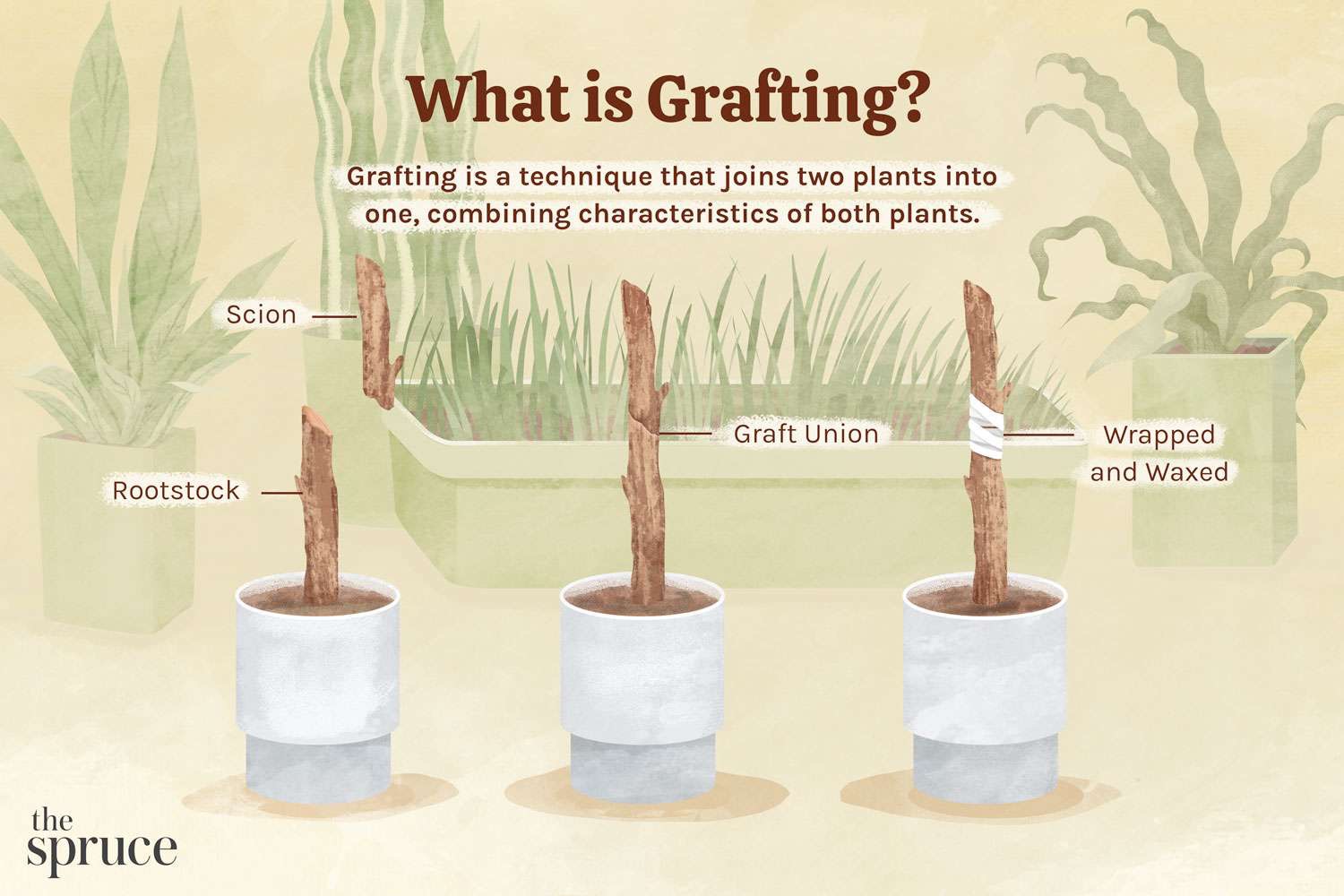
grafting
stem of a plant is cut and then fitted on another strong plant and covered with grafting wax (apples/oranges)
tissue culture
a collection of techniques used to maintain or grow plant cells, tissues or organs under sterile conditions on a nutrient culture medium of known composition (highest success rate , one tissue=many plants)
asexual reproduction advantages
involves a single parent organism + no gametes (easier)
all characteristics are passed on to offspring
genetically identical offspring produced
many organisms reproduce asexually ( not mammals) when conditions are favourable (eg: food / water sufficient supply)
able to colonise favourable environments quickly since large number of offsprings are produced
asexual reproduction disadvantages
lack of genetic variation (may not have genes to survive the change )and can be affected adversely by sudden changes in environment (eg: drought/diseases)
sexual reproduction definition
involves the fusion of two gametes to form a zygote during fertilisation
sexual reproduction characteristics
requires two organisms of the same species , one male one female
gametes are produced in meiosis (cell division )
offspring receives combination of genes from parents
each offspring is genetically different from parents
sexual reproduction advantages
offspring are genetically different from parents , able to adapt to new environments , increase survival chance of a species
sexual reproduction disadvantages
two parents are needed and thus require more time (slower)
genetically varied offspring may not always have the desired combination of genes and thus not always favourable in commercial crop production

