Unit 4-1 Vocabulary - Political Patterns and Processes - AP Outline

5.0(5)
studied byStudied by 86 people
5.0(5)
full-widthCall Kai
learnLearn
examPractice Test
spaced repetitionSpaced Repetition
heart puzzleMatch
flashcardsFlashcards
GameKnowt Play
Card Sorting

1/22

encourage image

There's no tags or description

Looks like no tags are added yet.

Study Analytics
Name
Mastery
Learn
Test
Matching
Spaced

No study sessions yet.

23 Terms

1
New cards

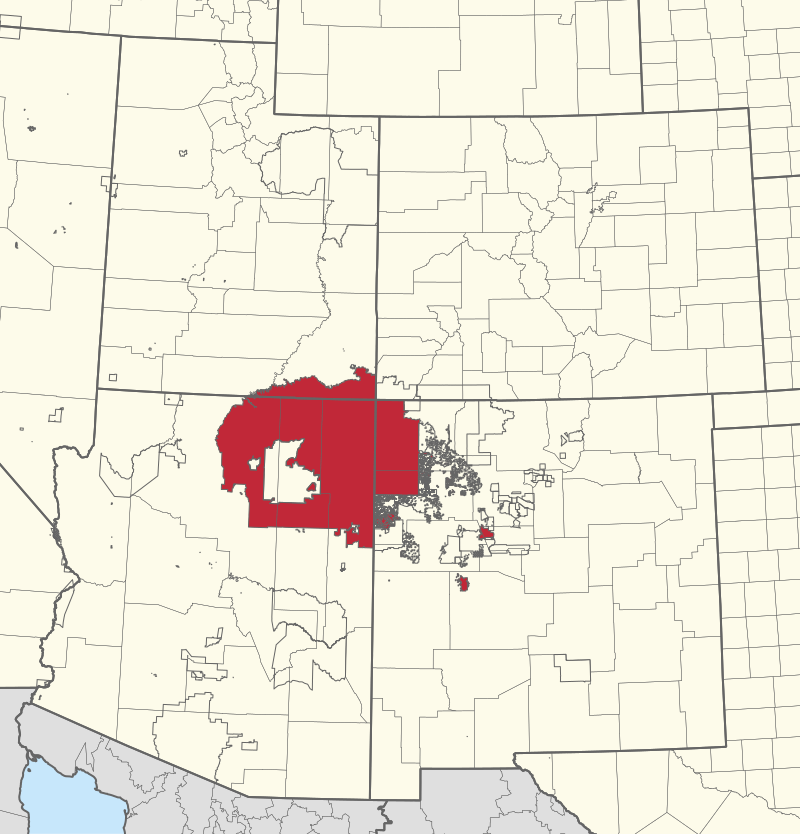
Autonomous/Semi-Autonomous Region

Areas within a country that have a degree of self-governance and independence, allowing them to manage their own affairs while still being part of the larger state (country)

Subdivision or dependent territory of a country that has a degree of self-government or autonomy, in its decision making (control own affairs)

EX - Native American reservations, state/province/city/county
<p>Areas within a country that have a <strong>degree of self-governance</strong> and <strong>independence</strong>, allowing them to manage their own affairs while still being part of the larger state (country)</p><p><span>Subdivision or dependent territory of a country that has a degree of self-government or autonomy, in its decision making (control own affairs)</span></p><p><span>EX - Native American reservations, state/province/city/county</span></p>
2
New cards

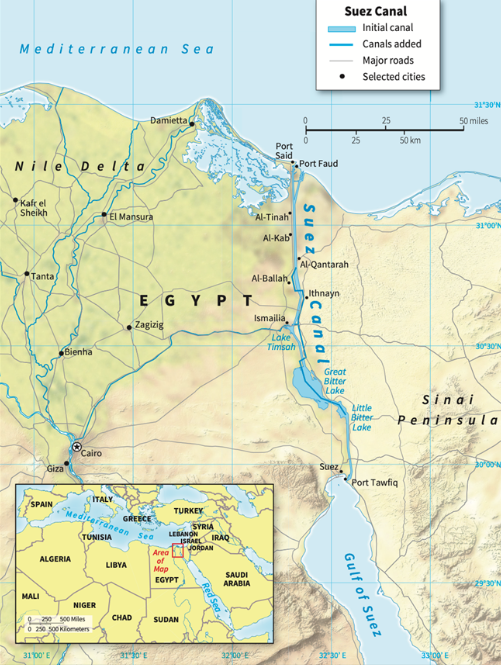
Choke Point

Narrow geographical feature, like a strait, mountain pass, or canal, where the movement of people or goods can be easily restricted or controlled, often becoming strategically important in times of conflict due to the concentrated passageway it forces traffic through

EX - Panama Canal, Suez Canal, Strait of Hormuz, Strait of Malacca, Bosporus Strait

EX - STRAIT/CANAL
<p>Narrow geographical feature, like a strait, mountain pass, or canal, where the movement of people or goods can be easily restricted or controlled, often becoming strategically important in times of conflict due to the concentrated passageway it forces traffic through</p><p>EX - Panama Canal, Suez Canal, Strait of Hormuz, Strait of Malacca, Bosporus Strait</p><p><strong>EX - STRAIT/CANAL</strong></p>
3
New cards

Colonialism/Imperialism

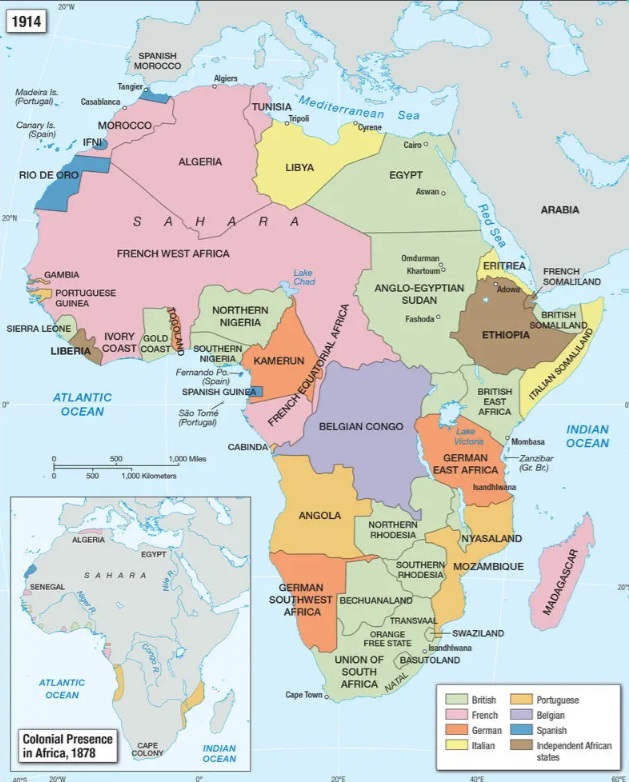
Imperialism - Extending a country's power and influence through diplomacy or military force

Colonialism - Actual practice of settling and establishing control over the indigenous people of an area

EX - Britain, France, Spain, Portugal, Netherlands
<p><strong><span>Imperialism </span></strong><span>- </span>Extending a country's power and influence through diplomacy or military force</p><p><strong>Colonialism </strong>- Actual practice of settling and establishing control over the indigenous people of an area</p><p><span>EX - Britain, France, Spain, Portugal, Netherlands</span></p>
4
New cards

Devolution

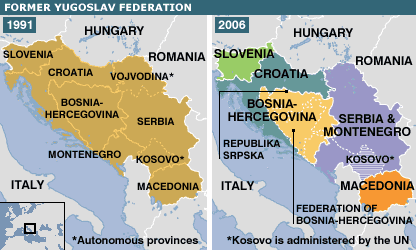
Process where power is transferred from a central government to smaller, regional governments within a state, essentially giving more autonomy to local areas and decreasing the central government's authority

Transfer or delegation of power to a lower level, especially by central government to local or regional administration

EX - Former USSR, Yugoslavia, Czechoslovakia, U.S., Canada
<p><span>Process where </span><strong><span>power is transferred from a central government to smaller, regional governments within a state</span></strong><span>, essentially giving more autonomy to local areas and decreasing the central government's authority</span></p><p><span>Transfer or delegation of power to a lower level, especially by central government to local or regional administration</span></p><p><span>EX - Former USSR, Yugoslavia, Czechoslovakia, U.S., Canada</span></p>
5
New cards

Gerrymandering

Manipulation of voting district boundaries to favor a particular political party, group, or election outcome

Process of redrawing where political officials redraw electoral districts to favor a certain political party, ethnic group, coalition, or social class  legislative boundaries for the purpose of benefiting the party in power

EX - Shape of district will look very abnormal or strange

<p><strong><span>Manipulation of voting district boundaries</span></strong><span> to favor a particular political party, group, or election outcome</span></p><p><span>Process of redrawing where political officials redraw electoral districts to favor a certain political party, ethnic group, coalition, or social class&nbsp; legislative boundaries for the purpose of benefiting the party in power</span></p><p><span>EX - Shape of district will look very abnormal or strange</span></p>
6
New cards

Multinational State

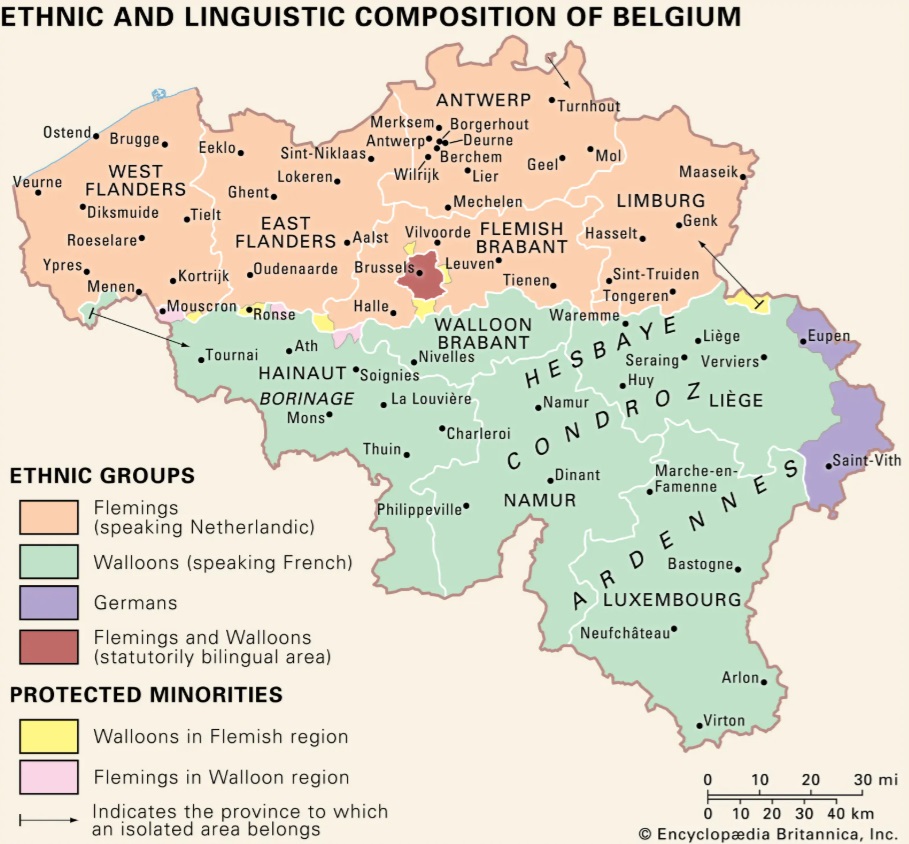
Sovereign state (country) that contains multiple distinct nations or ethnic groups within its borders

Core Characteristics

Multiple Nations: Unlike a nation-state (like Japan), a multinational state is home to several groups with their own languages, religions, and cultural identities.

Agreed Coexistence: These groups typically reside in the same state for mutual economic or security benefits.

Autonomy: Often, the central government grants specific nations within the state a degree of self-rule or autonomy to prevent conflict (this is a form of devolution)

EX - U.S., Canada, South Africa, United Kingdom, Belgium
<p><span>Sovereign state (country) that contains multiple distinct nations or ethnic groups within its borders</span></p><p><strong><u>Core Characteristics</u></strong></p><p><strong>Multiple Nations:</strong><span> Unlike a nation-state (like Japan), a multinational state is home to several groups with their own languages, religions, and cultural identities.</span></p><p><strong>Agreed Coexistence:</strong><span> These groups typically reside in the same state for mutual economic or security benefits.</span></p><p><strong><span>Autonomy:</span></strong><span> Often, the central government grants specific nations within the state a degree of </span><strong><span>self-rule</span></strong><span> or </span><strong><span>autonomy</span></strong><span> to prevent conflict (this is a form of </span><strong><span>devolution</span></strong><span>)</span></p><p><span>EX - U.S., Canada, South Africa, United Kingdom, Belgium</span></p>
7
New cards

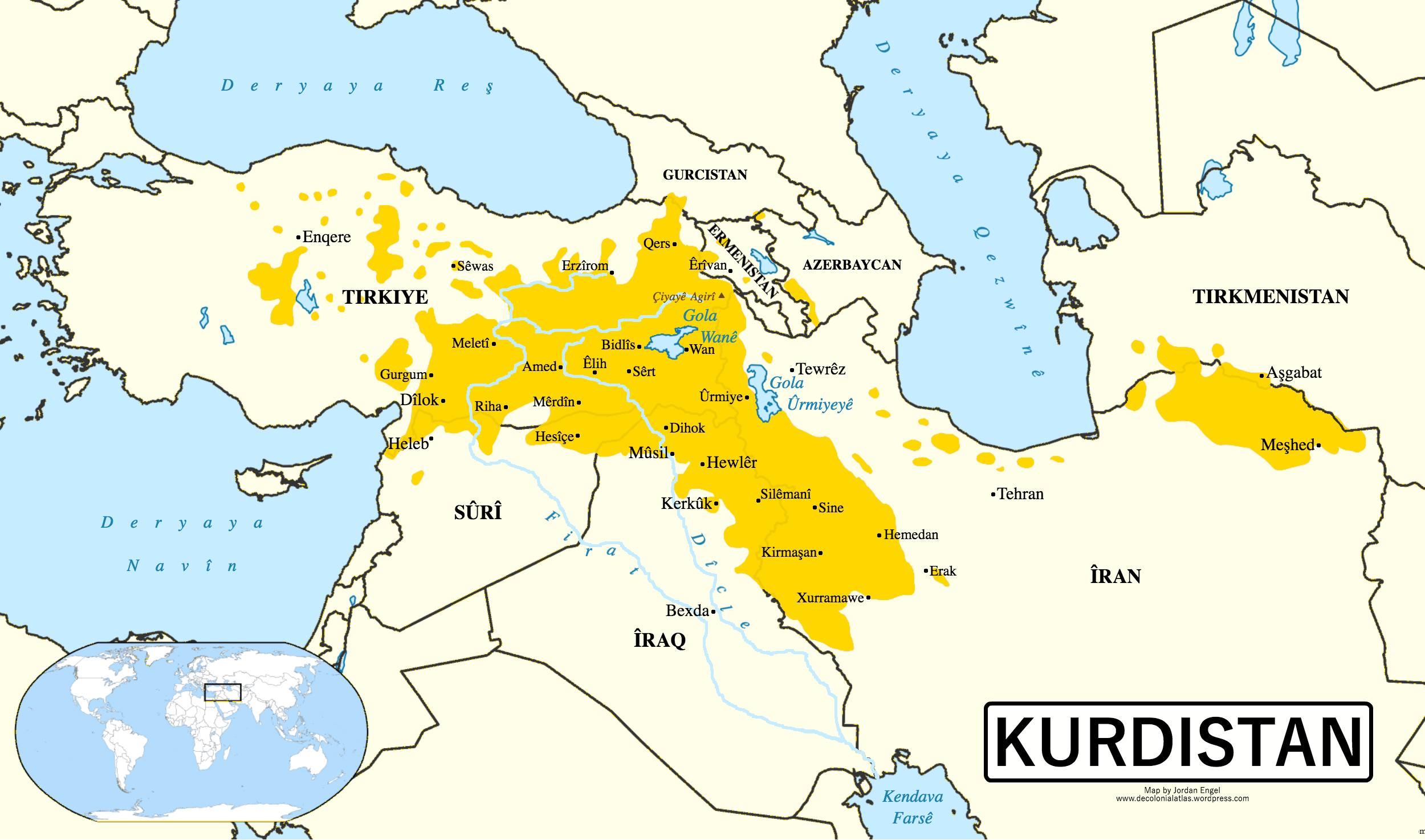
Multistate Nation

Cultural group (nation) that is spread across two or more political states

Key Characteristics

  • Shared Culture: The group shares a common language, religion, history, or ethnicity.

  • Divided by Borders: Political boundaries (often drawn by outside powers) have split the group's traditional homeland into different sovereign countries.

  • Political Minorities: In many of the states where they live, members of the nation are often ethnic minorities, which can lead to social or political tension

  • EX - Kurds, Arabs, Yoruba (Africa)

<p>Cultural group (nation) that is spread across two or more political states</p><p><strong><u>Key Characteristics</u></strong></p><ul><li><p><strong>Shared Culture:</strong> The group shares a common language, religion, history, or ethnicity.</p></li><li><p><strong>Divided by Borders:</strong> Political boundaries (often drawn by outside powers) have split the group's traditional homeland into different sovereign countries.</p></li><li><p><strong>Political Minorities:</strong> In many of the states where they live, members of the nation are often ethnic minorities, which can lead to social or political tension</p></li><li><p><span>EX - Kurds, Arabs, Yoruba (Africa)</span></p></li></ul><p></p>
8
New cards

Nation

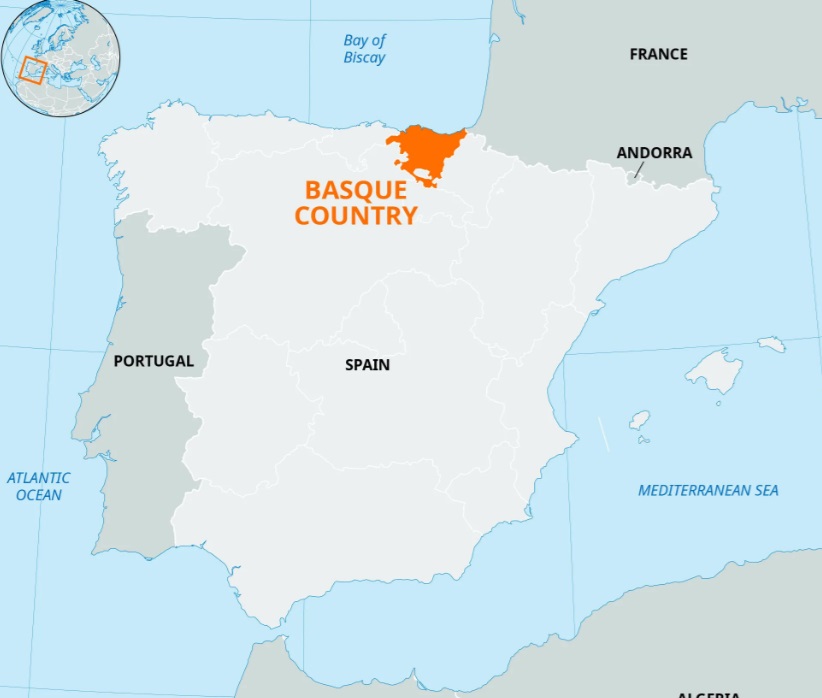
Group of people who share a common culture, history, language, and identity, often with a sense of attachment to a particular territory, even if they may not have their own sovereign state

EX - Irish, Italian, Mexican, Navajo, Catalonian, Basque, Kurds
<p><span>Group of </span><strong><span>people </span></strong><span>who share a common culture, history, language, and identity, often with a sense of attachment to a particular territory, even if they may not have their own sovereign state</span></p><p><span>EX - Irish, Italian, Mexican, Navajo, Catalonian, Basque, Kurds</span></p>
9
New cards

Nation-State

Political model where the boundaries of a nation (a cultural group) exactly match the boundaries of a state (a political country)

Key Requirements

  • High Ethnic Homogeneity: Most of the people living there belong to the same ethnic group, speak the same language, and share the same history.

  • Sovereignty: The state has full control over its own internal and foreign affairs.

  • Territorial Correspondence: The "cultural homeland" and the "political borders" are the same.

EX - Japan, Denmark, Iceland, Slovenia
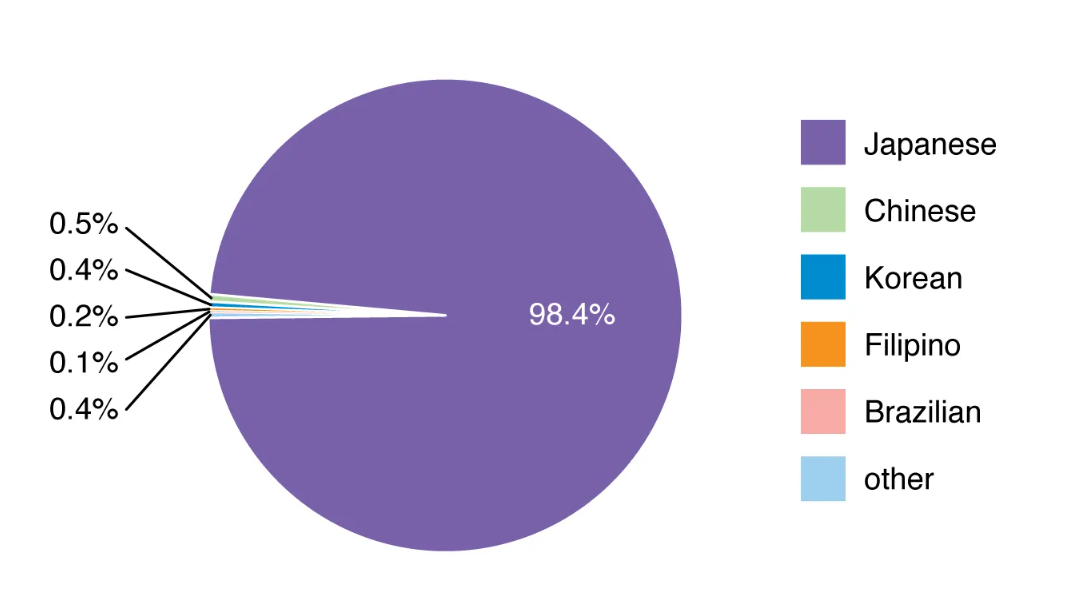
<p>Political model where the boundaries of a <strong>nation</strong> (a cultural group) exactly match the boundaries of a <strong>state</strong> (a political country)</p><p><strong><u>Key Requirements</u></strong></p><ul><li><p><strong>High Ethnic Homogeneity:</strong> Most of the people living there belong to the same ethnic group, speak the same language, and share the same history.</p></li><li><p><strong>Sovereignty:</strong> The state has full control over its own internal and foreign affairs.</p></li><li><p><strong>Territorial Correspondence:</strong> The "cultural homeland" and the "political borders" are the same.</p></li></ul><p>EX - Japan, Denmark, Iceland, Slovenia</p>
10
New cards

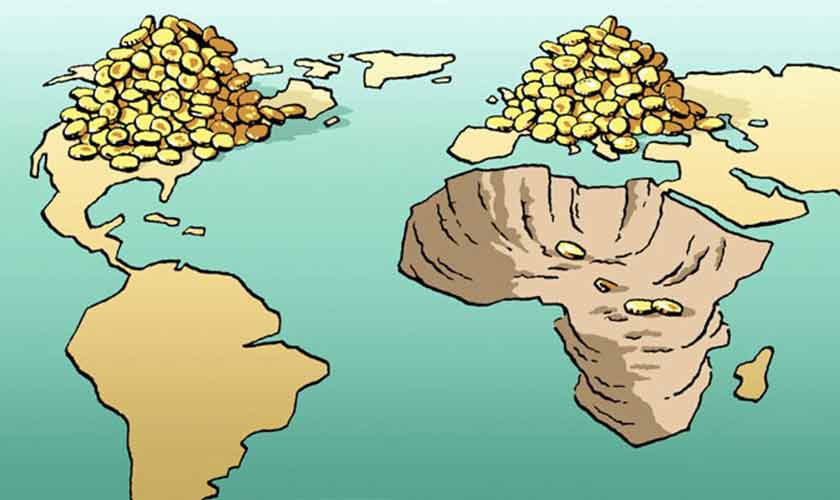
Neocolonialism

Practice where a former colonial power continues to exert economic and cultural influence over a now independent country, essentially controlling it indirectly through means like trade agreements, foreign debt, and cultural dominance

Key Methods of Neocolonial Control

  • Economic Pressure: Former colonies often remain dependent on selling raw materials to their former colonizers. Large Multinational Corporations (MNCs) may control the extraction of resources (like oil in Nigeria or cocoa in Côte d'Ivoire), keeping the profits in the "Core" while leaving the "Periphery" underdeveloped

  • The Debt Trap: Developing nations often take large loans from wealthier states or international organizations. When they cannot pay them back, the lending country may demand political favors or control over infrastructure (like ports or mines) as "collateral."

  • Cultural Imperialism: The spread of the dominant country’s language, religion, and media (movies, music, fashion) can erode local traditions and create a cultural dependency on the more developed nation
<p>Practice where a <strong>former colonial power</strong> continues to exert economic and cultural influence over a now independent country, essentially controlling it indirectly through means like trade agreements, foreign debt, and cultural dominance</p><p><strong><u>Key Methods of Neocolonial Control</u></strong></p><ul><li><p><strong>Economic Pressure:</strong><span> Former colonies often remain dependent on selling raw materials to their former colonizers.</span> <span>Large </span><strong><span>Multinational Corporations (MNCs)</span></strong><span> may control the extraction of resources (like oil in Nigeria or cocoa in Côte d'Ivoire), keeping the profits in the "Core" while leaving the "Periphery" underdeveloped</span></p></li><li><p><strong><span>The Debt Trap:</span></strong><span> Developing nations often take large loans from wealthier states or international organizations.</span> When they cannot pay them back, the lending country may demand political favors or control over infrastructure (like ports or mines) as "collateral."</p></li><li><p><strong><span>Cultural Imperialism:</span></strong><span> The spread of the dominant country’s language, religion, and media (movies, music, fashion) can erode local traditions and create a cultural dependency on the more developed nation</span></p></li></ul><p></p>
11
New cards

Political Power

Expressed geographically as control over people, land and resources, as illustrated by neocolonialism, shatterbelts, and choke points

12
New cards

Redistricting

Redrawing the boundaries of voting districts to reflect changes in population and ensure equal representation

Process of drawing new boundaries to reflect the population changes since the previous census
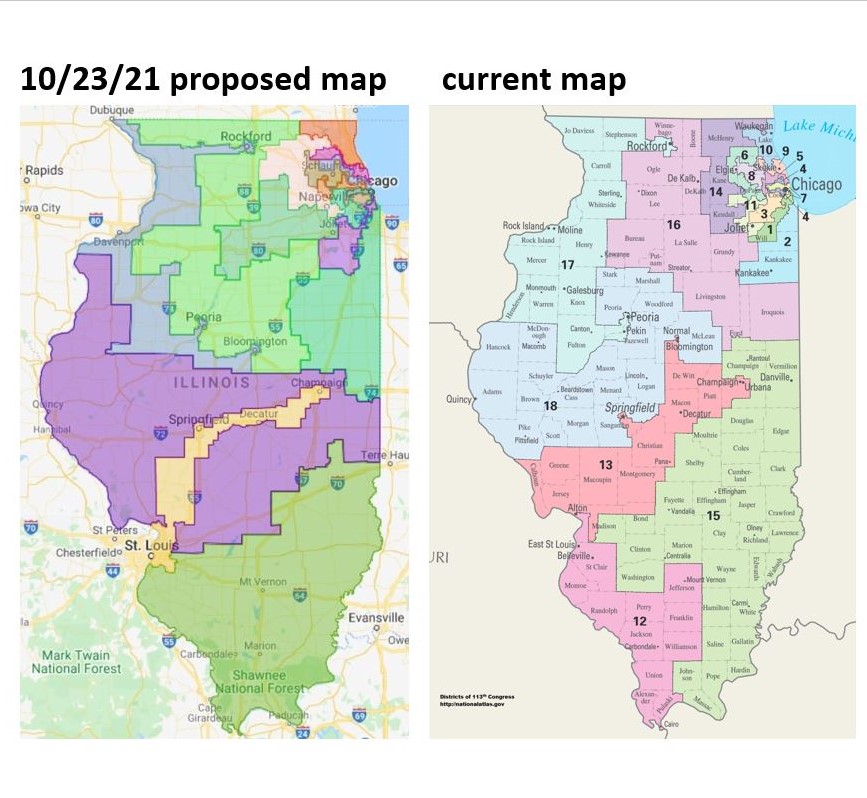
<p><strong>Redrawing </strong>the boundaries of voting districts to <strong>reflect changes in population</strong> and ensure equal representation</p><p>Process of drawing new boundaries to reflect the population changes since the previous census</p>
13
New cards

Self-Determination

Principle that a nation or ethnic group aspiring to gain the right to govern itself and determine its own political destiny

Scenario

Group

Outcome of Self-Determination

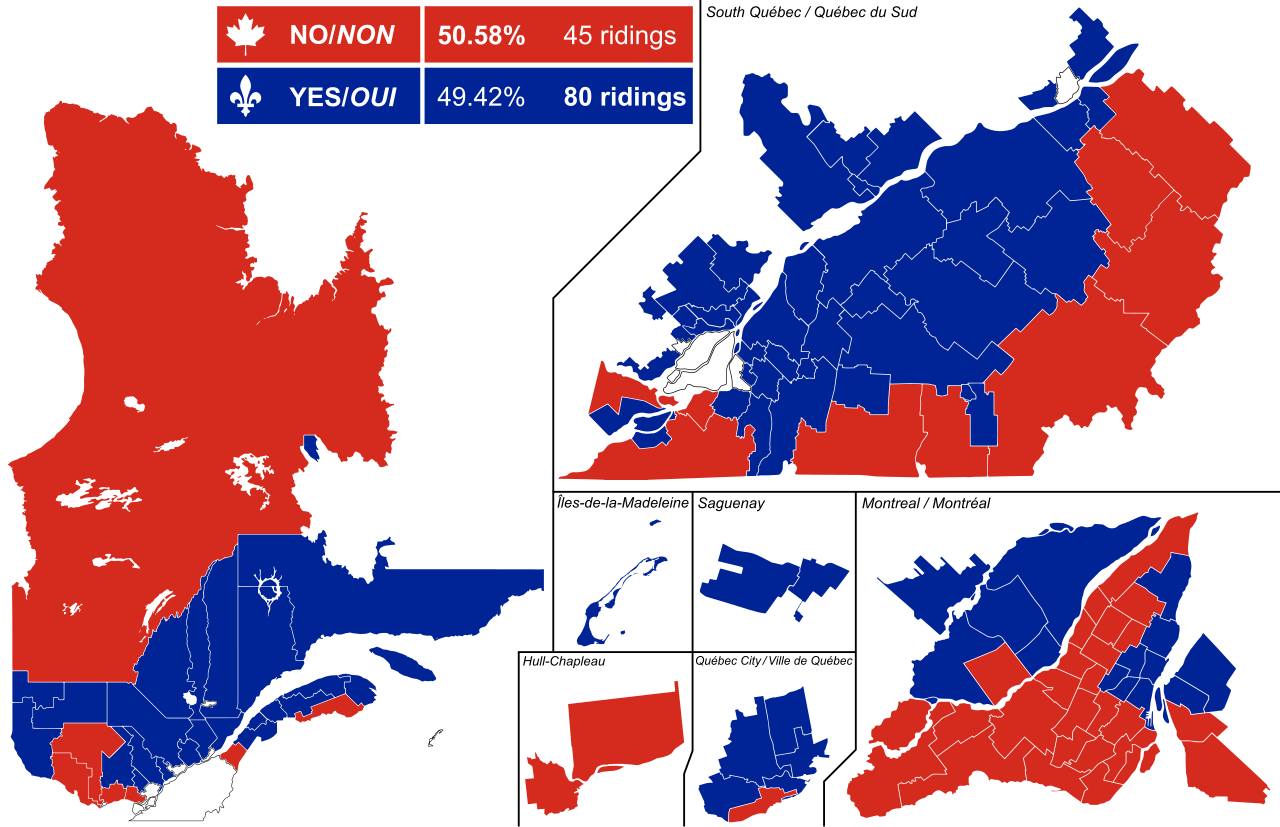
Quebec (Canada)

Québécois

Devolution: Gained linguistic and cultural autonomy.

Catalonia (Spain)

Catalans

Unsuccessful Secession: Ongoing tension with the Spanish government.

Timor-Leste

East Timorese

Independence: Broke away from Indonesia in 2002.

Palestine

Palestinians

Stateless Nation: Ongoing pursuit of a sovereign state.

14
New cards

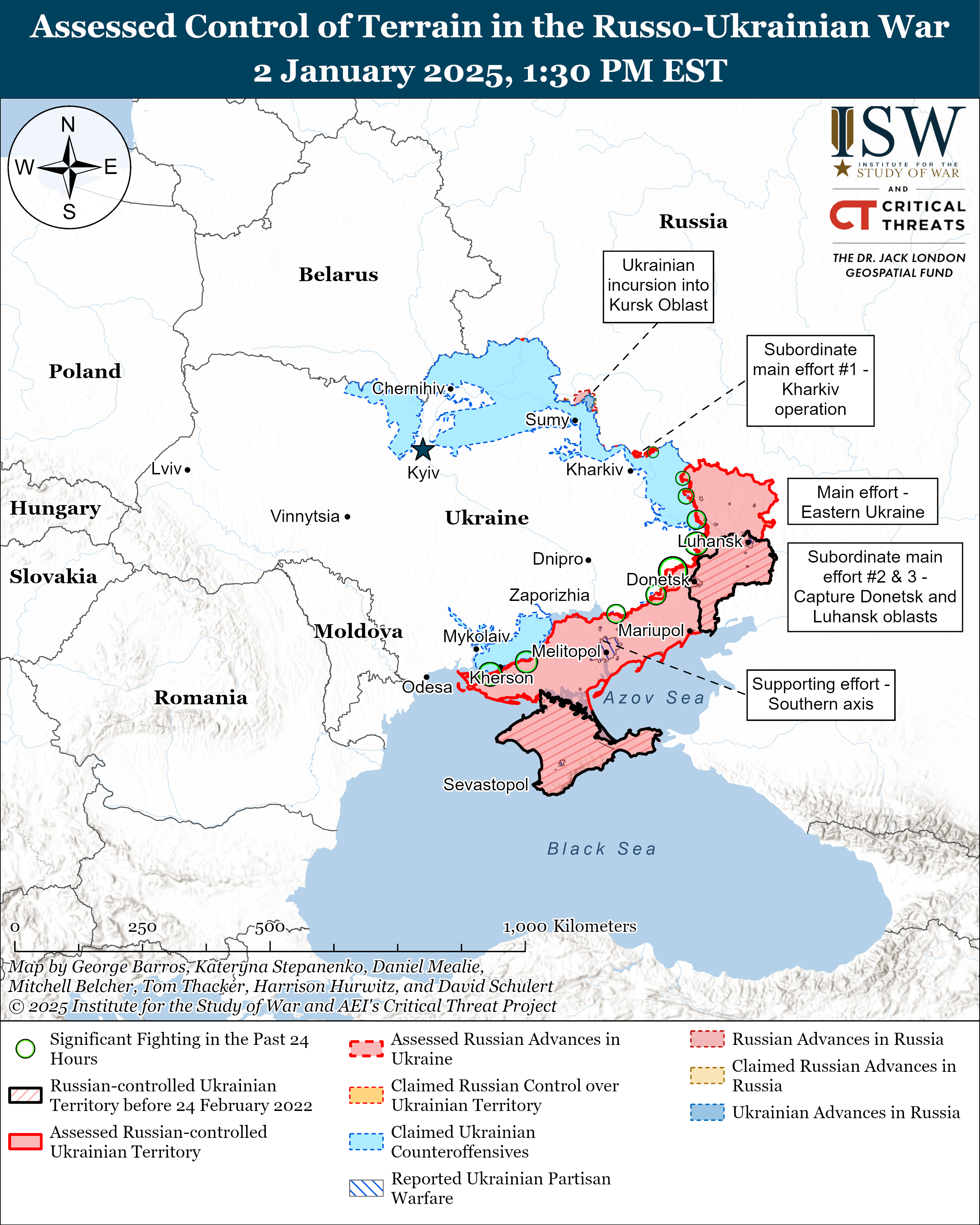
Shatterbelt

Region caught between stronger, colliding external cultural-political forces. These areas are under persistent stress and are often fragmented by aggressive rivals

Region of continuing and persistent fragmentation due to devolution and centrifugal forces

EX - Eastern Europe (Cold War), Vietnam (Cold War), Korea (Cold War), Afghanistan (Cold War), Israel/Palestine, Ukraine, Arab Spring, Middle East (oil)
<p>Region caught between stronger, colliding external cultural-political forces. These areas are under persistent stress and are often fragmented by aggressive rivals</p><p><span>Region of continuing and persistent fragmentation due to devolution and centrifugal forces</span></p><p><span>EX - Eastern Europe (Cold War), Vietnam (Cold War), Korea (Cold War), Afghanistan (Cold War), Israel/Palestine, Ukraine, Arab Spring, Middle East (oil)</span></p>
15
New cards

Sovereignty

Ultimate political authority of a state to govern itself within its own borders, meaning it has the power to make decisions without interference from other states or international organizations; essentially, the right to rule over a territory without external control

EX - Any independent state (country)

16
New cards

State

Formal term for what we typically call a "country." - the primary building block of the world’s political map

Characteristics of a State

A Centralized Government: An organized body that creates and enforces laws

Defined Boundaries: Clear borders that are recognized by other states

Sovereignty: Ability of the state to govern its own territory and internal affairs without outside interference

A Permanent Population: People who live within those borders

External Recognition: Other sovereign states must "accept" its existence (usually marked by membership in the United Nations)

17
New cards

Stateless Nation

Cultural or ethnic group that has a history of self-determination and a desire for its own sovereign territory but does not have a state of its own

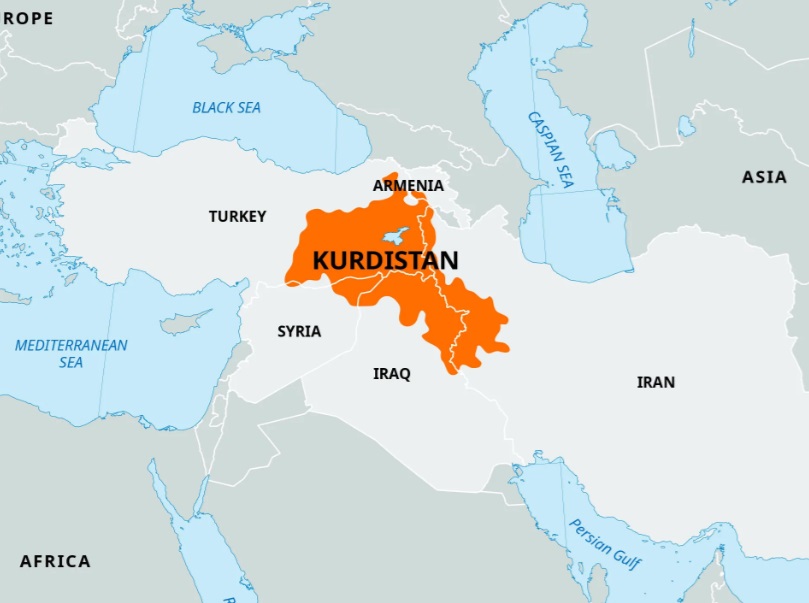
EX - Kurds, Native American groups, Basque (Spain), Hmong (Southeast Asia), Rohingya (Myanmar), Uighurs (China), Palestinians (Israel)
<p>Cultural or ethnic group that has a history of self-determination and a desire for its own sovereign territory but does not have a state of its own</p><p><span>EX - Kurds, Native American groups, Basque (Spain), Hmong (Southeast Asia), Rohingya (Myanmar), Uighurs (China), Palestinians (Israel)</span></p>
18
New cards

Territoriality

Connection of people, their culture, and their economic systems to the land

Behavior of individuals or groups to affect, influence, or control people, objects, and relationships by delimiting and asserting control over a geographic area

EX - Exclaves and Enclaves, urban neighborhoods, national boundaries

19
New cards

Voting District

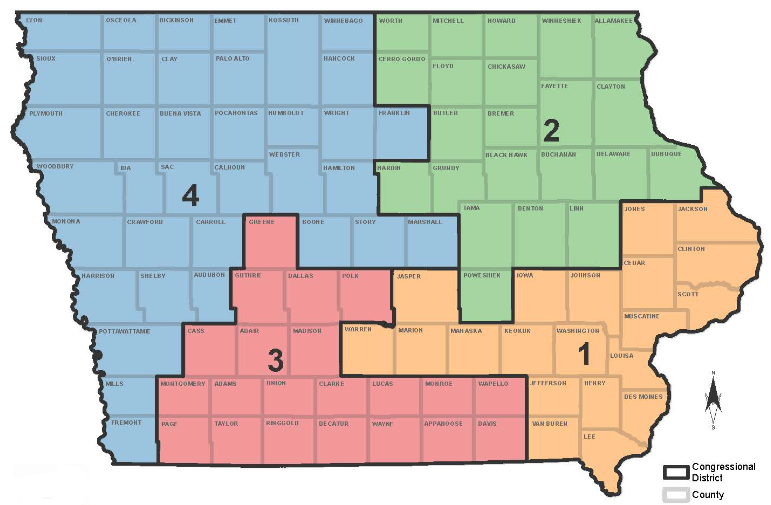
Territorial division for casting votes in public elections; generally only those who live in the voting district are permitted to cast their votes there

Voting districts are specific geographic areas defined for the purpose of electing representatives to government bodies
<p>Territorial division for casting votes in public elections; generally only those who live in the voting district are permitted to cast their votes there</p><p><span>Voting districts are specific geographic areas defined for the purpose of electing representatives to government bodies</span></p>
20
New cards

Decolonization

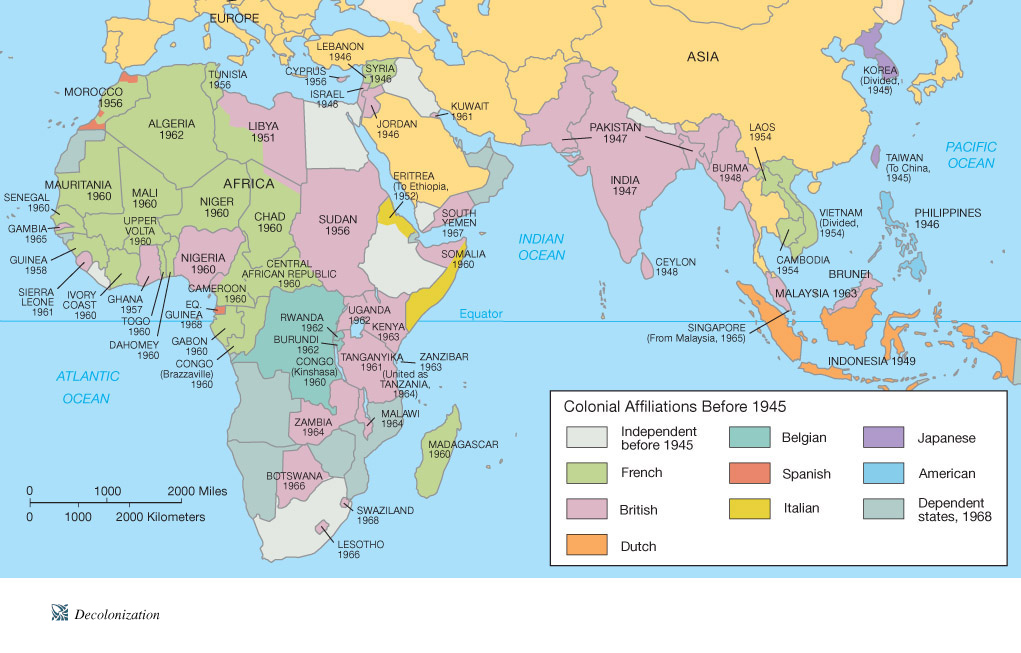
Process by which a colony gains independence and becomes a sovereign state. This process transformed the world map in the 20th century, moving it away from a system of global empires toward the modern system of nation-states

The Two Major Waves

  1. Late 1700s – Early 1800s: Focused primarily on the Americas (e.g., the United States, Haiti, and various Latin American countries breaking away from Britain, France, Spain, and Portugal).

  2. Post-World War II (1945 – 1970s): The most significant wave for the AP exam. European powers (UK, France, Belgium, etc.) were weakened by the war and faced rising movements for self-determination in Africa and Asia
<p><span>Process by which a colony gains independence and becomes a sovereign state.</span> <span>This process transformed the world map in the 20th century, moving it away from a system of global empires toward the modern system of nation-states</span></p><p><strong>The Two Major Waves</strong></p><ol><li><p><strong><span>Late 1700s – Early 1800s:</span></strong><span> Focused primarily on the </span><strong><span>Americas</span></strong><span> (e.g., the United States, Haiti, and various Latin American countries breaking away from Britain, France, Spain, and Portugal).</span></p><p></p></li><li><p><strong>Post-World War II (1945 – 1970s):</strong> The most significant wave for the AP exam. <span>European powers (UK, France, Belgium, etc.) were weakened by the war and faced rising movements for </span><strong><span>self-determination</span></strong><span> in </span><strong><span>Africa and Asia</span></strong></p></li></ol><p></p>
21
New cards

Independence Movements

Organized efforts by a specific group of people (usually a nation) to break away from their current state to form a new, sovereign nation-state

These movements are the primary expression of self-determination and act as a powerful centrifugal force that can lead to the redrawing of the world map

Region / Group

State they belong to

Status / Current Context

Catalonia

Spain

Wealthy region with its own language; held a 2017 referendum for independence that was declared illegal by Spain.

Scotland

United Kingdom

Narrowly voted to stay in the UK in 2014, but movements continue due to differences over Brexit.

Kurds

Turkey, Iraq, Iran, Syria

A stateless nation seeking a unified "Kurdistan." They have gained some autonomy in Iraq but face heavy resistance elsewhere.

Quebec

Canada

French-speaking province that has held two referendums to leave Canada; currently has high levels of cultural autonomy.

South Sudan

Sudan

A successful movement! Gained independence in 2011 after decades of civil war based on ethnic and religious differences.

<p>Organized efforts by a specific group of people (usually a nation) to break away from their current state to form a new, sovereign nation-state</p><p>These movements are the primary expression of <strong>self-determination</strong> and act as a powerful <strong>centrifugal force</strong> that can lead to the redrawing of the world map</p><table style="min-width: 75px;"><colgroup><col style="min-width: 25px;"><col style="min-width: 25px;"><col style="min-width: 25px;"></colgroup><tbody><tr><td colspan="1" rowspan="1" style="border: 1px solid;"><p><strong>Region / Group</strong></p></td><td colspan="1" rowspan="1" style="border: 1px solid;"><p><strong>State they belong to</strong></p></td><td colspan="1" rowspan="1" style="border: 1px solid;"><p><strong>Status / Current Context</strong></p></td></tr><tr><td colspan="1" rowspan="1" style="border: 1px solid;"><p><span><strong><span>Catalonia</span></strong></span></p></td><td colspan="1" rowspan="1" style="border: 1px solid;"><p><span><span>Spain</span></span></p></td><td colspan="1" rowspan="1" style="border: 1px solid;"><p><span><span>Wealthy region with its own language; held a 2017 referendum for independence that was declared illegal by Spain.</span></span></p></td></tr><tr><td colspan="1" rowspan="1" style="border: 1px solid;"><p><span><strong><span>Scotland</span></strong></span></p></td><td colspan="1" rowspan="1" style="border: 1px solid;"><p><span><span>United Kingdom</span></span></p></td><td colspan="1" rowspan="1" style="border: 1px solid;"><p><span><span>Narrowly voted to stay in the UK in 2014, but movements continue due to differences over Brexit.</span></span></p></td></tr><tr><td colspan="1" rowspan="1" style="border: 1px solid;"><p><span><strong><span>Kurds</span></strong></span></p></td><td colspan="1" rowspan="1" style="border: 1px solid;"><p><span><span>Turkey, Iraq, Iran, Syria</span></span></p></td><td colspan="1" rowspan="1" style="border: 1px solid;"><p><span><span>A </span><strong><span>stateless nation</span></strong><span> seeking a unified "Kurdistan." They have gained some autonomy in Iraq but face heavy resistance elsewhere.</span></span></p></td></tr><tr><td colspan="1" rowspan="1" style="border: 1px solid;"><p><span><strong><span>Quebec</span></strong></span></p></td><td colspan="1" rowspan="1" style="border: 1px solid;"><p><span><span>Canada</span></span></p></td><td colspan="1" rowspan="1" style="border: 1px solid;"><p><span><span>French-speaking province that has held two referendums to leave Canada; currently has high levels of cultural </span><strong><span>autonomy</span></strong><span>.</span></span></p></td></tr><tr><td colspan="1" rowspan="1" style="border: 1px solid;"><p><span><strong><span>South Sudan</span></strong></span></p></td><td colspan="1" rowspan="1" style="border: 1px solid;"><p><span><span>Sudan</span></span></p></td><td colspan="1" rowspan="1" style="border: 1px solid;"><p><span><span>A successful movement! Gained independence in 2011 after decades of civil war based on ethnic and religious differences.</span></span></p></td></tr></tbody></table><p></p>
22
New cards

Exclave

Portion of a state that is geographically separated (not attached) from the main part of the state by the territory of one or more foreign states

Exclave Characteristics

  • Political Connectivity: It belongs to a specific state and follows its laws

  • Geographic Discontinuity: You cannot travel from the main part of the country to the exclave without crossing through another country or international waters

  • Strategic Value: Often, exclaves are maintained because they offer access to specific resources, ports, or military advantages

Examples of Exclaves - Kaliningrad (Russia), Alaska (U.S.) Cabinda (Angola), and Nakhichevan (Azerbaijan)

Geographic and Political Challenges

  • Transportation/Trade: The state must negotiate "transit rights" with the neighboring country to move goods, electricity, or people to the exclave.

  • Defense: Exclaves are difficult to protect during a conflict because they are isolated from the main military force.

  • Separatism: Because people in an exclave are physically distant from the capital, they may develop a unique culture and eventually seek independence (centrifugal force).

<p>Portion of a state that is geographically <strong>separated (not attached) </strong>from the main part of the state by the territory of one or more foreign states</p><p><strong><u>Exclave Characteristics</u></strong></p><ul><li><p><strong>Political Connectivity:</strong> It belongs to a specific state and follows its laws</p></li><li><p><strong>Geographic Discontinuity:</strong> You cannot travel from the main part of the country to the exclave without crossing through another country or international waters</p></li><li><p><strong>Strategic Value:</strong> Often, exclaves are maintained because they offer access to specific resources, ports, or military advantages</p></li></ul><p>Examples of Exclaves - Kaliningrad (Russia), Alaska (U.S.) Cabinda (Angola), and Nakhichevan (Azerbaijan)</p><p><strong><u>Geographic and Political Challenges</u></strong></p><ul><li><p><strong>Transportation/Trade:</strong> The state must negotiate "transit rights" with the neighboring country to move goods, electricity, or people to the exclave.</p></li><li><p><strong>Defense:</strong> Exclaves are difficult to protect during a conflict because they are isolated from the main military force.</p></li><li><p><strong>Separatism:</strong> Because people in an exclave are physically distant from the capital, they may develop a unique culture and eventually seek independence (<strong>centrifugal force</strong>).</p></li></ul><p></p>
23
New cards

Enclave

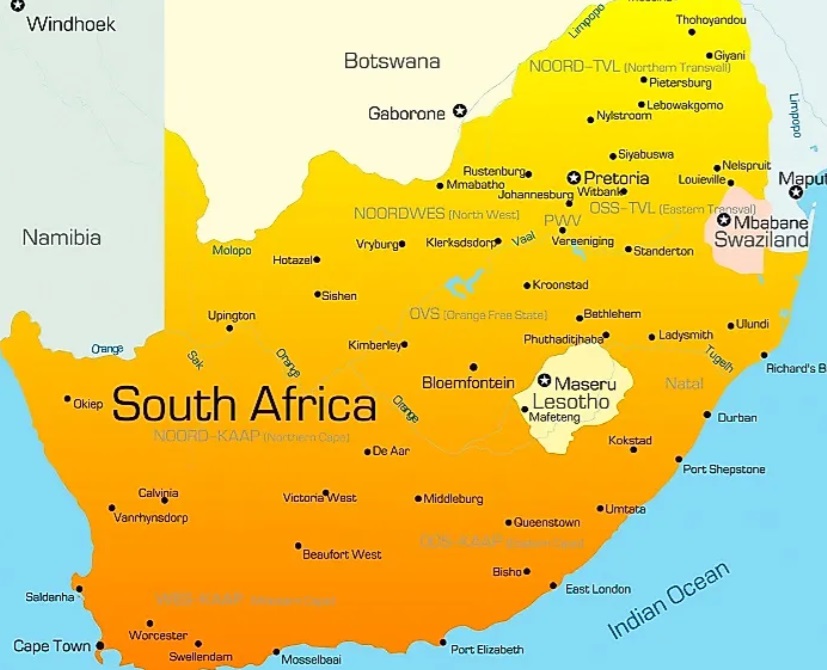
Territory (or a part of one) that is completely surrounded by the territory of one other state

Enclave Characteristics

  • Surrounded by One State: To be a true enclave, the territory must be entirely enclosed by the borders of a single foreign country.

  • Political Status: An enclave can be an independent sovereign state itself, or it can be a small piece of a different country (making it an exclave to that country).

  • Scale: While the AP exam focuses on political enclaves (countries), geographers also look at ethnic enclaves—neighborhoods like "Chinatown" or "Little Italy" where a specific cultural group is surrounded by a different majority culture

Country examples of Enclaves - Lesotho (South Africa), Vatican City (Italy), and San Marino (Italy)

Geographic and Political Challenges

  • Economic Dependence: Enclaved states are often at the mercy of the surrounding state for electricity, water, and access to international trade routes (ports).

  • Sovereignty Friction: If the surrounding state closes its borders, the enclave is effectively "choked." This requires very strong diplomatic relationships.

  • Migration/Customs: People living in or visiting an enclave must often pass through the surrounding country's customs and immigration checkpoints
<p>Territory (or a part of one) that is <strong>completely surrounded</strong> by the territory of one other state</p><p><strong><u>Enclave Characteristics</u></strong></p><ul><li><p><strong>Surrounded by One State:</strong> To be a true enclave, the territory must be entirely enclosed by the borders of a single foreign country.</p></li><li><p><strong>Political Status:</strong> An enclave can be an independent sovereign state itself, or it can be a small piece of a different country (making it an exclave to that country).</p></li><li><p><strong>Scale:</strong> While the AP exam focuses on political enclaves (countries), geographers also look at <strong>ethnic enclaves</strong>—neighborhoods like "Chinatown" or "Little Italy" where a specific cultural group is surrounded by a different majority culture</p></li></ul><p>Country examples of Enclaves - Lesotho (South Africa), Vatican City (Italy), and San Marino (Italy)</p><p><strong><u>Geographic and Political Challenges</u></strong></p><ul><li><p><strong>Economic Dependence:</strong> Enclaved states are often at the mercy of the surrounding state for electricity, water, and access to international trade routes (ports).</p></li><li><p><strong>Sovereignty Friction:</strong> If the surrounding state closes its borders, the enclave is effectively "choked." This requires very strong diplomatic relationships.</p></li><li><p><strong>Migration/Customs:</strong> People living in or visiting an enclave must often pass through the surrounding country's customs and immigration checkpoints</p></li></ul><p></p>