Anatomy and Physiology - McGraw Hill (Chapter 1)
 Studied by 0 people
 Call with Kai
 Learn
Learn Practice Test
 Spaced Repetition
 Match
Match Flashcards
 Knowt Play
1/141

There's no tags or description
Looks like no tags are added yet.
Name | Mastery | Learn | Test | Matching | Spaced | Call with Kai |
|---|
No study sessions yet.
142 Terms
Organization
Complex structure and order
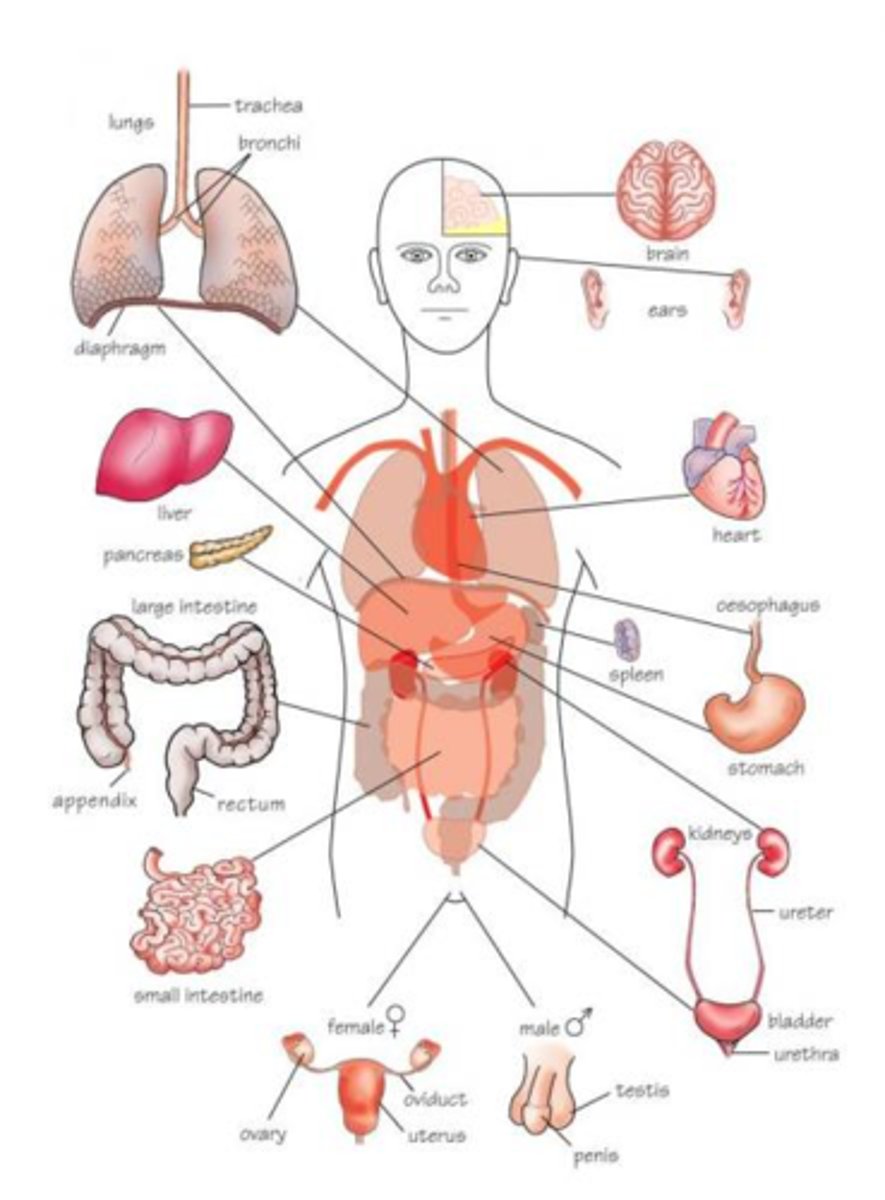
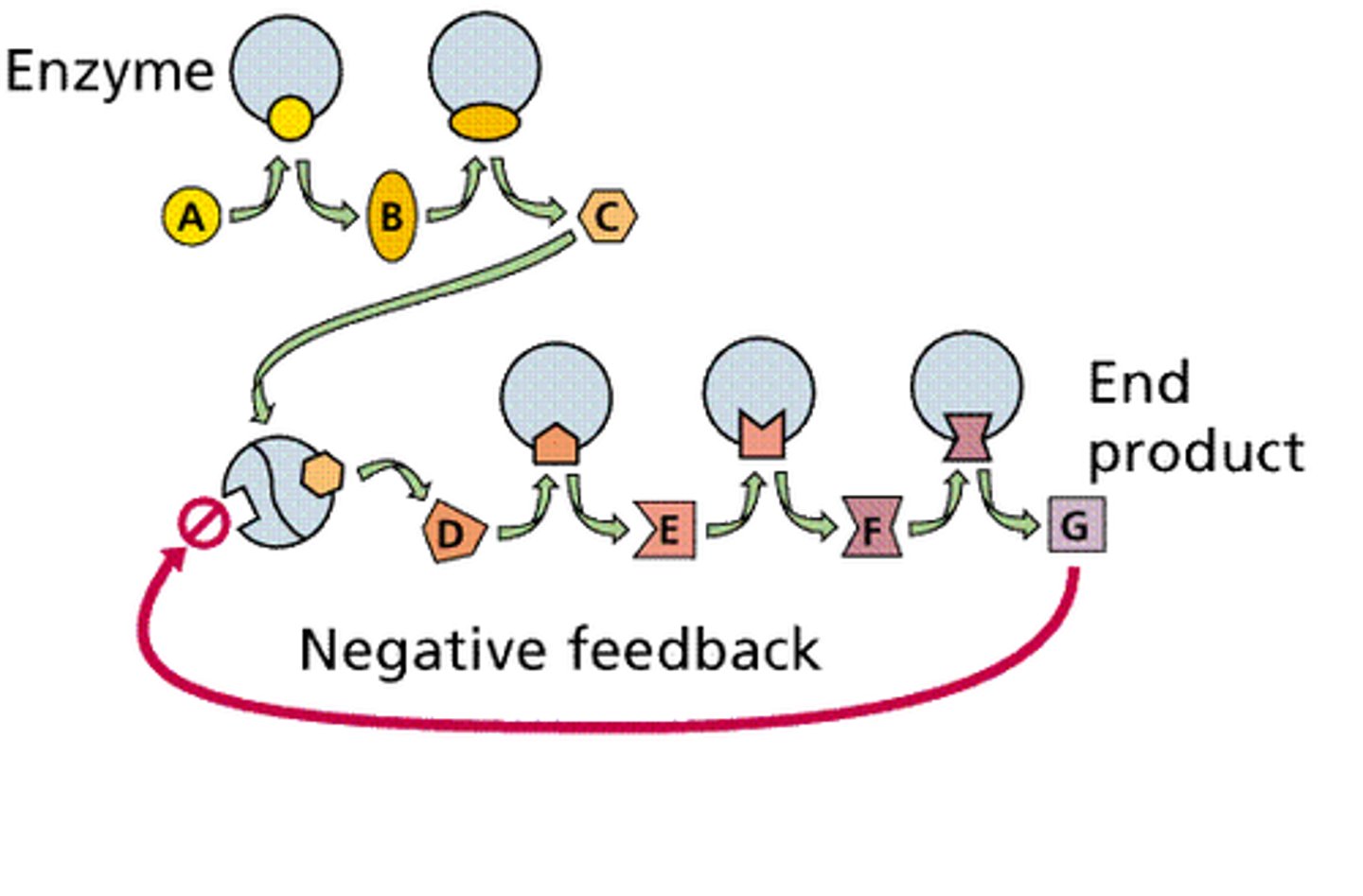
Metabolism
Sum of all chemical reactions in the body
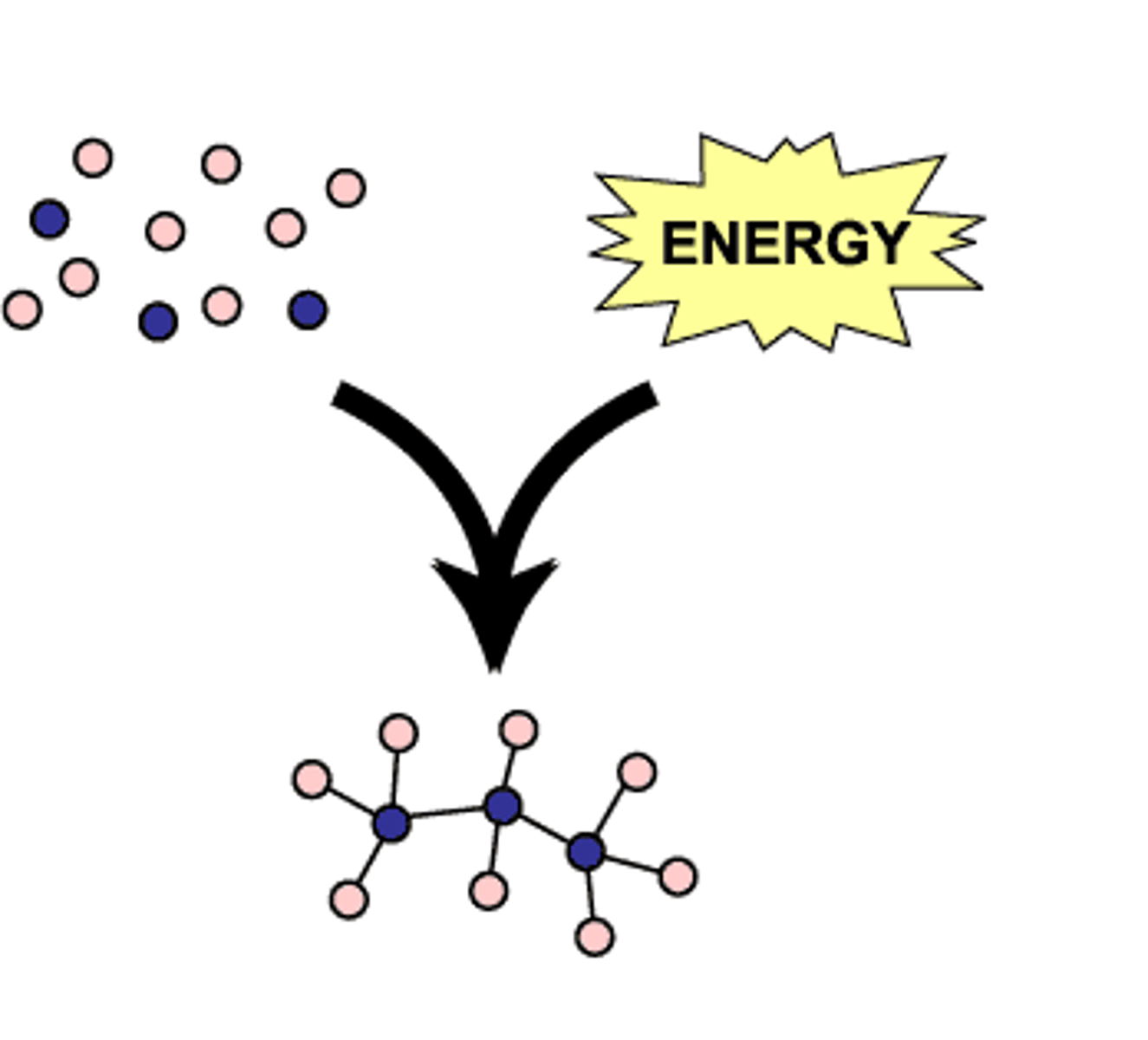
Anabolism
Small molecules joined to form larger ones
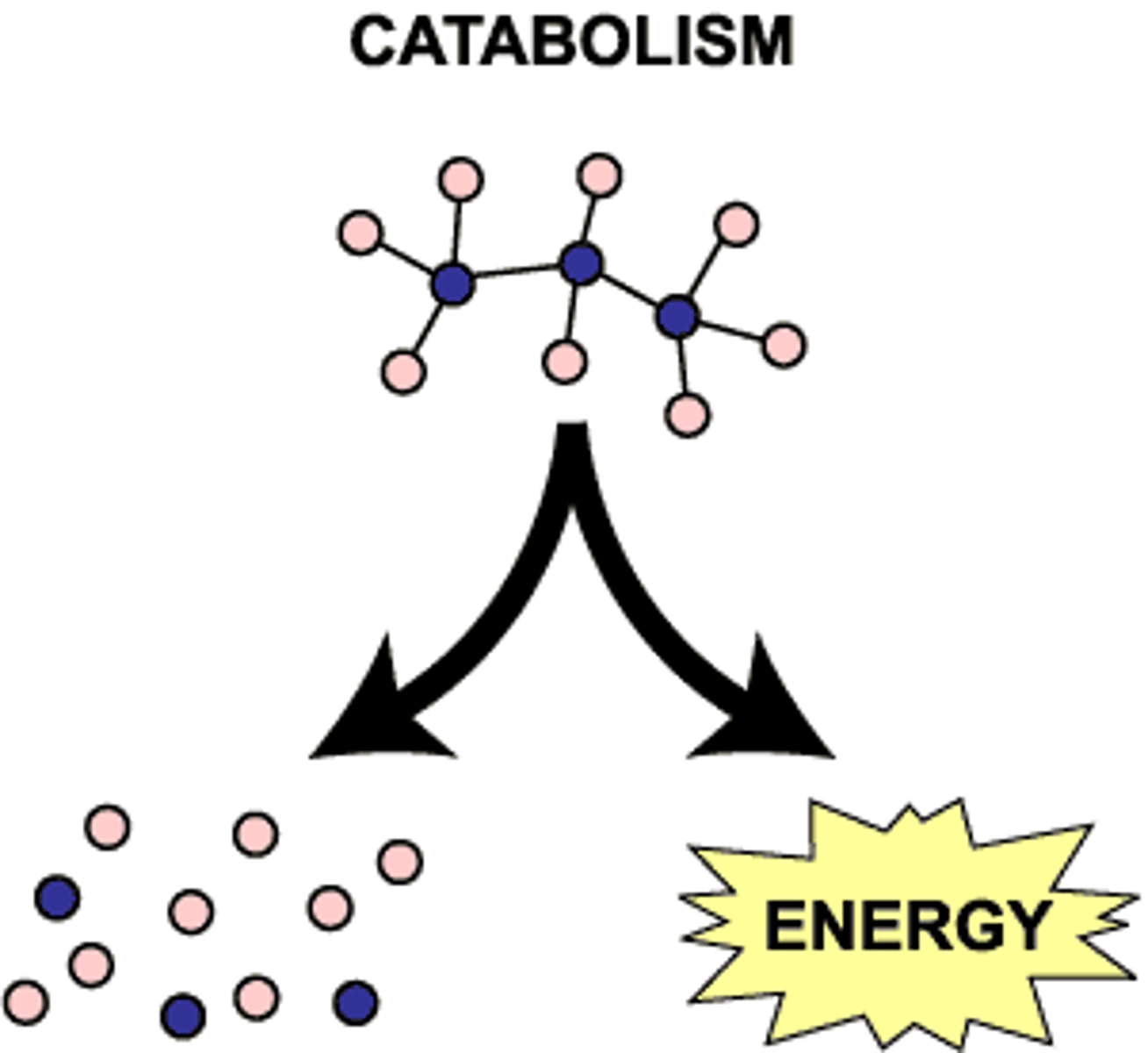
Catabolism
Large molecules broken down into smaller ones
Responsiveness
Ability to sense and react to stimuli
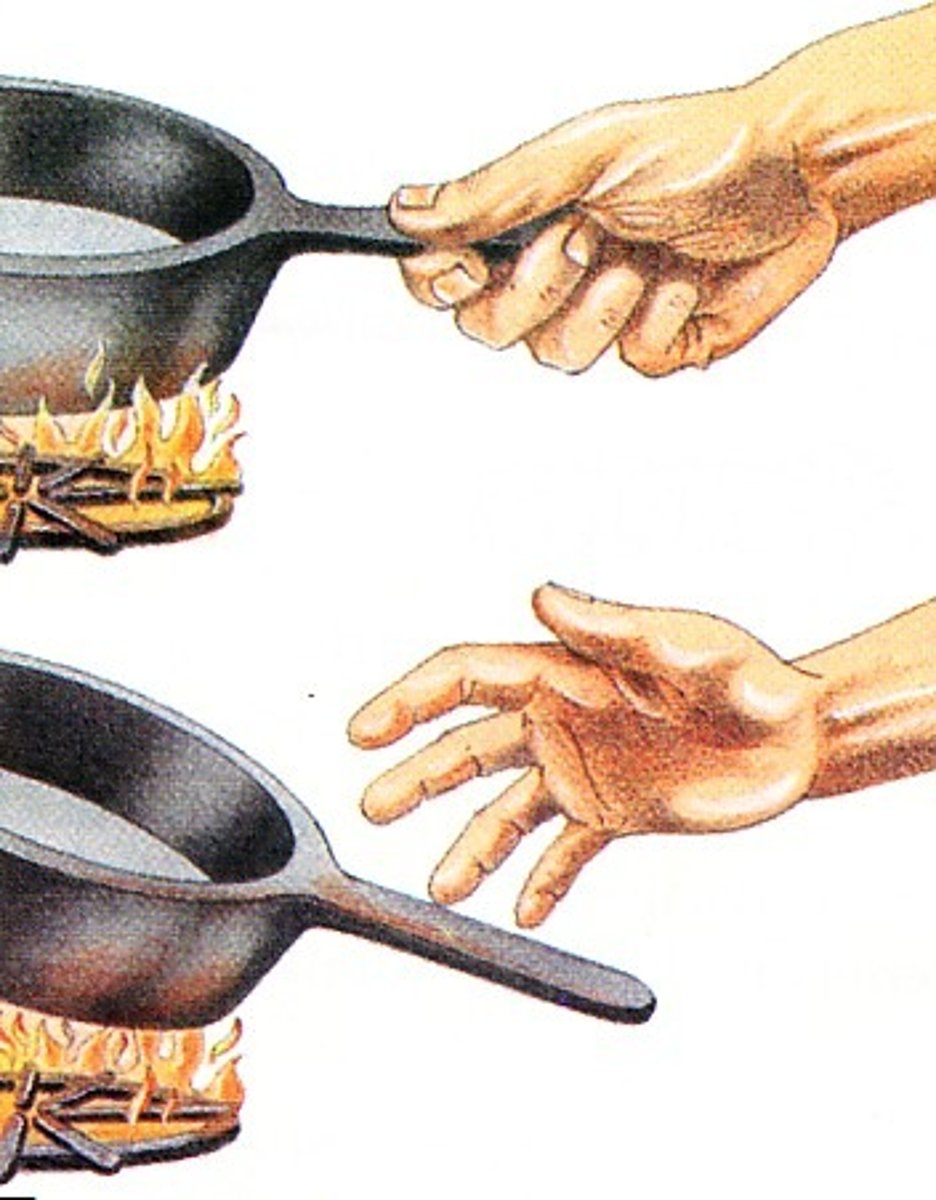
Regulation
Ability to adjust internal bodily function to accommodate environment changes
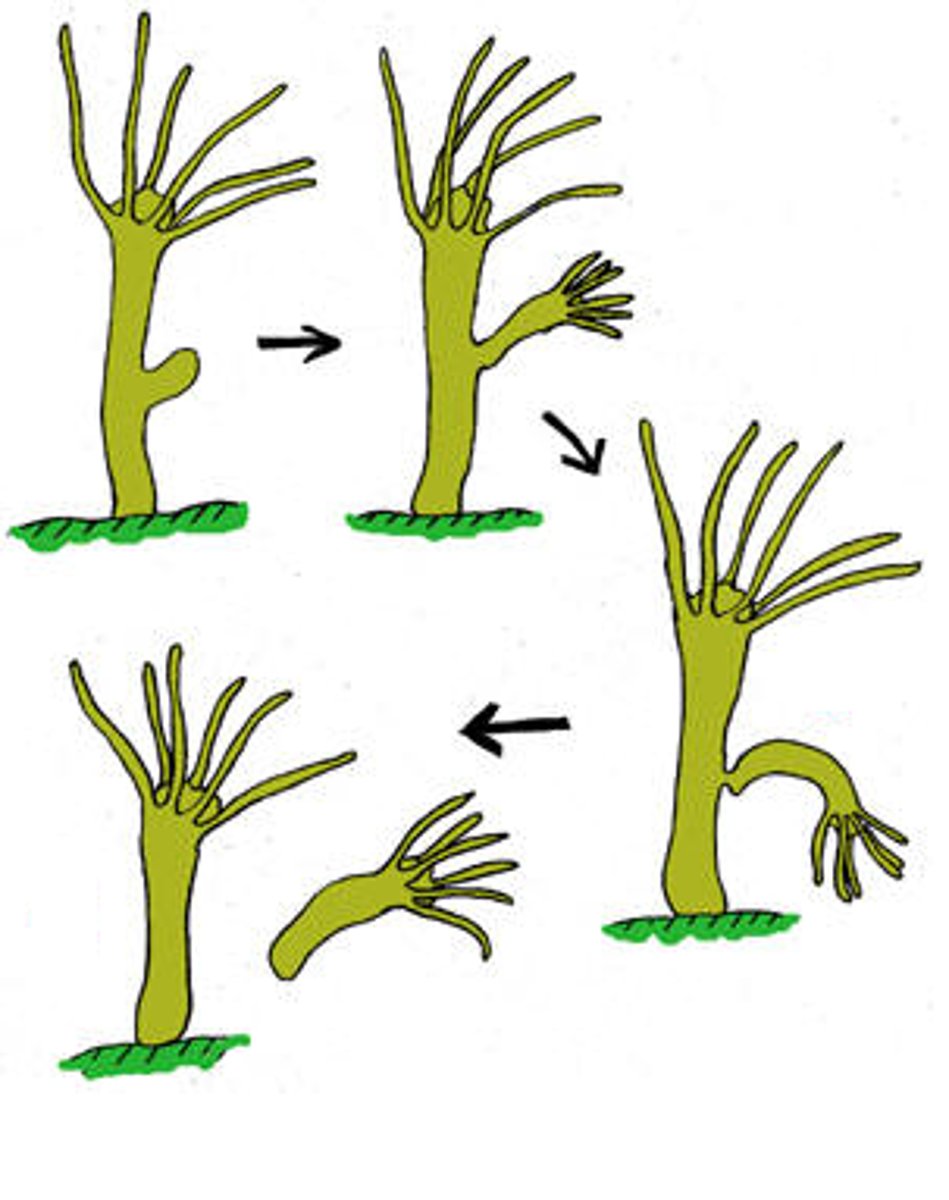
Reproduction
Needed for maintenance, growth and repair
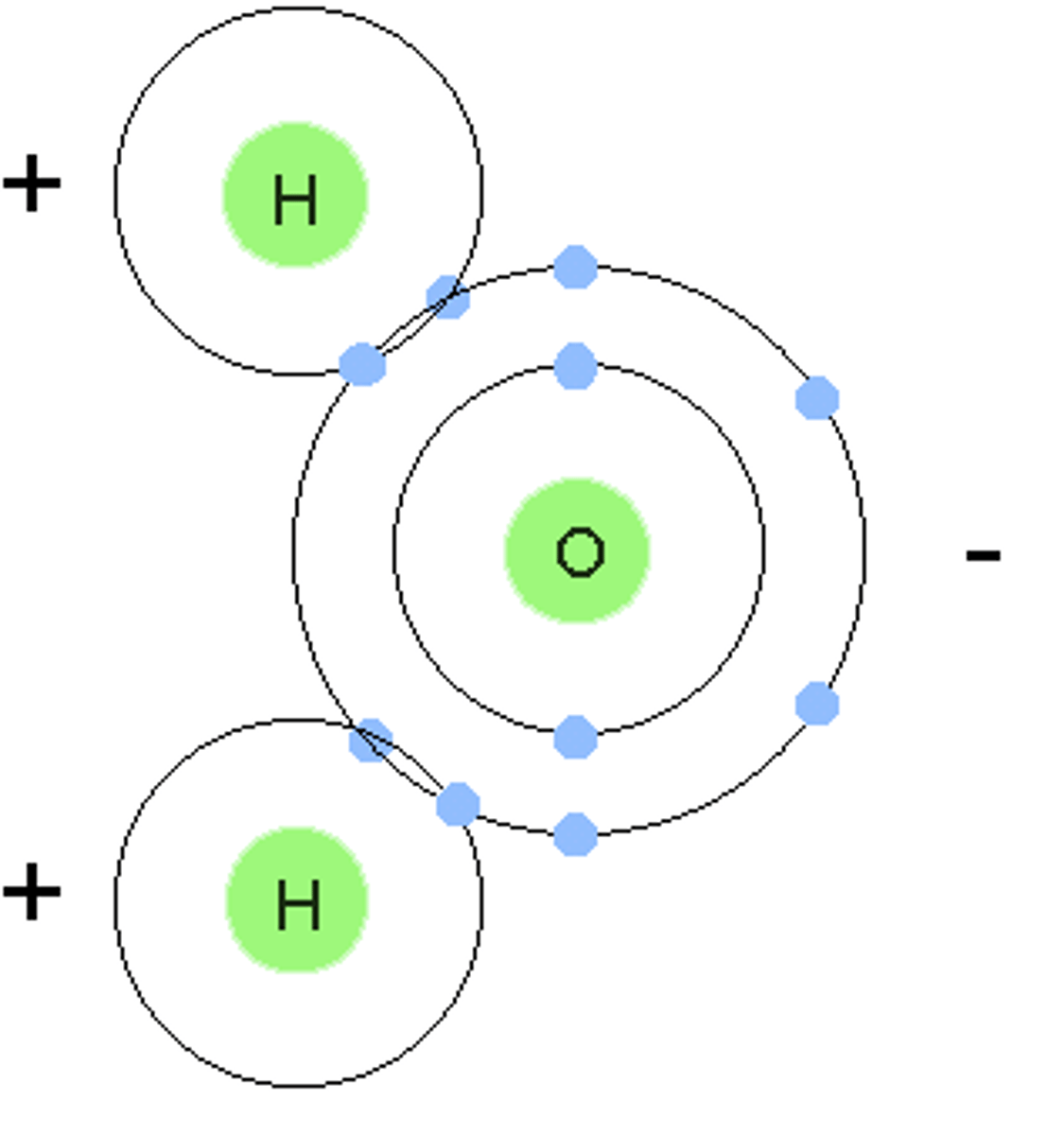
Chemical
Atoms and molecules
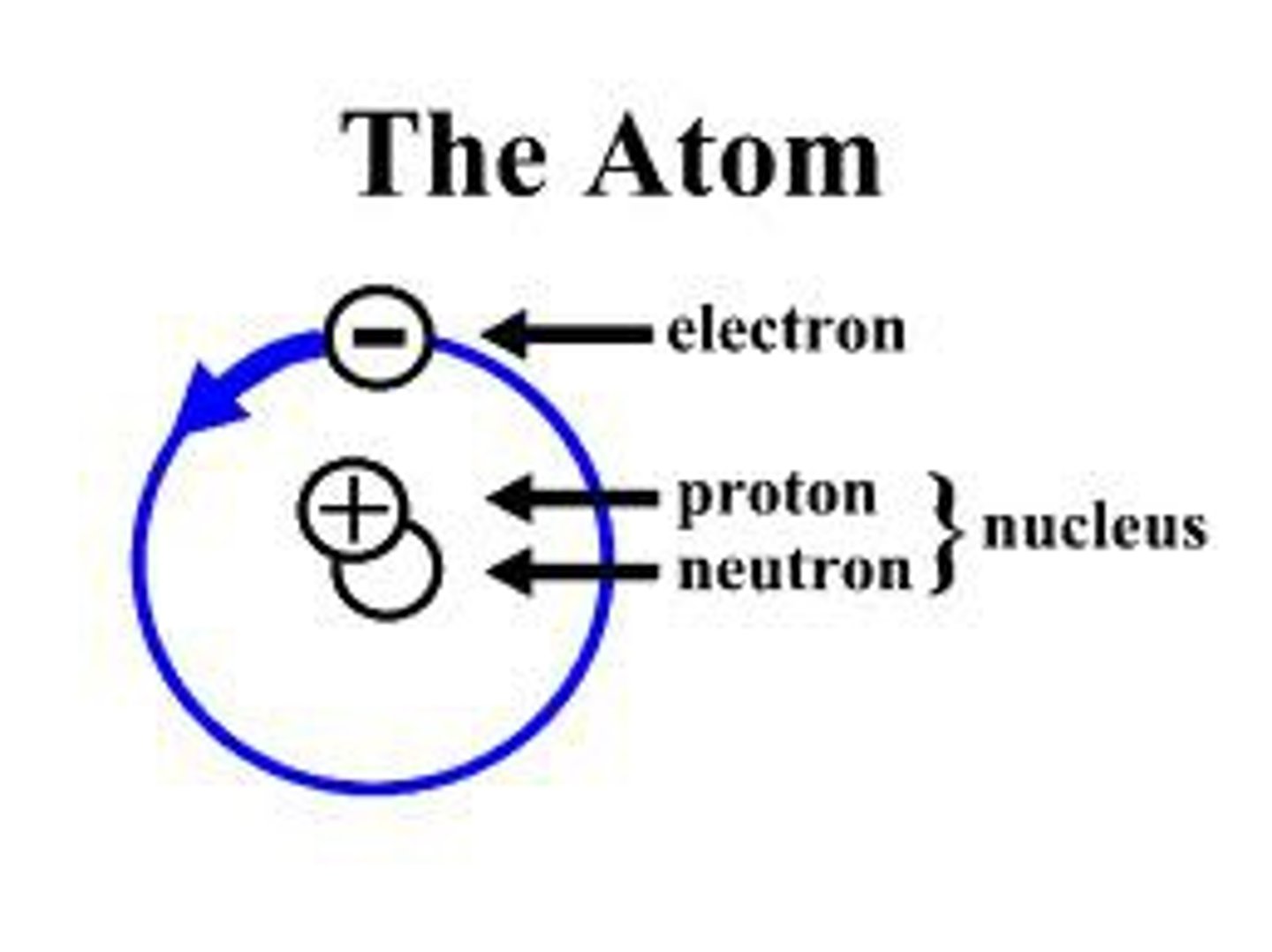
Atoms
Smallest unit of matter
Molecule
Two or more atoms bonded together
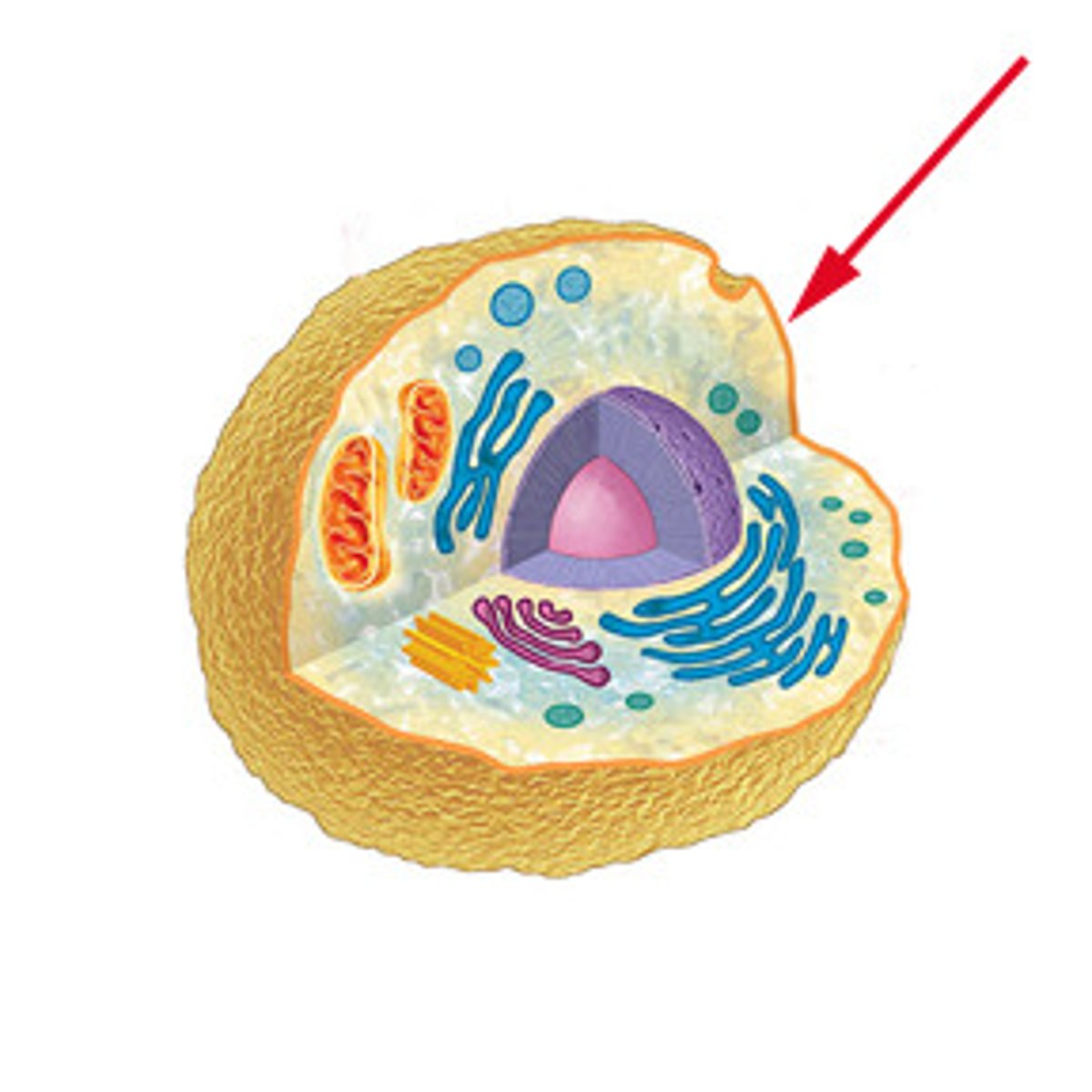
Cellular
Cell
Tissue
A group of similar cells that perform the same function.
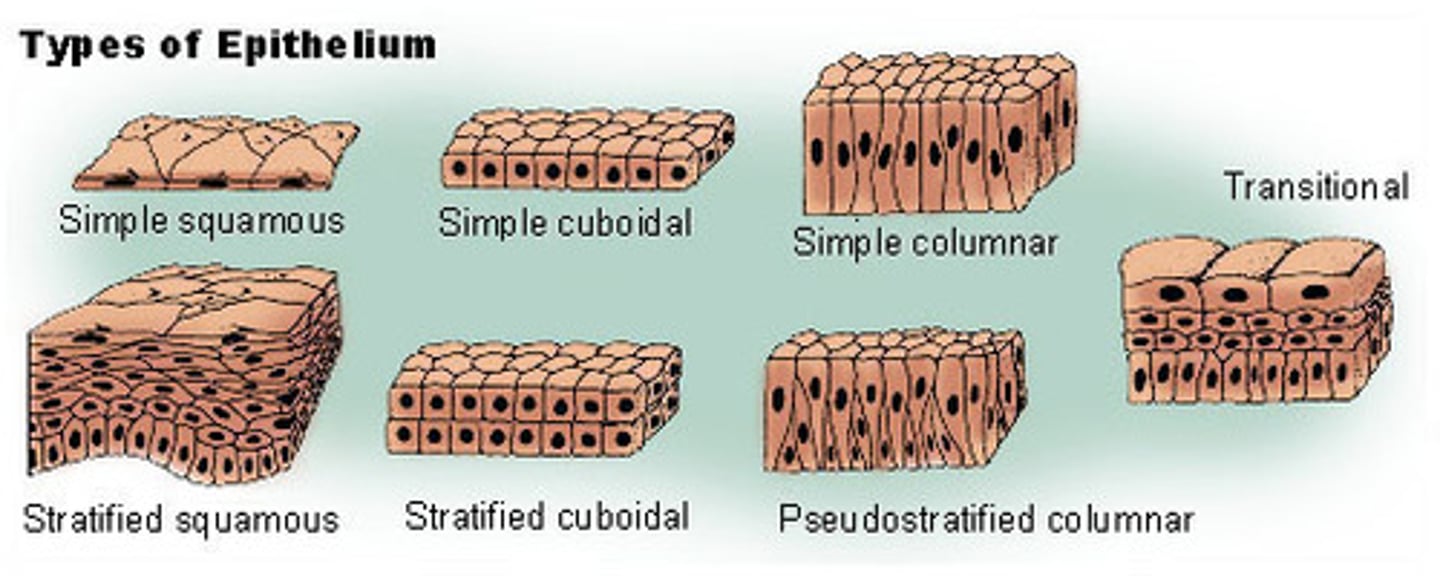
Epithelial tissue
Covers exposed surfaces, lines internal passageways, forms glands
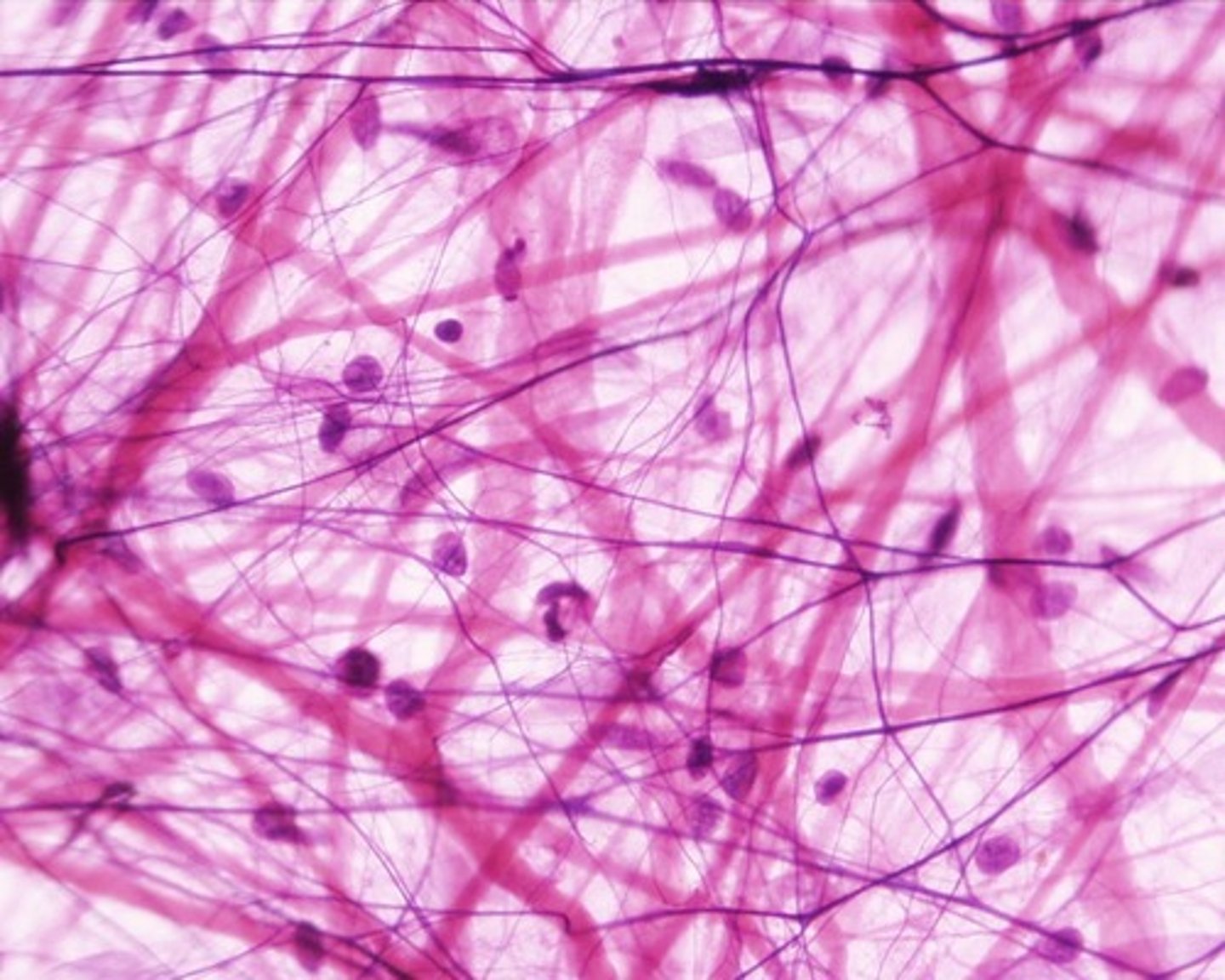
Connective tissue
Protects, supports, and binds structures and organs
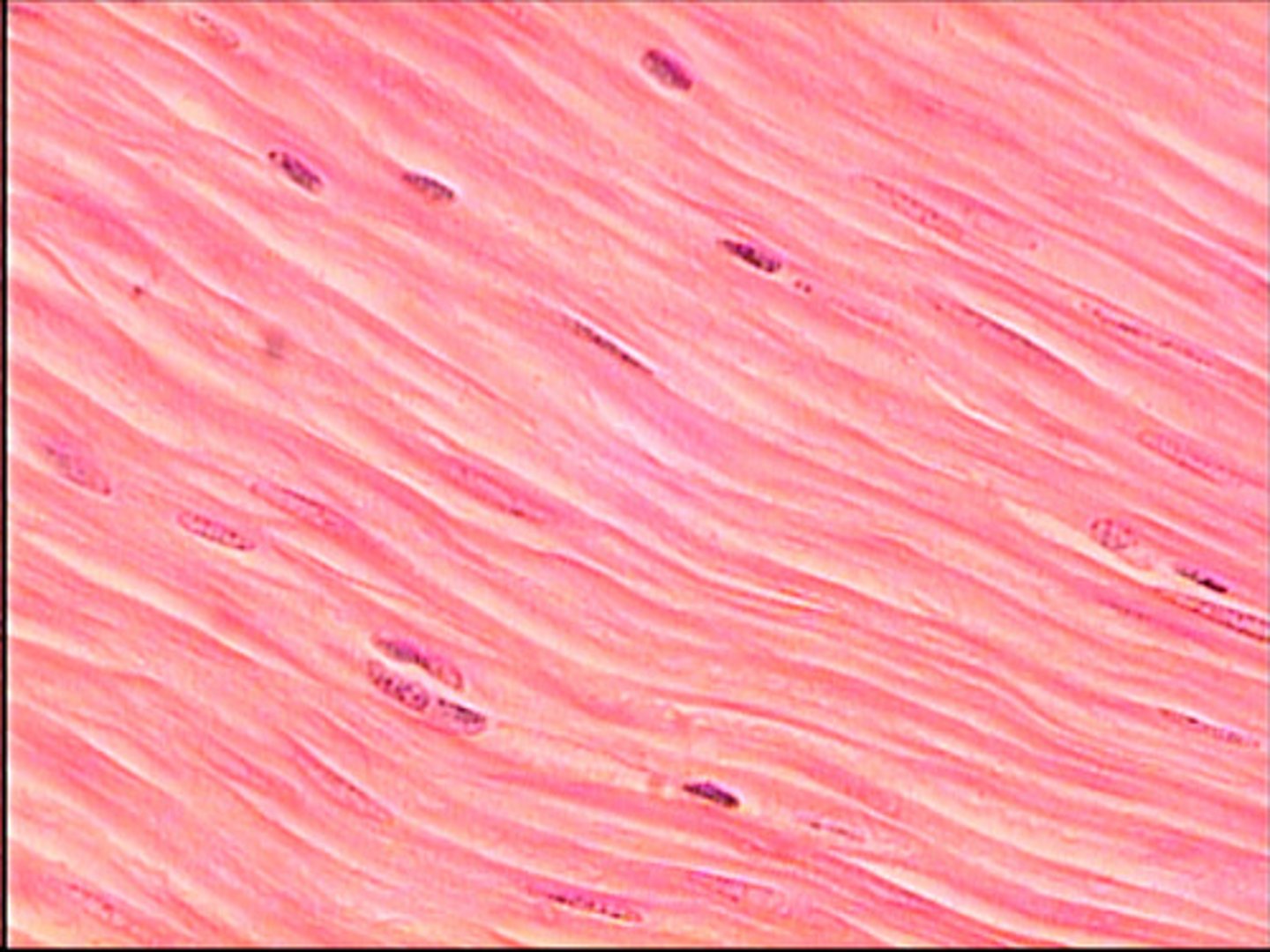
Muscle tissue
Movement
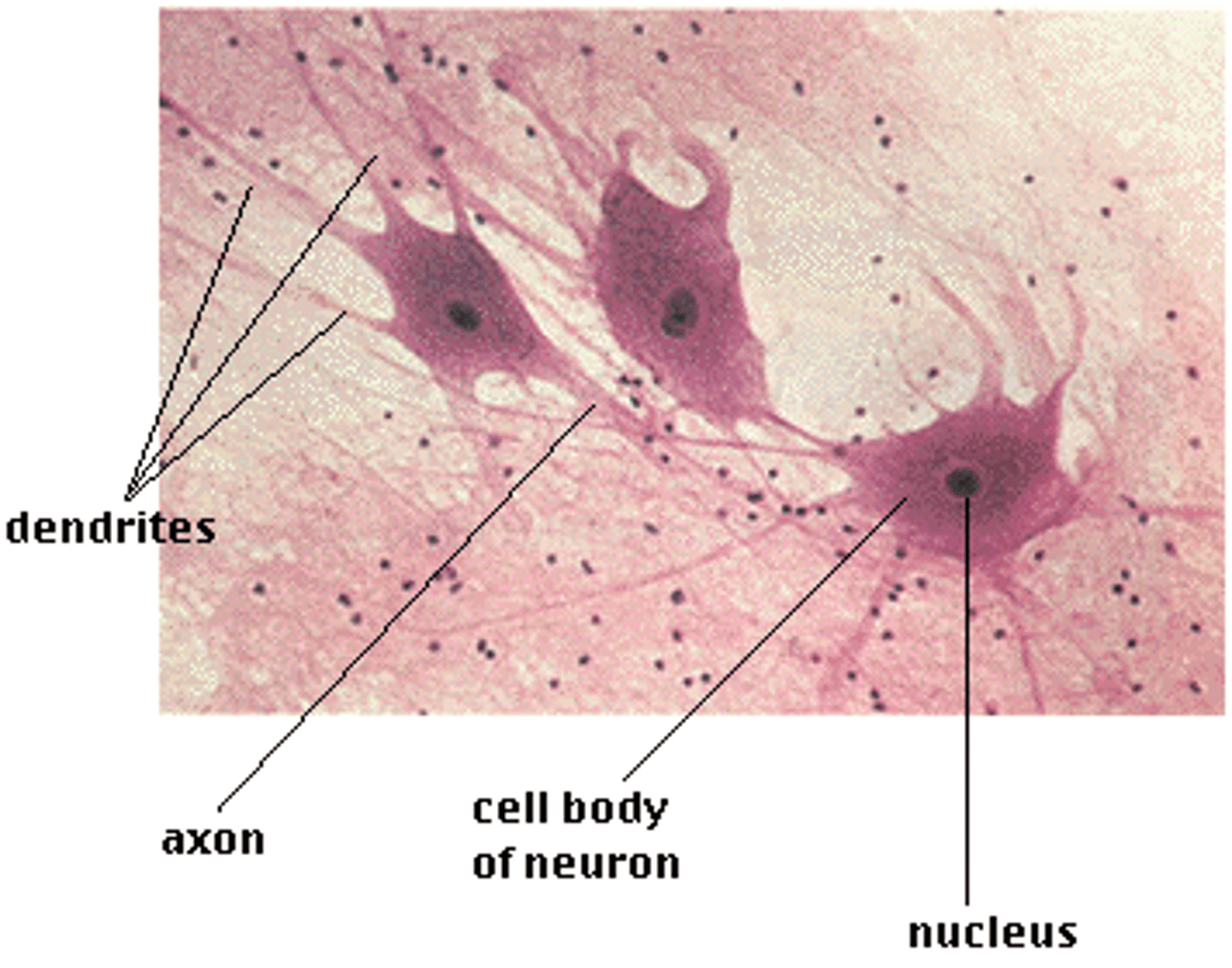
Nervous tissue
Nerve impulses for communication
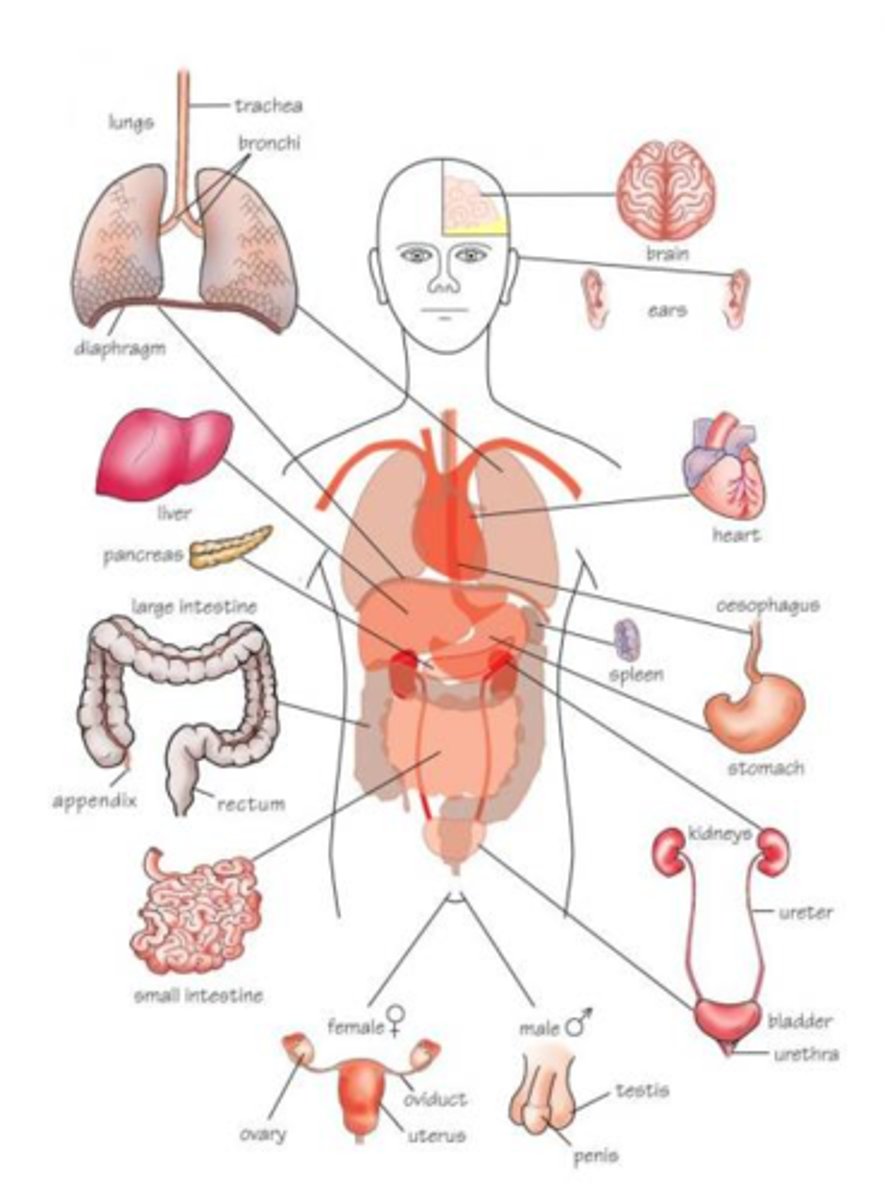
Organ
Two or more tissues working together
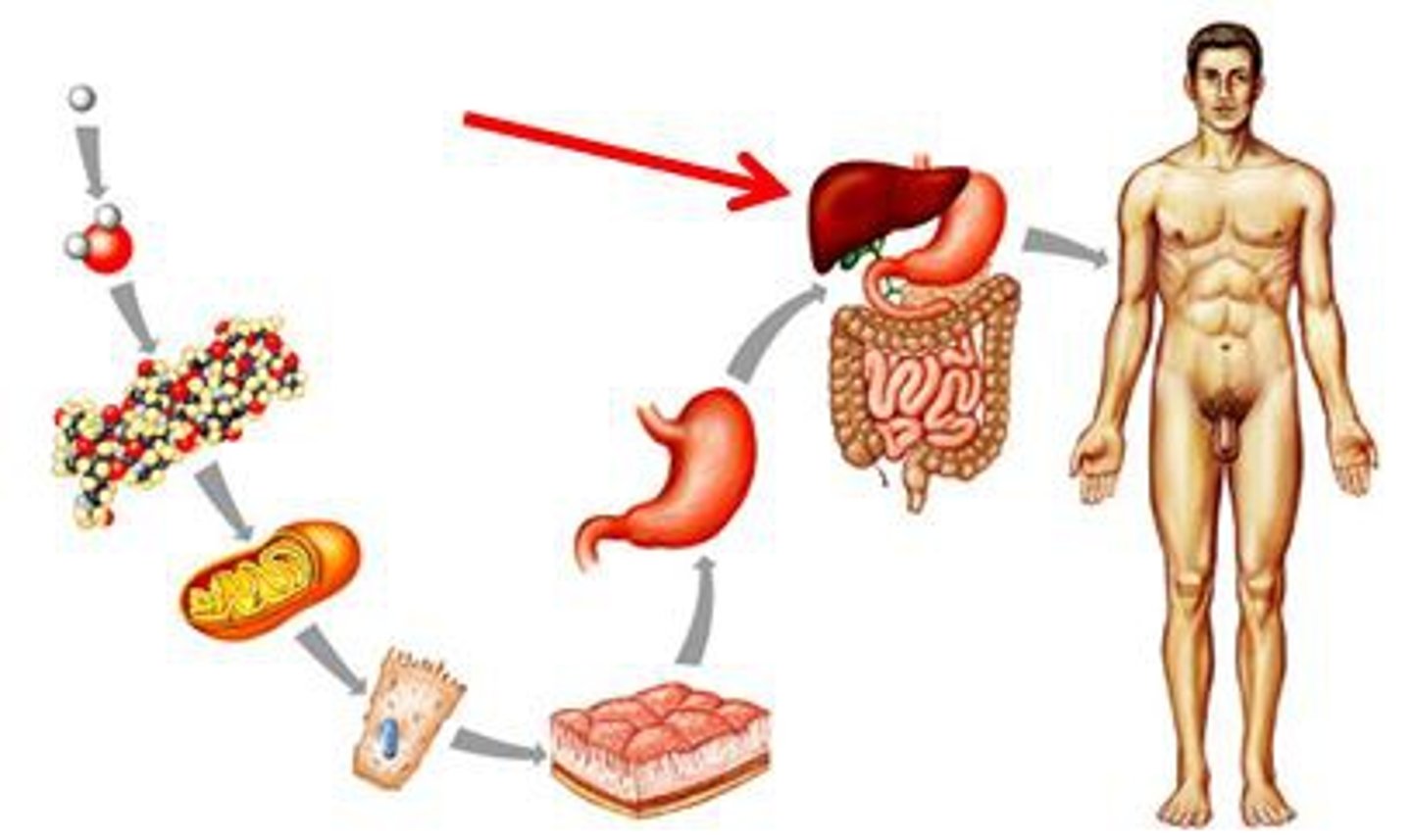
Organ system level
Multiple organs working together
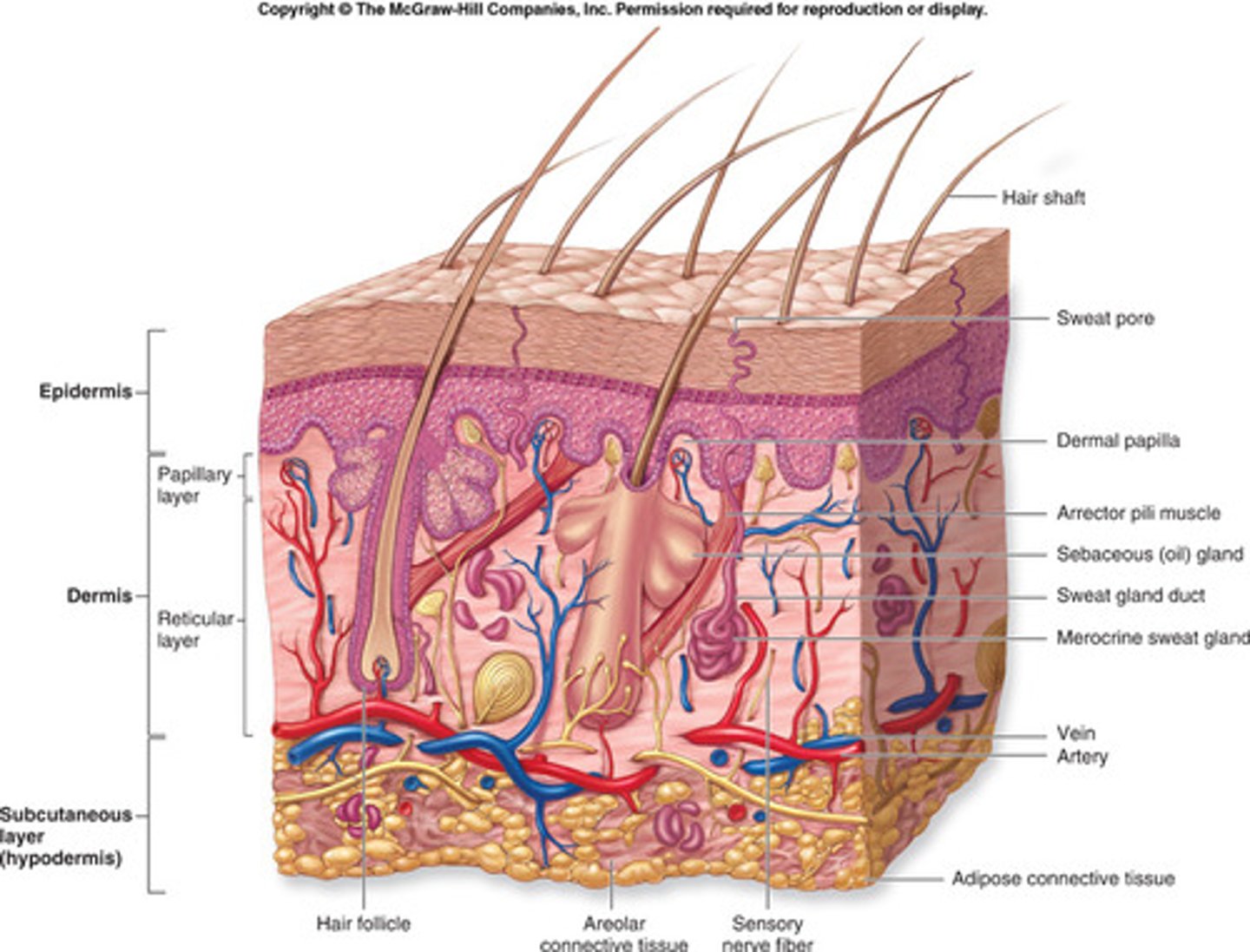
Integumentary system
Protects against environmental hazards; helps control body temperature
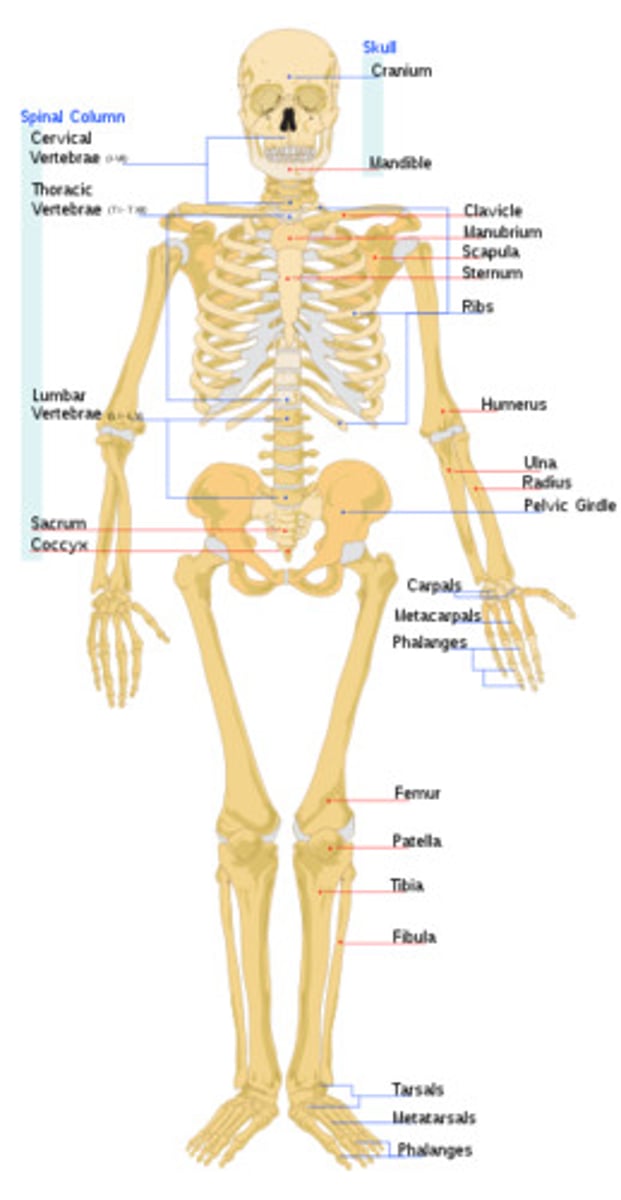
Skeletal system
Physical foundation of the body; site of hematopoiesis ; stores calcium and phosphorus
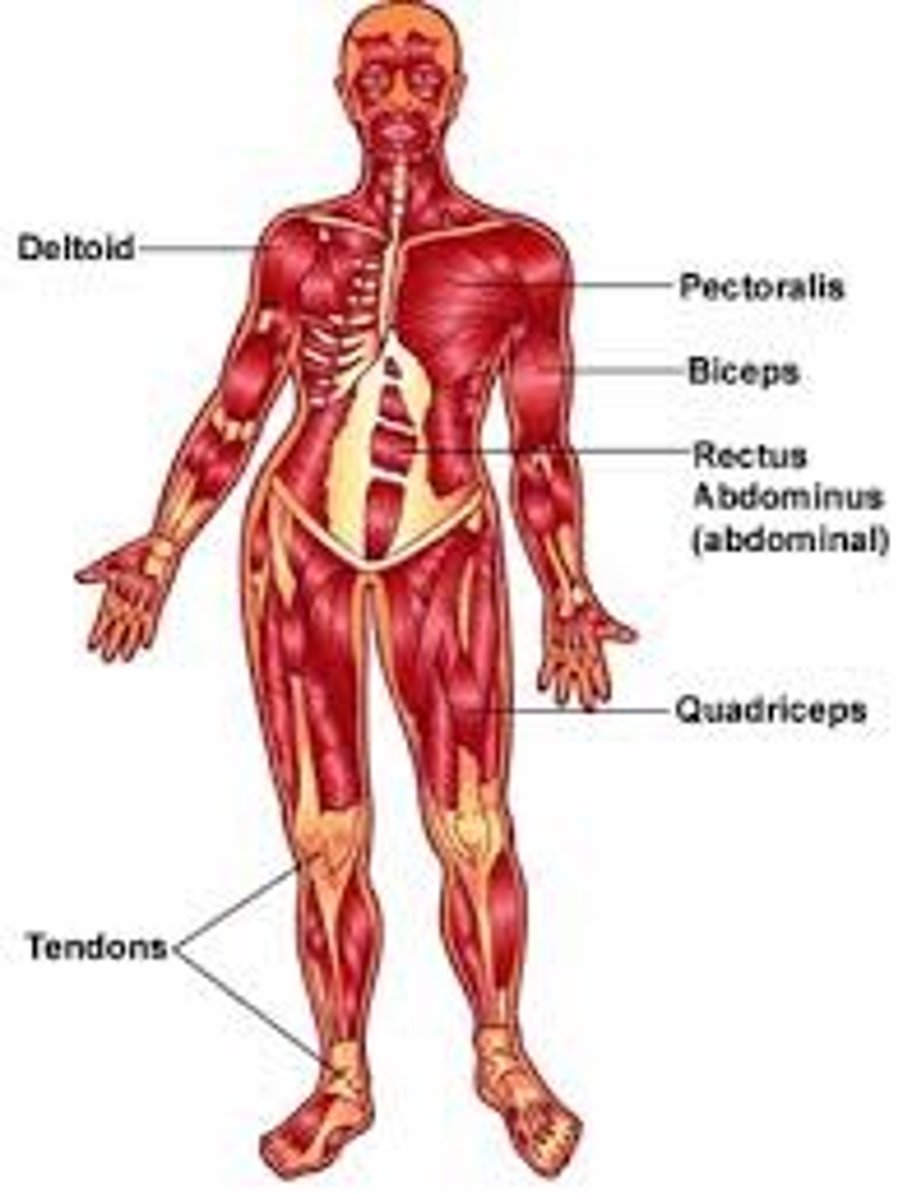
Muscular System
Responsible for the movement of the human body
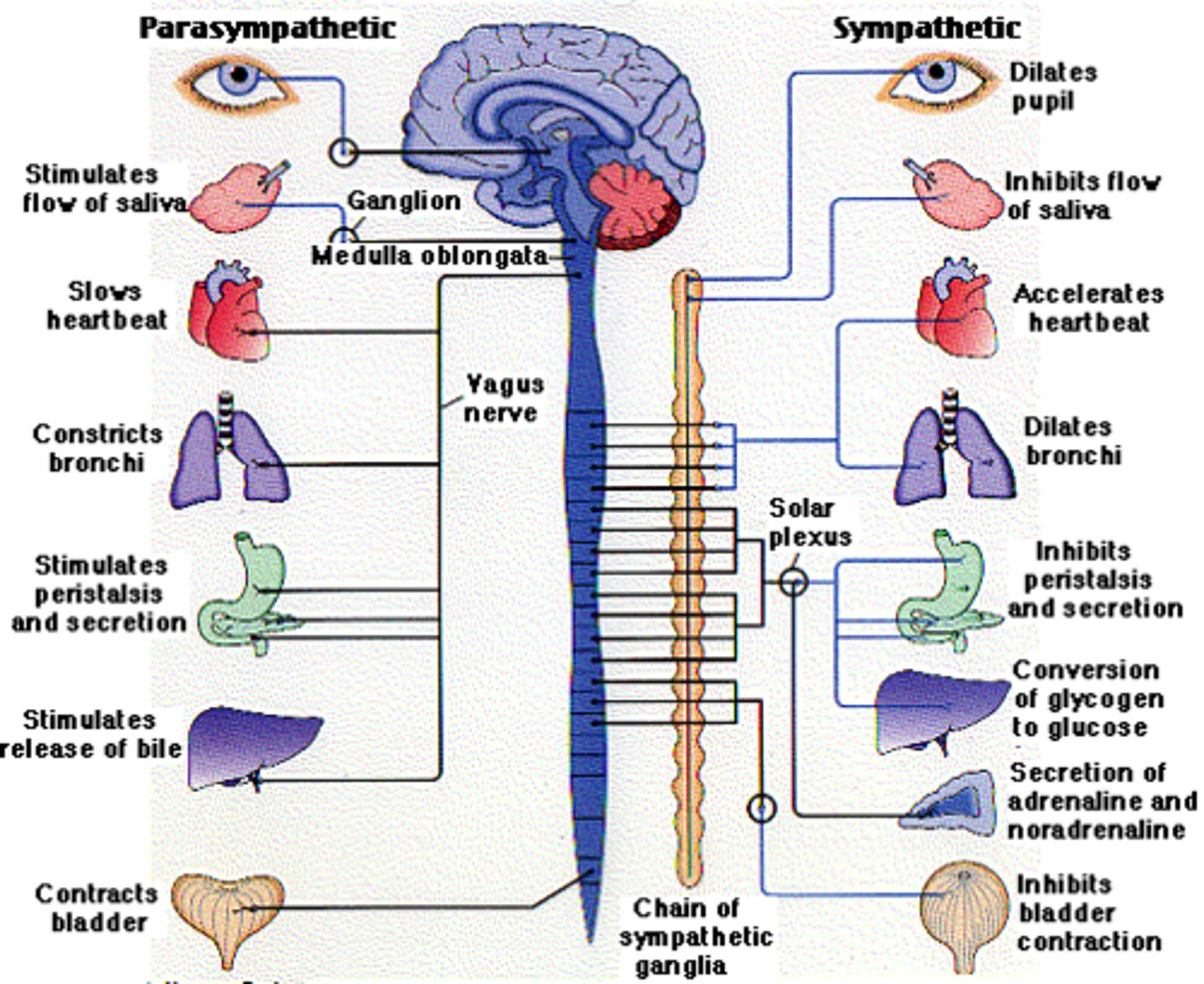
Nervous system
Regulates movement and posture
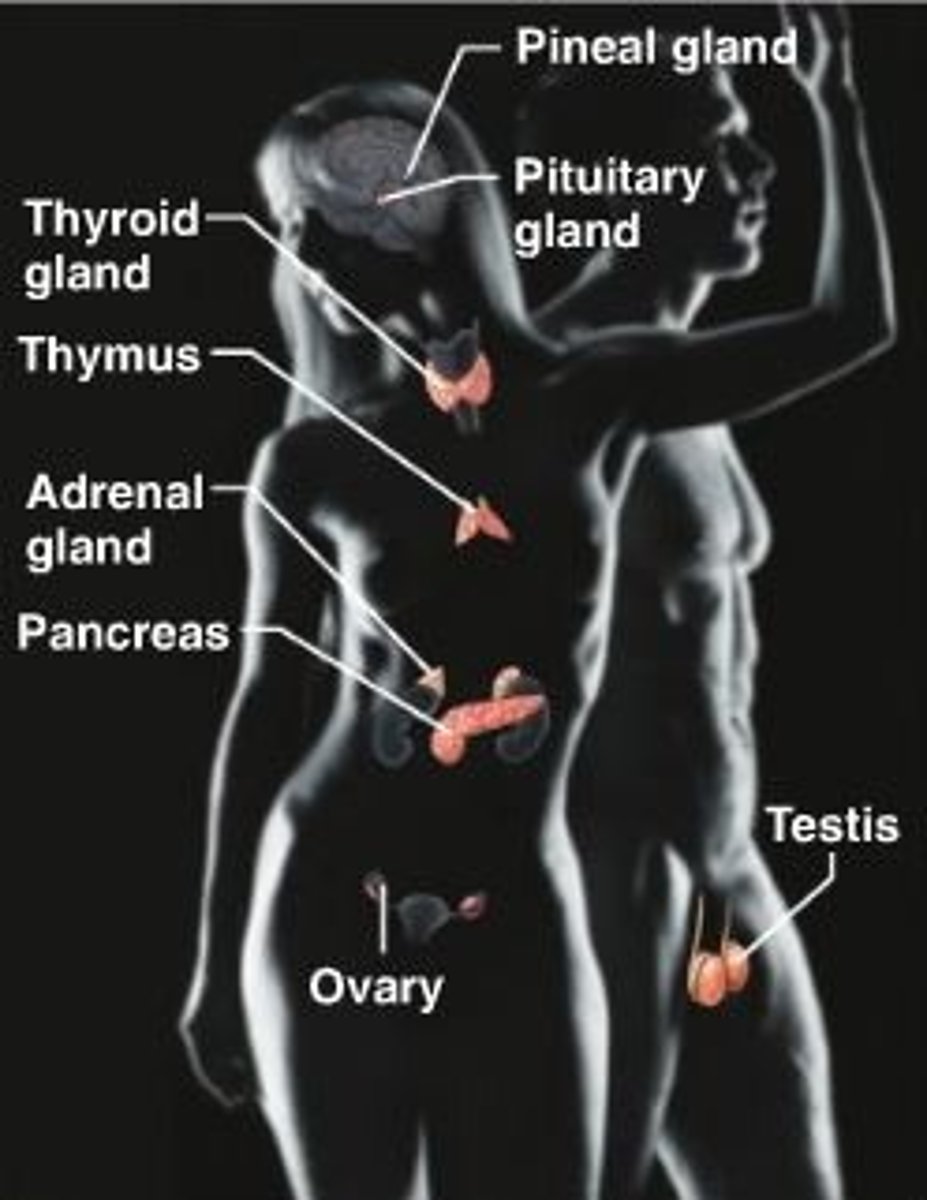
Endocrine system
Consists of glands that control many of the body's activities by producing hormones
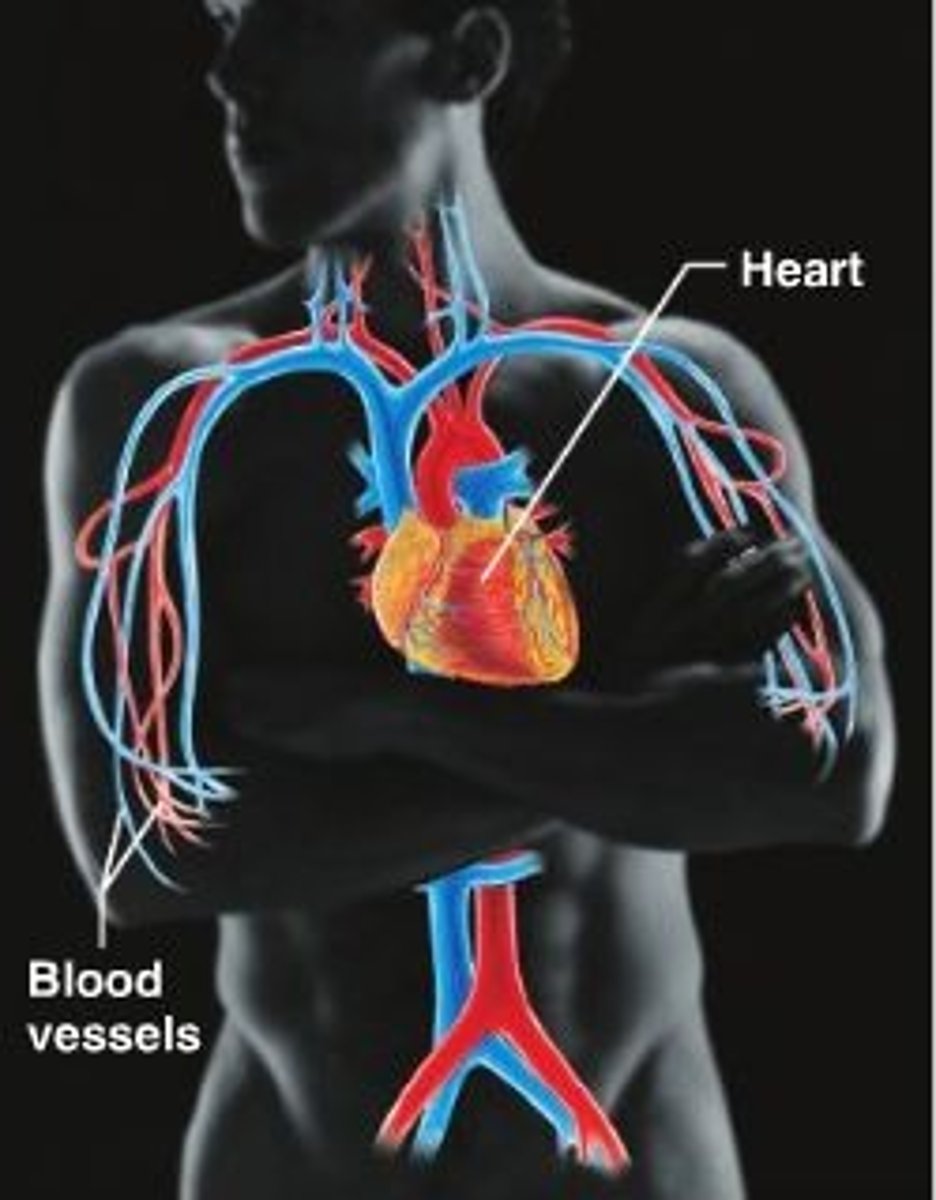
Cardiovascular system
Blood vessels transport blood, which carries oxygen, carbon dioxide, nutrients, wastes, and hormones
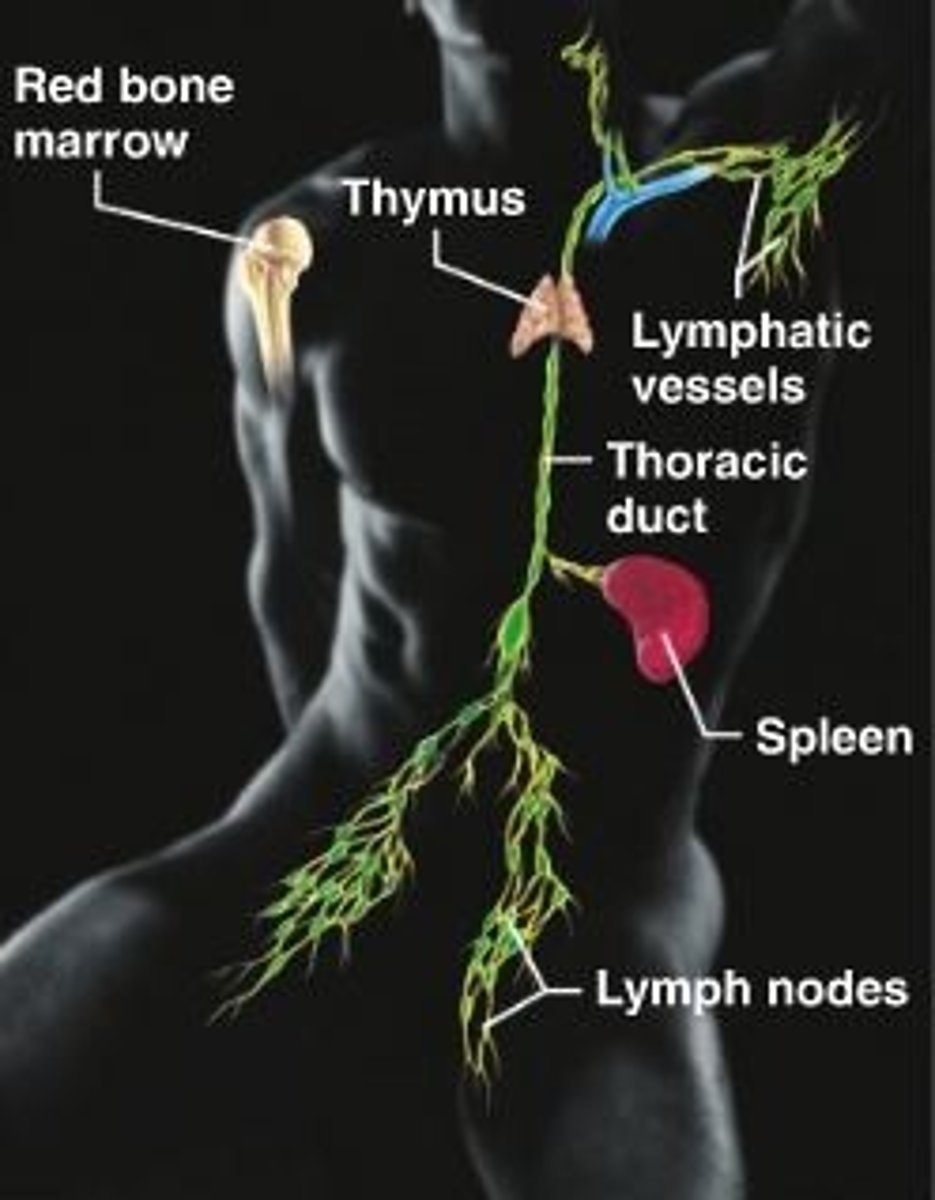
Lymphatic system
Transportation of fluids, lymphocyte production, body defense
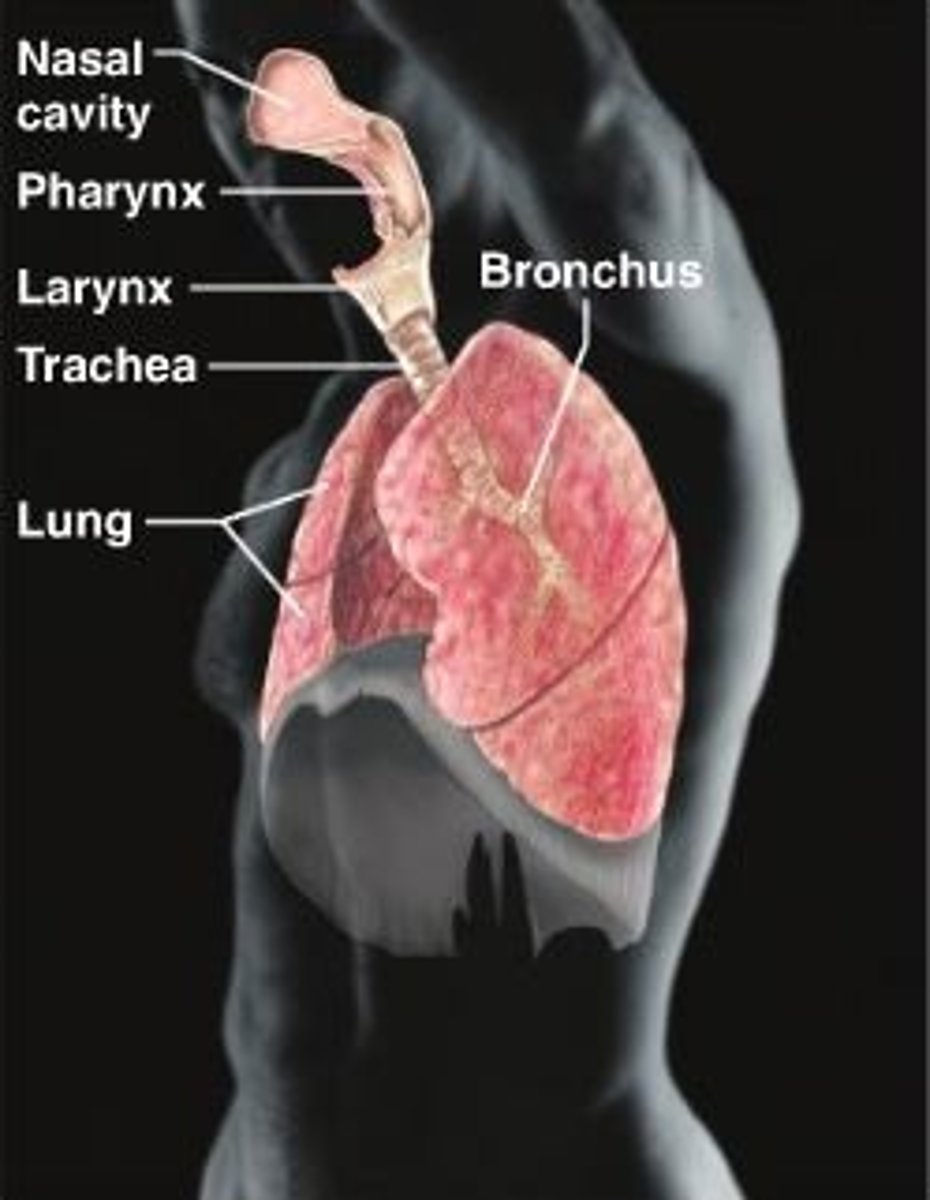
Respiratory system
Exchanges oxygen and carbon dioxide between the blood and air and regulates blood pH. Consists of the lungs and respiratory passages.
Urinary system
Filters the blood and removes waste products from the blood, concentrates waste products in the form of urine, and expels urine from the body
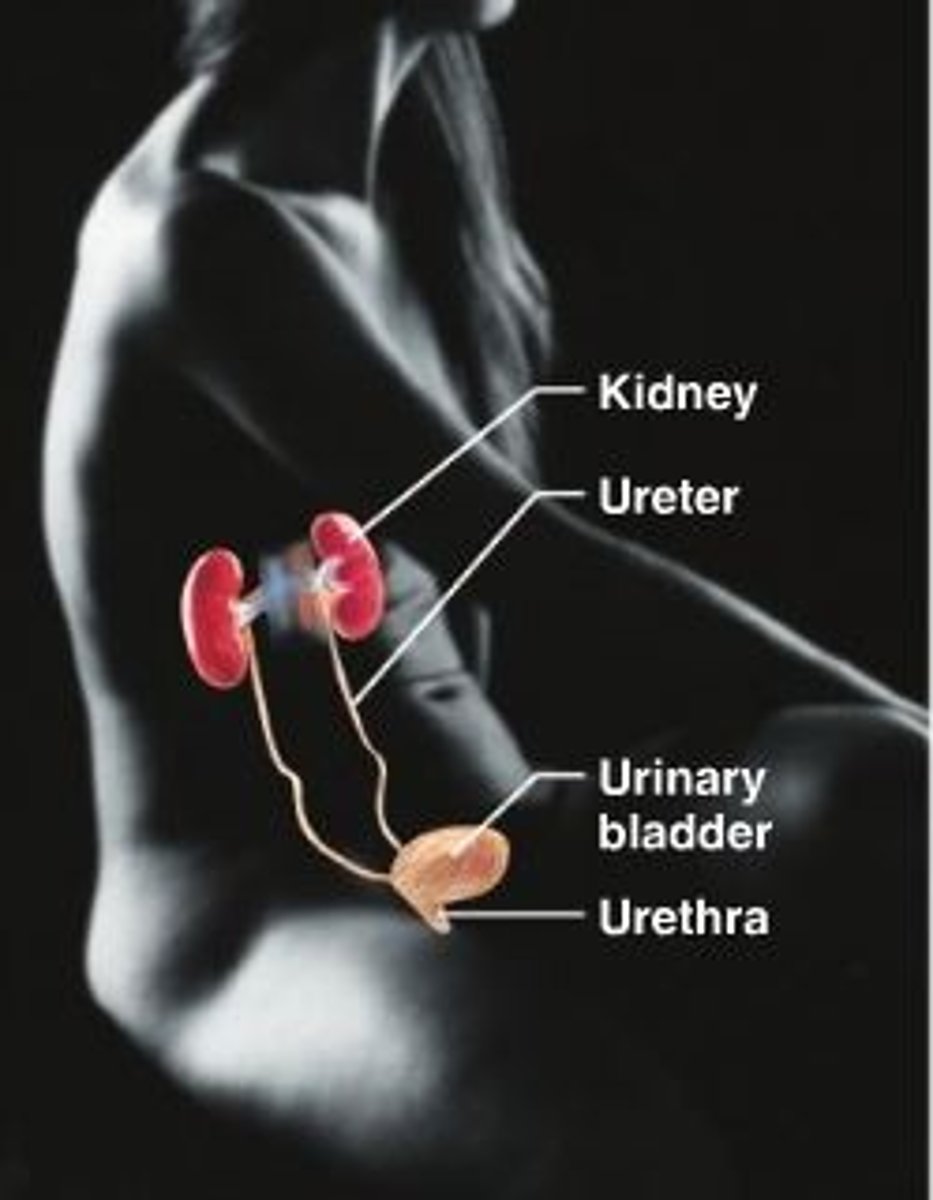
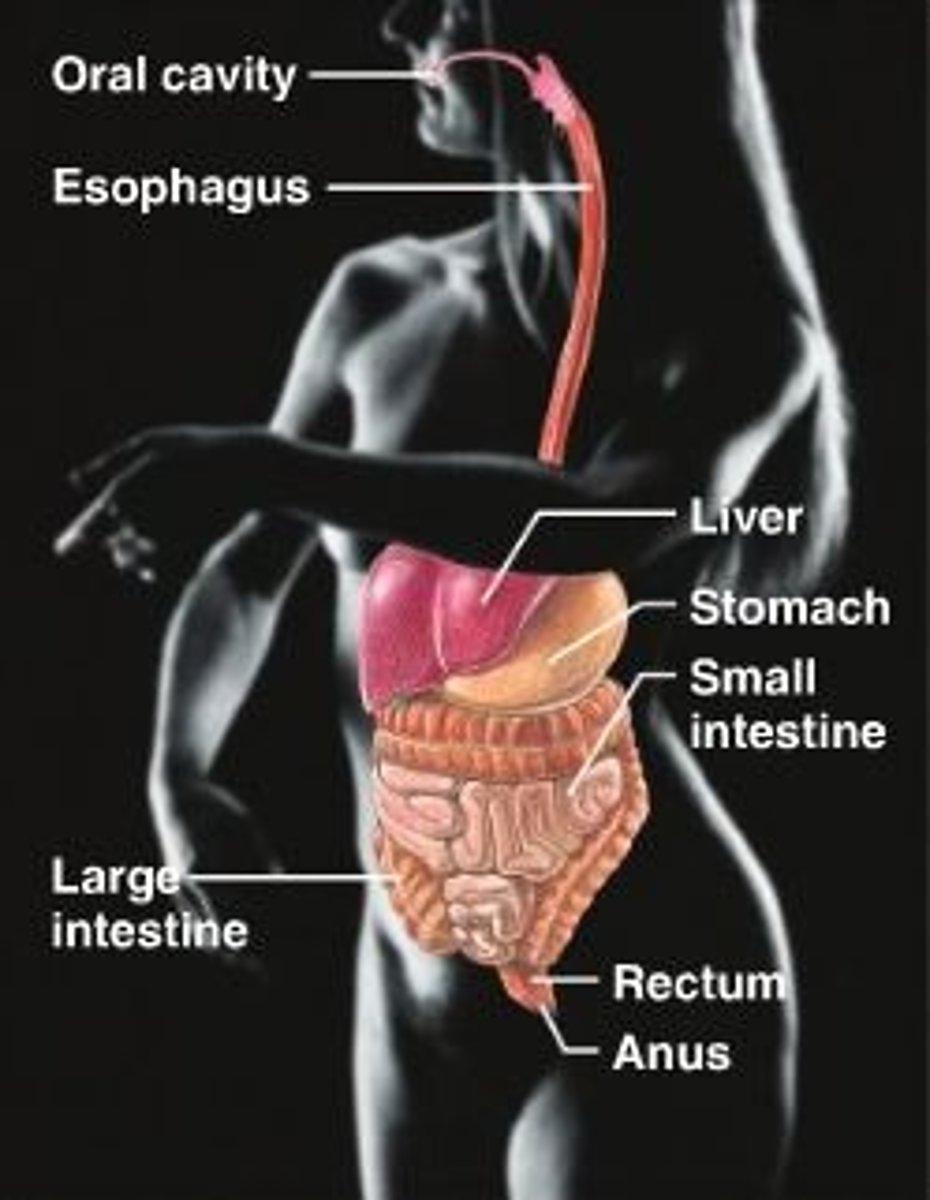
Digestive system
Mechanically and chemically digests food materials, absorbs nutrients, and expels waste products
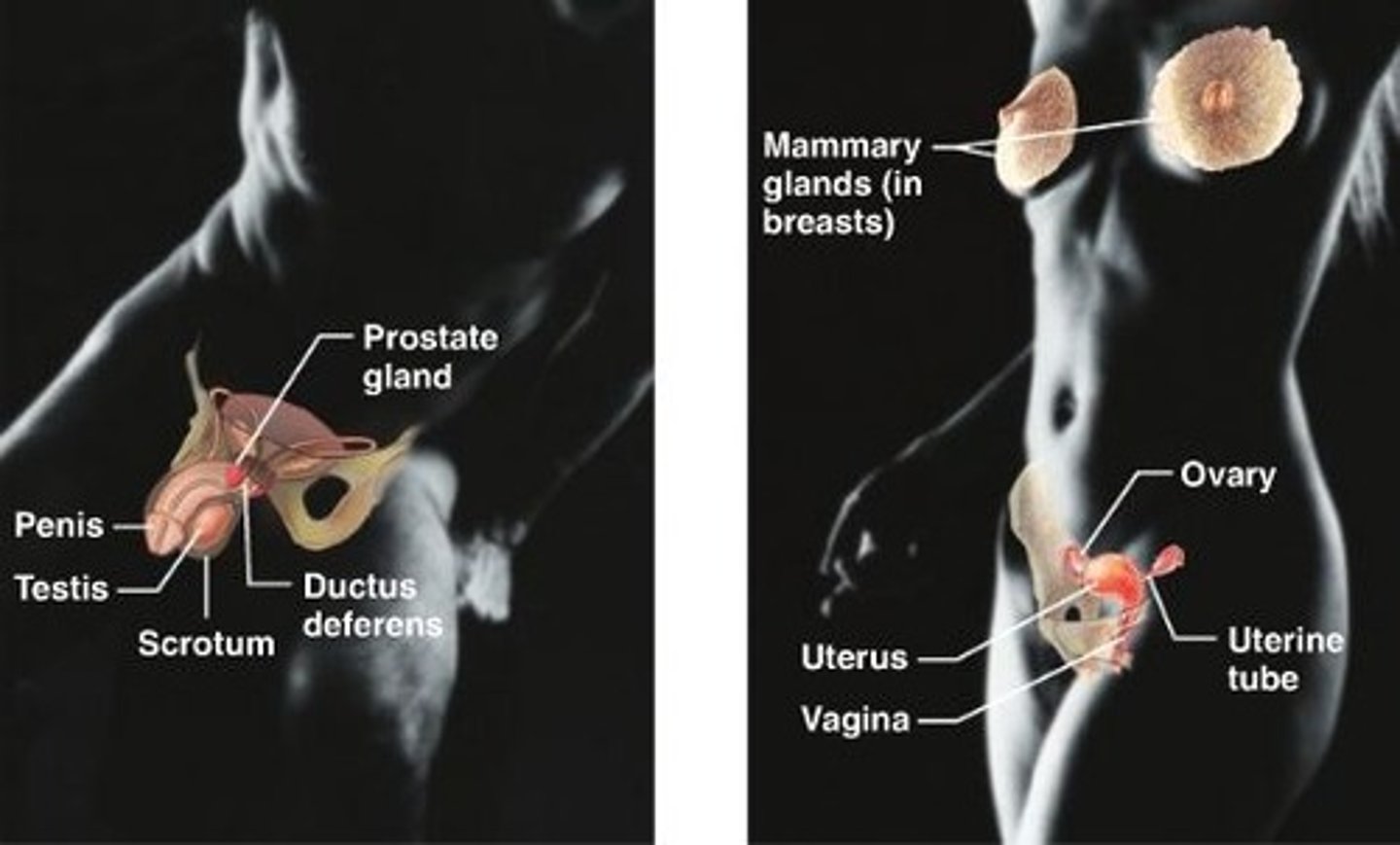
Reproductive system
Reproduce offspring- produce male sex cells (sperm) and female sex cells (oocytes)
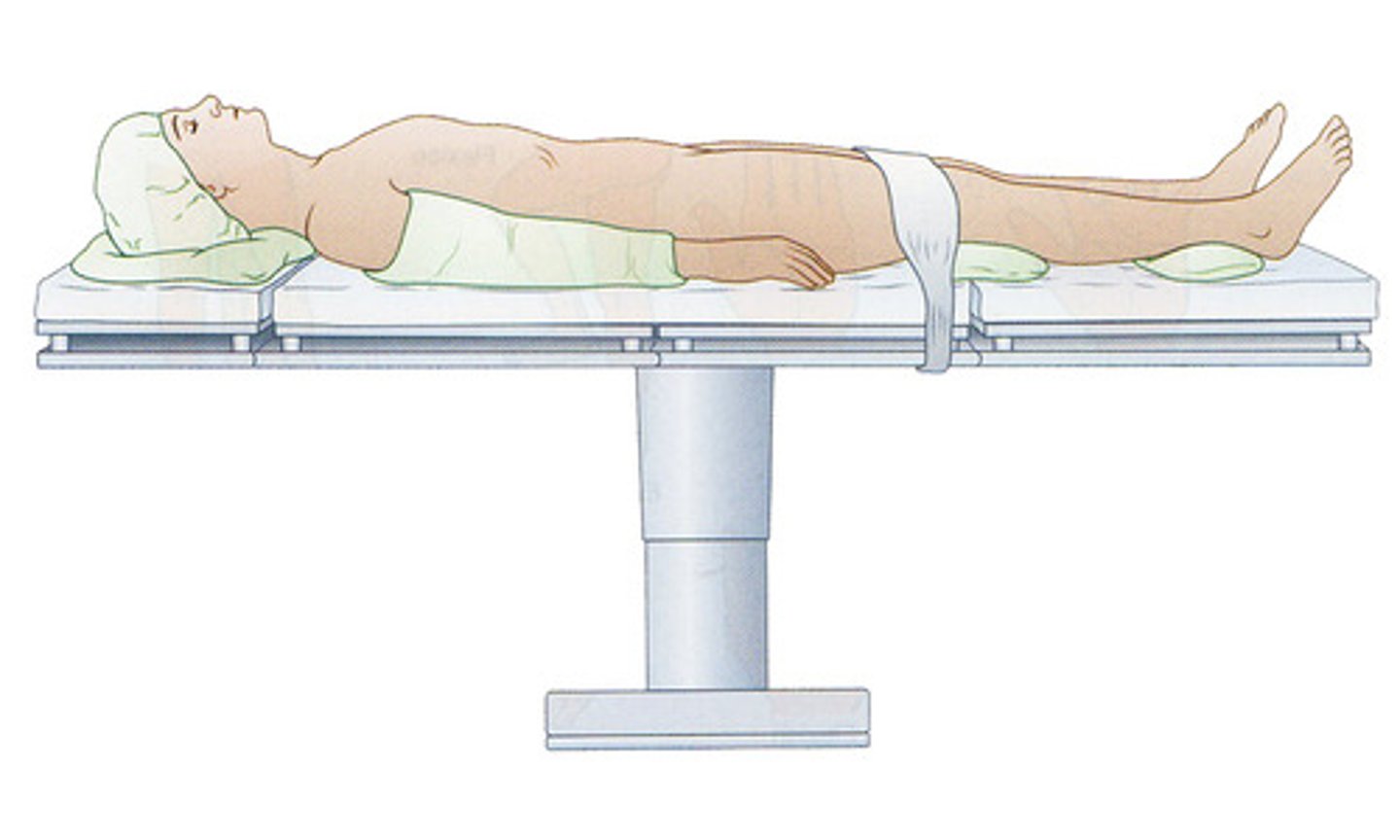
Supine
Lying down, facing upward
Anatomical position
A standard position in which the body is facing forward, the feet are parallel to each other, and the arms are at the sides with the palms facing forward
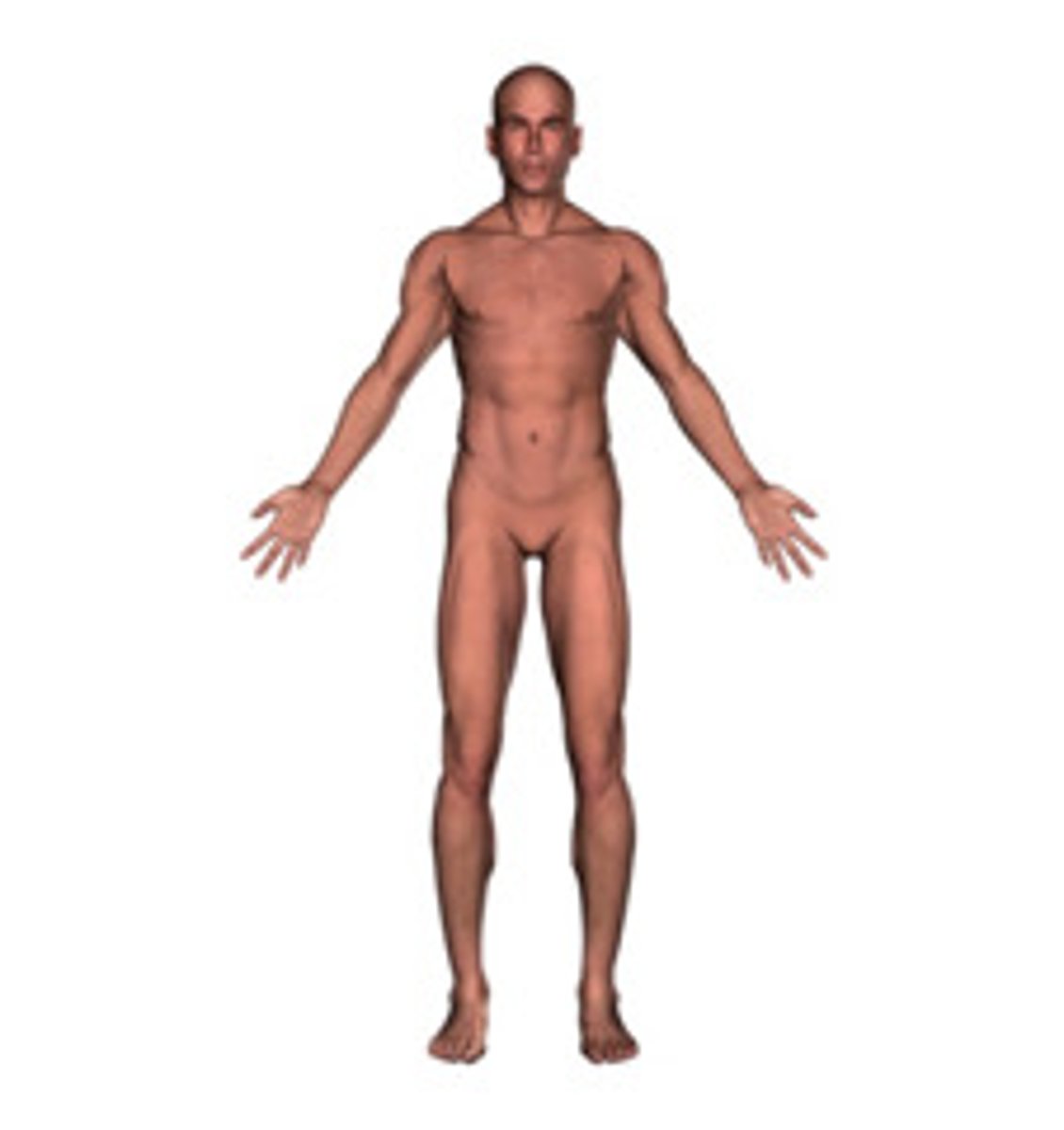
Section
Cut or slice through a structure
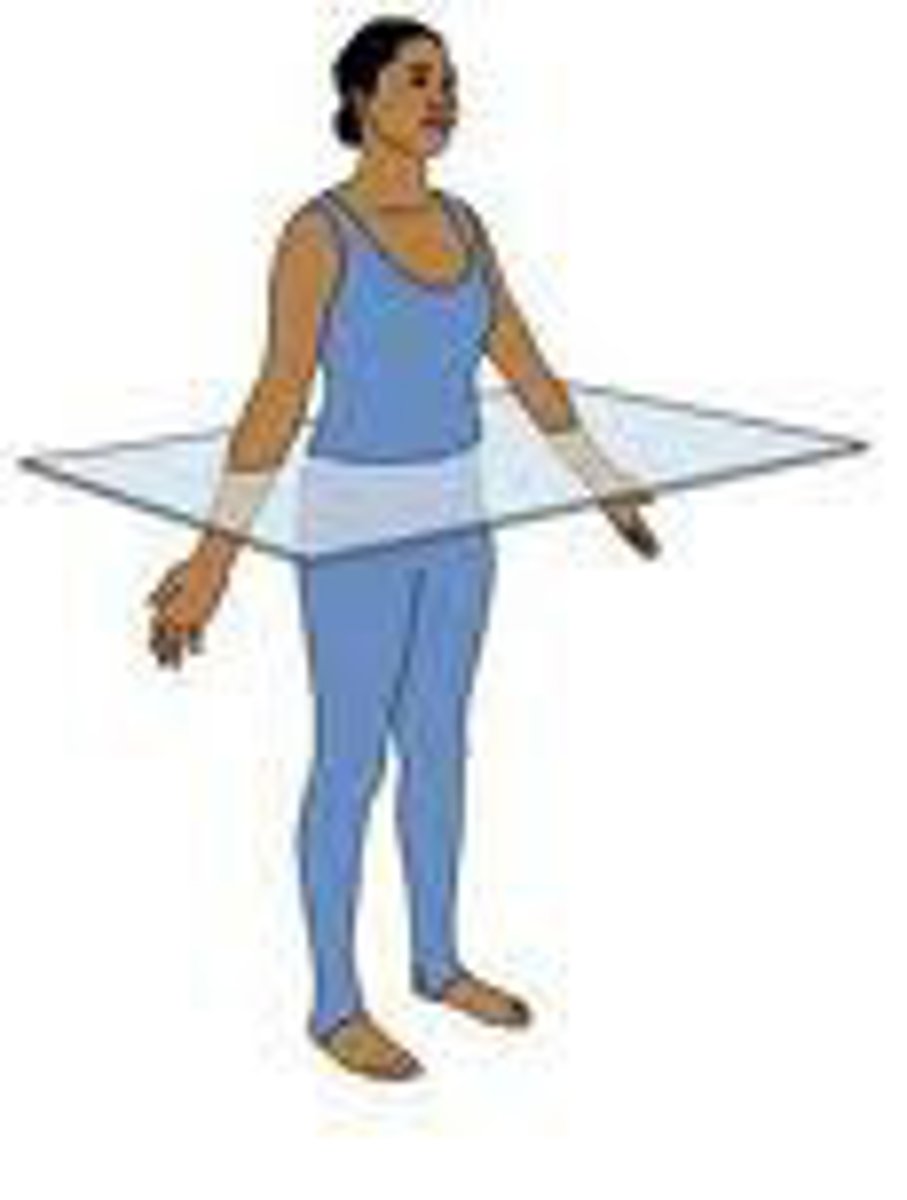
Plane
Imaginary flat surface passing through the body
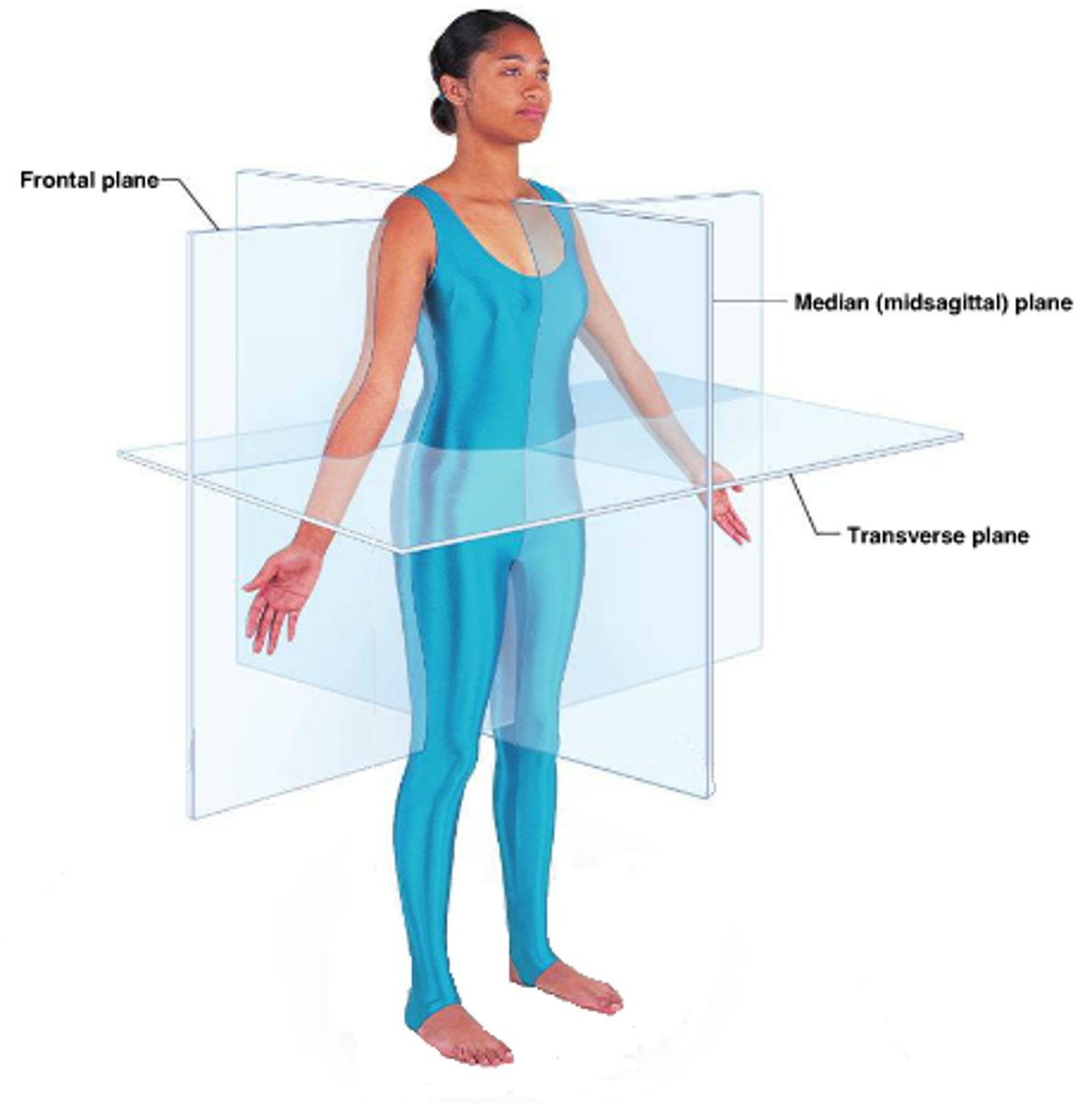
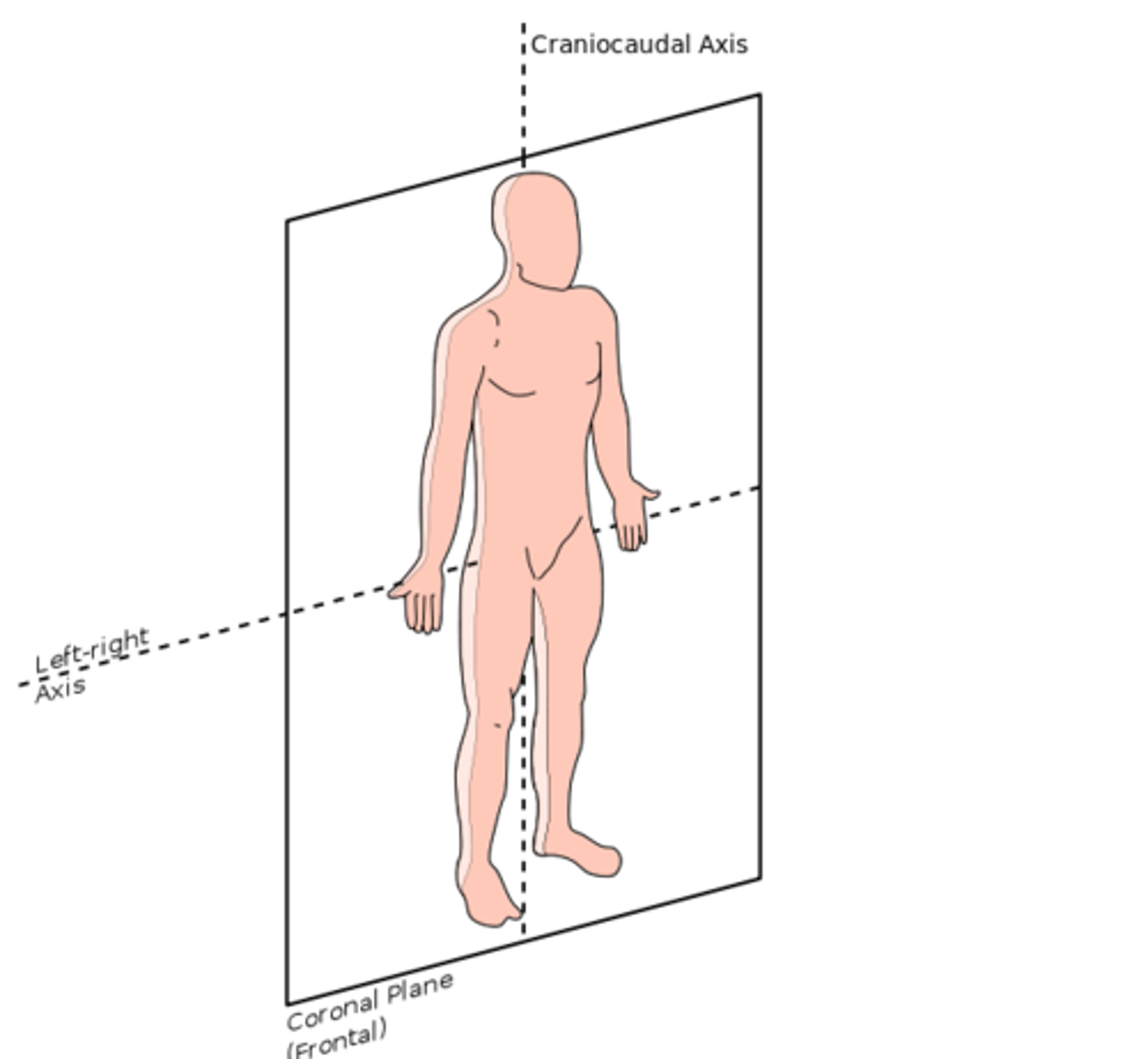
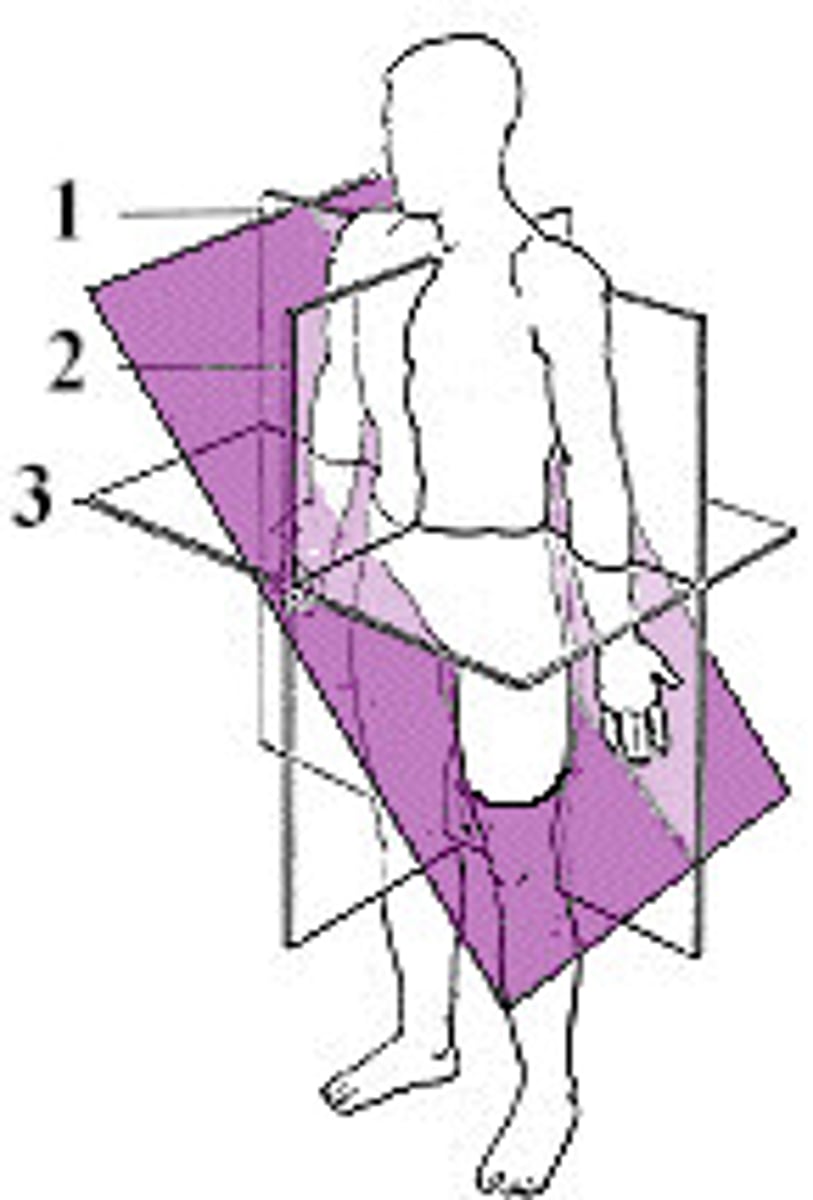
Coronal plane
An imaginary plane where the body is cut into front and back parts (Anterior and posterior)
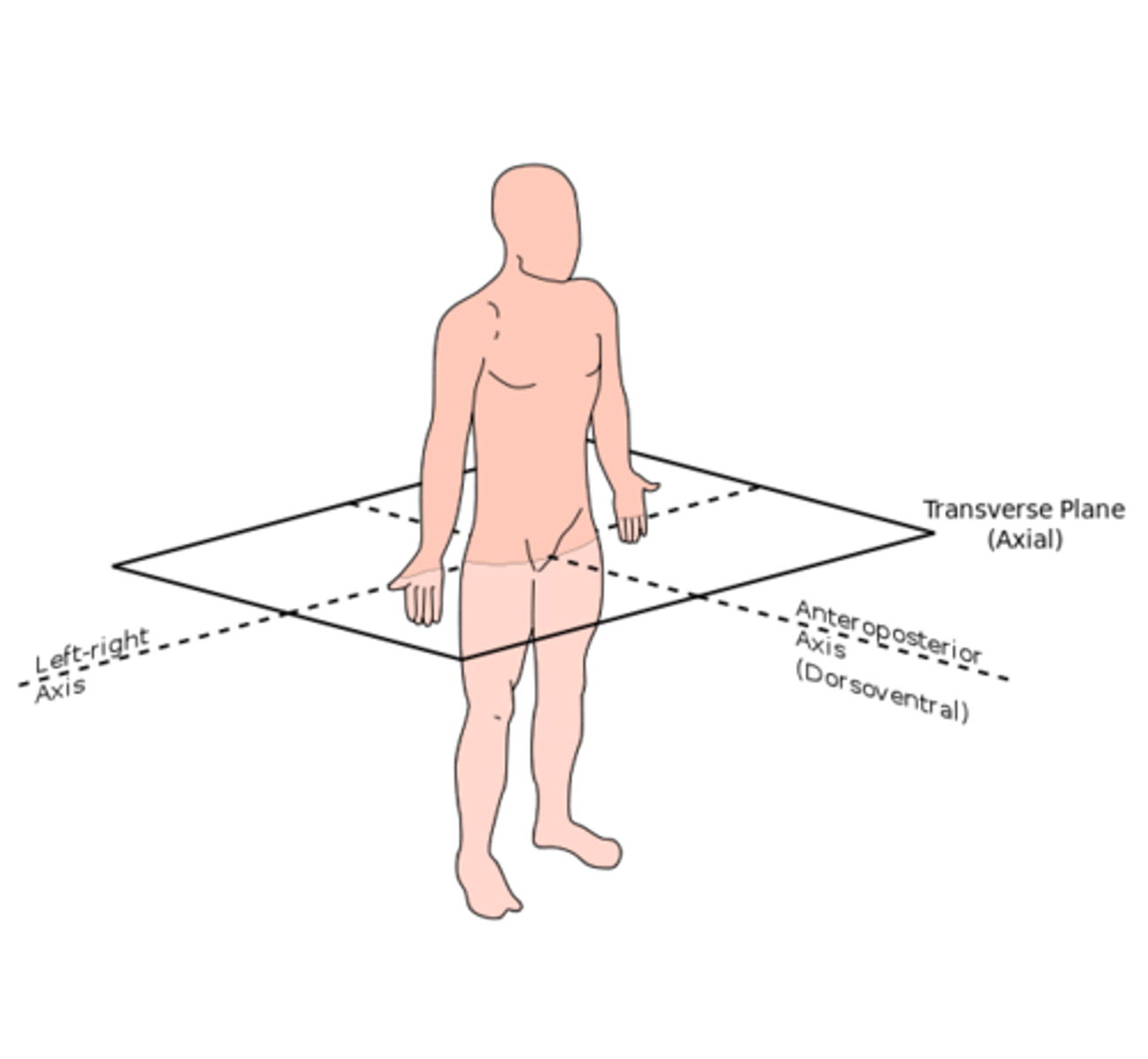
Transverse plane
Horizontal division of the body into upper and lower portions (Superior and inferior)
Midsagittal plane
Divides the body into equal right and left sides
Sagittal plane
A vertical plane that divides the body into right and left parts
Parasagittal plane
Divides body into unequal right and left sides
Oblique plane
A minor plane that passes through the specimen at an angle
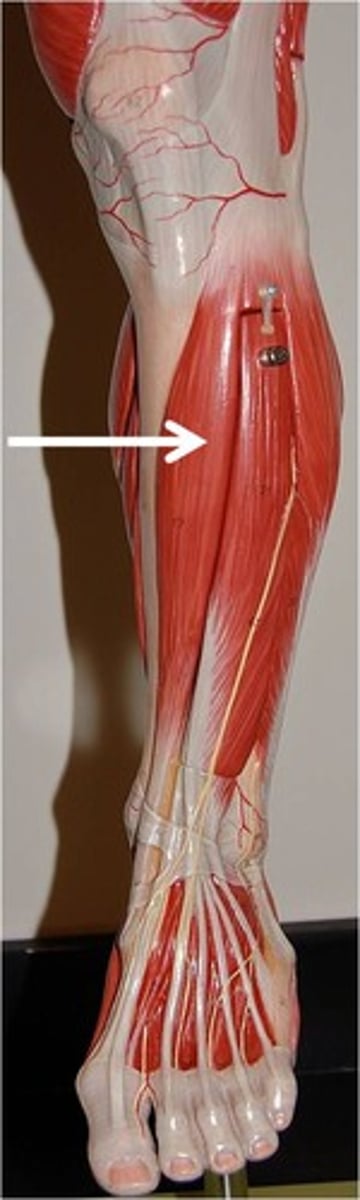
Anterior
Front of the body
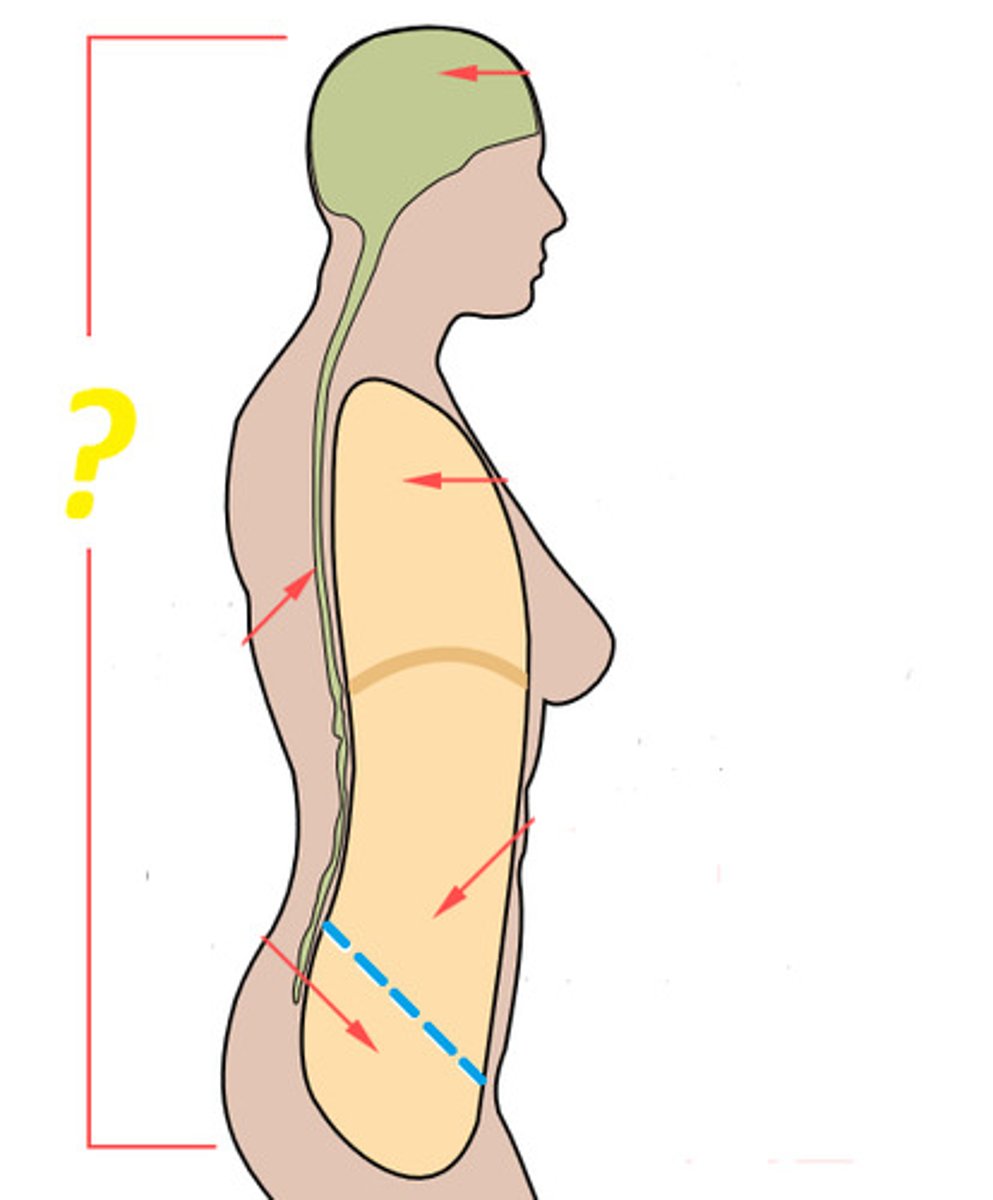
Posterior
Back of body
Dorsal
Toward the back of the body
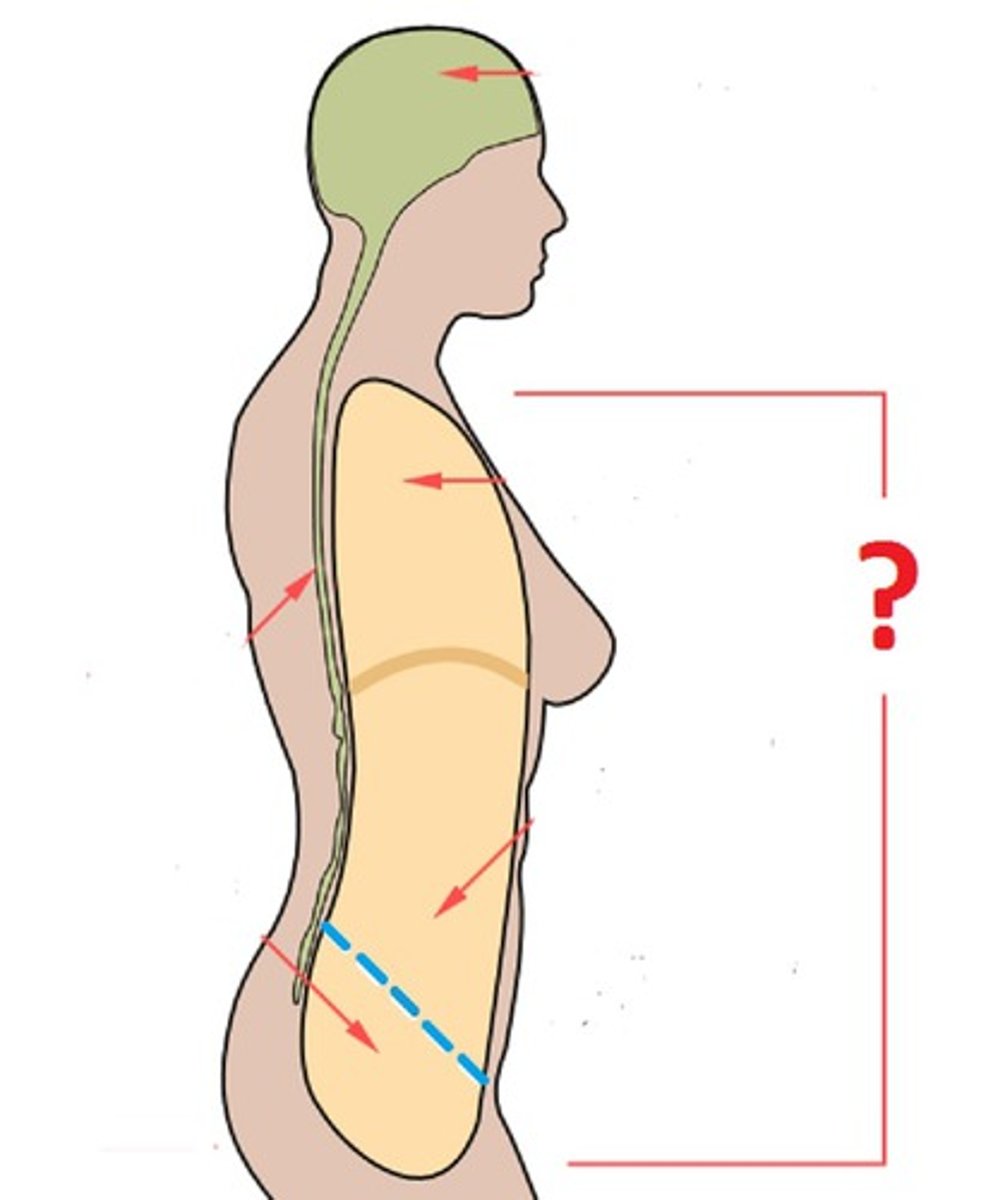
Ventral
Toward the belly
Superior
Closer to the head ; going up
Inferior
Closer to the feet ; going down
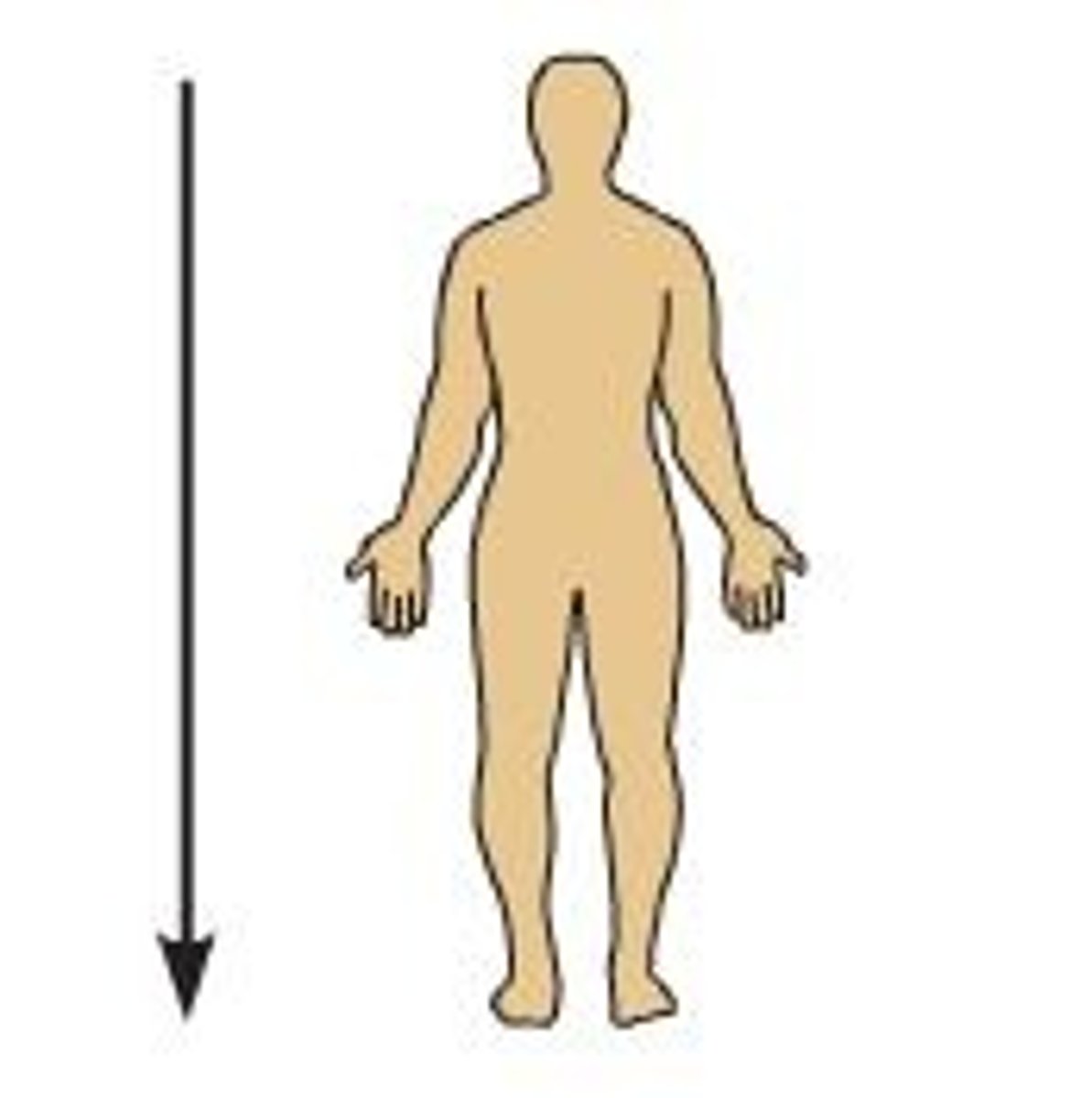
Cranial
Toward the head
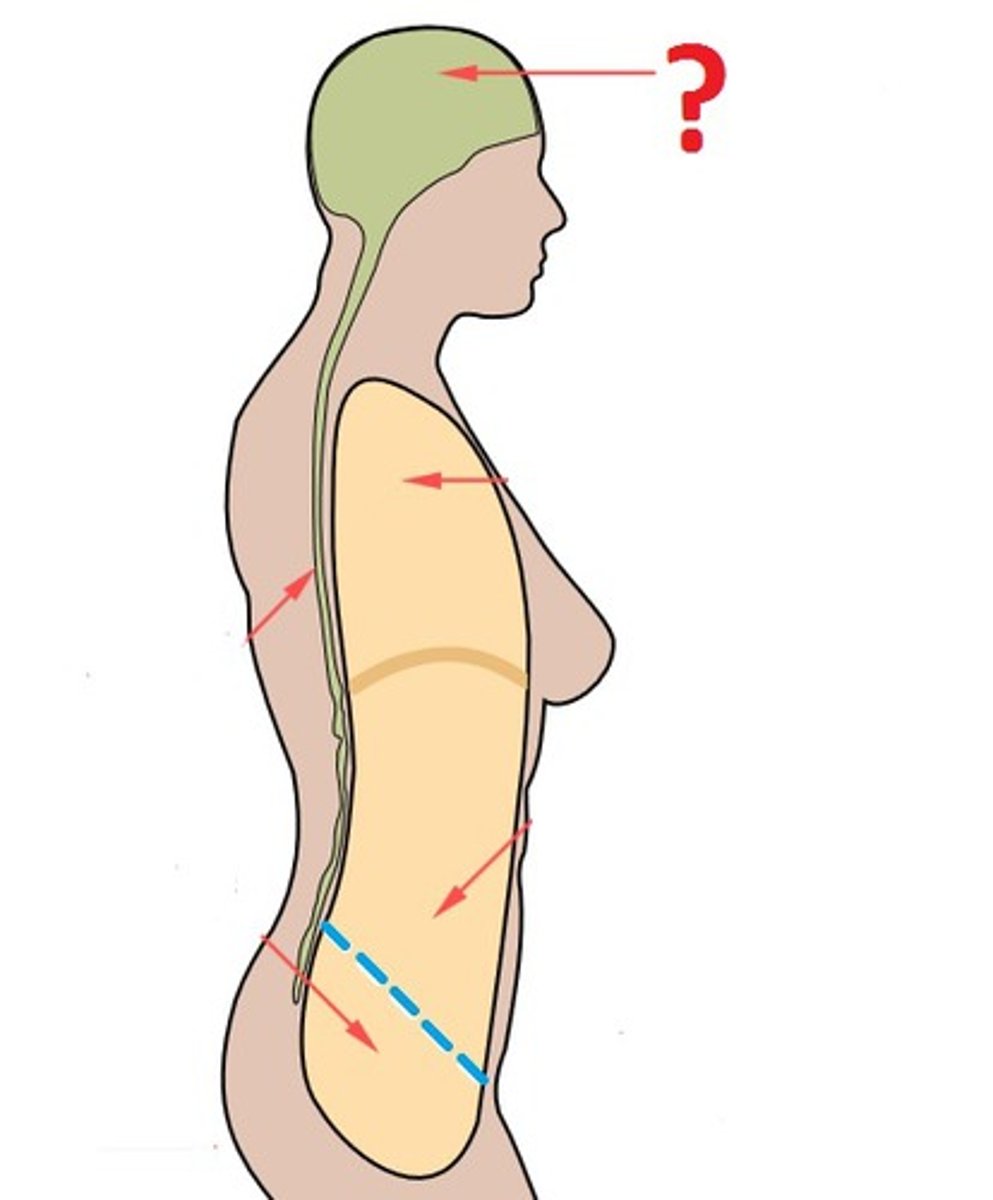
Caudal
Towards the rear or tail end
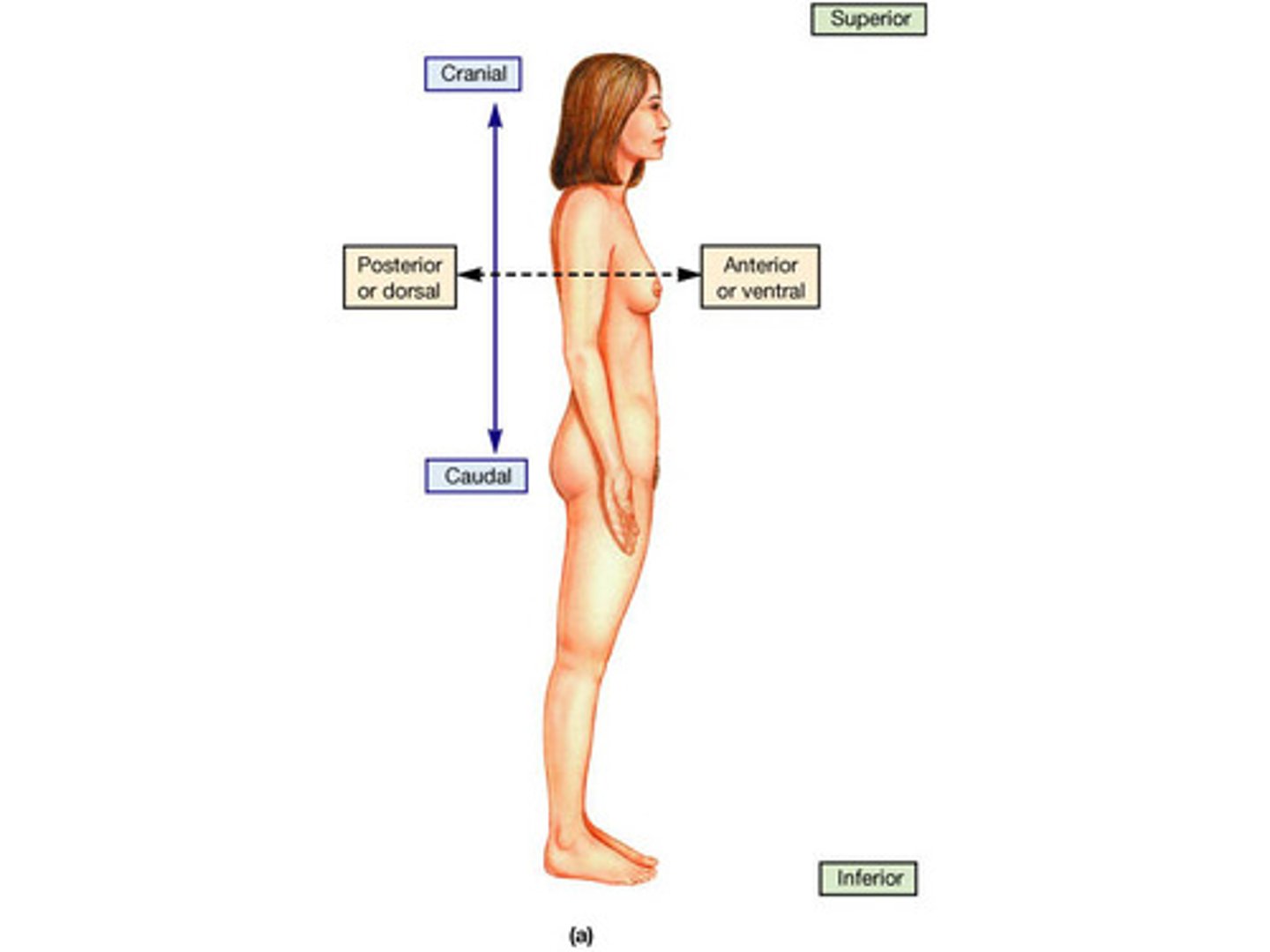
Rostral
Towards the nose or mouth
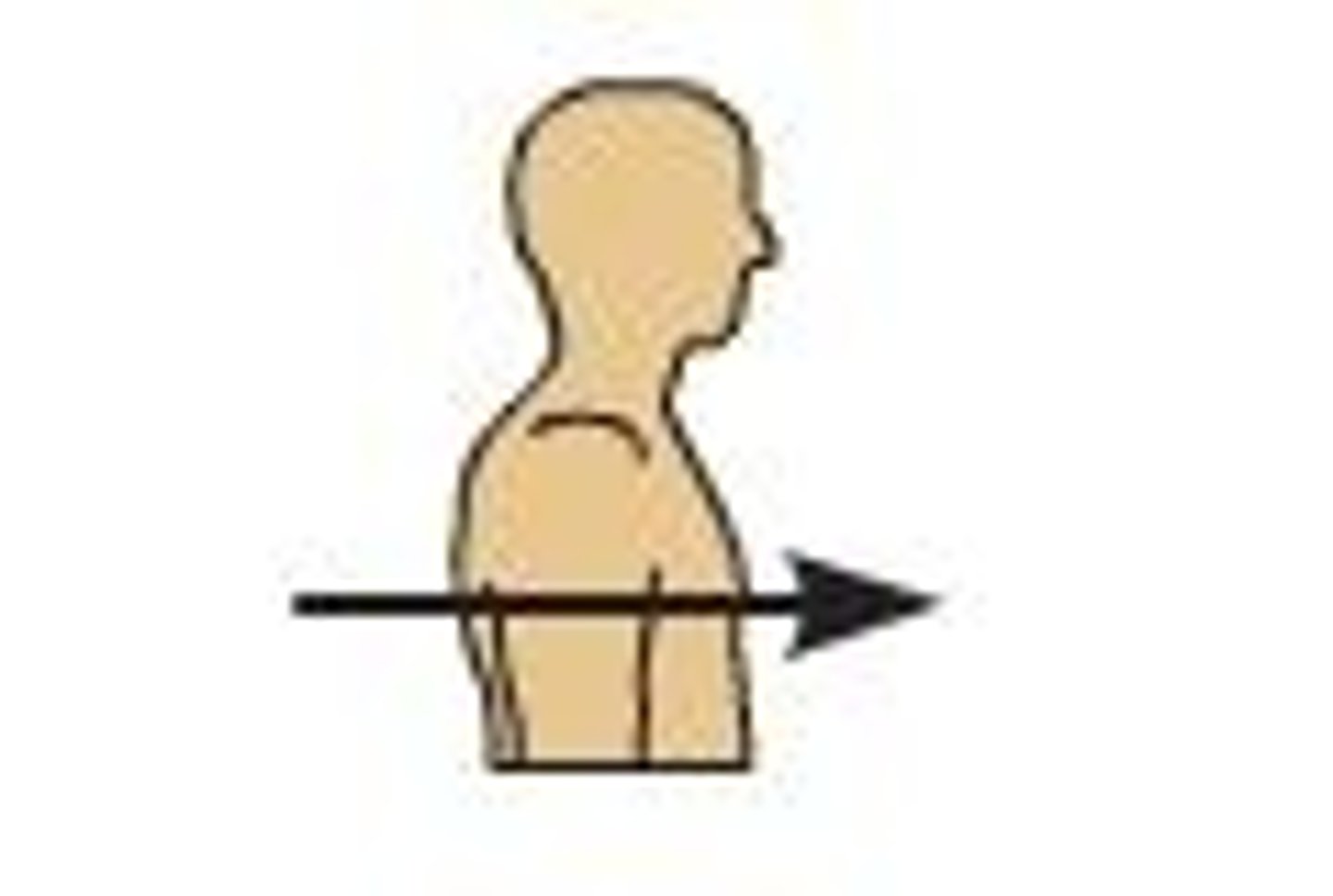
Medial
Toward the midline of the body
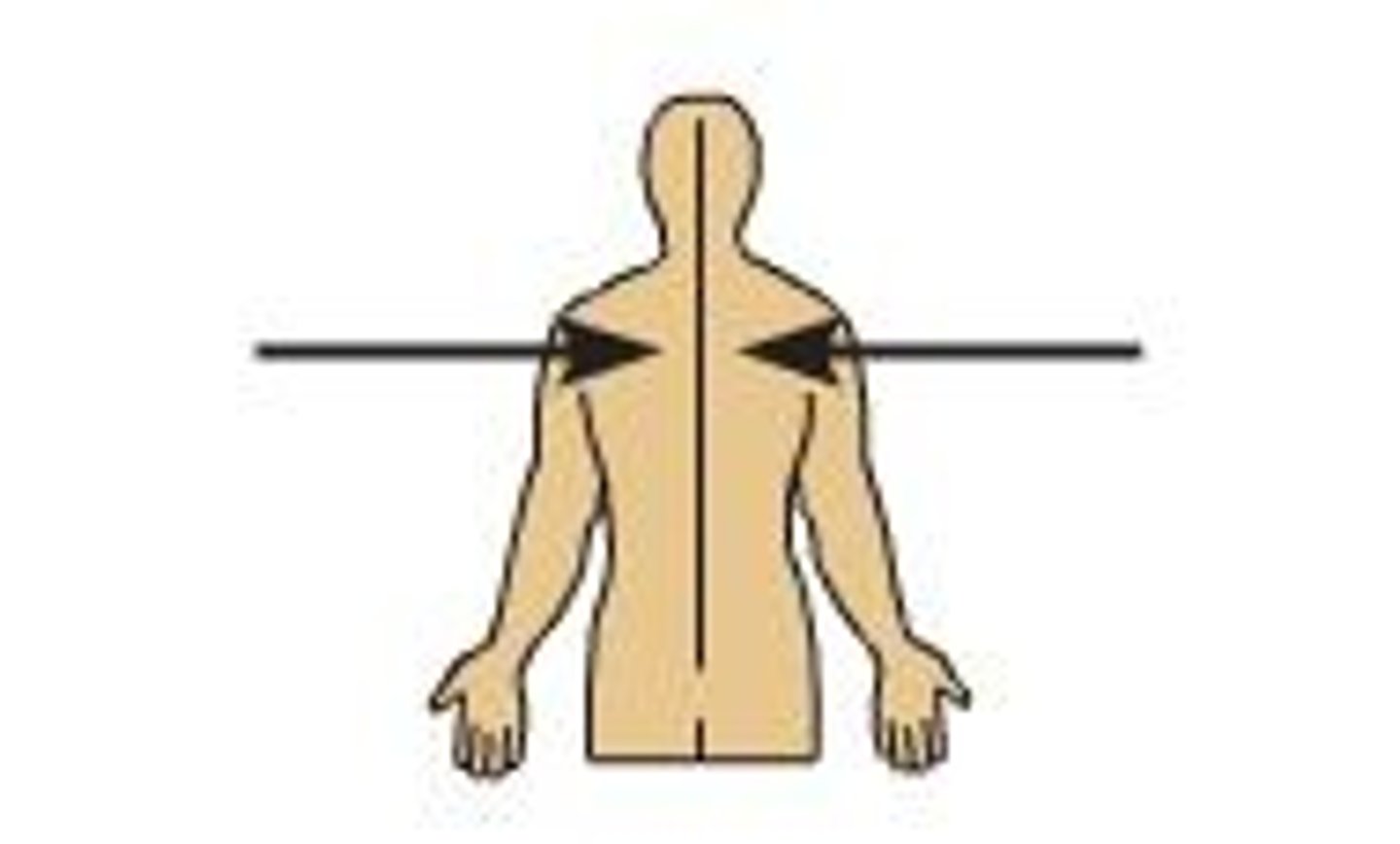
Lateral
Away from the midline of the body
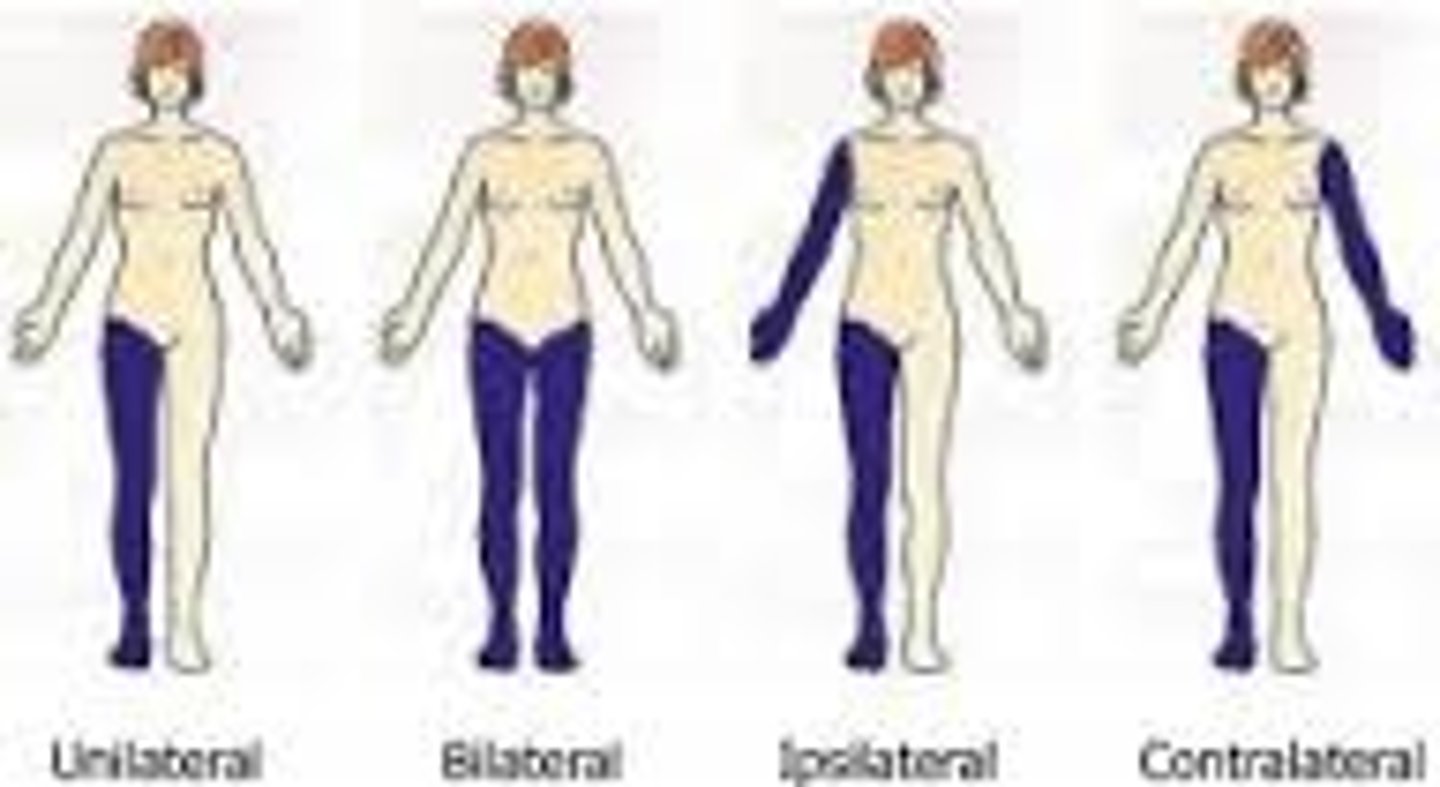
Ipsilateral
On the same side of the body
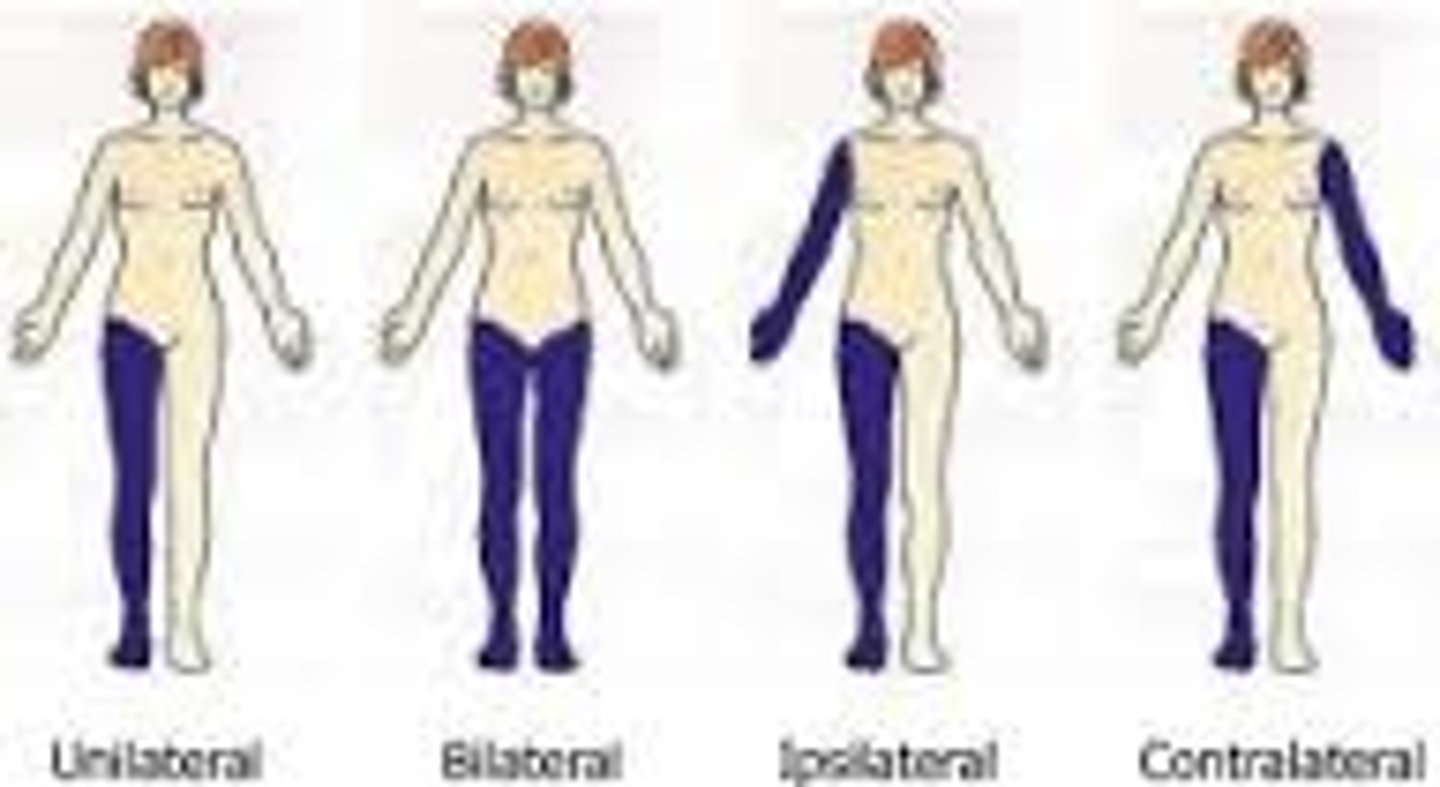
Contralateral
On the opposite side of the body
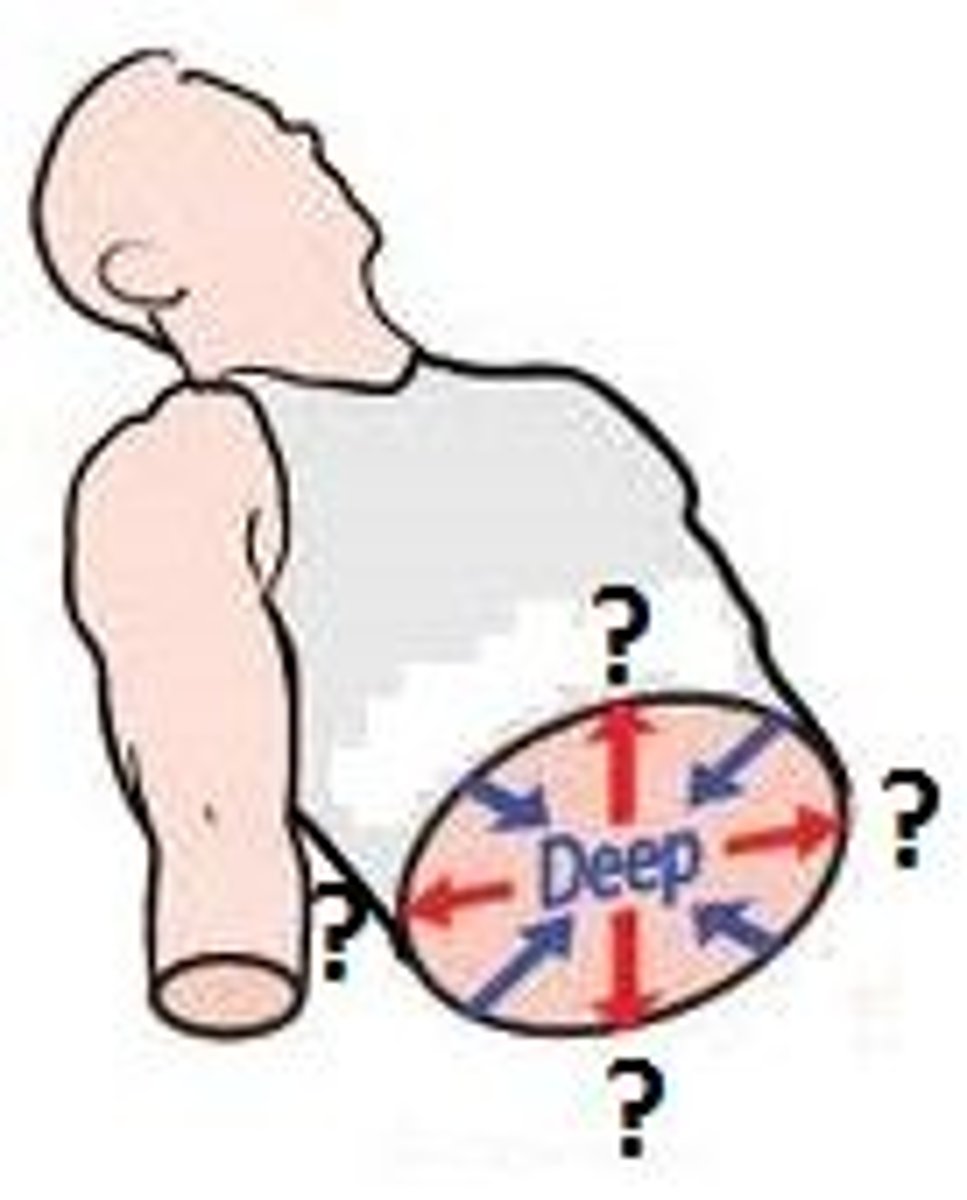
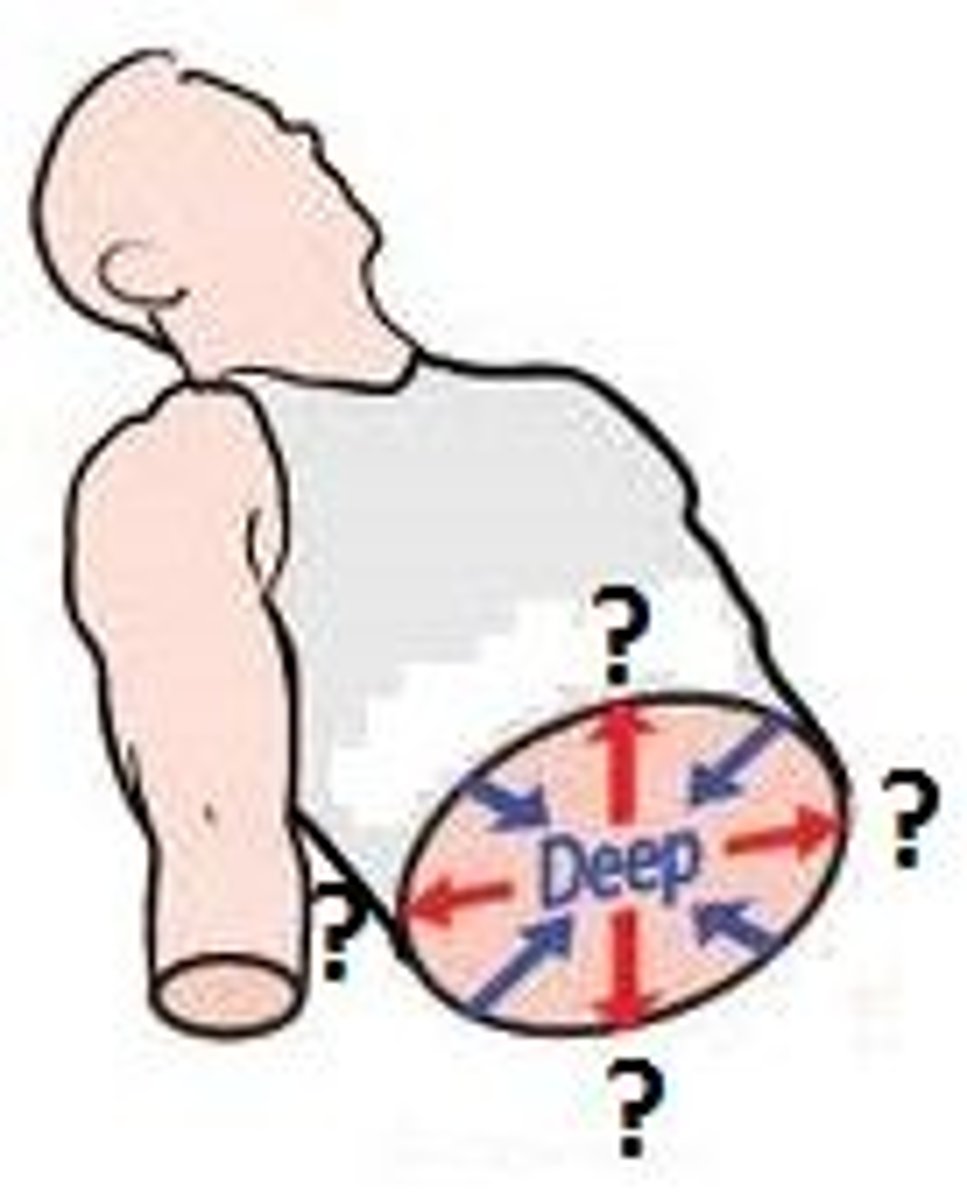
Deep
Away from the body surface; more internal
Superficial
On or near the surface; concerned with or understanding only what is on the surface, shallow
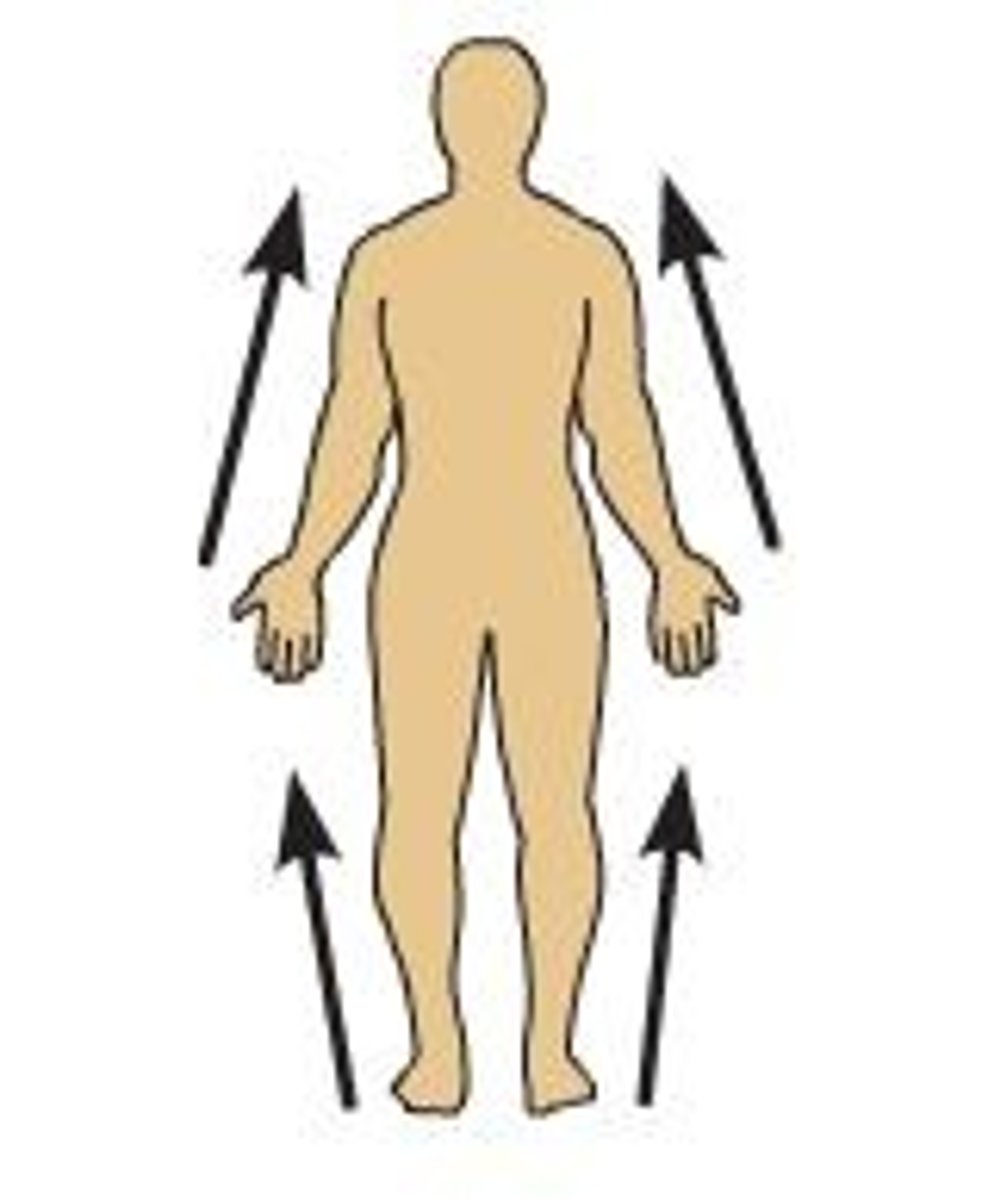
Proximal
Closer to the origin of the body part or the point of attachment of a limb to the body trunk
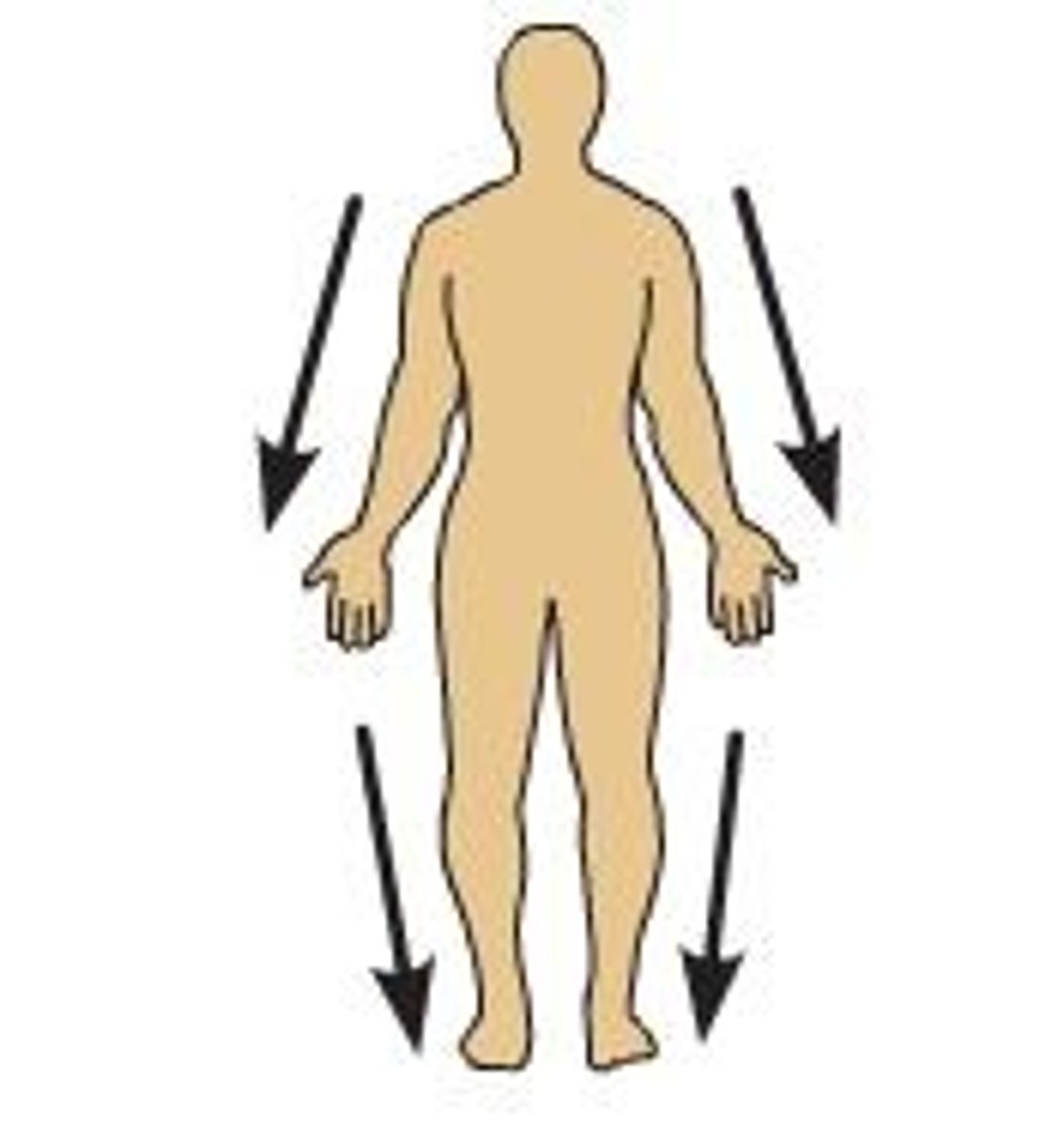
Distal
Farther from the origin of a body part or the point of attachment of a limb to the body trunk
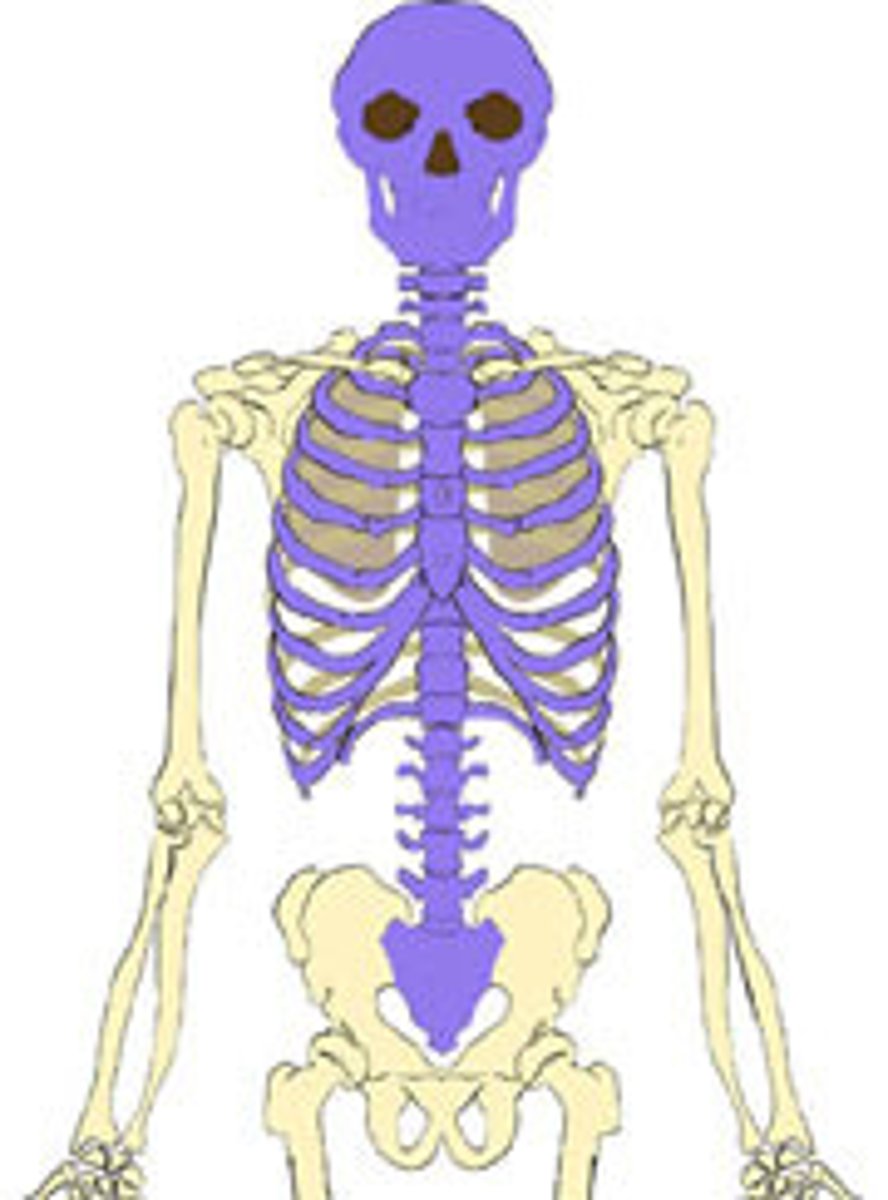
Axial region
Head, neck, trunk
Appendicular region
Upper and lower limbs
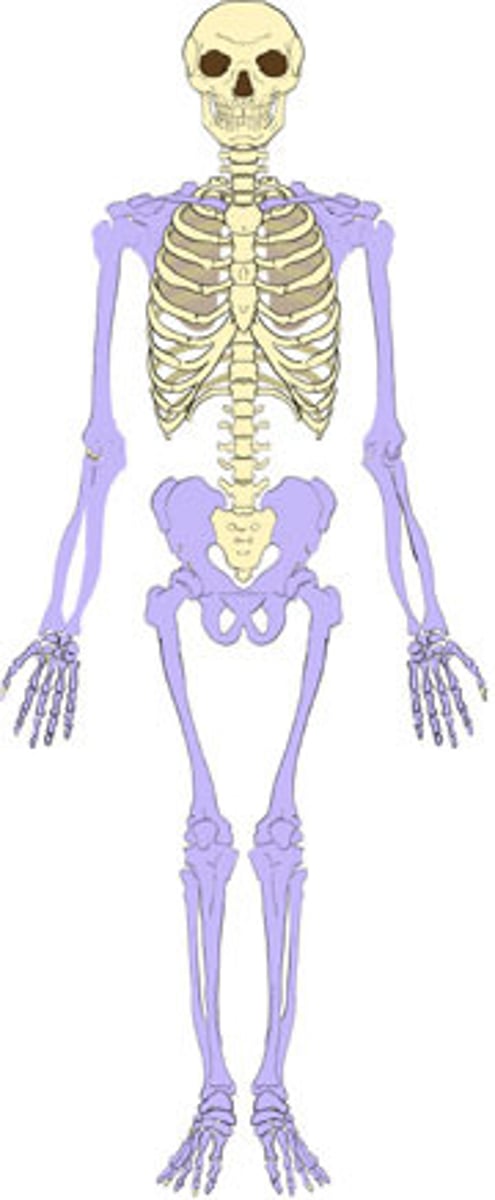
Cephalic region
Head
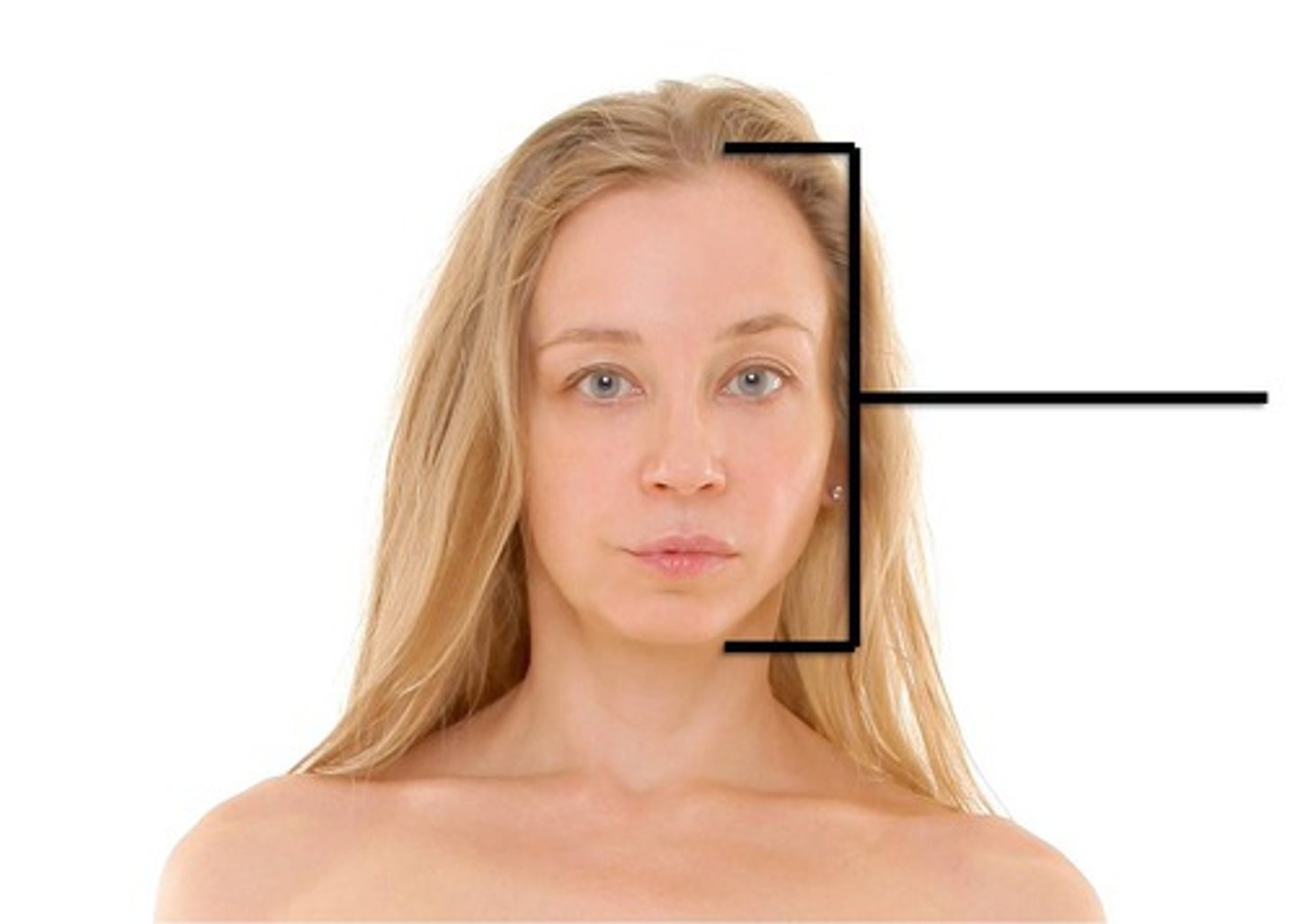
Frontal
Forehead
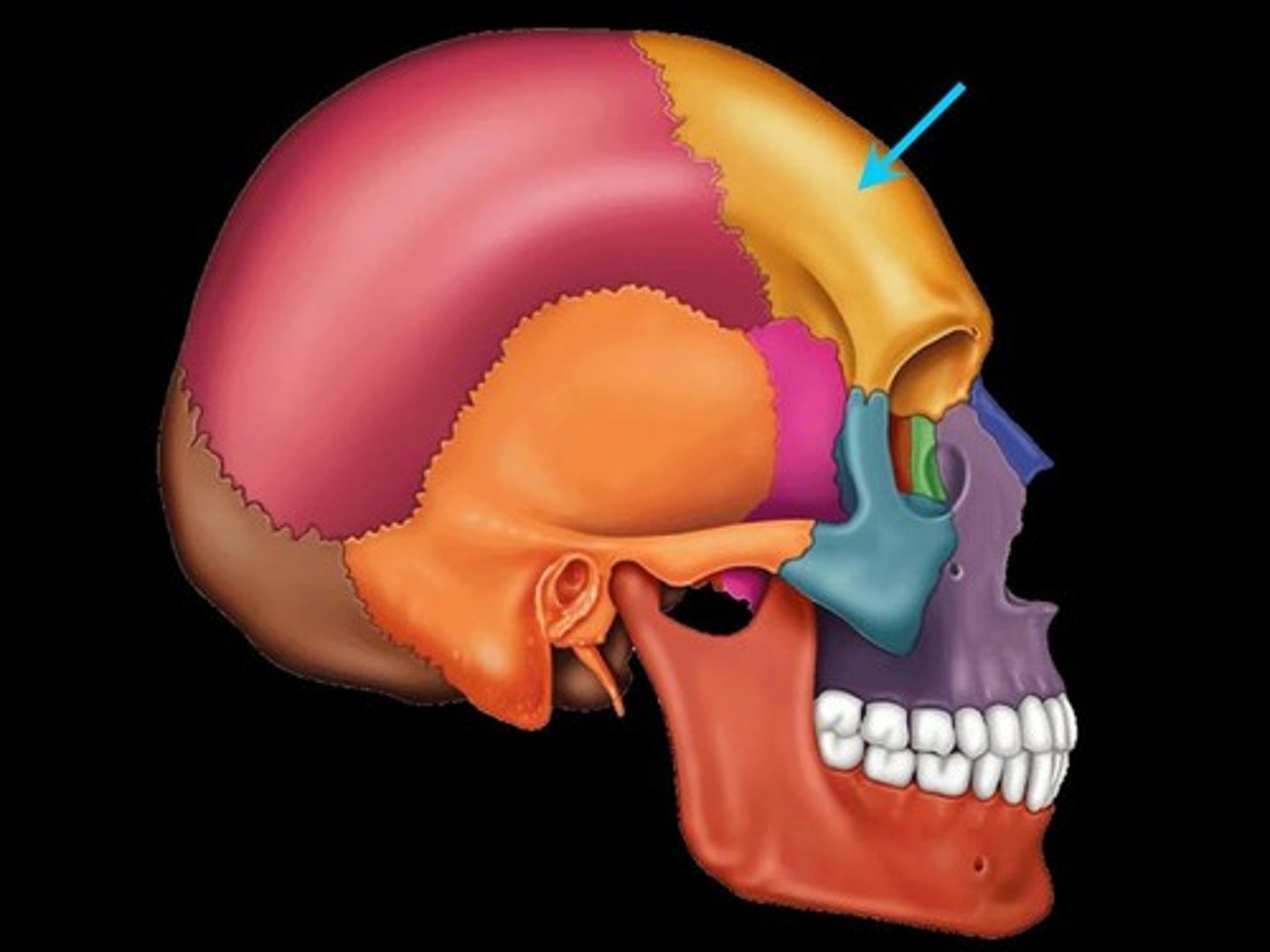
Orbital
Eye
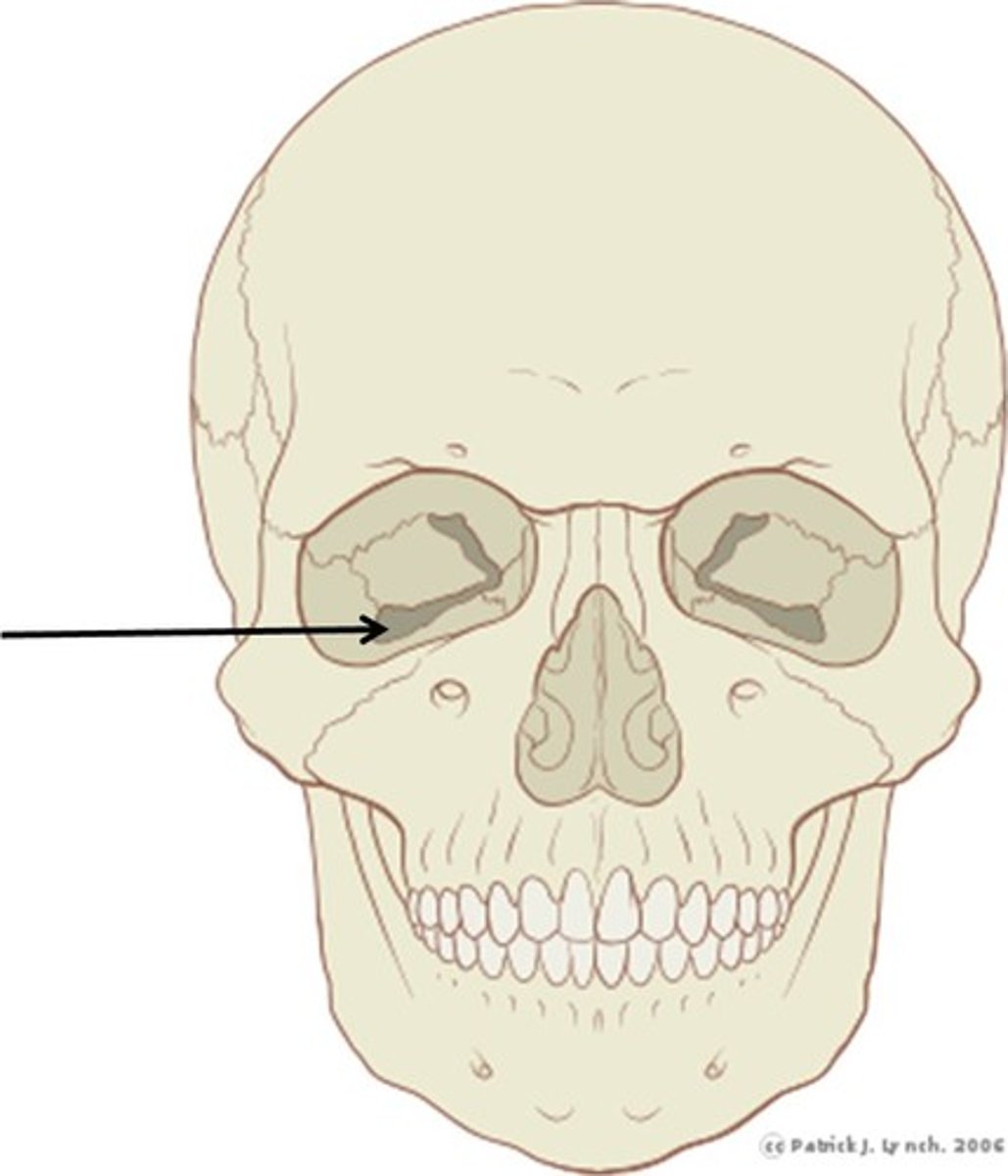
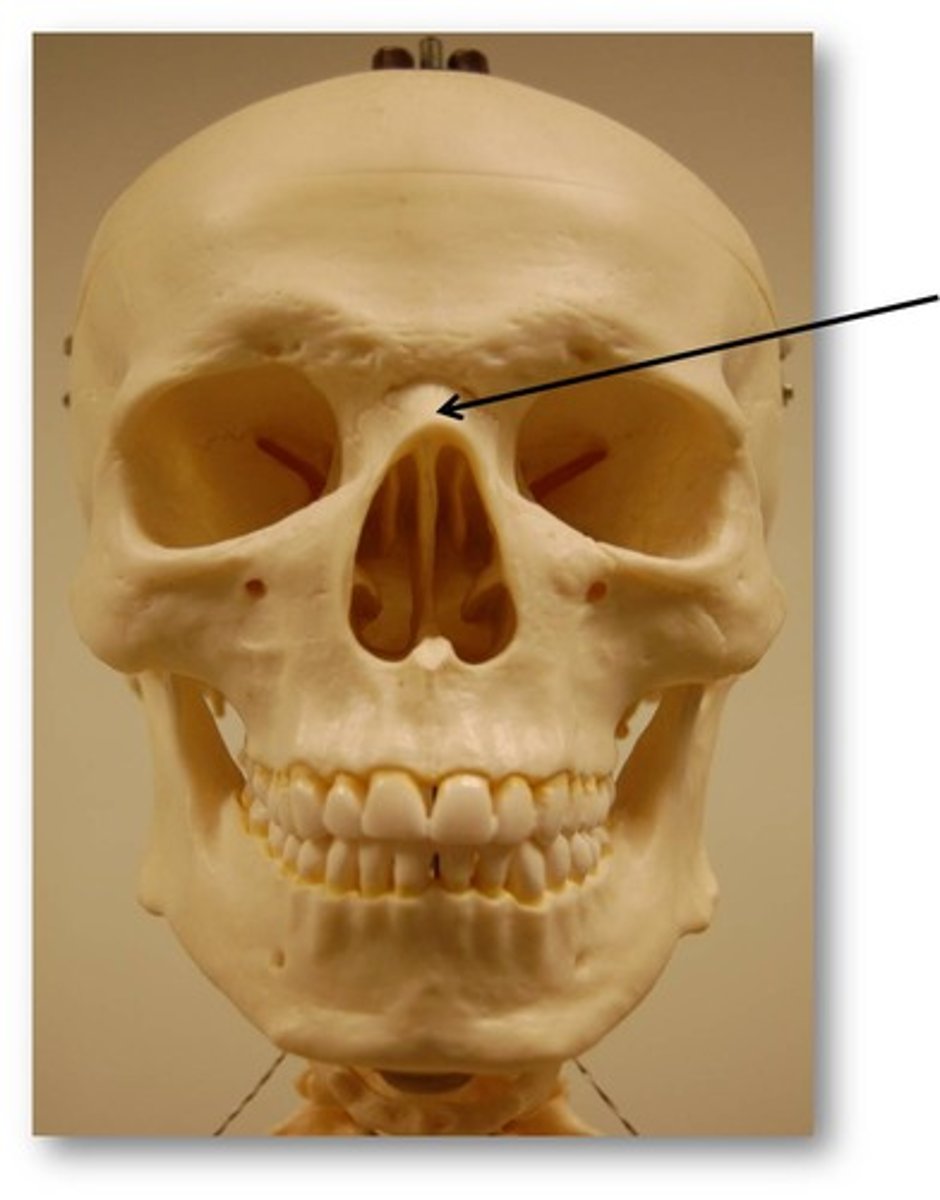
Nasal
Nose
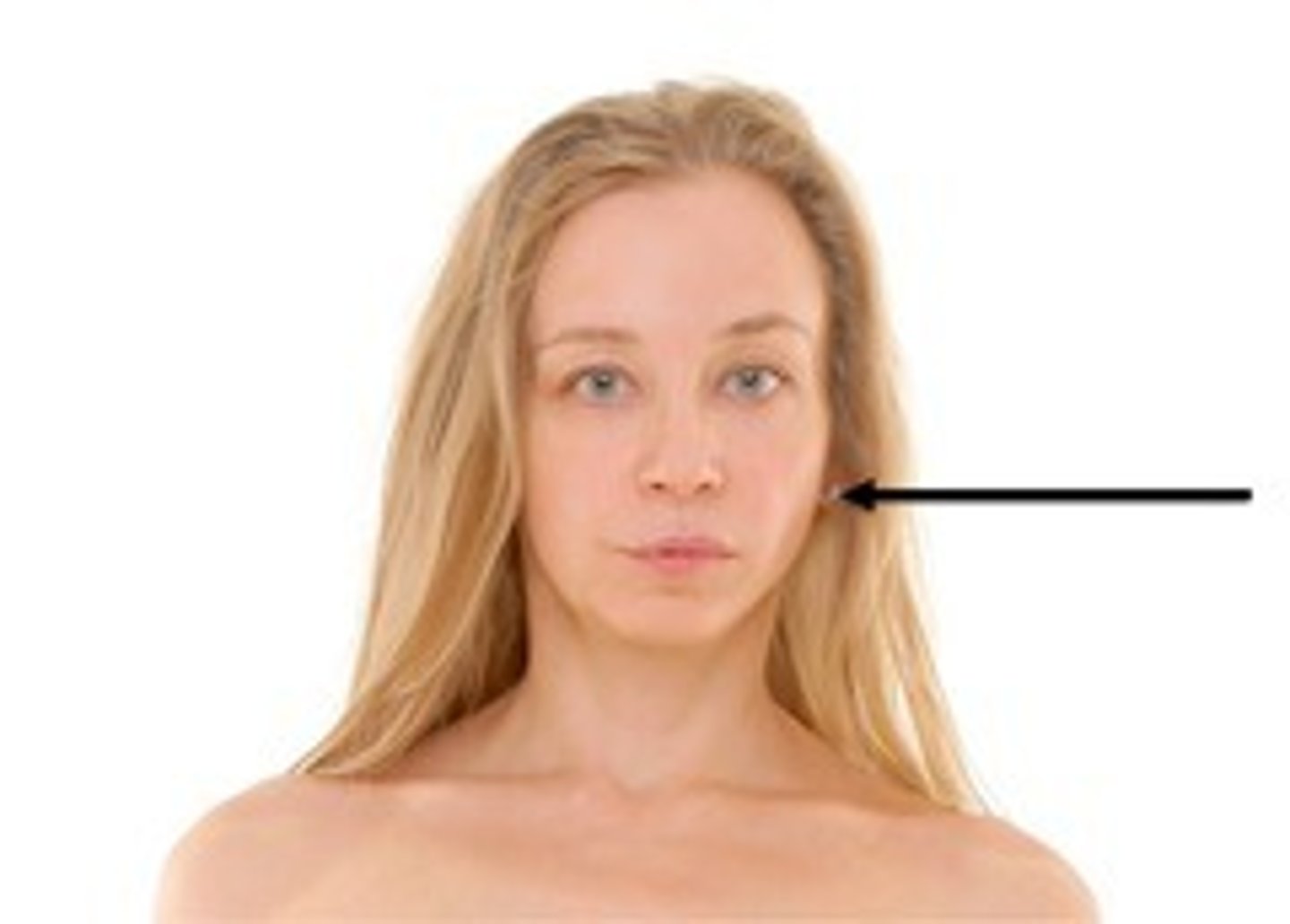
Buccal
Cheek
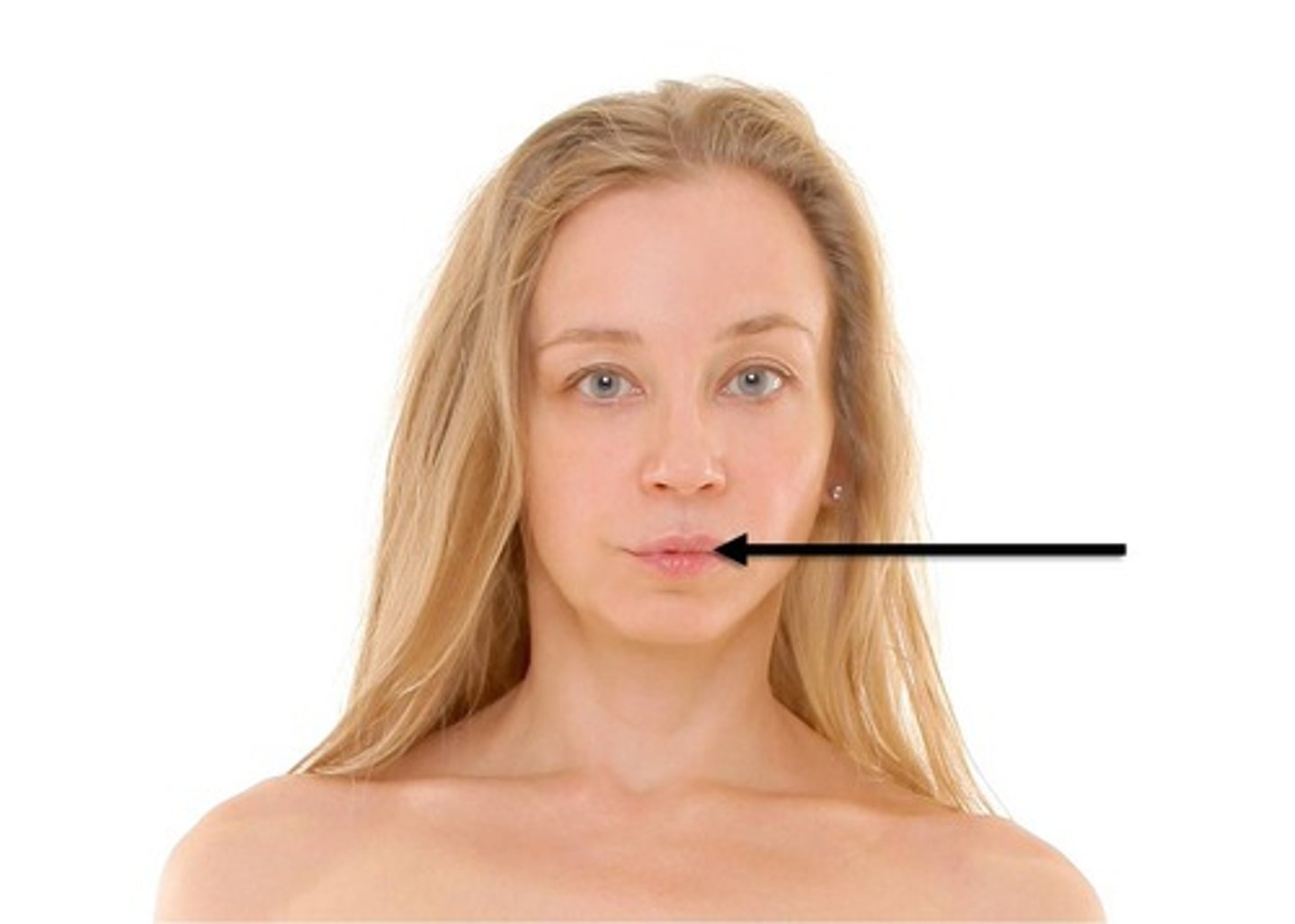
Oral
Mouth
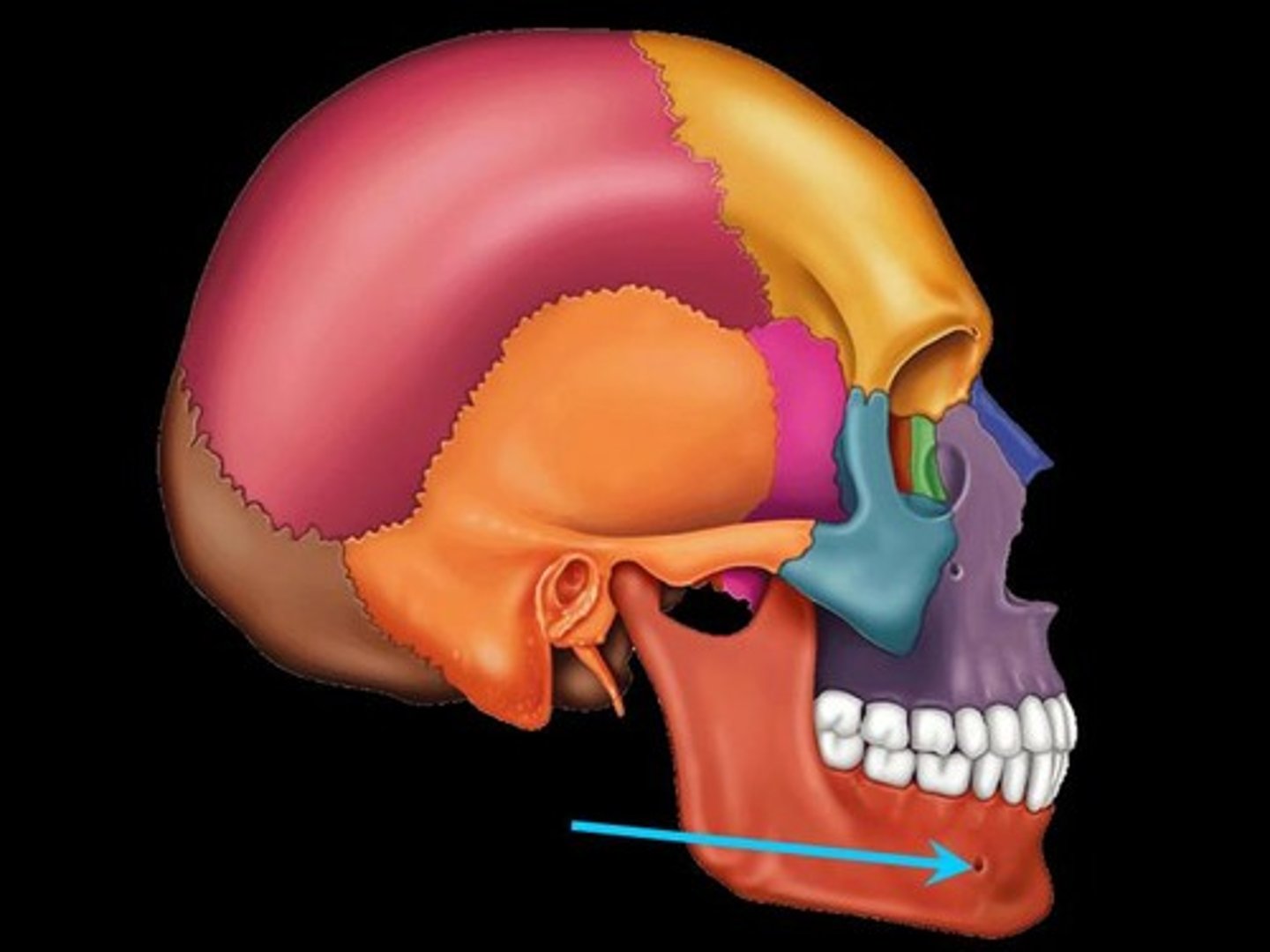
Mental
Chin
Thoracic region
Chest area
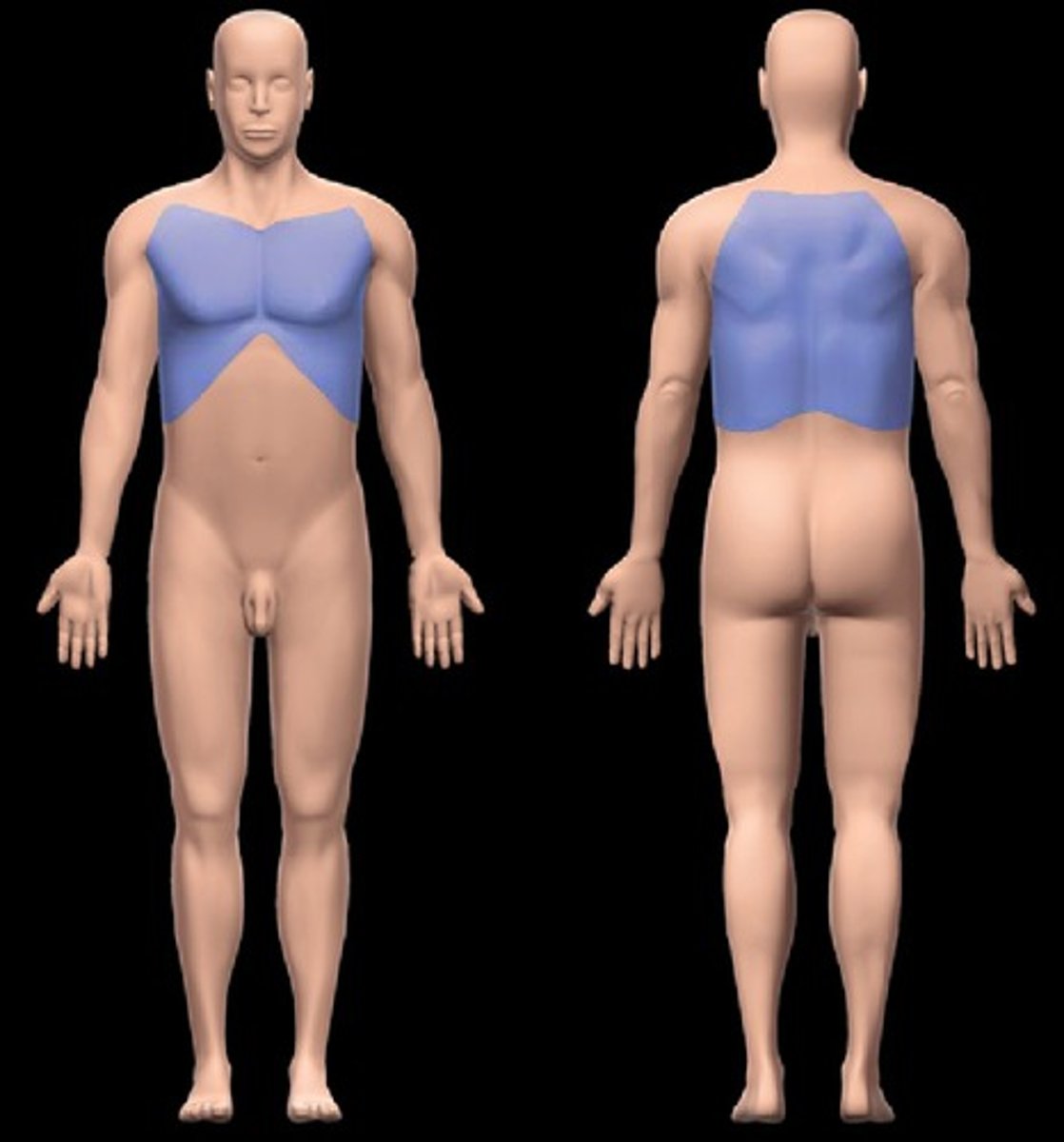
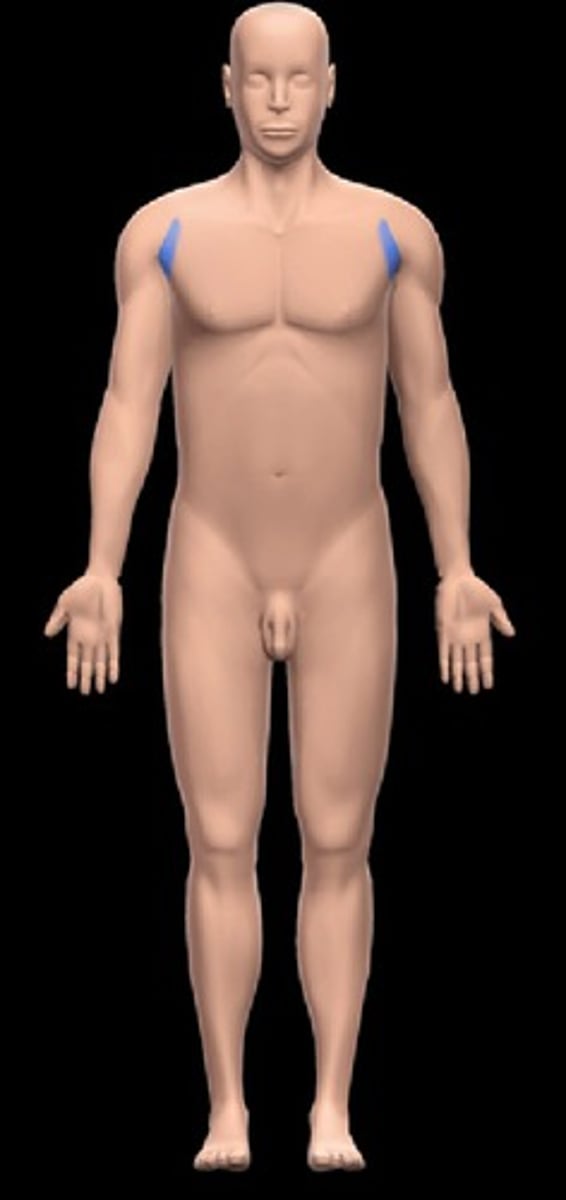
Axillary
Armpit
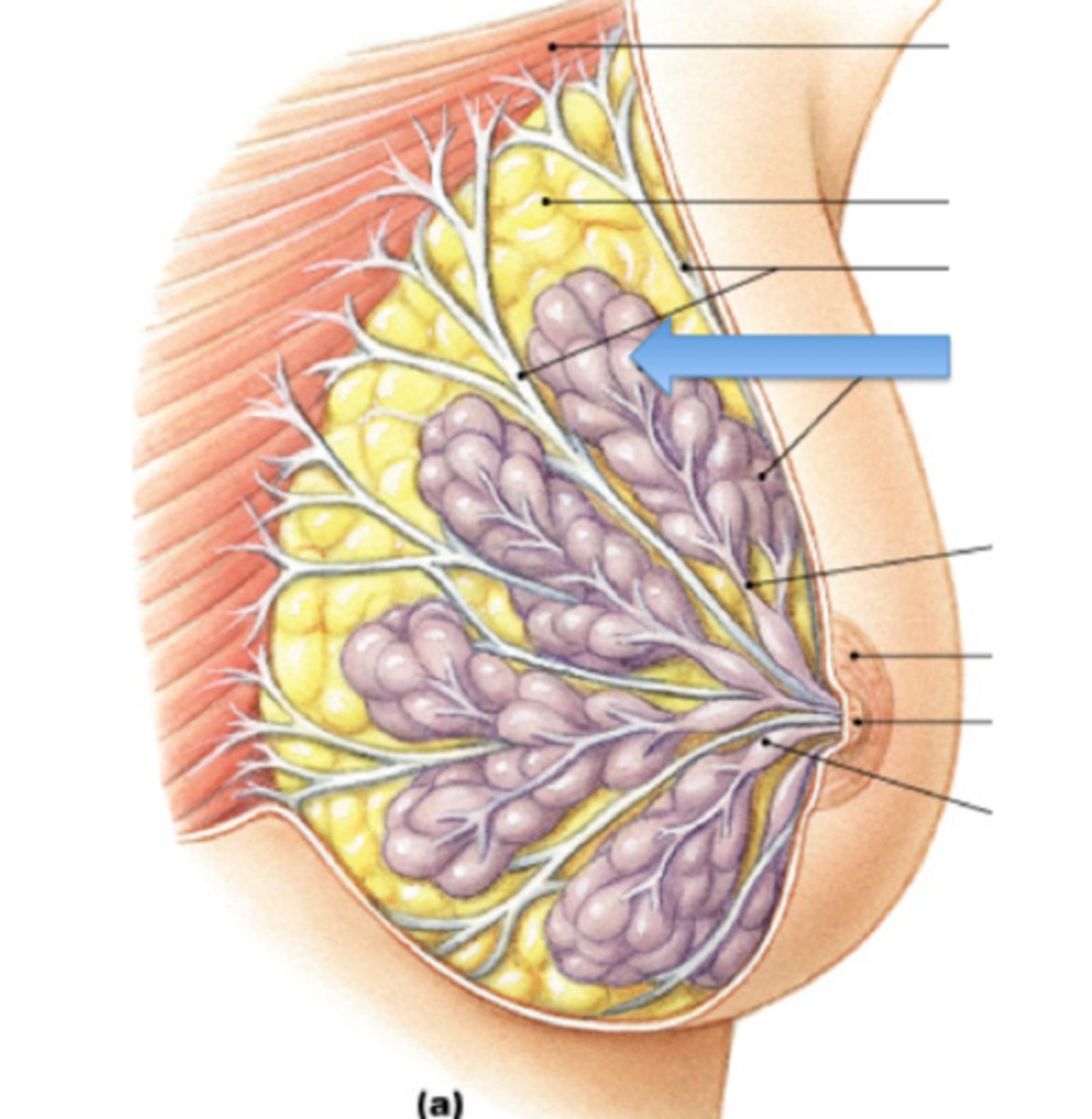
Mammary
Breast
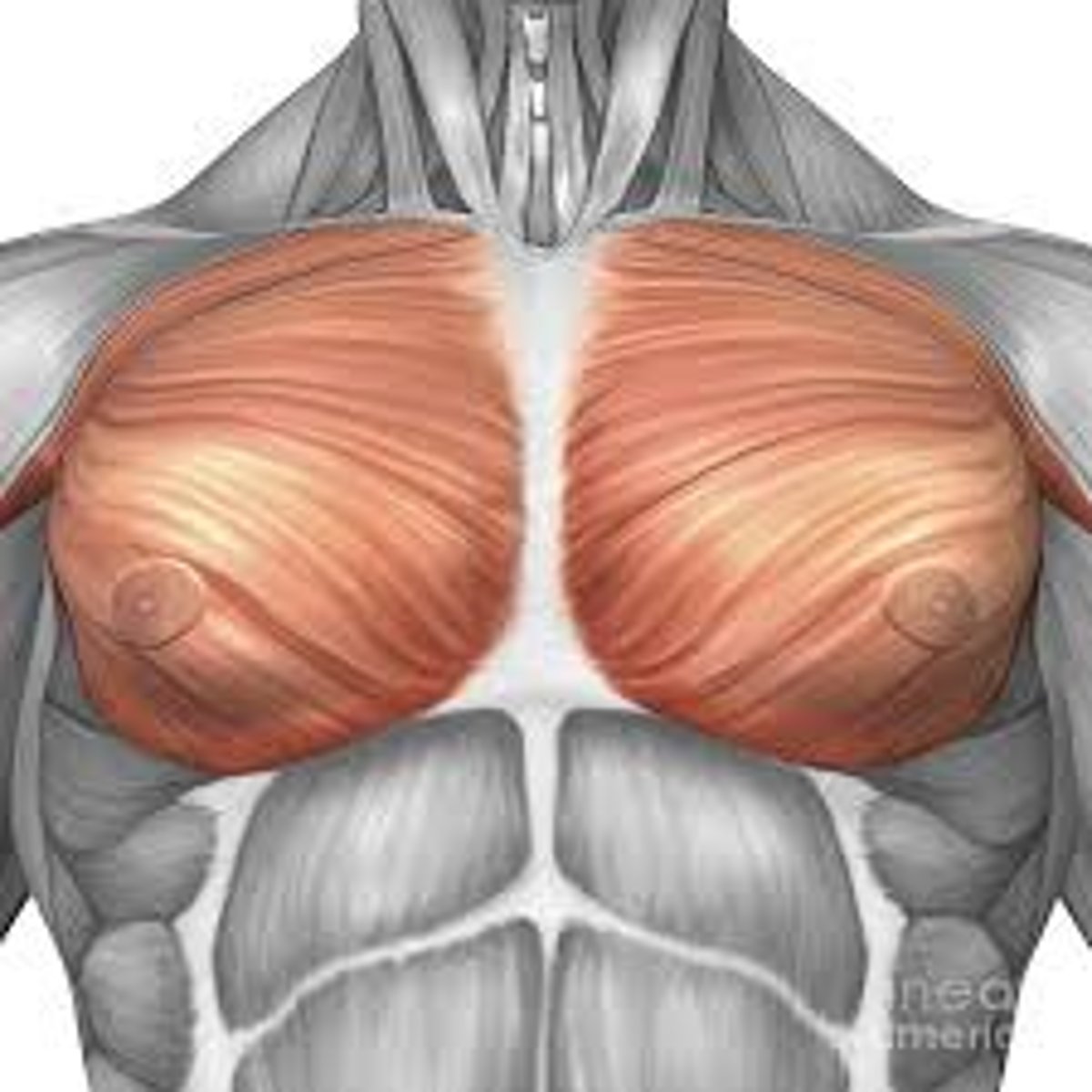
Pectoral
Chest
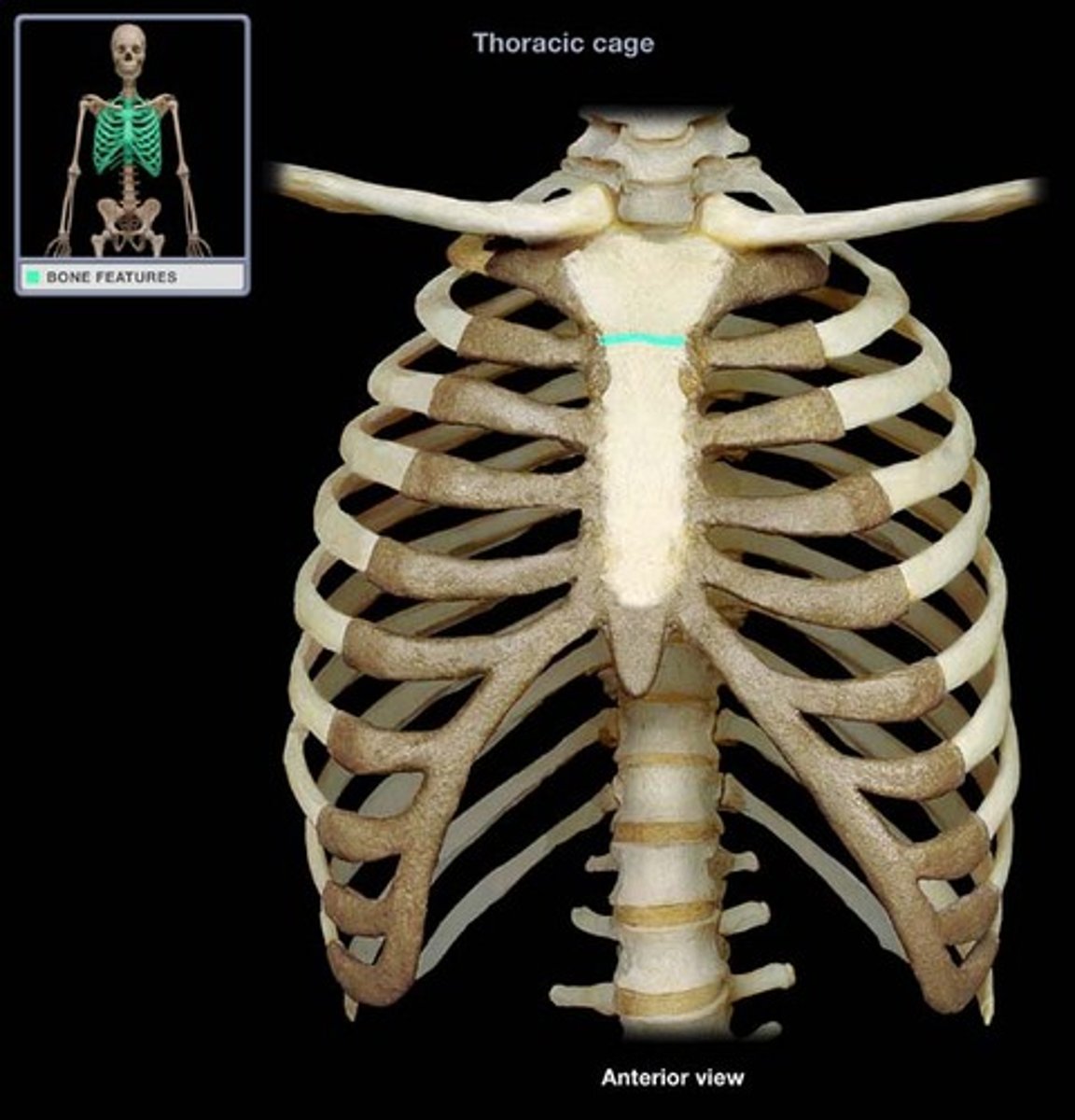
Sternal
Sternum
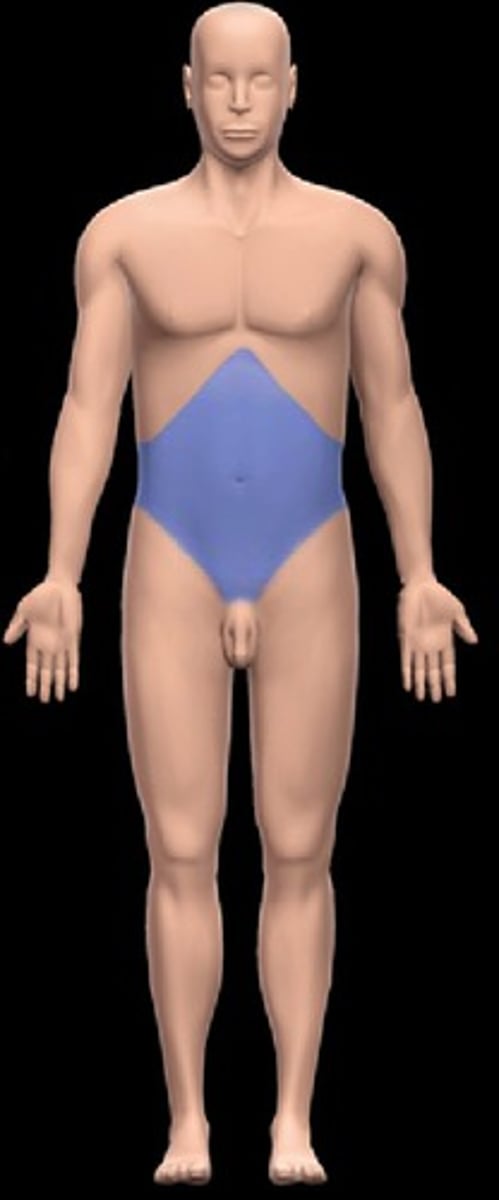
Abdominal region
Abdomen
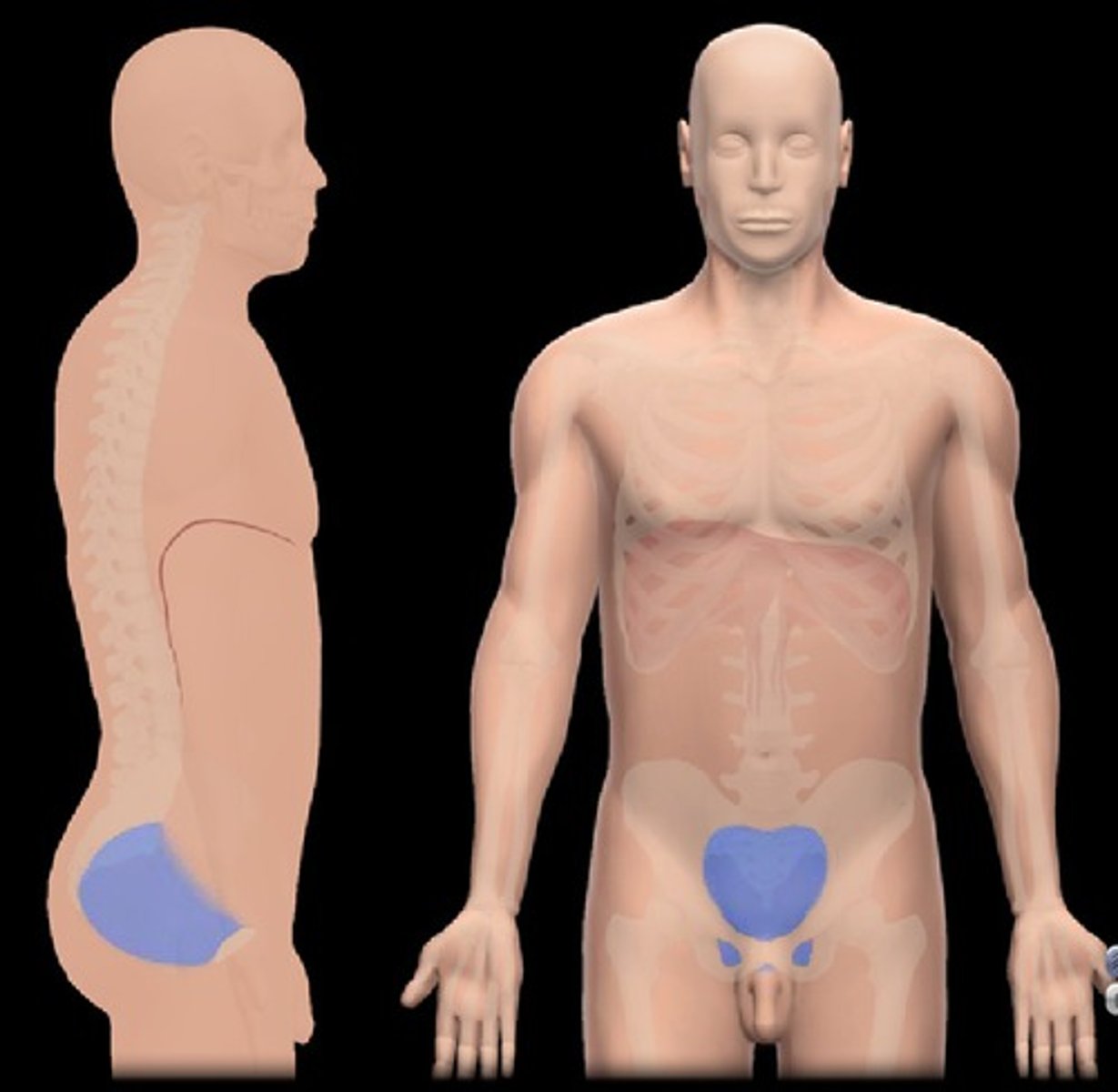
Pelvic region
Pelvis
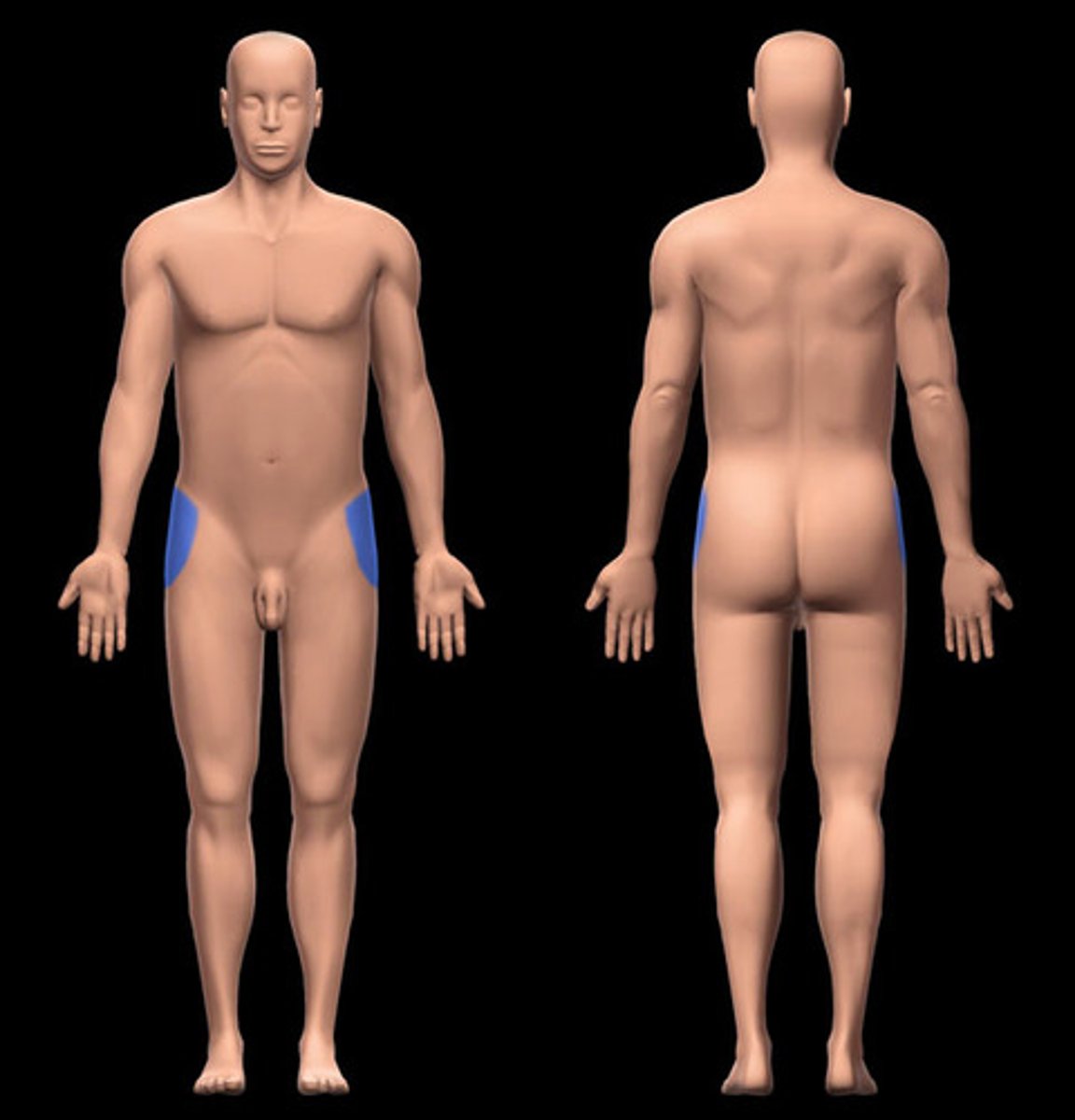
Coxal
Hip
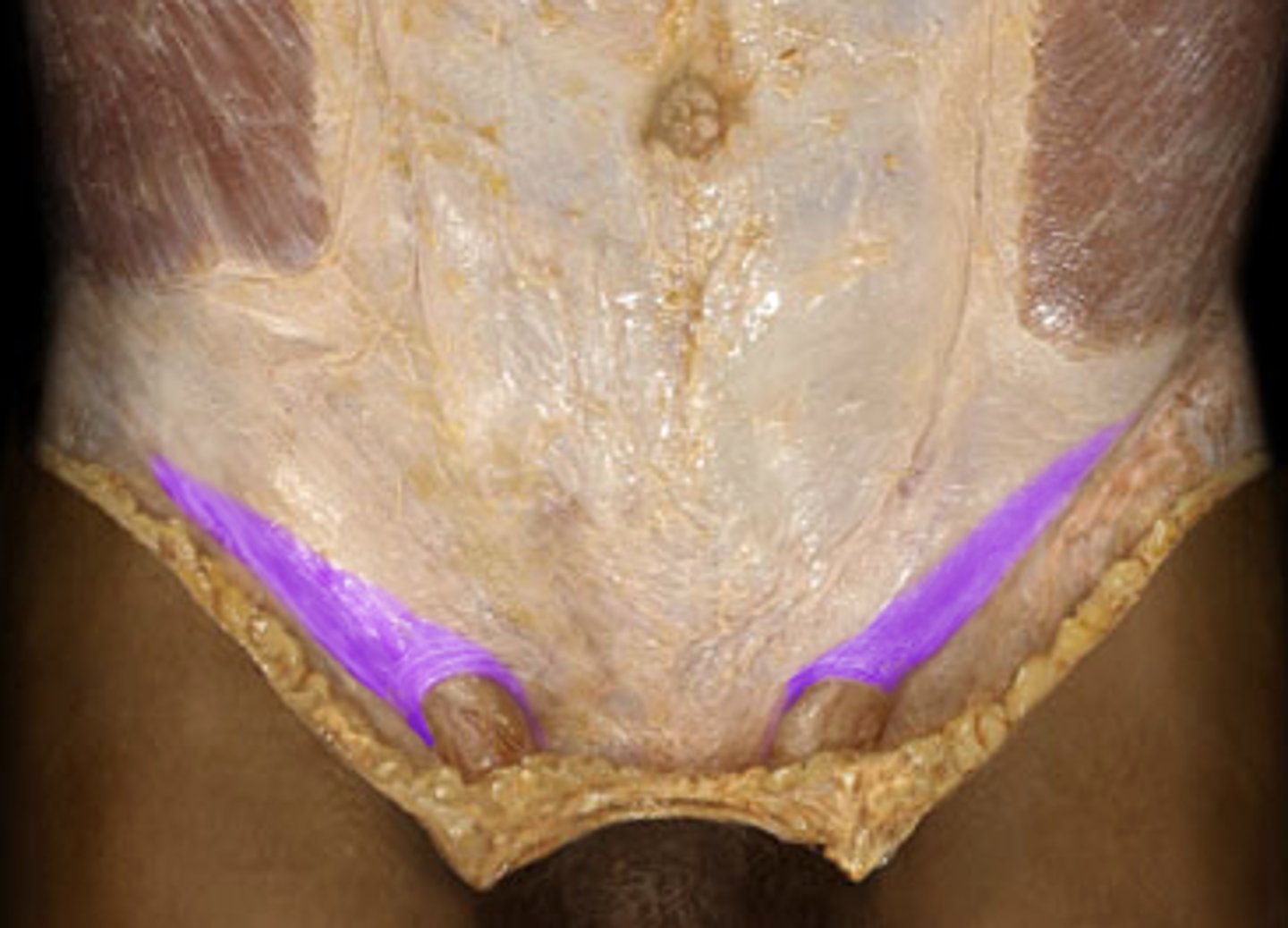
Inguinal
Groin
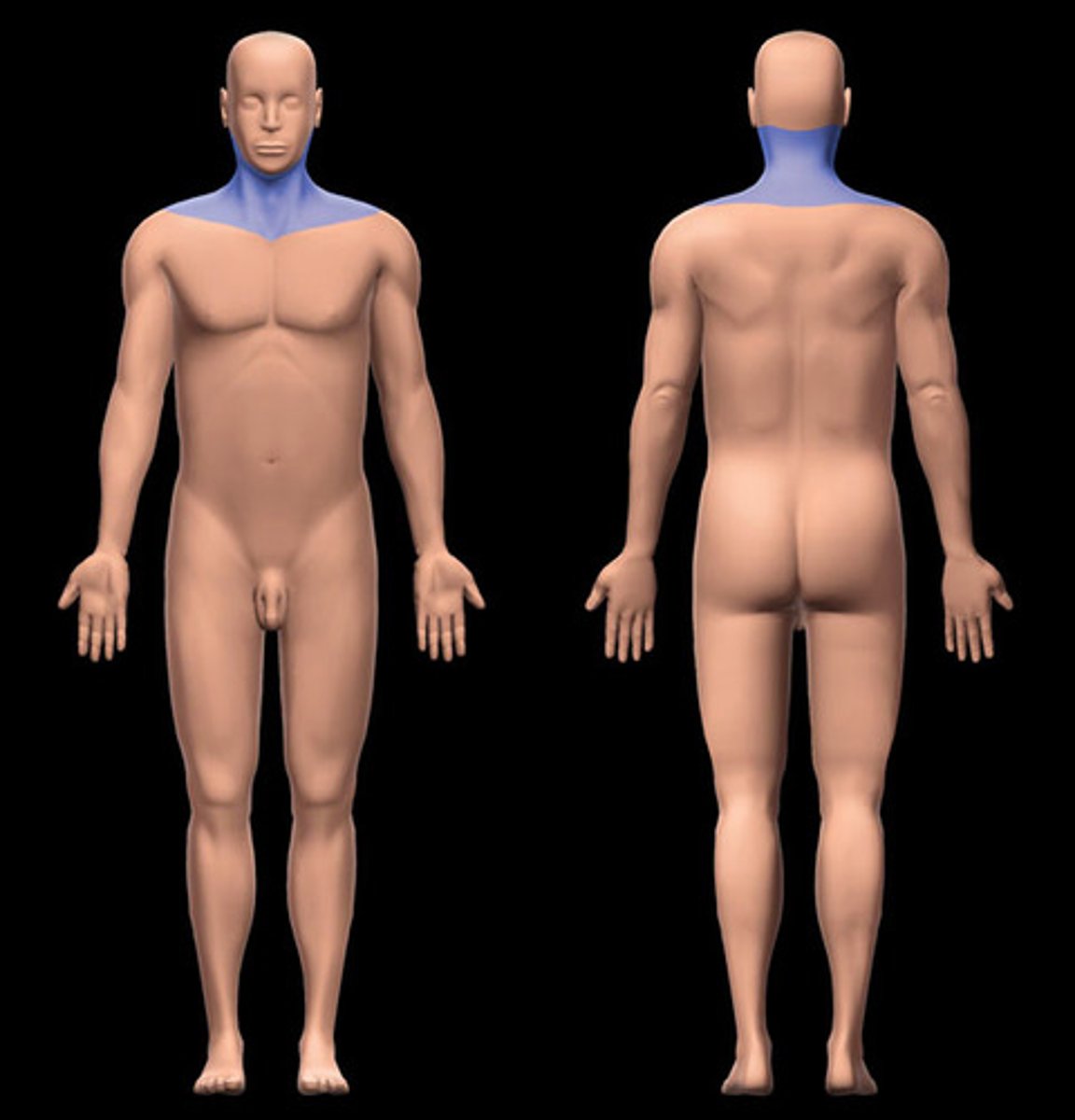
Cervical
Neck
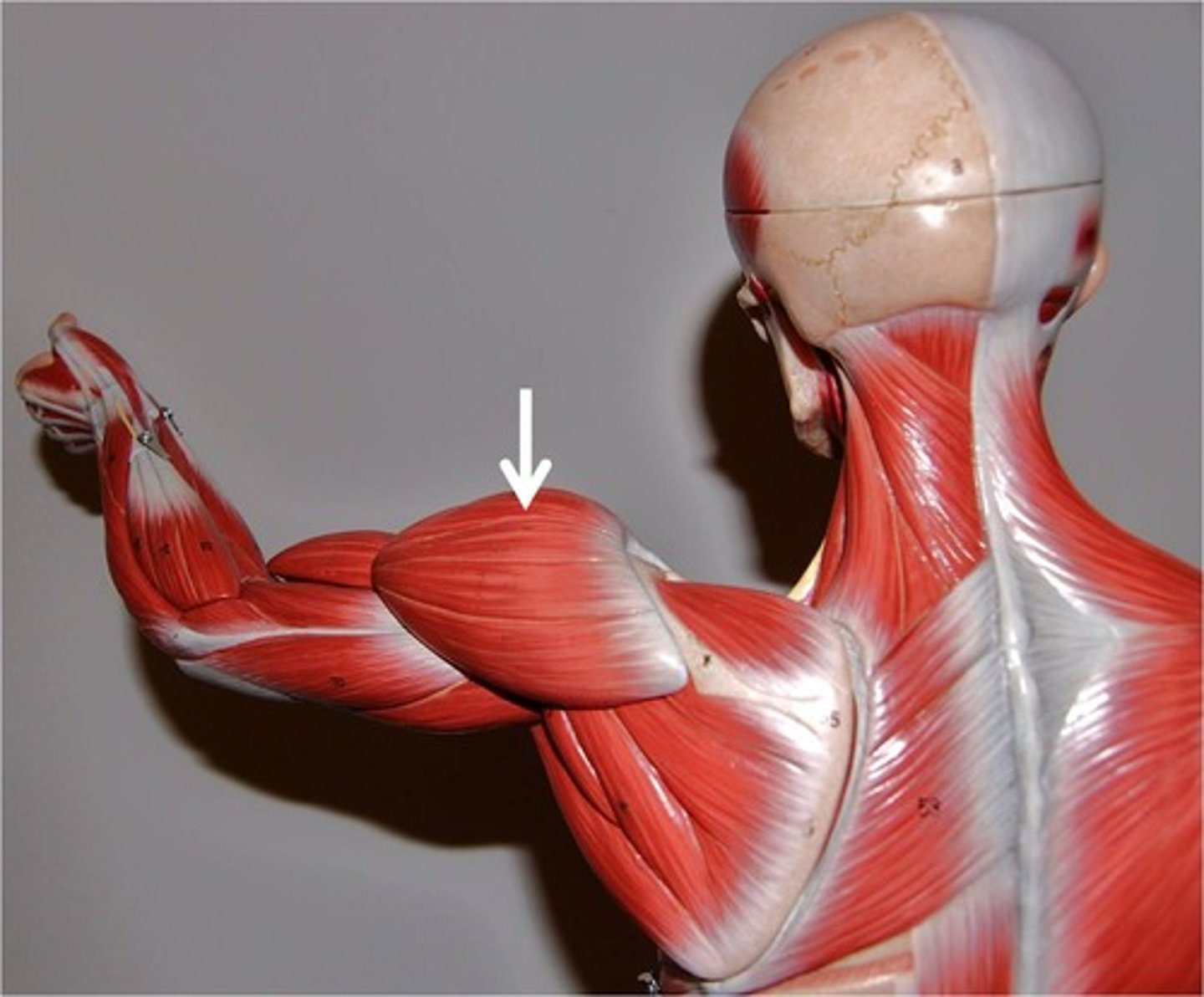
Deltoid
Shoulder
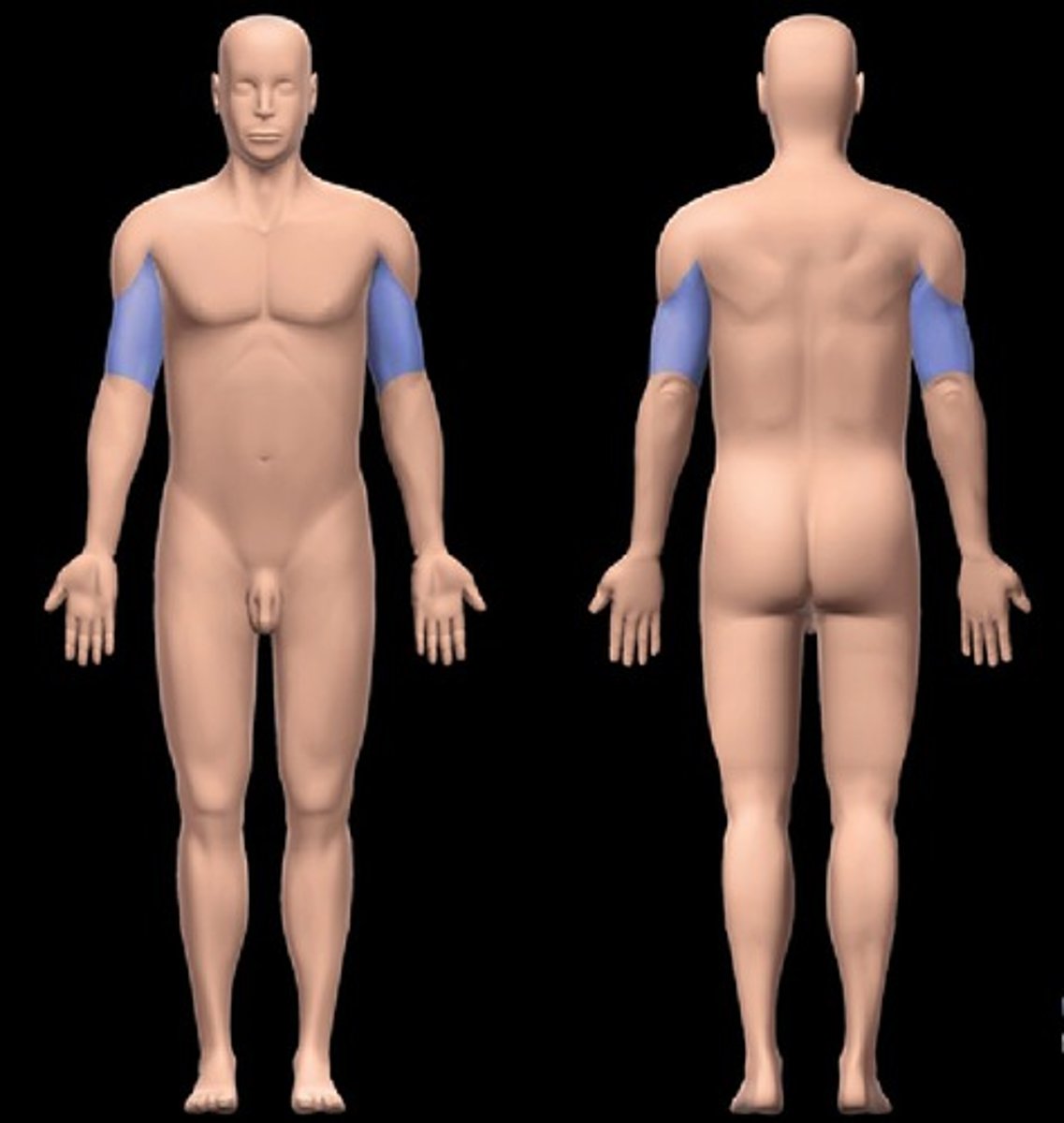
Brachial
Arm
Antecubital
Front of elbow
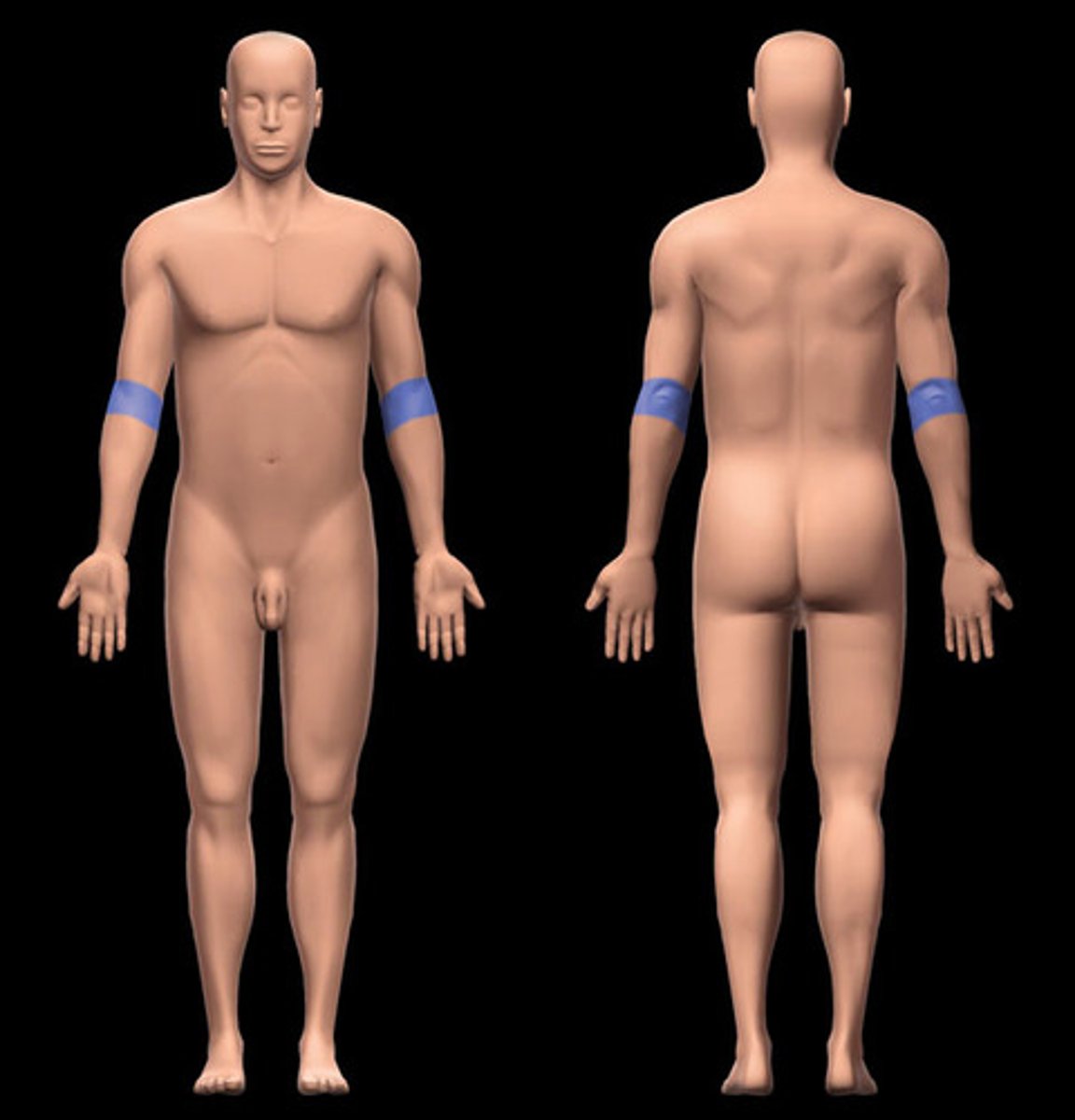
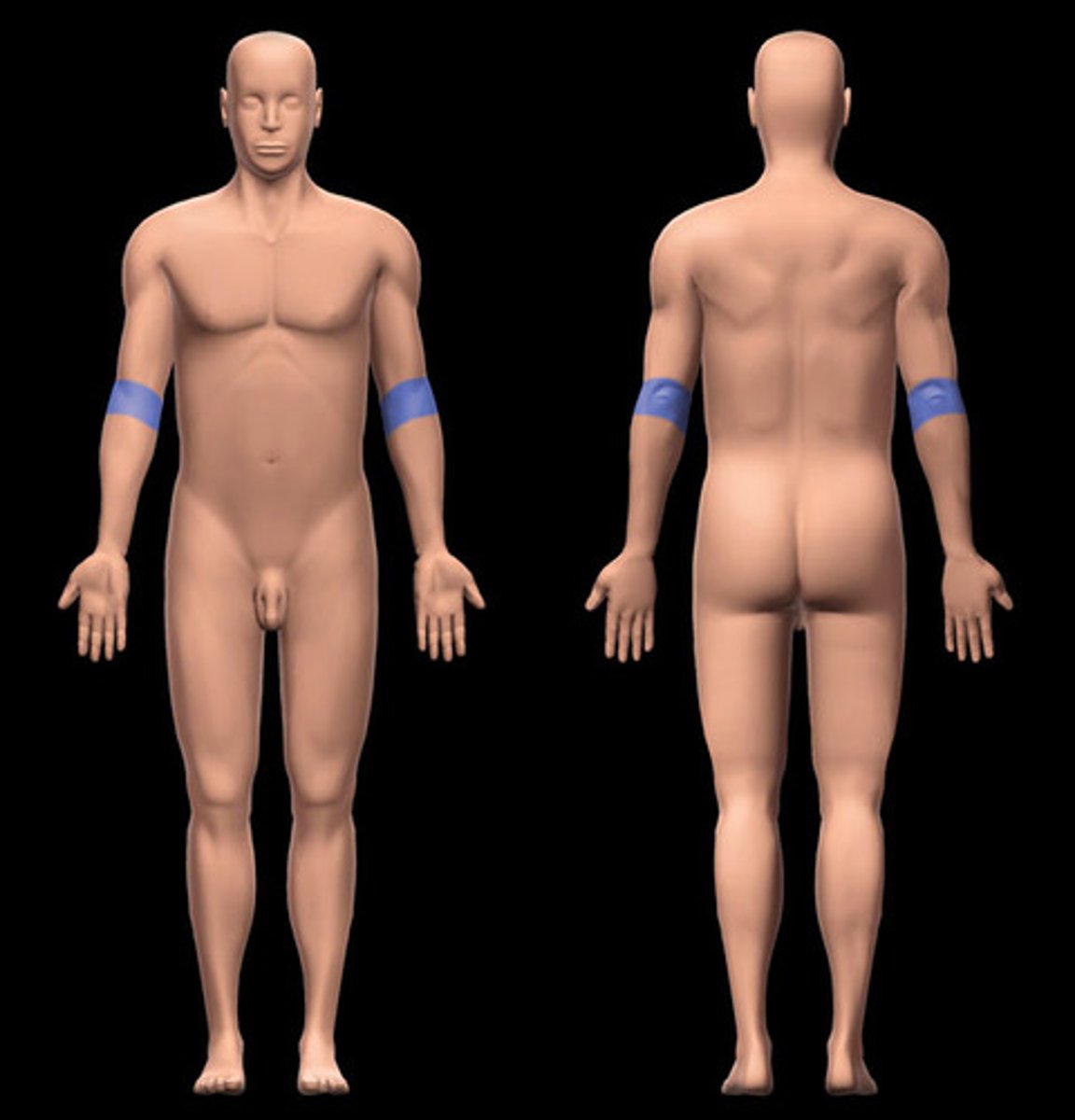
Olecranal
Elbow
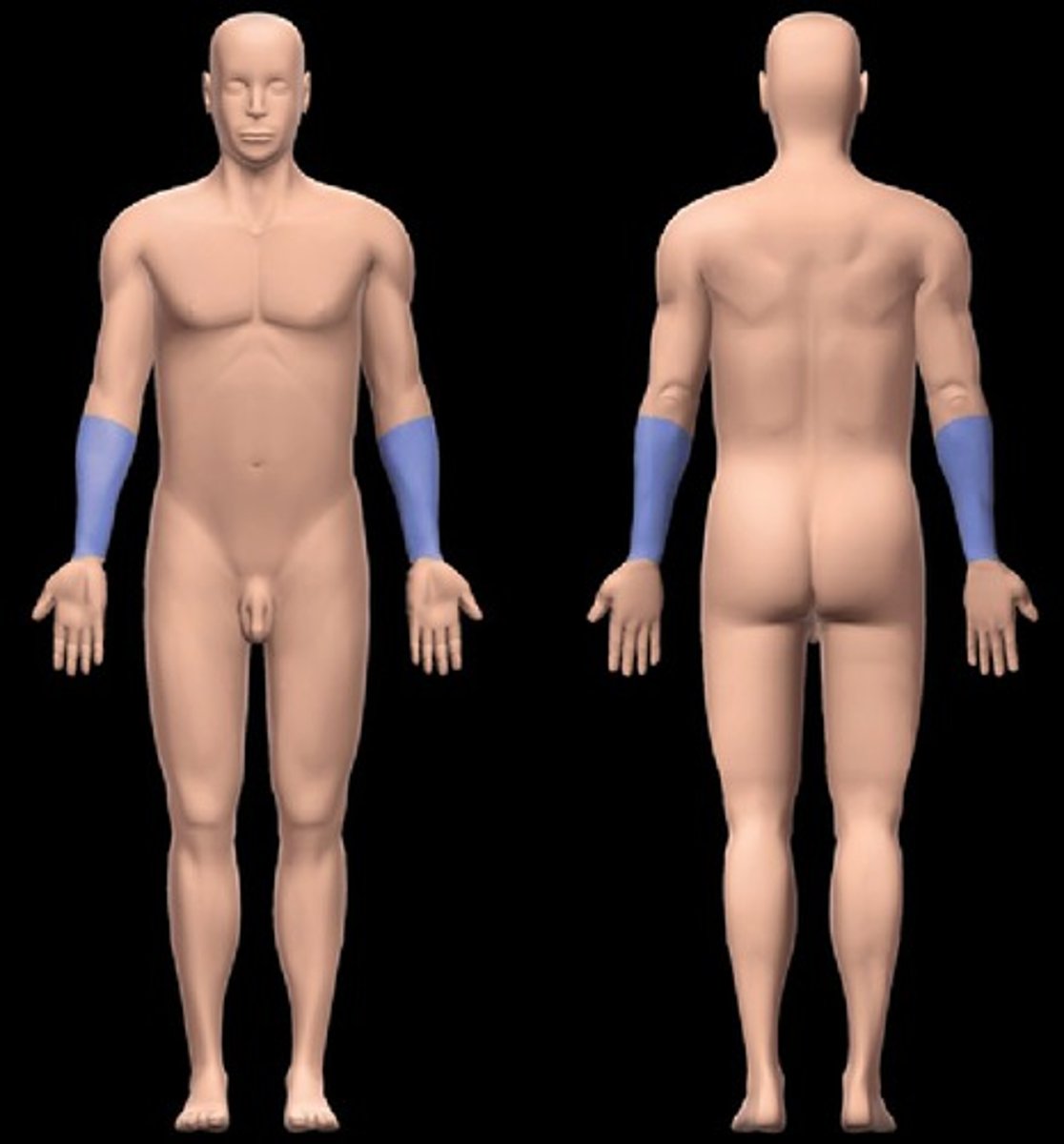
Antebrachial
Forearm
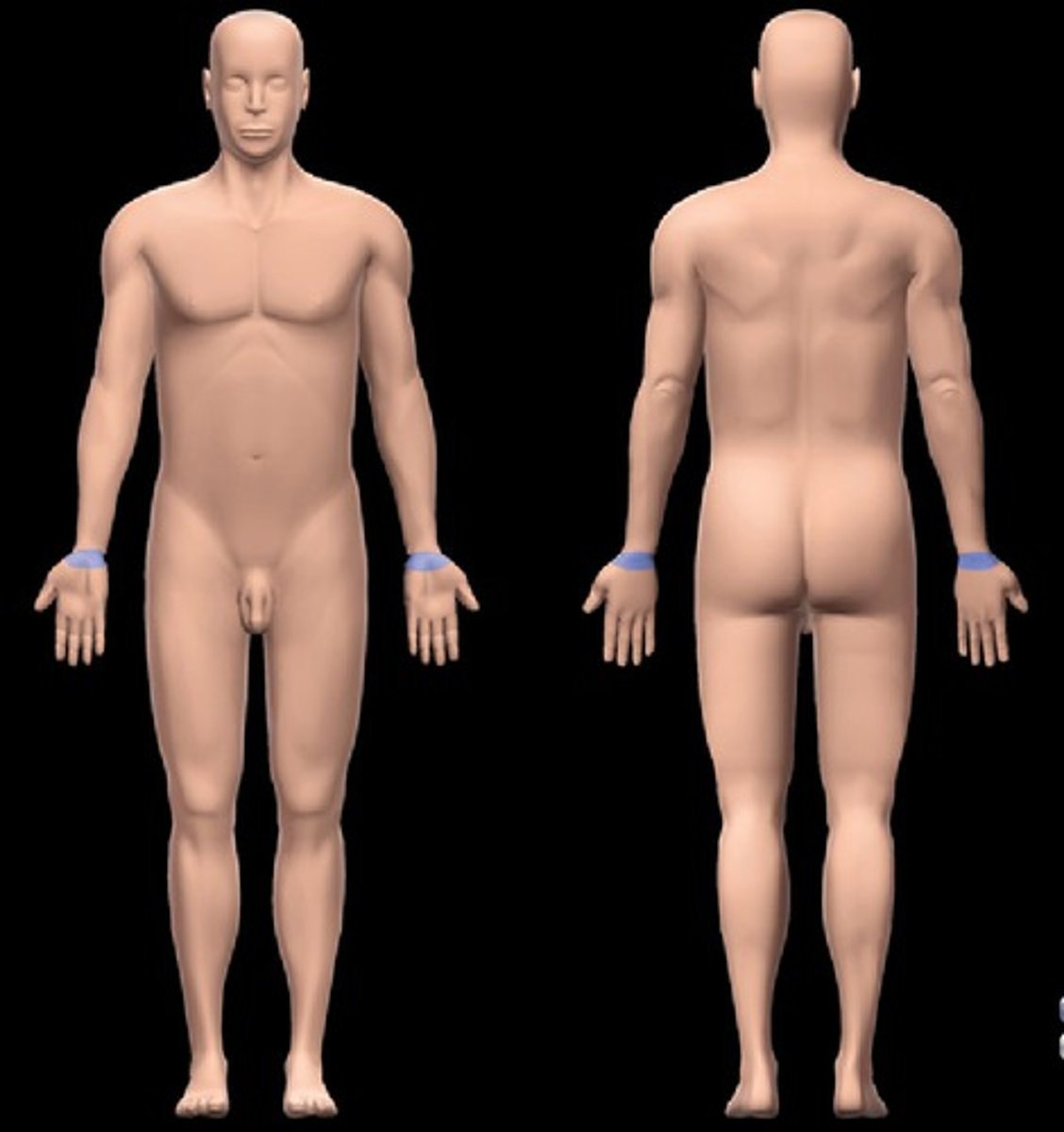
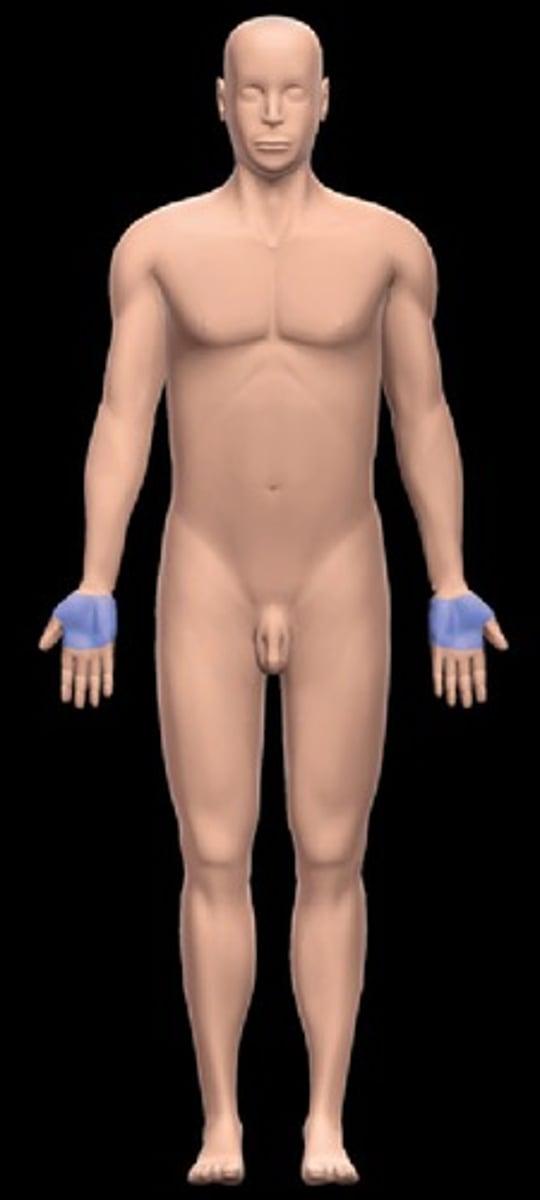
Carpal
Wrist
Dorsum
Back of hand
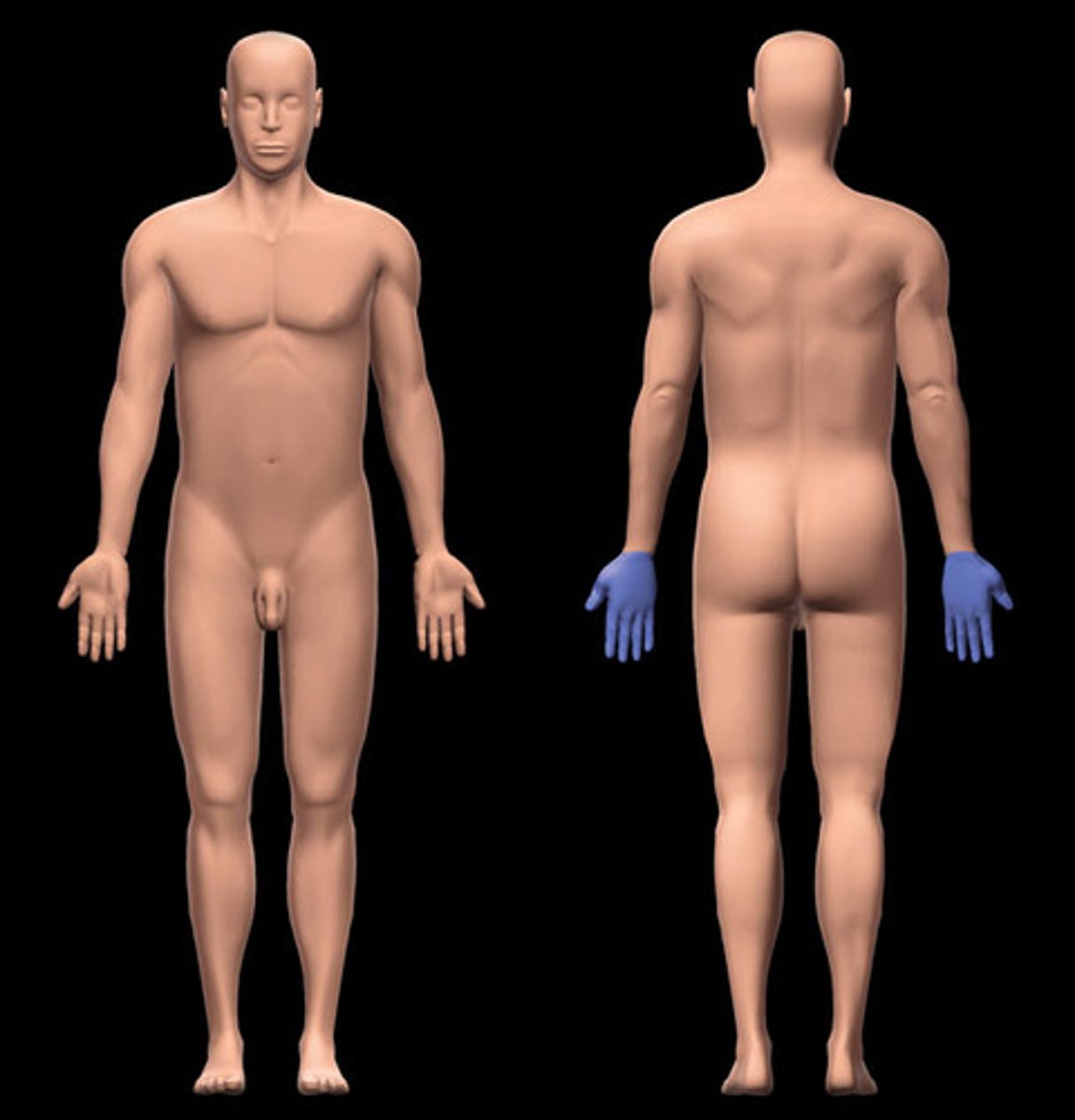
Manus
Hand
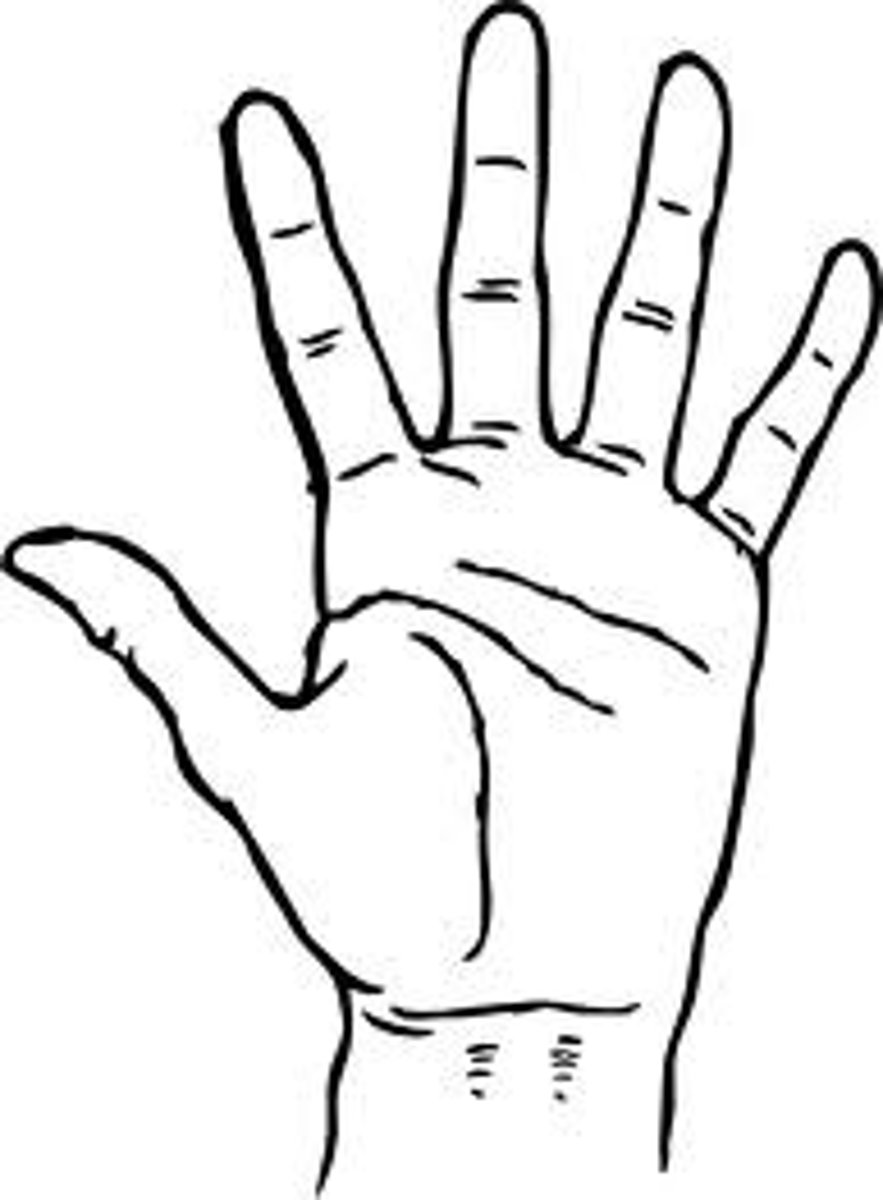
Palmar
Palm
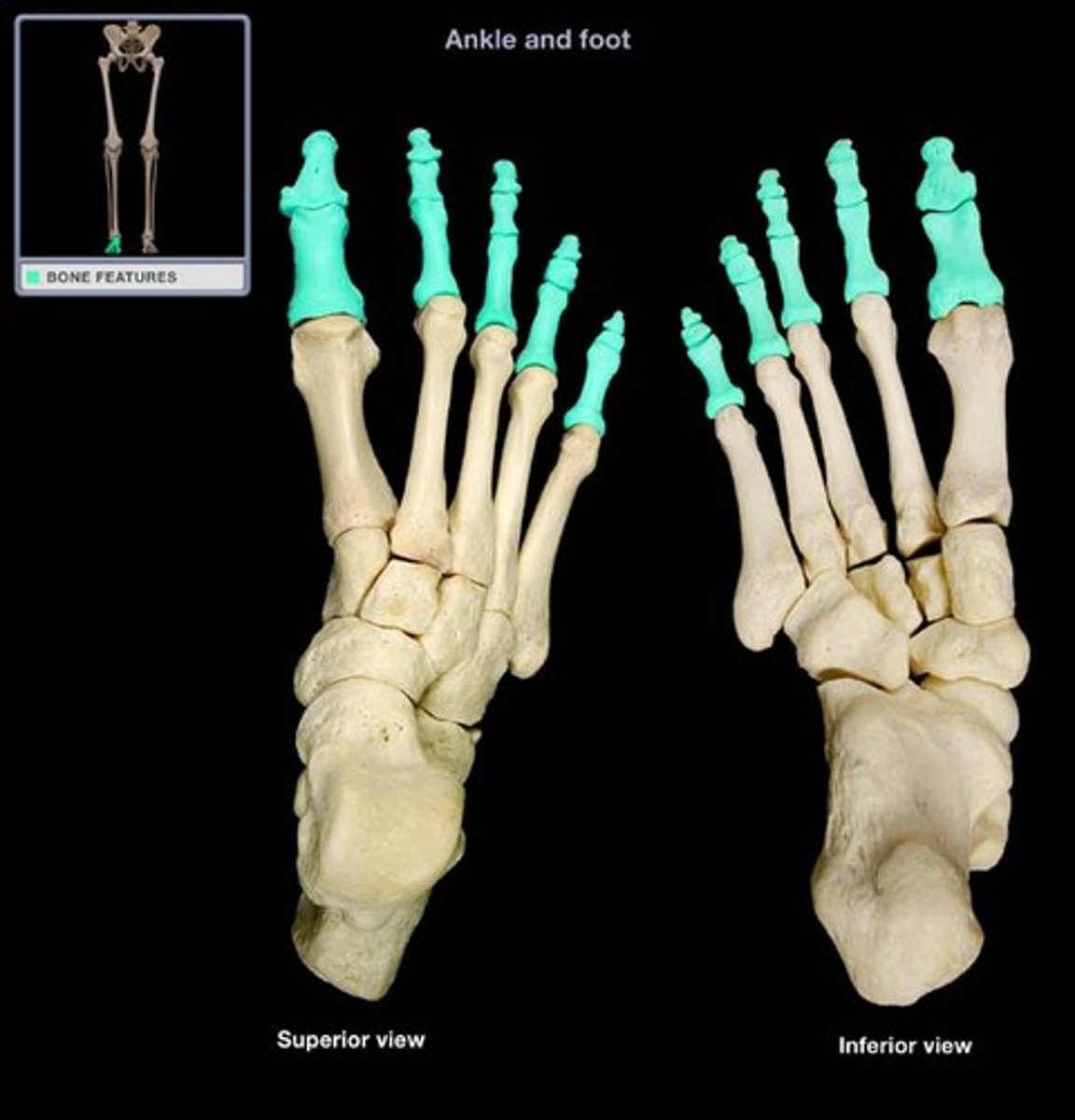
Digital
Fingers, toes
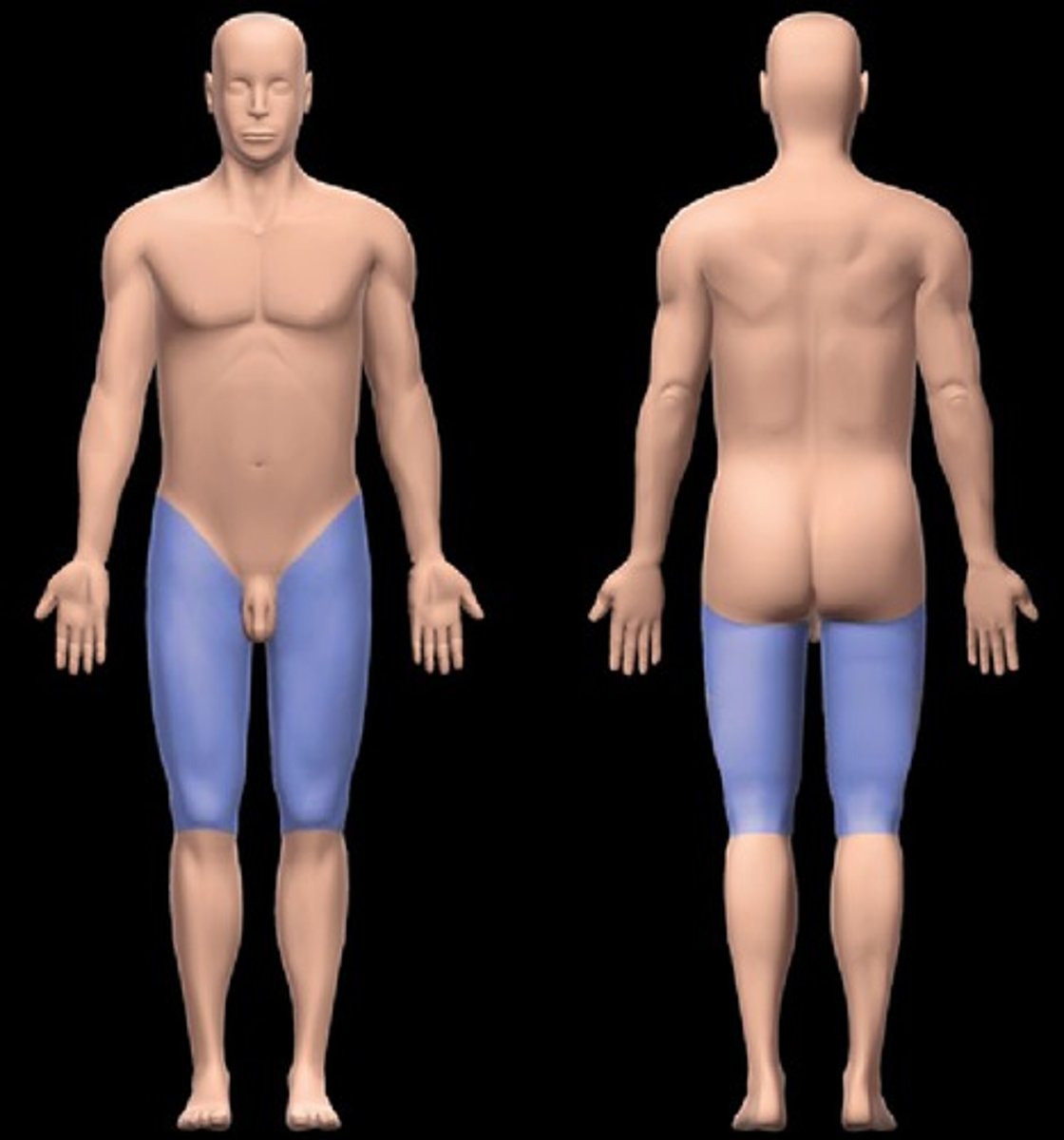
Femoral
Thigh
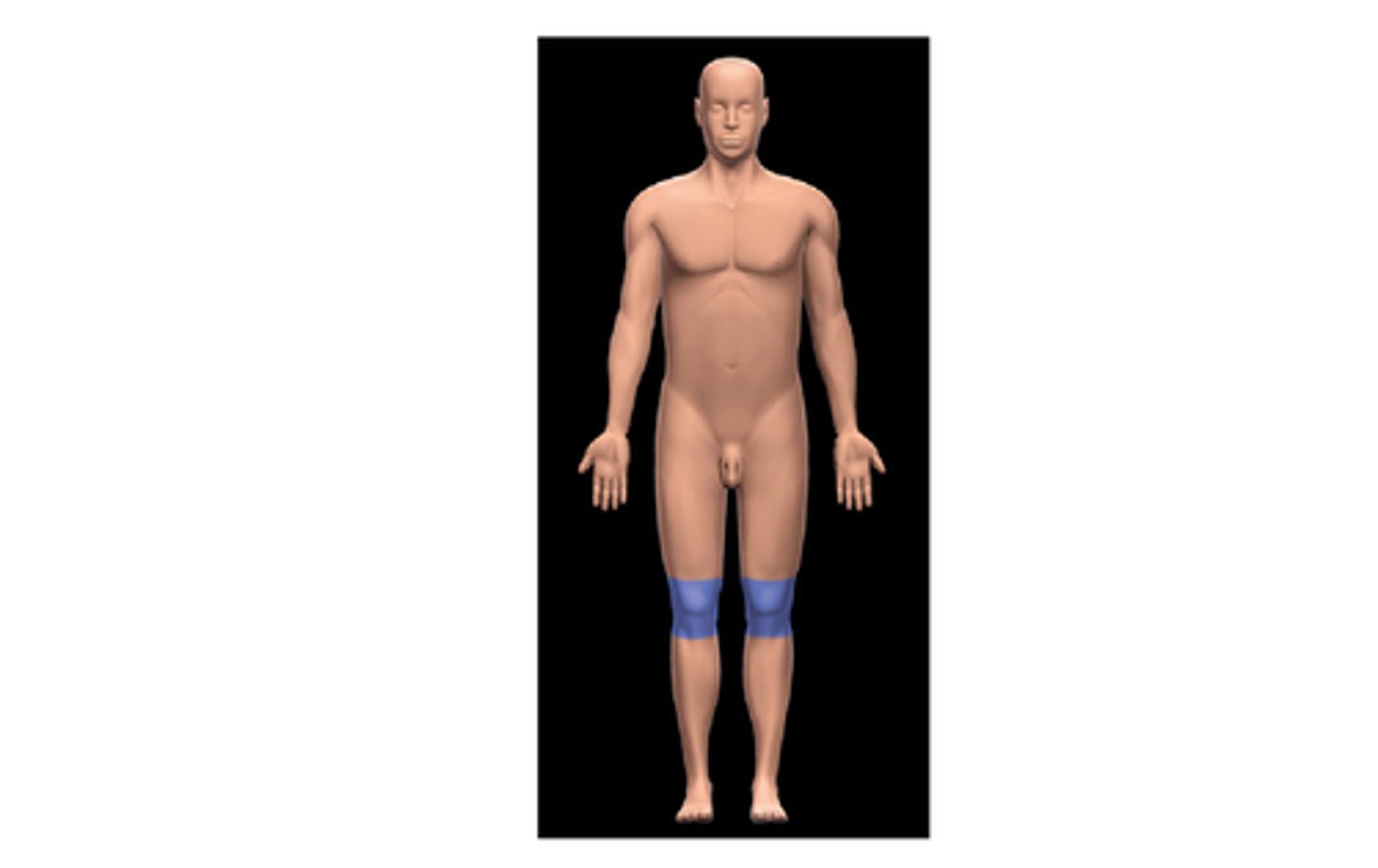
Patellar
Kneecap
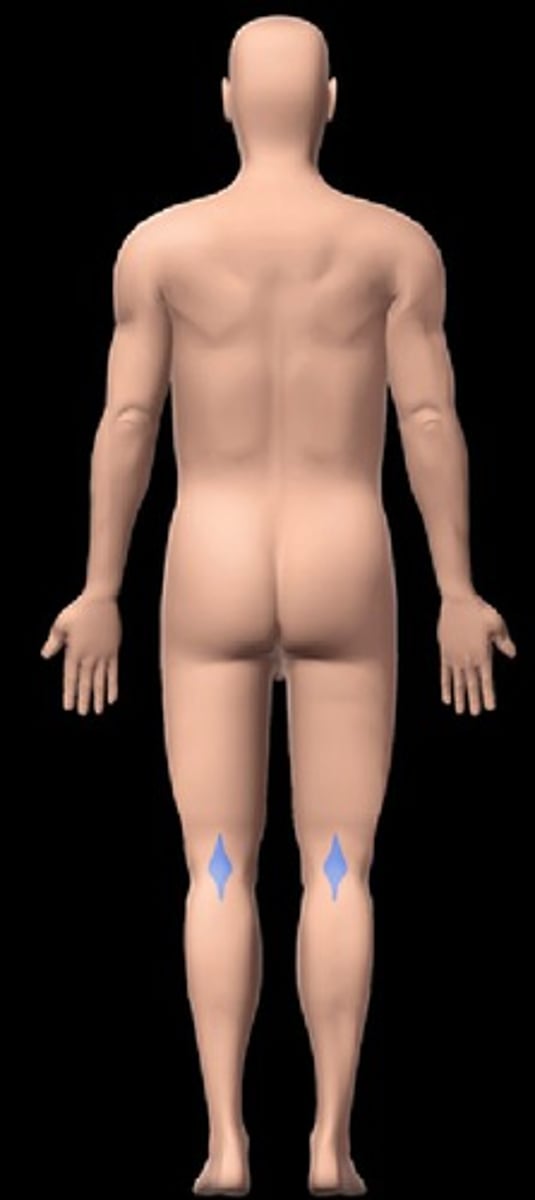
Popliteal
Posterior of the knee
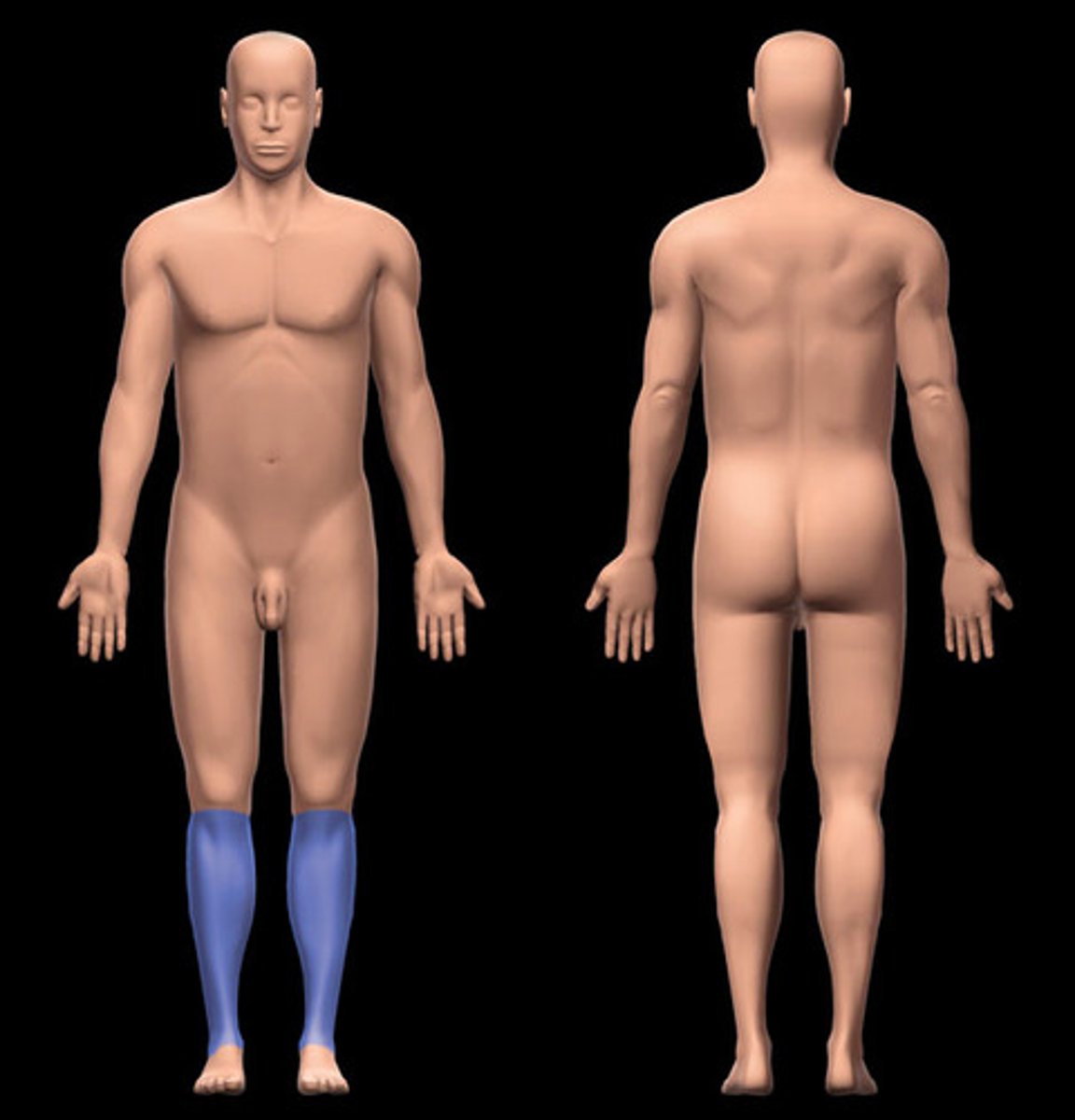
Crural
Leg
Sural
Calf
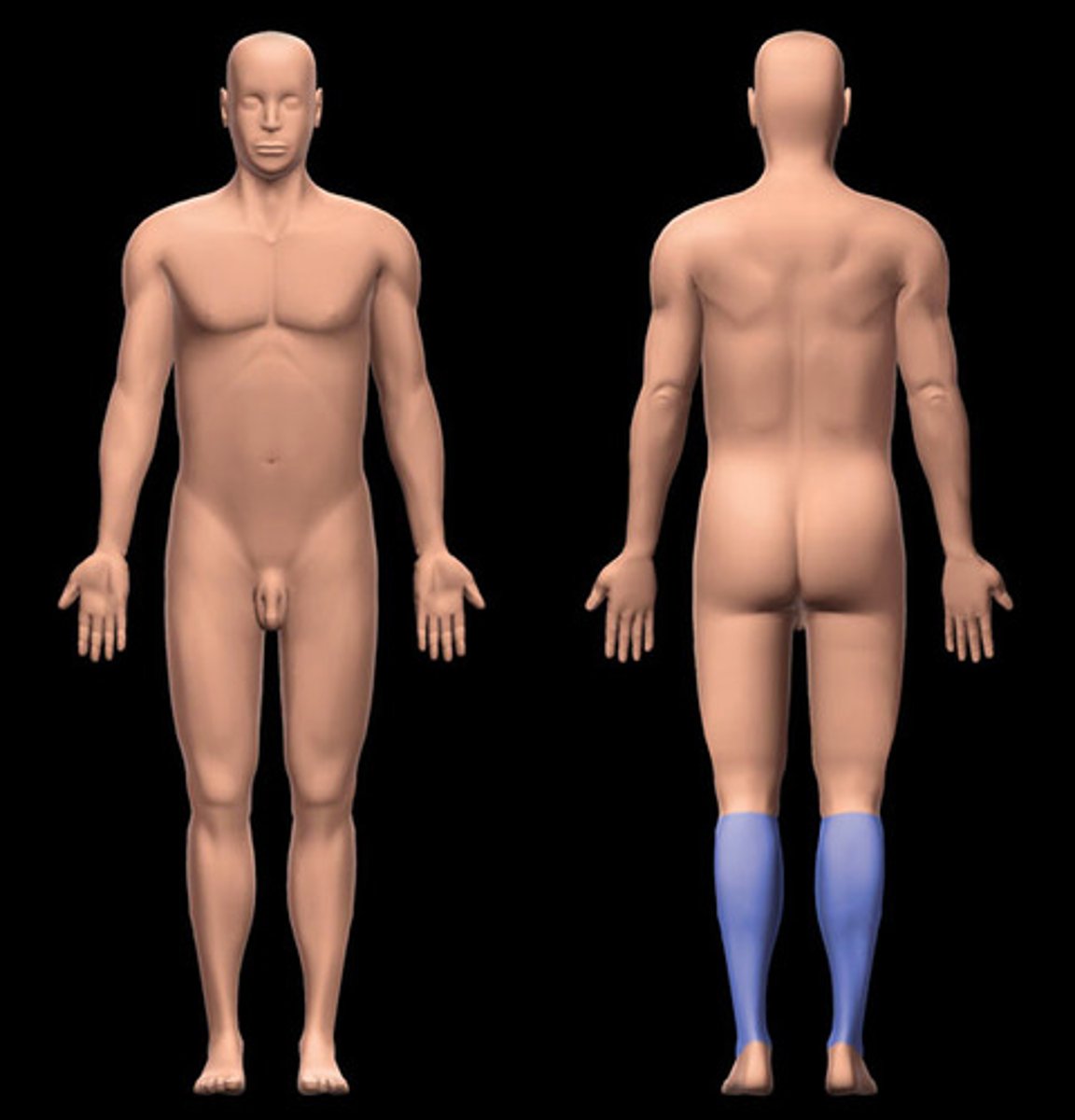
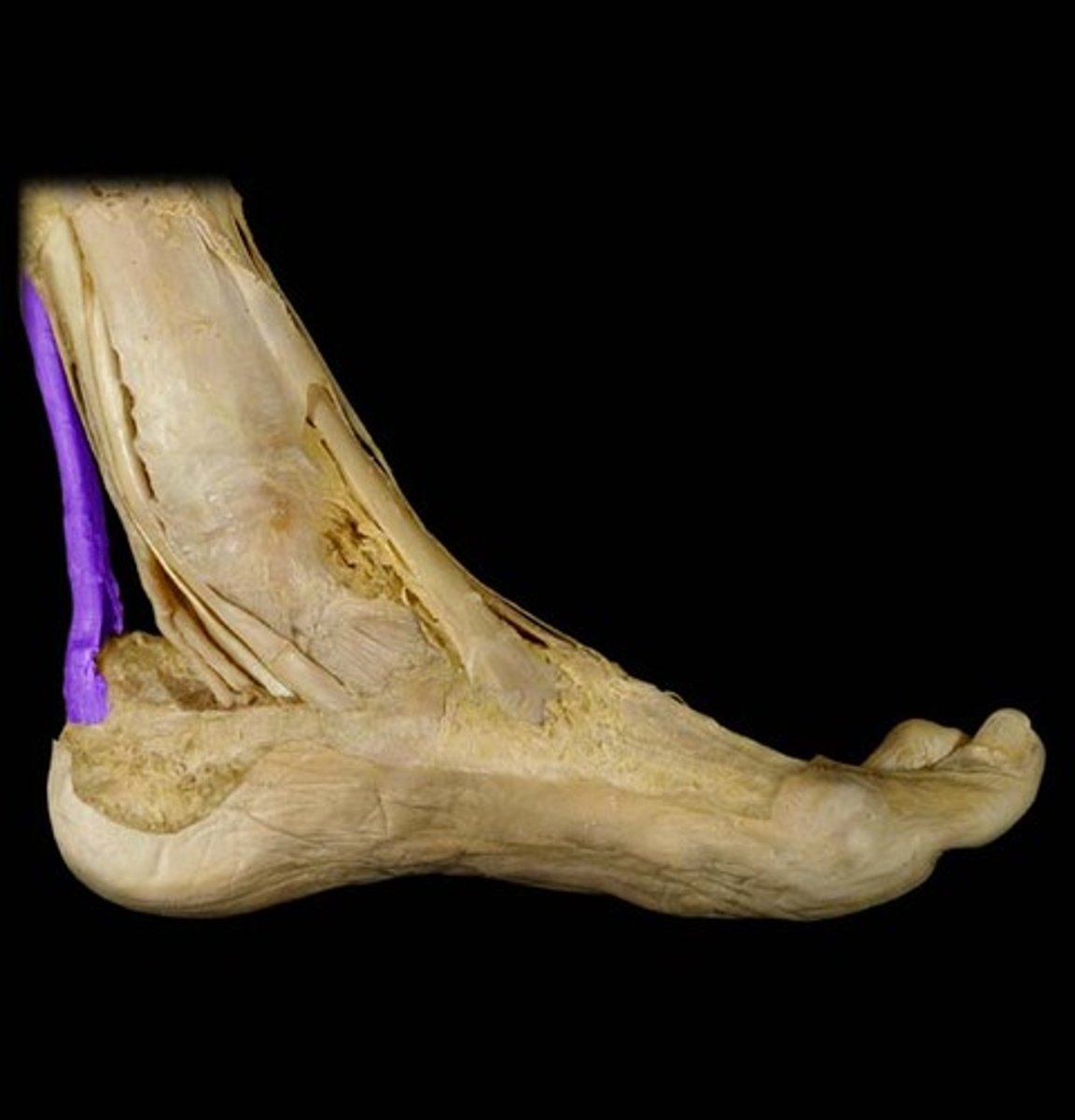
Calcaneal
Heel
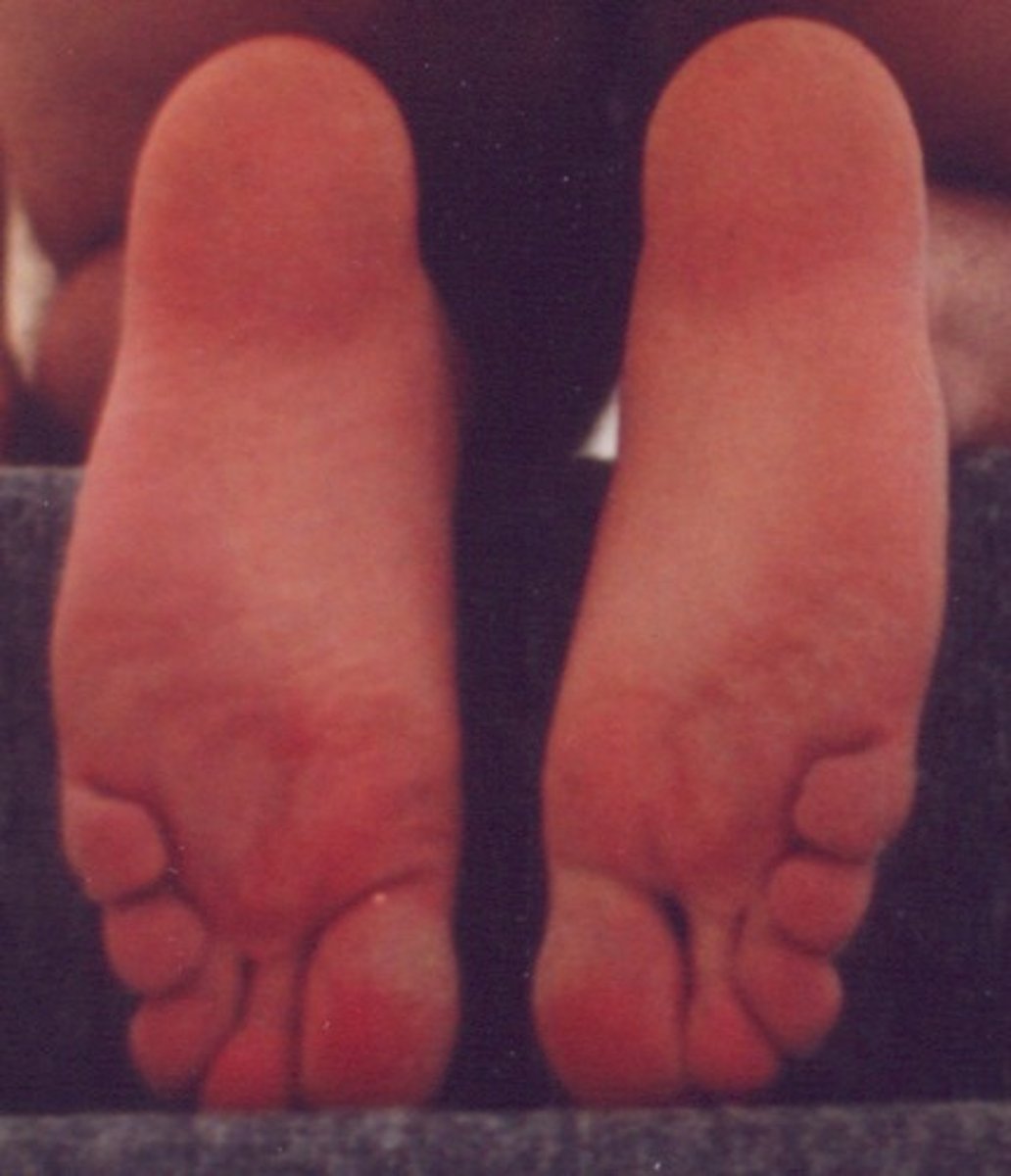
Plantar surface
Sole of the foot
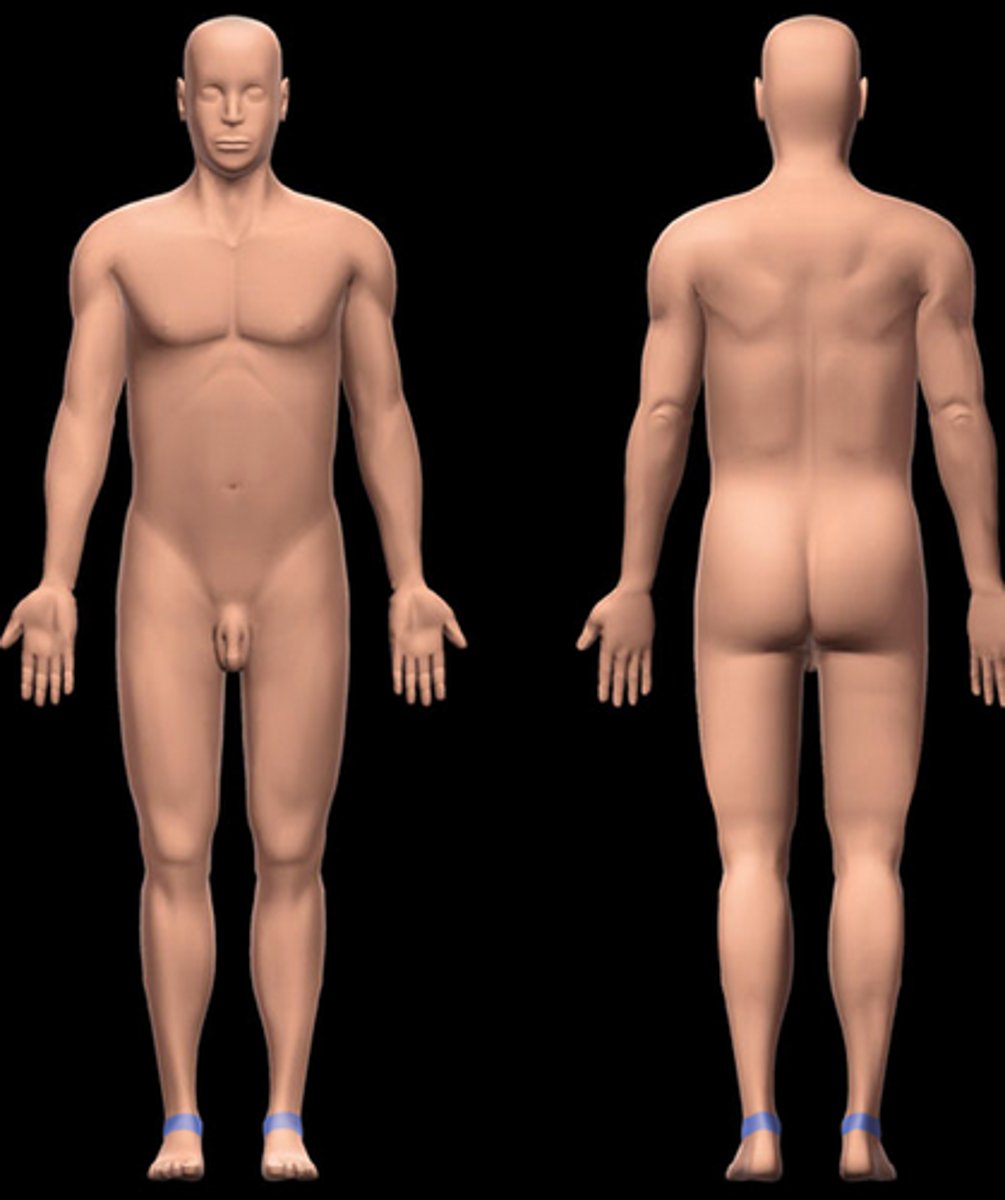
Tarsal
Ankle
Dorsum of the foot
Back of foot
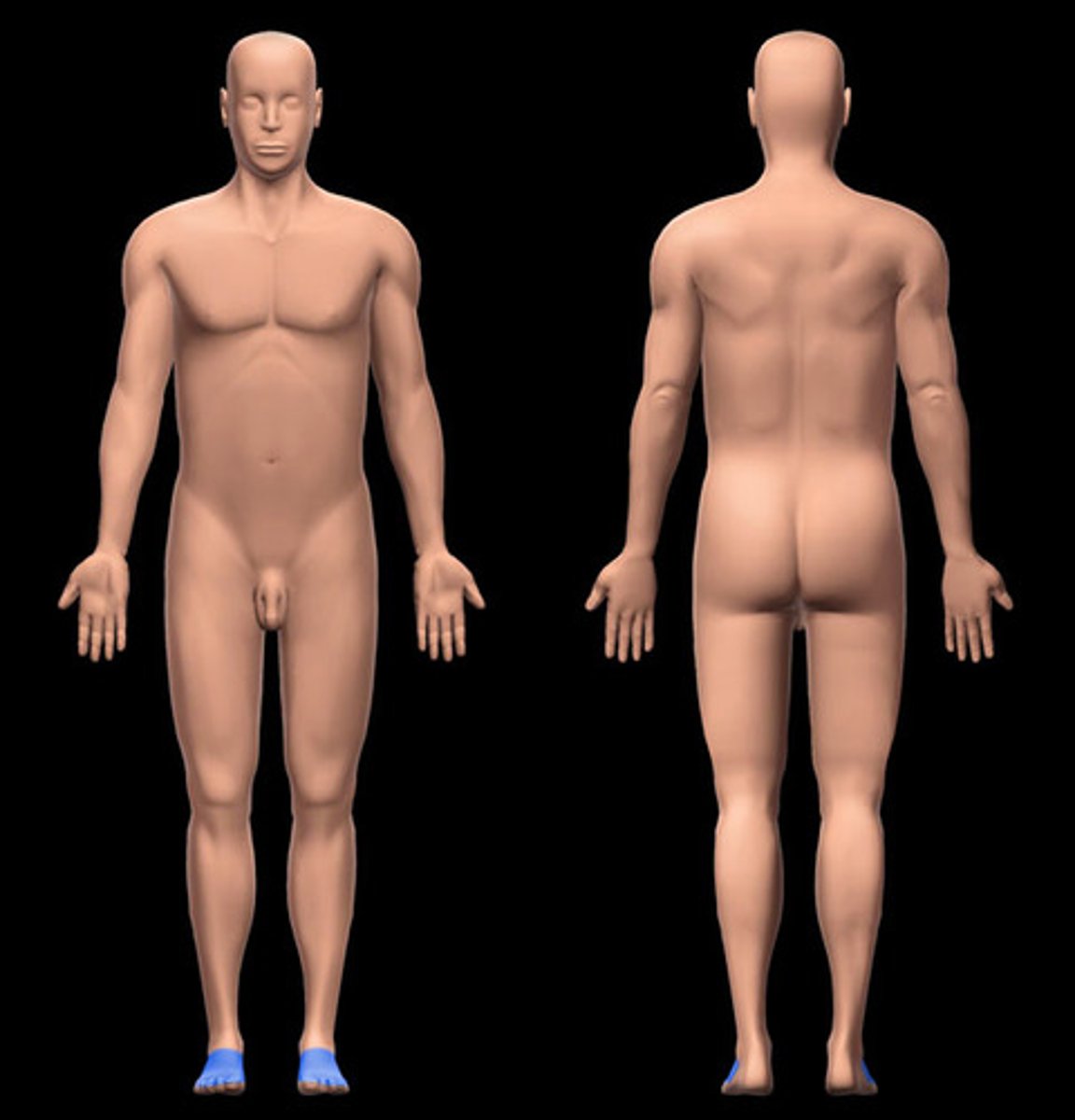
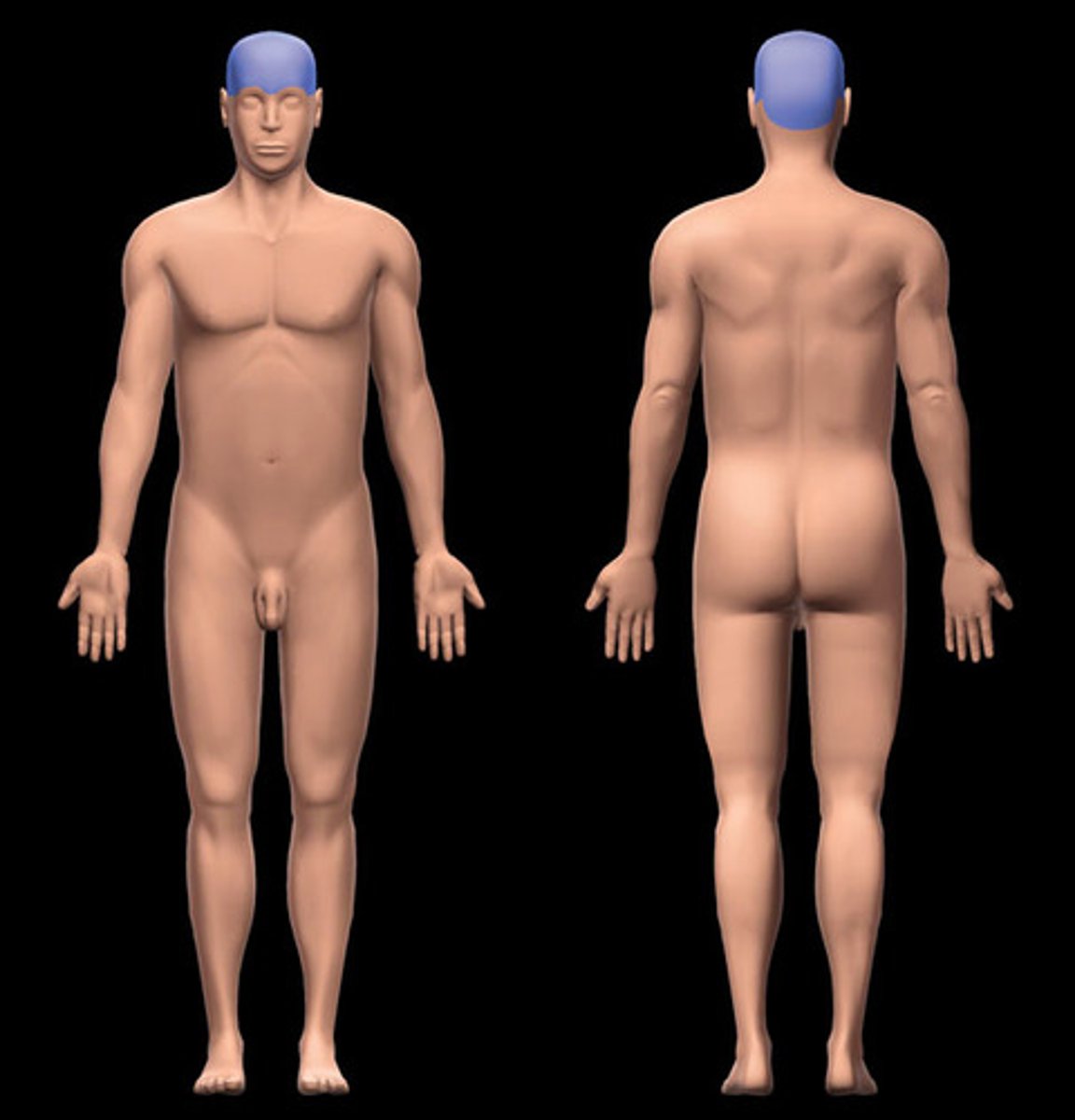
Cranial
Surrounding the brain
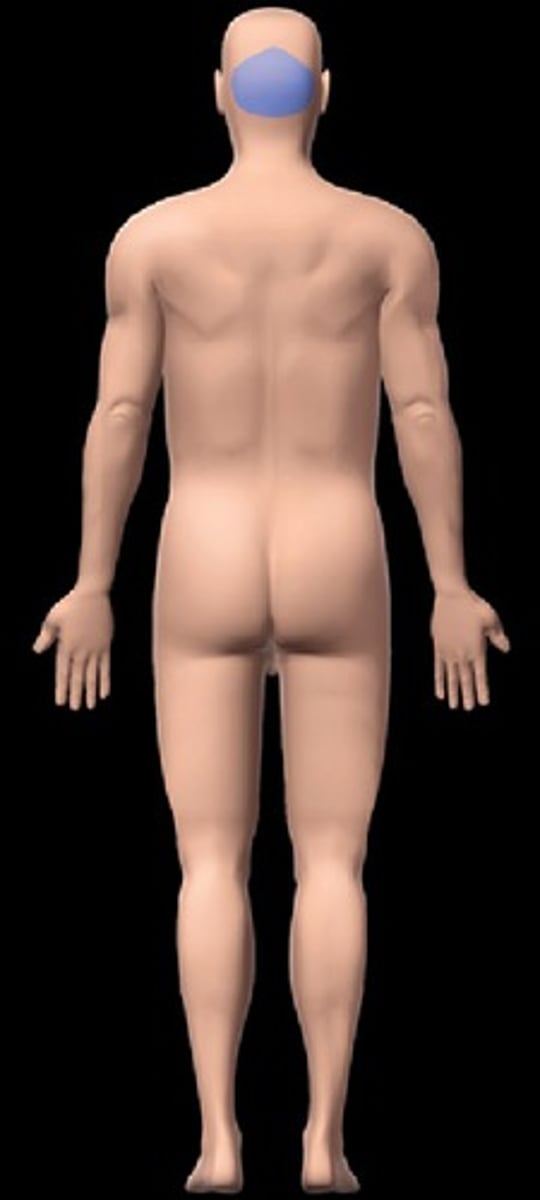
Occipital
Back of head
Auricular
Ear
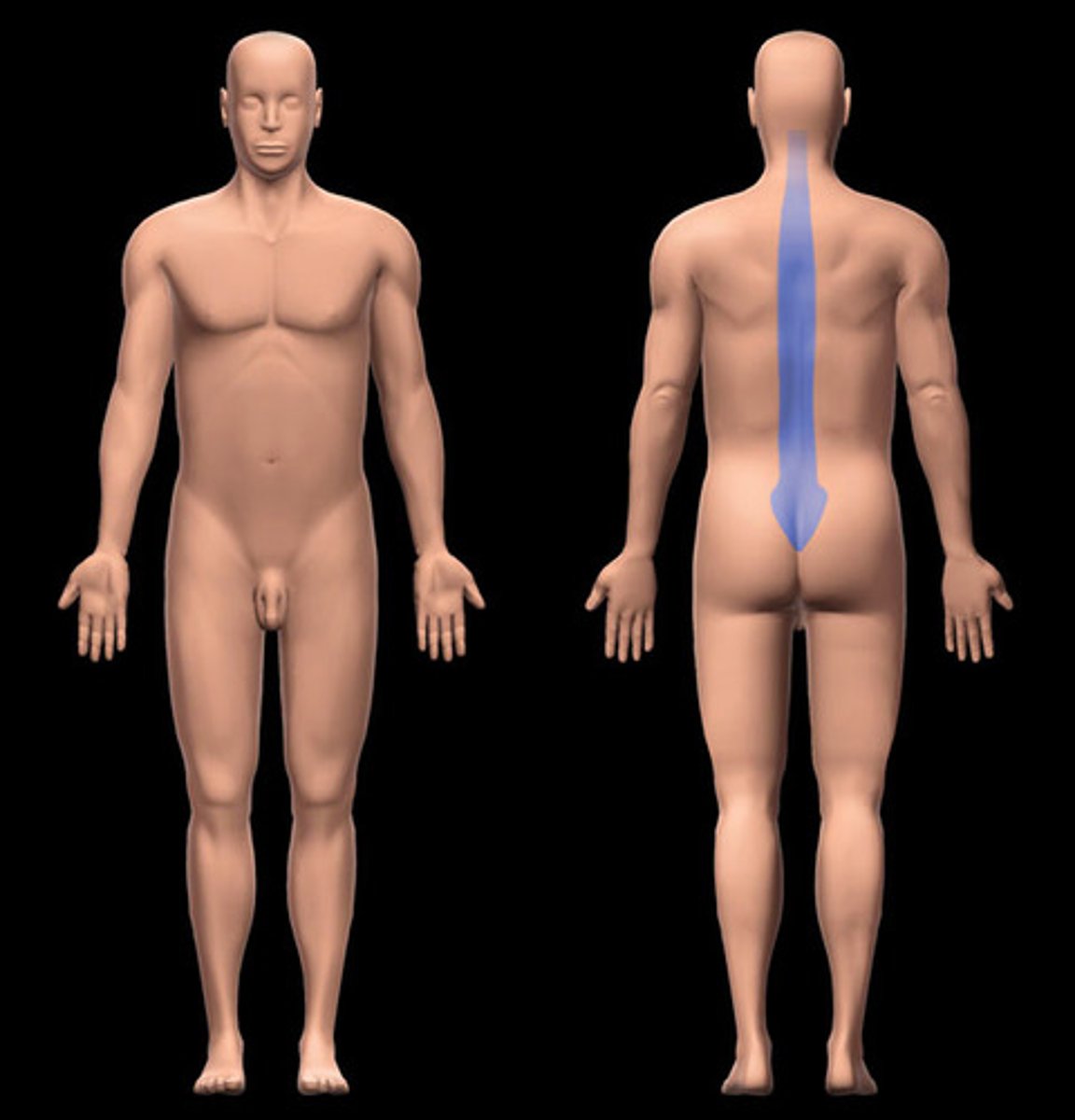
Vertebral
Spinal column
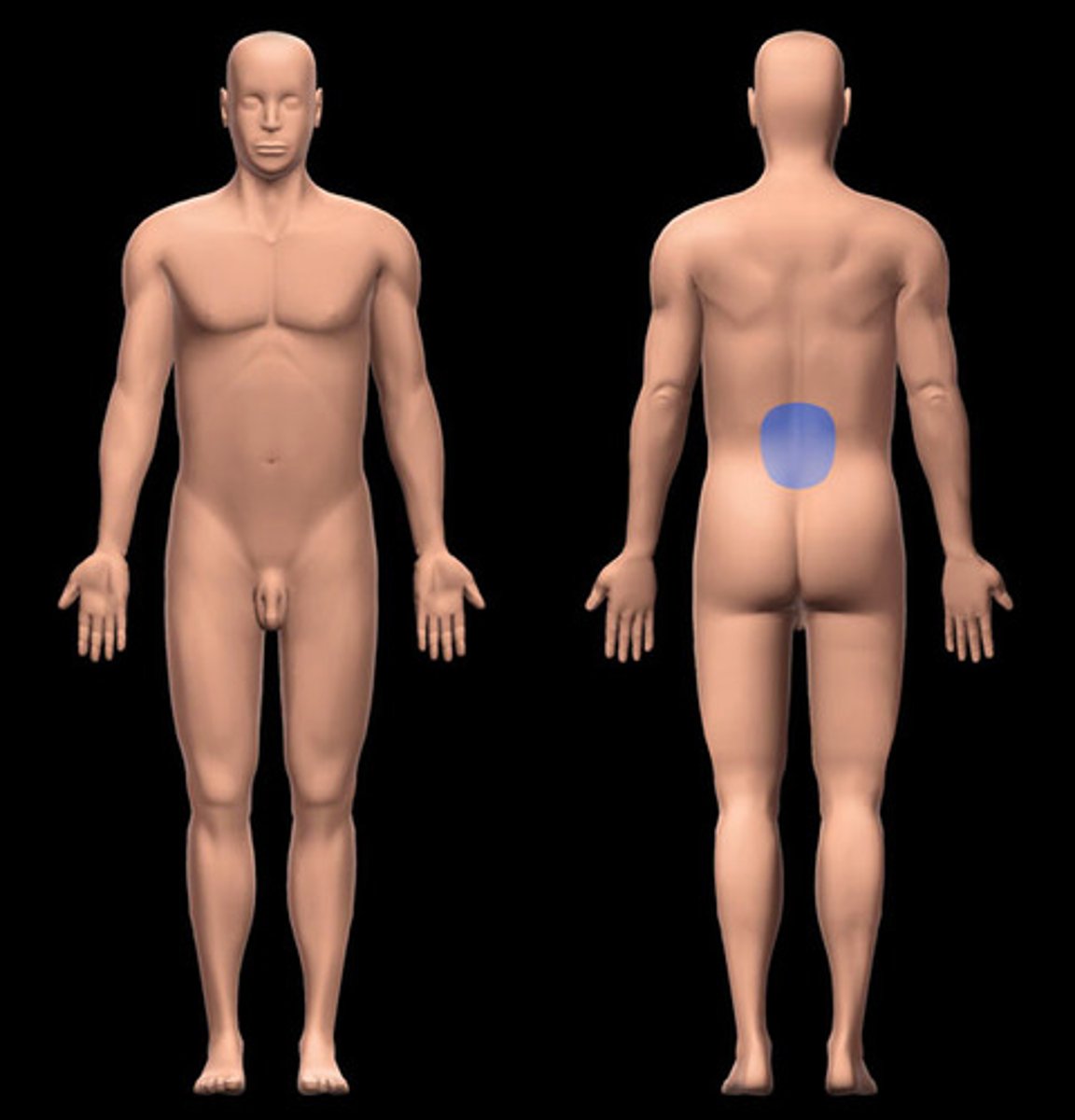
Lumbar
Lower back
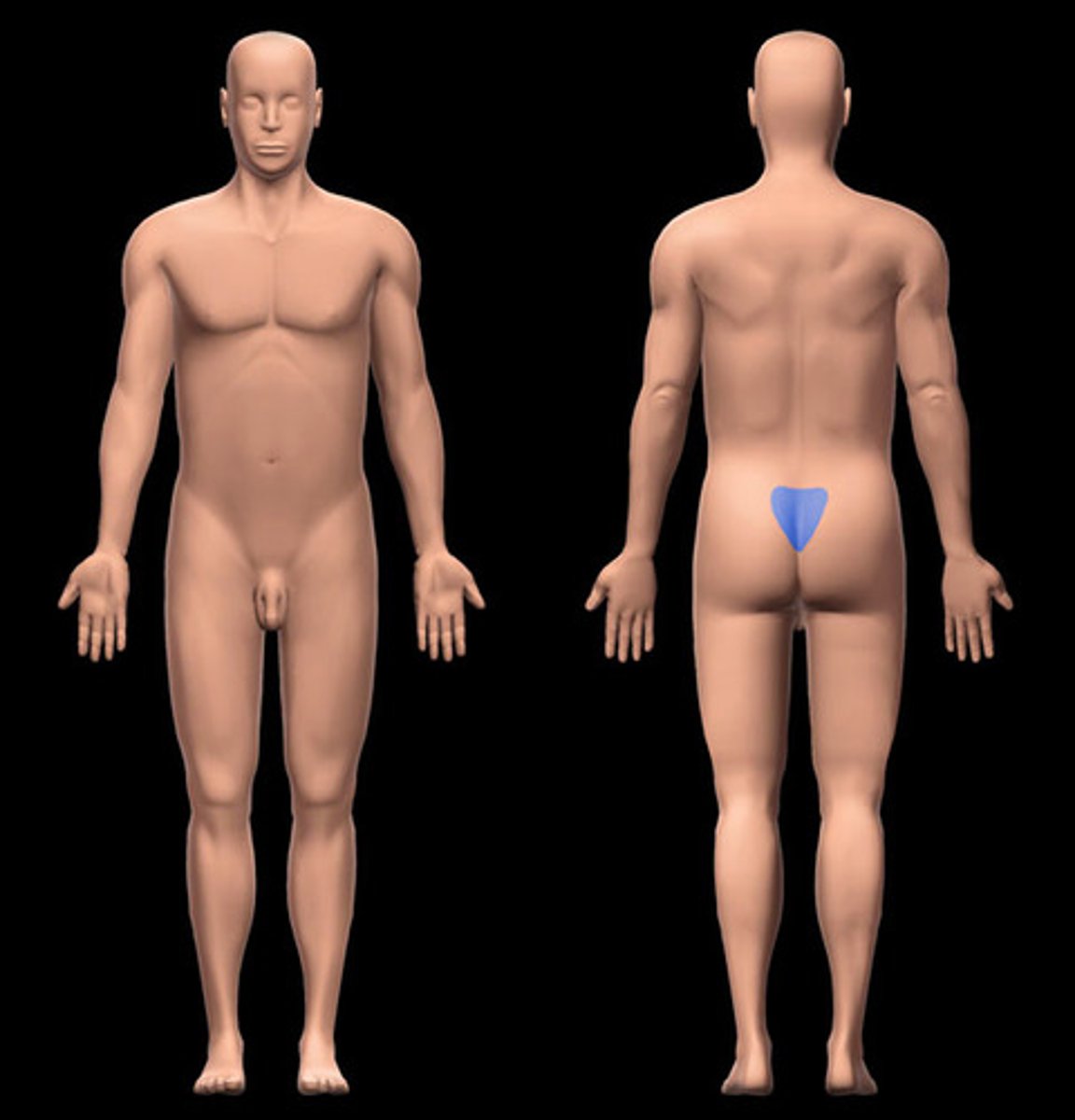
Sacral
Between hips
 Note
Note  Flashcards (84)